Why a 300W Solar Panel with Microinverter Is a Game-Changer
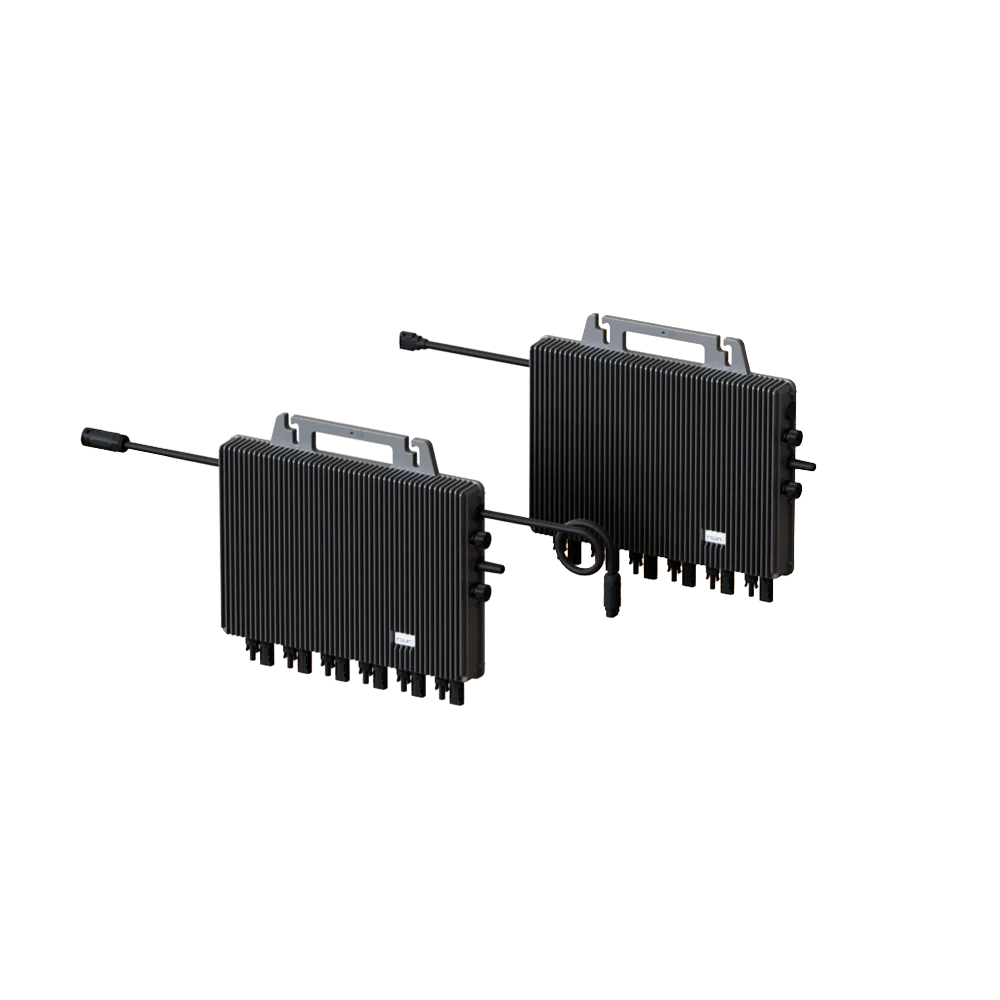
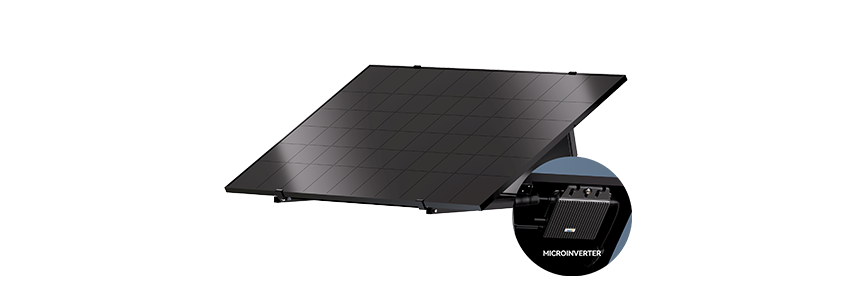
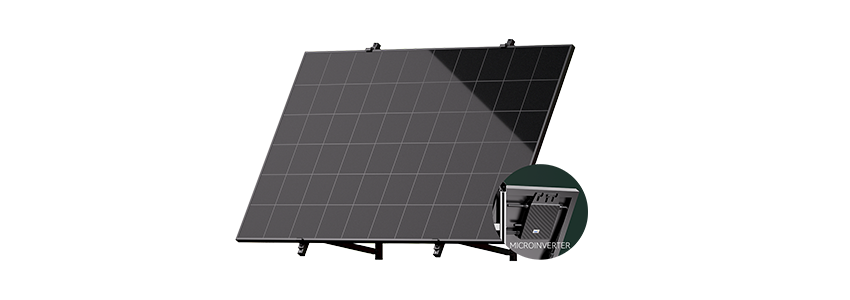
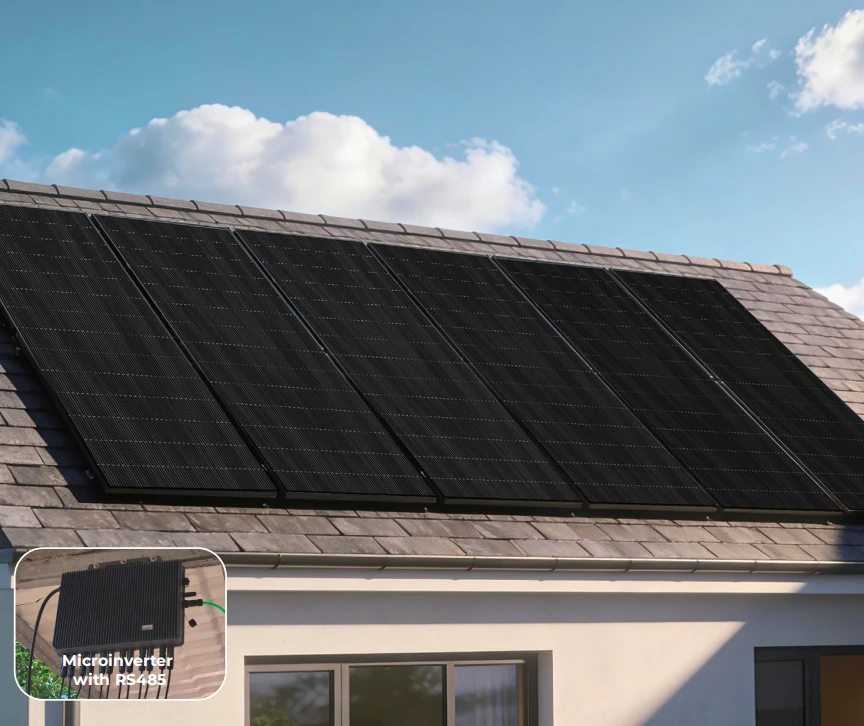
Having spent over a decade in the industrial equipment world, I’ve seen how solar tech has evolved — and the 300W solar panel with microinverter stands out as a neat example of practical innovation. It’s one of those products that, frankly, feels like it was designed with real-world folks in mind. You’re not just plugging in panels; you’re tapping into smarter, more efficient energy management.
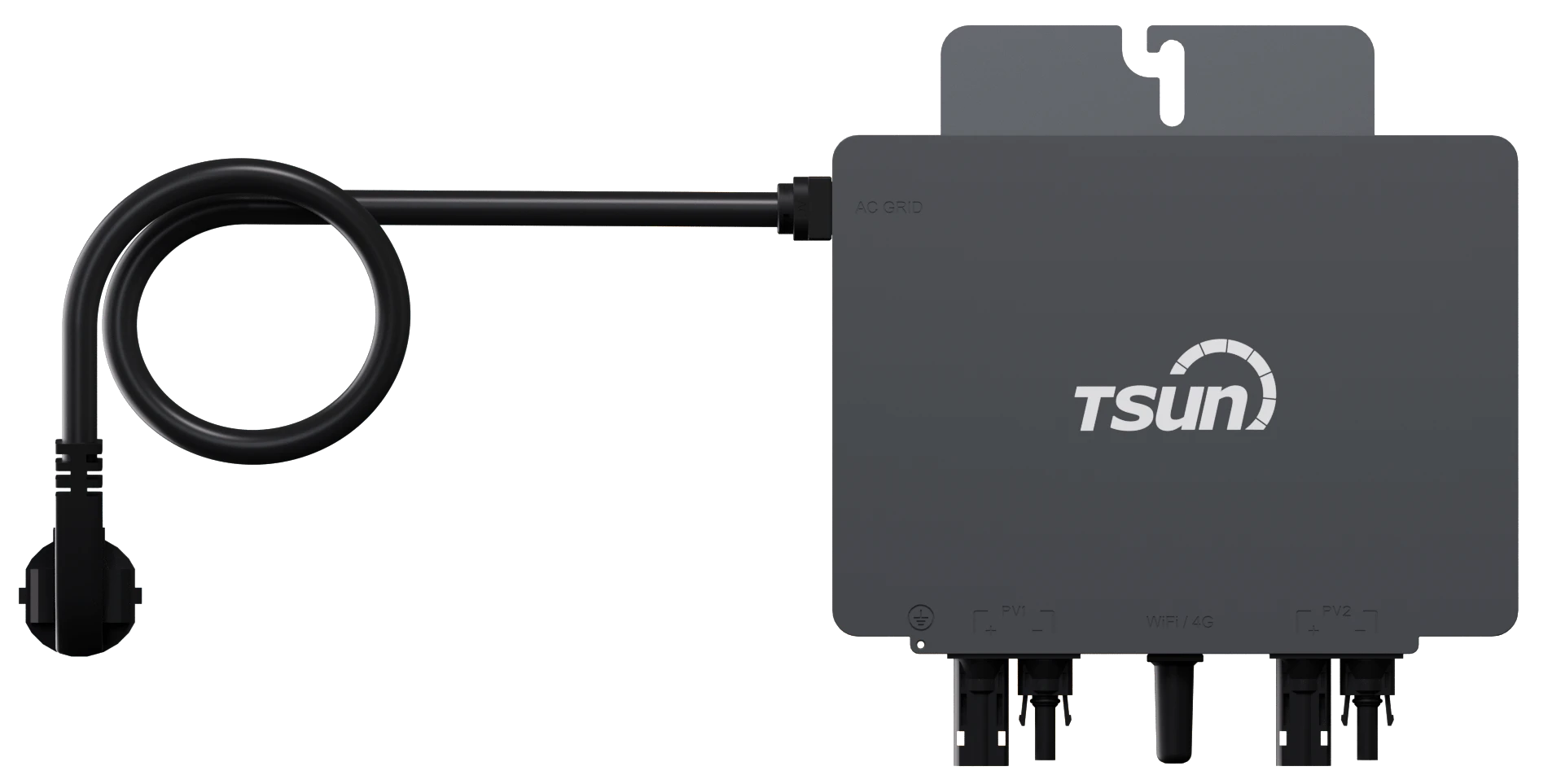
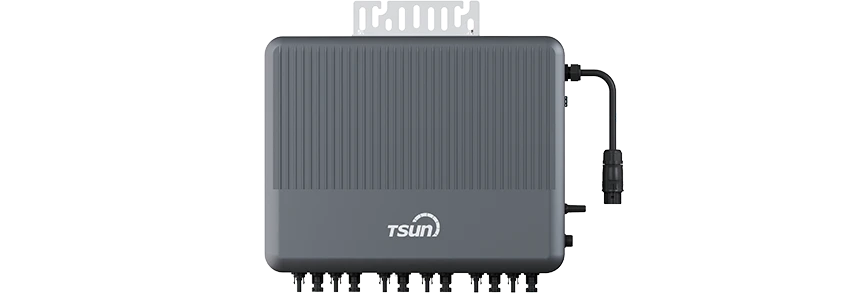
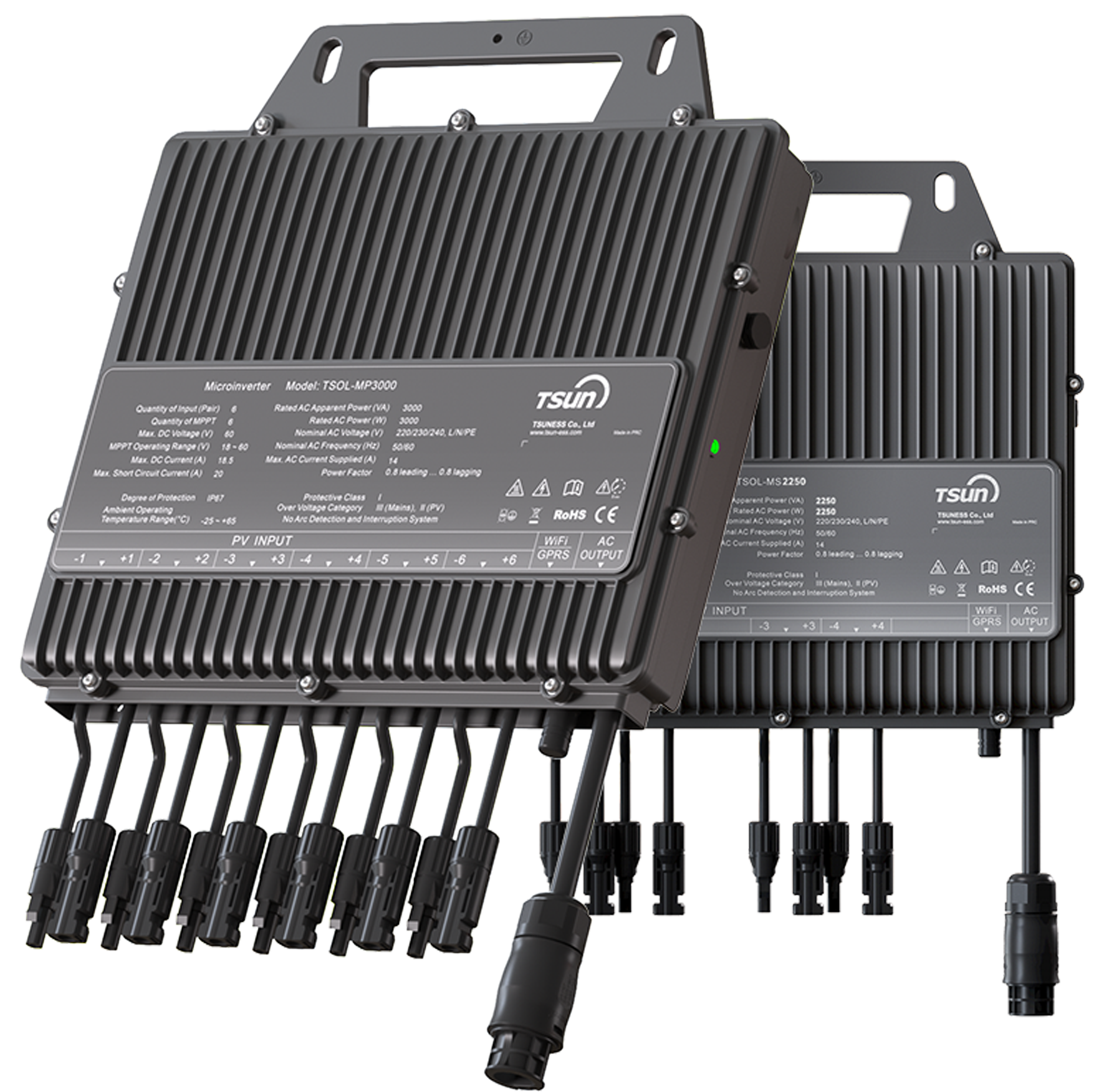
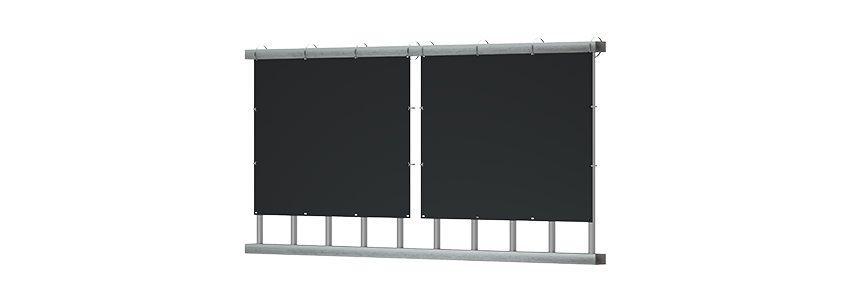
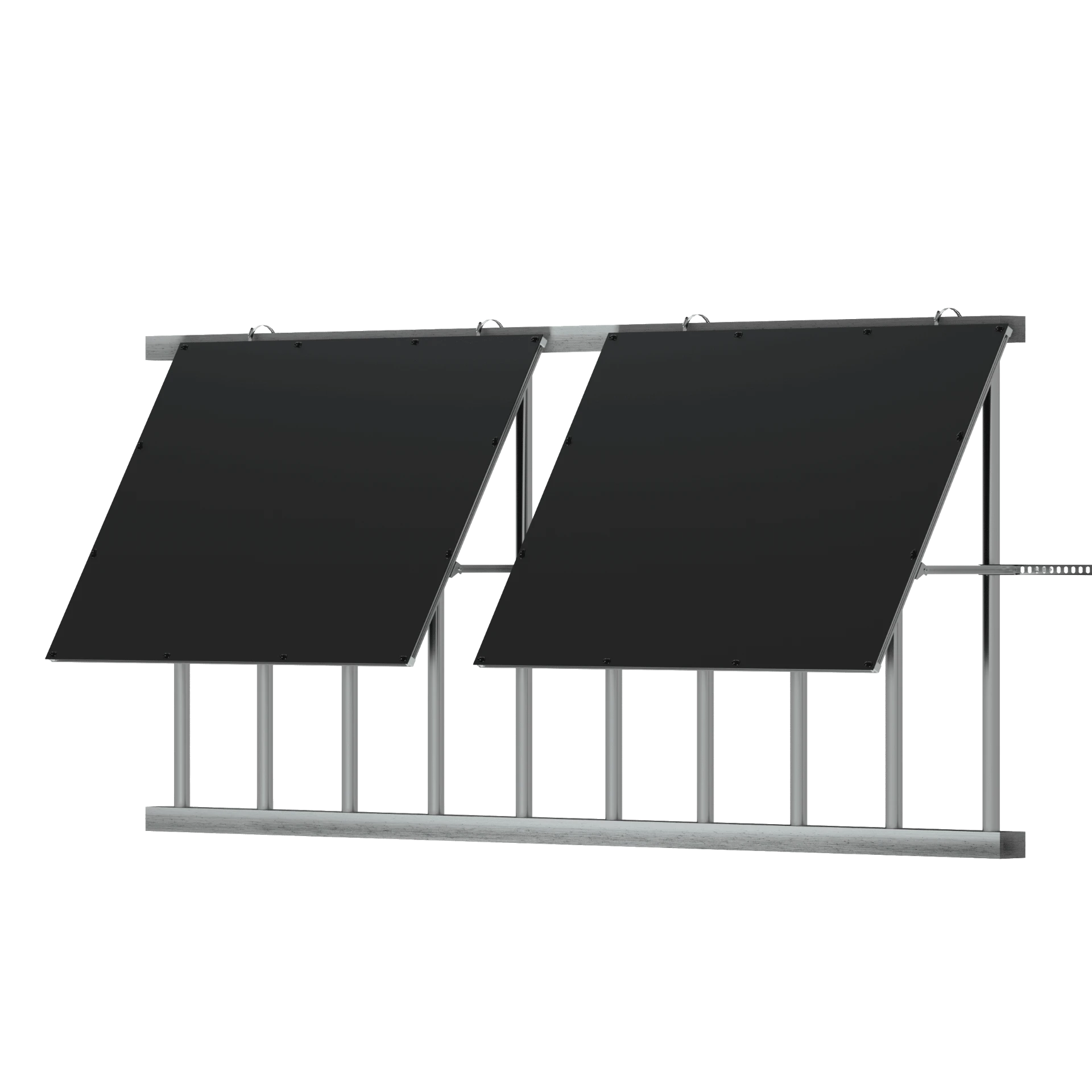
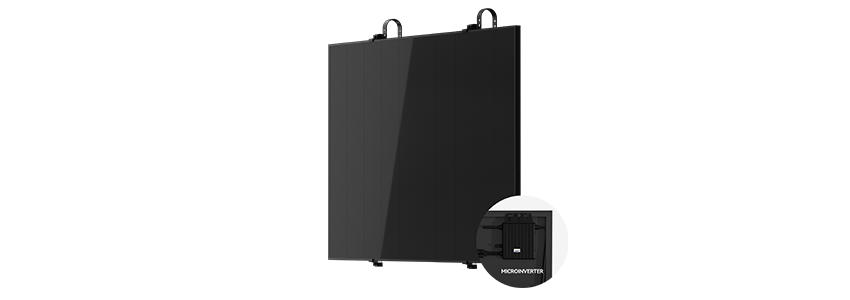
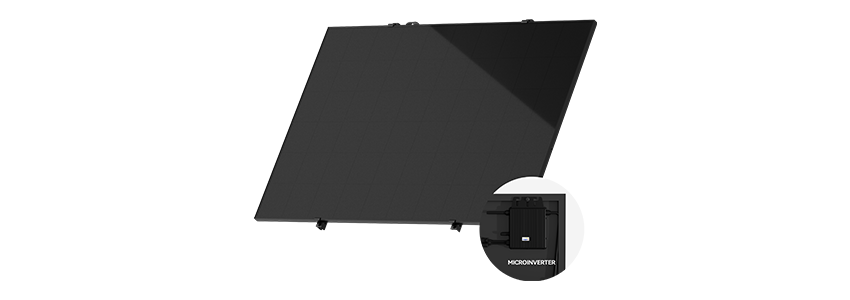
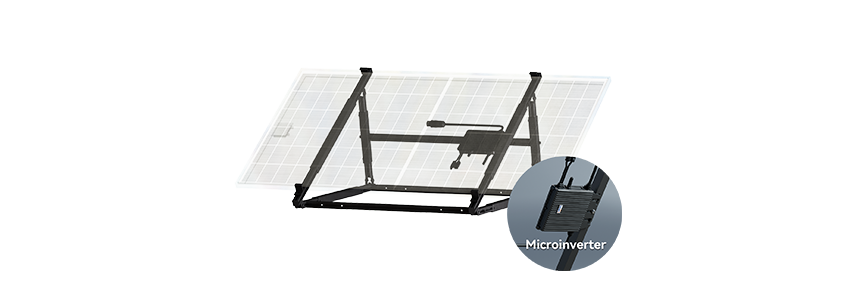
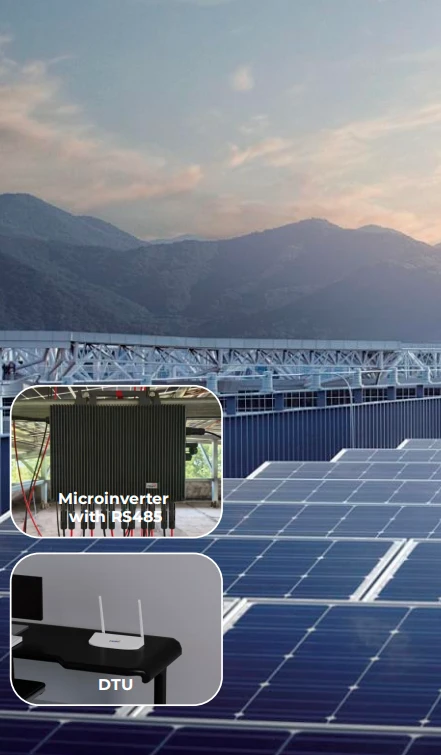
So, why 300 watts? Well, this level hits a sweet spot for residential and light commercial applications — enough juice to power essentials without the bulk or complexity of larger setups. A key to its appeal is the integration with a microinverter. If you’ve dealt with string inverters before, you know shading or panel variability can drag the whole system’s output down. Microinverters tackle that by optimizing each panel individually. This means better overall performance, especially in patchy sunlight or tricky roof layouts.
Materials and build quality? These panels typically come with a tempered glass front and anodized aluminum frames—standard, yes, but you want to confirm this for durability. Many units undergo testing for hail resistance, wind loads, and high humidity so they can perform reliably through different weather. In real terms, having a reliable panel means fewer calls from customers about unexpected drops in power output.
| Specification |
Details |
| Power Output |
300 Watts |
| Panel Type |
Monocrystalline |
| Microinverter Model |
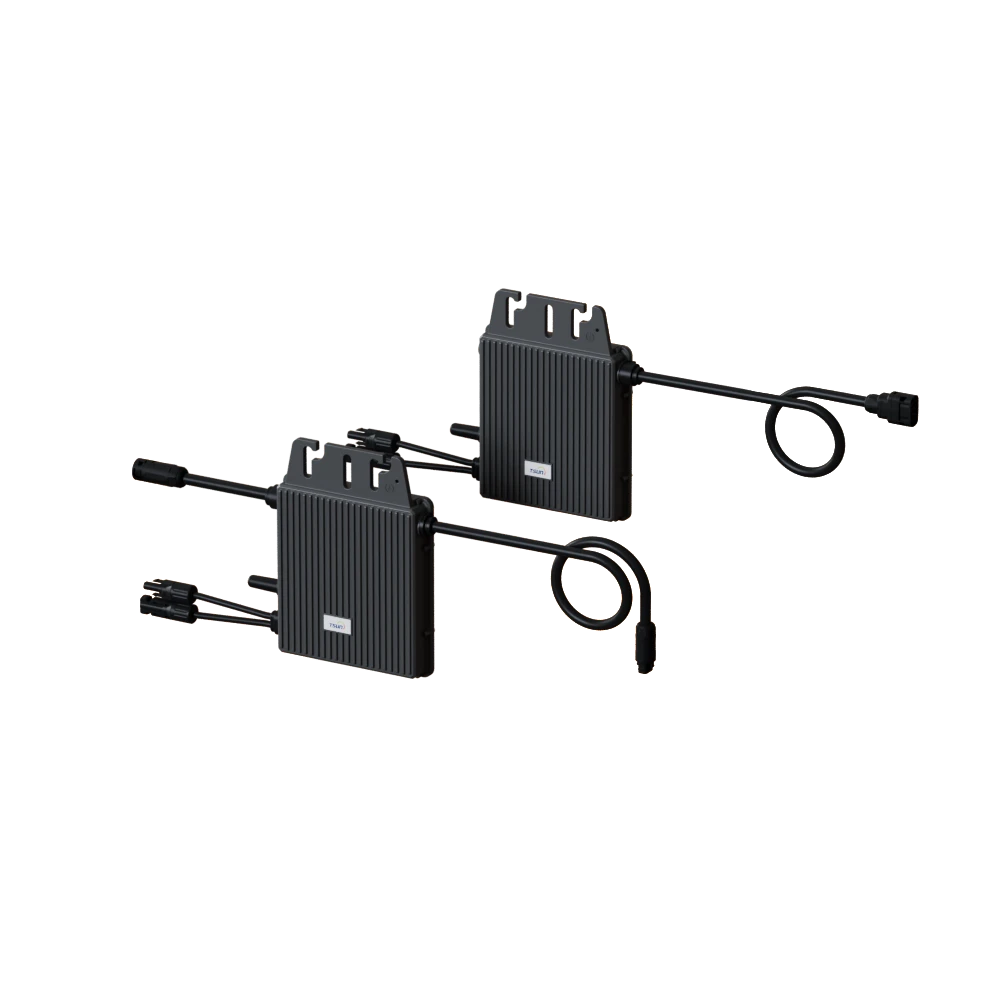
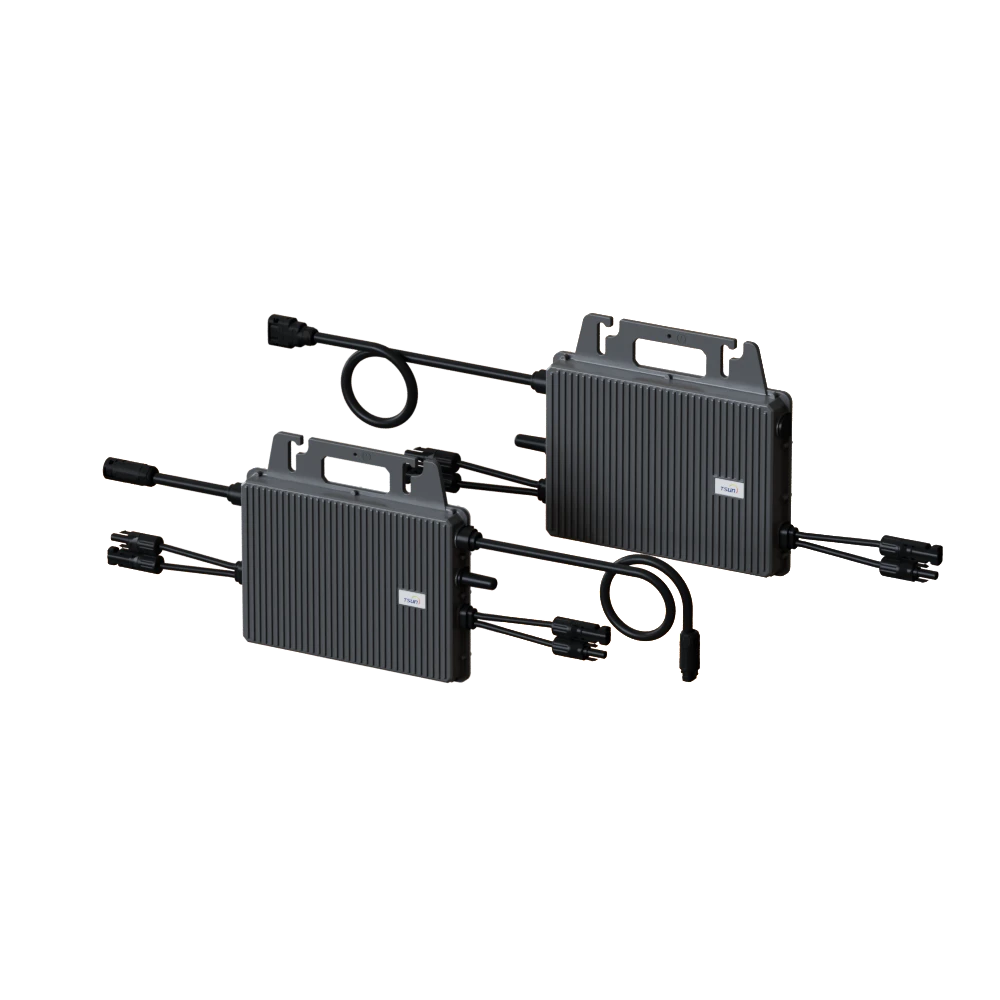
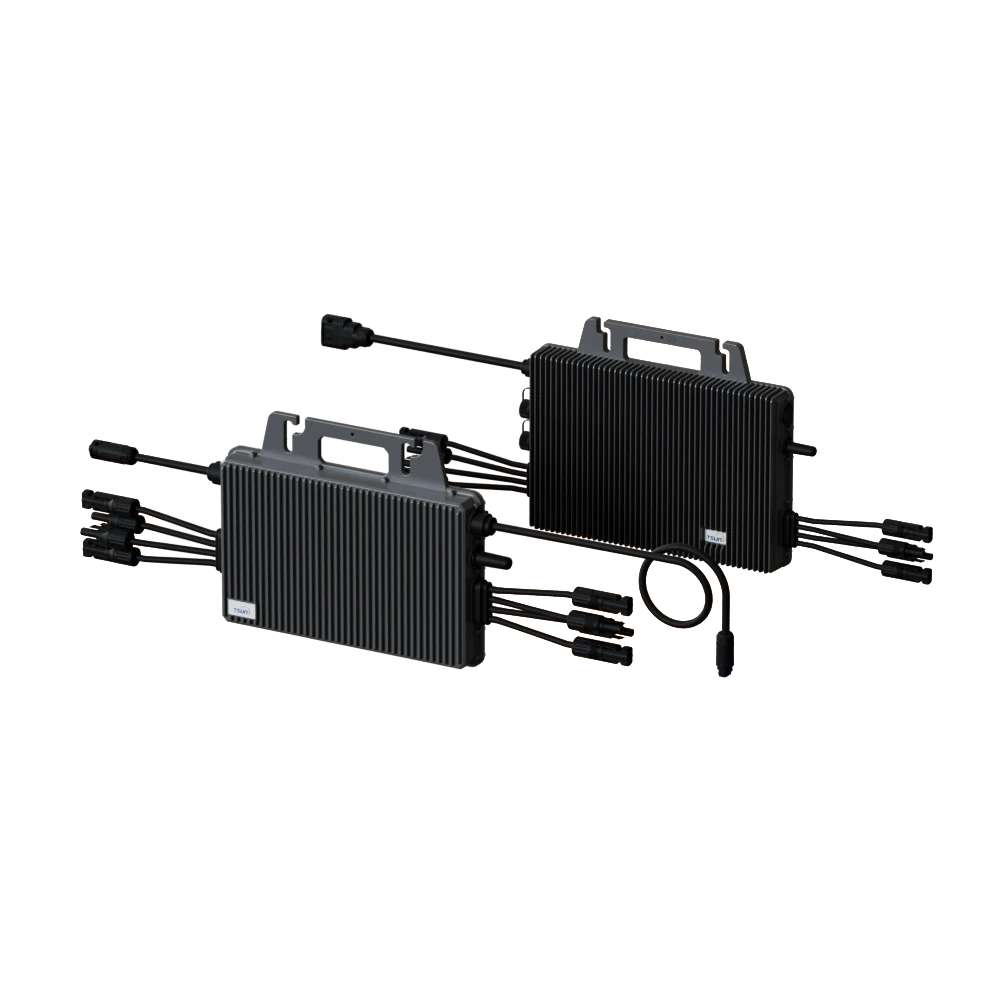
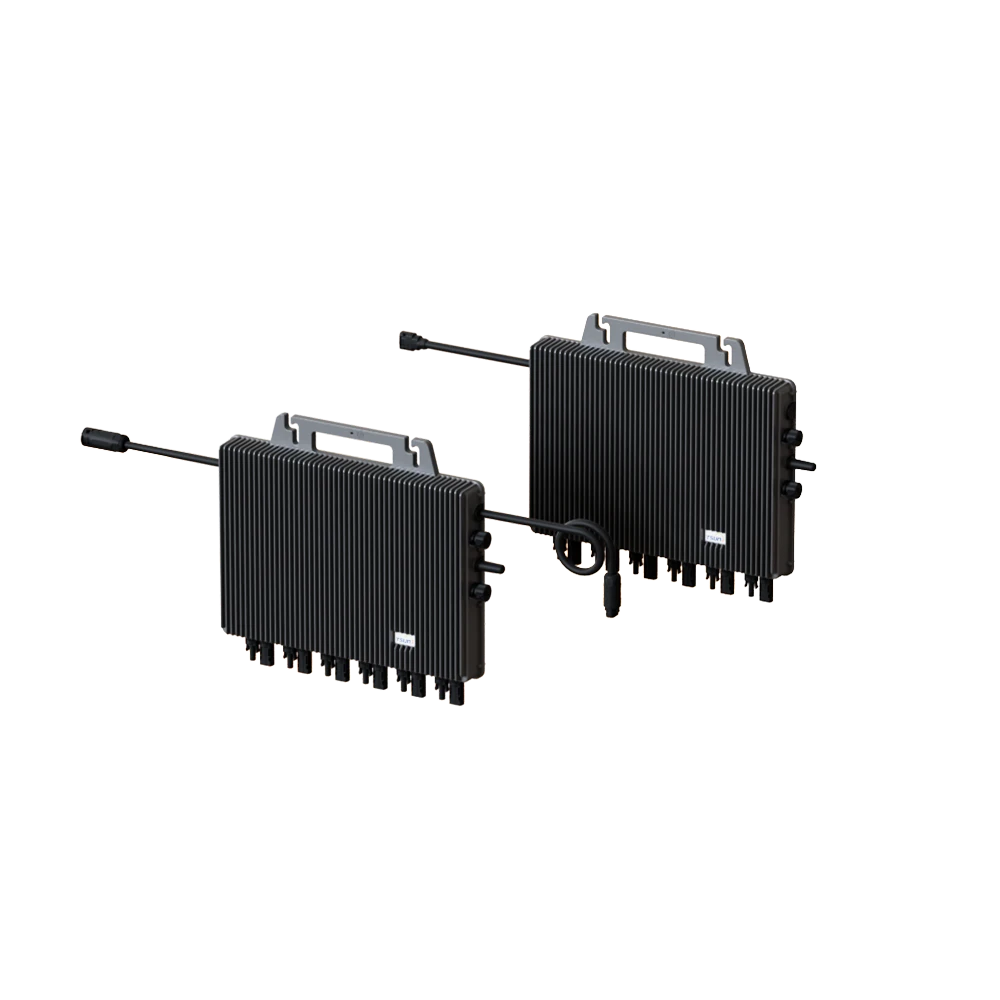
Integrated TSUN 300W Microinverter |
| Dimensions |
Approx. 1640 x 992 x 35 mm |
| Weight |
~18 kg |
| Warranty |
25 years (power output), 10 years (microinverter) |
The real beauty lies in how microinverters empower the system to handle shading or panel mismatches without losing efficiency. I remember one installation on a house with a few chimneys and trees nearby. Without microinverters, the string inverter system was all over the place — power output fluctuated dramatically through the day. Switching to 300W panels with integrated microinverters brought those issues down to a manageable hum.
Now, speaking of the market, if you’re comparing vendors — which you should be — here’s a quick snapshot of some notable offerings:
| Vendor |
Panel Efficiency |
Microinverter Brand |
Warranty |
Price Range (USD) |
| TSUN ESS |
19.5% |
TSUN Proprietary Microinverter |
25/10 years |
$$$ |
| SolarEdge |
19.3% |
SolarEdge Microinverter |
25/12 years |
$$$$ |
| Enphase |
18.8% |
Enphase IQ Microinverter |
25/10 years |
$$$$ |
Picking the right vendor goes beyond specs — customer support, ease of installation, and localized service can make all the difference. TSUN, for instance, offers good value with solid warranties and integrated tech that’s easy to manage through their monitoring platform. It’s the kind of choice I often recommend to clients looking for a no-nonsense approach without sacrificing quality.
Customization is another interesting angle: some manufacturers now offer panels with varying wattages coupled with microinverters tailored for particular applications. This flexibility helps engineers and installers optimize system designs, whether it’s for a remote cabin or a commercial rooftop farm.
Oddly enough, one of my favorite stories is from a small farm in the Midwest. The owner was initially overwhelmed by solar jargon but once we walked through the benefits of modular microinverter-based panels, the setup was up in a week, reliably powering not just the farmhouse but also some electric livestock feeders. It felt rewarding to see solar tech integrated so seamlessly into agricultural life.
In the end, a 300W solar panel with microinverter is a compact powerhouse with practical perks that many engineers and installers won’t want to overlook. You get resilience, modularity, and relatively straightforward scalability — plus decent peace of mind from those extended warranties.
If you’re seriously considering this style of panel and want a trusted supplier — I’d suggest checking out TSUN ESS. Their approach really reflects years of industry refinement.
Ultimately, system choice depends on your site conditions, budget, and goals — but for many, these panels make a lot of sense.
Quick takeaway: Smarter panels mean smarter energy, and microinverters bring the control down to a friendly, accessible level.
References:
1. National Renewable Energy Laboratory (NREL) - Solar Panel Efficiency Trends
2. TSUN ESS Official Product Documentation
3. User reviews & field reports, Solar Installer Forums



 LEARN DETAILS
 Downloads
 Video Center
 Report Fault for Repair
 FAQS
FAQS Service Network
 Privacy Policy
 Contact Us
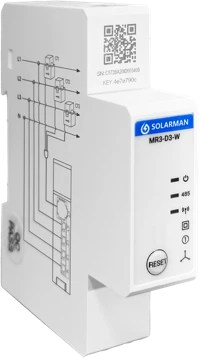
 Monitoring


 LEARN MORE