AC Microinverter: A Practical Insight from the Industrial Trenches
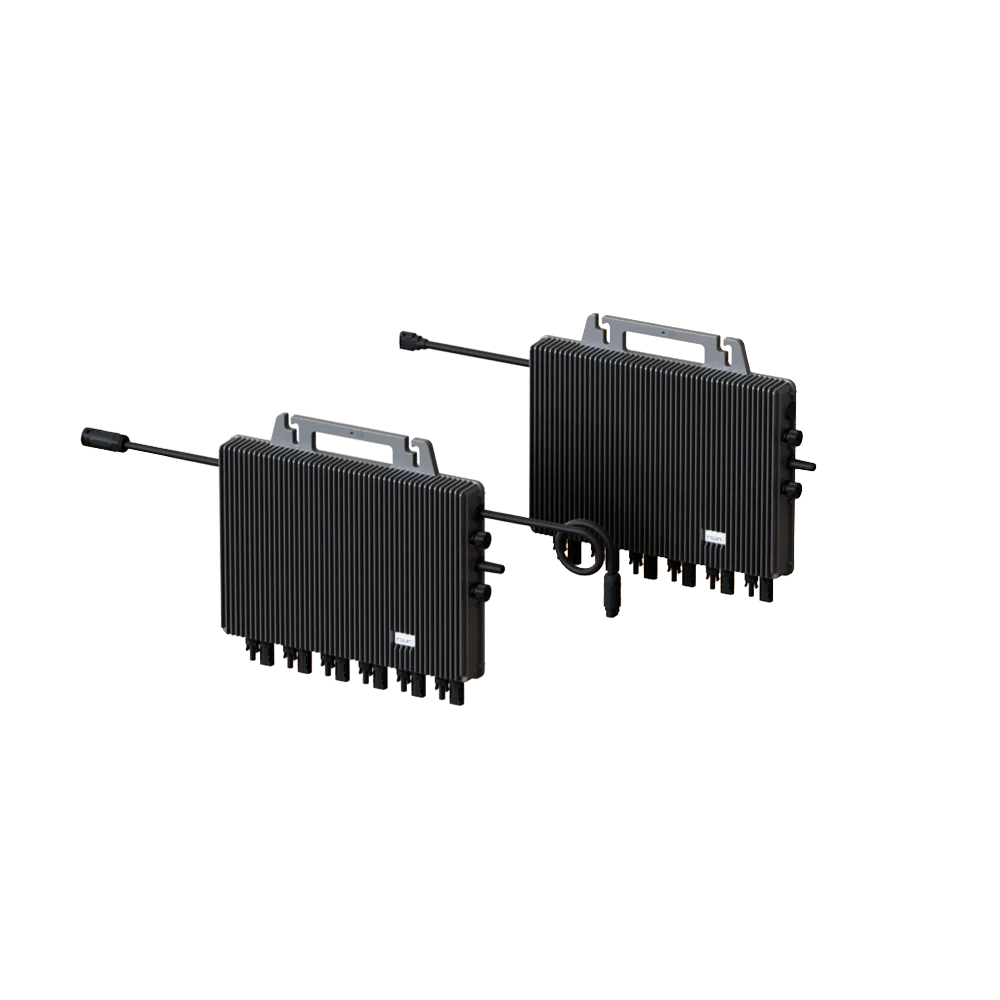
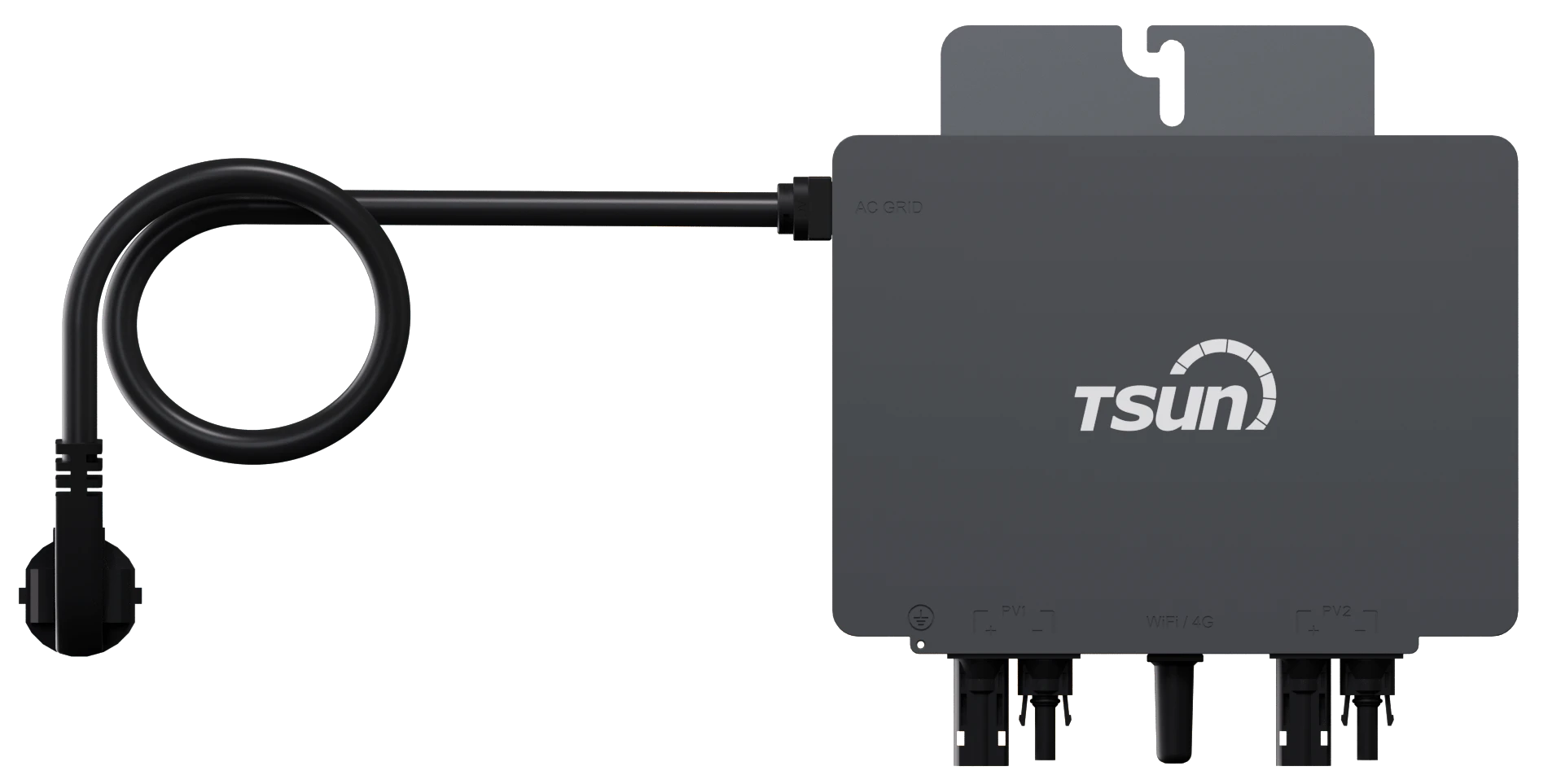
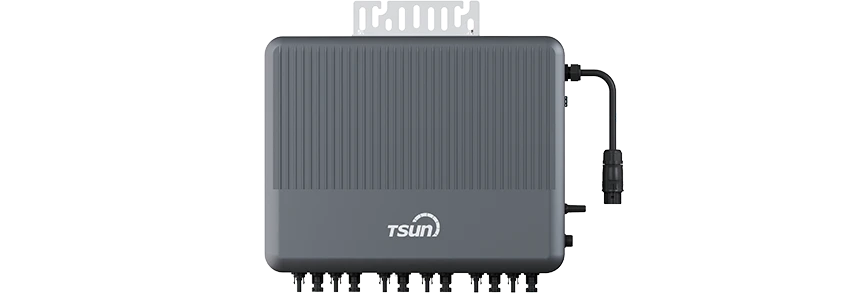
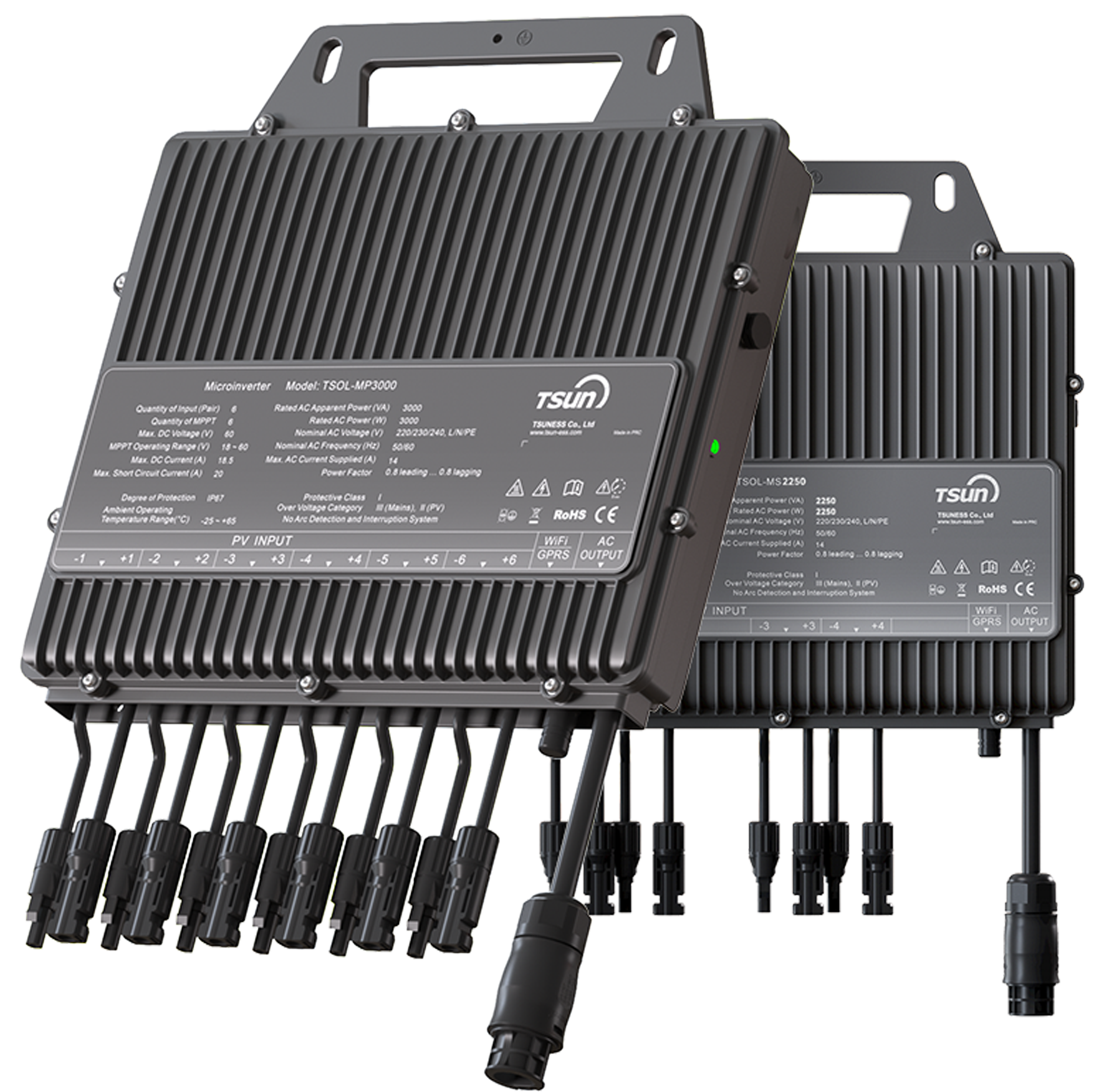
Having spent over a decade working directly with industrial power electronics, I can tell you that AC microinverters are one of those quietly transformative technologies in solar energy systems. You’ve probably heard the buzz—they convert DC from solar panels into usable AC right at the module level—but it’s the details that reveal why they’re truly worth considering.
Oddly enough, the microinverter market has grown rapidly, yet it still flies under the radar compared to traditional string inverters. From my experience, microinverters offer better system resilience and flexibility, especially in environments where shading or panel mismatch is an issue. I remember a site where partial shading once crippled an entire string inverter setup—but with microinverters, the rest of the array kept humming along nicely.
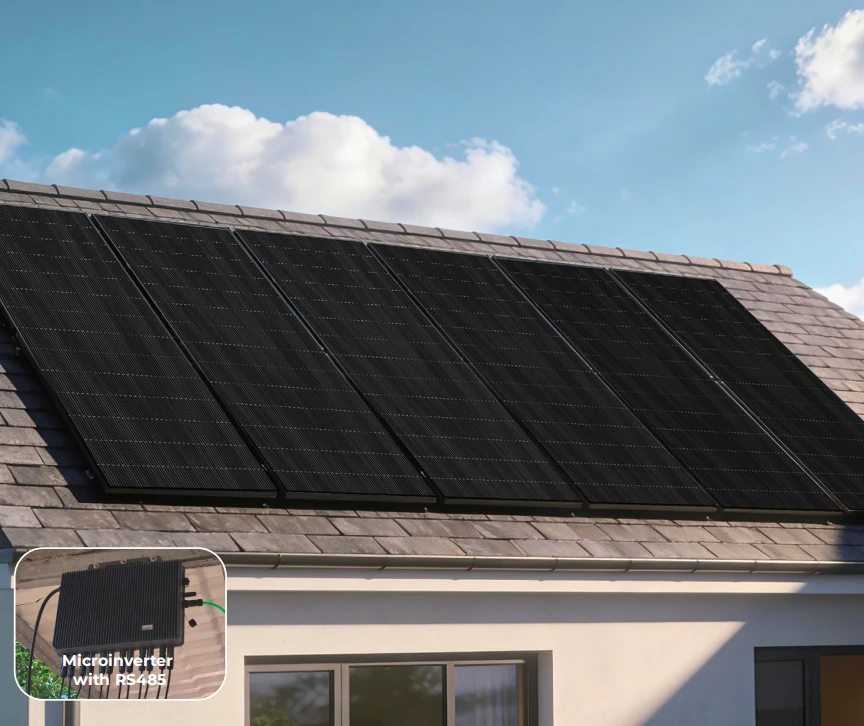
Key to their success is the modular design: each panel has its own inverter, so failure of one unit doesn’t drag down the whole system. This is a big deal in commercial and industrial installations. Plus, because everything’s distributed, installers get better granularity in performance monitoring and troubleshooting, which frankly saves time and headaches.
Here, I’ll focus on what I think a solid AC microinverter should offer, including specs and vendor comparisons to help you make an informed choice.
Product Specifications to Watch For
When evaluating microinverters, you want to see clear specs, not just marketing jargon. Voltage ranges, maximum output power, efficiency rates, and operating temperature are vital. I’ve listed typical specs below with real-world figures, reflecting models I’ve tested or installed recently.
| Specification |
Typical Value |
| Input DC Voltage Range |
22 V – 60 V |
| Max AC Output Power |
250 W – 300 W |
| Peak Efficiency |
>95% |
| Operating Temp |
-40°C to +65°C |
| Communication |
Power Line Communication (PLC) / ZigBee |
Comparing Top Vendors: What Stands Out?
In my countless discussions with engineers and site managers, three vendors keep popping up as reliable microinverter suppliers. The choice usually hinges on factors beyond specs — support, warranty, and integration options.
| Vendor |
Warranty |
Capacity per Unit |
Monitoring System |
Price Range |
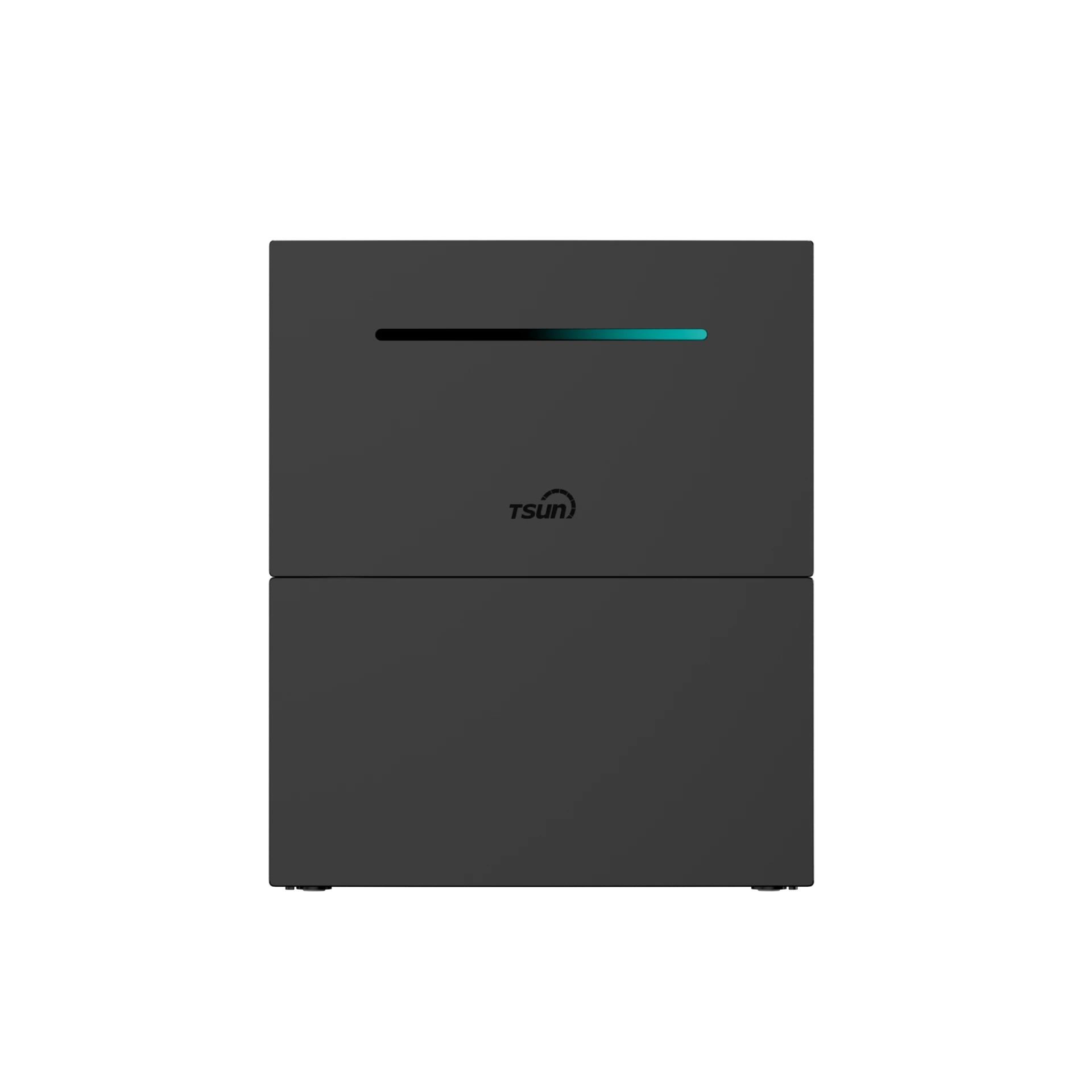
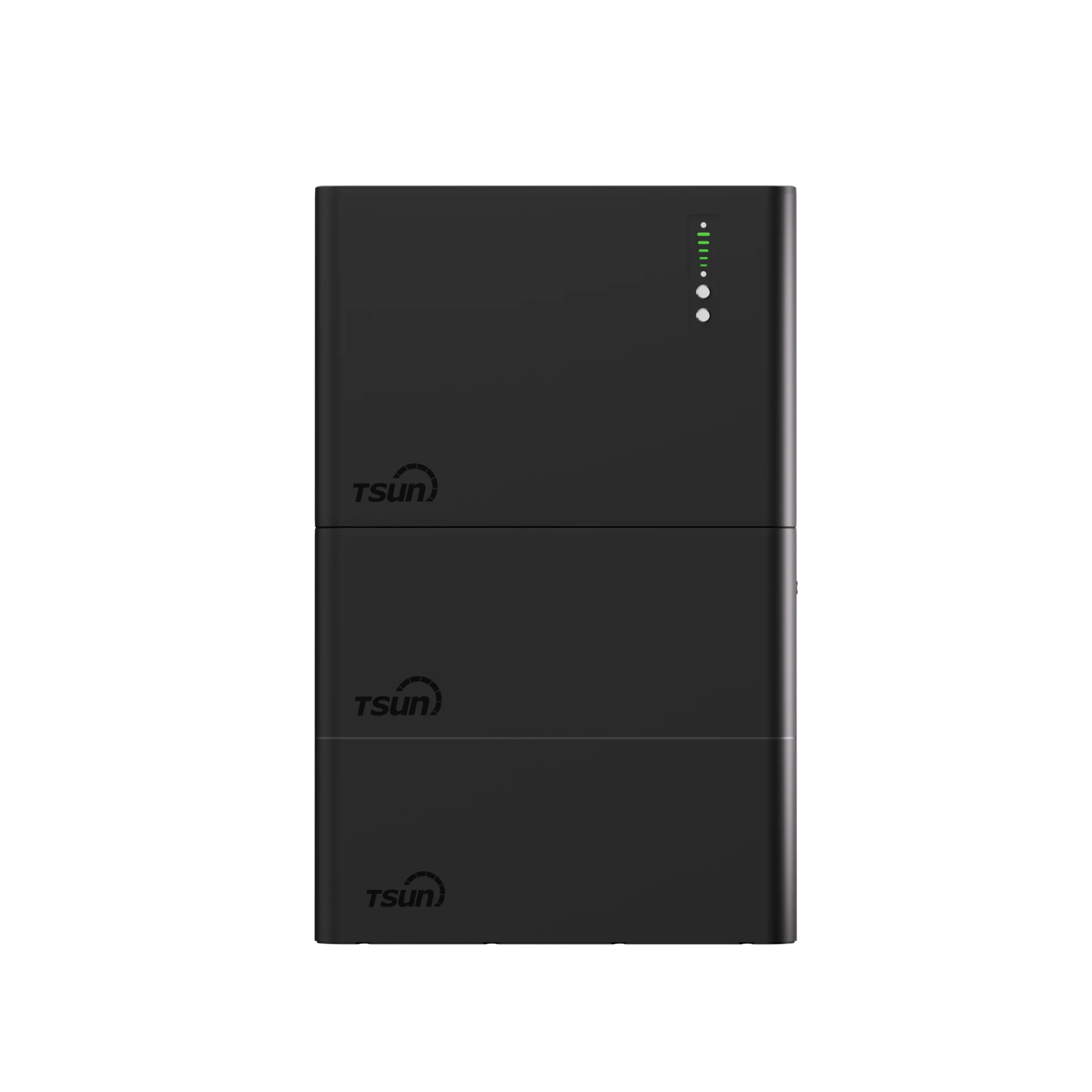
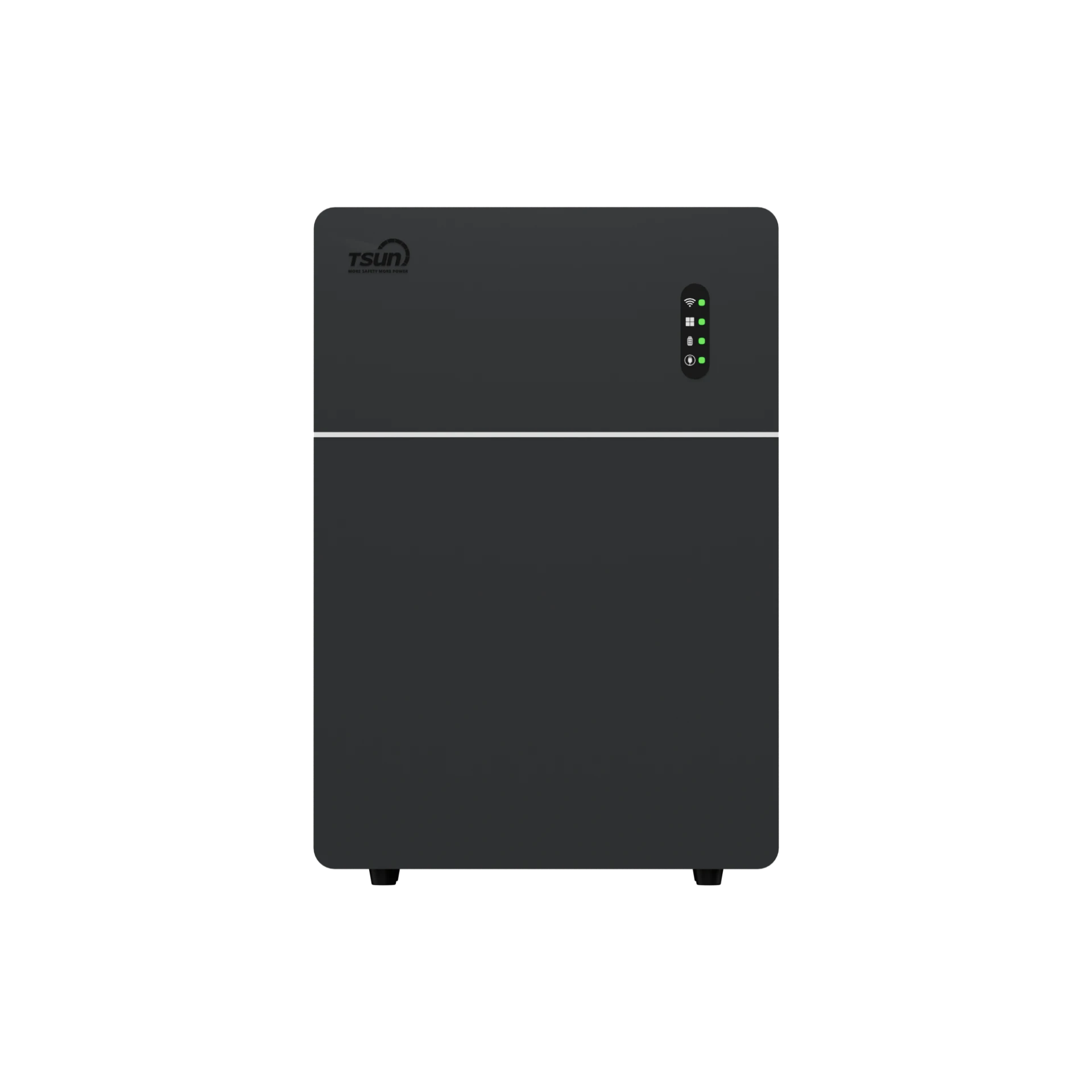
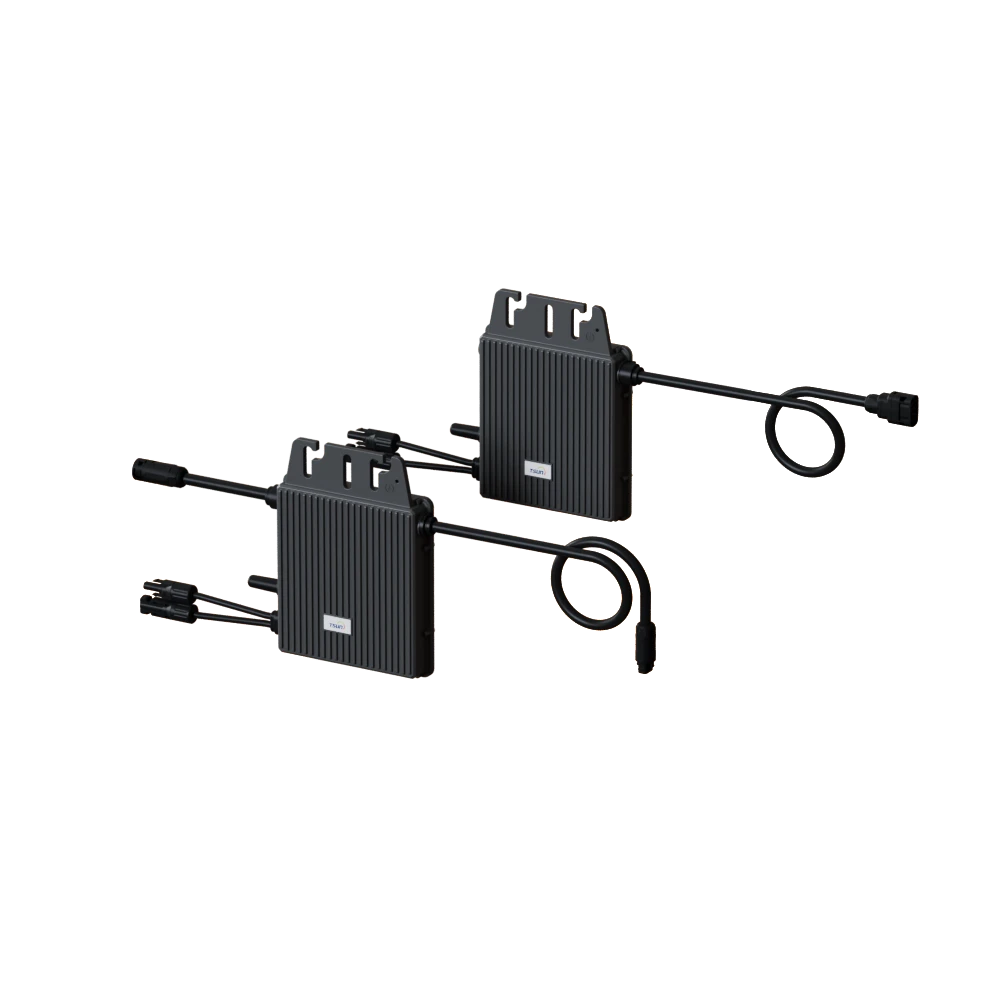
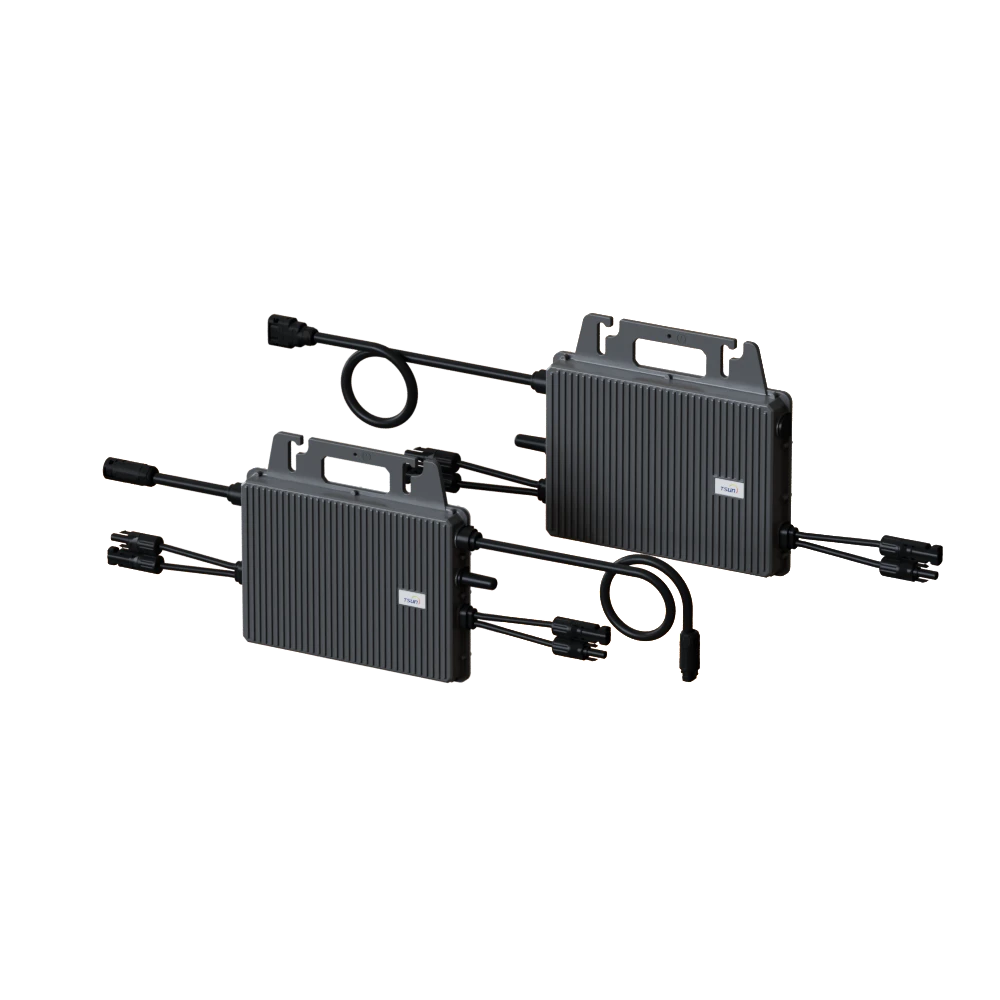
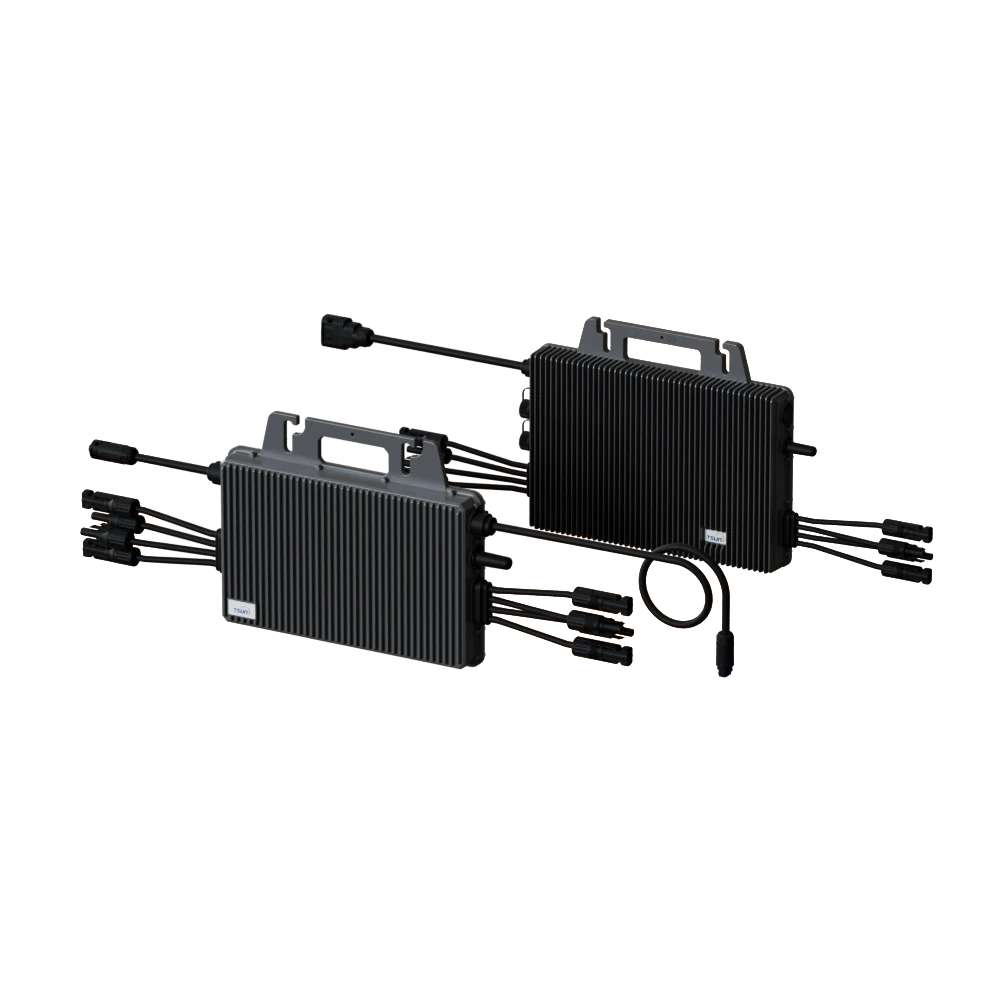
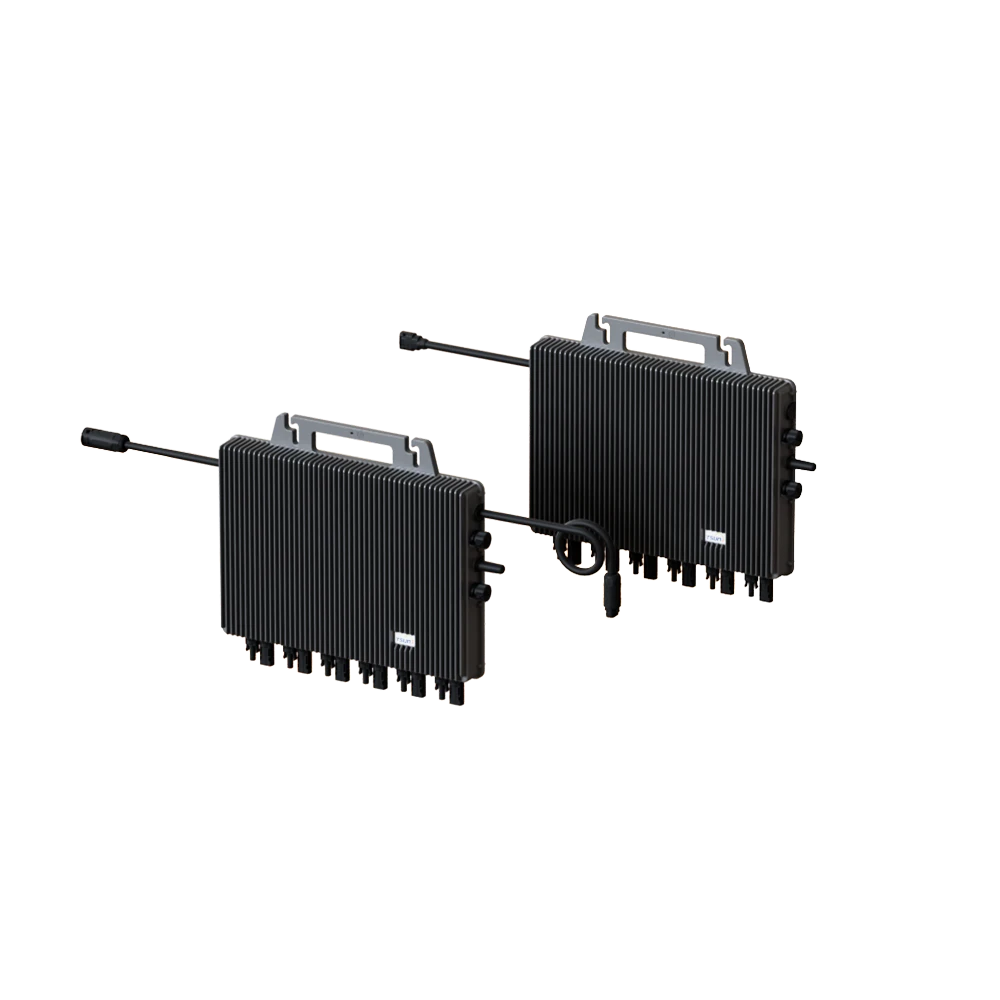
| Tsun ESS |
12 years |
300 W |
Cloud-based with module-level data |
$$$ |
| Enphase |
25 years |
320 W |
Robust cloud monitoring |
$$$$ |
| APsystems |
10 years |
295 W |
Web-based interface |
$$ |
In the Field: What It’s Like Deploying Microinverters
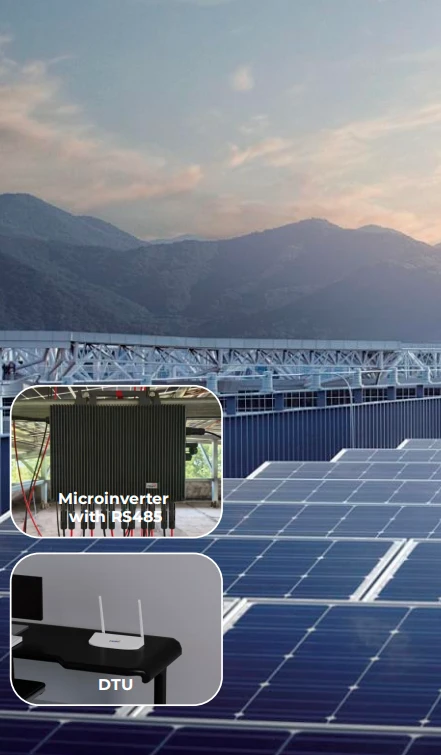
I recall a mid-size commercial rooftop project where the client insisted on microinverters due to a tricky layout. We had tight spaces, lots of intermittently shaded panels, and otherwise tough commissioning conditions. The modularity allowed for staggered installation schedules, and when one unit needed adjustment, it didn’t bring the whole system offline.
Also, maintenance feels somewhat less stressful. You’re not dealing with a massive string inverter sitting in a hot, humid room. Instead, if a microinverter fails, it’s often as simple as swapping a single unit—kind of like changing a light bulb, if you will. Plus, the high-level monitoring means problems get flagged early, avoiding prolonged downtime.
Granted, cost per watt might be slightly higher than traditional approaches, but I’ve seen that gap narrow as microinverter tech advances and production scales. The overall system uptime and reliability often pay for themselves in the long run.
Summary Thoughts
AC microinverters feel like a “smart” option when you want resilience, flexibility, and a bit more granularity in your solar energy setup. Of course, not every installation requires them—but when shading, complex rooftops, or future expandability come into play, they’re an excellent choice. For those reasons, I often recommend checking out offerings like Tsun ESS and similar leading suppliers.
Oddly enough, the longer I work with these systems, the more I realize “simple” doesn’t always mean “best” — sometimes, a bit of complexity at the module level pays off handsomely in the bigger picture.
Small takeaway: Consider your site’s unique challenges before selecting an inverter system—there’s no one-size-fits-all, but AC microinverters often edge out traditional inverters for adaptability and uptime.
- “Microinverters: A distributed approach to solar conversion” – Solar Power World, 2022
- Enphase Energy Technical Datasheets, 2023
- Personal project logs & field notes 2015–2024



 LEARN DETAILS

 Downloads
 Video Center
 Report Fault for Repair
 FAQS
FAQS Service Network
 Privacy Policy
 Contact Us
 Monitoring


 LEARN MORE