Affordable Microinverters: What to Expect Without Breaking the Bank
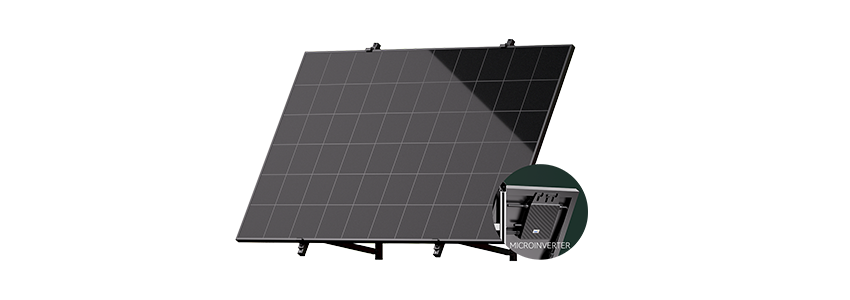
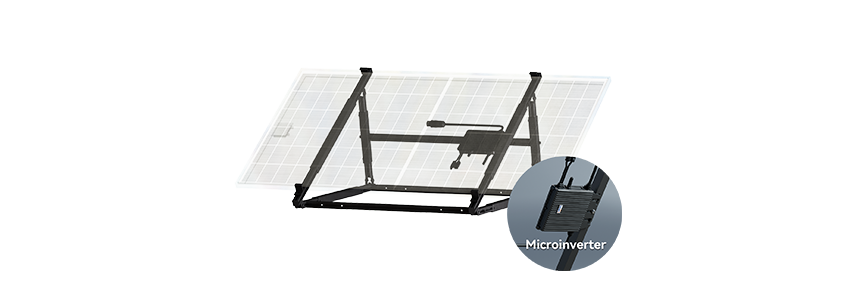
Having spent quite some time in the industrial equipment sector, I’ve seen my fair share of innovations and tight budgets clashing. When it comes to cheap microinverters, there’s always a bit of skepticism — "Are they reliable? Do they last?" But frankly, in recent years, the technology has matured enough that you can find budget-friendly microinverters that actually deliver decent performance without instantly becoming a headache.
Oddly enough, the trick isn’t just about slashing the price. It’s how manufacturers balance design, materials, and testing. Many small-scale solar installers or DIYers look for microinverters that won’t require a second mortgage but still handle their solar arrays consistently. From my experience, these inexpensive units often share a lot of basic specs with pricier models, though they may skimp on advanced communication features or extreme weatherproofing.
Here’s a quick rundown of typical specs you might expect from a cheap microinverter — nothing fancy, but practical enough:
| Specification |
Typical Value |
| Rated Power Output |
250W – 300W |
| MPPT Voltage Range |
22 - 45 V |
| Peak Efficiency |
92% – 95% |
| Operating Temperature |
-40°C to +65°C |
| Warranty |
5 – 10 years (varies) |
Now, it’s worth noting that the materials and build quality on cheaper models can sometimes feel a bit less “solid” compared to flagship inverters from big players. In one of my earlier projects, for example, a batch of budget microinverters churned through typical outdoor exposure but required firmware tweaks to improve grid communication stability. On the other hand, the overall electrical performance was pretty much within expected norms.
Speaking of vendors, it helps to know who’s making these affordable products and how they stack up versus the mainstays. The market is surprisingly diverse, ranging from well-established companies that downgraded specs slightly for budget lines, to newer players flooding the scene with ultra-low-cost units, sometimes from less transparent sources.
| Vendor |
Avg. Price per Unit (USD) |
Warranty |
Key Feature |
Notes |
| TSUN ESS |
$140 – $160 |
10 years |
Good balance of cost & reliability |
Strong monitoring options |
| Generic Chinese Models |
$80 – $110 |
2 – 5 years (sometimes limited) |
Barebones, minimal features |
Mixed reliability reports |
| Mid-Tier Brands (e.g., APsystems) |
$170 – $210 |
10 – 15 years |
Better features & efficiency |
Preferred for residential |
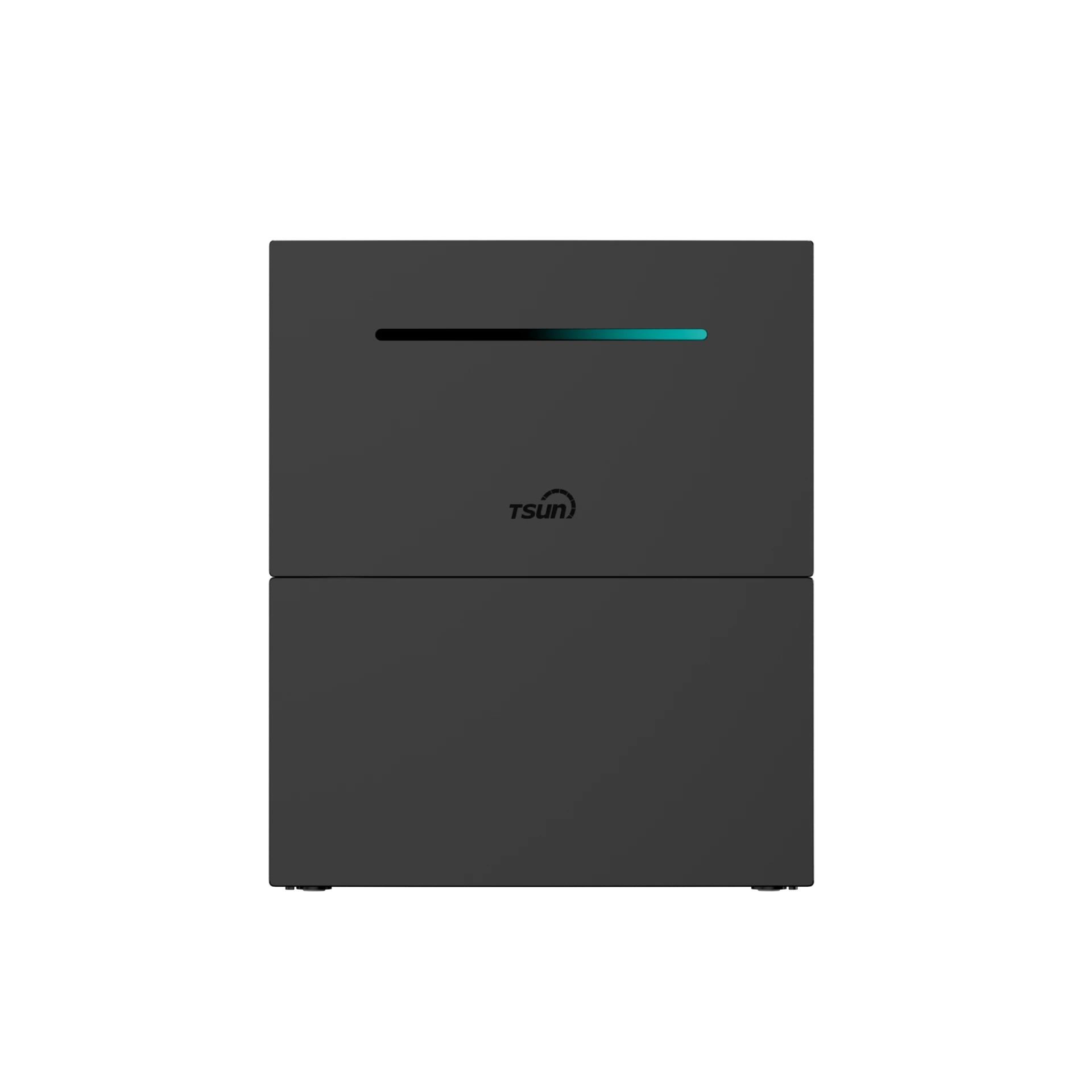
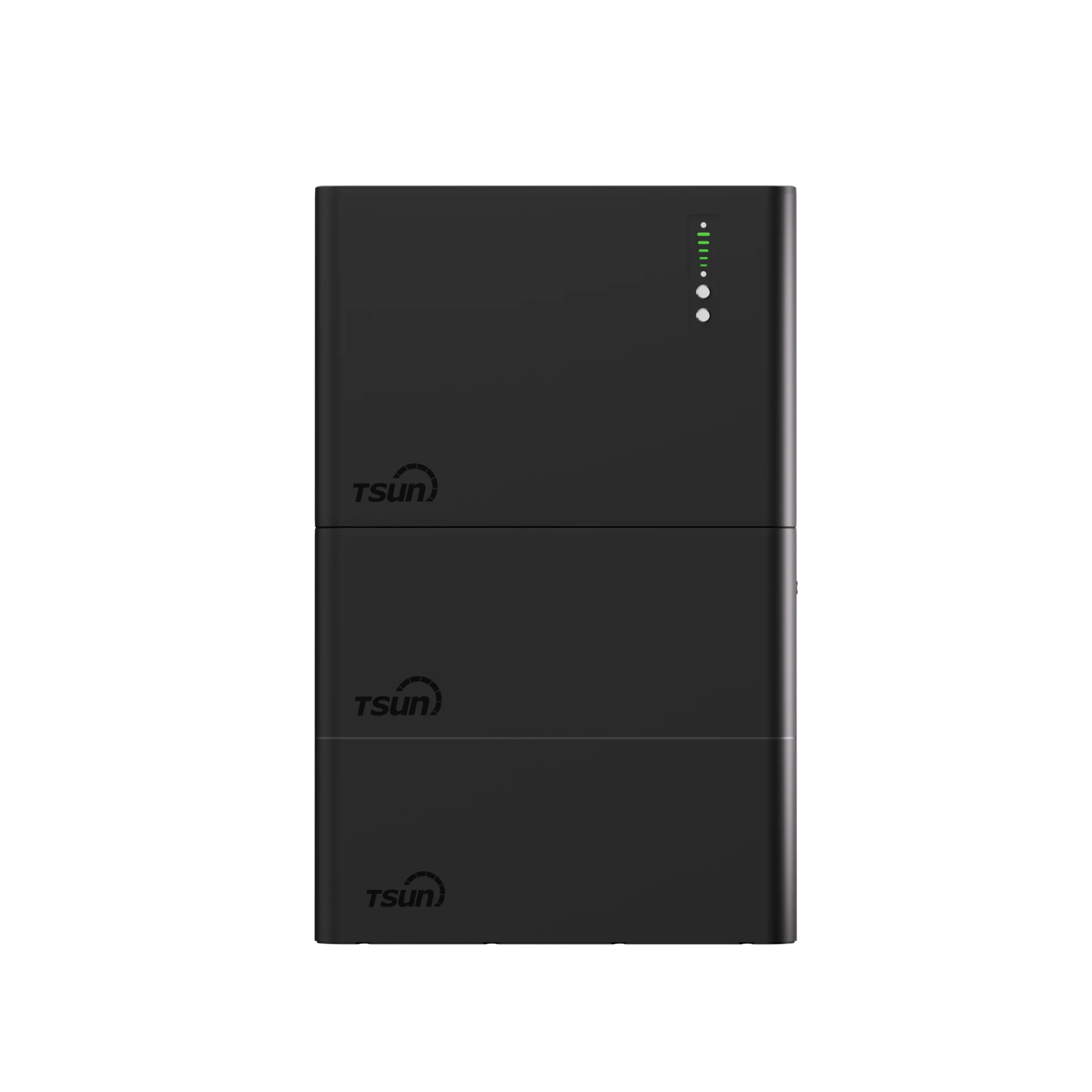
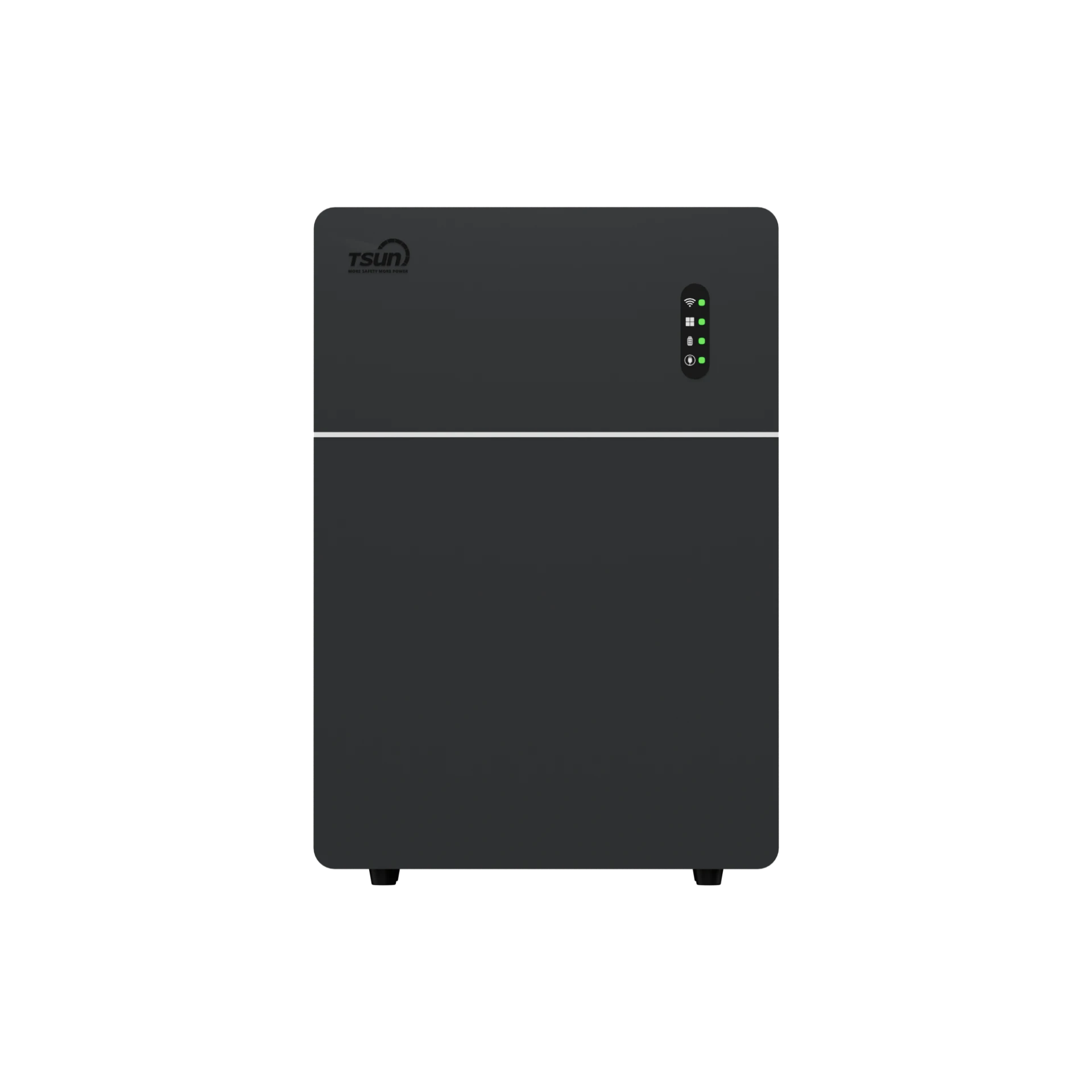
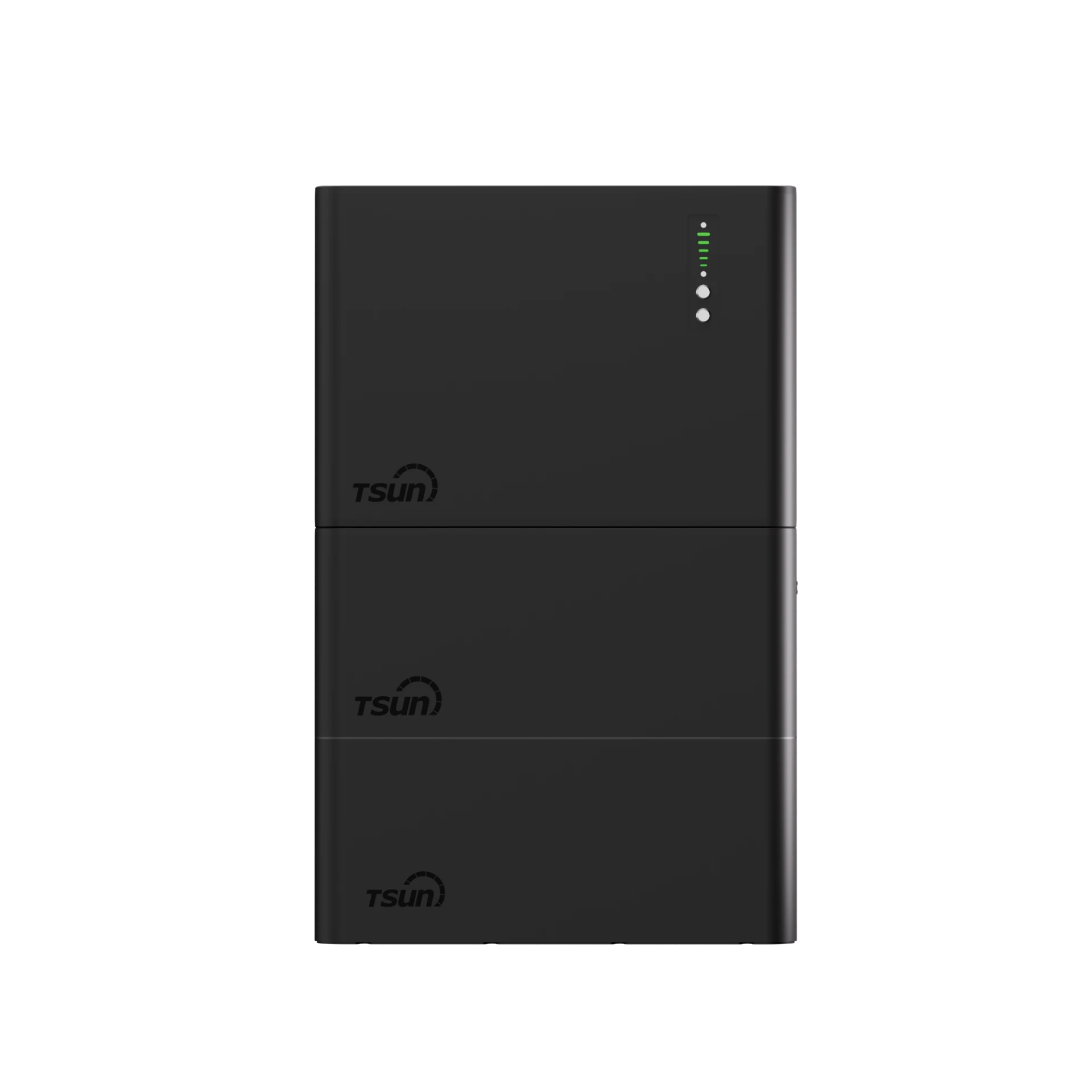
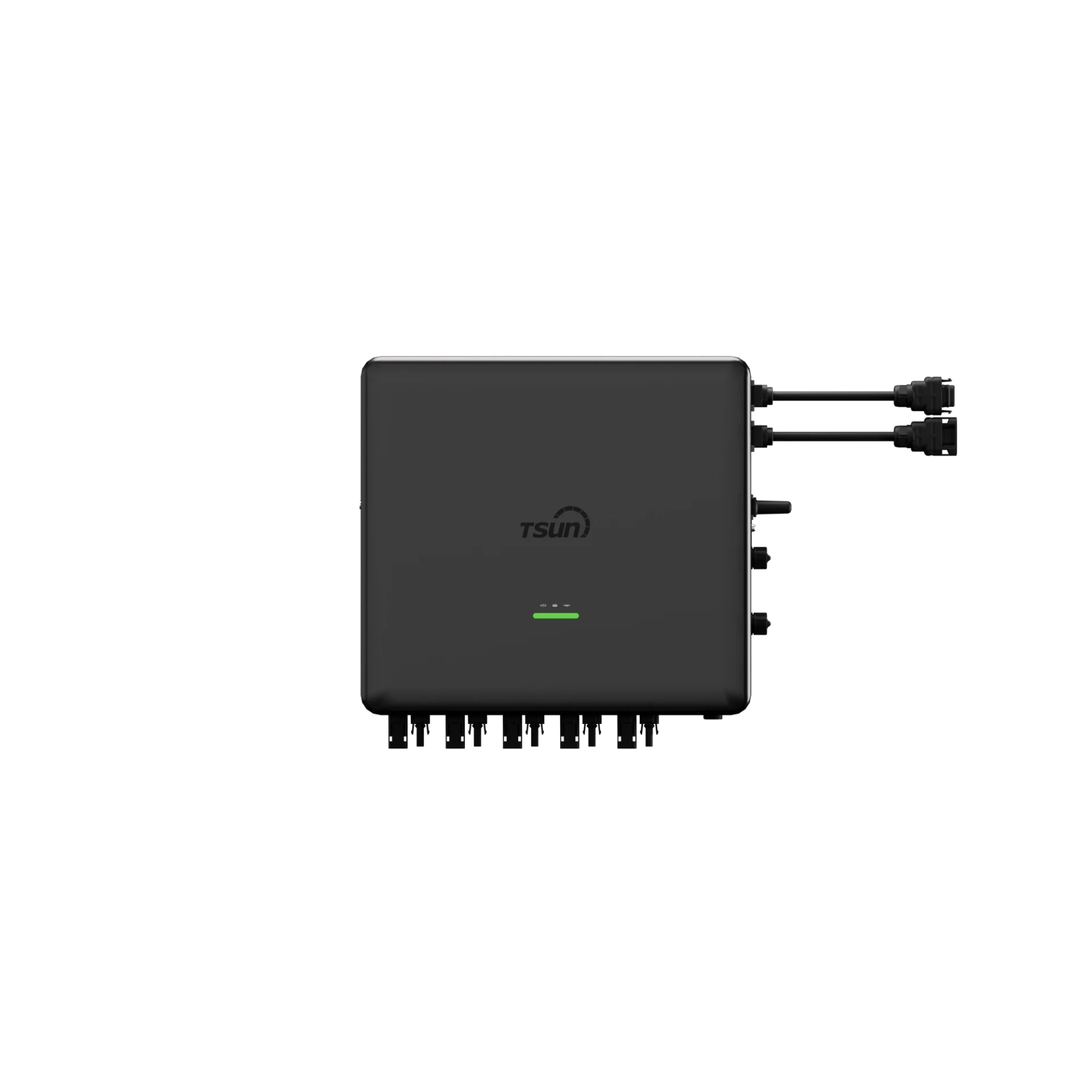
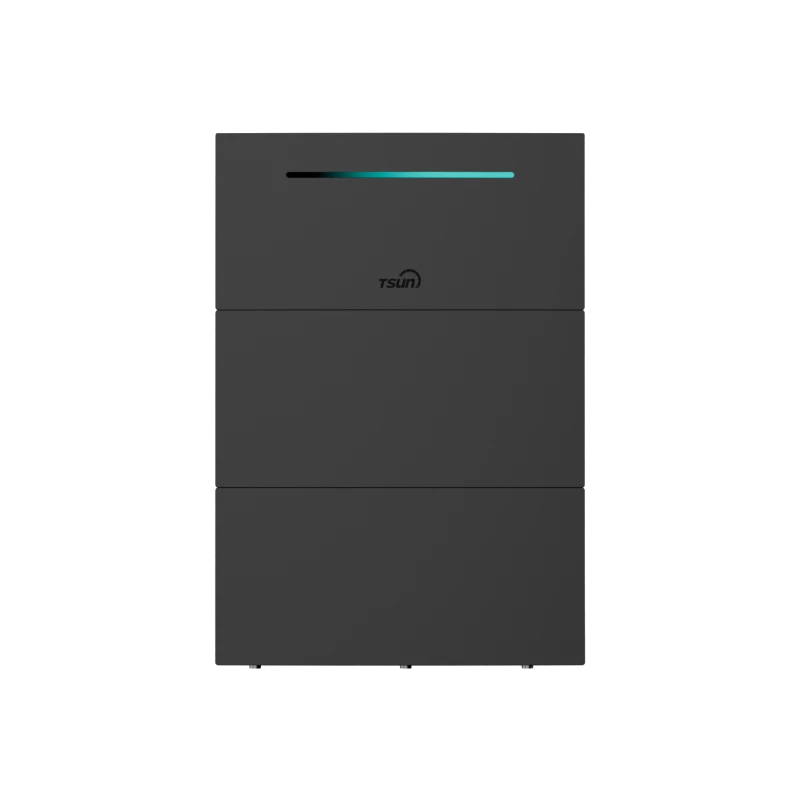
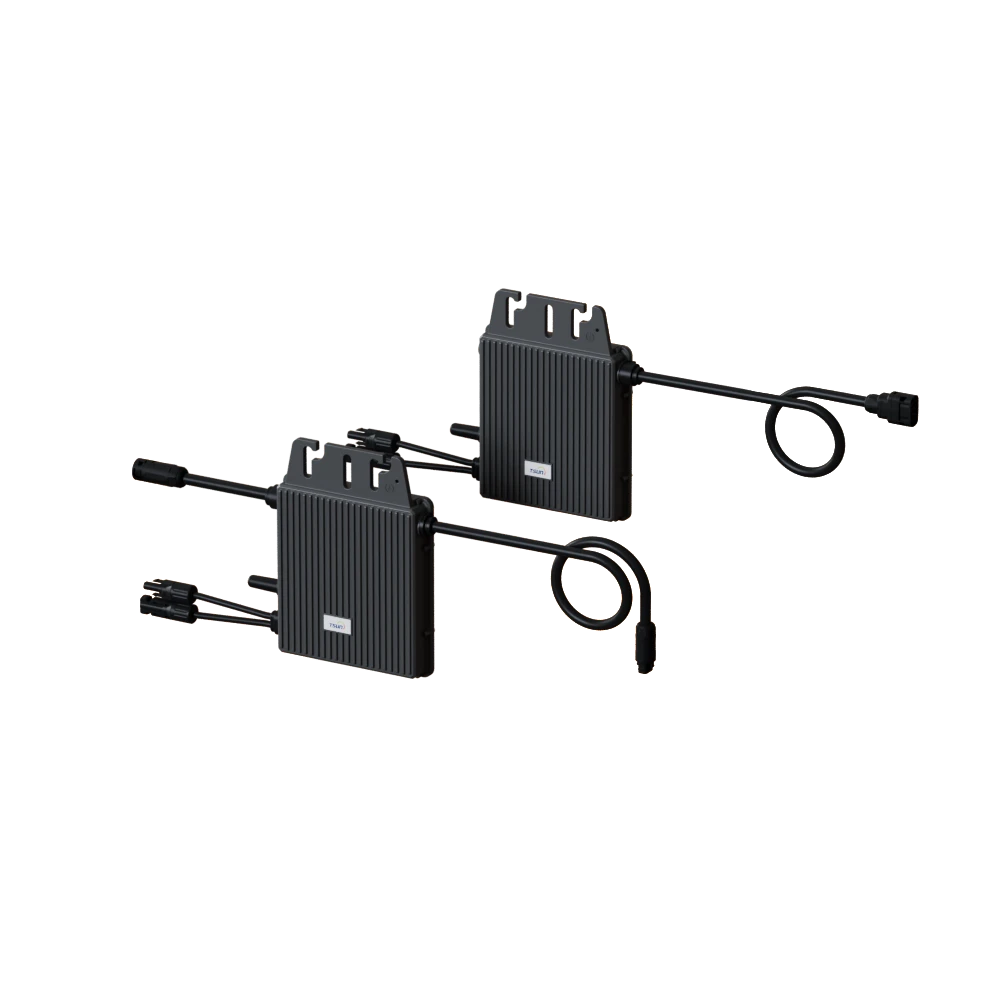
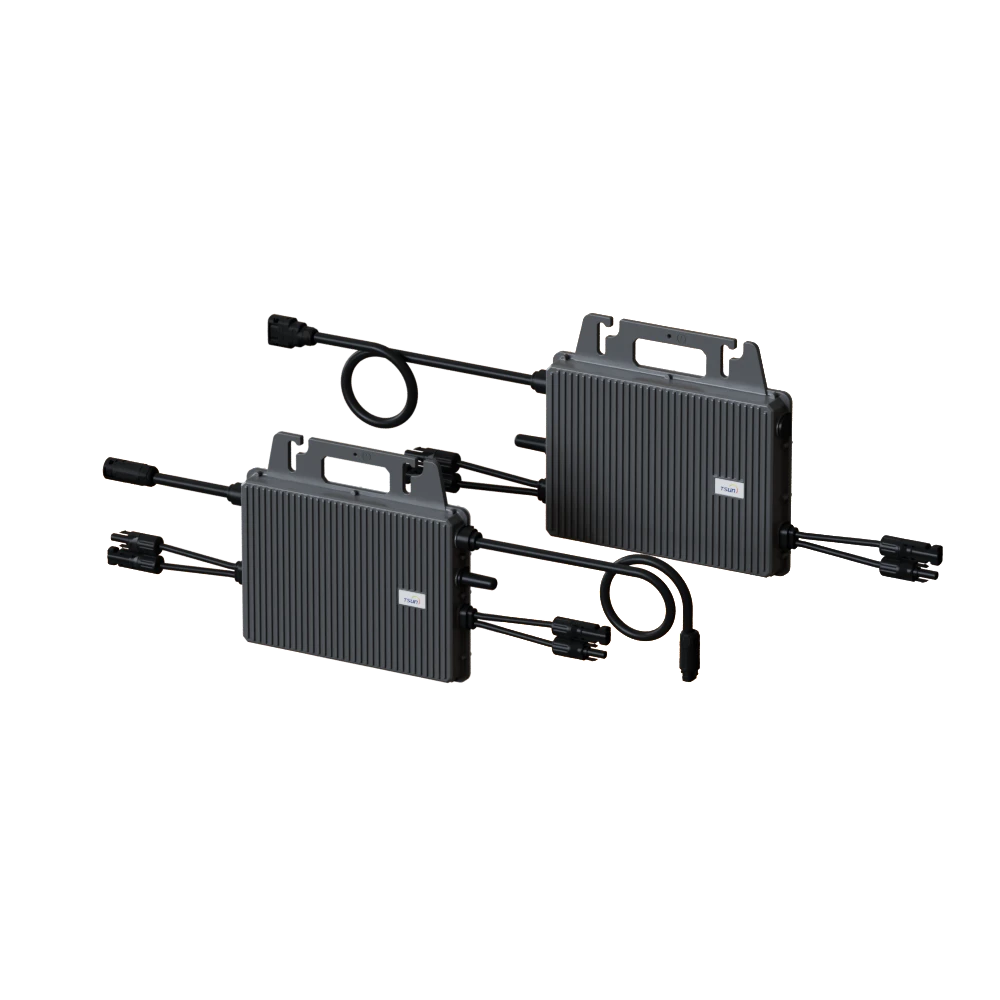
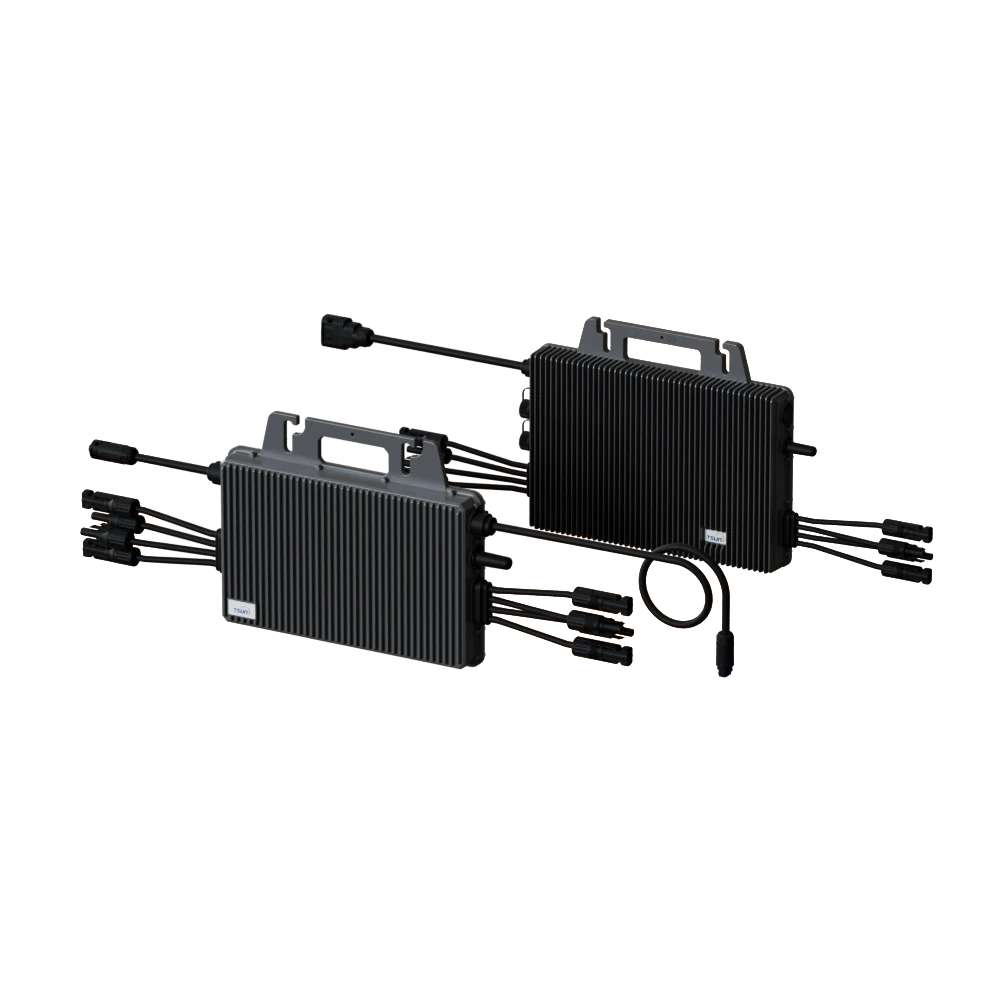
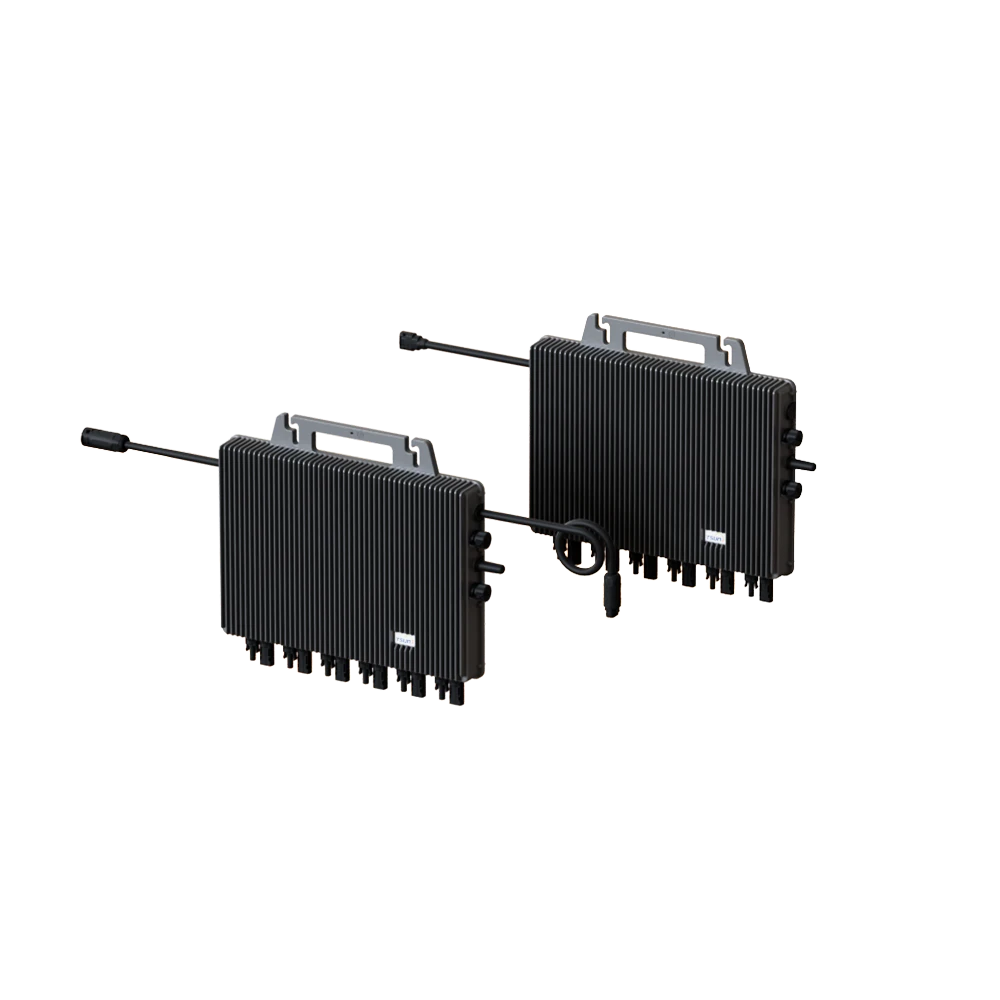
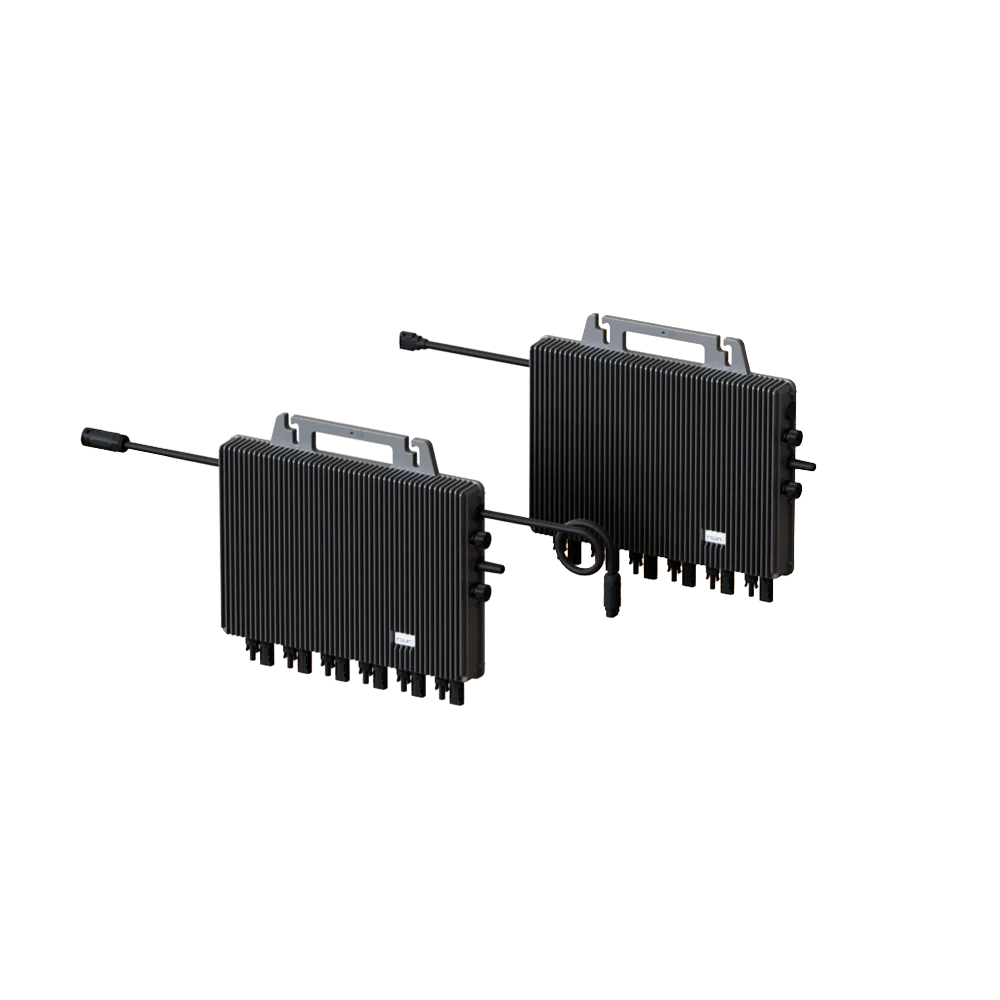
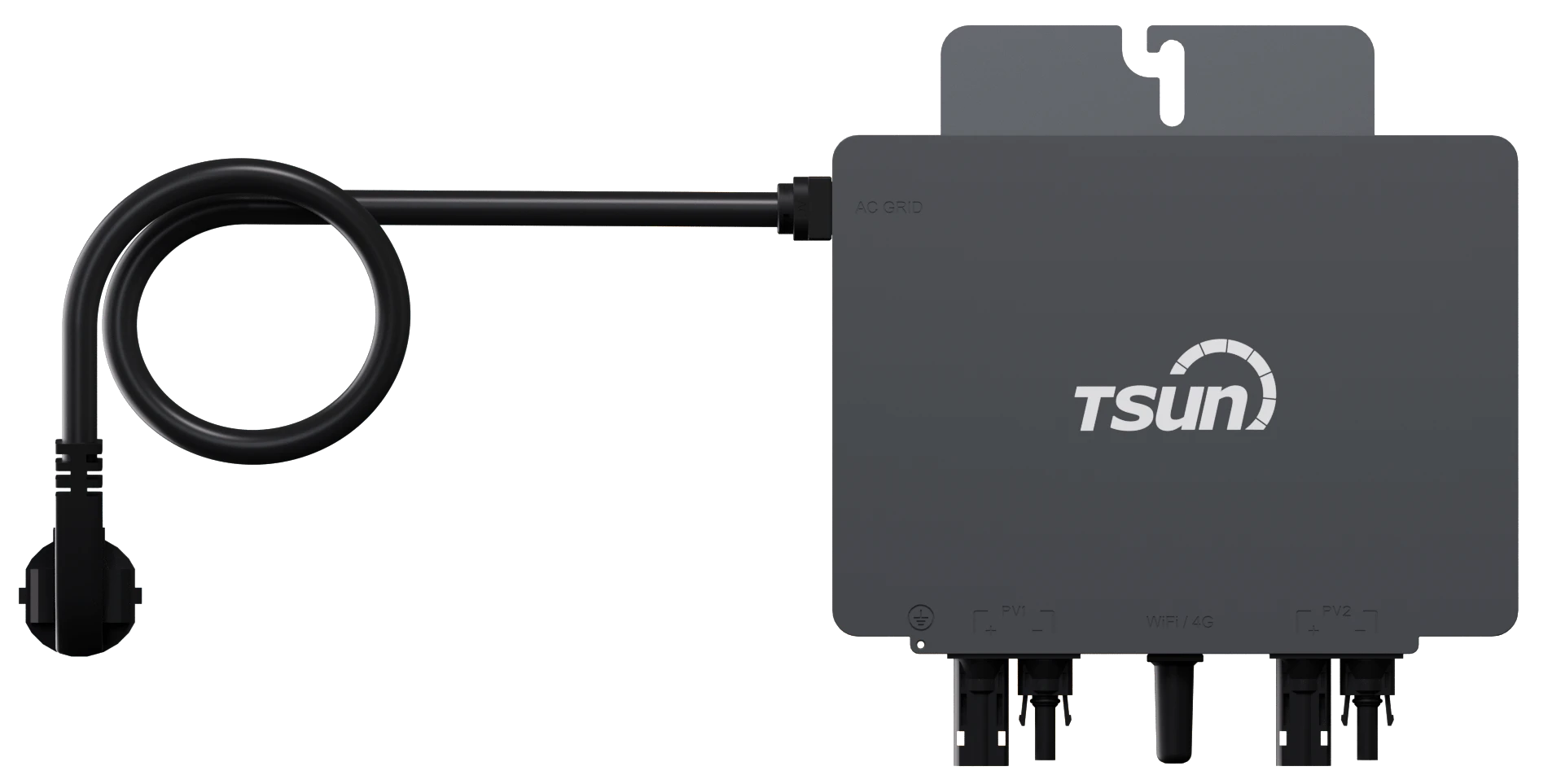
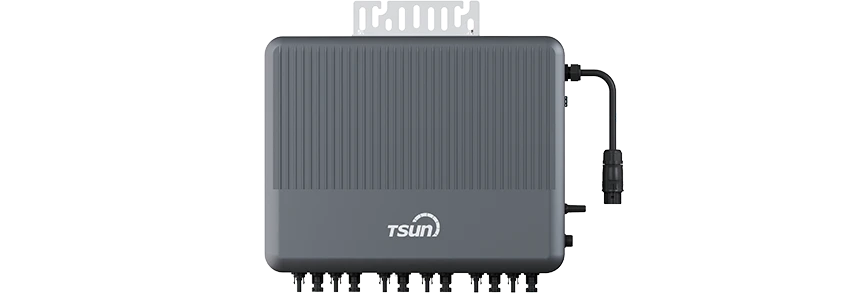
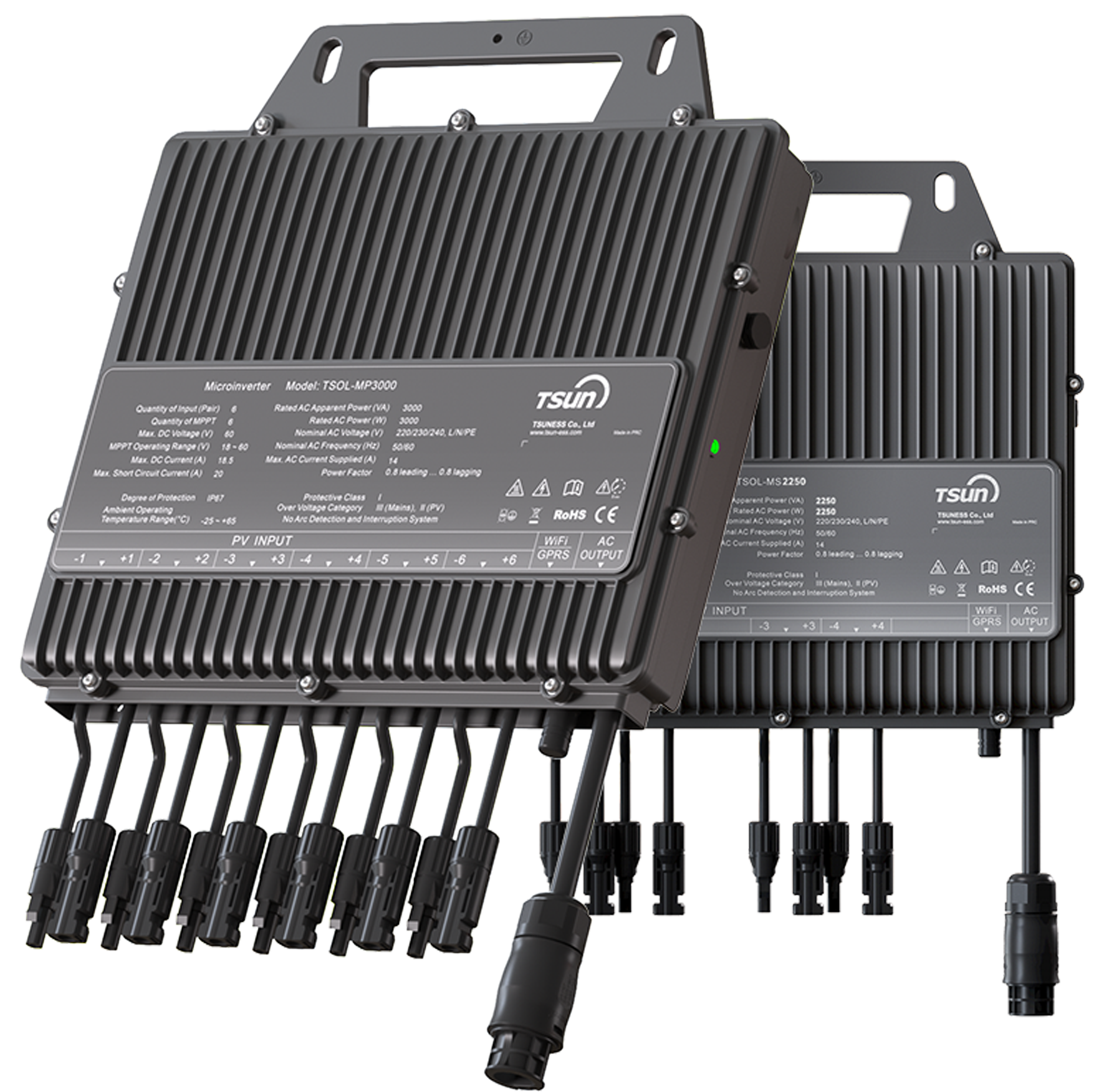
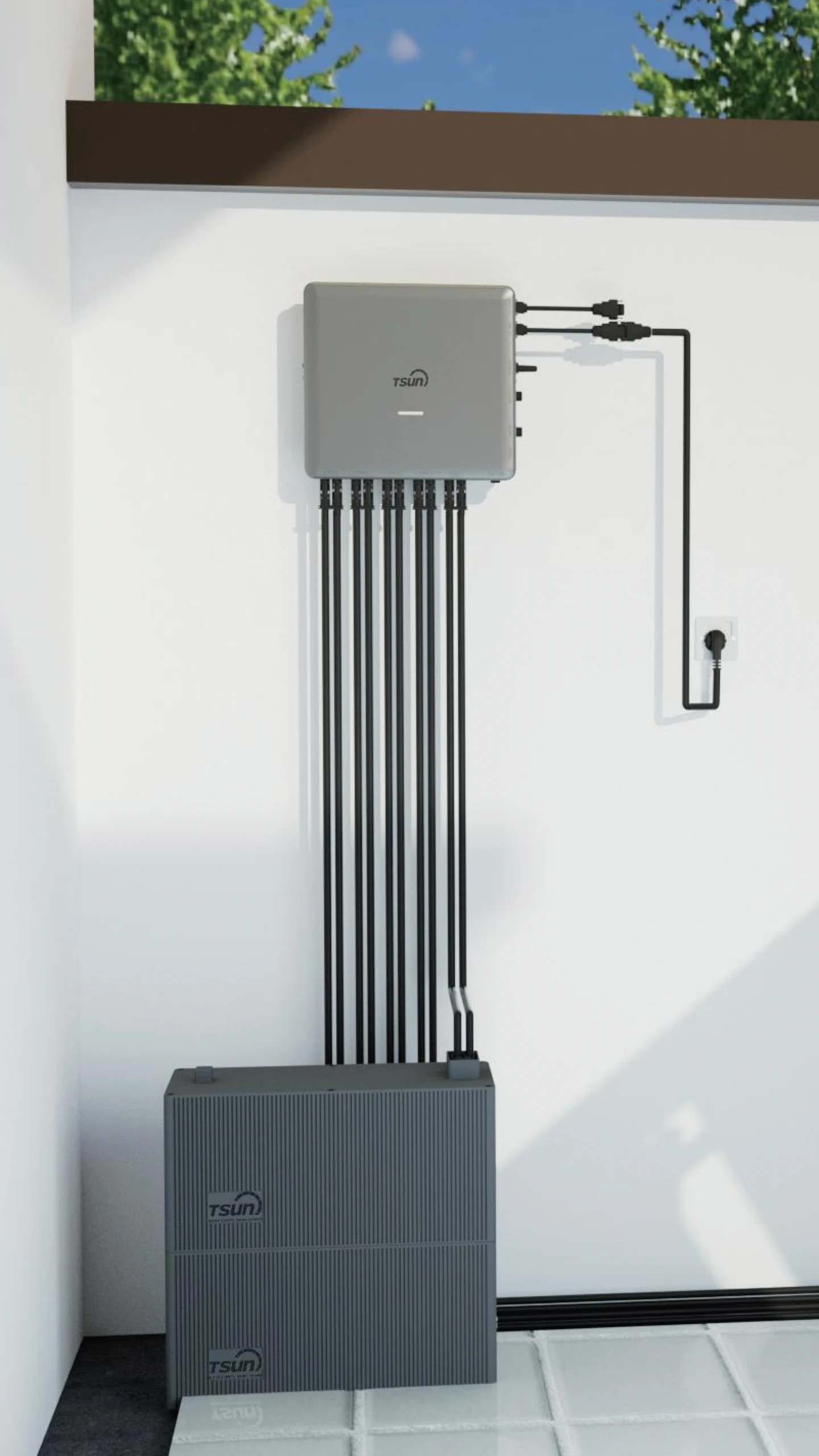
Many engineers I’ve talked to tend to recommend sticking with brands like TSUN ESS for cheap microinverters, especially if you want decent documentation and support without the hefty price tag. Oddly enough, some of their lower-cost models offer features that feel "above budget," like solid MPPT tracking and fairly robust weatherproofing.
In real terms, what does this mean for you? If you're outfitting a modest solar setup, the cost savings on microinverters can be substantial. Another anecdote from my field days: a small commercial client went with a budget microinverter line. Sure, there were some initial hiccups involving monitoring integration, but after a patch update and proper commissioning, the system hums along well—and the client's happy with power harvest versus expenditure.
Frankly, in a sector dominated by premium products promising 25+ year lifetimes, finding a sweet spot where price, performance, and reliability meet is kind of refreshing. Just keep in mind: cheap doesn’t mean “throwaway.” It’s more about aligning the product specs with your project's real needs—and being willing to accept fewer bells and whistles.
So, if you’re browsing for budget-friendly microinverters that won’t leave you stranded, give a careful look at vendors who balance affordability with proven engineering. And don't hesitate to seek advice from those who've lived through installation troubleshooting—their insights are gold.
Ultimately, it’s about getting maximum solar juice for your dollar, not chasing shiny extras you might never use. If you want to dive deeper, I suggest checking out the range at TSUN ESS—they've steadily built a solid reputation in this space.
That’s the long and short of cheap microinverters from someone who’s spent time knee-deep in panels and wiring. Hope this peek inside the sector helps you make smart choices!
— John D., Industrial Equipment Consultant
References:
- TSUN ESS Product Data Sheets, 2023
- Industry Monitoring & Performance Reports, 2022
- Interviews with Solar Installers, 2023






 LEARN DETAILS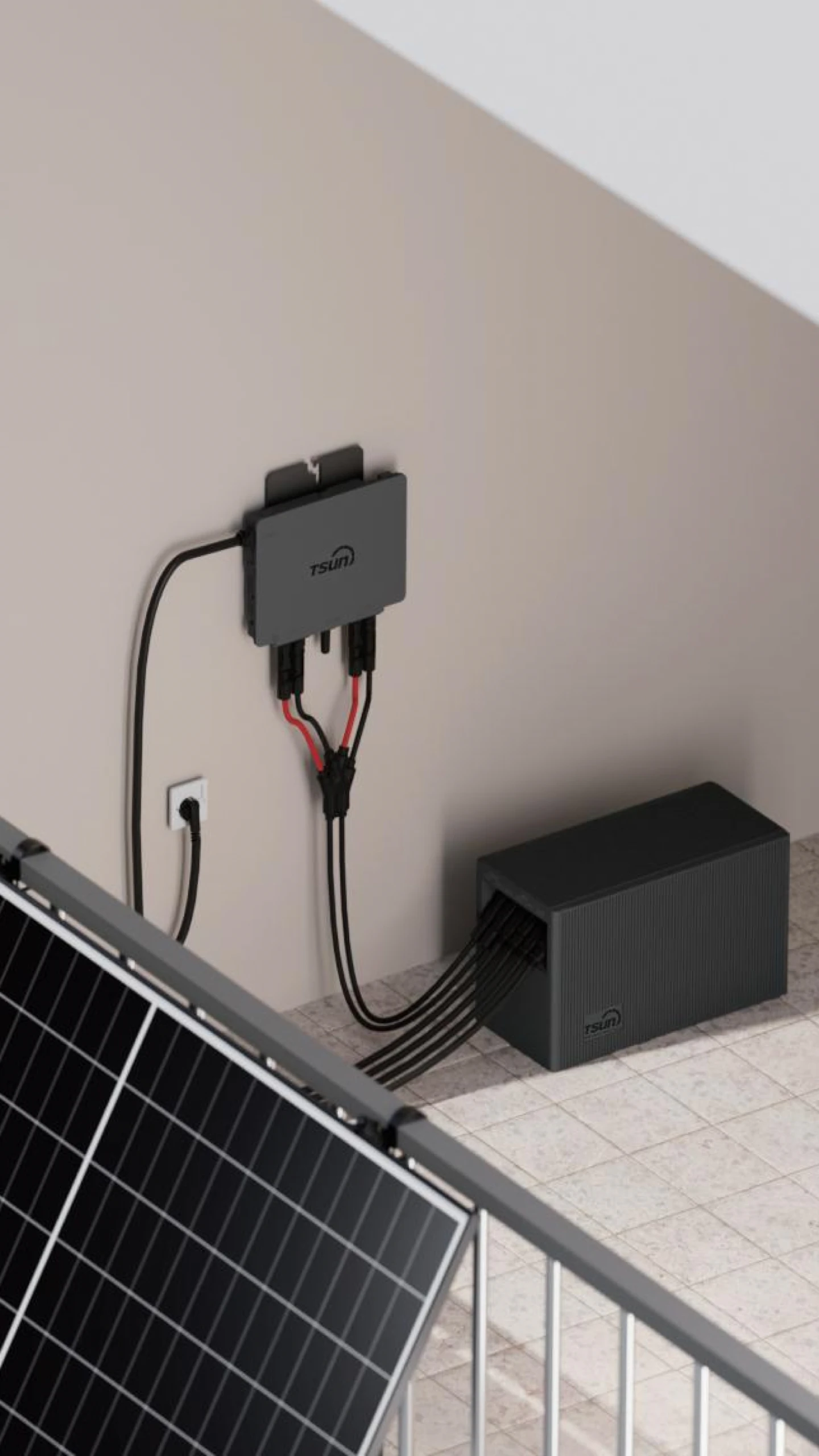
 Downloads
 Video Center
 Report Fault for Repair
 FAQS
FAQS Service Network
 Privacy Policy
 Contact Us
 Monitoring


 LEARN MORE