The global shift towards decentralized renewable energy sources is rapidly accelerating, and at the heart of this transformation lies the microinverter. These innovative devices are reshaping how we generate, distribute, and consume electricity, offering unprecedented levels of efficiency, reliability, and control. Understanding the nuances of microinverter technology is crucial for anyone involved in the renewable energy sector, from installers and engineers to policymakers and homeowners. Their ability to optimize energy harvesting from individual solar panels unlocks significant potential for increased energy yields and reduced costs.
The rising demand for clean energy, coupled with advancements in power electronics and grid technologies, has propelled the microinverter market to unprecedented heights. According to recent reports, the global microinverter market is projected to reach billions of dollars in the coming years, driven by factors such as government incentives, decreasing solar panel costs, and a growing awareness of environmental sustainability. This growth is not confined to developed nations; developing countries are increasingly adopting microinverter solutions to address energy access challenges and build resilient power infrastructure.
The implications extend beyond simply powering homes and businesses. Microinverters are pivotal in building smarter, more flexible grids capable of integrating diverse energy sources and supporting the electrification of transportation and other sectors. This technology represents a fundamental building block for a sustainable energy future, offering a viable path towards reducing carbon emissions and mitigating climate change.
The Core Principles of microinverter
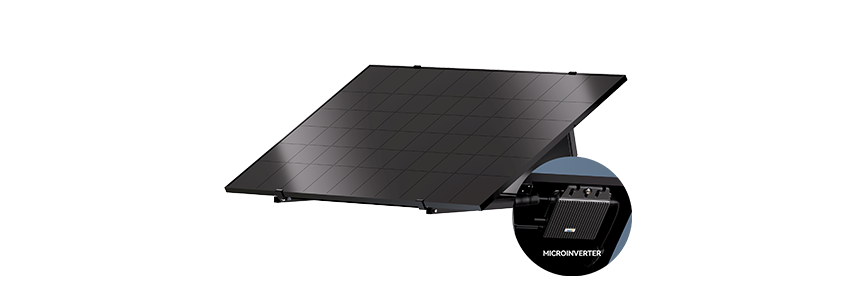
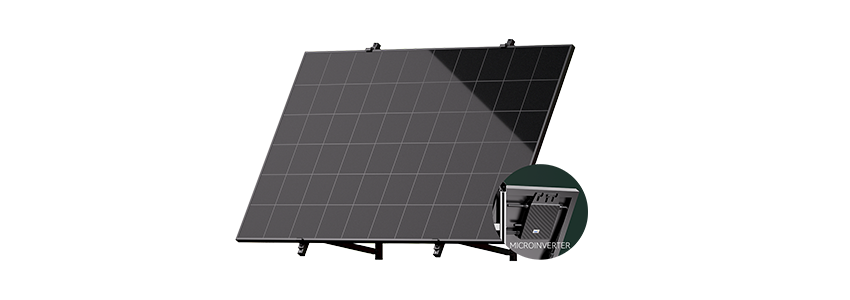
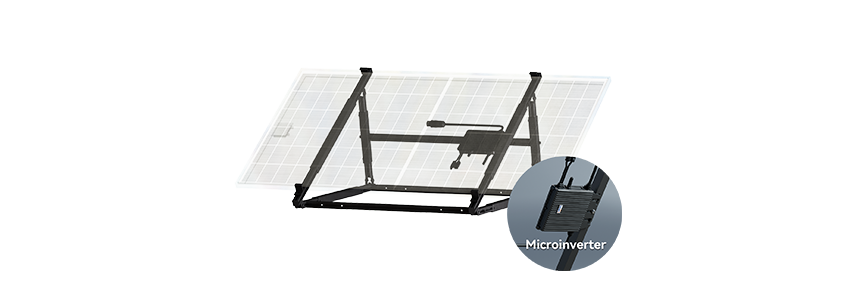
At its core, a microinverter represents a paradigm shift in solar energy conversion. Traditional string inverters connect multiple solar panels in series, meaning the performance of the entire string is limited by the weakest panel. Microinverters, conversely, are attached to each individual solar panel, converting DC power to AC power directly at the source.
This distributed power conversion architecture delivers several key advantages. It eliminates the single point of failure inherent in string inverter systems, enhances system monitoring capabilities, and maximizes energy harvest by optimizing the performance of each panel independently. This results in higher overall system efficiency and improved return on investment for solar installations.
Global Impact and Market Trends of microinverter
The global adoption of microinverter technology is being driven by a confluence of factors, including increasingly stringent environmental regulations, declining costs of solar panels, and a growing demand for energy independence. Countries like the United States, Germany, Australia, and Japan have been at the forefront of microinverter deployment, with significant growth also observed in emerging markets such as China and India.
Market analysis indicates a consistent trend towards higher adoption rates of microinverters in residential and commercial solar installations. This trend is particularly pronounced in regions with high electricity prices and favorable net metering policies. The rise of smart home technologies and energy management systems is also fueling demand, as microinverters provide the granular data and control needed for optimized energy consumption.
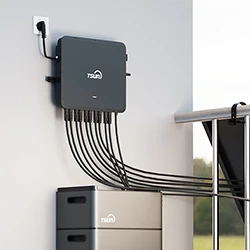
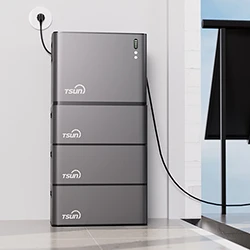
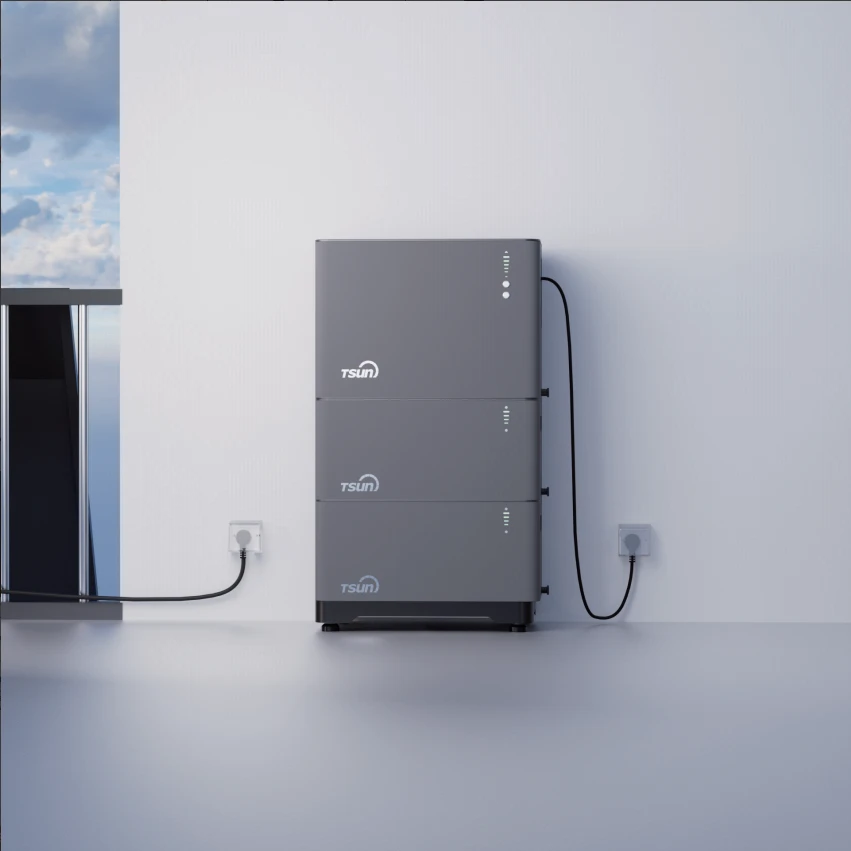
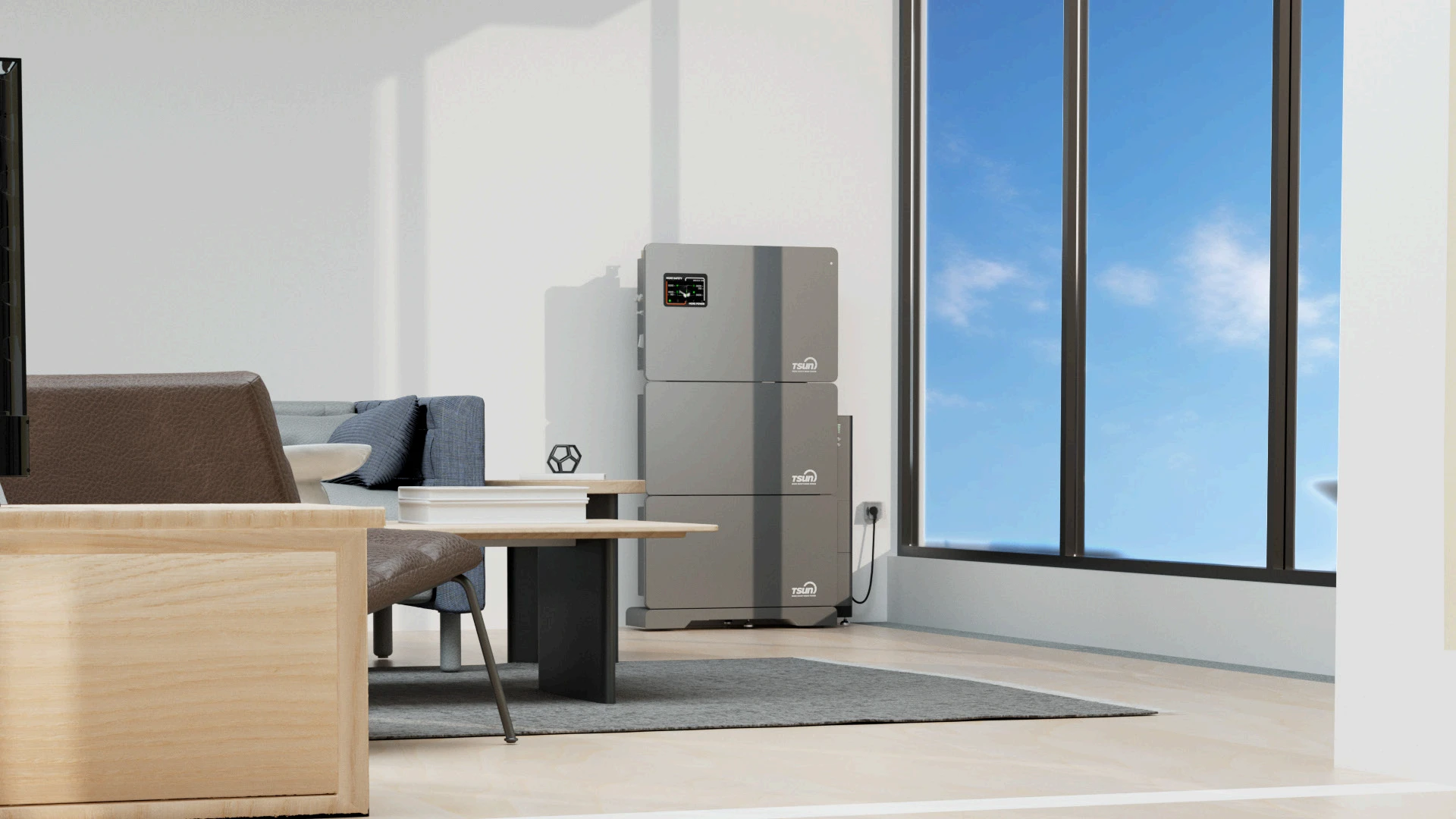
Furthermore, the increasing prevalence of battery storage systems is creating synergistic opportunities for microinverters. By seamlessly integrating with battery storage, microinverters can maximize self-consumption of solar energy and provide backup power during grid outages, enhancing energy resilience and reducing reliance on fossil fuels.
Defining microinverter: A Technological Overview
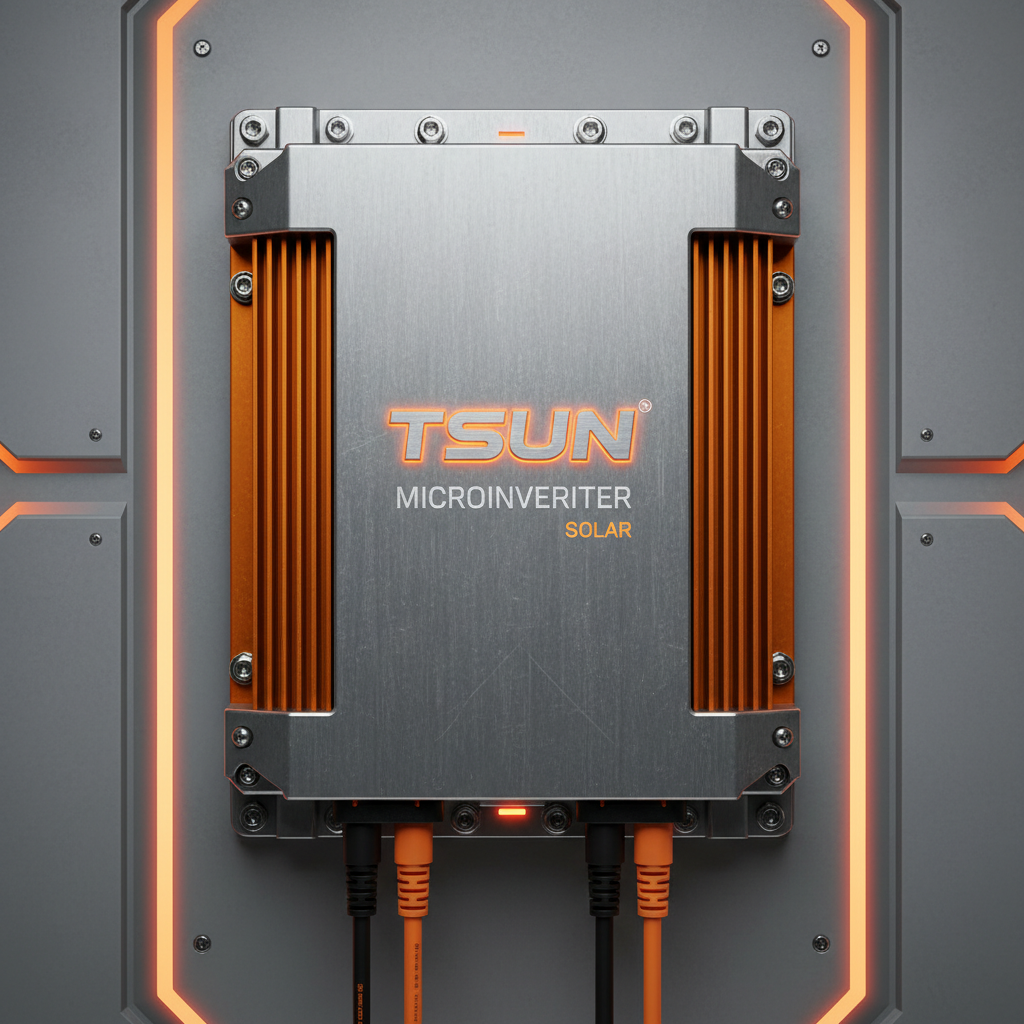
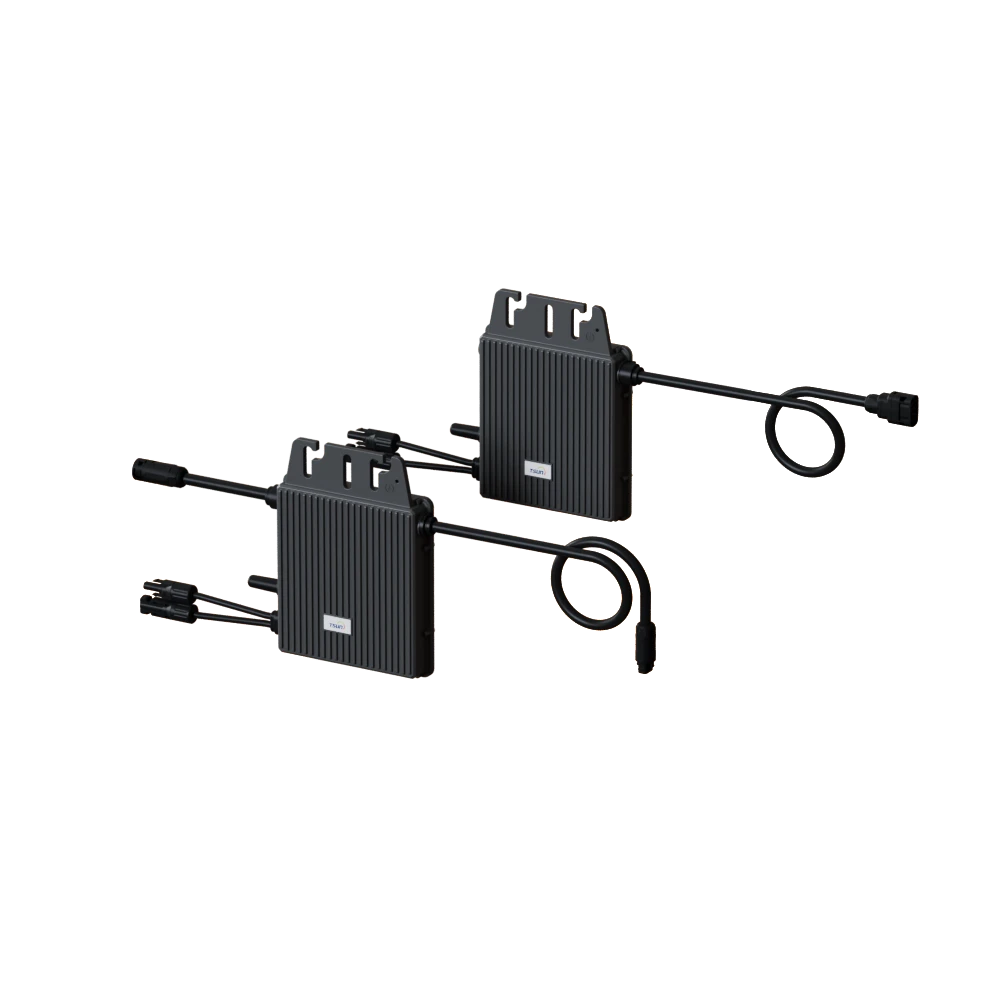
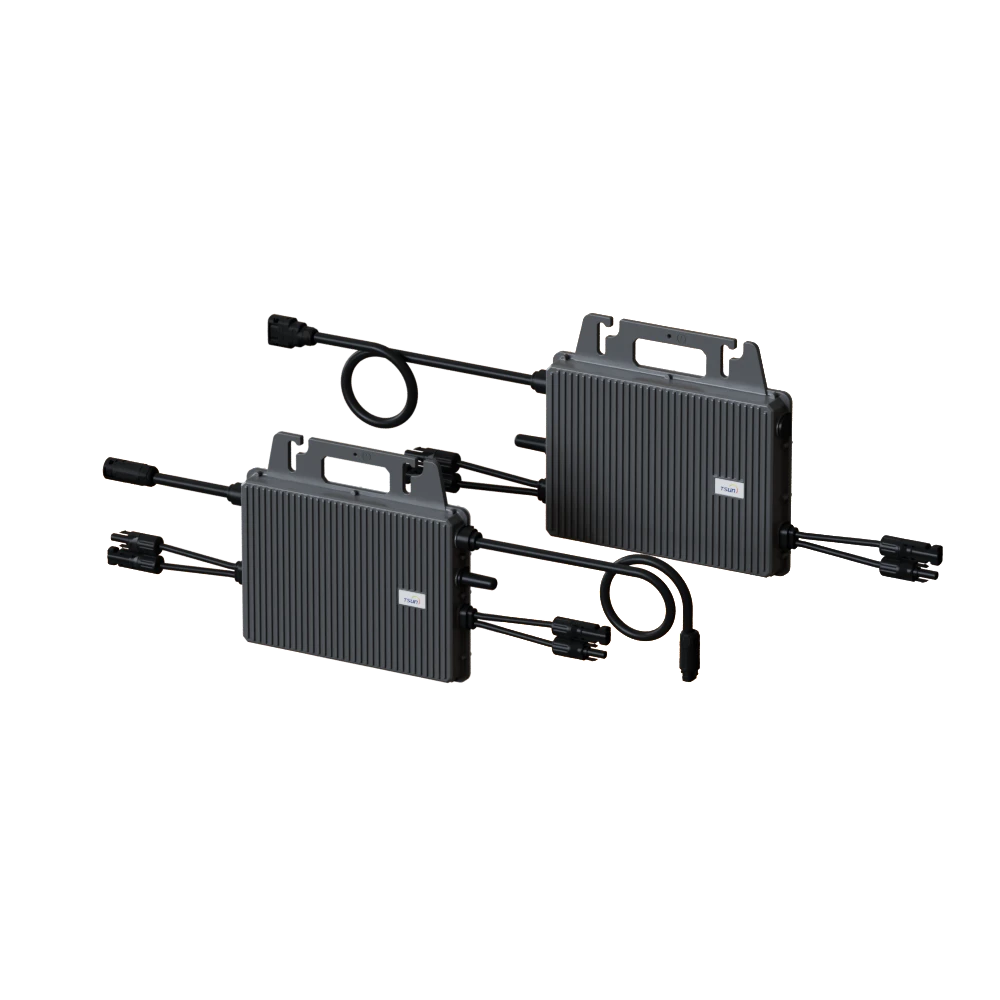
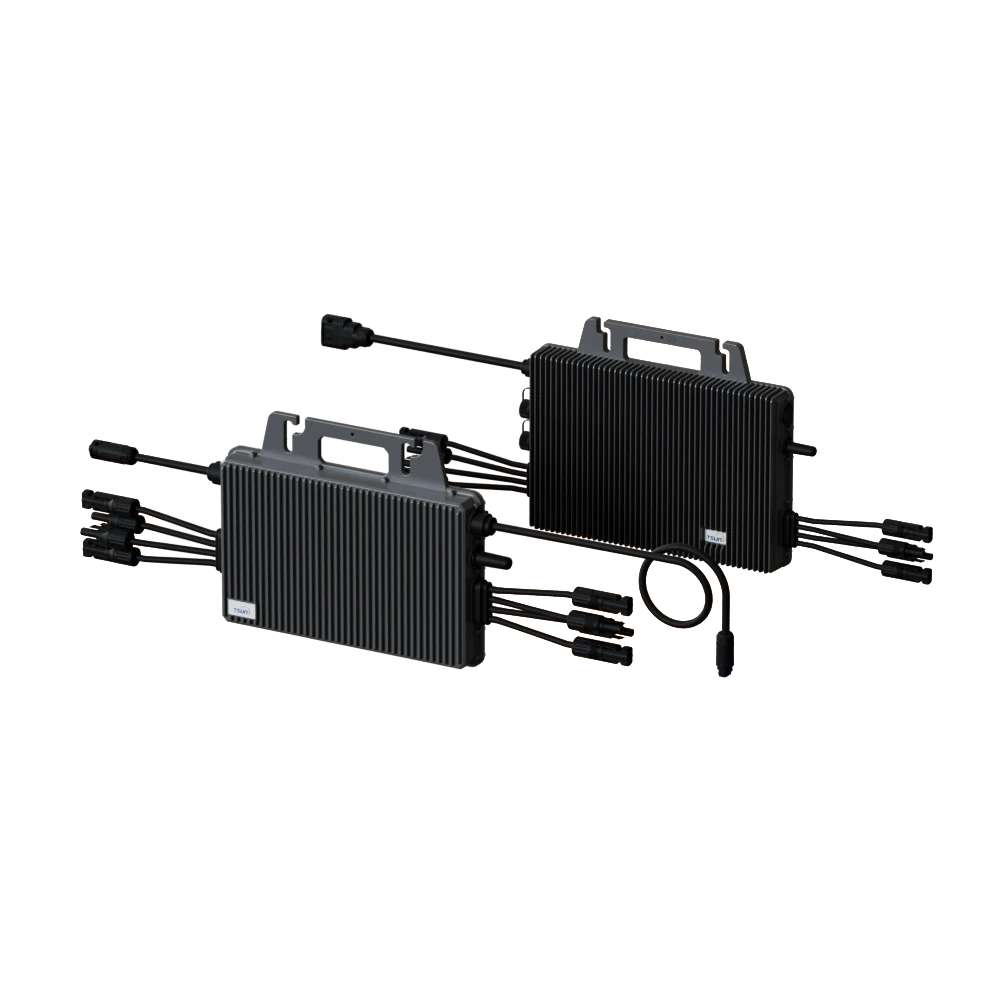
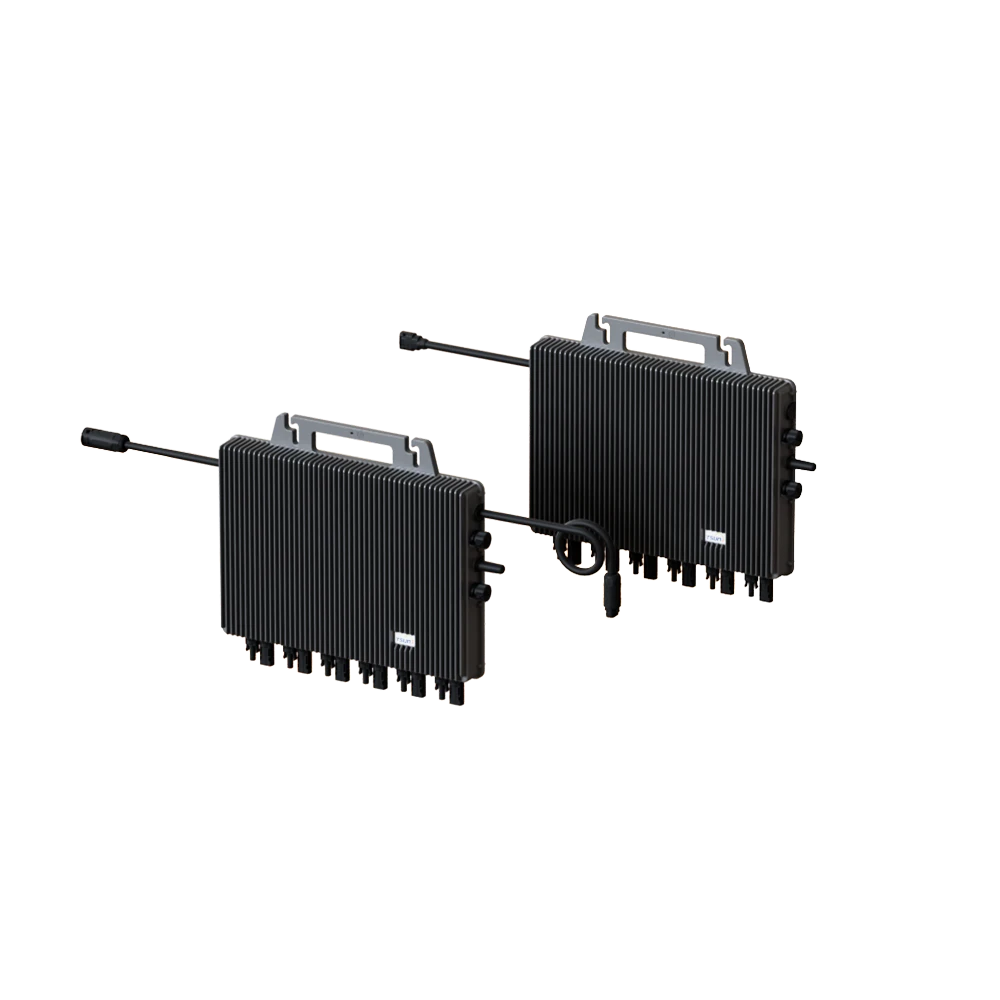
A microinverter is essentially a miniature, self-contained inverter designed to convert direct current (DC) electricity generated by a single solar panel into alternating current (AC) electricity, which is the standard form of electricity used in homes and businesses. Unlike traditional string inverters, which handle the conversion for an entire string of panels, a microinverter operates independently for each panel.
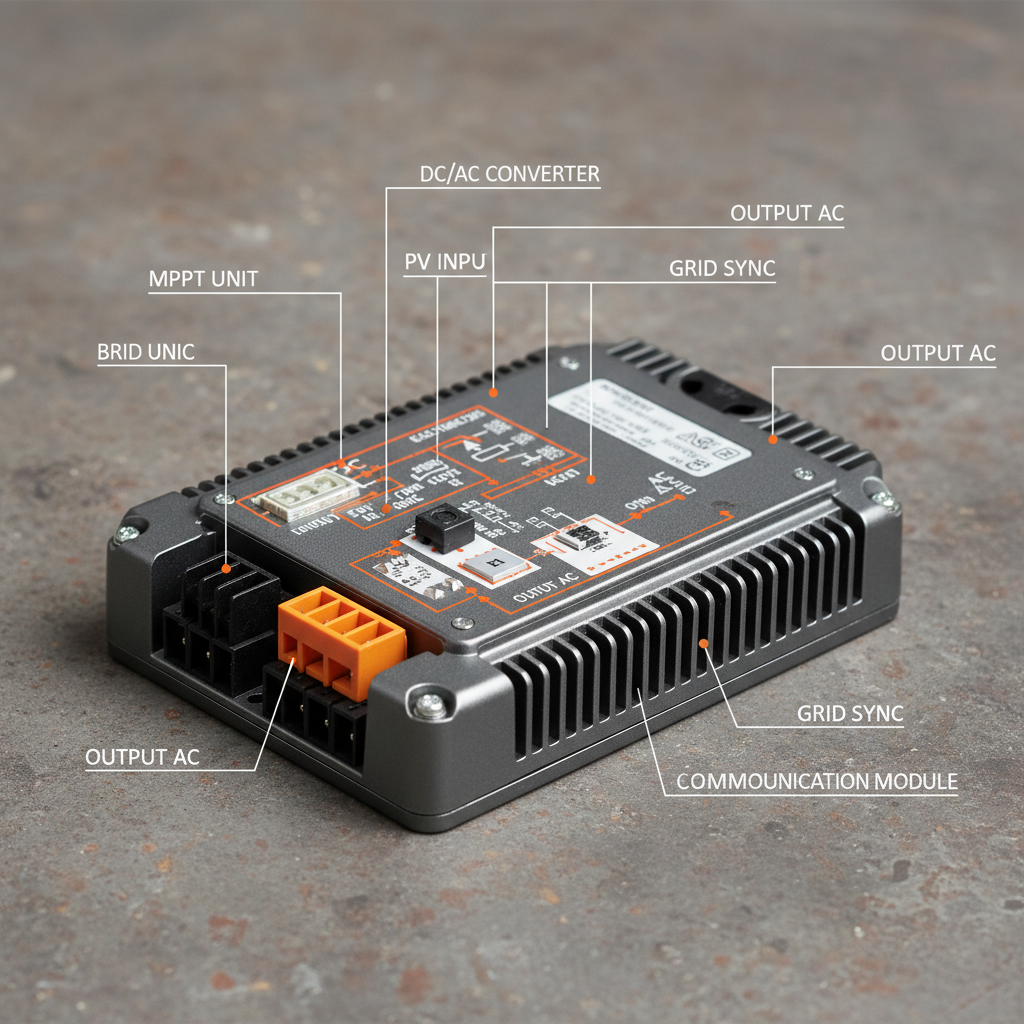
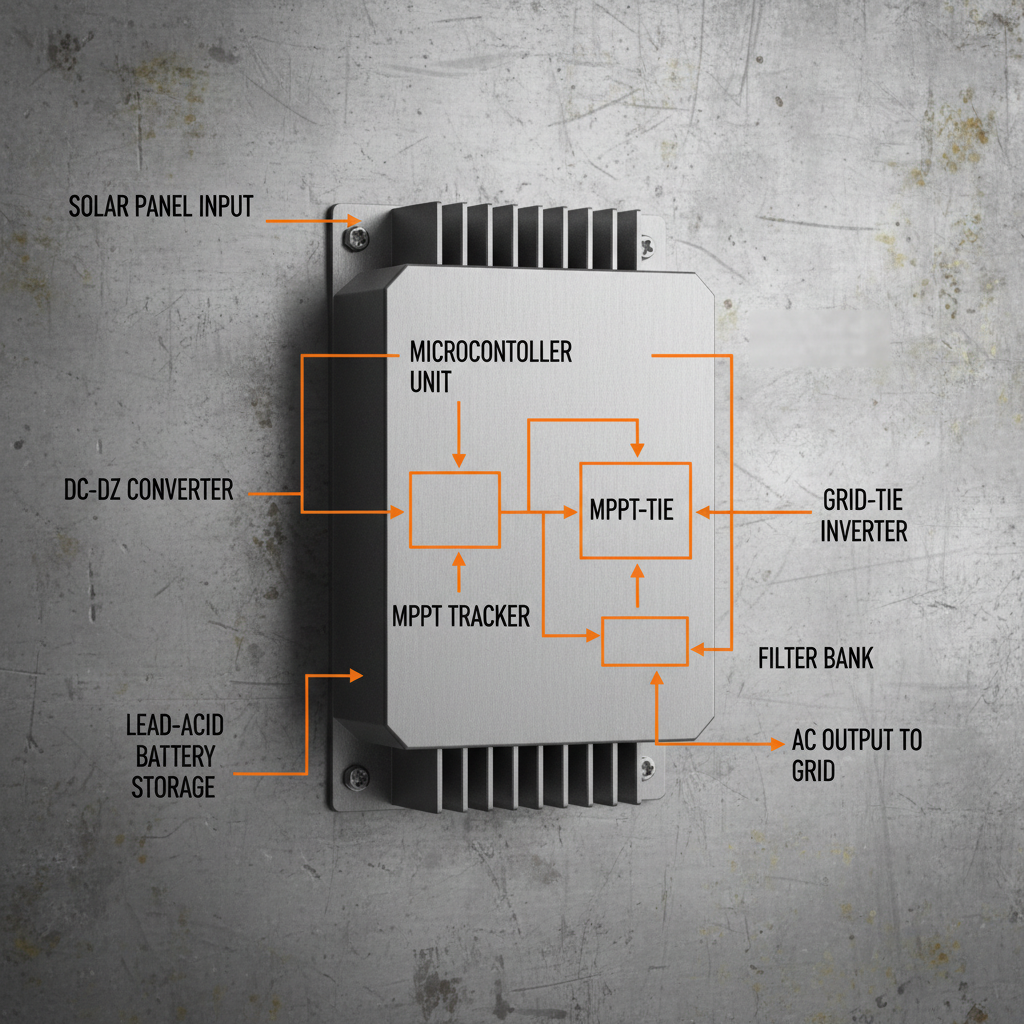
The internal components of a microinverter typically include a DC-DC converter, a maximum power point tracker (MPPT), and a DC-AC inverter. The MPPT continuously optimizes the panel’s output by adjusting its operating voltage to maximize energy harvest. The DC-AC inverter then converts the DC power to AC power, suitable for feeding into the electrical grid or powering local loads. Advanced microinverters also incorporate communication capabilities for remote monitoring and control.
This decentralized architecture delivers significant advantages in terms of system reliability, flexibility, and performance monitoring. Each microinverter operates independently, so a failure in one unit does not affect the performance of others. This also allows for more precise monitoring of individual panel performance, enabling early detection of issues and optimizing system efficiency.
Key Attributes of High-Performance microinverter
Several key attributes define the performance and reliability of a high-quality microinverter. Efficiency is paramount, as it directly impacts the amount of energy harvested from the solar panels. Modern microinverters typically boast efficiencies exceeding 95%, minimizing energy losses during conversion.
Durability is another crucial factor, as microinverters are exposed to harsh outdoor conditions. Look for units with robust housings, high IP ratings (indicating protection against dust and water), and components designed to withstand extreme temperatures.
Comparative Analysis of microinverter Features
Real-World Applications of microinverter Technology
Microinverters are finding widespread applications in a variety of settings. Residential solar installations benefit significantly from the increased energy yield and granular monitoring capabilities they provide. Commercial buildings are also embracing microinverters to optimize energy production and reduce operating costs.
Beyond traditional rooftop solar, microinverters are proving valuable in off-grid and remote power systems, such as those used in rural electrification projects or for powering remote monitoring stations. Their ability to operate independently and adapt to varying environmental conditions makes them ideal for these challenging applications.
Advantages and Long-Term Value of microinverter Systems
The advantages of microinverter systems extend beyond purely technical aspects. The increased energy production translates directly into cost savings for homeowners and businesses, reducing their reliance on grid electricity and lowering their monthly utility bills. Furthermore, the extended lifespan and improved reliability of microinverters contribute to a lower total cost of ownership over the system's lifetime.
From a sustainability perspective, microinverters facilitate the integration of more renewable energy into the grid, reducing carbon emissions and promoting a cleaner energy future. The enhanced system monitoring capabilities also enable proactive maintenance and optimization, maximizing energy efficiency and minimizing waste.
The psychological benefit of energy independence and contributing to a sustainable future should not be underestimated. Microinverter systems empower individuals and communities to take control of their energy destiny, fostering a sense of self-reliance and environmental responsibility.
Future Innovations and Challenges in microinverter Development
The future of microinverter technology is bright, with ongoing research and development focused on further enhancing performance, reducing costs, and integrating advanced functionalities. Next-generation microinverters are expected to incorporate features such as advanced grid support capabilities, improved cybersecurity measures, and seamless integration with energy storage systems.
One key area of innovation is the development of wider voltage range microinverters, which can accommodate a greater diversity of solar panel technologies and operating conditions. Another trend is the miniaturization of microinverters, leading to more compact and aesthetically pleasing designs.
However, challenges remain. Maintaining the cost-competitiveness of microinverters relative to traditional string inverters is crucial for continued adoption. Addressing cybersecurity vulnerabilities and ensuring grid stability as more distributed energy resources come online are also important considerations.
Summary of Key microinverter Development Areas
| Innovation Area |
Current Status |
Potential Impact |
Development Challenges |
| Wide Voltage Range |
Prototype development; limited availability |
Increased compatibility with diverse panel types |
Maintaining efficiency across a wider voltage range |
| Miniaturization |
Ongoing component refinement; increasing density |
Enhanced aesthetics; easier integration |
Heat dissipation; manufacturing complexity |
| Grid Support Functions |
Early stage integration; limited standardization |
Improved grid stability and resilience |
Regulatory hurdles; interoperability challenges |
| Cybersecurity Enhancements |
Focus on encryption and authentication protocols |
Protection against unauthorized access and data breaches |
Balancing security with performance; cost implications |
| Energy Storage Integration |
Increasing compatibility with battery management systems |
Optimized self-consumption; backup power capability |
Communication protocols; system compatibility |
| Cost Reduction |
Continuous improvements in manufacturing processes |
Wider adoption; increased market penetration |
Maintaining performance levels; supply chain optimization |
FAQS
The key difference lies in how they convert DC to AC power. String inverters handle the entire array, while microinverters work individually on each panel. This leads to higher efficiency with microinverters (no impact from a single shaded panel), enhanced monitoring, and increased system reliability. However, string inverters are often initially less expensive, though long-term benefits often favor microinverters.
This is where microinverters really shine. Unlike string inverters, where shading on one panel affects the entire string, microinverters isolate the impact. Each panel operates independently, maximizing its output even if others are shaded. This can result in significantly higher energy production in real-world scenarios.
Most reputable microinverter manufacturers offer warranties of 25 years, aligning with the lifespan of typical solar panels. High-quality components and robust designs contribute to their longevity. Proper installation and maintenance also play a crucial role in maximizing their operational life.
Microinverters are particularly well-suited for complex rooflines with varying orientations or shading patterns. They also work well in situations where panel-level monitoring is desired. However, for very simple, unshaded installations, a string inverter might be a more cost-effective option.
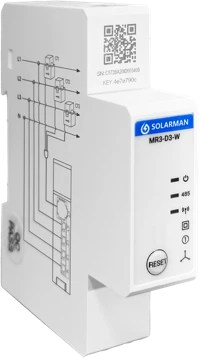
Each microinverter typically has built-in communication capabilities, allowing for real-time monitoring of individual panel performance. This data is accessible through a web or mobile app, providing insights into energy production, system health, and potential issues.
Installation of microinverters generally requires a qualified solar installer. Each panel requires its own microinverter, so wiring can be more complex than with string inverters. Proper grounding and adherence to local electrical codes are essential for safe and reliable operation.
Conclusion
In conclusion, microinverter technology represents a significant advancement in the field of solar energy. By optimizing energy harvest at the panel level, enhancing system reliability, and providing granular monitoring capabilities, microinverters are empowering homeowners and businesses to embrace clean energy with greater confidence and efficiency. Their ability to adapt to complex environments and integrate seamlessly with battery storage systems positions them as a cornerstone of the future energy landscape.
Looking ahead, continued innovation in microinverter technology will be crucial for unlocking the full potential of distributed solar generation. Investing in research and development, addressing cybersecurity concerns, and streamlining installation processes will pave the way for even wider adoption and a more sustainable energy future. Visit our website at www.tsun-ess.com to learn more about how microinverters can transform your energy experience.



 LEARN DETAILS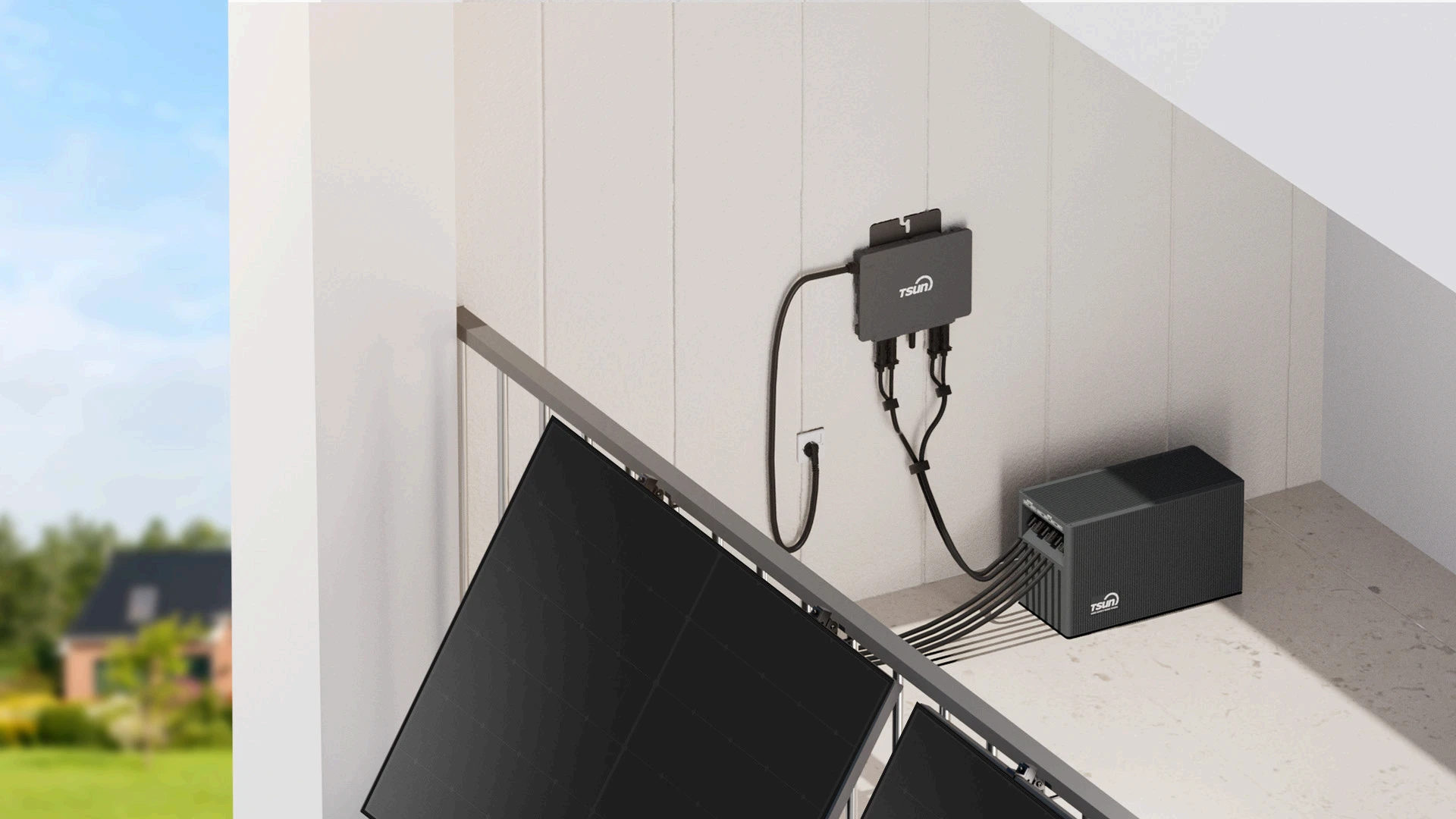
 Downloads
 Video Center
 Report Fault for Repair
 FAQS
FAQS Service Network
 Privacy Policy
 Contact Us
 Monitoring