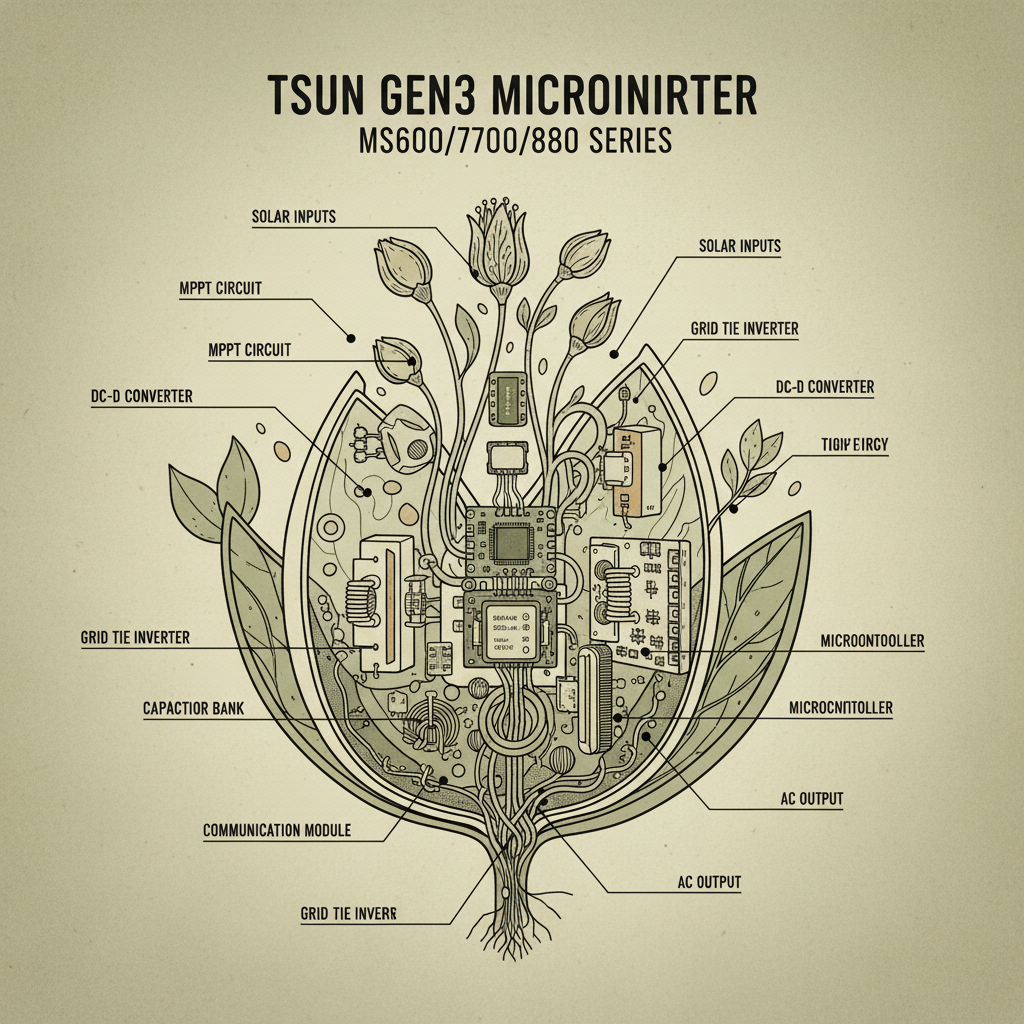
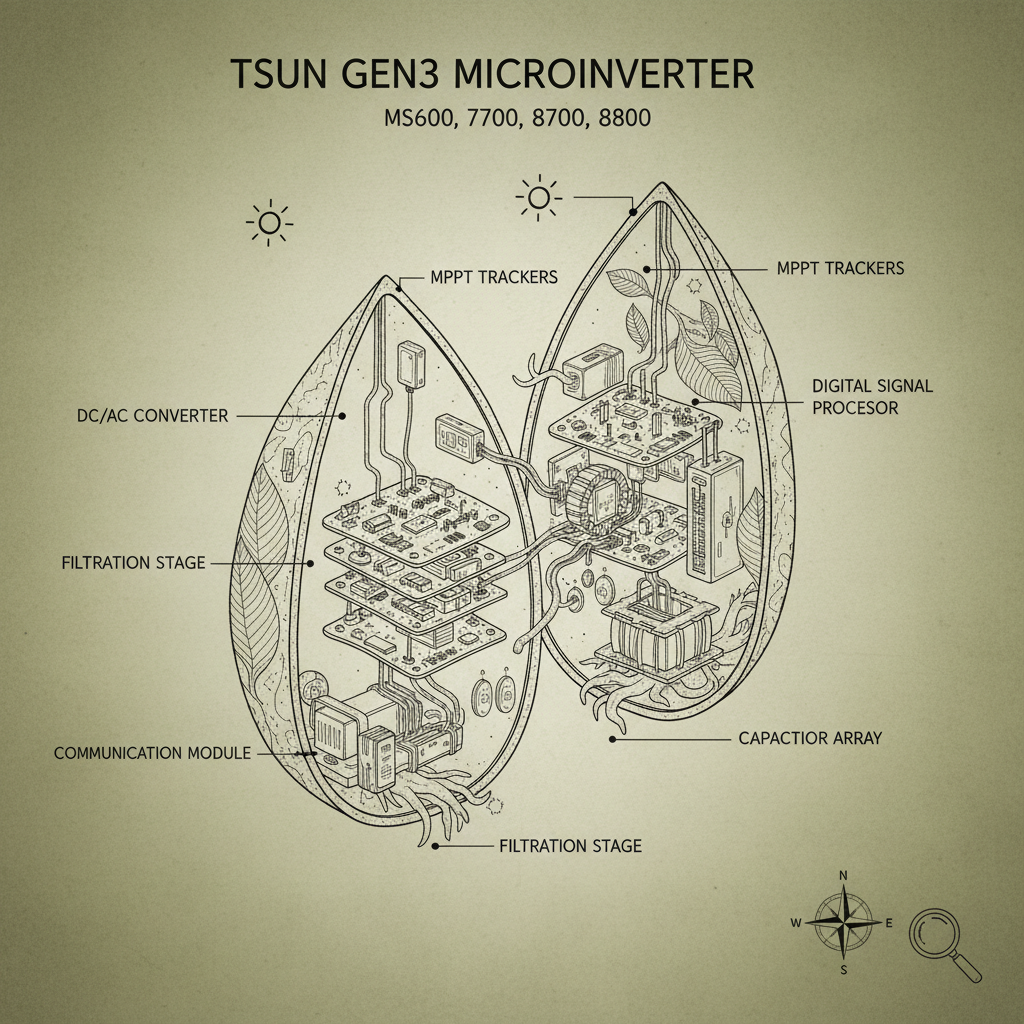
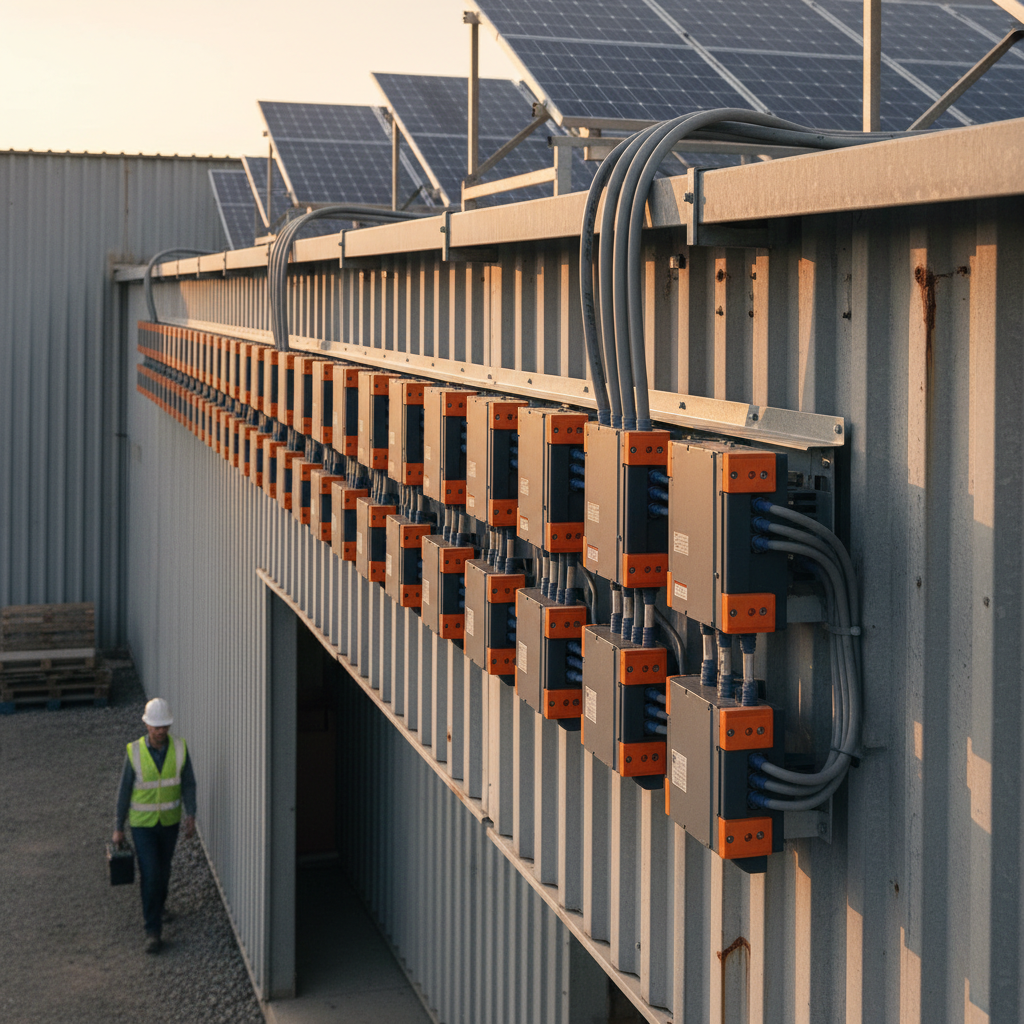
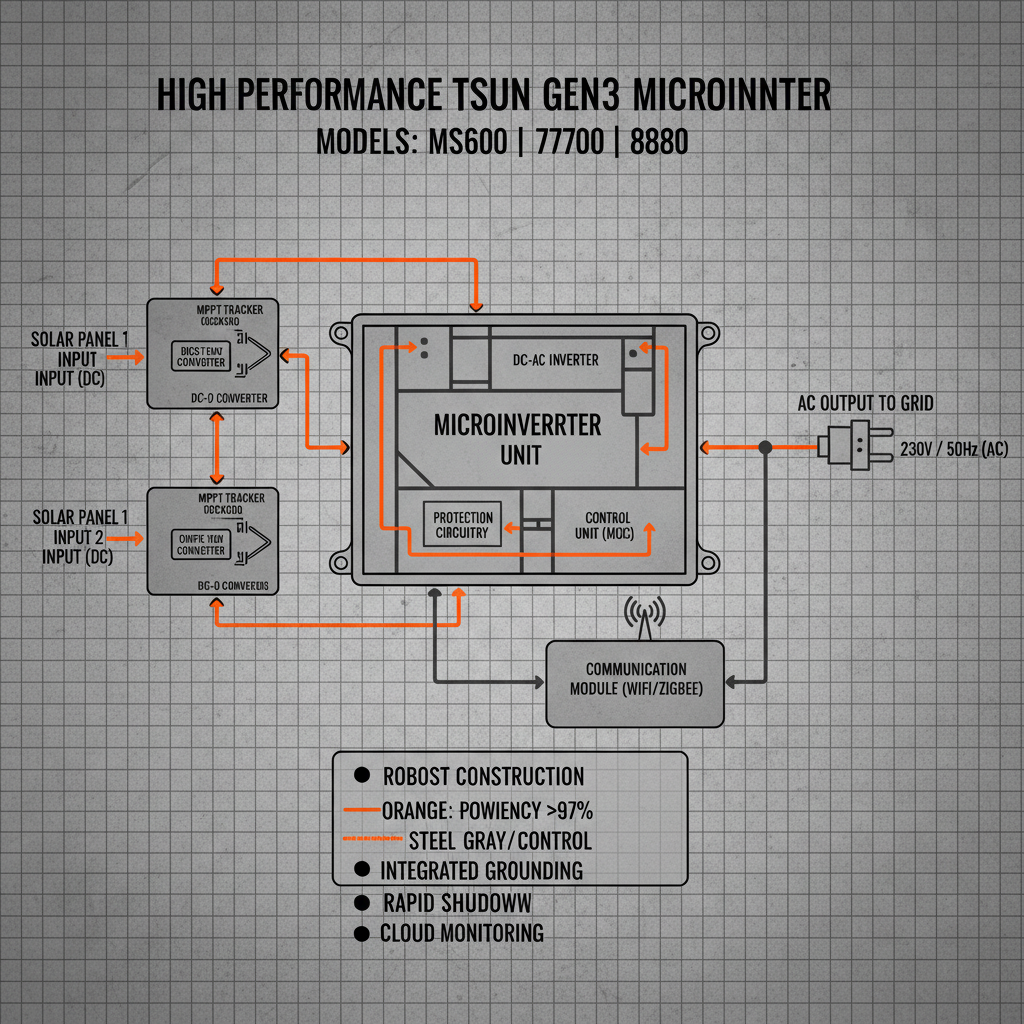
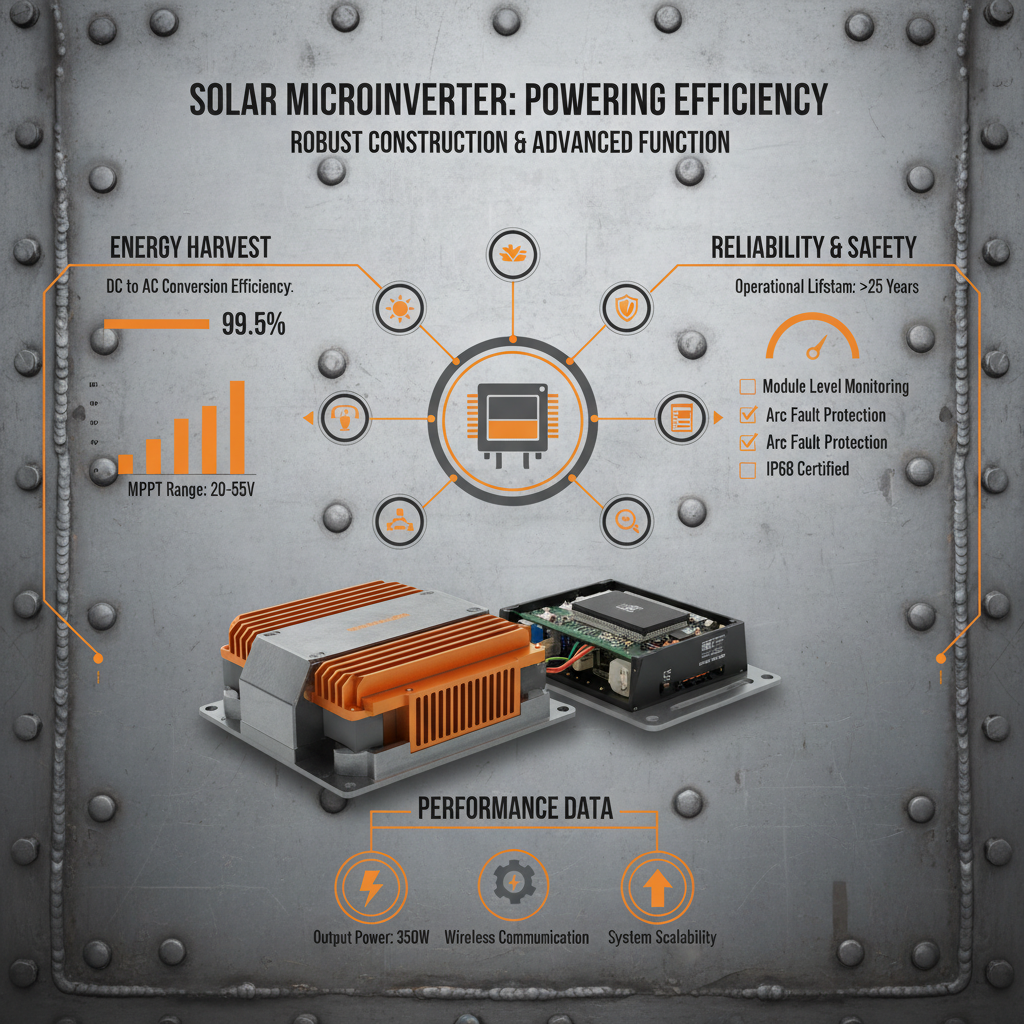
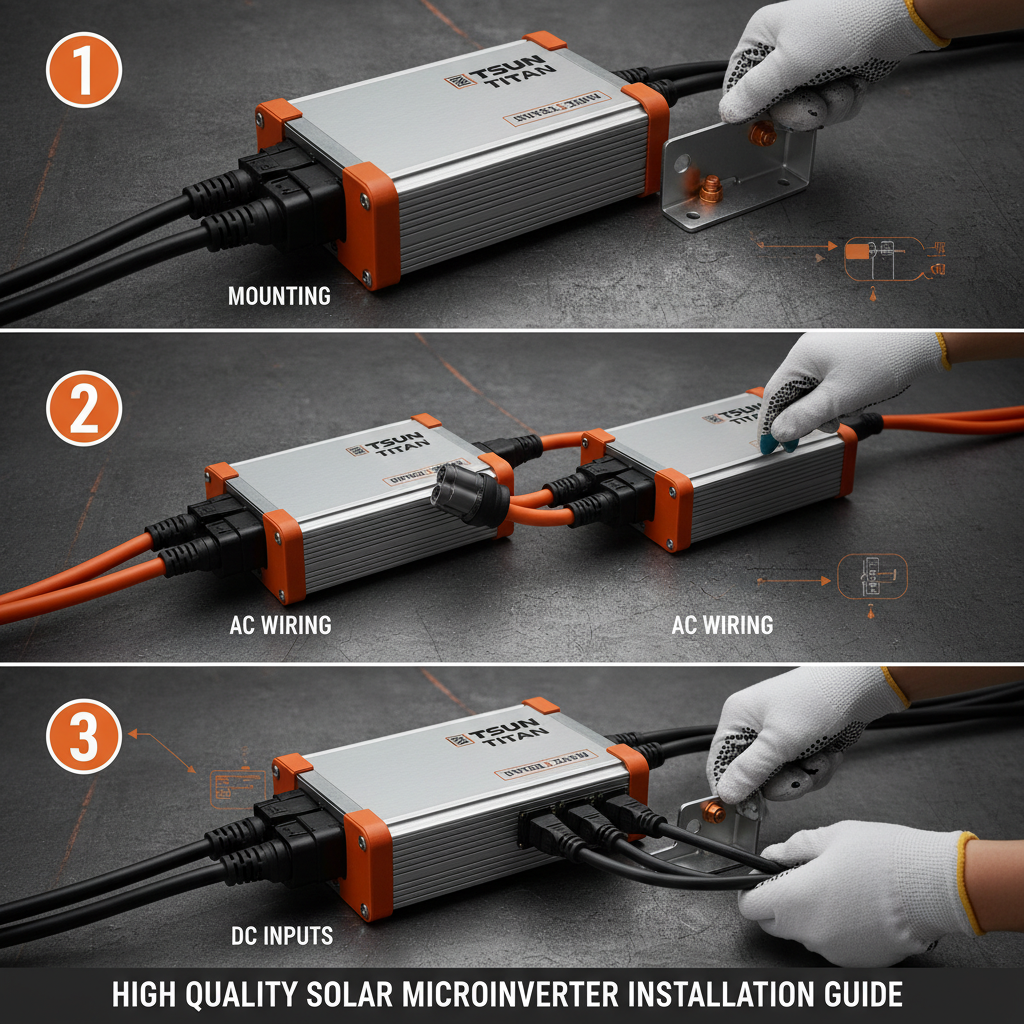
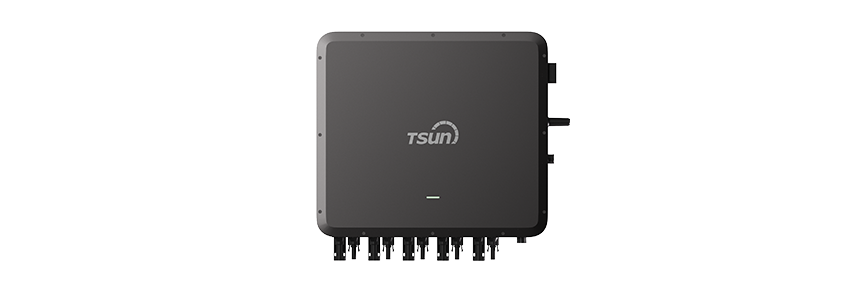
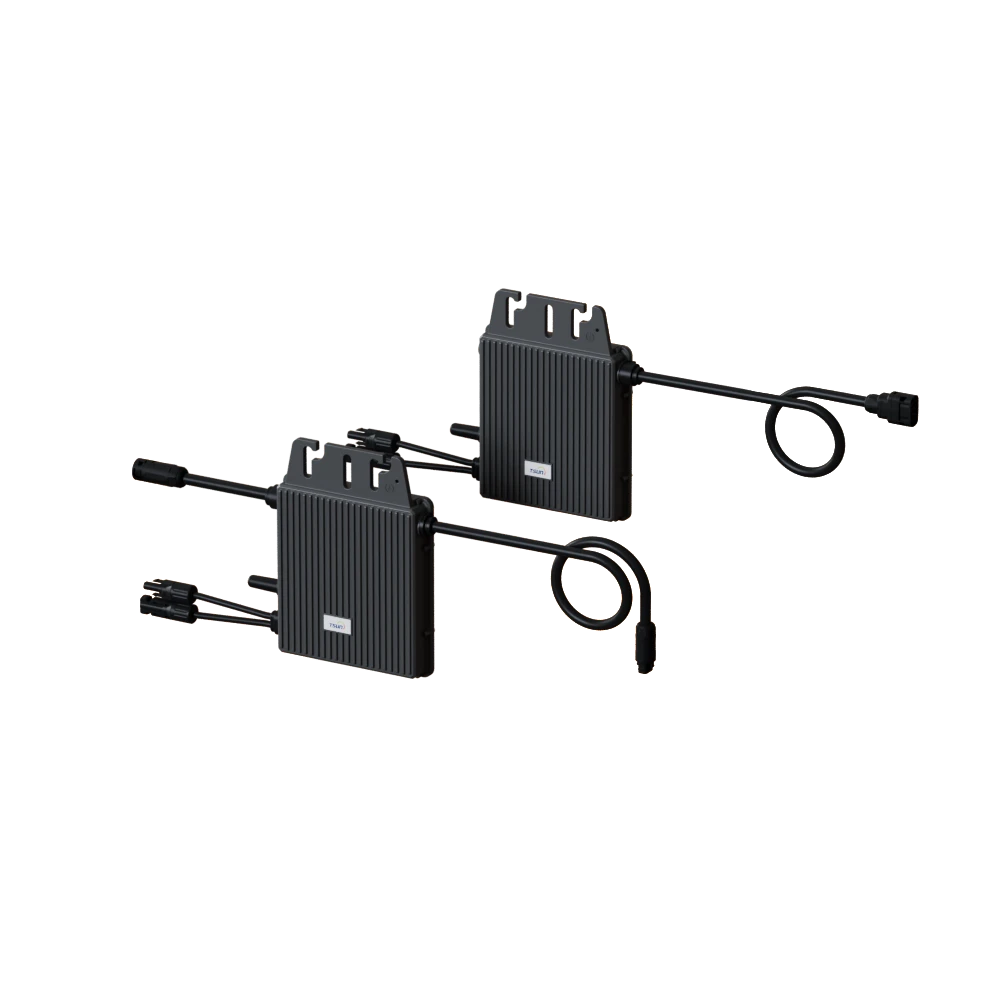
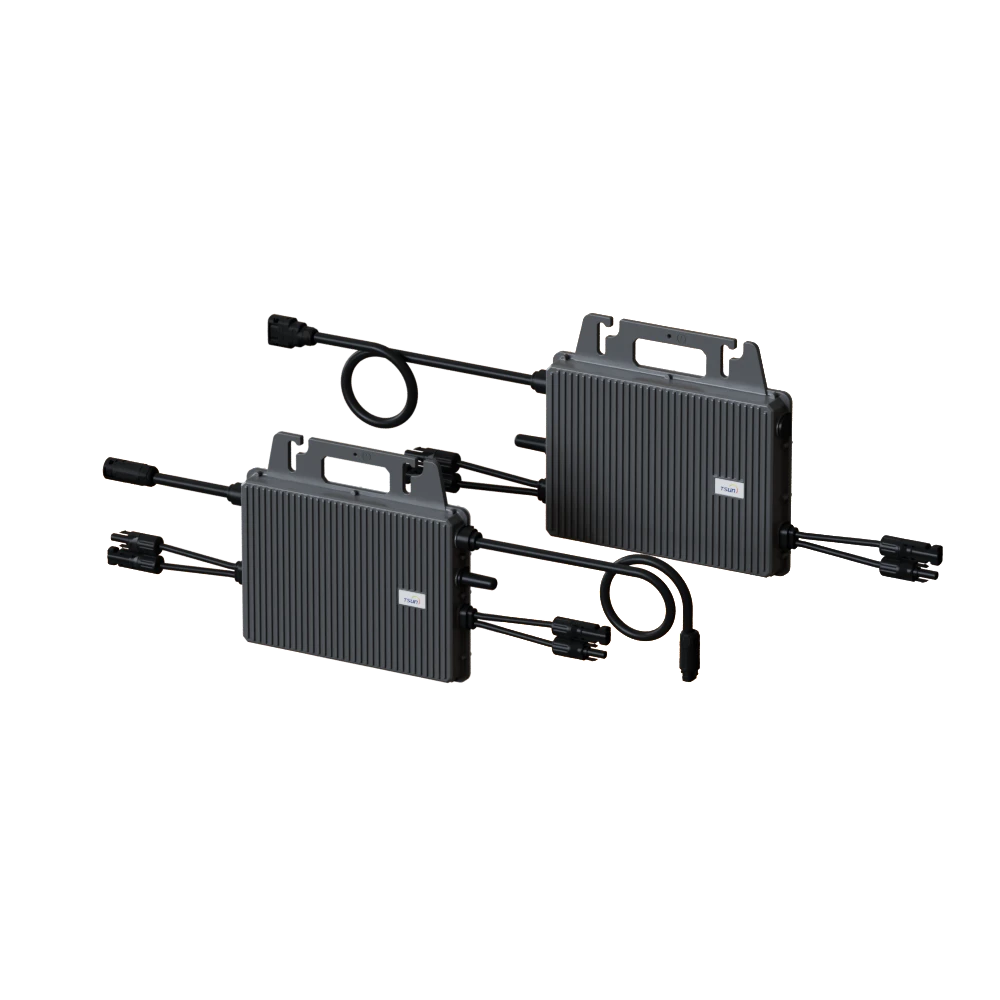
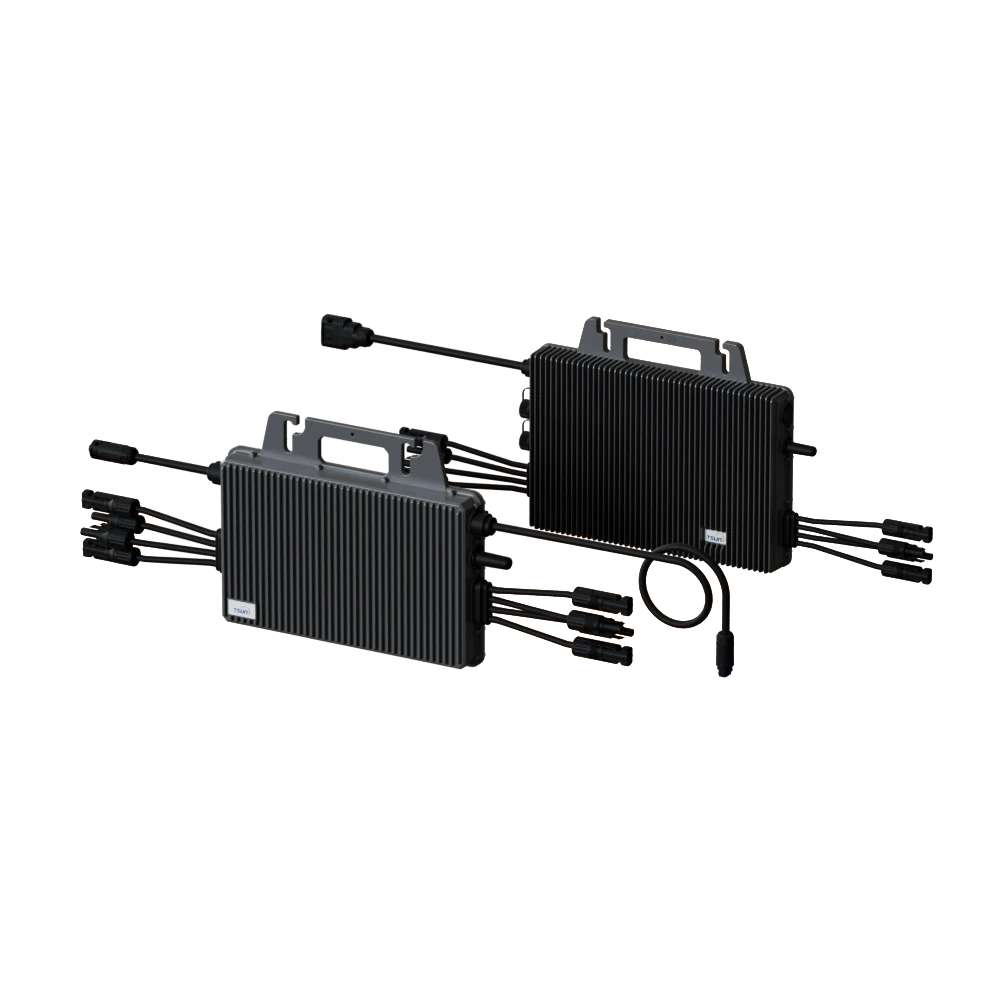
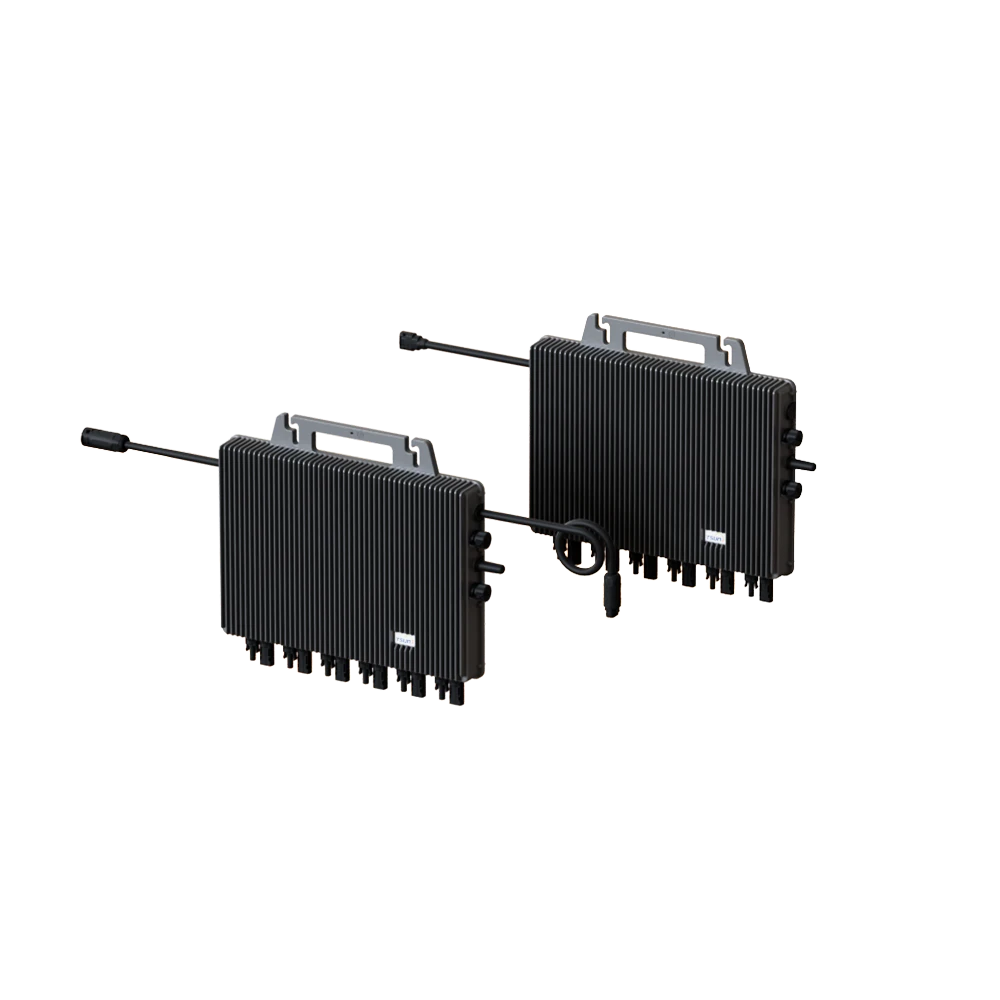
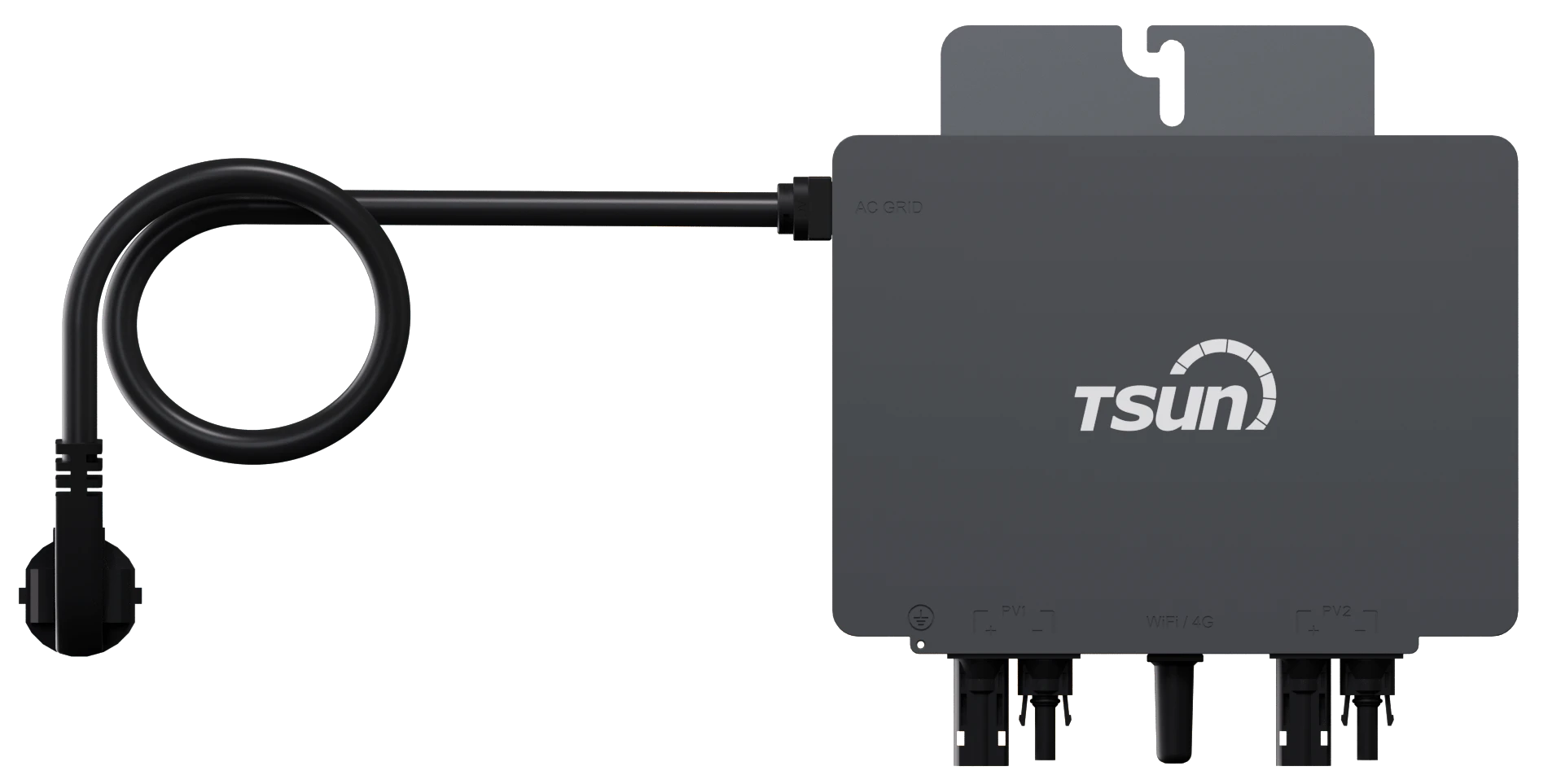
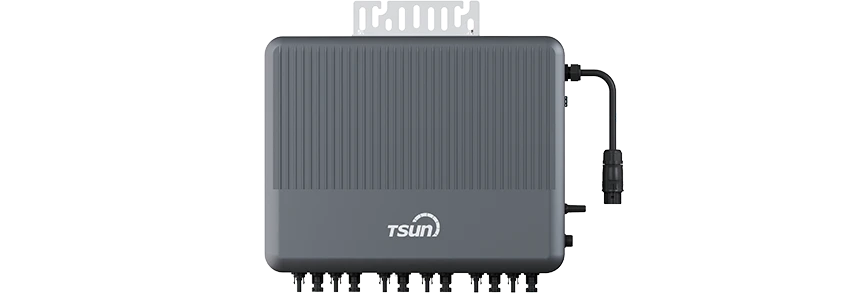
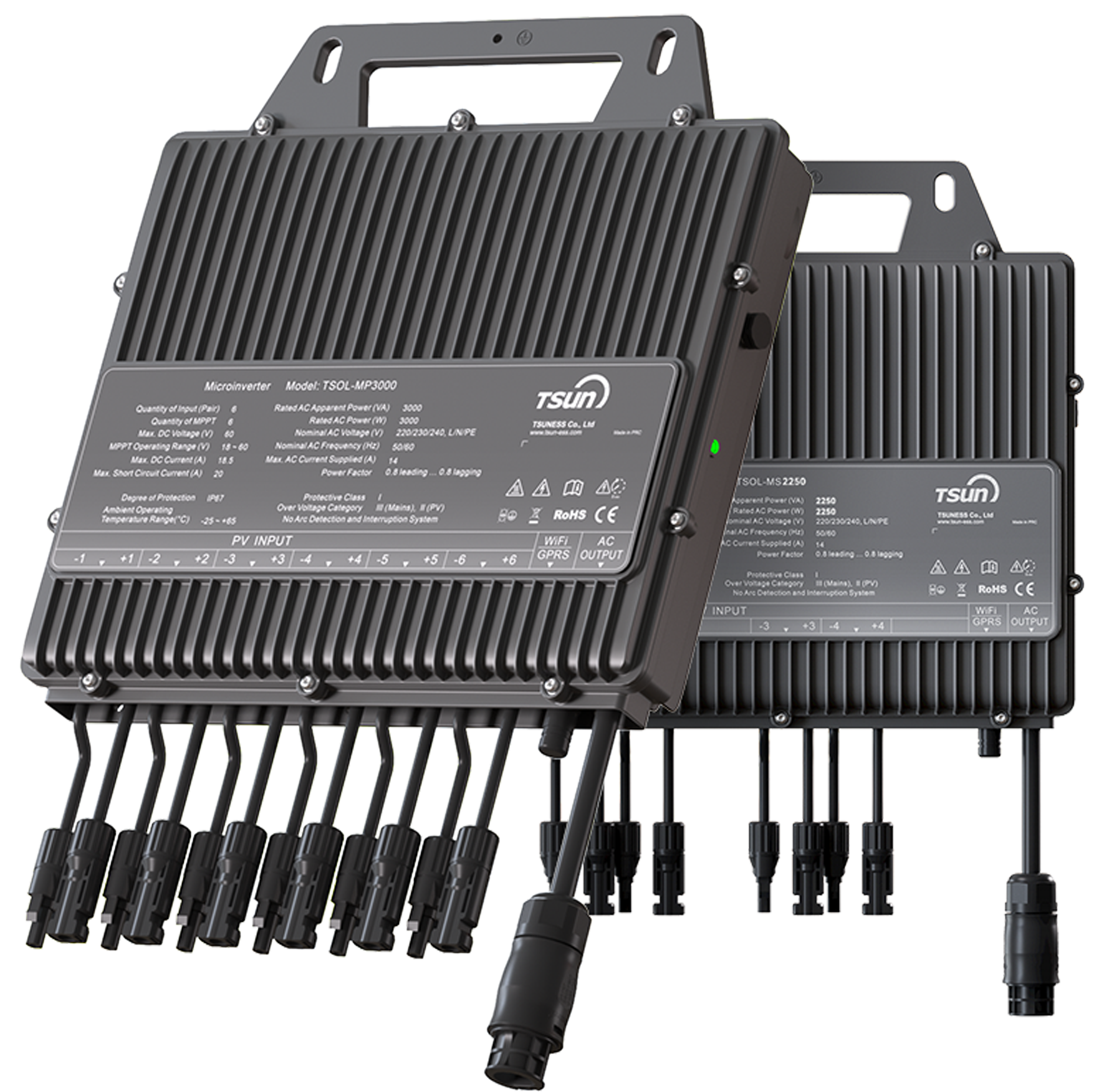
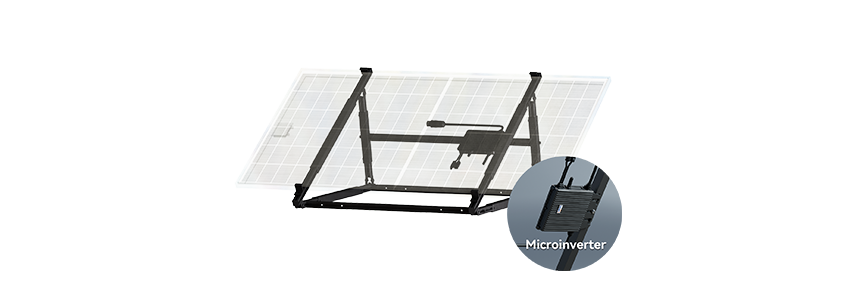
Look, everyone's talking about going wireless, right? Microinverters, specifically. It's not just hype; I've been seeing a real push for them on sites all over. Used to be, string inverters were the only game in town. Simple, yeah, but one shady panel and the whole string goes down. Now, with these tsun gen3 microinverter ms600ms700ms800 bulk… it’s different. Each panel operates independently. Fewer headaches, more power. Honestly, the biggest driver I’m seeing isn’t even efficiency; it's the monitoring. Owners want to know what each panel's doing. They want data. And these give it to them.
What's strange is how many companies get caught up in the 'smart' part and forget about the basics. I encountered this at a factory in Ningbo last time – they'd designed a beautiful microinverter, all sleek lines and fancy software, but the connectors were cheap plastic. Snapped off after a week. To be honest, it's the small things that kill you. People think because it’s electronics, it can be delicate, but it needs to withstand everything a rooftop can throw at it – hail, wind, temperature swings... It’s brutal.
The whole point of this, at least to me, is making solar accessible. String inverters are heavy, require specific layouts. These tsun gen3 microinverter ms600ms700ms800 bulk are lighter, more flexible. Makes it easier to get solar on roofs that previously couldn’t handle it. That's a big deal, especially for homeowners who’ve been wanting to go green but thought it was impossible. Anyway, I think that’s why the demand's really spiking now.
Industry Trends and Common Design Pitfalls
Have you noticed how quickly everything's moving towards modularity? It’s not just solar. Everything's becoming a plug-and-play system. The demand is really shifting from "can it work?" to "how easy is it to install?". And honestly, that’s driving a lot of innovation, but also a lot of corners being cut.
One thing I see constantly is companies trying to over-engineer the software side. They’re building these incredibly complex monitoring apps with a million features, but they forget about the installer who just wants to get the job done. Simple, reliable communication is what matters. I had a guy tell me last week, "I don’t need a dashboard; I need a light to turn green when it’s working." You can't argue with that.
Material Selection and On-Site Handling
The enclosure material on these tsun gen3 microinverter ms600ms700ms800 bulk is key. Most are using a polycarbonate blend – feels kinda rubbery, you can drop it a few times without it cracking. But some are using thinner stuff… brittle. You can smell the difference, honestly. The good stuff has a slight plastic-y odor, the bad stuff smells… cheap. And the heat sinks – that’s another area. Aluminum is standard, but the fin design makes all the difference. Too close together, and they clog with dust. Too far apart, and they don’t dissipate heat effectively.
Handling these on-site is… well, it's a pain. They're small, which is good, but that means they’re easy to drop. Gotta have a good magnetic screwdriver, or you’ll be spending half your day crawling around on the roof looking for screws. And the connectors? They need to be properly sealed. I've seen too many installations ruined by water ingress because someone skimped on the sealant.
And let's talk about the cables. They need to be UV resistant, obviously. But they also need to be flexible enough to bend around corners without kinking. I’ve seen some cables that just… snap. Horrible. Makes the whole job a nightmare.
Testing and Real-World Performance
Labs are fine, but real-world testing is what matters. We're talking about throwing these things on roofs in Arizona, in Maine, in the middle of a hurricane. That’s where you find out what’s really shaking. We've been doing thermal cycling – freezing them, baking them, freezing them again. It's brutal, but it gives us a good indication of long-term reliability.
I’ve seen these tsun gen3 microinverter ms600ms700ms800 bulk exposed to salt spray, too. Coastal installations are a whole different ball game. Corrosion is the enemy. We also do vibration testing. Simulating the vibrations from wind and traffic. You wouldn't believe how much those panels shake around.
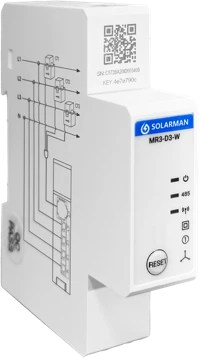
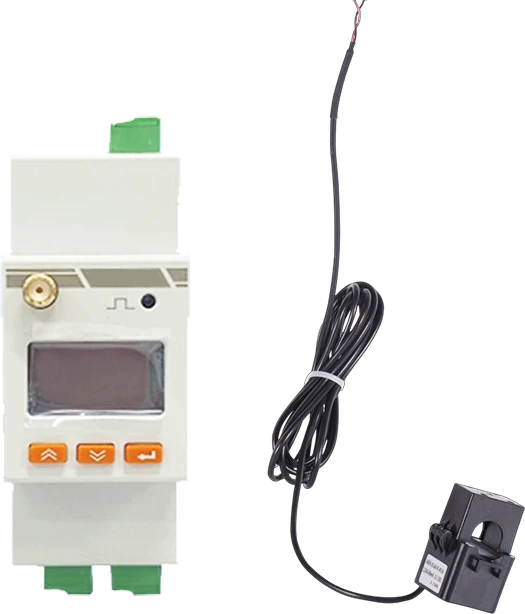
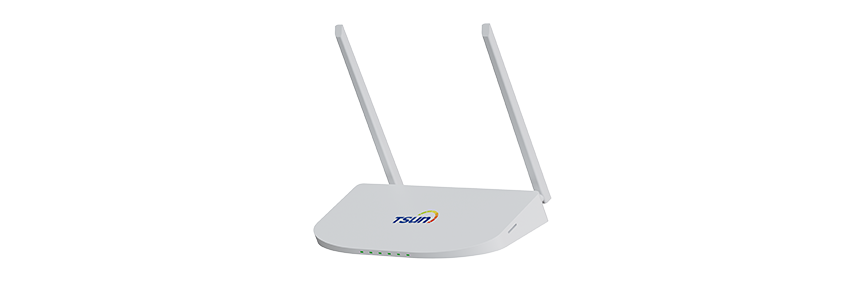
Strangely, one of the biggest challenges isn't the hardware itself; it's the software. Making sure the monitoring system stays online, even when the internet connection is spotty. That's where a lot of failures occur.
User Adoption and Unexpected Applications
Most homeowners just want it to work, right? They don't care about the technical details. They just want to see their electricity bill go down. But you get some who get really into it. They’re checking the monitoring app every five minutes, obsessing over every kilowatt-hour. It's… interesting.
I've also seen these used in some unexpected applications. Off-grid cabins, tiny homes, even RVs. The flexibility of these microinverters makes them perfect for those situations. Later… forget it, I won’t mention that houseboat project. It was a disaster.
tsun gen3 microinverter ms600ms700ms800 bulk Performance Metrics
Advantages, Disadvantages, and Customization Options
The biggest advantage, hands down, is the redundancy. One panel fails, the rest keep working. Simple as that. And the monitoring gives you peace of mind. You know exactly what's going on. But, they're more expensive upfront than string inverters. There’s no getting around that. And troubleshooting can be a bit trickier. You’re dealing with multiple points of failure, not just one.
Customization? Not a lot, honestly. You can usually get different communication protocols – Wi-Fi, Zigbee, whatever – but the core functionality is pretty much fixed. We had one customer, though, a small boss in Shenzhen who makes smart home devices, insisted on changing the interface to . Said it was "more modern." The result? It added cost, complexity, and a whole lot of headaches. Ultimately, he went back to the standard connector. Lesson learned.
A Customer Story from Shenzhen
Last month, that small boss in Shenzhen who makes smart home devices, like I mentioned before, insisted on changing the interface to , and the result was a complete mess. He thought it would differentiate his product, make it look more high-tech. He spent a fortune on custom tooling and certification.
But the connectors weren’t as robust as the standard ones. They kept failing in the field, causing all sorts of problems. His customers were furious, and he ended up having to recall the entire product line. Cost him a ton of money and damaged his reputation.
He learned a valuable lesson that day: sometimes, sticking with the tried and true is the best option. Especially when it comes to something as critical as a power connection.
Key Performance Indicators
Core Performance Metrics for tsun gen3 microinverter ms600ms700ms800 bulk
| Metric Category |
Measurement Parameter |
Acceptable Range |
Critical Threshold |
| Efficiency |
Peak Power Conversion |
95% - 98% |
Below 93% |
| Reliability |
Mean Time Between Failures (MTBF) |
>100,000 hours |
<80,000 hours |
| Thermal Performance |
Operating Temperature Range |
-40°C to 85°C |
Outside -30°C to 75°C |
| Communication |
Data Transmission Accuracy |
99% or higher |
Below 95% |
| Ingress Protection |
IP67 Rating Compliance |
Full Compliance |
Partial or No Compliance |
| Harmonic Distortion |
Total Harmonic Distortion (THD) |
<5% |
>10% |
FAQS
The main difference is the architecture. String inverters connect multiple panels in series, creating a single point of failure. Microinverters, like the tsun gen3 series, attach to each panel individually. This means if one panel is shaded or fails, it doesn’t bring down the whole system. You also get panel-level monitoring with microinverters, which gives you a much more granular view of your system’s performance. It’s more expensive upfront, but offers greater reliability and insight.
Temperature is a big factor, obviously. These units are designed to operate efficiently in a wide range (-40 to 85°C), but performance will drop as the temperature rises. Good ventilation is key. We recommend making sure there’s adequate airflow around the inverters to prevent overheating. Overheating can significantly reduce output and shorten the lifespan. Proper installation is crucial.
We’re seeing a Mean Time Between Failures (MTBF) exceeding 100,000 hours. That translates to roughly 25 years of reliable operation, assuming normal conditions. However, the actual lifespan depends heavily on the installation environment and maintenance. Coastal installations, for example, are more prone to corrosion and may require more frequent inspections.
Generally, yes. They're designed to work with a wide range of panel voltages and power outputs. However, it’s crucial to check the compatibility specifications before installation. Some older or less common panel types might require an adapter or might not be fully compatible. It's always best to consult the datasheet or contact our technical support team to confirm.
Absolutely. That's one of the biggest benefits of microinverters. You can easily add more panels and inverters to your system as your energy needs grow. You don’t have to worry about reconfiguring the entire system like you would with a string inverter. It's a modular approach, and it gives homeowners a lot of flexibility.
We offer a standard 25-year warranty on the tsun gen3 series. This covers defects in materials and workmanship. However, the warranty doesn’t cover damage caused by improper installation, natural disasters, or acts of God. It’s important to follow the installation guidelines carefully to ensure the warranty remains valid.
Conclusion
Ultimately, these tsun gen3 microinverter ms600ms700ms800 bulk are a step forward in solar technology. They offer greater reliability, flexibility, and monitoring capabilities compared to traditional string inverters. They’re not perfect – they’re more expensive upfront, and troubleshooting can be a bit more complex. But the benefits often outweigh the drawbacks, especially for homeowners who want a long-term, hassle-free solar solution.
Look, at the end of the day, whether this thing works or not, the worker will know the moment he tightens the screw. If it feels solid, if it connects easily, if the monitoring system comes online without a hitch… that’s a good sign. Because in the field, we don't care about fancy charts or complex algorithms. We care about getting the job done right, and making sure the lights stay on. And these microinverters, when done right, can deliver on that promise.




 LEARN DETAILS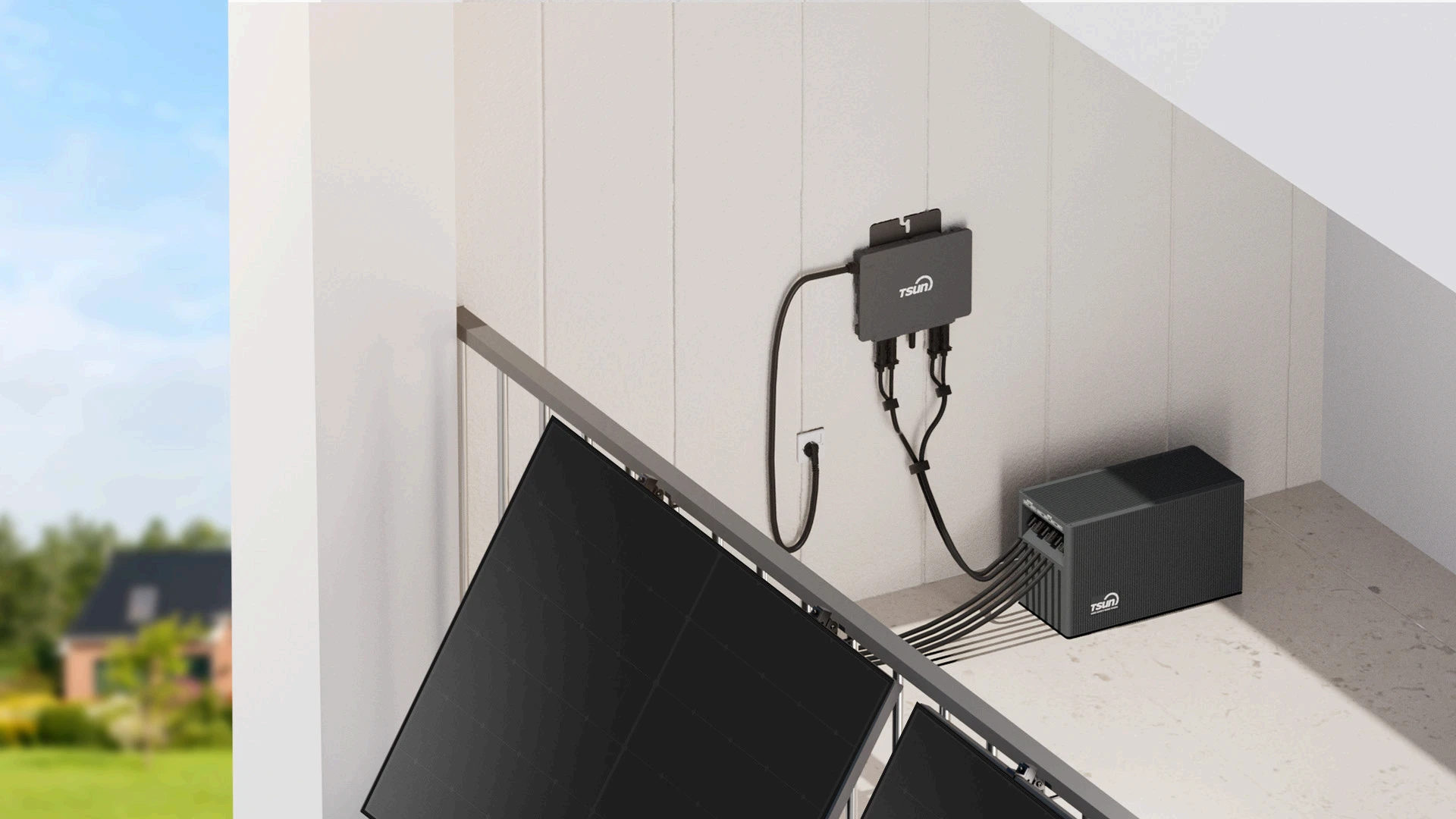

 Downloads
 Video Center
 Report Fault for Repair
 FAQS
FAQS Service Network
 Privacy Policy
 Contact Us
 Monitoring