Household Energy Storage Systems: Powering a Sustainable Future
In an era increasingly focused on sustainability and energy independence, household energy storage systems (ESS) are becoming a game-changer. These systems allow homeowners to store excess energy generated from renewable sources like solar panels, providing a reliable power backup and reducing reliance on the grid. This article delves into the benefits, types, considerations, and future trends of household energy storage, guiding you through everything you need to know. Investing in an ESS isn’t just an environmental decision; it’s a smart financial one, offering long-term savings and energy security.
Understanding the Benefits of Household Energy Storage
The advantages of adopting a household ESS are numerous. Primarily, it enhances energy independence, shielding you from grid outages and fluctuating energy prices. By storing solar energy for later use, you maximize self-consumption and minimize reliance on the utility company. Furthermore, ESS can qualify you for various government incentives and rebates, reducing the initial investment cost. A crucial benefit is the ability to participate in demand response programs, where you can earn income by providing energy back to the grid during peak demand. Finally, it’s a sustainable choice, contributing to a cleaner environment by reducing your carbon footprint.
Key Advantages: Enhanced energy independence, reduced energy costs, environmental sustainability, participation in demand response programs, potential for government incentives.
Types of Household Energy Storage Systems
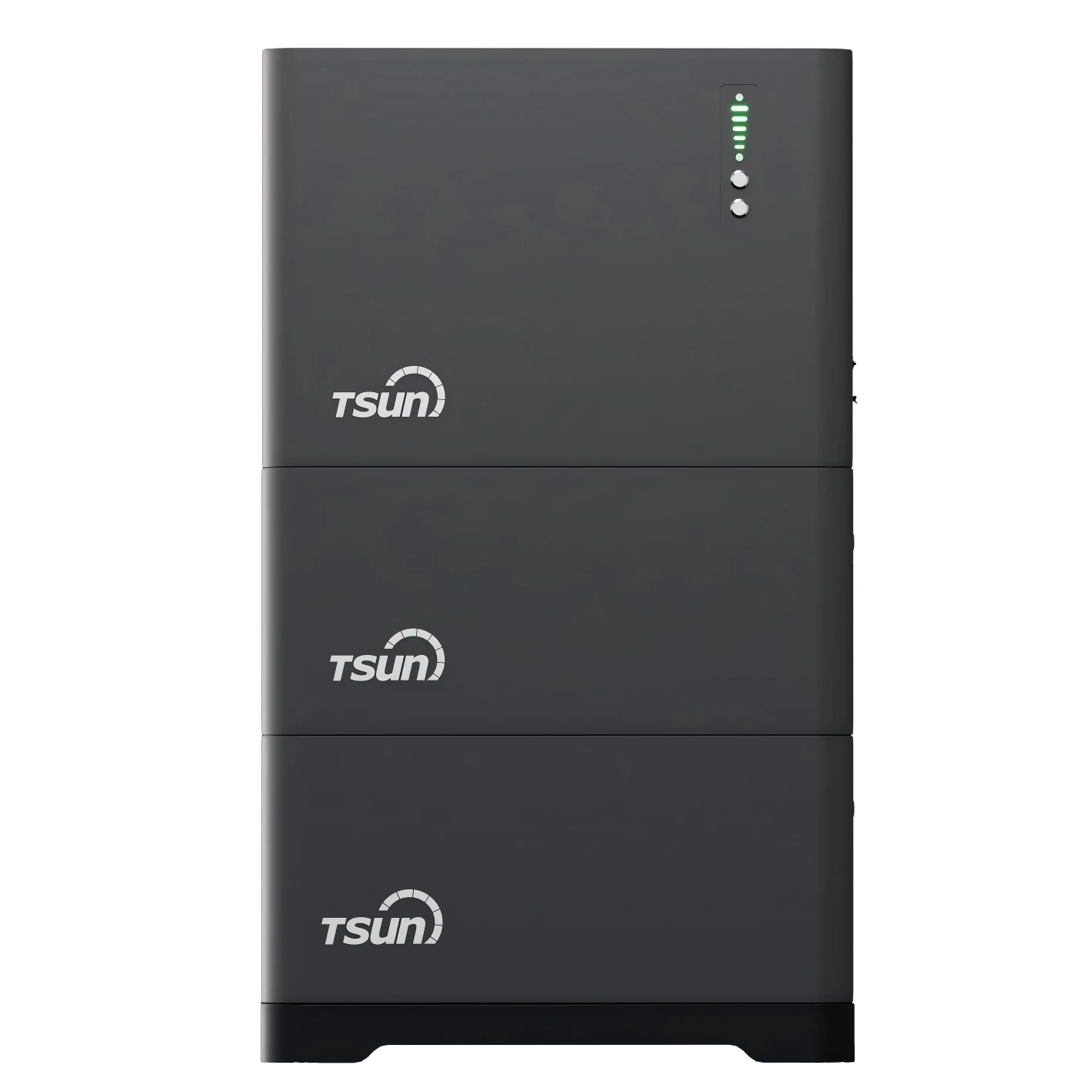
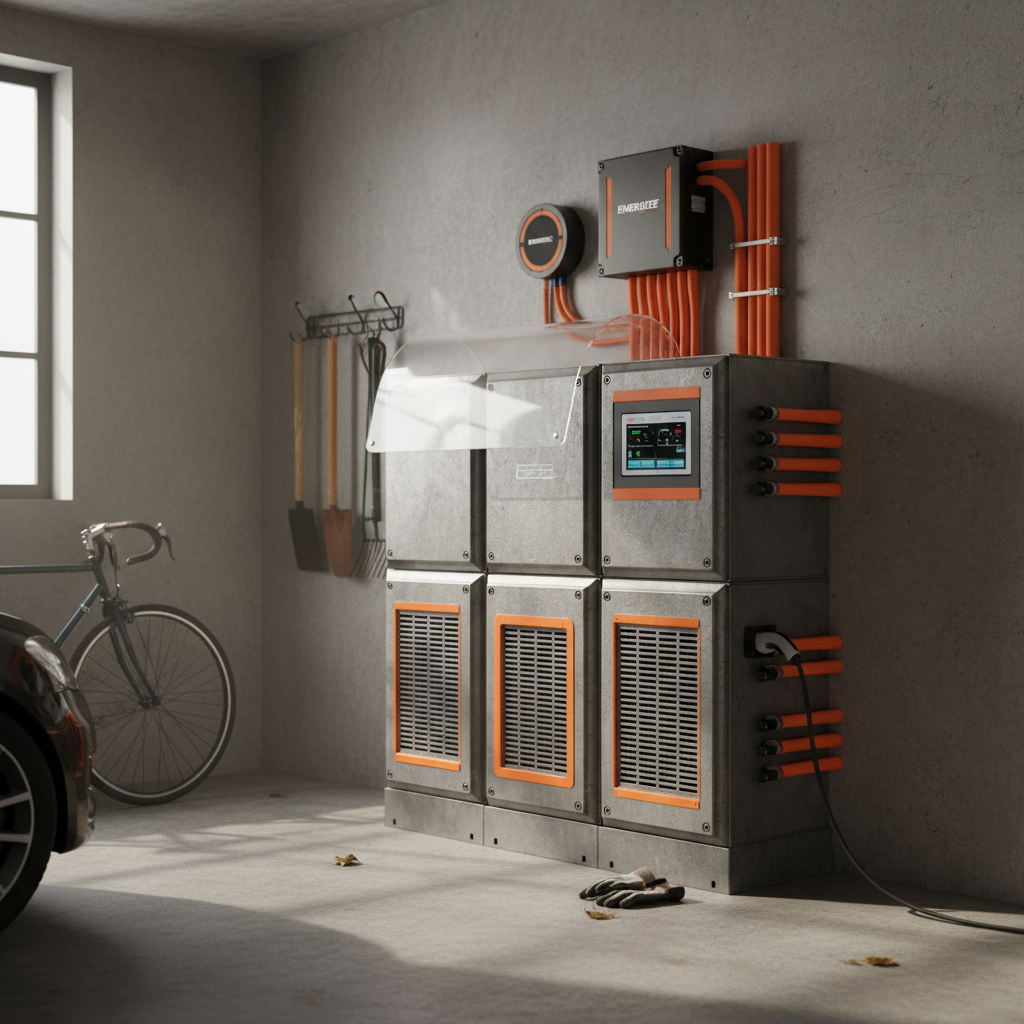
The most common type of household ESS utilizes lithium-ion batteries, known for their high energy density, long lifespan, and relatively low maintenance. Flow batteries are another emerging technology, offering scalability and long duration storage, but are typically more expensive. Lead-acid batteries, while cheaper upfront, have a shorter lifespan and lower efficiency. The choice depends on your energy needs, budget, and space constraints. Factors to consider include the battery's capacity (measured in kilowatt-hours - kWh), power output (measured in kilowatts - kW), and round-trip efficiency (the percentage of energy returned compared to energy stored). TSUN-ESS offers a range of lithium-ion solutions tailored to diverse household requirements.
Battery Technology Comparison:
• Lithium-ion: High energy density, long lifespan, low maintenance.
• Flow Batteries: Scalable, long duration, higher cost.
• Lead-acid: Lower upfront cost, shorter lifespan, lower efficiency.
Household Energy Storage Systems: Key Considerations
Before investing in an ESS, several factors need careful consideration. Firstly, assess your energy consumption patterns to determine the appropriate battery capacity. Secondly, evaluate the compatibility of the ESS with your existing solar panel system (if applicable). Thirdly, factor in installation costs, including wiring, permits, and labor. Fourthly, consider the system's warranty and maintenance requirements. Finally, research local regulations and incentives. It’s crucial to work with a qualified installer to ensure a safe and efficient installation. TSUN-ESS provides comprehensive support, from system design to installation and ongoing maintenance.
| Factor |
Consideration |
| Energy Consumption |
Analyze your historical energy usage to determine battery capacity needs. |
| Solar Compatibility |
Ensure the ESS is compatible with your existing or planned solar panel system. |
| Installation Costs |
Factor in wiring, permits, labor, and any necessary electrical upgrades. |
| Warranty & Maintenance |
Review the warranty terms and understand the ongoing maintenance requirements. |
Future Trends in Household Energy Storage
The household energy storage market is rapidly evolving. We're seeing advancements in battery technology, including increased energy density and improved safety features. Virtual power plants (VPPs), which aggregate distributed energy resources like ESS, are gaining traction, offering grid stability and reducing energy costs. Furthermore, smart home integration is becoming increasingly seamless, allowing homeowners to optimize energy usage and manage their ESS remotely. The decreasing cost of battery technology is also making ESS more accessible to a wider range of consumers. TSUN-ESS is at the forefront of these innovations, developing cutting-edge solutions to meet the evolving needs of the market.
TSUN-ESS Solutions for Your Home
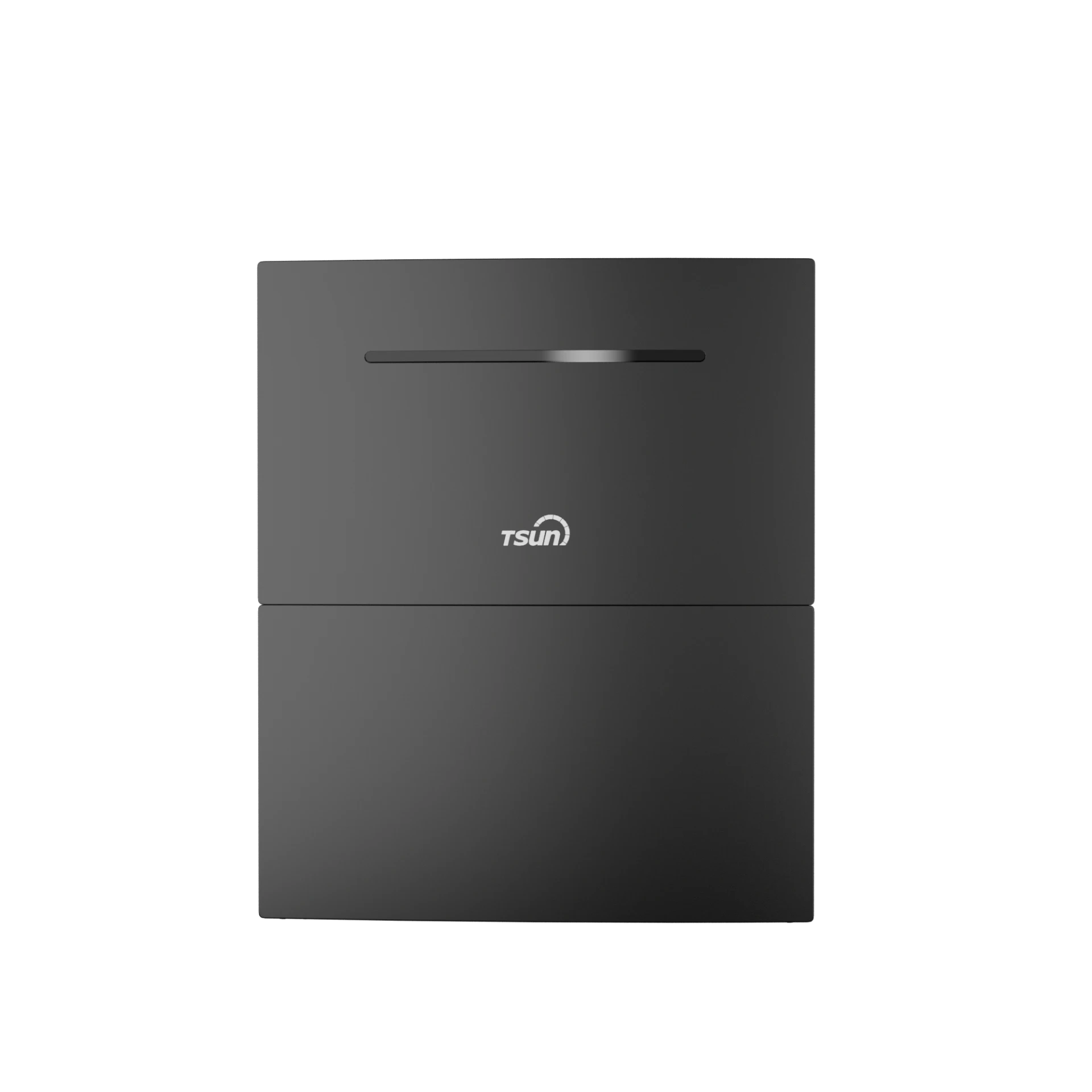
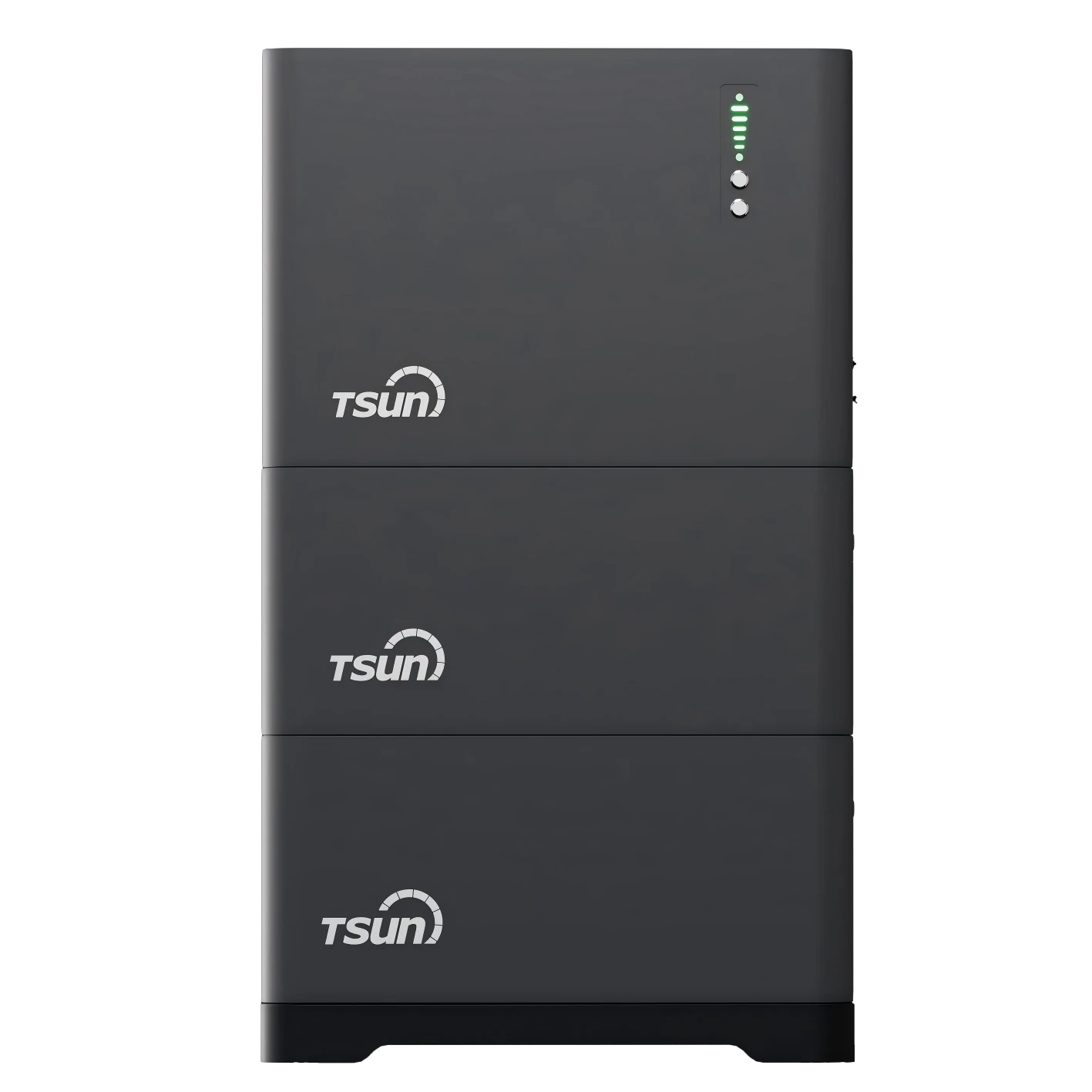
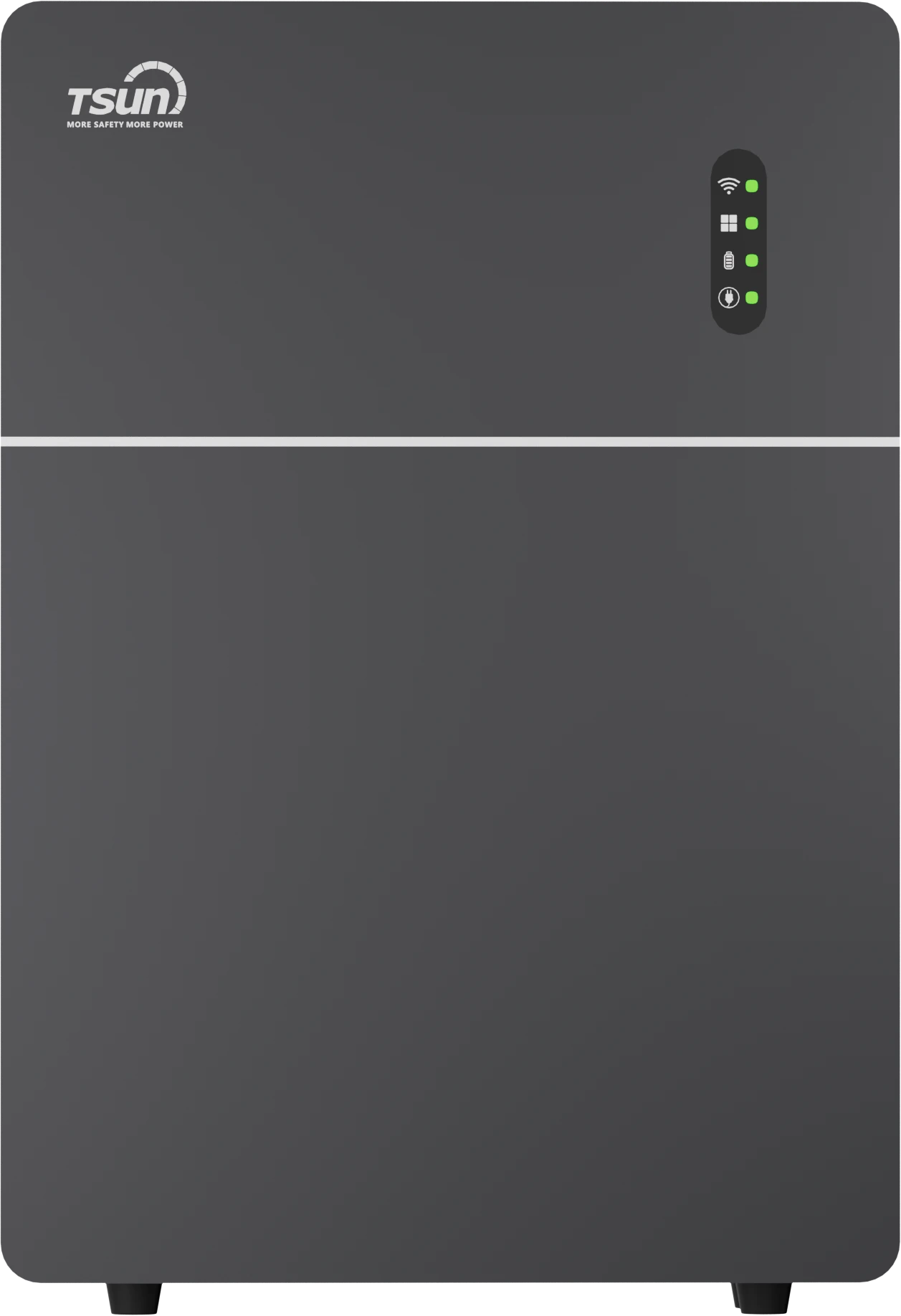
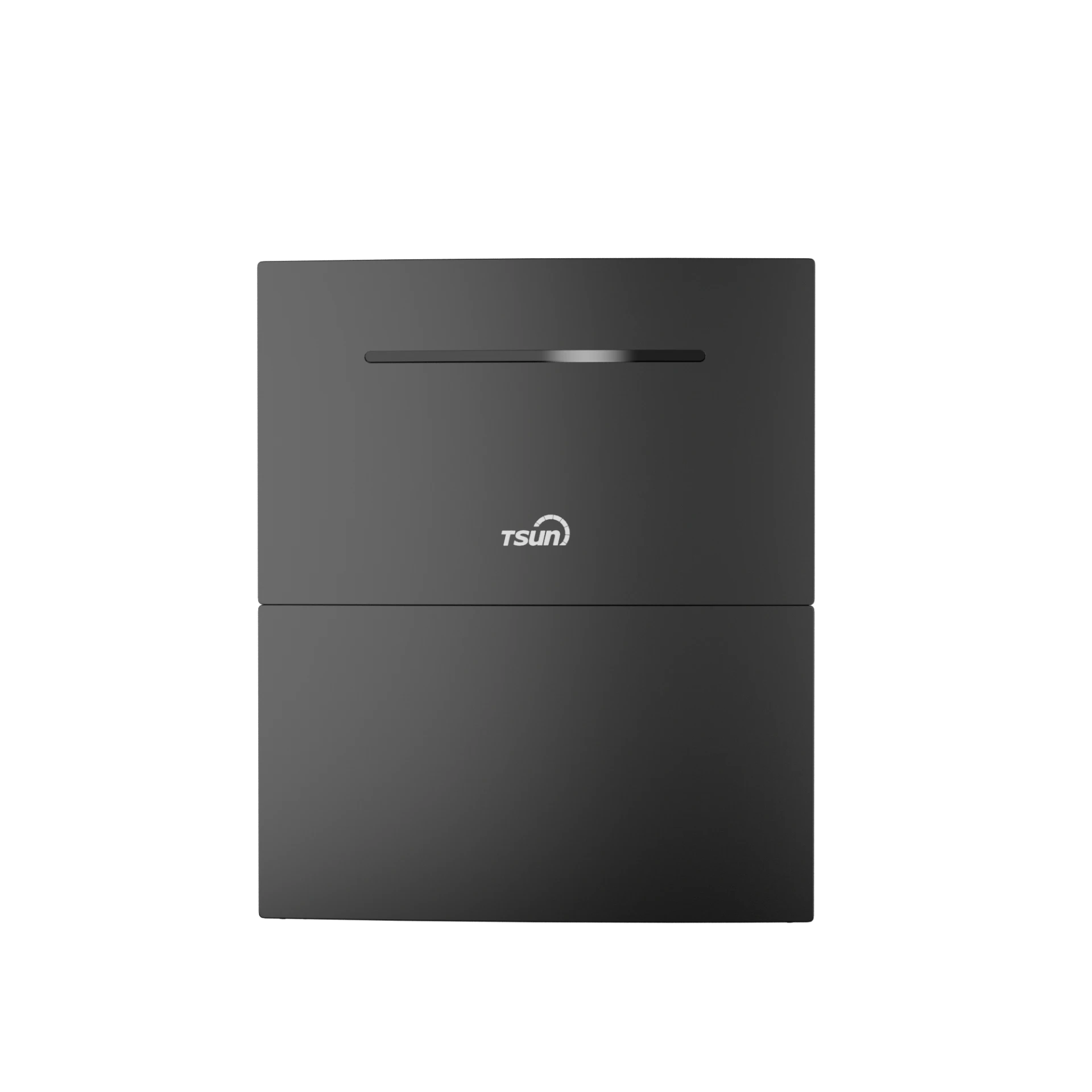
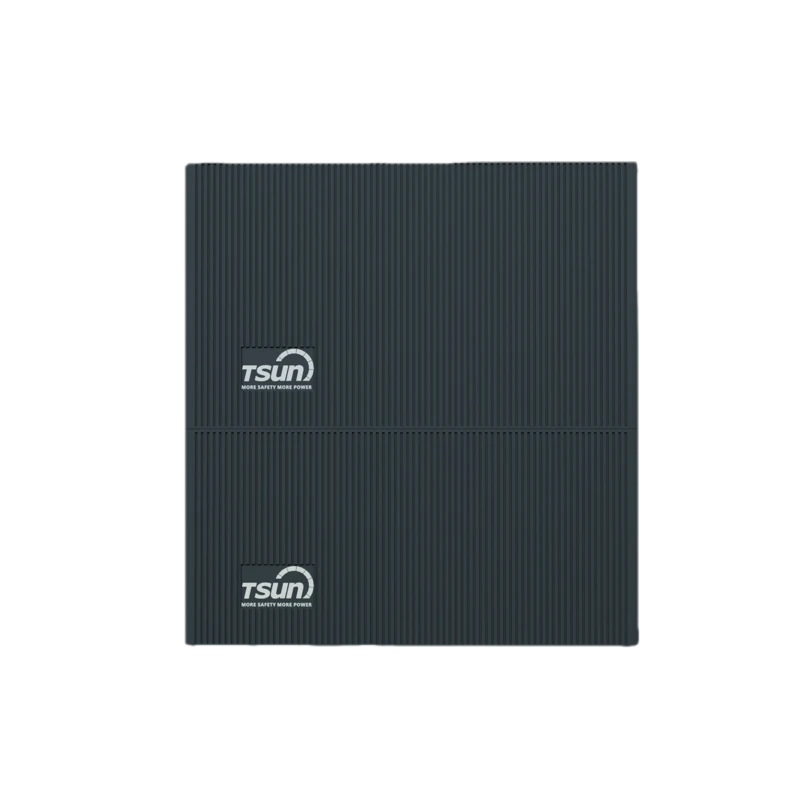
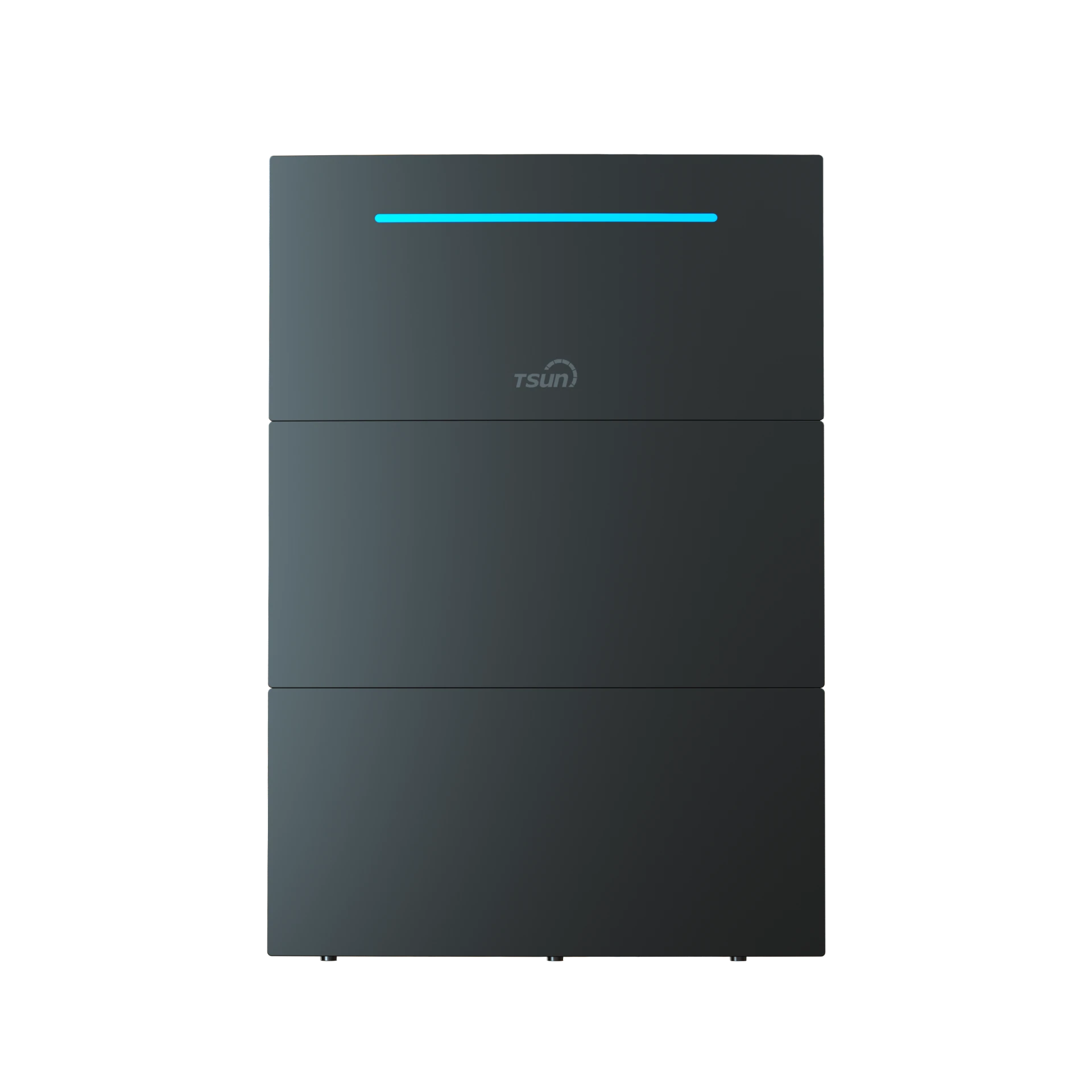
At TSUN-ESS, we offer a comprehensive range of household energy storage systems designed to meet your specific needs. Our systems are renowned for their reliability, efficiency, and advanced features. We provide customized solutions, expert installation, and ongoing support. Explore our product line today and take the first step towards energy independence and a sustainable future.
Conclusion: Empowering Your Home with Energy Storage
Investing in a household energy storage system is a significant step towards a more sustainable and energy-independent future. With the right system and professional installation, you can reduce your energy costs, enhance your resilience to grid outages, and contribute to a cleaner environment. TSUN-ESS is your trusted partner in this journey.
Frequently Asked Questions (FAQs)
How long do household energy storage batteries typically last?
The lifespan of a household energy storage battery varies depending on the battery chemistry, usage patterns, and environmental factors. Lithium-ion batteries, the most common type, generally last between 10 and 15 years, or around 3,000-5,000 cycles. A cycle refers to a complete charge and discharge of the battery. Factors such as depth of discharge (how much of the battery's capacity is used each cycle) and operating temperature can affect lifespan. Regular maintenance and avoiding extreme temperatures can help maximize the battery's longevity. TSUN-ESS batteries are designed for long-lasting performance and come with comprehensive warranties.
What size energy storage system do I need for my home?
Determining the appropriate size ESS requires careful assessment of your energy consumption. Begin by analyzing your electricity bills to understand your average daily and peak energy usage. Consider whether you want to power essential loads during outages or your entire home. If you have solar panels, factor in the amount of excess energy you typically generate. A qualified installer can perform a detailed energy audit to recommend the optimal battery capacity for your needs. Generally, a system ranging from 5 kWh to 15 kWh is sufficient for most households, but this can vary significantly.
Are there any incentives or rebates available for installing an energy storage system?
Yes, many government agencies and utility companies offer incentives and rebates for installing household energy storage systems. These incentives can significantly reduce the upfront cost of the system. The availability and amount of incentives vary by location, so it's essential to research programs in your area. Federal tax credits, state rebates, and local utility programs are common options. TSUN-ESS can provide guidance on available incentives and help you navigate the application process.
How does an energy storage system work with a solar panel system?
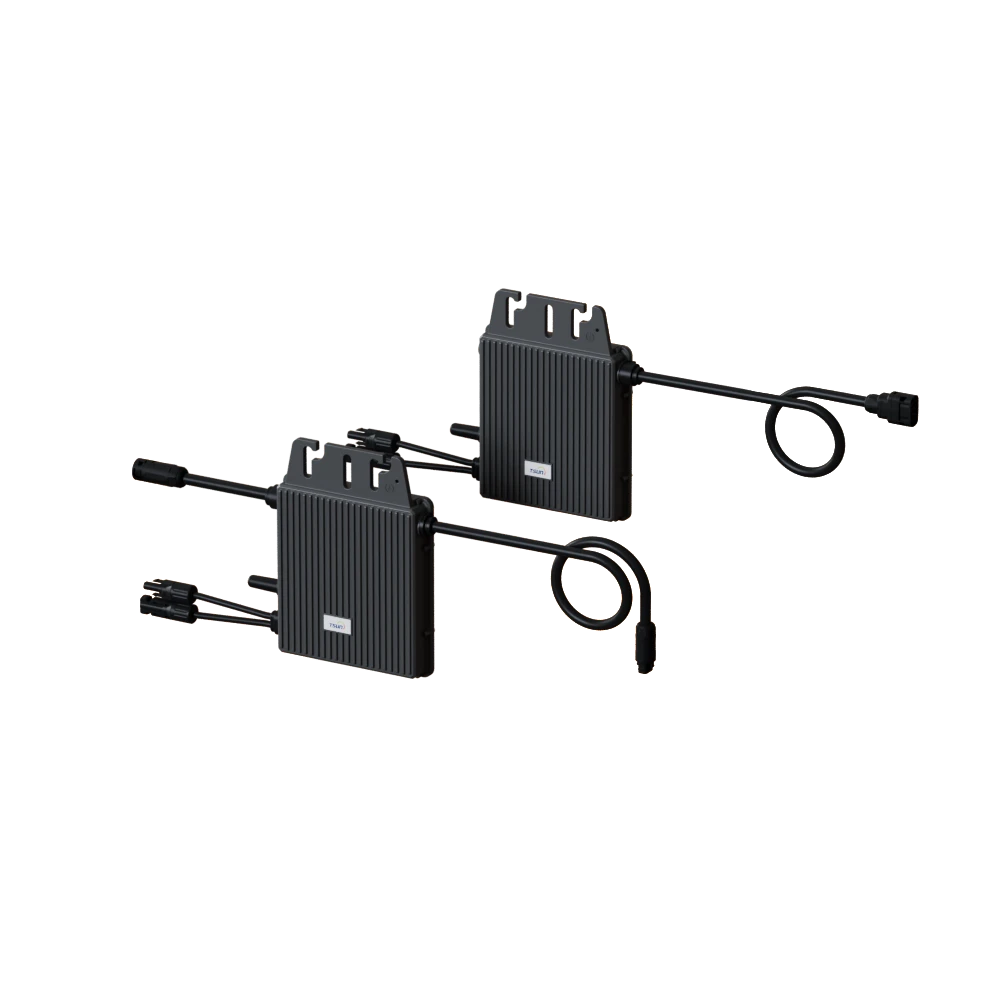
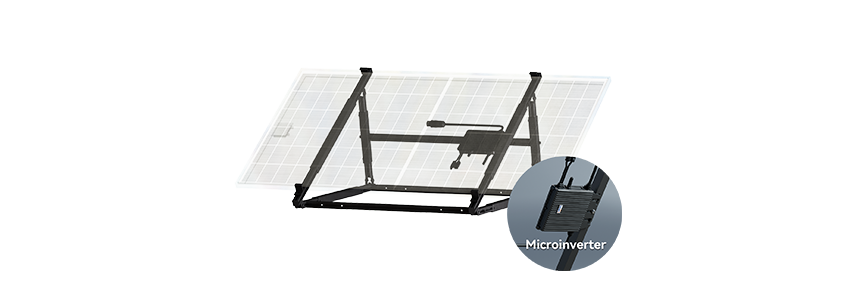
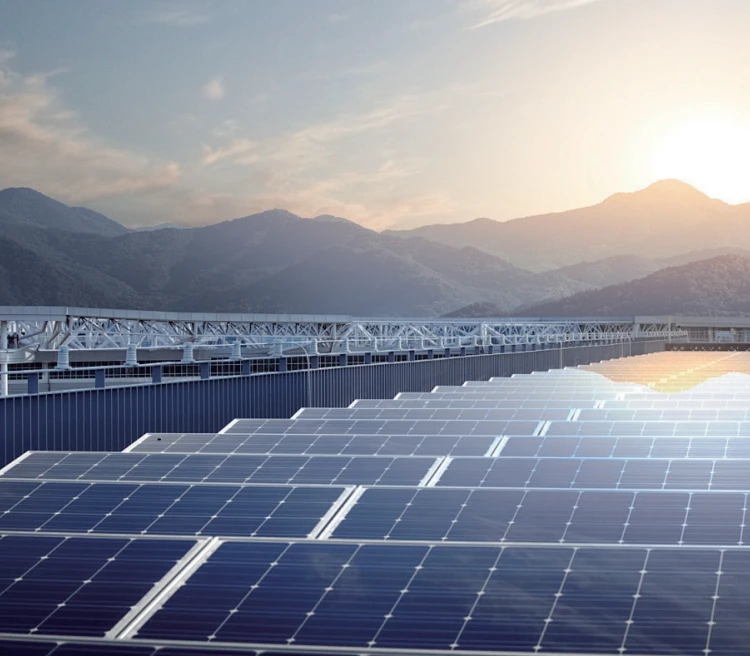
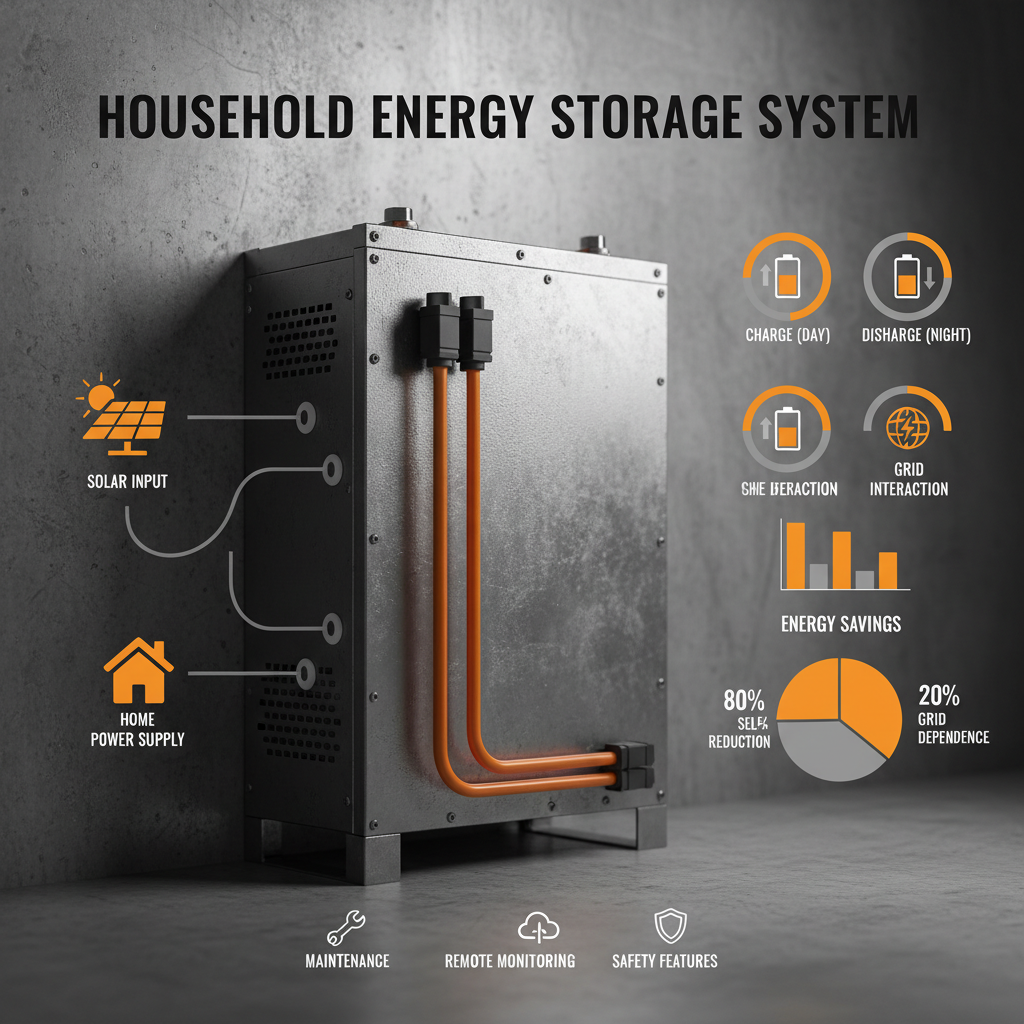
An energy storage system seamlessly integrates with a solar panel system to maximize energy self-consumption. During the day, solar panels generate electricity. If the electricity demand is less than the generation, the excess energy is stored in the battery for later use. At night or during cloudy days, when solar generation is low, the stored energy is discharged to power your home. This minimizes reliance on the grid and reduces your electricity bills. TSUN-ESS systems are designed for optimal compatibility with various solar panel brands and configurations.







 LEARN DETAILS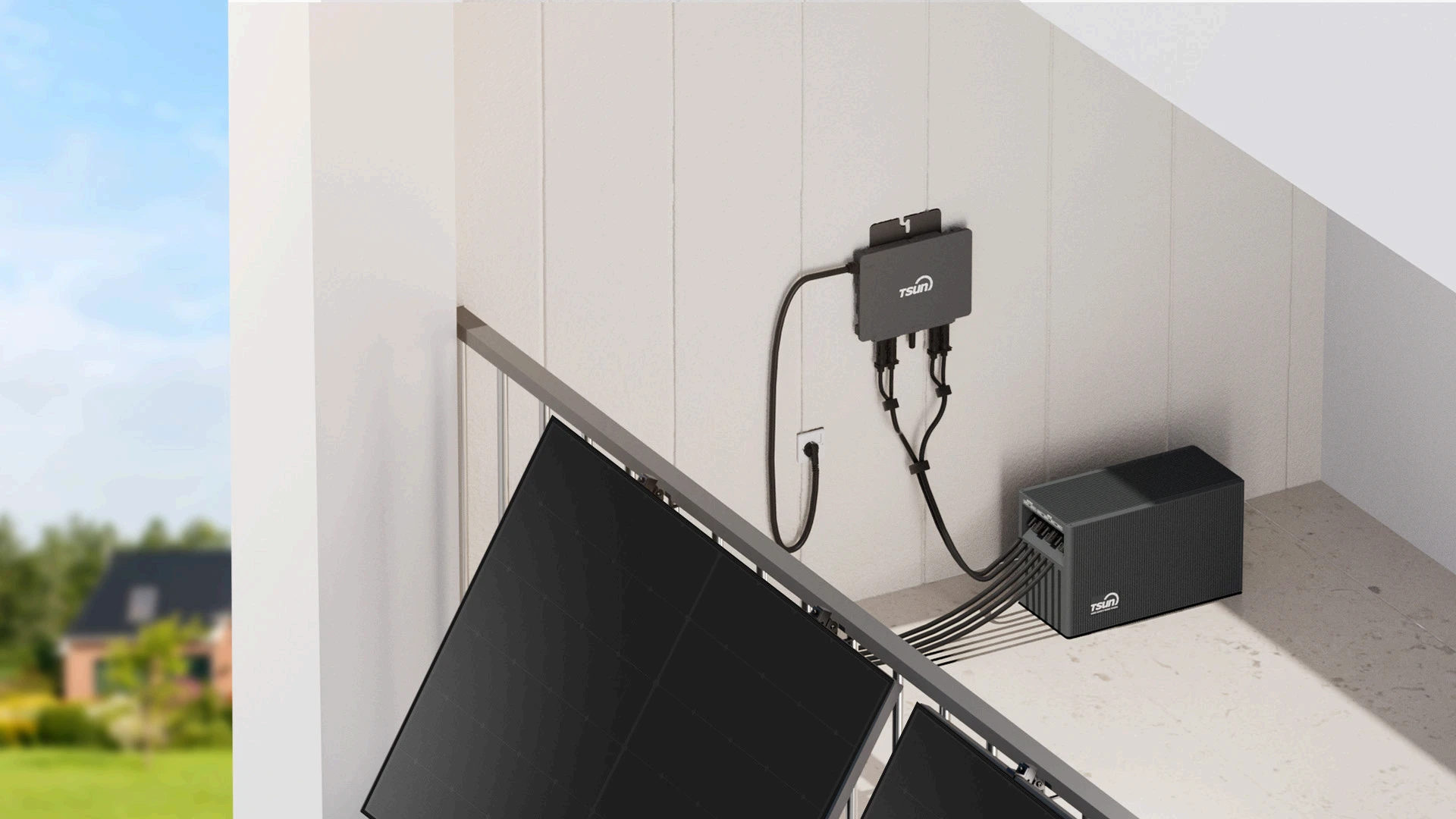
 Downloads
 Video Center
 Report Fault for Repair
 FAQS
FAQS Service Network
 Privacy Policy
 Contact Us
 Monitoring


 LEARN MORE