Choosing the Right In Home Battery Storage System
As the demand for renewable energy grows, so does the need for efficient energy storage solutions. In home battery storage systems are becoming increasingly popular, allowing homeowners to maximize their solar energy usage, reduce reliance on the grid, and provide backup power during outages. This article will explore the benefits of in home battery storage, different types of systems available, key considerations when choosing a system, and how TSUN ESS can help you find the perfect solution for your energy needs.
The Benefits of In Home Battery Storage
Investing in an in home battery storage system offers numerous advantages. Firstly, it allows you to store excess solar energy generated during the day and use it at night or during periods of low sunlight. This reduces your dependence on the electricity grid and lowers your electricity bills. Secondly, battery storage provides backup power during grid outages, ensuring essential appliances remain operational. Furthermore, these systems contribute to a more sustainable energy future by promoting the use of renewable energy sources. Finally, some utility companies offer incentives and rebates for installing battery storage, making it a financially attractive option.
Key Highlights: Reduced electricity bills, backup power during outages, increased renewable energy usage, potential utility incentives.
Types of In Home Battery Storage Systems
There are several types of in home battery storage systems available, each with its own advantages and disadvantages. The most common technologies include Lithium-ion, Lead-acid, and Flow batteries. Lithium-ion batteries are the most popular choice due to their high energy density, long lifespan, and relatively low maintenance requirements. Lead-acid batteries are a more affordable option but have a shorter lifespan and lower energy density. Flow batteries are a newer technology that offers a long lifespan and high scalability, but they are typically more expensive than other options. Choosing the right battery technology depends on your specific energy needs, budget, and long-term goals.
Battery Technology Comparison:
• Lithium-ion: High energy density, long lifespan, low maintenance.
• Lead-acid: Affordable, readily available, shorter lifespan.
• Flow Batteries: Long lifespan, high scalability, higher cost.
Key Considerations When Choosing an In Home Battery Storage System
Selecting the ideal in home battery storage system requires careful consideration of several factors. First, assess your energy consumption patterns to determine the appropriate battery capacity. Consider your peak demand, typical daily usage, and backup power requirements. Second, evaluate the system's compatibility with your existing solar panels and electrical infrastructure. Third, factor in the system's lifespan, warranty, and maintenance requirements. Fourth, research available incentives and rebates to offset the initial cost. Finally, choose a reputable installer with experience in battery storage systems.
| Factor |
Consideration |
| Battery Capacity |
Match to energy consumption, peak demand, and backup needs. |
| System Compatibility |
Ensure compatibility with existing solar panels and electrical setup. |
| Lifespan & Warranty |
Choose systems with long lifespans and comprehensive warranties. |
| Incentives & Rebates |
Research available financial incentives to reduce upfront costs. |
TSUN ESS: Your Partner for In Home Battery Storage Solutions
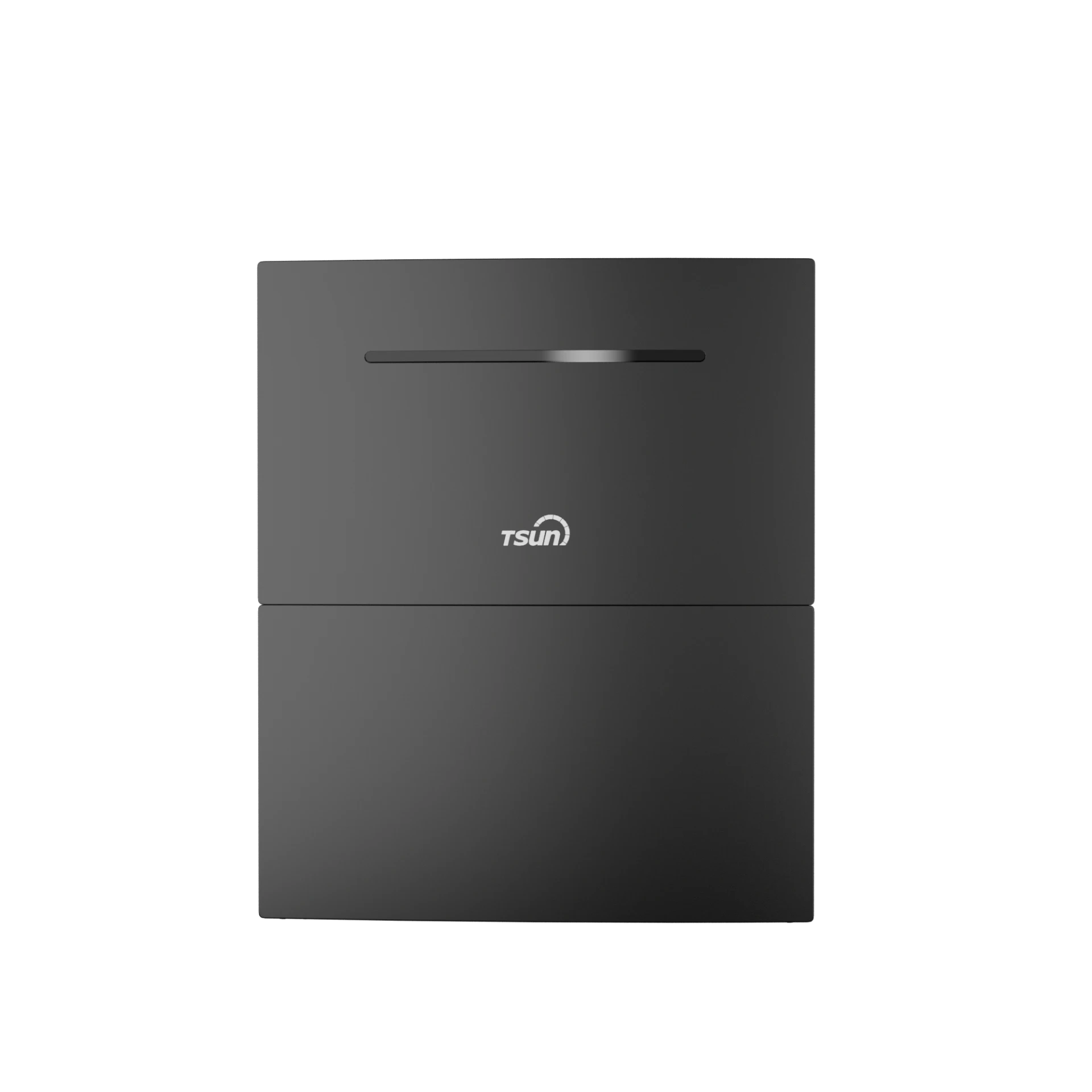
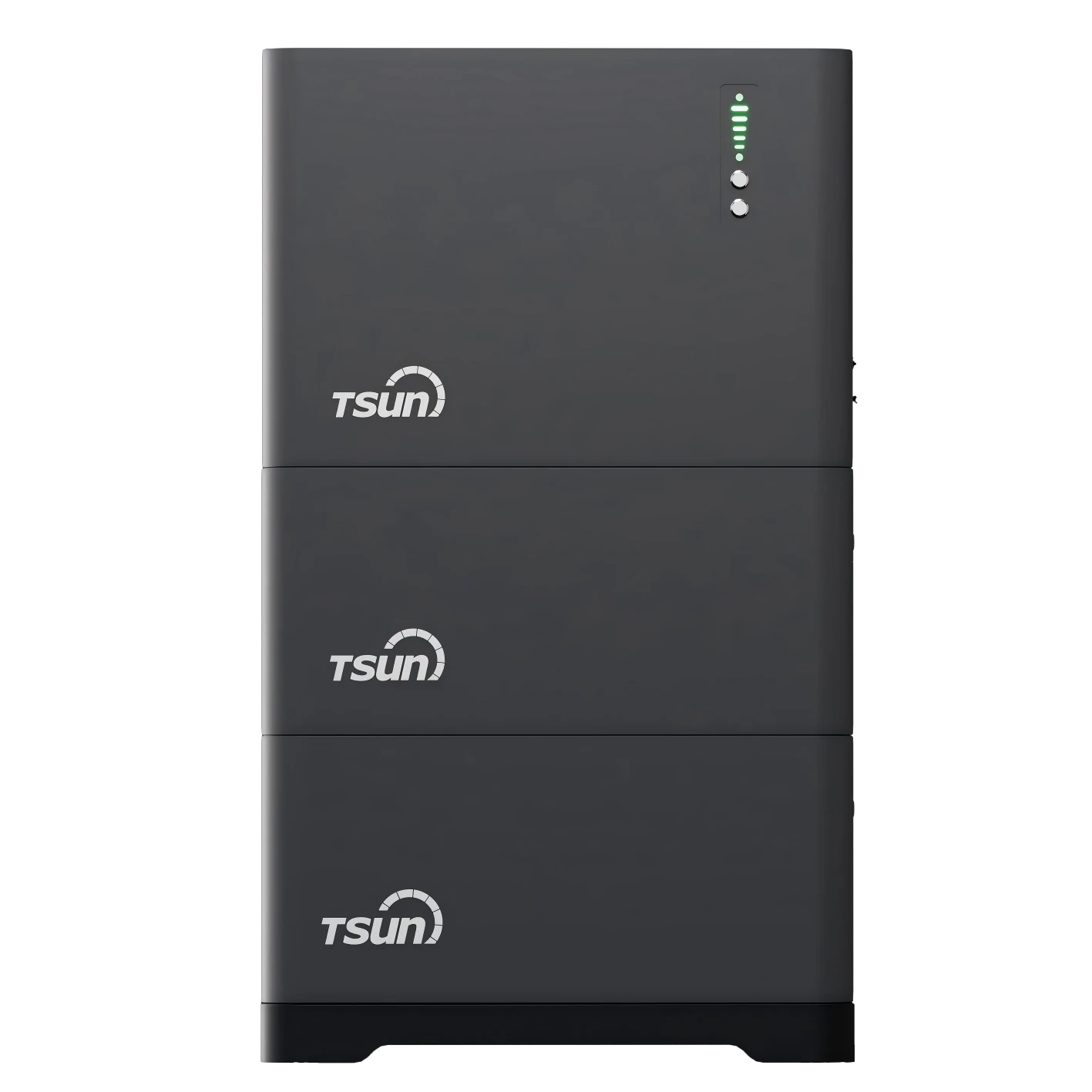
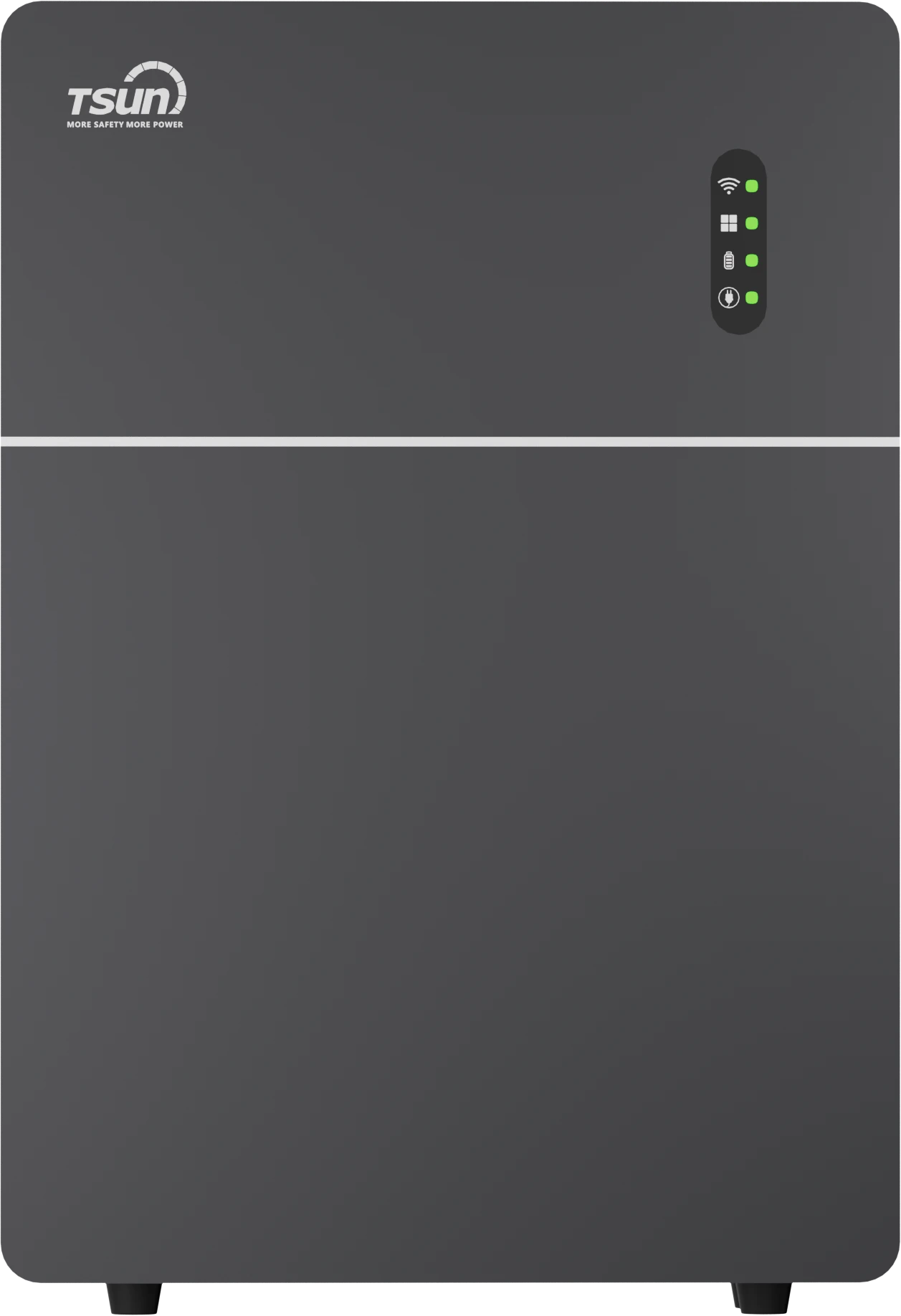
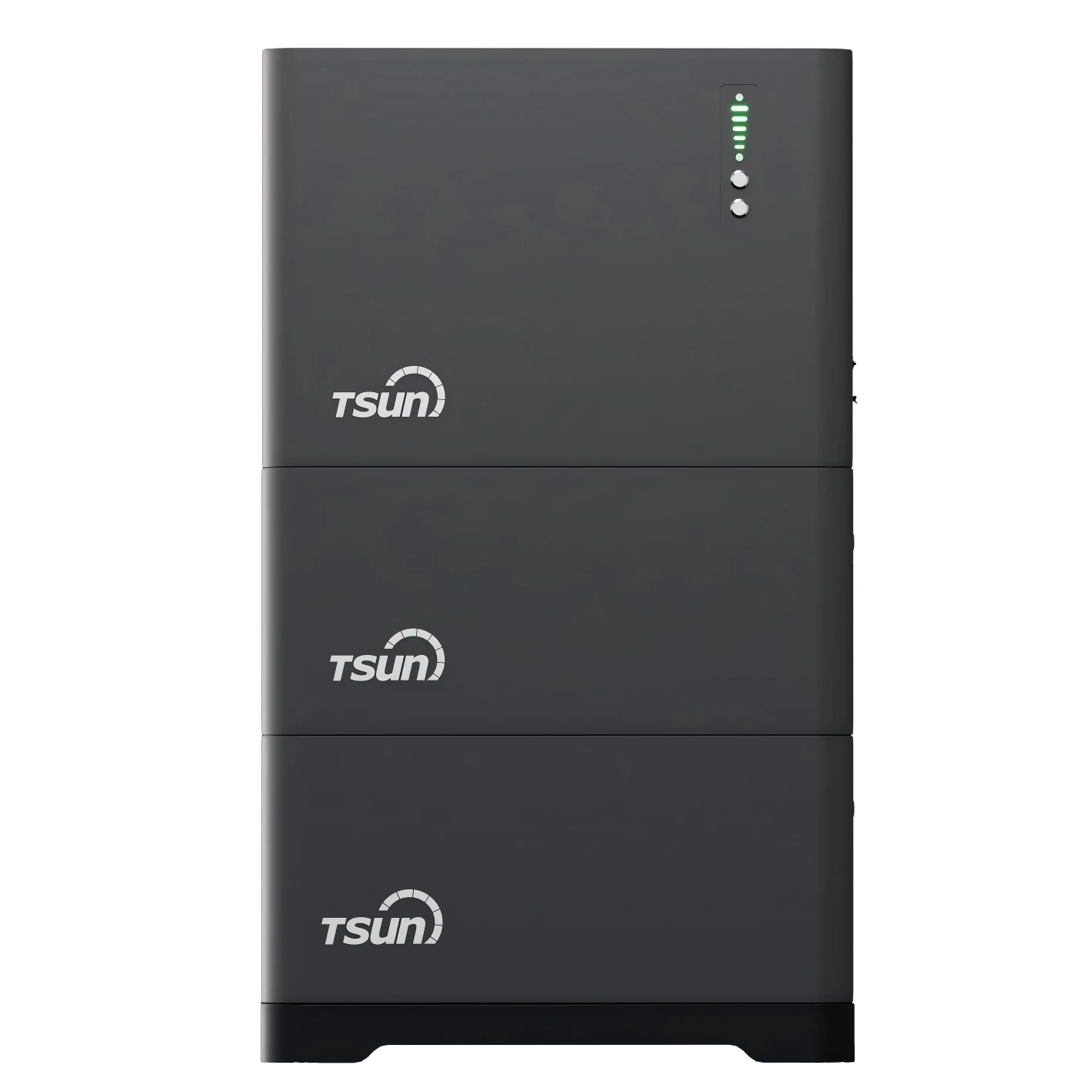
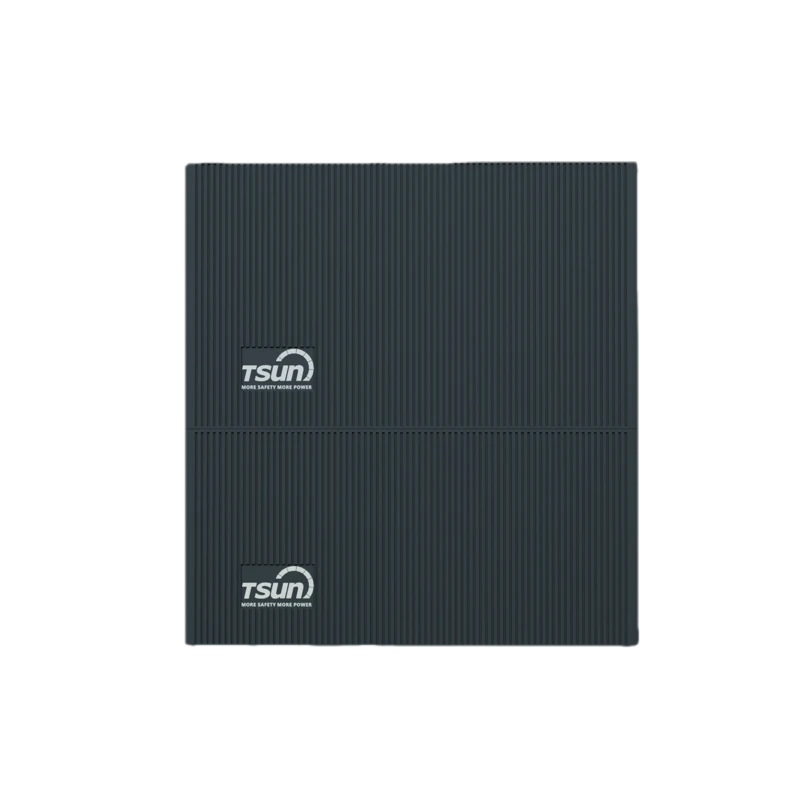
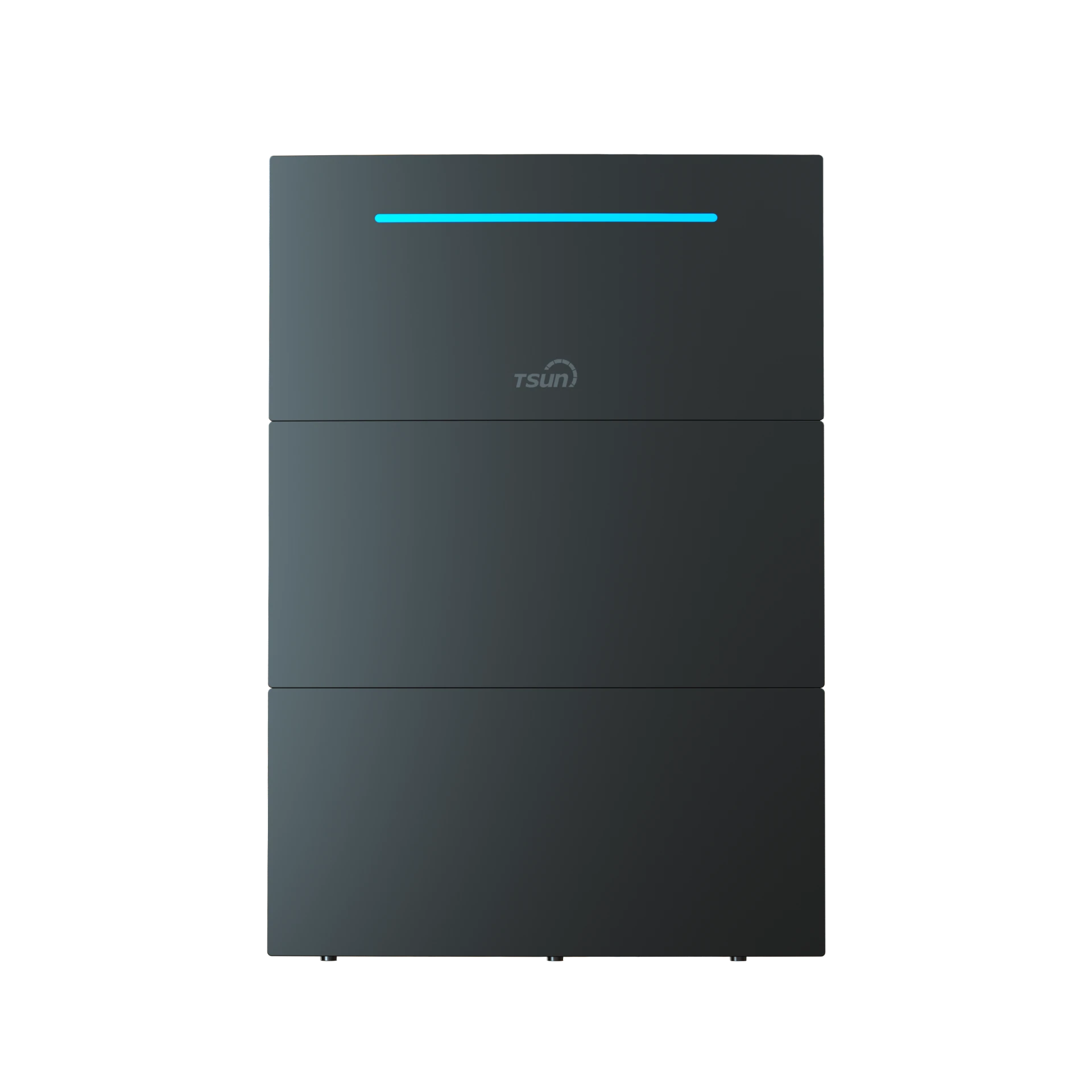
TSUN ESS offers a comprehensive range of in home battery storage solutions to meet your specific needs. We provide high-quality lithium-ion batteries, expert installation services, and ongoing support. Our team of experienced professionals can assess your energy requirements, recommend the optimal system configuration, and ensure a seamless installation process. We are committed to helping you unlock the full potential of solar energy and achieve energy independence.
TSUN ESS Product Specifications
Here's a snapshot of some key specifications for our popular battery storage models:
| Model |
Capacity (kWh) |
Voltage (V) |
Lifespan (Cycles) |
| TSUN-ESS 5 |
5 kWh |
48V |
6000 |
| TSUN-ESS 10 |
10 kWh |
48V |
6000 |
| TSUN-ESS 15 |
15 kWh |
48V |
6000 |
Conclusion: Power Your Future with TSUN ESS
Investing in in home battery storage is a smart decision for homeowners looking to reduce their energy costs, increase their energy independence, and contribute to a sustainable future. TSUN ESS provides reliable, efficient, and affordable solutions to meet your specific energy needs. Contact us today to learn more and start powering your future!
Frequently Asked Questions (FAQs)
How long will a home battery last?
The lifespan of a home battery typically ranges from 10 to 15 years, depending on the battery chemistry, usage patterns, and environmental conditions. Lithium-ion batteries generally have a longer lifespan than lead-acid batteries. Factors such as depth of discharge, temperature, and charge/discharge cycles can impact battery life. TSUN ESS batteries are designed for longevity and come with a comprehensive warranty to ensure peace of mind. Regular maintenance and proper installation are also crucial for maximizing battery lifespan.
How much does an in home battery storage system cost?
The cost of an in home battery storage system varies depending on the battery capacity, technology, installation costs, and any applicable incentives or rebates. A typical system can range from $5,000 to $15,000 before incentives. TSUN ESS offers competitive pricing and flexible financing options to make battery storage accessible to a wider range of homeowners. We can provide a customized quote based on your specific energy needs and system requirements.
Will a battery backup system power my entire home?
Whether a battery backup system can power your entire home depends on the battery capacity and your home's energy consumption. Smaller systems may only be able to power essential appliances like refrigerators, lights, and medical devices. Larger systems can power more appliances, but they come at a higher cost. TSUN ESS can help you determine the appropriate battery capacity to meet your specific backup power needs, ensuring you have the power you need during outages. A load analysis will identify critical appliances to prioritize.
What maintenance is required for an in home battery system?
In home battery systems typically require minimal maintenance. Lithium-ion batteries, in particular, have a long lifespan and require little upkeep. Regular monitoring of the system's performance is recommended. It is advised to keep the system clean and ensure proper ventilation. TSUN ESS provides comprehensive support and maintenance services to ensure your battery system operates optimally for years to come.







 LEARN DETAILS
 Downloads
 Video Center
 Report Fault for Repair
 FAQS
FAQS Service Network
 Privacy Policy
 Contact Us
 Monitoring


 LEARN MORE