Understanding Microinverter Pris: A Deep Dive Into Modern Solar Tech
Having spent years navigating the nitty-gritty of industrial equipment—especially in solar power systems—I can tell you the topic of microinverter pris is something that’s grown increasingly important. For those who aren’t fully immersed, “pris” usually means price, but also reflects performance and cost-efficiency in Scandinavian markets, which is kind of neat because it forces us to think beyond just the sticker price.
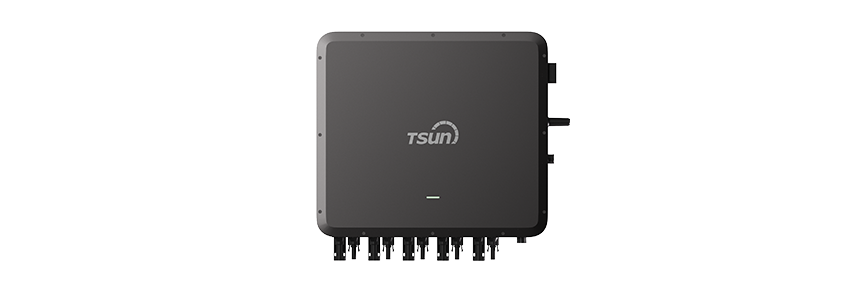
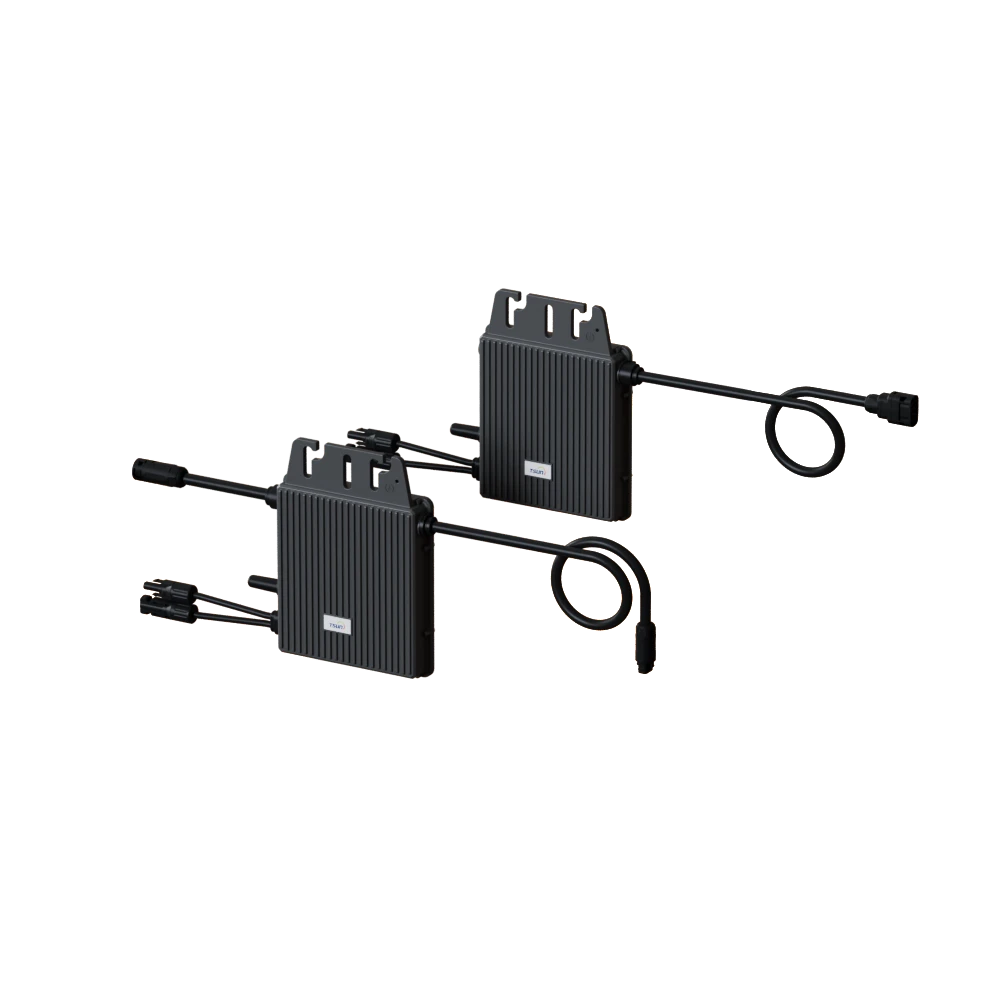
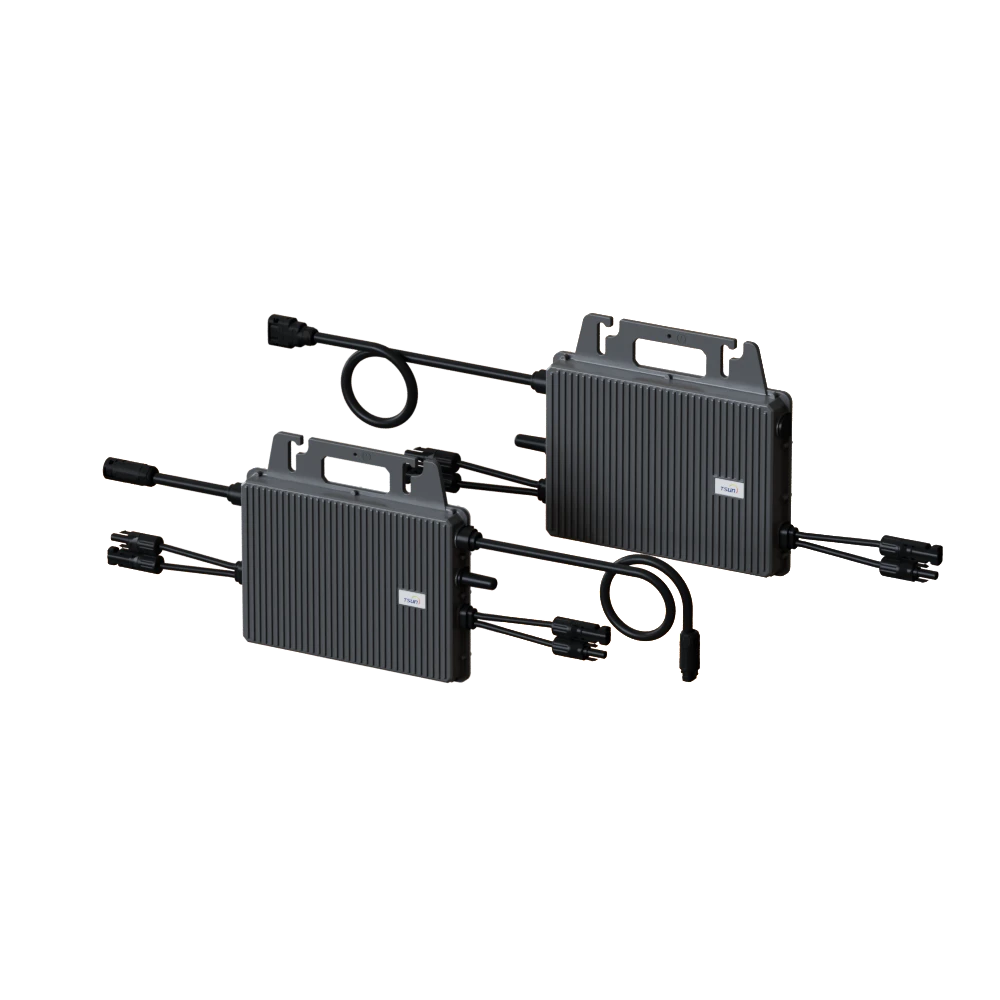
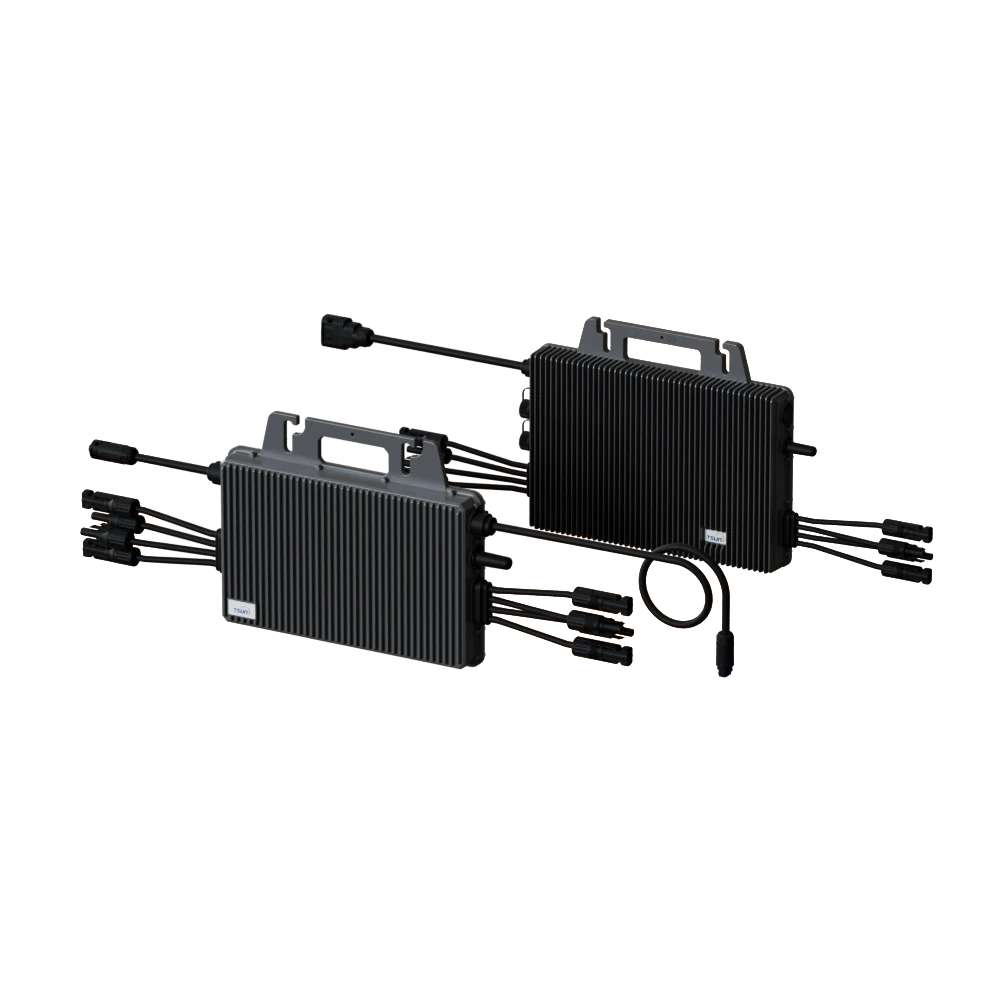
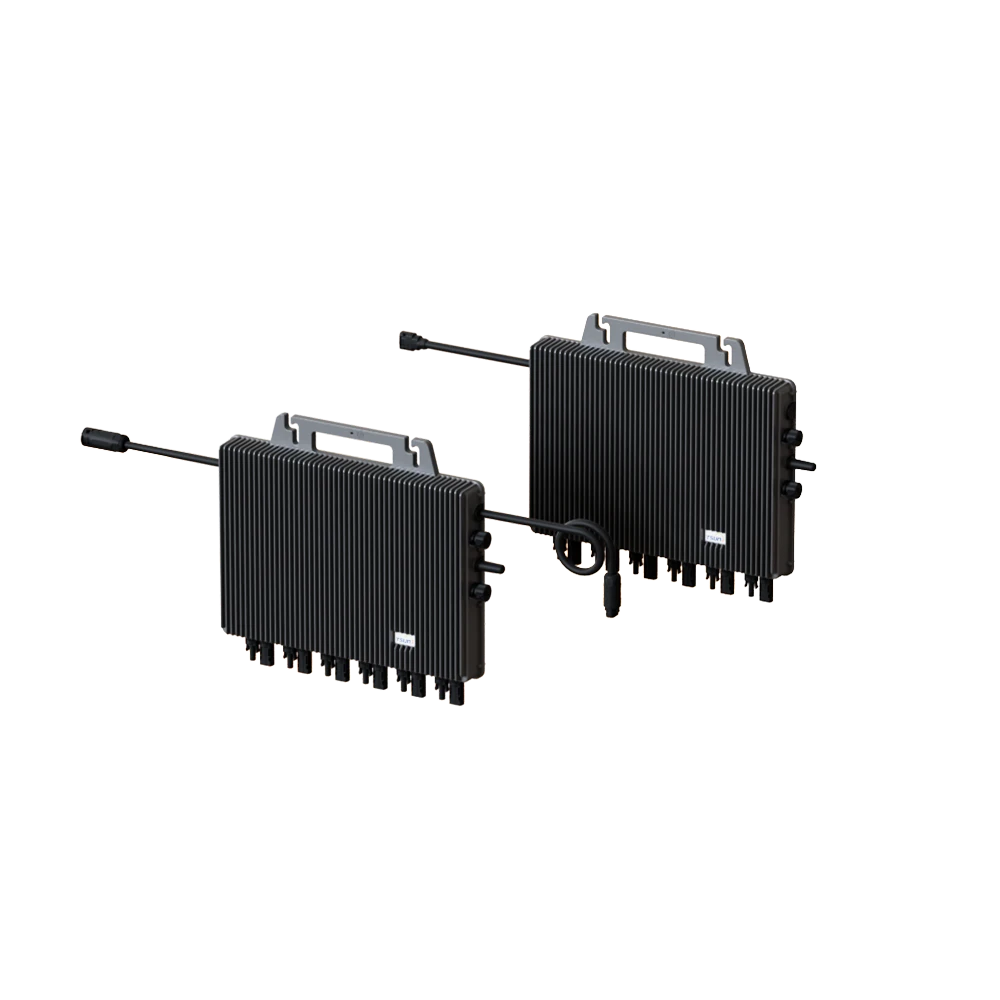
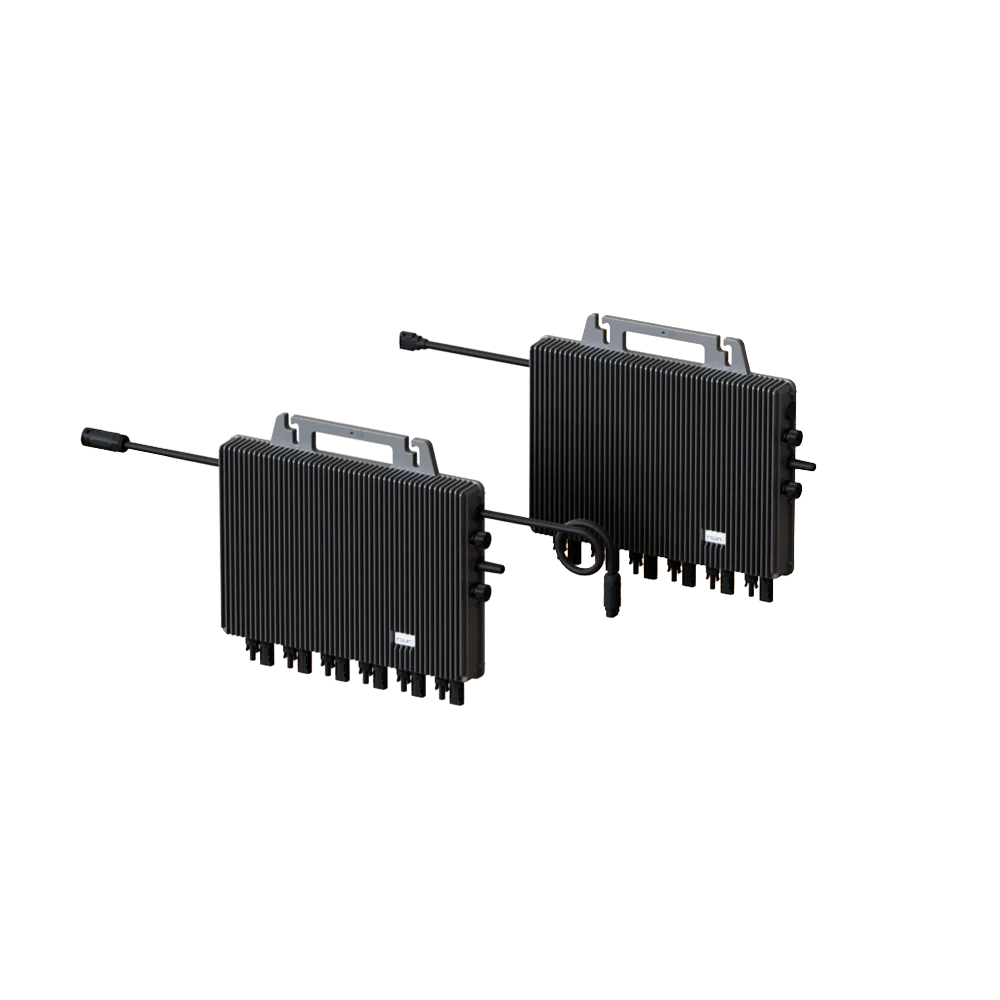
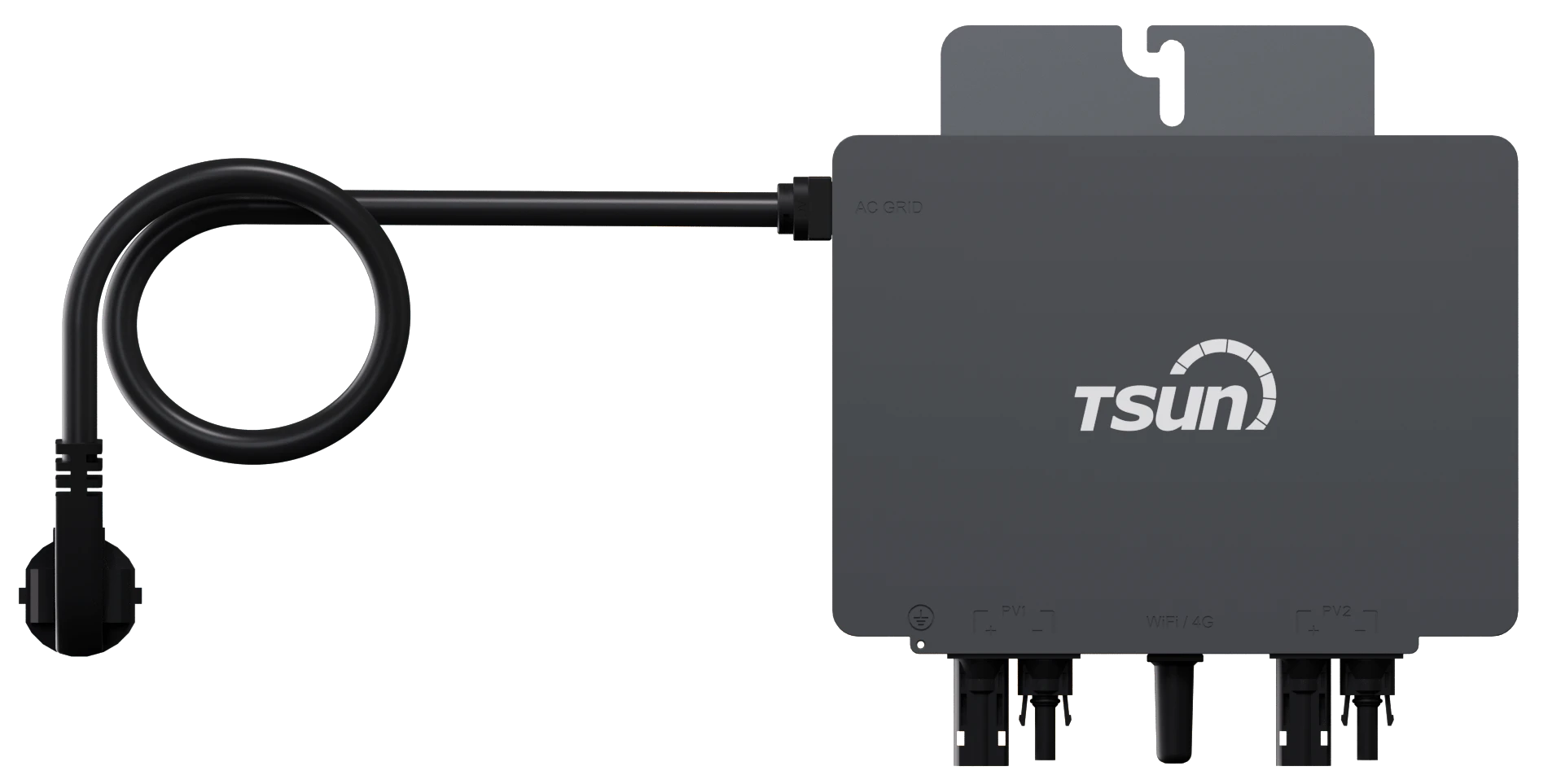
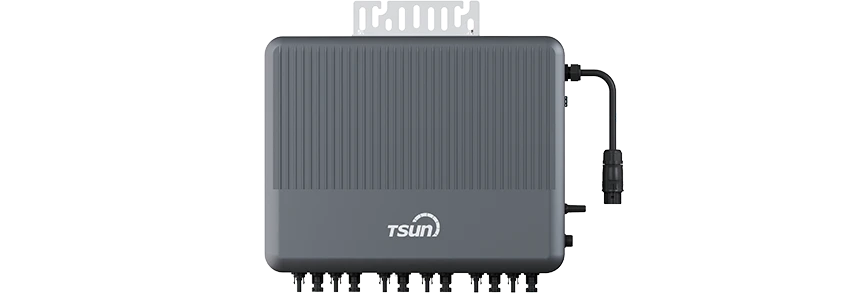
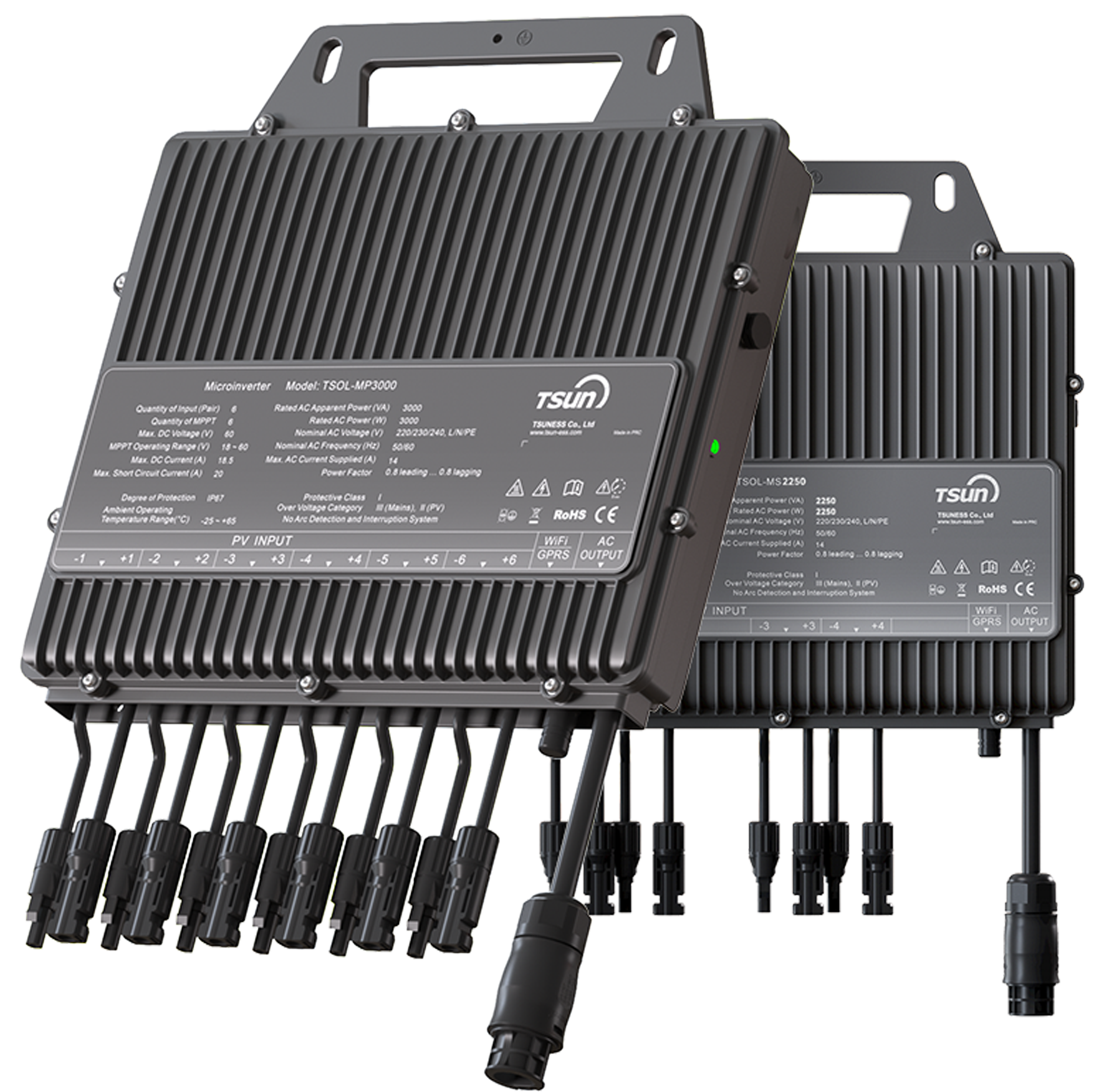
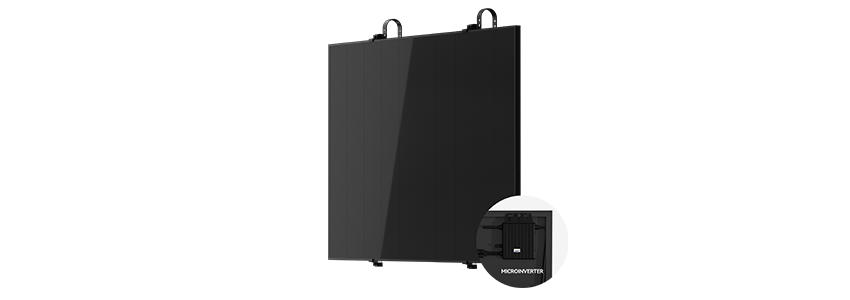
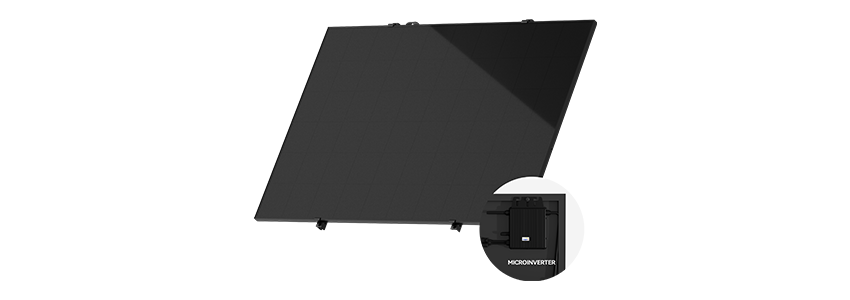
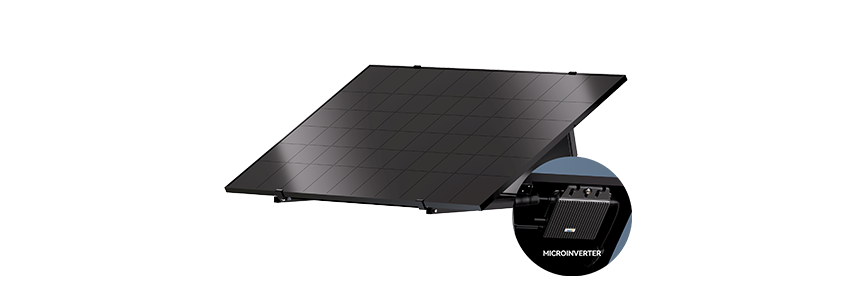
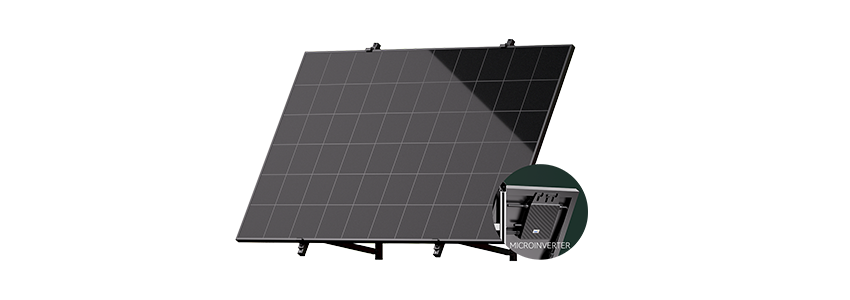
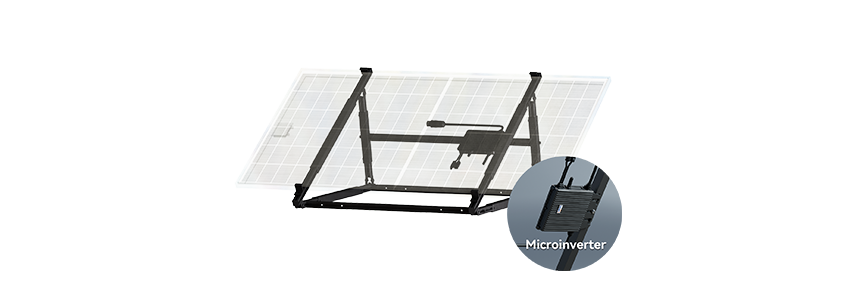
Oddly enough, microinverters have become a staple for residential and light commercial solar installations precisely because they optimize the power output of each panel individually. I remember an installation where the old string inverter was underperforming because of shading, but swapping in microinverters lifted the system’s energy harvest significantly. These small but mighty devices convert DC to AC right at the panel, improving reliability and easier troubleshooting.
Now, when we talk “microinverter pris”, there’s more at play than just upfront cost. We see variation in build quality, certifications, and warranty periods that all feed into the long-term value, which many engineers stress. And frankly, in this industry, you often get what you pay for. The cheapest option isn’t necessarily the cheapest overall once installation headaches and failure rates are factored in.
Looking at the specs below (pulled from typical offerings available on the market), you get a sense of how designers balance efficiency, power rating, and durability; sort of a dance between electronics engineering and materials science:
| Specification |
Typical Value |
| Maximum Output Power |
250W – 300W |
| Peak Efficiency |
95% – 97% |
| Operating Temperature Range |
-40°C to +85°C |
| Weight |
1.0 – 1.2 kg |
| Warranty |
10 – 15 years |
It’s also worth noting that vendor choice can heavily influence your overall experience. I’ve worked alongside various suppliers, and each brings a unique angle on pricing, support, and integration ease. Below is a quick comparison of three popular microinverter providers, something I often refer to when advising clients:
| Vendor |
Average Price (USD) |
Warranty |
Reliability Score |
Customer Support |
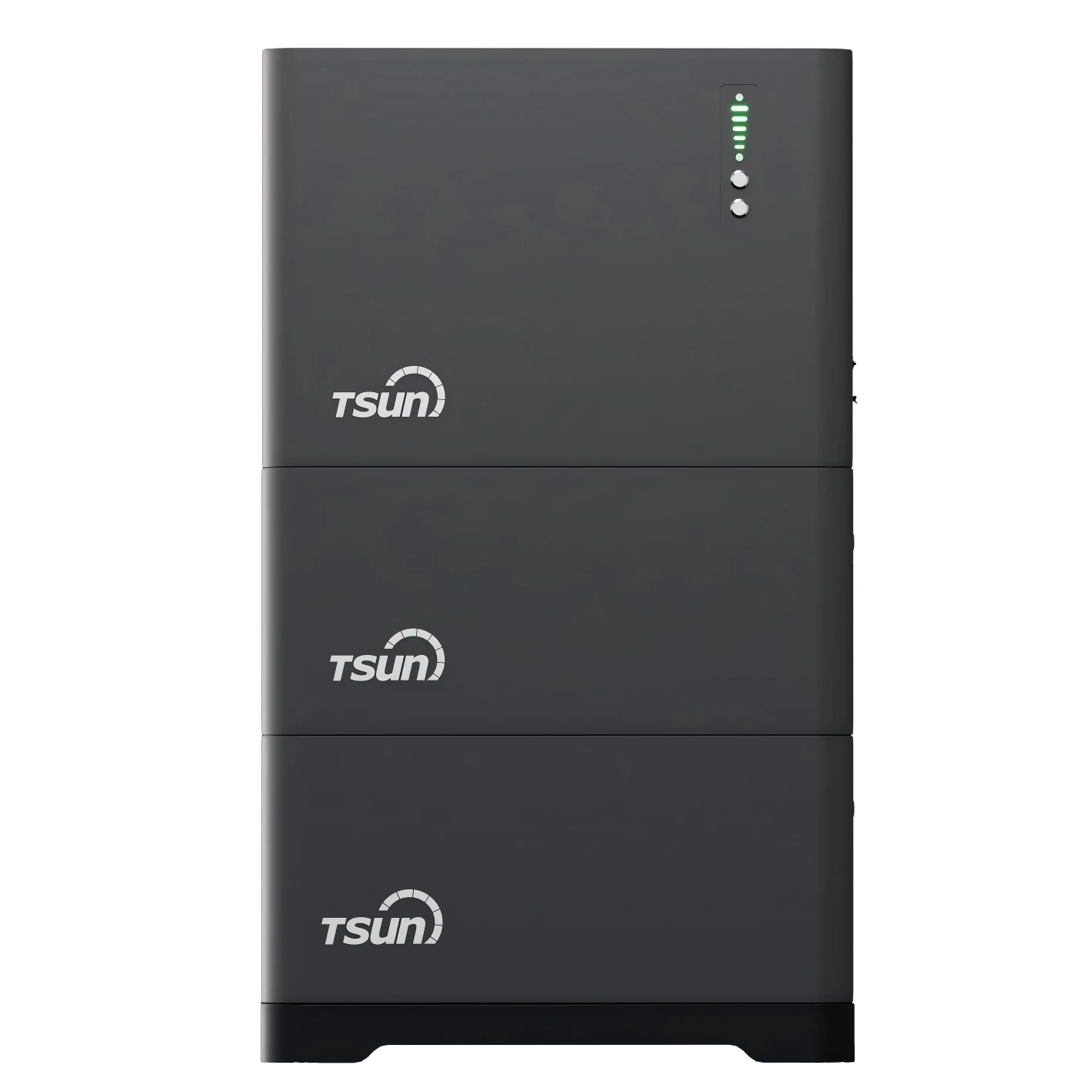
| Tsun ESS |
$120 – $140 |
15 years |
9.2 / 10 |
Excellent, Technical Focus |
| Vendor B |
$100 – $130 |
12 years |
8.5 / 10 |
Good, Regional Focus |
| Vendor C |
$110 – $150 |
10 years |
7.9 / 10 |
Average |
Reliability Score based on field reports and warranty claim data from industry sources.
From my perspective, the best microinverter solutions balance upfront cost, longevity, and support. It’s easy to get seduced by low prices only to end up replacing units earlier than expected or chasing slow customer service. One memorable case was a rooftop solar project where we clearly saw a 7% output boost once we upgraded from a string inverter setup to microinverters despite higher initial cost. That project really hammered home how microinverter pris represents more than just the bottom line—it’s about value over the system’s lifetime.
In real terms, couple your microinverter considerations with panel quality, installation expertise, and local weather factors. The upfront investment can sometimes feel steep, but with smart choices, you’re looking at a more consistent, resilient solar energy harvest — which frankly, makes all the difference.
So next time you’re weighing microinverter pris, remember what matters most: reliability, efficiency, and strong support to back it up.
A wise engineer once told me, “Cheap can cost you dear in solar equipment.” Couldn’t agree more.
References:
1. PV Tech Industry Reports (2023) - Reliability Metrics in Microinverters
2. Renewable Energy World - Microinverter vs String Inverter Field Studies
3. Tsun Energy Solution Datasheets and Warranty Information (2024)





 LEARN DETAILS
 Downloads
 Video Center
 Report Fault for Repair
 FAQS
FAQS Service Network
 Privacy Policy
 Contact Us
 Monitoring


 LEARN MORE