Exploring Microinverter Solar Panel Systems
Having spent over a decade in the industrial equipment sector, I've seen renewable energy technologies evolve dramatically. Among these, microinverter solar panel systems increasingly grab attention—not just for their technical appeal but also because they often solve real-world installation headaches.
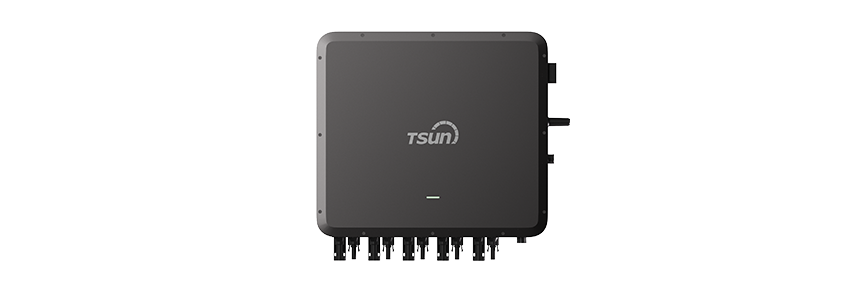
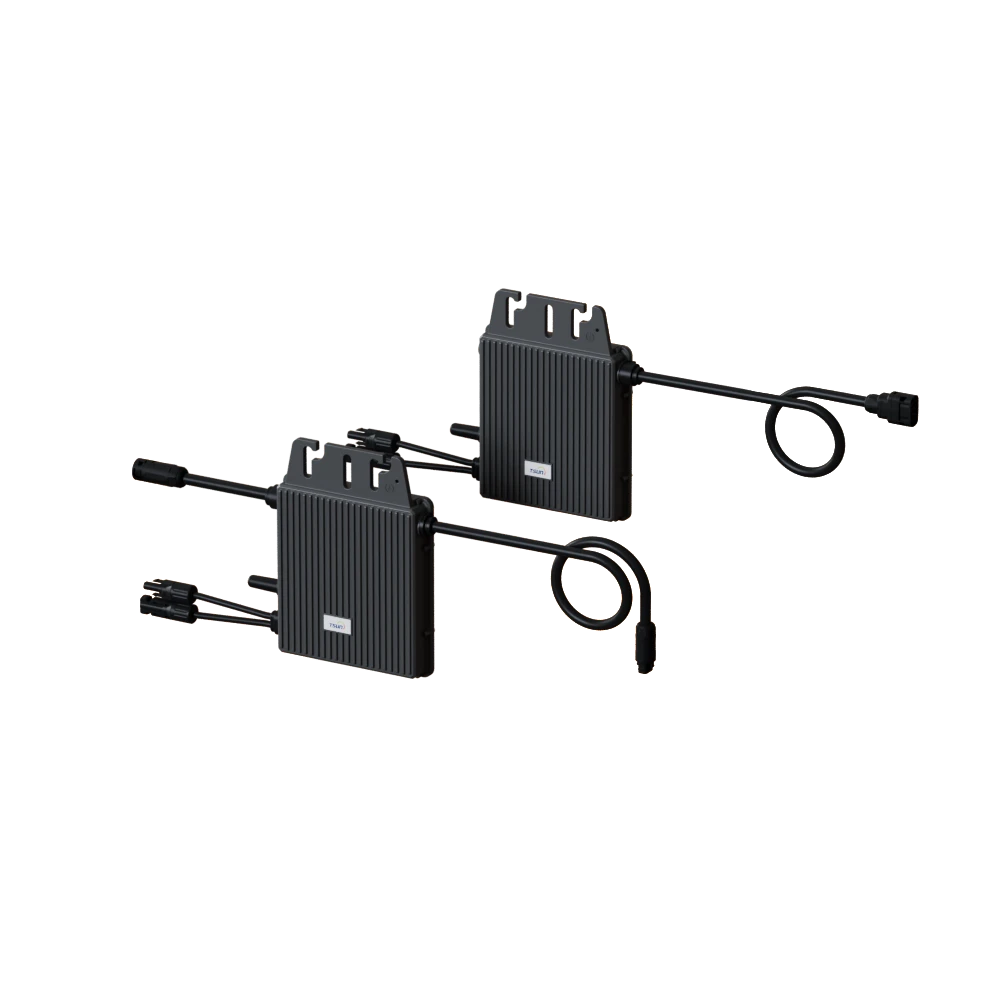
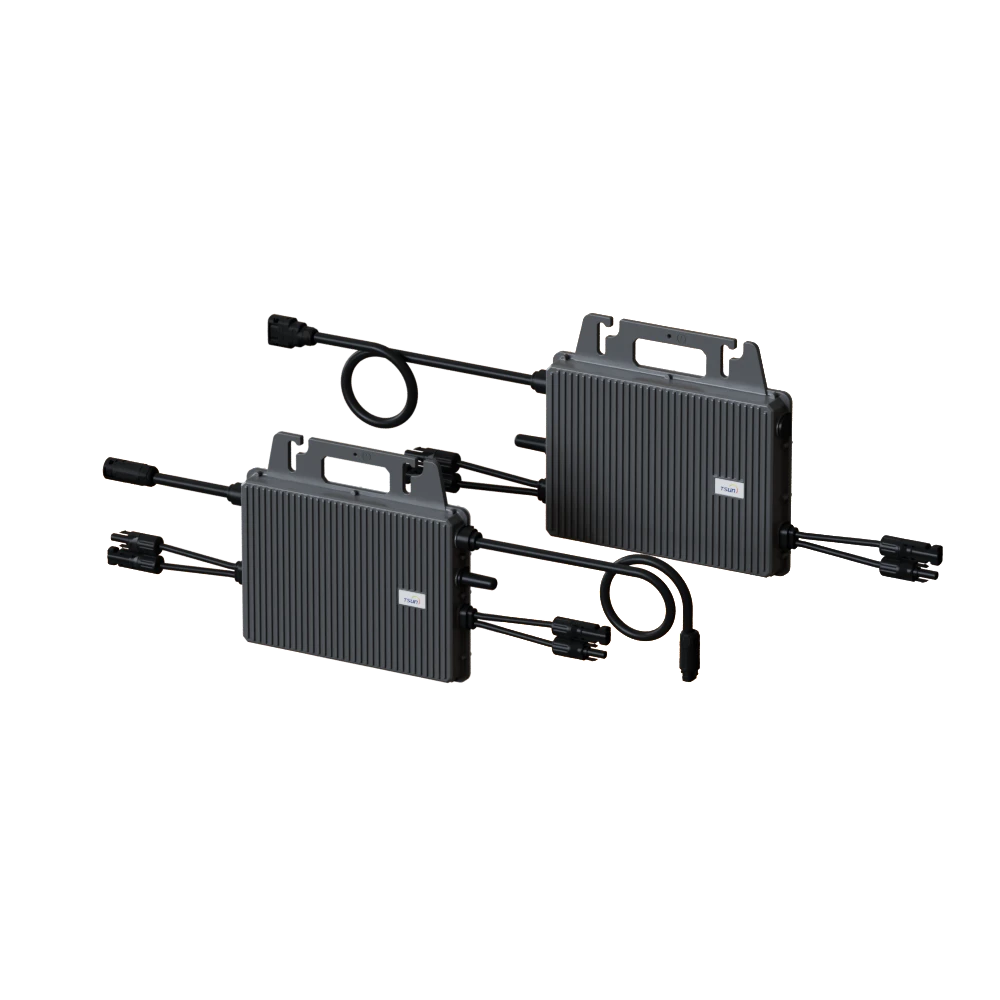
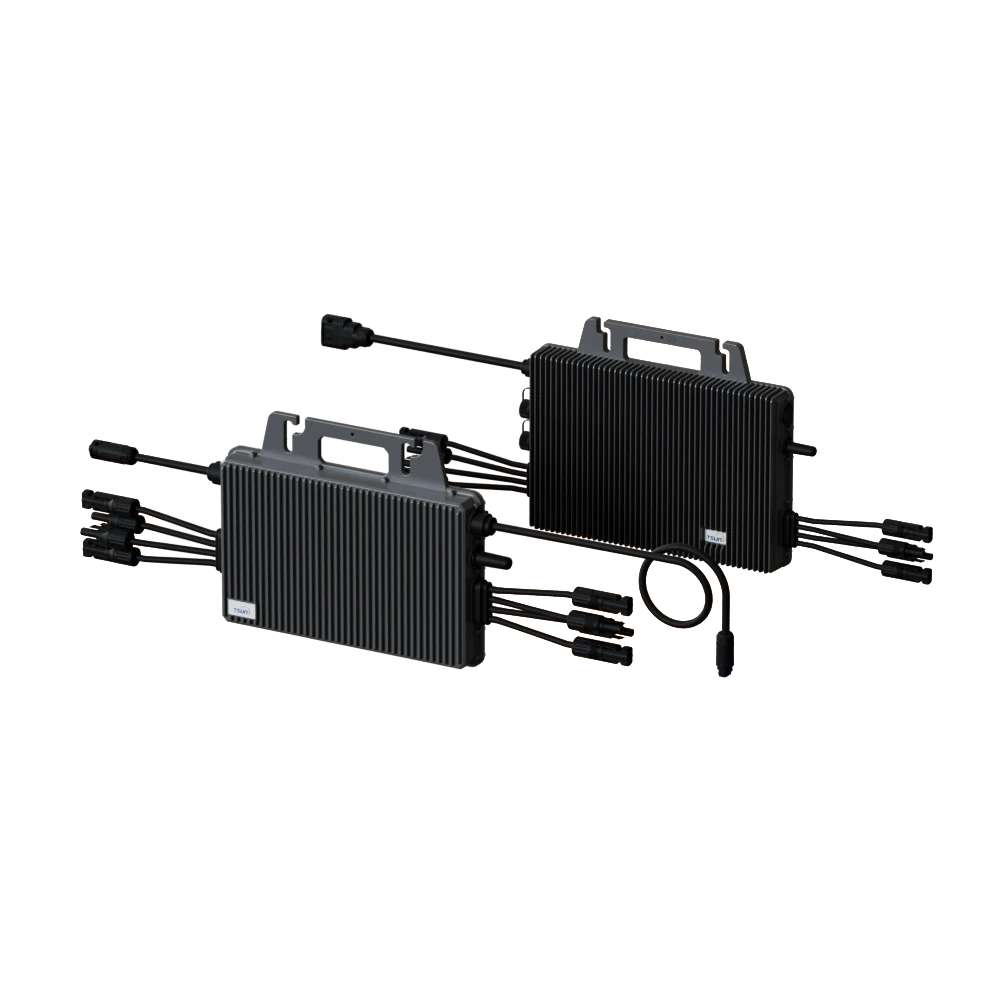
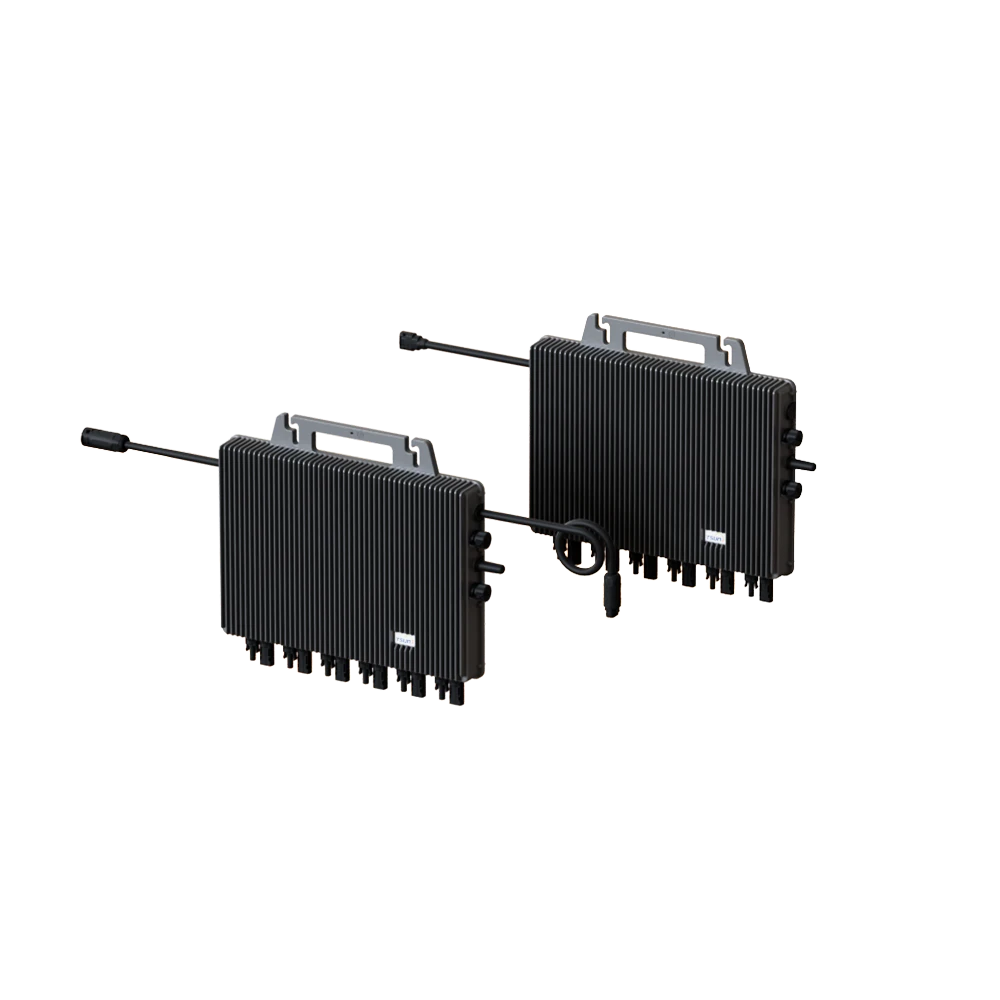
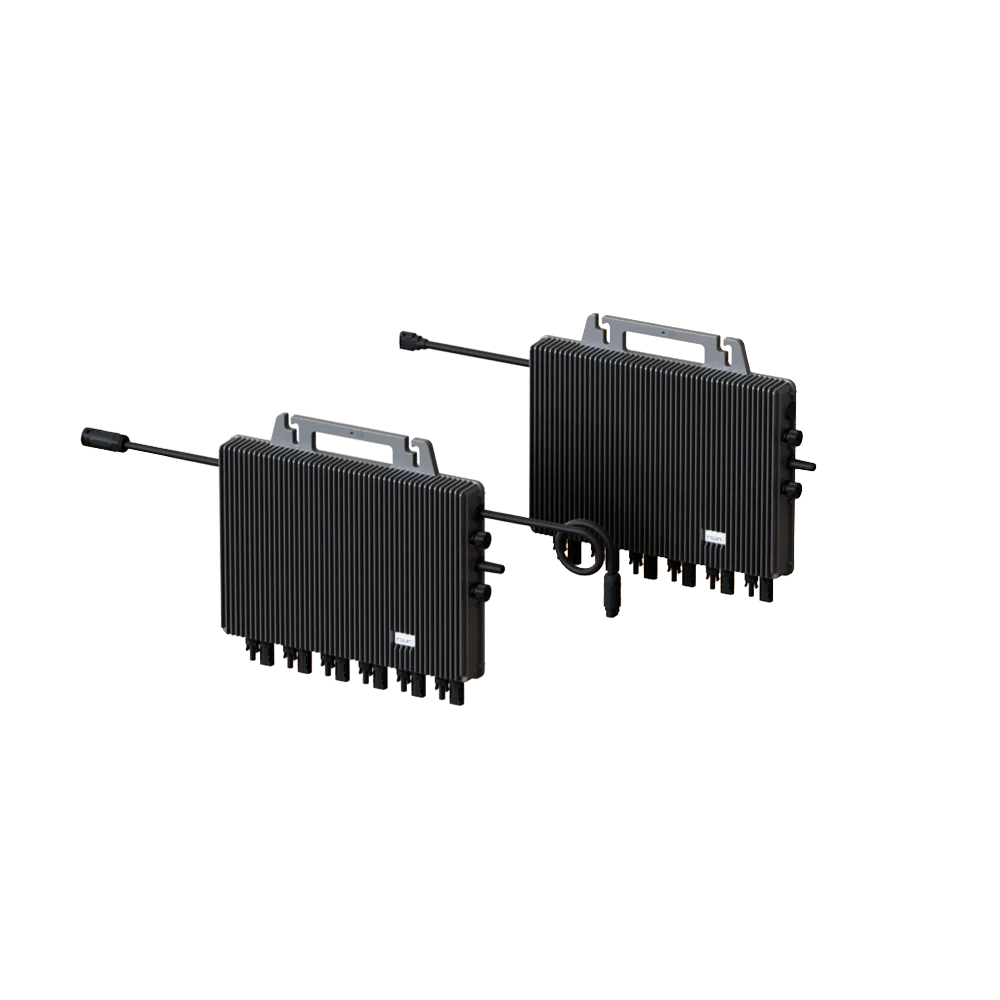
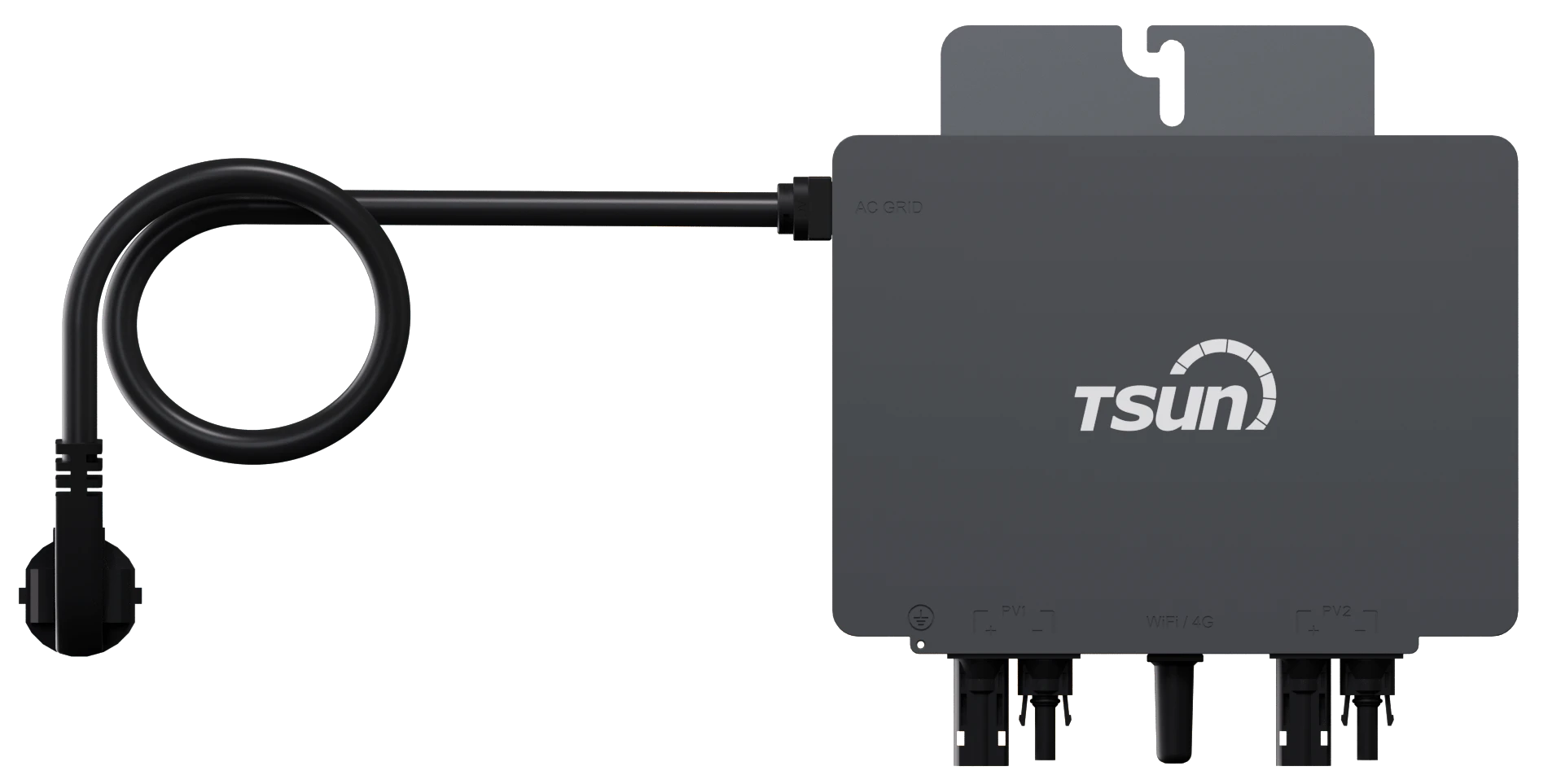
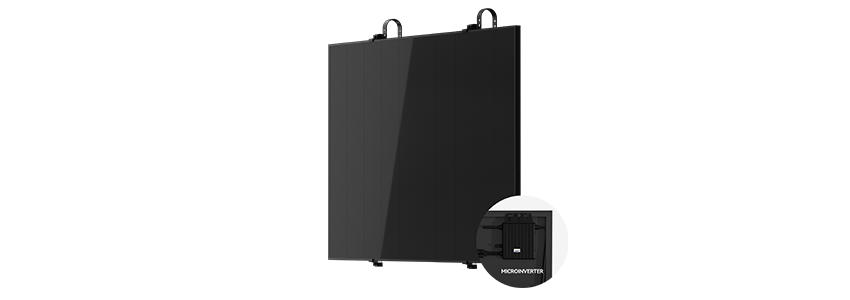
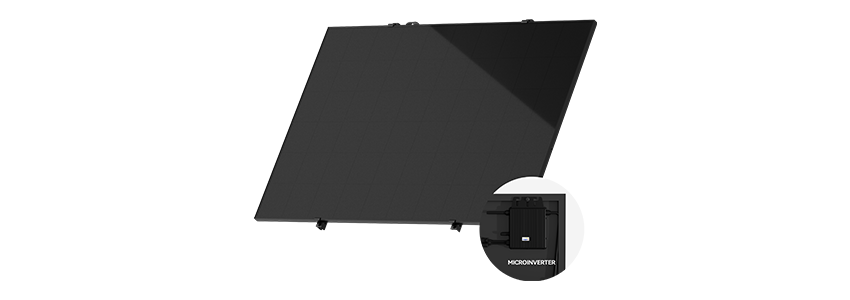
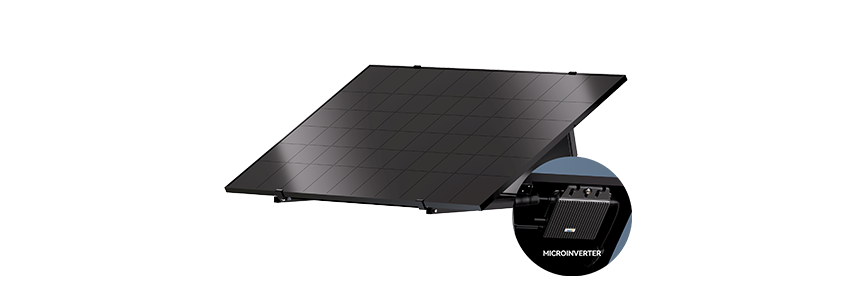
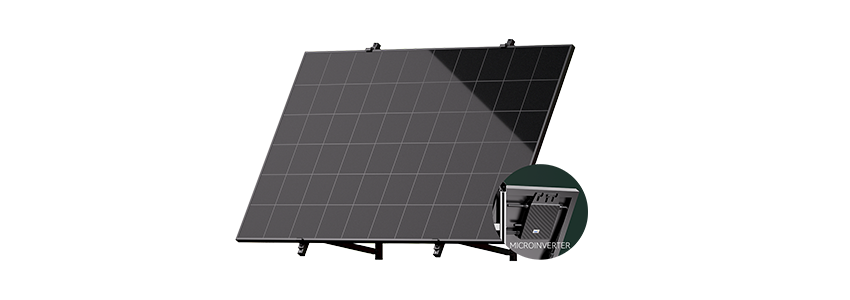
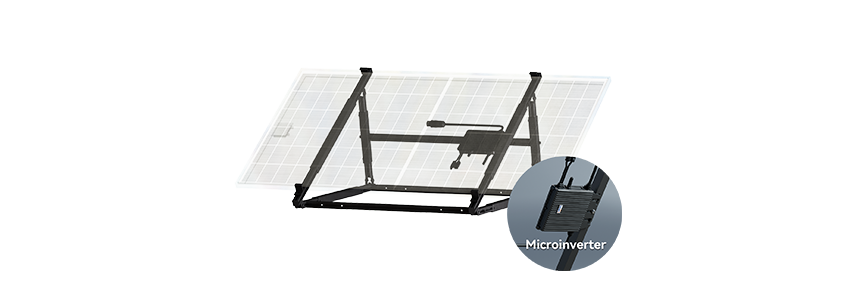
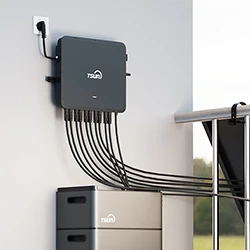
Oddly enough, many folks don’t realize that microinverters work quite differently than traditional string inverters. In basic terms, instead of converting all the solar panels’ DC output into AC at one central point, microinverters sit on each individual panel. This means if one panel is shaded or dirty, it doesn’t drag down the output of the entire system.
From an engineer's perspective, this modularity brings advantages: better fault detection at panel-level, improved safety, and often more system uptime. Frankly, these systems feel like they offer more bang for your buck in terms of energy harvest—especially in less-than-ideal roof situations.
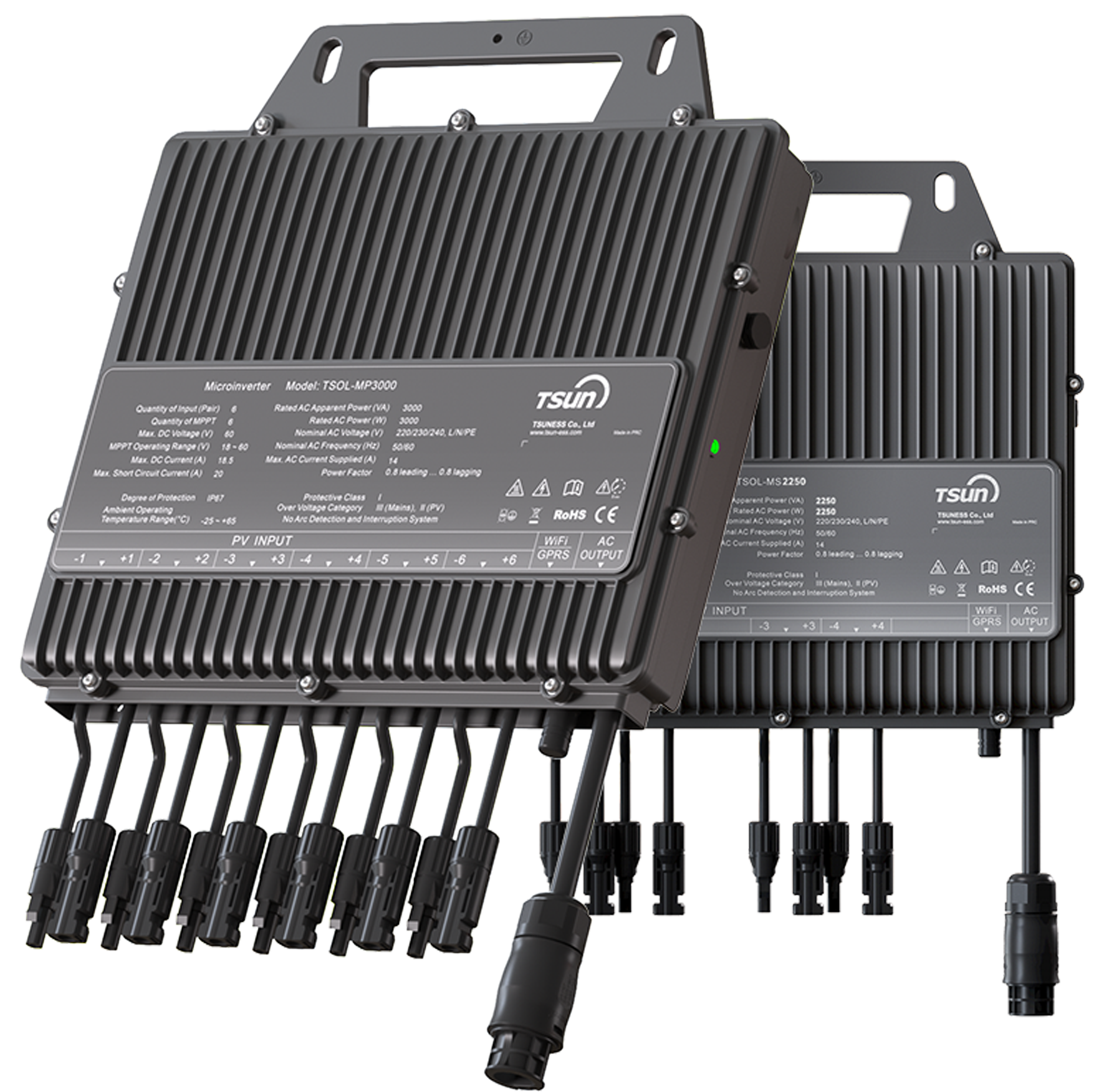
Product Specifications of a Typical Microinverter
| Specification |
Details |
| Input Voltage Range |
22V - 48V DC |
| Maximum Output Power |
300W AC per panel |
| Efficiency |
Up to 96% |
| Dimensions |
170mm x 130mm x 35mm |
| Warranty |
25 years |
| Communication |
Wi-Fi / Zigbee |
Comparing Microinverter Vendors
| Brand |
System Efficiency |
Customer Support |
Price Range |
Warranty |
| SunMaster |
95.5% |
Excellent |
$$$ |
25 years |
| EcoVolt |
96% |
Good |
$$ |
20 years |
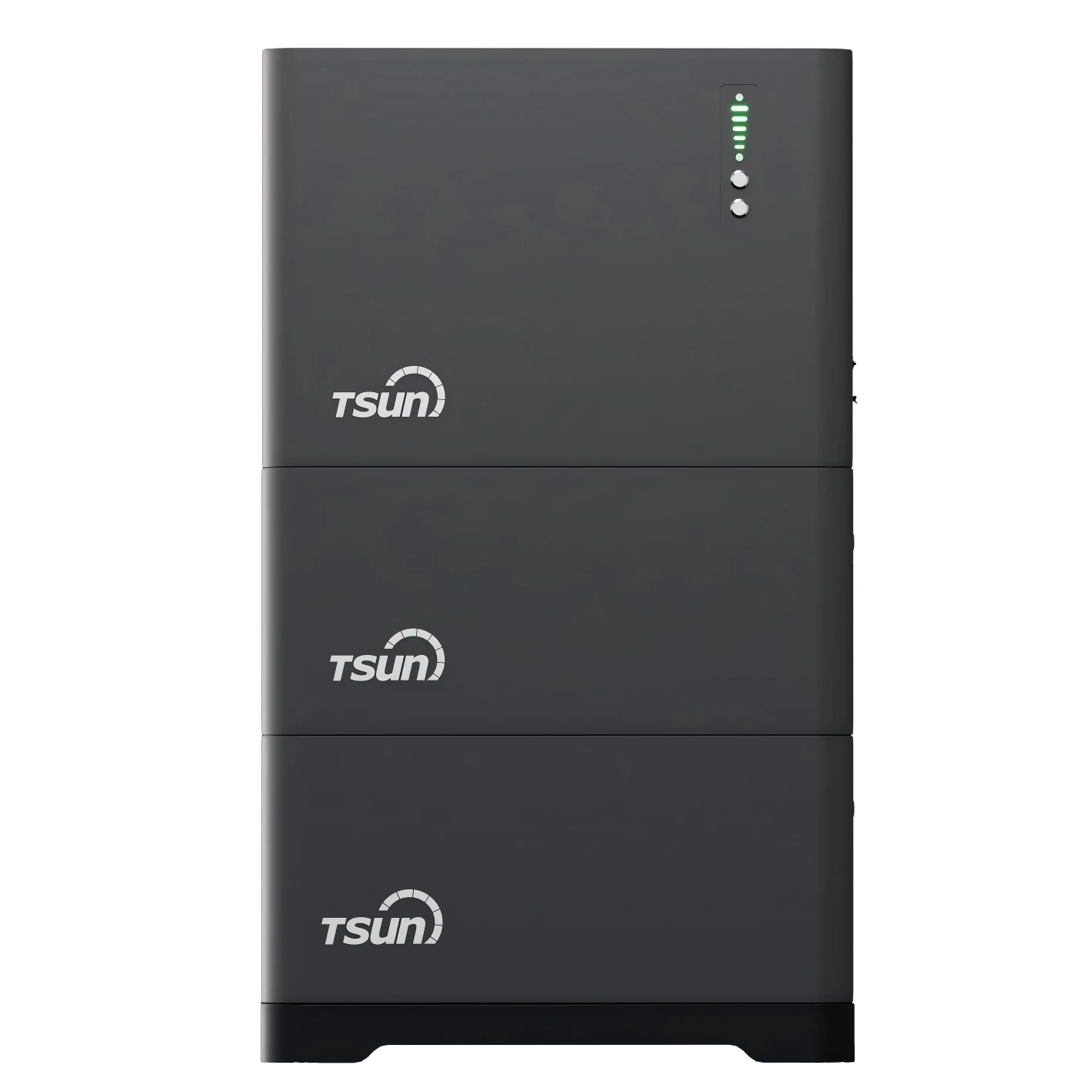
| Tsun |
96.2% |
Responsive |
$$$ |
25 years |
In real terms, I’ve worked on projects where shading was a nightmare — tree shadows, a chimney here, some HVAC ducting there — and switching to microinverters meant energy losses were far less punishing. One client told us they saw about 12% more output annually compared to their old setup, and frankly, that surprised me a bit as well.
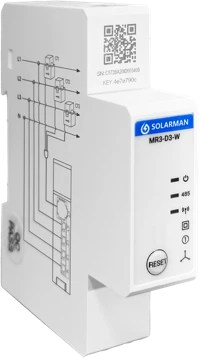
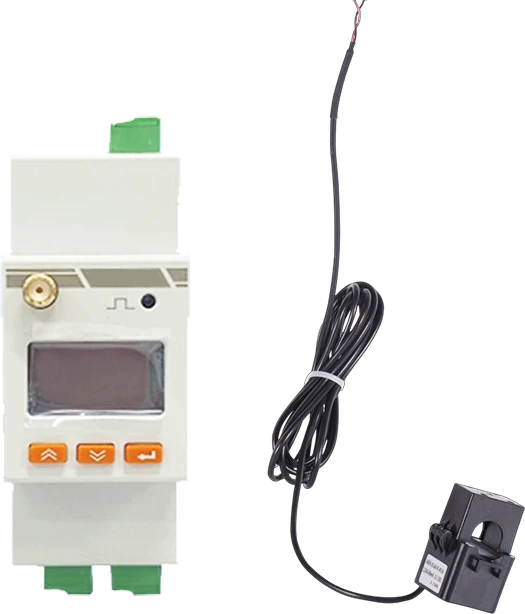
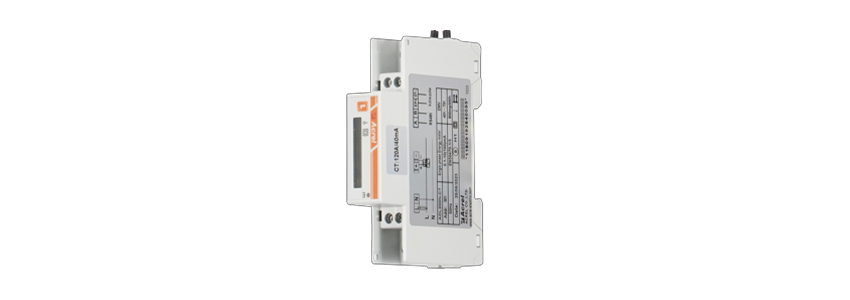
Plus, microinverters come with robust monitoring tools. You can track performance panel-by-panel, diagnosing issues without sending an engineer climbing any rooftops. That’s a huge win in safety and maintenance costs.
That said, installation complexity and upfront costs can be a bit higher compared to string inverter systems. But for many industrial or commercial setups, the long-term ROI and flexibility justify the investment. You know, it's that balance of upfront versus lifecycle value.
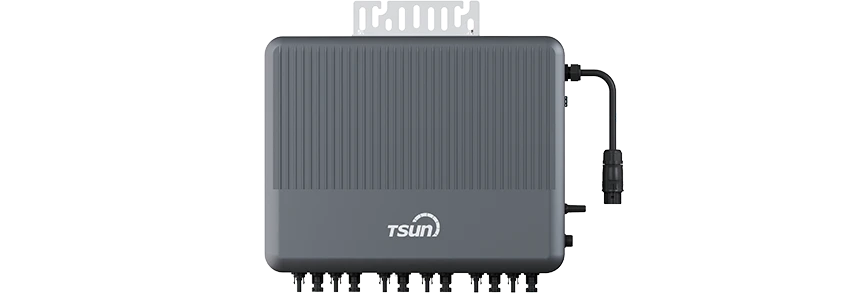
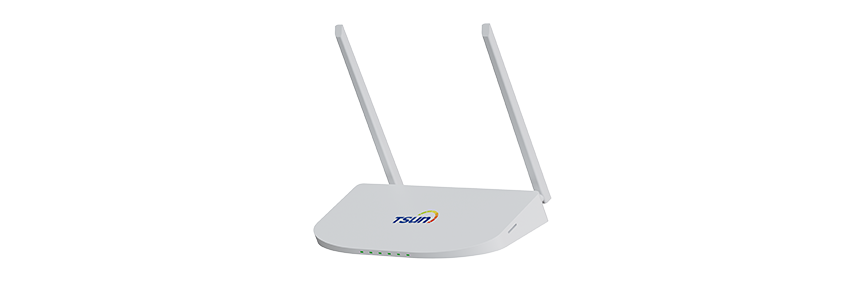
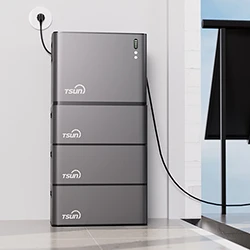
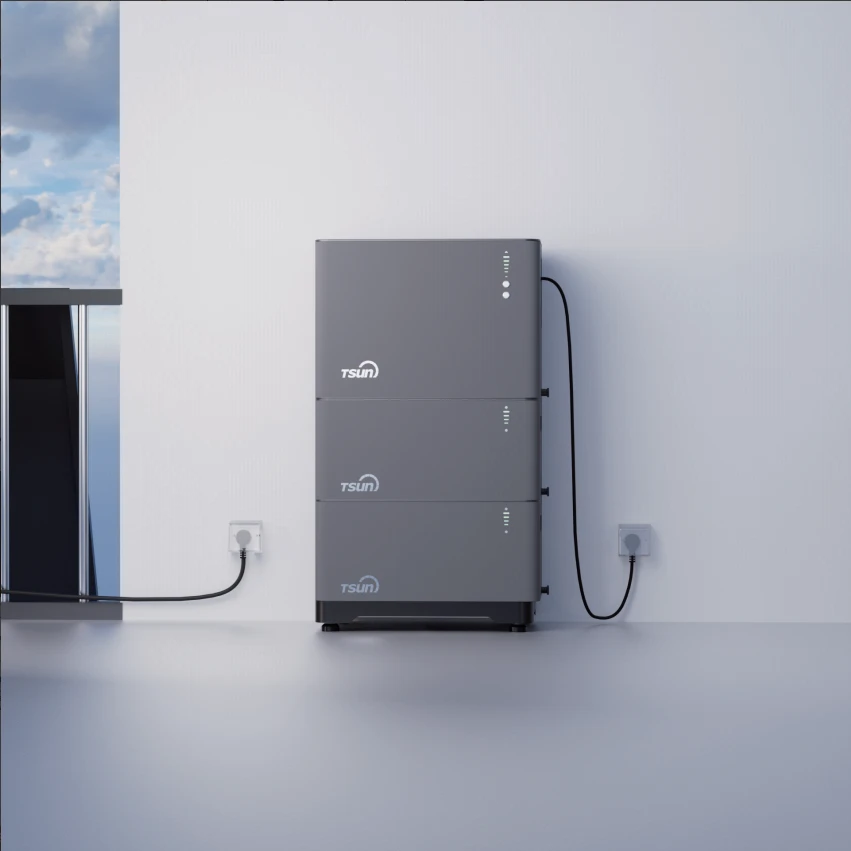
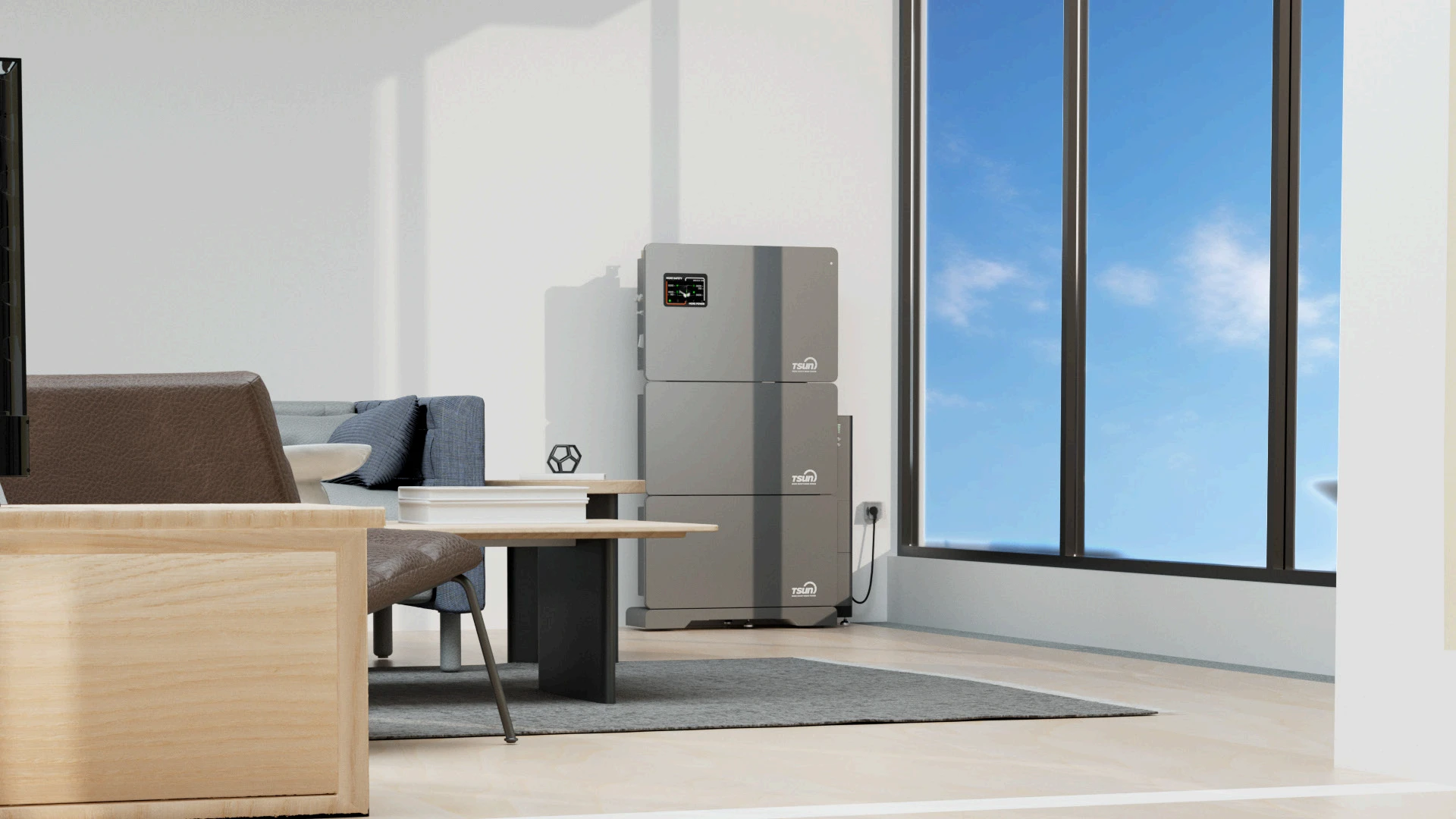
Ultimately, vendors like Tsun have honed their offerings to include communication protocols that integrate well with today’s energy management systems, which is a game changer. I suppose that’s the kind of evolution you want to see from a supplier who’s really been listening to the field for years.
If you’re weighing solar options for an industrial site, microinverters deserve a closer look — they might just save your next project from unexpected efficiency hits.
References:
1. SEIA (Solar Energy Industries Association) – Microinverter Basics
2. NREL (National Renewable Energy Laboratory) – System Performance Data
3. Industry case studies and firsthand project experience



 LEARN DETAILS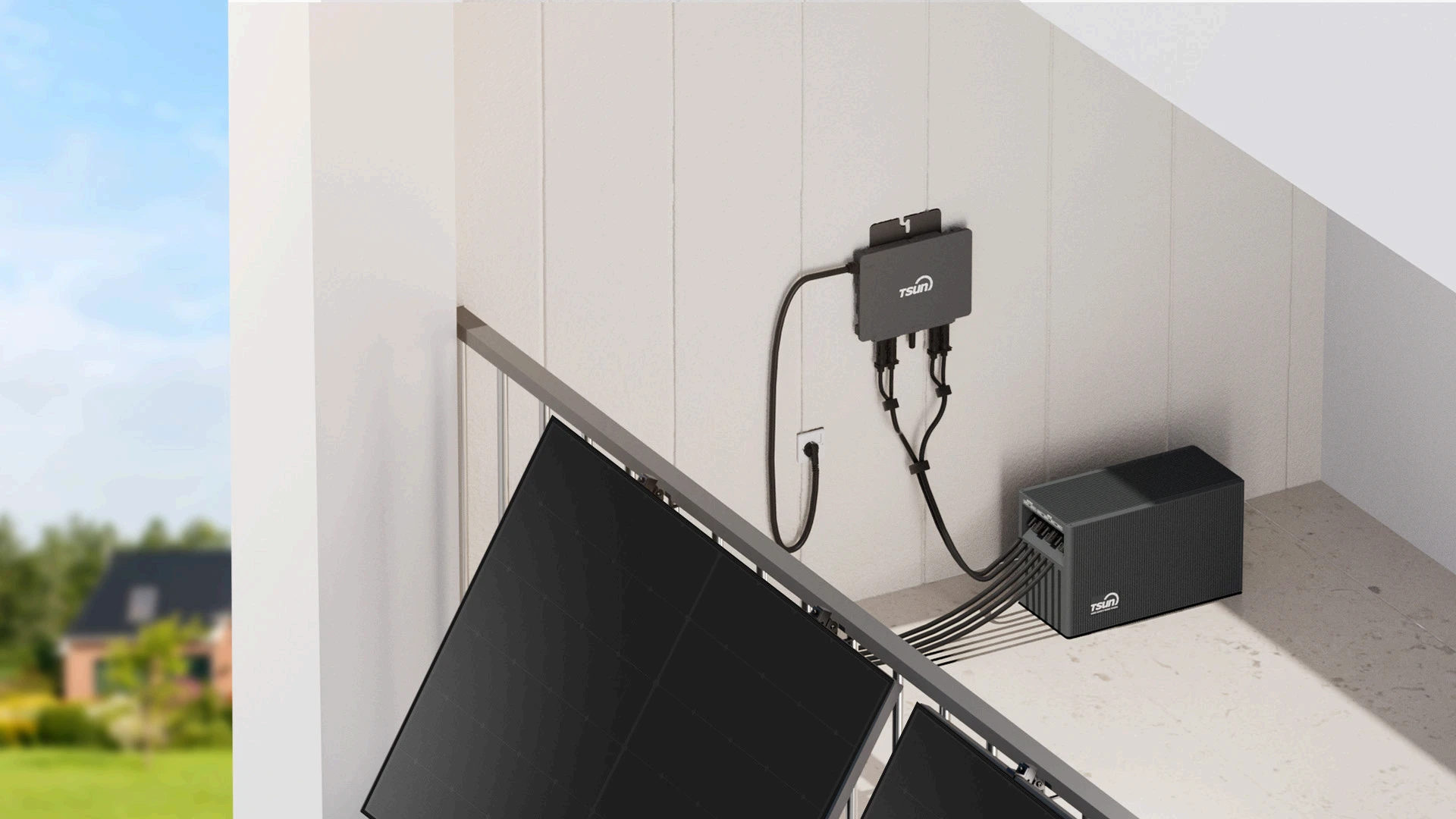
 Downloads
 Video Center
 Report Fault for Repair
 FAQS
FAQS Service Network
 Privacy Policy
 Contact Us
 Monitoring


 LEARN MORE