Microinverter Off Grid Solar System: A Reliable Choice for Remote Power
Having been in the industrial equipment sector for over a decade, I’ve seen my fair share of solar technologies come and go. Yet, if there’s one thing that consistently stands out, it’s the microinverter off grid solar system—especially when it’s deployed in challenging, off-grid environments. It feels like this technology strikes a pretty neat balance between flexibility and resilience, something any engineer working miles away from the nearest power line truly appreciates.
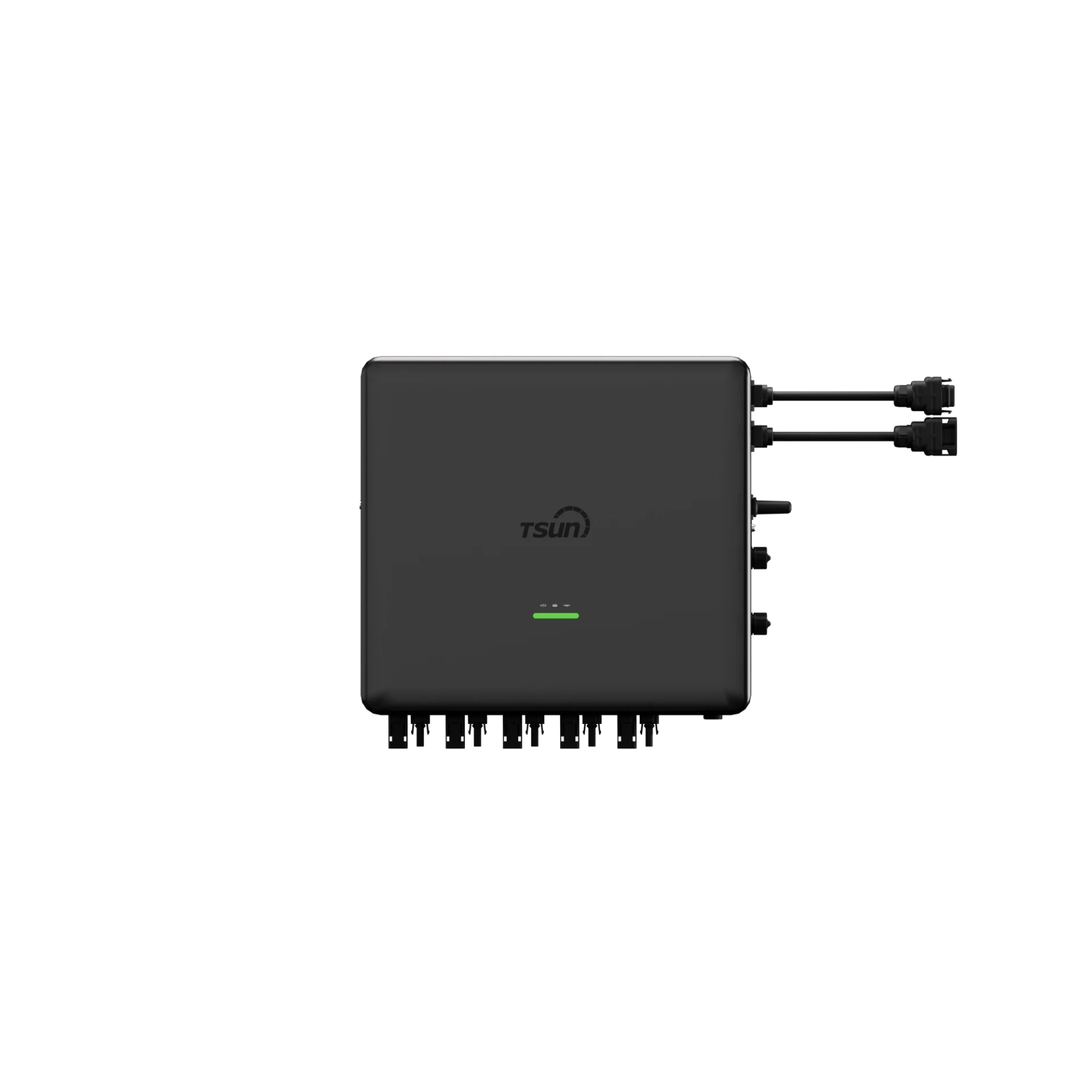
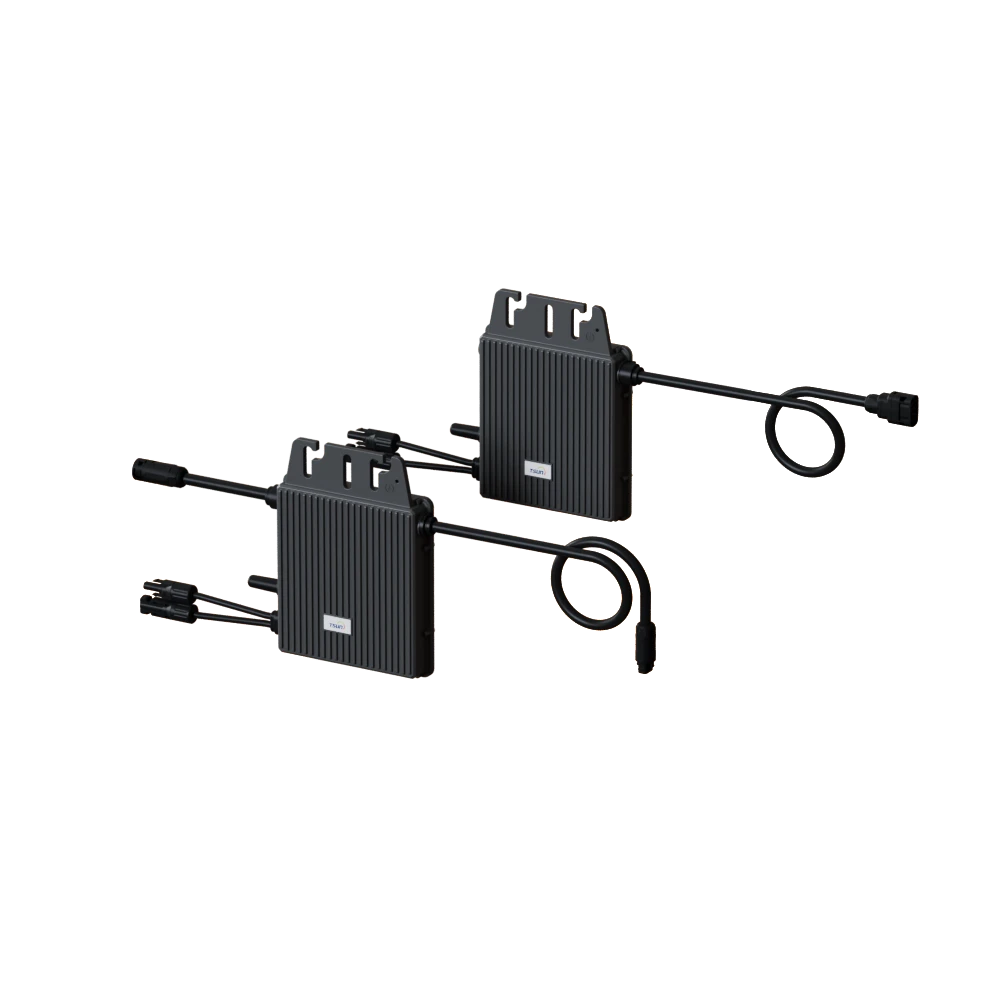
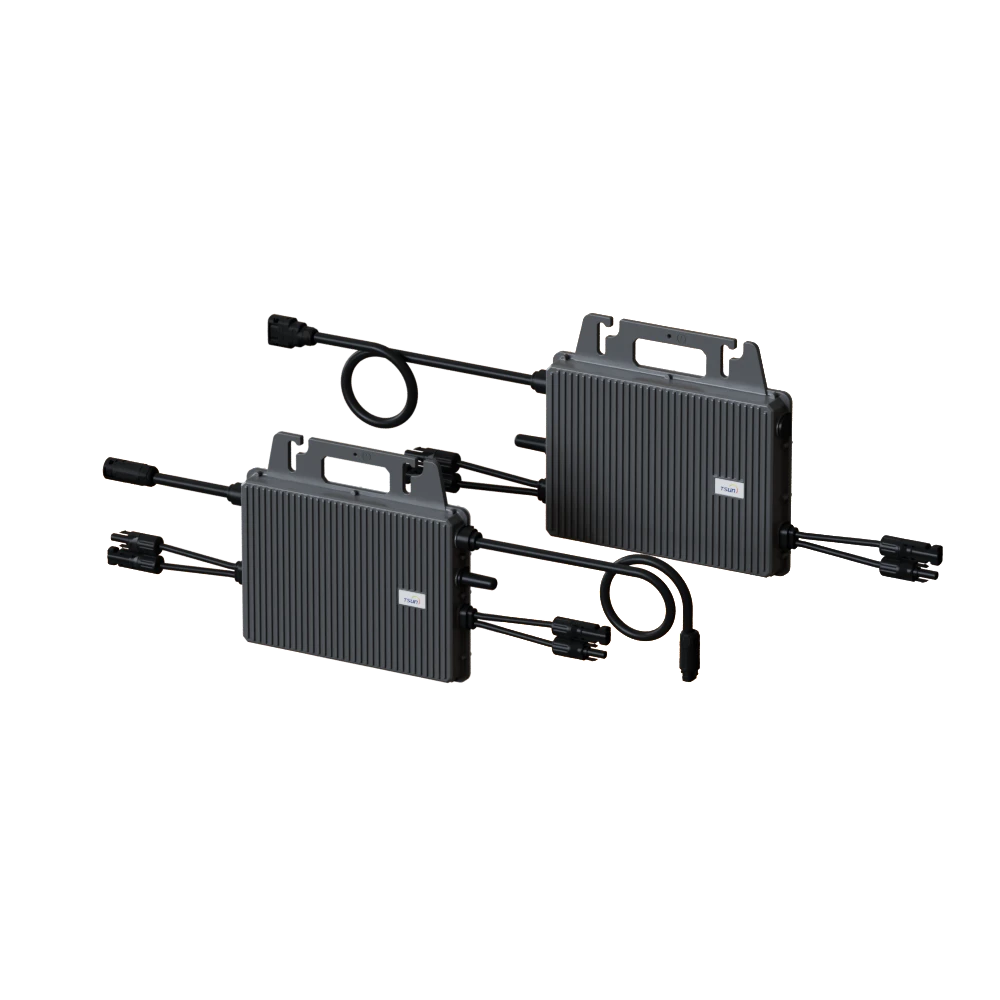
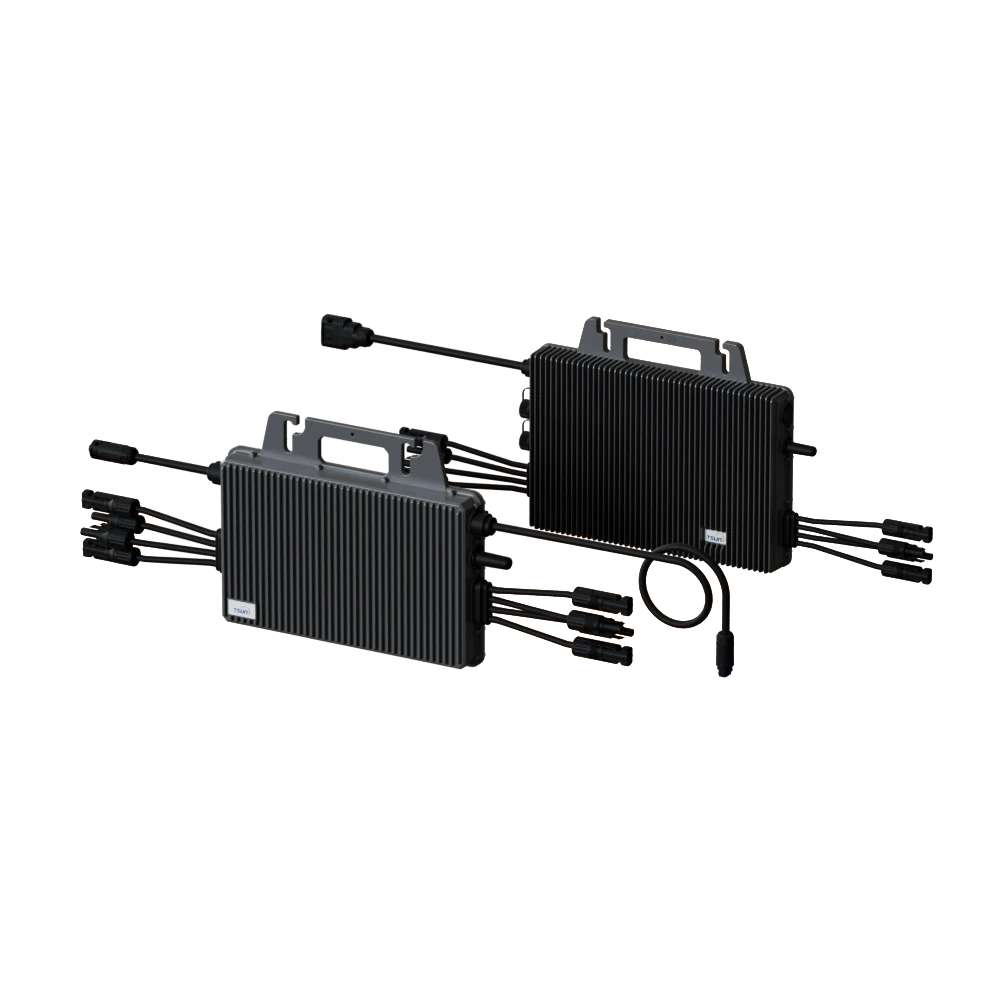
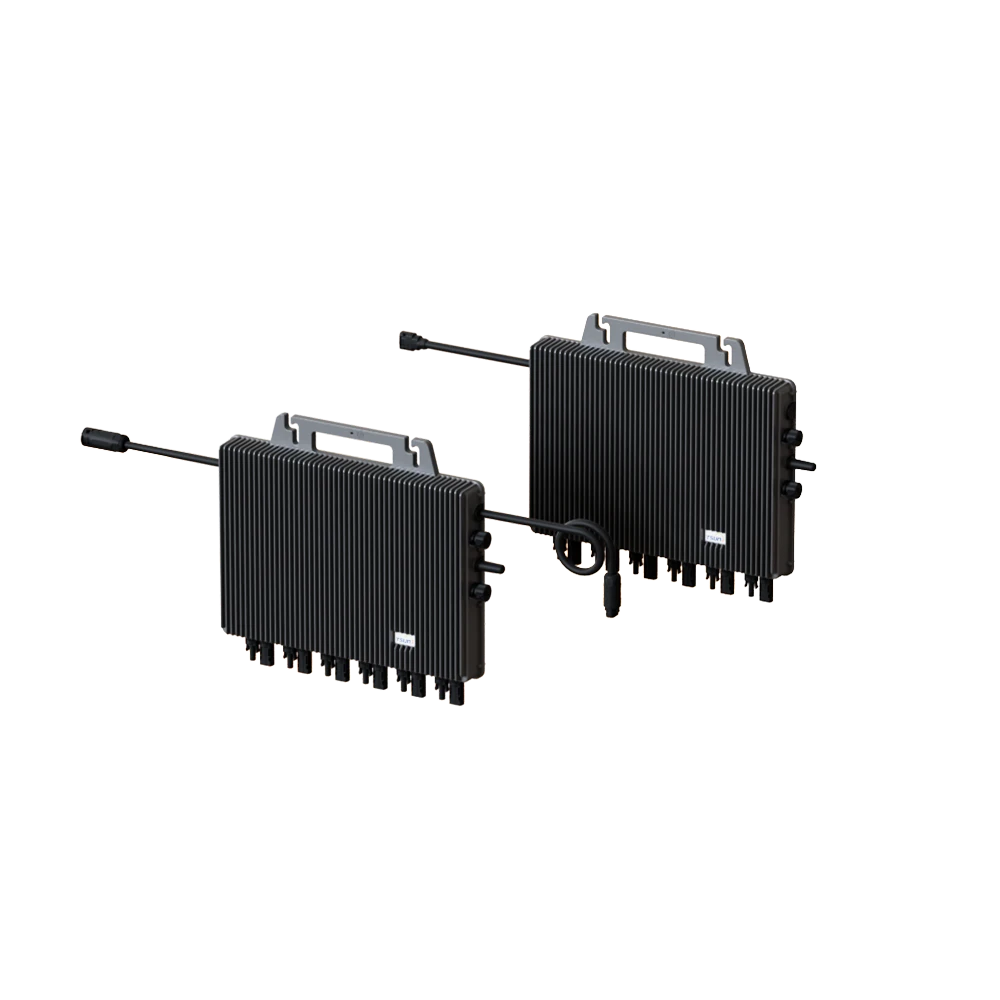
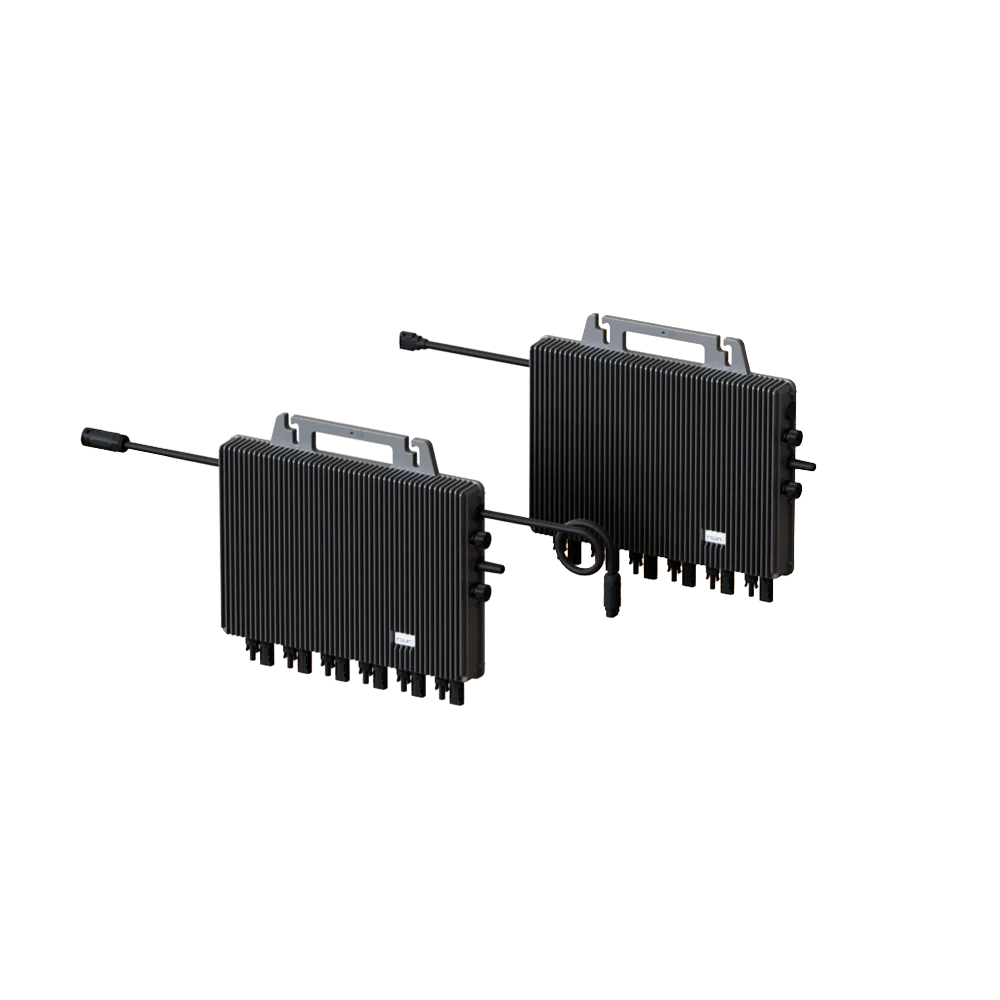
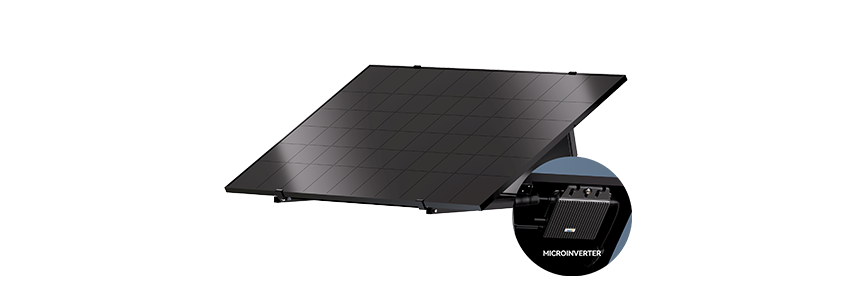
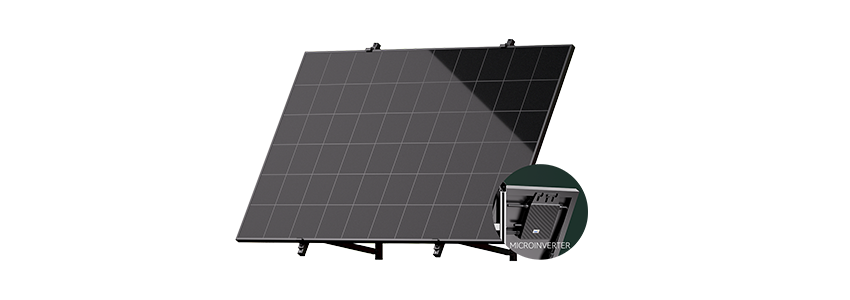
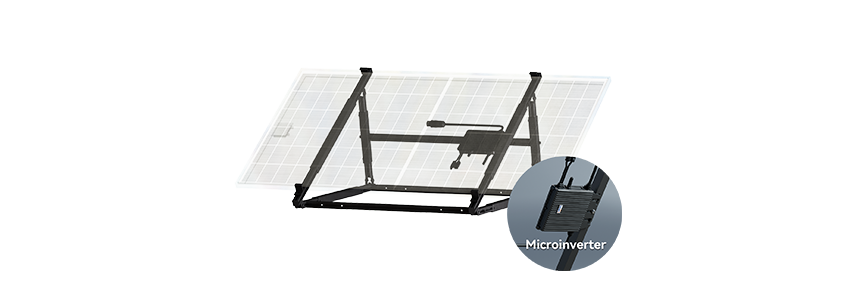
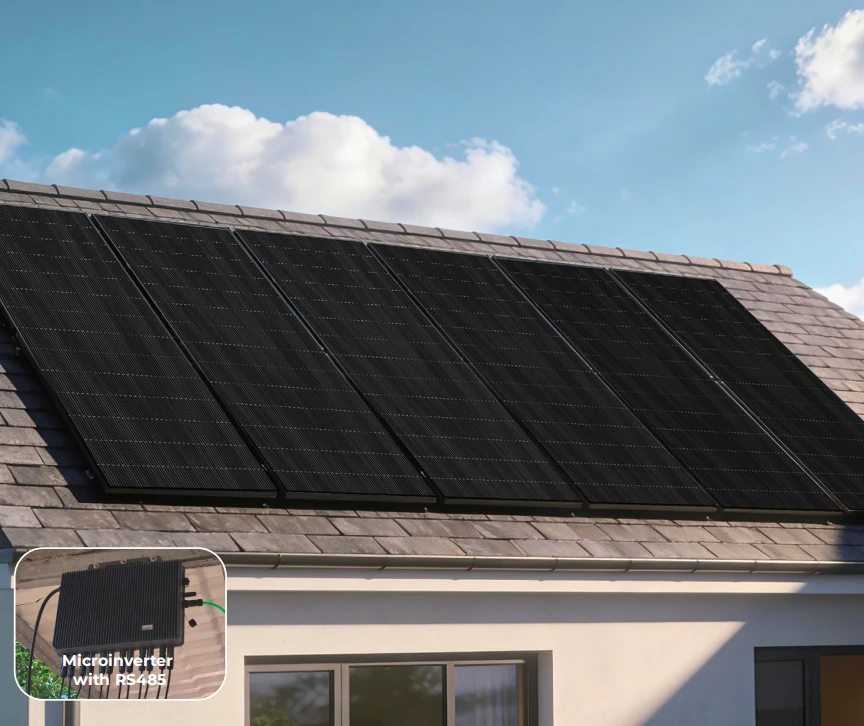
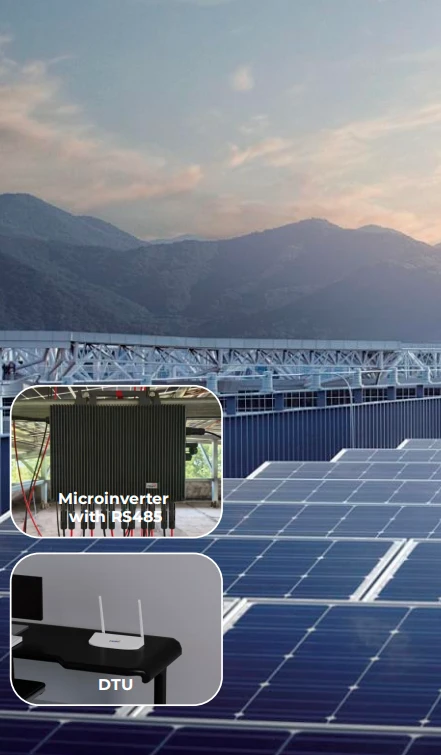
What’s oddly satisfying about microinverters is how they bring the power conversion closer to each solar panel, instead of relying on a centralized inverter. This distributed architecture often means higher system uptime because you avoid a single point of failure — a significant advantage when repairs mean hopping on a four-wheel drive for hours. In real terms, if one panel’s performance dips due to shading or debris, the rest keep humming without interruption. I’ve noticed many engineers swear by this in remote monitoring projects.
Design and Materials: Practicality over Frills
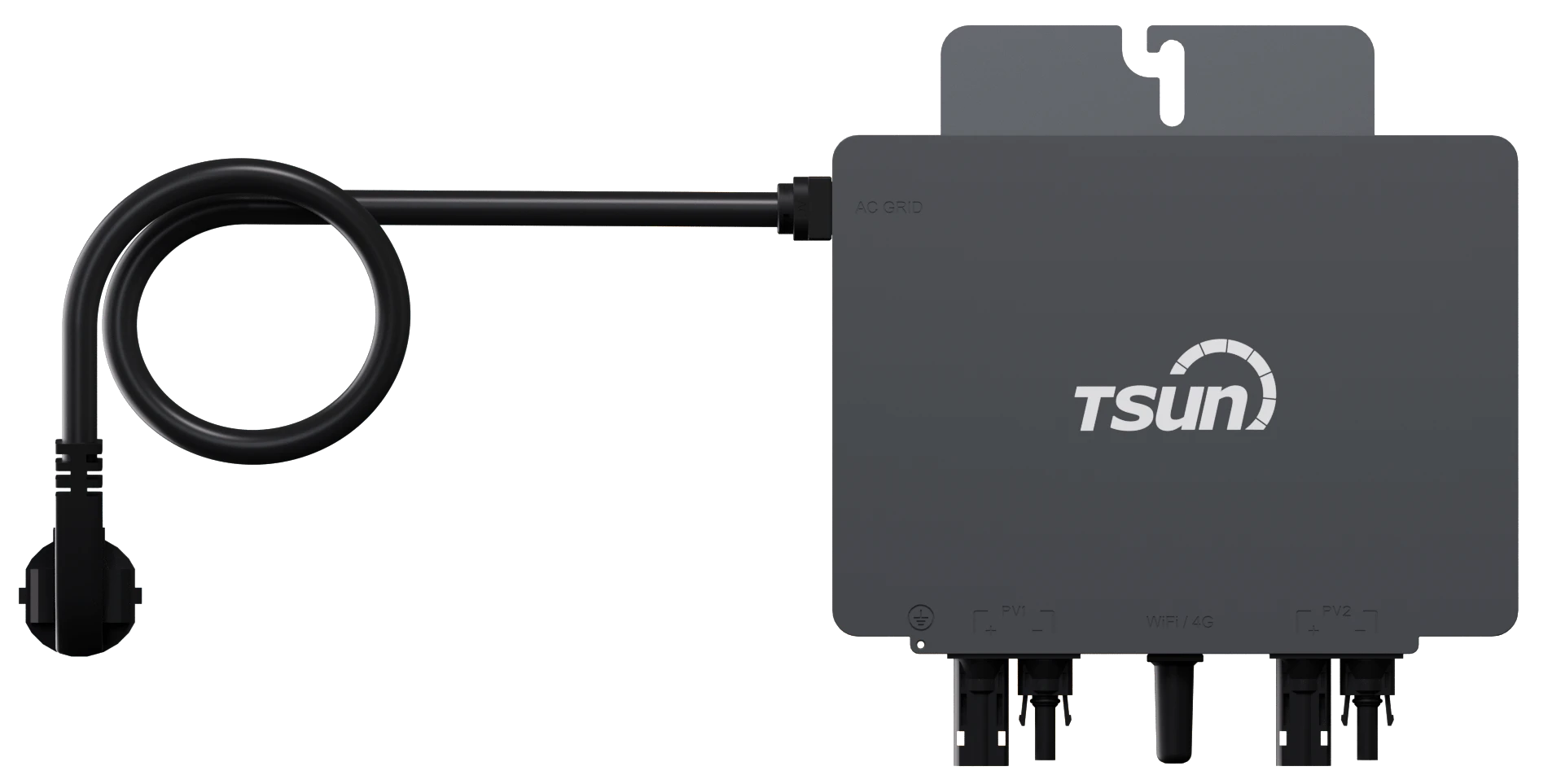
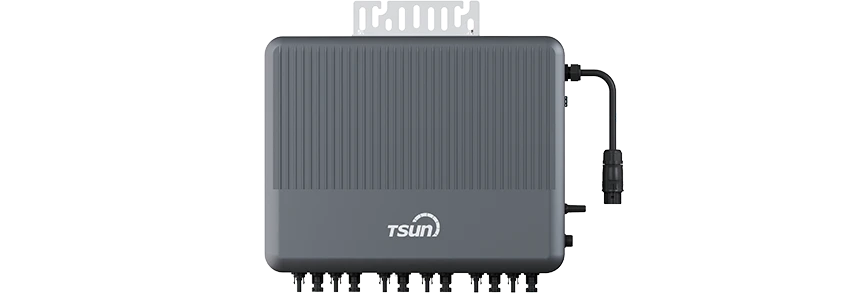
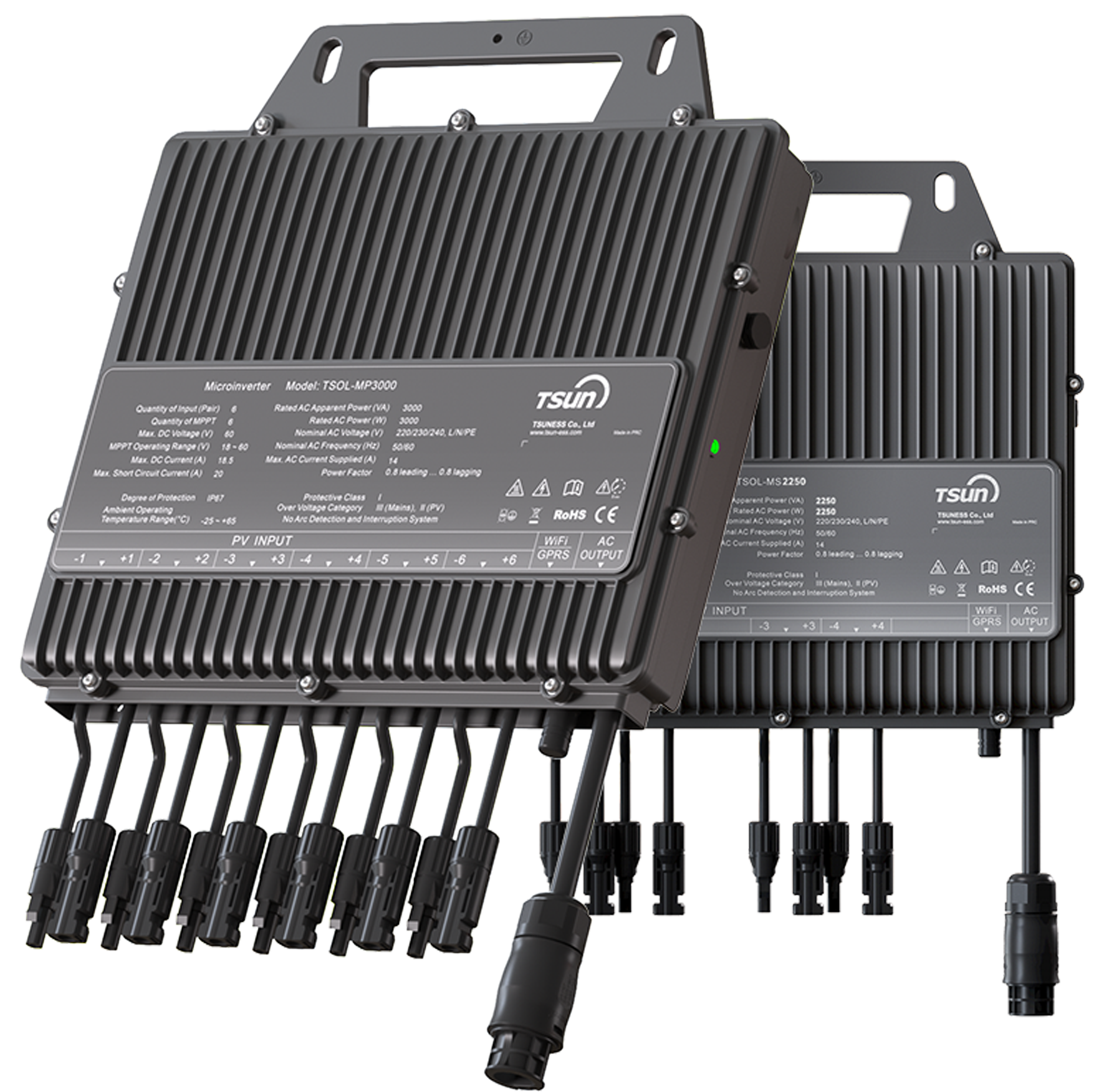
Microinverter units themselves tend to be compact and robust, typically housed in weatherproof enclosures—some rated at IP67. For off-grid setups, durability is not optional but mandatory. I remember visiting a solar farm in a coastal area where salt spray and intense sun were daily adversaries. The microinverters held up remarkably well — the corrosion resistance and solid-state circuitry definitely made a difference. Plus, since they’re lightweight, installation and maintenance can be done by smaller teams, which is a huge plus in isolated locations.
Compared to traditional string inverter systems, microinverters also make scaling or customizing the system easier. Adding another panel is almost plug-and-play, with minimal rewiring. The modular nature means you can start small and grow as budget or demand allows. Frankly, that flexibility is a major selling point in communities where energy needs evolve over time.
How They Hold Up in Testing and Usage
Of course, reliability isn’t just about design—it’s about consistent performance. I’ve seen microinverters tested under rigorous thermal cycling, dust ingress, and even voltage spike conditions. The successful ones tend to incorporate surge protection and advanced thermal management. In one particular project, we tracked performance for over two years — failure rates were remarkably low, and the granular data from individual panel monitoring helped speed up troubleshooting dramatically.
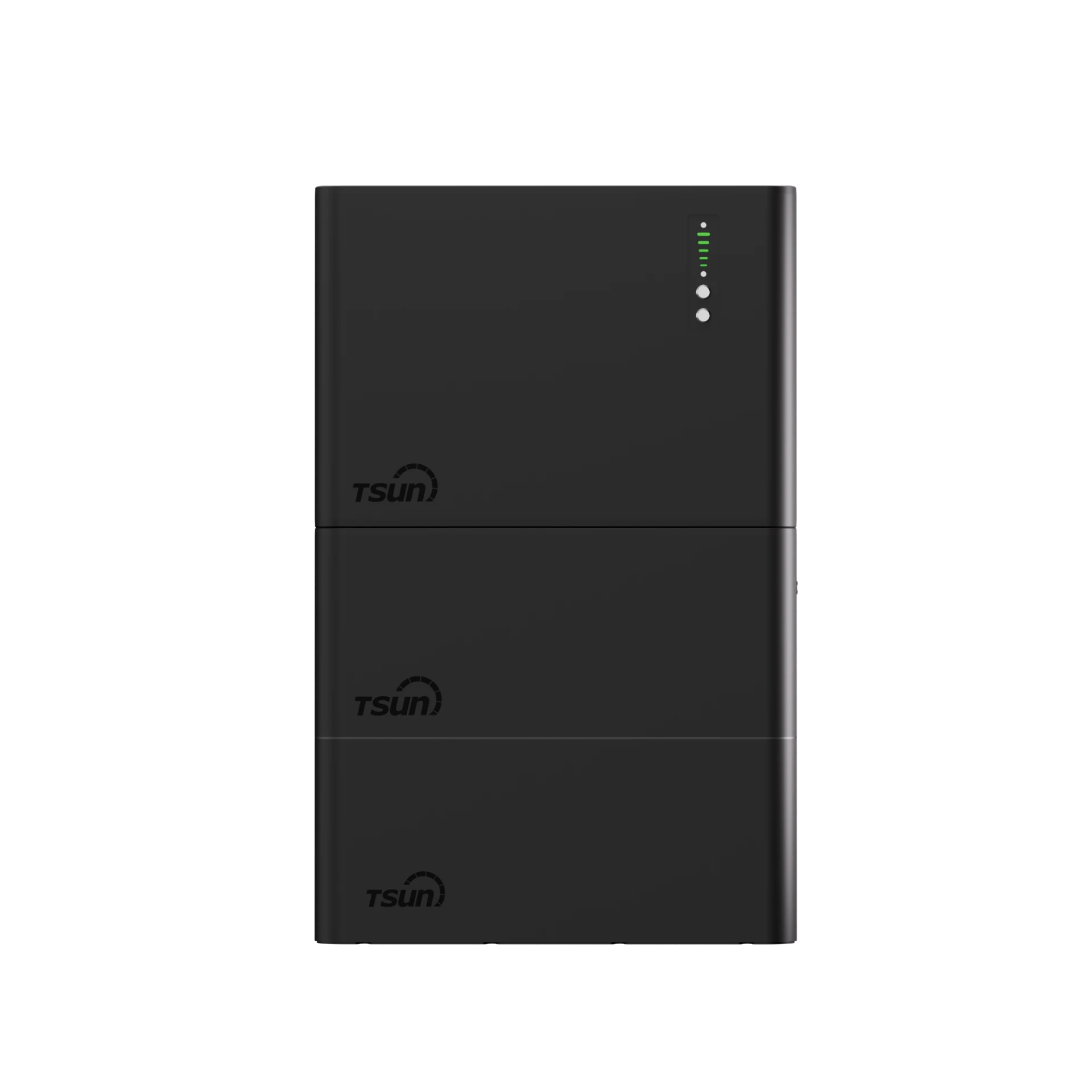
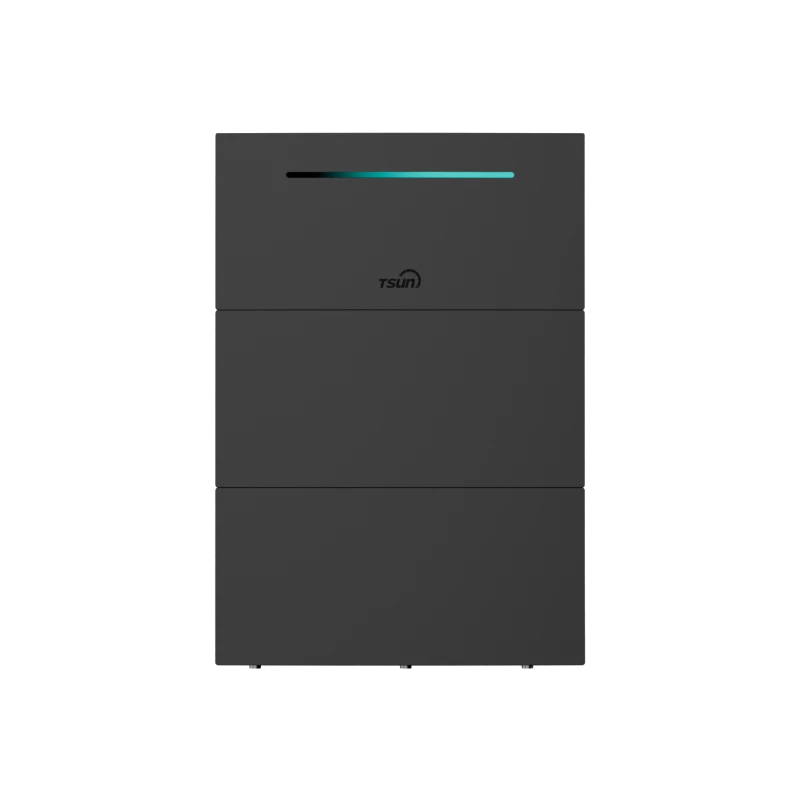
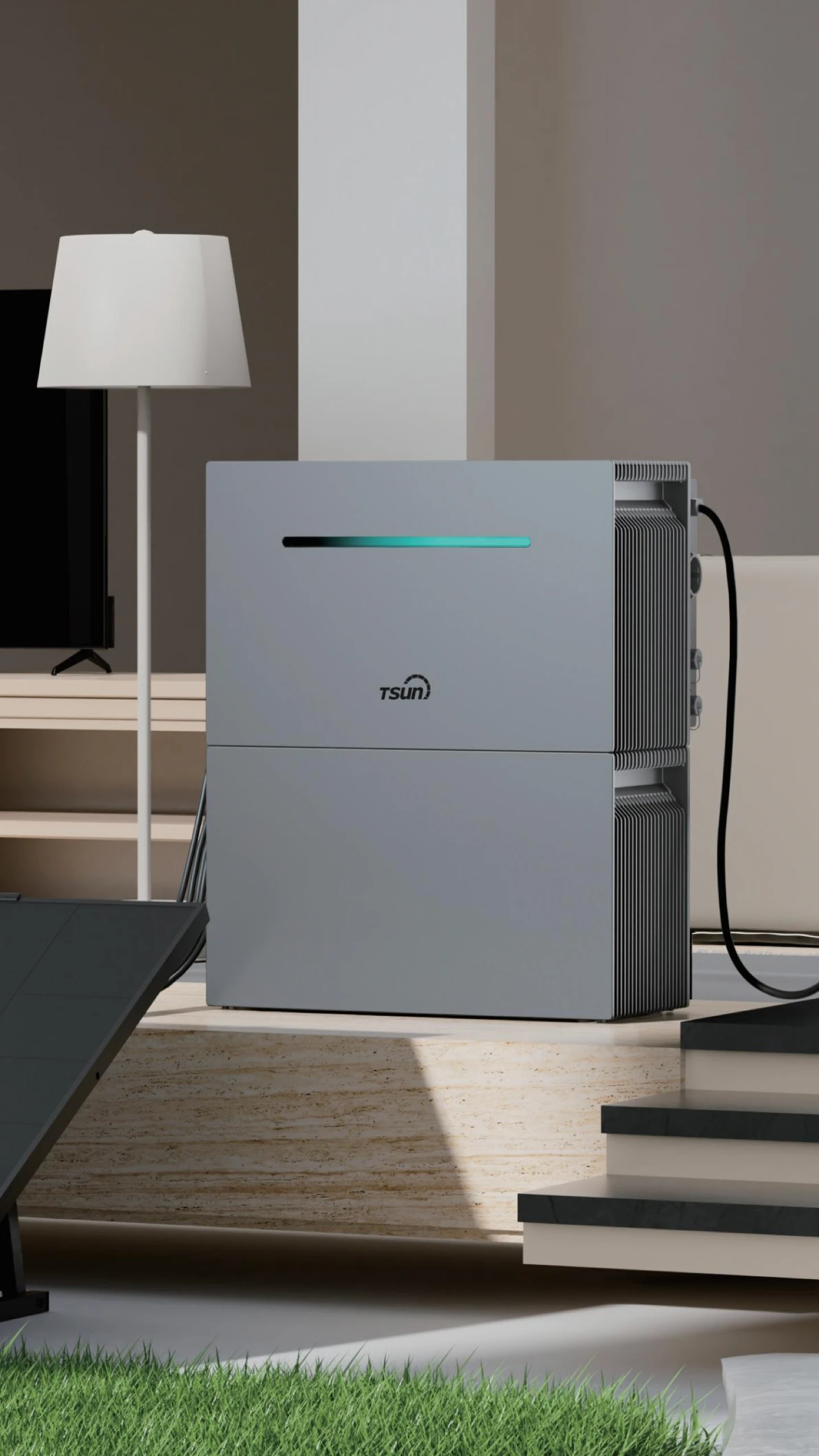
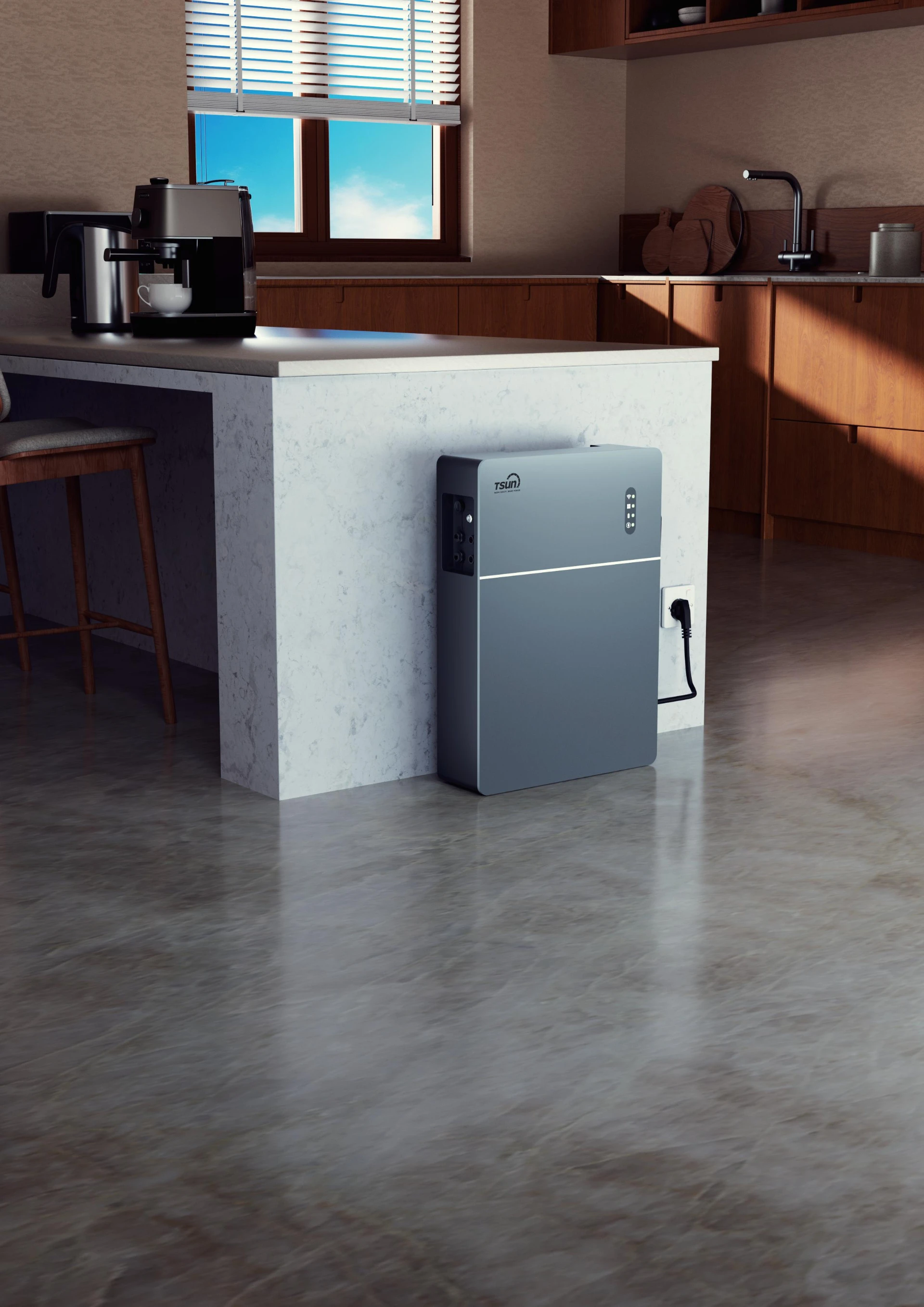
For off-grid situations, pairing microinverter solar setups with a robust battery bank is crucial. The inverter’s ability to handle fluctuating inputs and provide stable output makes the whole system smoother. I once worked with a small eco-lodge using a microinverter off grid solar system alongside lithium batteries that powered everything from fridges to LED lighting. It was fascinating to see how such a system reduced their fuel generator runtime to nearly zero.
Typical Microinverter Off Grid Solar System Specifications
| Spec |
Details |
| Output Power per Microinverter |
250 W – 350 W |
| Efficiency |
95% – 97% |
| Operating Temperature Range |
-40°C to +65°C |
| Ingress Protection |
IP65 – IP67 |
| Communication Protocols |
Wireless / PLC (Power Line Communication) |
| Warranty |
10 – 15 years |
Vendor Comparison: Picking the Right Supplier
When choosing a vendor, it’s not just about specs but also support and ecosystem. Here is a quick rundown I put together from experience and research:
Comparison of Microinverter Off Grid Solar System Vendors
| Vendor |
Warranty |
System Scalability |
Support & Service |
Integration Features |
| Tsun ESS |
15 years |
Highly Modular, Easy Upgrades |
24/7 Remote Monitoring, Local Field Support |
Battery Management, Smart Load Control |
| Competitor A |
10 years |
Moderate, Requires Rewiring |
Business Hours Support Only |
Basic Monitoring |
| Competitor B |
12 years |
Good for Small Systems |
Limited On-Site Support |
Third-Party Integration |
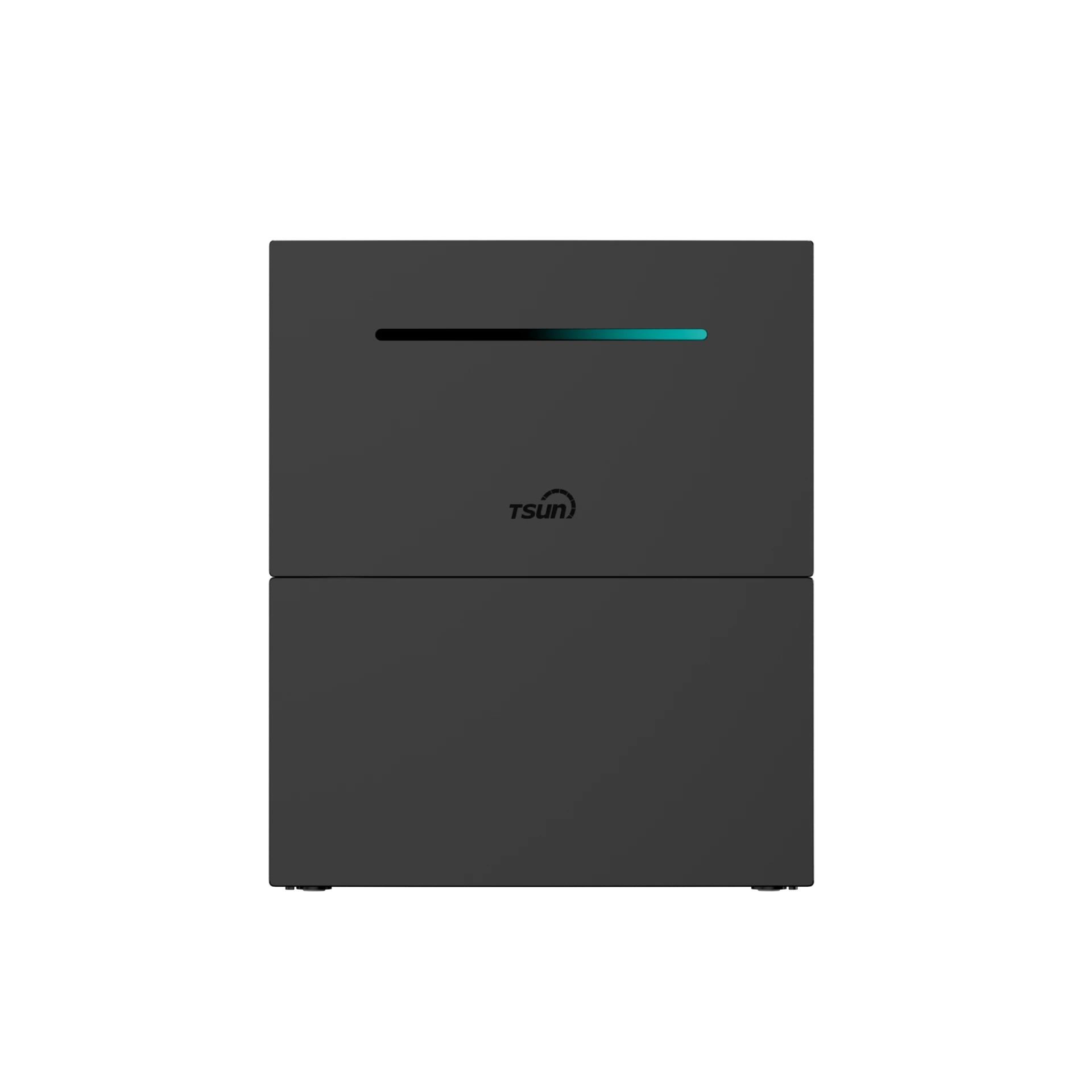
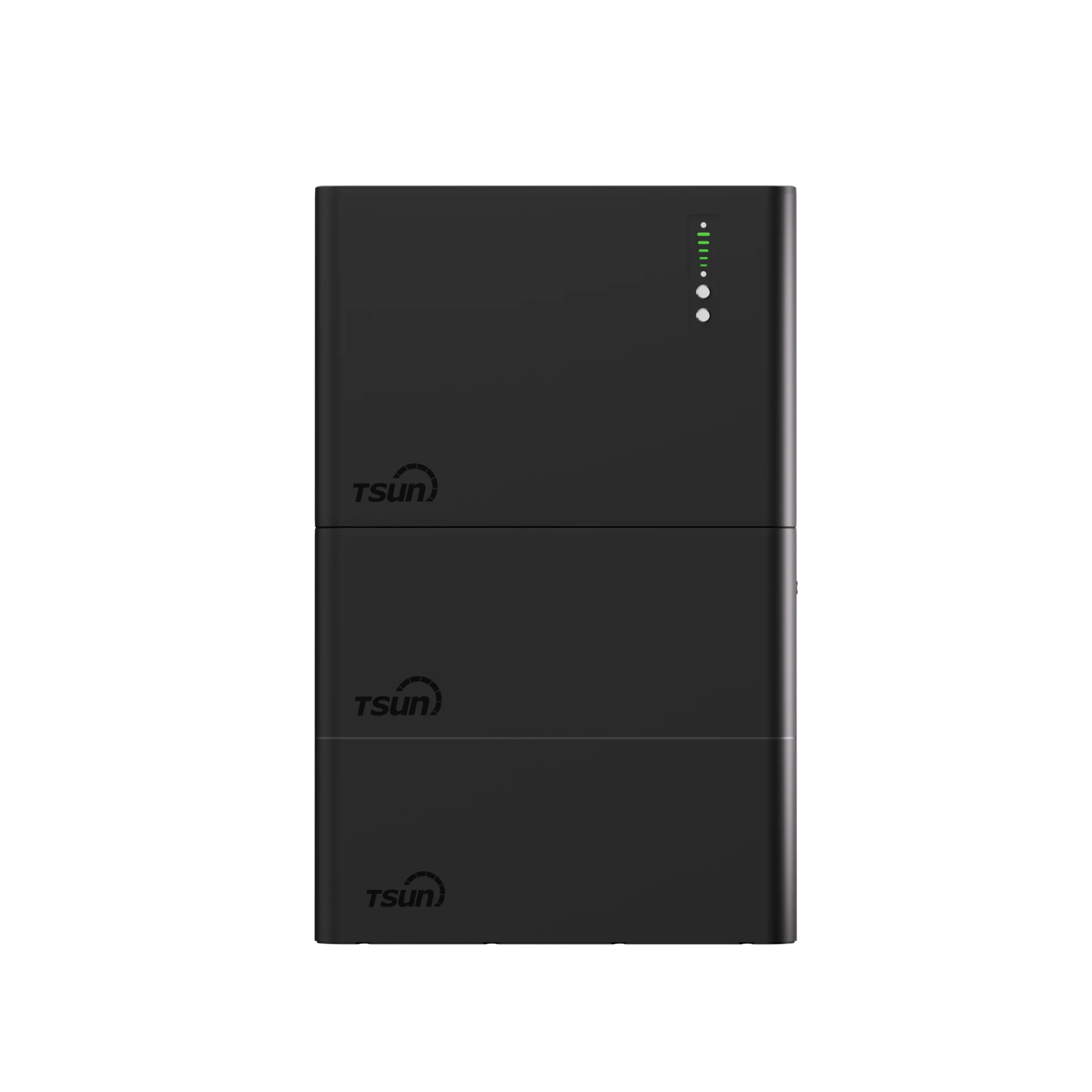
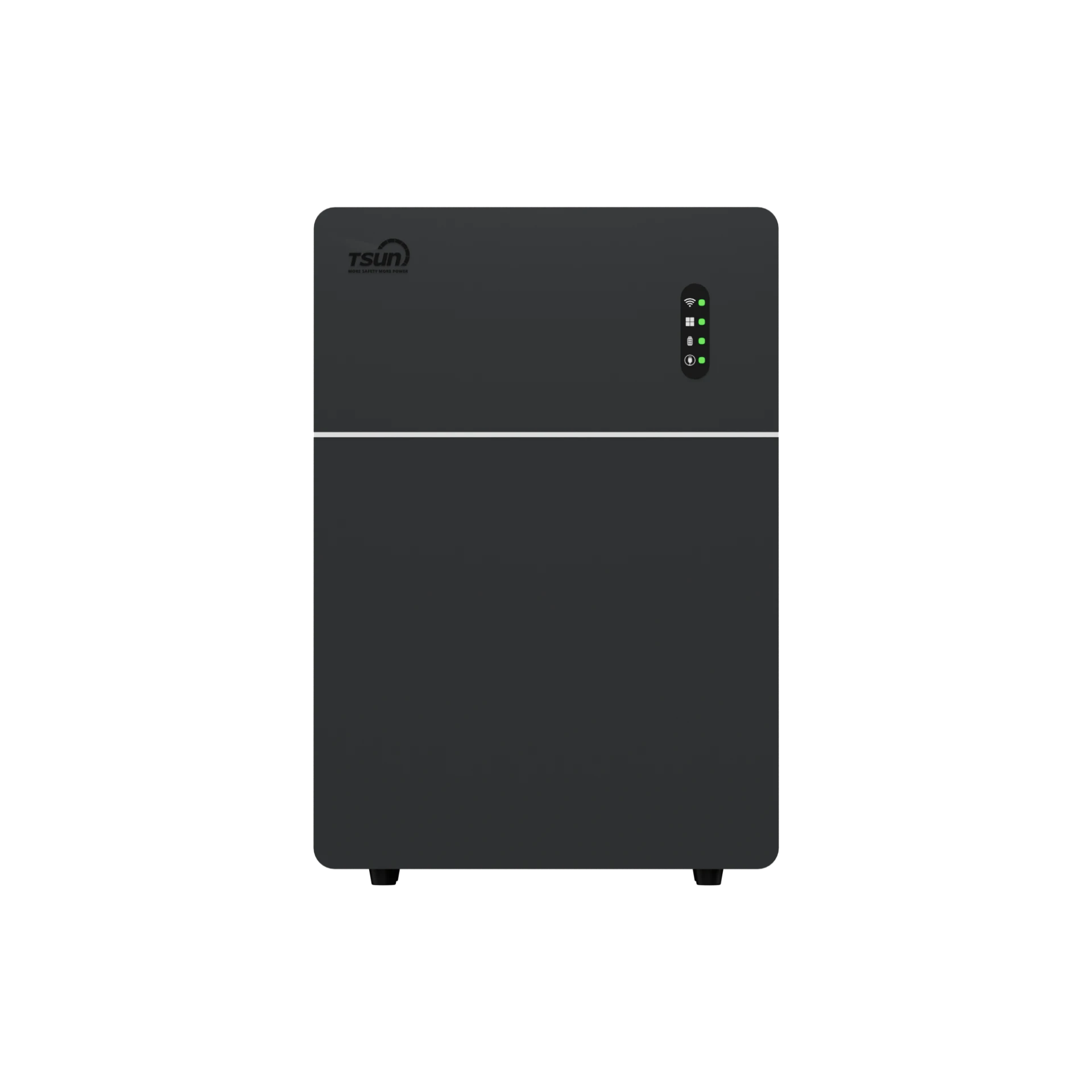
In my view, what sets vendors like Tsun ESS apart is their holistic approach — not just selling hardware but offering system design consultation and robust post-sale support. I suppose that’s what makes the difference between a DIY throw-together and a truly dependable off-grid solar solution.
To wrap up, if you’re thinking about ensuring power reliability in a remote location, a microinverter off grid solar system is definitely worth considering. It’s flexible, scalable, and tailored to handle the real-world conditions where uptime and maintenance windows are precious.
Anecdotally, one client I worked with reduced generator fuel costs by over 80% within their first year thanks to this tech — that kind of operational saving in a remote site is hard to overstate.
References:
1. Industry technical bulletins and field testing reports, 2021–2023.
2. Tsun ESS product documentation, 2024.
3. On-site deployment feedback from industrial solar projects, 2022.




 LEARN DETAILS
 Downloads
 Video Center
 Report Fault for Repair
 FAQS
FAQS Service Network
 Privacy Policy
 Contact Us
 Monitoring


 LEARN MORE