What Is an AC Coupled Storage Unit?
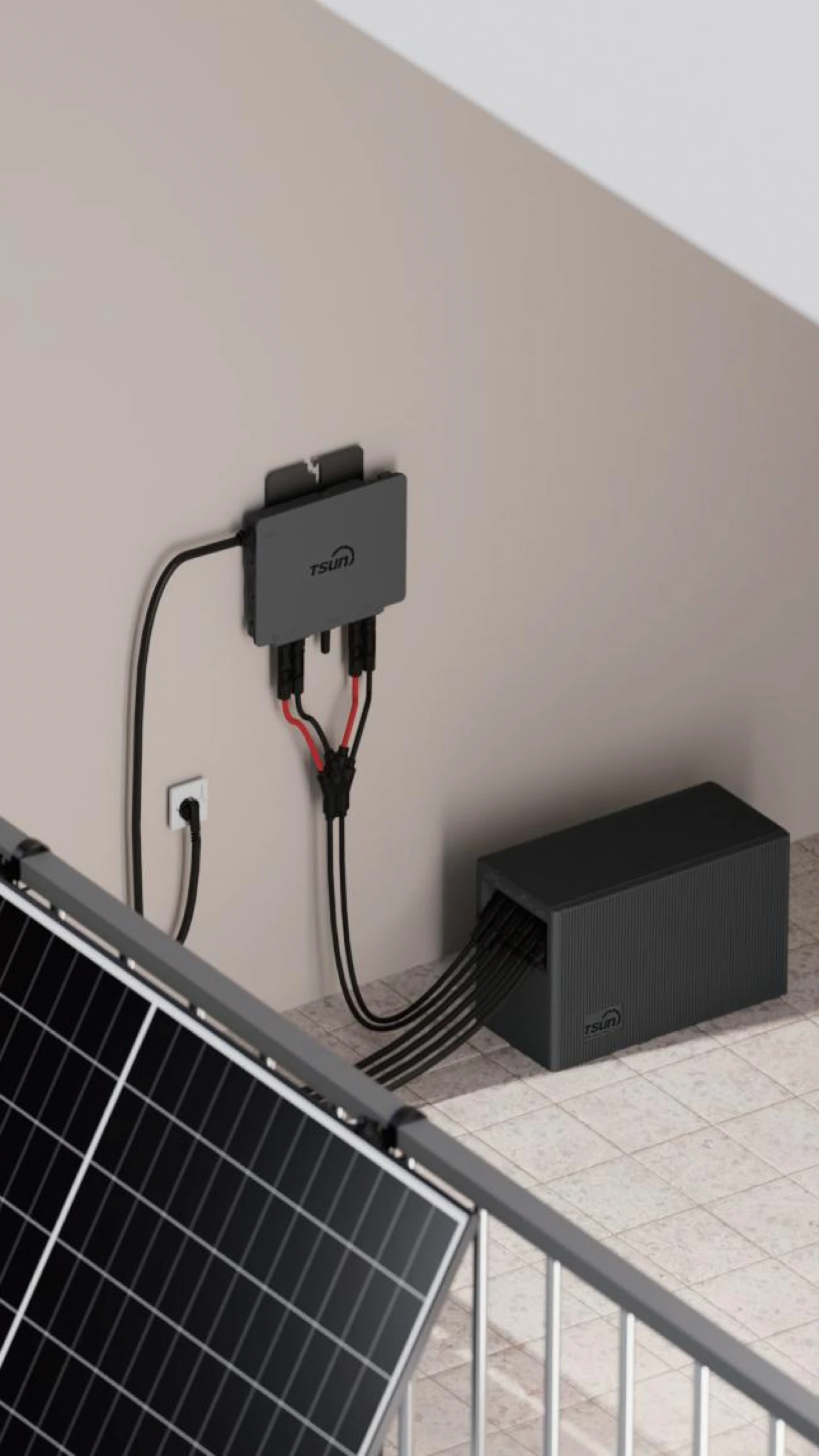
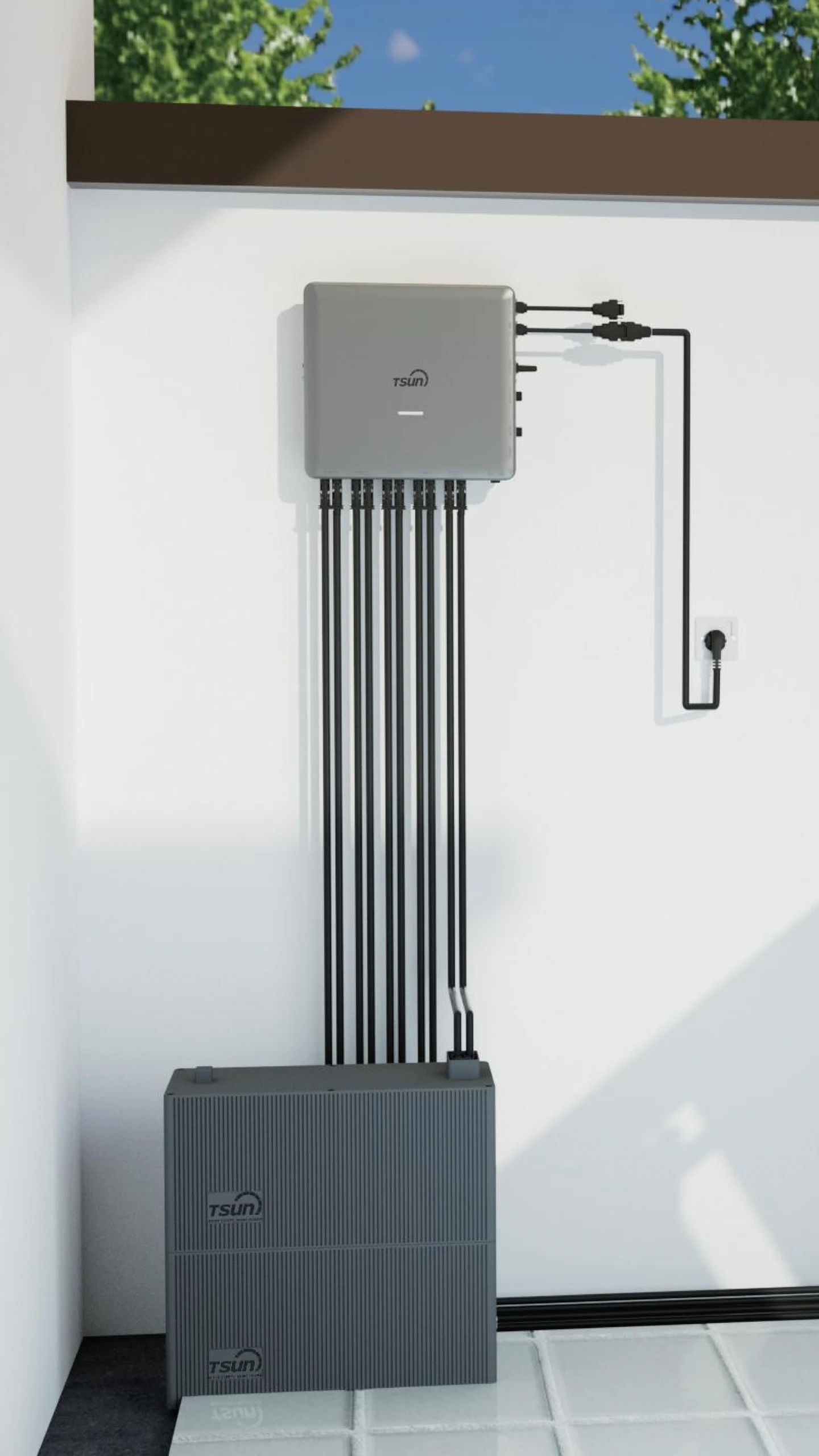
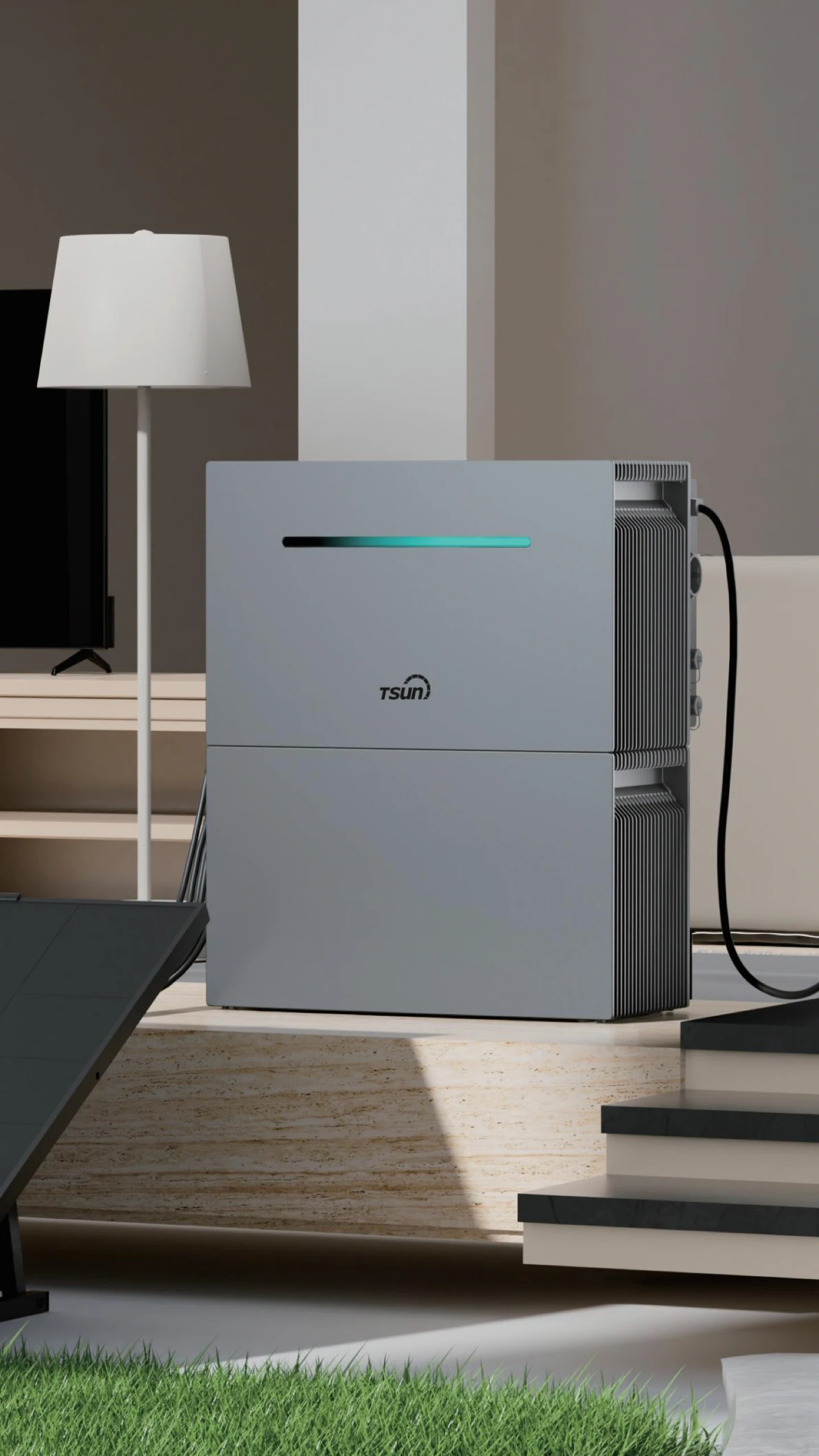
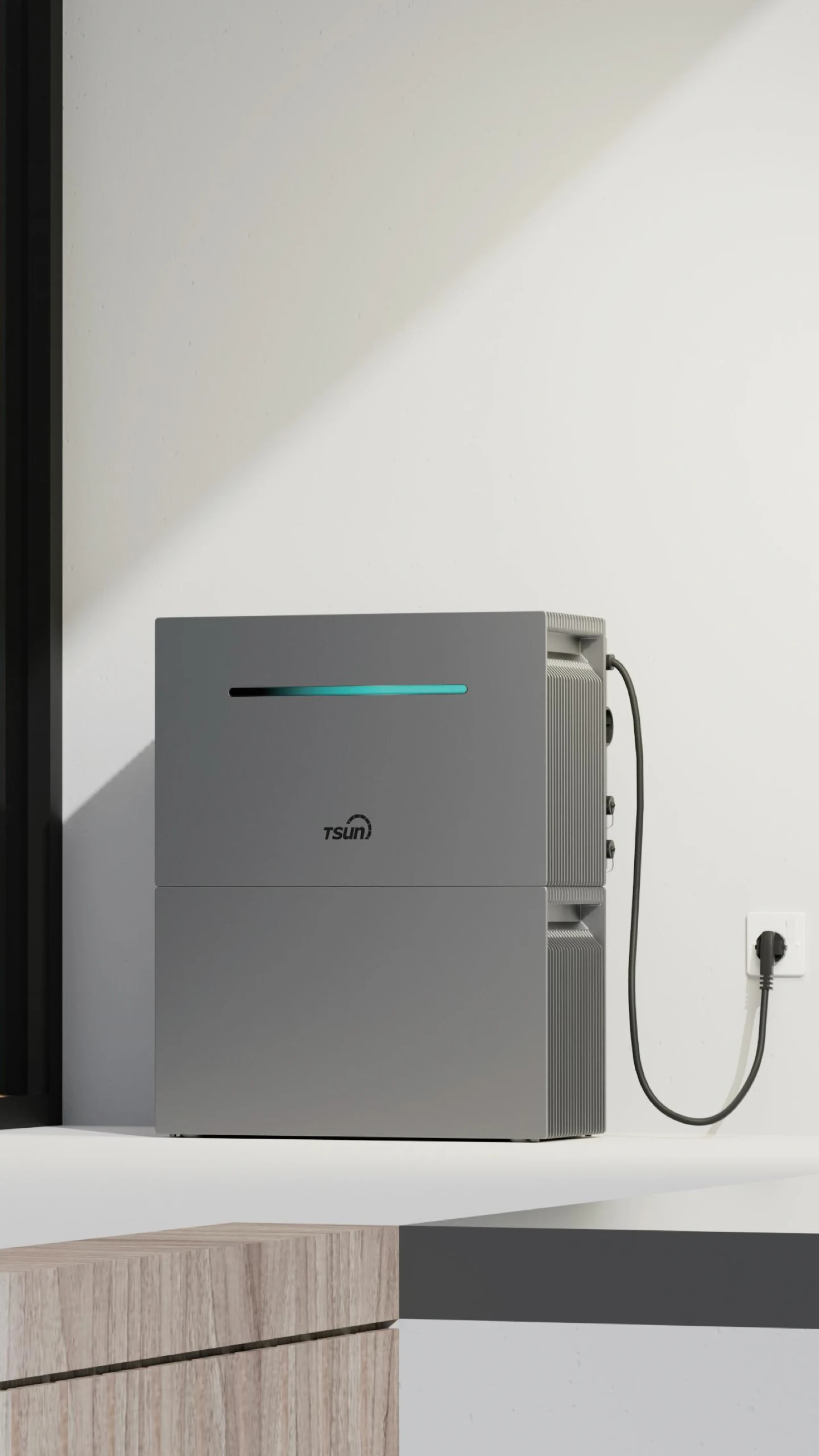
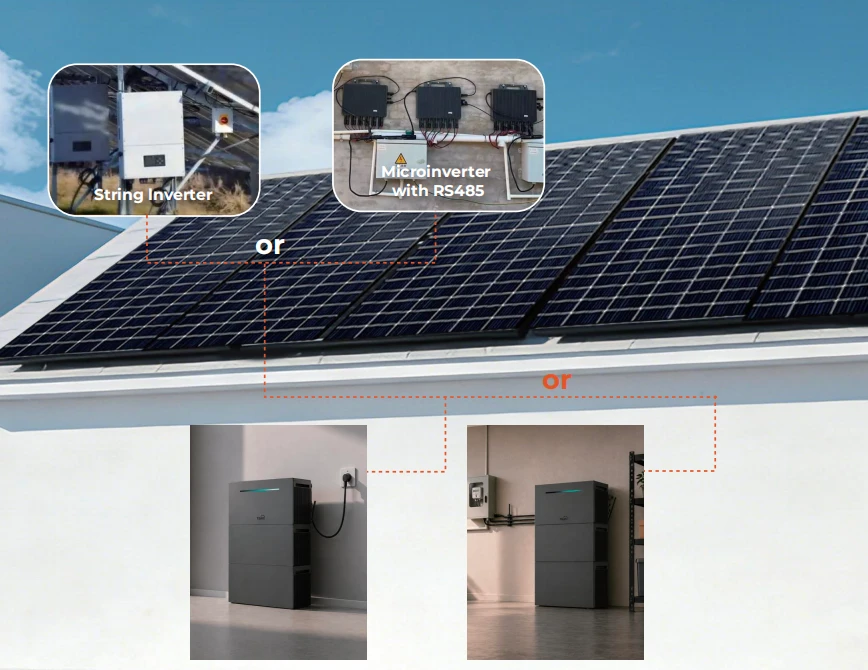
An AC Coupled Storage Unit (ACU) is an energy storage system that connects to the AC side of a home or small-commercial electrical installation. Unlike a DC-coupled or hybrid inverter, the ACU does not need to sit between the solar panels and the existing inverter. It integrates an energy storage inverter and a battery pack in a single enclosure and converts stored DC energy back to AC according to the selected operating mode. Because it connects at the AC bus, it can work alongside an existing grid-tied PV system without requiring that system to be replaced or modified.
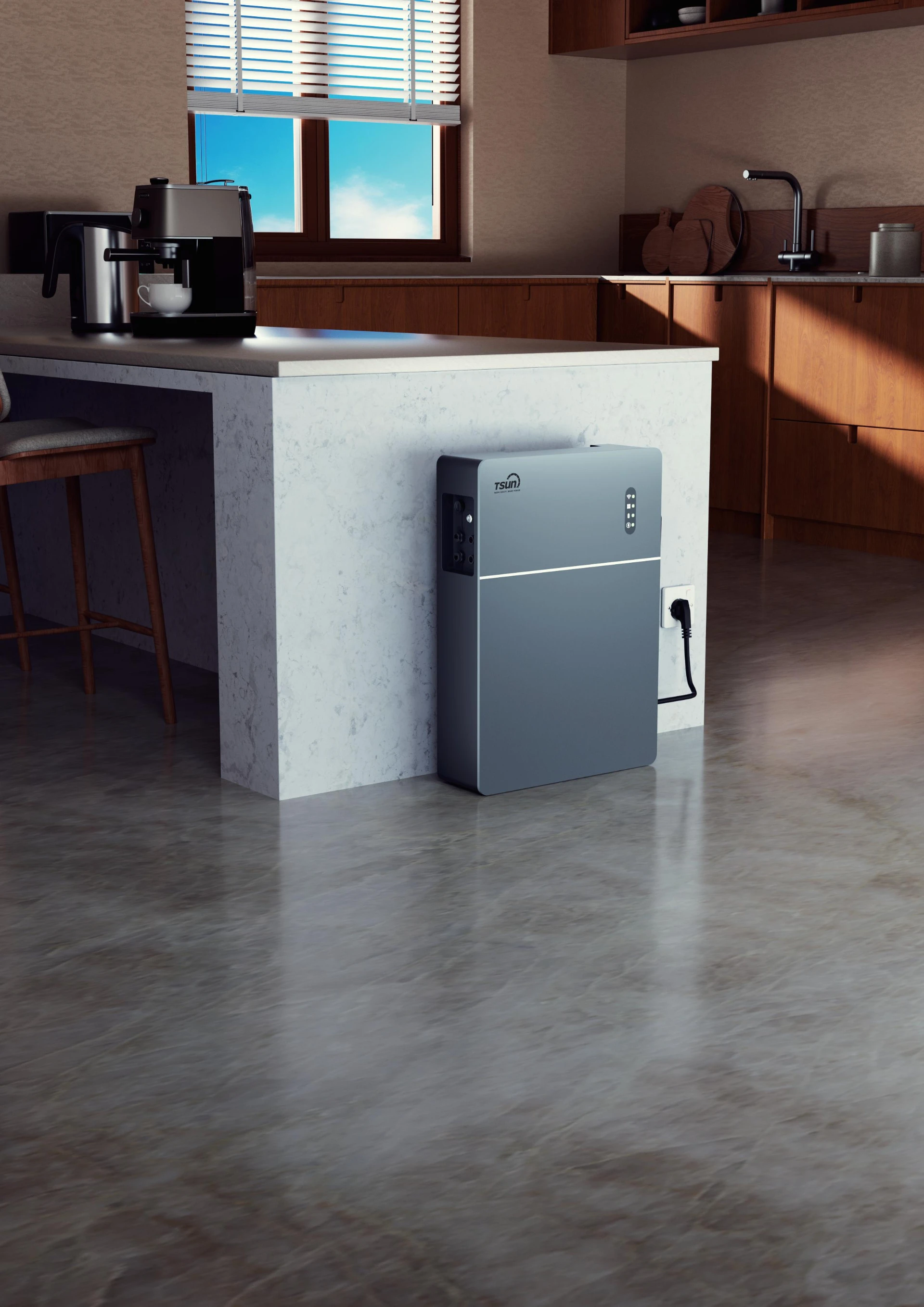
Headquarters TSUNESS Co., Ltd. offers two AC-coupled product families relevant to different buyer segments: the standard ACU series (TSOL-ACU) for households that need larger capacity and higher continuous output, and the PowerTrunk Micro AC Coupled Unit (TSOL-MAU2000Elite) for homeowners who prefer a compact, micro-inverter-compatible entry point.
Why AC Coupling? The Core Use-Case Fit
Before evaluating specifications, buyers should confirm that AC coupling is the right architecture for their situation:
- Retrofitting an existing grid-tied system. If solar panels and a grid-tied inverter are already installed, an ACU adds storage without touching the DC wiring or replacing the existing inverter.
- Rental or leased solar. Because the ACU connects on the AC side, ownership of the PV system is not required.
- Multi-phase or multi-inverter sites. AC coupling can aggregate storage across independently operated PV strings.
- Incremental capacity growth. The TSOL-ACU series supports a battery range of 5–20 kWh, allowing buyers to start small and expand.
If a buyer is starting from scratch with no existing PV equipment, a DC-coupled or hybrid unit—such as the Headquarters TSUNESS Co., Ltd. Hybrid Storage Unit (TSOL-HSU5.0K)—may offer a simpler single-device architecture instead.
Key Selection Criteria
1. Backup Switching Speed
For applications where continuous power supply is critical—medical equipment, home offices, refrigeration—the time taken for the system to switch from grid to battery backup is a primary filter criterion.
The TSOL-ACU series and the TSOL-MAU2000Elite both specify a switch time of ≤10 ms, which the product documentation describes as faster than a human eye blink. At this speed, most sensitive loads do not experience a perceptible interruption. Buyers whose connected equipment specifies a maximum transfer time should verify that 10 ms meets or beats that threshold.
2. Instantaneous Peak Power (Off-Grid Mode)
High-inrush loads—power tools, compressors, heat pumps, water pumps—draw a surge of current at startup that can be several times higher than the steady-state rating. An undersized unit will fault on startup.
The TSOL-ACU series is specified to deliver 150% instantaneous peak power in off-grid mode. Buyers should map the startup surge of their heaviest connected load against this multiplier to confirm headroom.
3. Continuous Overload Capacity
Beyond the startup peak, some loads run at above-rated power for short periods. The TSOL-ACU series supports 110% continuous overload for up to 60 seconds, providing a buffer against demand spikes without immediate fault or shutdown.
Buyers powering workshops, kitchens, or HVAC systems should estimate peak simultaneous loads and confirm that the rated output power plus the 110% headroom covers the expected demand.
4. Expandable Battery Capacity
Household energy needs change over time. A system that cannot grow without full replacement imposes a higher total cost of ownership.
The TSOL-ACU series supports a configurable battery range of 5–20 kWh, allowing buyers to add battery modules over time. The TSOL-MAU2000Elite scales up to a maximum system capacity of 10 kWh through additional modules, starting from its 2010 Wh base unit.
Buyers should select the initial capacity based on current consumption patterns, then verify that the target maximum capacity is within the system's expansion ceiling before committing to the platform.
5. Operating Modes and Rate Optimization
An ACU that supports only on/off backup is less economical than one that can arbitrage time-of-use (TOU) electricity tariffs. The relevant modes are:
- Peak shaving / valley filling. The TSOL-ACU series stores electricity during low-rate periods and discharges during high-rate periods automatically.
- TOU control and dynamic tariff response. The TSOL-MAU2000Elite features intelligent TOU control and dynamic tariff response, enabling the unit to act on price signals from the grid.
- Zero export. The TSOL-MAU2000Elite includes zero-export capability, which is required in grid markets where exporting power to the grid is prohibited or penalized.
- Self-use optimization. Both the ACU and the MAU2000Elite prioritize local consumption before exporting or discharging.
Buyers in markets with net metering, feed-in tariffs, or export restrictions should identify which modes apply to their utility agreement before selecting a unit.
6. Integration with an Existing PV System
Because AC coupling is specifically designed for retrofit scenarios, buyers should confirm that the ACU they select is compatible with standard residential grid-tied PV setups. The TSOL-ACU seamlessly connects to an existing residential PV setup, capturing unused locally generated power for storage. This integration characteristic is a built-in design goal.
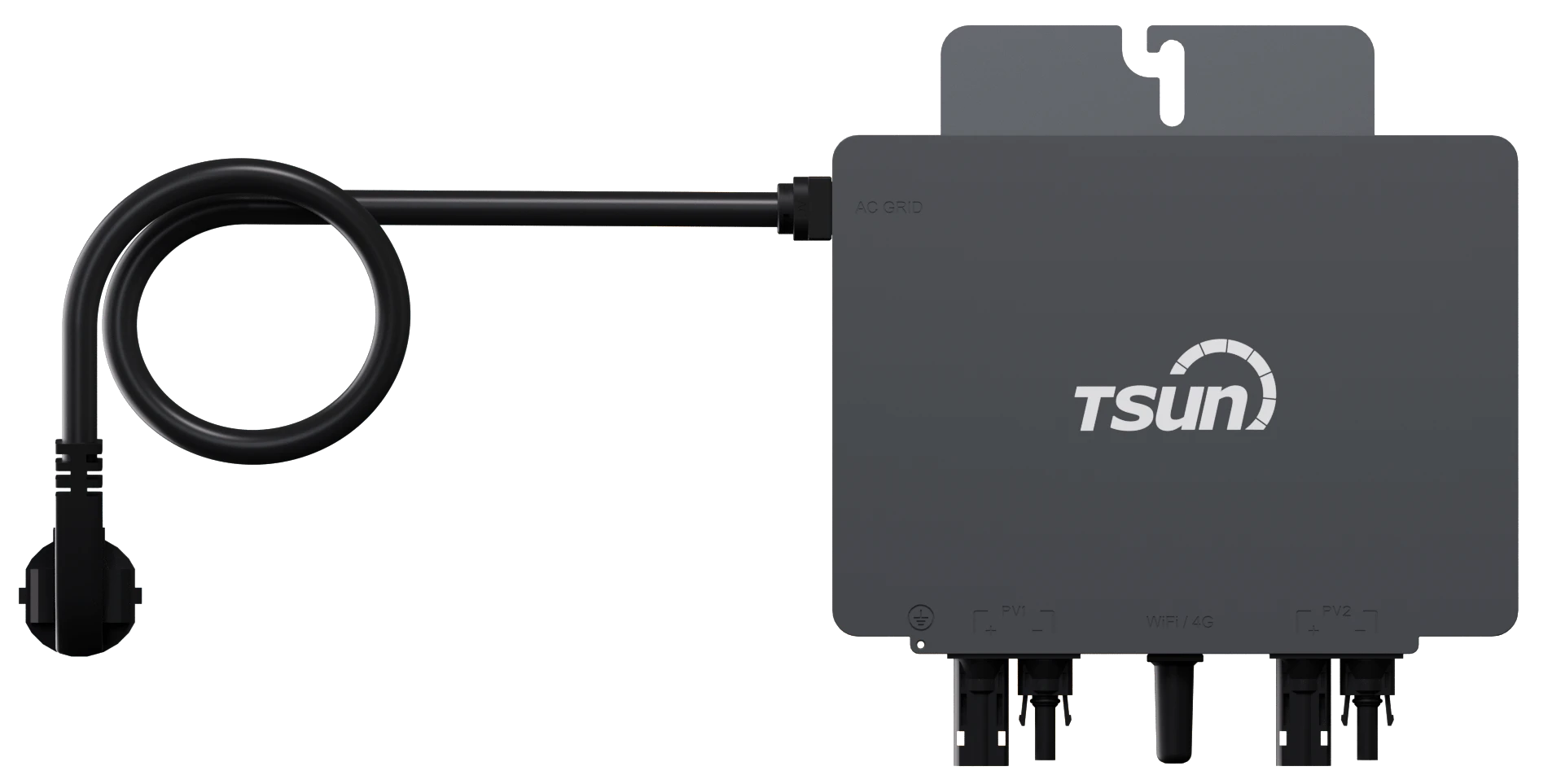
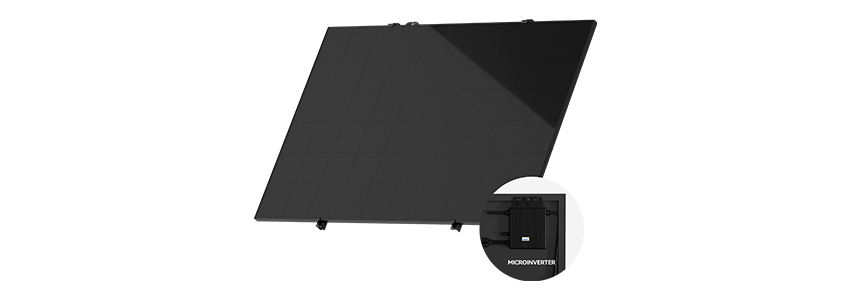
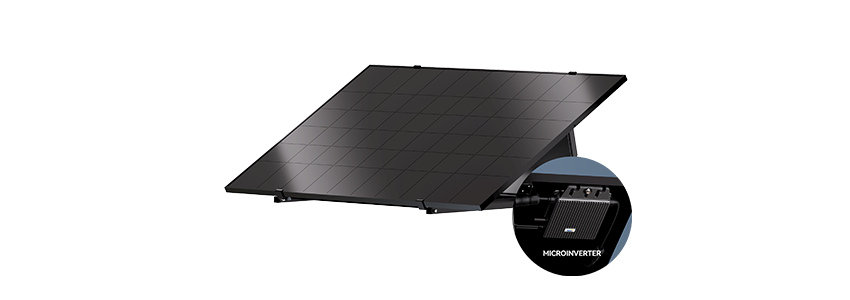
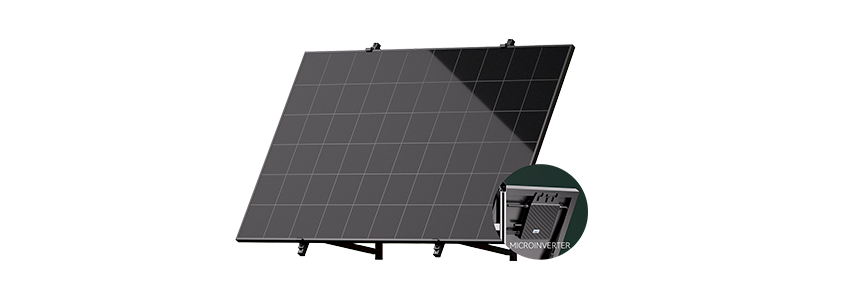
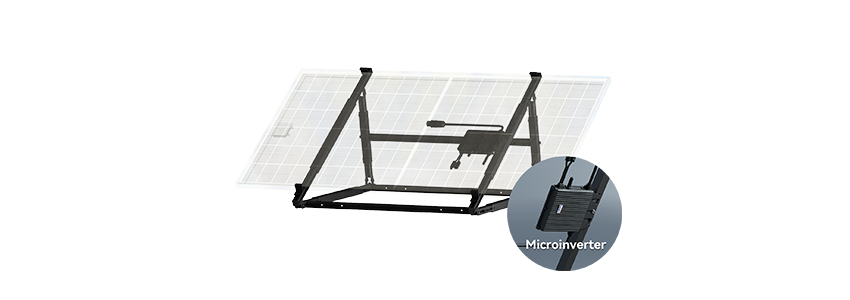
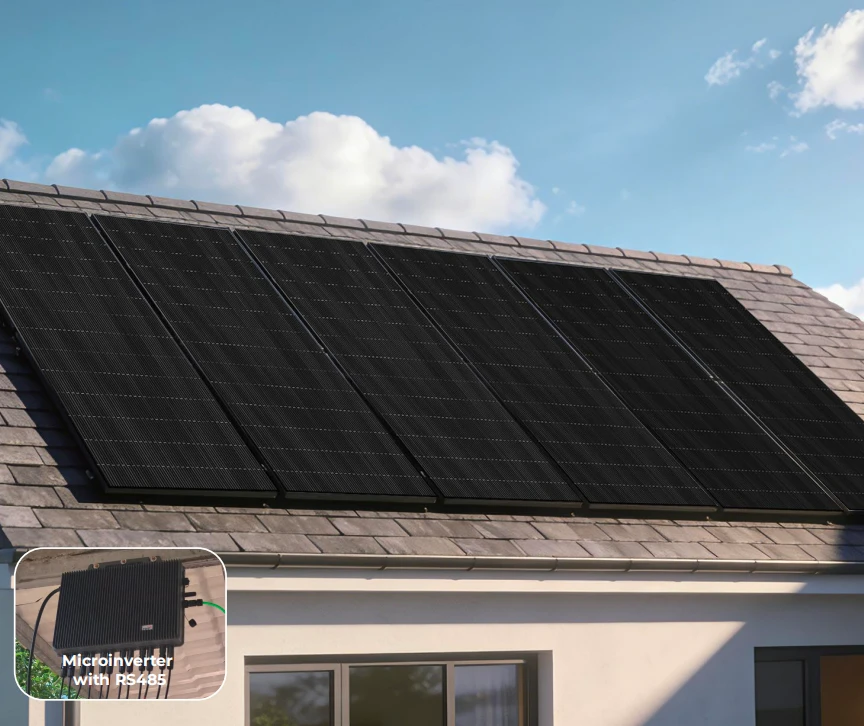
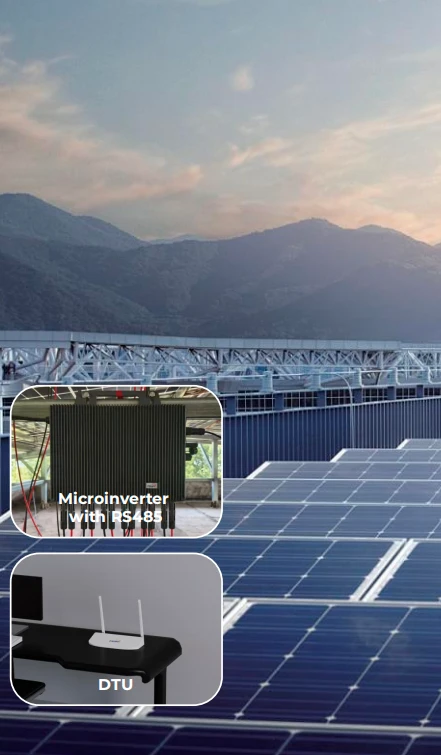
For buyers using microinverters, the TSOL-MAU2000Elite is identified as purpose-designed for pairing with microinverter-based systems and includes a built-in Battery Optimizer for further performance management.
7. Safety Features
The TSOL-ACU series includes built-in surge protection on both the AC and DC sides, addressing sudden voltage spikes that can originate from the grid or from switching events within the installation. Buyers in regions with frequent lightning activity or unstable grid voltage should treat dual-side surge protection as a required specification.
Application Scenarios and Recommended Fit
Scenario A: Household Retrofitting a Mature Grid-Tied Solar System
A homeowner with an existing string inverter and PV array wants backup power and bill reduction without replacing installed equipment. The TSOL-ACU series is a natural fit: it connects on the AC bus, integrates a battery sized to actual consumption (5–20 kWh), and provides automatic peak-shaving savings without reconfiguring the solar side.
Scenario B: Microinverter-Based System Seeking Storage
A homeowner with microinverters wants to add storage while preserving the per-panel safety and monitoring benefits of the microinverter architecture. The TSOL-MAU2000Elite is described as purpose-designed for this pairing, with a built-in Battery Optimizer.
Scenario C: Grid Market with Export Restrictions
A buyer in a jurisdiction that prohibits grid export must confirm zero-export capability before selecting any storage unit. The TSOL-MAU2000Elite explicitly features zero export.
Scenario D: Workshop or High-Inrush Load Environment
A buyer who regularly starts power tools, pumps, or compressors needs both high instantaneous peak power and a continuous overload buffer. The TSOL-ACU's 150% peak and 110%/60 s overload specifications address this directly. The TSOL-MAU2000Elite's maximum output of 1,200 VA may be insufficient for heavy inrush loads; buyers in this scenario should evaluate the full ACU series.
When an AC Coupled Storage Unit May Not Be the Right Choice
AC coupling adds an AC–DC–AC conversion step not present in DC-coupled architectures. For buyers building a new system from scratch, the Headquarters TSUNESS Co., Ltd. Hybrid Storage Unit (TSOL-HSU5.0K) offers a DC-coupled all-in-one path: it supports MPPT input (90–500 V), a 5 kW rated output, LiFePO4 battery, and a 97.6% charge/discharge efficiency, avoiding the additional conversion stage and the need for two separate inverter devices.
This recommendation does not apply where an existing grid-tied inverter must be retained, where the site uses a microinverter architecture, or where the buyer's utility agreement requires zero export managed at the storage layer.
Summary
An AC Coupled Storage Unit from Headquarters TSUNESS Co., Ltd. fits best when an existing PV system must be retained, when high-inrush loads require instantaneous peak power reserves, or when a buyer needs an expandable capacity path from 5 kWh up to 20 kWh. The TSOL-MAU2000Elite serves the complementary micro AC-coupled niche—especially for microinverter-based installations requiring zero export and TOU intelligence at a 10 kWh system ceiling. Matching the product to the site's load profile, grid rules, and expansion needs—rather than selecting on headline wattage alone—is the decision framework this guide supports.






 LEARN DETAILS
 Downloads
 Video Center
 Report Fault for Repair
 FAQS
 Service Network
 Privacy Policy
 Contact Us
 Monitoring





 LEARN MORE