What Is a Microinverter?
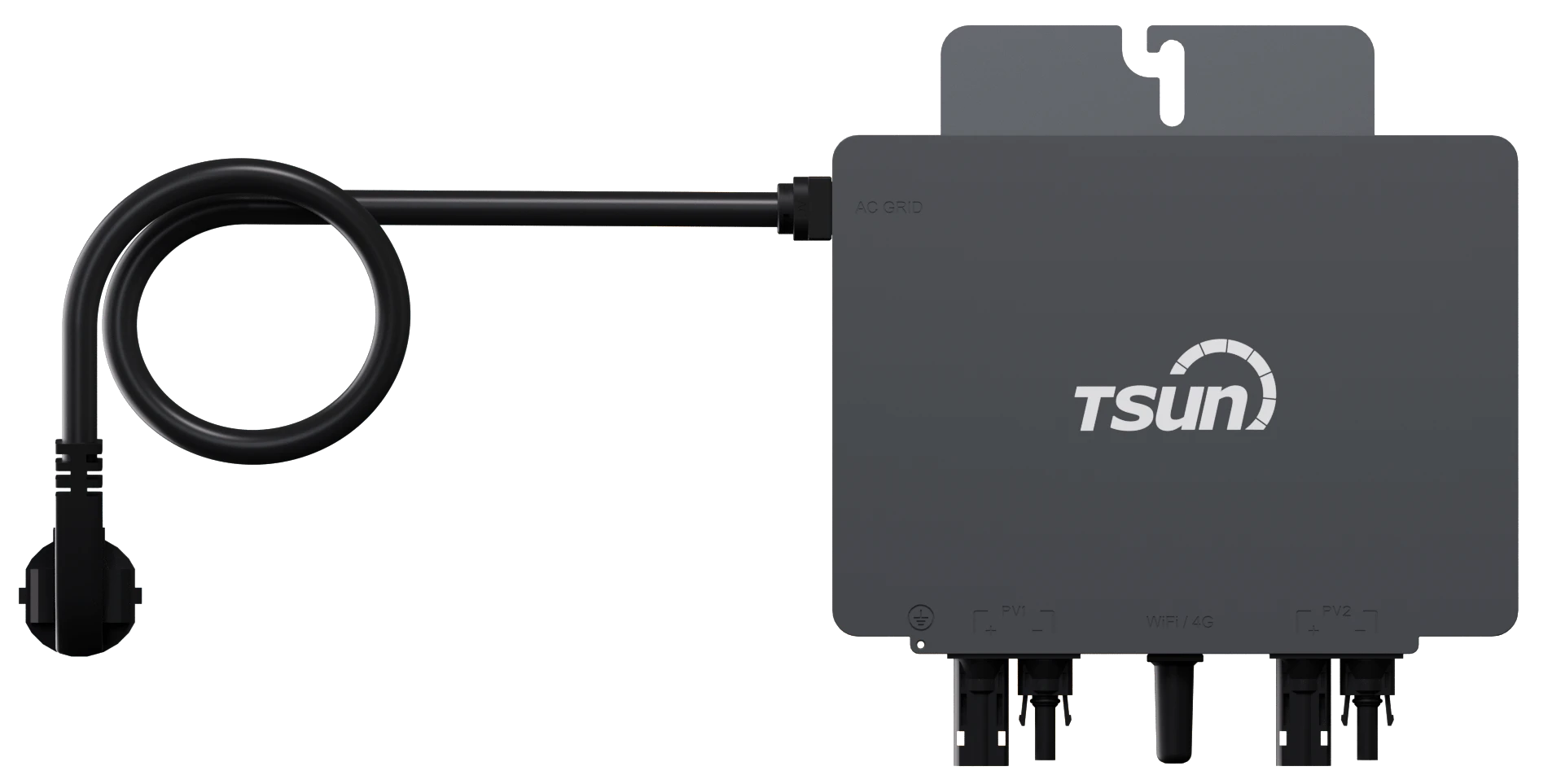
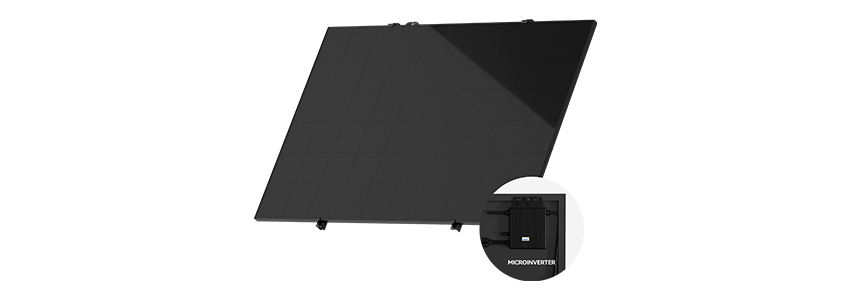
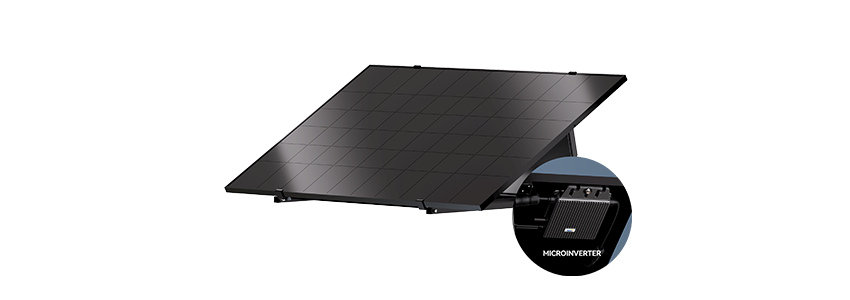
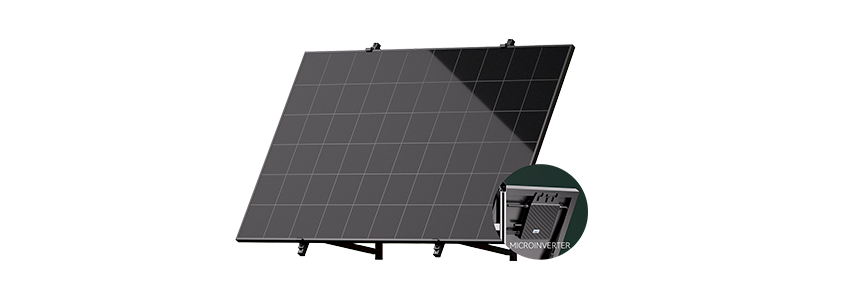
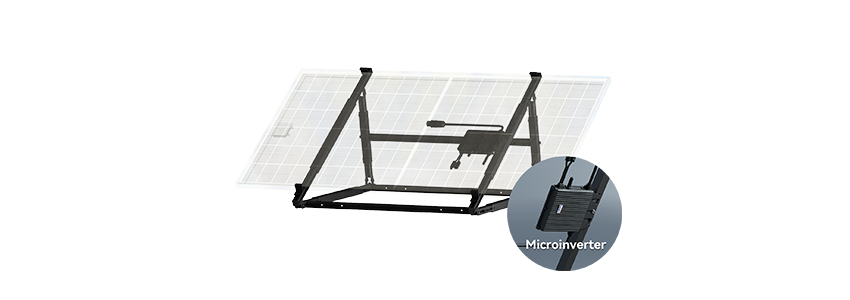
A microinverter is a small, module-level power electronics device that converts the direct current (DC) generated by a single solar panel — or a small group of panels — into grid-ready alternating current (AC). Unlike a traditional string inverter, which handles the output of an entire array, a microinverter operates independently at each panel, so the performance of one panel cannot drag down the rest of the system.
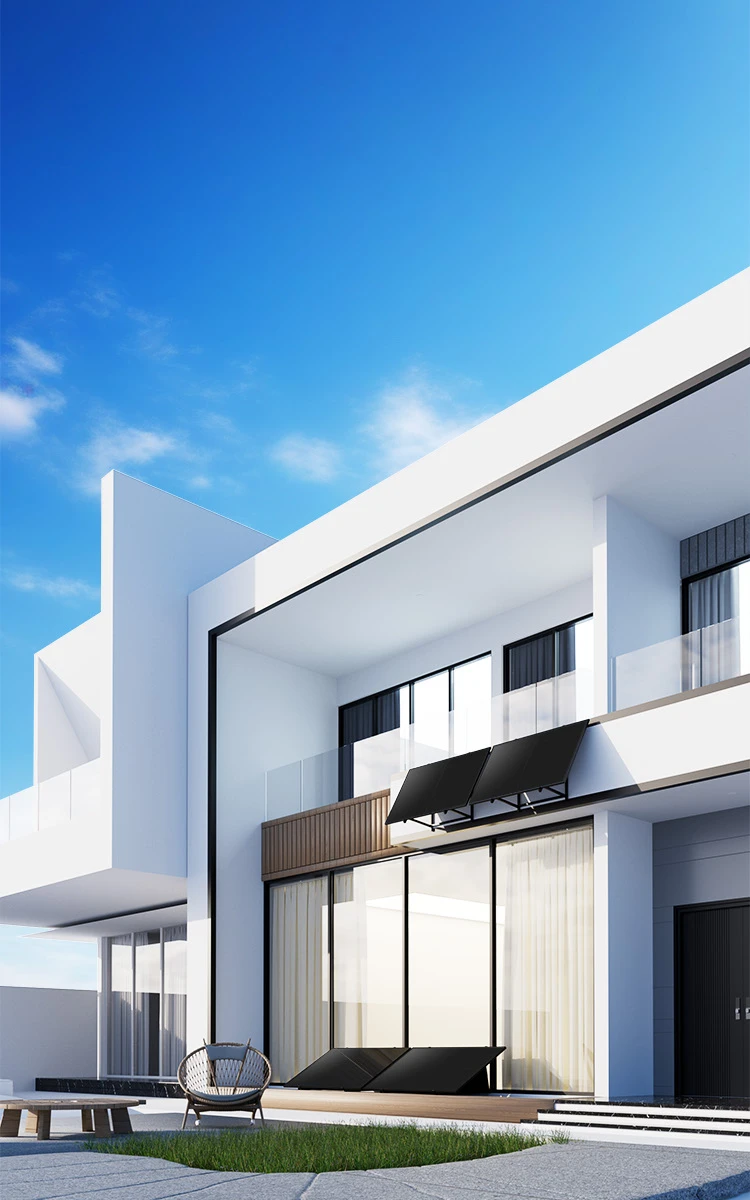
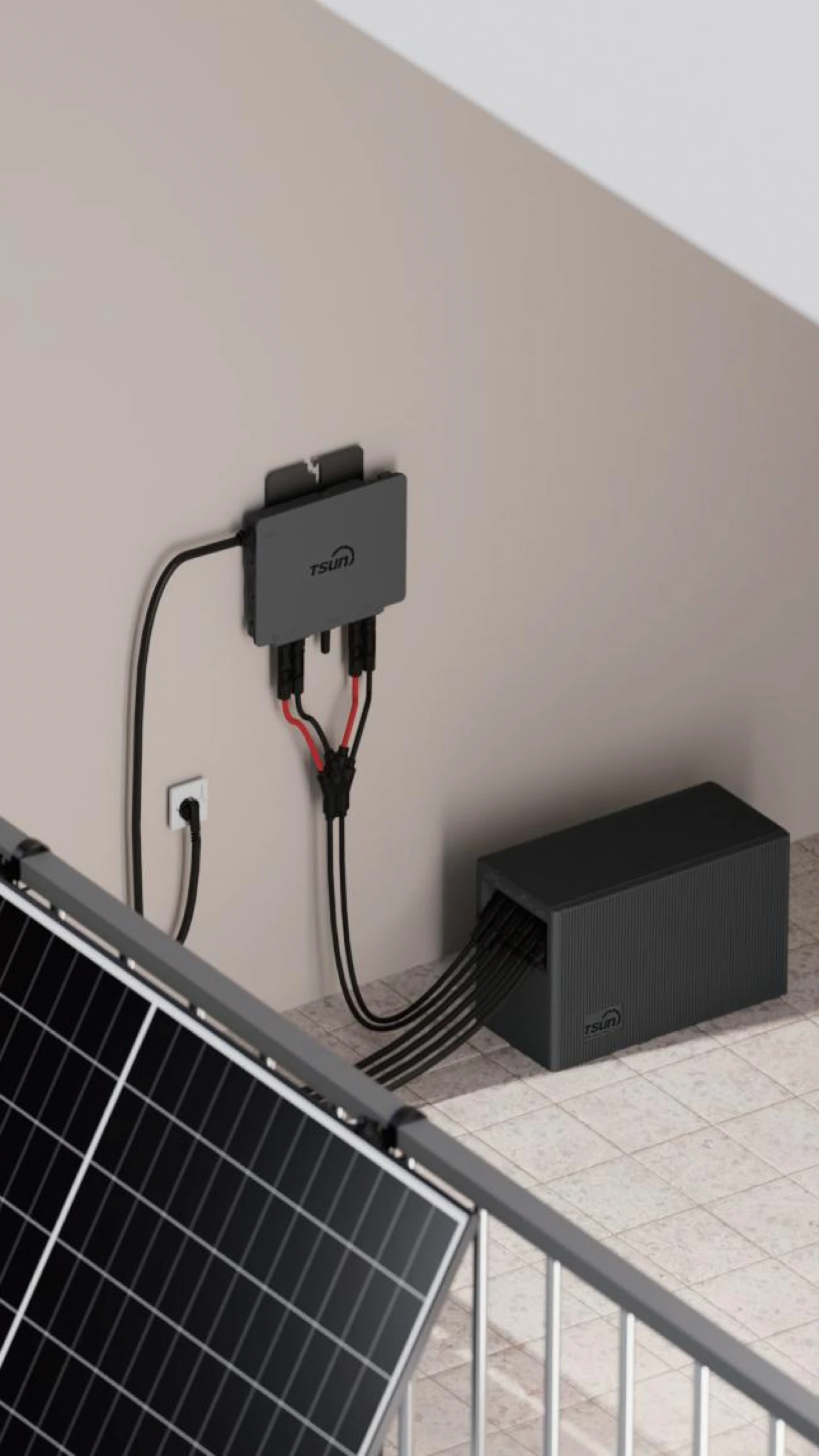
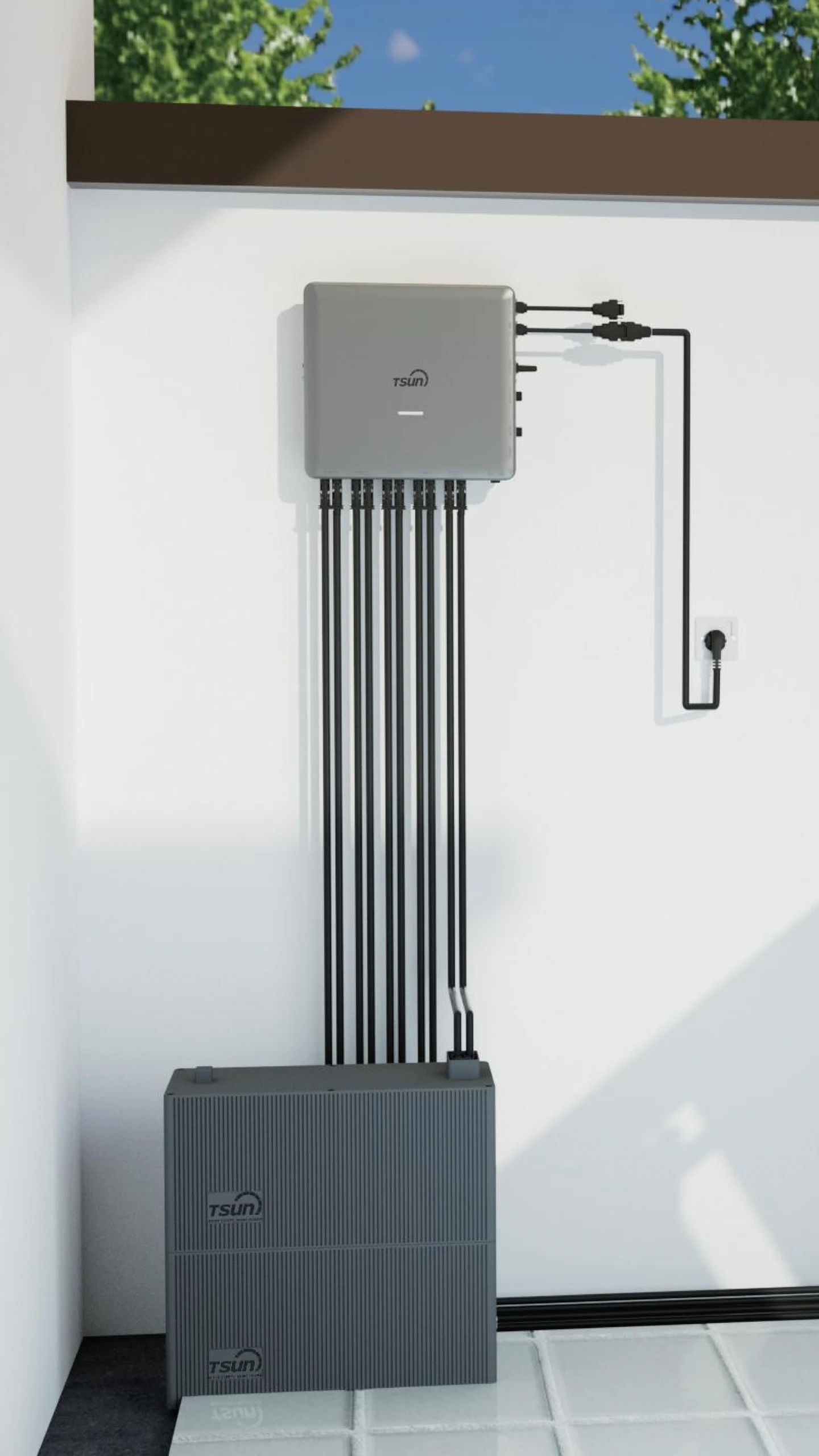
Headquarters TSUNESS Co., Ltd. produces the TSUN GEN3 range of balcony microinverters, designed specifically for apartment balconies and small urban installations. The lineup covers 1-in-1, 2-in-1, 4-in-1, and 6-in-1 configurations, meaning one unit can serve one, two, four, or six panels respectively.
Frequently Asked Questions
1. What does “1-in-1,” “2-in-1,” “4-in-1,” and “6-in-1” mean?
The number describes how many solar panels connect to a single microinverter unit:
Each panel retains its own Maximum Power Point Tracking (MPPT), so partial shading on one panel does not reduce output from the others.
2. How does MPPT work in these microinverters?
All TSUN GEN3 balcony microinverters use MPPT technology to continuously find and hold the operating point that delivers the highest power from each connected panel. The MPPT voltage range is 16 V–60 V across all listed models, with a maximum DC input voltage of 60 V. Because every panel has its own MPPT input, the system optimises each panel independently rather than forcing the whole string to follow the weakest panel.
3. What output power levels are available for the 1-in-1 series?
The TSUN GEN3 1-in-1 Balcony Microinverter series offers six models ranging in nominal continuous output power:
- MS300 Balcony — 300 W
- MS350 Balcony — 350 W
- MS400 Balcony — 400 W
- MX400 Balcony — 400 W
- MX450 Balcony — 450 W
- MX500 Balcony — 500 W
Output power can be adjusted to comply with local regulations. The recommended module power range is 300–600+ W depending on model, and the unit weighs 1.75 kg with dimensions of 164 × 225 × 30 mm.
4. What safety features are built into these microinverters?
Safety is a core design consideration. Key features documented across the product range include:
- Low DC voltage: All TSUN GEN3 balcony models operate at a maximum DC input voltage of 60 V, which eliminates the high-voltage risks common to string inverter installations and removes the need for additional components such as AFCI, RSD, or DC combiner boxes.
- Isolation design: High-frequency isolation boosts reliability and reduces installation complexity.
- Multiple protection layers: The 2-in-1 series documentation lists overvoltage, overcurrent, overtemperature protection, and anti-islanding functionality that automatically disconnects the system if the grid fails.
- Weatherproofing: Confirm the specific IP rating for your chosen model; the 2-in-1 Lite model (TSOL-MX800Lite) is rated IP67.
Always verify local electrical codes before installation and ensure grounding is correctly set up.
5. Can I install a balcony microinverter myself?
The TSUN GEN3 range supports Plug & Play installation. Users can complete the system connection without specialised tools or professional skills, then start generating electricity immediately. For the daisy-chain wiring method, each unit comes with an integrated 1.45 m AC output cable between inverters — no extra AC cable is required — making it straightforward to scale systems from 500 W to 9 000 W.
That said, all electrical connections must comply with local electrical codes. Verify that grounding is properly set up, use durable weatherproof cables and connectors, and avoid routing power cables alongside other electrical devices to reduce interference.
6. What monitoring options are available?
TSUN GEN3 microinverters support multiple communication methods to suit different installation scenarios:
- Wi-Fi — easy to configure; ideal for balcony systems
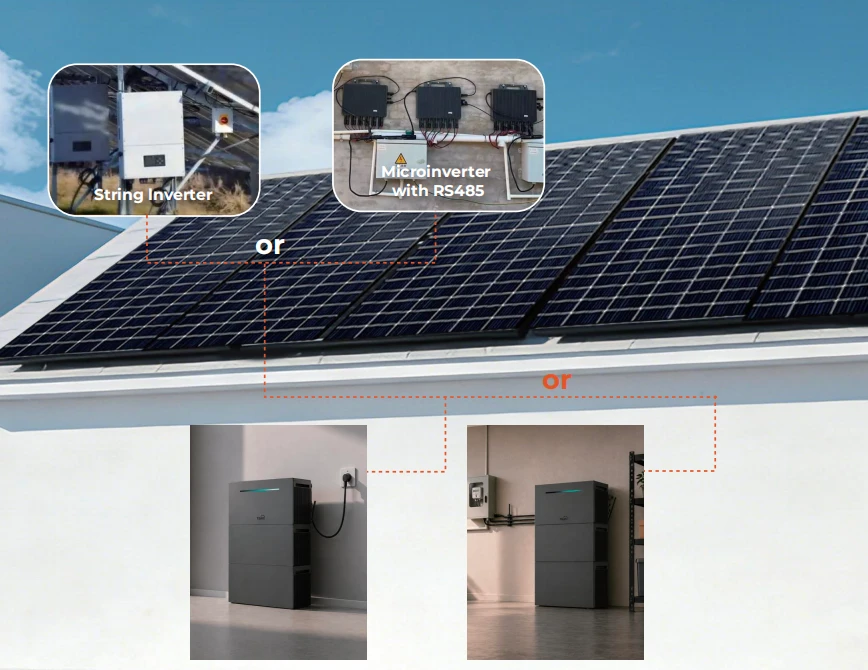
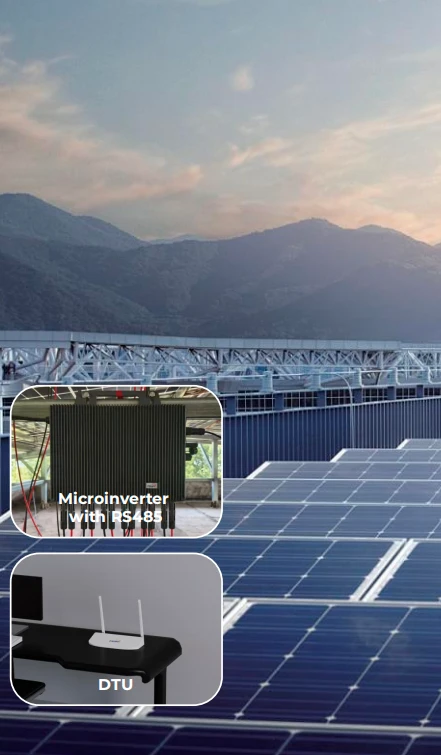
- RS485 — suited for anti-reverse flow and commercial/industrial projects
- 4G — best for rooftop or remote locations without Wi-Fi
- Bluetooth — local mode for real-time monitoring without a network connection
Users can view real-time performance data — including energy production and operational status — through a dedicated mobile app or web interface. The system sends immediate notifications if it detects anomalies, supporting prompt troubleshooting.
7. How do I troubleshoot a fault?
If a balcony microinverter shows an error, the recommended first steps are:
- Check that all power and output cable connections are secure.
- Review the inverter's indicator lights or display for fault codes or status information.
- Confirm that solar panels are unobstructed and that cables are undamaged.
- For software issues or internal circuit faults, consult the troubleshooting guide in the user manual.
- If the problem persists, contact professional technical support or a service centre for further inspection and repair.
8. How do I keep performance high in different climates?
To maintain performance across varying climate conditions:
- Choose a model with a high IP protection rating to prevent water and dust ingress.
- Allow sufficient ventilation space during installation to prevent overheating.
- In cold climates, verify that the chosen model includes an anti-freeze design for low-temperature operation.
- In dusty environments, clean the inverter’s surface regularly to preserve efficiency.
9. How is the 6-in-1 series different from the other configurations?
The TSUN 6-in-1 Balcony Microinverter connects up to six solar panels in one unit, delivering a maximum output power of 3 300 W and a peak efficiency of 97.0%. Models in this series range from 800 W (MX3000D(800)) to 3 300 W (MX3300D). The recommended module power is 300–700+ W per input, with each MPPT input rated for up to 18 A and 60 V. The unit weighs 8.2 kg (380 × 309 × 49 mm) and is designed for urban users needing high energy output within limited balcony space.
10. Which configuration is right for my balcony?
The right choice depends on how many panels your balcony can physically accommodate and your local grid injection limit:
- 1 panel / lower power need: 1-in-1 series, up to 500 W output
- 2 panels / moderate power need: 2-in-1 series, up to 1 000 W output
- 4 panels / higher power need: 4-in-1 series, up to 2 000 W output
- 6 panels / maximum output in limited space: 6-in-1 series, up to 3 300 W output
All configurations support Plug & Play installation and can be combined via daisy-chain wiring. Output power can be adjusted to meet local regulatory limits.
For specific model selection, current pricing, and regional availability, contact Headquarters TSUNESS Co., Ltd. directly or consult your local distributor.





 LEARN DETAILS
 Downloads
 Video Center
 Report Fault for Repair
 FAQS
 Service Network
 Privacy Policy
 Contact Us
 Monitoring





 LEARN MORE