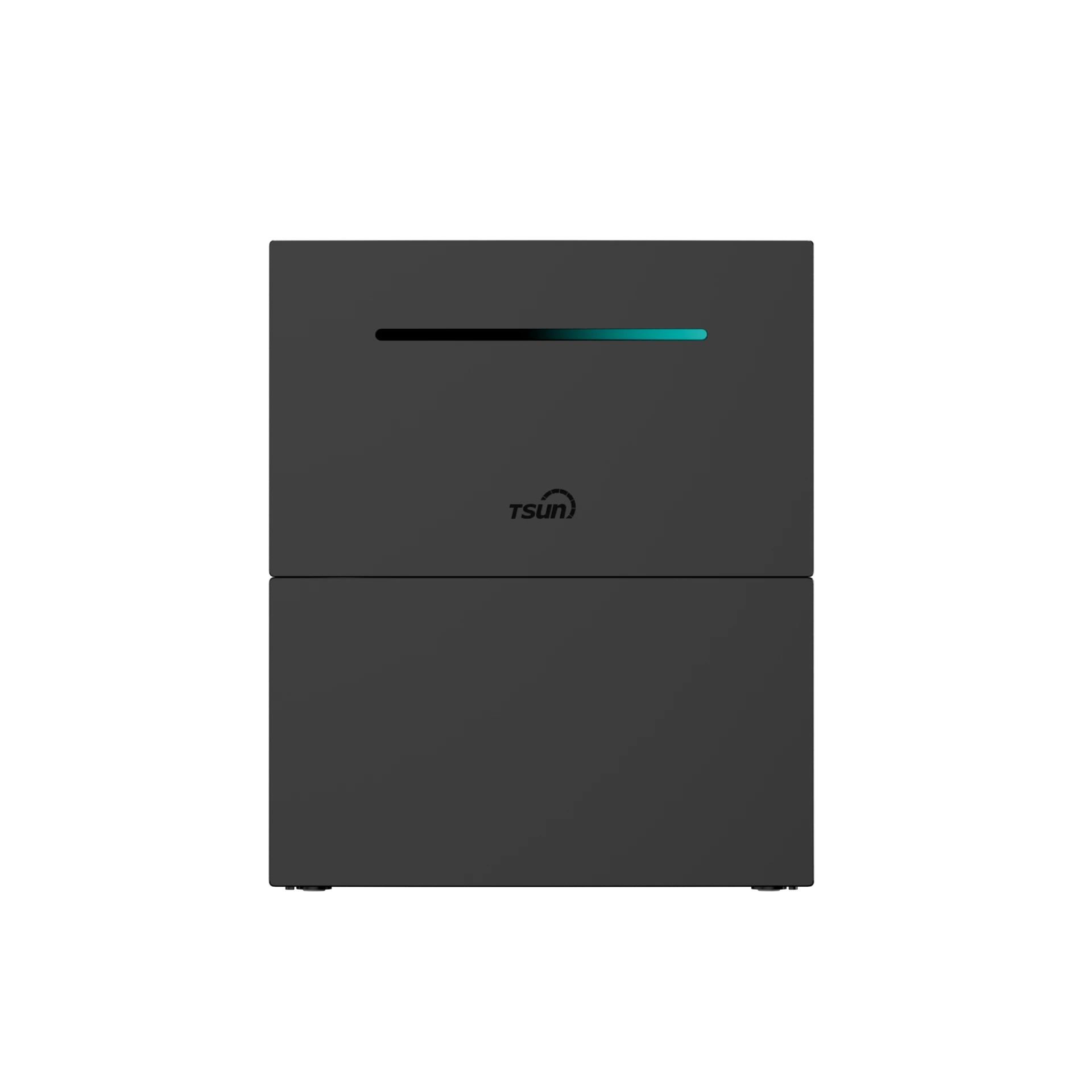
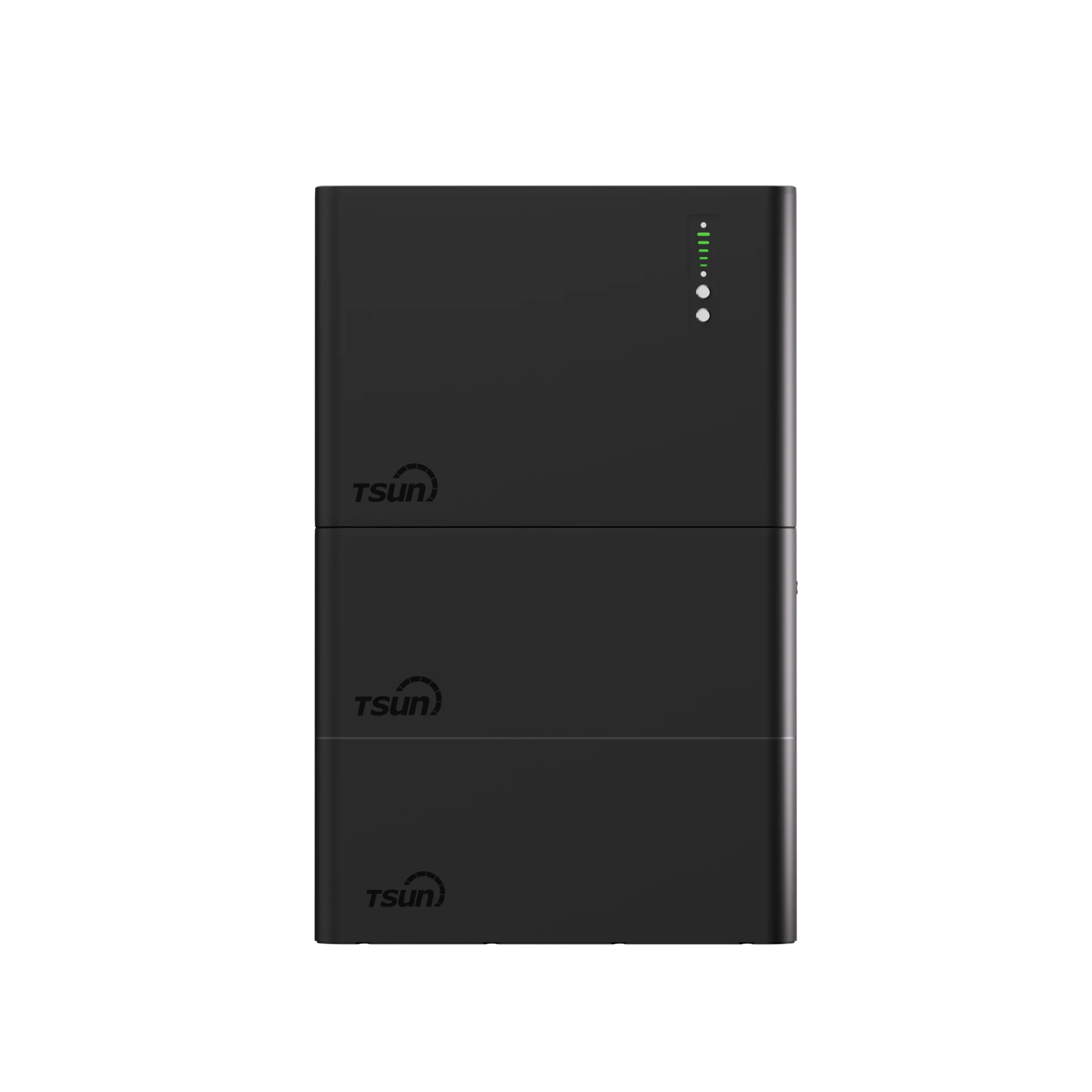
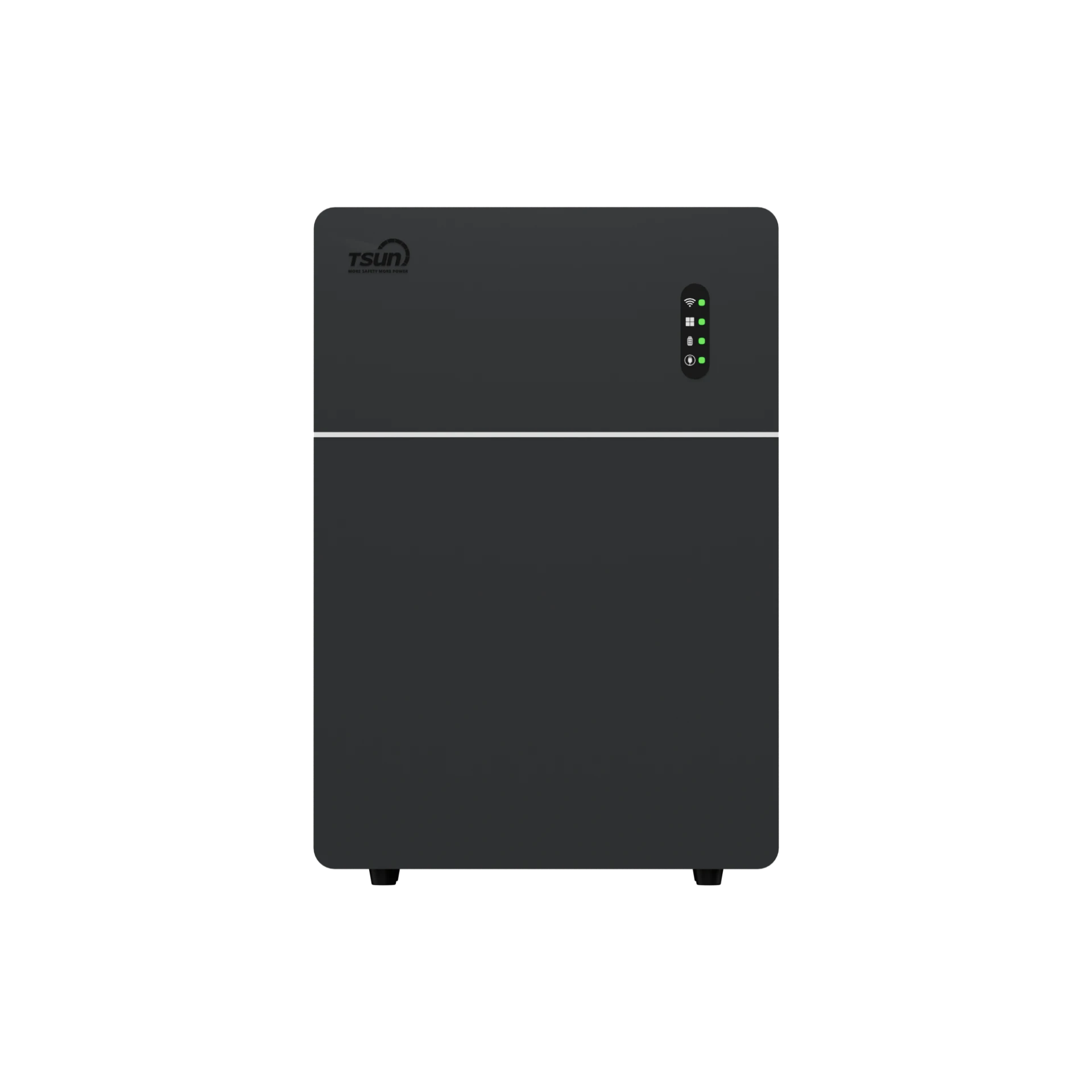
Ac Coupled Solar System is a key solution in the industry, specifically within the commercial and industrial sectors aiming for flexible, scalable renewable energy solutions. This article explores how https://www.tsun-ess.com supports professionals with durable, high-performance products, and explains why this product is an ideal choice for businesses in these sectors.
Table of Contents
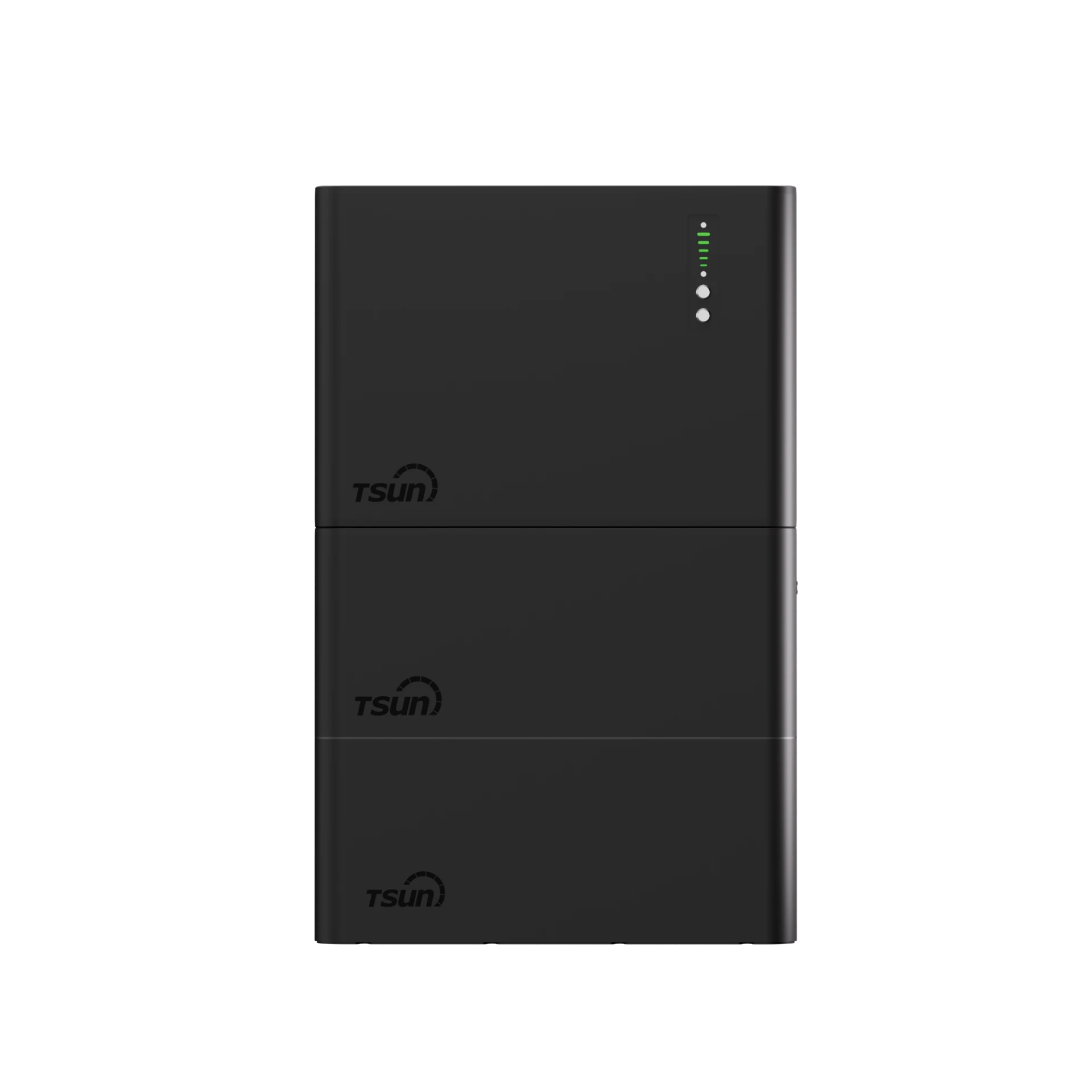
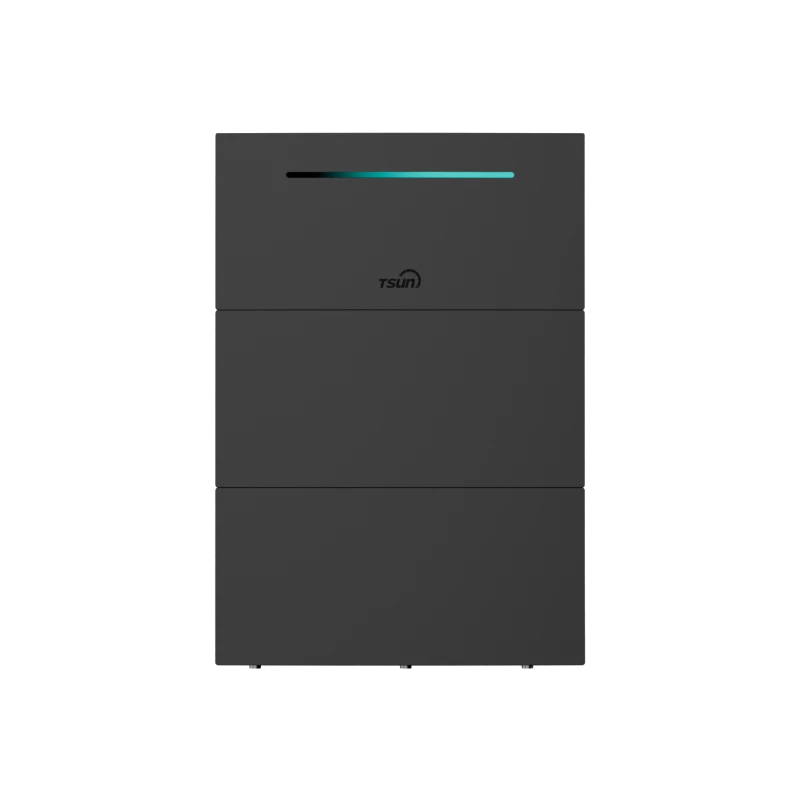
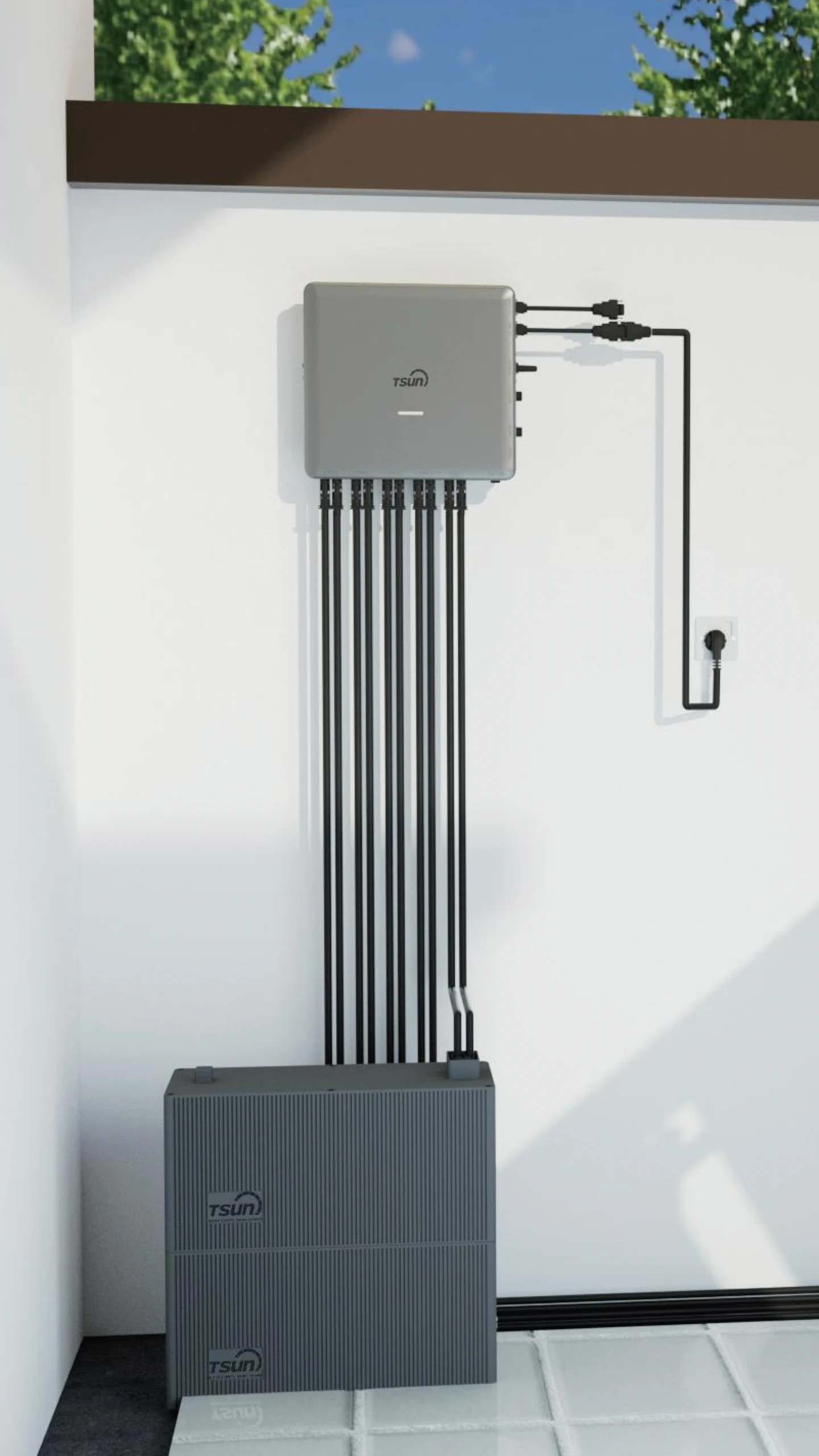
At its core, an Ac Coupled Solar System is all about integrating solar PV panels with existing or new energy storage—using alternating current (AC) as the central point of coupling. Unlike DC-coupled setups, this configuration gives you the flexibility of adding batteries and solar components independently over time. This makes it especially attractive for businesses scaling up their renewable energy footprint without massive upfront infrastructure changes.
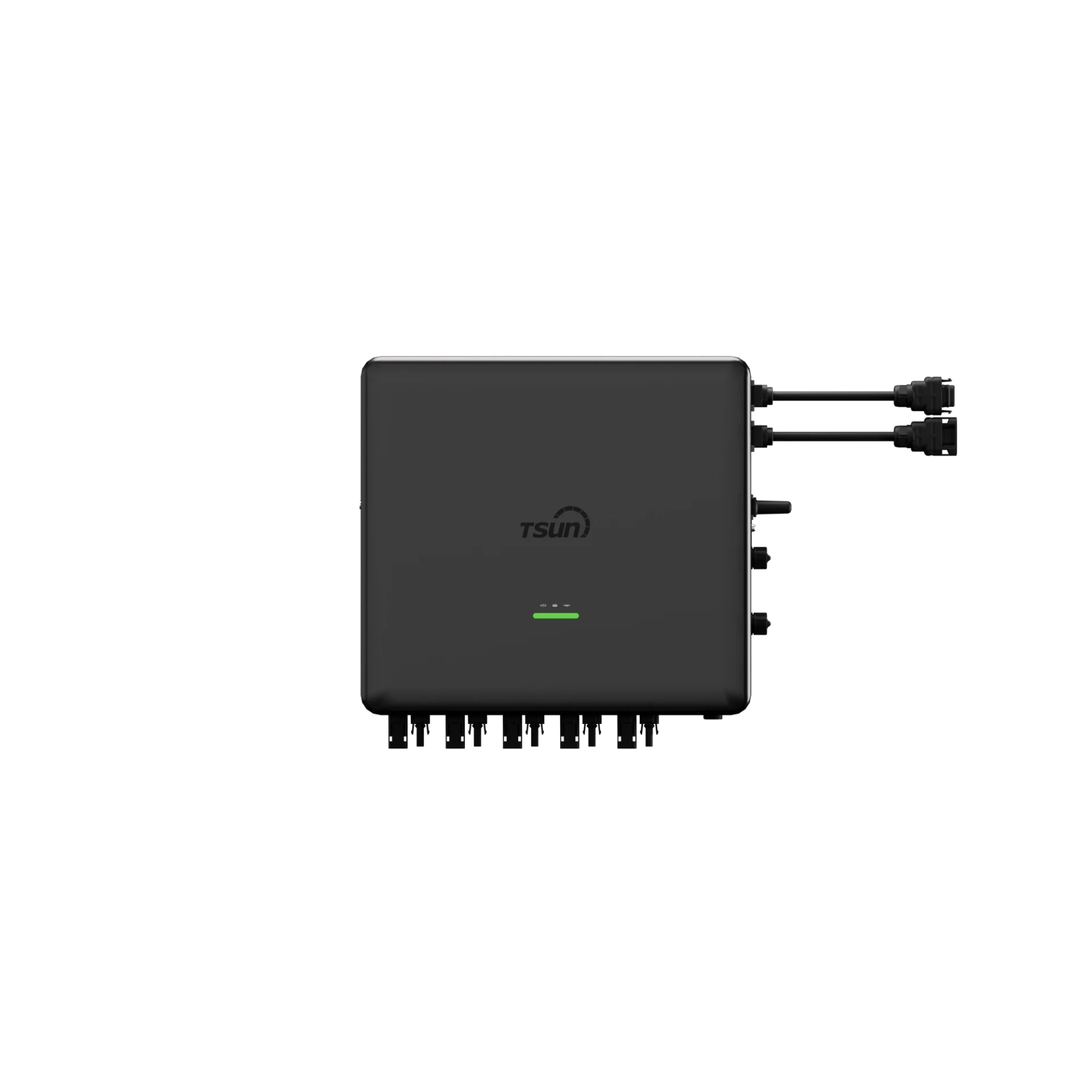
The magic lies in the system's bidirectional inverter that manages the flow of electricity between solar panels, batteries, and the grid. Think of it as a traffic controller, ensuring energy is efficiently routed wherever it's most needed, whether to power your operations instantly or store for later use during peak demand or outages.
For example, one case study from a manufacturing facility using Tsun’s Ac Coupled Solar System saw a 35% reduction in peak grid power use within six months. That’s significant when margins are tight and reliability is critical.
| Specification |
Details |
| Nominal System Voltage |
230 VAC / 60 Hz |
| Battery Compatibility |
Lithium-ion, Lead-acid, Flow Batteries |
| Maximum Power Output |
50 kW per inverter unit |
| Communication |
Modbus TCP/IP, WiFi, Remote Monitoring |
| Operating Temperature |
-20°C to 60°C |
One of the biggest draws for B2B decision makers is how well Ac Coupled Solar Systems fit into retrofit projects or phased expansions. You’re not stuck redesigning the entire electrical system just to add battery storage later. It’s sort of like building with LEGO blocks rather than cementing everything in place from day one – flexibility is the name of the game.
Industries ranging from warehousing to agriculture have employed these systems effectively. For instance, cold storage warehouses heavily benefit by discharging battery power during peak hours to shave energy costs, while solar panels continue feeding the grid during the day.
Competitive advantages include easier installation, minimal downtime during upgrades, and operational resilience during grid outages. Frankly, in our conversations with engineers and site managers, this modular approach keeps business running even when the unexpected hits.
Cost, Maintenance & User Experience
Now, the financial side. The upfront cost of an Ac Coupled Solar System might lean higher than some DC-coupled options, but over a 10-year span, the total cost of ownership balances out thanks to increased versatility and ease of maintenance. Batteries and solar panels can be swapped independently, reducing expensive downtime.
Customer feedback often highlights the system's robust build and user-friendly remote monitoring/apps, which simplify performance tracking. One logistics firm reported less than 5% maintenance calls related to system hardware over three years – quite impressive, considering harsh operating conditions.
Return On Investment (ROI) tends to come faster when paired with time-of-use tariffs or demand charge management, making these systems not just environmentally smart but wallet savvy too.
Sustainability & Market Trends
Sustainability isn’t just buzzword hype; it’s increasingly a regulatory and business imperative. Ac Coupled Solar Systems line up well with global pushes for carbon reduction and energy independence. For businesses, this means compliance and positive corporate image with stakeholders.
Oddly enough, market trends show growing appetite for hybrid setups that blend solar, storage, and sometimes even wind, all coordinated by AC coupling architectures because of their operational flexibility. Given global supply chain dynamics, it’s beneficial that Tsun ESS, a reputed Chinese manufacturer with proven quality control protocols, offers competitive lead times and scalable options.
| Vendor |
Product Range |
Warranty |
Global Presence |
Price Point |
| Tsun ESS |
AC Coupled Solar Systems (5-50 kW) |
10 years |
Worldwide |
Moderate |
| Competitor A |
Limited AC Systems |
5 years |
Regional |
High |
| Competitor B |
Wide Range but Mostly DC Coupled |
8 years |
Global |
Higher |
Frequently Asked Questions about Ac Coupled Solar System
- What is Ac Coupled Solar System and how does it work?
- In simple terms, it’s a solar power setup where solar panels and batteries connect to the building’s electrical system on the AC side, allowing each component to operate independently yet harmoniously. A bidirectional inverter manages power flow and charging, making sure your business can draw power as needed or store excess solar energy efficiently.
- What are the main benefits of using Ac Coupled Solar System in industrial applications?
- Durability, scalability, and ease of installation top the list. These systems also boost uptime during power interruptions and offer cost savings by managing peak demand charges. Plus, you get the freedom to upgrade your battery size or solar capacity separately over time.
- How does Ac Coupled Solar System compare to traditional alternatives?
- Compared to DC-coupled systems, AC-coupled setups are more flexible and usually easier to retrofit. While DC models may be slightly more efficient overall, AC systems win in modularity and user-friendliness—qualities that matter a lot in dynamic industrial environments.
- What industries can benefit most from Ac Coupled Solar System implementation?
- Warehousing, agricultural processing, manufacturing, and commercial real estate developers frequently rely on these systems. The adaptability means a cold storage facility can prioritize battery backup differently than a light-industrial plant, yet both leverage the same core technology.
Conclusion on Ac Coupled Solar System from China
To sum up, the Ac Coupled Solar System offered by Tsun ESS is a clever, adaptable choice for businesses looking to future-proof energy infrastructure without locking themselves into rigid designs. It’s kind of the perfect middle ground between efficiency, scalability, and upfront cost. For B2B decision makers ready to lean into renewable energy with a reliable partner, this solution is definitely worth considering.
- Offers modular growth via AC coupling for evolving energy demands.
- Enhances energy resilience and reduces operating costs.
- Visit our website: https://www.tsun-ess.com
Reflecting on industry feedback and technical data, it seems this system balances pragmatic business needs with clean energy goals. As global markets tighten and sustainability regulations advance, such versatile solar solutions aren’t just smart, they’re becoming essential.






 LEARN DETAILS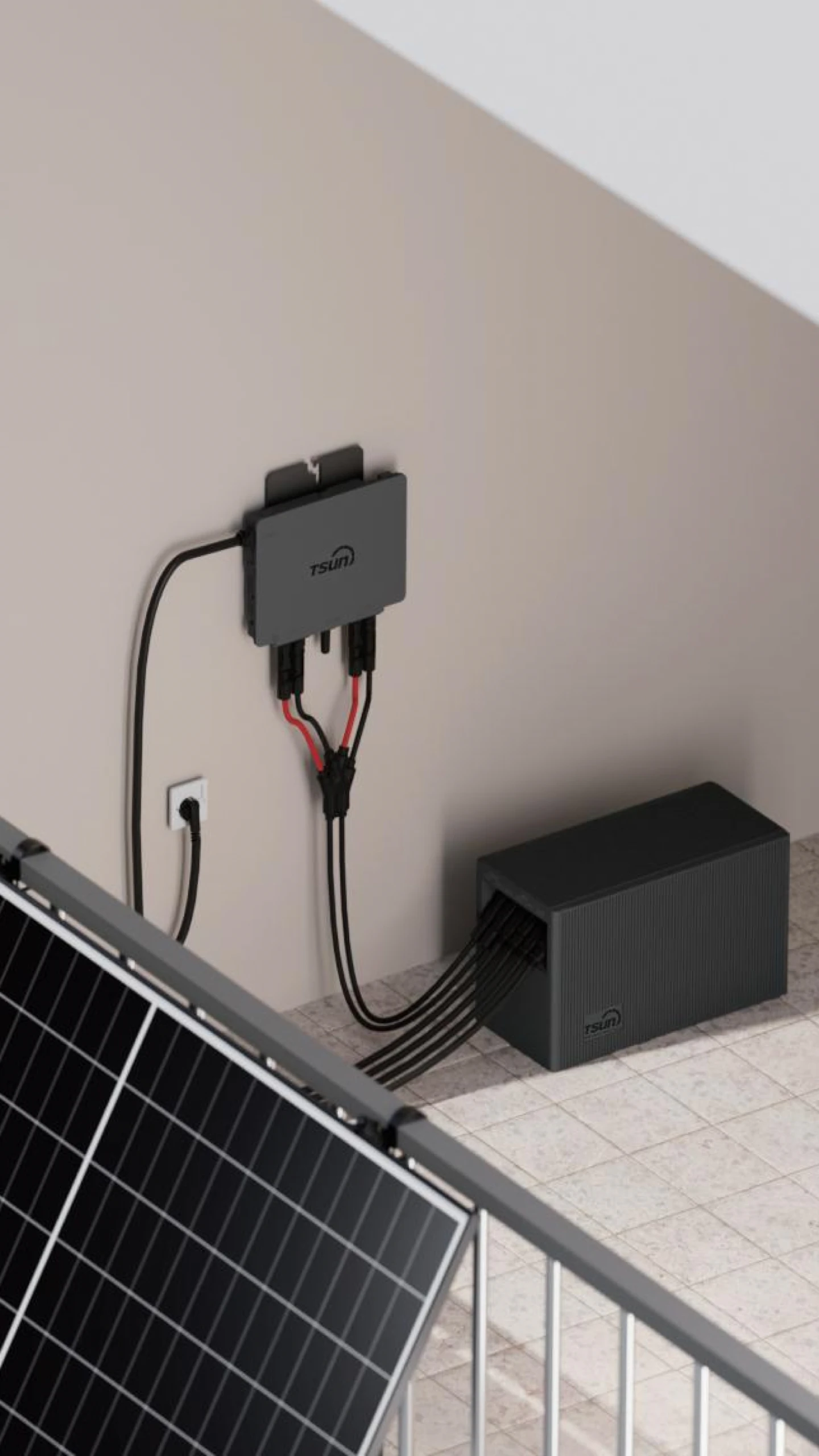
 Downloads
 Video Center
 Report Fault for Repair
 FAQS
FAQS Service Network
 Privacy Policy
 Contact Us
 Monitoring


 LEARN MORE