Why Solar Panels with Microinverters Are Changing the Game
Having spent over a decade in the industrial equipment sector, I can tell you solar technology is evolving faster than ever—and solar panels with microinverters stand out as a particularly clever innovation. You might wonder: what’s the fuss about microinverters, and why should installers or facilities engineers care?
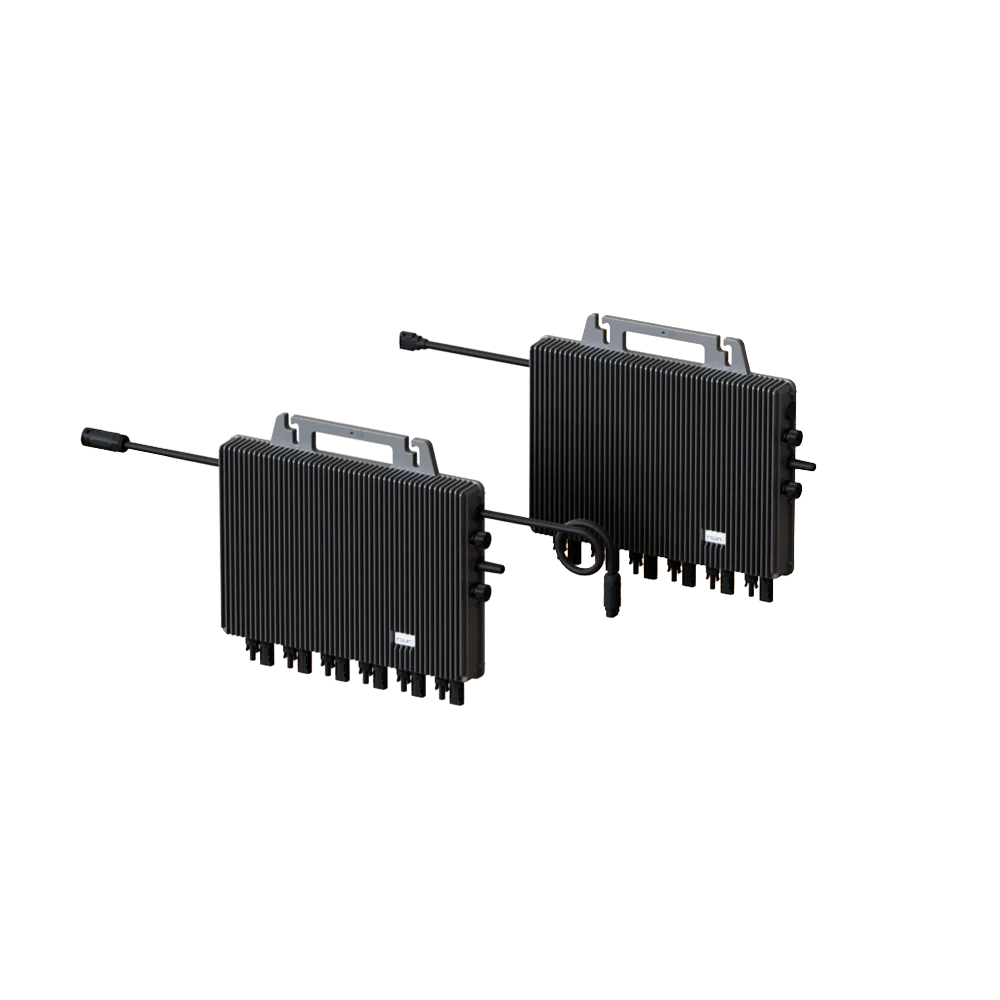
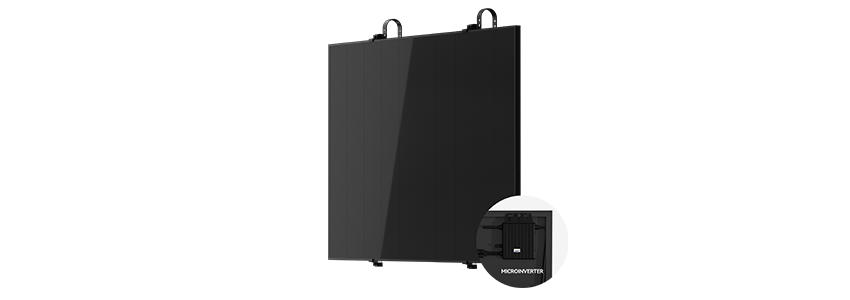
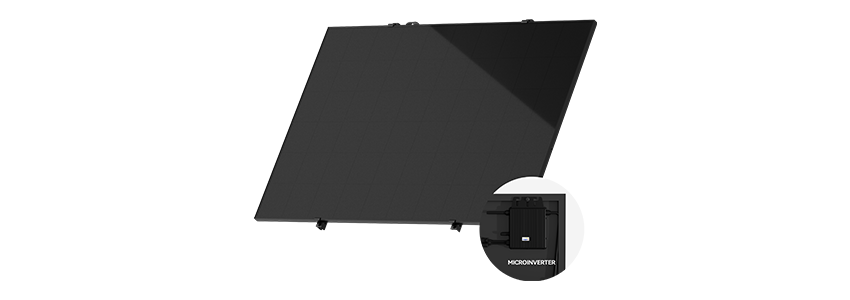
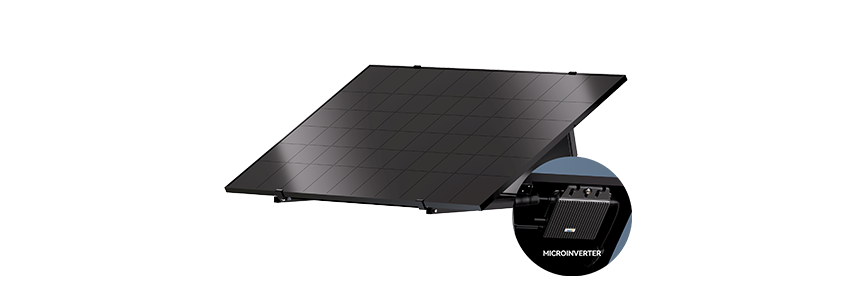
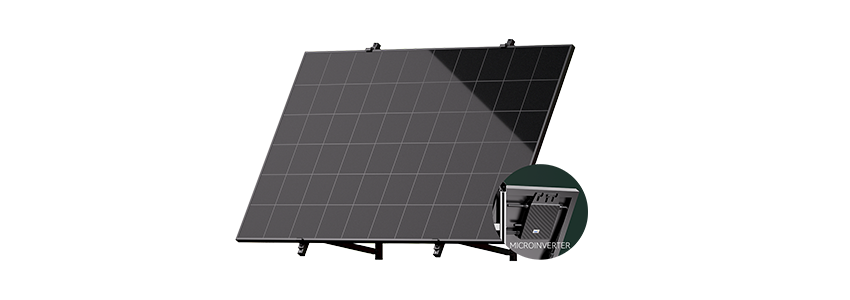
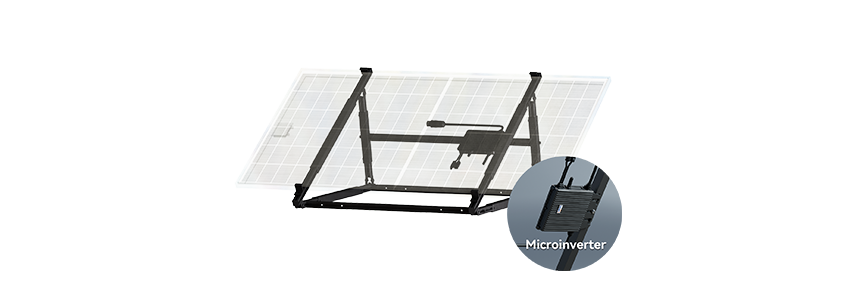
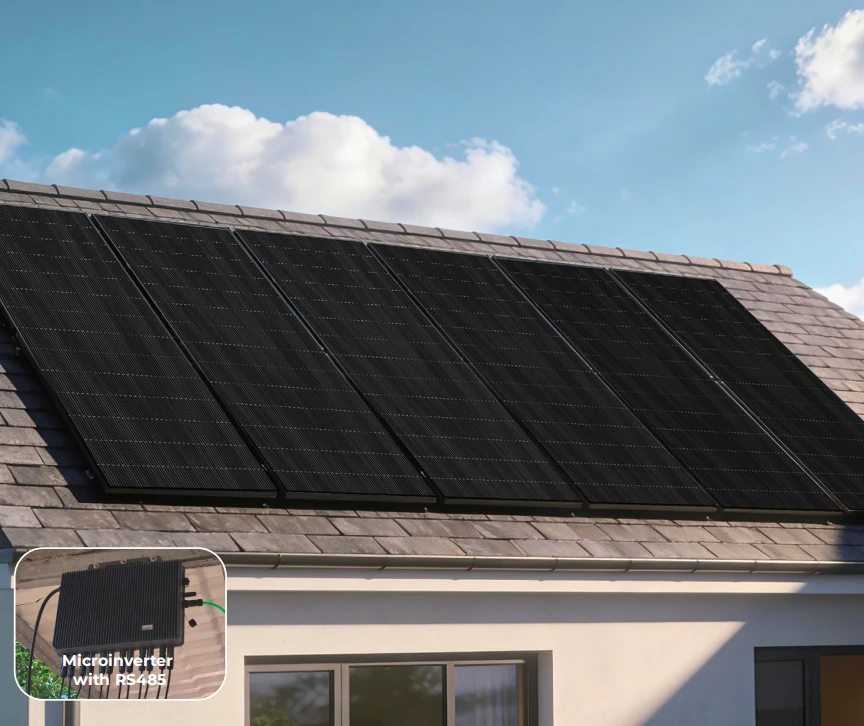
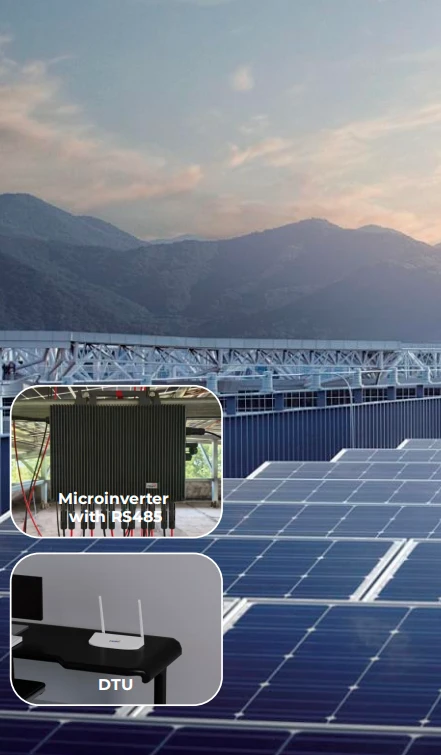
In real terms, traditional solar panels rely on a single central inverter to convert the DC electricity generated into AC power. This setup works, but if one panel underperforms—say, shaded in the afternoon or dusty—it drags down the whole system's output. Microinverters, by contrast, convert DC to AC at the panel level. This means each panel essentially operates independently.
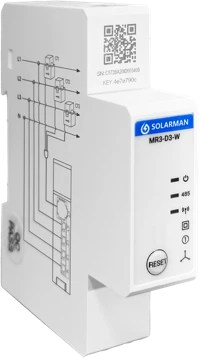
From my on-site visits, this independence directly translates to noticeable efficiency gains, especially in industrial or commercial settings with irregular shading or complex roof layouts. Frankly, it feels like giving each panel its own little brain. Plus, monitoring is far more granular—you can spot, down to the panel, where issues might be lurking.
Product Specs at a Glance
| Feature |
Typical Spec |
Notes |
| Power Output per Panel |
300–400 W |
Varies by panel model |
| Microinverter Type |
Single-phase, 240V AC |
Compatible with standard grids |
| Efficiency |
95%–97% |
Depends on microinverter model |
| Operating Temperature |
-40°C to 65°C |
Wide range for industrial climates |
| Warranty |
10–25 years |
Longer warranties common on premium models |
In my early days, I mostly dealt with string inverter systems that were simpler but less flexible. The microinverter approach feels like a natural evolution—especially when you consider ongoing maintenance. A faulty microinverter only affects one panel; no need to pull down the whole set-up.
How Microinverters Stack Up Among Top Vendors
| Brand |
Efficiency (%) |
Max Power (W) |
Warranty (years) |
Monitoring Features |
| Enphase |
97 |
320 |
25 |
Advanced panel-level monitoring |
| APsystems |
96 |
370 |
10 |
Basic monitoring; app-based |
| Tsun-ESS |
95.5 |
360 |
20 |
Comprehensive energy management system |
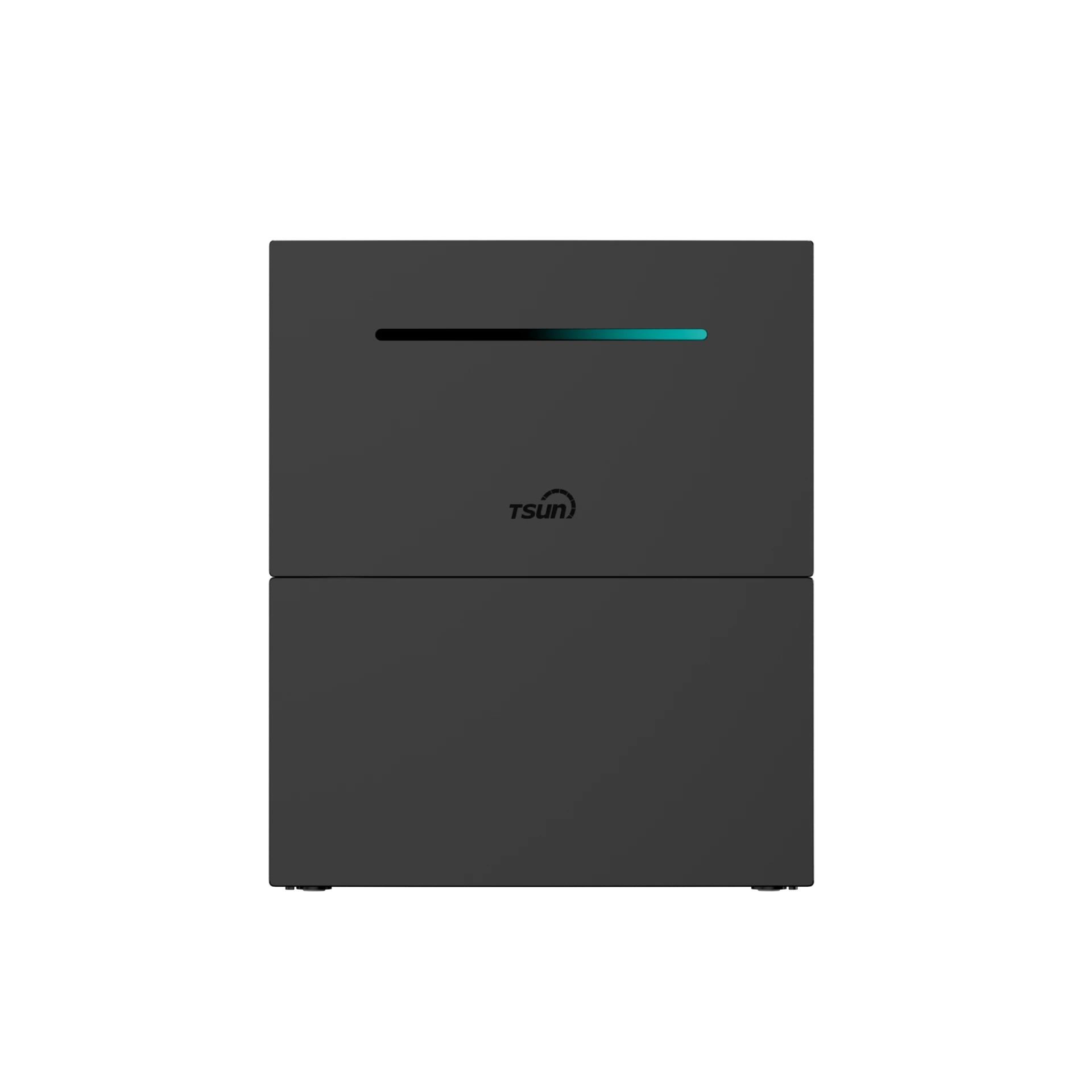
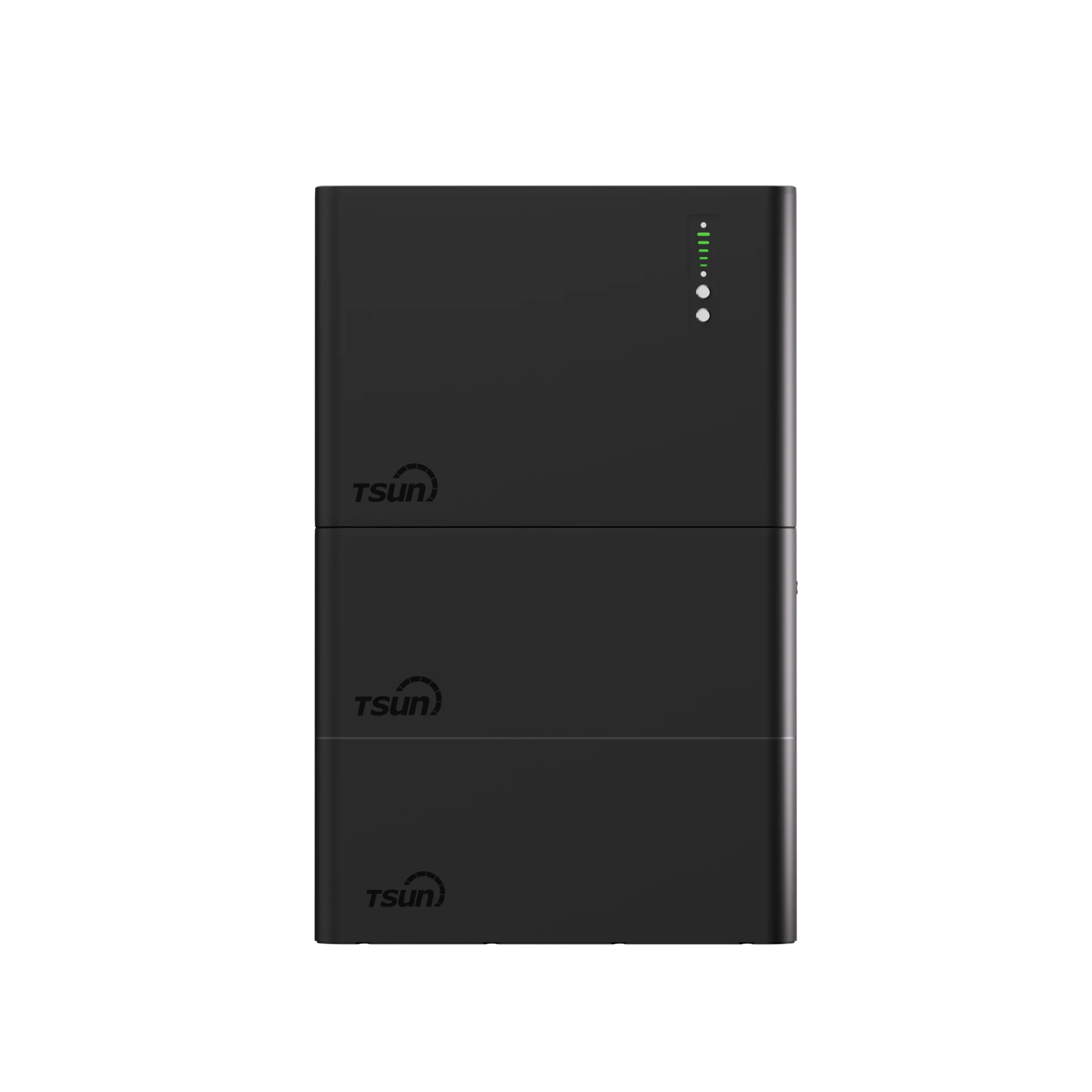
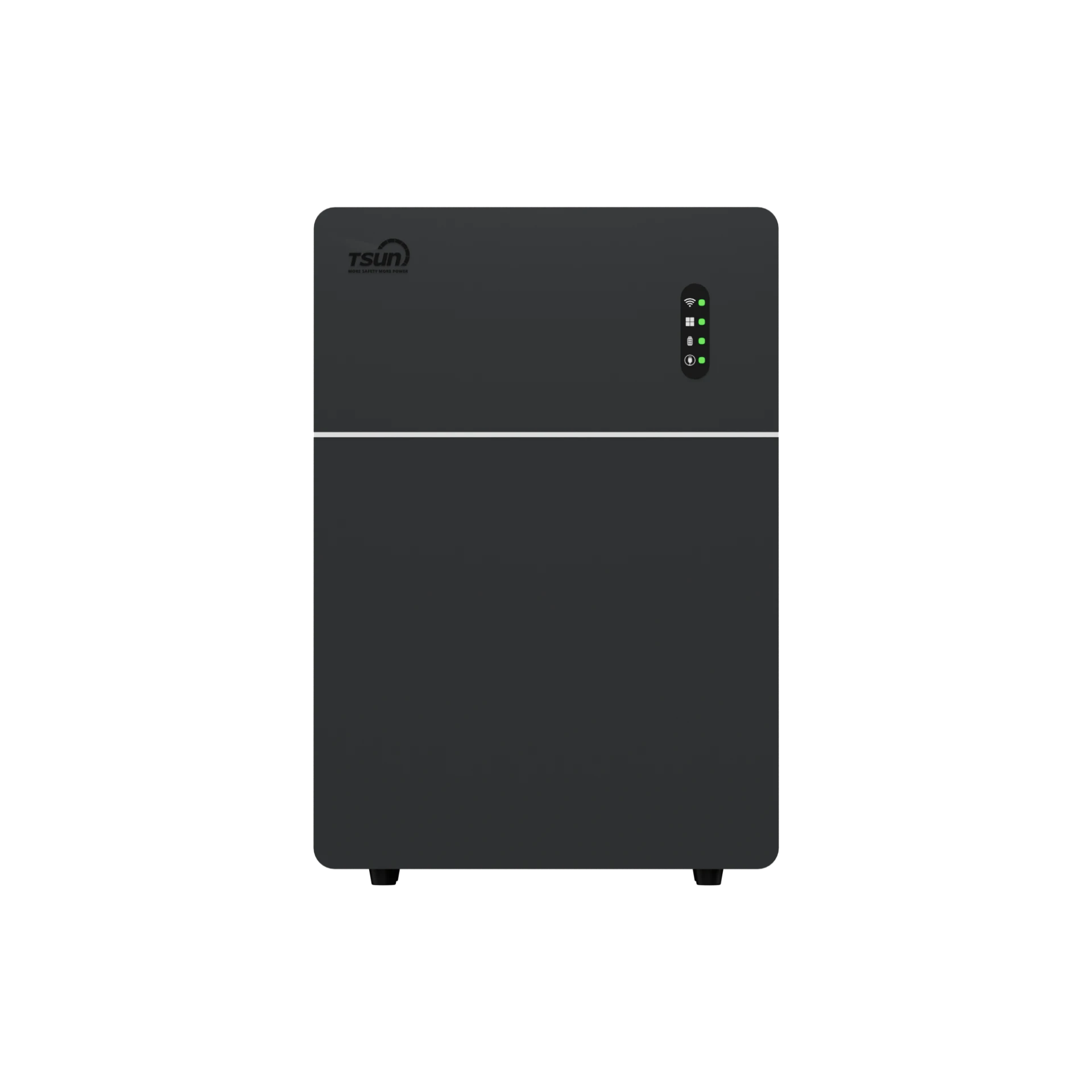
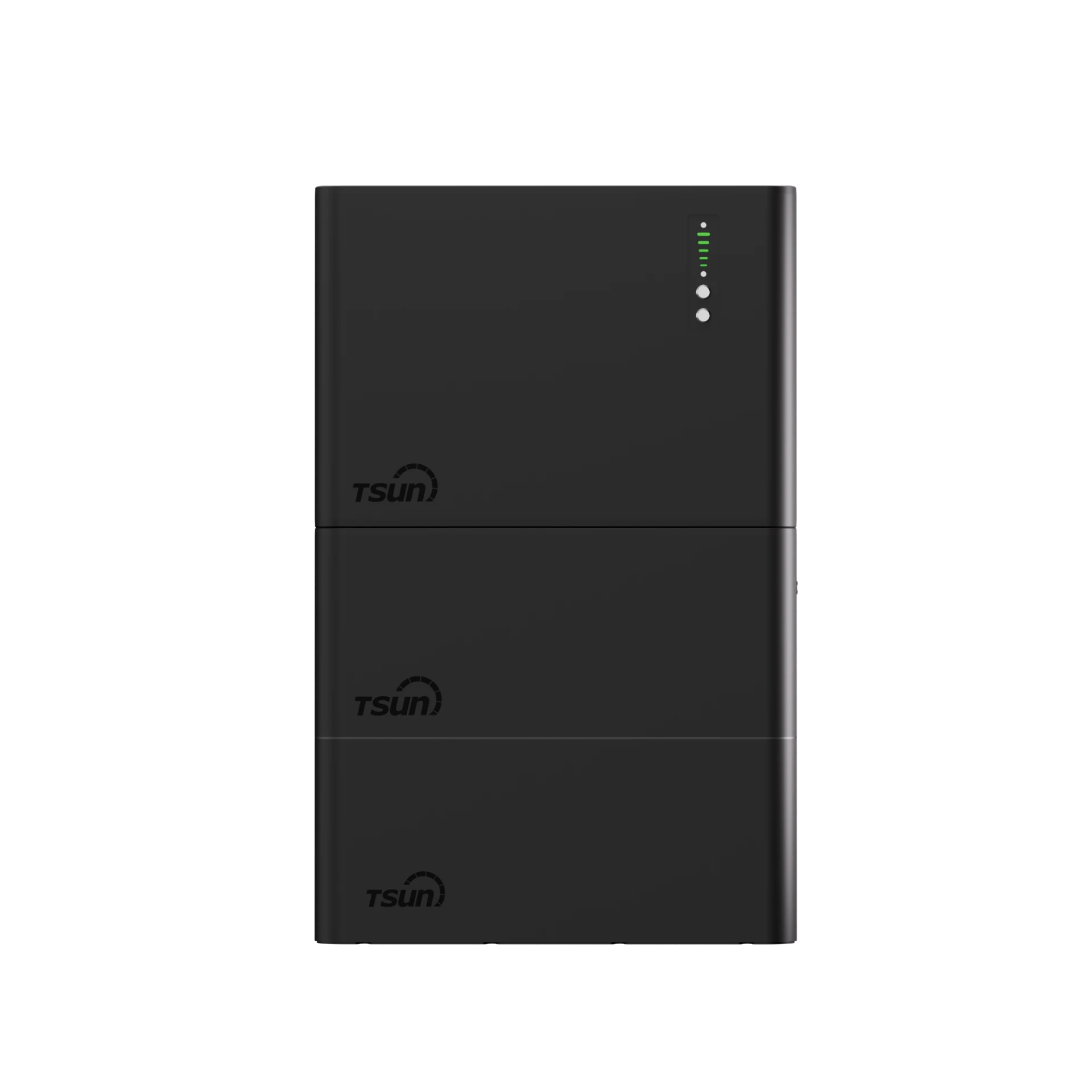
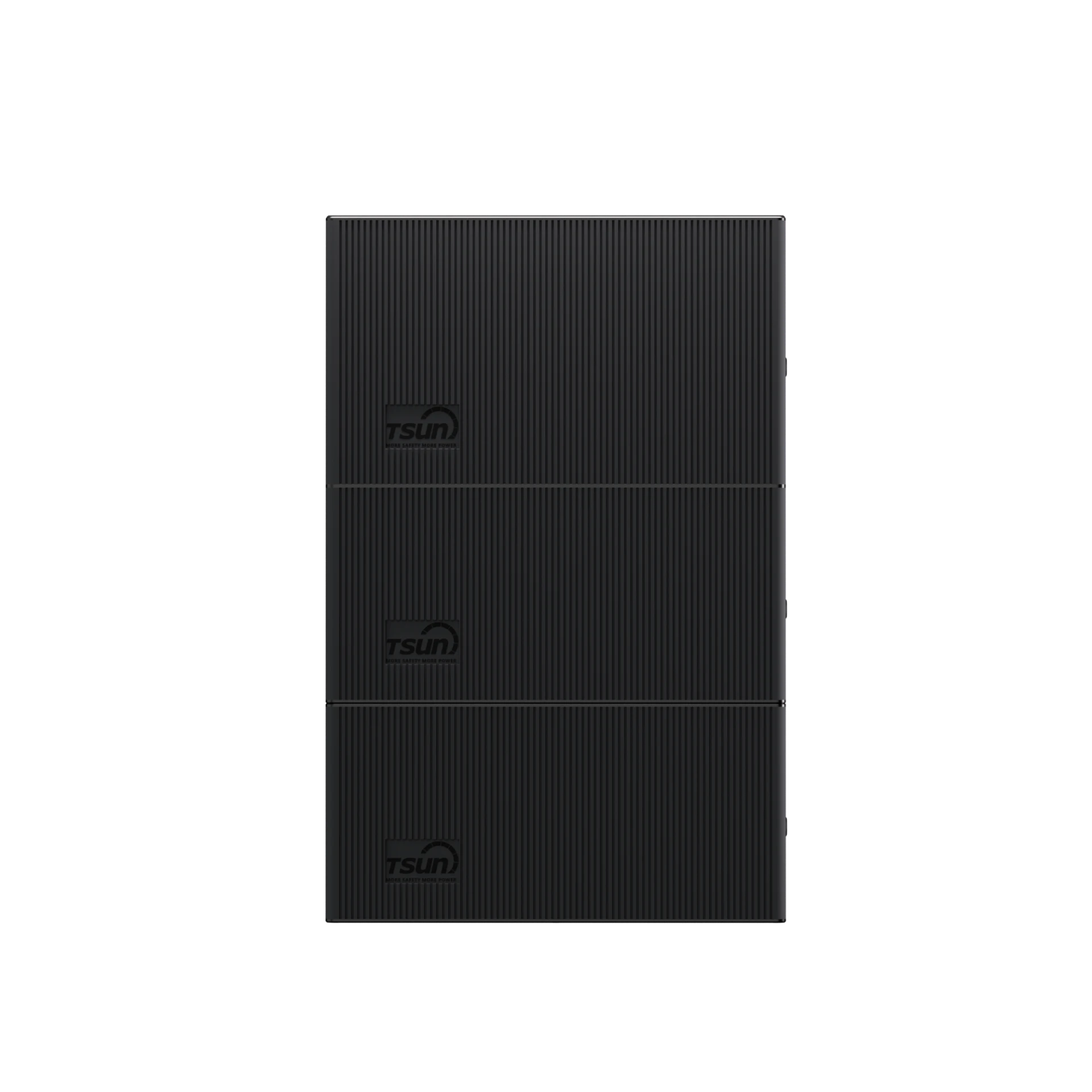
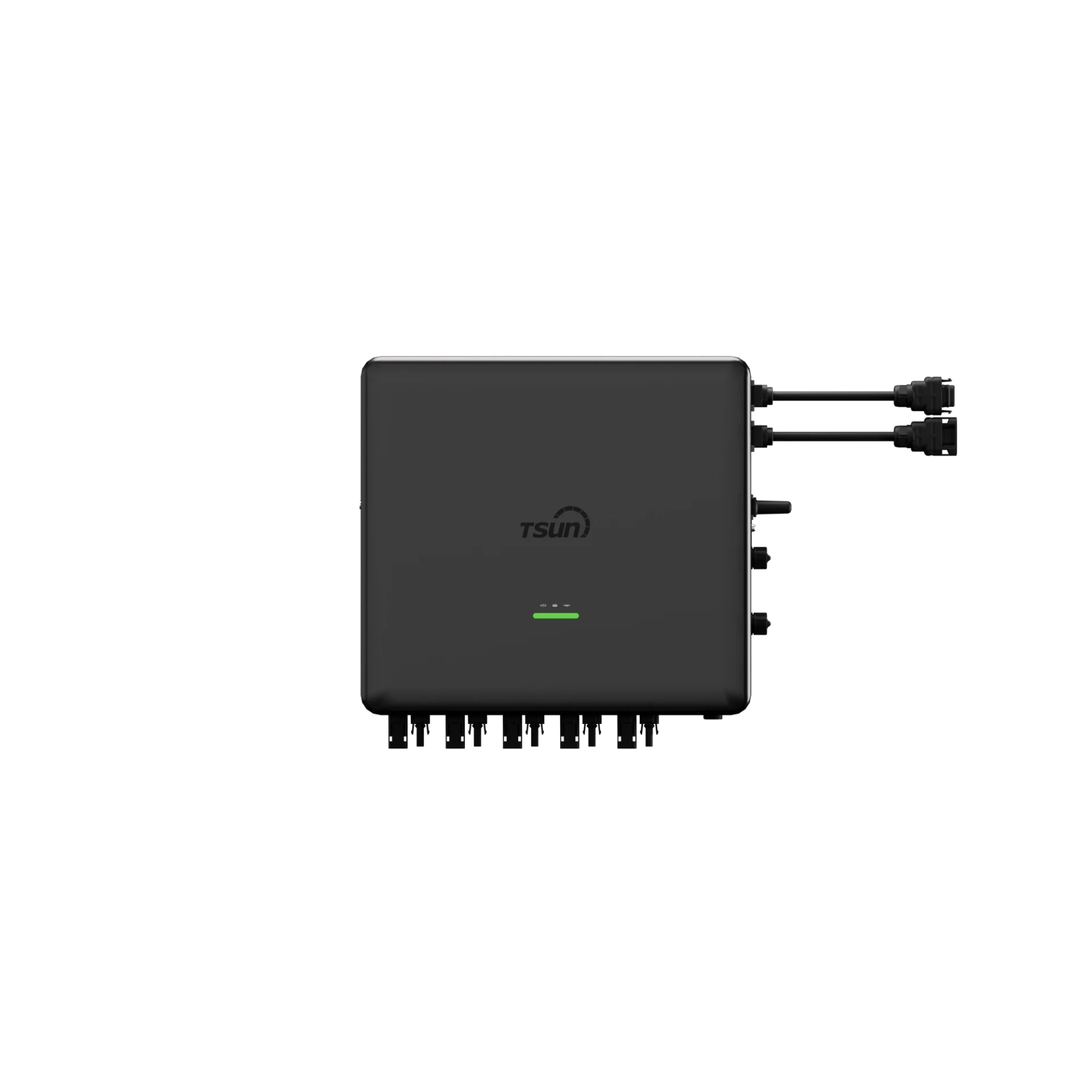
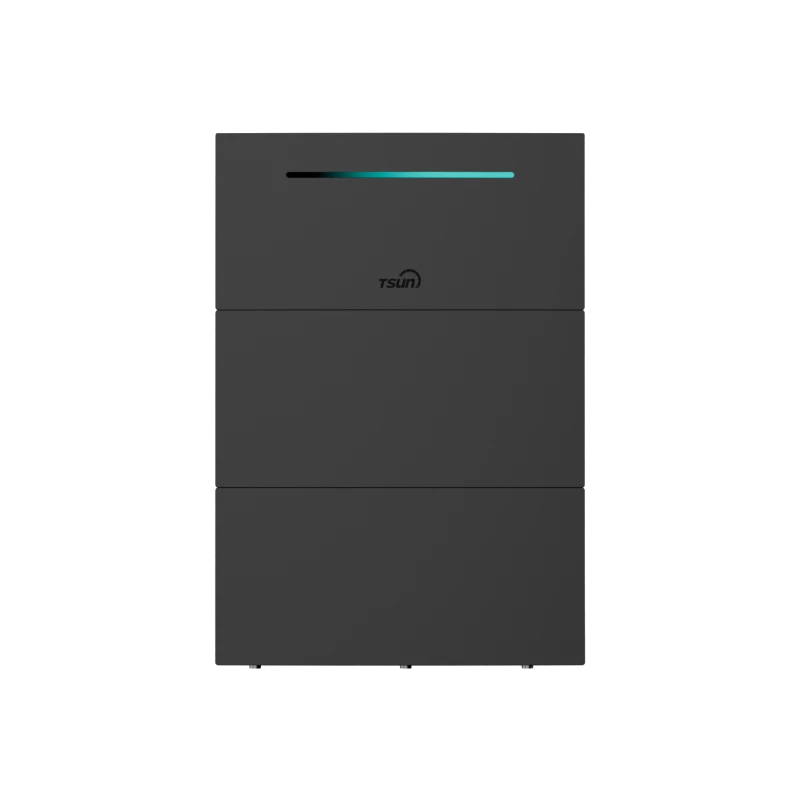
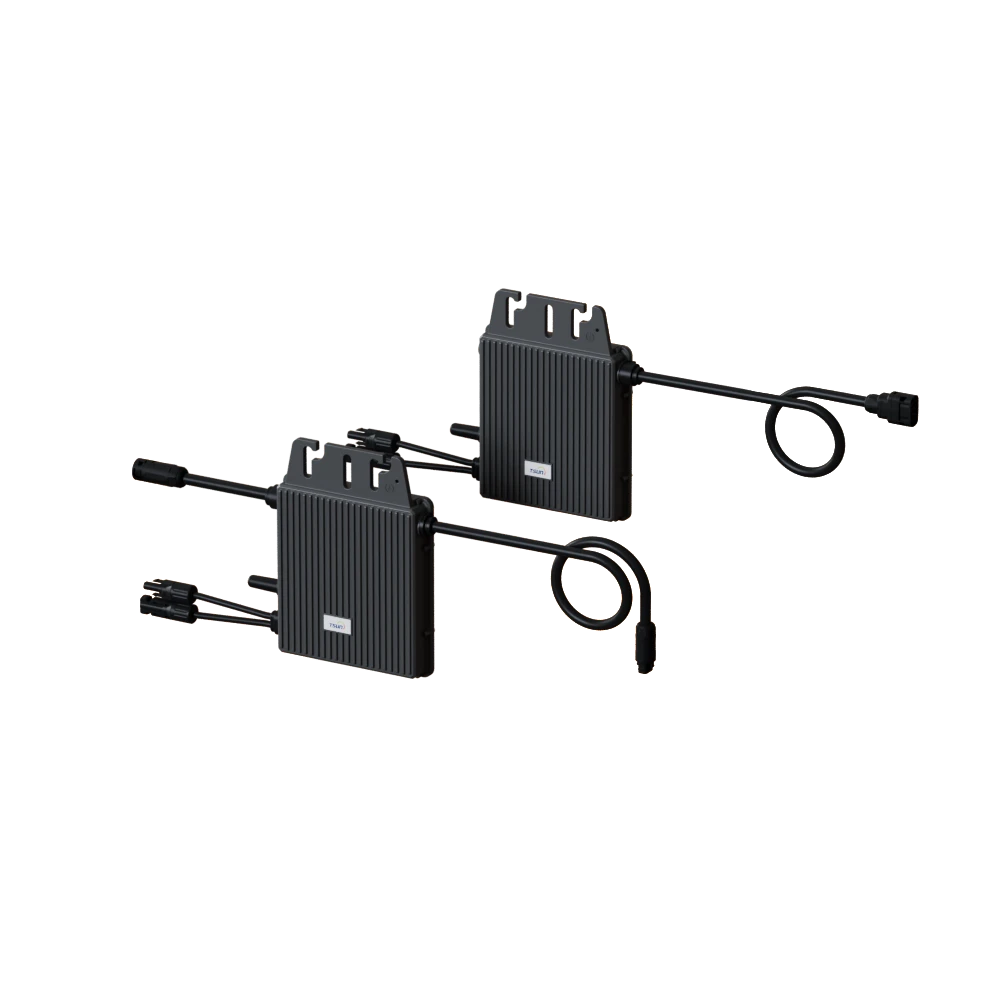
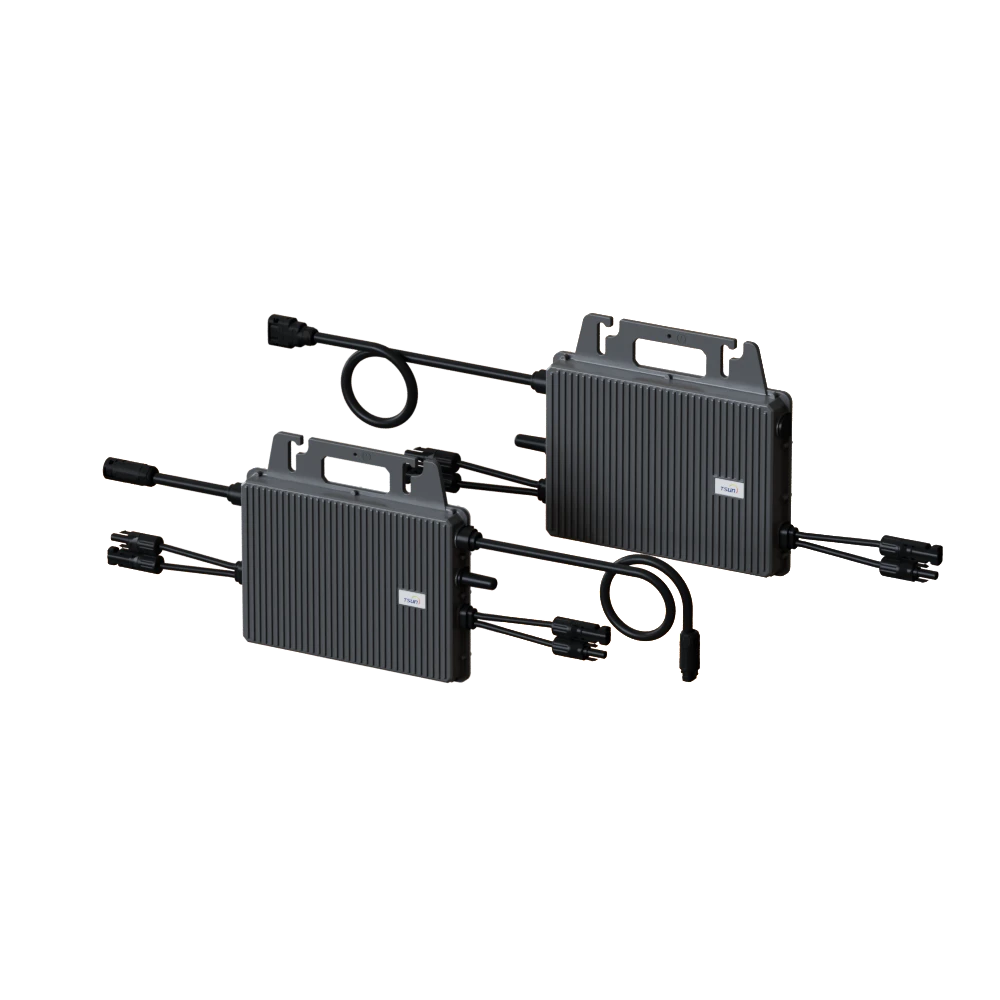
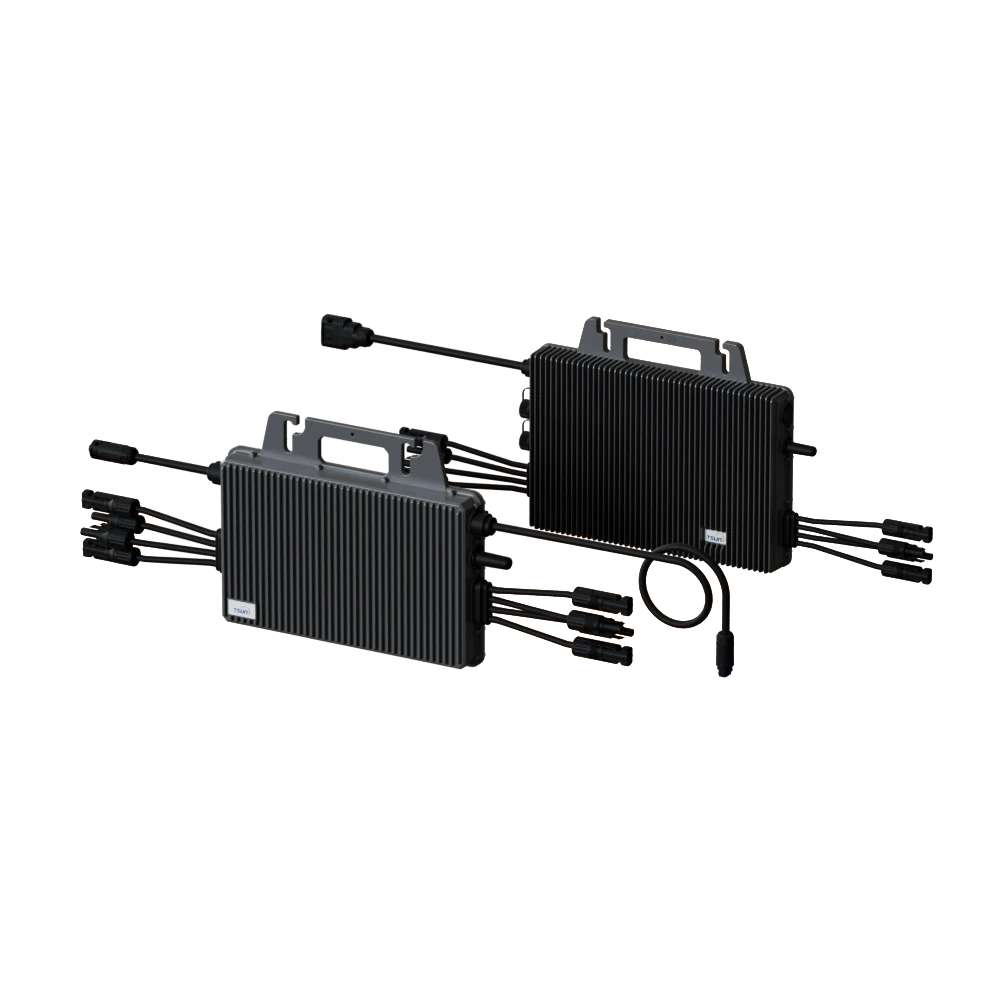
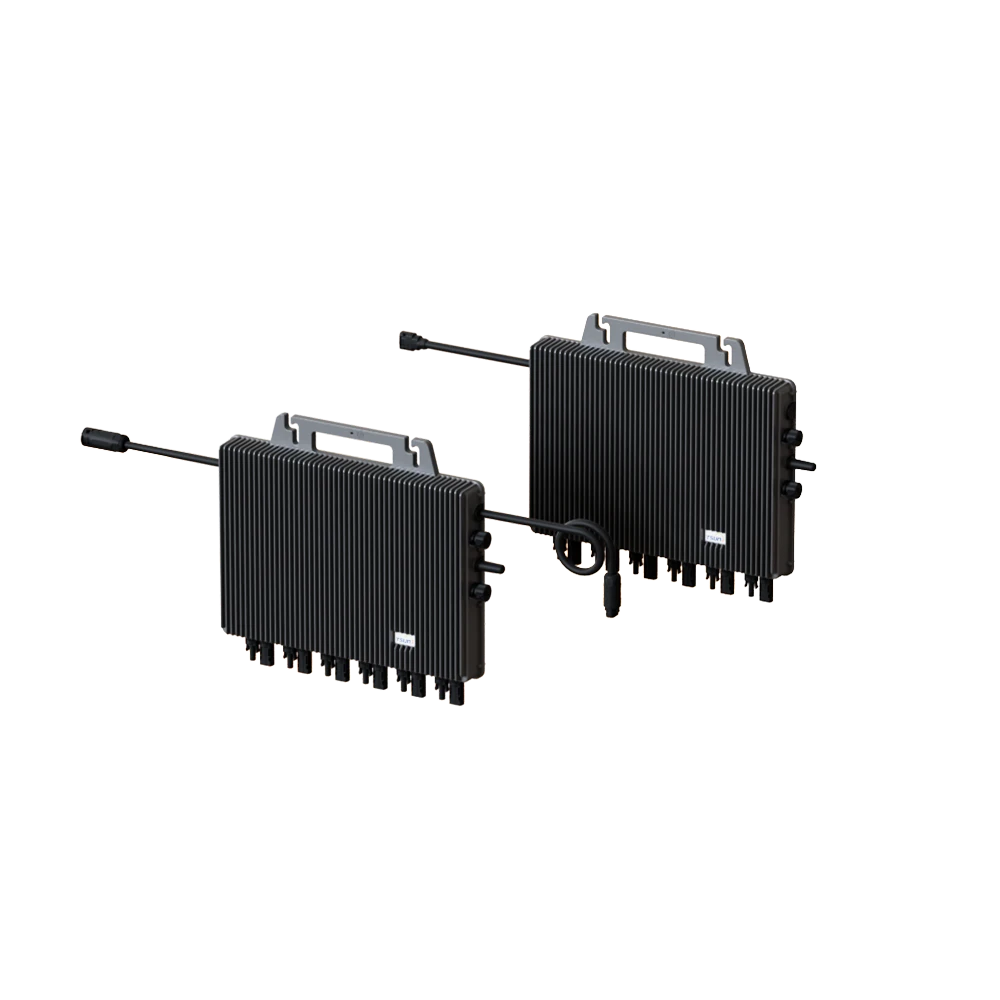
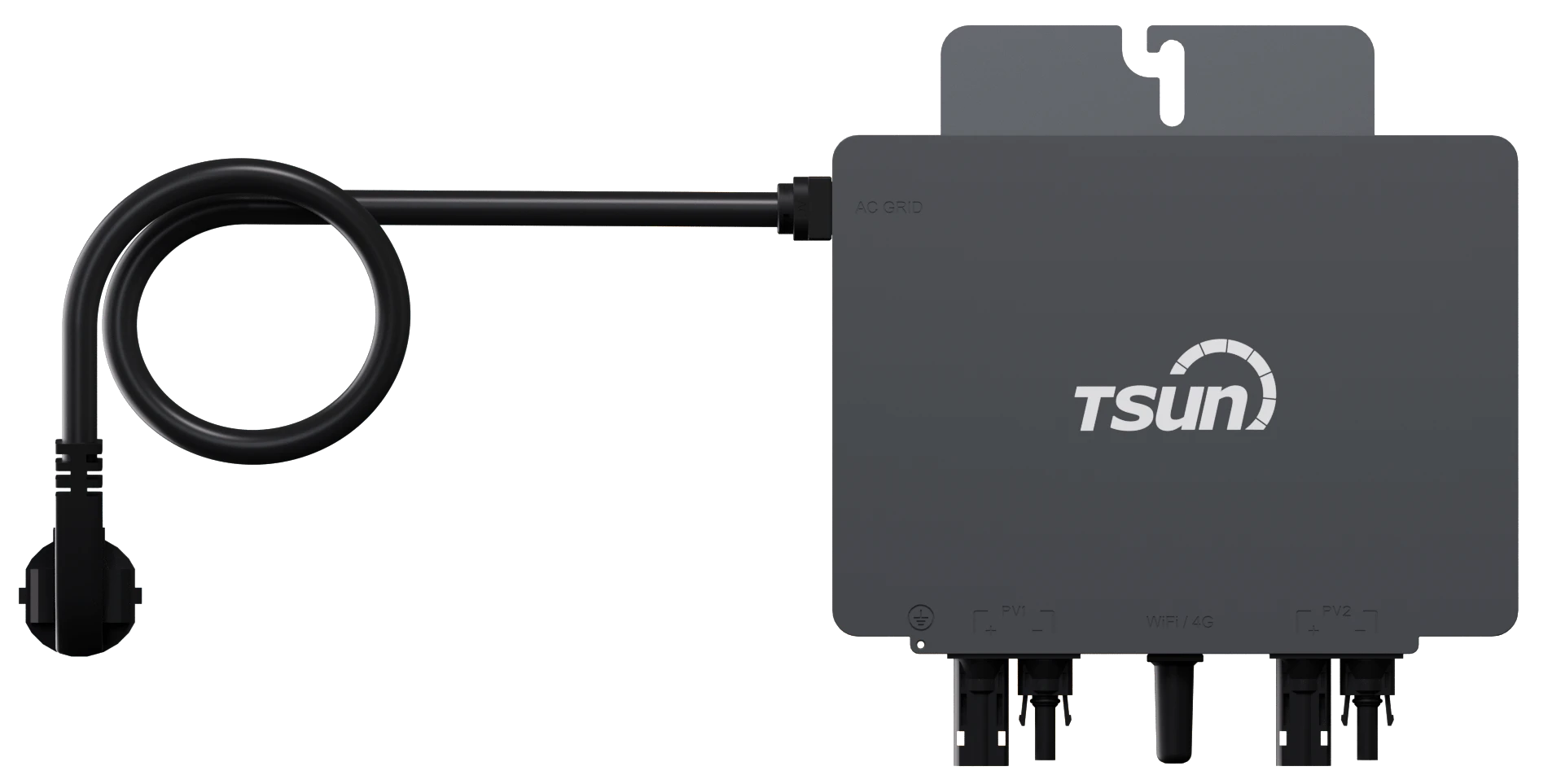
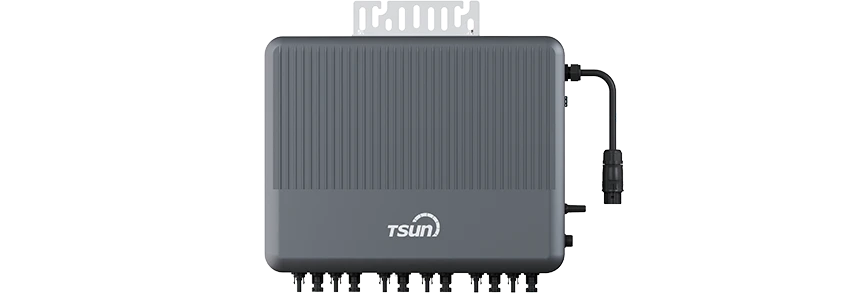
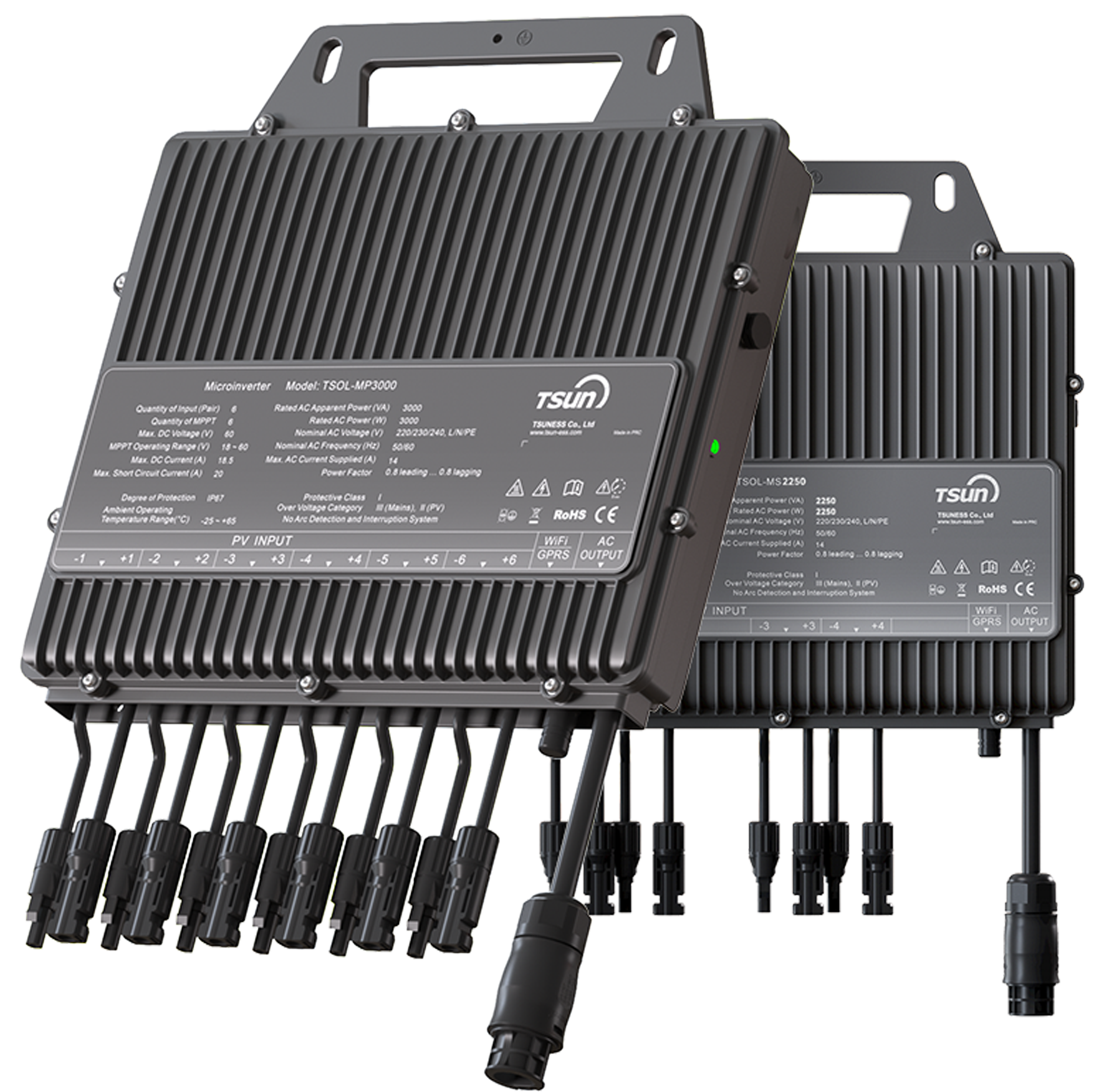
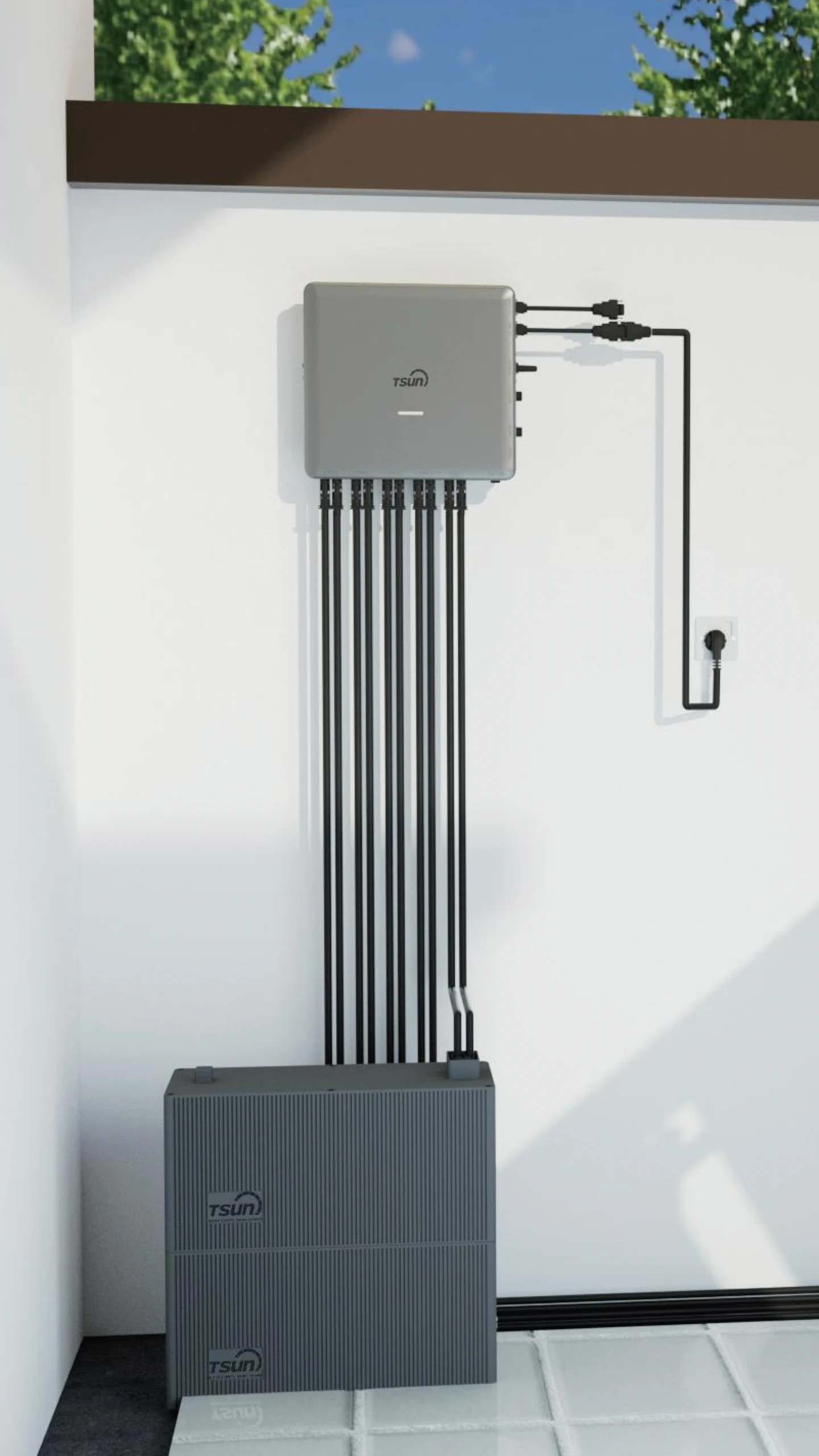
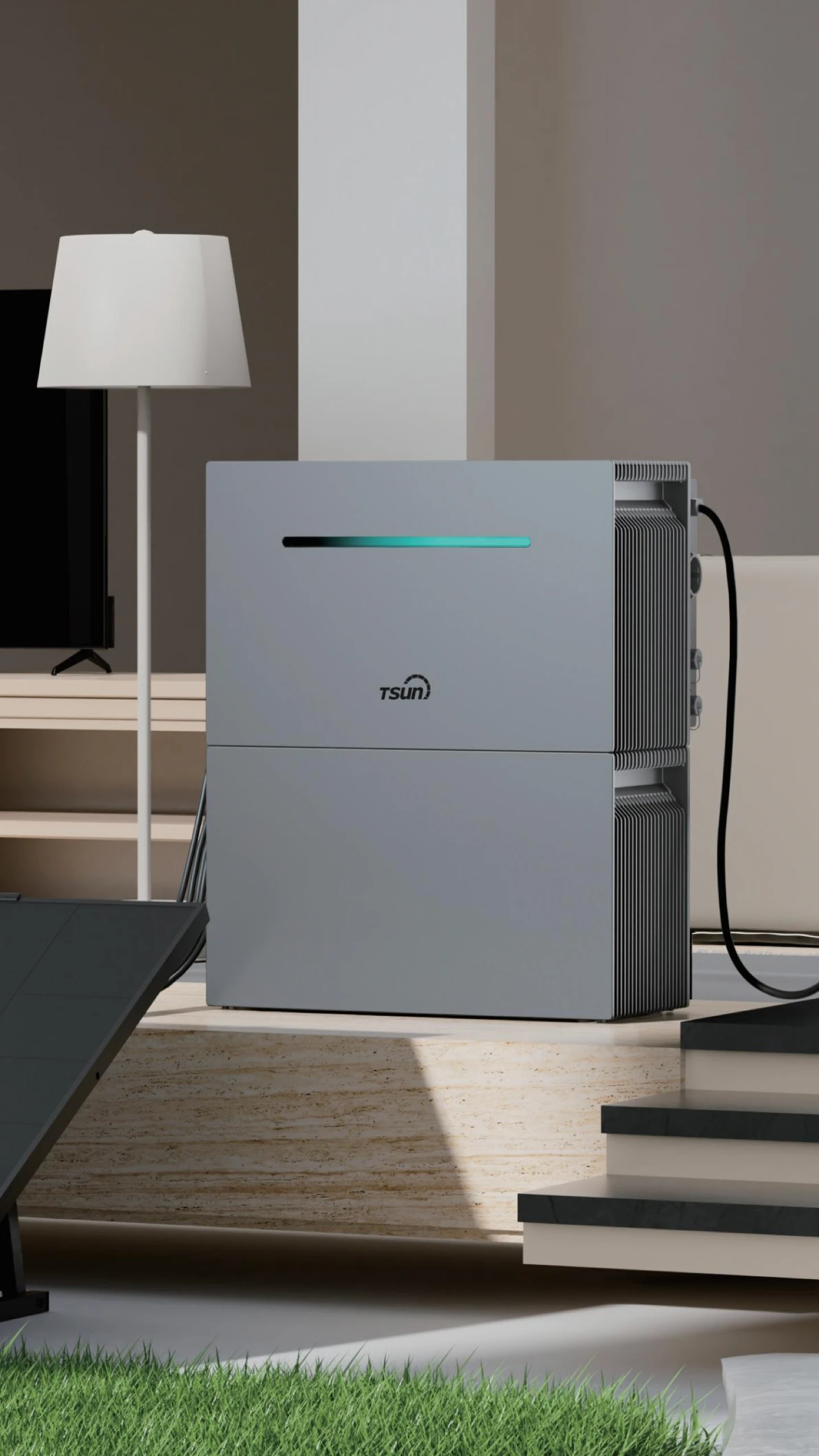
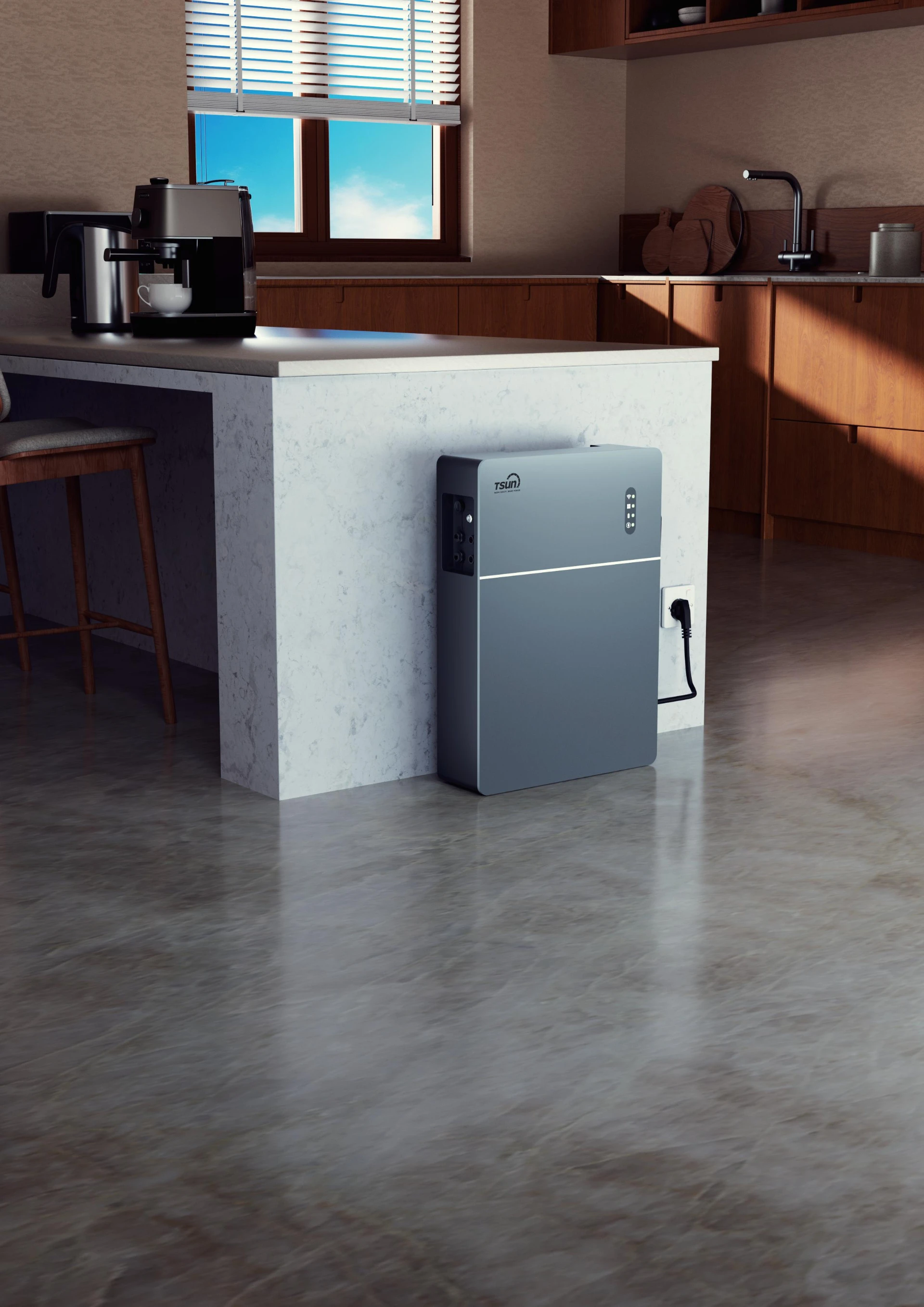
Oddly enough, while Enphase tends to dominate market chatter, I’ve noticed suppliers increasingly recommend Tsun-ESS for sites requiring robust energy management beyond just solar. Their system integrates well with battery storage, which is a huge plus given how many clients ask about storage flexibility too.
One memorable industrial site I visited recently had an oddly shaped rooftop with intermittent shade from nearby structures. Switching to microinverters improved the system’s output by roughly 15% over their previous string inverter setup. The plant manager mentioned how it basically paid for itself in under two years just from the energy gains.
Materials-wise, modern microinverters use high-grade semiconductors and robust housing rated for harsh conditions, something many engineers stress is non-negotiable for outdoor industrial use. Testing is typically rigorous—thermal cycling, surge protection, vibration—because failure is costly in commercial environments.
To sum up, microinverters offer a modular, reliable, and transparent way to optimize solar panel efficiency, especially when your industrial environment isn’t perfectly uniform. I suppose if you’re planning a new installation or upgrade, it’s an option worth putting high on the shortlist.
Takeaway: When it comes to solar panel setups, microinverters are a smart way to get the most out of your investment—per panel performance monitoring, easier maintenance, and greater resilience in real-world conditions.
1. Enphase Energy Whitepapers – Efficiency & Reliability Studies, 2023.
2. APsystems Product Data Sheets, 2023 Edition.
3. Tsun-ESS Technical Manuals and Case Studies, 2023.



 LEARN DETAILS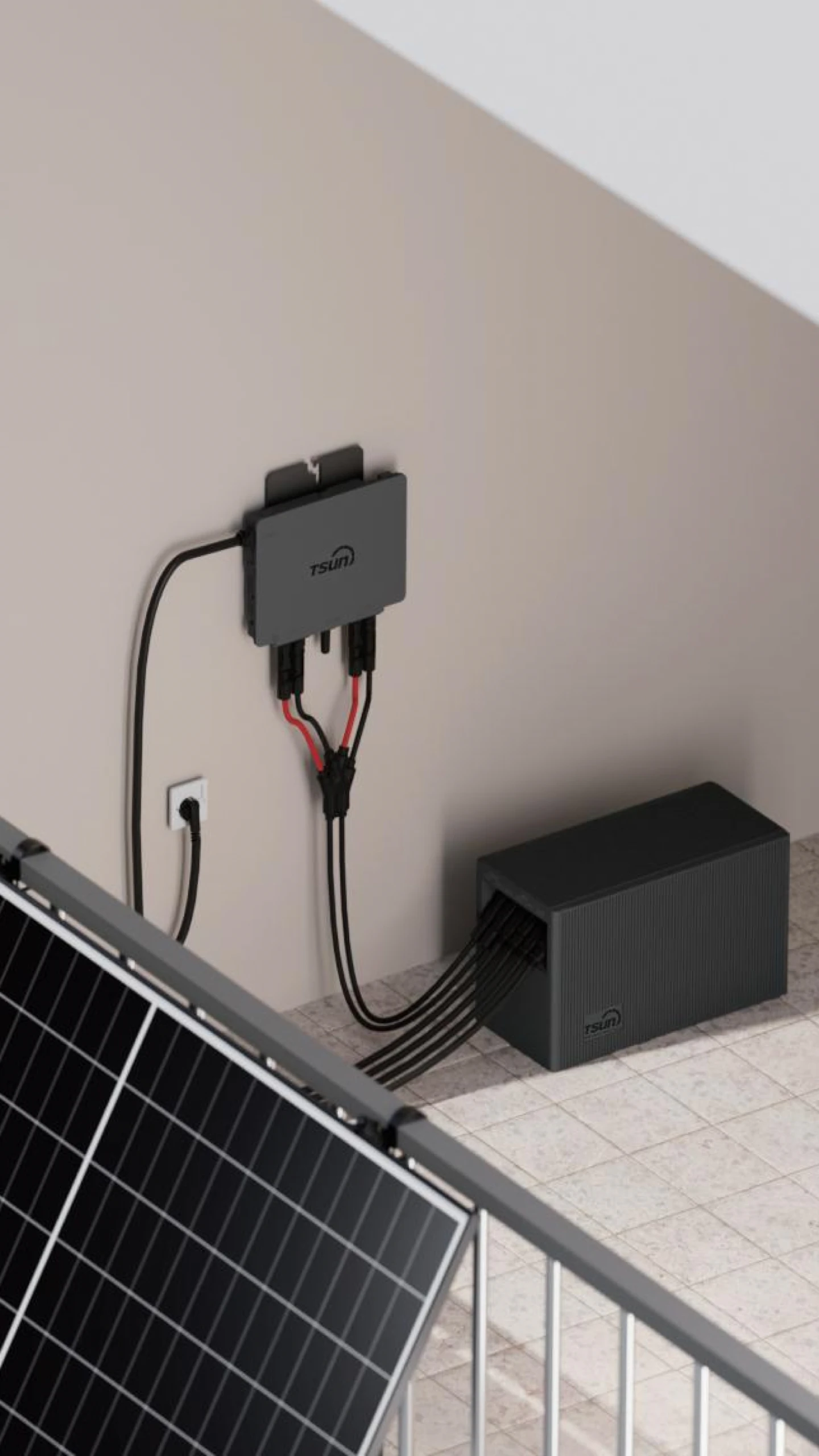
 Downloads
 Video Center
 Report Fault for Repair
 FAQS
FAQS Service Network
 Privacy Policy
 Contact Us
 Monitoring


 LEARN MORE