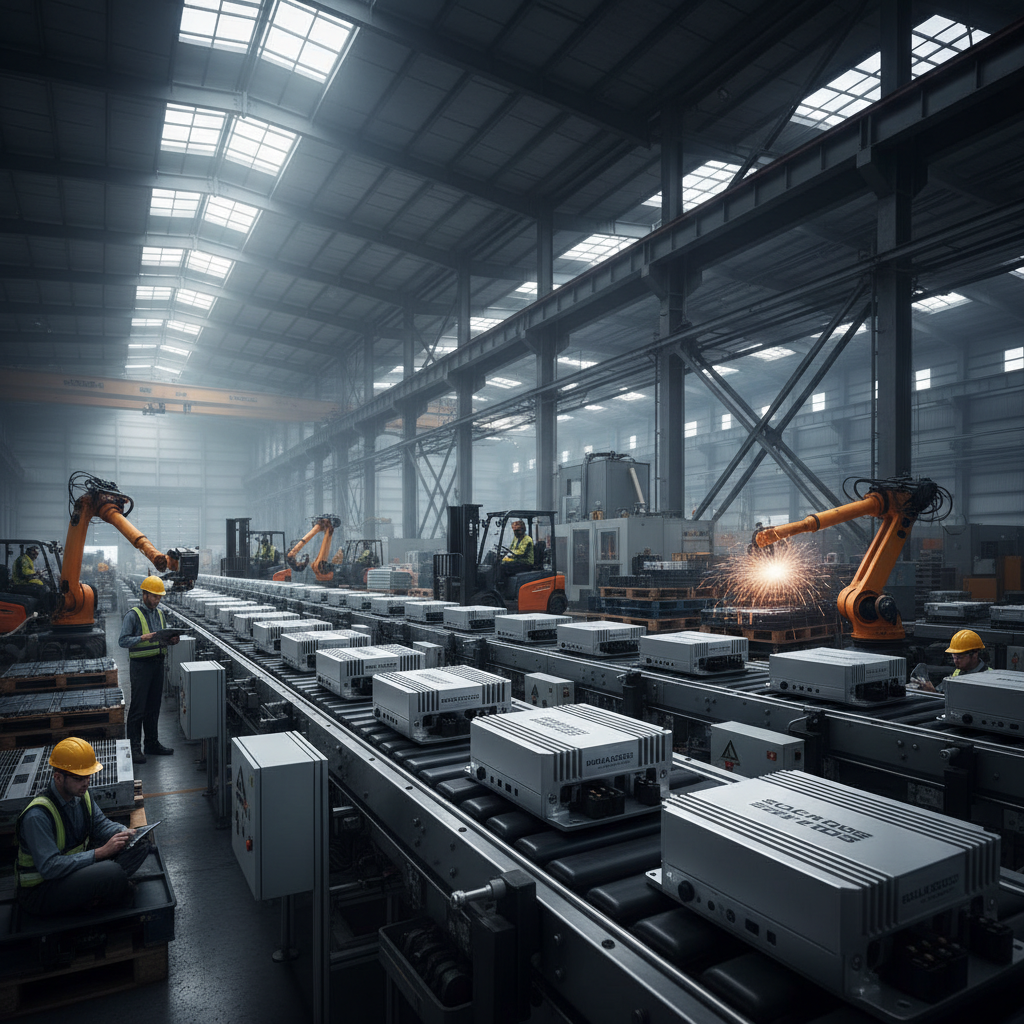
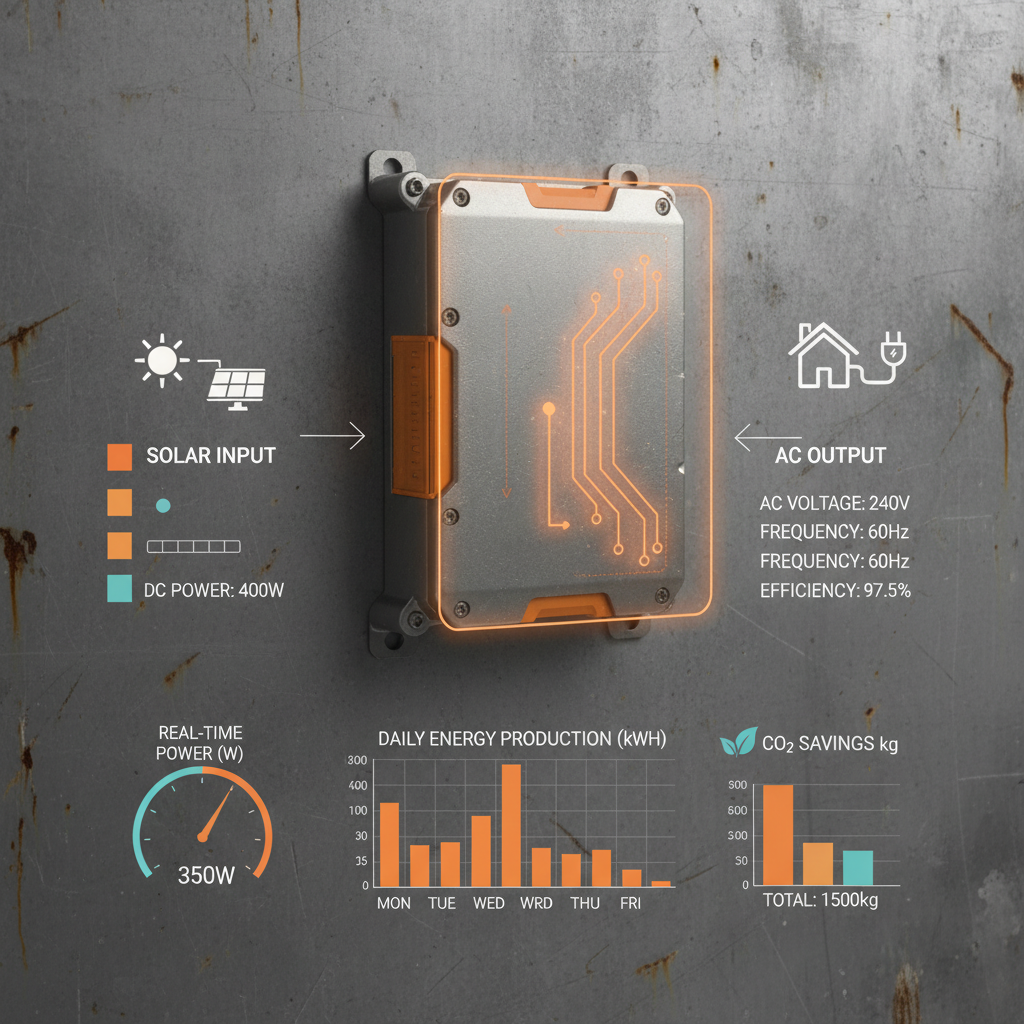
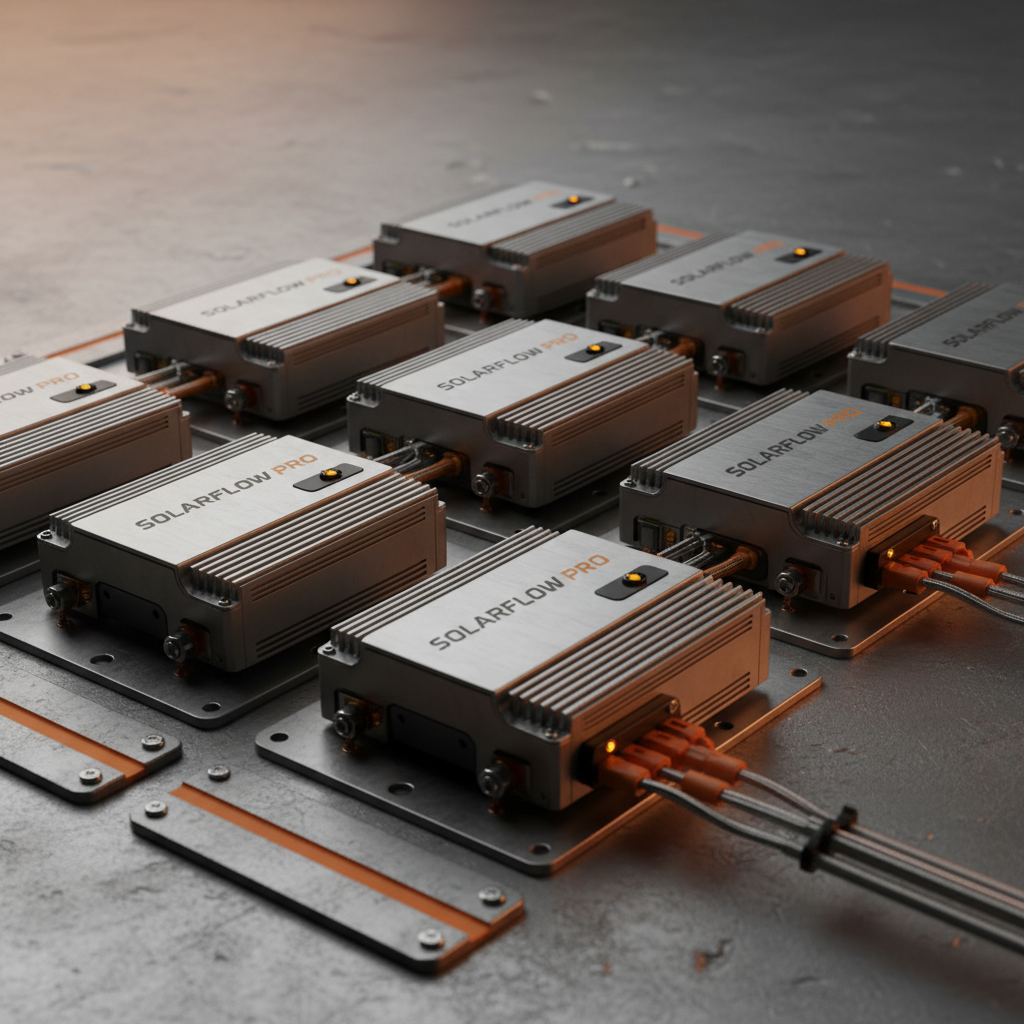
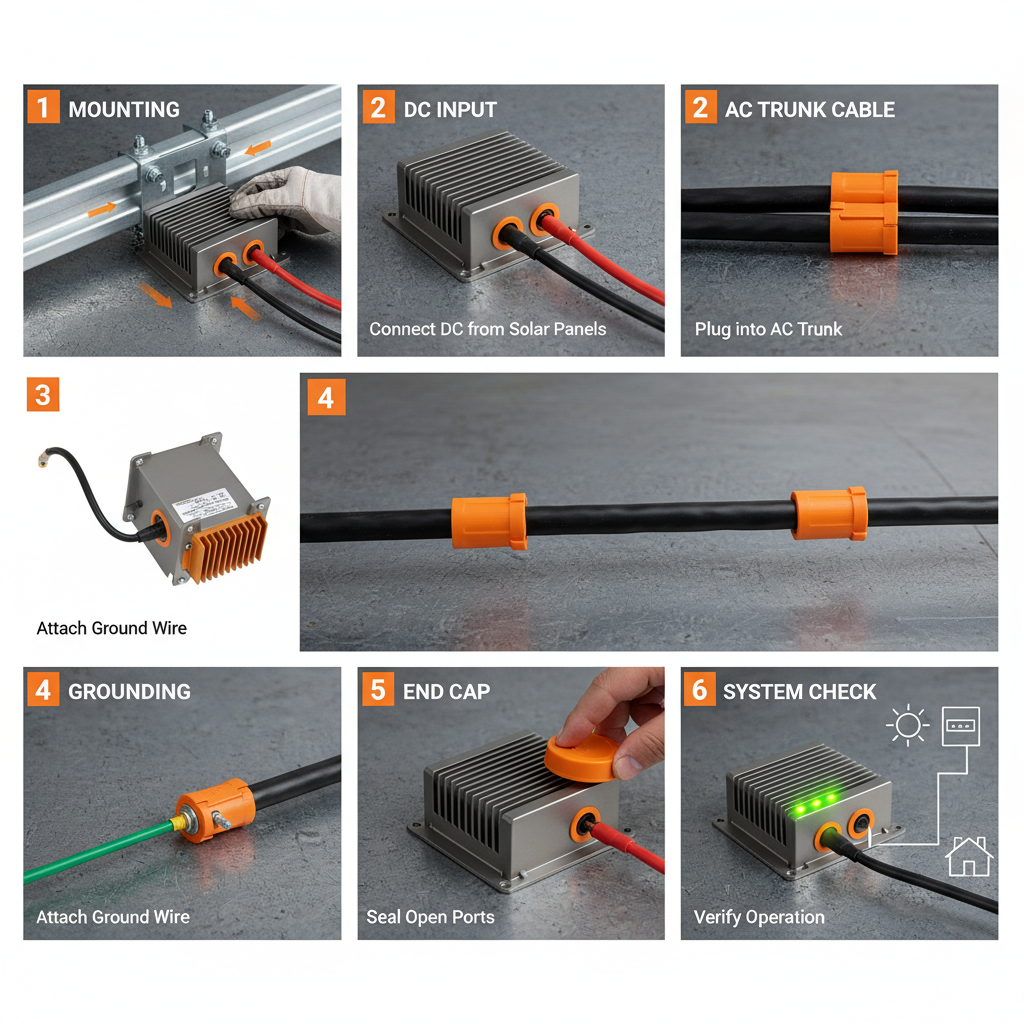
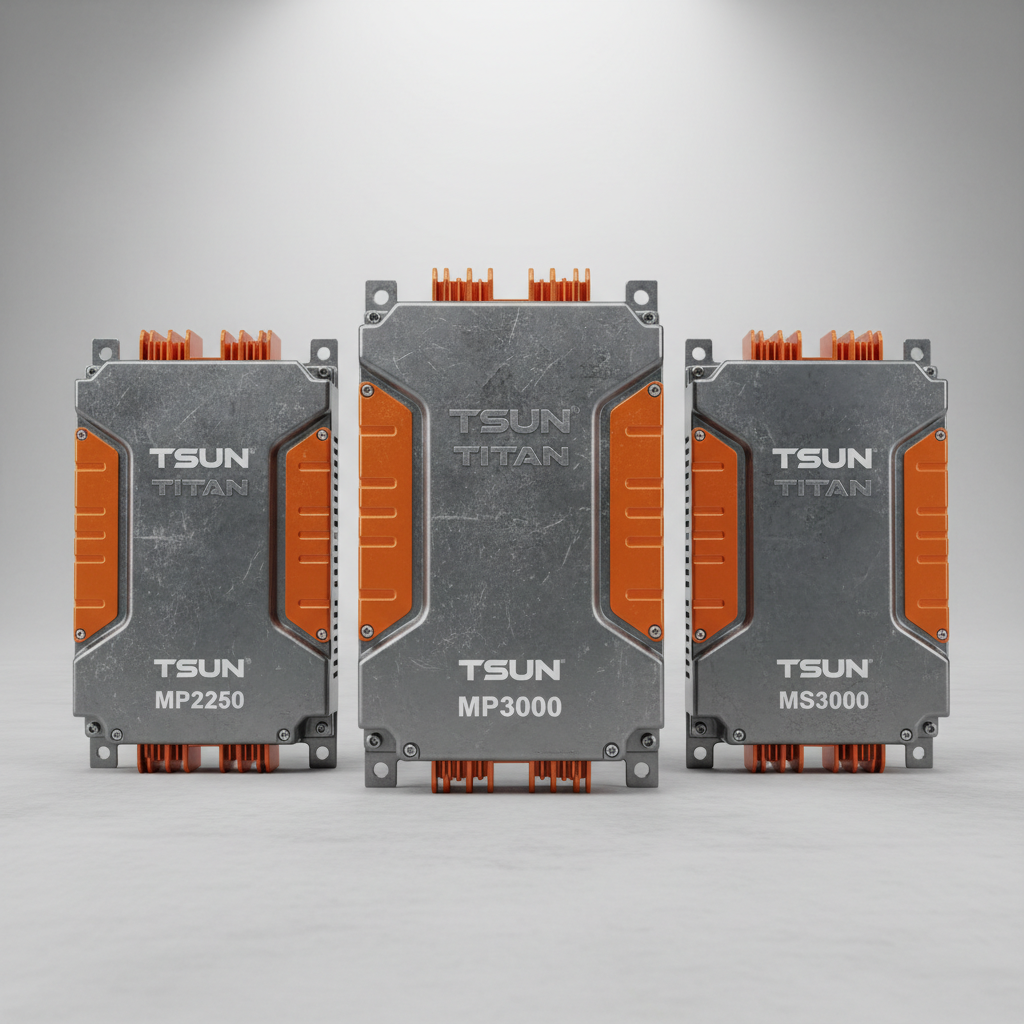
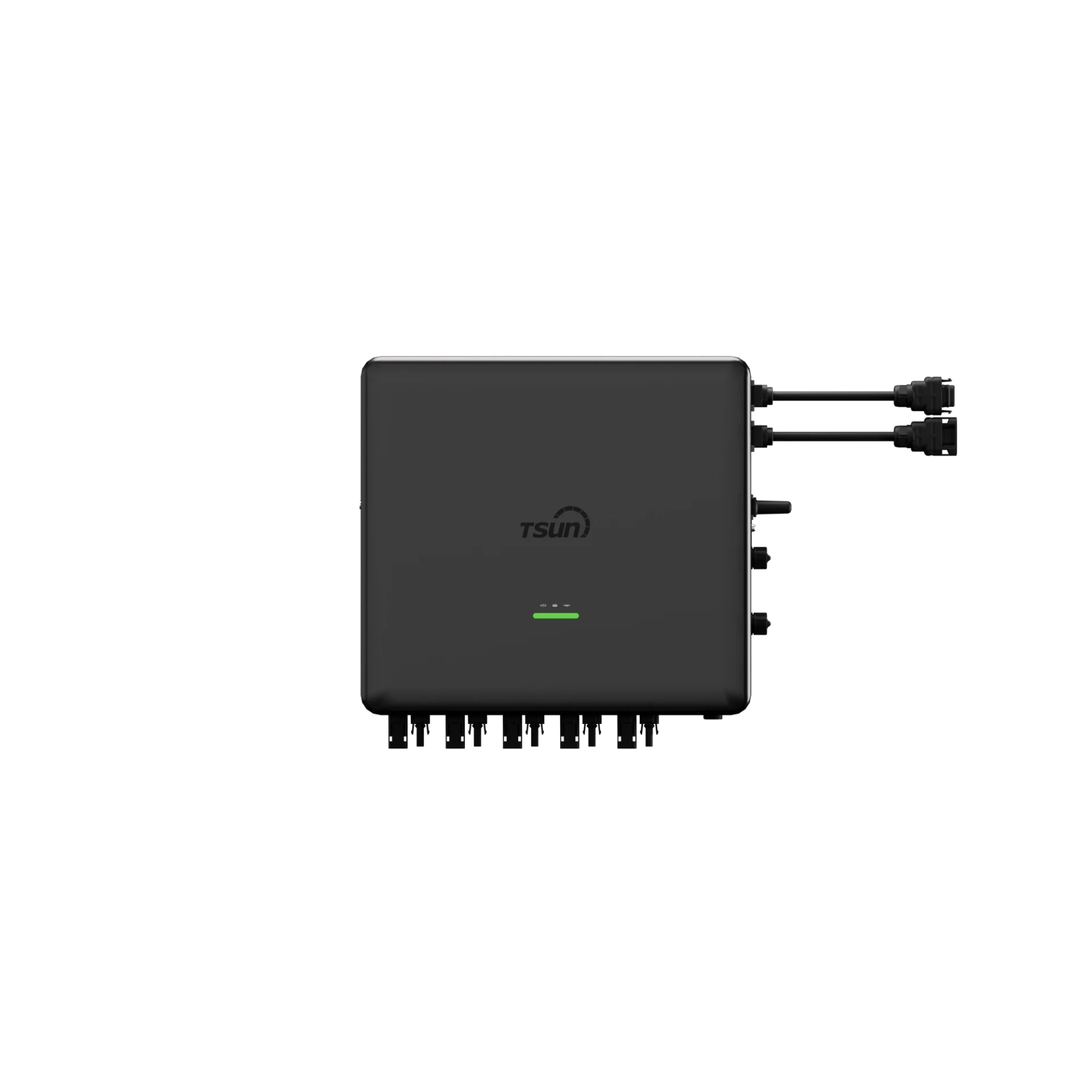
The global transition toward decentralized energy has placed the photovoltaic micro inverter at the forefront of residential and commercial solar innovation. Unlike traditional string inverters, these compact devices optimize power at the individual panel level, ensuring that a single shaded cell doesn't compromise the output of the entire array. By converting DC power to AC right at the source, they provide a safer, more efficient, and highly scalable solution for modern energy needs.
As urban environments become more complex, the demand for "plug-and-play" solar solutions has surged, particularly in Europe and North America. The integration of a photovoltaic micro inverter allows homeowners to start small—perhaps with a balcony kit—and expand their system organically without needing to replace the central hardware. This flexibility is critical for democratizing green energy and reducing the barrier to entry for sustainable living.
Understanding the technical nuances and commercial advantages of this technology is essential for installers and DIY enthusiasts alike. From enhancing safety by eliminating high-voltage DC strings to providing granular monitoring of every panel, the shift toward micro-inverters represents a fundamental change in how we capture and manage solar energy. This comprehensive guide explores the mechanisms, applications, and future trends of this pivotal technology.
The Core Mechanism of Photovoltaic Micro Inverters
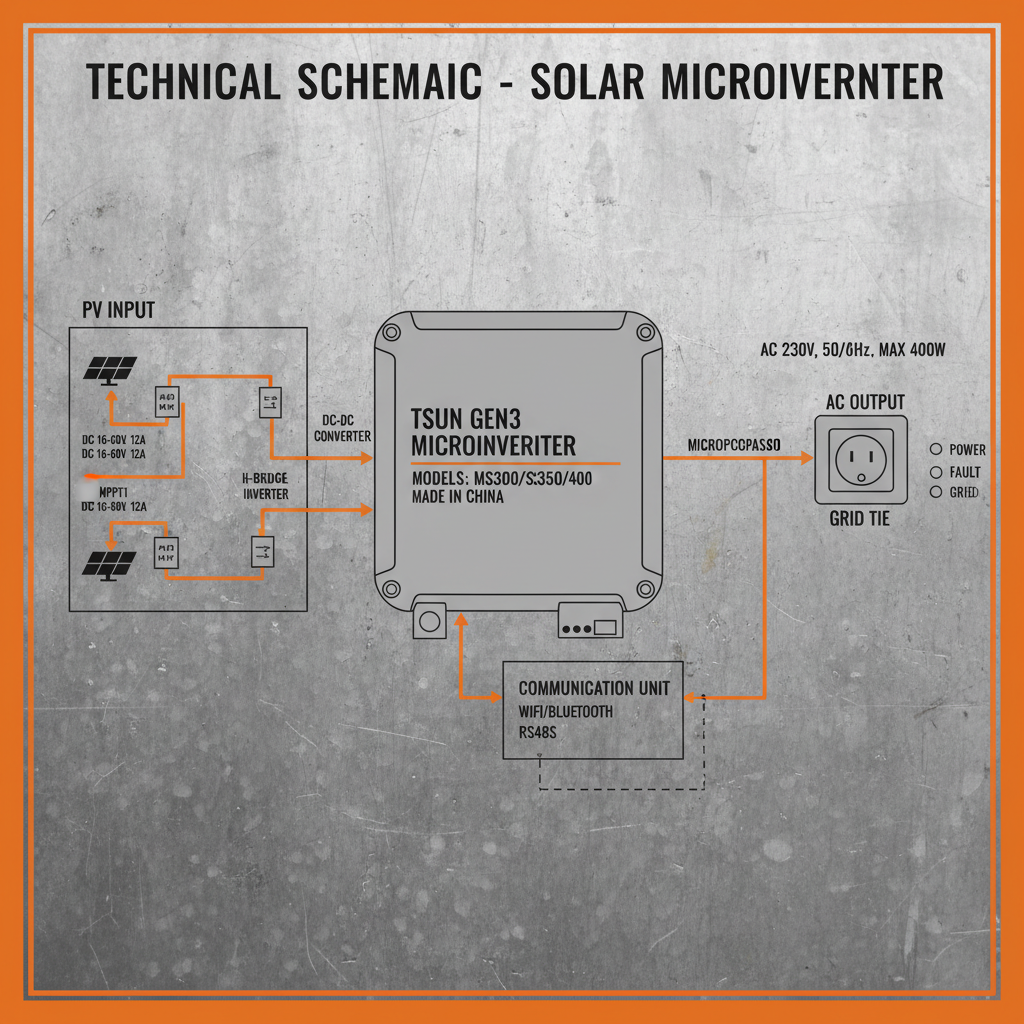
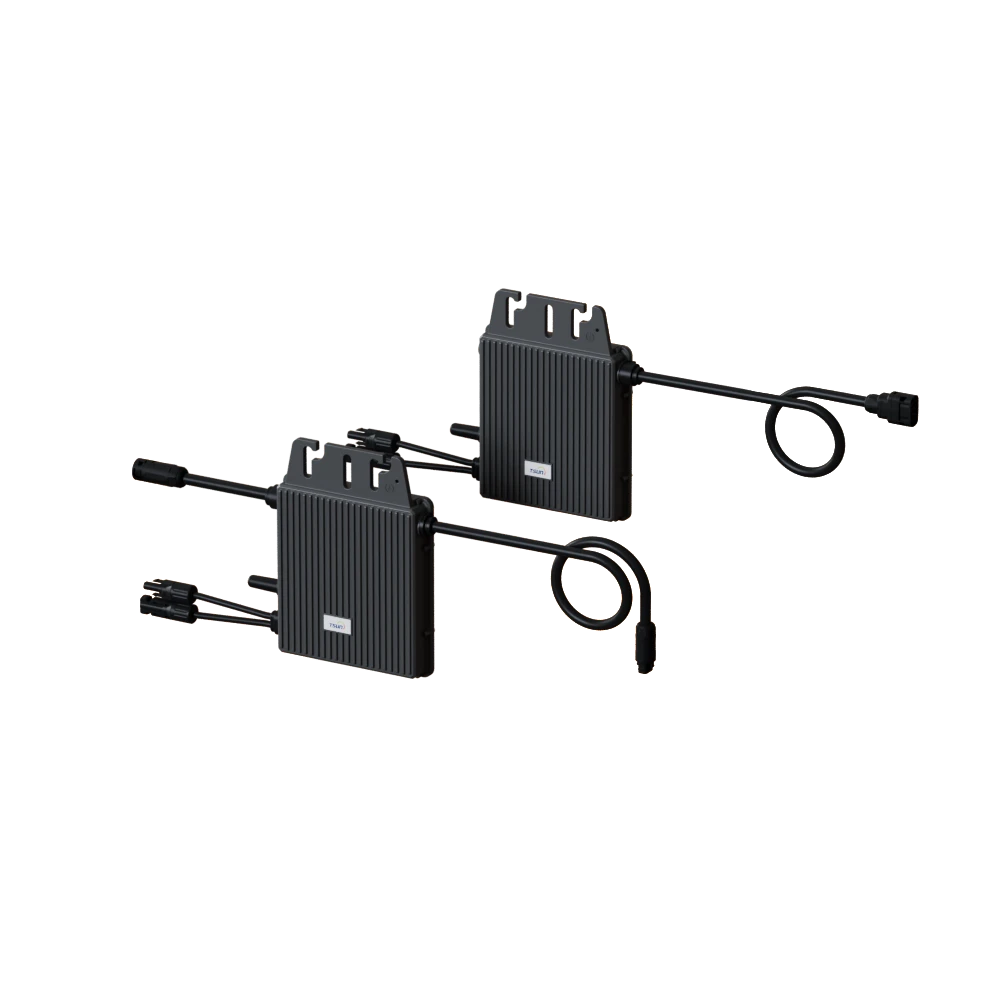
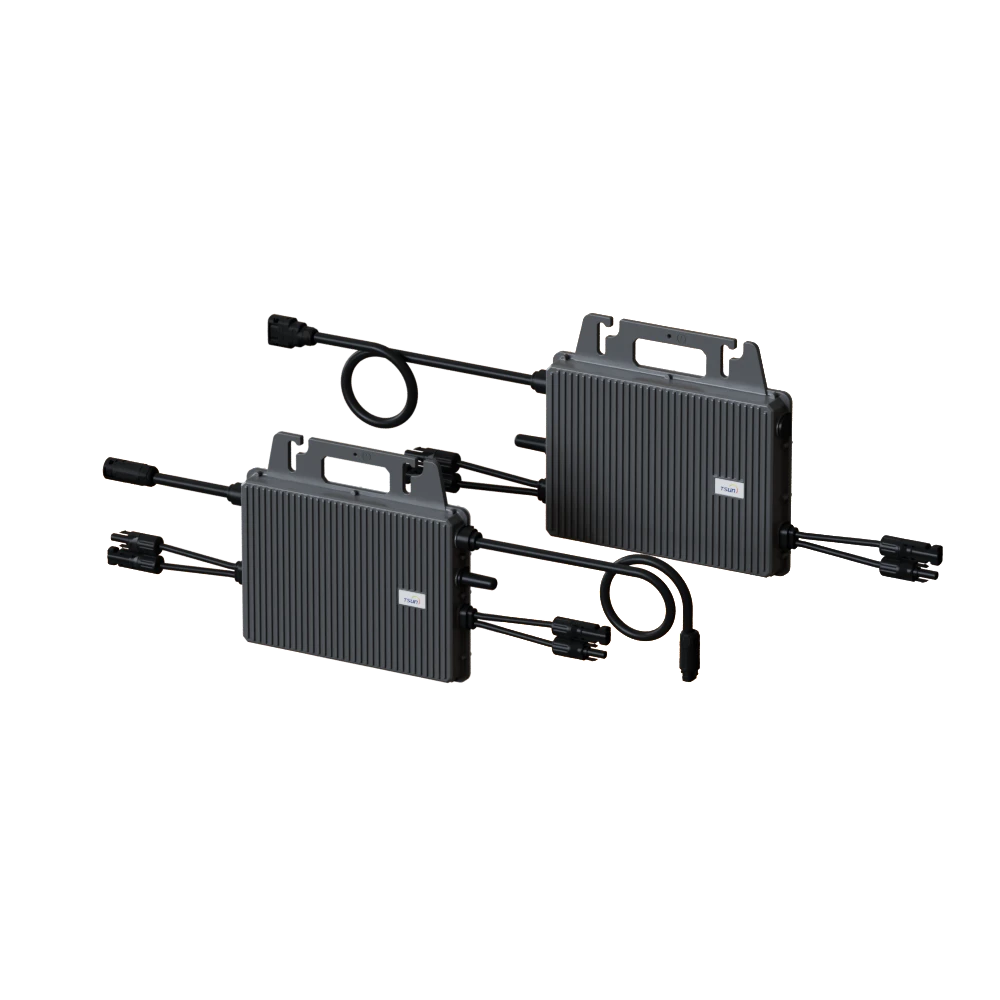
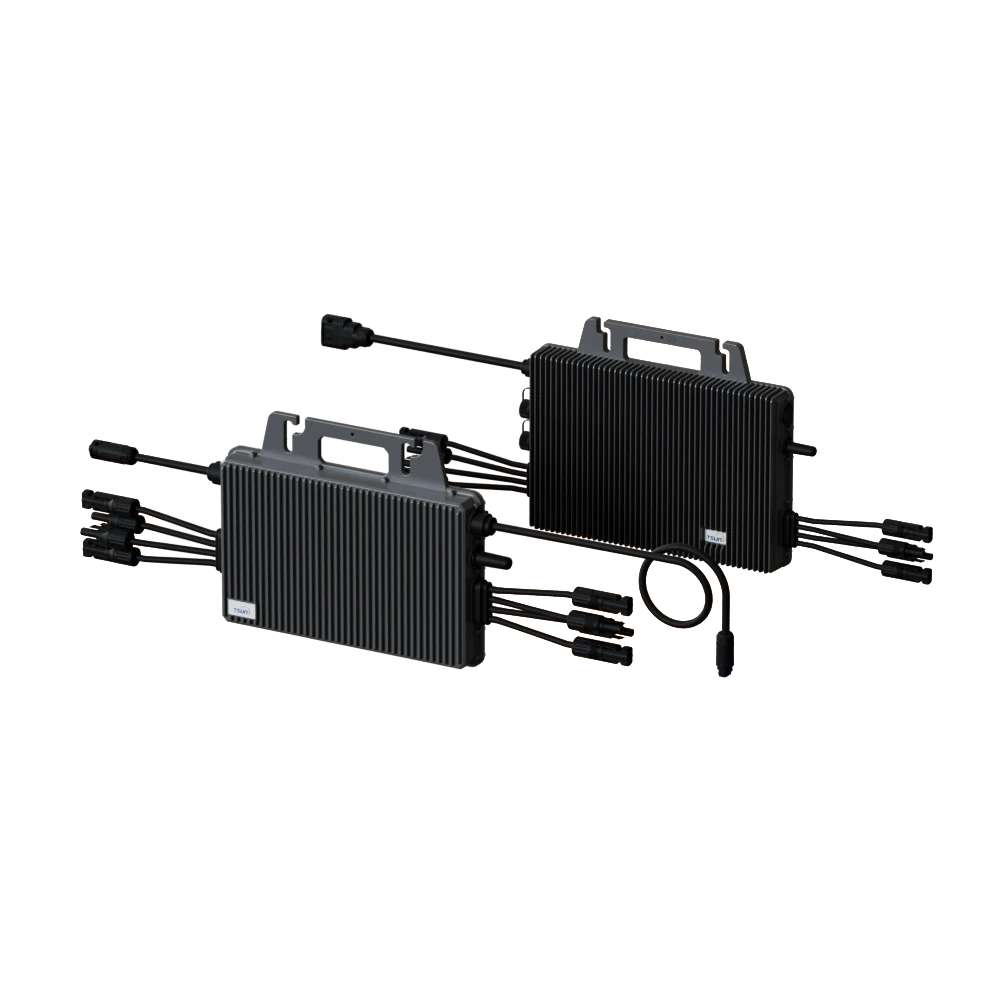
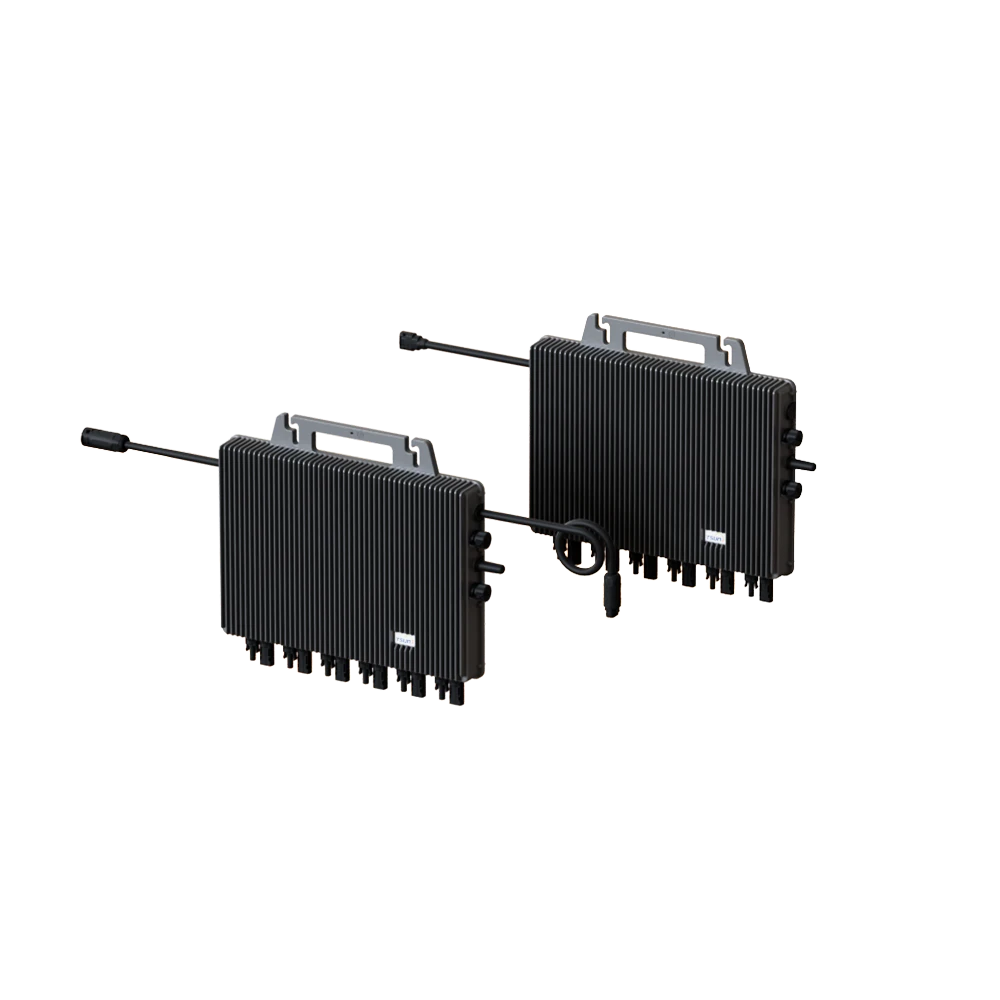
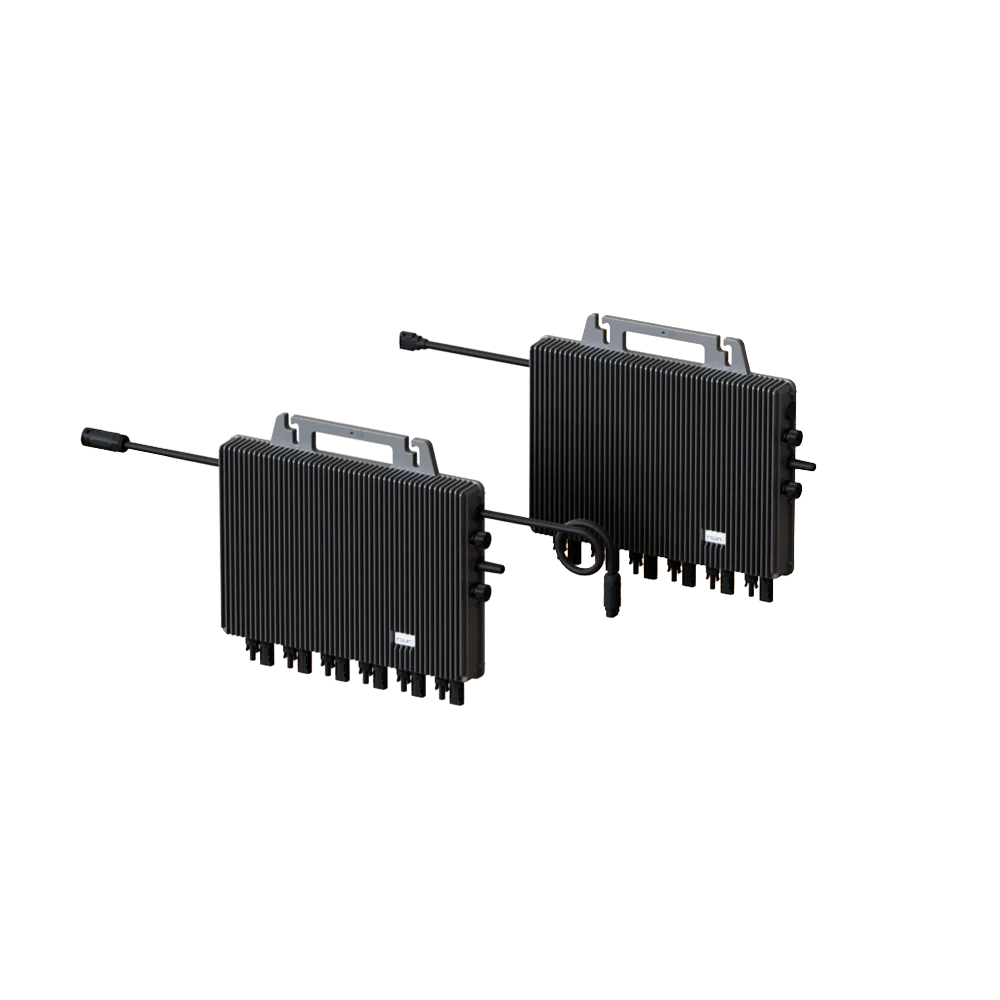
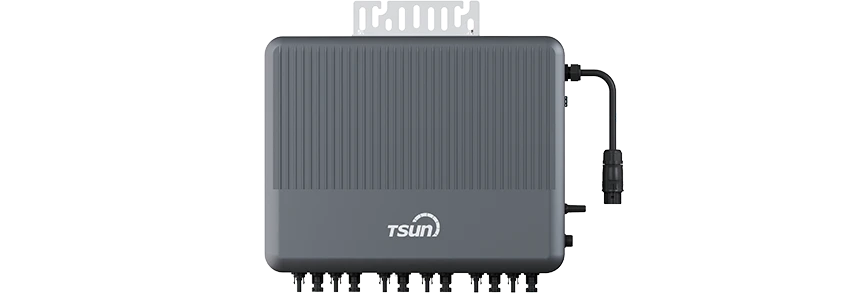
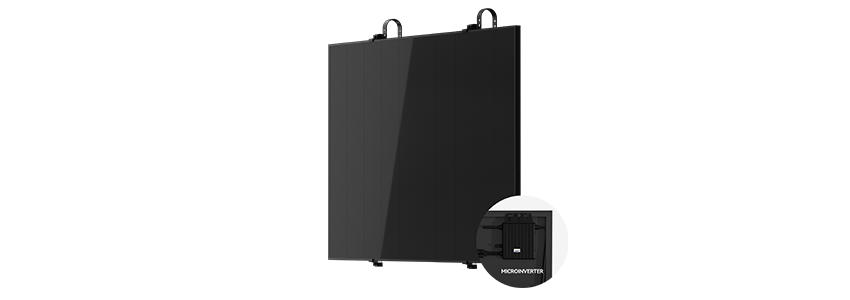
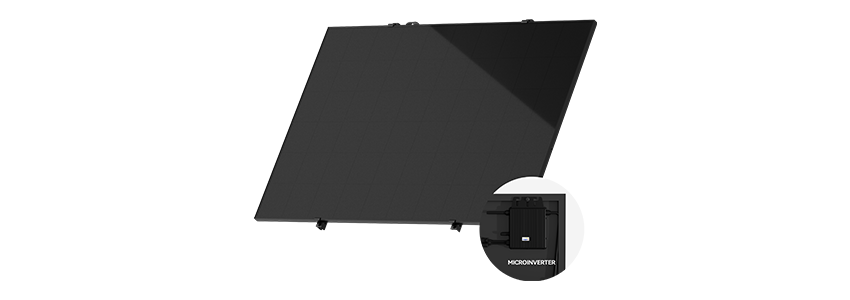
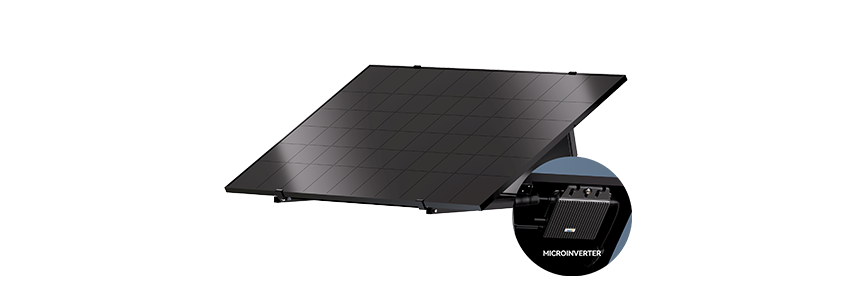
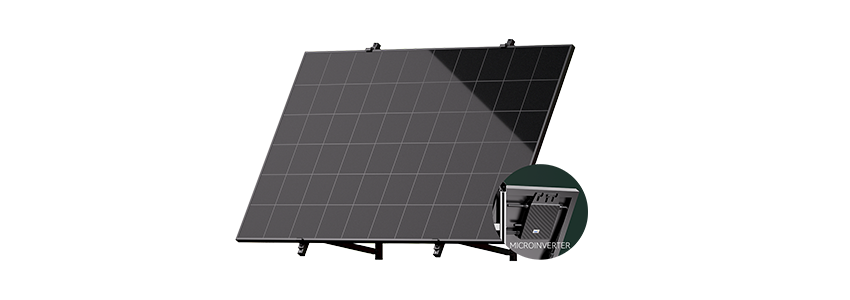
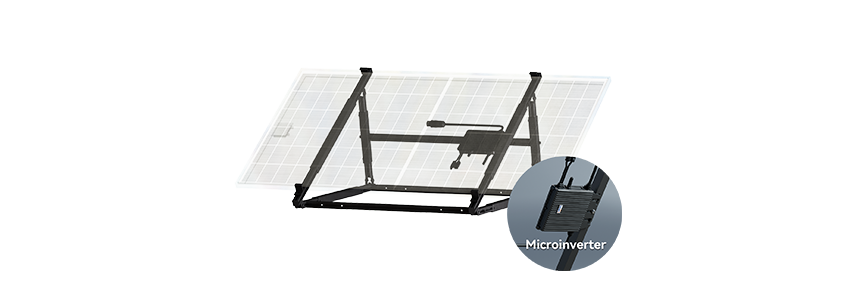
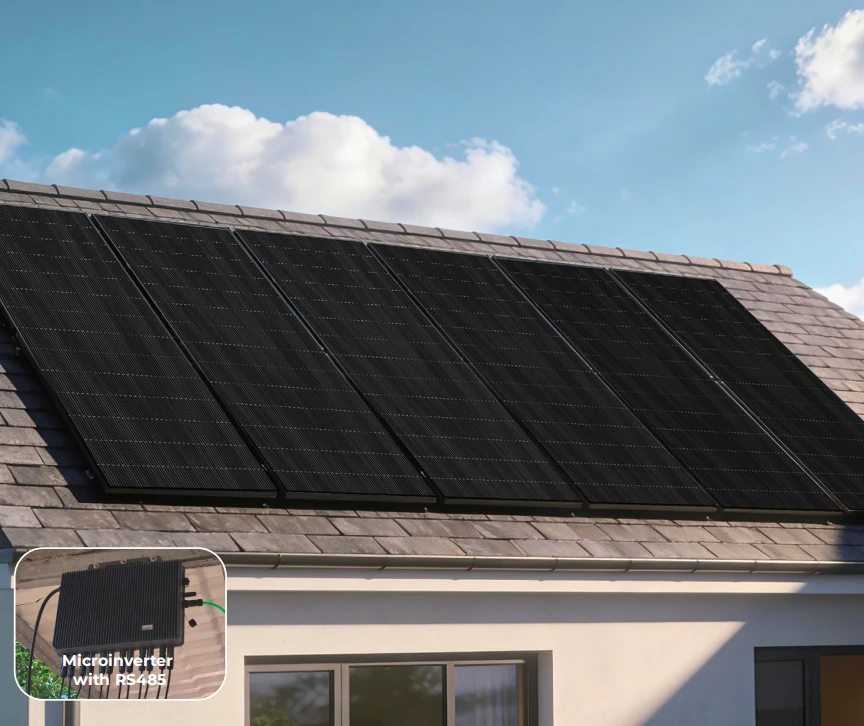
A photovoltaic micro inverter is a miniaturized power converter that is installed on the back of each individual solar panel. Its primary function is to convert the Direct Current (DC) produced by the panel into Alternating Current (AC) immediately. This architecture eliminates the "Christmas light effect," where the failure or shading of one panel reduces the performance of all other panels in a traditional string.
By employing Maximum Power Point Tracking (MPPT) at the module level, the micro inverter ensures that every panel operates at its peak potential regardless of external conditions. This decentralized approach not only boosts the overall energy harvest but also significantly enhances safety by keeping high-voltage DC away from the roof and the home's interior, reducing the risk of electrical arcs.
Global Relevance and Industry Demand
On a global scale, the adoption of the photovoltaic micro inverter is accelerating as countries strive to meet ambitious net-zero targets. According to trends aligned with International Energy Agency (IEA) goals, there is a massive shift toward distributed energy resources (DER). The ability to deploy solar in fragmented urban environments—where roof space is limited and shading from nearby buildings is common—makes micro-inverter technology an essential tool for urban decarbonization.
In regions like the European Union, legislative pushes for energy independence have led to a boom in "balcony solar" and DIY kits. These systems rely almost exclusively on micro-inverters because they allow for a safe, simple connection to the home grid without requiring massive industrial installations. This trend reflects a broader socio-economic shift where energy production is moving from centralized power plants to the individual consumer.
However, the industry faces the challenge of balancing the higher initial hardware cost of micro-inverters against the long-term gains in efficiency and safety. As manufacturing scales and costs decrease, the value proposition becomes undeniable: the increased energy yield from shaded panels and the extended lifespan of the system often outweigh the upfront premium, making it the preferred choice for residential portfolios.
Key Technical Factors for System Efficiency
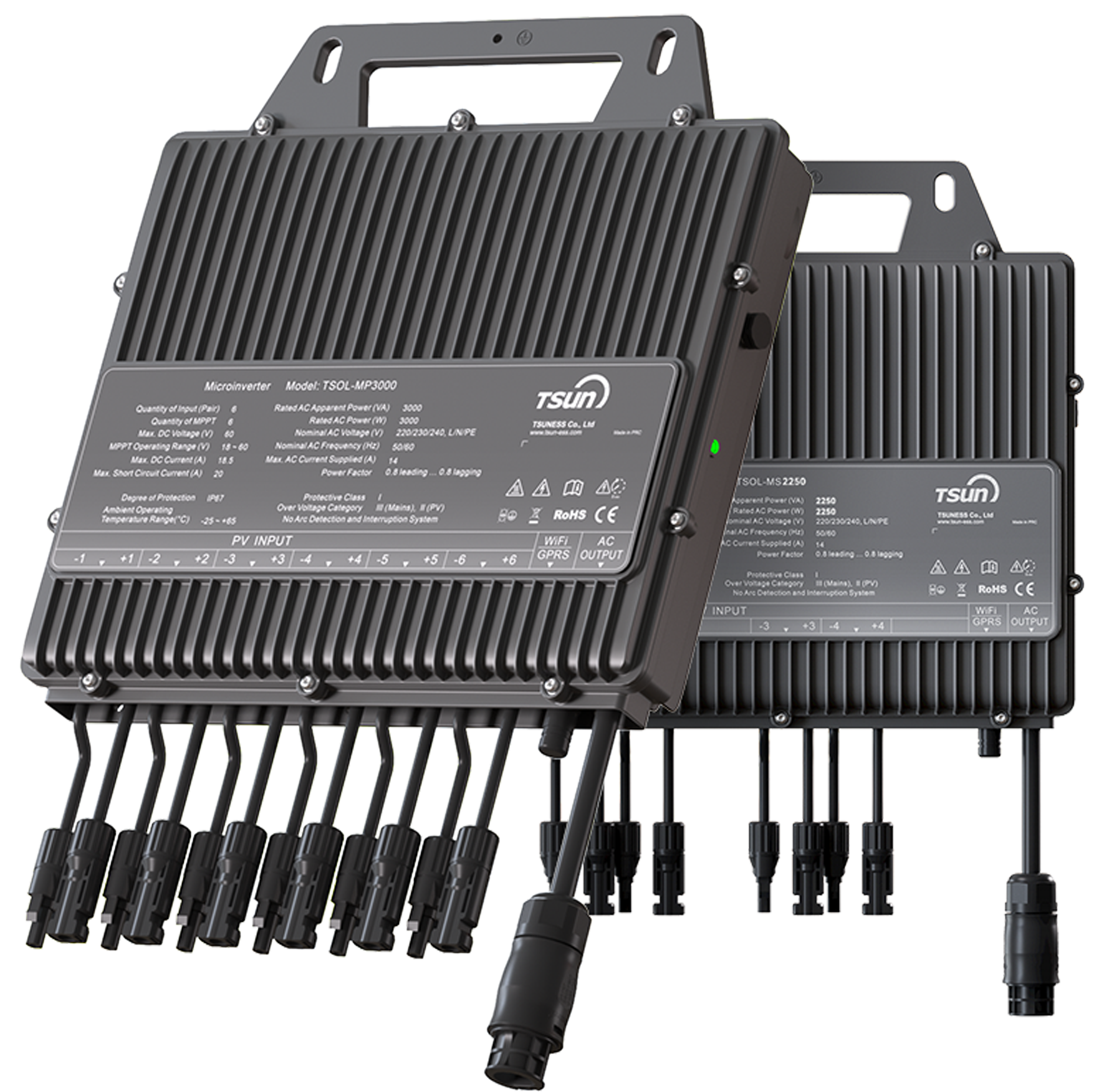
The durability of a photovoltaic micro inverter is a paramount factor, as these devices are exposed to extreme weather conditions on rooftops for decades. High-grade IP67 waterproof ratings and advanced thermal management systems are integrated to prevent overheating during peak summer irradiation, ensuring the electronics remain stable over a 20-to-25-year lifespan.
Scalability is another core advantage; users can begin with a single panel and a photovoltaic micro inverter and simply add more modules as their budget or energy needs grow. This modularity removes the technical limitation of "string sizing," allowing for a mix of different panel brands or wattages within the same system without sacrificing efficiency.
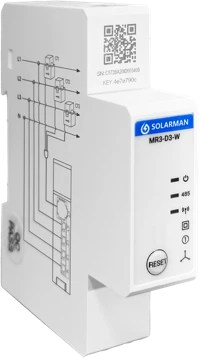
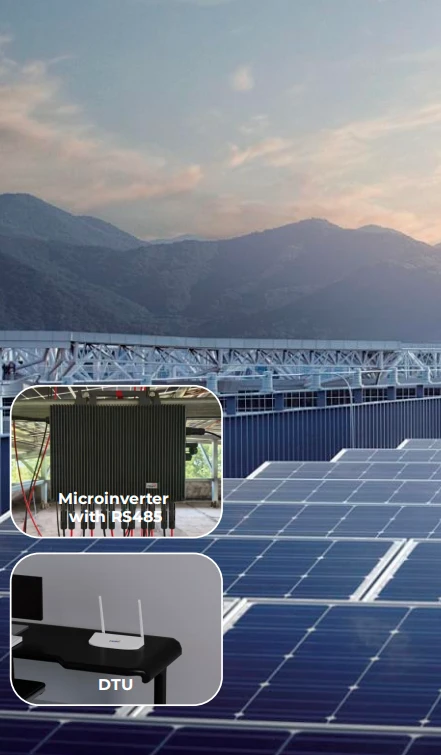
Furthermore, the integration of smart monitoring allows for real-time data acquisition. By tracking the performance of each photovoltaic micro inverter via a cloud-based app, homeowners can identify a failing panel or a dirty module instantly. This granularity transforms maintenance from a guessing game into a precise, data-driven process, maximizing the Return on Investment (ROI).
Scalability and Cost-Benefit Analysis
When comparing the photovoltaic micro inverter to traditional string inverters, the primary discussion revolves around the "cost per watt" versus "yield per watt." While string inverters are cheaper upfront, they suffer from systemic losses. Micro-inverters provide a higher energy harvest in real-world conditions—especially in suburbs with trees or complex rooflines—which typically results in a faster payback period through lower electricity bills.
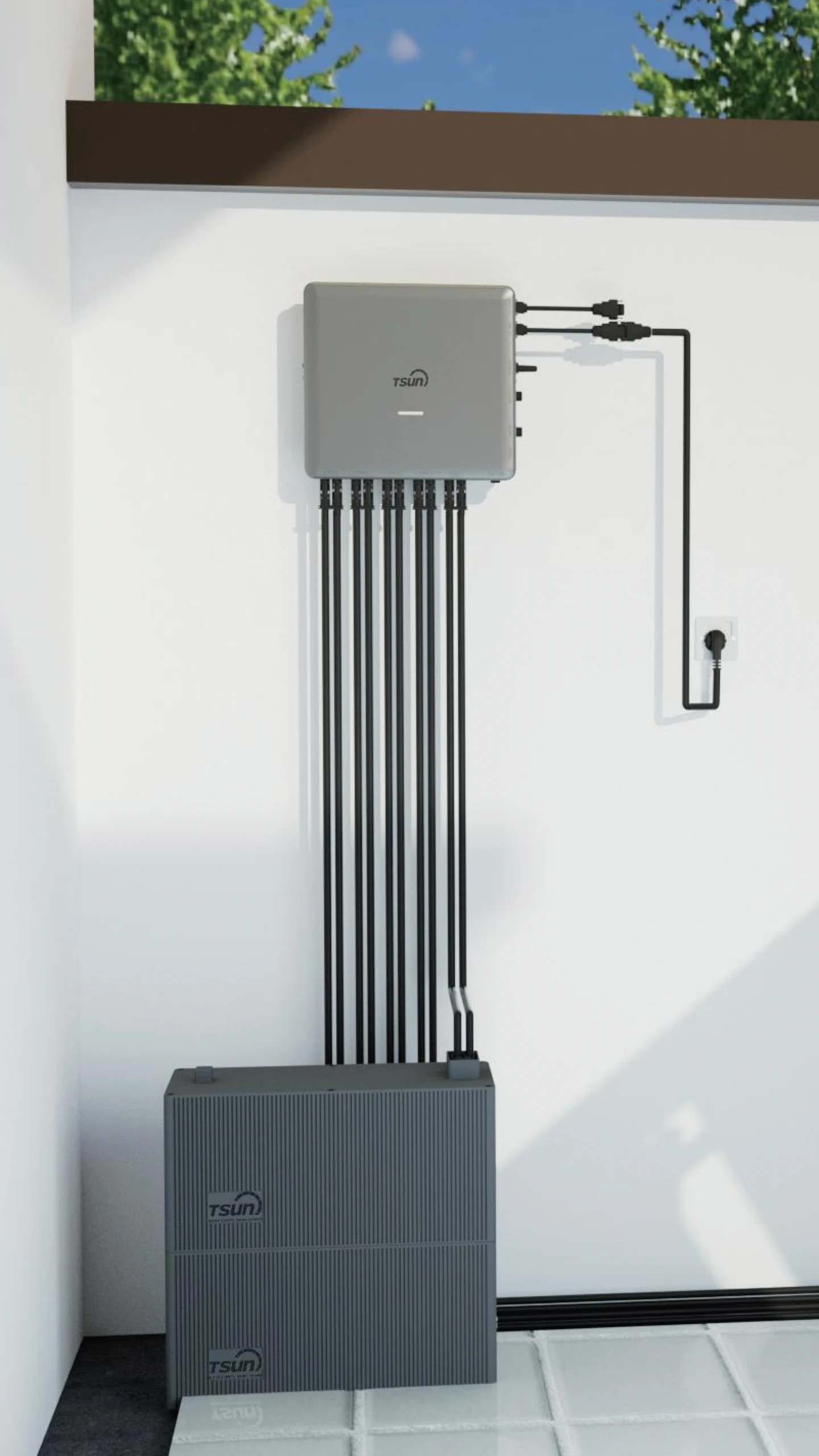
The agility of micro-inverter systems also reduces installation labor costs. Because the conversion happens at the panel, the wiring is simplified, and the need for complex DC combiner boxes is eliminated. This makes them ideal for "Easy Solar Kits" and DIY applications, where the user can perform the installation with minimal professional assistance, further reducing the total cost of ownership.
Performance Comparison of Micro-Inverter Configurations
Real-World Applications and Use Cases
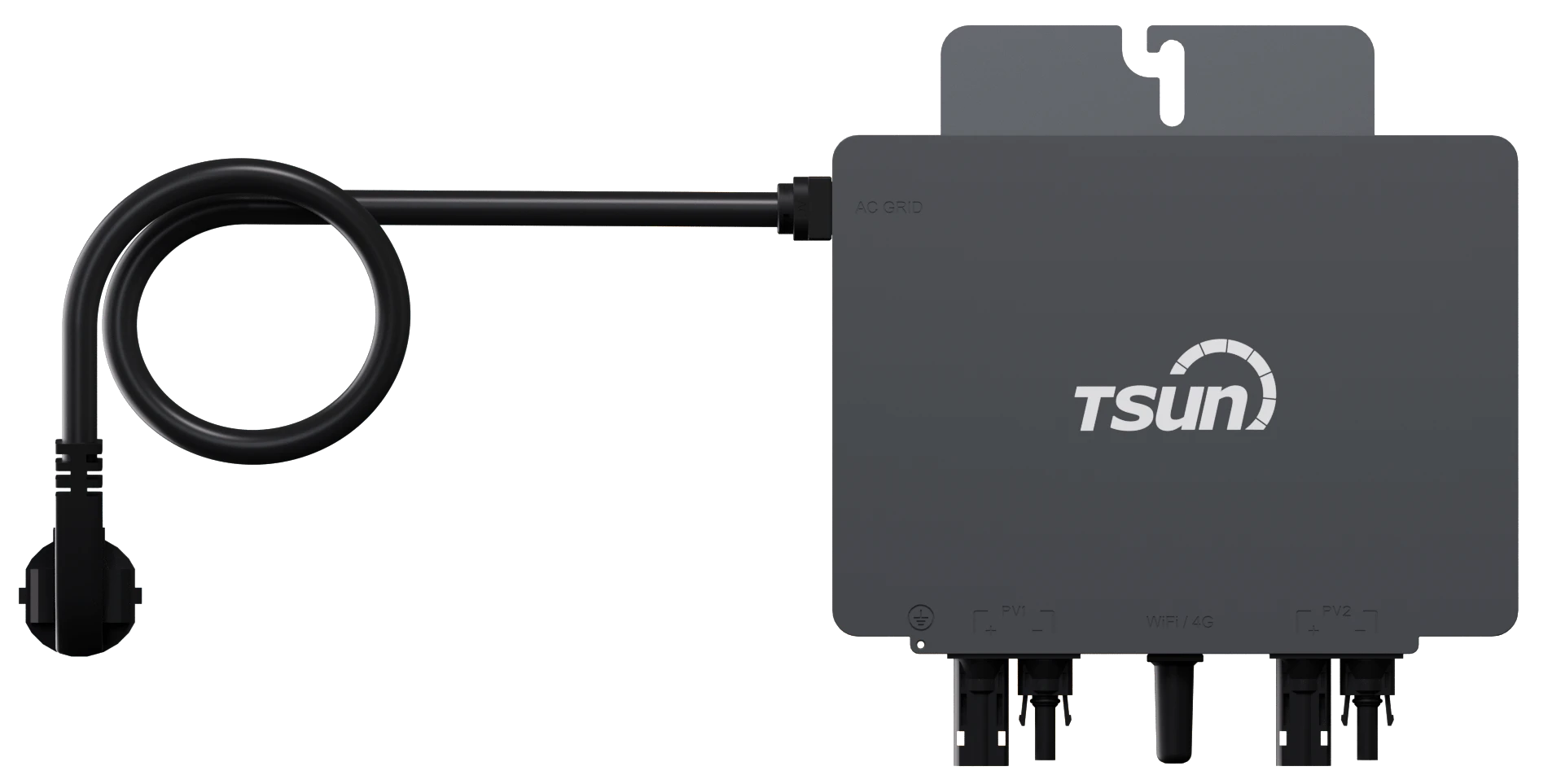
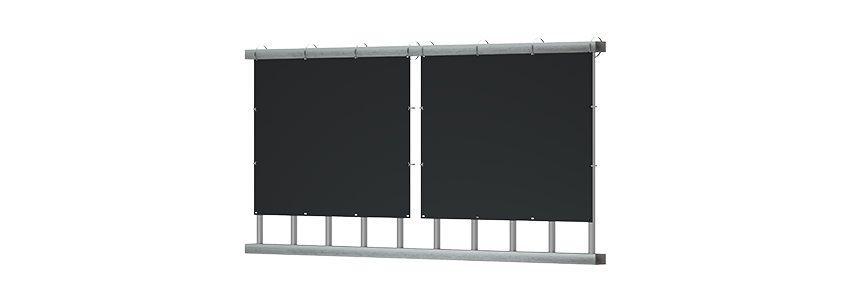
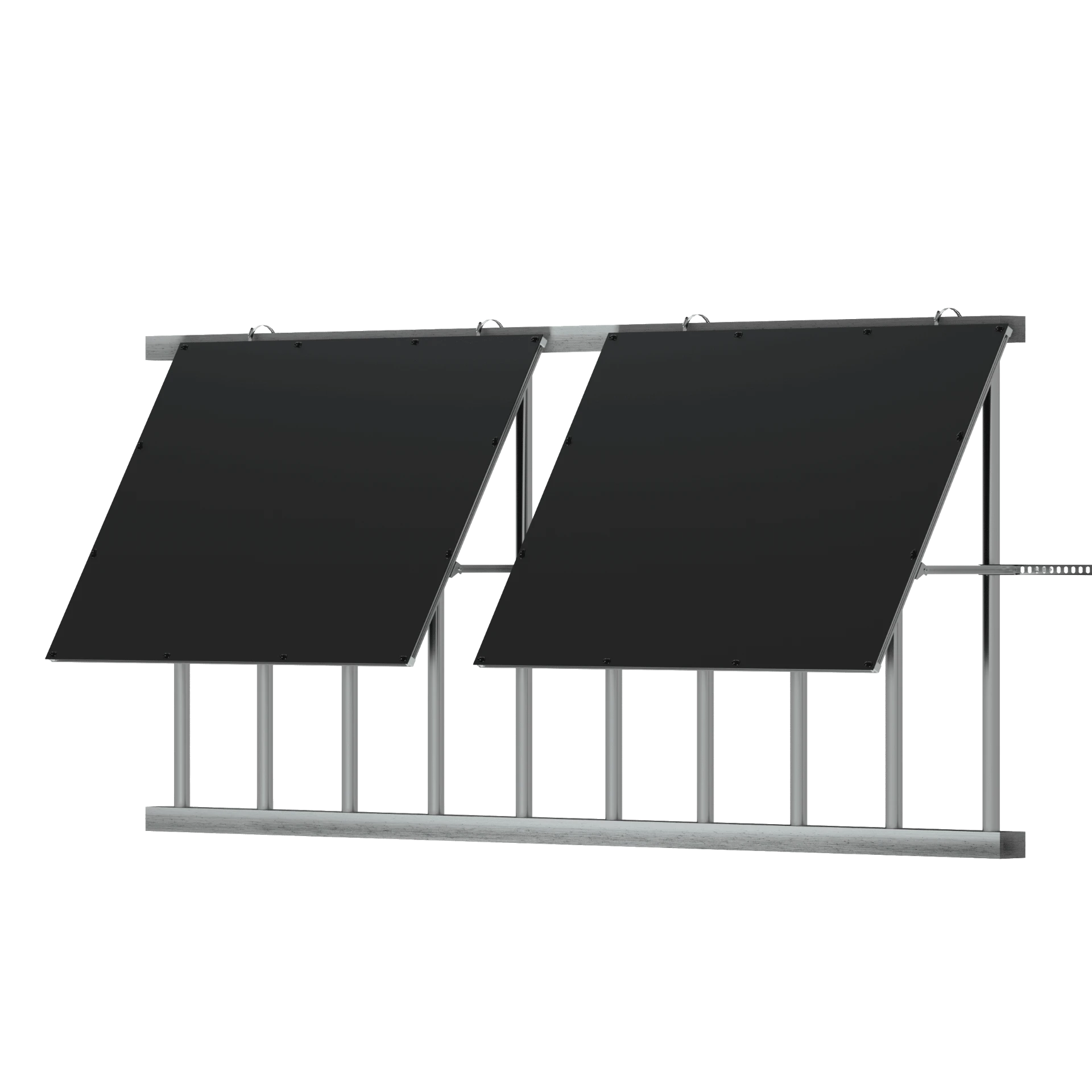
In residential settings, the photovoltaic micro inverter is the heart of the "Hang on Balcony" movement. In densely populated cities like Berlin or Tokyo, apartment dwellers use these kits to offset their base electricity load. By simply clipping a panel to a railing and plugging the micro-inverter into a standard wall socket, they achieve a level of energy autonomy previously reserved for homeowners.
Beyond the home, these devices are being deployed in remote industrial zones and post-disaster relief operations. In areas where a centralized grid is non-existent or damaged, micro-inverter based arrays can be deployed rapidly. Because each panel is independent, the system is incredibly resilient; if one part of the array is damaged by debris or weather, the rest of the system continues to provide critical power for medical equipment or communications.
Long-Term Value and Sustainability Impact
The long-term value of investing in a photovoltaic micro inverter extends beyond mere financial savings. There is a significant emotional and psychological benefit to "energy sovereignty." When a user can monitor their individual panel's contribution via a smartphone, the abstract concept of "green energy" becomes a tangible, daily reality, fostering a deeper commitment to sustainable habits.
From a sustainability perspective, the reliability of micro-inverters reduces electronic waste. Traditional string inverters are often the first point of failure in a solar system, and replacing a large central unit can be costly and wasteful. In contrast, the modular nature of micro-inverters means that only a single, small component needs replacing if a fault occurs, prolonging the overall lifecycle of the solar installation.
Ultimately, the trust built through consistent performance and safety makes this technology a cornerstone of the modern energy transition. By eliminating the risks associated with high-voltage DC and providing a seamless path to system expansion, the micro-inverter empowers the average citizen to become a "prosumer"—both a producer and a consumer of clean energy.
Future Innovations in Micro-Inverter Tech
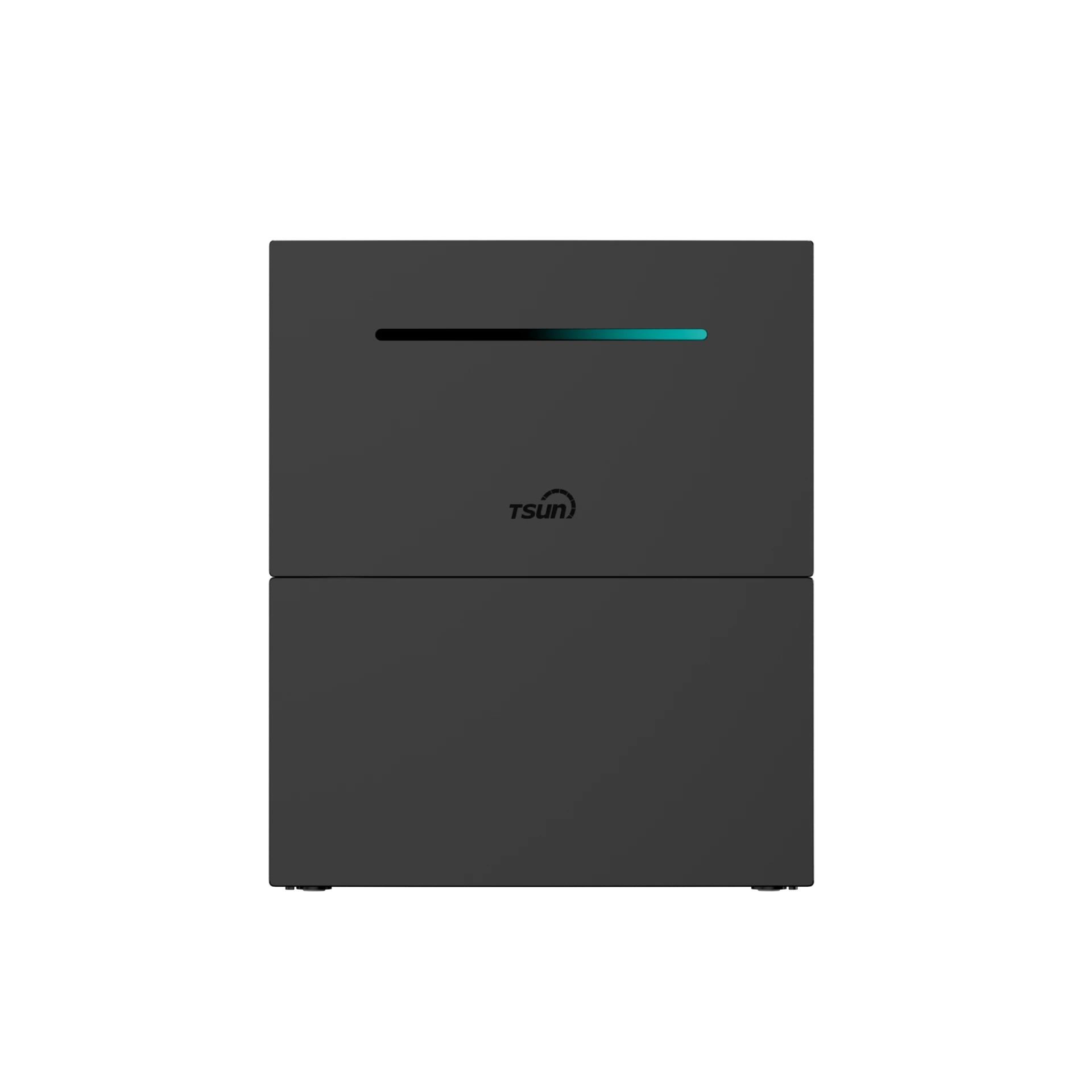
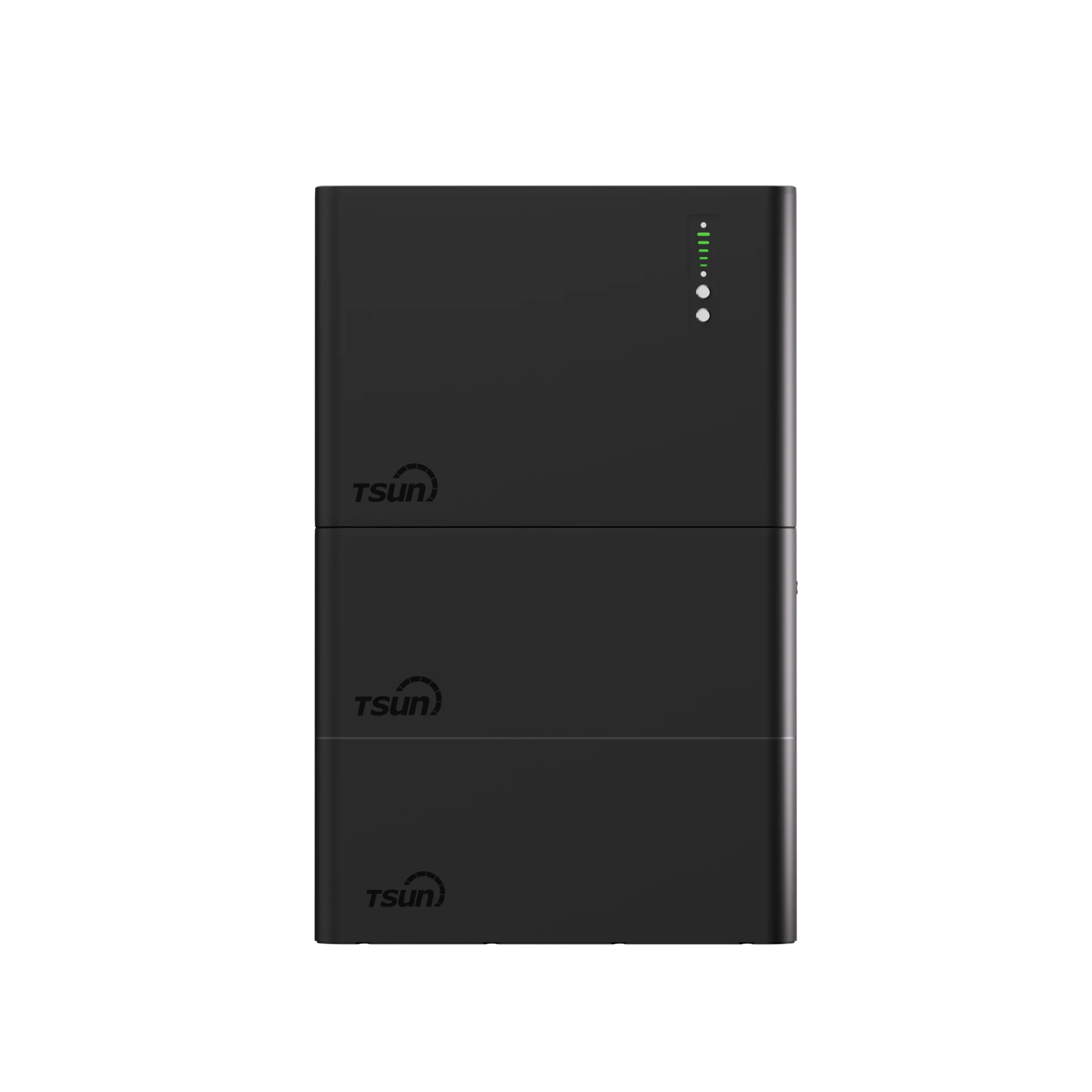
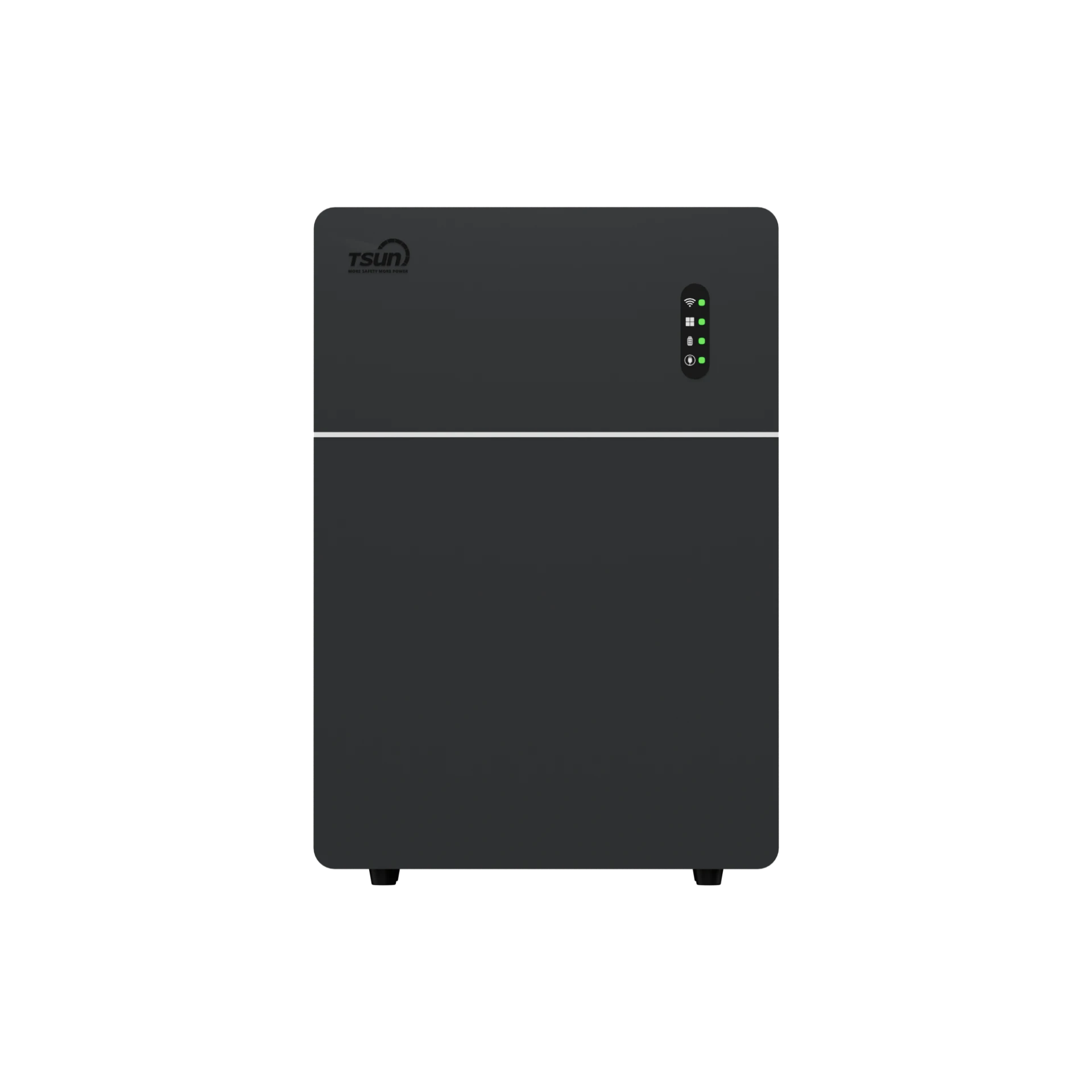
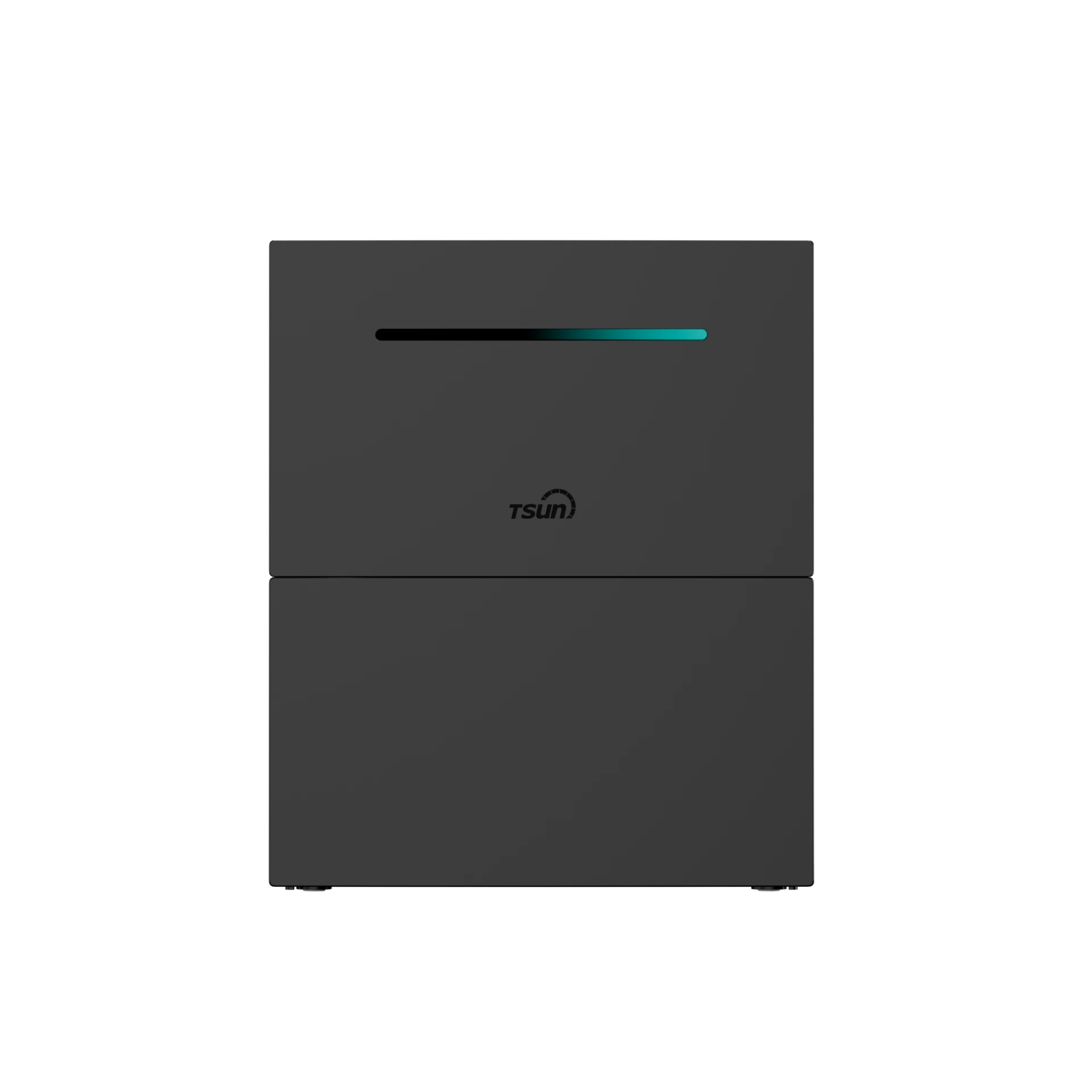
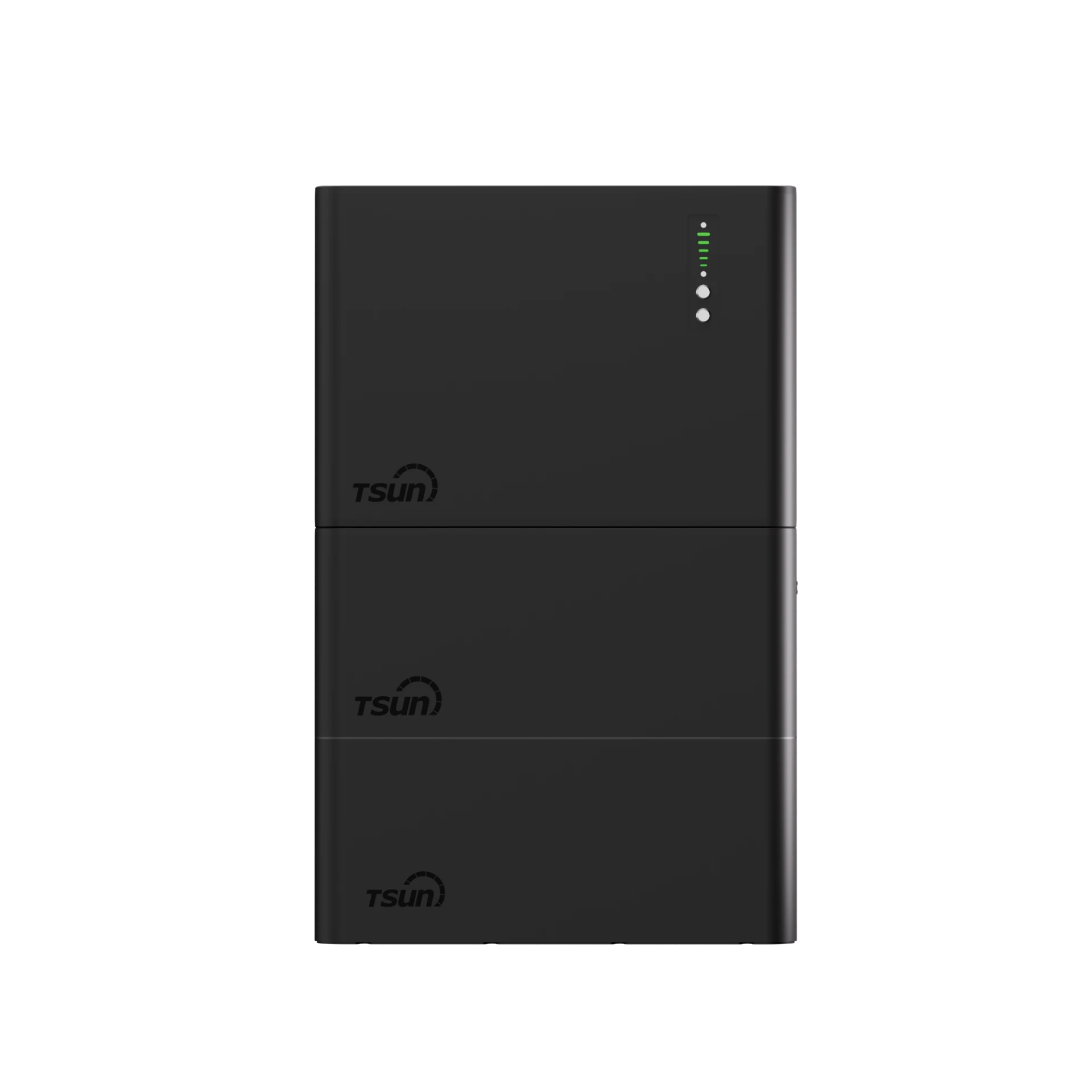
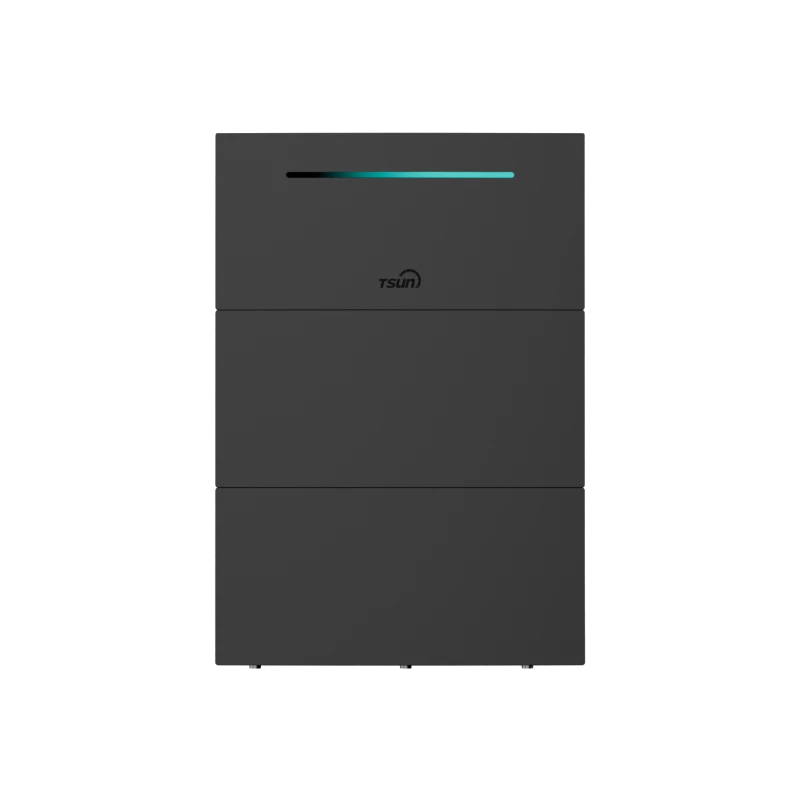
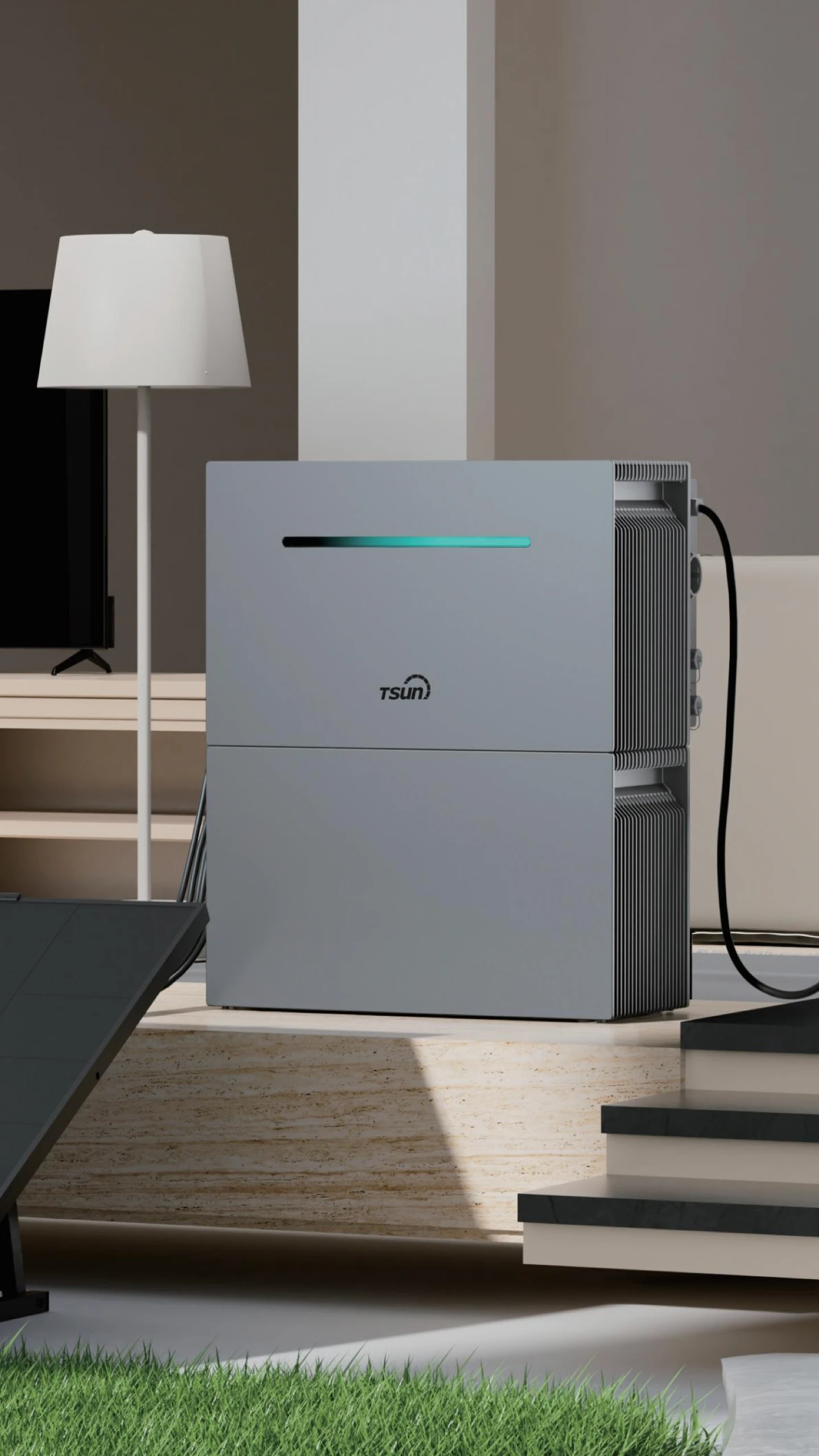
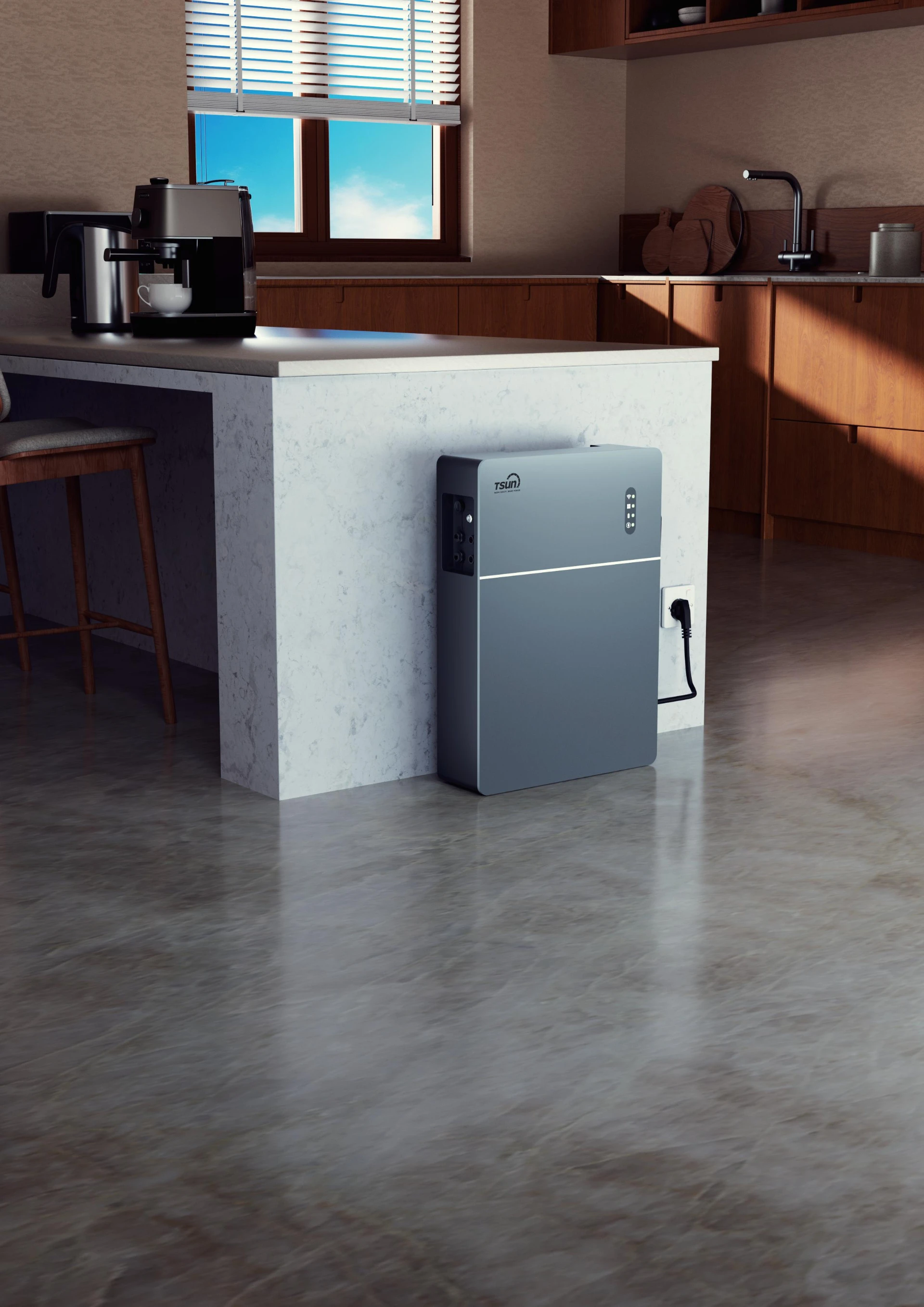
Looking forward, the photovoltaic micro inverter is evolving toward deeper integration with Micro Storage Systems. We are seeing the rise of "AC-coupled" storage, where the micro-inverter communicates directly with a battery unit at the panel level. This would allow energy to be stored and released with almost zero conversion loss, further increasing the efficiency of residential energy ecosystems.
Digital transformation is also playing a key role, with AI-driven algorithms being integrated into the inverter's firmware. These AI systems can predict shading patterns based on historical weather data and adjust the MPPT parameters in real-time to squeeze every possible watt out of the silicon. This shift toward "Intelligent Energy Harvesting" will make solar power more predictable and reliable.
As global policies shift toward mandatory solar for new constructions, the standardization of micro-inverter interfaces will likely accelerate. We expect to see "Smart Grid 2.0" where millions of micro-inverters act as a coordinated virtual power plant (VPP), balancing the grid by adjusting output based on real-time demand signals from utility companies.
Comparative Analysis of Micro-Inverter Evolution and Performance
| Technology Generation |
Conversion Efficiency |
Installation Complexity |
Reliability Score (1-10) |
| Gen 1 Basic Micro |
94.5% |
Moderate |
7 |
| Gen 2 Smart-Sync |
96.2% |
Low |
8 |
| Gen 3 High-Power |
97.8% |
Very Low |
9 |
| Hybrid Storage Micro |
98.1% |
Low |
9 |
| AI-Optimized Micro |
99.0% |
Very Low |
10 |
| VPP-Integrated Micro |
98.5% |
Low |
9 |
FAQS
A string inverter is a single central unit that manages a whole group of panels; if one panel is shaded, the whole "string" drops in performance. A photovoltaic micro inverter is installed on every panel, allowing each to work independently. This means a shaded panel won't affect the others, leading to higher overall energy yield and better safety by converting DC to AC right on the roof.
Yes, they are specifically designed for this. Because they convert high-voltage DC to safe AC immediately at the panel, there is no risk of high-voltage DC traveling through your home. Most micro-inverters for DIY kits are "plug-and-play," meaning they connect directly to a standard AC outlet, making them the safest choice for non-professionals.
Most high-quality micro-inverters are designed to last between 20 and 25 years. Because they are exposed to the elements, they feature ruggedized housings (usually IP67 rated) and advanced heat sinking. Many manufacturers offer warranties that match the 25-year lifespan of the solar panels themselves, providing long-term peace of mind.
Absolutely. This is one of the biggest advantages of micro-inverter technology. Since each panel is managed by its own inverter, the electrical characteristics of one panel do not affect the others. You can combine panels of different wattages, brands, or even orientations on the same roof without any loss in efficiency.
No, a micro inverter system can work perfectly fine as a grid-tied system, feeding power directly into your home or the grid. However, they can be paired with AC-coupled storage systems (like Micro Storage Systems) if you wish to store energy for use at night or during power outages.
For most residential users, yes. While the upfront cost is higher, the increase in energy production (especially if you have any shading) and the added safety and modularity provide better long-term value. When you factor in the ease of expansion and the lack of a single point of failure, the total return on investment is typically superior.
Conclusion
The photovoltaic micro inverter has fundamentally reshaped the accessibility of solar energy, moving it from a complex industrial installation to a flexible, consumer-friendly appliance. By solving the critical issues of shading, system-wide failure, and high-voltage DC risks, this technology provides a robust framework for both residential and remote energy production. From the simple elegance of balcony kits to the sophisticated management of large-scale residential arrays, the micro-inverter ensures that every ray of sunlight is captured with maximum efficiency.
As we look toward a future of integrated smart grids and home energy storage, the role of decentralized inversion will only grow. For those seeking a system that is scalable, safe, and high-performing, the transition to micro-inverter technology is the most logical step. We encourage you to explore how these solutions can lower your carbon footprint and increase your energy independence. Visit our website: www.tsun-ess.com



 LEARN DETAILS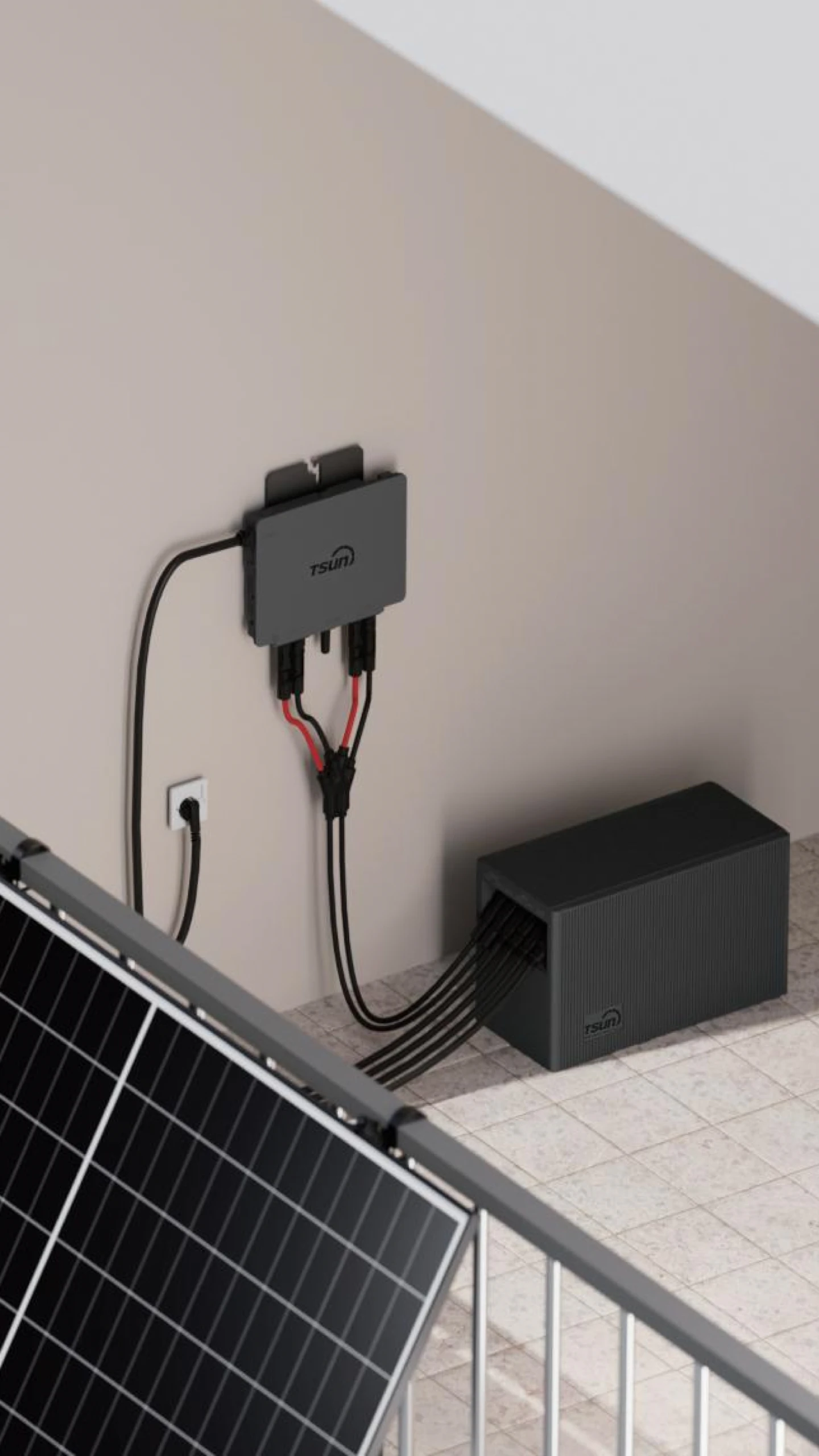
 Downloads
 Video Center
 Report Fault for Repair
 FAQS
FAQS Service Network
 Privacy Policy
 Contact Us
 Monitoring