Understanding the Solar PV Microinverter: A Veteran’s Perspective
After spending over a decade in the industrial equipment sector, especially working closely with renewable energy installations, I’ve come to appreciate the quiet sophistication packed into something as seemingly simple as a solar PV microinverter. It’s odd how often microinverters fly under the radar compared to their string inverter cousins, even though they play such a crucial role on the frontline of solar energy conversion.
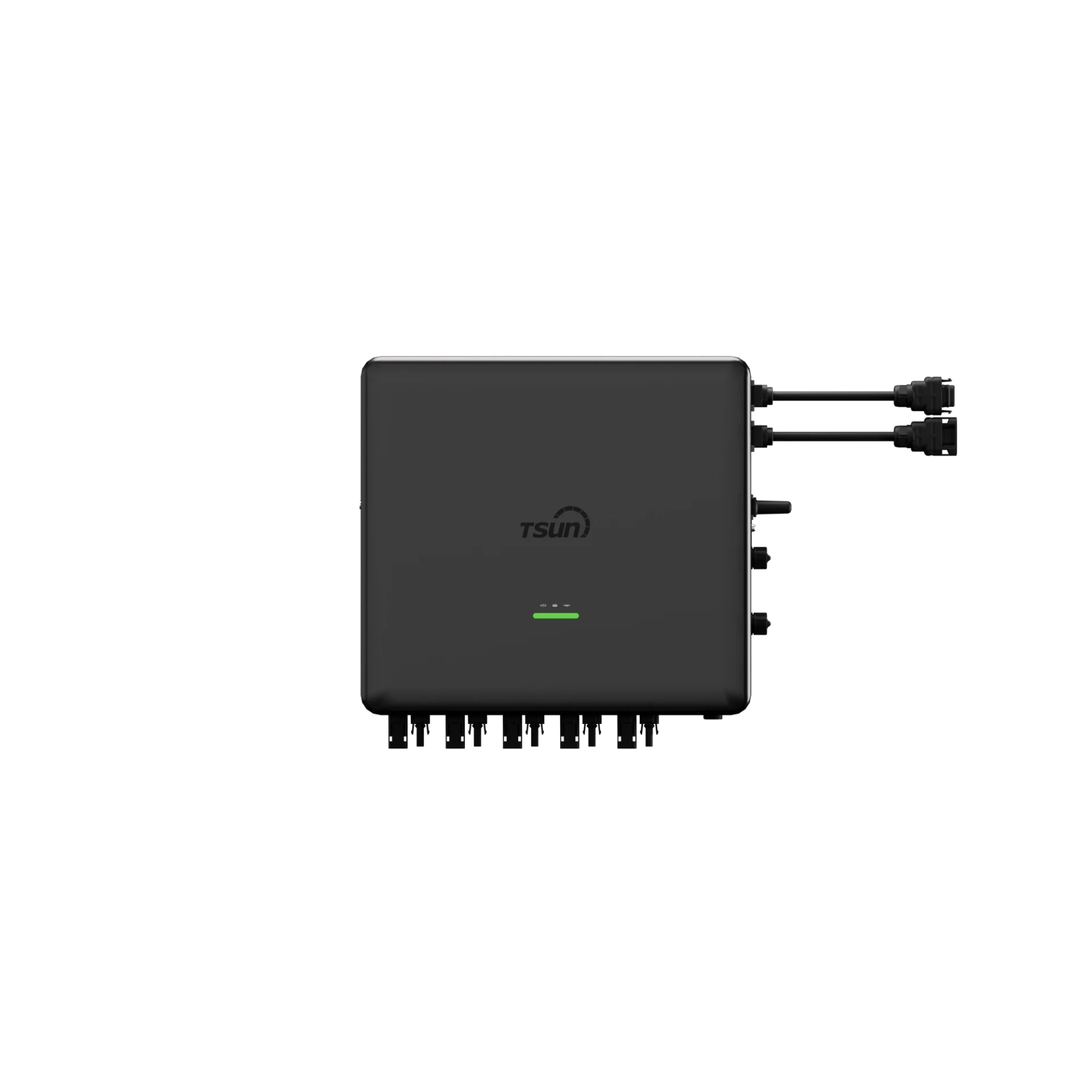
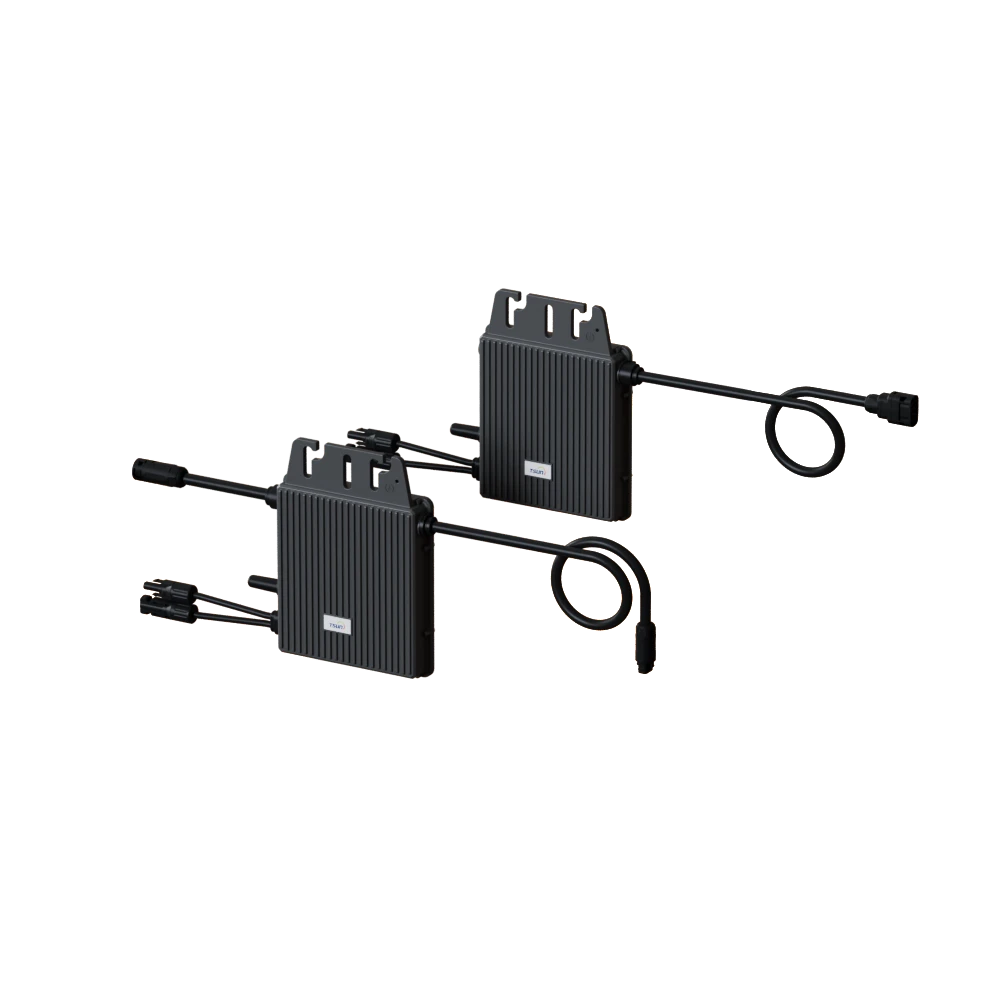
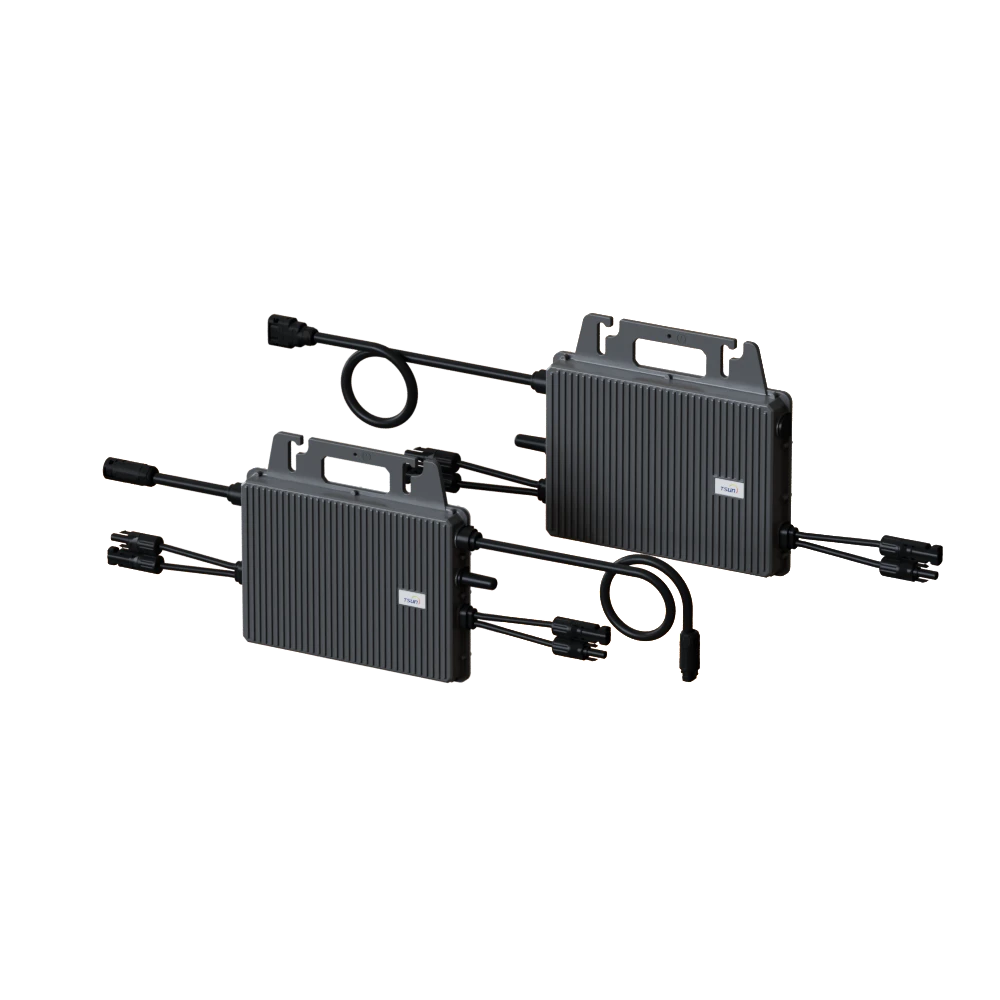
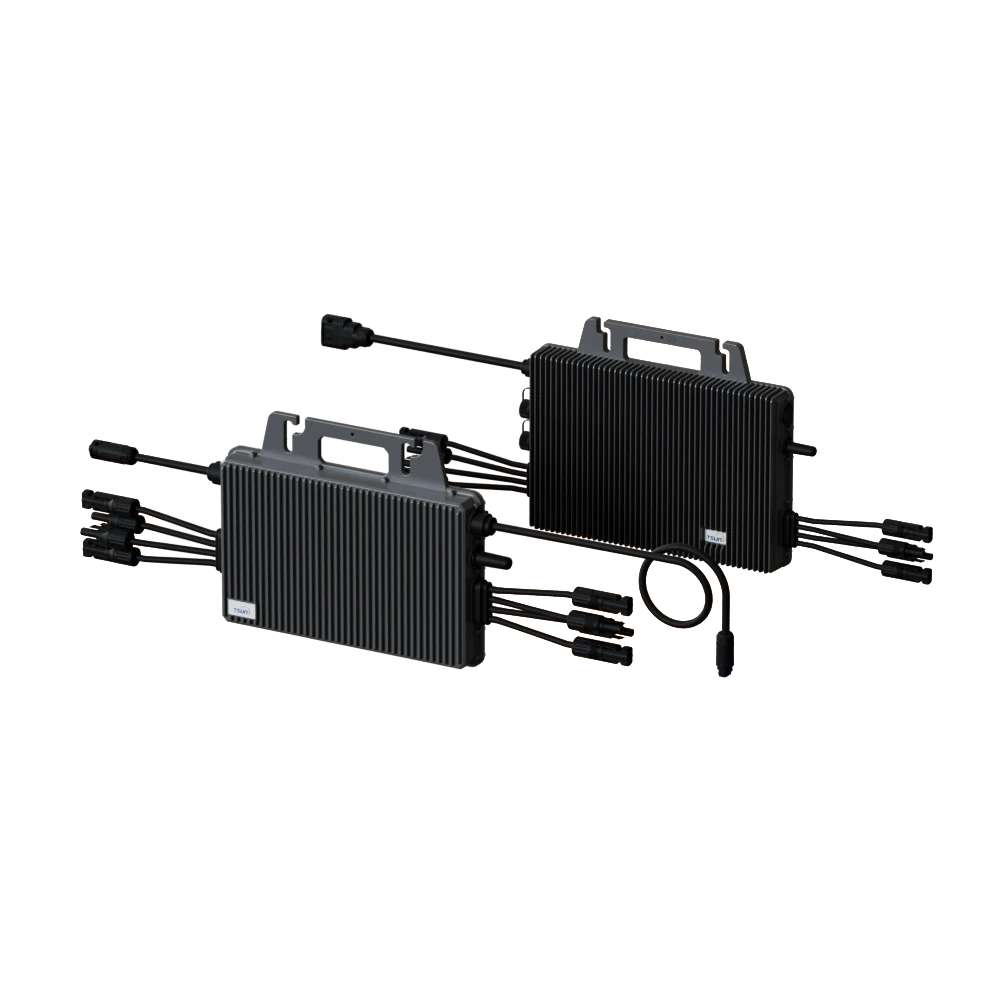
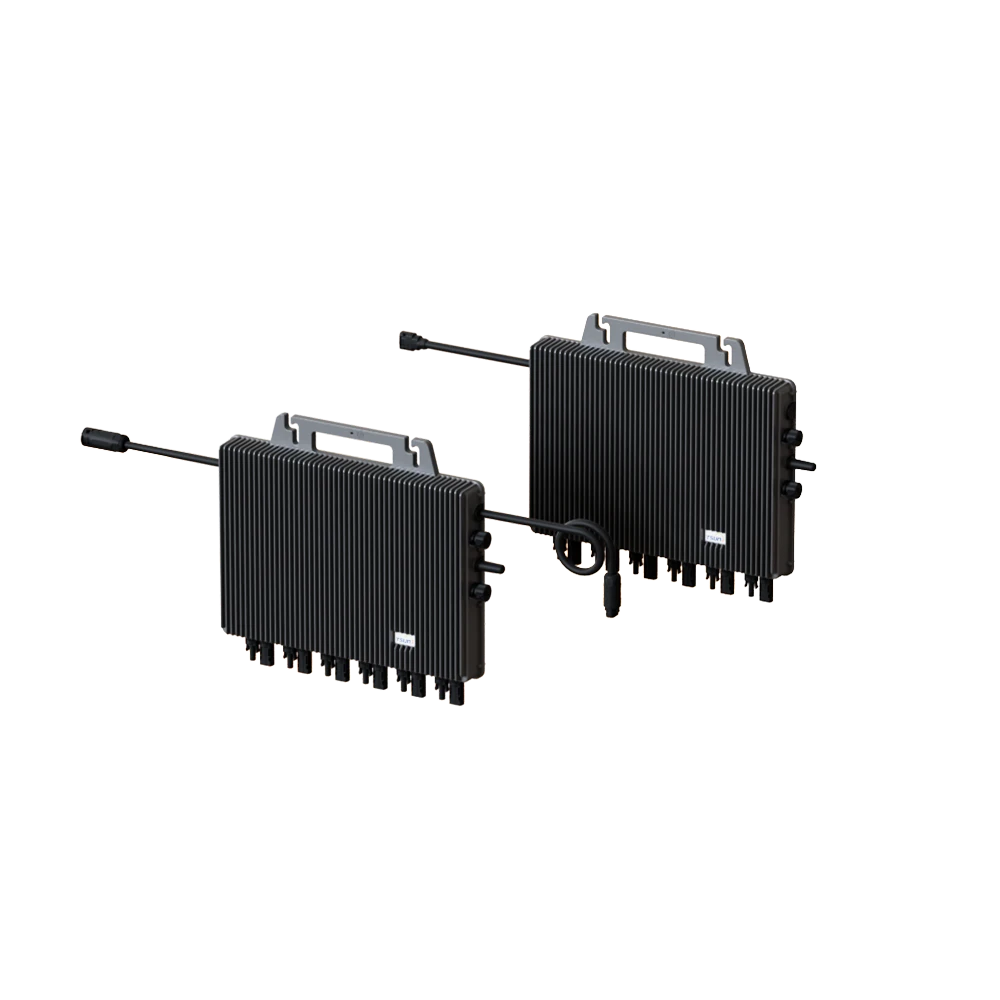
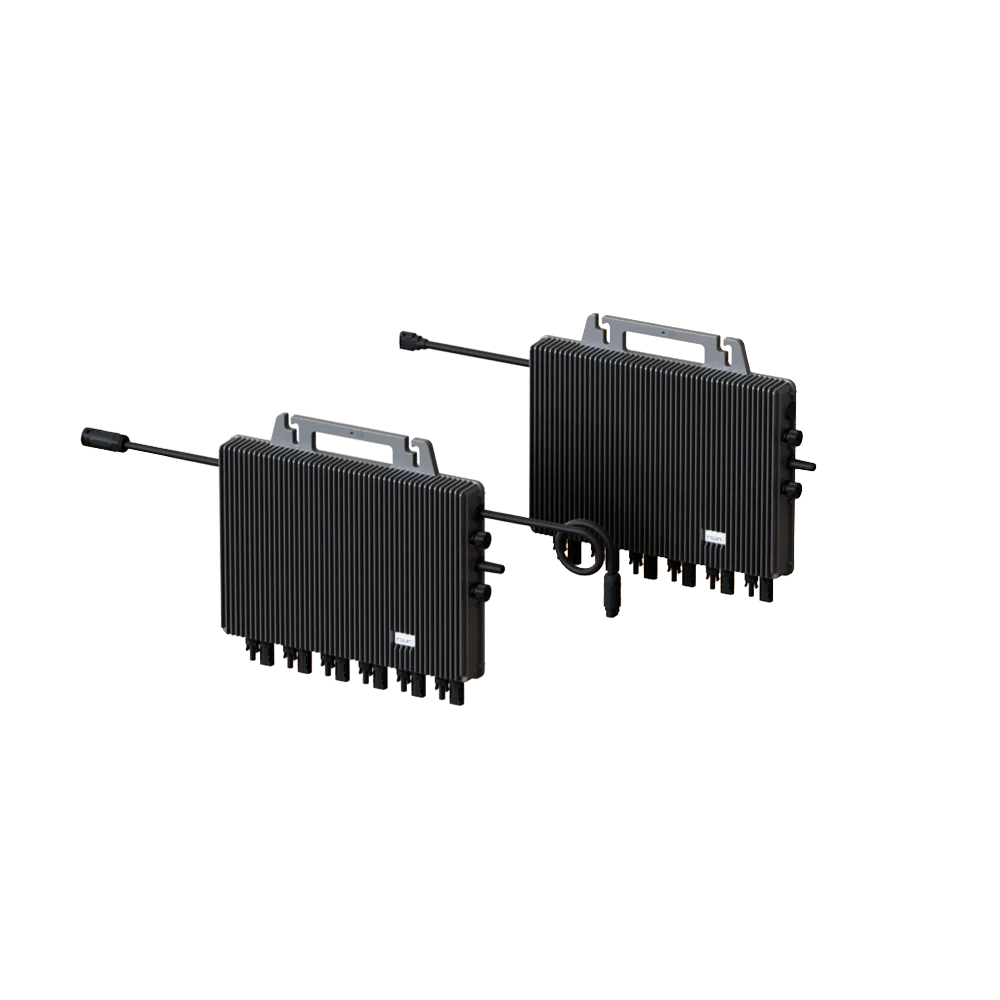
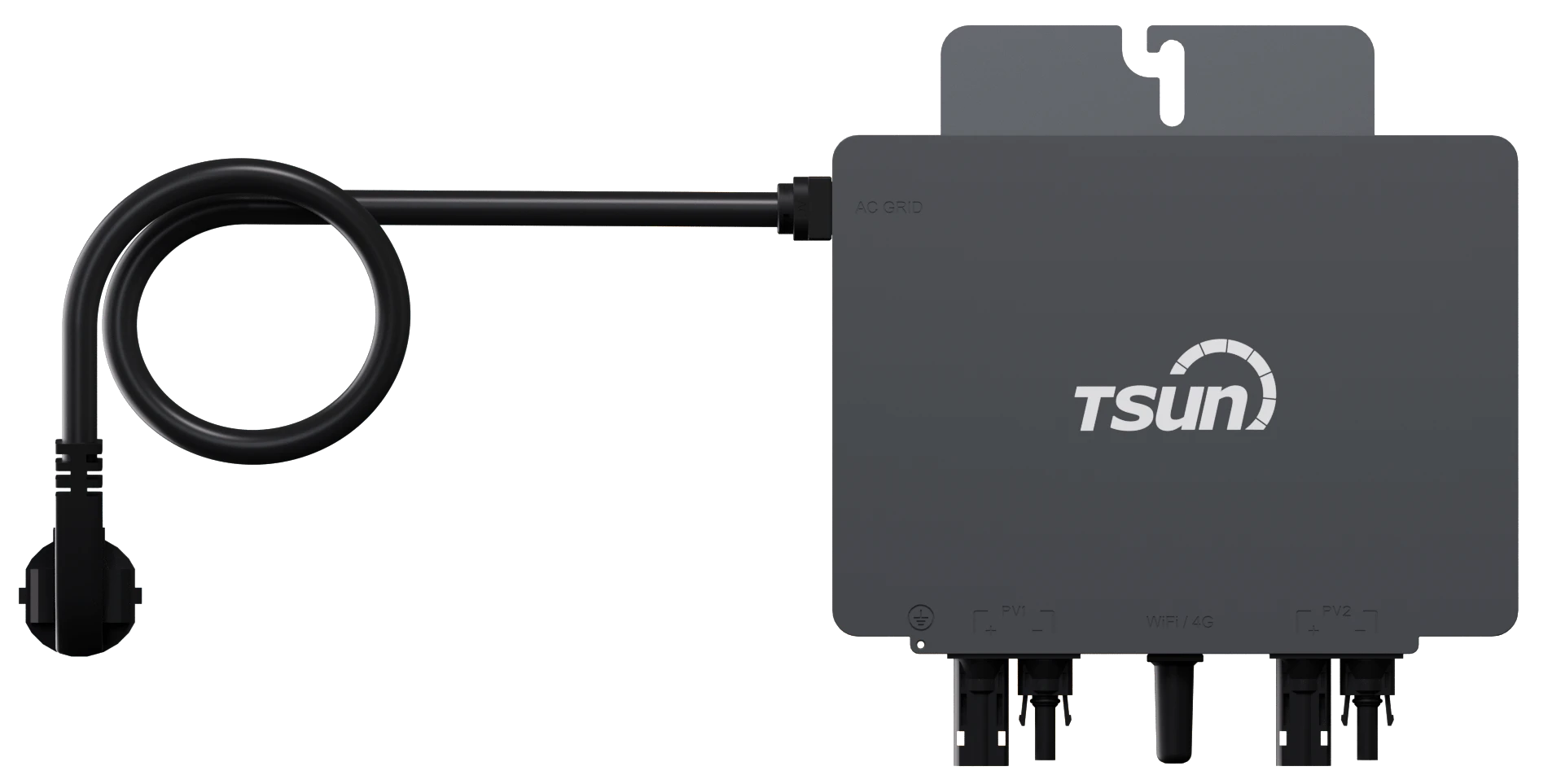
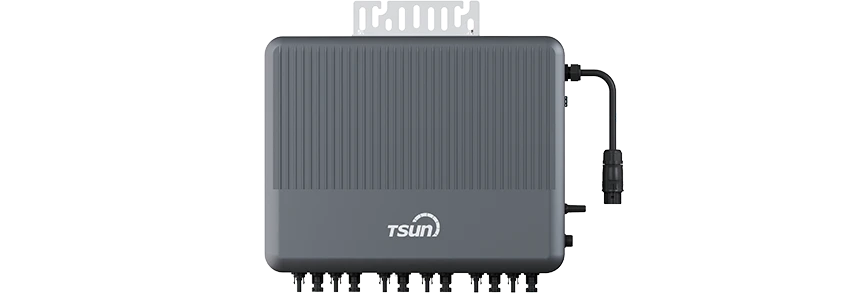
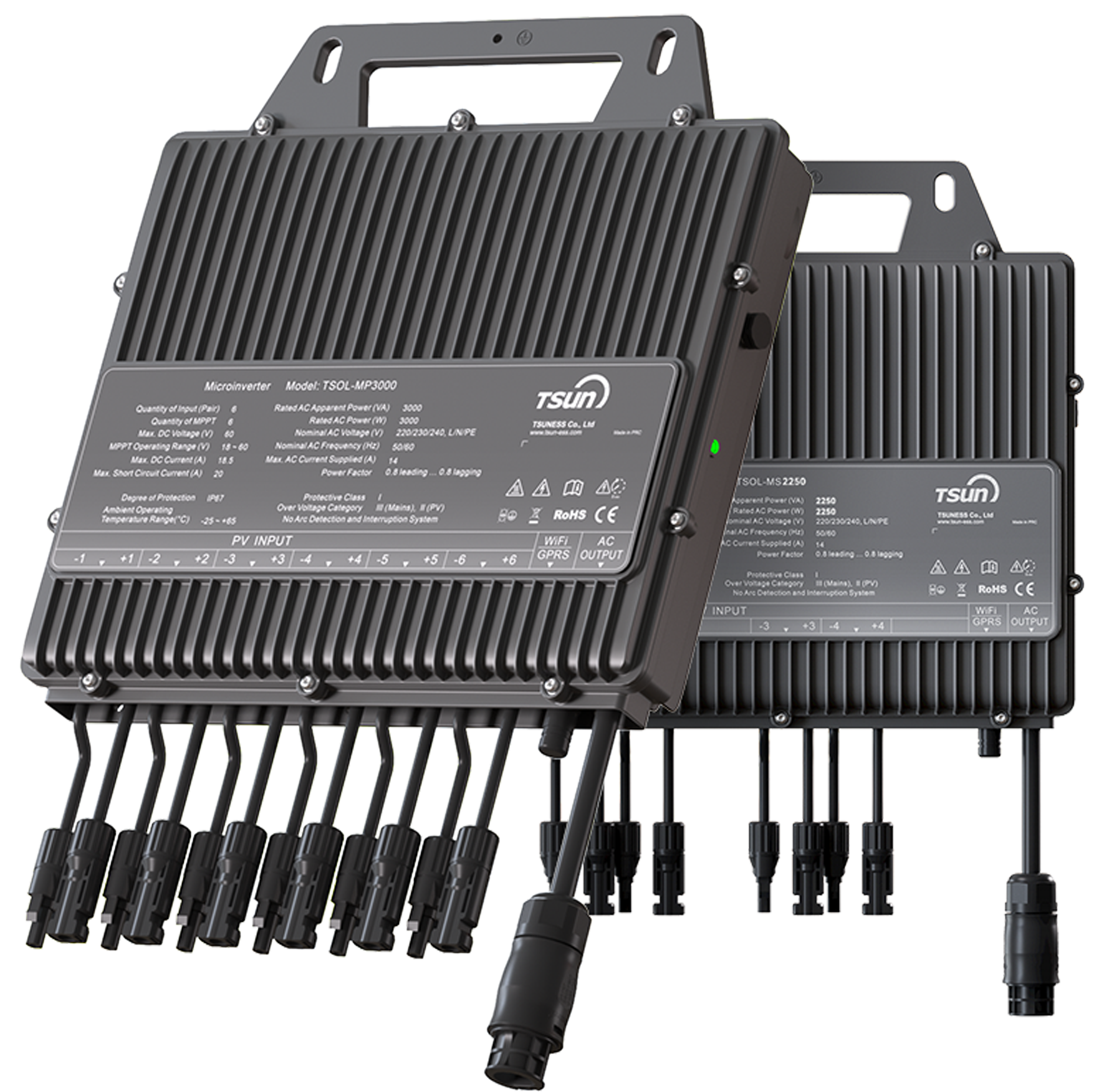
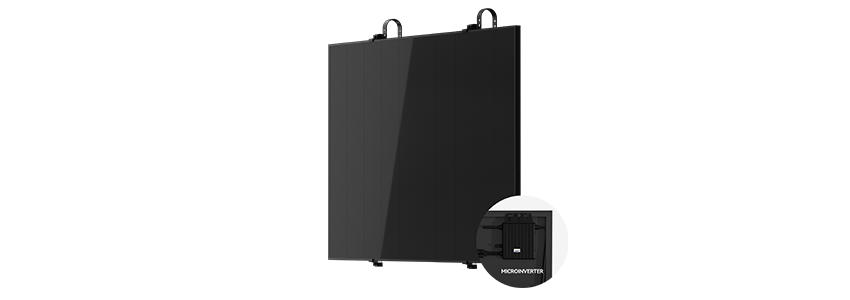
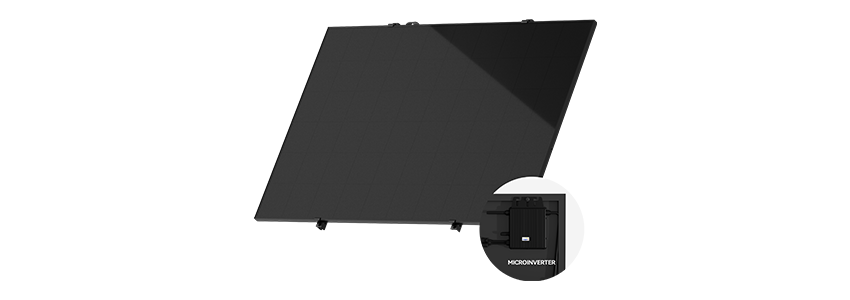
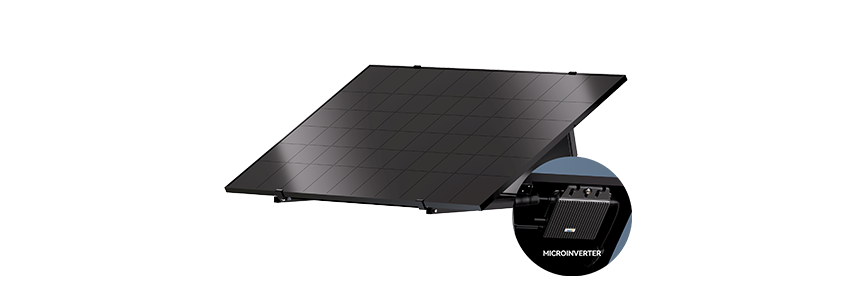
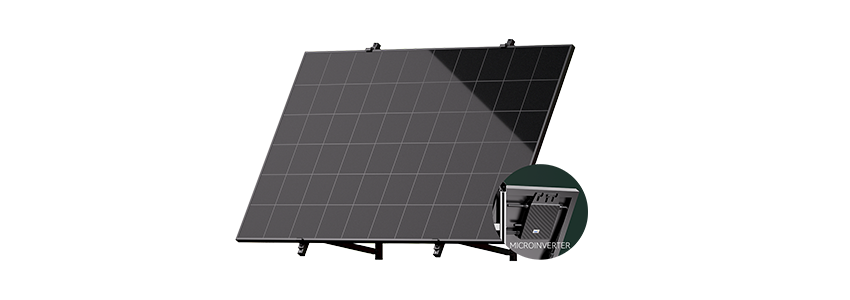
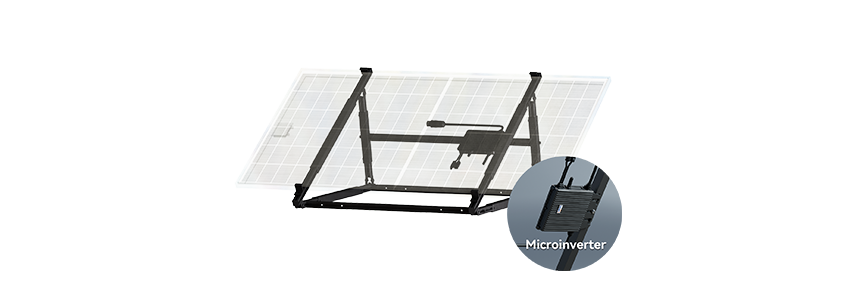
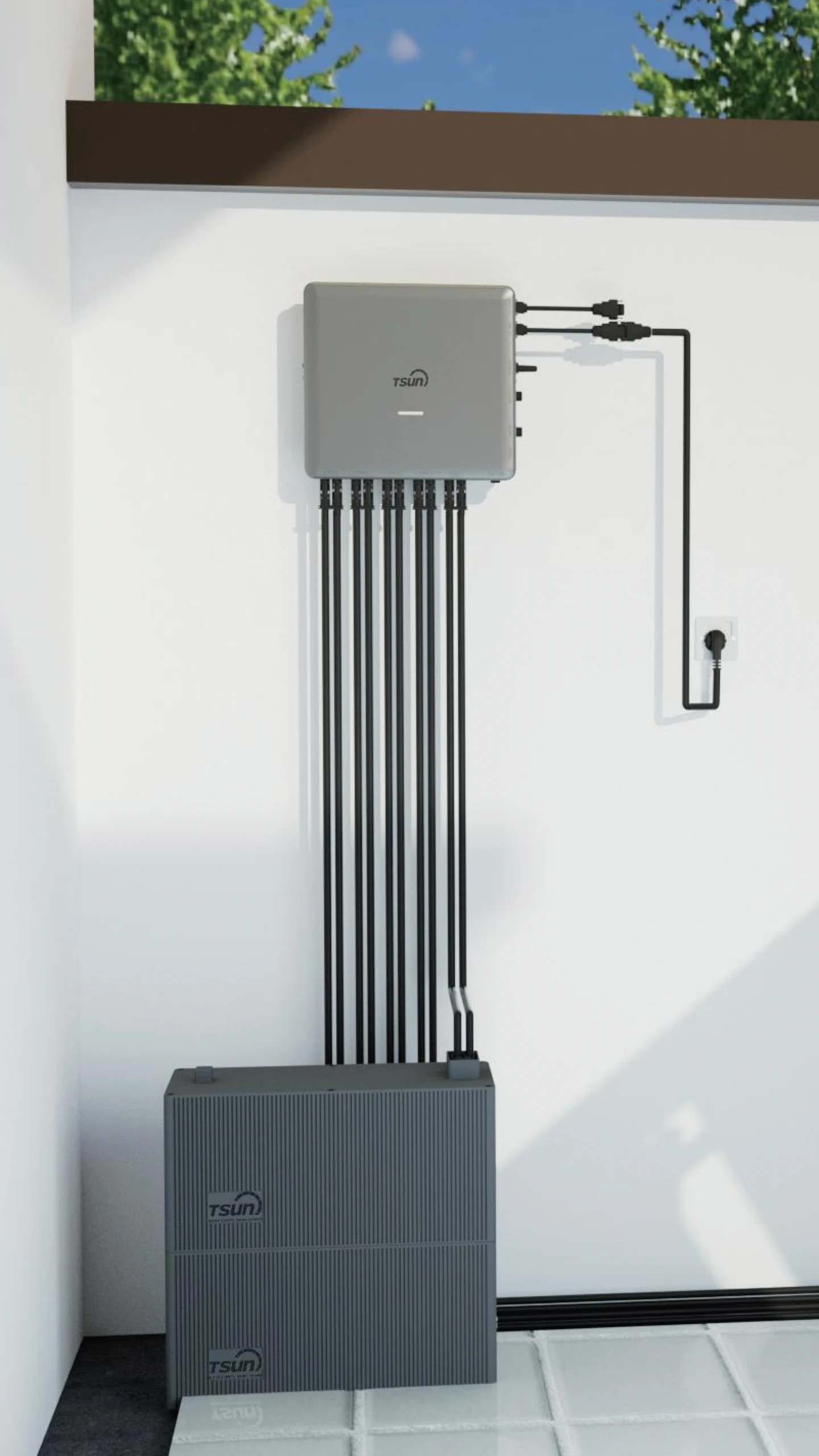
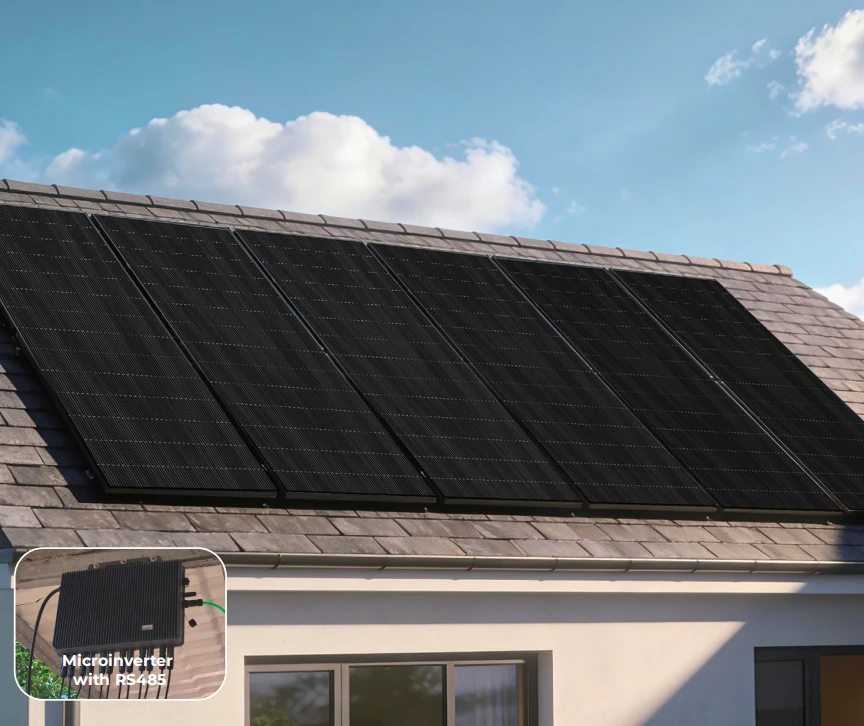
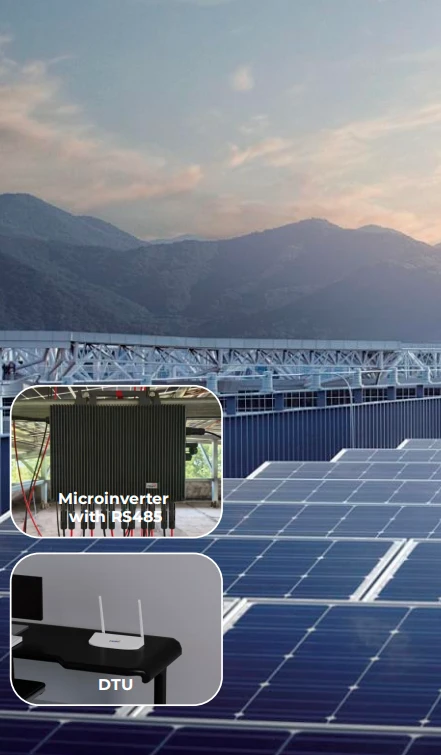
So, what exactly is a microinverter? Well, in real terms, it’s a small device attached to each solar panel that converts direct current (DC) generated by that single panel into alternating current (AC), usable by your home or fed into the grid. This decentralized approach contrasts with the traditional use of a single string inverter handling dozens of panels at once.
Why does this matter? From my experience, it often boils down to efficiency and reliability. In a string system, shading or a dirty panel can pull down the performance of the entire array. With microinverters, each panel operates independently. I recall a recent project where half the rooftop was shaded midday by a couple of pines — the microinverters kept the sunny panels running at full tilt without hitch. That flexibility is, frankly, a game changer in unpredictable environments.
On the design front, advances in semiconductor materials and power electronics have made microinverters much more resilient and compact than they used to be. Many engineers I know emphasize the importance of thermal management here; overheating leads to premature failures. Modern units typically incorporate aluminum housings with heat sinks and conformal coatings, ensuring durability outdoors for 20+ years. I noticed that well-designed microinverters have multiple monitoring capabilities built in, including module-level power electronics diagnostics — big plus for ongoing maintenance and optimizing system performance.
It’s worth highlighting that microinverters tend to be slightly more expensive upfront compared to string inverters, which sometimes raises eyebrows. But long-term, the reduced downtime and improved energy harvest often justify that cost, especially for residential or complex roof setups where shading or panel orientation varies. Oddly enough, once you embrace this kind of system, it feels more modular and serviceable, like swapping a broken laptop part rather than replacing the entire motherboard.
Typical Microinverter Specifications
| Specification |
Details |
| AC Output Power |
250W - 300W per panel |
| Peak Efficiency |
>96% |
| Input Voltage Range |
22V to 60V DC |
| Operating Temperature |
-40°C to +65°C |
| Communication Interface |
PLC, ZigBee, or Wi-Fi |
| Warranty Period |
10-25 years |
Now, as for choosing a vendor, the landscape can be a bit overwhelming. Here’s a quick snapshot comparing some well-known suppliers, based on factors like efficiency, warranty, and support responsiveness — all key criteria I’ve come to trust over many projects.
Microinverter Vendor Comparison
| Vendor |
Peak Efficiency |
Warranty |
Support Quality |
| TSUN ESS |
>97% |
25 years |
Highly Responsive |
| Enphase |
96.5% |
25 years |
Strong Global Network |
| APsystems |
96% |
10 years |
Good |
One story I often share with younger engineers is about a local homeowner dealing with uneven roof pitches and multiple shading spots. When we installed a microinverter system—yes, from the solar PV microinverter lineup—their energy output increased by nearly 15% compared to their old setup. It wasn’t magic, just the right equipment in the right place, monitored properly. Plus, the modular setup let them expand the system easily later on without tearing it all up.
All in all, if you’re in the market for a durable, scalable, and efficient microinverter solution, these devices deserve your attention—especially from trusted suppliers who back their products well. I suppose the takeaway is: investing wisely here pays off, both in energy terms and peace of mind.
References:
1. “Microinverters vs String Inverters,” National Renewable Energy Laboratory.
2. TSUN ESS Product Datasheets and Technical Reviews.
3. Industry case studies on microinverter installation and performance.



 LEARN DETAILS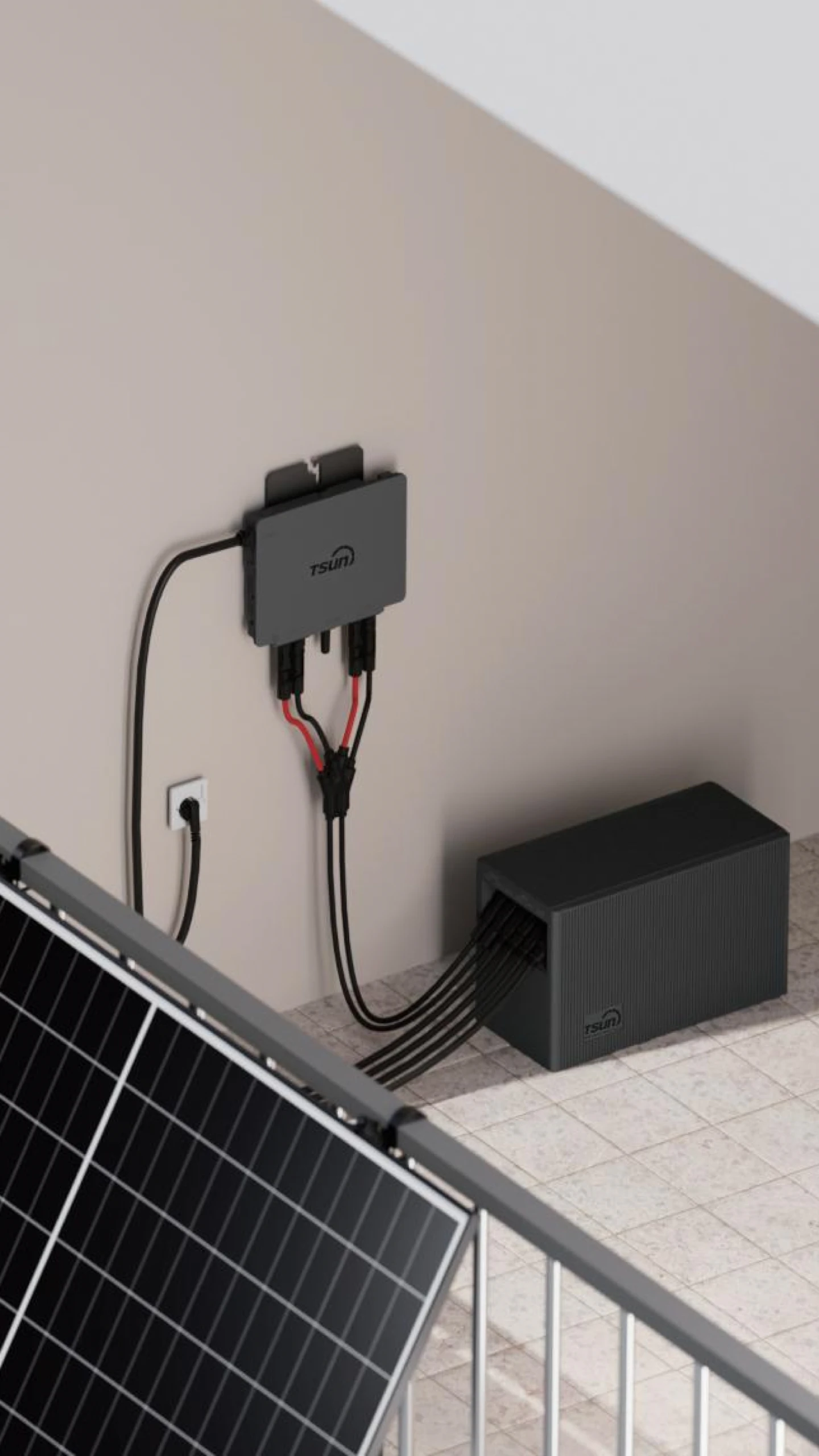
 Downloads
 Video Center
 Report Fault for Repair
 FAQS
FAQS Service Network
 Privacy Policy
 Contact Us
 Monitoring


 LEARN MORE