Having spent over a decade in the industrial equipment sector, I’ve seen first-hand how solar technology has evolved — and how cost factors seem to be the perennial question. The microinverter, that nifty piece of kit changing the solar game, often draws curiosity, especially when it comes to pricing. Frankly, I suppose it’s because at first glance, microinverters look more complicated than traditional inverters, which leads many to wonder: “Why does this cost what it does?”
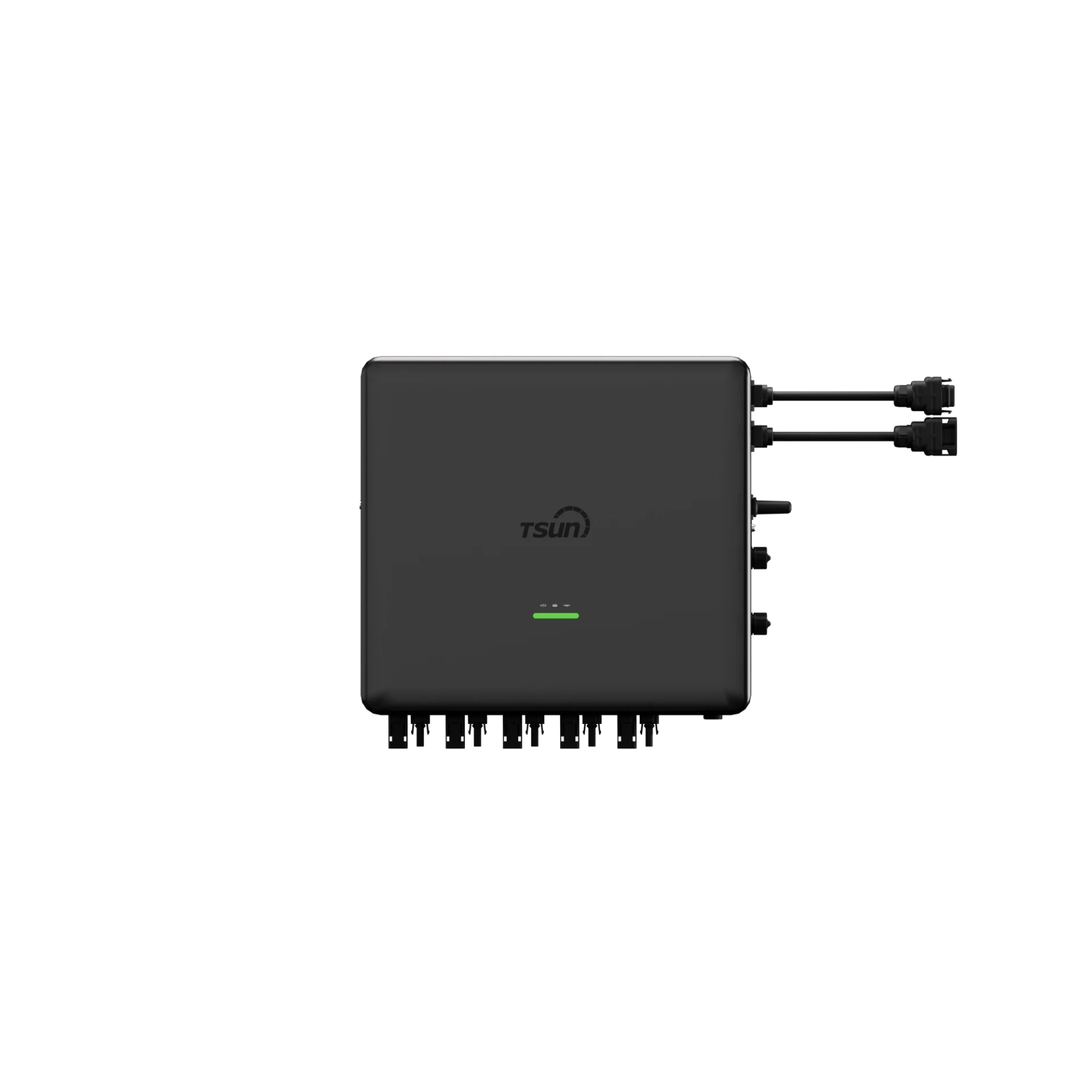
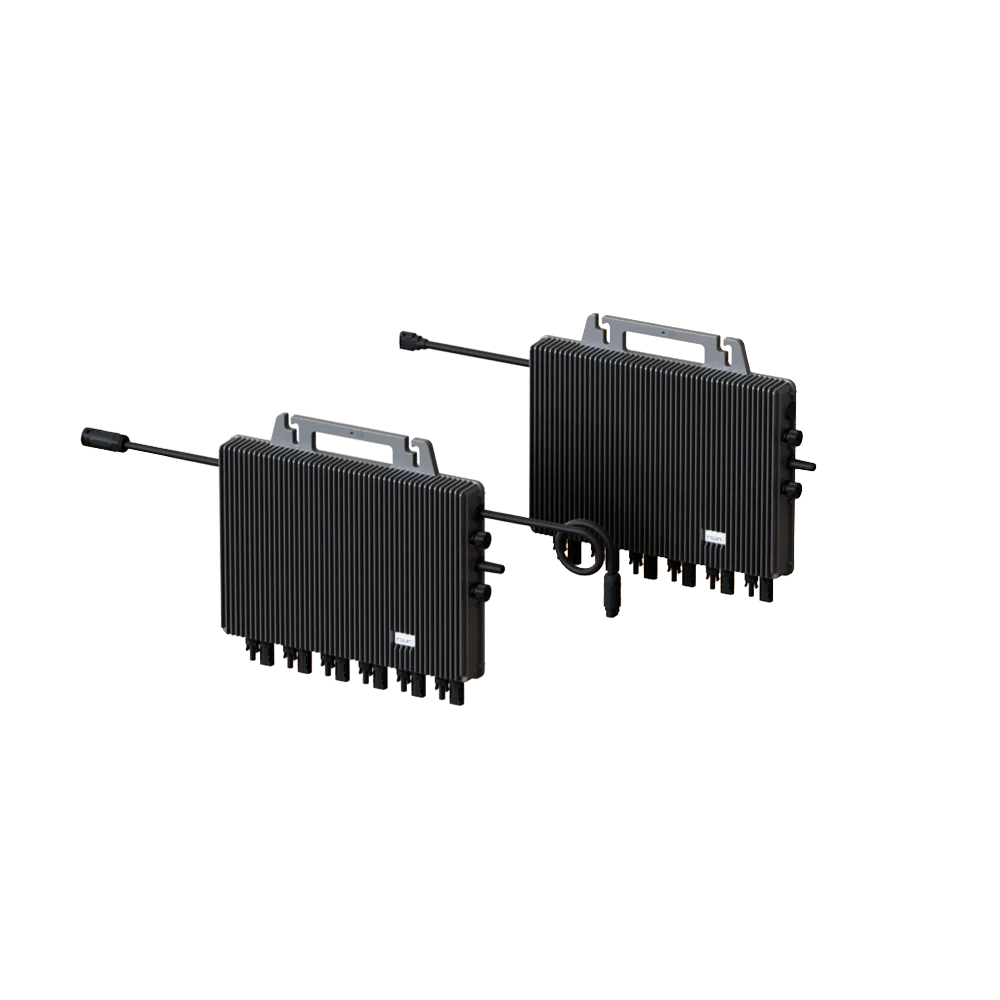
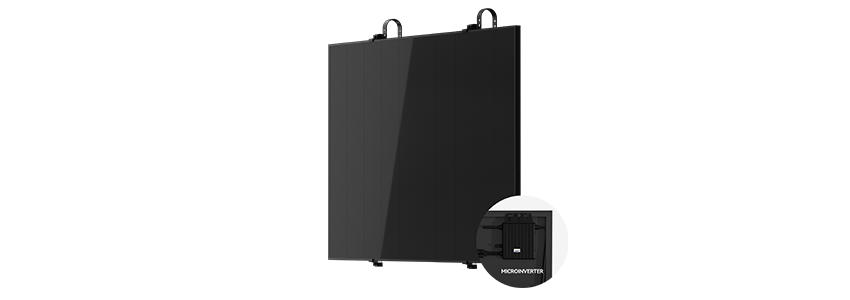
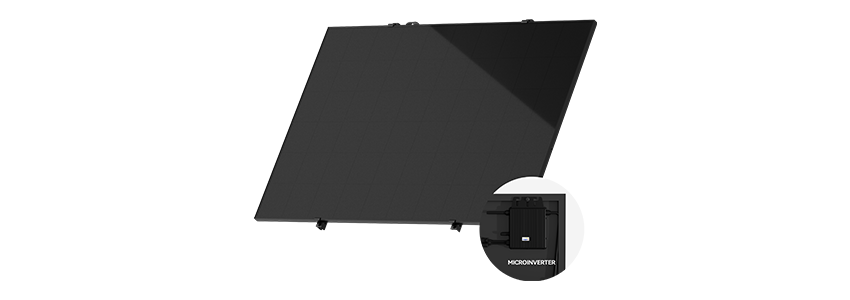
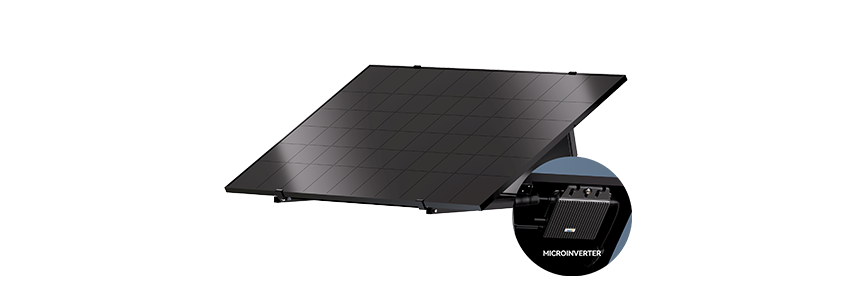
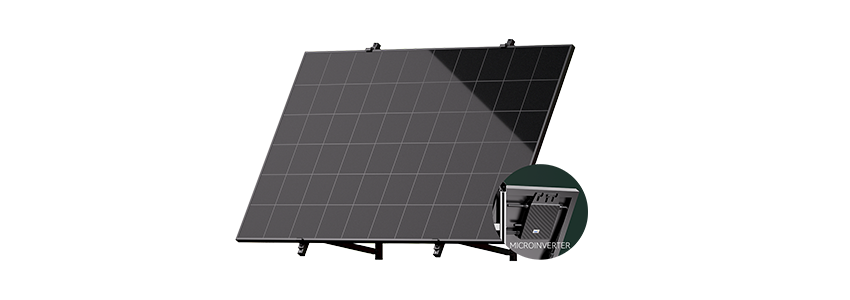
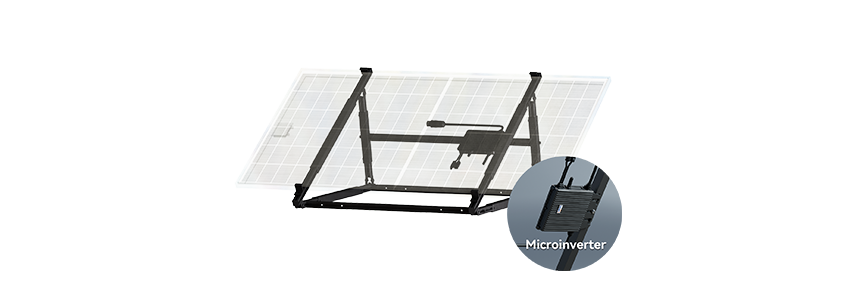
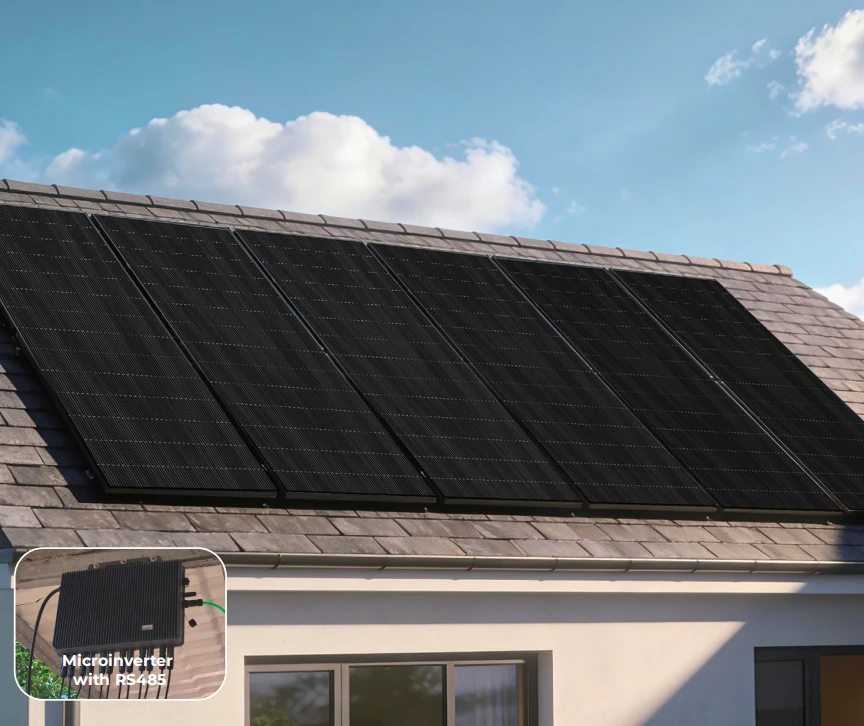
In real terms, microinverters are tiny power optimizers attached to each solar panel, converting DC to AC right at the panel level. This decentralization means better energy harvest (especially if shading or debris is an issue on some panels) and easier system monitoring. However, they do carry a price premium compared to string inverters — and that’s what keeps this conversation intriguing.
Oddly enough, when I first ran a project using microinverters, the initial investment was noticeably higher. But what made me a believer was the long-term reliability and the subtle gains in output that you don’t always catch on the first glance. Also, installation costs can differ. Since microinverters are mounted behind panels, the wiring is typically simpler, but you spend more time per panel installing electronics.
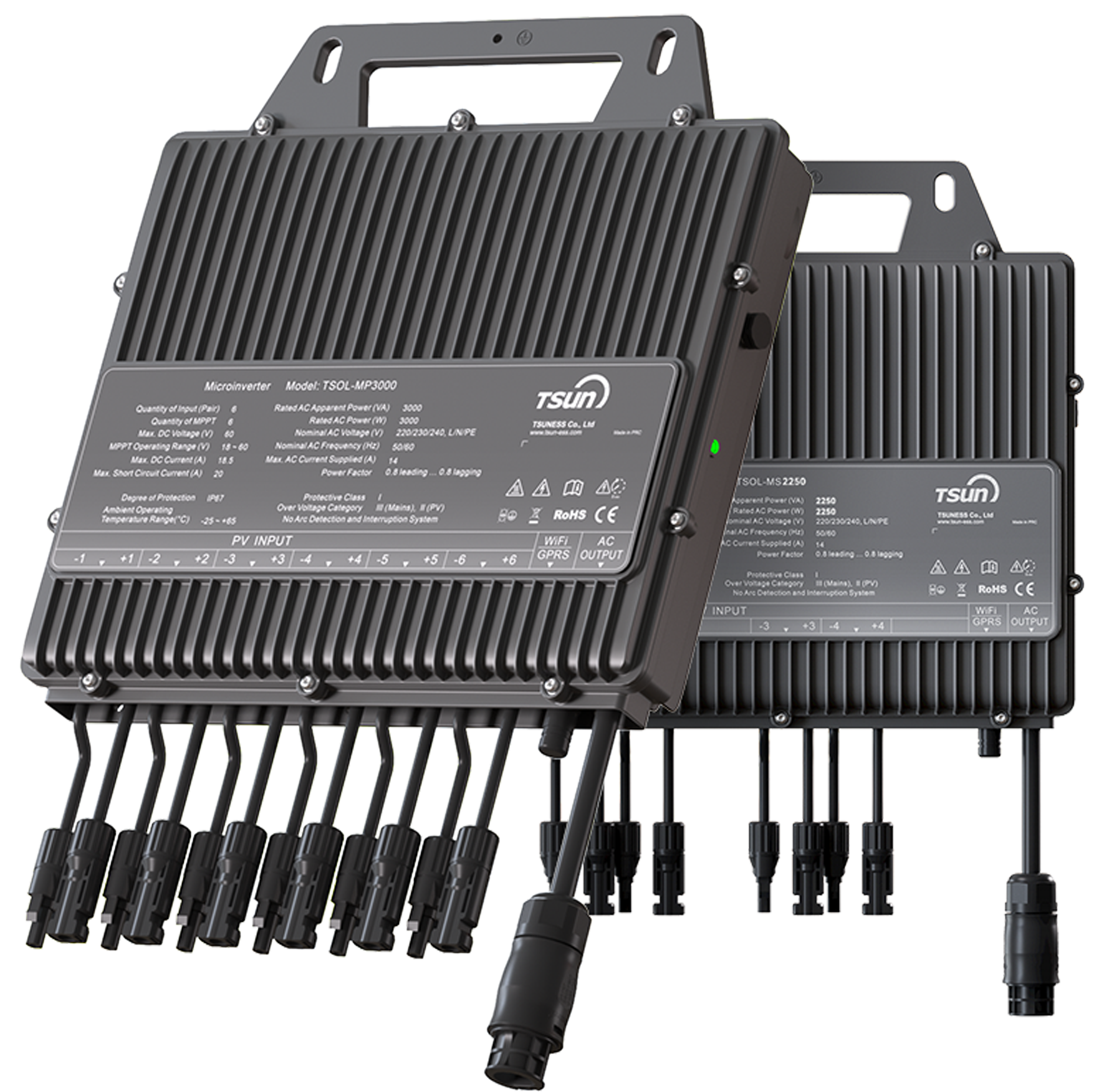
Key Product Specifications for Typical Microinverters
| Specification |
Typical Range / Value |
| Power Output per Microinverter |
250W - 350W |
| Efficiency |
95% - 97.5% |
| Operating Voltage Range |
22 V - 60 V DC |
| Warranty |
10 - 25 Years |
| Price per Unit (Approx.) |
$120 - $220 |
One thing that’s often overlooked is the quality of testing and certification. Many manufacturers put microinverters through rigorous thermal, vibration, and dust ingress tests — well beyond minimum industry standards. This means less equipment failure, fewer service calls, and frankly, a steadier ROI over the years.
Comparing Leading Microinverter Vendors
| Vendor |
Price Range (per unit) |
Warranty |
Notable Feature |
| Tsun ESS |
$140 - $180 |
25 Years |
Simple plug-and-play design |
| Enphase |
$180 - $220 |
25 Years |
Highly integrated monitoring system |
| APsystems |
$120 - $160 |
10 Years |
Multi-module inverters per unit |
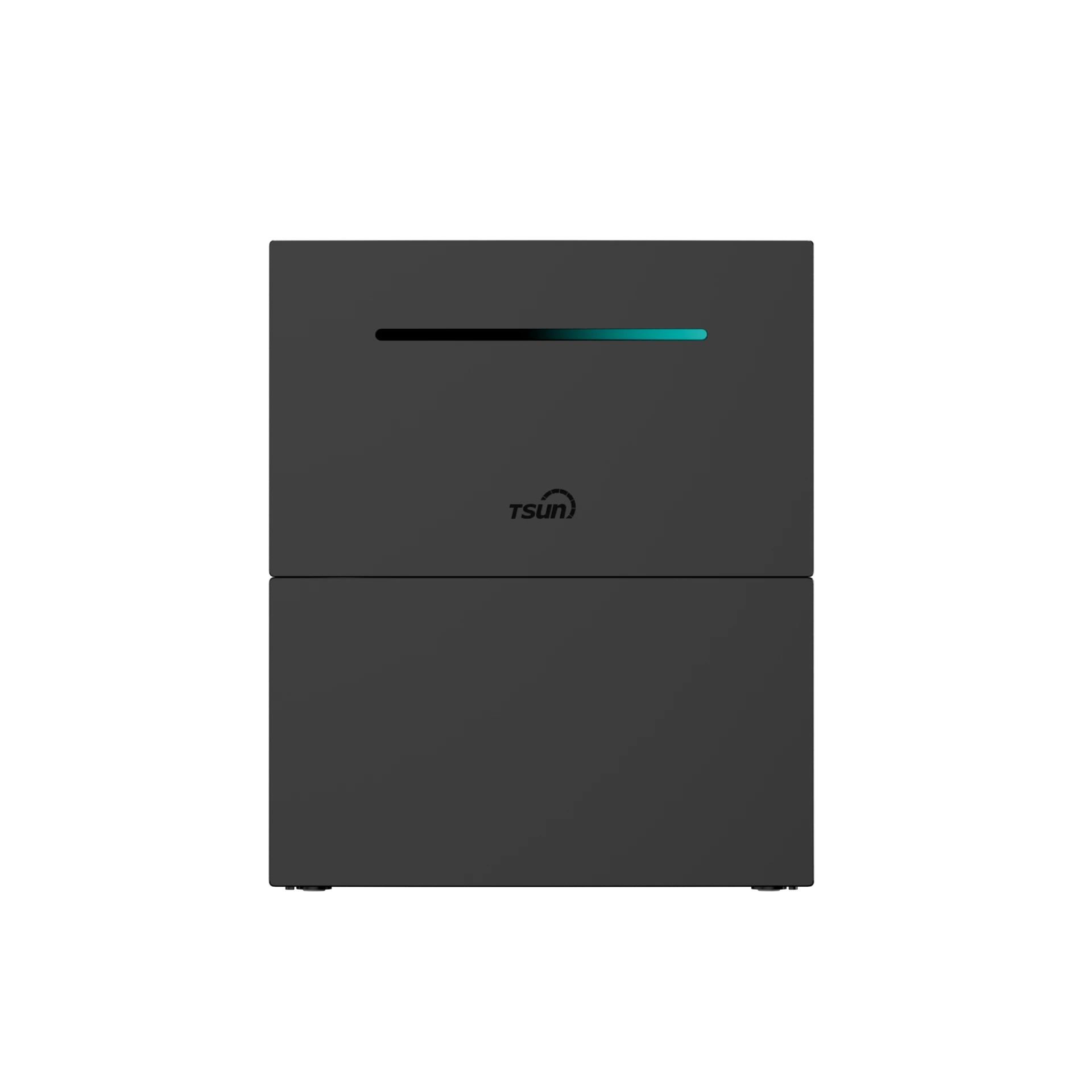
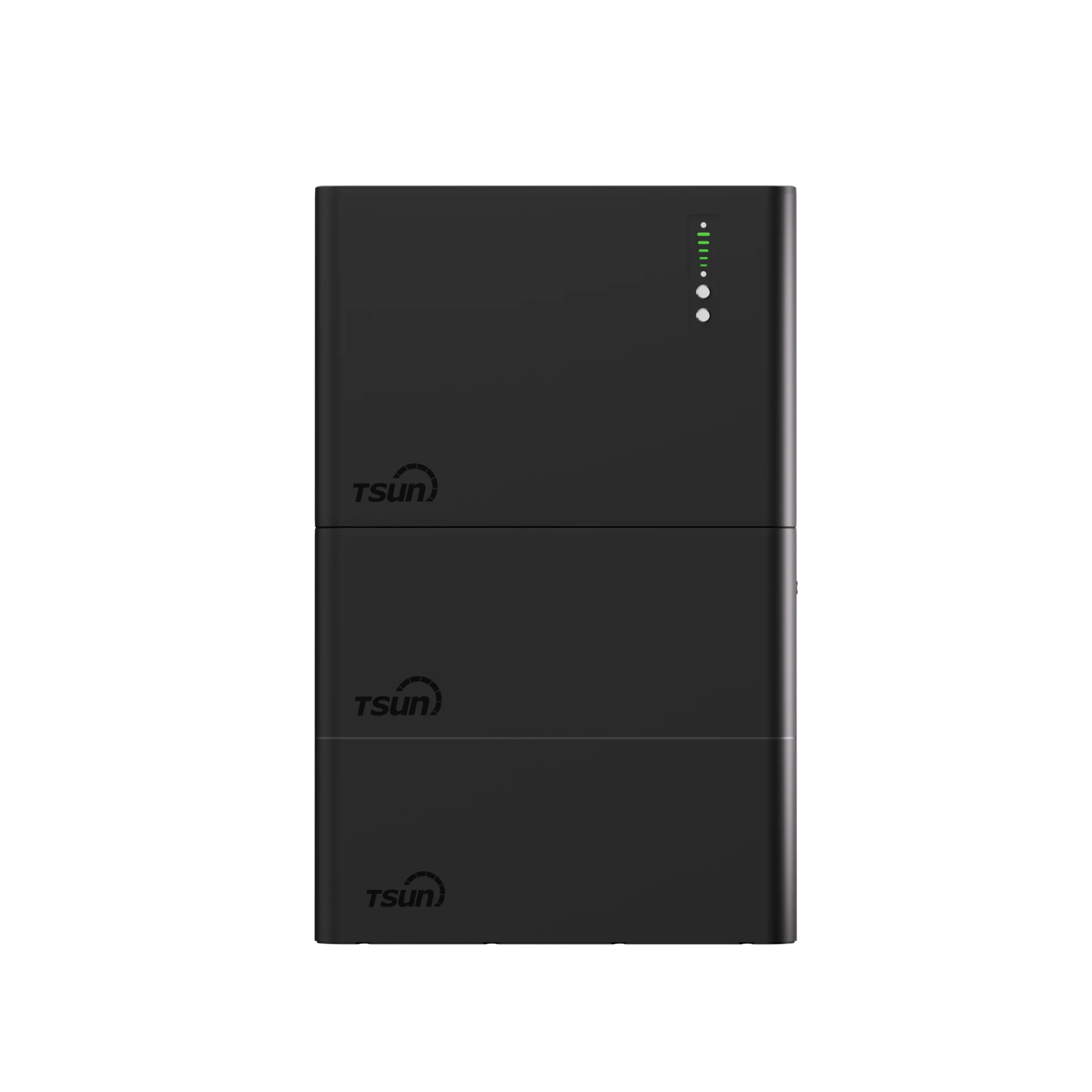
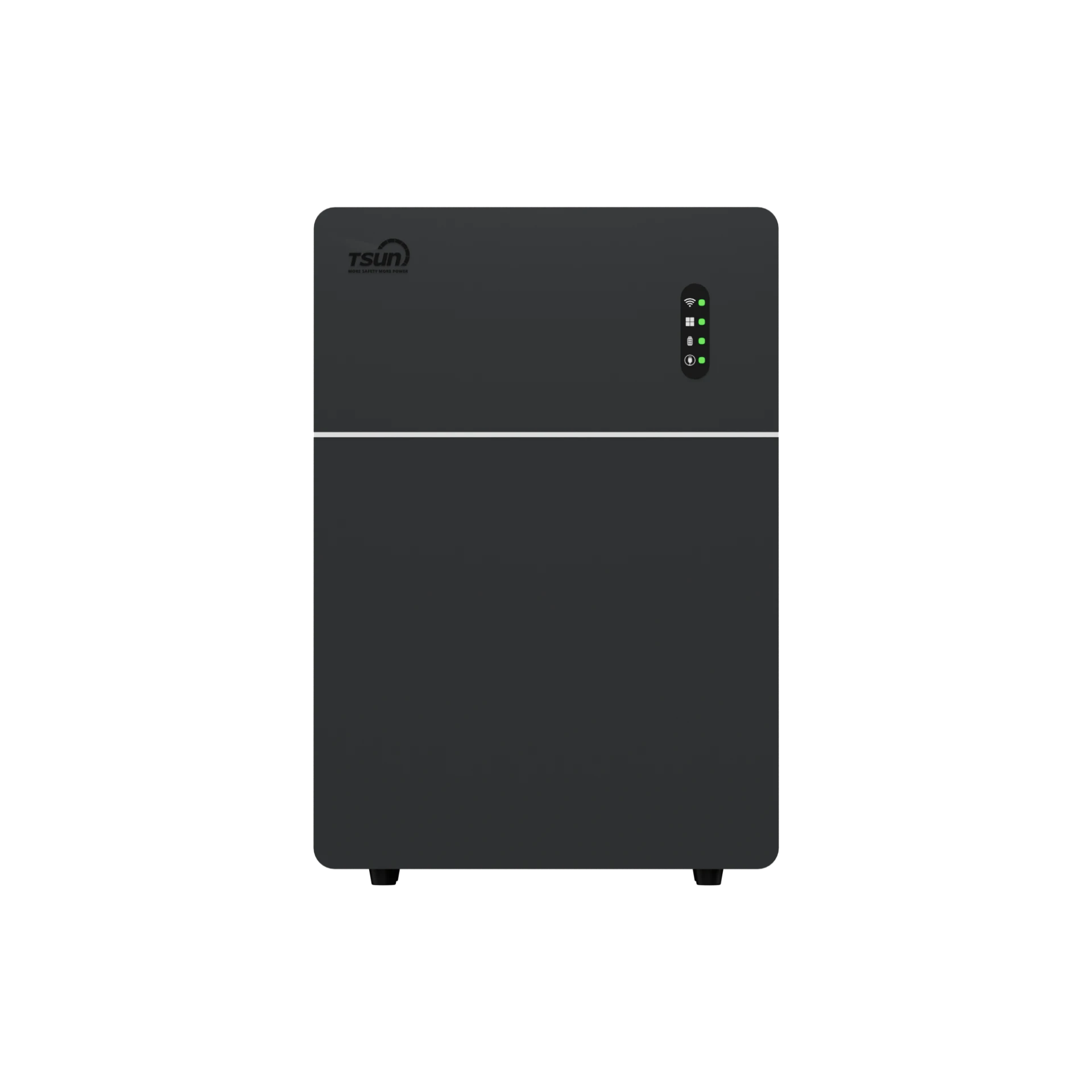
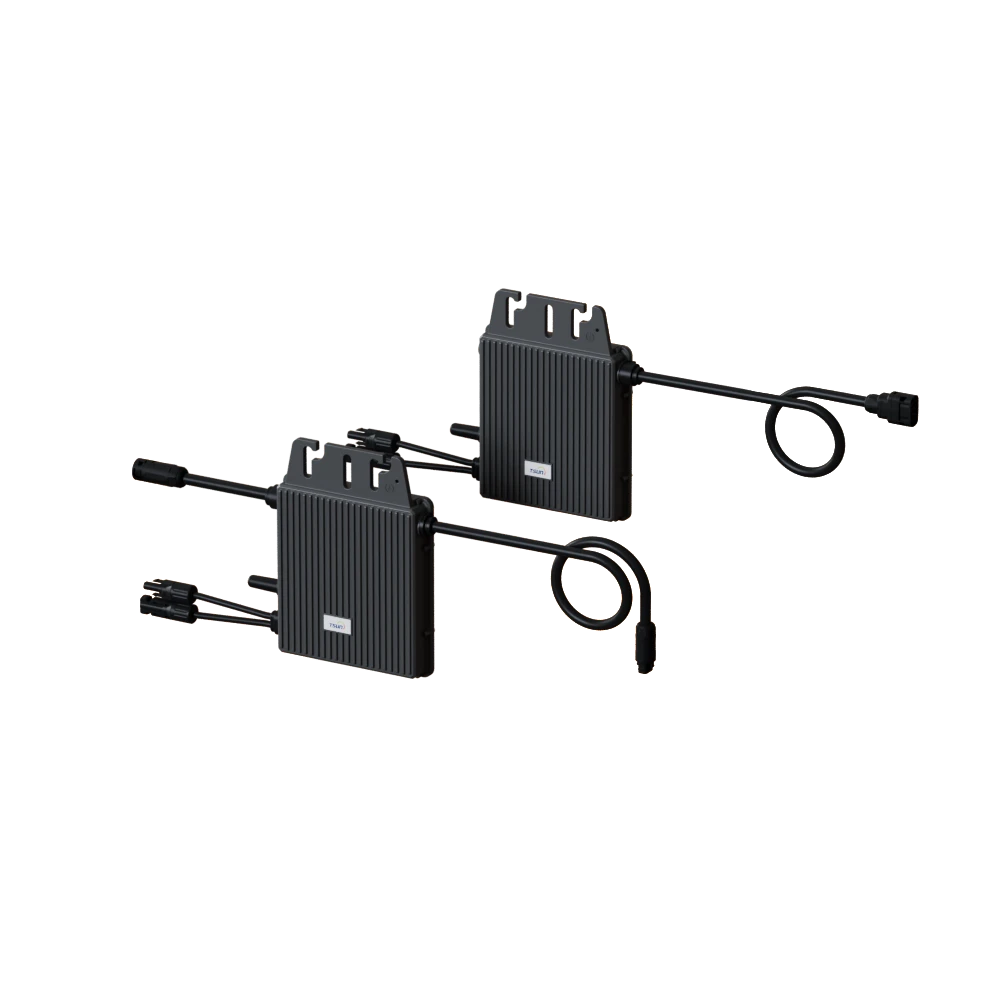
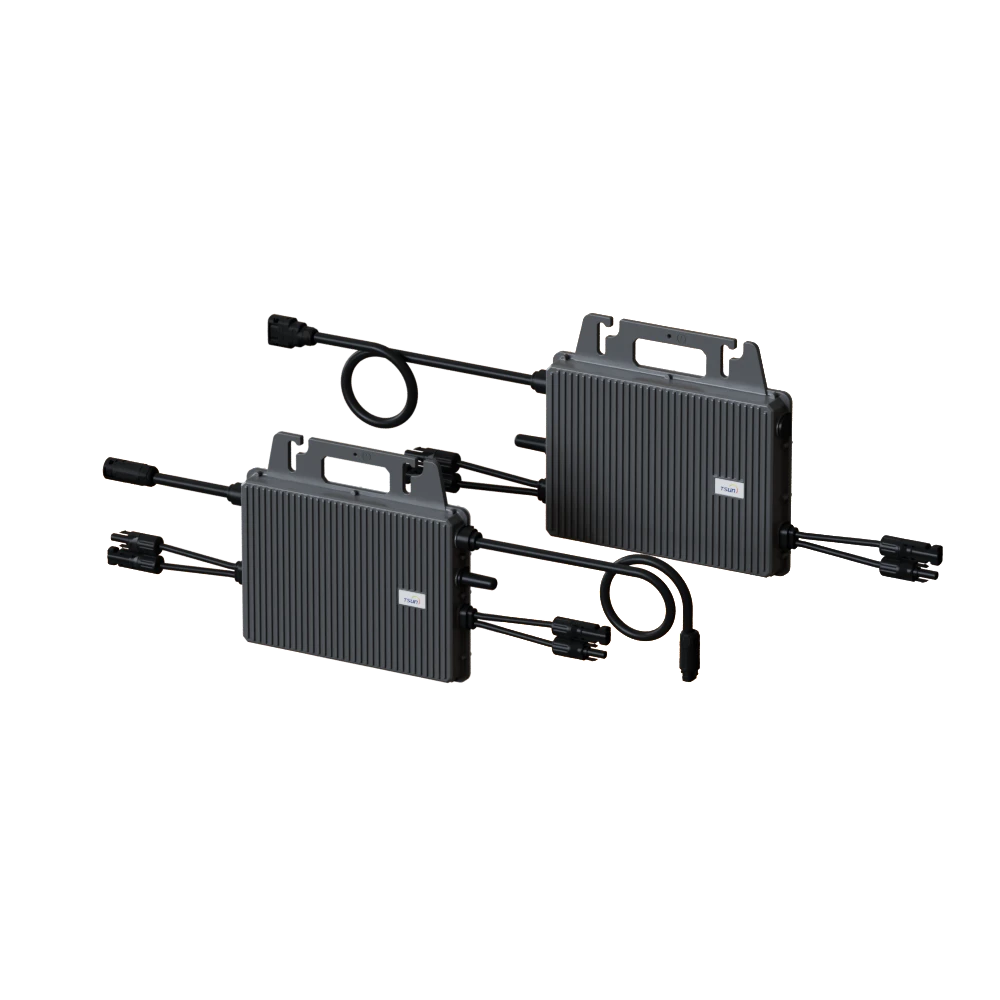
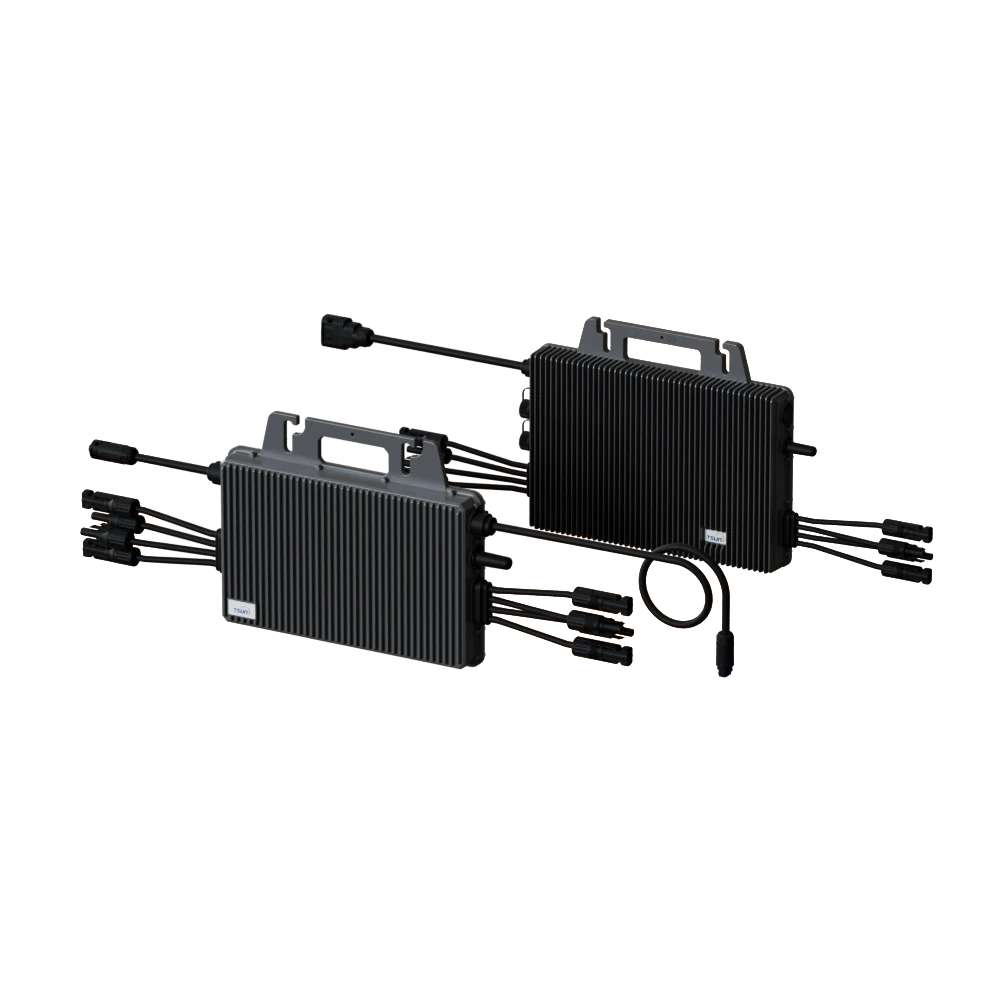
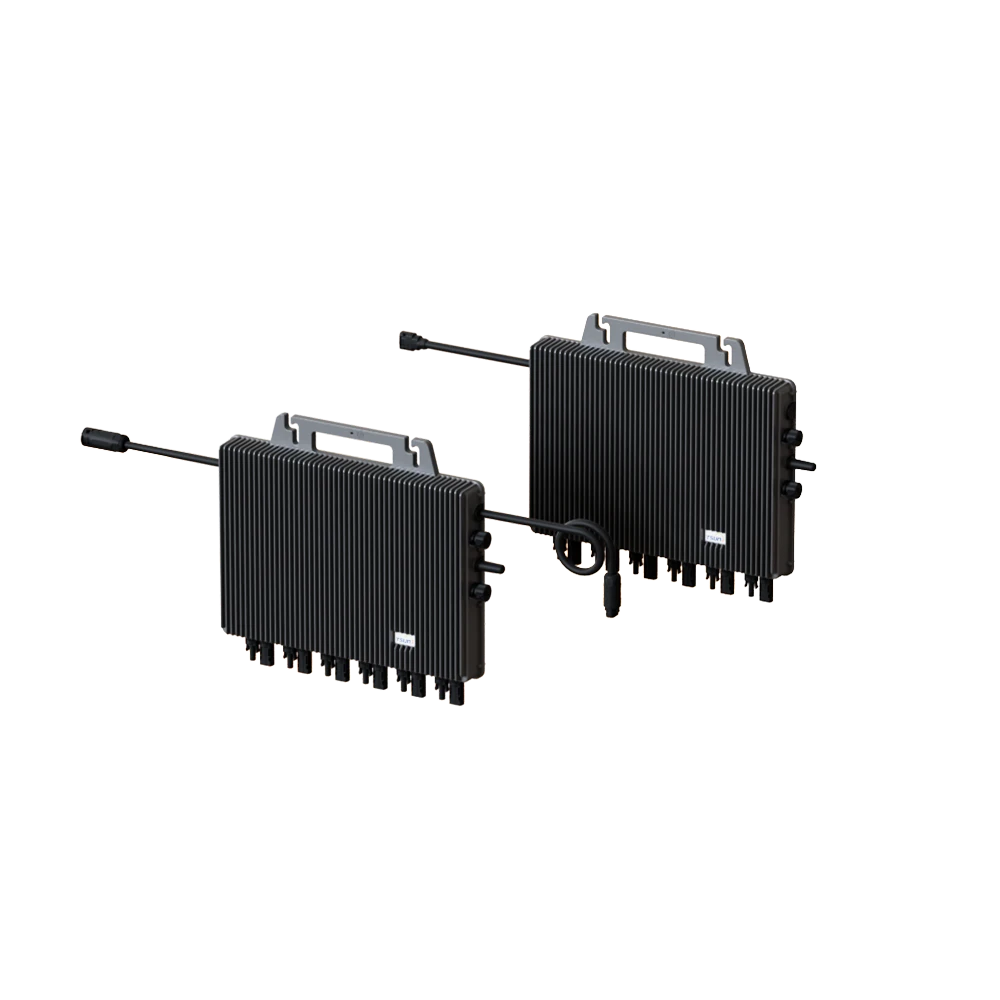
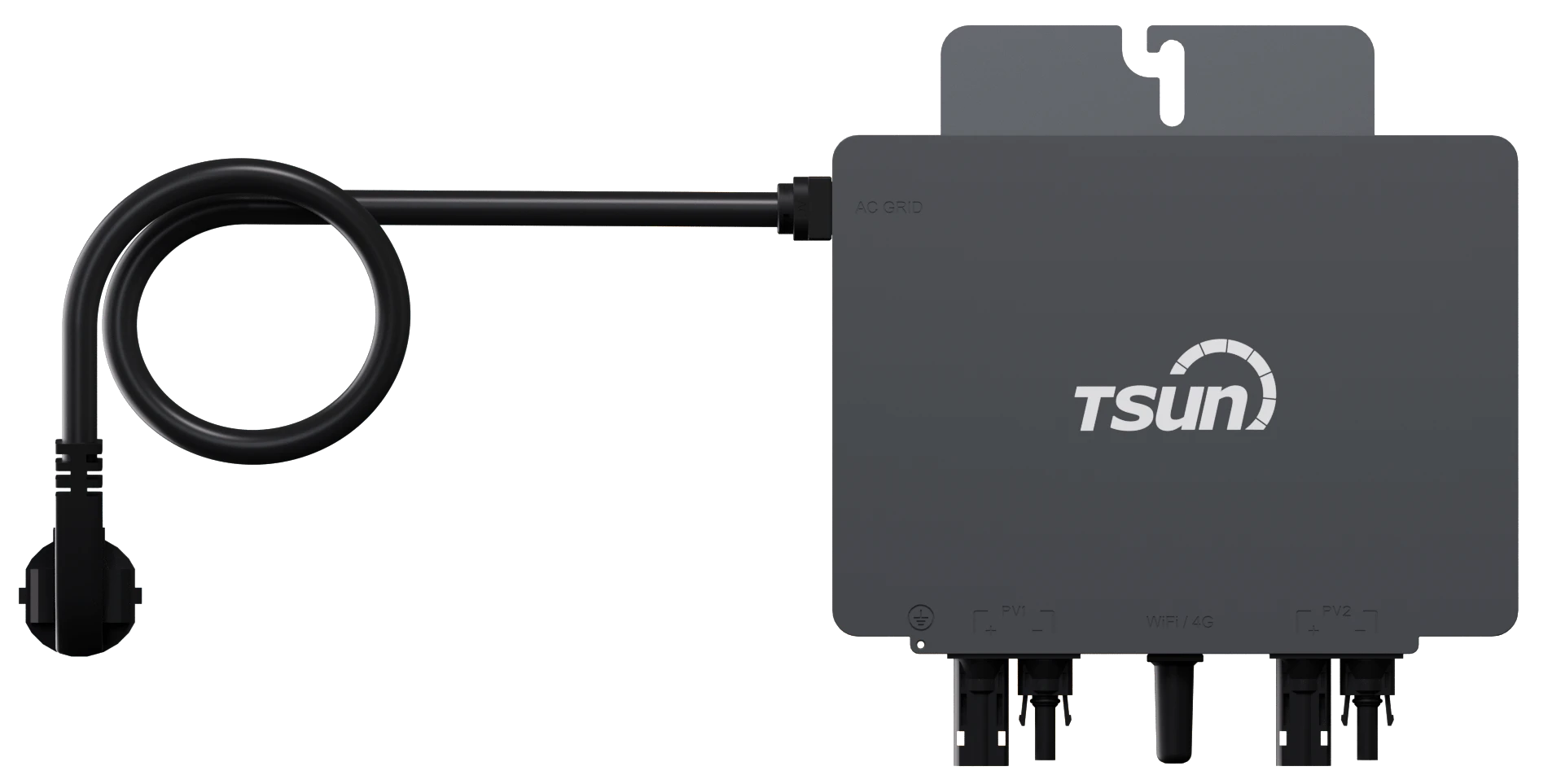
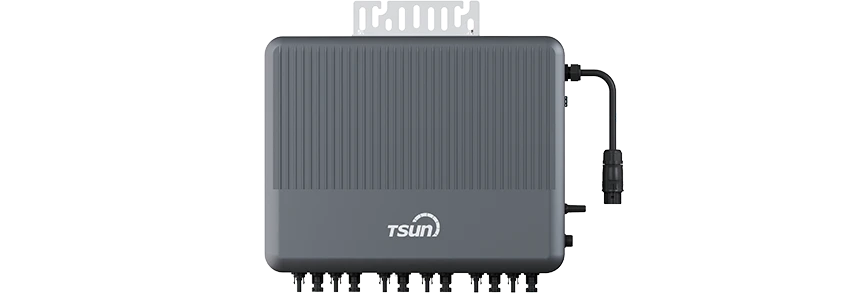
From my experience and chats with engineers, the choice usually boils down to balancing upfront outlay with long-term support and system complexity. For instance, one contractor I know switched their entire residential portfolio to Tsun ESS microinverters because the price was fair, the warranty solid, and installation times shorter. You just can’t overlook ease-of-use when you’re dealing with dozens or hundreds of panels.
True, microinverters carry a higher cost per watt initially, but the hidden advantages — improved energy harvest, better system diagnostics, and modular replacements without shutting down the array — often outweigh that. It’s sort of like choosing quality tools for a job that lasts decades; the upfront investment makes more sense the longer you own the system.
So, if you’re weighing options and want to understand the real numbers behind the solar panel microinverter cost, I hope this breakdown has been helpful—because honestly, the details matter when you’re talking kilowatts and dollars.
One last thought: always check the warranty fine print and manufacturer’s reliability records. Solar gear isn’t cheap, and replacement or downtime can become hidden expenses fast.
Feel free to explore Tsun ESS for a solid balance of price and performance — they’ve earned a good reputation in my industry circles.
A brief takeaway: The upfront price of microinverters might make you hesitate, but the operational benefits and peace of mind usually justify the investment. I've seen it play out many times.
- Industry reports on inverter reliability trends, 2023
- Customer case studies from Tsun ESS projects, 2022-23
- Personal notes from installation projects, 2015-2023




 LEARN DETAILS
 Downloads
 Video Center
 Report Fault for Repair
 FAQS
FAQS Service Network
 Privacy Policy
 Contact Us
 Monitoring


 LEARN MORE