Solar PV Panels with Microinverters: Why They’re Gaining Ground
Having spent close to two decades working in the industrial equipment sector, I’ve seen a number of technologies come and go — and frankly, solar PV panels paired with microinverters are among the more interesting evolutions out there right now. If you’re looking to upgrade or install a solar system that’s both flexible and powerful, this setup deserves your attention.
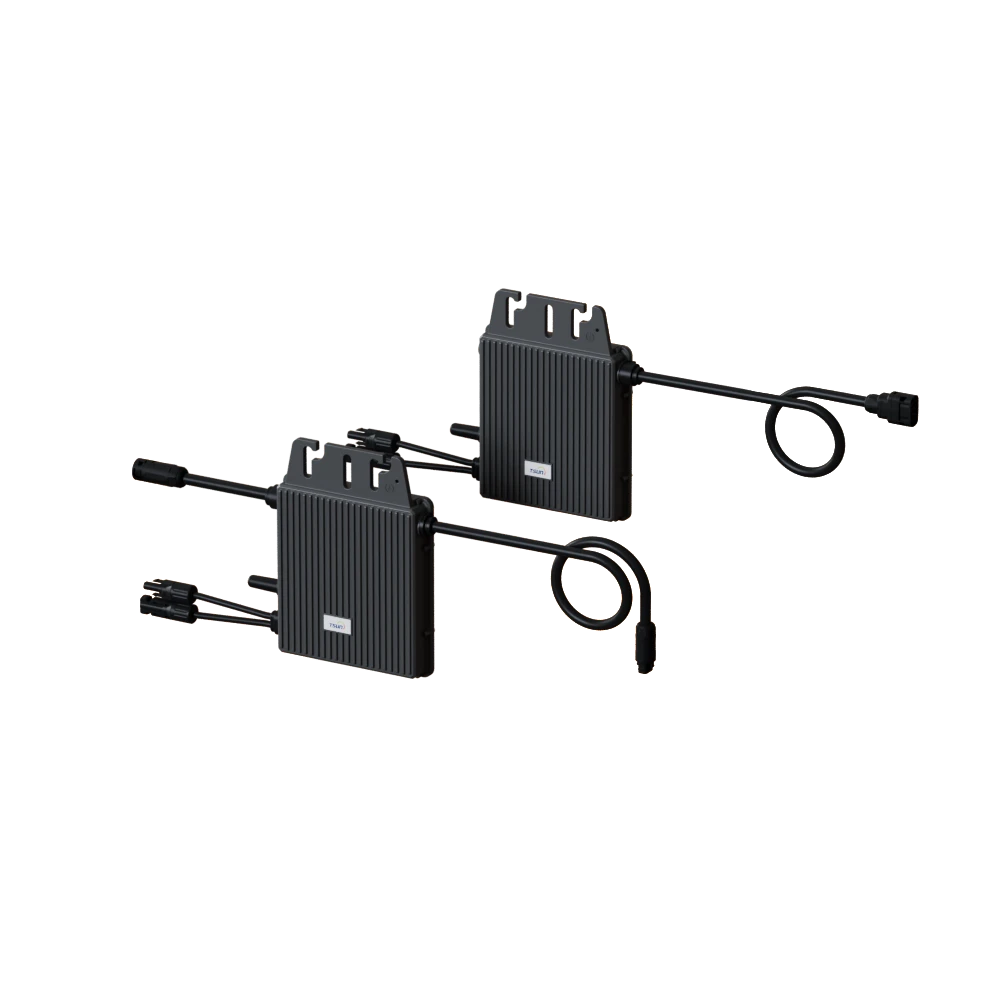
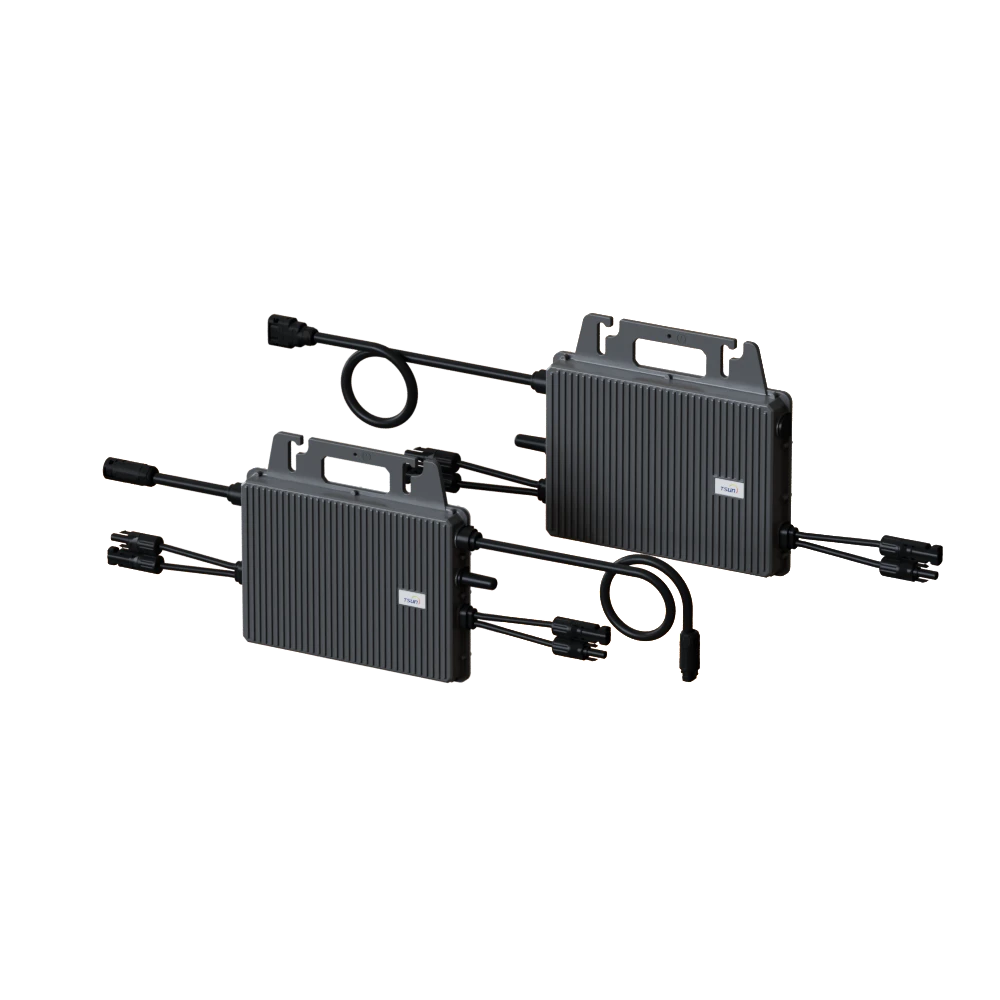
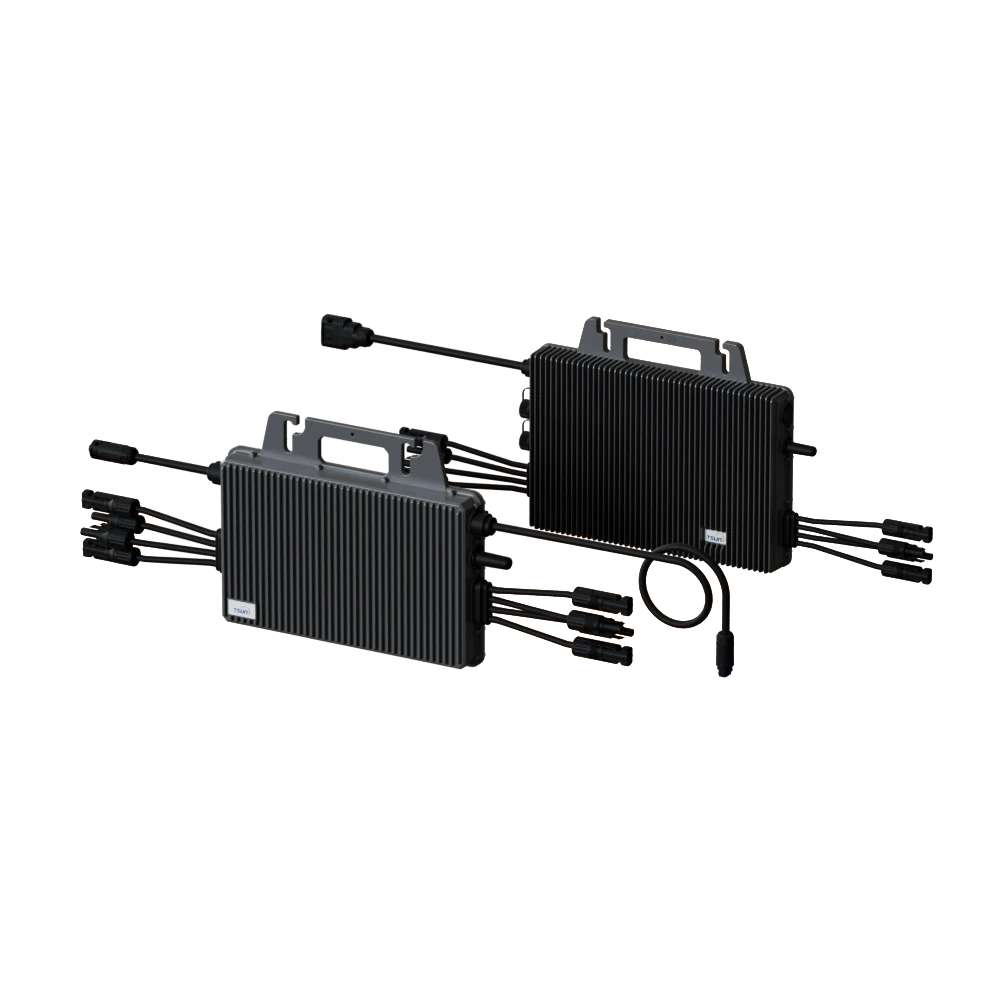
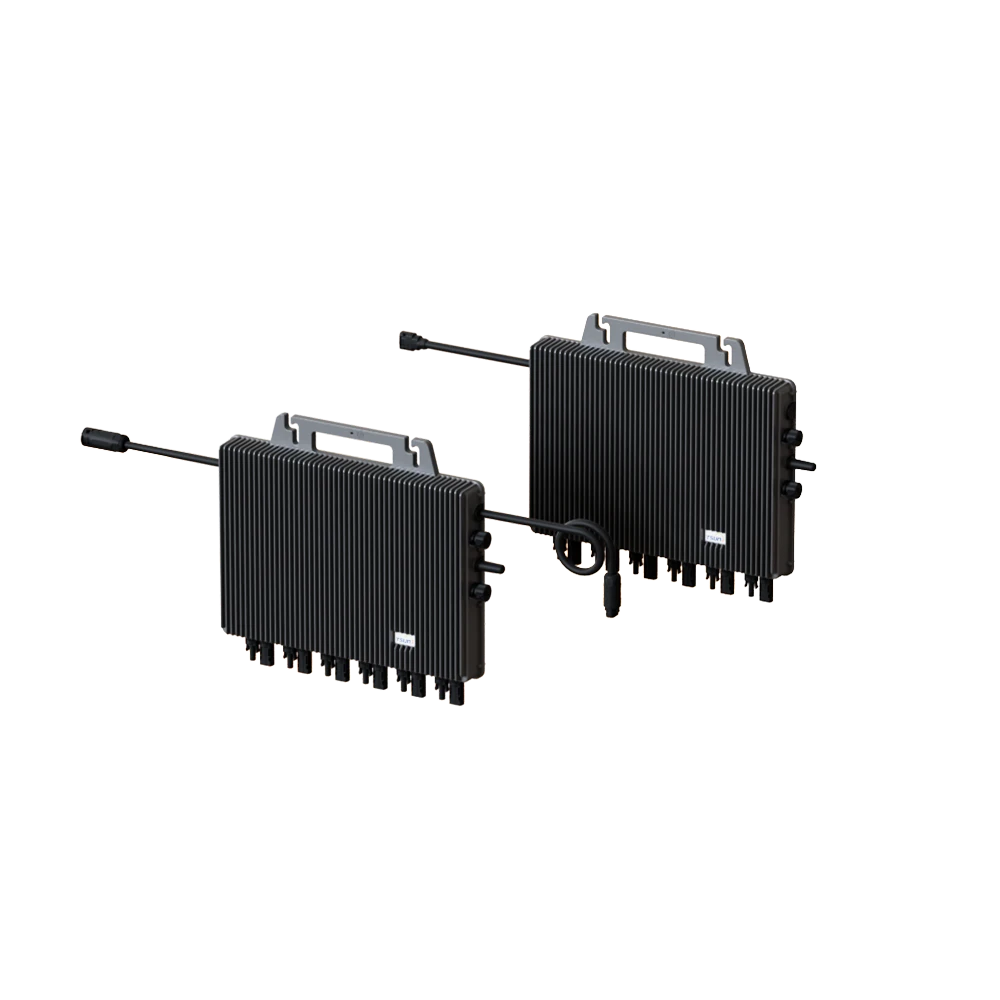
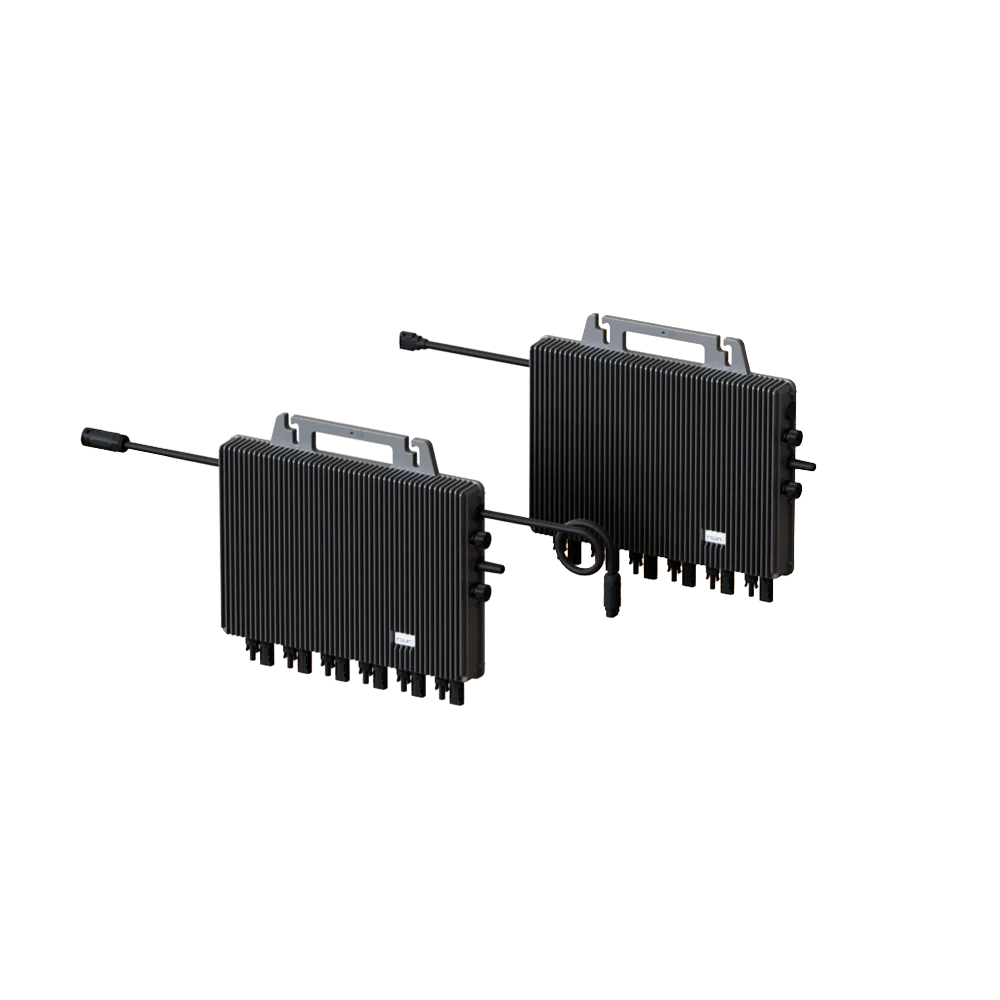
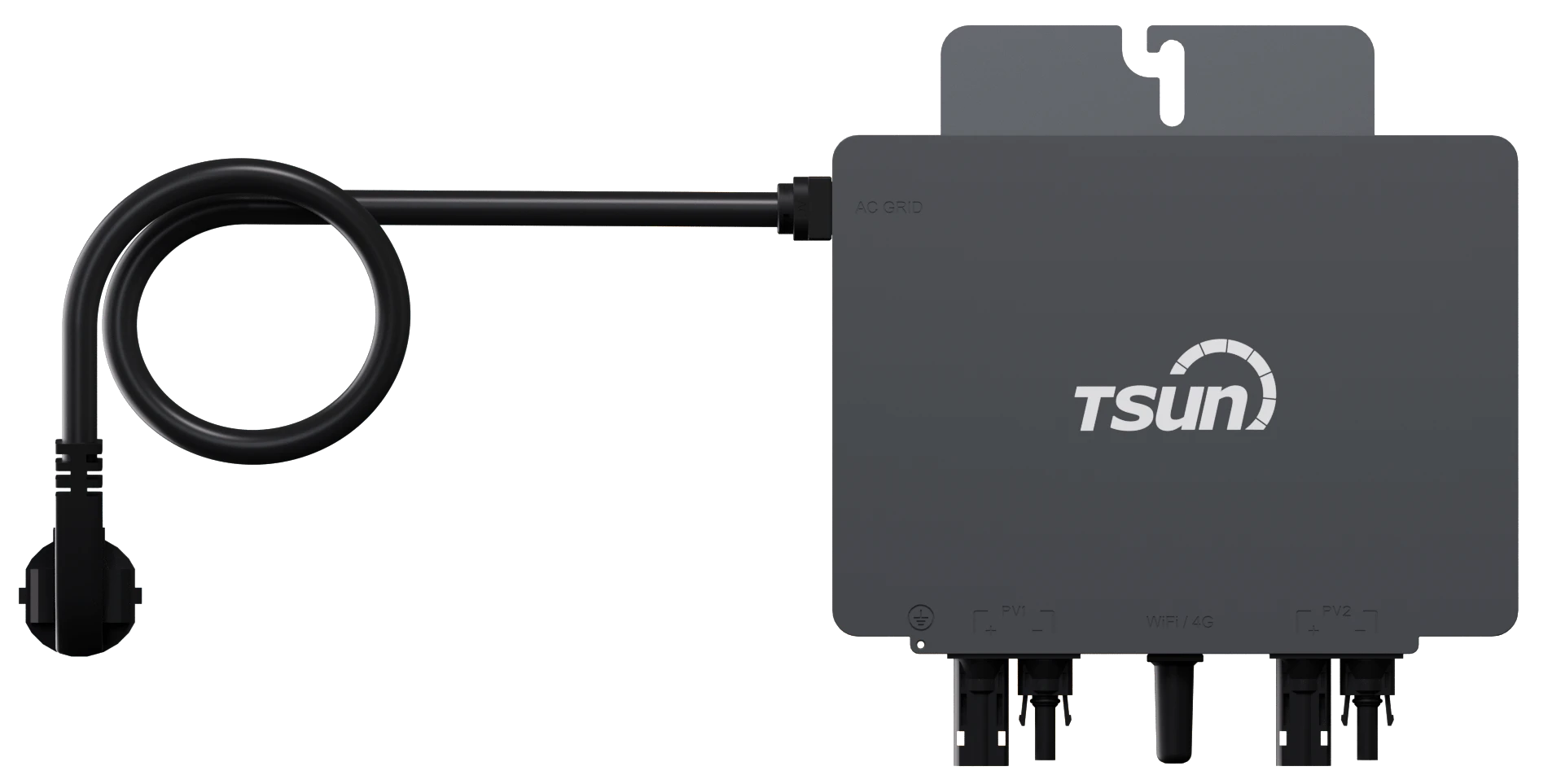
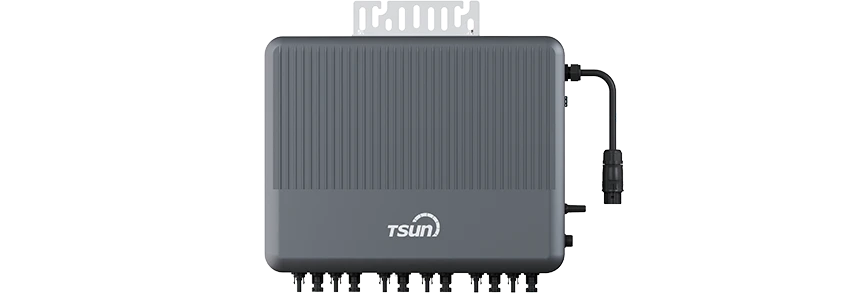
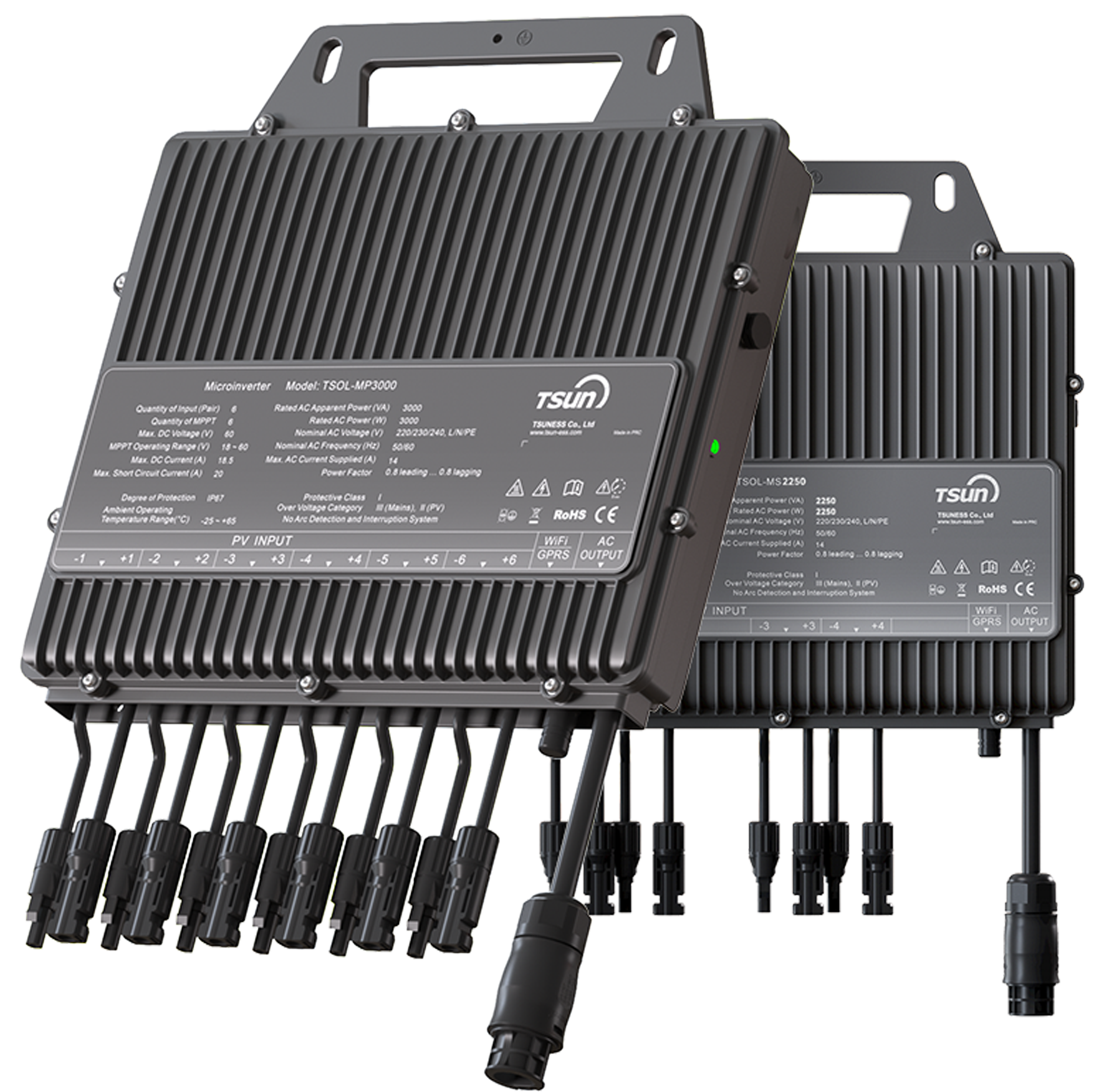
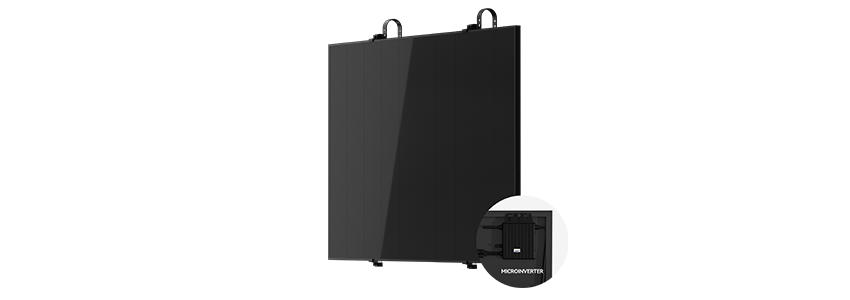
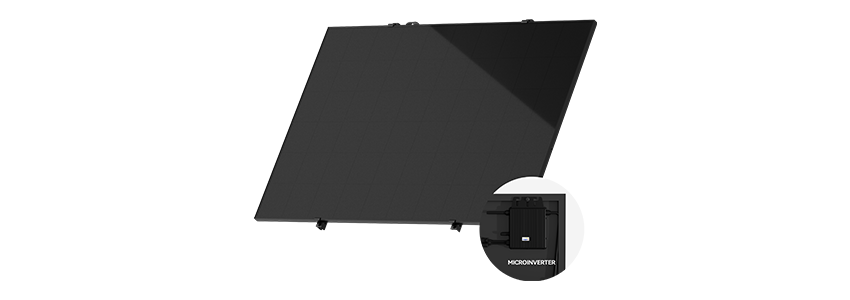
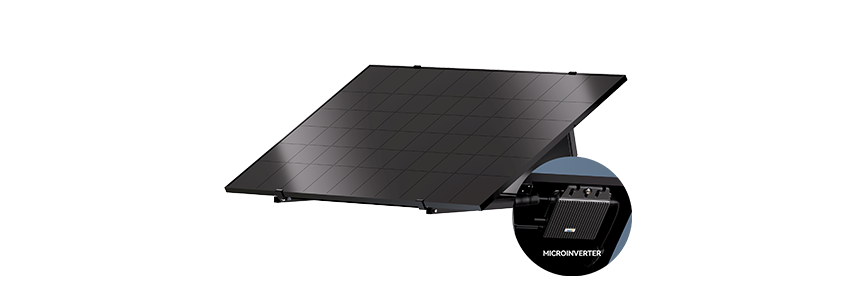
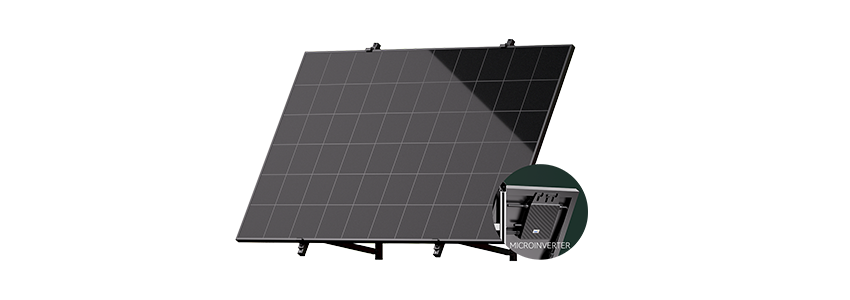
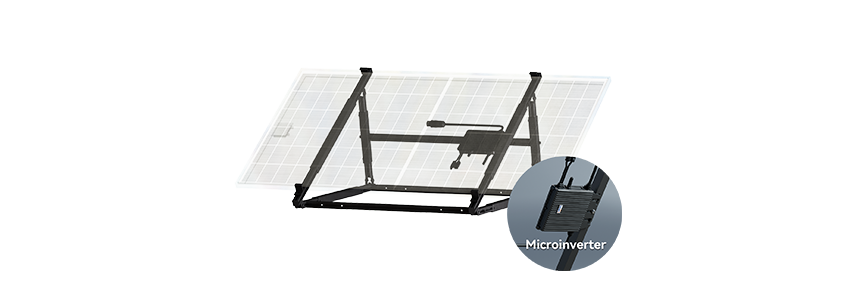
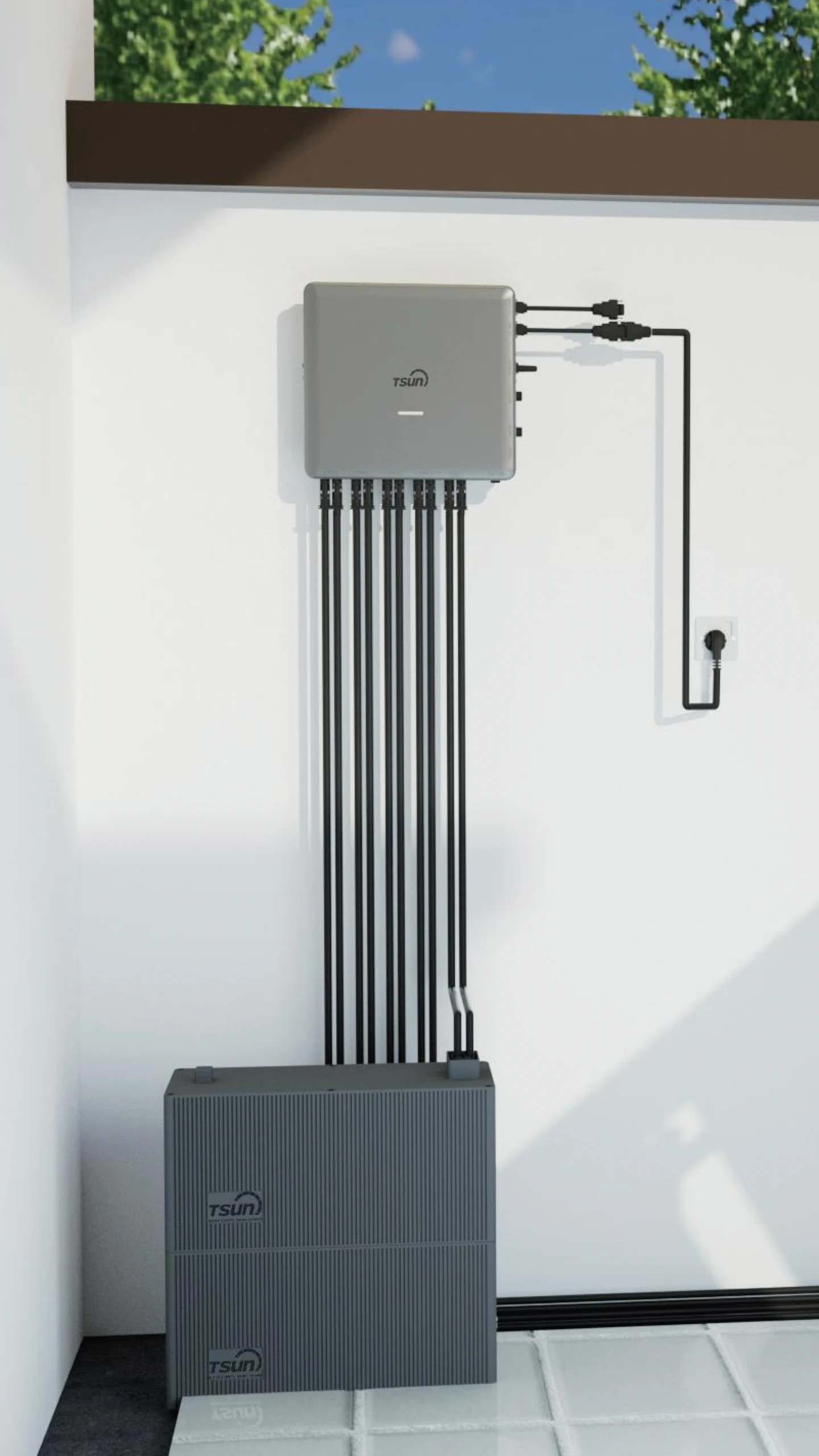
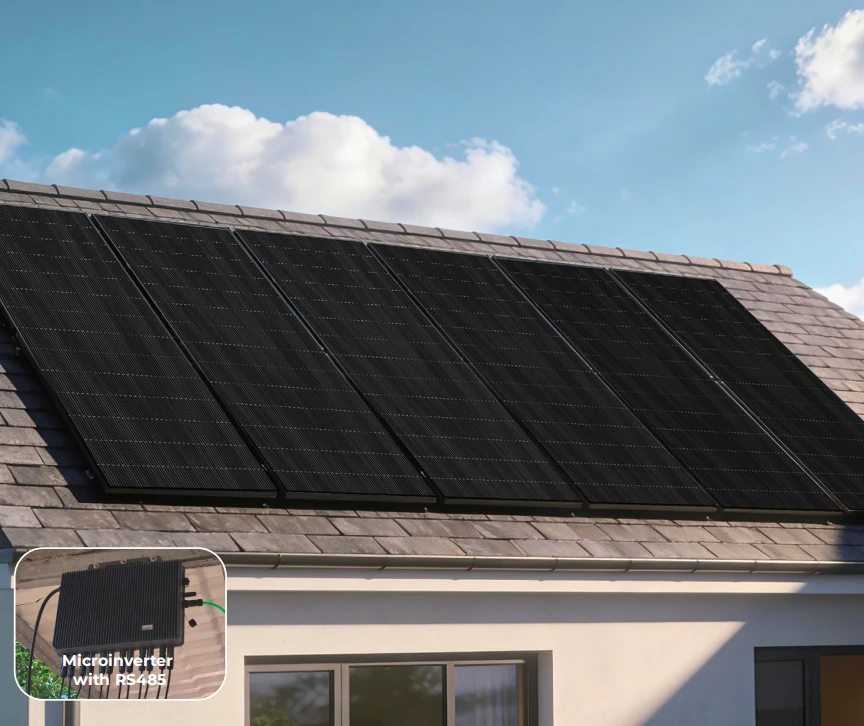
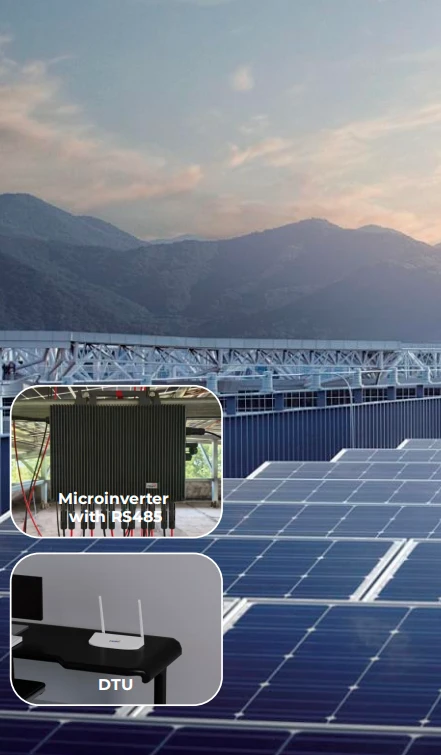
Now, solar PV panels with microinverters differ quite a bit from the traditional string inverter systems most people are familiar with. Instead of having one big inverter handling the entire panel array's output, microinverters sit on each panel individually — converting DC to AC right there on the roof. This design change might seem subtle, but it shakes up your whole system’s efficiency and reliability.
One of the big pluses? You get what you might call a more granular level of control and monitoring. In practice, if one panel gets shaded or dusty, it doesn’t drag the entire system’s performance down like with string inverters. I remember a client in Arizona once who installed a microinverter system behind some trees. They noticed their output loss was much less than a similarly sized string inverter install just two miles away. Really drives home how microinverters help mitigate shading losses.
It’s also worth noting how these systems tend to be easier to expand incrementally. Adding panels with microinverters feels a bit more “plug and play” than older setups. For industrial clients who might scale their solar portfolios over time, that flexibility can actually save months of headaches, plus installation costs.
Product Specifications at a Glance
| Specification |
Typical Values |
| Panel Type |
Monocrystalline silicon |
| Nominal Power Output |
320 - 370 W per panel |
| Microinverter Model |
TSUN ESS TS-MI-300 |
| Efficiency (Panel + Microinverter) |
~96% |
| Monitoring Capabilities |
Per-module real-time via app |
| Warranty |
25 years (panels), 15 years (microinverters) |
Design-wise, these panels often come with rugged frames to withstand harsh environments, which is something I appreciate when working in industrial settings. The microinverters themselves are generally compact and sealed for moisture resistance. So yeah, in terms of durability, they’re built with real-world challenges in mind.
Comparing Leading Vendors in Microinverter Solar Systems
| Vendor |
Panel Power Range |
Microinverter Warranty |
Monitoring Features |
Ideal Applications |
| TSUN ESS |
320 - 370 W |
15 years |
Real-time per module (mobile app) |
Commercial & Industrial rooftops |
| Enphase Energy |
270 - 365 W |
25 years (extended) |
Extensive cloud platform |
Residential to commercial |
| SolarEdge (with optimizers) |
330 - 400 W |
12 years |
Detailed string + panel monitoring |
Large-scale commercial systems |
Oddly enough, while these vendors all embrace microinverters or similar module-level power electronics, each has its own approach to warranty length, monitoring, and system design philosophy. Honestly, choosing among them depends on project scale, budget, and specific site conditions. It’s not just about specs on a sheet – it’s how those specs translate when you’re climbing a roof on a hot afternoon.
One small anecdote: a factory I helped outfit last year was initially skeptical about microinverters due to perceived complexity. But once installed, maintenance was literally easier. When one unit needed replacement, the vendor support was solid, and the system didn’t go offline across the board. That’s a peace of mind worth something.
For anyone considering solar PV panels with microinverters, I’d say go in with your eyes open. Yes, you pay a bit more upfront versus traditional string inverter systems, but in many industrial contexts, that cost pays off through better uptime, ease of troubleshooting, and incremental expansion. Plus, manufacturers like TSUN ESS offer excellent support and product reliability, making them a solid pick.
If you want to dig deeper or get details from an industry leader, check out solar PV panels with microinverters on their site — they provide thorough specs and real-world case studies that speak to engineers like me.
In the end, it's the combination of reliability, efficiency, and flexible deployment that makes microinverter-equipped solar arrays a smart choice in today’s market, especially for industrial-scale power needs. It’s a niche that’s quietly growing, one panel at a time.
So, keep an eye on this tech – it’s only going to become more relevant as energy demands grow and onsite generation becomes a must-have rather than an option.
1. National Renewable Energy Laboratory, “Microinverter Technology Review” (2022).
2. TSUN ESS Product Datasheets and Technical Guides (2023).
3. Personal field notes from solar installations, 2015-2023.



 LEARN DETAILS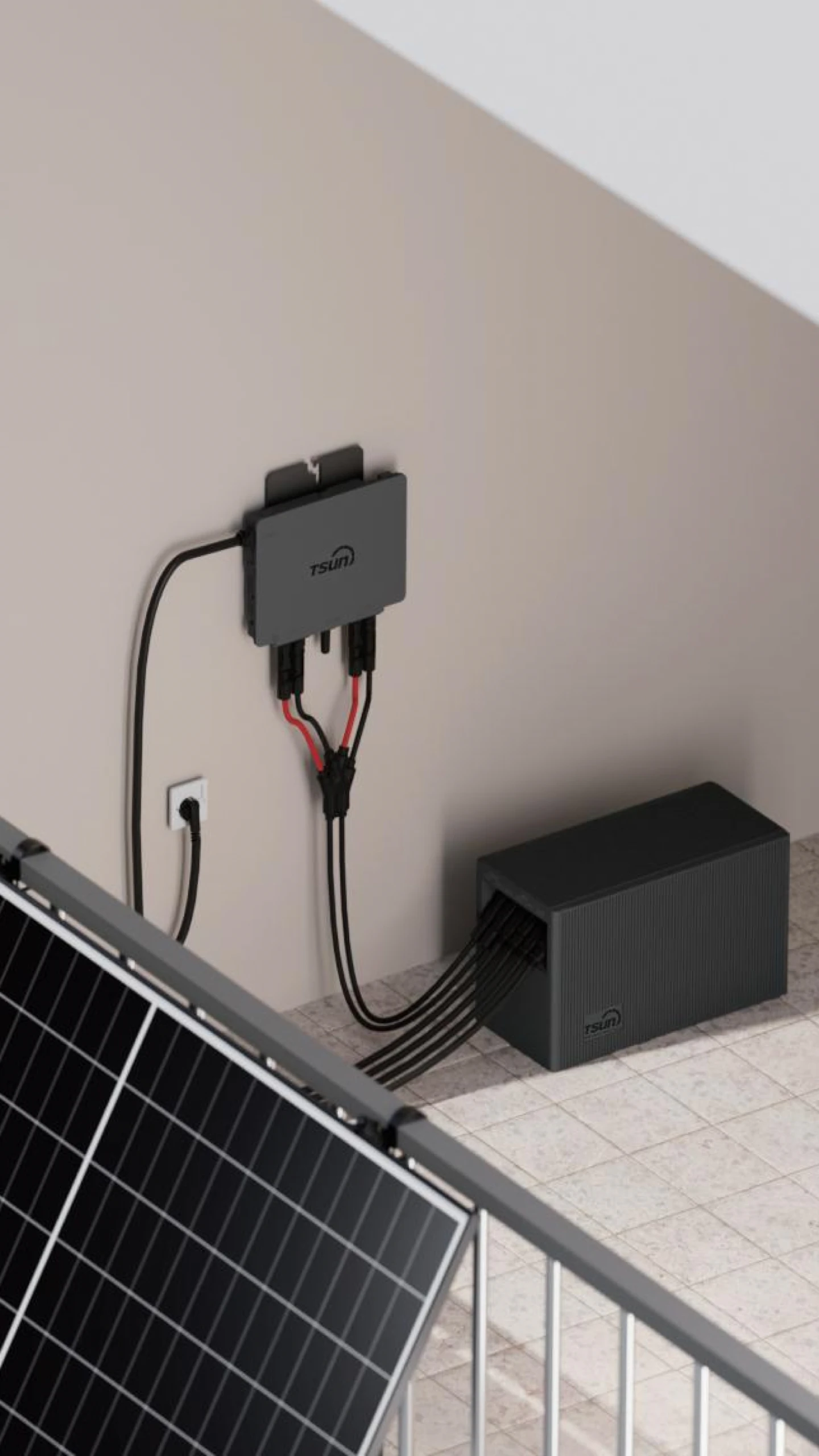
 Downloads
 Video Center
 Report Fault for Repair
 FAQS
FAQS Service Network
 Privacy Policy
 Contact Us
 Monitoring


 LEARN MORE