Understanding ESS Solar Systems: A Veteran's Take
Having spent well over a decade working around industrial energy equipment, I've seen firsthand how ESS solar systems have quietly shifted the game. If you imagine backup power in industrial contexts a few years ago, it was all about diesel generators and clunky batteries. Now? Solar ESS (Energy Storage Systems) are the backbone of smarter, cleaner, and more resilient solutions.
Frankly, it's not just about slapping some panels and batteries together. ESS solar systems have become complex, carefully engineered beasts balancing everything from battery chemistry to grid demands. One of the things I’ve noticed over the years is how the quality of materials – especially the battery cells and power electronics – really influences long-term performance. I've worked on projects where cutting corners led to early component failures, and nobody was happy.
The typical ESS solar system I’ve seen professionally combines lithium iron phosphate (LiFePO4) batteries, inverters optimized for rapid response, and advanced software that can forecast energy generation and load needs. This tech dance feels almost organic sometimes – the system "knows" what to do without you even spinning dials. You know, many engineers I've chatted with say that software is where the real magic happens. The best setups can island themselves during blackouts, which is a huge deal for places where uptime is king.
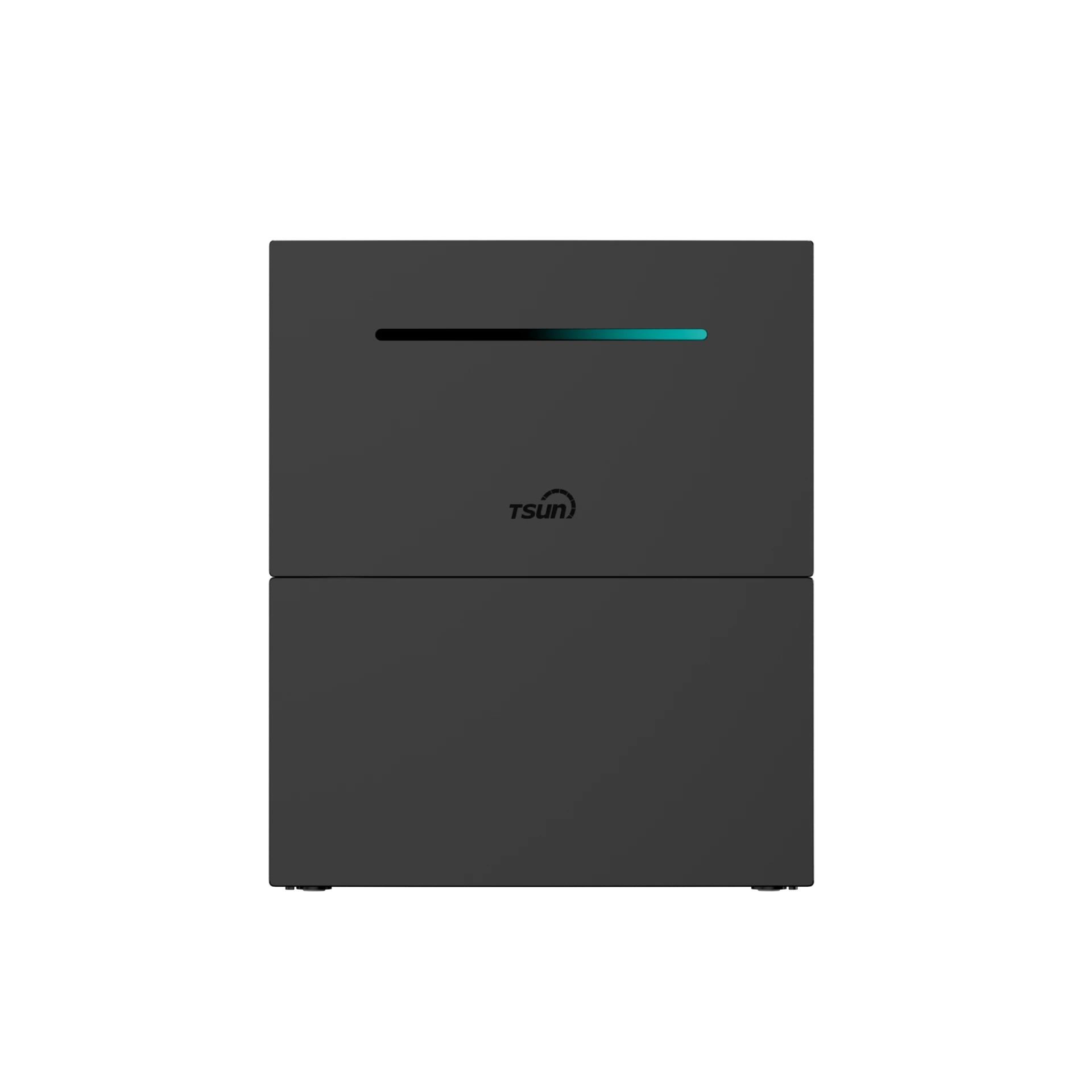
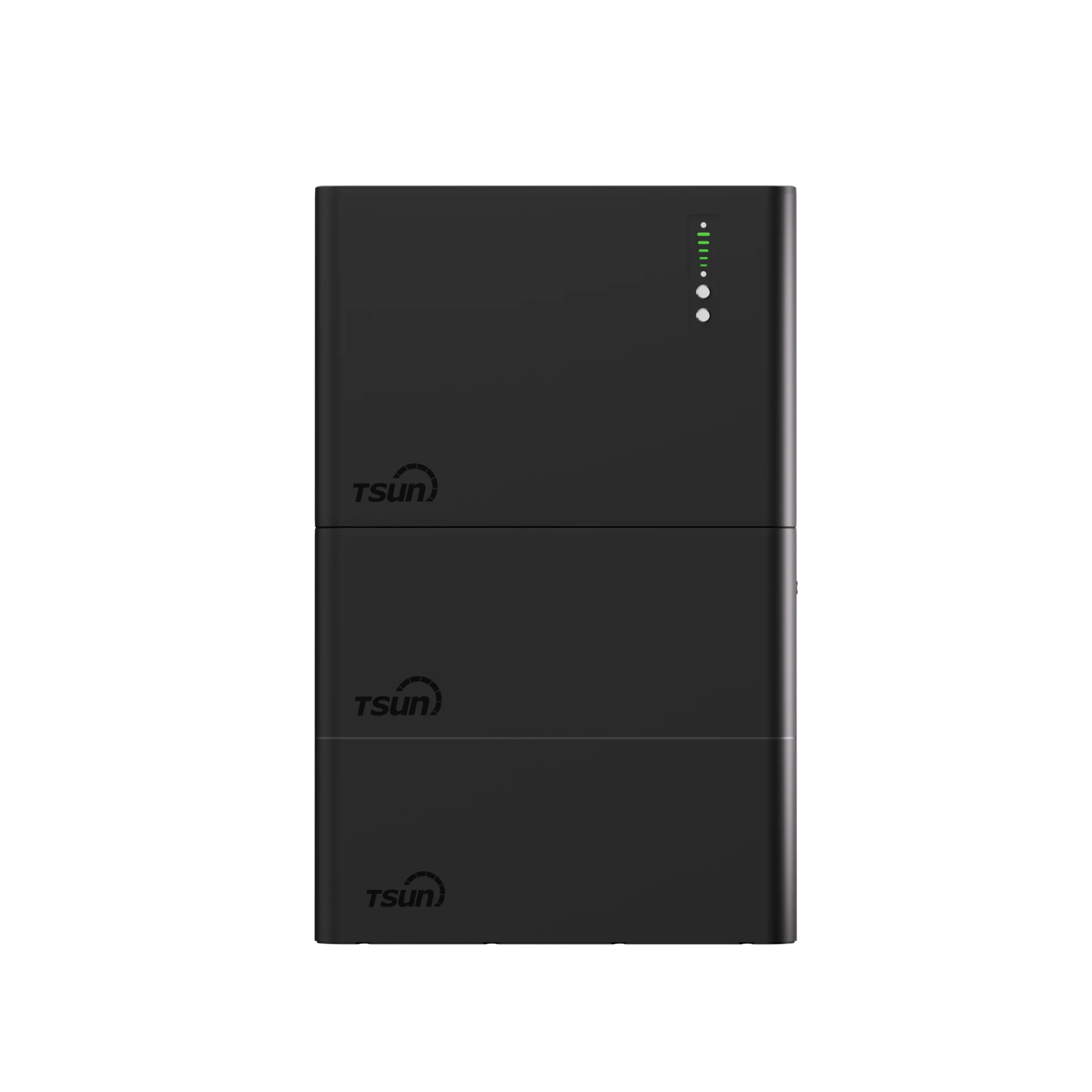
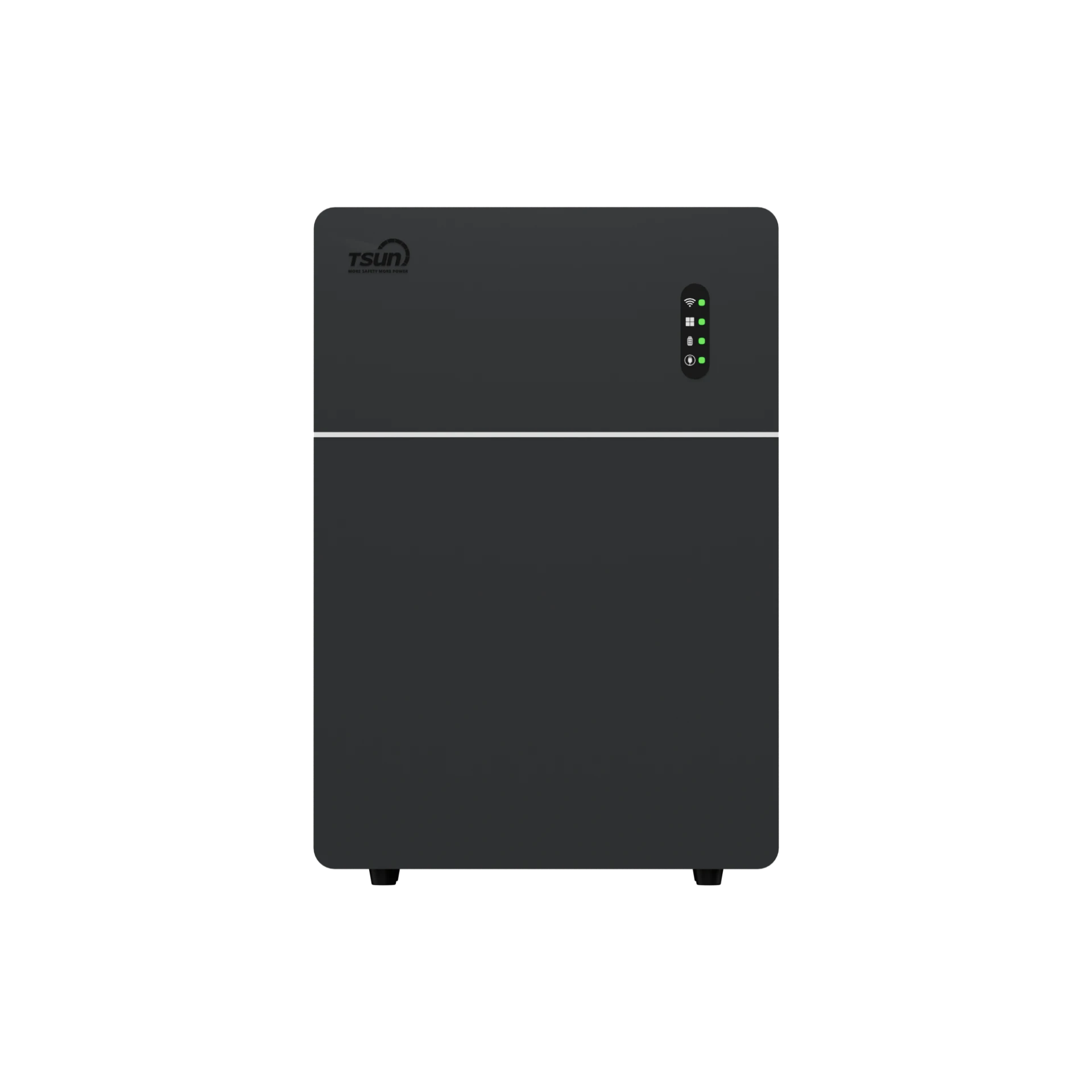
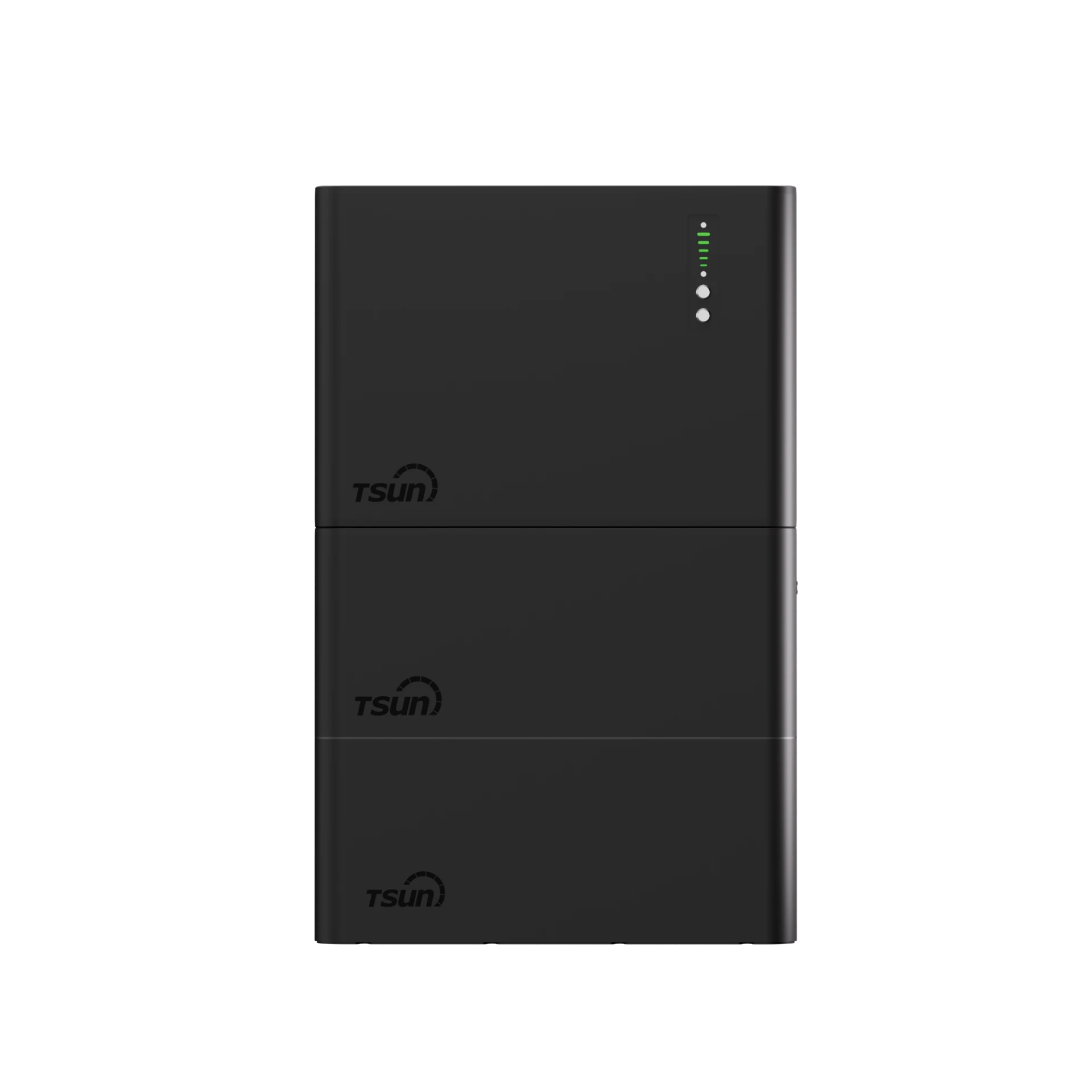
Here's a quick rundown of key product specs for a mid-range industrial ESS solar system I've had my hands on recently:
| Specification |
Detail |
| Battery Type |
Lithium Iron Phosphate (LiFePO4) |
| Usable Capacity |
100 kWh |
| Inverter Power |
50 kW (bidirectional) |
| Depth of Discharge |
90% |
| Cycle Life |
>4000 cycles @ 80% DoD |
| Operating Temperature |
-20°C to 50°C |
| Warranty |
10 years or 4000 cycles |
I recall one project in a dusty Arizona warehouse where we installed a system very similar to these specs. What stood out was not just the performance but the ease of integrating the ESS solar system with legacy industrial controls. Oddly enough, many vendors talk big about “plug and play,” but real-life installs reveal subtle hiccups. The one we chose had excellent tech support and customizable communication protocols. It made future tuning and diagnostics less daunting.
Speaking of vendors, I jotted down a quick comparison among three leading industrial ESS solar providers – to help anyone weighing options in real terms:
| Vendor |
Battery Chemistry |
Typical Warranty |
Integration Flexibility |
Tech Support |
| Tsun ESS |
LiFePO4 |
10 years |
High (custom protocols) |
Responsive, 24/7 |
| VoltStor |
NMC (Nickel Manganese Cobalt) |
8 years |
Medium |
Business hours only |
| GreenGrid |
Lithium Titanate |
12 years |
Low (standardized only) |
Limited support |
What’s clear from my experience is that the devil’s in the details. The choice depends heavily on your application, the environment, and how much you expect the ESS solar system to integrate with existing infrastructure. Customization options – like firmware tweaks and battery management system (BMS) configurations – make a huge difference. In fact, the best systems I've worked with allowed onsite engineers to optimize performance monthly without needing vendor intervention.
It's not just plug-and-forget equipment anymore. ESS solar systems represent an ongoing partnership, really. You pay a little more upfront for quality and support, but savings compound through longer system life, fewer outages, and smoother energy management.
To wrap it up, if you're in the industrial sector looking at renewable-backed power storage, ESS solar systems from reputable vendors like ESS solar systems offer resilience, flexibility, and a solid ROI. Oddly enough, the calmer you approach these decisions—digging into specs, talking with engineers, even field testing—the smoother your energy future will look.
References:
1. Industry whitepapers on LiFePO4 battery tech
2. Vendor datasheets and warranty documentation
3. Personal project logs from industrial ESS installations






 LEARN DETAILS
 Downloads
 Video Center
 Report Fault for Repair
 FAQS
FAQS Service Network
 Privacy Policy
 Contact Us
 Monitoring


 LEARN MORE