Understanding Home Power Storage Systems: Why They Matter More Than Ever
If you’ve been paying attention to energy trends lately, you’ve likely come across the term home power storage system more than once. But what exactly is it, and why is it suddenly so important? Well, in a nutshell, these systems are revolutionizing how households manage energy. Globally, with the rise in renewable energy adoption and the increasing instability of electrical grids, understanding home energy storage isn’t just a luxury—it’s becoming a necessity. From empowering homeowners to reduce bills to ensuring reliable power during outages, the benefits ripple far beyond your backyard.
Fundamentally, a home power storage system stores energy—often from solar panels or the grid—and releases it when needed. This reduces dependency on the grid, lowers electricity costs, and can contribute to a greener, more resilient energy ecosystem.
Mini takeaway: Home power storage systems offer a practical solution to energy reliability and sustainability challenges, with both immediate and long-term benefits.
Global Context: The Growing Demand for Home Energy Storage
Worldwide, energy consumption keeps climbing, while the pressure to switch to cleaner sources intensifies. According to the International Renewable Energy Agency (IRENA), the global installed capacity of battery storage systems is expected to jump from 15 gigawatt-hours in 2020 to over 300 gigawatt-hours by 2030—a twentyfold increase! That’s huge and speaks to a growing demand for home power storage systems, especially as more consumers install rooftop solar panels and want to maximize their usage.
Yet, this transition isn’t without its challenges. Grid reliability varies greatly by region, and power outages are a harsh reality in many parts of the world due to natural disasters, aging infrastructure, or even political instability. Home power storage systems often fill this gap, enabling continuous power supply when the grid fails, which is critical for safety and productivity.
Mini takeaway: The surge in renewable energy adoption and grid challenges globally are driving the uptake of home power storage solutions.
What Is a Home Power Storage System?
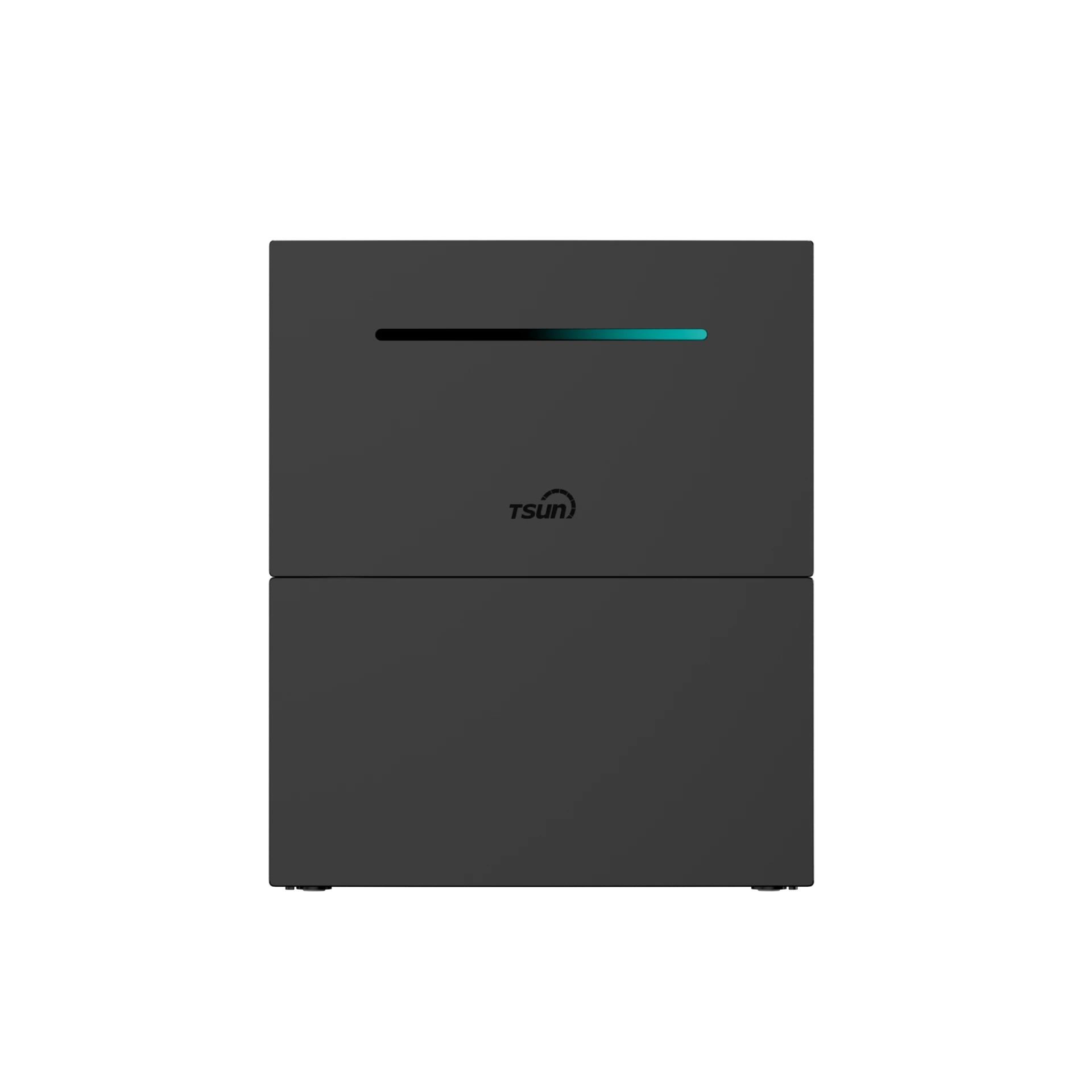
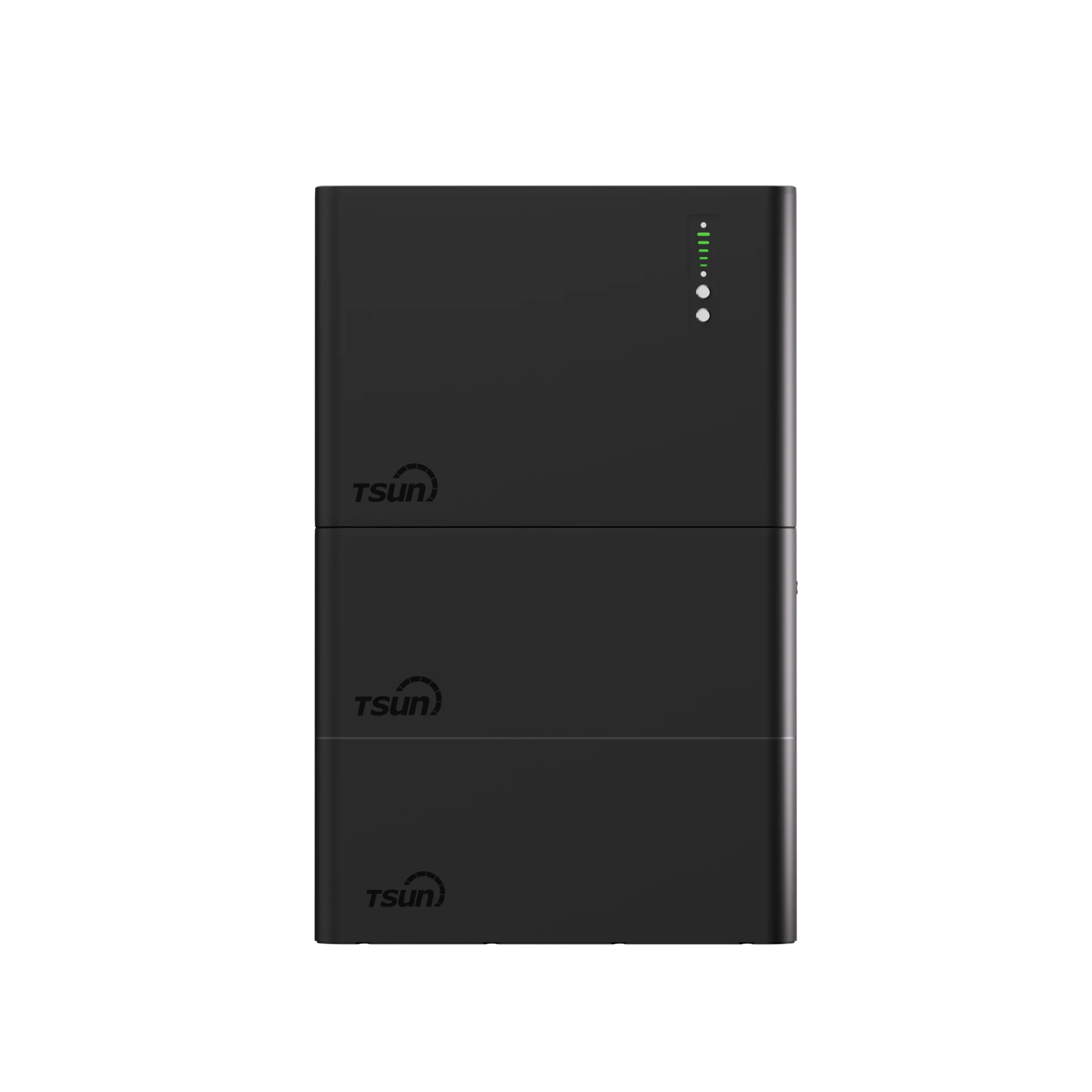
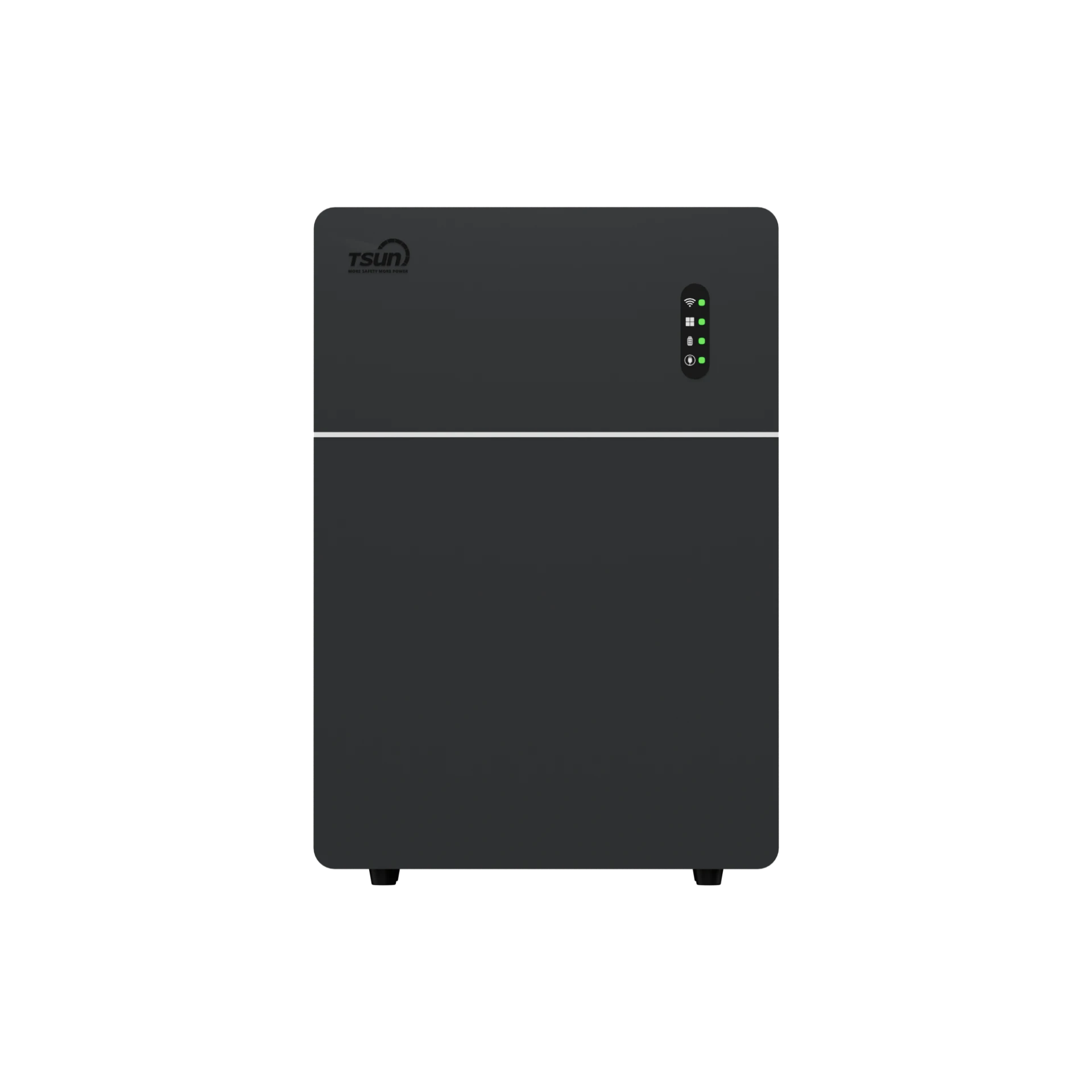
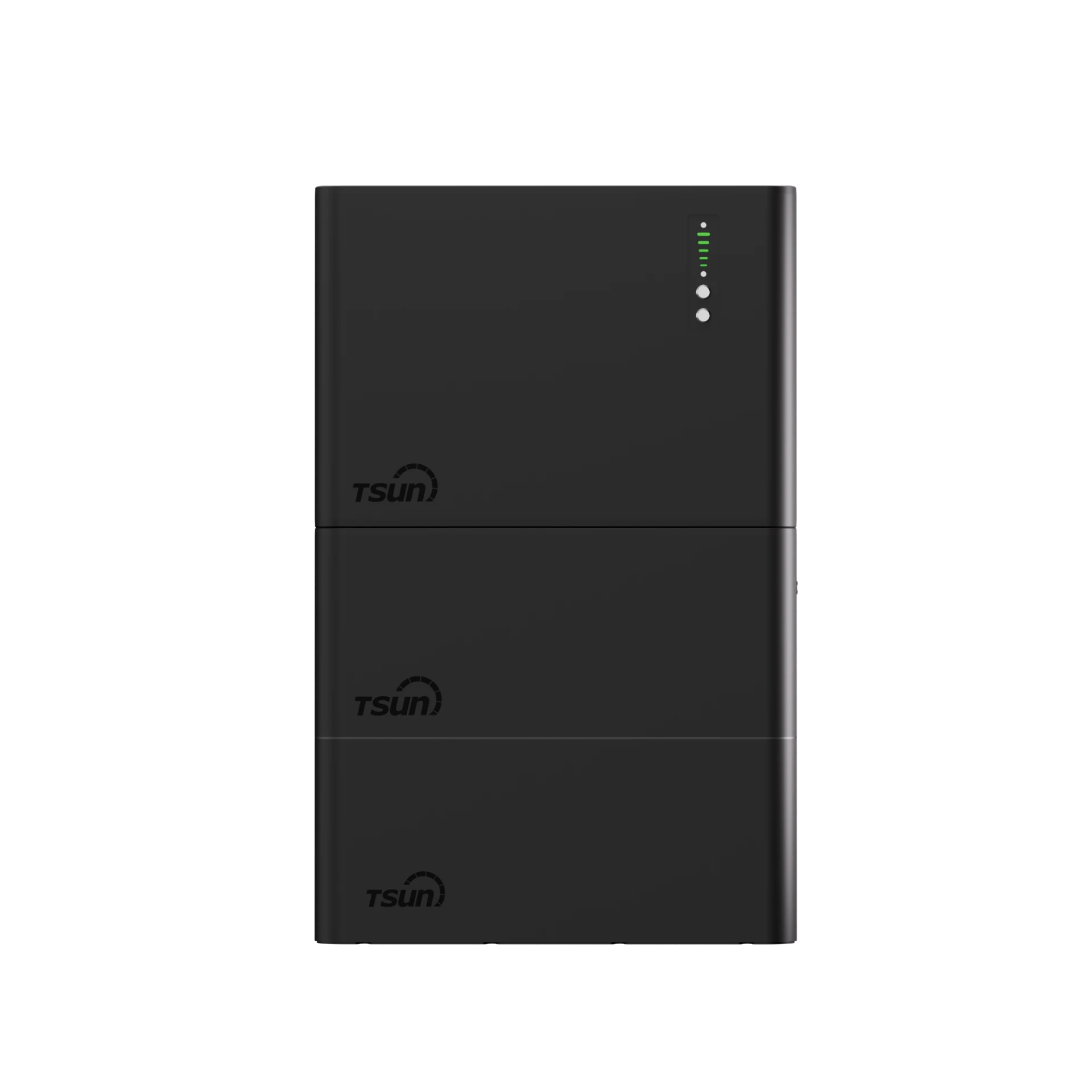
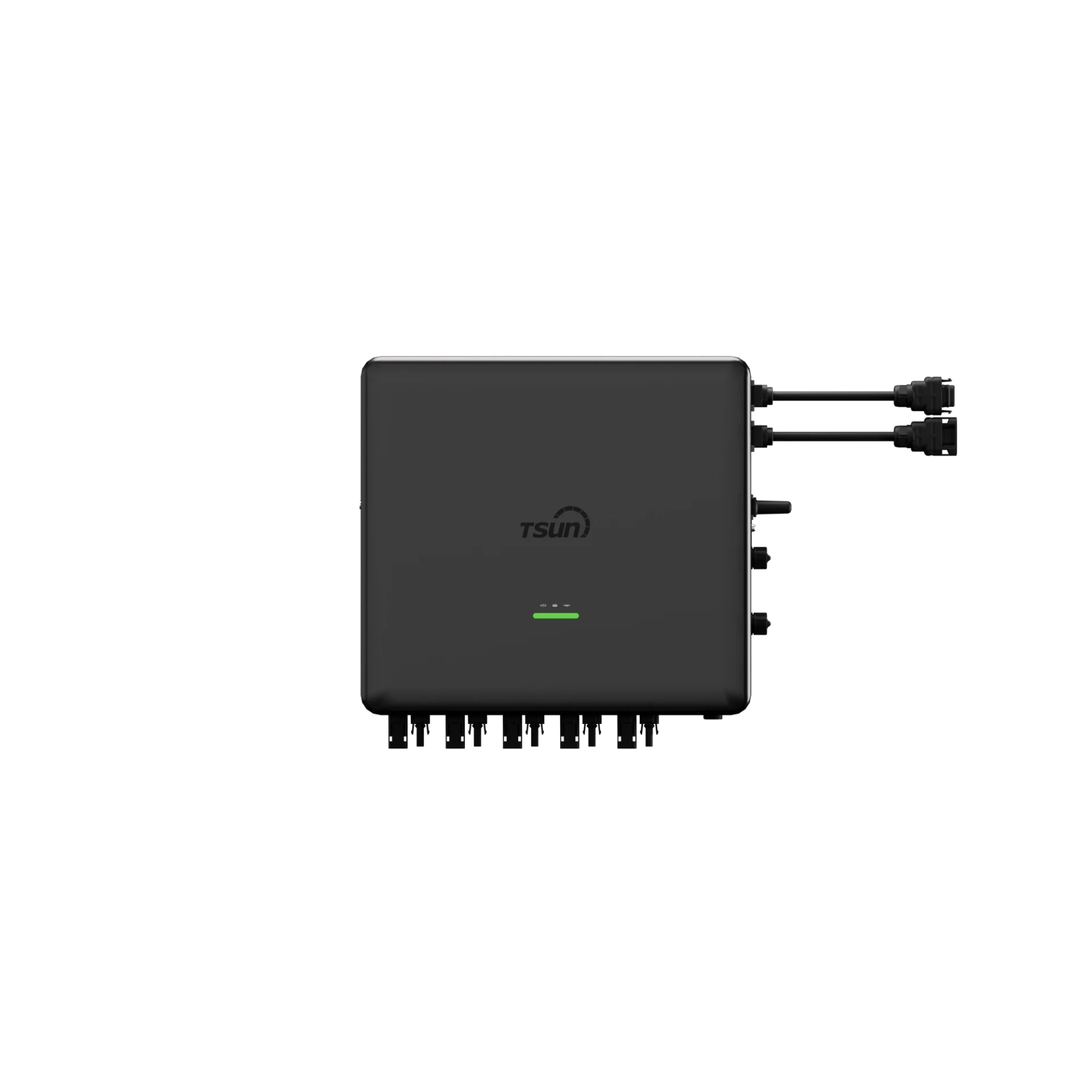
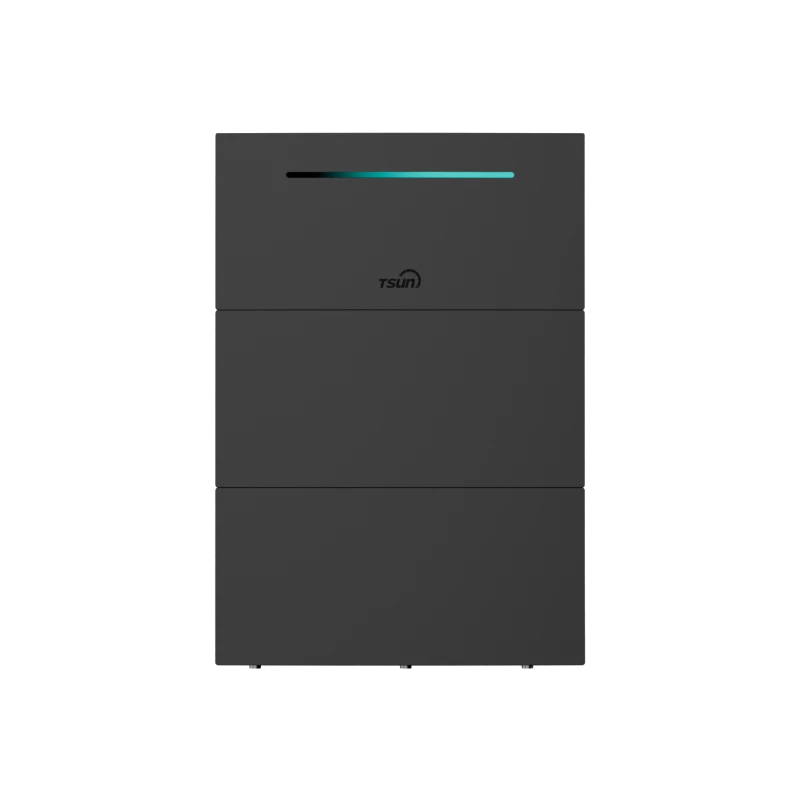
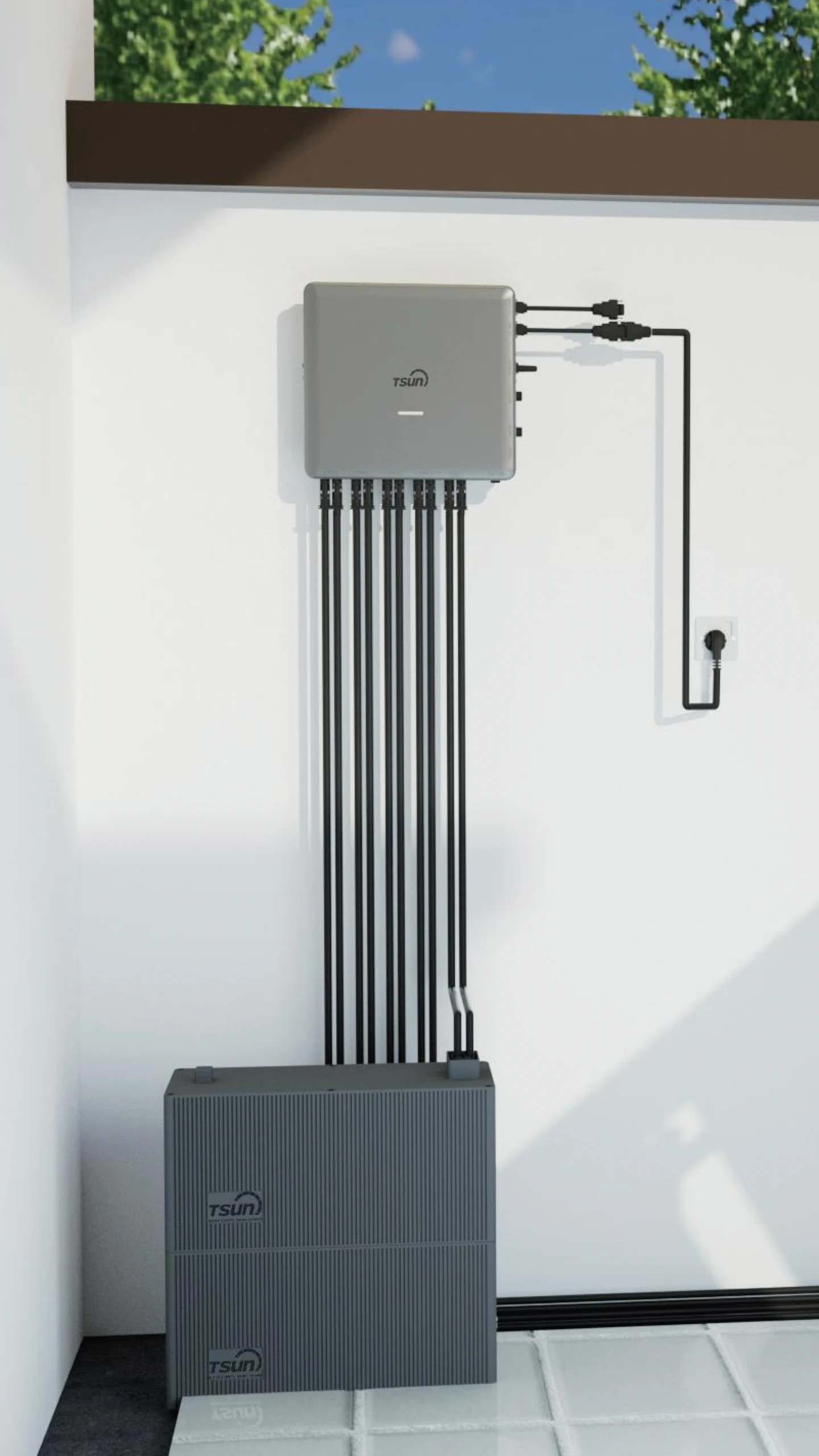
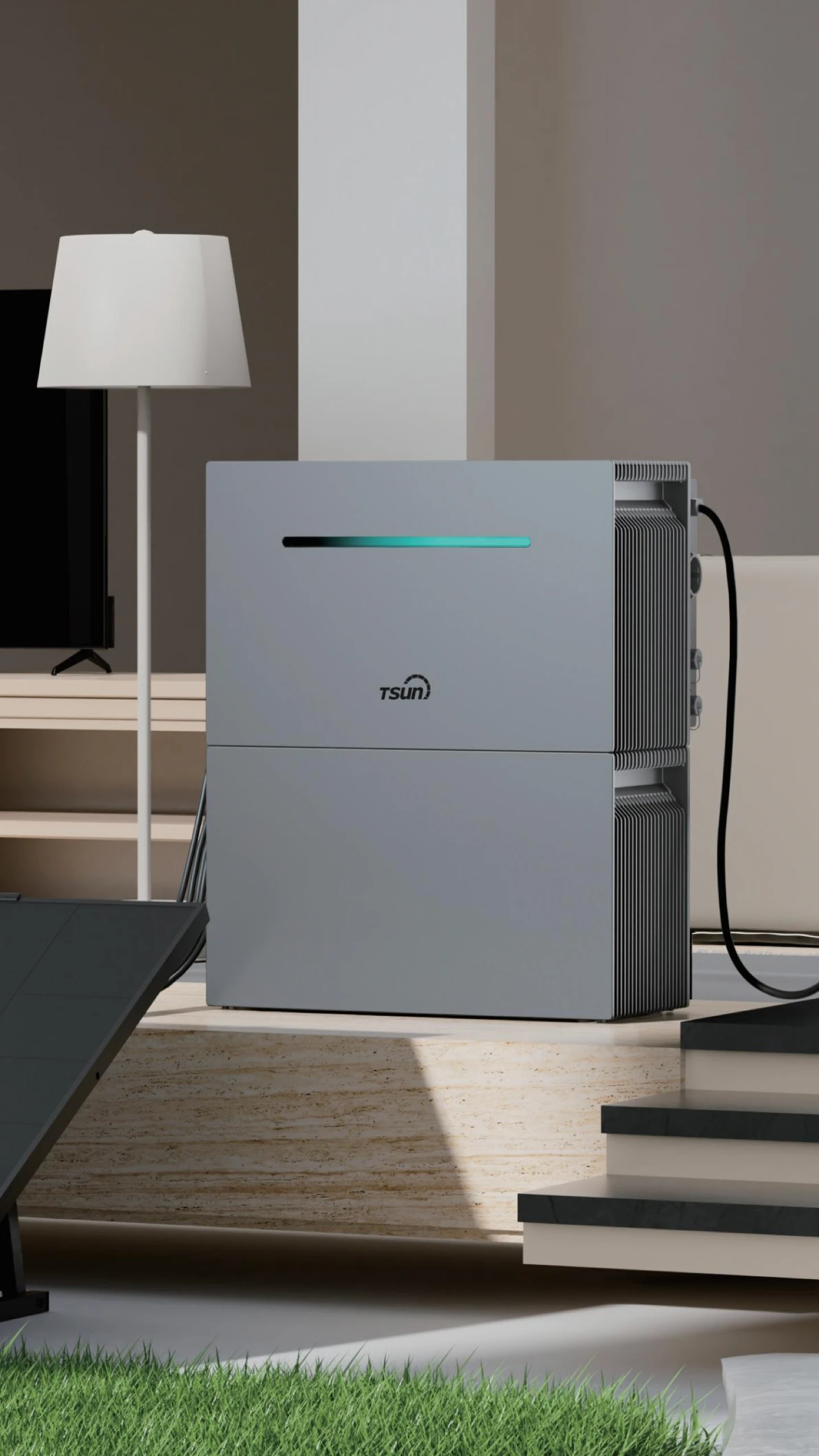
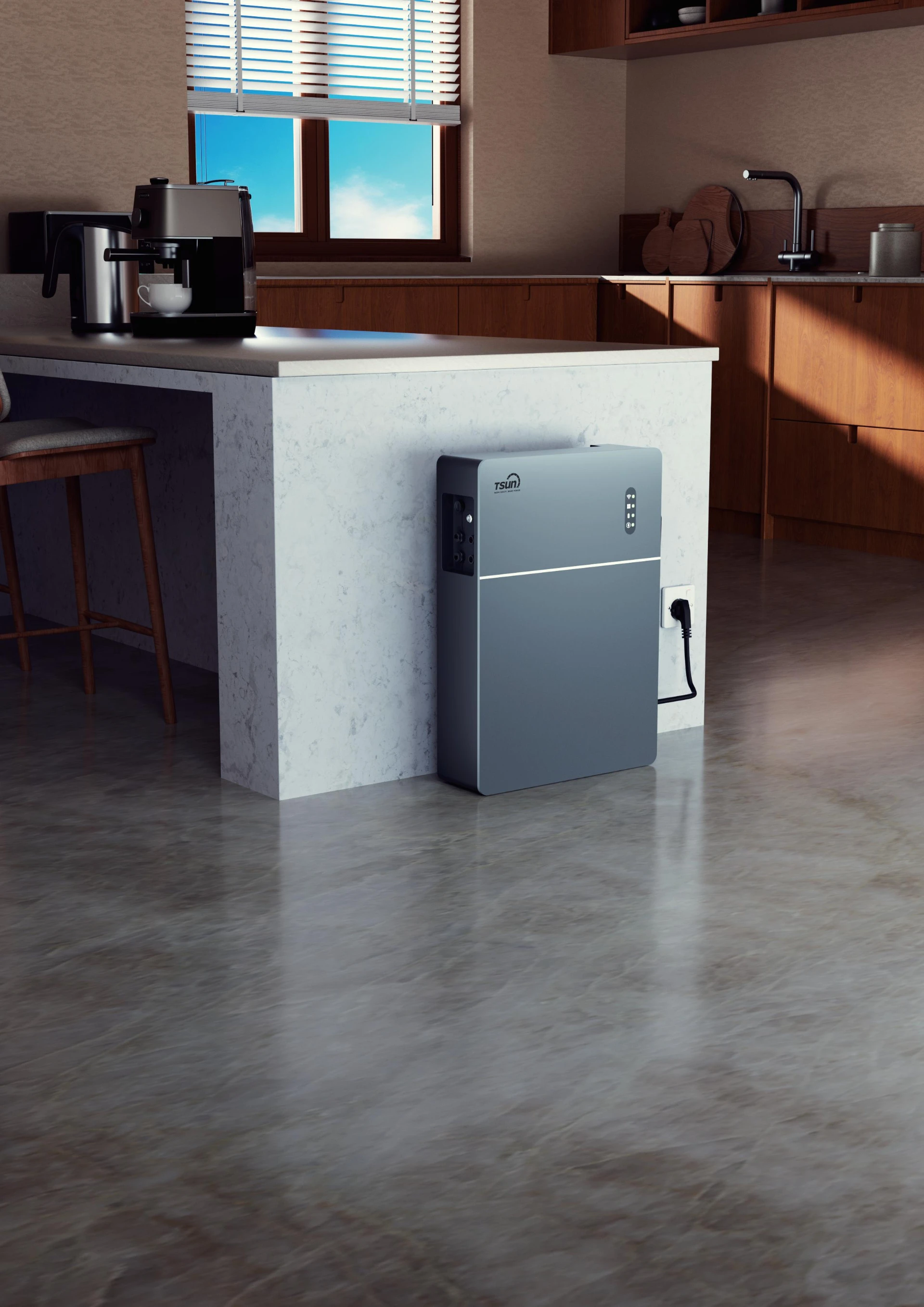
Simply put, a home power storage system is a set of components—including batteries, inverters, and control units—that store electricity for later use within residential settings. It’s basically your personal energy vault. Most commonly, these systems store solar power generated during the day to use at night or during peak electricity rate periods.
Beyond convenience, this means less carbon footprint for individual homeowners, contributing to global climate goals, and more energy independence. NGOs and communities in remote areas also rely on these systems, where traditional grid connections might be unreliable or non-existent.
Mini takeaway: At its core, a home power storage system enables energy autonomy and supports modern sustainable living.
Core Components and Factors to Consider
- Battery Type and Capacity: The heart of any system. Lithium-ion batteries dominate for energy density and lifespan, but alternatives like lead-acid are still around due to cost.
- Durability: Systems must withstand daily charging cycles and environmental factors. Durability impacts long-term investment value.
- Scalability: Can your system grow with your energy needs? Modular designs letting you add batteries later are popular.
- Cost Efficiency: Initial investment versus energy savings must align. Incentives and subsidies also factor in.
- Integration and Control: Smart software and inverters optimize energy use, and some systems allow remote monitoring.
- Safety Features: Proper ventilation, temperature control, and certifications (like UL or IEC) are vital for peace of mind.
In practice, these factors influence real-world performance and user satisfaction—you want balance, not just bragging rights on specs.
| Specification |
Typical Parameters |
| Battery Type |
Lithium-ion (LiFePO4) |
| Capacity Range |
5 kWh - 20 kWh |
| Cycle Life |
3,000 – 5,000 cycles |
| Warranty |
10 years or 70 – 80% capacity retention |
| Charge/Discharge Efficiency |
90% – 95% |
| Integrated Inverter |
Yes (typically 5kW max output) |
Global Applications & Use Cases
Many regions benefit from home power storage systems in distinct ways:
- Australia and California: Frequent wildfires and rolling blackouts have made energy independence essential. Many households use these systems to maintain power and avoid outages.
- Remote and Off-Grid Areas: In parts of Africa and Southeast Asia, microgrids powered by solar-plus-storage provide electricity to communities without traditional grid access.
- Post-Disaster Relief: Organizations deploy home power storage combined with solar kits to restore power rapidly after hurricanes or earthquakes.
- Urban Energy Management: In cities, these systems help shift power use away from peak demand, reducing strain on infrastructure and lowering energy costs.
Mini takeaway: Whether in dense urban settings or remote villages, home power storage systems cater to a broad spectrum of energy challenges worldwide.
Advantages & Long-Term Value
The obvious perk is cost savings: storing solar power when it’s “free” and using it later avoids expensive grid electricity. But there’s more. From a sustainability angle, these systems reduce reliance on fossil fuel-powered grids, helping curb carbon emissions.
Socially, they offer safety—no more nervousness about losing refrigeration during storms, or missing critical lighting for children’s studies. They support dignity and innovation, making power outages less disruptive and enabling new technologies like smart appliances.
Trust is also key. Well-made systems undergo rigorous testing and certification to ensure safety and reliability, which frankly, makes a huge difference in user confidence.
Future Trends & Innovations
Looking ahead, we see batteries increasingly paired with AI-driven energy management—predicting usage patterns, optimizing charge cycles, and integrating seamlessly with smart homes. Solid-state batteries promise greater energy density and safety.
Policy-wise, governments worldwide are introducing incentives and regulations encouraging energy storage adoption, aligning with commitments to carbon neutrality by 2050 or earlier.
Oddly enough, energy storage is hitting a sweet spot of consumer affordability and environmental necessity—like the tech and mood are converging perfectly right now.
Challenges & Solutions
That said, challenges remain. High upfront costs, uneven regulatory frameworks, and concerns about battery recycling are all barriers. Experts recommend leveraging modular designs to reduce entry costs and pushing for stronger recycling protocols to handle end-of-life batteries.
Ultimately, evolving standards and new chemistry breakthroughs will help close the gap. Collaboration across stakeholders—from manufacturers to consumers—can foster smoother adoption, helping society fully realize home power storage benefits.
FAQ: Frequently Asked Questions About Home Power Storage Systems
- Q: How long does a typical home power storage system last?
A: Most lithium-ion battery systems last between 10 to 15 years, depending on usage patterns and maintenance. Warranties often guarantee around a decade or a specified cycle count with minimum capacity retention.
- Q: Can a home power storage system power my entire house during a blackout?
A: It depends on your home’s energy consumption and the system’s capacity. Many systems can cover essential loads (lights, fridge, small appliances) for several hours, but larger homes may require bigger or multiple units.
- Q: Are there government incentives for installing storage systems?
A: Yes, many regions offer subsidies, tax credits, or rebates. It’s best to check local energy authority websites or consult installers to understand current programs.
- Q: Is installation complicated?
A: Typically, installation involves certified electricians and can take a day or two. Integration with existing solar or grid connections requires professional setup to meet safety standards.
Conclusion: Why Home Power Storage Systems Are a Smart Investment
To sum it up, embracing a home power storage system not only empowers you to manage your energy smarter but also supports a cleaner and more resilient future. It’s a long-term commitment to cost savings, safety, and sustainability — one that many homeowners worldwide are already experiencing first-hand.
If you’re curious to explore options or want a tailored solution, visiting a reliable provider like home power storage system experts is a great next step. Remember: the future of energy is not just about generation but smart, accessible storage too.
| Vendor |
Battery Type |
Capacity Range |
Warranty |
Special Features |
| TsunESS |
Lithium Iron Phosphate (LiFePO4) |
5 kWh - 20 kWh |
10 years |
Modular, Smart Energy Management |
| SolarEdge |
Lithium-ion |
6 kWh - 16 kWh |
10 years |
Advanced Monitoring App |
| LG Chem |
Lithium Nickel Manganese Cobalt |
9.8 kWh |
10 years |
Compact, High Energy Density |
Reflecting on this, it’s clear that investing in home power storage systems is more than a trend—it’s an evolving fundamental in modern living. As technologies advance and environmental awareness grows, these solutions will keep charging forward, literally and figuratively.
References:
- International Renewable Energy Agency (IRENA)
- International Organization for Standardization (ISO)
- Wikipedia: Energy Storage






 LEARN DETAILS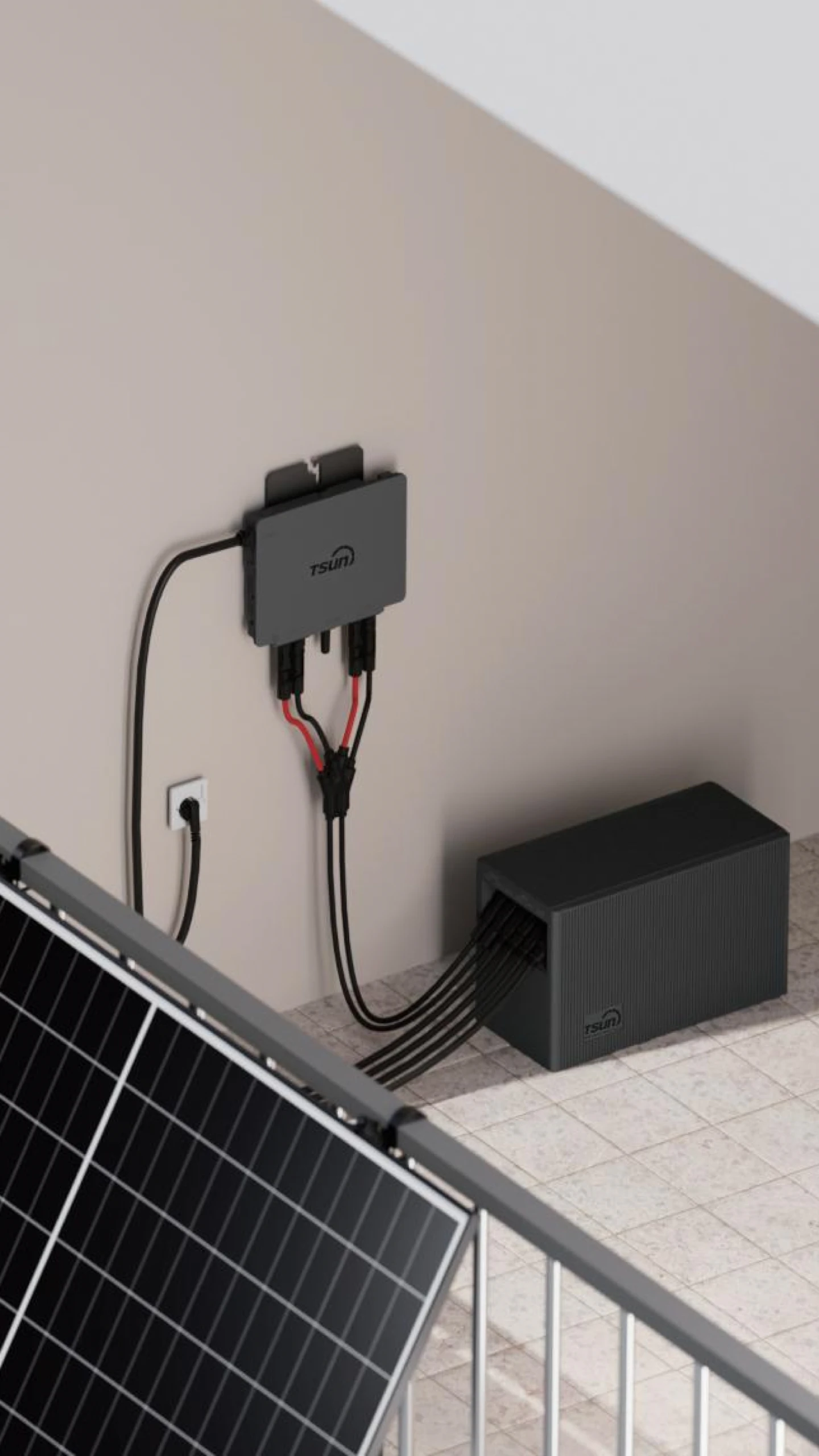
 Downloads
 Video Center
 Report Fault for Repair
 FAQS
FAQS Service Network
 Privacy Policy
 Contact Us
 Monitoring


 LEARN MORE