Understanding the Grid Microinverter: A Veteran's Perspective
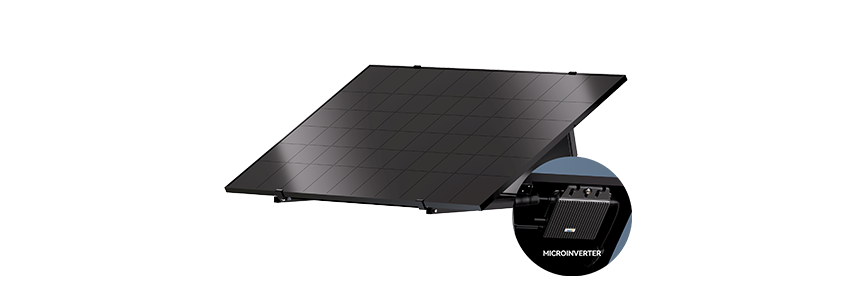
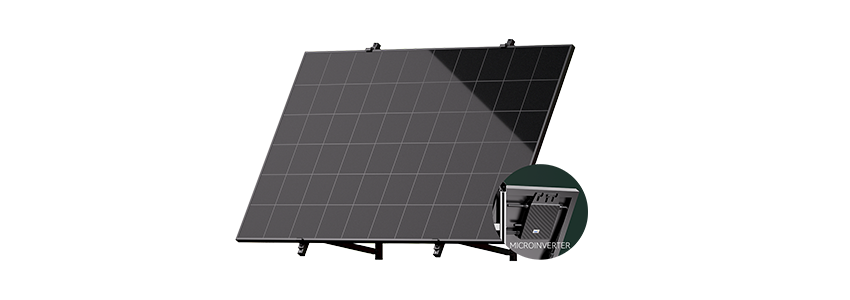
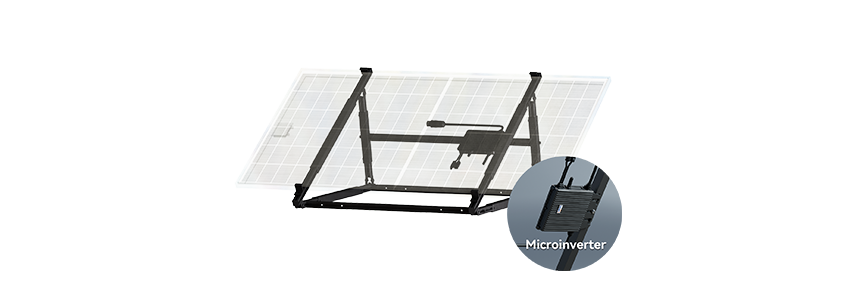
Having spent over a decade in the industrial equipment sector, I can say that few devices have evolved quite like the grid microinverter. You know, it’s one of those components that quietly changed the solar game without much fanfare. For years, centralized string inverters dominated, but microinverters bring a refreshing twist — decentralization, flexibility, and, frankly, better performance under real-world conditions.
What I find genuinely intriguing about these microinverters is their design philosophy. Instead of converting DC power from an entire solar array at one central point, each panel gets its own little ‘brain’ to convert power. This means shading, panel mismatch, or dirt on one panel won't drag the whole system down. It feels like giving each solar panel its own voice, which, oddly enough, makes the whole installation sing more harmoniously.
In real terms, this translates to higher energy harvests. Many engineers I’ve chatted with say microinverters increase system uptime and simplify monitoring — you can pinpoint issues down to a single panel rather than going detective on the whole array. Plus, these devices often come equipped with robust safety features, including anti-islanding protection, which prevents grid power from backfeeding during outages — a big compliance win.
Typical Specifications of a Grid Microinverter
| Specification |
Detail |
| Max AC Output Power |
300-350 W per unit |
| Maximum Input Voltage |
60 V DC |
| Operating Temperature |
-40°C to +65°C |
| Efficiency (Max) |
96% - 97% |
| Communication Interface |
PLC / ZigBee / RF |
| Dimensions |
150 x 130 x 30 mm |
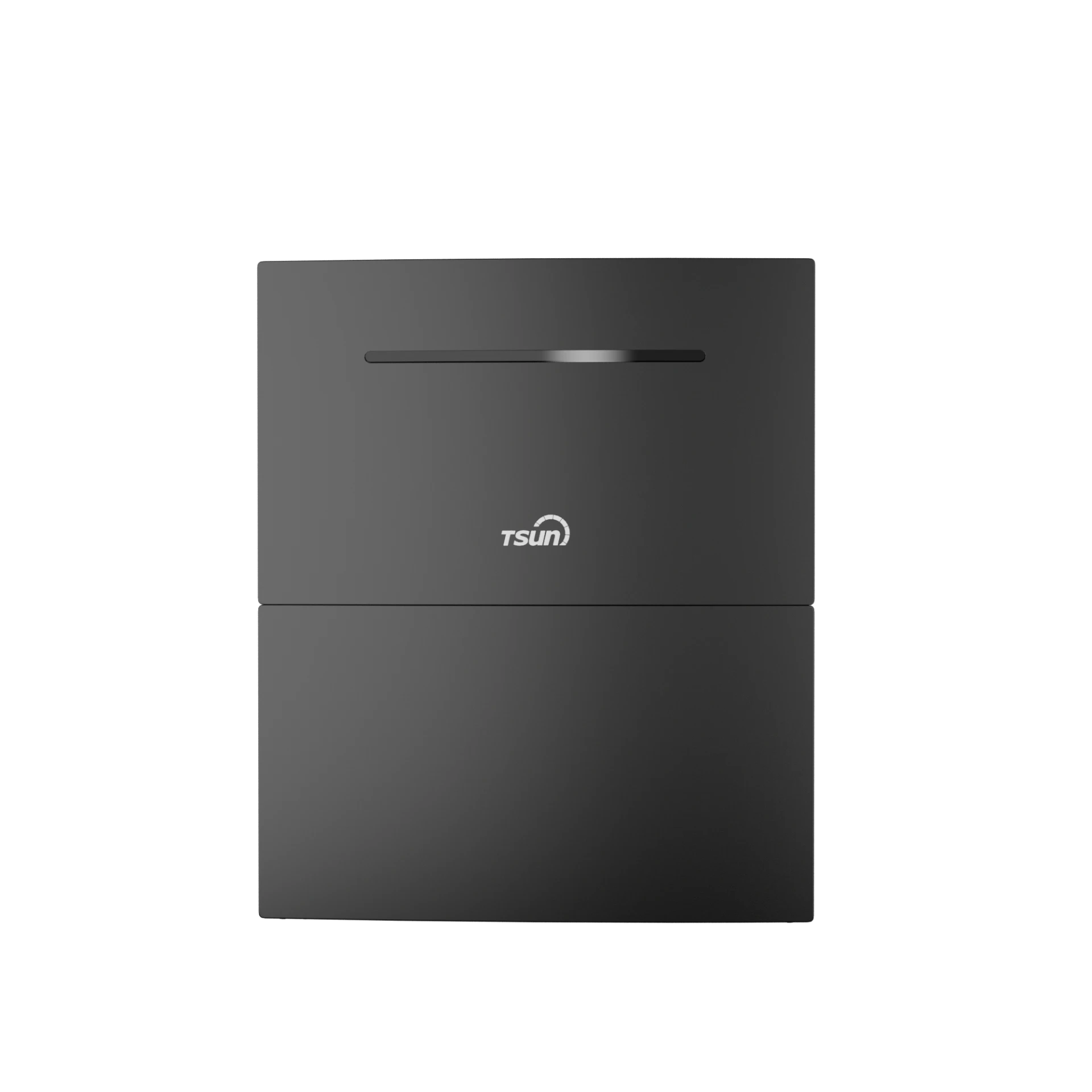
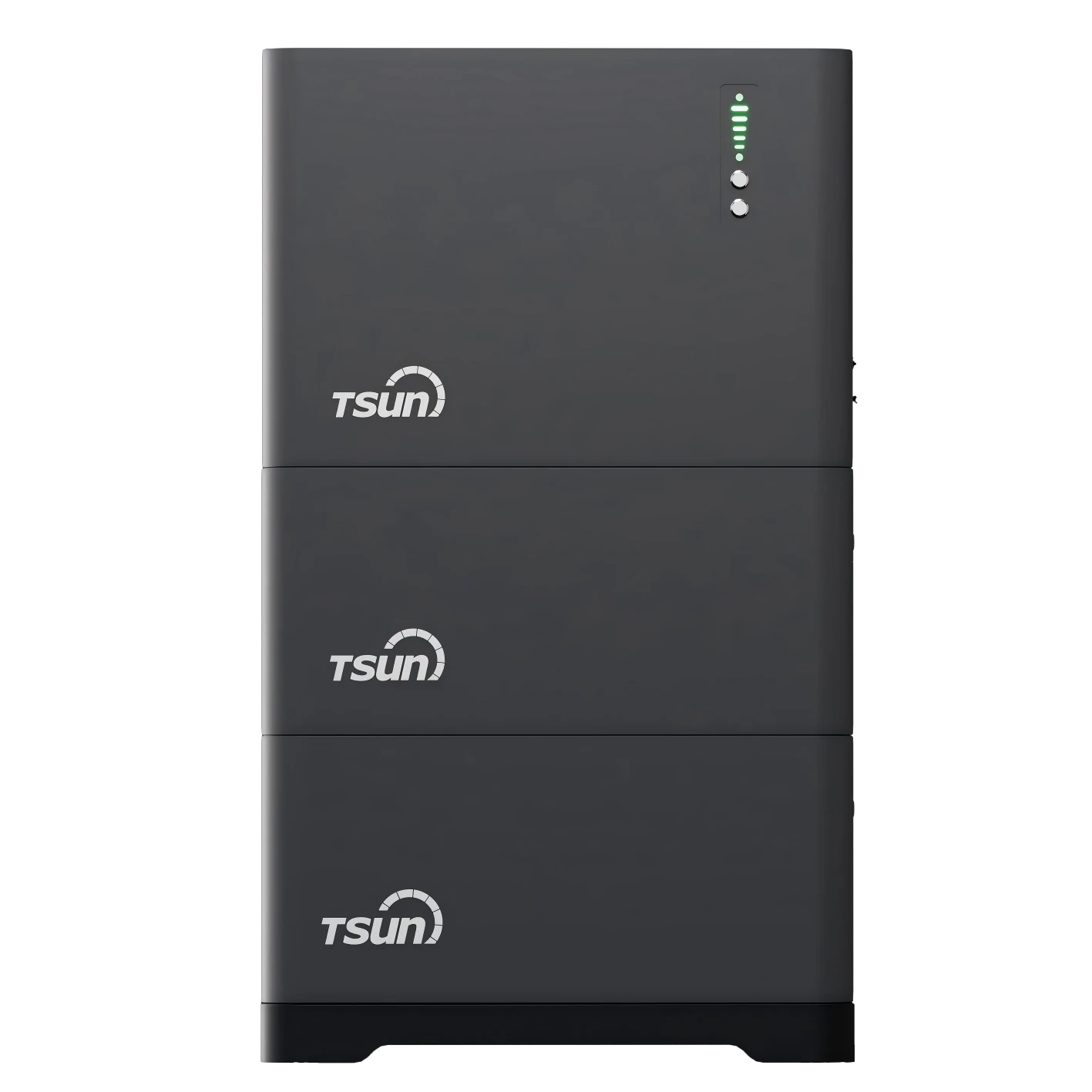
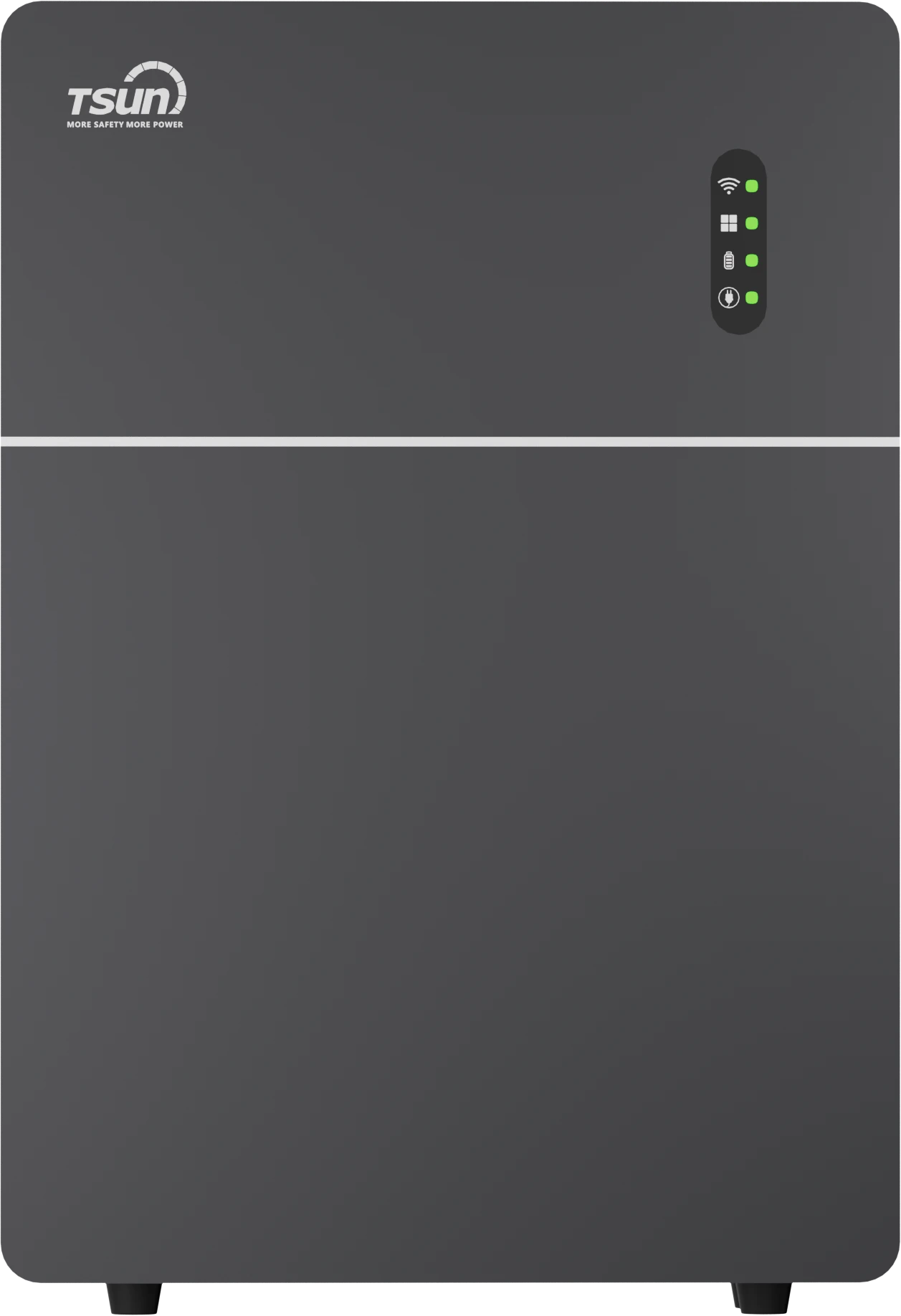
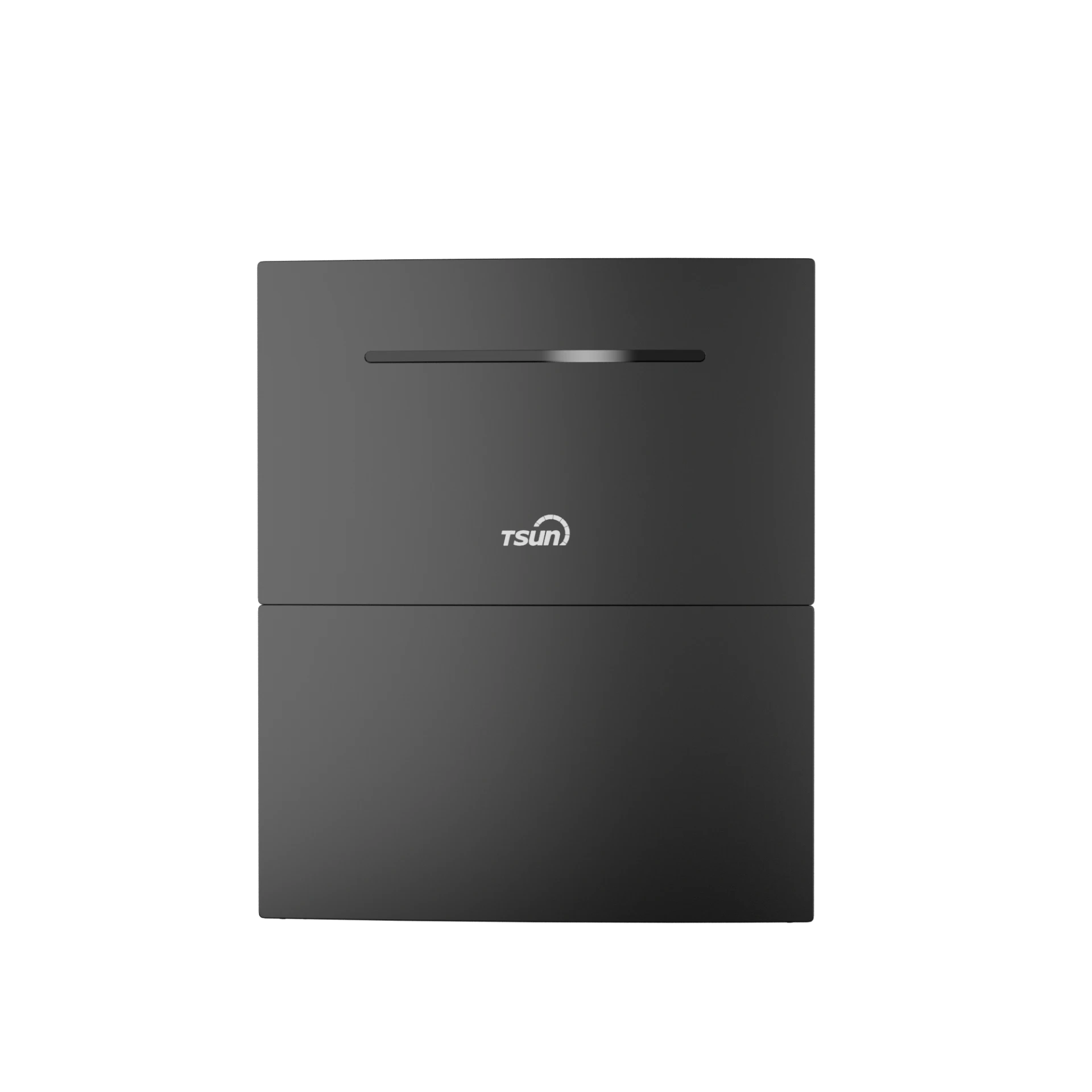
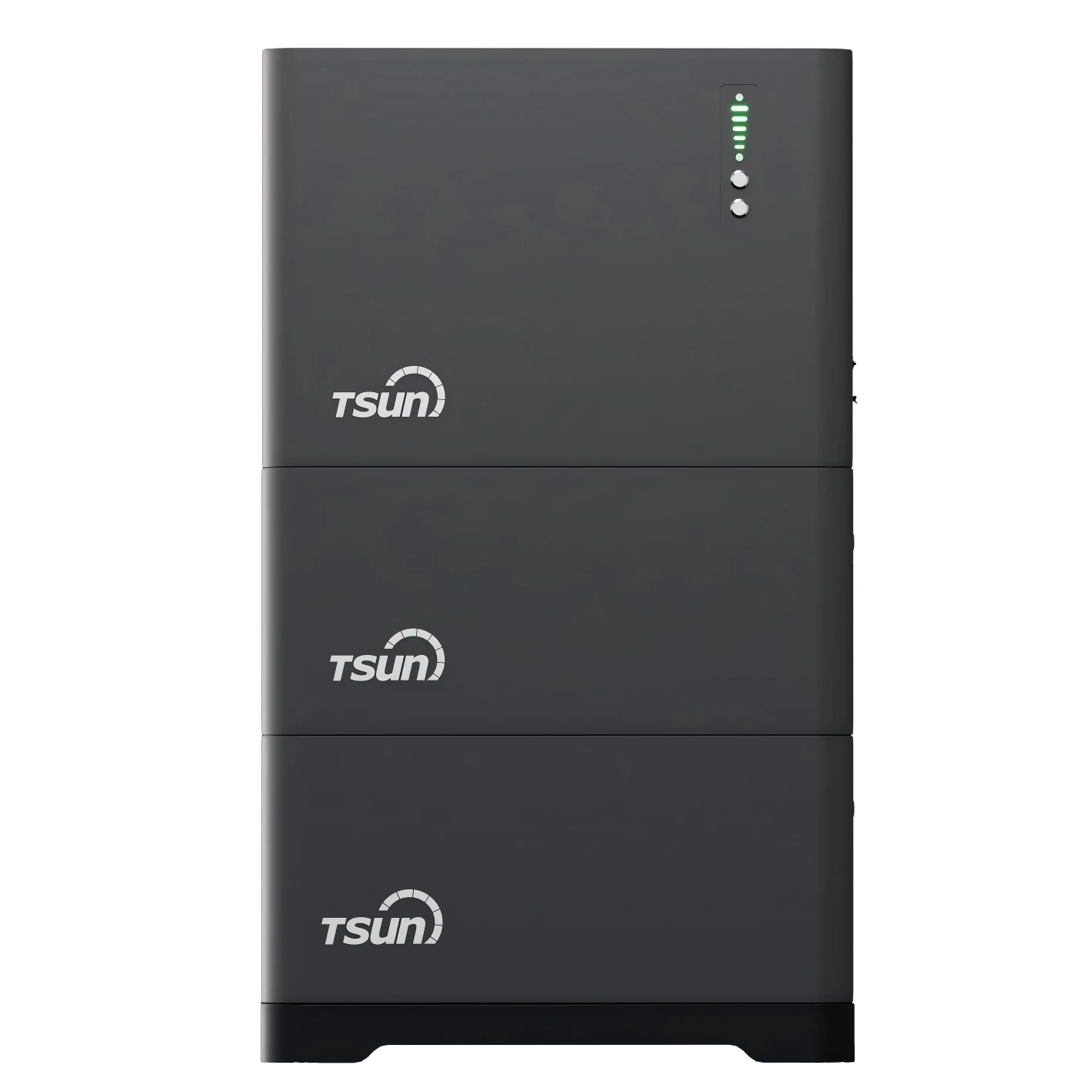
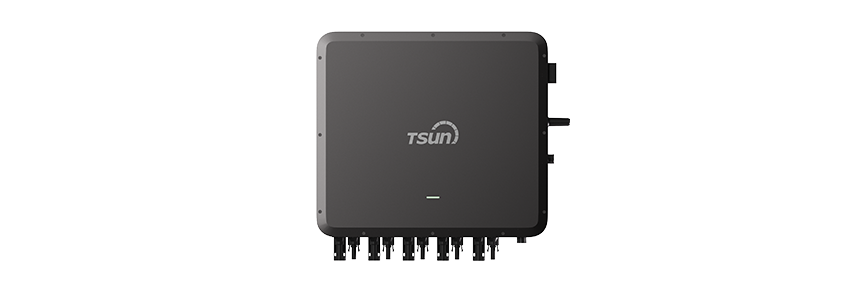
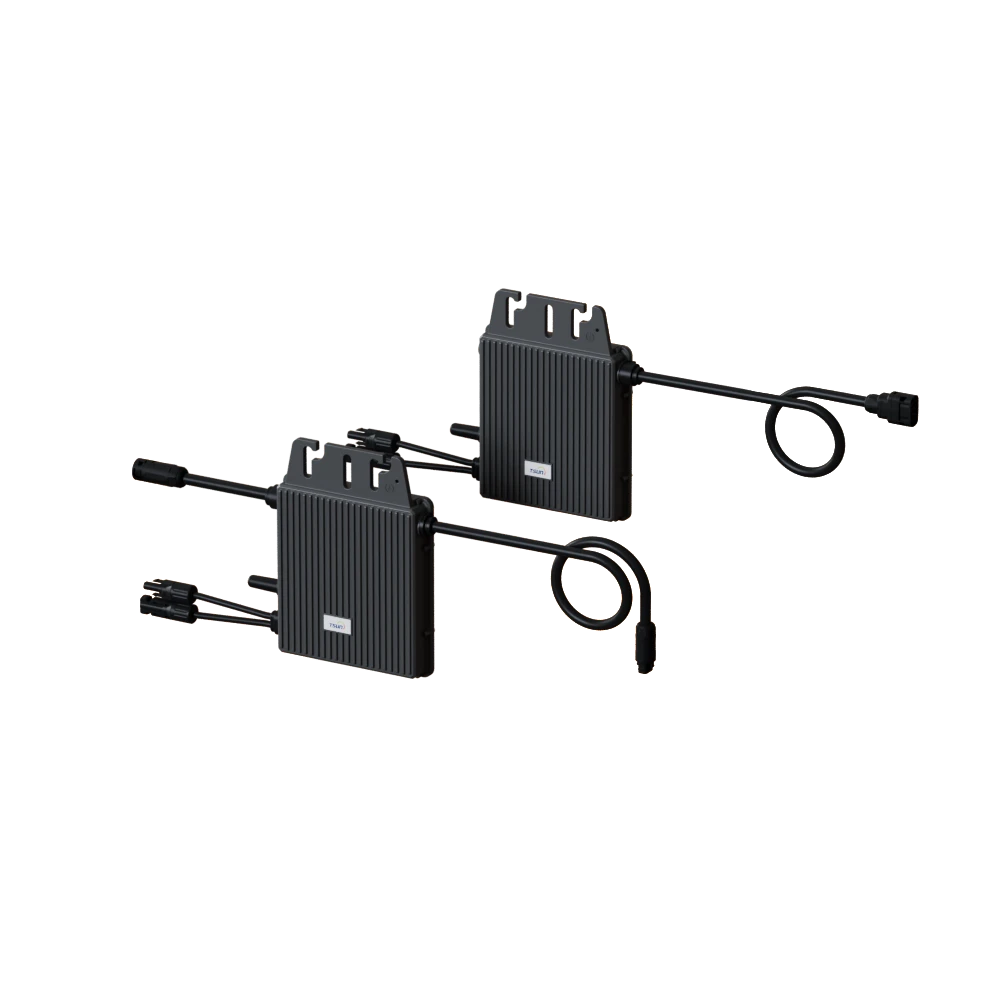
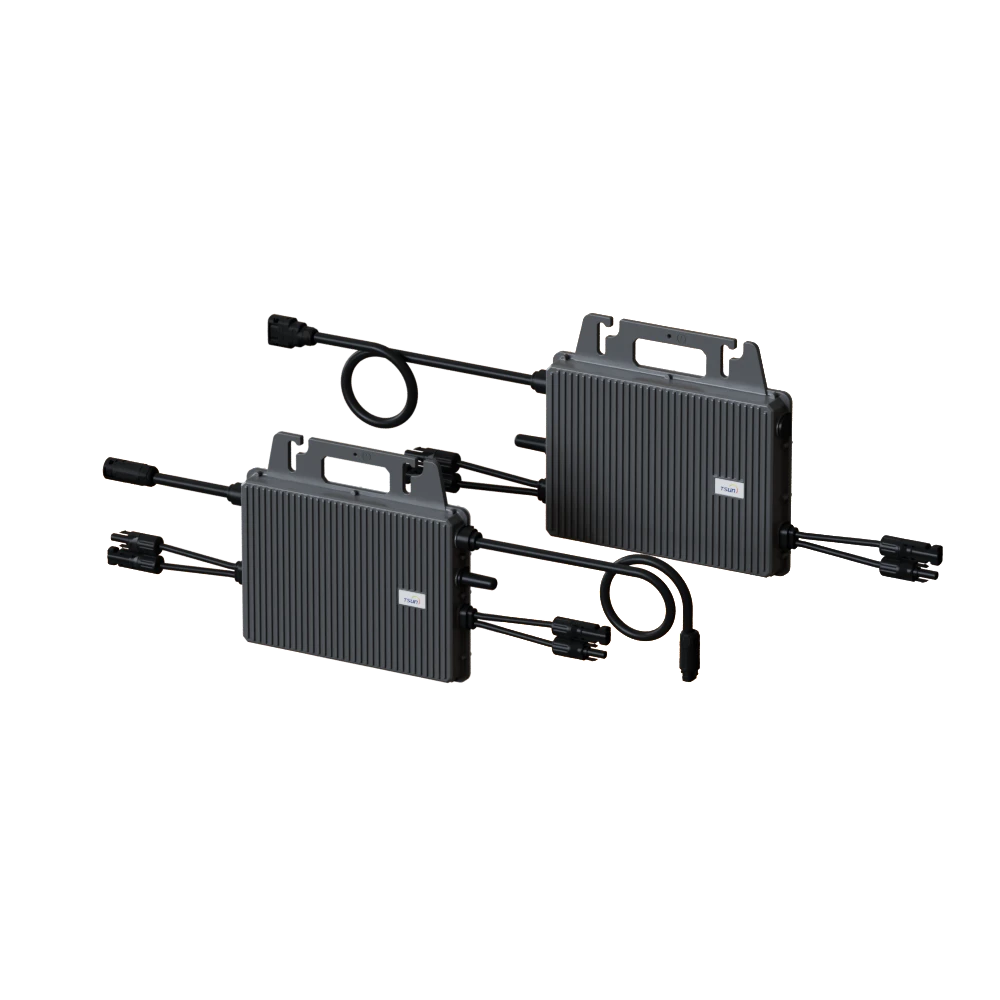
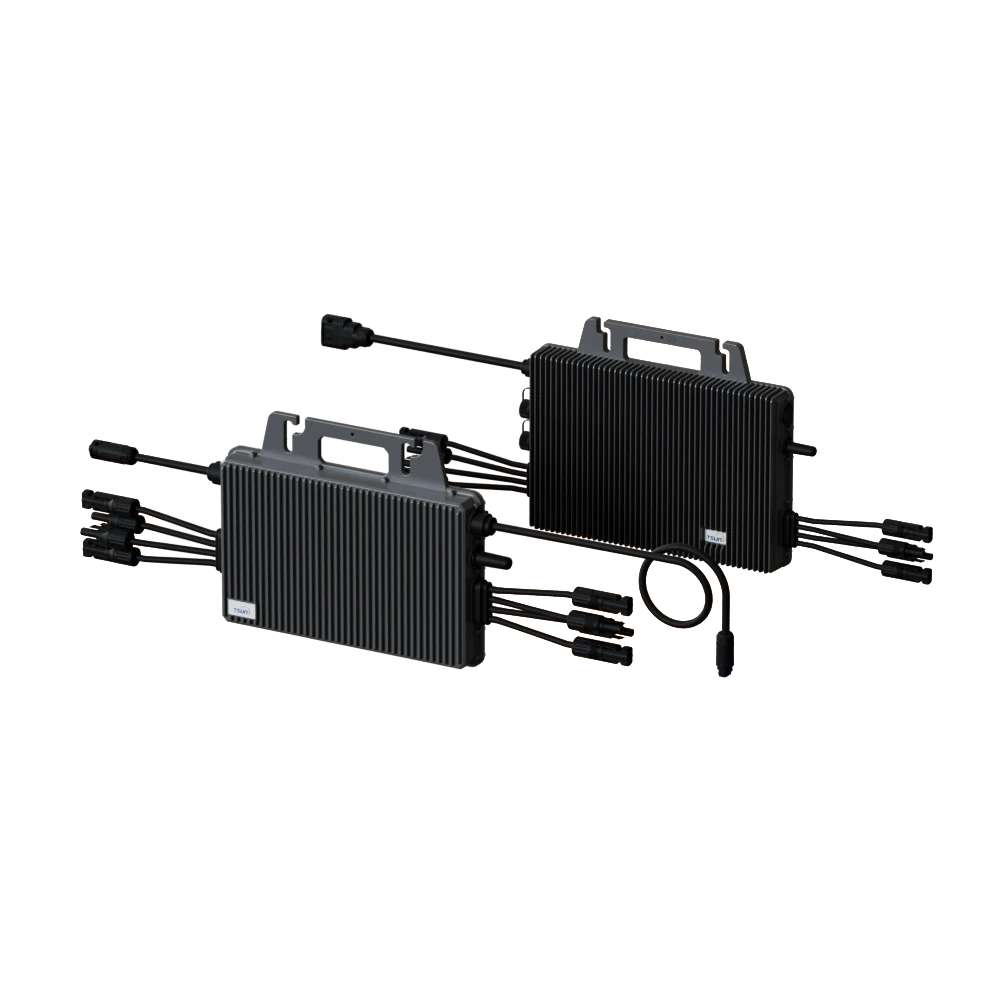
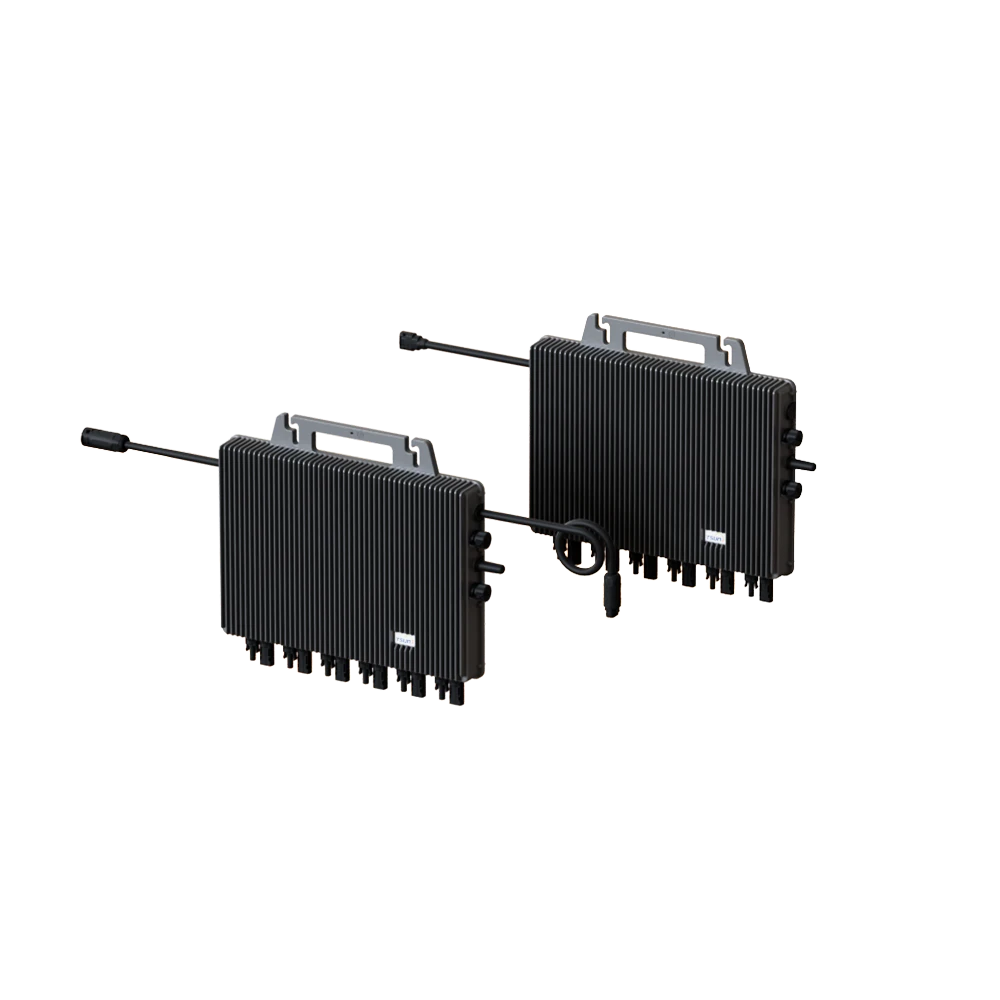
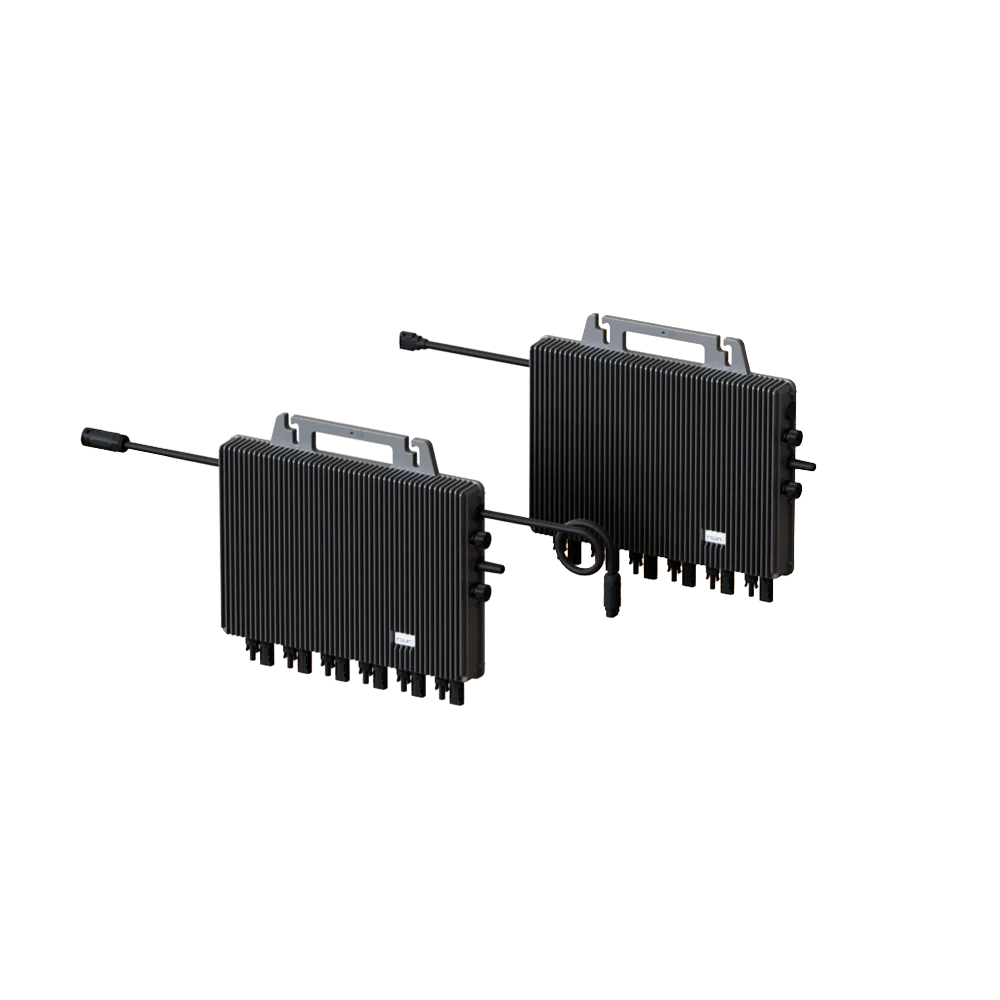
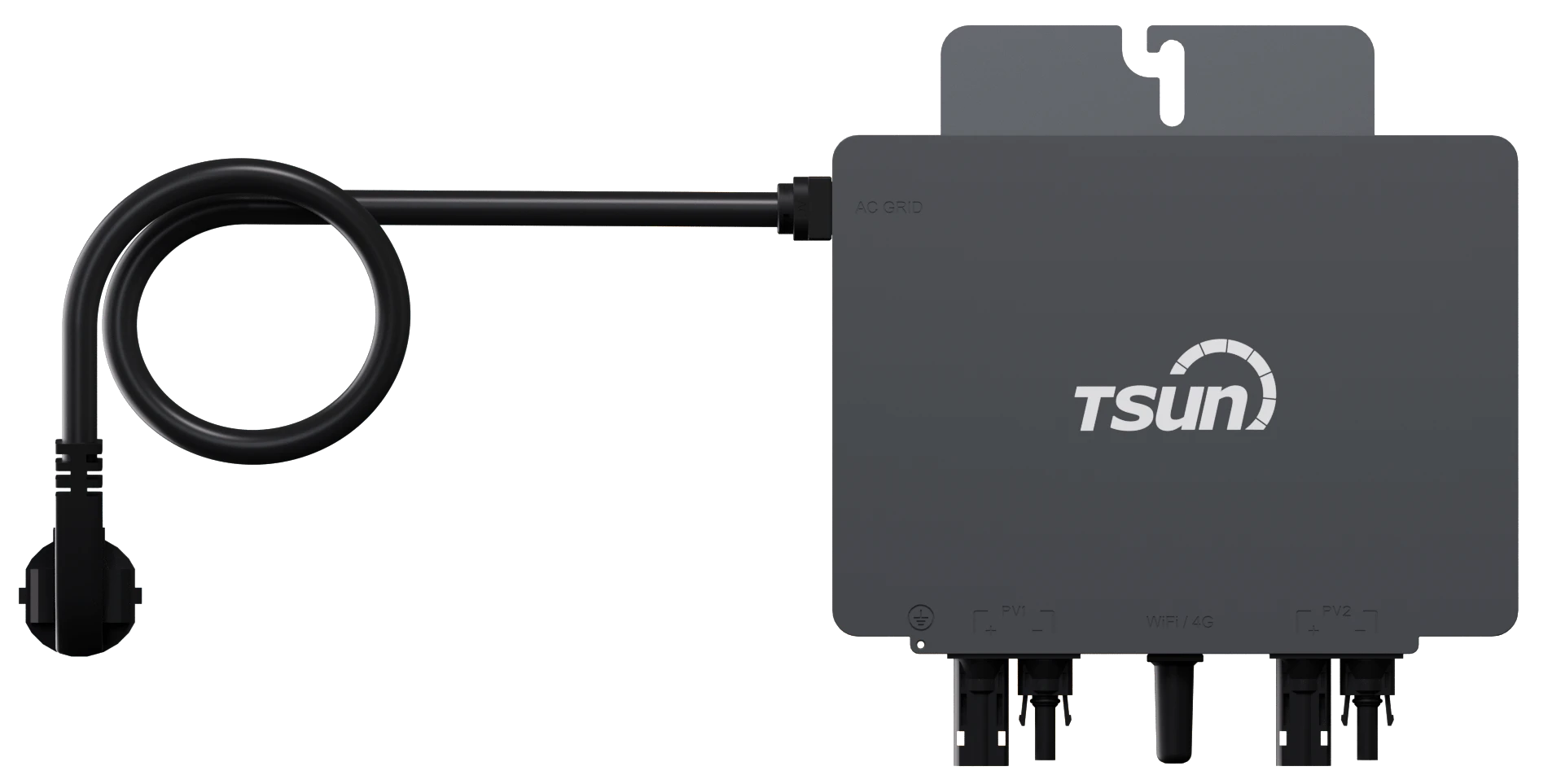
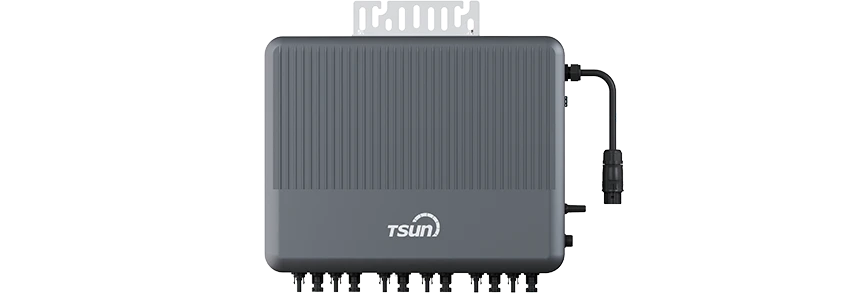
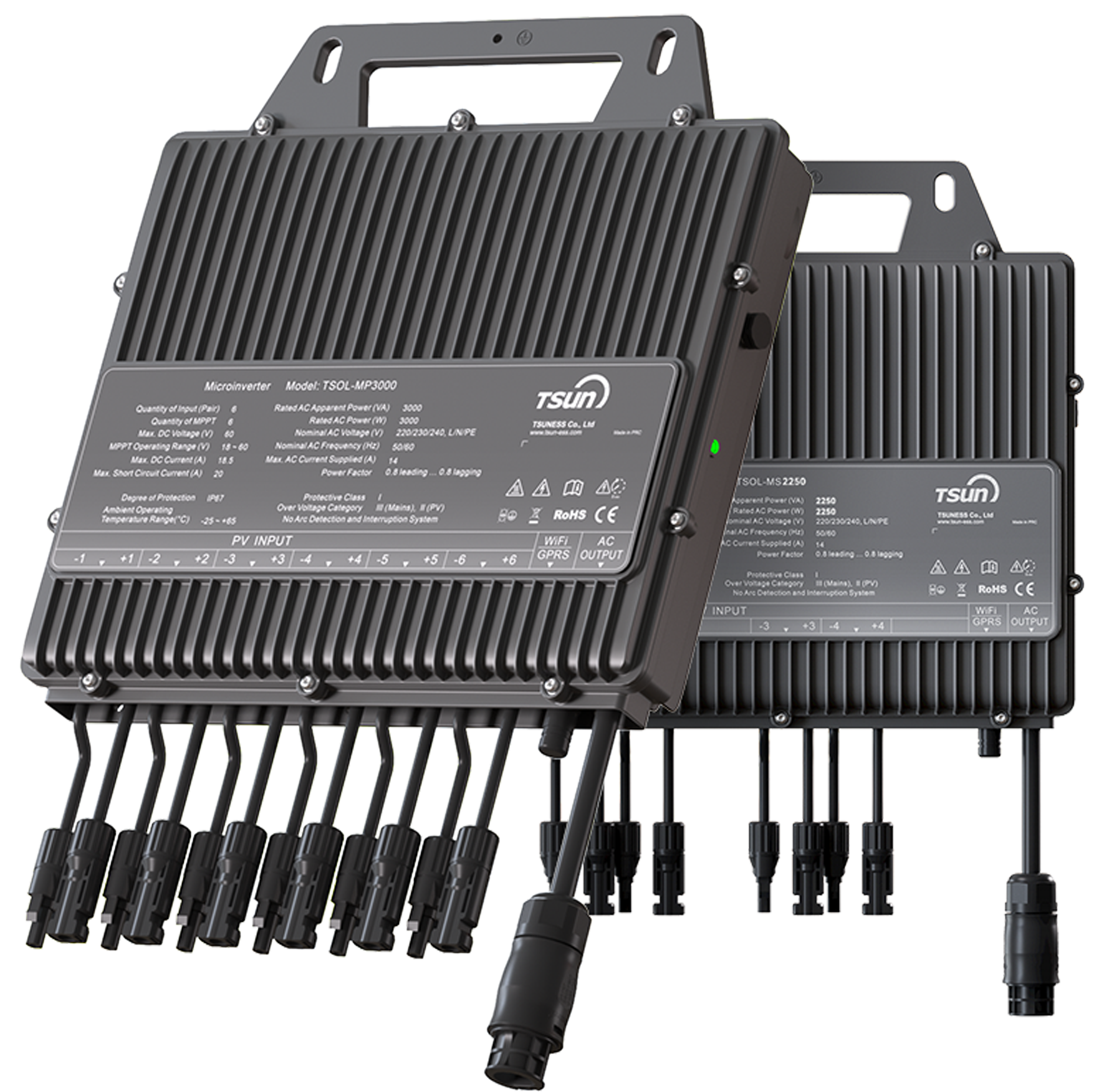
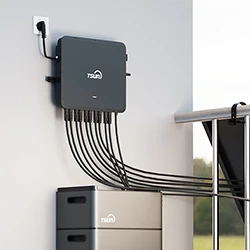
Now, I won’t pretend every microinverter is created equal. Sourcing and vendor choice definitely matter if you're after reliability and support. Some brands offer better durability outdoors, while others shine with monitoring features and integration flexibility. For instance, Tsun’s solutions, which I've seen in several projects, strike a practical balance between affordability and solid specs.
Vendor Comparison: Popular Grid Microinverters
| Feature / Vendor |
Tsun |
AlphaTech |
SolarMax |
| Max Output Power |
350 W |
320 W |
300 W |
| Peak Efficiency |
97.2% |
96.5% |
96.0% |
| Warranty |
15 years |
10 years |
12 years |
| Monitoring Interface |
PLC & RF |
Wi-Fi |
ZigBee |
| IP Rating |
IP67 |
IP65 |
IP66 |
One project stands out in my memory: a rooftop installation on a small commercial building where shading from nearby trees was a constant headache. We retrofitted with microinverters and the client saw a noticeable bump in production almost immediately. Monitoring was much easier — no guessing if a panel was underperforming or if the issue was wiring related. It’s those little wins, over time, that make microinverters an appealing piece of tech.
Of course, they aren’t a silver bullet. Cost per watt can be higher than traditional inverters, and installation sometimes demands a bit more finesse, especially in tight setups. But if you want resilience, granular analytics, and future-proof flexibility — well, microinverters are hard to beat.
For anyone diving into renewable energy hardware, I’d say give these devices a good look — especially from trusted vendors like Tsun. They marry real-world field experience with solid product design, which is exactly what we need in this evolving landscape.
In summary, the grid microinverter isn’t just a piece of equipment — it’s a paradigm shift that makes solar systems smarter and more robust. And frankly, after years in the field, it’s refreshing to see innovation that simply works as promised.
—
References:
- Industry insights from Solar Energy International, 2022
- Tsun official product datasheets and user testimonials
- Personal installation experience in commercial solar projects, 2015–2023



 LEARN DETAILS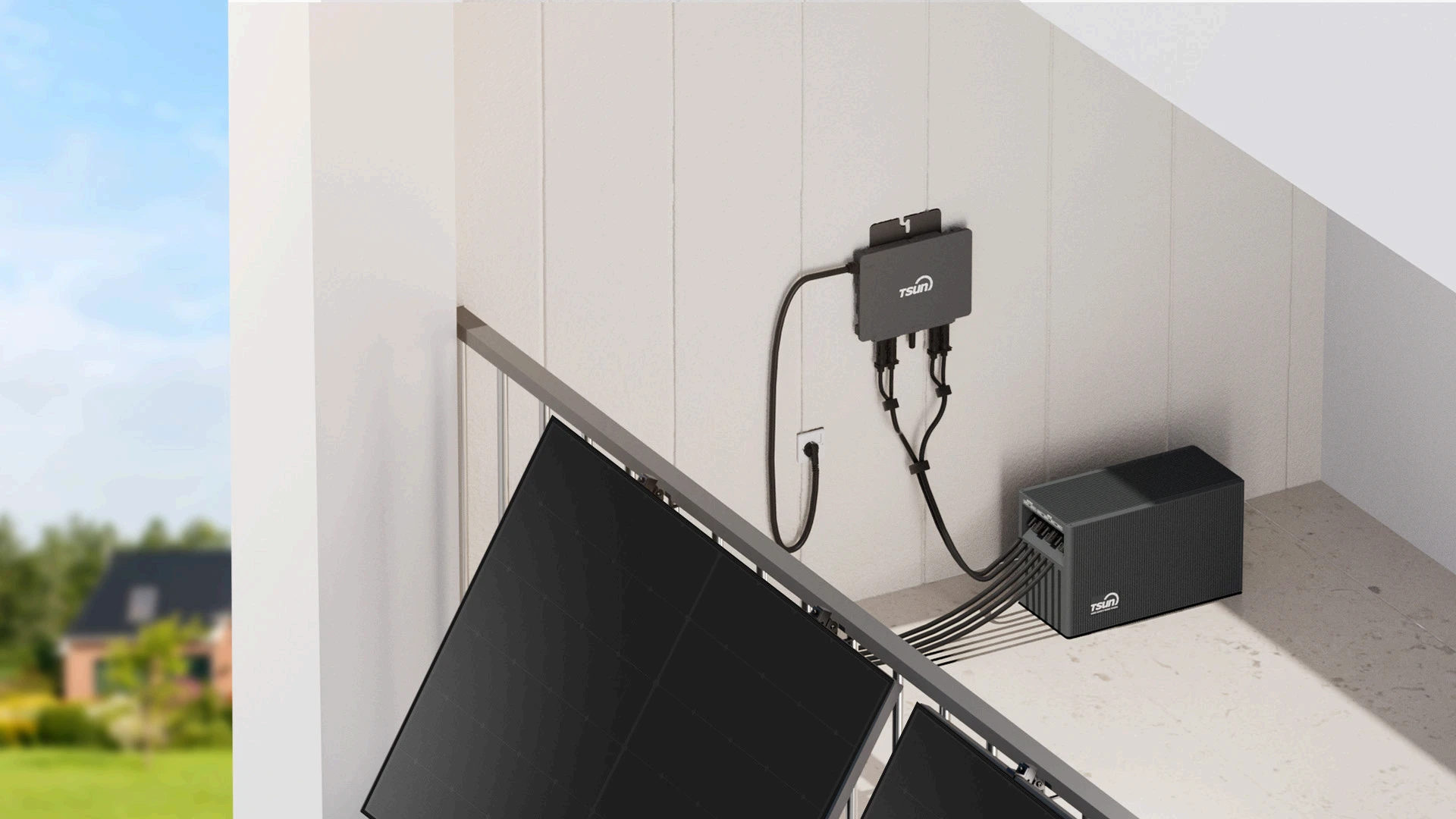

 Downloads
 Video Center
 Report Fault for Repair
 FAQS
FAQS Service Network
 Privacy Policy
 Contact Us
 Monitoring


 LEARN MORE