Off Grid Solar Microinverter is a key solution in the industry, specifically within renewable energy systems where reliable, flexible power conversion is needed outside traditional grid networks. This article explores how https://www.tsun-ess.com supports professionals with durable, high-performance products, and explains why this product is an ideal choice for businesses in these sectors.
Table of Contents
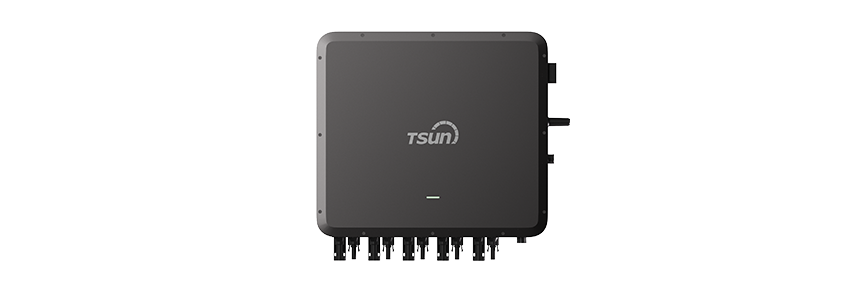
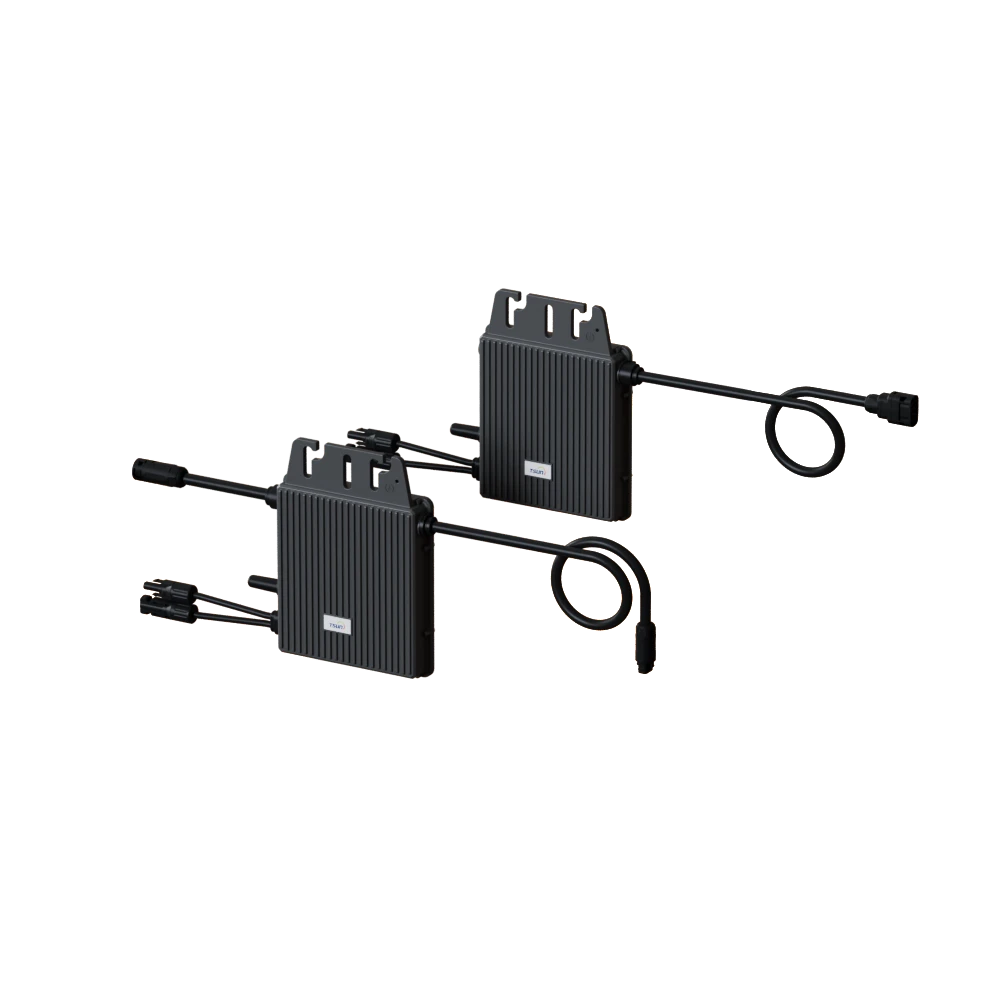
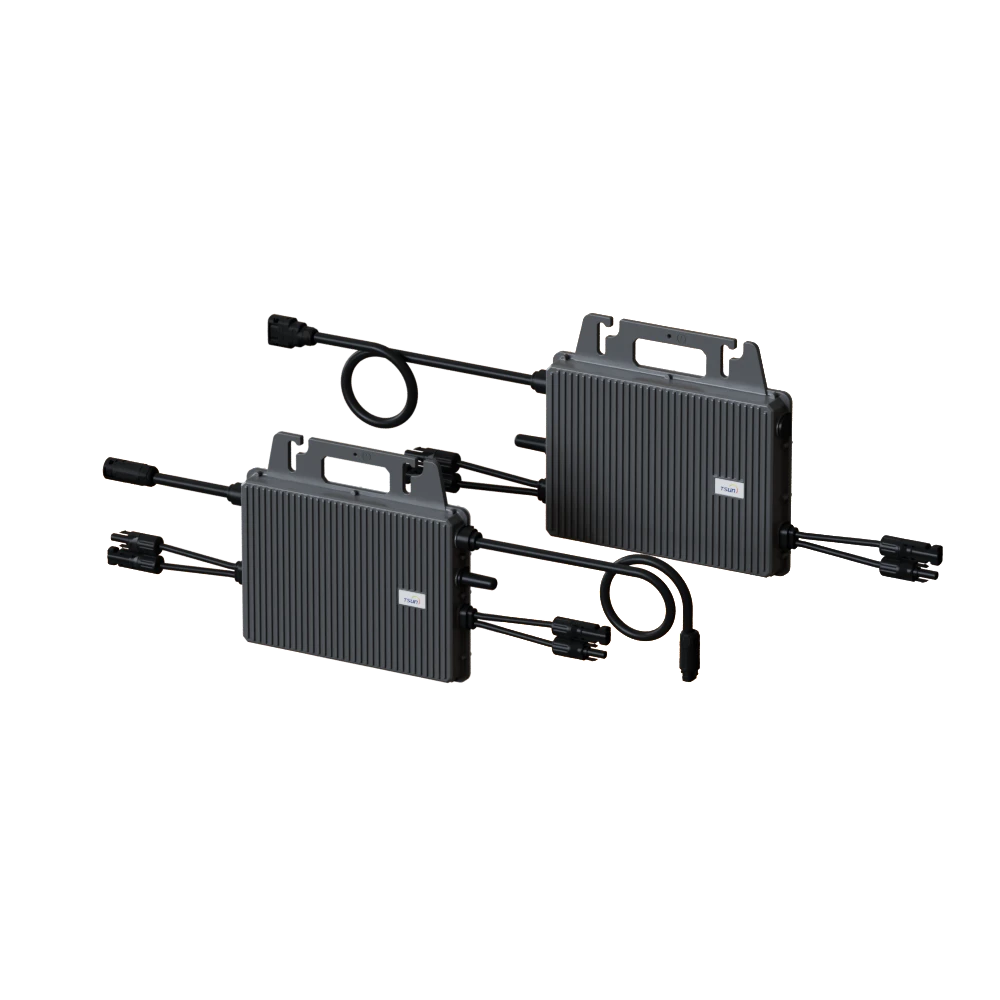
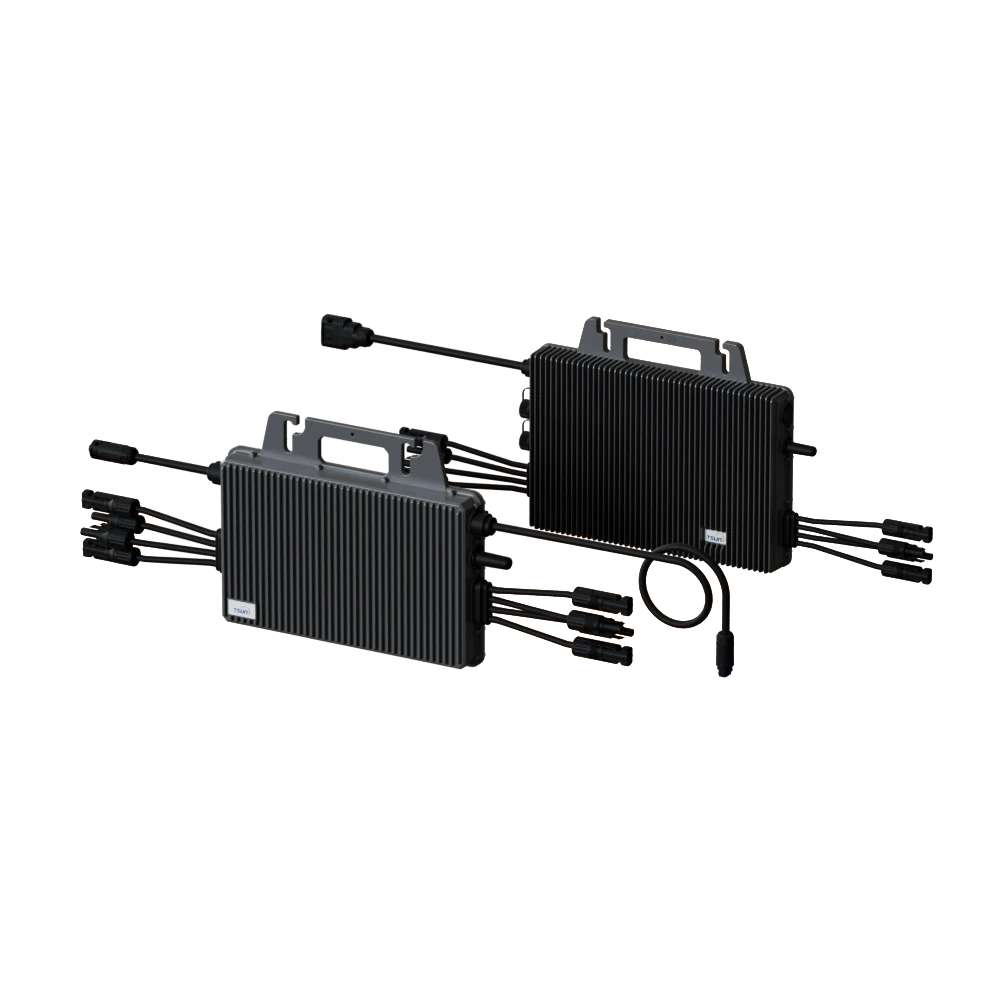
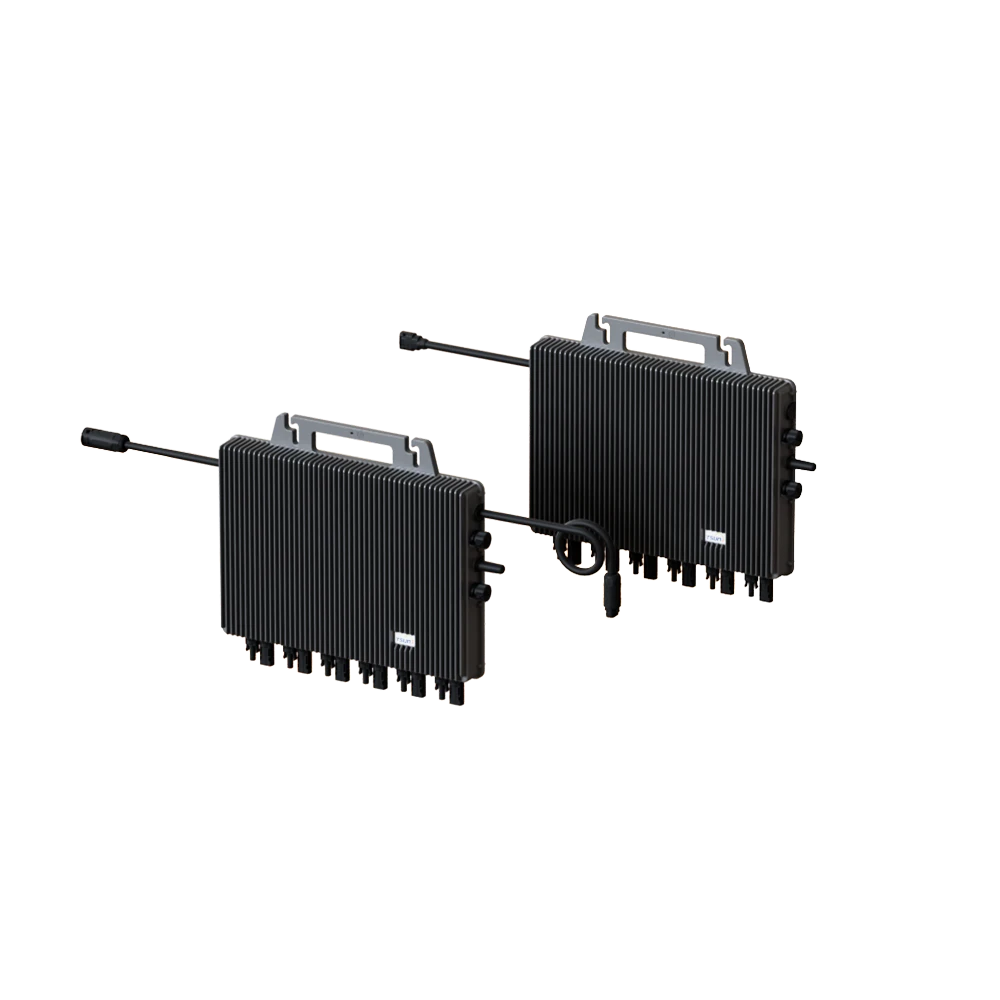
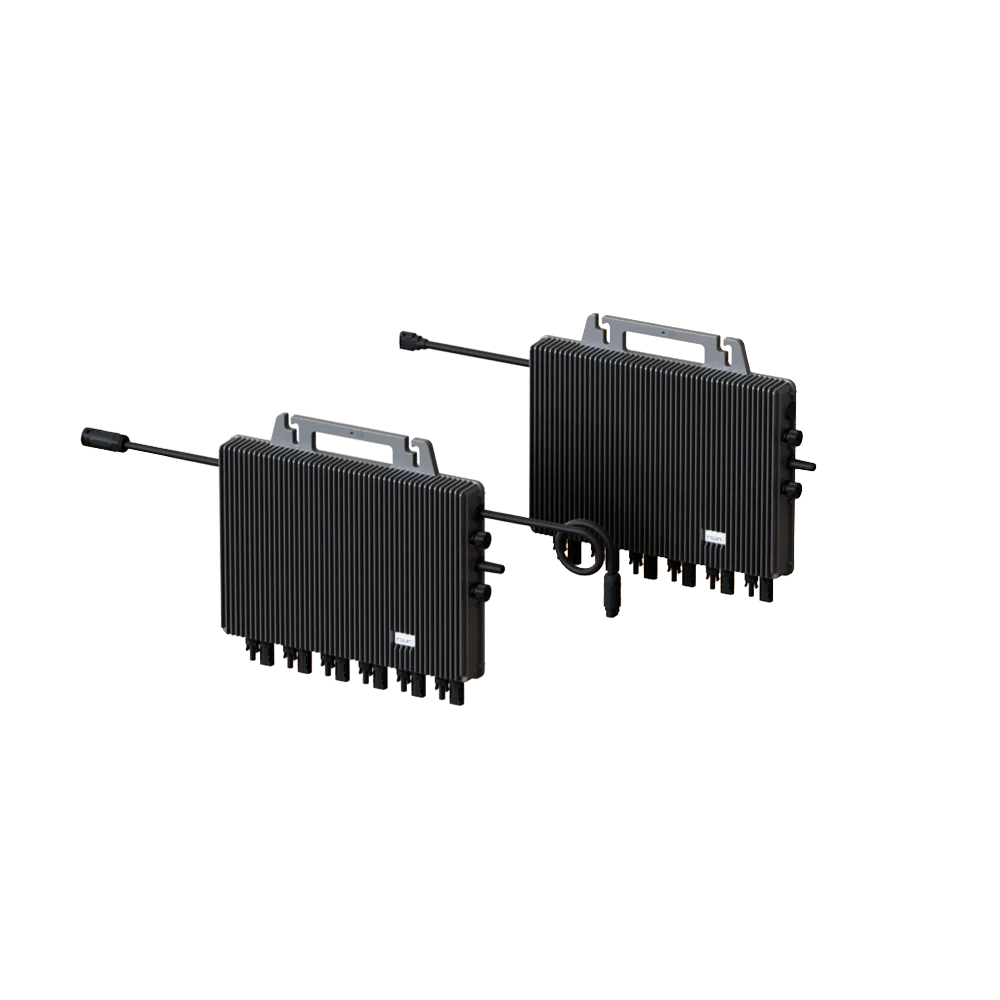
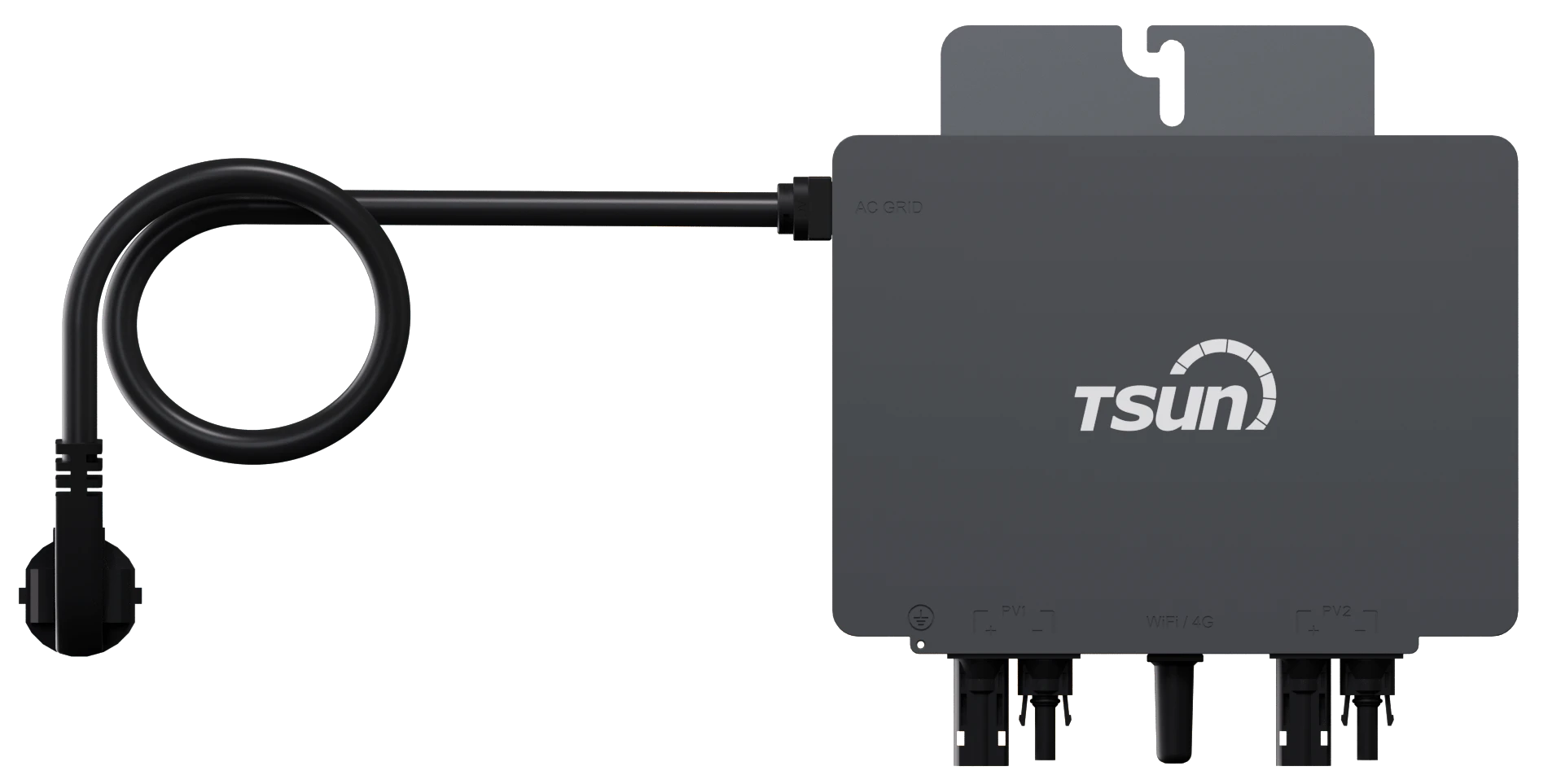
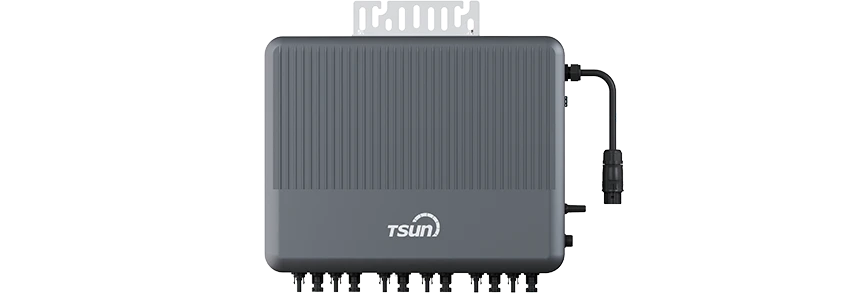
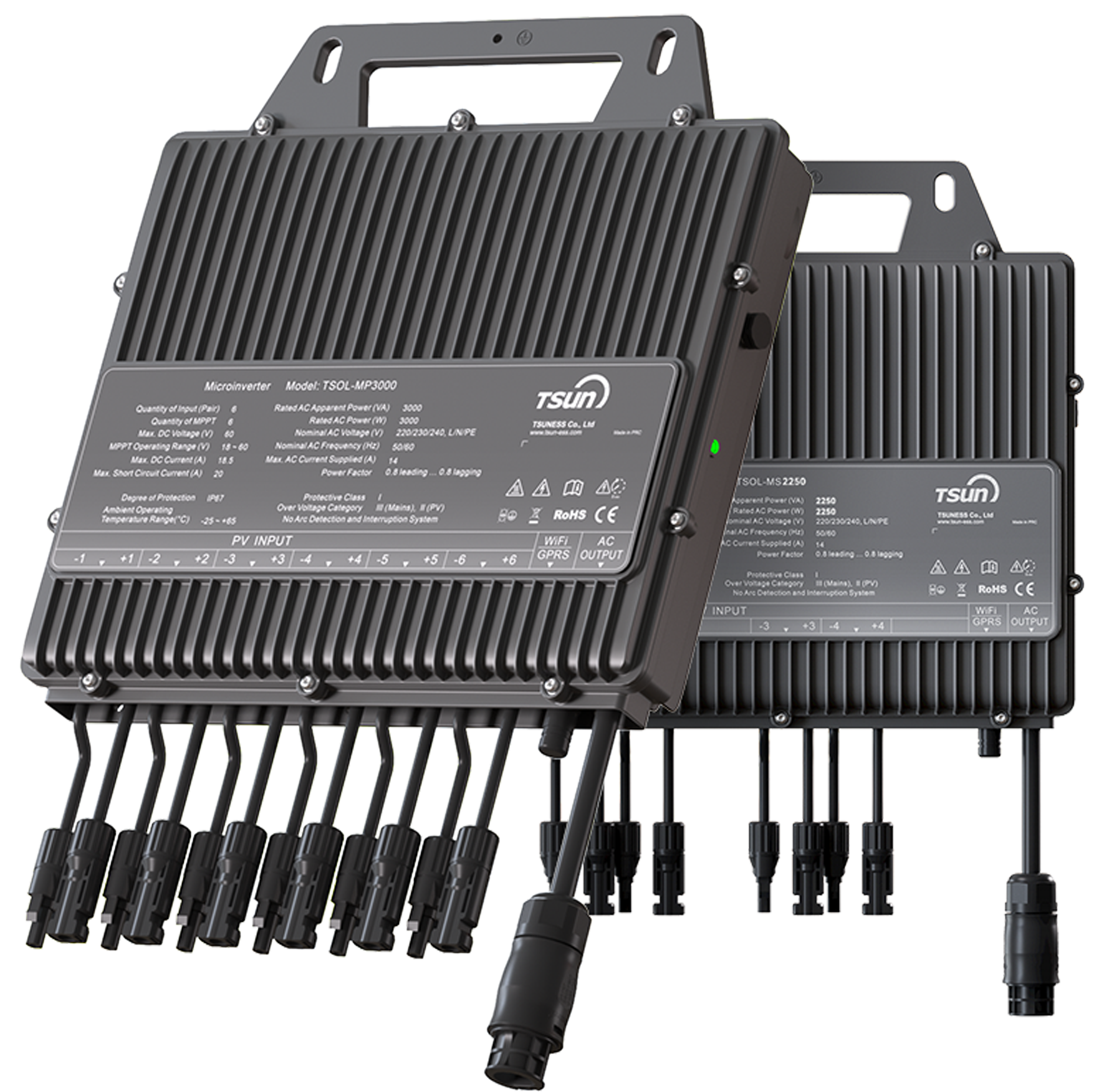
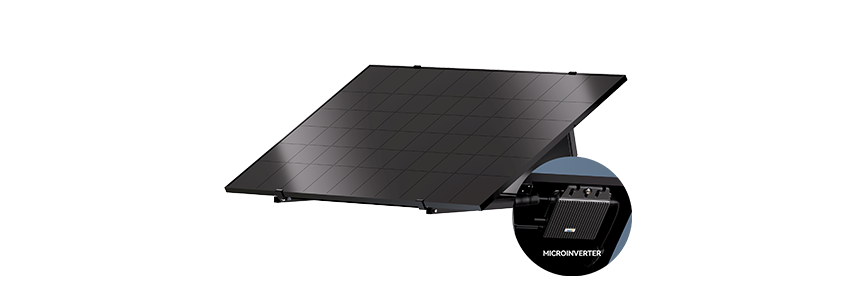
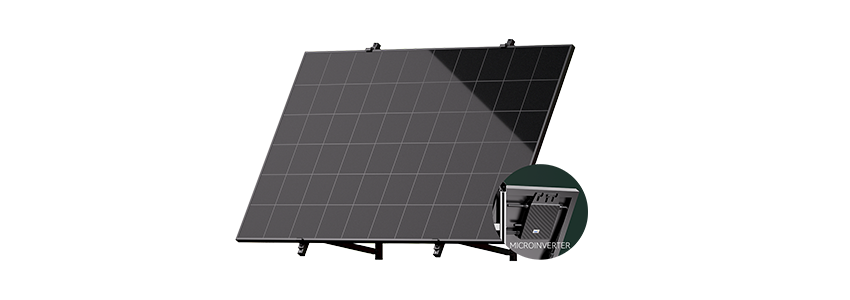
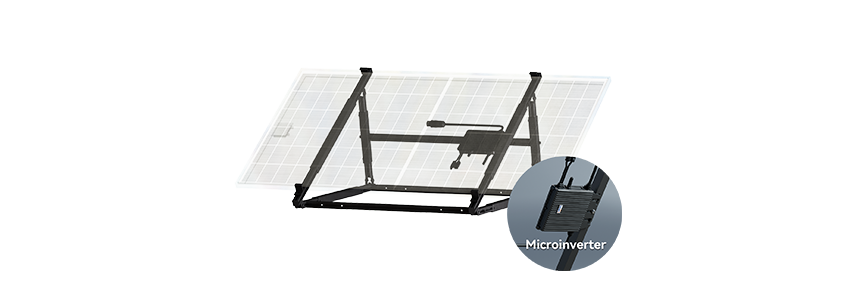
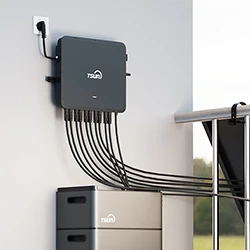
At its core, an Off Grid Solar Microinverter converts direct current (DC) generated by each solar panel into alternating current (AC) ready for use in off grid settings. Unlike string inverters, microinverters operate at the panel level, which means greater efficiency and adaptability, especially where shading or panel mismatch occurs. For industries and businesses relying on autonomous power – from remote telecommunications to rural manufacturing facilities – these devices ensure stable, clean electricity regardless of grid availability.
- Definition: Small-scale inverter attached to each solar panel, designed precisely for off-grid energy systems.
- Technical specs: Typical models offer 250-350W peak power per unit, built-in anti-islanding protection, IP65 weatherproof casing, and a durability rating suited to harsh environments.
- A recent case study by Tsun ESS showed sustained 95% conversion efficiency over three years in desert-like conditions, illustrating reliability under real-world stresses.
Off Grid Solar Microinverter Key Specifications
| Specification |
Typical Value |
| Peak Power Output |
300 W |
| Nominal AC Output Voltage |
120 / 240 V AC |
| Efficiency |
≥ 95% |
| Ingress Protection |
IP65 |
| Operating Temperature Range |
-40°C to +65°C |
Many industries benefit from deploying Off Grid Solar Microinverters rather than traditional centralized inverters. Think of mining camps in rugged terrains or agricultural installations far from reliable grid access. In such scenarios, flexibility and robustness are not luxuries but necessities. Because microinverters operate at the individual panel level, a shaded or malfunctioning panel doesn’t drag down the entire system’s performance. This kind of granularity is something many engineers appreciate, especially when uptime is critical.
- Supports modular system expansion – businesses can add panels without overhauling the inverter setup.
- Improves energy harvest by maximizing power point tracking per panel.
- Enhanced system monitoring capabilities, helping facility managers quickly identify and fix issues.
Competitive advantages of providers like Tsun ESS hinge on advanced thermal management, durable materials for corrosive environments, and intelligent communication protocols allowing seamless integration into existing control architectures. All that means less downtime, better operational visibility, and truly plug-and-play scalability, which frankly, makes a difference when you’re managing multiple sites or operating in challenging conditions.
Cost, Maintenance & User Experience
Total cost of ownership for Off Grid Solar Microinverter systems often appears higher initially compared to string inverter setups but pays off over time through reduced maintenance and superior performance. The modular nature means if one microinverter needs replacement, you don’t have to power down an entire array. Users frequently point out this flexibility simplifies operations and lowers long-term expenses.
- Durability is rated highly — many units function flawlessly for over a decade in harsh climates.
- Customer feedback highlights ease of installation and comprehensive technical support from Tsun ESS.
- Data from industry clients reveal ROI typically within 5-7 years, factoring energy savings and lower downtime.
Honestly, the user experience can shift from reactive troubleshooting to proactive management, thanks to integrated monitoring platforms that many off-grid solar microinverter systems now include.
Vendor Comparison: Tsun ESS vs Generic Providers
| Feature |
Tsun ESS |
Generic Providers |
| Product Warranty |
10 years |
5 years |
| Weather Resistance |
IP65 & corrosion-resistant |
IP54 standard |
| Efficiency |
≥ 95% |
~92-94% |
| Customer Support |
24/7 dedicated engineering team |
Limited hours, slower response |
Sustainability & Market Trends
The push for sustainability practically mandates innovative solutions like Off Grid Solar Microinverters. Driving factors include global efforts to reduce carbon footprints, stricter energy regulations, and increasing demand for green power independence. Industries embracing these microinverters don't just comply with regulations; they future-proof operations and often tap into incentives and subsidies aimed at encouraging clean energy adoption.
- The market is witnessing a steady CAGR, projected around 12% growth for microinverter installations by 2028.
- Emerging applications in smart microgrids and IoT integration are pushing the technology to new heights.
- Sustainability frameworks increasingly favor modular, efficient tech, aligning perfectly with microinverter system benefits.
Frequently Asked Questions about Off Grid Solar Microinverter
- What is Off Grid Solar Microinverter and how does it work?
-
Simply put, it’s a device that converts the DC electricity produced by each solar panel into the AC power usable for electrical equipment — but it does this at the panel level, ideal for systems off the main grid.
- What are the main benefits of using Off Grid Solar Microinverter in industrial applications?
-
Key advantages include enhanced system efficiency, robustness against shading or panel mismatch, modular upgrades, and improved monitoring — all crucial for demanding industrial environments.
- How does Off Grid Solar Microinverter compare to traditional alternatives?
-
Compared to string or central inverters, microinverters offer better energy harvest, more granular troubleshooting, and greater resilience, especially when the system components or environmental conditions are uneven.
- What industries can benefit most from Off Grid Solar Microinverter implementation?
-
Remote telecom, agriculture, mining, and any off grid or hybrid renewable energy setups can find significant value, often experiencing operational improvements and cost savings.
Conclusion on Off Grid Solar Microinverter from china
In summary, the Off Grid Solar Microinverter represents a robust, scalable, and cost-effective solution for businesses committed to sustainable, reliable power off the beaten track. Whether you’re managing remote infrastructure or embarking on renewable transition projects, it’s worth a closer look.
- Their tech offers a tangible path to boosting efficiency and reducing operational risks.
- Visit our website: https://www.tsun-ess.com
Reflection: Off grid solar microinverters are quietly revolutionizing how businesses approach remote power — it feels like a quiet but powerful shift towards smarter, more resilient energy systems.
References:
1. Tsun ESS product documentation (2023)
2. Renewable Energy Industry Reports, 2022-2024
3. Customer case studies from Tsun ESS installations



 LEARN DETAILS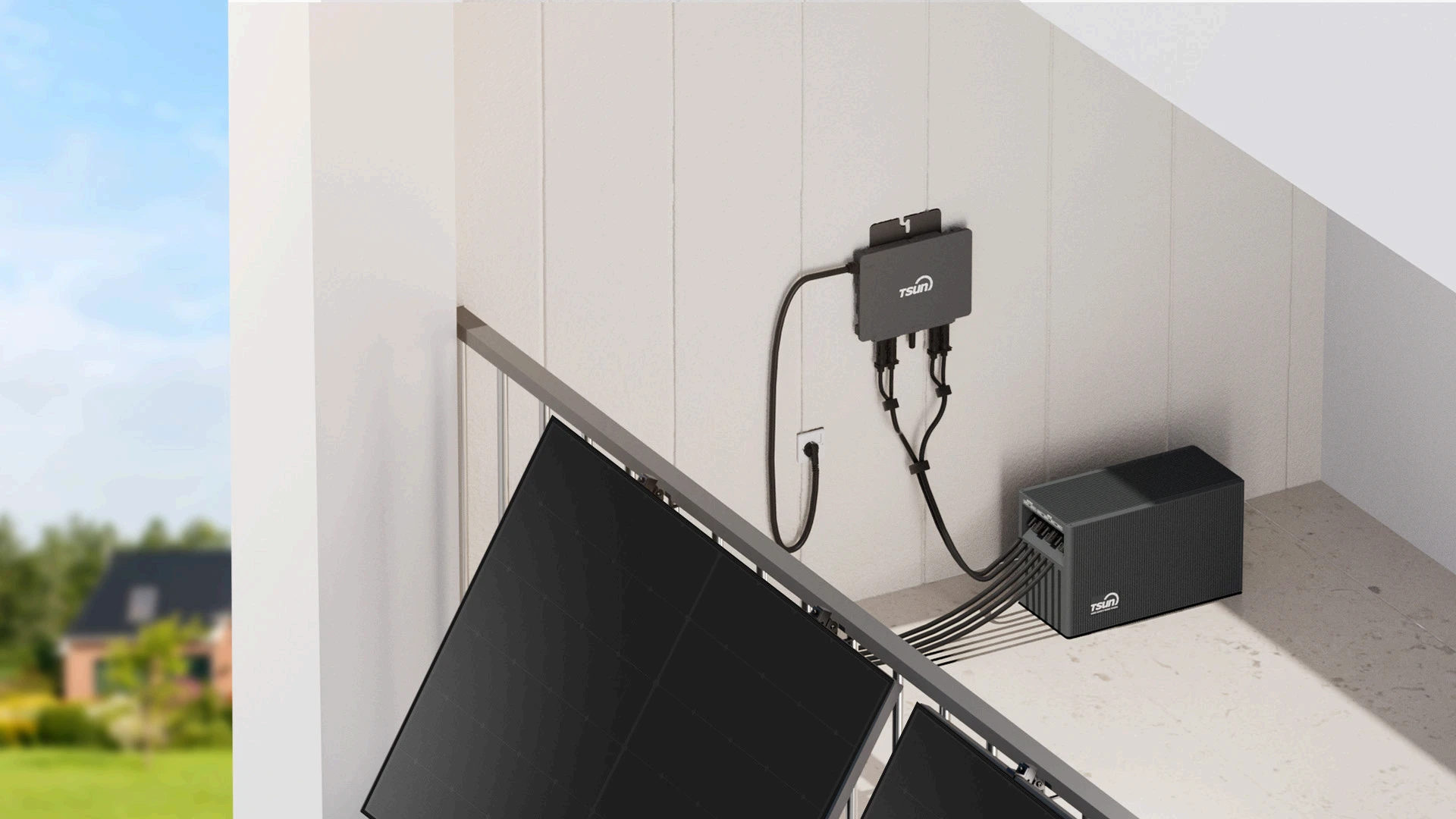

 Downloads
 Video Center
 Report Fault for Repair
 FAQS
FAQS Service Network
 Privacy Policy
 Contact Us
 Monitoring


 LEARN MORE