Why the Solar Grid Tie Microinverter 500W is a Game Changer in Renewable Energy
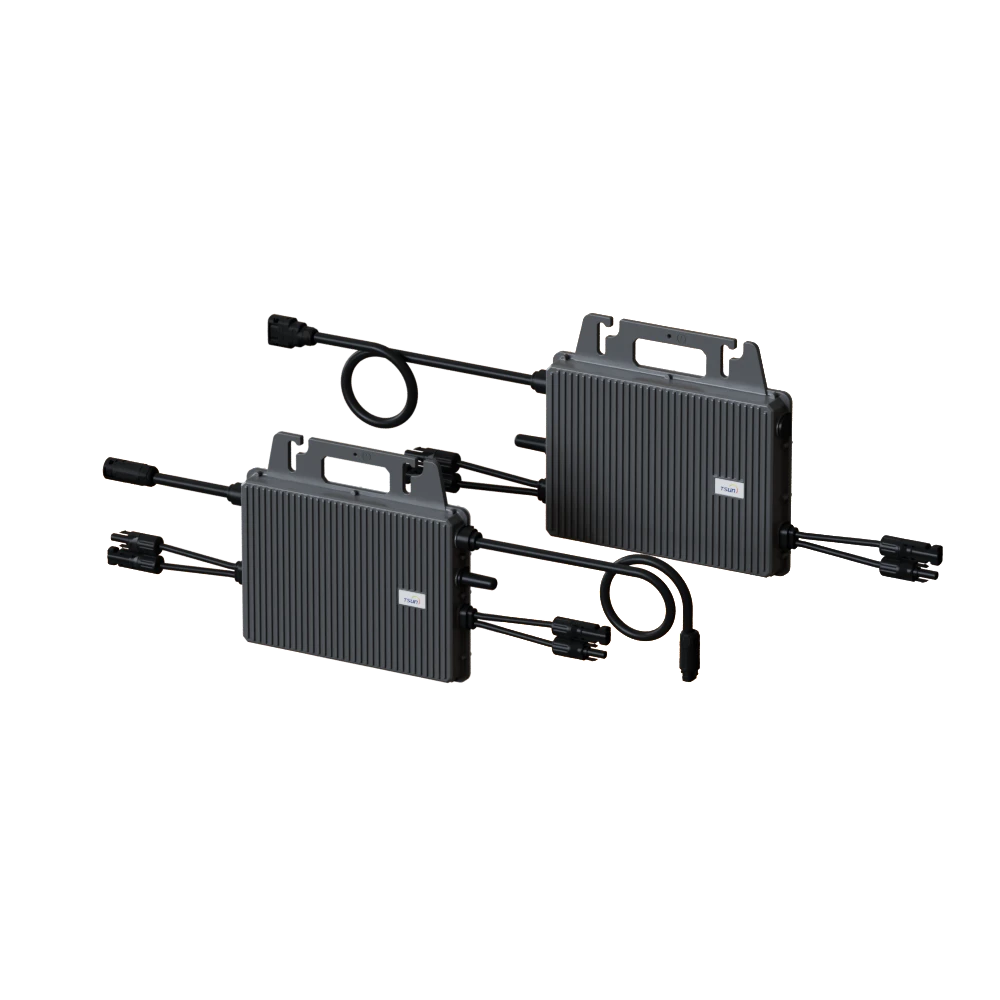
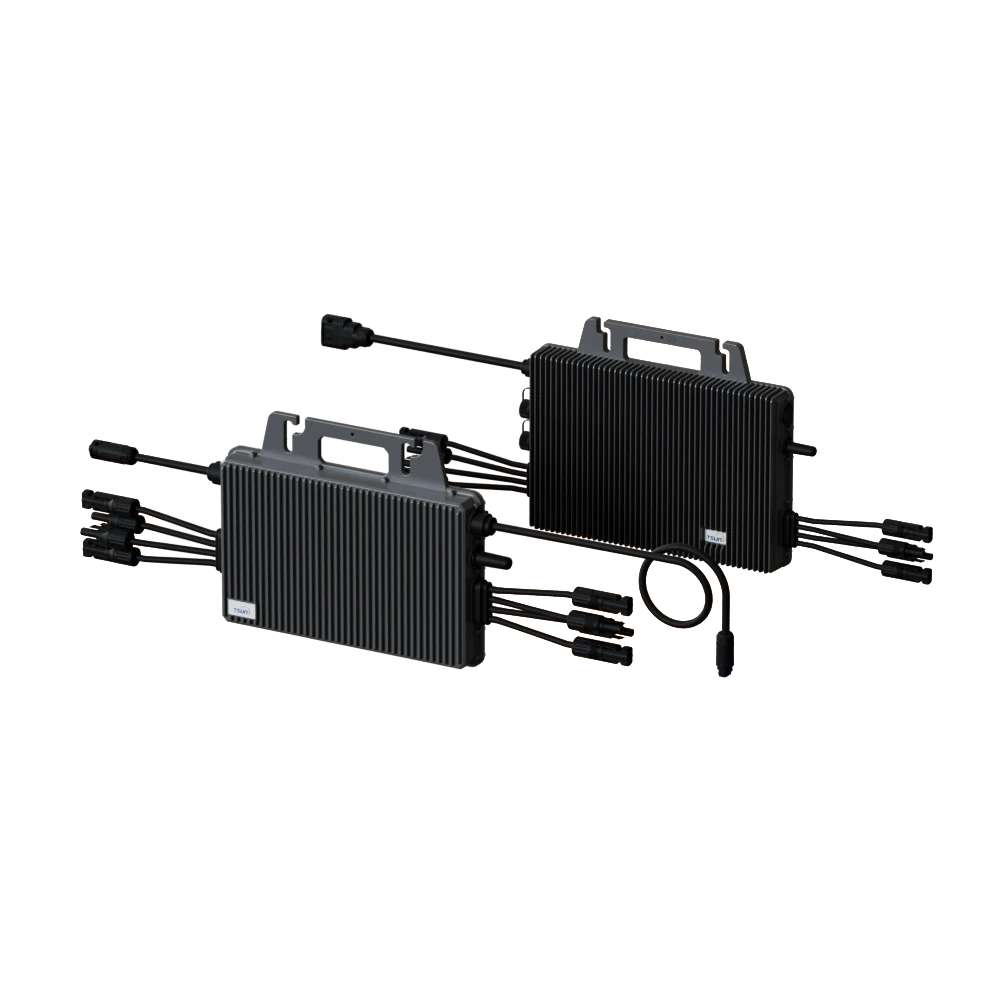
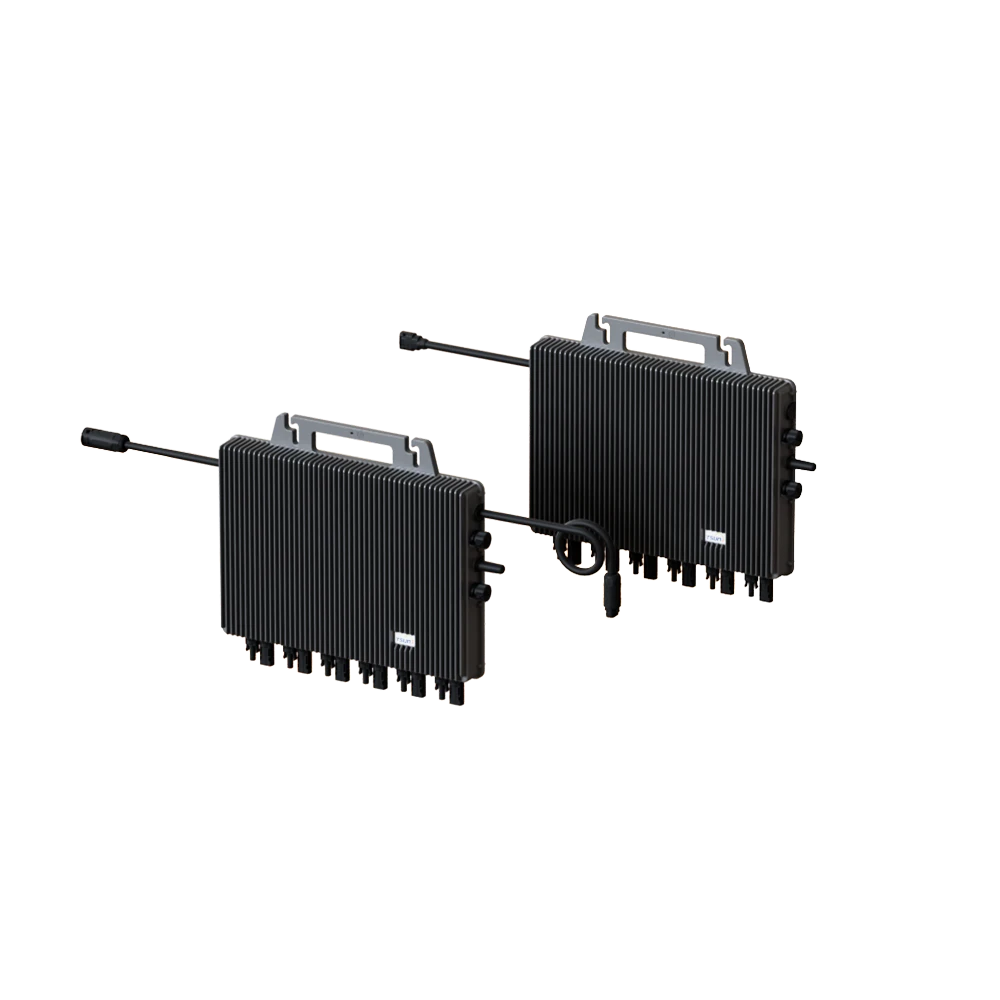
Having spent a fair few years working hands-on with industrial equipment—specifically in the renewable energy sector—I’ve seen a lot of tech come and go. Some gadgets promise the moon and then fall flat once they hit the field. But the solar grid tie microinverter 500w has been steadily carving out a spot as a practical, reliable piece of gear for solar installations. Oddly enough, it’s the kind of product that’s not flashy but quietly essential.
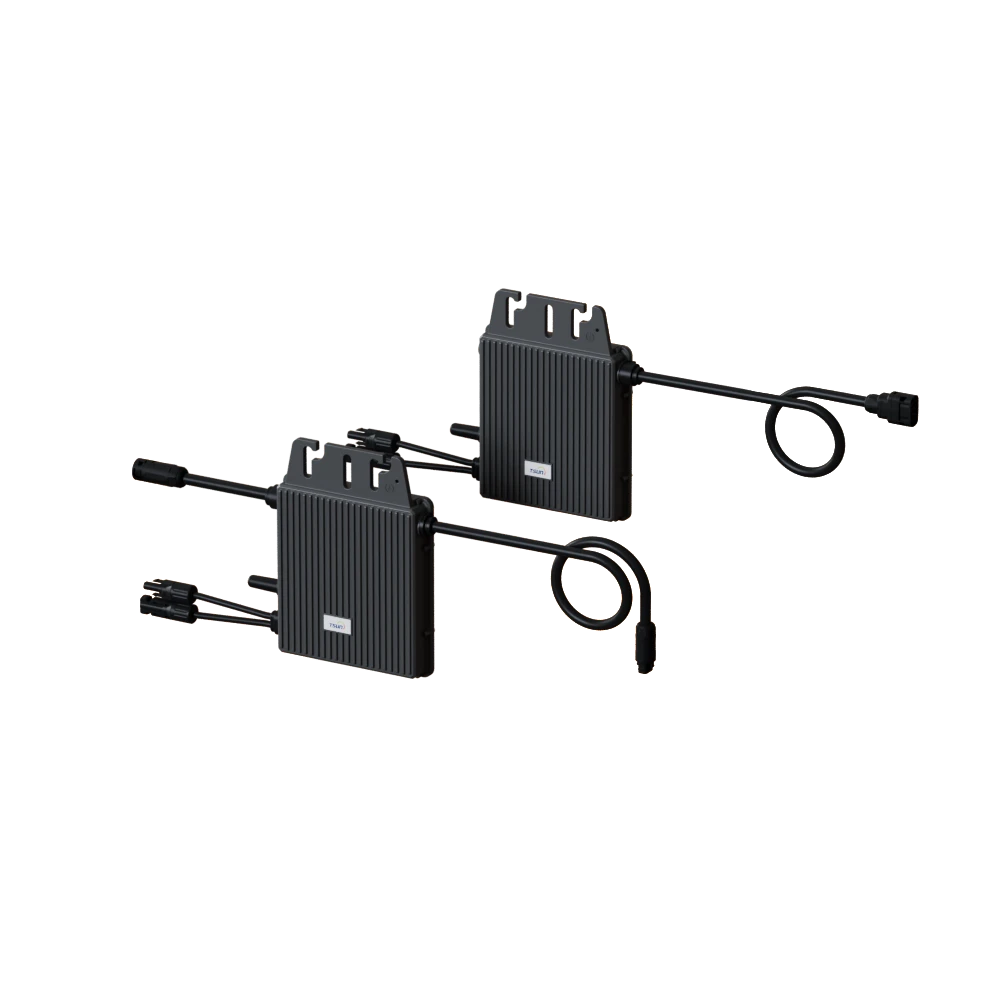
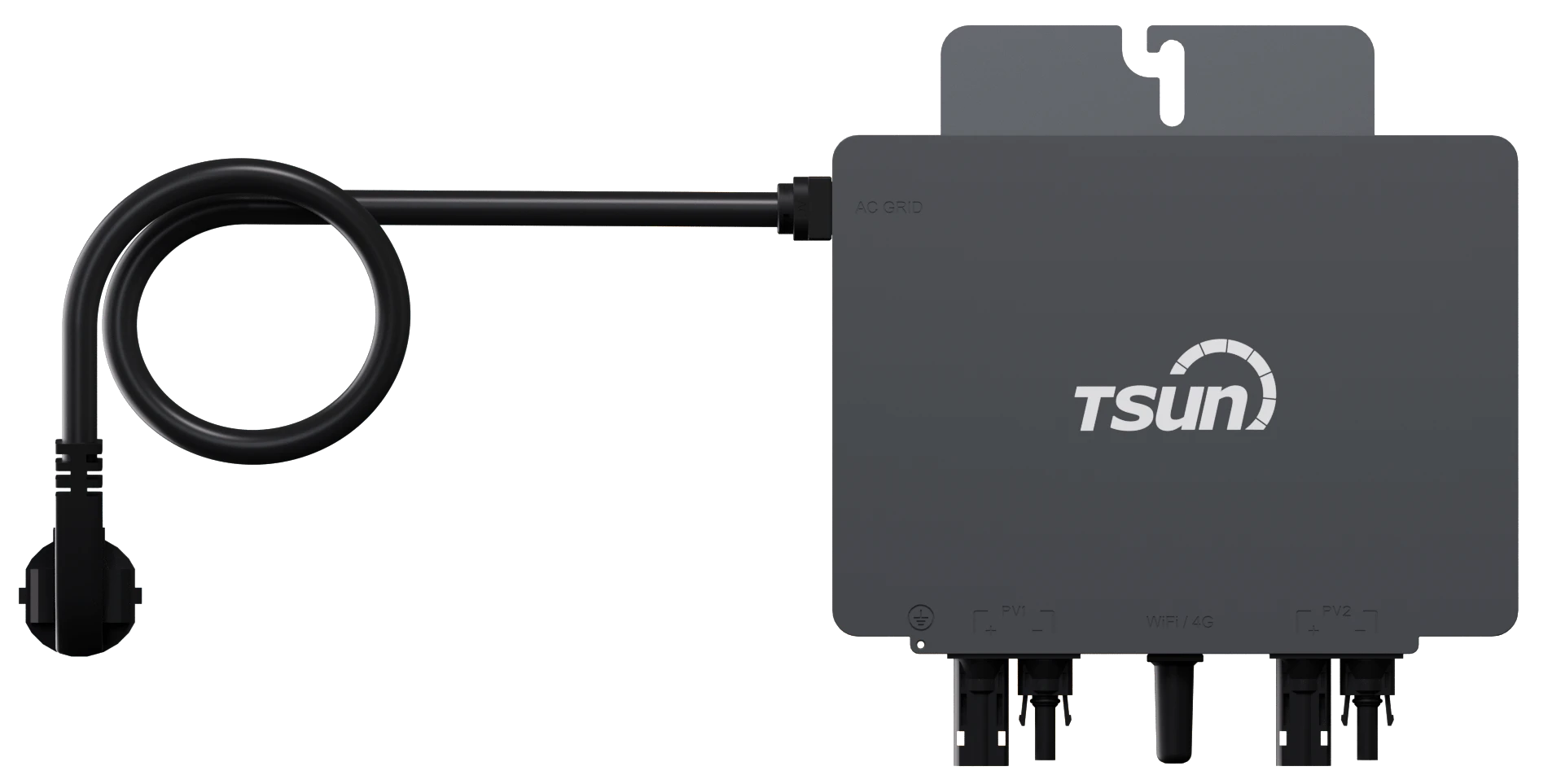
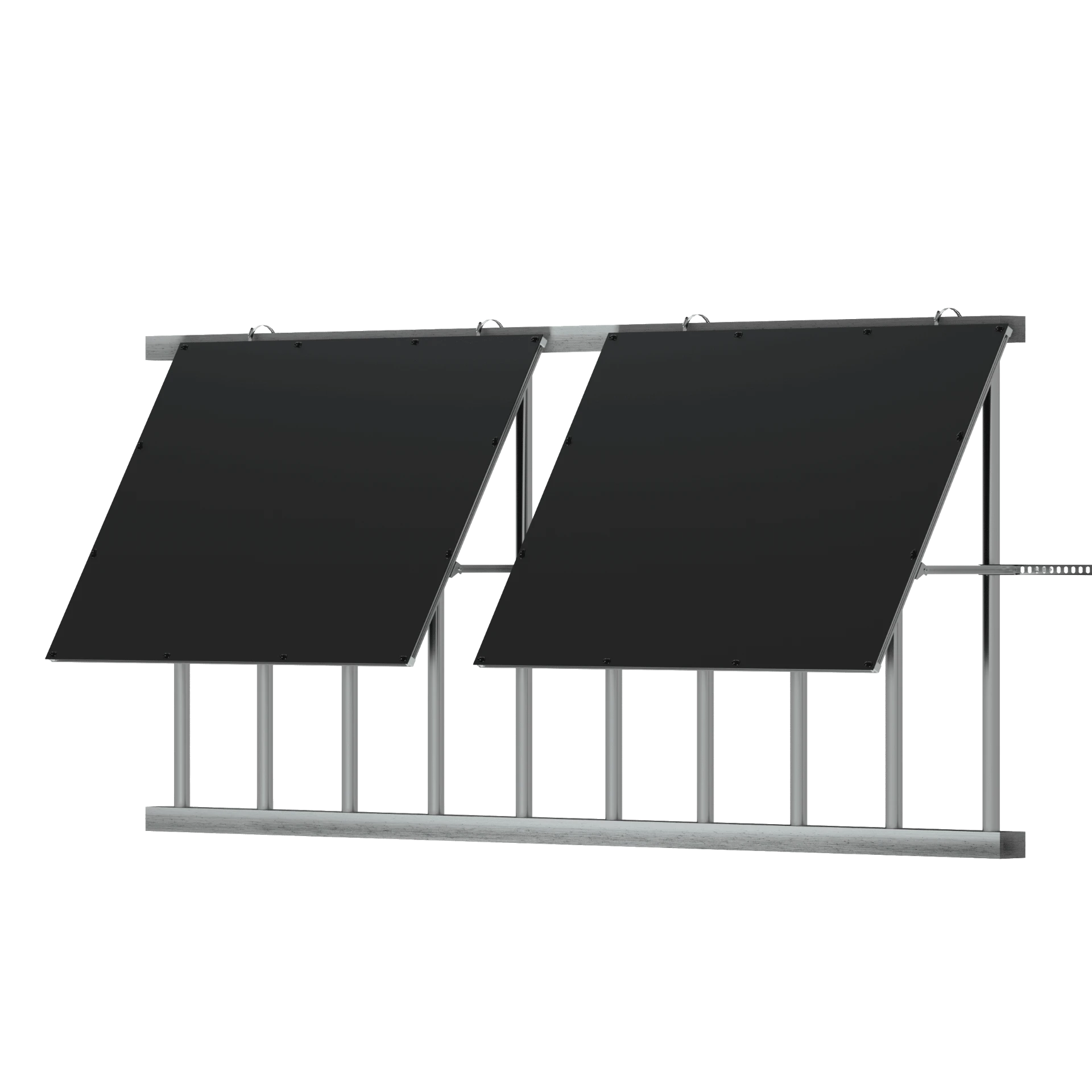
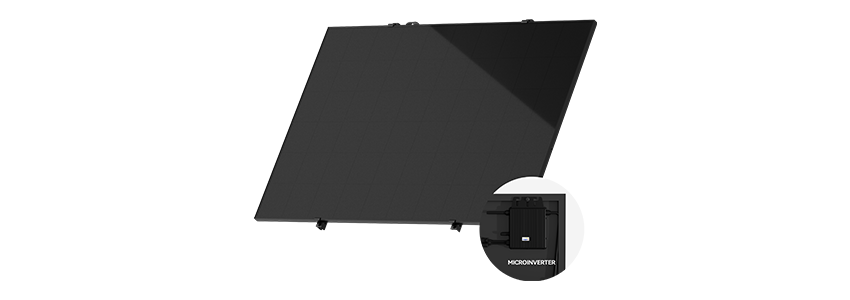
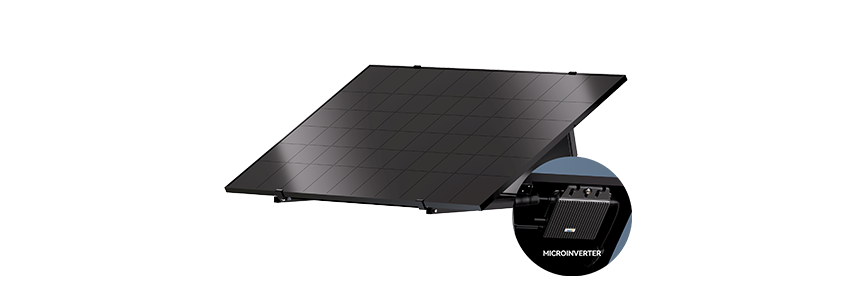
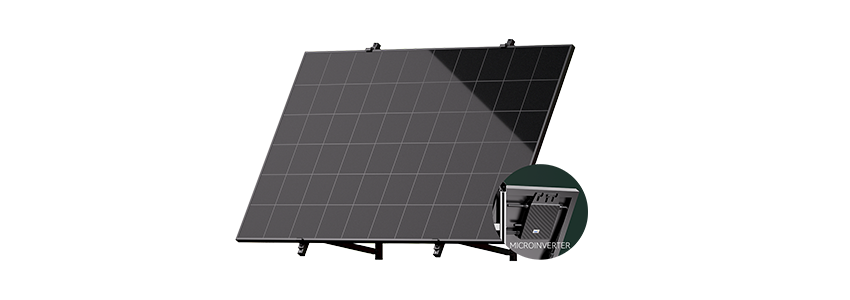
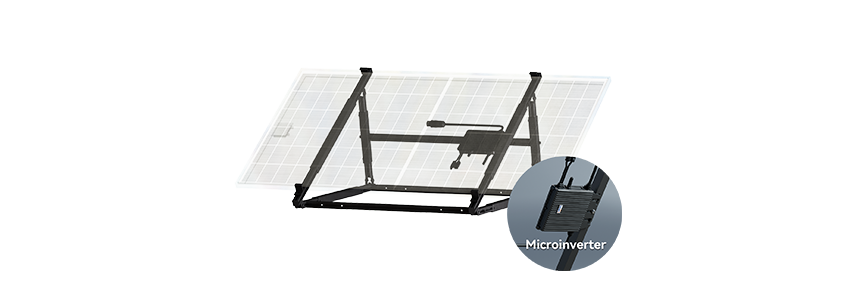
To put it simply, these microinverters convert DC power from a single solar panel into AC power suitable for feeding directly into the electrical grid. Unlike string inverters, which link multiple panels and lose efficiency when one panel underperforms, a 500W microinverter works on each panel individually. This means better overall system performance and easier troubleshooting. I often hear from engineers, “It’s not sexy tech, but it just works.”
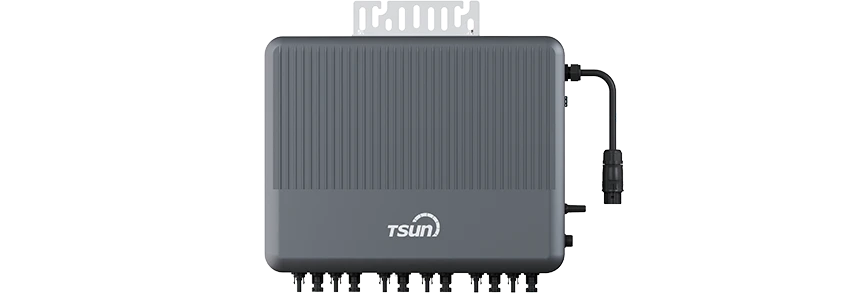
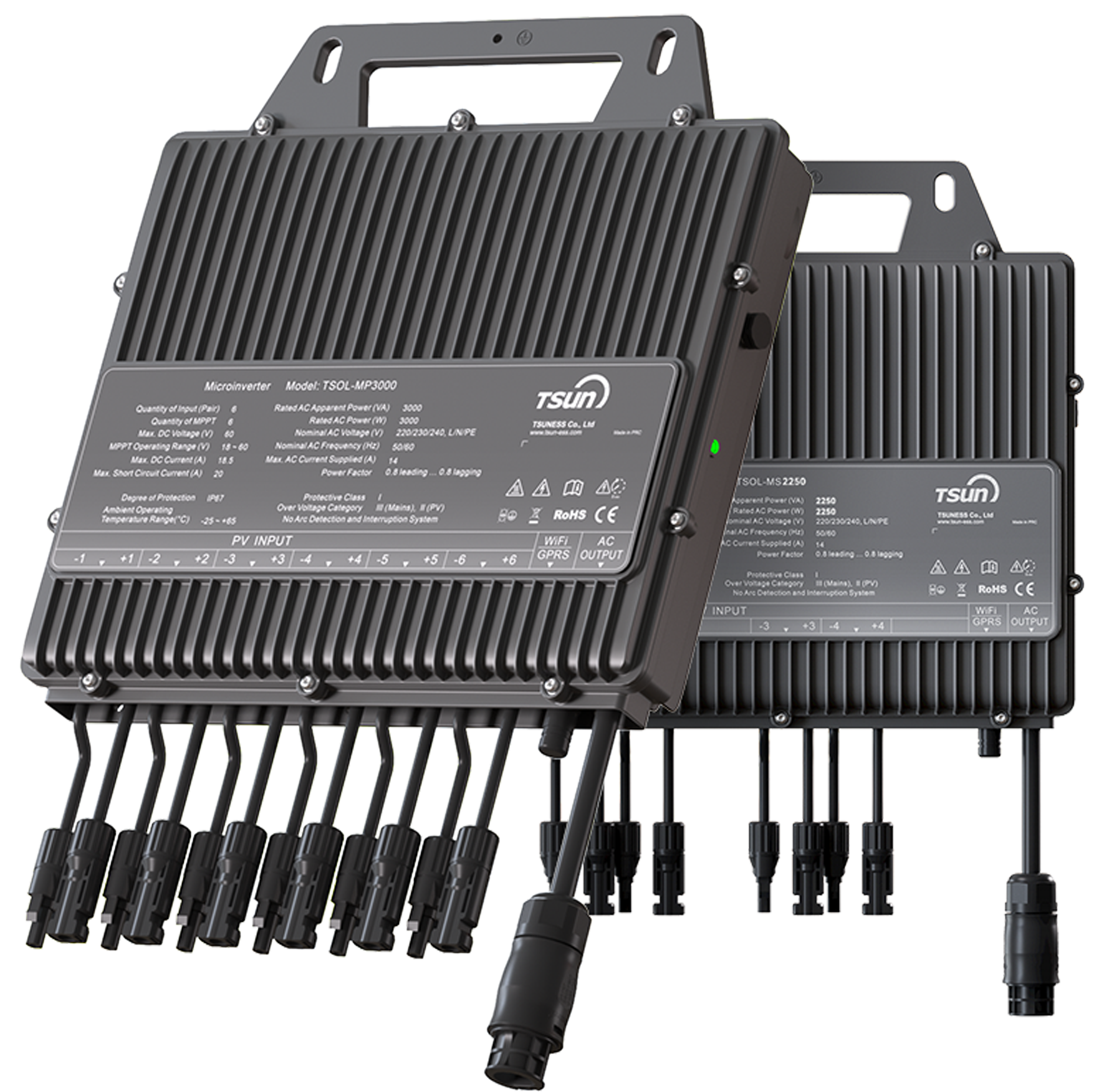
From a design perspective, these microinverters strike a nice balance between compactness and robust build quality. They’re typically housed in rugged, weatherproof casings, often rated IP65 or better, which helps them hold up under sun, rain, or dust—conditions that are anything but gentle, if you ask me. The 500W capacity matches well with common residential solar panels, making them a sweet spot choice for homeowners and small commercial setups alike.
One practical thing I noticed during installation training sessions is how the integrated MPPT (Maximum Power Point Tracking) really optimizes energy harvest panel-by-panel. This feature alone can boost total energy yield by 10–15% compared to traditional systems. So, while it might sound like marketing jargon, it genuinely translates to more kilowatt-hours over a year.
Typical 500W Microinverter Specifications
| Feature |
Specification |
| Nominal Power Output |
500 Watts AC |
| Input Voltage Range |
22 V – 55 V DC |
| Max Efficiency |
>96% |
| Communication |
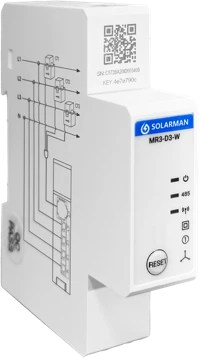
PLC or ZigBee wireless |
| Operating Temperature |
-40°C to 65°C |
| Safety Certifications |
UL1741, IEC 62109 |
Another thing worth mentioning is the variety of vendors offering these microinverters today. While I’ve had good experiences with a few brands, not all are created equal. Some models come with more advanced monitoring platforms, better customer support, or longer warranties, which frankly can make all the difference during installation and maintenance. Here’s a quick look at some vendor highlights, based on my industry experience and recent market research.
Vendor Comparison for 500W Microinverters
| Vendor |
Warranty |
Monitoring |
Price Range |
Special Features |
| Tsun ESS |
25 years |
Cloud-based App |
$$$ |
IP67 casing, Rapid shutdown |
| Enphase |
25 years |
Mobile & Web portals |
$$$$ |
Energy management integration |
| APsystems |
10 years |
Web portal |
$$ |
Multi-module microinverter |
One time, a small business customer switched from a traditional string inverter to individual 500W microinverters on each panel, partly because shading was an ongoing headache on their roof. After the switch, their energy production stabilized, and they even noticed a drop in maintenance calls. It’s a small victory, sure, but one that exemplifies how sometimes less centralized tech is just better in real terms.
In the end, the solar grid tie microinverter 500w isn’t a one-size-fits-all magic wand. Installation context matters a lot. But for anyone willing to look beyond buzzwords, there’s a solid case here for a modular, reliable, and high-performing way to get clean energy flowing efficiently into the grid.
So, if you’re weighing options for your next solar project, maybe give these little powerhouses a proper look —they just might surprise you.
References:
1. International Electrotechnical Commission, IEC 62109 Safety Standards
2. UL Standards for Inverters, UL1741
3. “Benefits of Microinverters in Solar Power Systems,” Renewable Energy Journal, 2022







 LEARN DETAILS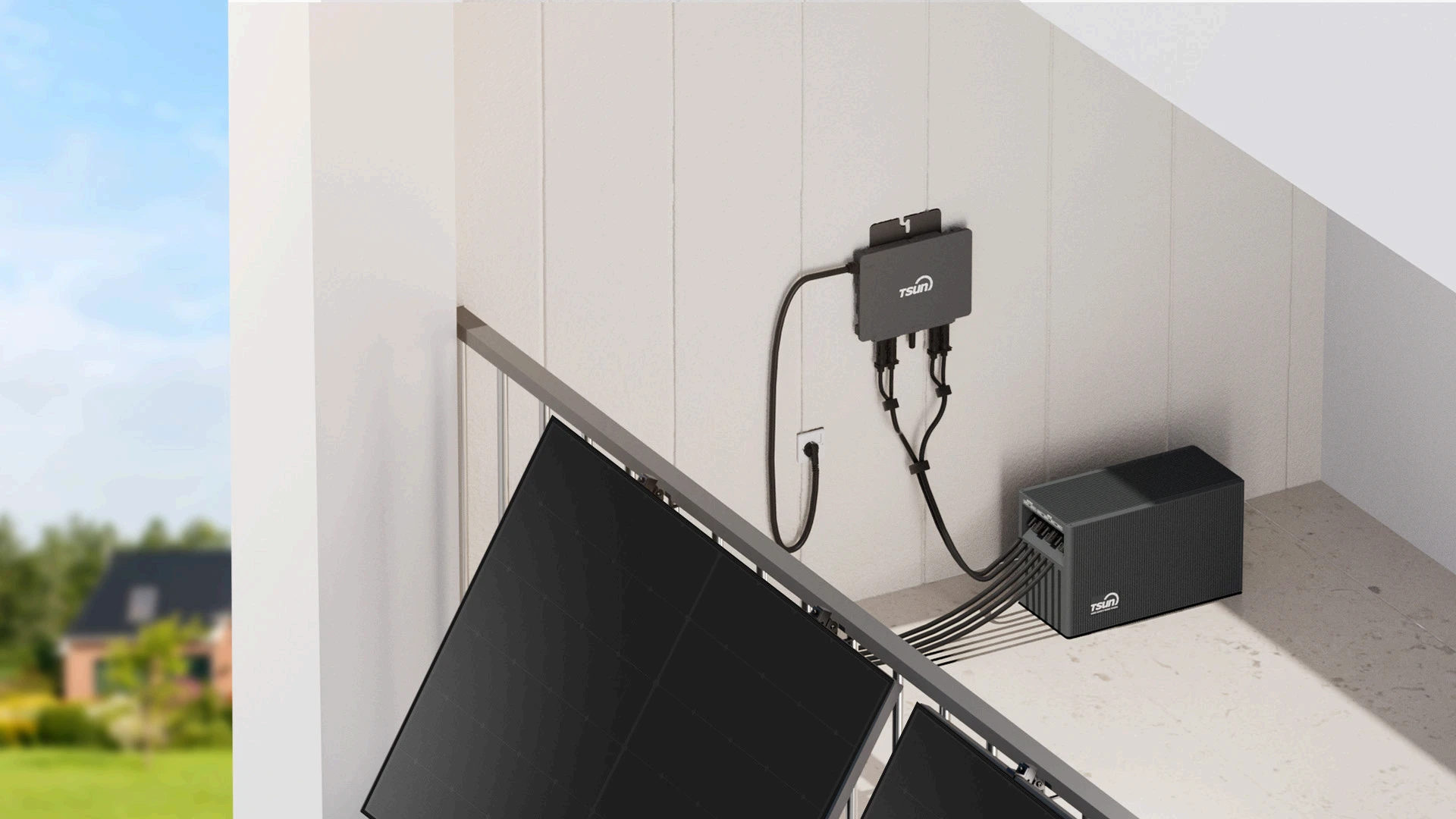


 Downloads
 Video Center
 Report Fault for Repair
 FAQS
FAQS Service Network
 Privacy Policy
 Contact Us
 Monitoring


 LEARN MORE