Home Energy Storage Systems Explained: The 2026 Guide to Solar Batteries | TSUN
Home Energy Storage Systems Explained: What You Should Know
March 31, 2026 | TSUN
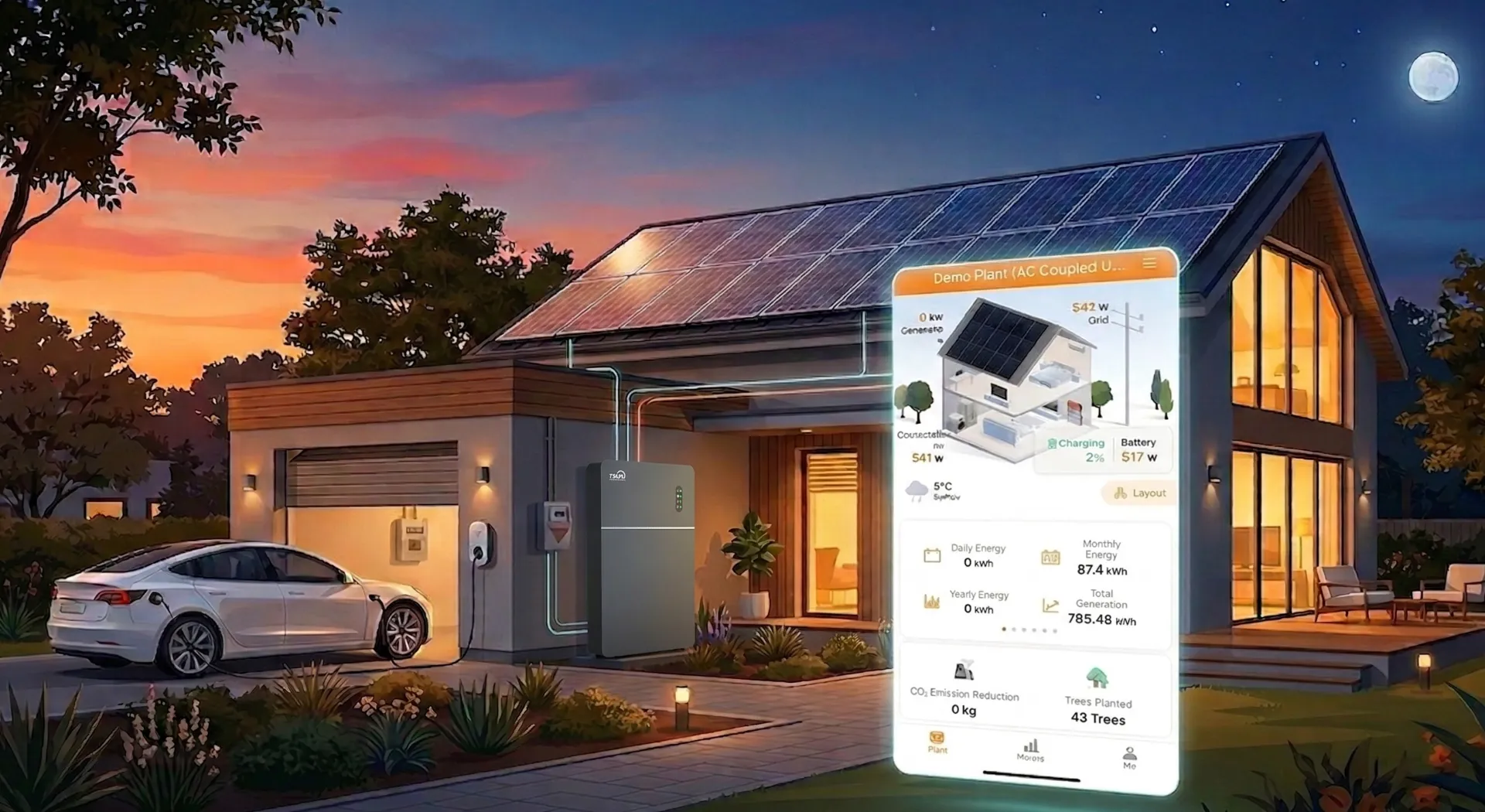
Electricity use at home is undergoing a massive global transformation. Across Europe, Australia, and the Americas, homeowners are rapidly adding solar panels, dealing with volatile utility rates, and looking for ways to keep the lights on during unpredictable grid outages. That’s where modern home energy storage systems come in.
These systems store electricity so you can use it when you need it most—whether that’s after sunset, during peak electricity pricing hours, or when the grid completely goes down.
In this comprehensive guide, you’ll learn what home energy storage systems are, how they integrate with existing solar setups, what they typically cost, and how to choose the right battery for your geographical and energy needs.
Key Takeaways
- Home energy storage systems capture and store electricity, allowing you to bypass peak grid rates and maintain power during blackouts.
- They are essential for maximizing the ROI of solar panels, especially as feed-in tariffs drop globally.
- Modern systems are highly compatible with "Dynamic Tariffs", allowing you to buy cheap energy from the grid and use it when prices spike.
- When choosing a system, consider capacity (kWh), modular scalability, output power (kW), and Plug & Play capabilities.
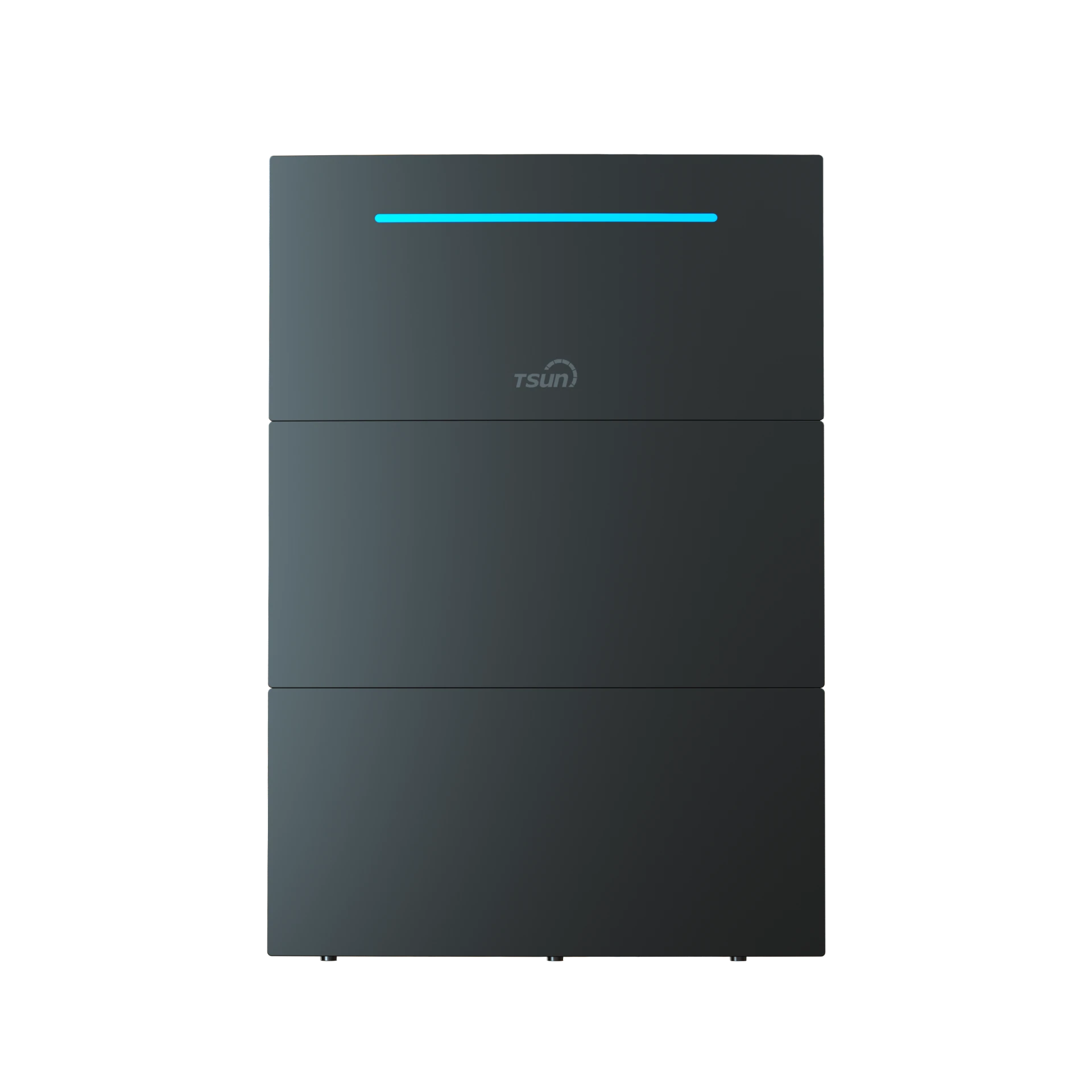
- Smart, AC-coupled backup power solutions like the TSUN PowerTrunk TSOL-MAU5000 combine high-cycle modular storage, advanced dynamic tariff management, and rapid off-grid switching to support modern home energy demands.
What Is a Home Energy Storage System and How Does It Work?
A home energy storage system acts as a smart, rechargeable battery for your house. Instead of using power the exact moment it’s produced—or pulling all your energy expensively from the grid—you save it for a more strategic time.
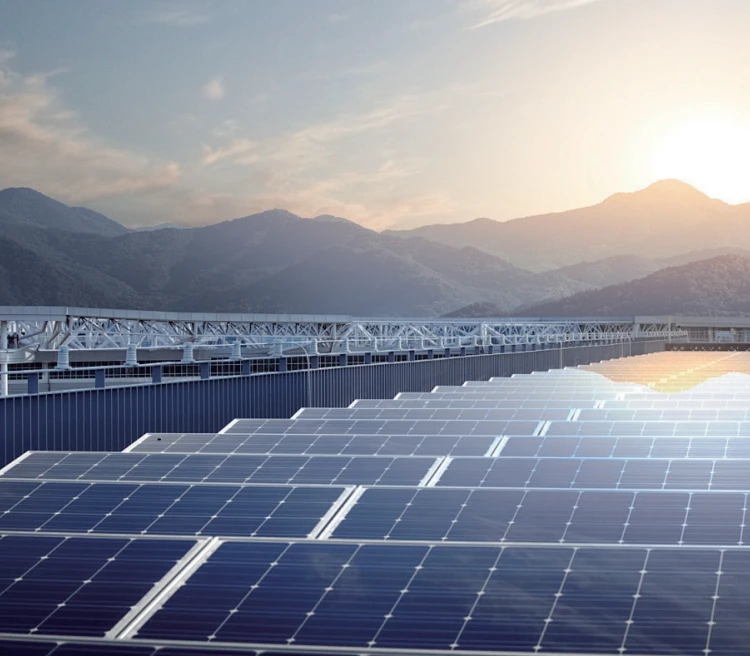
Most systems are installed alongside rooftop or balcony solar panels, but they can also charge directly from the grid. During the day, your solar panels may produce more power than your home uses. A home battery stores that extra energy instead of sending it back to the grid for pennies. Later, when the sun goes down or energy demand increases, your home draws from the stored electricity.
Core Components of a Modern System
- Battery Cell: Stores the actual electricity. The industry standard has shifted to Lithium Iron Phosphate (LiFePO4) due to its unmatched safety and thermal stability.
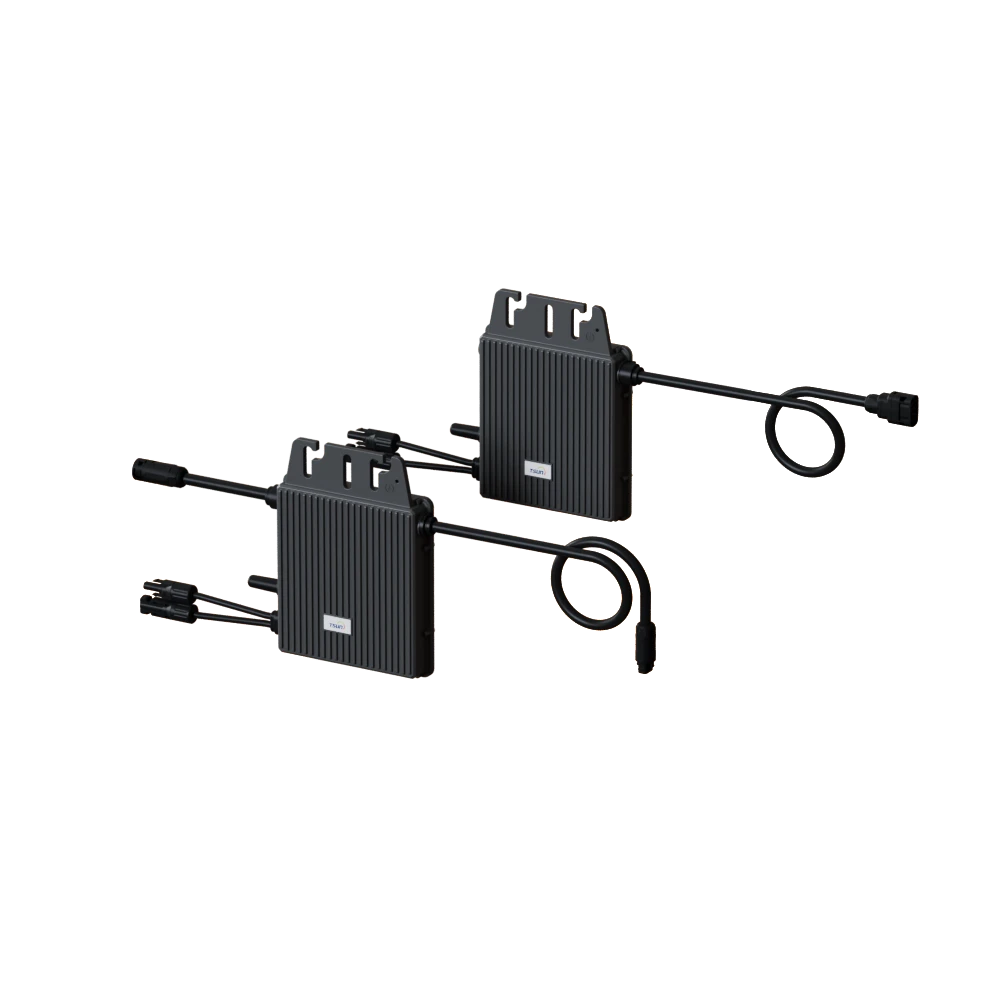
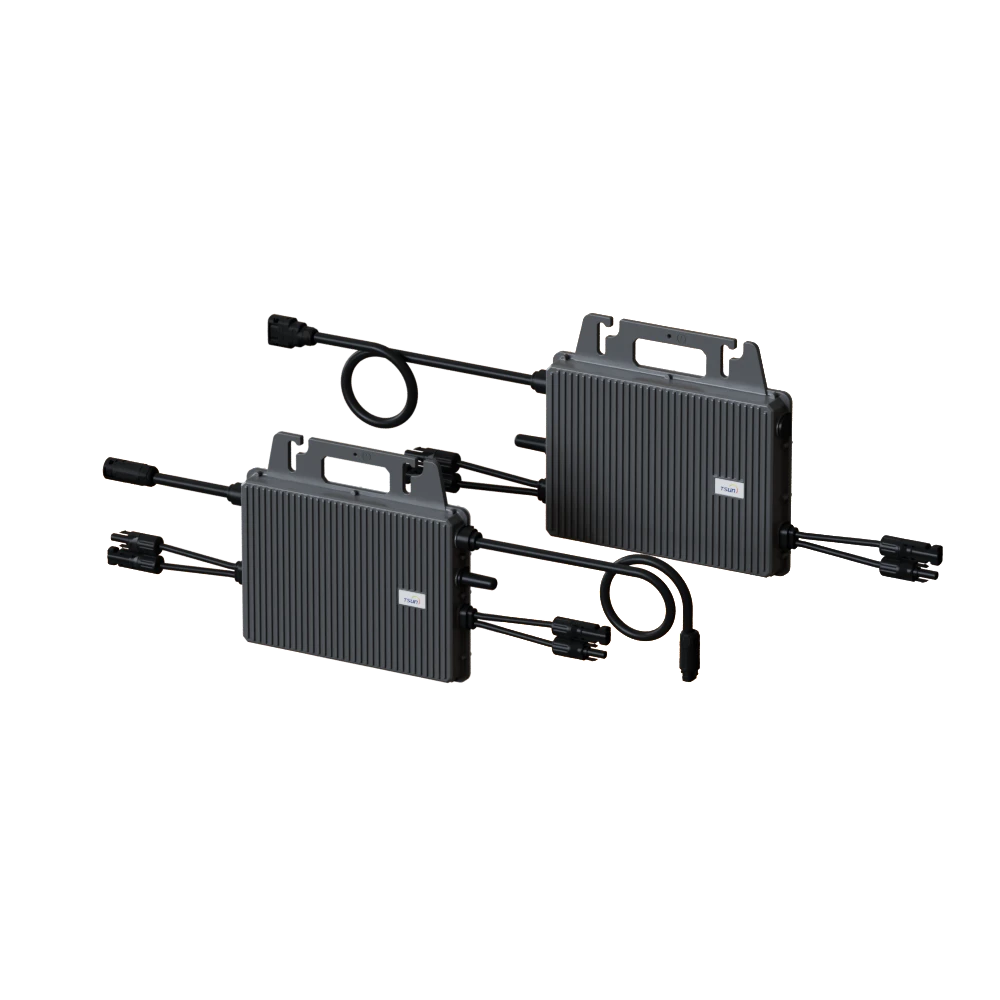
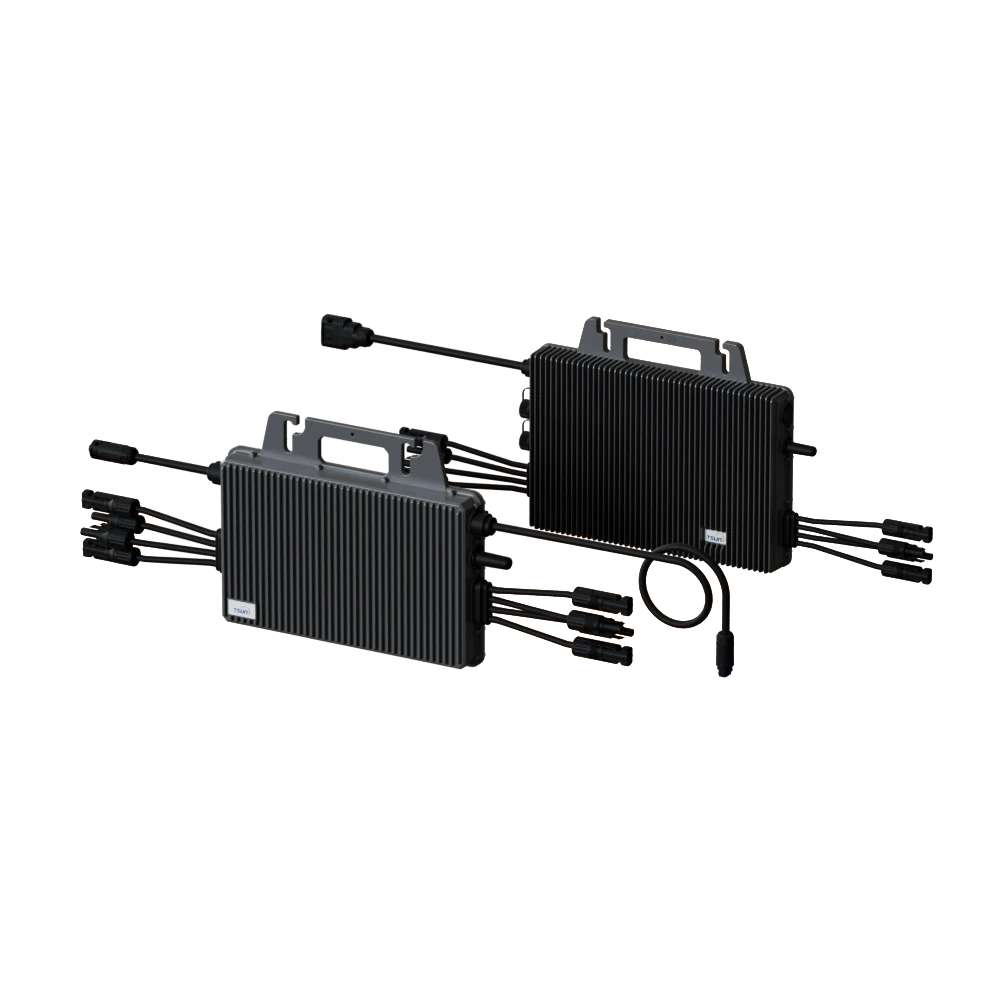
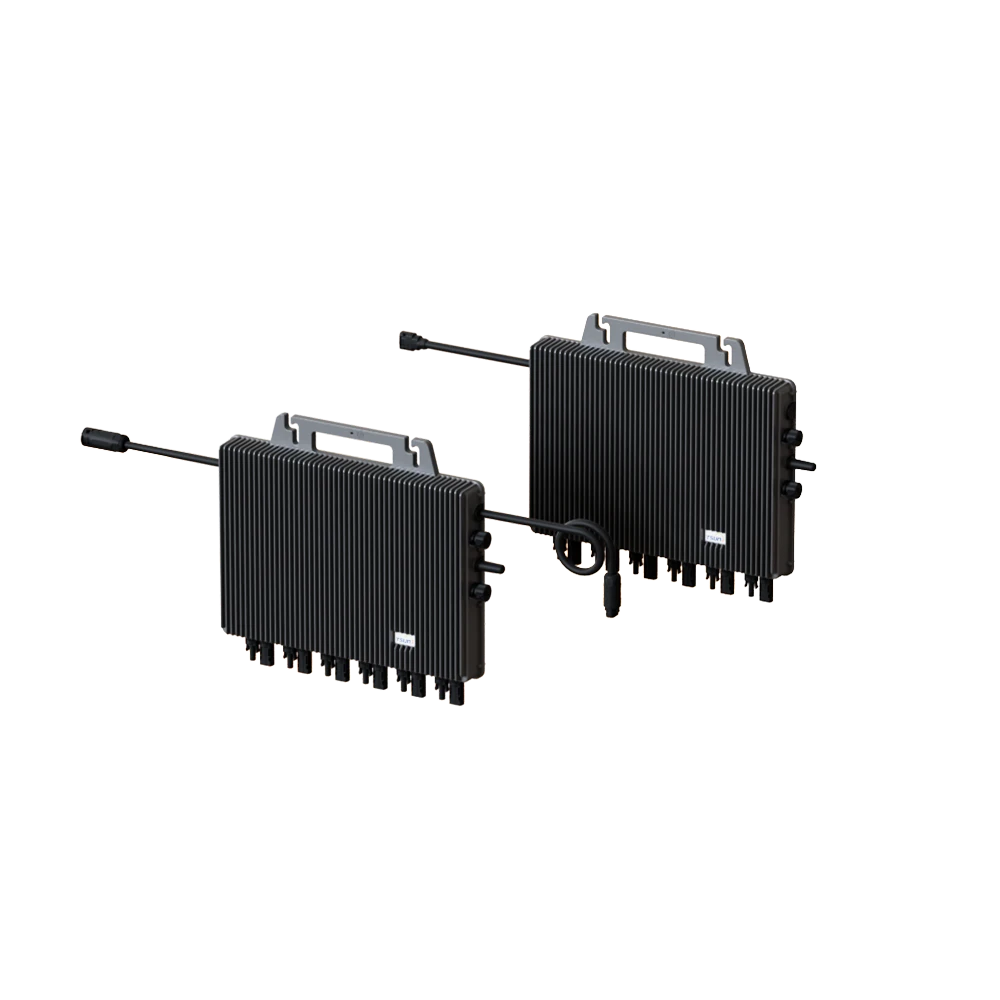
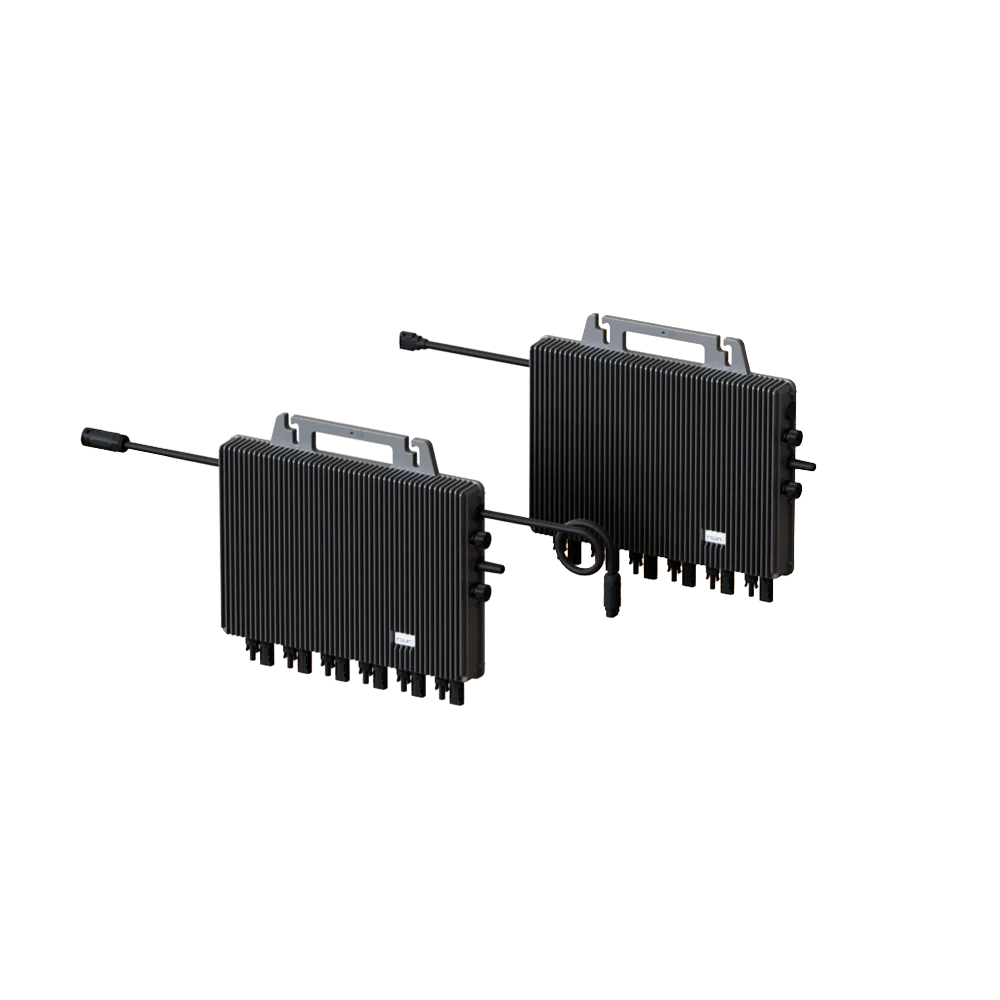
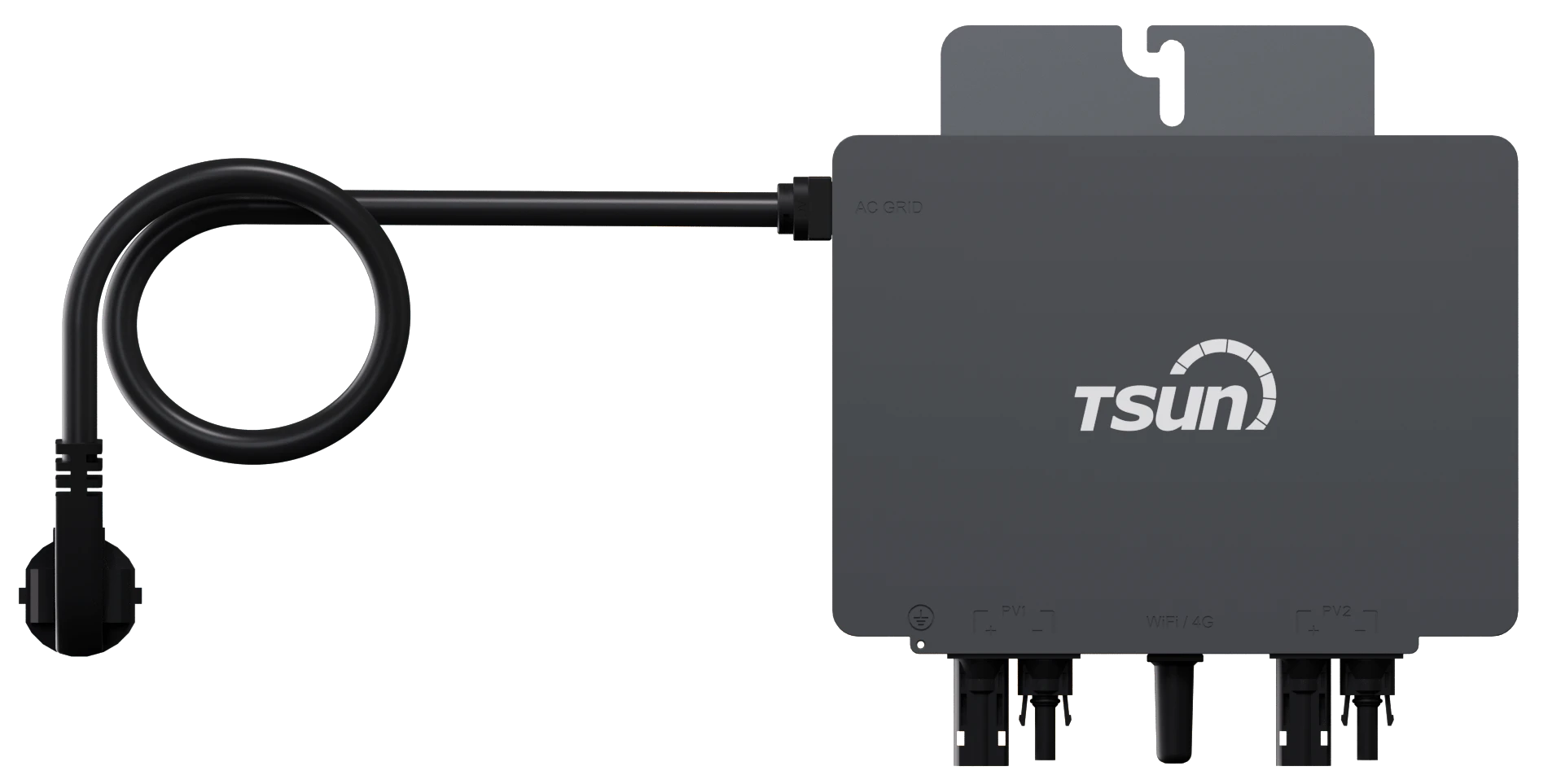
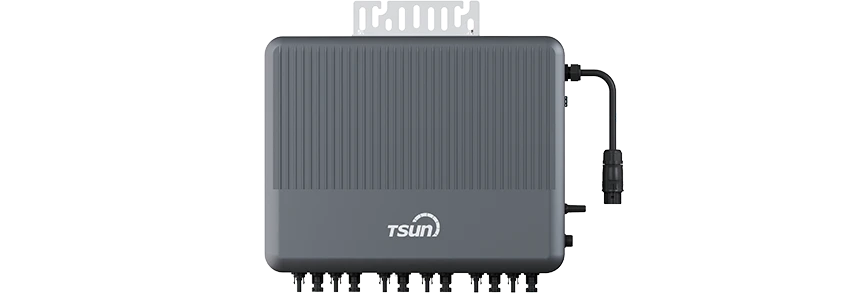
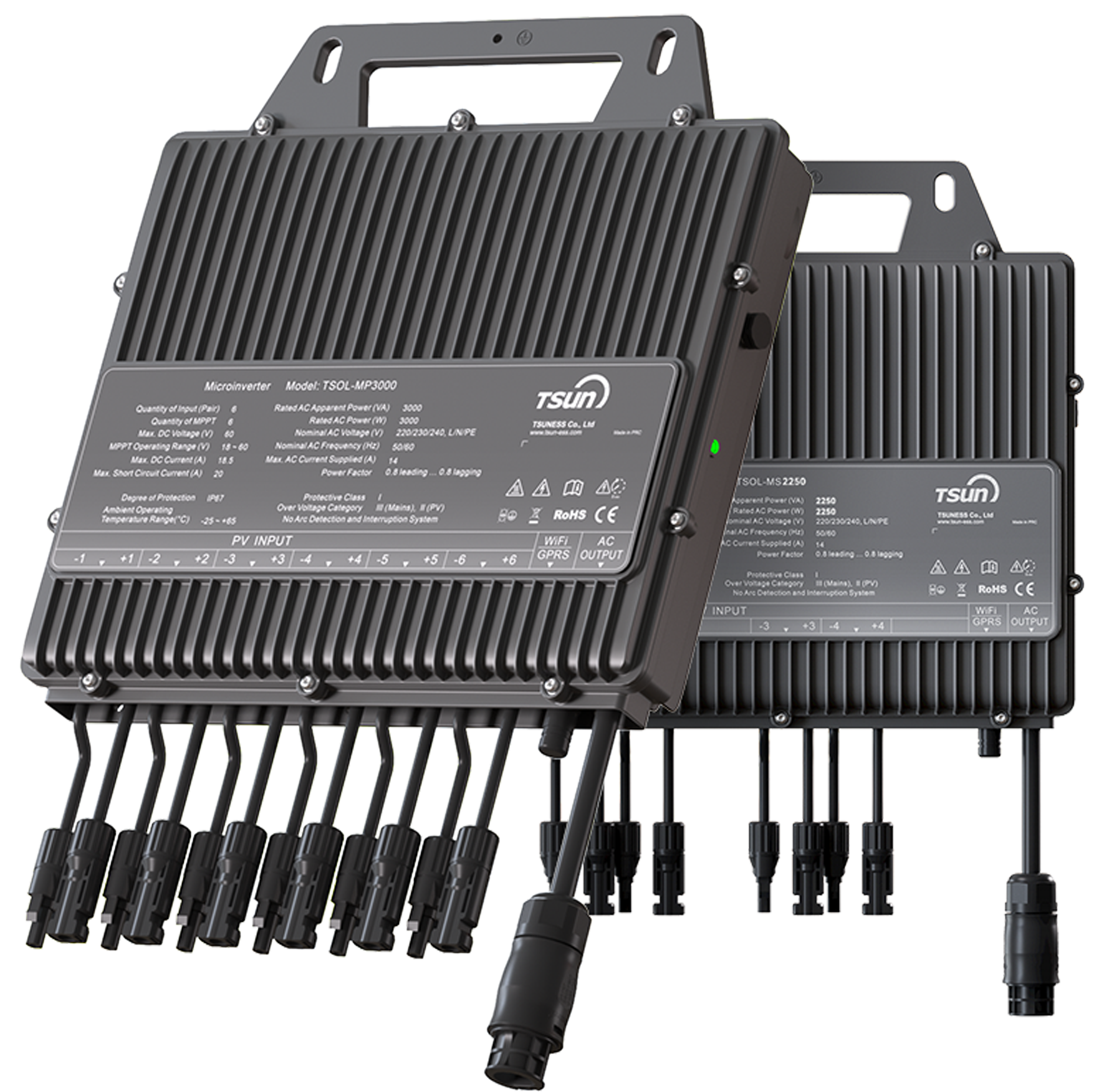
- Inverter: Converts the stored direct current (DC) into alternating current (AC), which household appliances require. In many optimized setups, homeowners pair their storage with high-efficiency microinverters to maximize individual solar panel output before routing it to the battery.
- Battery Management System (BMS): The internal brain that monitors individual cell health, temperature, and charging cycles to ensure a long lifespan.
- Energy Management System (EMS): Software that dictates when to charge, when to discharge, and how to interact with the grid based on your specific settings (like Zero Export or Time-of-Use modes).
GEO & Market Trends: Why Energy Storage is Booming Globally
Navigating the European Energy Transition & Dynamic Tariffs
In regions like the EU and the UK, the energy market is rapidly shifting toward Dynamic Tariffs. These are electricity plans where the price per kWh changes hourly based on wholesale market demand. Advanced batteries can automatically charge themselves when grid energy is dirt-cheap (or even negatively priced) and power your home when rates skyrocket in the evening.
Combating Dropping Feed-in Tariffs
Historically, utility companies paid homeowners well for exporting excess solar energy. Today, those feed-in tariffs have plummeted. In many countries, the credit you receive for sending electricity to the grid is drastically lower than the retail rate you pay to buy it back. Storing your own energy is now significantly more profitable than selling it.
The Rise of "Plug & Play" Balcony Solar
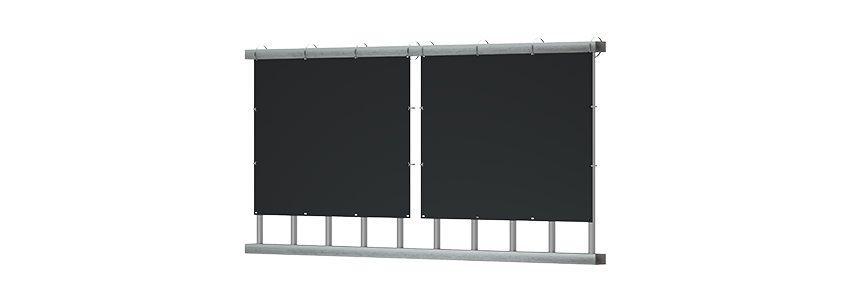
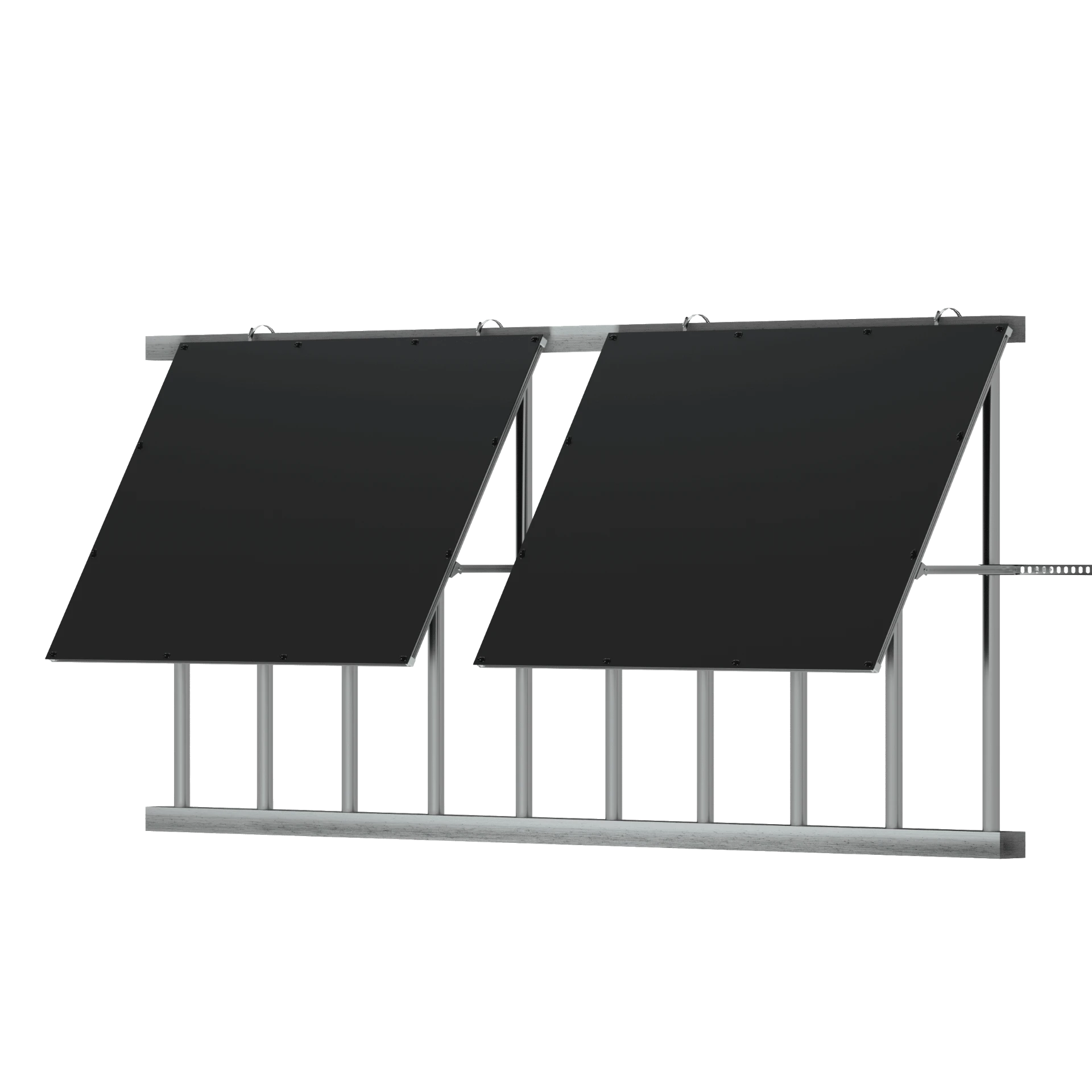
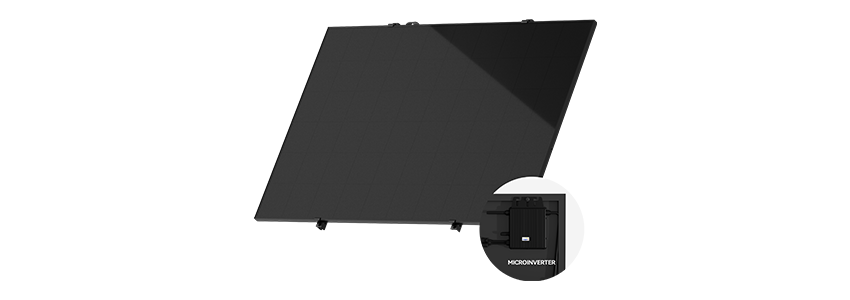
Particularly in Germany and surrounding countries, apartment dwellers and homeowners are adopting balcony solar systems. Compact, easy-to-install micro energy storage systems are becoming essential add-ons, ensuring that the solar power generated during the workday isn't wasted while the apartment is empty.
How Much Do Home Energy Storage Systems Cost?
A home battery system is a long-term investment that hedges against rising inflation and energy costs. While prices vary wildly based on global location, installation complexity, and local tax rebates, here is a general breakdown of expectations:
| System Type & Capacity |
Best Use Case |
Estimated Global Cost Range (USD/EUR) |
| Micro-Storage (2–5 kWh) |
Balcony solar, apartments, essential loads (routers, fridge). |
$1,500 – $4,000 |
| Standard Home (5–15 kWh) |
Rooftop solar pairing, evening usage, reliable backup. |
$6,000 – $15,000 |
| Whole-Home Backup (20+ kWh) |
Large properties, complete grid independence, EV charging. |
$18,000+ |
Featured Solution: The TSUN PowerTrunk TSOL-MAU5000
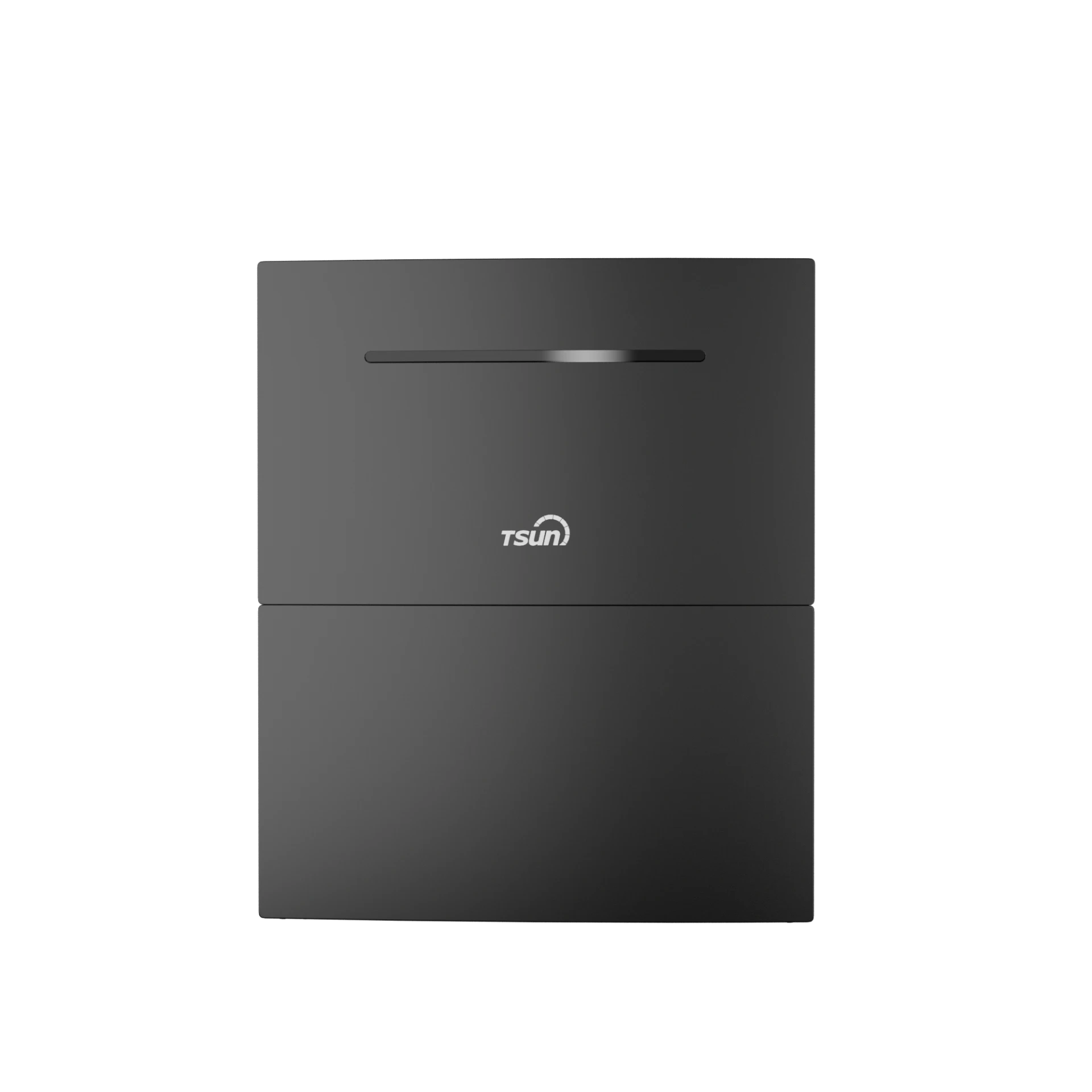
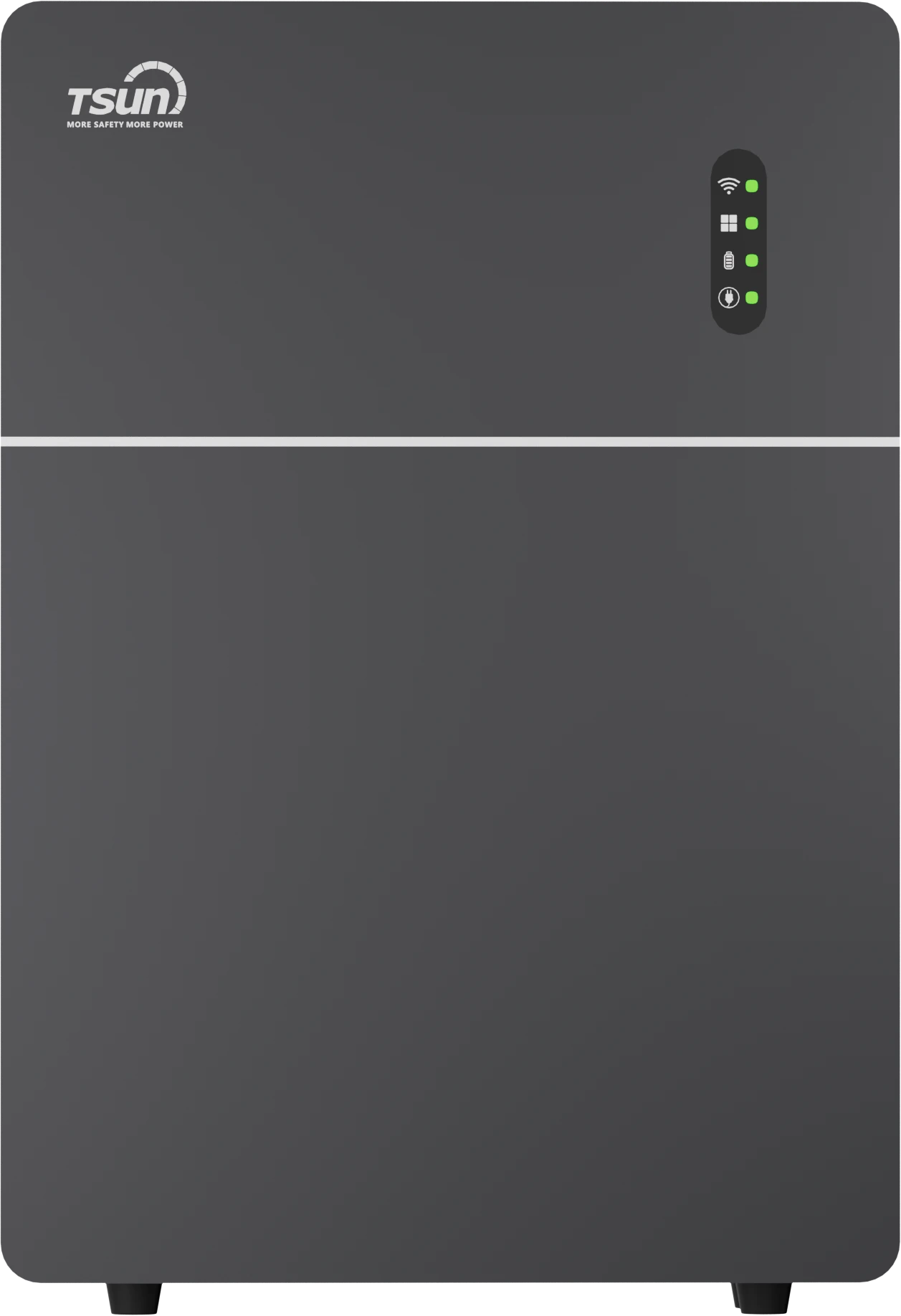
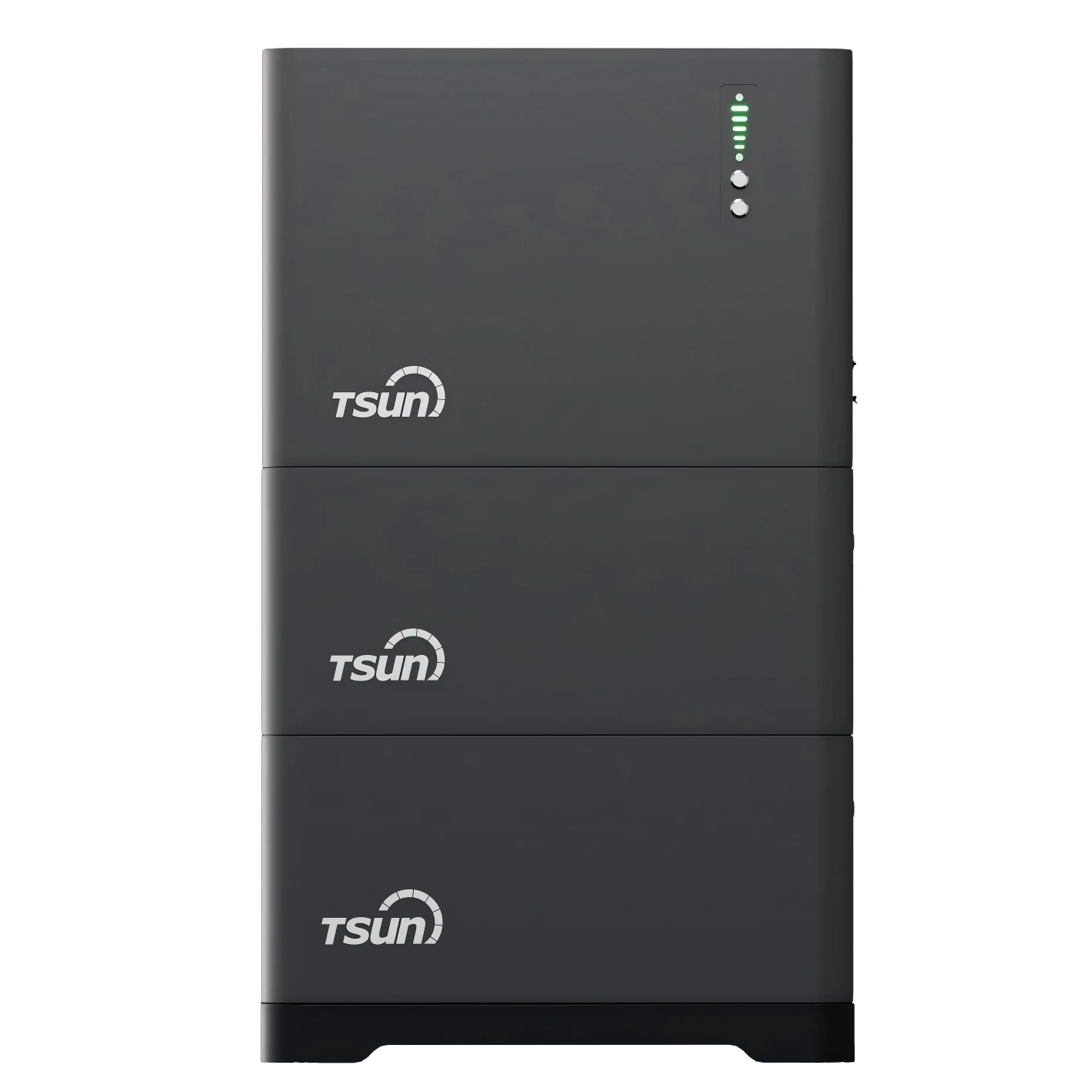
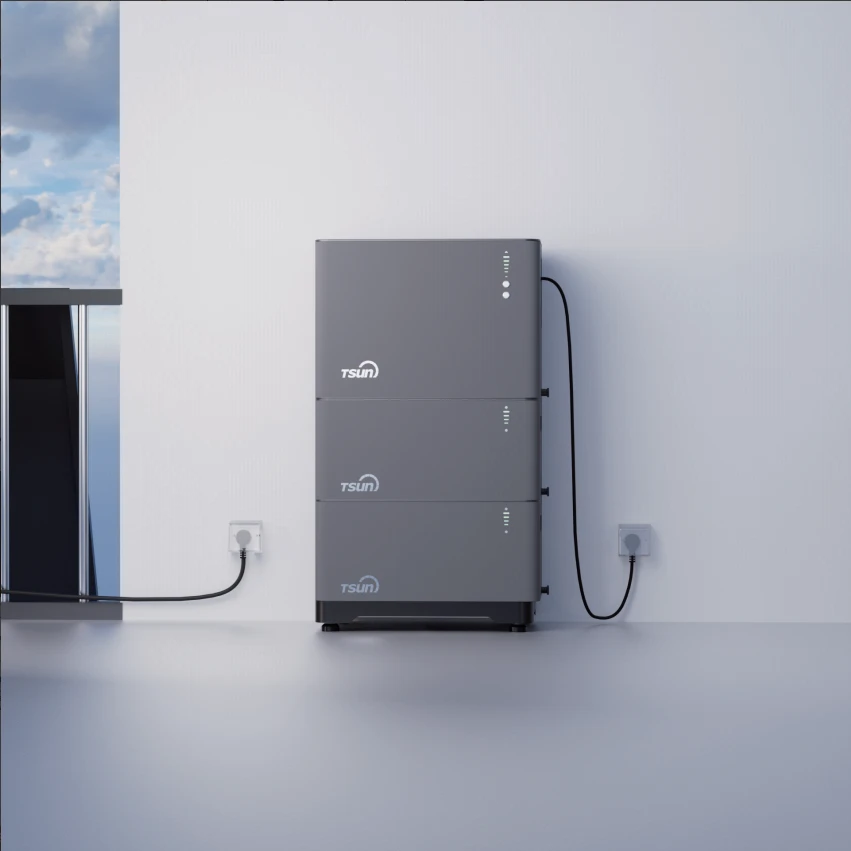
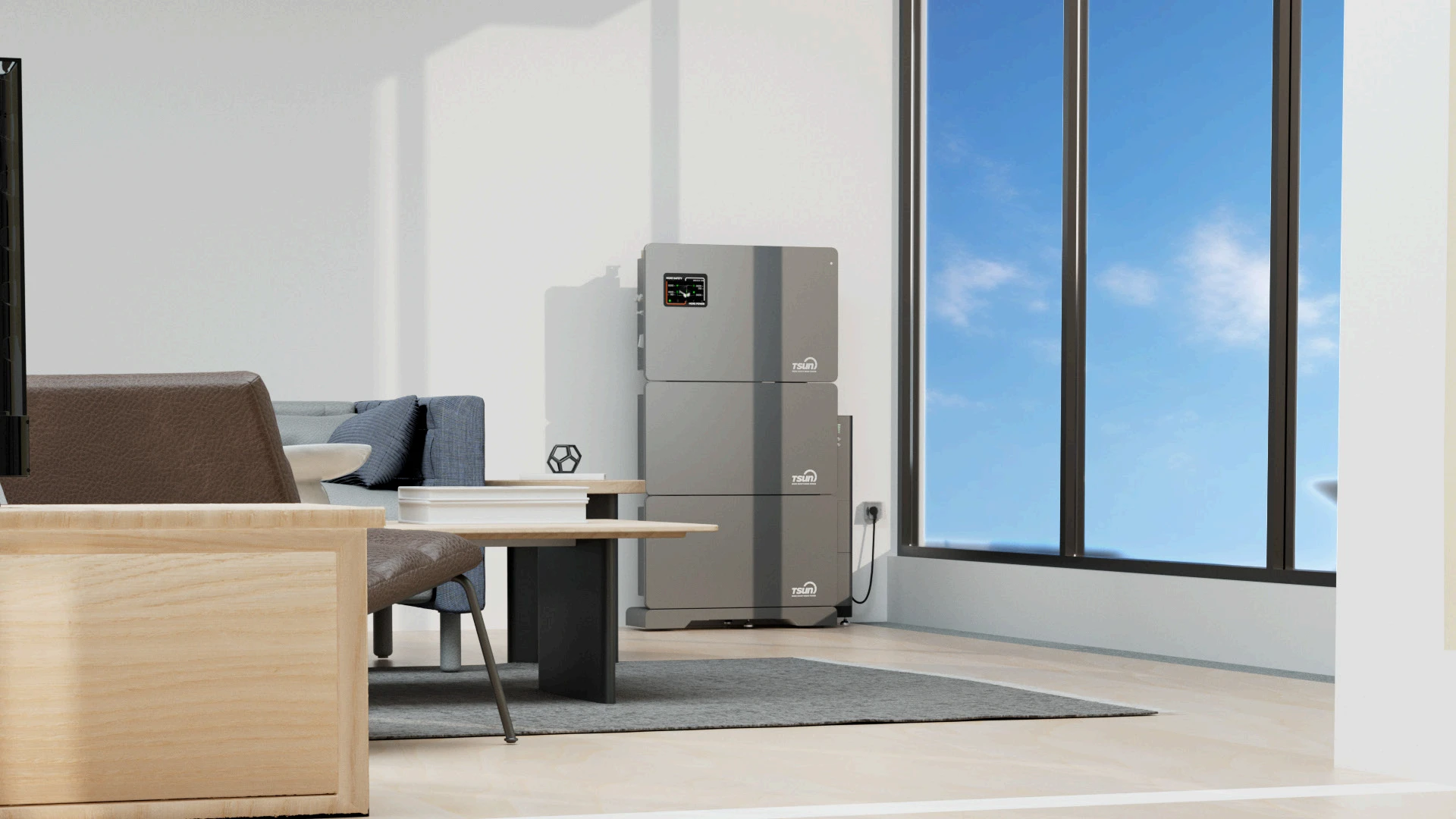
If you are looking for an advanced, highly adaptable AC bidirectional coupled system of microinverter and energy storage, the PowerTrunk TSOL-MAU5000 from TSUN is engineered to meet the demands of modern, smart grids.
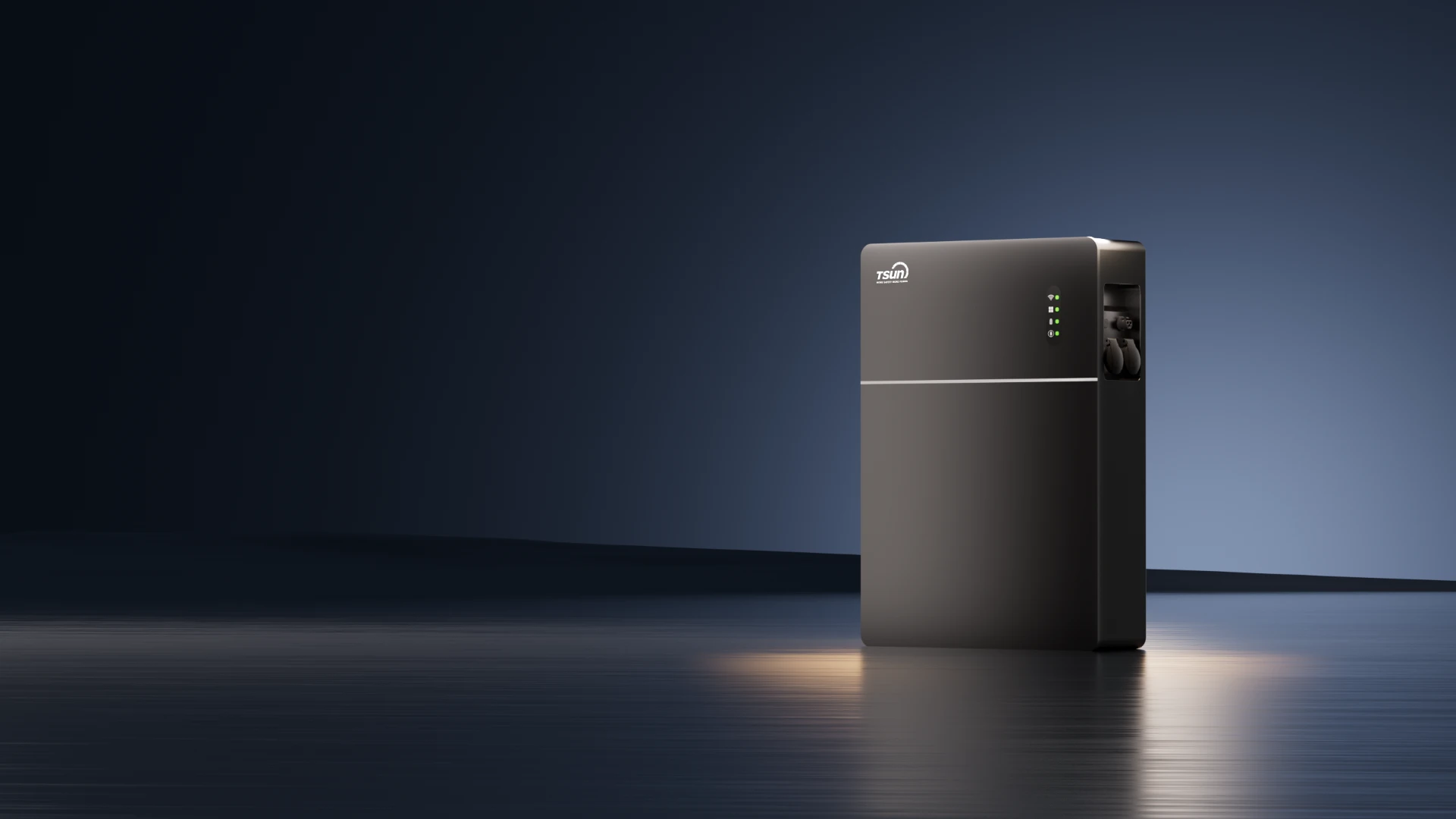
Here’s why the TSOL-MAU5000 is dominating the micro-storage conversation:
- Ultra-Safe LiFePO4 Chemistry: Utilizes premium LiFePO4 battery technology, offering a robust base capacity of 5120 Wh and an exceptional life cycle rating of 6000 cycles.
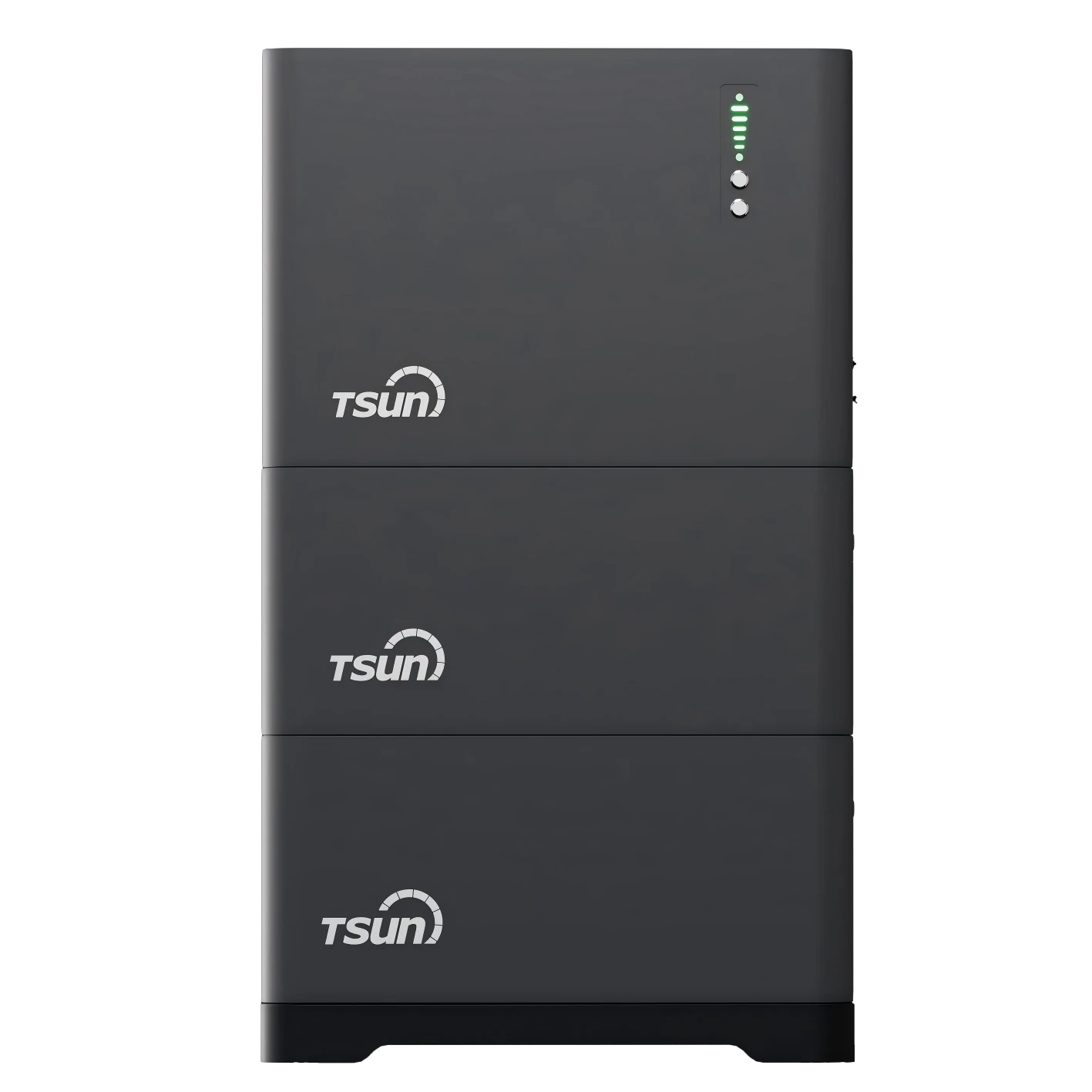
- Scalable Architecture: Don't pay for capacity you don't need yet. The system supports parallel connections, allowing you to link a maximum of 4 units together as your energy needs grow.
- Powerful 2.5 kW Output: Delivers a maximum AC output power of 2500 W whether you are running on-grid or completely off-grid.
- UPS-Grade Blackout Protection: When the grid fails, you won't even notice. The system boasts an incredible 10 ms switch time, ensuring computers and medical devices stay online.
- Grid-Versatile: Designed for true global application, it supports parallel output for both single and three-phase grids.
- Intelligent Financial Modes: Maximize your ROI with integrated work modes including Self-use, Time of Use, and Dynamic Tariff applications, allowing you to strictly control when to buy, store, and use power.
- Effortless Installation: Boasting an IP65 rating for durability, the unit is tailored for both traditional residential setups and modern Plug & Play environments.
Ready to Achieve True Energy Independence?
Stop paying peak rates and protect your home from grid failures. Discover how the TSUN PowerTrunk TSOL-MAU5000 can seamlessly integrate into your home or balcony solar setup.
Explore TSUN Micro Storage Systems
Frequently Asked Questions (FAQ)
What is a Dynamic Tariff and how does a battery help?
A dynamic tariff is an electricity contract where prices fluctuate based on the wholesale energy market (often changing every hour). A smart battery system, like the TSOL-MAU5000, can be programmed to automatically charge from the grid when energy is incredibly cheap, and then discharge that stored energy into your home when grid prices are at their highest.
Can I use energy storage with a balcony solar system?
Absolutely. In fact, it is highly recommended. Micro energy storage systems are specifically designed to be compact and Plug & Play, making them perfect for apartments and small residential setups. They capture the midday sun while you are at work so you can use that free energy in the evening.
How fast does the battery take over during a power outage?
High-quality home storage systems act like an Uninterruptible Power Supply (UPS). The TSUN TSOL-MAU5000 features a switch time of just 10 ms (milliseconds). This is so fast that sensitive electronics, desktop computers, and Wi-Fi routers will not shut off or reboot during a blackout.
Zero Export is a specific work mode. In some areas, local grid operators do not allow homeowners to send excess solar energy back into the public grid. When set to Zero Export, the energy management system ensures that your solar panels only generate enough power to run your household and charge your battery, preventing any unauthorized power from leaking into the grid.
How long will a 5kWh battery power a house?
A ~5 kWh home battery (like a single TSOL-MAU5000 unit which has 5120 Wh) can typically power essential household loads (such as a fridge, LED lights, and internet router) for roughly 8 to 12 hours during an outage. By taking advantage of its parallel connection capabilities, you can connect up to 4 units to easily quadruple your backup duration.







 LEARN DETAILS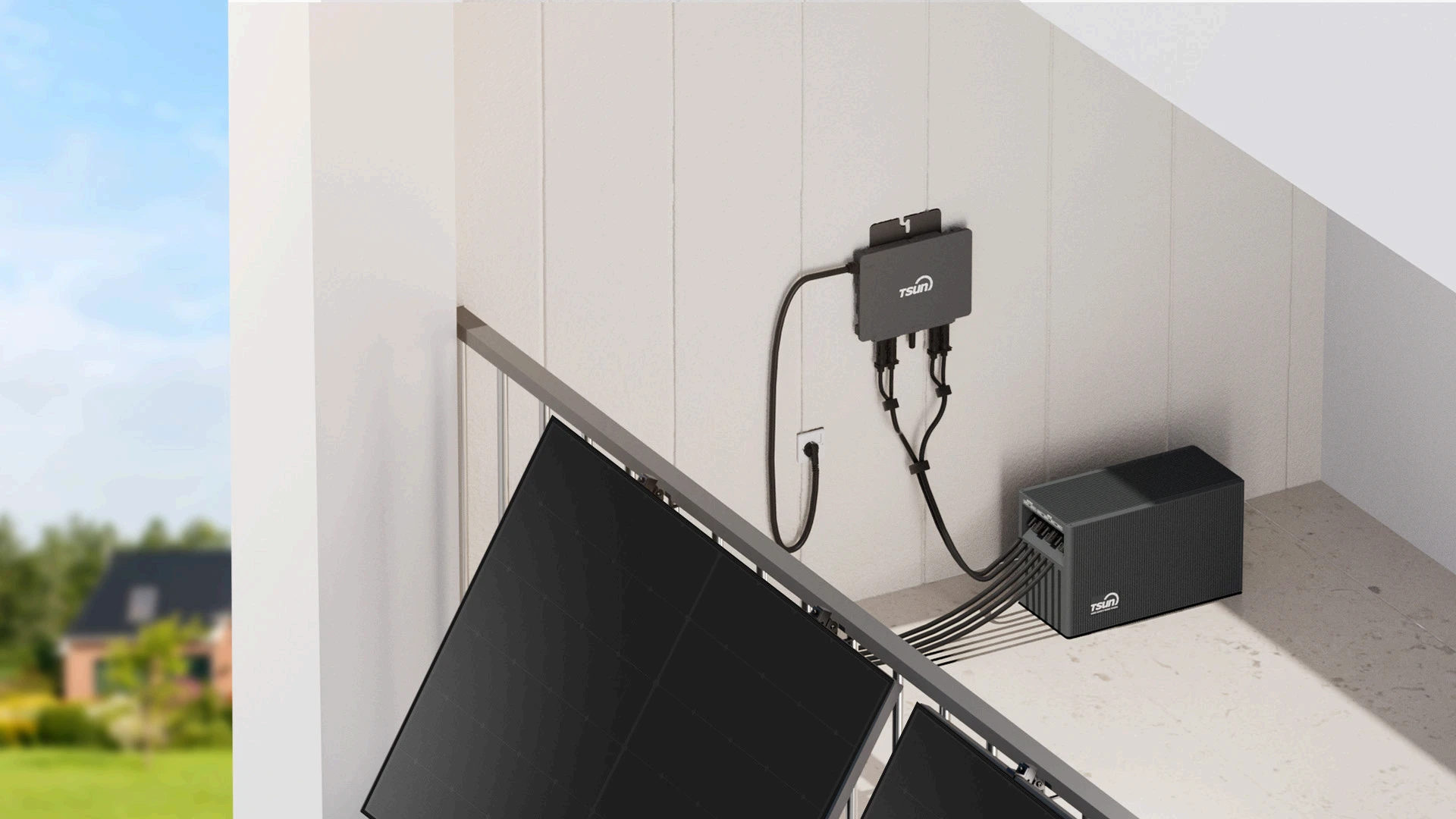
 Downloads
 Video Center
 Report Fault for Repair
 FAQS
FAQS Service Network
 Privacy Policy
 Contact Us
 Monitoring


 LEARN MORE