






 LEARN DETAILS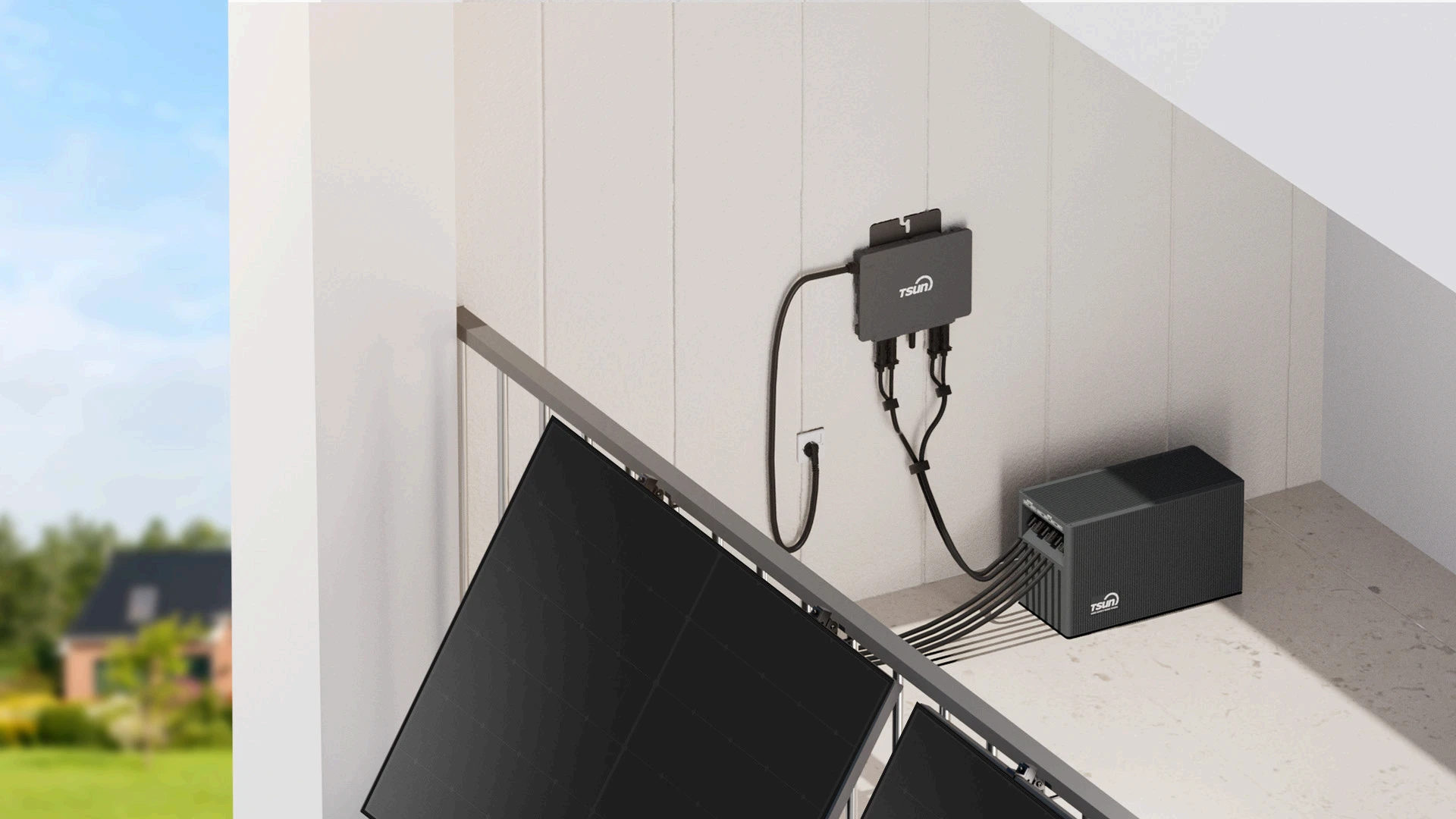
 Downloads
 Video Center
 Report Fault for Repair
 FAQS
FAQS Service Network
 Privacy Policy
 Contact Us
 Monitoring

Small Backup Generator Guide: What Size Do You Really Need
Power outages may seem minor, but they often have a bigger impact than expected. Many people only search for a small backup generator after a power outage. They want to be prepared next time.
However, there are many options, from portable generators to whole-house systems, which can make it hard to choose. This article will not only talk about parameters, but will start from real usage scenarios to help you understand step by step what is a suitable backup power solution for your home.
Why Do We Need A Backup Generator for Home
Imagine a very common scenario: a sudden power outage at night, and the house is pitch black. At first, people may think it's just a matter of a few minutes, but over time, the problem will gradually escalate—the phone battery drops, the refrigerator stops cooling, WiFi disconnects, and even basic lighting cannot be maintained.
That's also why more and more families are paying attention to backup generators for home. Choosing a suitable power supply plan is not just about having electricity, but also about maintaining continuity of life during critical moments. Therefore, finding the best generator for home backup power has gradually become an important decision for many families.
What Is a Small Backup Generator
Simply put, a small backup generator is a device used for short-term power supply in households. It is usually small in size and has moderate power, and can provide power support for critical equipment during power outages.
Small Backup Generator Types
Portable generator for homeThe most common entry-level option is the portable generator. This type of equipment is easy to operate, relatively inexpensive, and suitable for short-term power outages. For first-time buyers, it is an easy starting point. But after using it, you will see its limits. It is better for short outages, not long-term use.
Standby generatorIf the budget is sufficient, some users may choose standby generators. This type of device can automatically switch power and does not require manual operation during power outages. However, its installation is complex and costly, and it still relies on fossil fuels.
New generation household energy systemIn recent years, users have gradually shifted from single devices to holistic solutions, such as Whole Home Battery Backup solutions. Compared to traditional backup gas generators, the new system is more stable, completely silent, and closer to daily usage habits. The essence of this change is that users are no longer solely focused on "power generation", but on "how to use electricity better".
Summary of Differences Among Several Generators
| Type | Advantages | Disadvantages | Suitable Scenarios |
|---|---|---|---|
| Portable Generator | Low cost, flexible | Requires manual operation, noisy, fuel-dependent | Short-term power outages |
| Standby Generator | Automatic switching, stable | High cost, complex installation, requires maintenance | Whole-home backup |
| Home Battery System (AC/DC Coupled) | Silent, zero emissions, no maintenance, ultra-fast switch | Higher initial investment | Seamless daily & long-term backup |
Many users will gradually have some consensus after using a gas generator for home: obvious noise during startup, frequent refueling required, and a poor night-time usage experience. These are "life level problems" that will only be encountered after actual use.
Common Misconceptions of Small Backup Generators
The Misconception of Only Looking at Power
Many people compare the wattage directly when choosing a small backup generator, thinking that the higher the power, the better. But it was only discovered during actual use that power is only a part of it. A more important question is: how long can it run? If it can only run for a few hours, then no matter how high the power is, it is difficult to truly solve the problem.
The Underestimated Cost
In the early stages, many people are attracted by the cheap price of gas generators. But as the usage time increases, hidden costs appear. Fuel costs, maintenance costs, and losses caused by equipment aging will continue to accumulate.
Ignoring User Experience
When you truly rely on a backup generator, you will start to care: Does noise affect rest? Is the operation complex? Is frequent intervention necessary? These factors are often more important than raw parameters.
How Large Is the Small Backup Generator
Many people search for: What size generator is needed for a 1500 square foot house? There is no unified answer because the electricity consumption structure of each household is different. Meeting only basic equipment and supporting whole-house electricity are two completely different levels of demand.
Common Household Equipment Power Reference
| Appliance | Running Power (W) |
|---|---|
| Router + Phone Charging | 50–100W |
| Lighting (LED) | 50–200W |
| Refrigerator | 150–300W |
| Microwave Oven | 800–1200W |
| Window Air Conditioner | 1000–1500W |
| Central Air Conditioner | 3000W+ |
The 80% Rule Explanation
When a generator operates for a long time, it is usually recommended to control it between 70% and 80% of the rated power to ensure stability and extend equipment life. For example, for a gas generator rated at 5000W, it is recommended to use it at ≤ 4000W for a long time.
Which Backup Generator is Most Suitable for Families
The real difference is not in the brand, but in the usage scenario. You need the most suitable power supply solution for your lifestyle.
When a power outage lasts for more than a day, the problem is no longer just whether there is electricity, but whether it can be used stably. In this situation, families are abandoning noisy gas generators and turning to smart battery energy storage systems.
Smart Battery Backup: Tailored to Your Solar Needs
The essence of modern backup is turning unstable grid power into stable daily power quietly and efficiently. Whether you already have solar panels or are starting from scratch, TSUN offers the perfect solution:
1. For Existing Solar Owners (Retrofit / AC-Coupled)
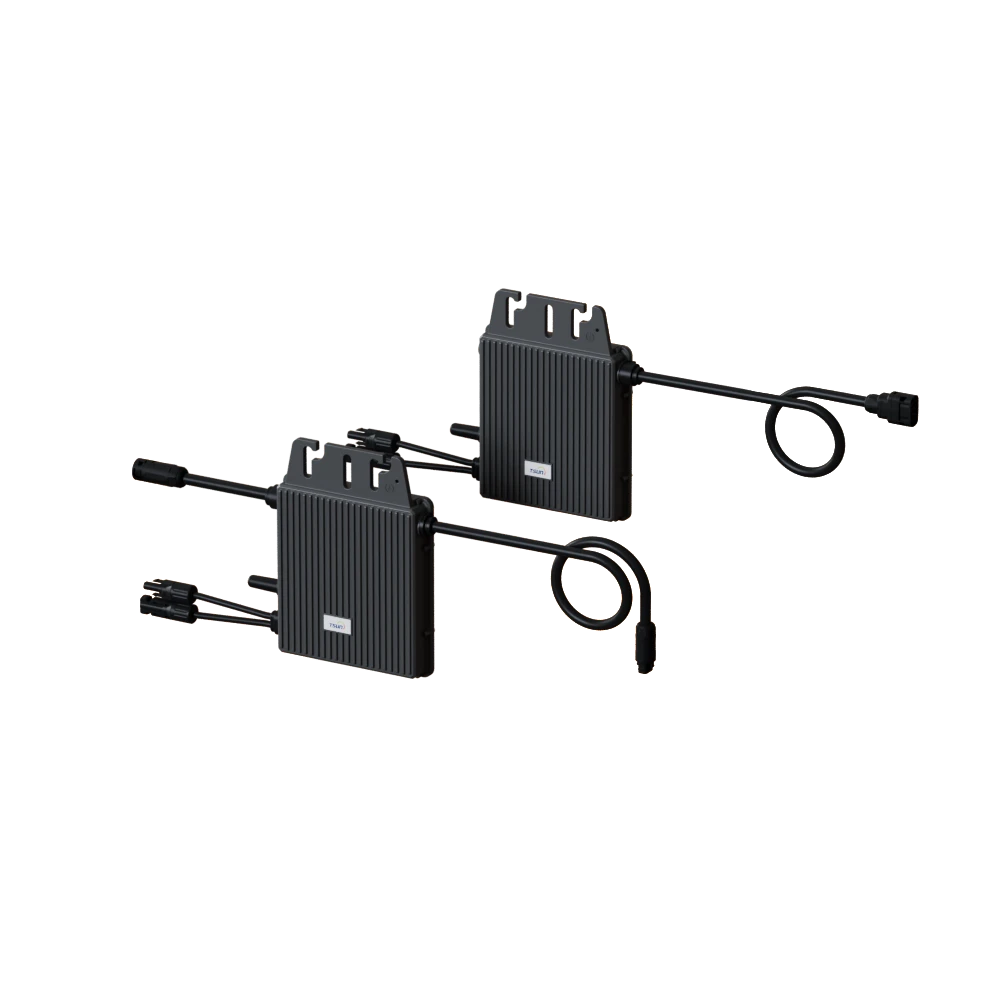
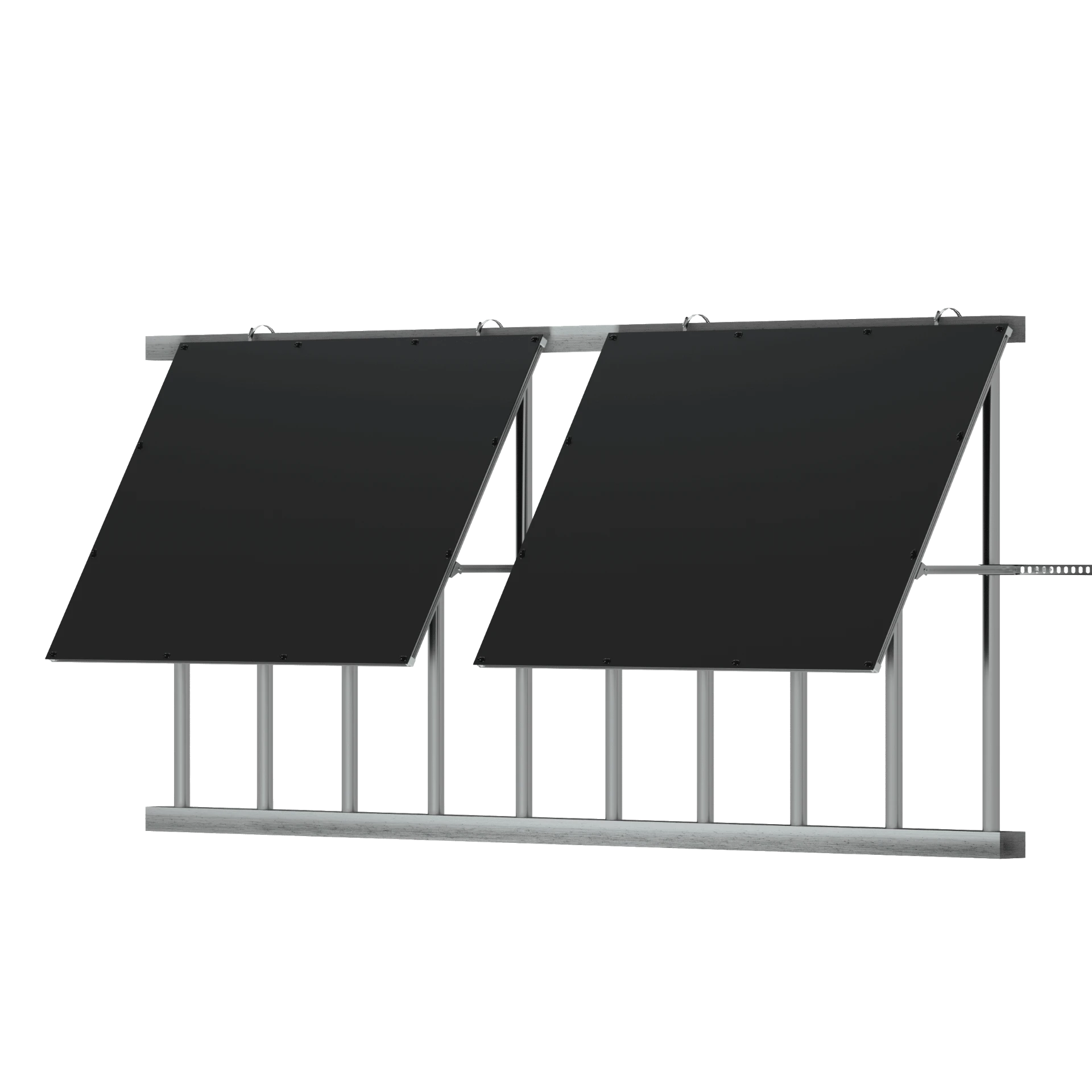
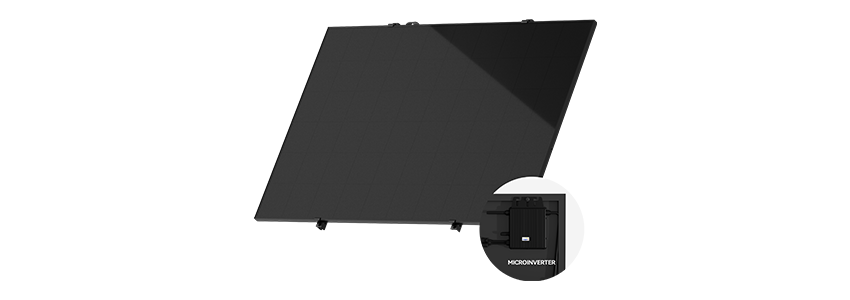
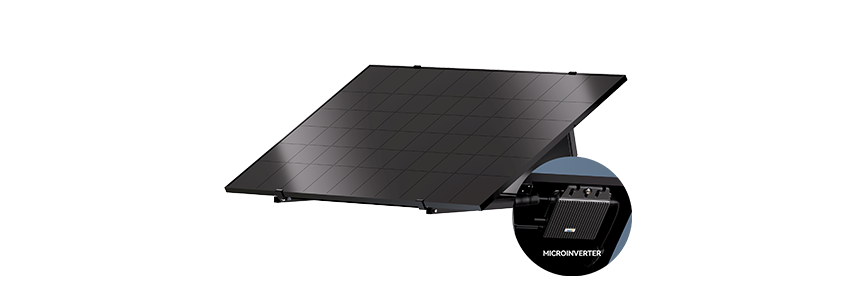
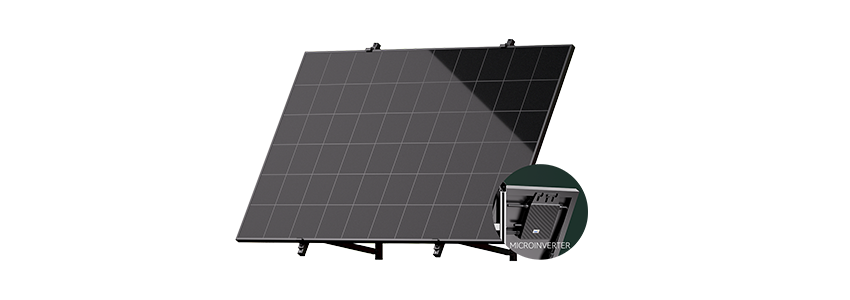
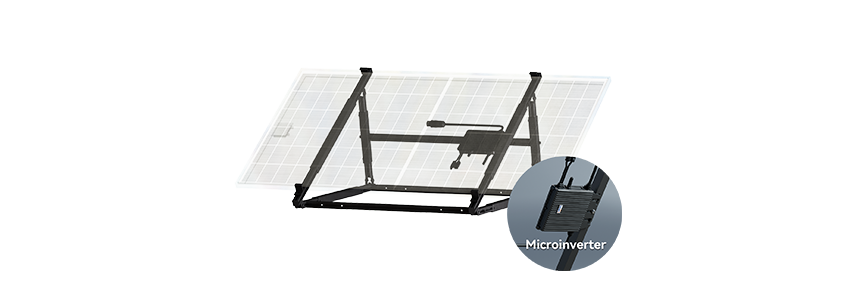
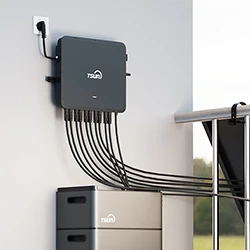
If you already have a balcony power plant or rooftop PV system, you don't need to replace your current microinverter. You can simply add an AC-coupled battery to store excess daytime energy for nighttime use or grid outages:
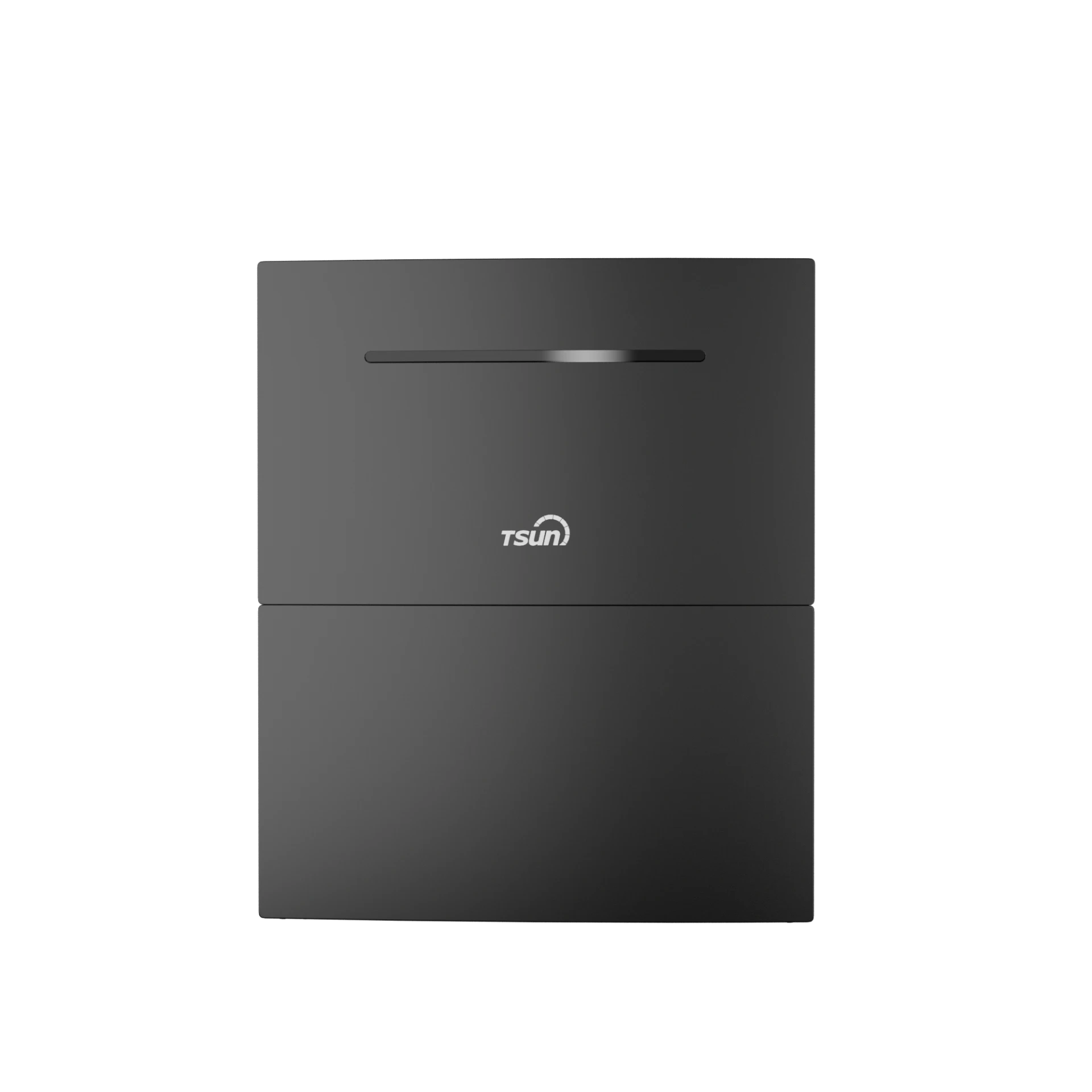
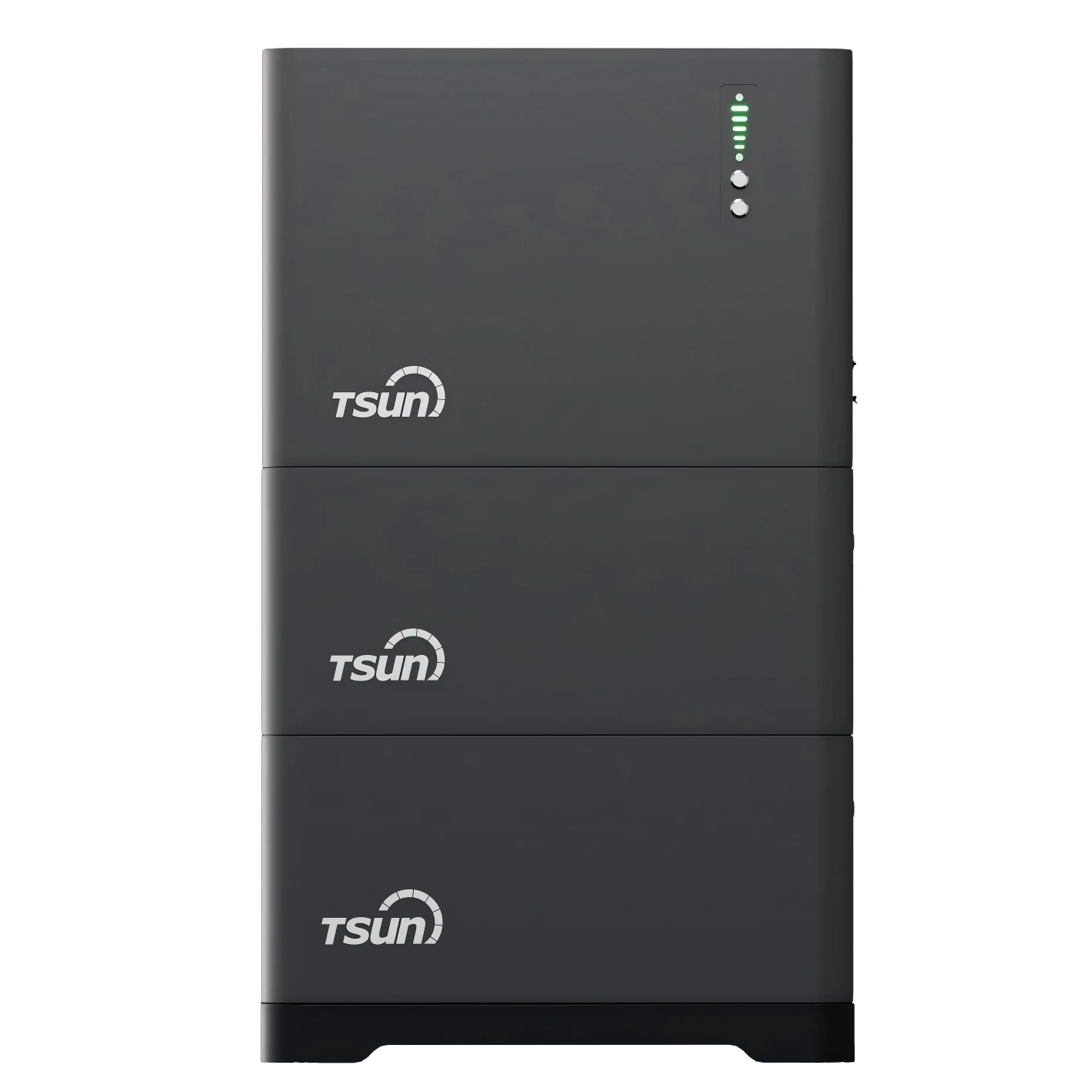
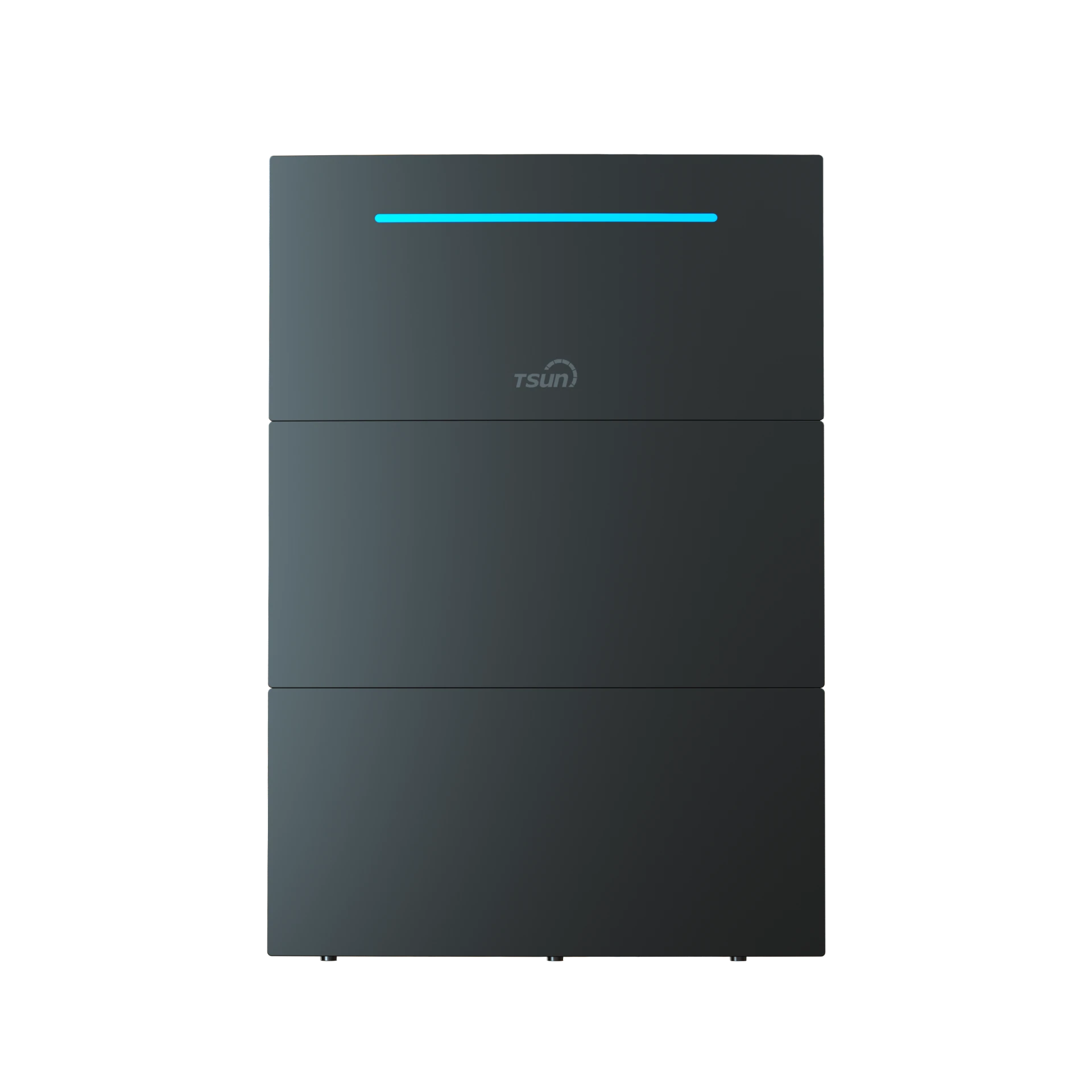
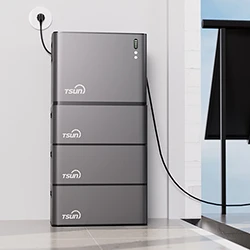
- TSUN PowerTrunk MAU4000Lite: The ultimate plug-and-play smart storage for upgrading existing balcony systems. Easy installation, whisper-quiet, and highly efficient.
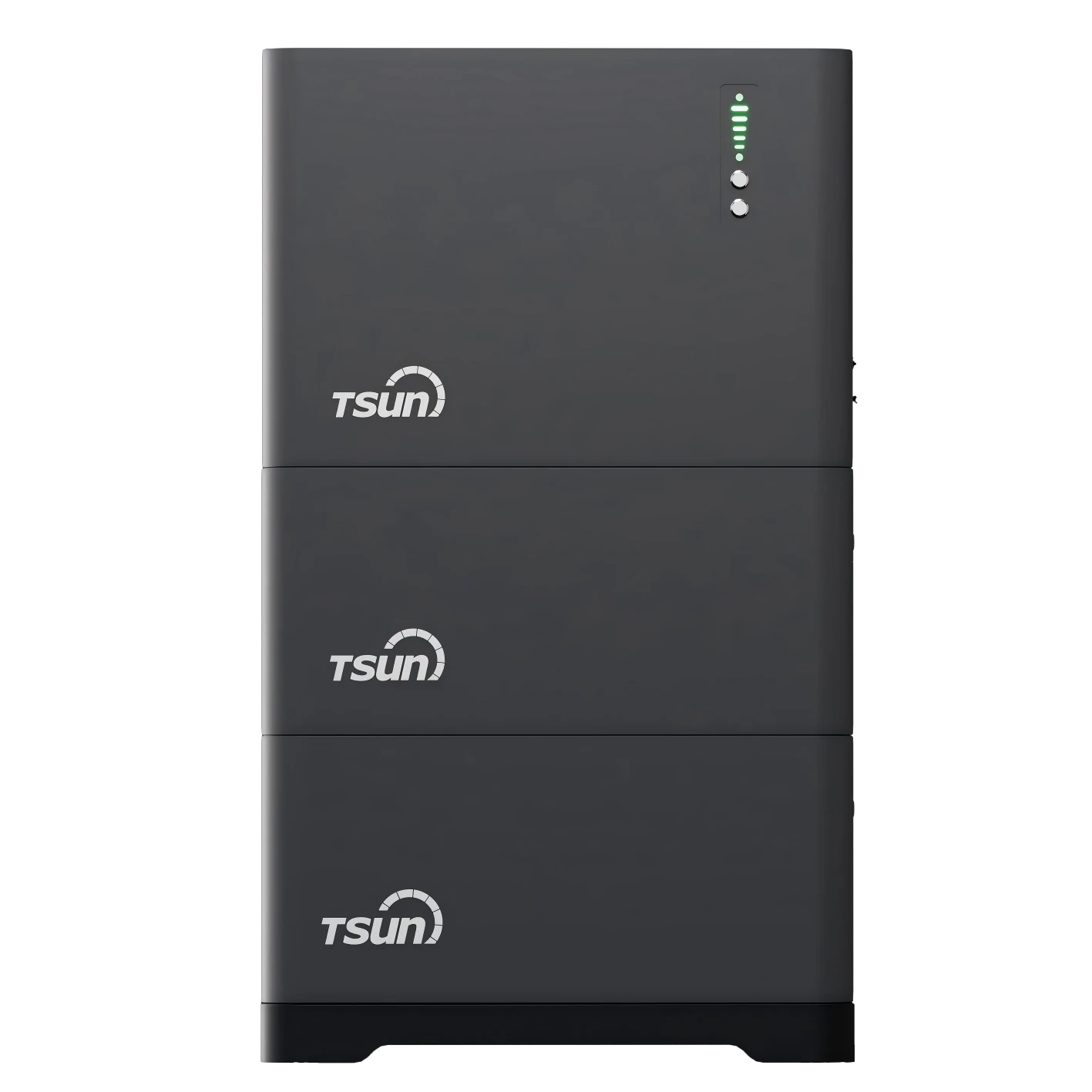
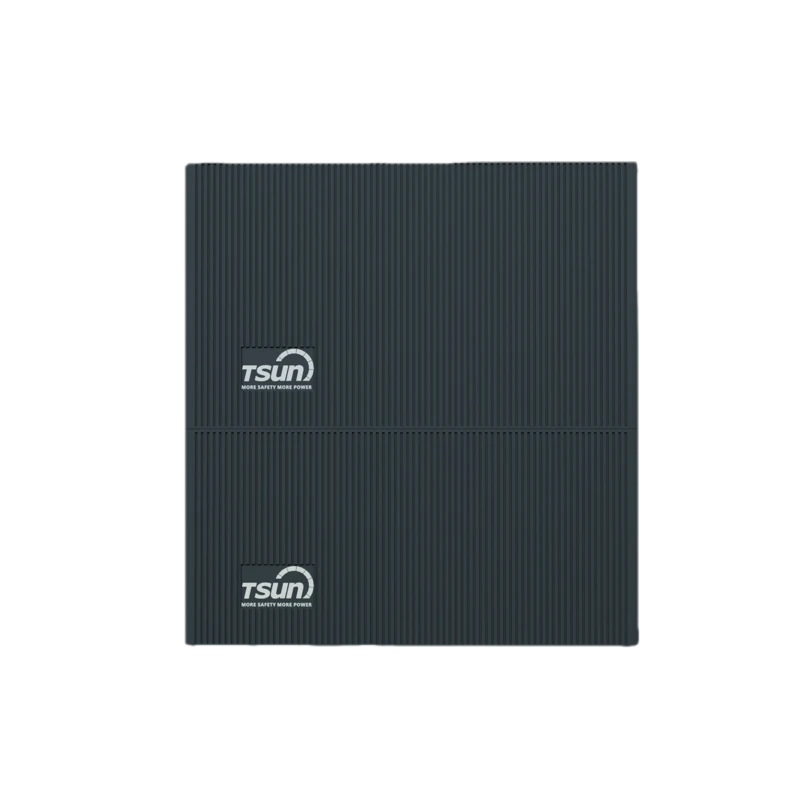
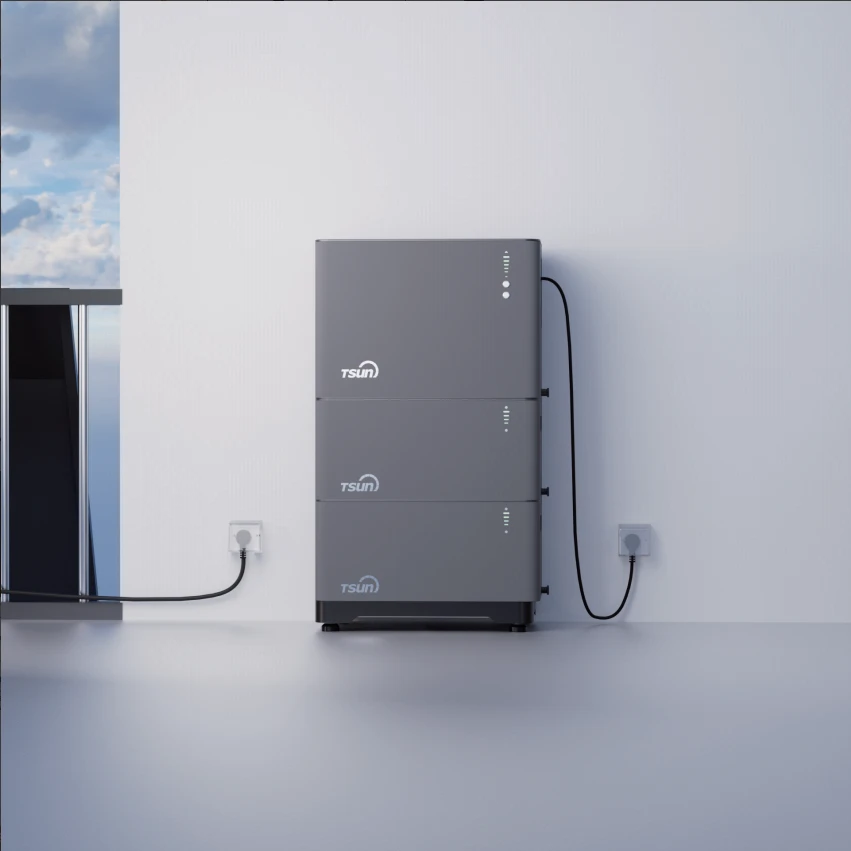
- TSUN PowerTrunk MAU5000: A robust, high-capacity (5120 Wh) AC-coupled unit for larger demands. It features an ultra-fast 10ms switch time for seamless backup and can be paralleled up to 10kW for whole-home protection.
2. For New Solar Buyers (All-in-One Complete System)
If you are starting fresh and want a complete, seamless solar and storage system without the hassle of matching separate components:
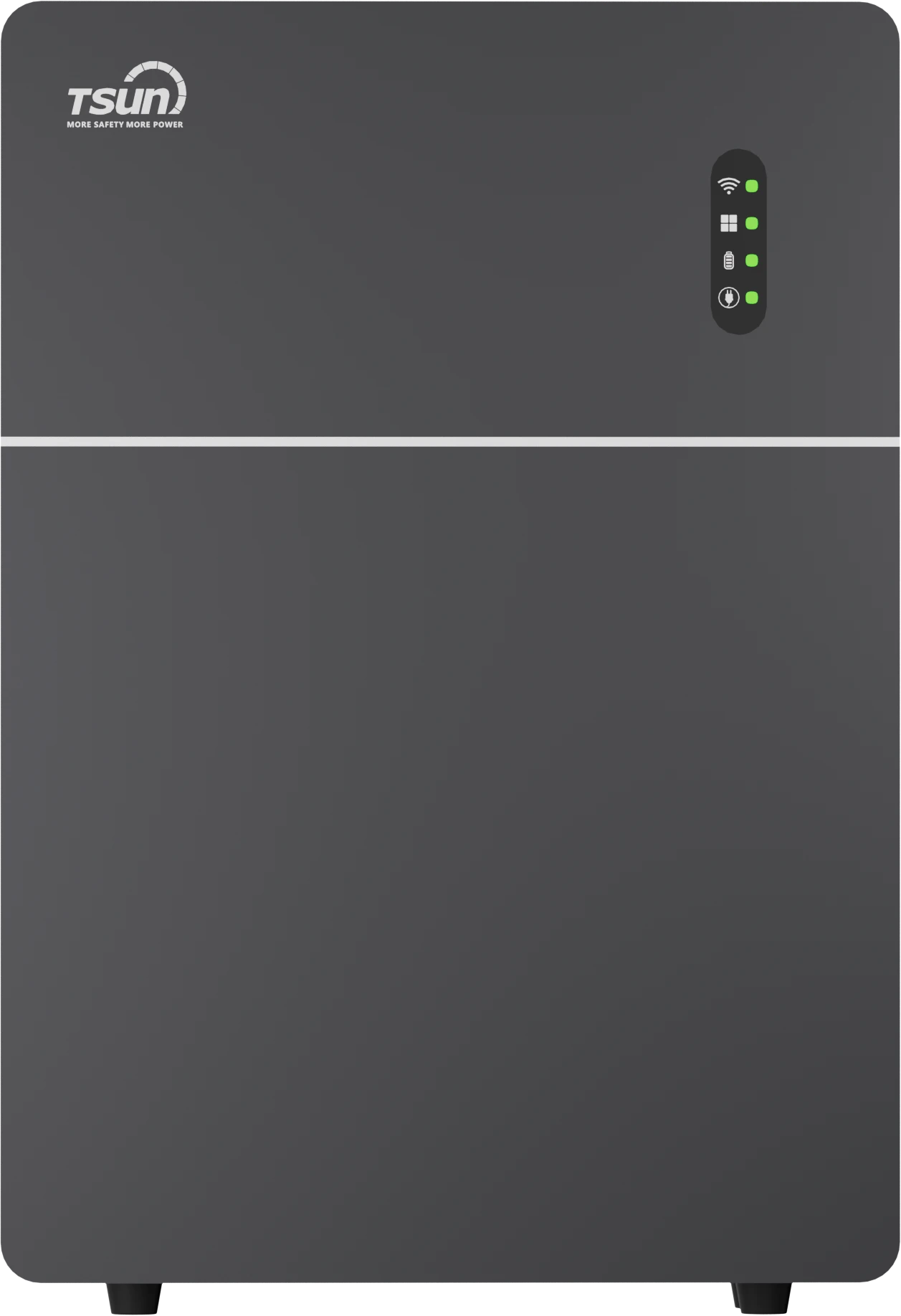
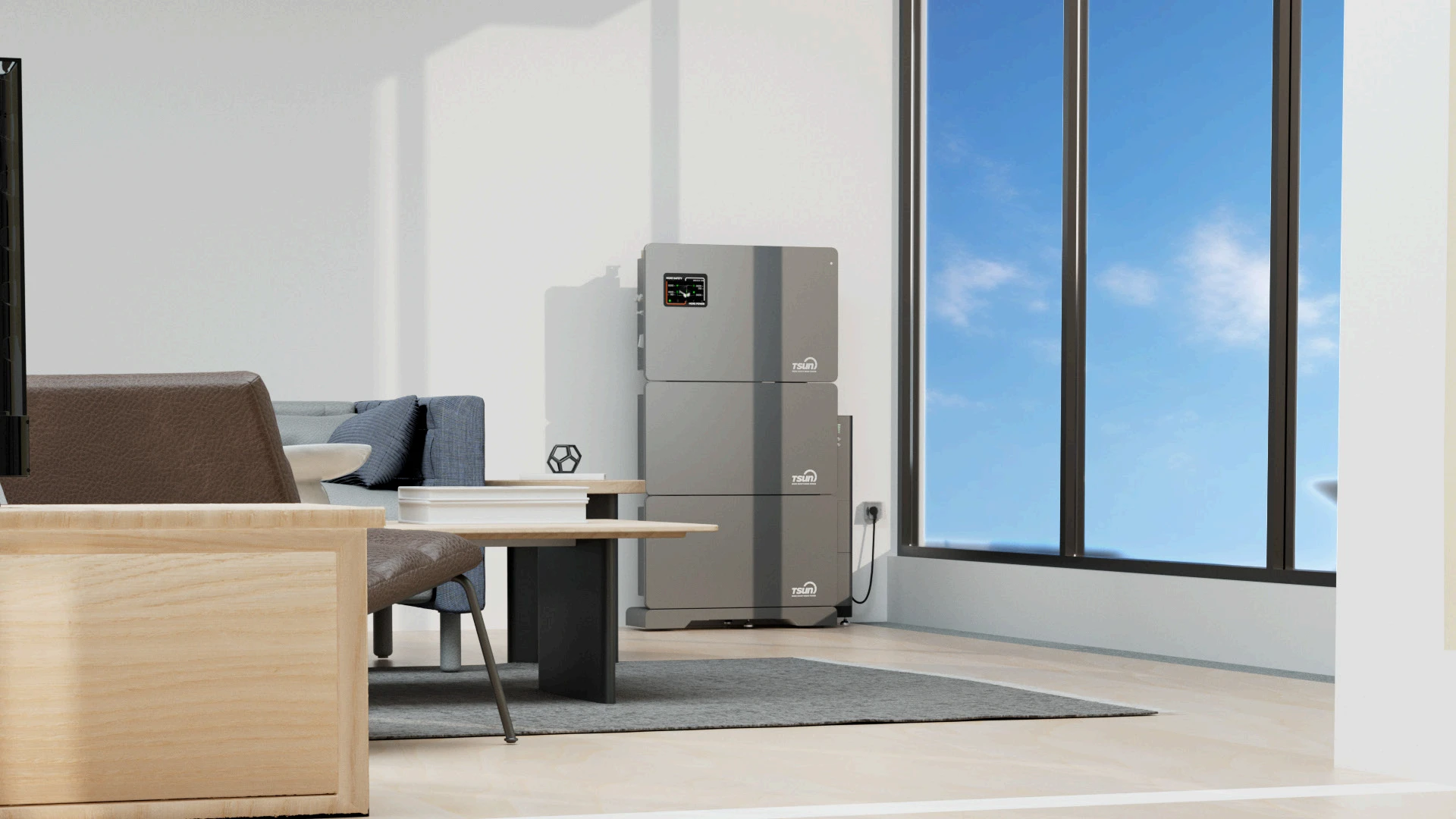
- TSUN SolarTrunk MSU4000Lite: The premium all-in-one solution that integrates a powerful microinverter and battery storage into a single, elegant device. Perfect for new balcony power plants, offering maximum efficiency, dynamic tariff savings, and a beautifully streamlined setup.
How to Choose A Small Backup Generator
The simplest way is to clarify two questions: How long does an outage usually last? and What equipment must you use? The key is not to choose the 'strongest', but the 'most suitable'.
| Use Case | Recommended Type | Suitable? |
|---|---|---|
| Short-term emergency (a few hours) | Small gas generator | Low cost, suitable for occasional use (noisy) |
| Half-day to 1-day outage | Portable power station | More stable output, manual setup required |
| Long-term outage & Daily Savings | Smart Home Battery (TSUN Systems) | Most reliable, automatic, silent, saves daily electricity costs |
Conclusion
Choosing a backup generator means preparing for outages. But as demand changes, more users realize that traditional gas generators are just a starting point. When you truly consider backup power for home, think from a different perspective: Do you want an isolated, noisy device, or an intelligent, silent energy system that keeps your home running seamlessly?

 LEARN MORE