






 LEARN DETAILS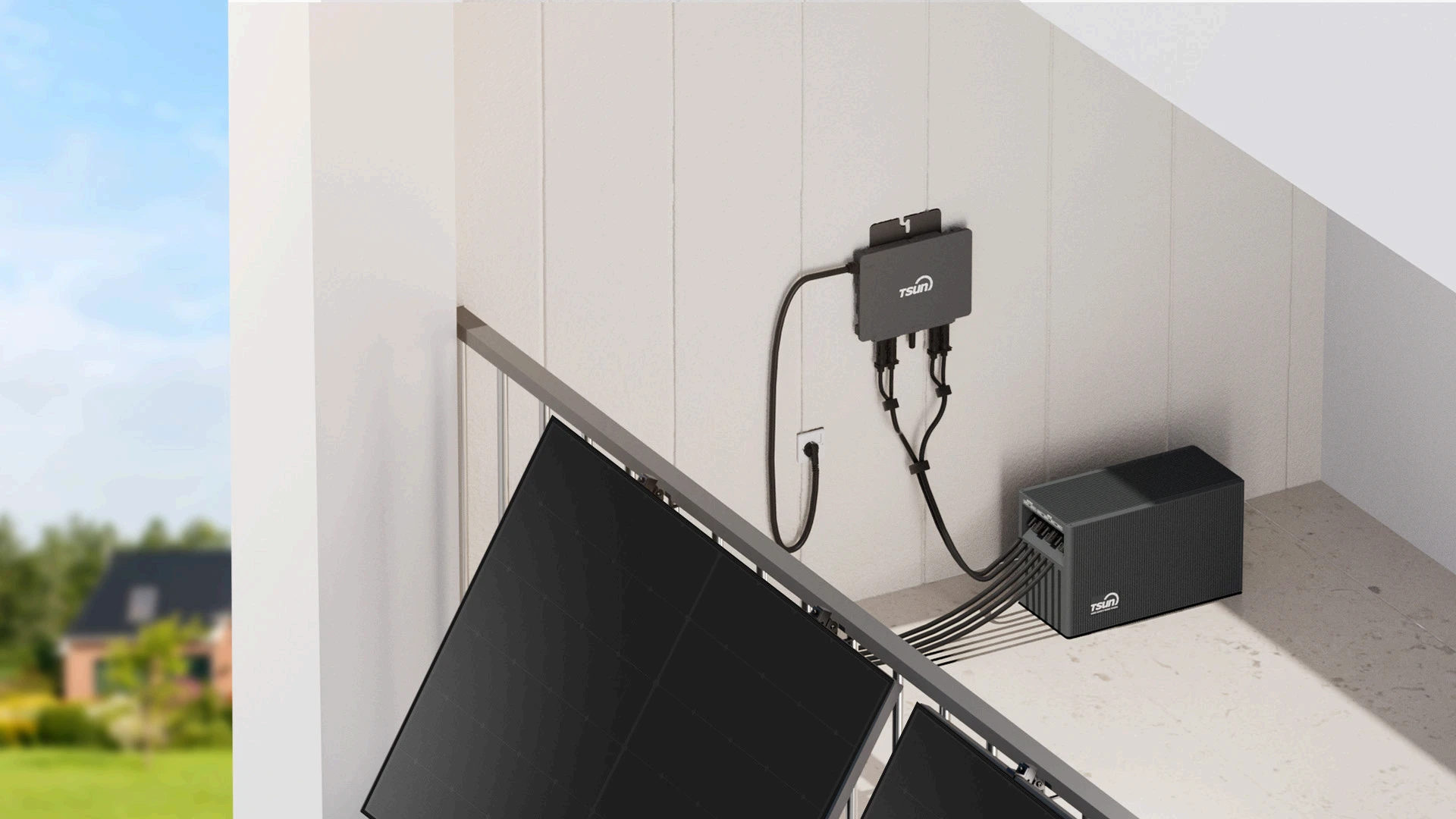
 Downloads
 Video Center
 Report Fault for Repair
 FAQS
FAQS Service Network
 Privacy Policy
 Contact Us
 Monitoring

How Much Battery Backup Do I Need for My Home?
With extreme weather events becoming more frequent and electricity rates steadily climbing, finding reliable home battery backup solutions has never been more critical. Whether you are preparing for unexpected grid outages, looking to maximize your solar self-consumption, or trying to avoid expensive time-of-use (TOU) electricity rates, the first question is always the same: "How much battery backup do I need for my home?"
The answer is not a one-size-fits-all number. A lot of homeowners make the mistake of focusing solely on the total stored energy while ignoring running watts, surge watts, and runtime. Buying the largest battery on the market isn't always the smartest or most cost-effective move. Instead, sizing your residential energy storage system is about matching power output to your specific lifestyle, budget, and structural constraints.
In this comprehensive guide, we will break down how to act as your own solar battery backup calculator. We will explore everything from sizing for essential loads to integrating advanced solutions like a TSUN micro energy storage system into your daily life.
1. Determine Your True Backup Priorities
Battery size is dictated heavily by how your home uses power when the grid goes down. Ask yourself: what are the appliances that absolutely cannot lose power? We can categorize residential backup goals into three main tiers:
Tier 1: Essential Load Backup (Cost-Effective & Compact)
- The Goal: Keep critical, low-draw appliances running to ensure safety, communication, and basic food preservation during short blackouts.
- Typical Appliances: Refrigerator, Wi-Fi router, LED lighting, phone/laptop chargers, and basic medical devices (like CPAP machines).
- Capacity Needed: Usually between 2kWh to 5kWh.
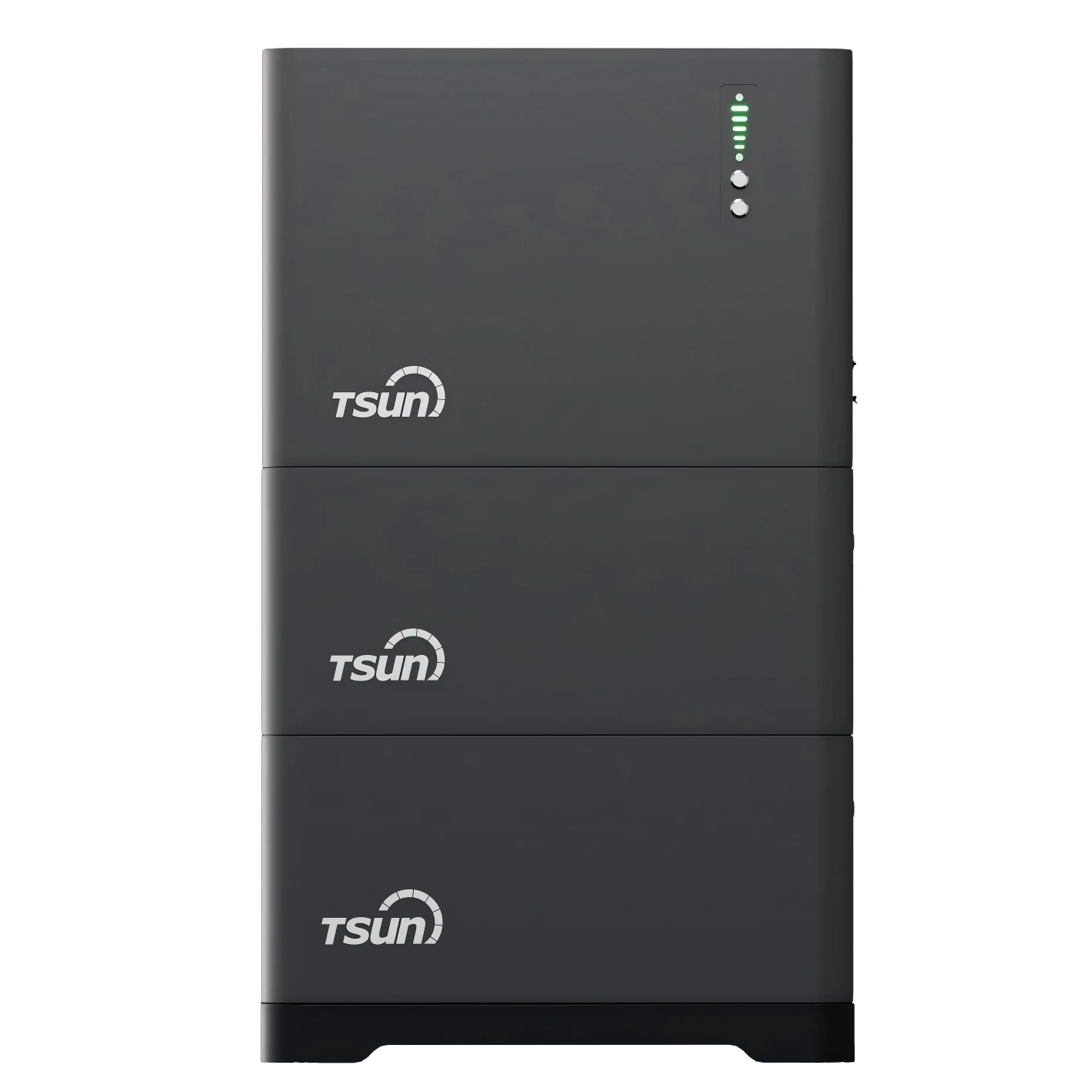
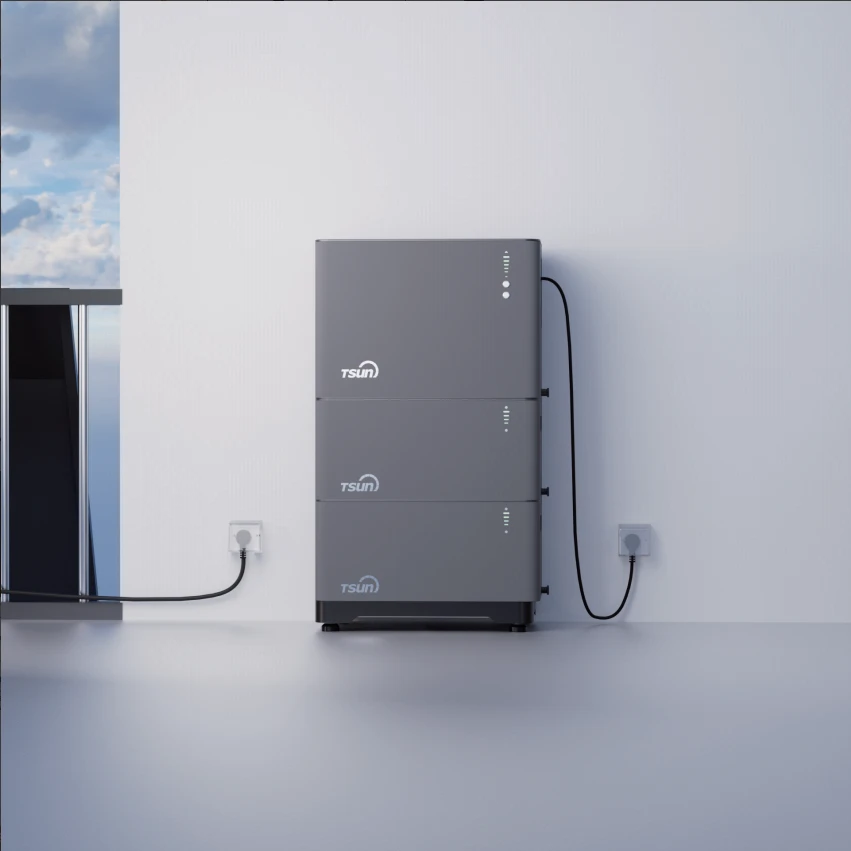
- Best Solution: This tier is where modular balcony solar storage and micro storage systems excel. They offer affordable peace of mind without a massive footprint, making them ideal as a battery backup for apartments or smaller homes.
Tier 2: Partial Home Backup (The Balanced Approach)
- The Goal: Maintain a comfortable standard of living during extended outages by powering most standard circuits.
- Typical Appliances: Everything in Tier 1, plus televisions, desktop computers, a microwave, coffee maker, and perhaps short usage of a space heater or a small window AC unit.
- Capacity Needed: Medium, typically ranging from 10kWh to 15kWh.
Tier 3: Whole-Home Backup & Energy Independence
- The Goal: Live as if the grid never went down. This covers high-surge, heavy-load appliances and requires deep integration with a robust solar array to achieve off-grid capability.
- Typical Appliances: Central air conditioning, electric water heaters, well pumps, electric ovens, and EV chargers.
- Capacity Needed: Large, usually starting at 20kWh+ and scaling upwards depending on the size of the home.
2. Calculate Your Daily Energy Consumption
To accurately size your battery, you must understand your baseline energy draw. Here is how to estimate the power your home really needs:
- Check Your Electric Bill: Look at your utility bill for your monthly kWh usage. Divide that number by 30 to find your average daily usage. (e.g., 900 kWh / 30 = 30 kWh per day).
- Account for Seasonality: Your usage will spike in summer (cooling) and winter (heating). Size your battery based on the season when outages are most likely to occur in your area.
- Differentiate Running Watts vs. Surge Watts:
- Running Watts: The continuous power an appliance needs (e.g., a TV using 150W).
- Surge (Starting) Watts: The brief, massive spike in power needed to start a motor or compressor (e.g., a refrigerator might run at 200W but need 1200W just to start). Your battery’s inverter must be able to handle this surge.
3. The "Time-of-Use" Factor: Reduce Electric Bills with a Battery
Battery storage isn't just for emergencies; it is a financial tool. Many utility companies use Time-of-Use (TOU) pricing, meaning electricity is significantly more expensive during peak evening hours (usually 4 PM to 9 PM).
By utilizing a smart TSUN ESS, you can store cheap solar energy generated during the day, or charge from the grid overnight when rates are lowest. You then discharge the battery during peak evening hours. This strategy, known as peak shaving or load shifting, means your battery pays for itself over time through daily savings, long before the grid ever goes down.
4. Retrofitting Existing Solar Systems: The Power of AC Coupling
What if you already have solar panels installed, but no battery? Many homeowners assume they have to rip out their old solar inverter to add storage. This is a costly misconception.
If you want to add storage to a pre-existing solar array, a micro AC coupled unit is the most efficient route. Unlike DC-coupled systems that require replacing your main inverter, an AC-coupled battery system connects directly to the AC electrical panel of your home.
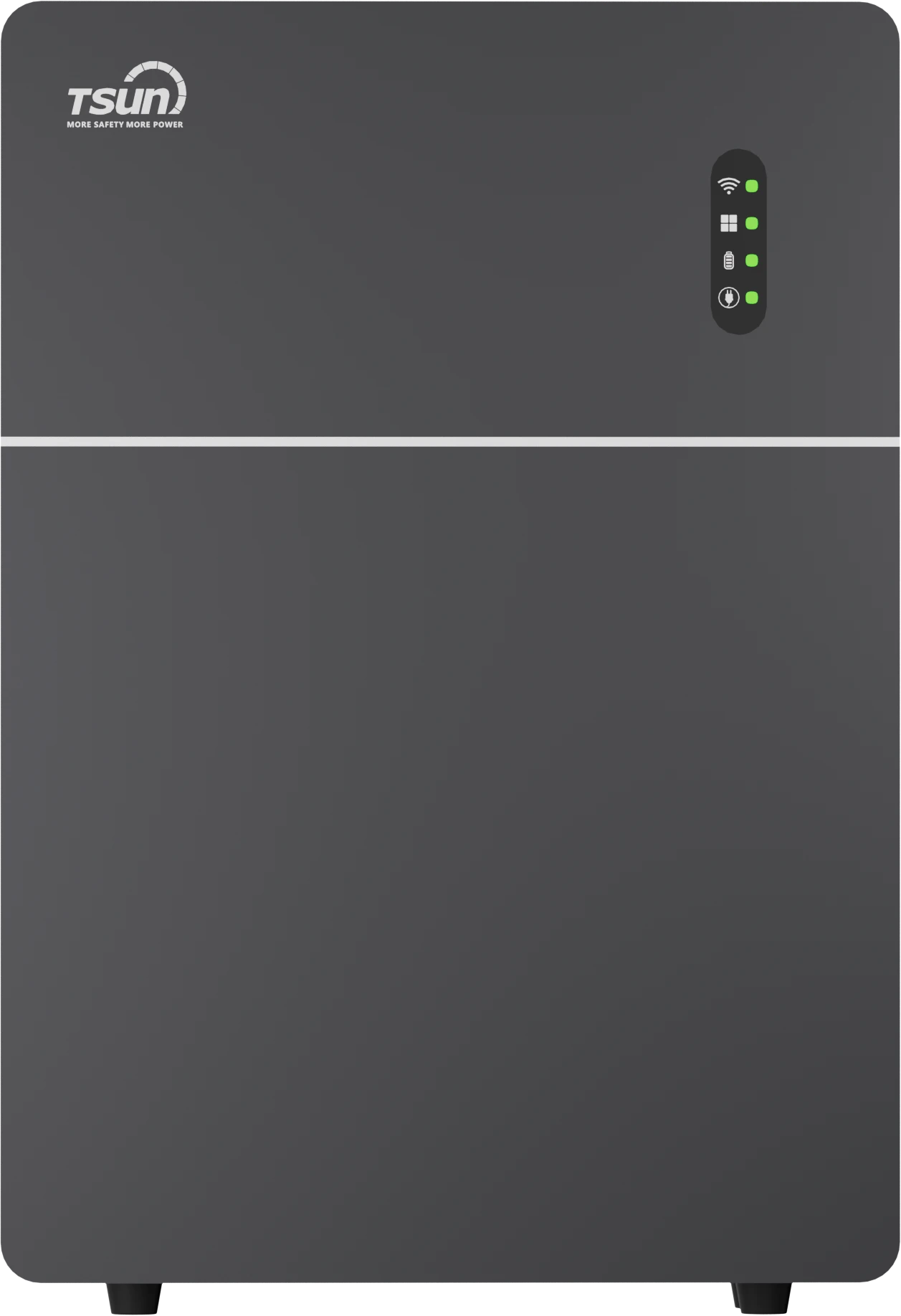
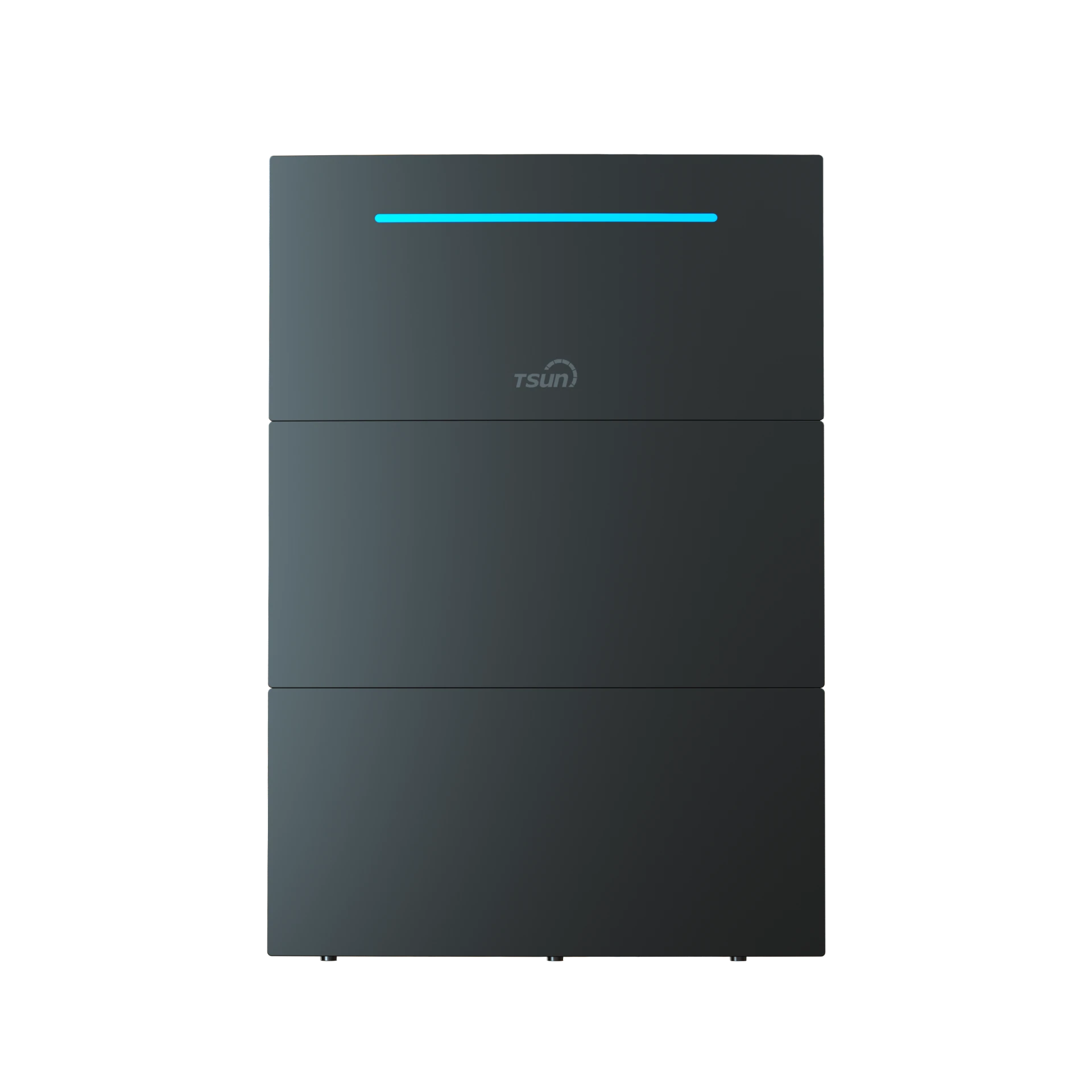
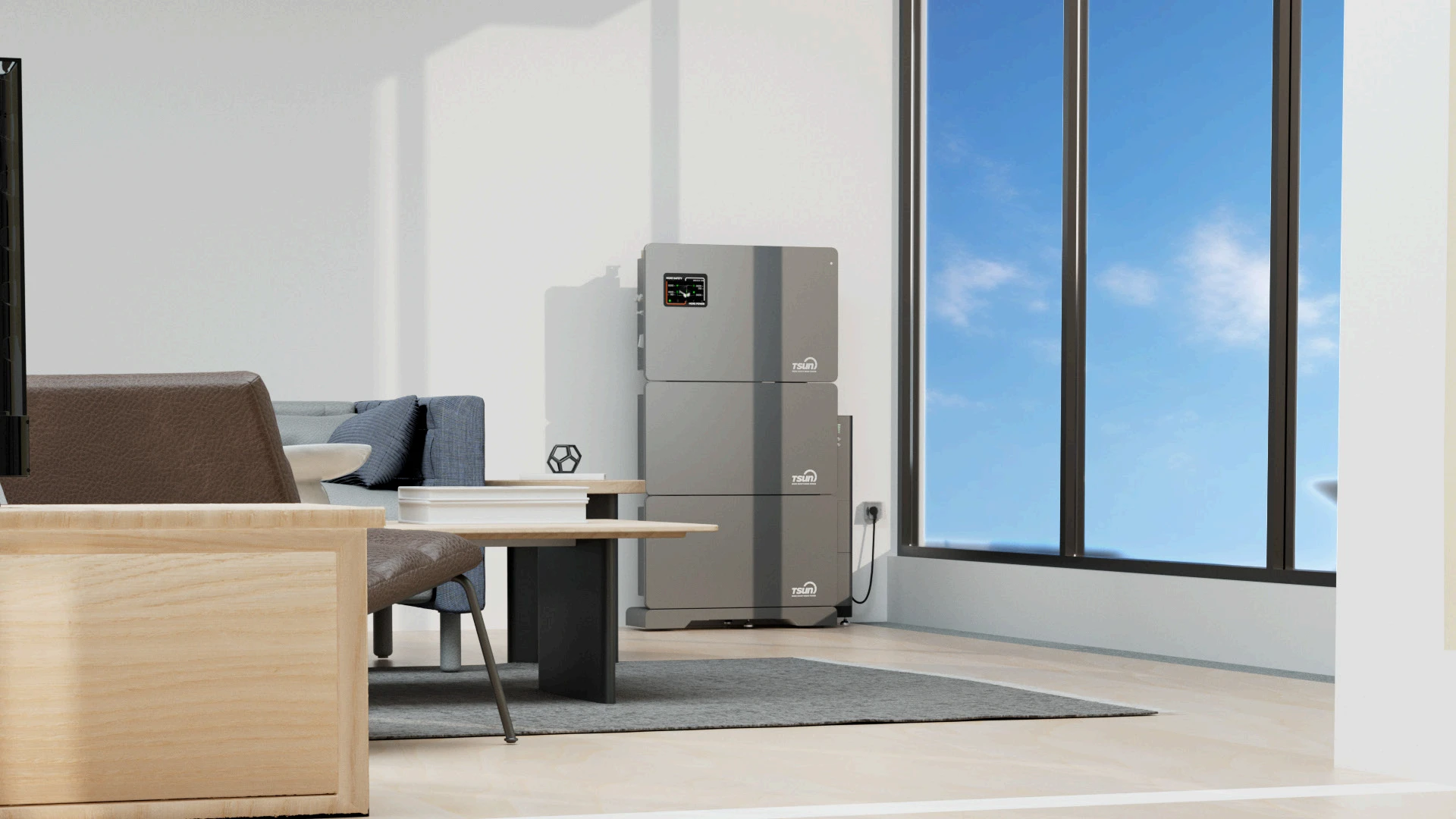
Products like the TSUN Power Trunk act as a universal bridge. They take the AC power generated by your existing solar panels, convert it to DC to store in the battery, and then back to AC when your home needs it. Retrofitting existing solar systems becomes a fast, minimally invasive process that drastically lowers installation costs.
5. Urban Solutions: The Rise of Balcony Solar Storage
Not everyone has a massive, south-facing roof. For urban dwellers, apartment renters, or those with strict Homeowners Associations (HOAs), traditional solar and whole-home batteries are out of reach.
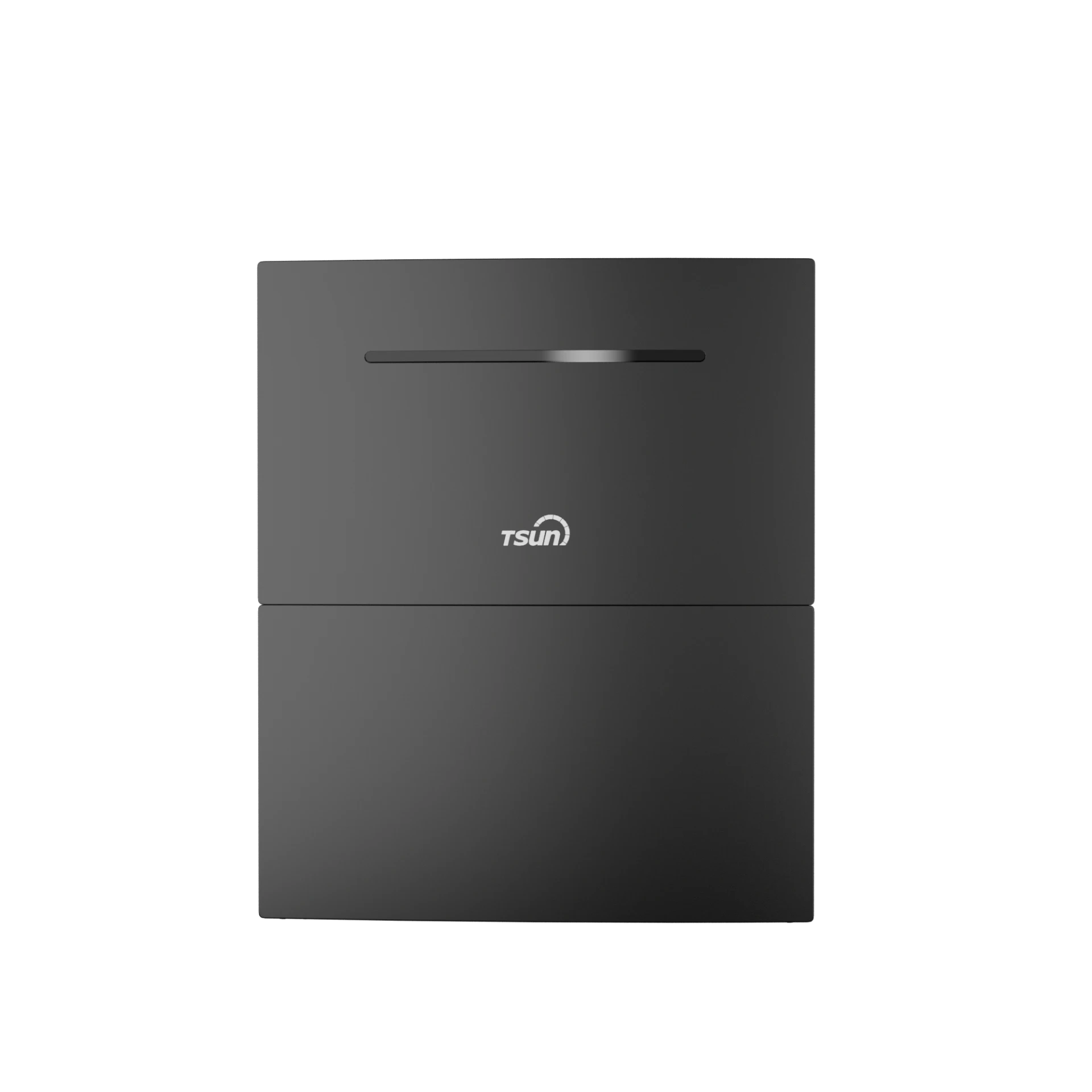
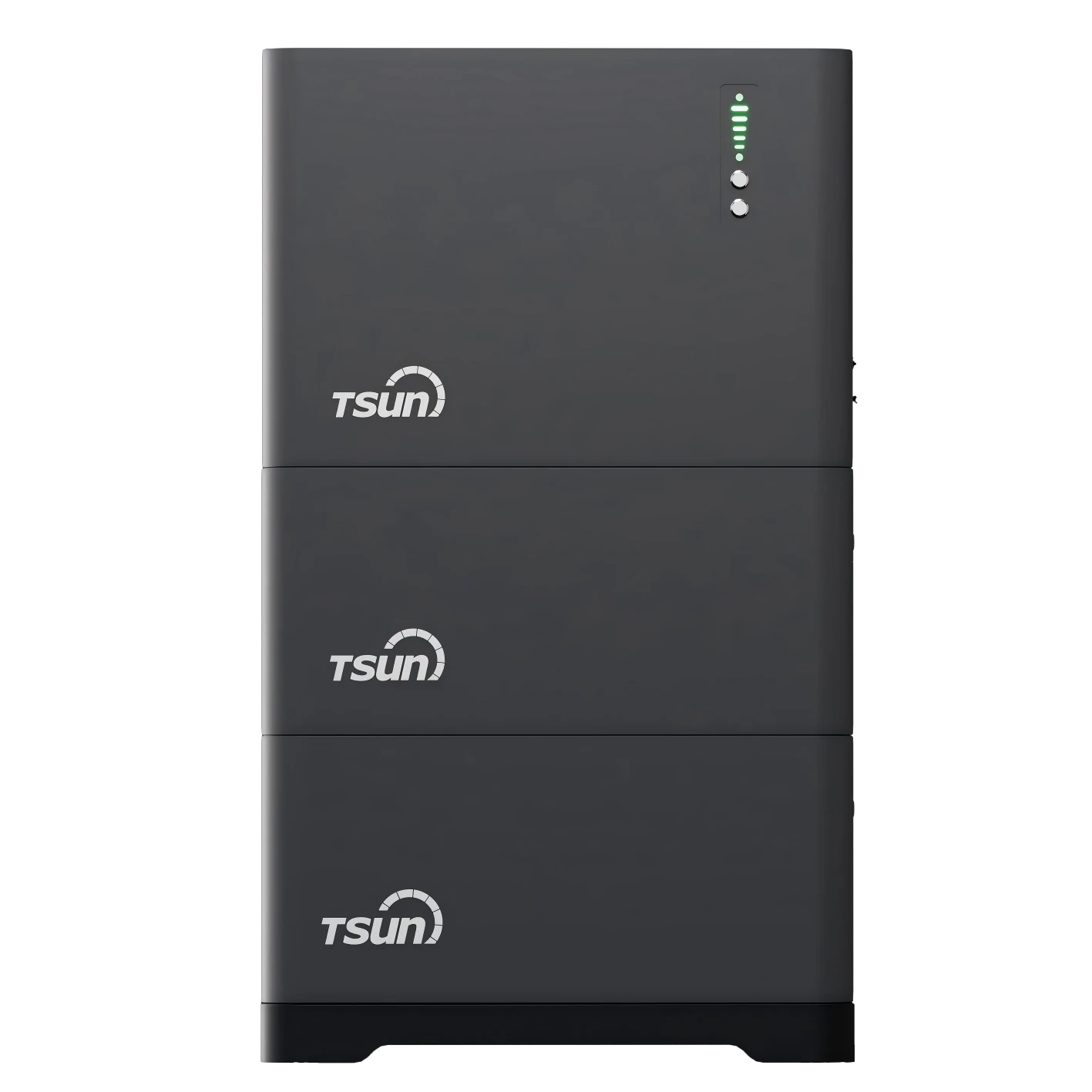
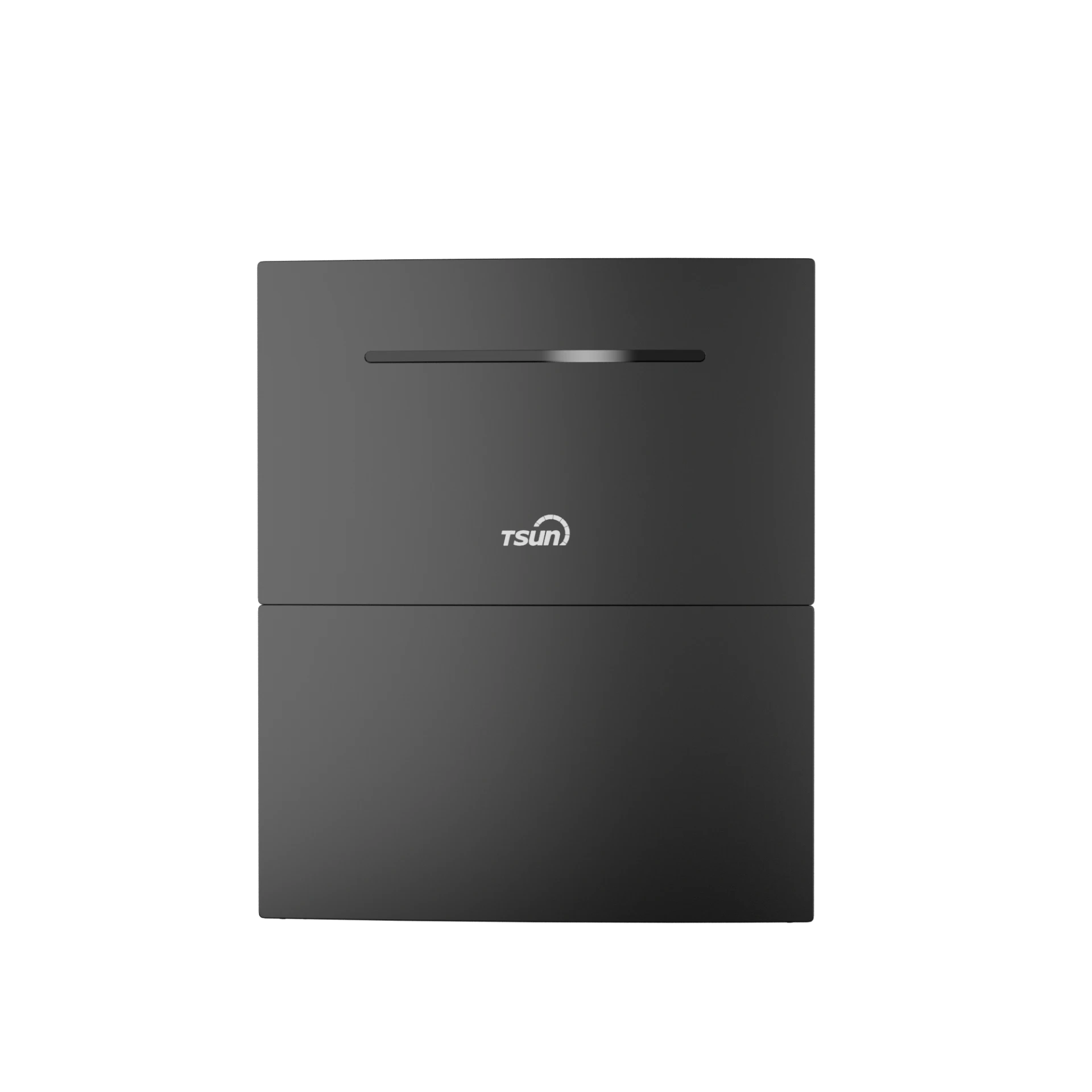
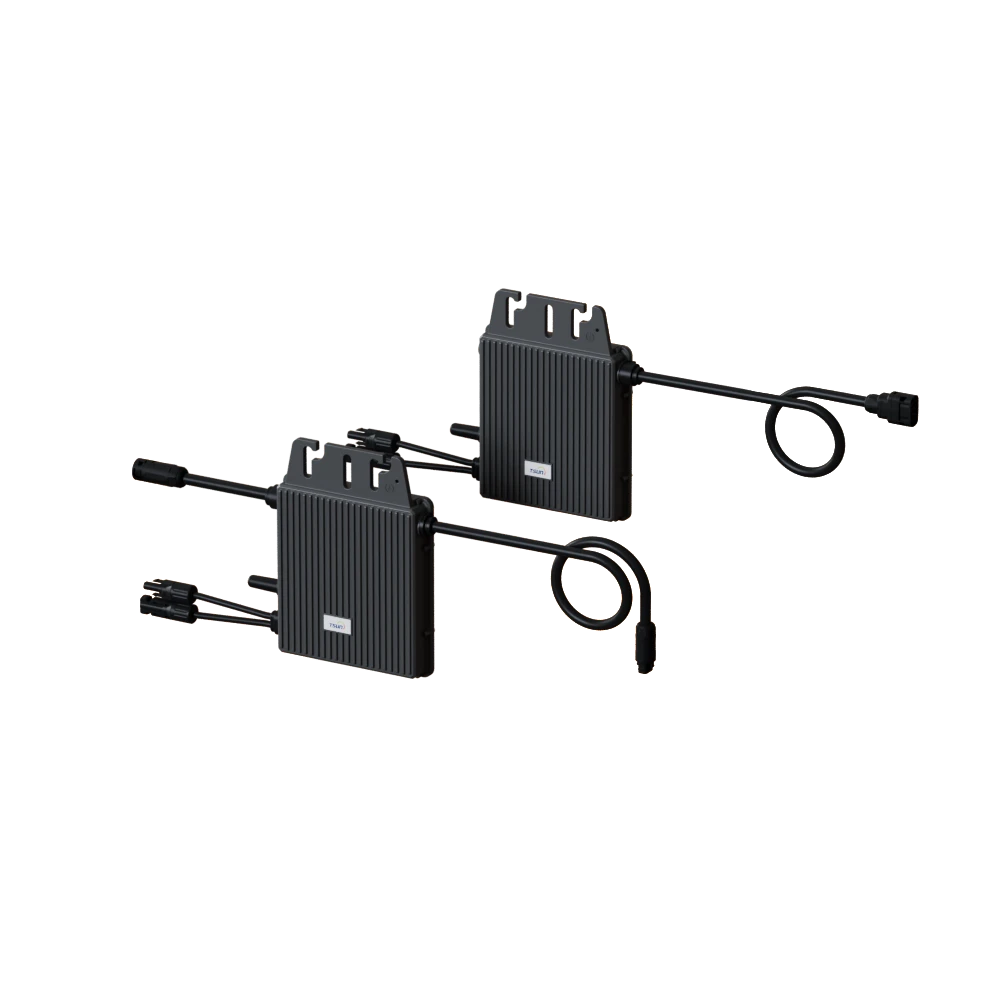
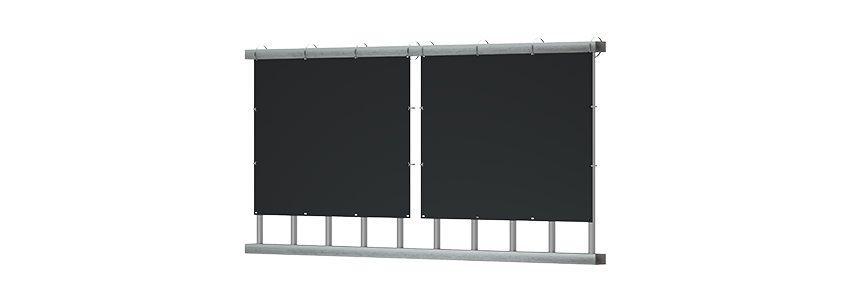
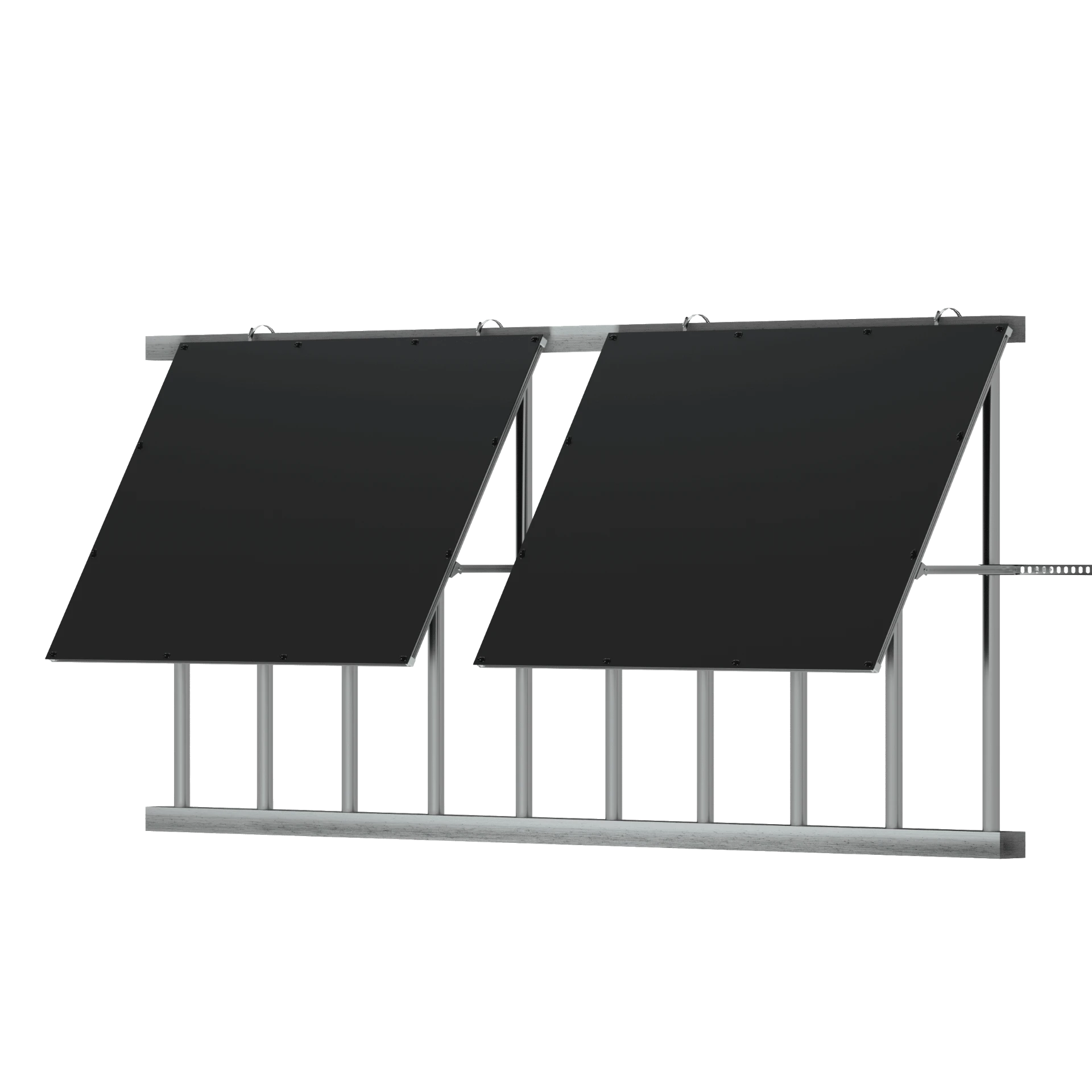
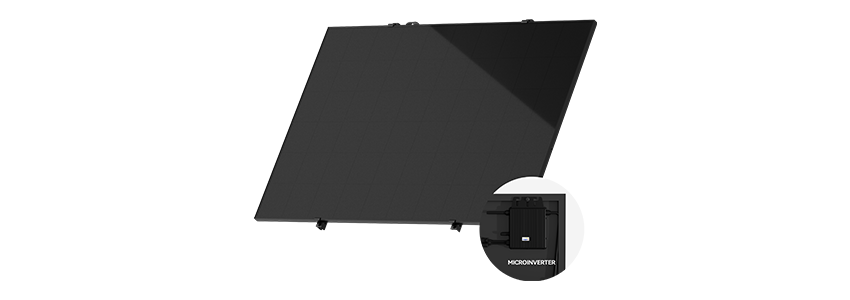
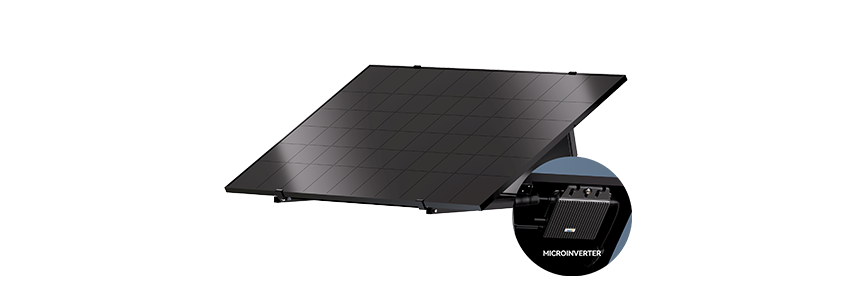
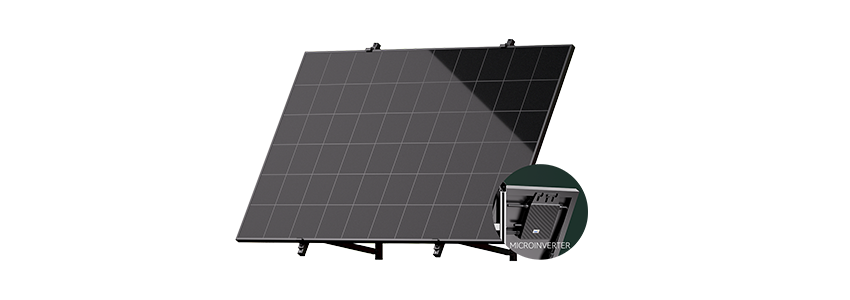
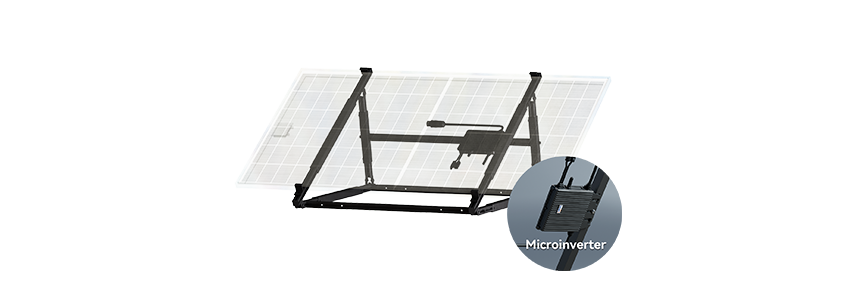
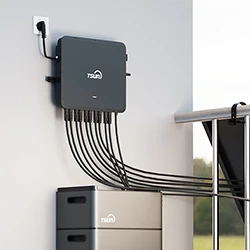
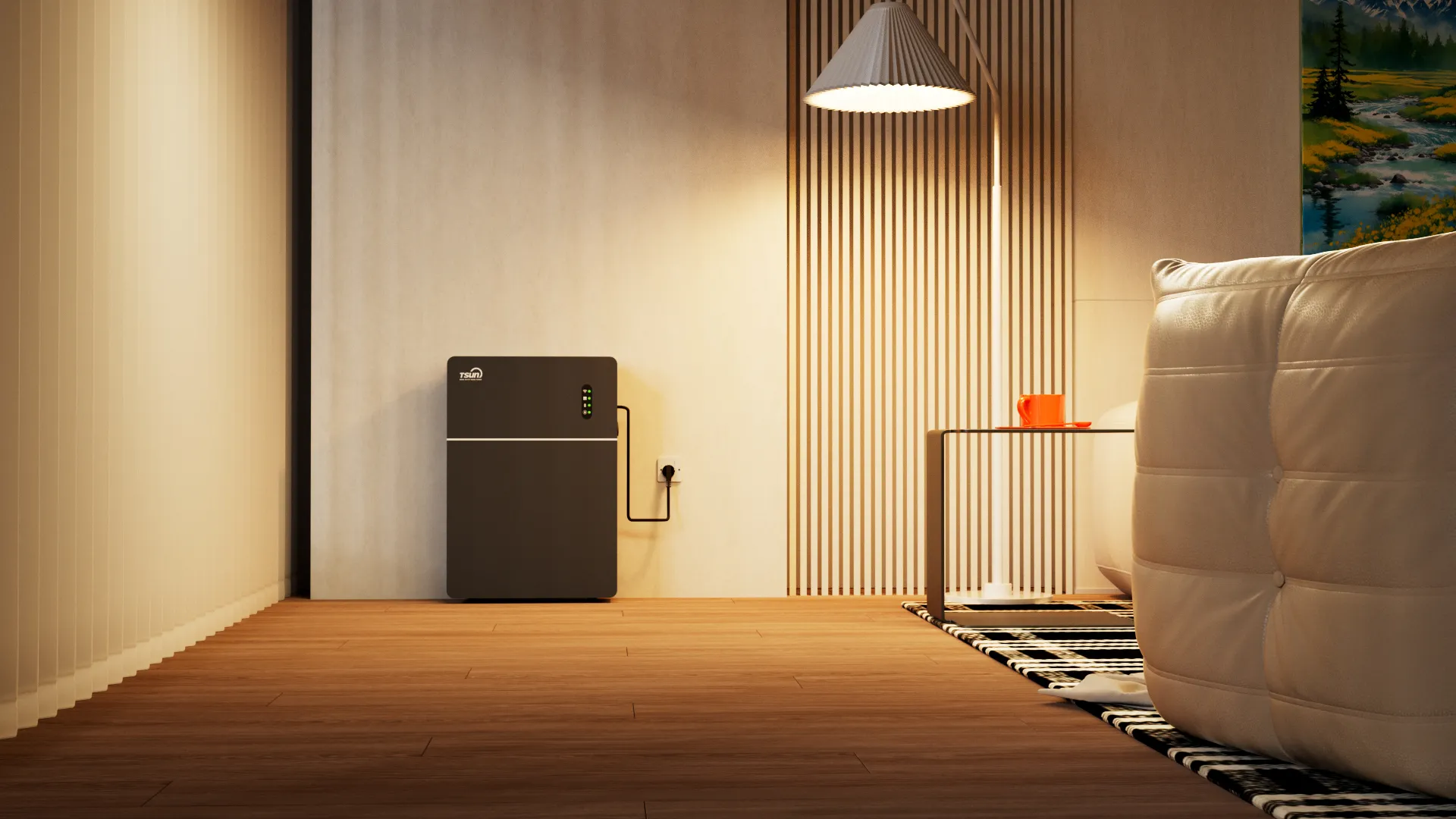
This is where balcony solar storage is revolutionizing the market. Using lightweight, plug-and-play solar panels paired with a TSUN micro energy storage system, you can generate and store your own power right on your balcony or terrace. These systems are modular, portable, and require no complex electrical permits—providing a perfect plug and play solar battery solution for apartments and small urban spaces.
Start Smart, Scale Effortlessly with TSUN ESS
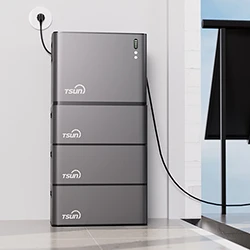
You don't need to overcommit to a massive battery system right away. The beauty of the TSUN micro energy storage system lies in its modularity. Start with a capacity that covers your essential loads and fits your current budget. As your family grows, or as you add more solar capacity, you can simply plug in additional battery modules.
» Explore the flexible range of TSUN Micro Energy Storage Systems here.

 LEARN MORE