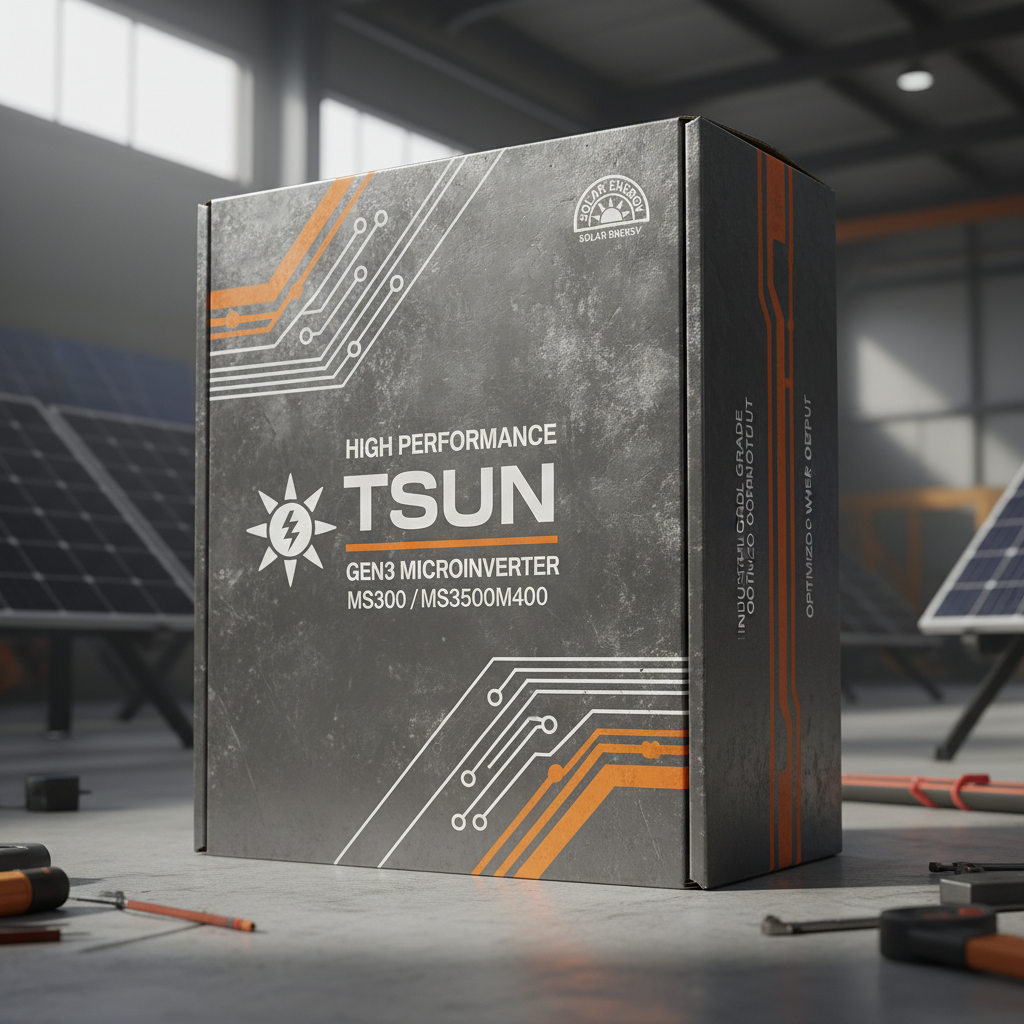
Look, I’ve spent the last fifteen years knee-deep in dust and concrete, watching technology try to make its way onto construction sites. A lot of it’s been flash, not substance. But the rise of the dc to ac micro inverter? That’s different. It’s not about replacing guys like me, it's about making our jobs smarter. We’re talking about powering tools remotely, handling peak loads without blowing fuses, and frankly, getting power where we previously couldn’t easily. It’s a game changer for job site efficiency and safety.
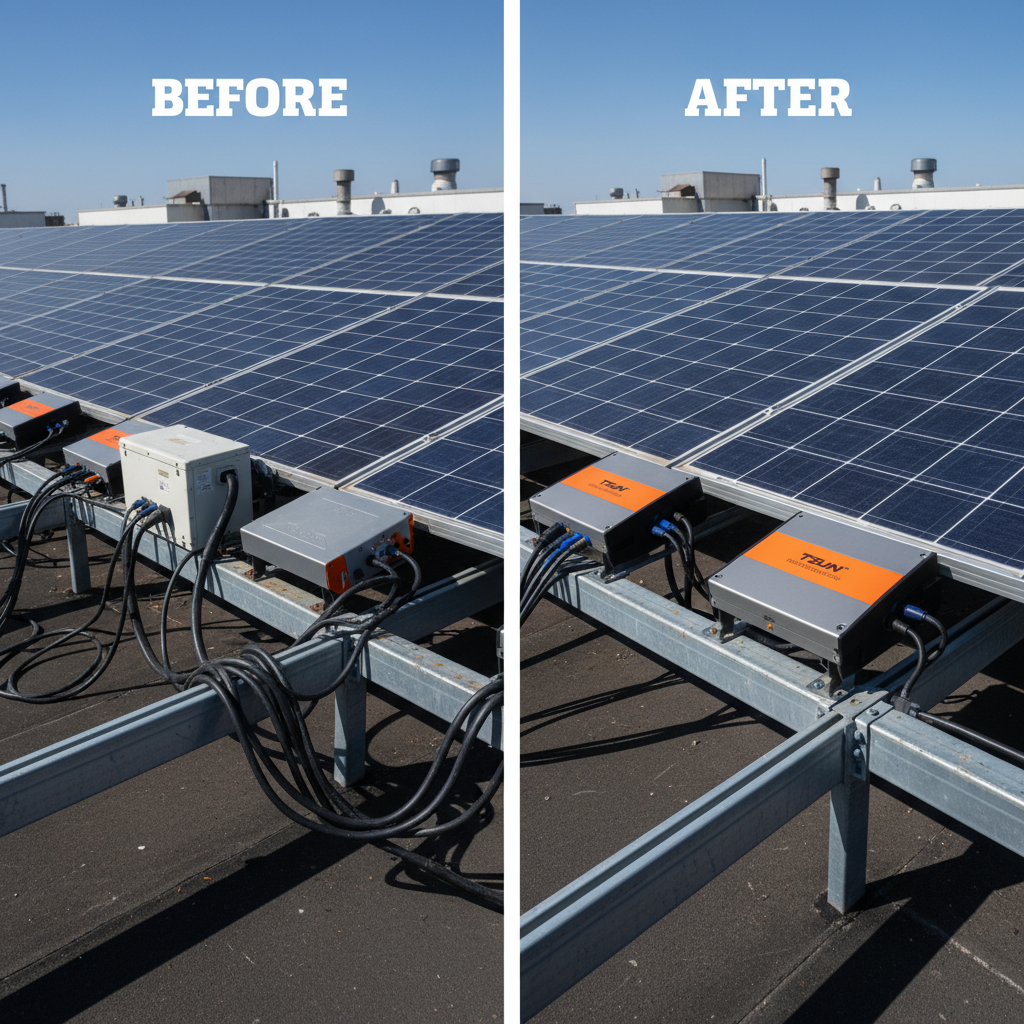
For too long, we’ve been wrestling with extension cords, generators belching fumes, and the constant worry of power drops. That impacts timelines, budgets, and, most importantly, the guys on the ground. The beauty of a dc to ac micro inverter is that it brings power closer to the point of use, reducing those headaches. We're seeing a shift towards cleaner, more reliable power solutions, and this tech is at the forefront. It’s about bringing the benefits of renewable energy directly to the construction zone.
Honestly, it's a welcome relief. I've seen too many delays because of simple power issues. The micro inverter is a practical solution for a real-world problem.
The Growing Need for dc to ac Micro Inverters in Construction
Construction sites are notoriously power-hungry, and the demand is only increasing with more sophisticated equipment. Traditional power solutions often fall short, leading to voltage drops, overloaded circuits, and frustrating delays. We’re dealing with everything from welding rigs to concrete mixers, and they all need reliable juice. The move to electric tools and equipment, driven by emissions standards and efficiency, has amplified this need. dc to ac micro inverter provides that reliability, especially where grid access is limited or non-existent.
What I've noticed is the trend toward off-grid projects – remote infrastructure work, emergency repairs after disasters – these are places where lugging around a diesel generator just isn’t feasible. These are situations where micro inverters really shine. It's not about being fancy, it’s about getting the job done safely and efficiently.
Defining dc to ac Micro Inverters: A Practical Perspective
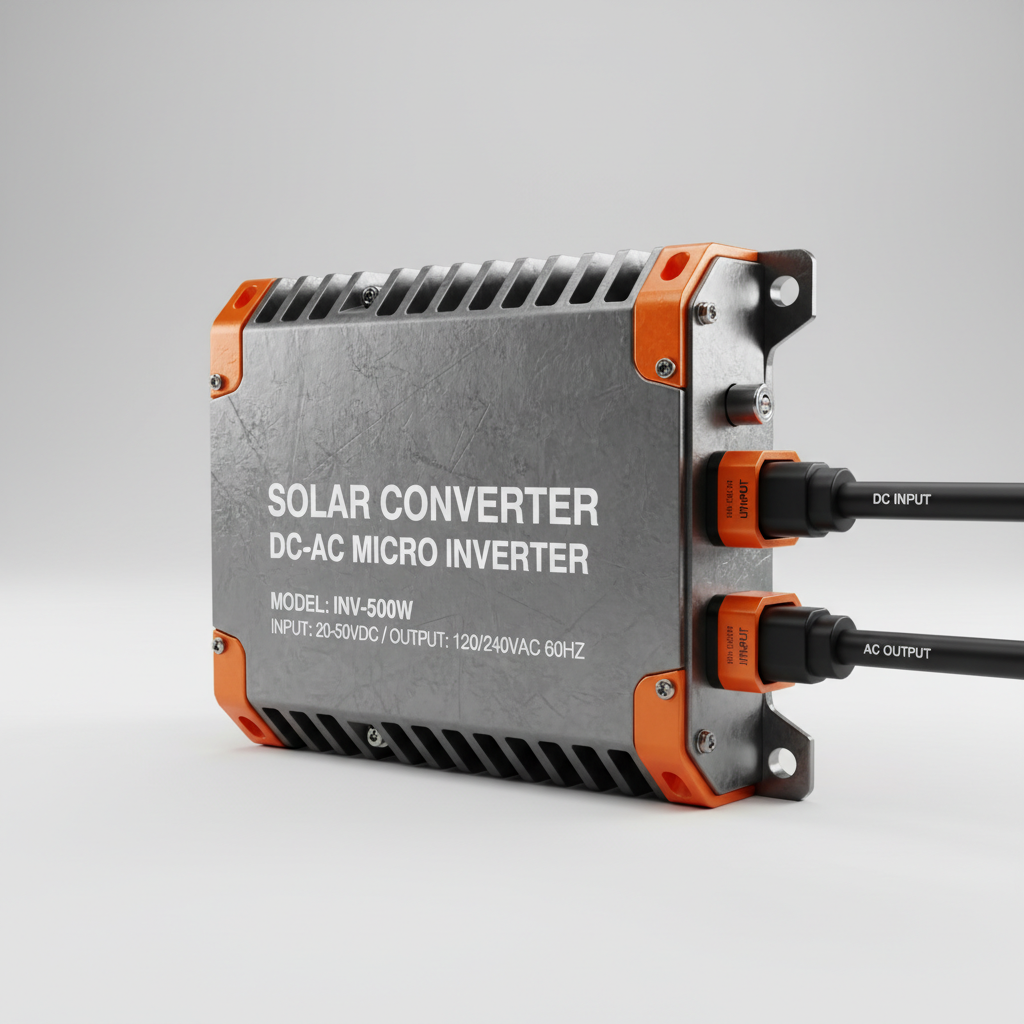
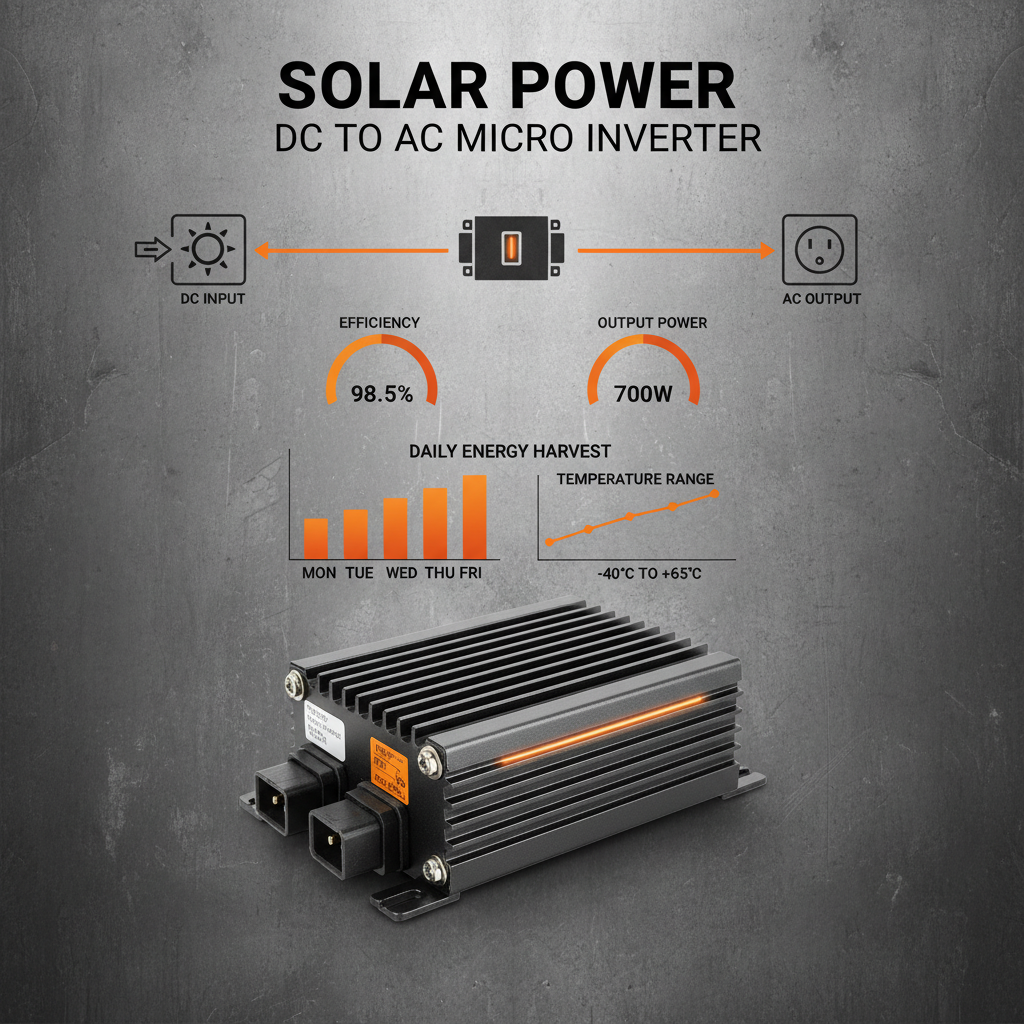
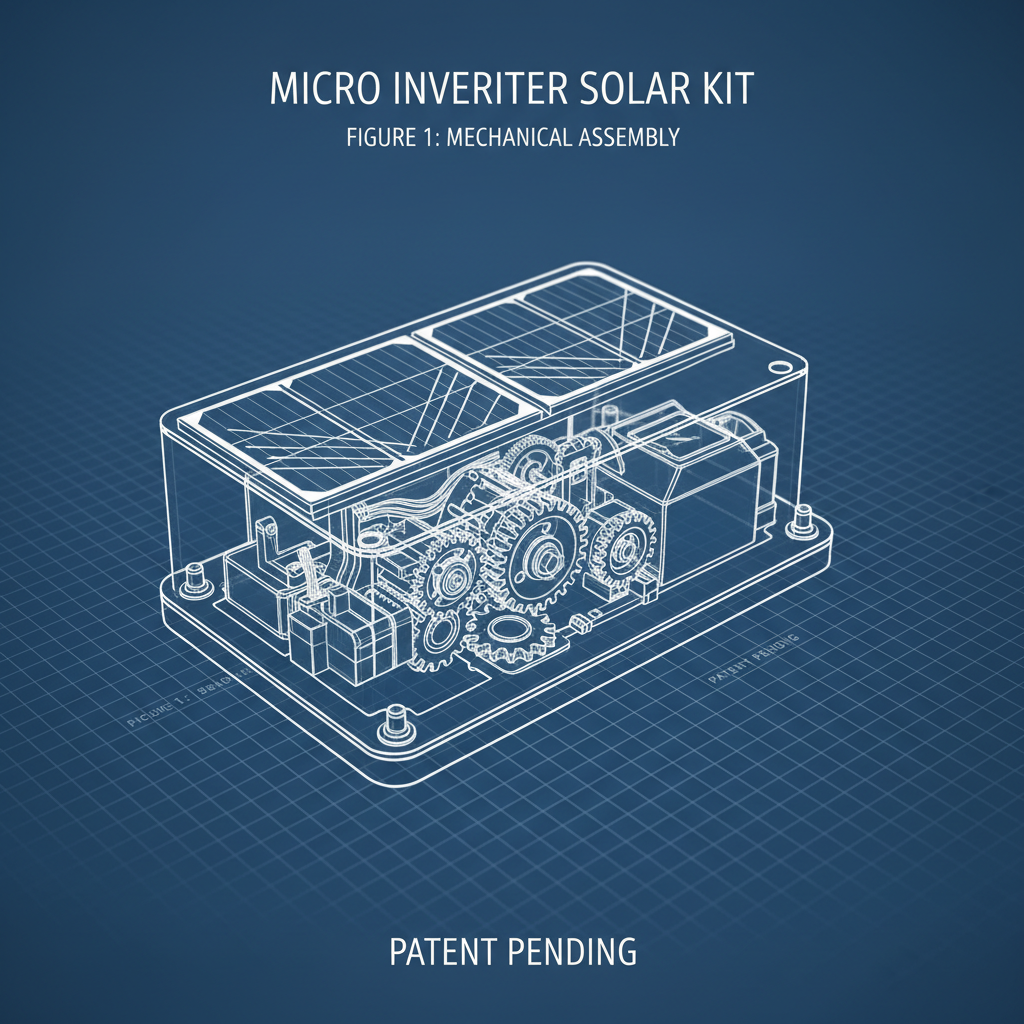
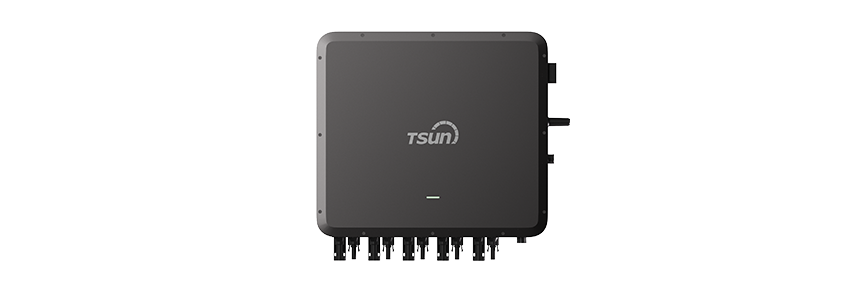
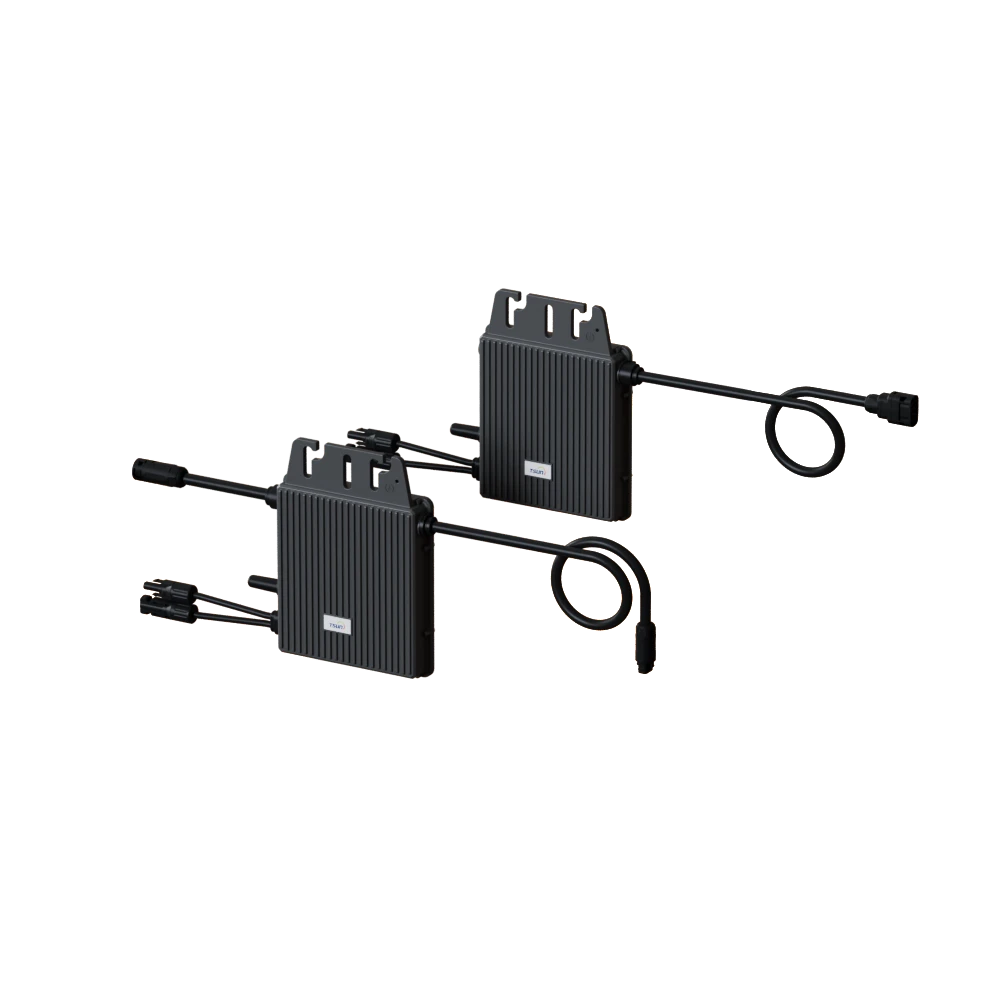
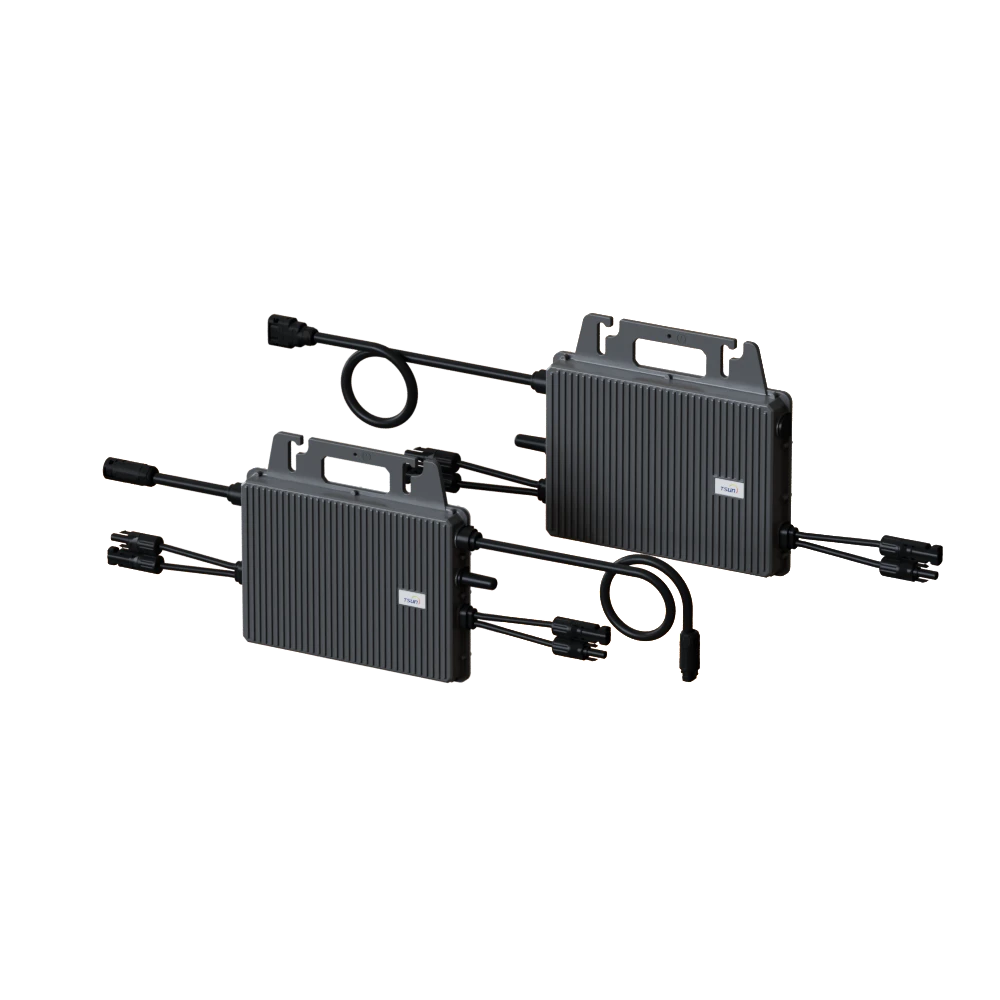
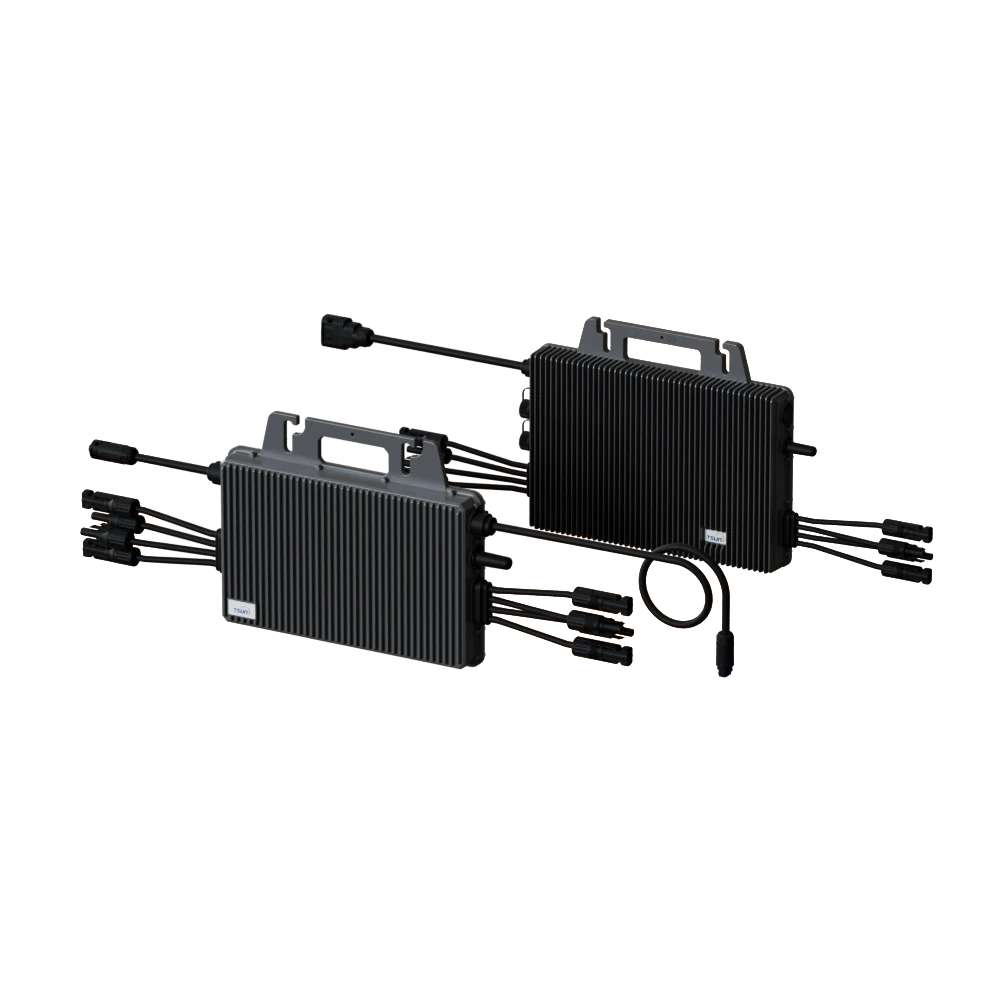
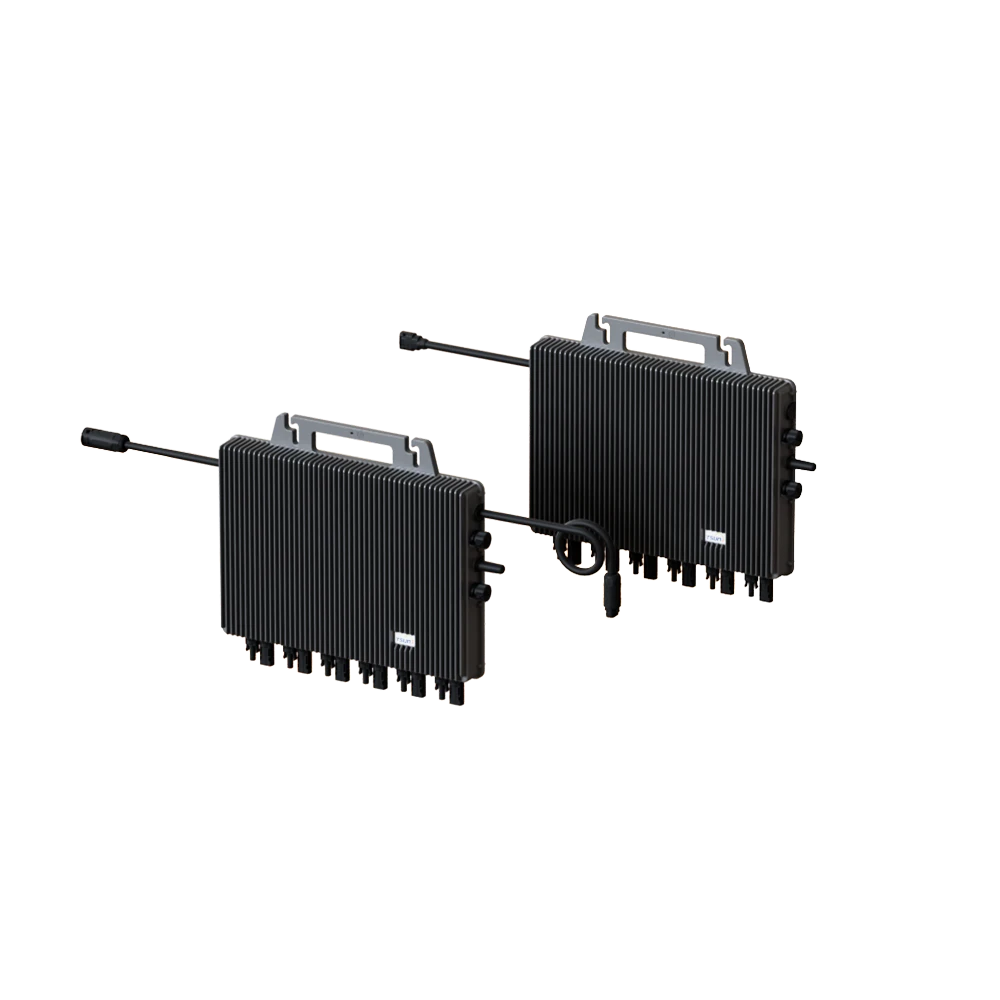
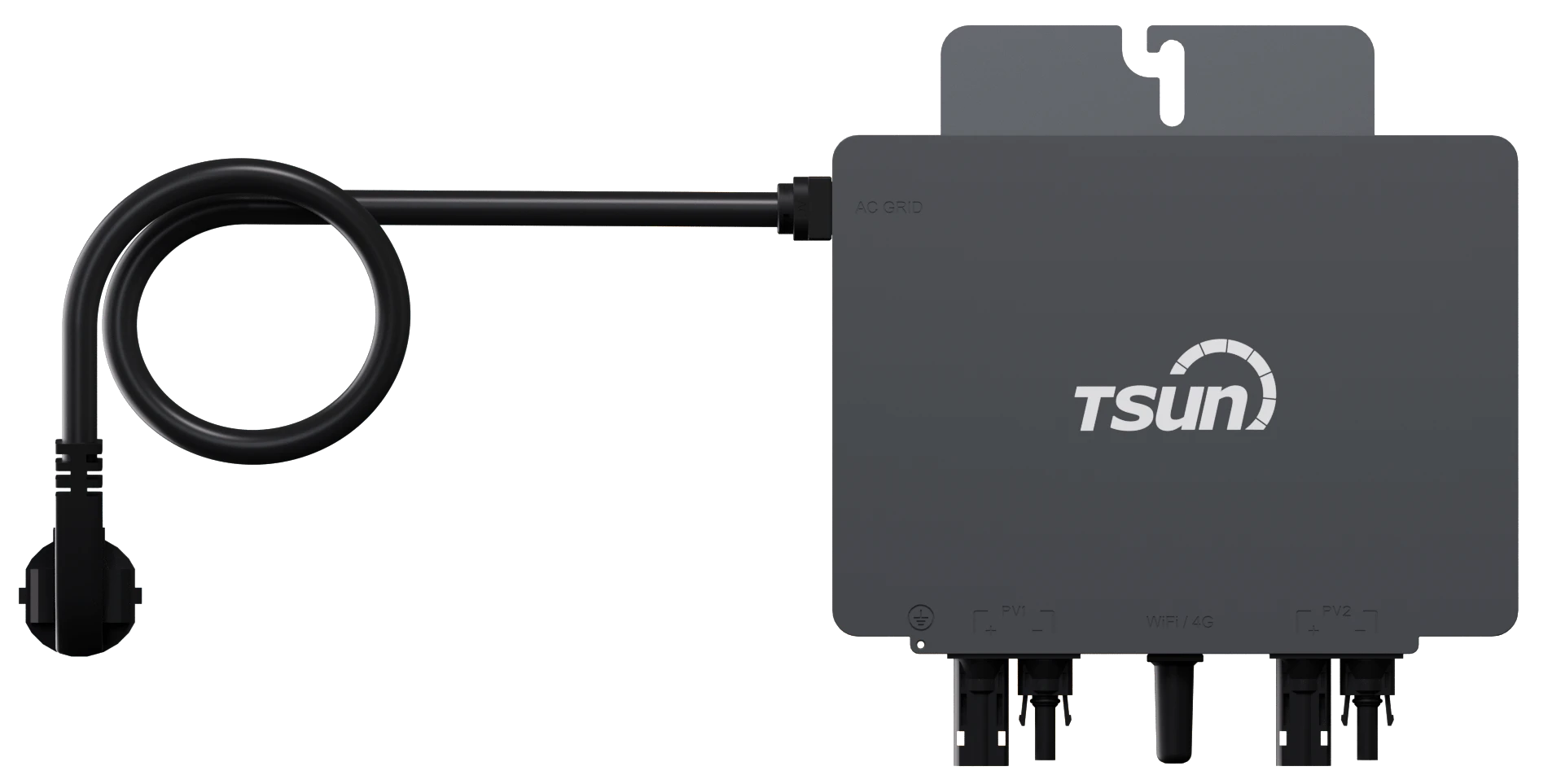
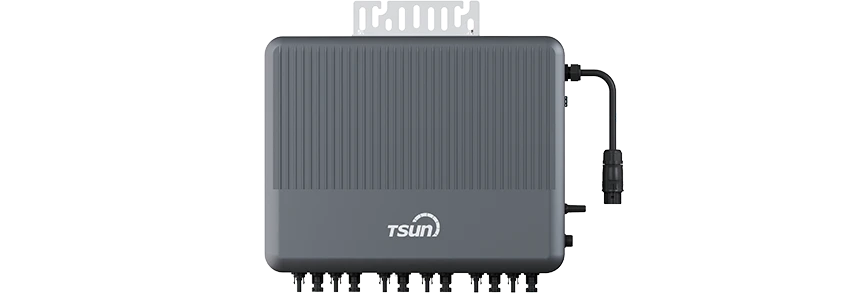
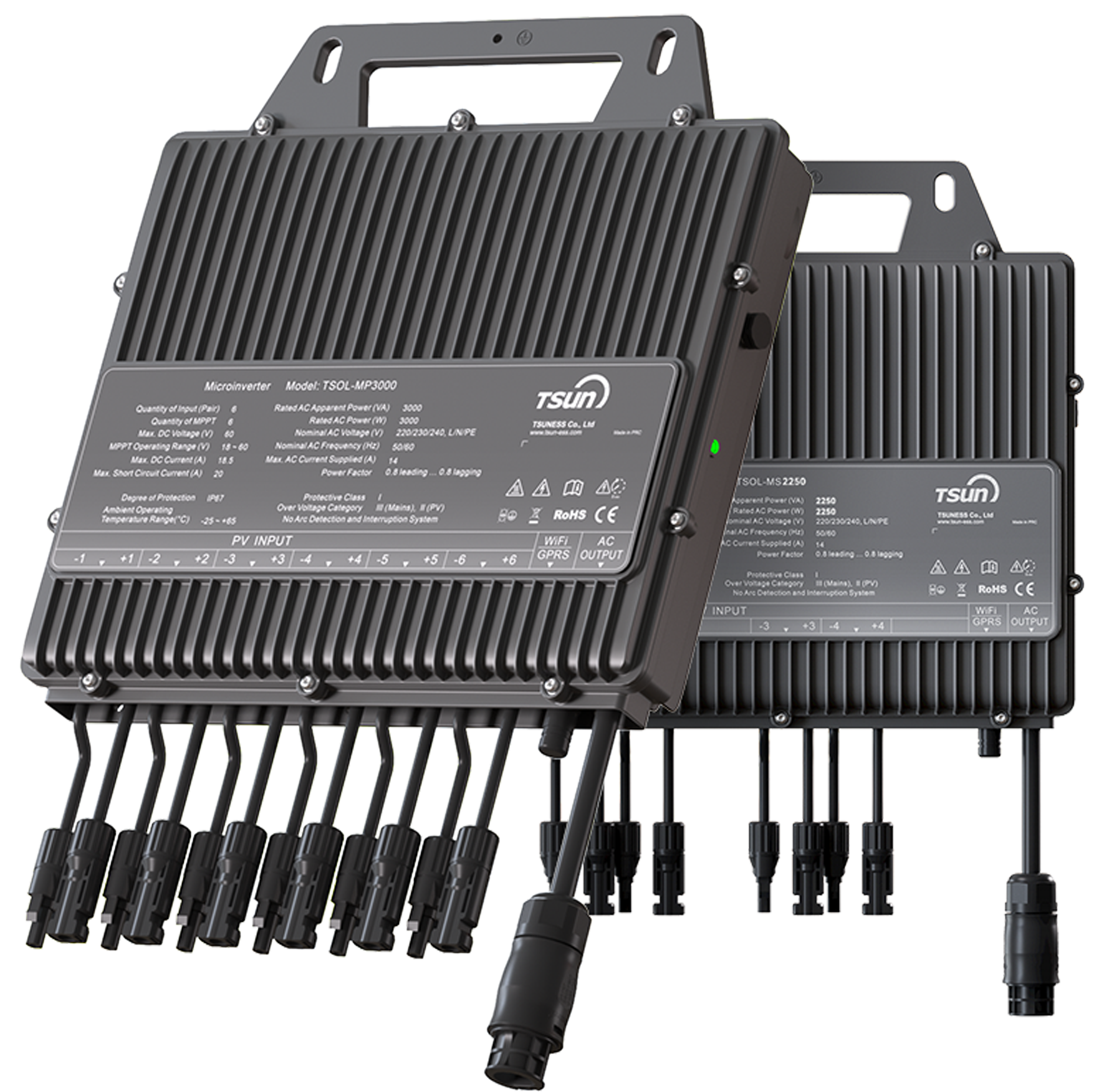
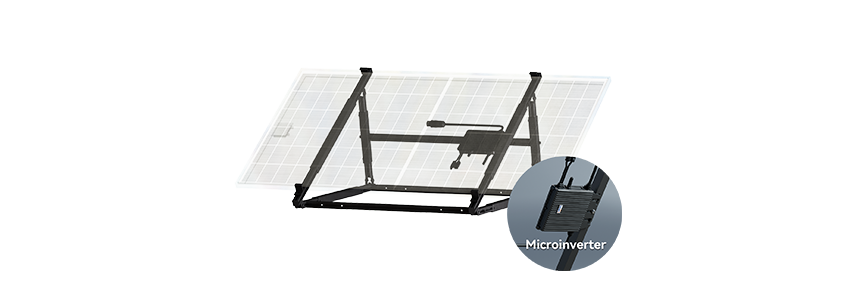
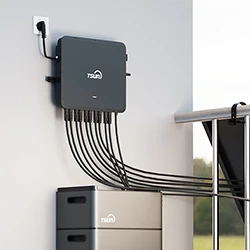
Let's cut through the jargon. A dc to ac micro inverter takes direct current (DC) – the kind of power you get from solar panels or batteries – and converts it into alternating current (AC), which is what most of our tools and equipment run on. The "micro" part is crucial. These aren't massive, central inverters; they’re smaller, modular units that can be placed closer to the load. Think of them as mini power stations scattered around the job site.
It's a bit like having individual power outlets instead of one central panel. It simplifies things, improves efficiency, and reduces the risk of power loss over long distances. Plus, if one micro inverter goes down, it doesn’t shut down the entire site. We're talking about localized, resilient power.
Essentially, it's about adapting power to where we need it, and how we need it, rather than forcing our work to adapt to the power.
Core Advantages of Utilizing dc to ac Micro Inverters
Durability is huge. These units are built to withstand the harsh conditions of a construction site – dust, moisture, vibration, temperature swings. You can't have something that breaks down after a week. We need reliability. Scalability is another big one. You can start with a few micro inverters and add more as your power needs grow, without having to overhaul your entire system.
Cost efficiency isn't just about the upfront price. It's about reducing downtime, minimizing fuel costs (if you're replacing generators), and lowering labor expenses. Less troubleshooting, less wasted time, and a more productive crew. A dc to ac micro inverter can pay for itself quickly. Safety is paramount, too. Reducing reliance on extension cords and diesel generators significantly lowers the risk of trips, falls, and electrical hazards.
And finally, the reduced carbon footprint is becoming increasingly important. Clients are demanding more sustainable building practices, and using micro inverters paired with renewable energy sources – like portable solar panels – helps us meet those demands.
Real-World Applications of dc to ac Micro Inverters
I’ve seen these things used for everything from powering hand tools in remote areas to running entire welding stations on large-scale projects. We used a bank of them on a recent bridge repair, powering lights and power tools where running lines from the main grid was simply impractical. It saved us a ton of time and hassle.
Think about disaster relief scenarios – quickly setting up a temporary command center or powering essential equipment in a devastated area. Micro inverters, coupled with portable solar, offer a lifeline when the grid is down. In urban construction, they're being used to power security cameras, temporary lighting, and even small office trailers.
I even saw one crew using them to power a 3D printer for on-site fabrication of custom parts. That's the kind of versatility that gets my attention.
dc to ac Micro Inverter Application Ratings (1-10)
Benefits and Long-Term Value Proposition
The tangible benefits are clear: reduced fuel costs, lower downtime, and increased productivity. But it goes beyond that. The improved safety profile alone is worth the investment. We’re reducing risks for our crews, and that’s something you can’t put a price on.
The long-term value comes from the increased reliability and sustainability. We're building a reputation for responsible construction practices, and dc to ac micro inverter tech is a key part of that.
Emerging Trends and Future Innovations
We're starting to see micro inverters being integrated with smart grid technologies, allowing for better monitoring and control of power usage. The development of even more ruggedized and weatherproof units is also on the horizon, designed to withstand even harsher environments.
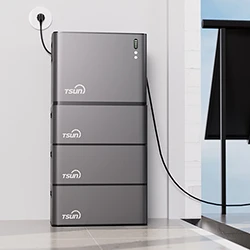
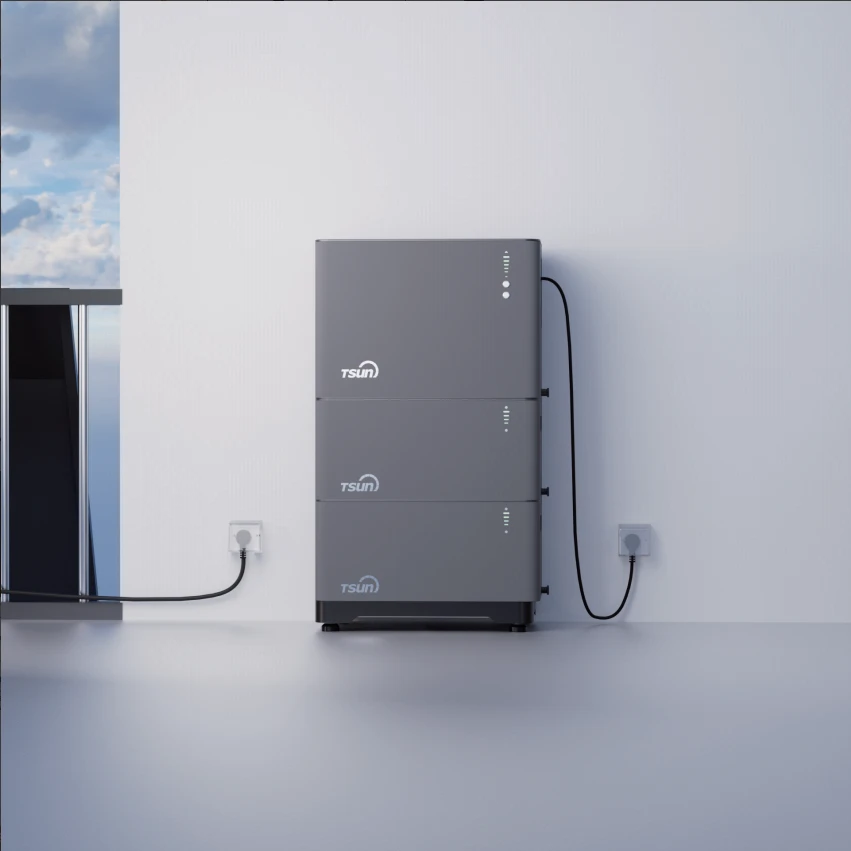
I'm also keeping an eye on advancements in battery storage technology. Combining micro inverters with high-capacity batteries will create truly independent power systems, allowing us to operate entirely off-grid for extended periods.
Challenges and Practical Solutions
One challenge is the initial cost. Micro inverters can be more expensive upfront than traditional power solutions. But, as I said earlier, the long-term savings often outweigh the initial investment. Another hurdle is ensuring proper installation and maintenance. It requires skilled technicians who understand the technology.
A practical solution is to partner with reputable suppliers who offer training and support. Proper planning and system design are also crucial. You need to assess your power needs accurately and choose the right micro inverter configuration for your specific application.
Finally, standardization is key. We need more consistent protocols and interfaces to ensure interoperability between different micro inverter systems.
Summary of dc to ac Micro Inverter Challenges & Solutions
| Challenge |
Impact on Project |
Proposed Solution |
Implementation Cost (1-10) |
| High Initial Cost |
Budget constraints, slower adoption |
Life cycle cost analysis, phased implementation |
7 |
| Lack of Skilled Technicians |
Improper installation, maintenance issues |
Comprehensive training programs, certifications |
8 |
| System Integration Complexity |
Compatibility issues, performance degradation |
Standardized interfaces, interoperability testing |
6 |
| Environmental Durability |
Failures in harsh conditions |
Ruggedized enclosures, weatherproof design |
9 |
| Remote Monitoring & Control |
Limited visibility, reactive maintenance |
Integrated IoT platforms, real-time data analytics |
5 |
| Scaling & Expandability |
Difficulties adding capacity |
Modular design, flexible architecture |
7 |
FAQS
Honestly, not a ton. Compared to generators, they're pretty low-maintenance. Regular visual inspections for dust and debris are key. We usually schedule a professional check-up once a year, just to make sure everything is running smoothly and to catch any potential issues before they become problems. It's less about constant tinkering and more about preventative care.
Good question. The better units are built to withstand harsh conditions. Look for models with robust enclosures and proper IP ratings (Ingress Protection). You want something that’s sealed against dust and water. But, even with a ruggedized unit, you still need to follow proper installation guidelines and avoid exposing them to extreme conditions if possible.
That's one of the big advantages. Micro inverters are modular, meaning you can add more units as your power requirements grow. You don’t have to replace the entire system. Just connect additional micro inverters to the existing network, and you're good to go. It’s a lot more flexible than traditional power setups.
A well-maintained unit should last at least 10-15 years, even on a demanding construction site. The key is to choose a reputable brand, install it properly, and perform regular inspections. Some manufacturers offer extended warranties, which can provide additional peace of mind.
Upfront, generators are often cheaper. But when you factor in fuel costs, maintenance, and emissions regulations, micro inverters can quickly become more cost-effective. Plus, there’s the added benefit of reduced noise and pollution. It’s a total cost of ownership comparison, and in most cases, micro inverters win out in the long run.
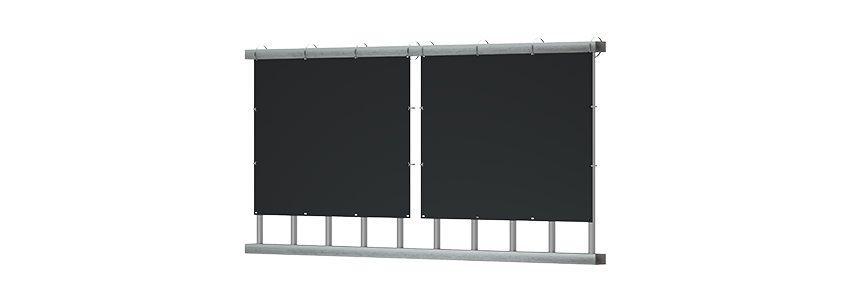
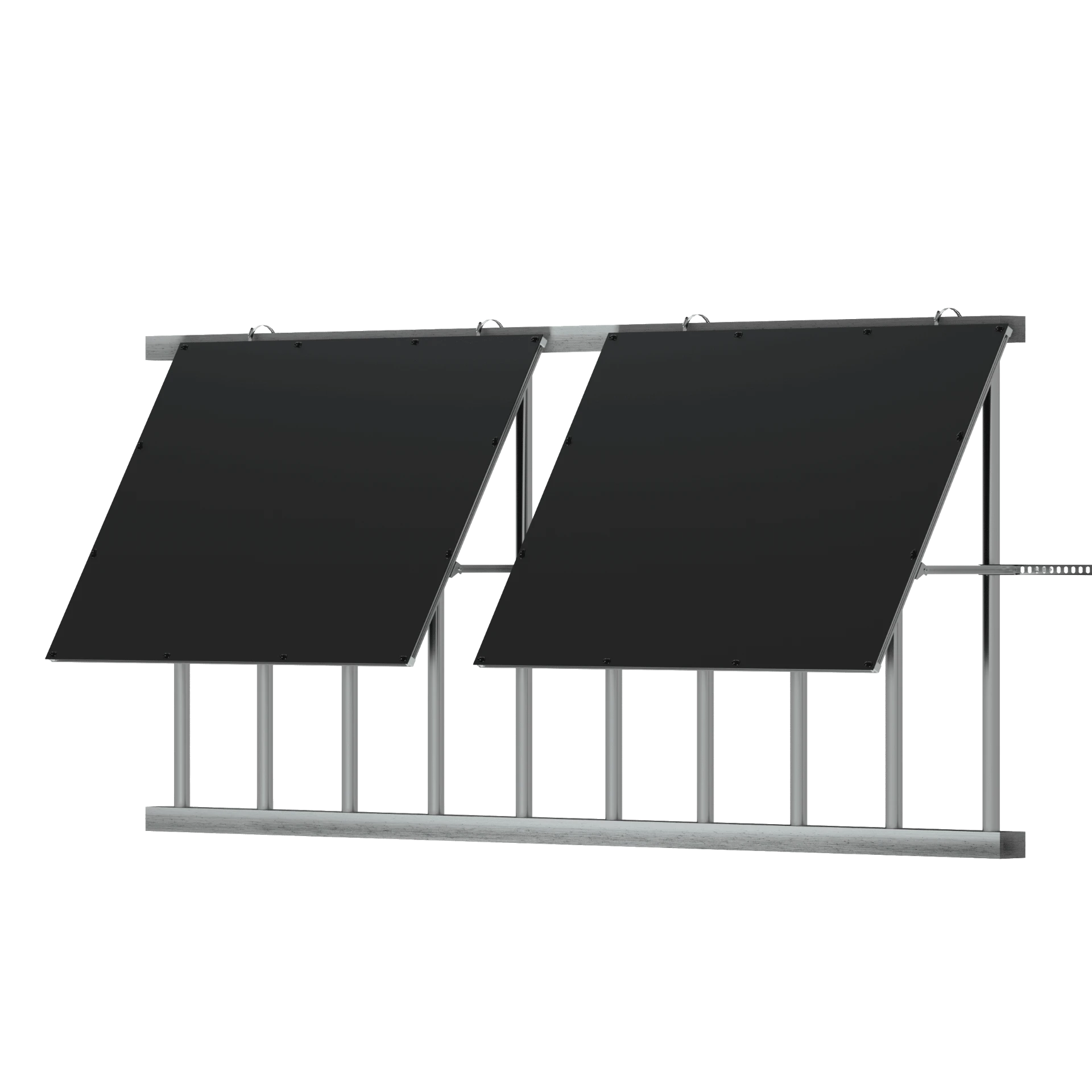
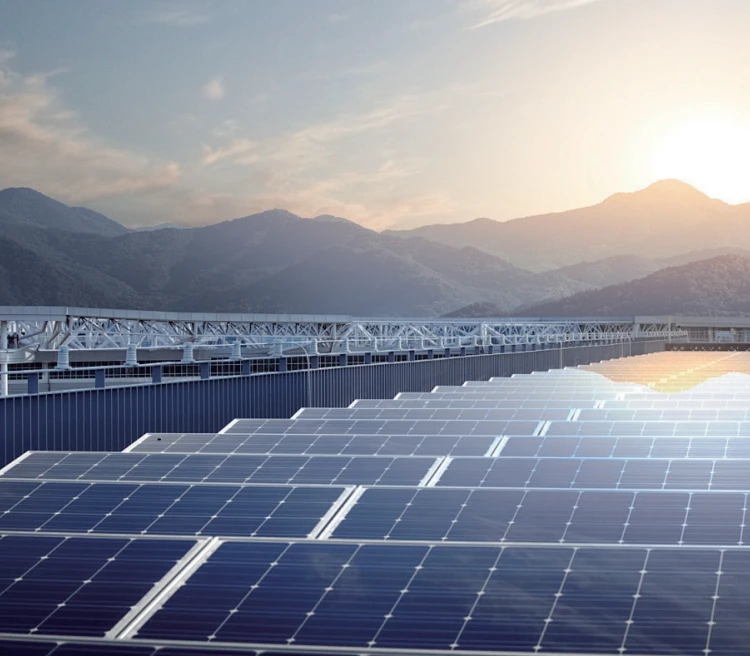
Absolutely. That’s one of their biggest strengths. Pairing micro inverters with portable solar panels allows you to generate your own clean power, eliminating the need for grid connections or expensive generators. It's ideal for remote locations or situations where power outages are common. It also aligns with increasing sustainability goals.
Conclusion
dc to ac micro inverters aren’t just a trend; they’re a practical solution to real-world problems on construction sites. They offer a compelling combination of reliability, scalability, cost-effectiveness, and sustainability. From powering remote tools to supporting entire projects, these units are changing the way we think about power in the field. It's a shift towards smarter, more efficient, and safer construction practices.
If you’re looking for ways to improve your job site efficiency, reduce costs, and minimize your environmental impact, I highly recommend exploring the benefits of dc to ac micro inverters. Don’t just take my word for it – do your research, talk to the experts, and see how these units can transform your operations. For more information and to explore available solutions, visit our website: www.tsun-ess.com





 LEARN DETAILS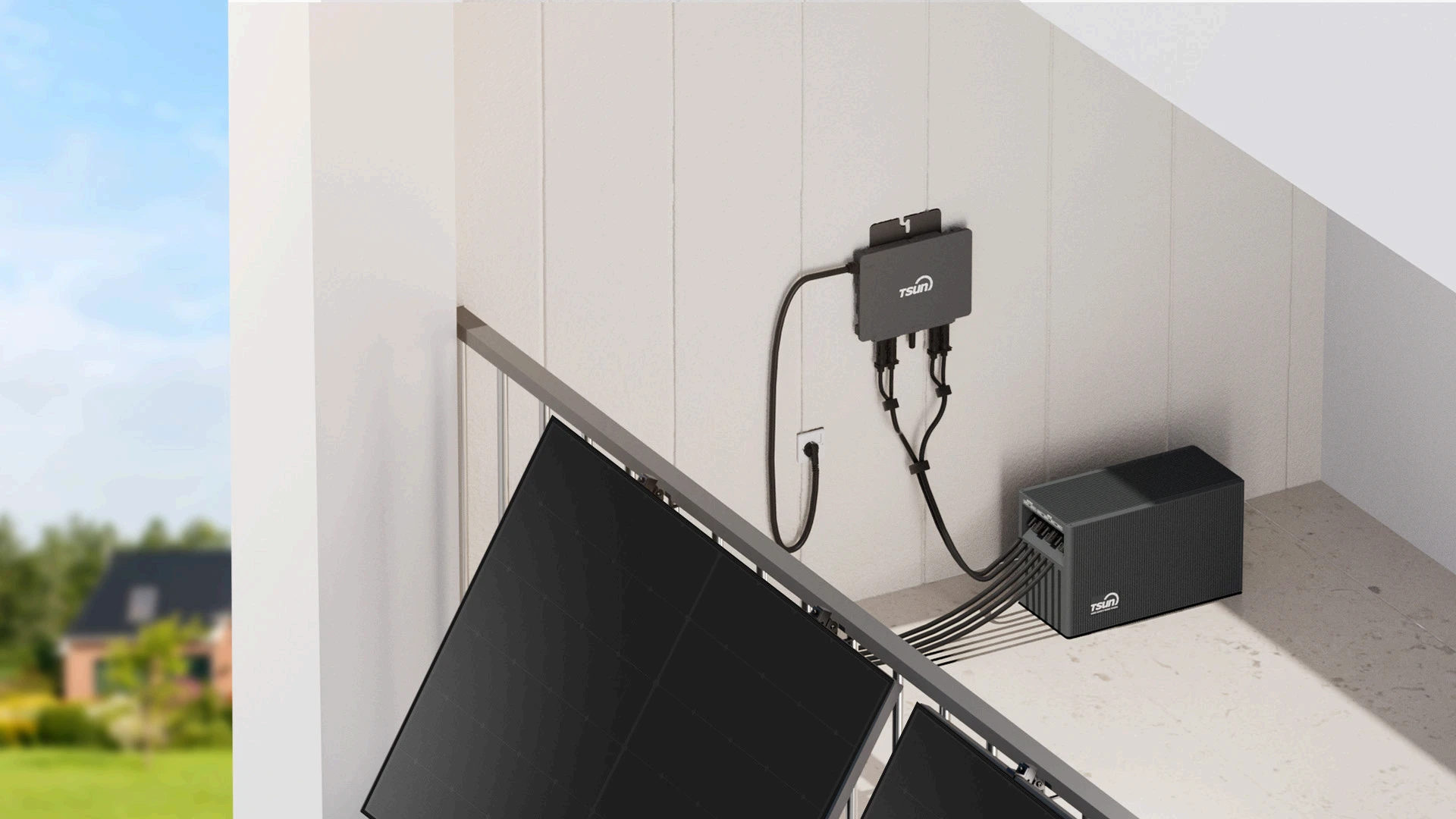

 Downloads
 Video Center
 Report Fault for Repair
 FAQS
FAQS Service Network
 Privacy Policy
 Contact Us
 Monitoring