The global shift towards sustainable energy sources is rapidly accelerating, with solar power at the forefront. Within this revolution, lead solar micro inverter technology is emerging as a crucial component, offering a decentralized and efficient solution for harnessing solar energy. Its importance stems from the ability to maximize energy yield, enhance system reliability, and cater to a diverse range of applications – from residential rooftops to large-scale commercial installations. Understanding lead solar micro inverter is no longer just an industry concern; it's becoming essential for anyone involved in the future of power generation.
The demand for distributed energy resources is skyrocketing, driven by factors like grid instability, rising energy costs, and environmental concerns. lead solar micro inverter directly addresses these challenges by enabling independent operation of each solar panel, optimizing performance even in shaded conditions. This technology isn't just about generating clean energy; it's about empowering consumers, enhancing grid resilience, and fostering a more sustainable energy future. Global investment in microinverter technology is projected to reach billions in the coming years, highlighting its strategic importance.
The evolution of lead solar micro inverter represents a significant leap forward in solar technology. Traditional string inverters, while cost-effective initially, suffer from performance limitations and single points of failure. Microinverters overcome these drawbacks, offering panel-level monitoring, improved safety, and increased energy production. This makes them an ideal solution for a wide range of scenarios, especially those requiring high reliability and optimized performance.
The Rise of Lead Solar Micro Inverter Technology
The increasing adoption of distributed generation has fueled the demand for advanced solar technologies, and lead solar micro inverter are leading the charge. These devices represent a fundamental shift from traditional centralized inverters, allowing for greater control, flexibility, and efficiency in solar energy systems. Their rise is directly correlated to the need for more resilient and sustainable energy infrastructure.
The benefits extend beyond just energy production. Microinverters offer improved safety features, such as rapid shutdown capabilities, which minimize the risk of electrical hazards. They also provide granular monitoring data, allowing homeowners and businesses to track the performance of each individual solar panel, identifying and addressing potential issues proactively.
Defining Lead Solar Micro Inverters
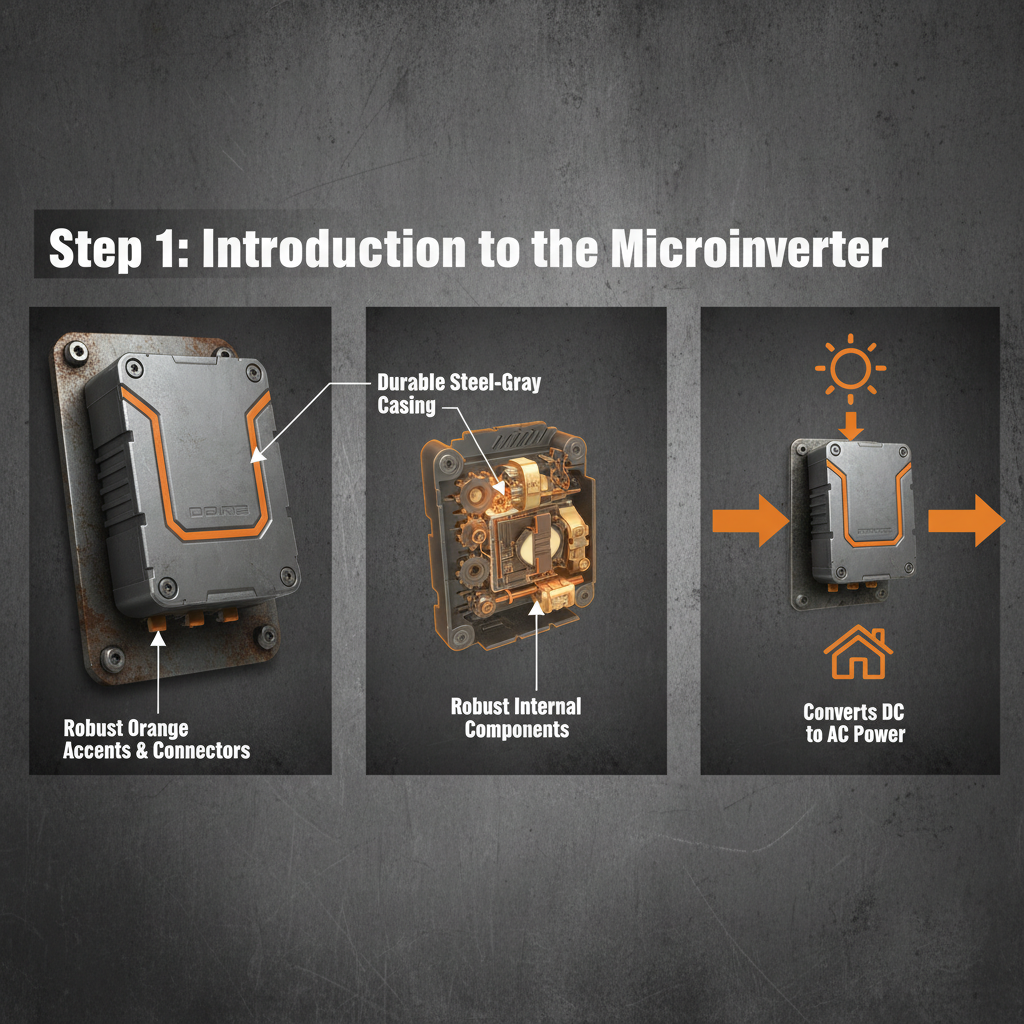
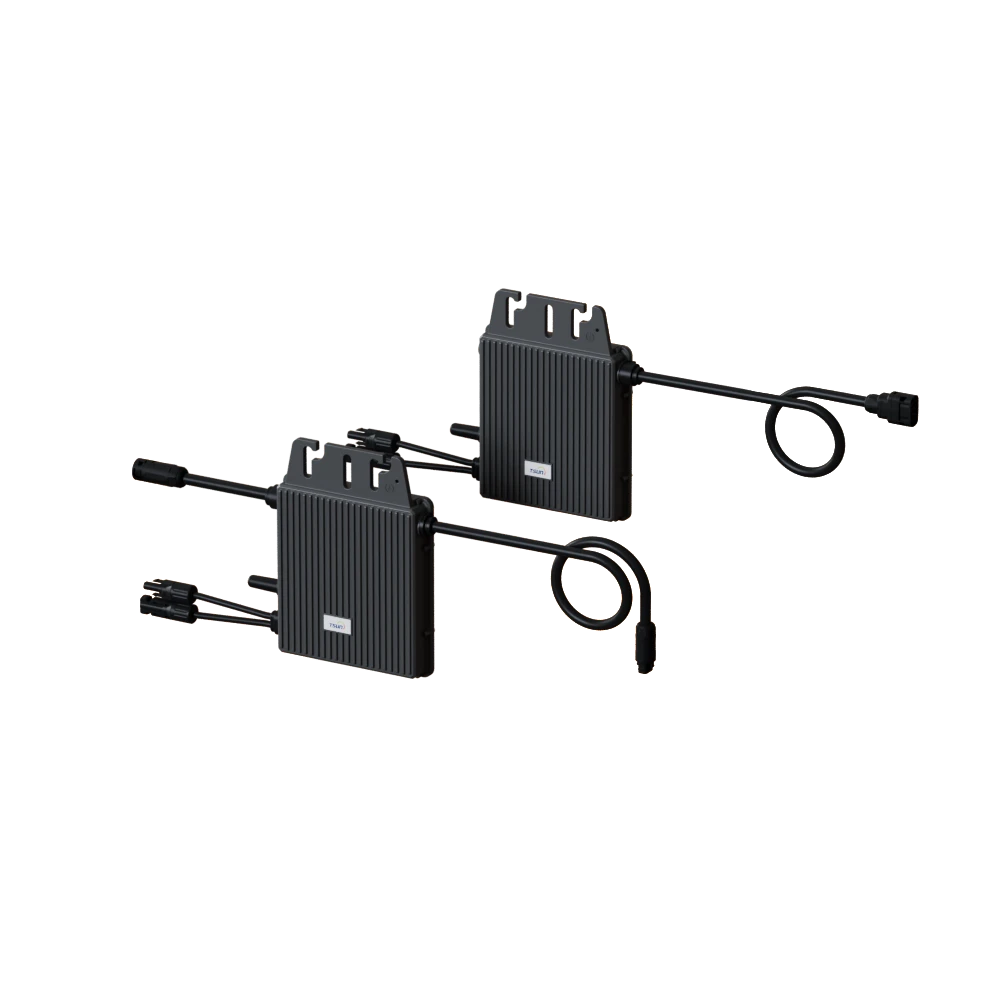
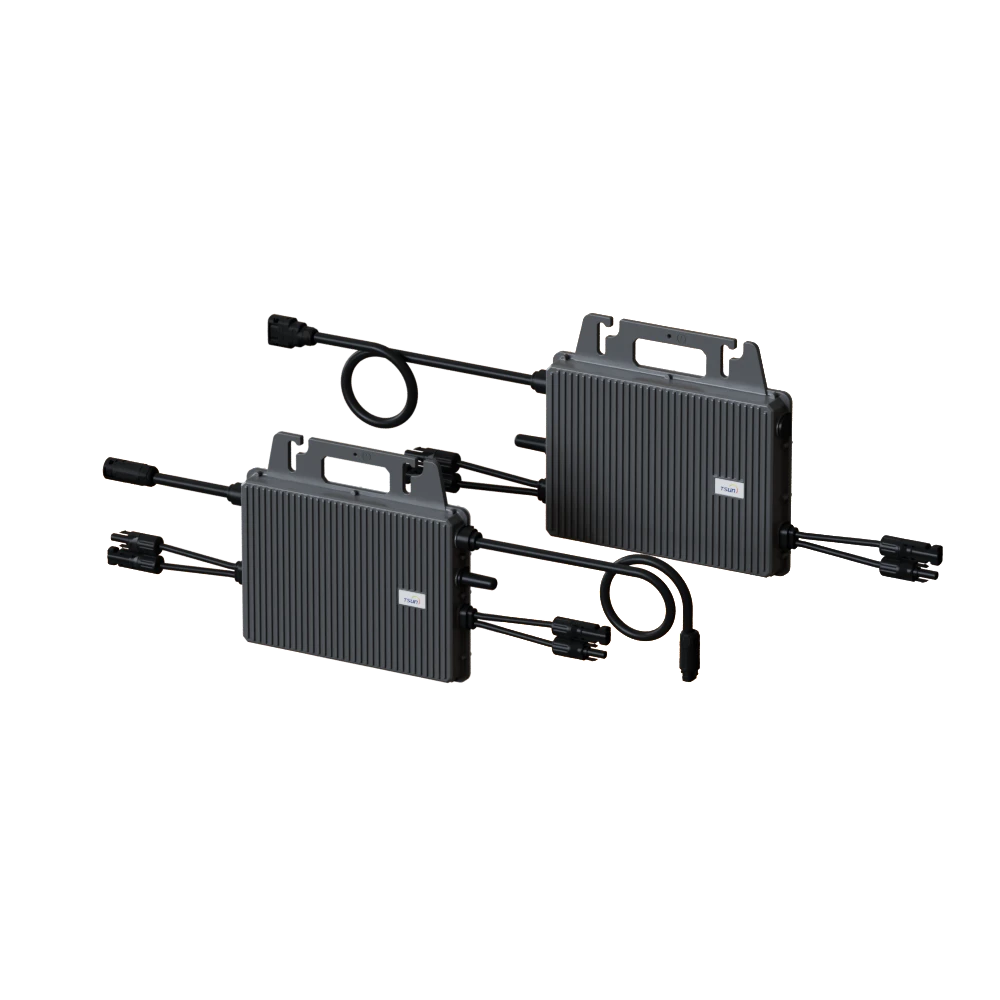
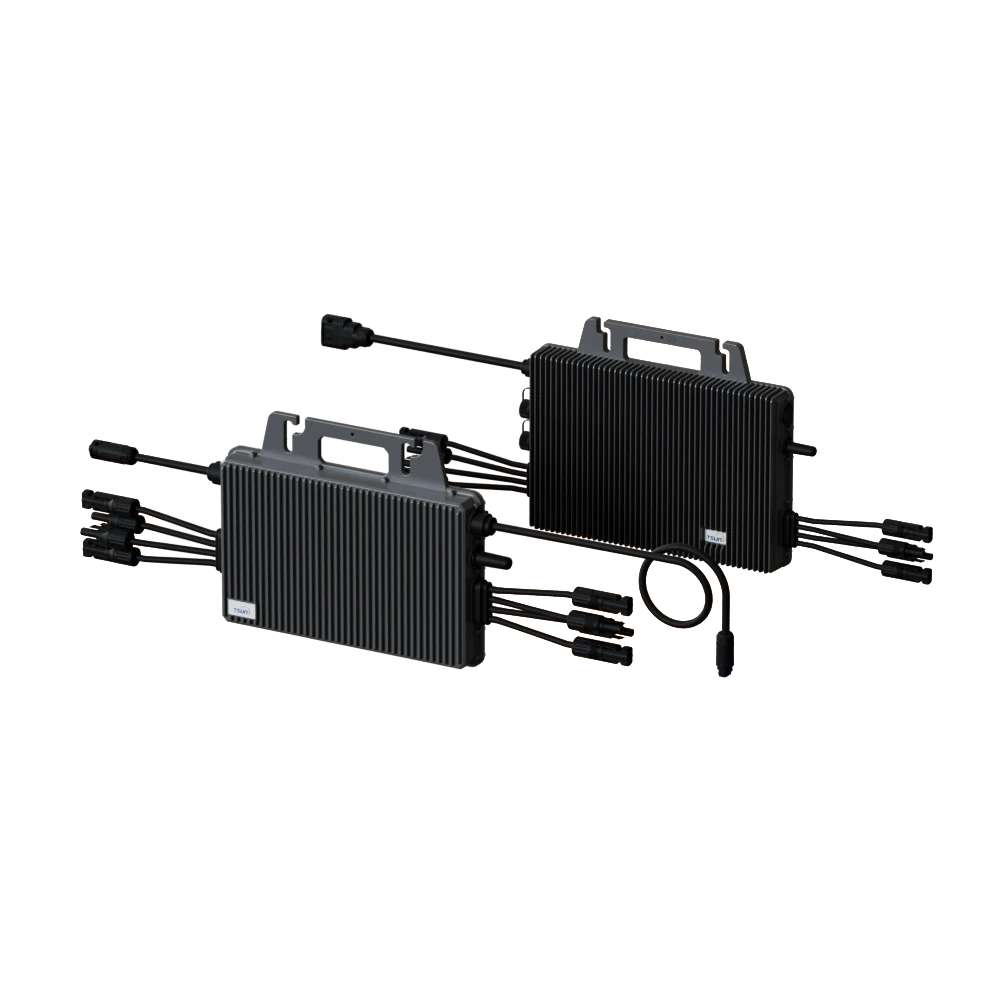
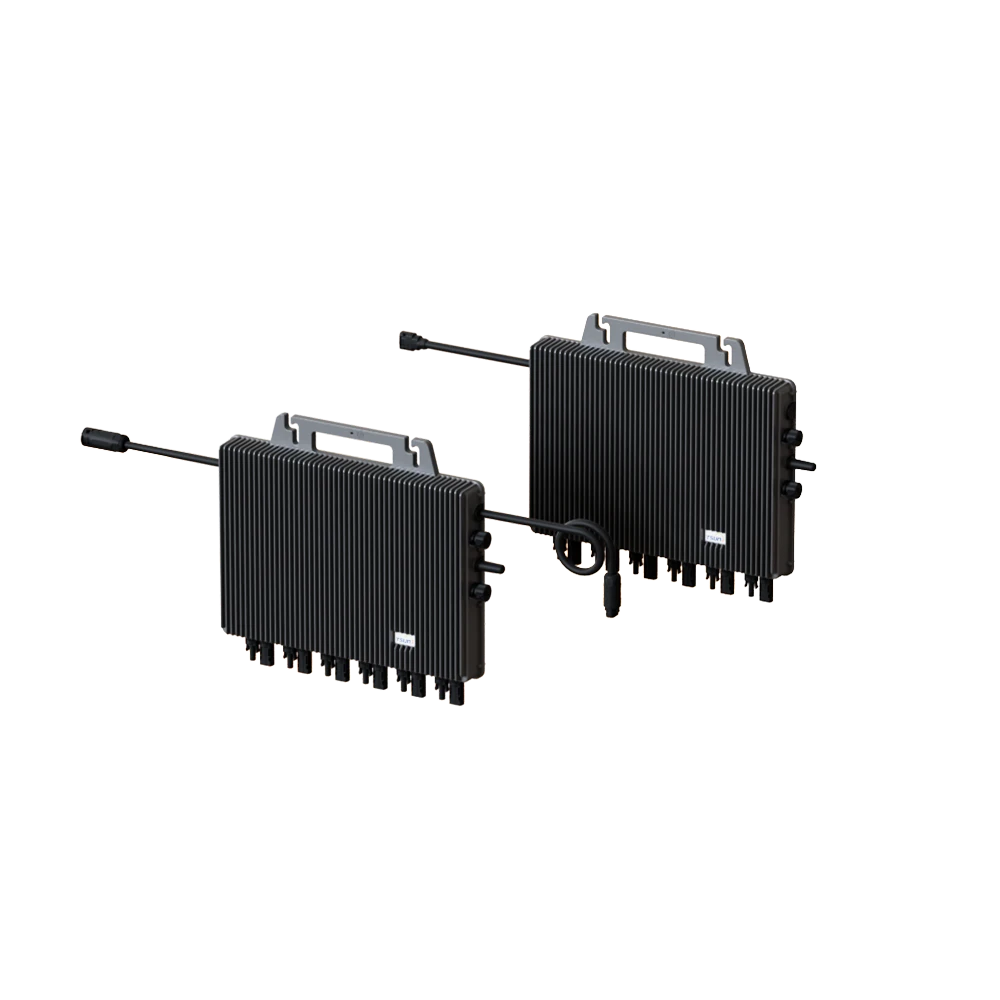
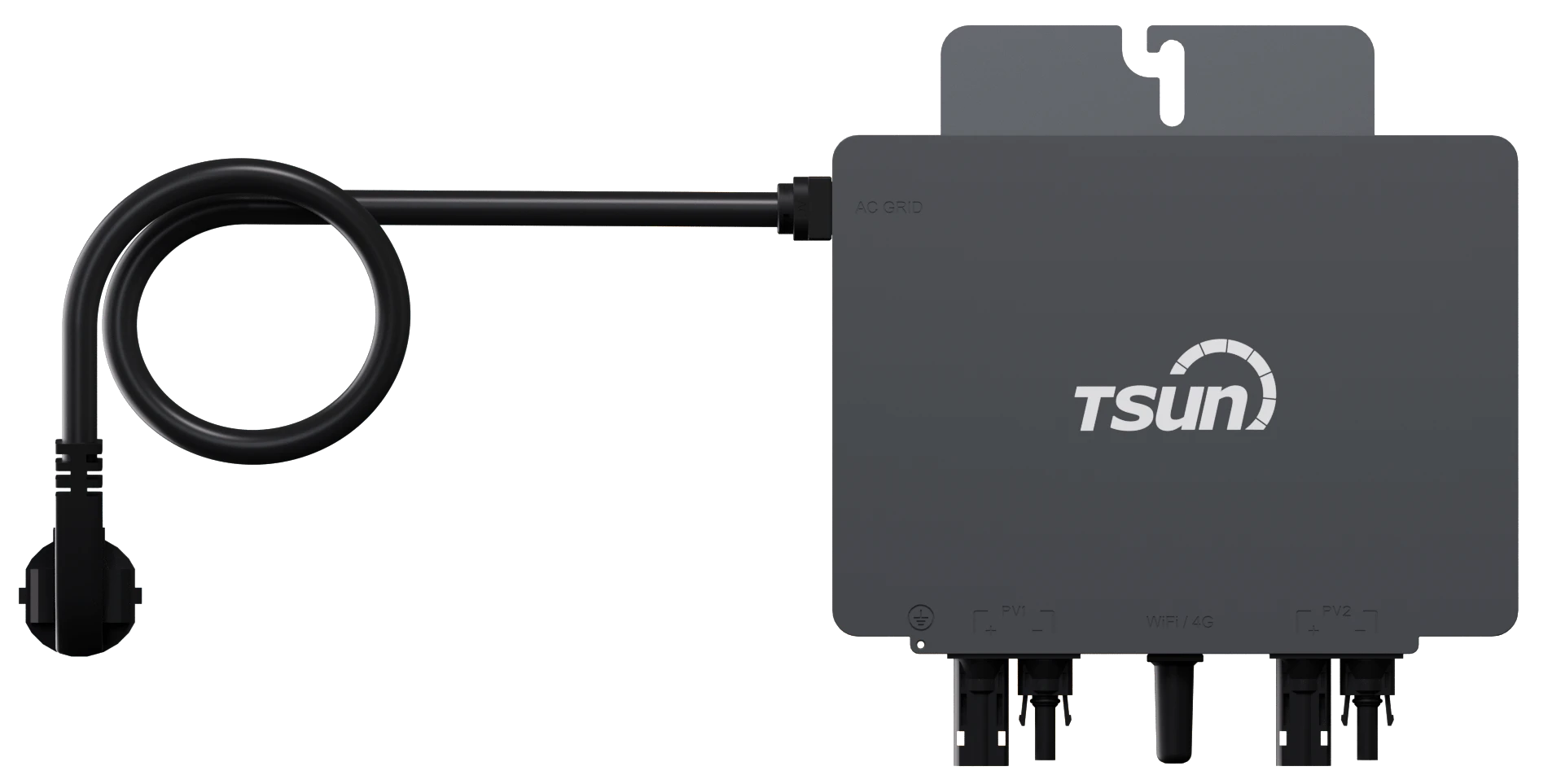
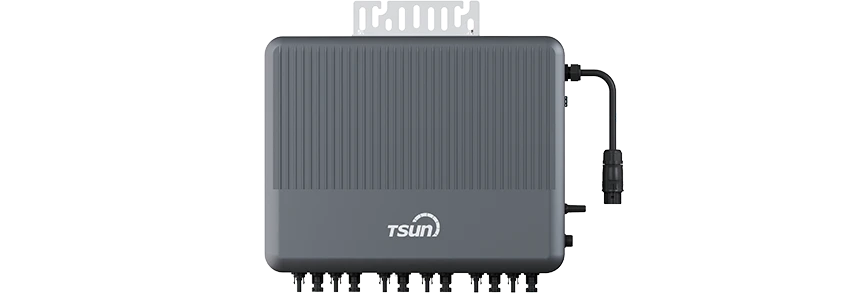
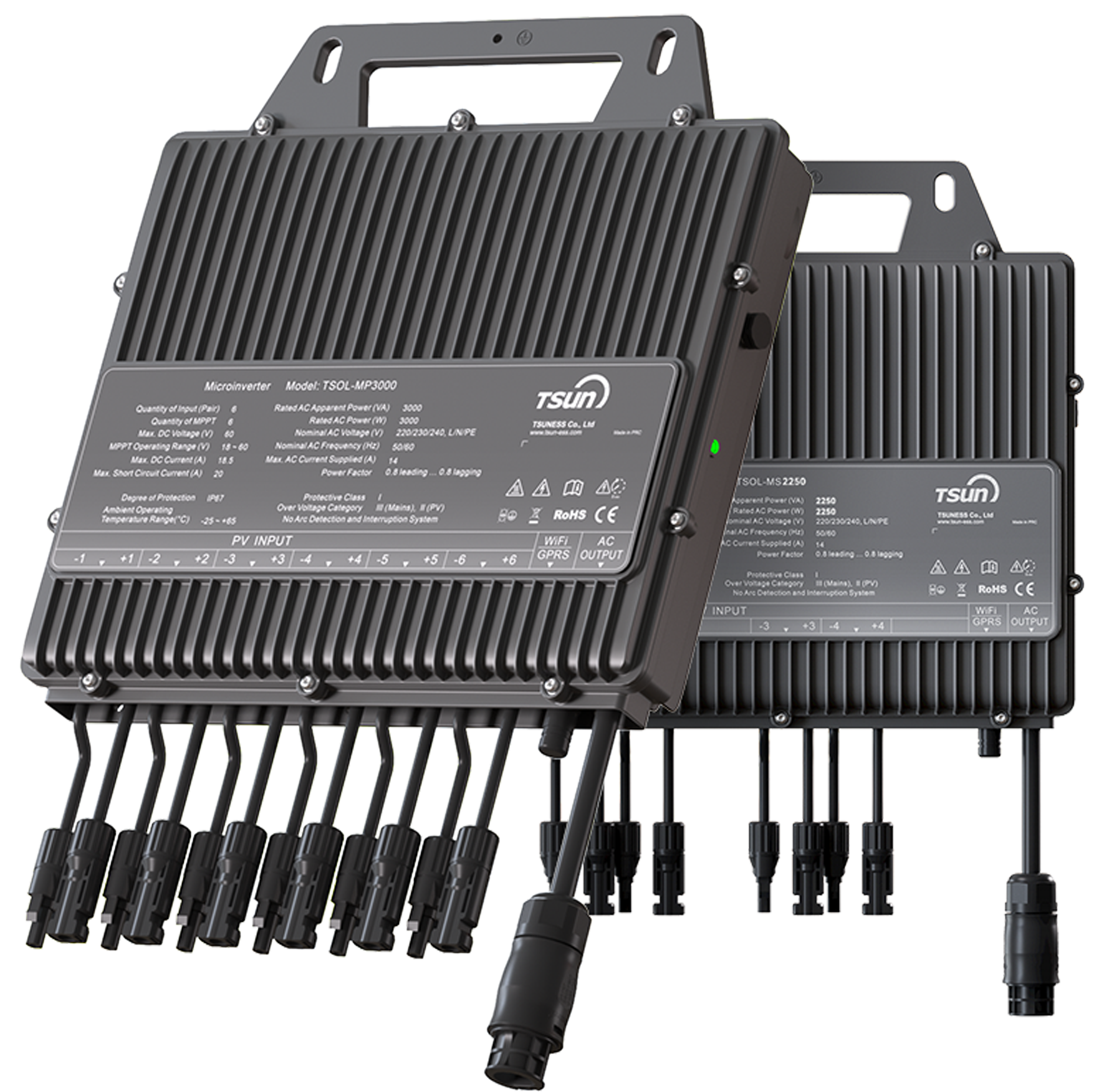
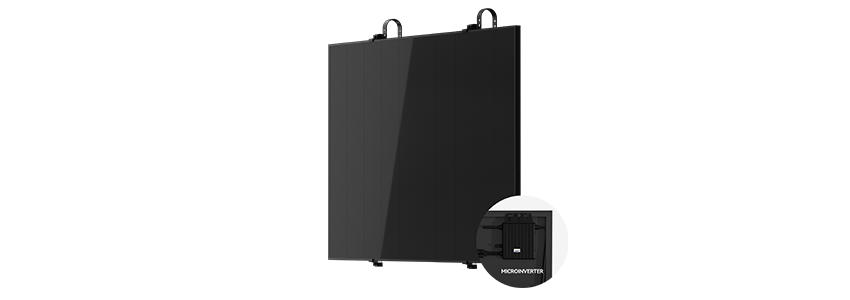
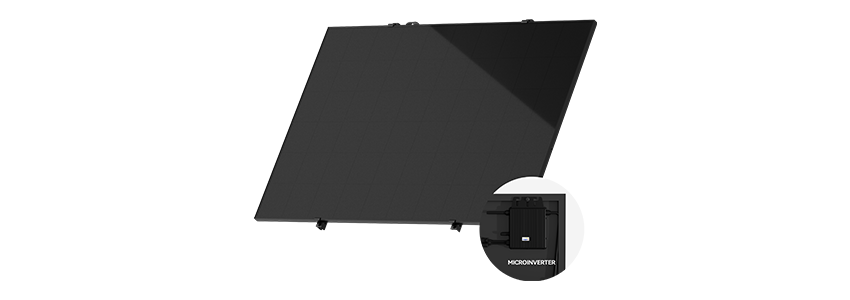
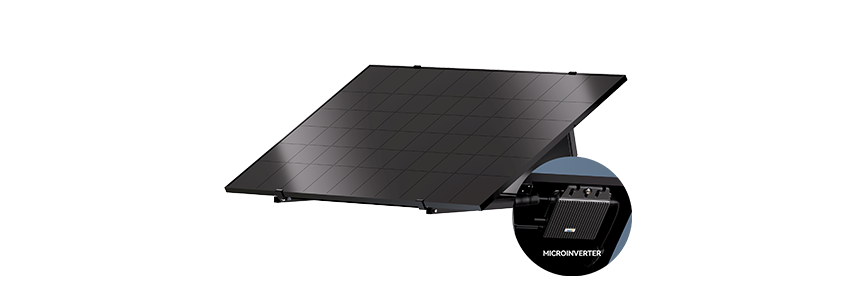
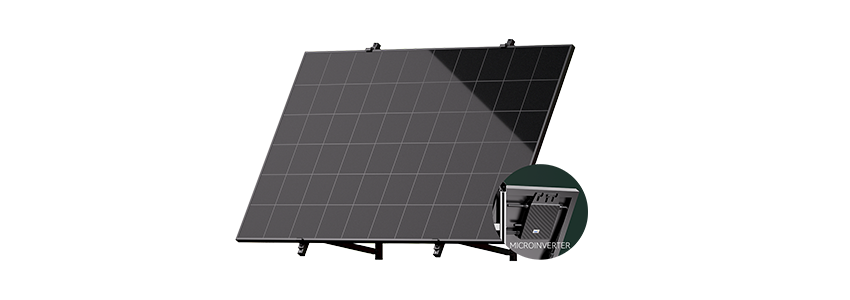
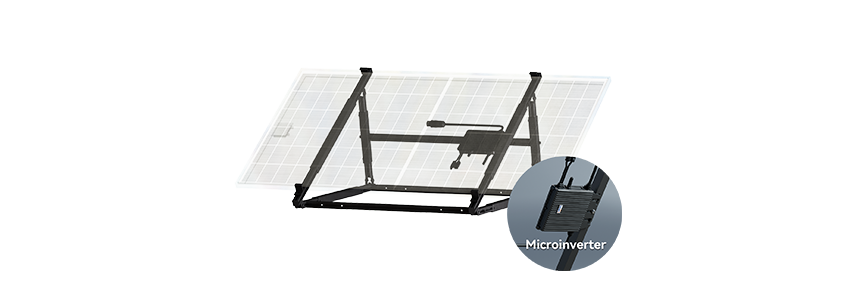
A lead solar micro inverter is a small-scale inverter designed to be installed directly behind each individual solar panel. Unlike traditional string inverters that consolidate DC power from multiple panels, microinverters convert DC power to AC power at the source, optimizing energy harvest and enhancing system performance. This decentralized approach is key to their superior functionality.
This connection to modern energy needs is profound. As the world moves toward a more decentralized and resilient grid, lead solar micro inverter technology provides the building blocks for a smarter, more efficient energy ecosystem. They’re not simply components of a solar array; they’re integral to the evolution of how we generate and consume electricity.
Effectively, they act as individual power optimizers, ensuring that each panel operates at its maximum potential, regardless of shading, panel orientation, or other environmental factors. This is a significant improvement over string inverter systems, where the performance of the entire array is limited by the weakest panel.
Key Components and Operational Principles
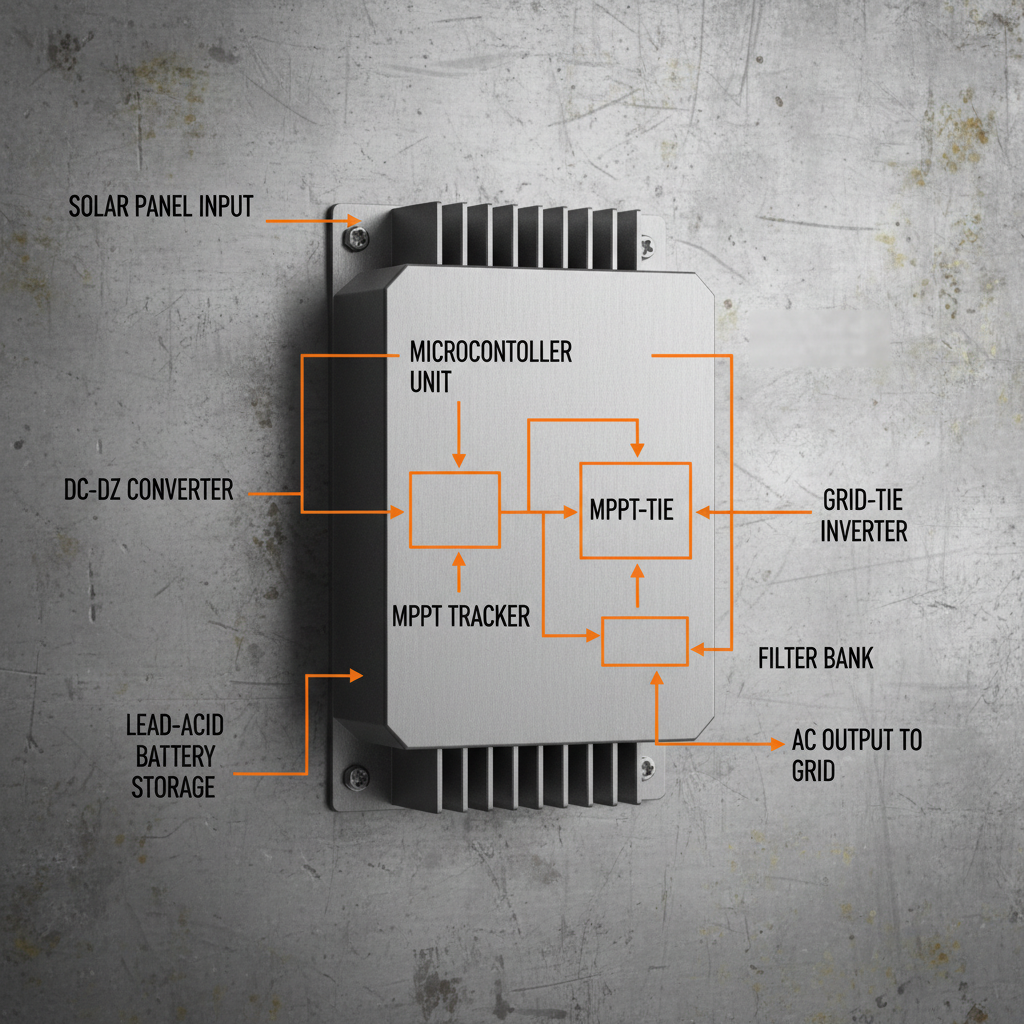
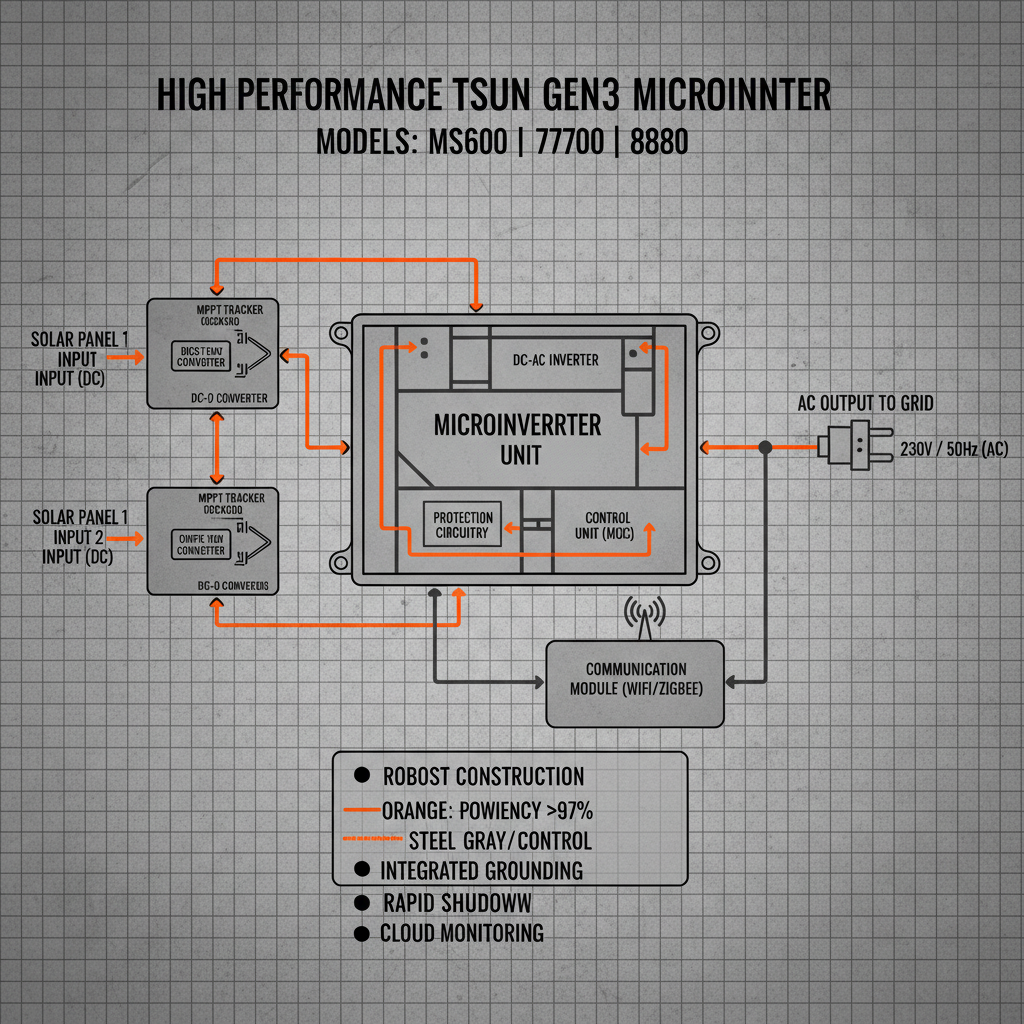
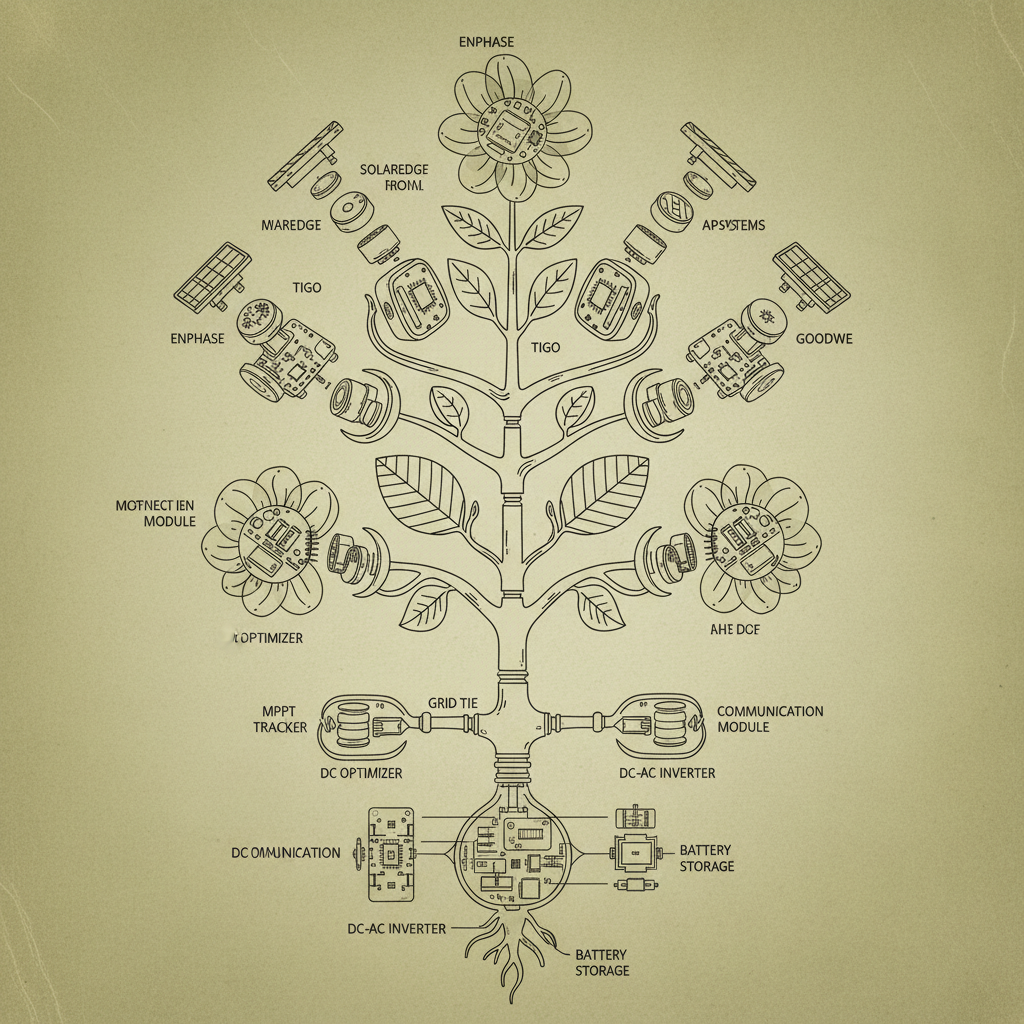
The core components of a lead solar micro inverter typically include a high-frequency DC-DC converter, a DC-AC inverter, a maximum power point tracking (MPPT) controller, and a communication module. The MPPT controller is crucial for continuously adjusting the operating point of the solar panel to maximize energy harvest.
The operational principle hinges on converting the direct current (DC) electricity generated by the solar panel into alternating current (AC) electricity, which is the standard form of electricity used in homes and businesses. This conversion happens at the panel level, bypassing the limitations of a centralized string inverter. The communication module allows for remote monitoring and control of each microinverter, providing valuable performance data.
Furthermore, many lead solar micro inverter utilize advanced algorithms to optimize performance in various weather conditions and shading scenarios, ensuring consistent and reliable energy production. This dynamic adaptation is a key differentiator from traditional inverter systems.
Performance Metrics and Efficiency Analysis of lead solar micro inverter
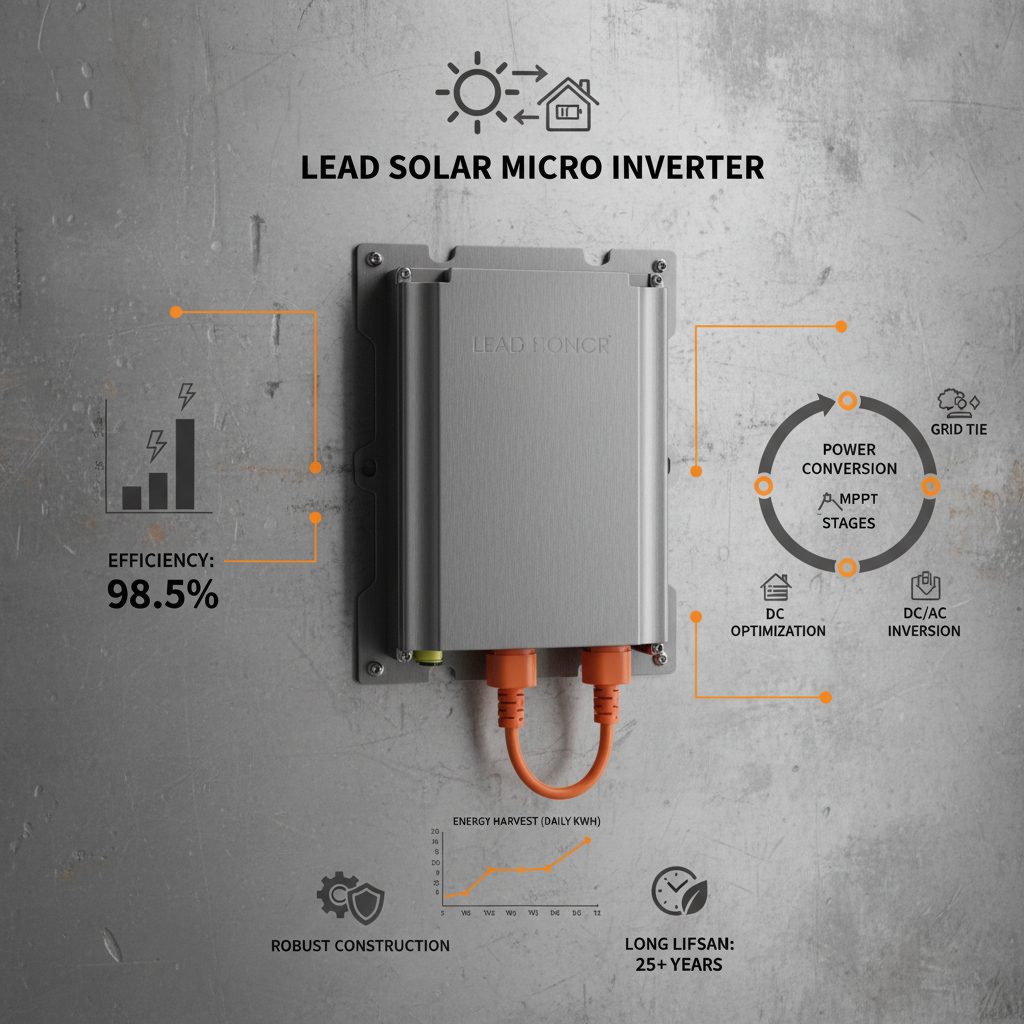
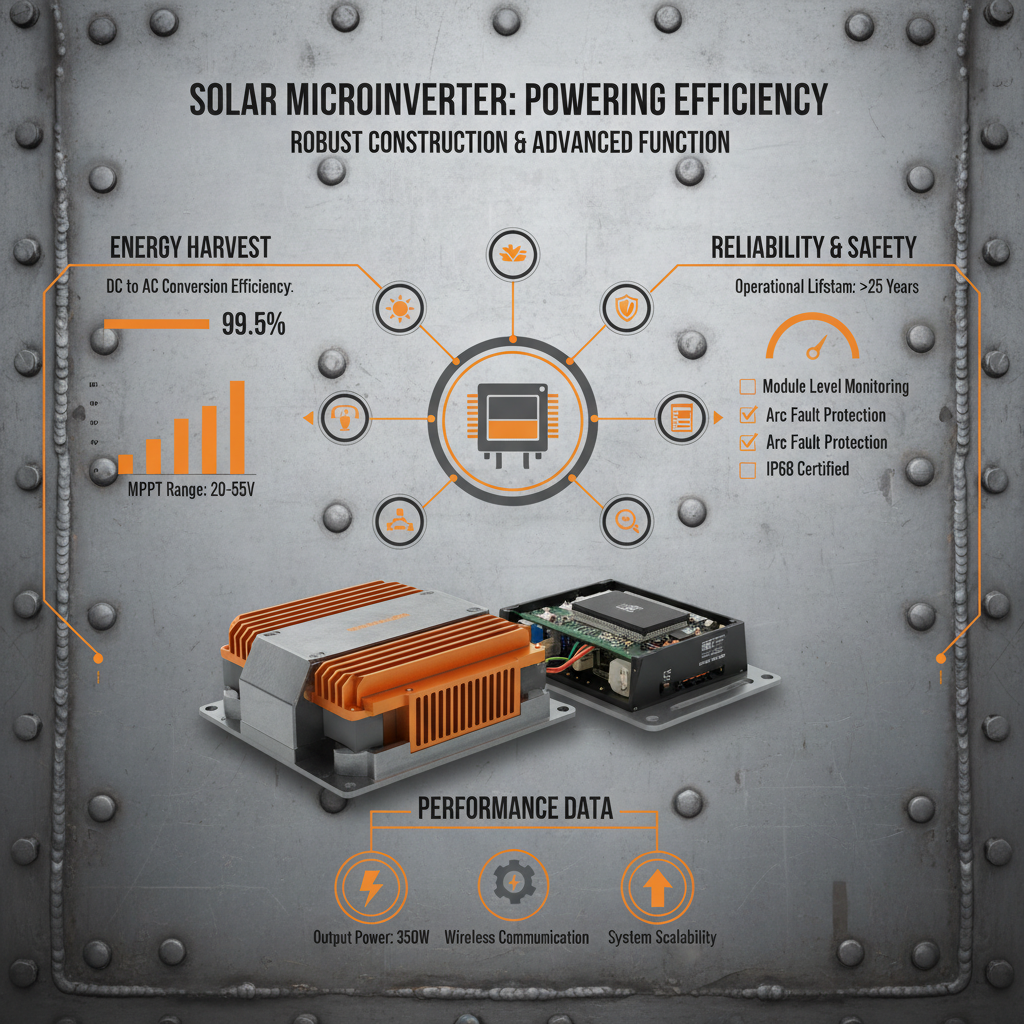
Assessing the performance of lead solar micro inverter requires analyzing several key metrics, including conversion efficiency, maximum power point tracking (MPPT) efficiency, and peak power output. Higher efficiency ratings translate directly into greater energy production and a faster return on investment.
A comprehensive efficiency analysis must consider factors like operating temperature, input voltage, and shading conditions. Modern microinverters typically boast conversion efficiencies exceeding 95%, significantly higher than older string inverter technologies.
lead solar micro inverter Efficiency Comparison
Global Applications and Real-World Implementations
lead solar micro inverter are finding applications across diverse geographic locations and industries. From residential rooftops in Europe and North America to commercial installations in Australia and Asia, their versatility is driving widespread adoption. They are particularly well-suited for challenging environments with partial shading or complex roof geometries.
In post-disaster relief operations, lead solar micro inverter provide a reliable and independent power source for critical infrastructure like hospitals and communication centers. Similarly, in remote industrial zones lacking grid connectivity, they offer a cost-effective and sustainable energy solution.
Advantages and Long-Term Value Proposition
The advantages of lead solar micro inverter extend beyond just increased energy production. They offer enhanced system reliability, improved safety features, and detailed performance monitoring capabilities. This translates into reduced maintenance costs, longer system lifespans, and greater peace of mind for homeowners and businesses.
From a sustainability perspective, microinverters contribute to a cleaner energy future by maximizing the utilization of renewable resources. The long-term value proposition is compelling, offering a tangible return on investment through lower energy bills and increased property value.
Future Trends and Innovations in lead solar micro inverter
The future of lead solar micro inverter technology is bright, with ongoing research and development focused on improving efficiency, reducing costs, and integrating advanced features like energy storage compatibility and grid support functionalities. We can expect to see further advancements in communication protocols, enabling seamless integration with smart home systems and grid management platforms.
Integration with battery storage systems is a key trend, allowing for greater energy independence and resilience. Furthermore, advancements in materials science are paving the way for more durable and efficient microinverters capable of withstanding harsh environmental conditions. The ongoing digital transformation of the energy sector will undoubtedly accelerate innovation in this field.
The integration of AI and machine learning algorithms is also poised to play a significant role, enabling predictive maintenance, optimized performance tuning, and enhanced grid stability. This represents a shift towards a more intelligent and adaptive energy ecosystem.
Table summarizing key performance indicators of lead solar micro inverter
| Microinverter Model |
Peak Power Output (Watts) |
Conversion Efficiency (%) |
MPPT Voltage Range (V) |
| TSUN-M250 |
250 |
96.5 |
24-40 |
| TSUN-M300 |
300 |
97.0 |
24-45 |
| TSUN-M350 |
350 |
97.2 |
26-48 |
| TSUN-M400 |
400 |
96.8 |
28-50 |
| TSUN-M450 |
450 |
97.5 |
30-52 |
| TSUN-M500 |
500 |
96.9 |
32-55 |
FAQS
Lead solar micro inverter offer several key advantages, including increased energy production due to panel-level optimization, improved system reliability through redundancy, enhanced safety features like rapid shutdown, and detailed performance monitoring. Unlike string inverters, where the performance of the entire array is limited by the weakest panel, microinverters allow each panel to operate at its maximum potential. This results in higher overall energy yield and a faster return on investment.
Lead solar micro inverter excel in shaded conditions. Because each panel operates independently, shading on one panel doesn’t significantly impact the output of others. This is a major advantage over string inverters, where shading can dramatically reduce the performance of the entire array. Microinverters effectively mitigate the impact of shading, maximizing energy harvest even in suboptimal environments.
Most reputable manufacturers, including TSUN, offer lead solar micro inverter with a lifespan of 25 years, matching the warranty period of most solar panels. This long lifespan is a testament to the robust design and high-quality components used in their construction. Proper installation and maintenance can further extend their operational life.
Initially, lead solar micro inverter typically have a higher upfront cost compared to string inverters. However, the increased energy production, improved reliability, and reduced maintenance costs often result in a lower lifetime cost of ownership. Furthermore, the ability to monitor each panel individually allows for proactive maintenance, preventing costly repairs down the line.
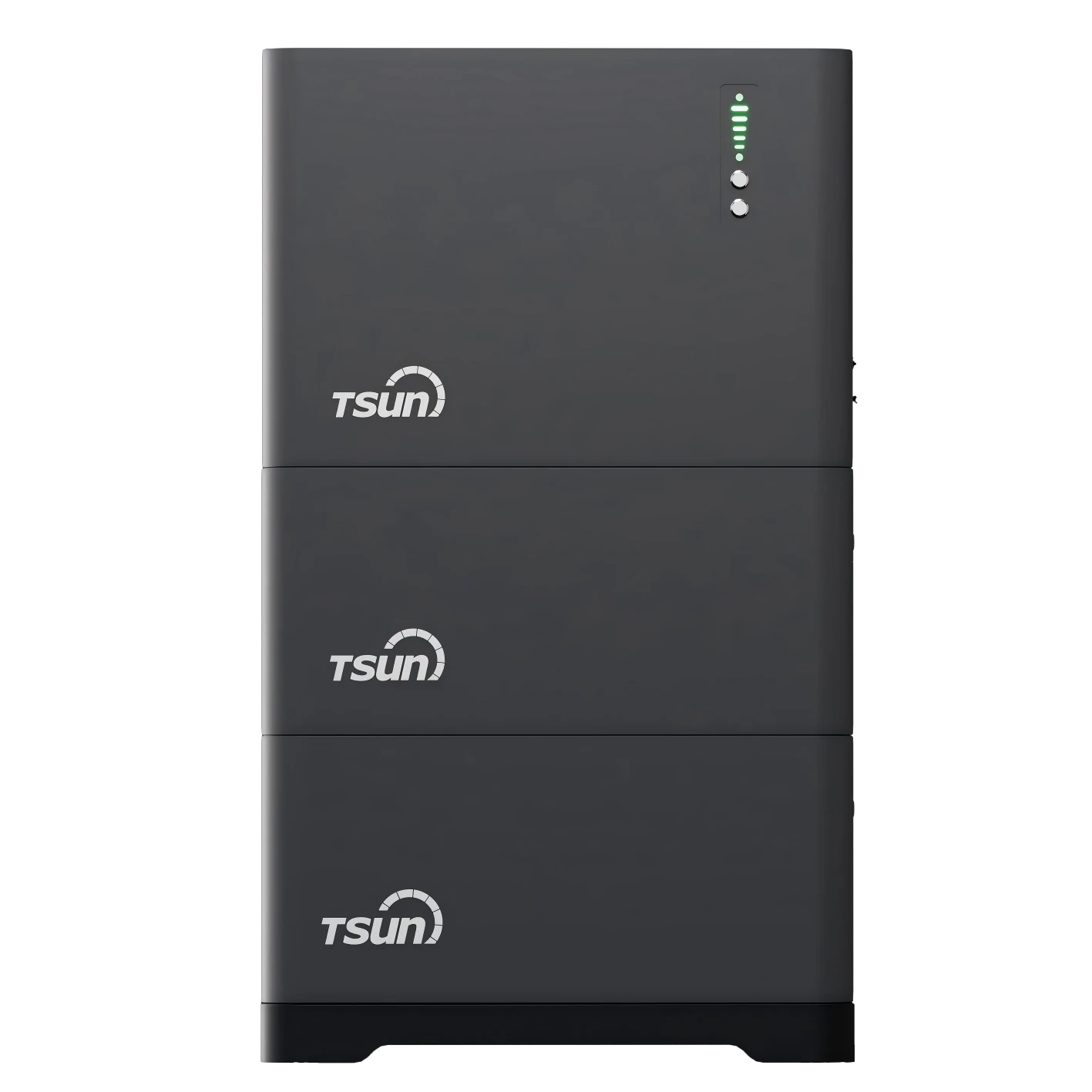
Yes, many lead solar micro inverter are designed to seamlessly integrate with battery storage systems. This allows homeowners and businesses to store excess solar energy for use during periods of low sunlight or grid outages, increasing energy independence and reducing reliance on the grid. TSUN offers comprehensive solutions for both microinverter and battery storage integration.
Lead solar micro inverter typically come with sophisticated monitoring platforms that provide real-time data on the performance of each individual panel. This data can be accessed remotely via a web browser or mobile app, allowing users to track energy production, identify potential issues, and optimize system performance. TSUN’s monitoring system offers detailed insights into system operation.
Conclusion
Lead solar micro inverter represent a paradigm shift in solar energy technology, offering a compelling combination of increased efficiency, enhanced reliability, and improved safety. Their ability to optimize energy production at the panel level, coupled with advanced monitoring capabilities, makes them a smart investment for homeowners, businesses, and utility companies alike. The adoption of this technology is not just a trend; it’s a critical step towards a more sustainable and resilient energy future.
As the demand for clean energy continues to grow, lead solar micro inverter are poised to play an increasingly important role. We encourage you to explore the benefits of this transformative technology and consider how it can empower you to take control of your energy future. Visit our website at www.tsun-ess.com to learn more and discover our comprehensive range of microinverter solutions.



 LEARN DETAILS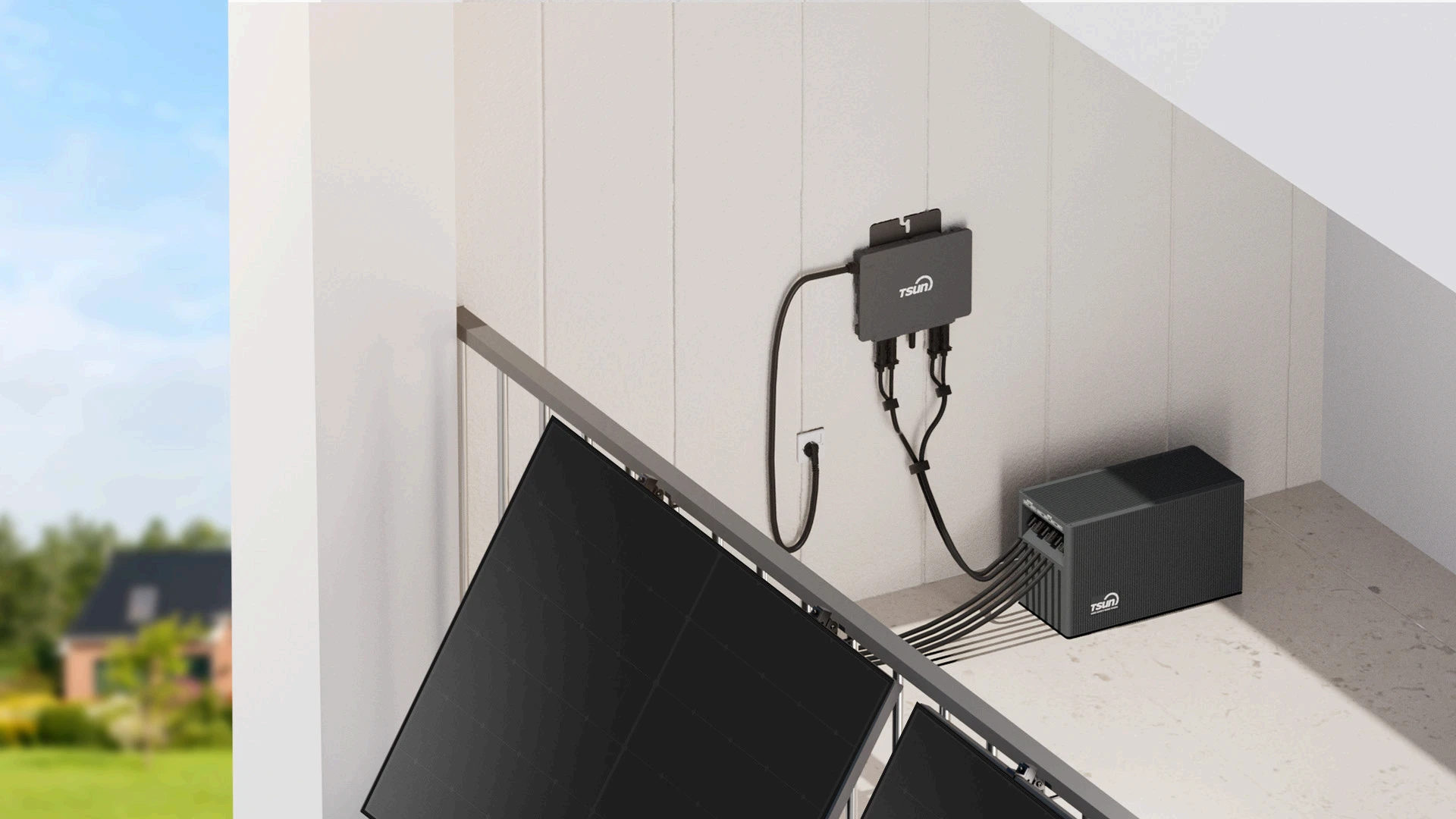


 Downloads
 Video Center
 Report Fault for Repair
 FAQS
FAQS Service Network
 Privacy Policy
 Contact Us
 Monitoring