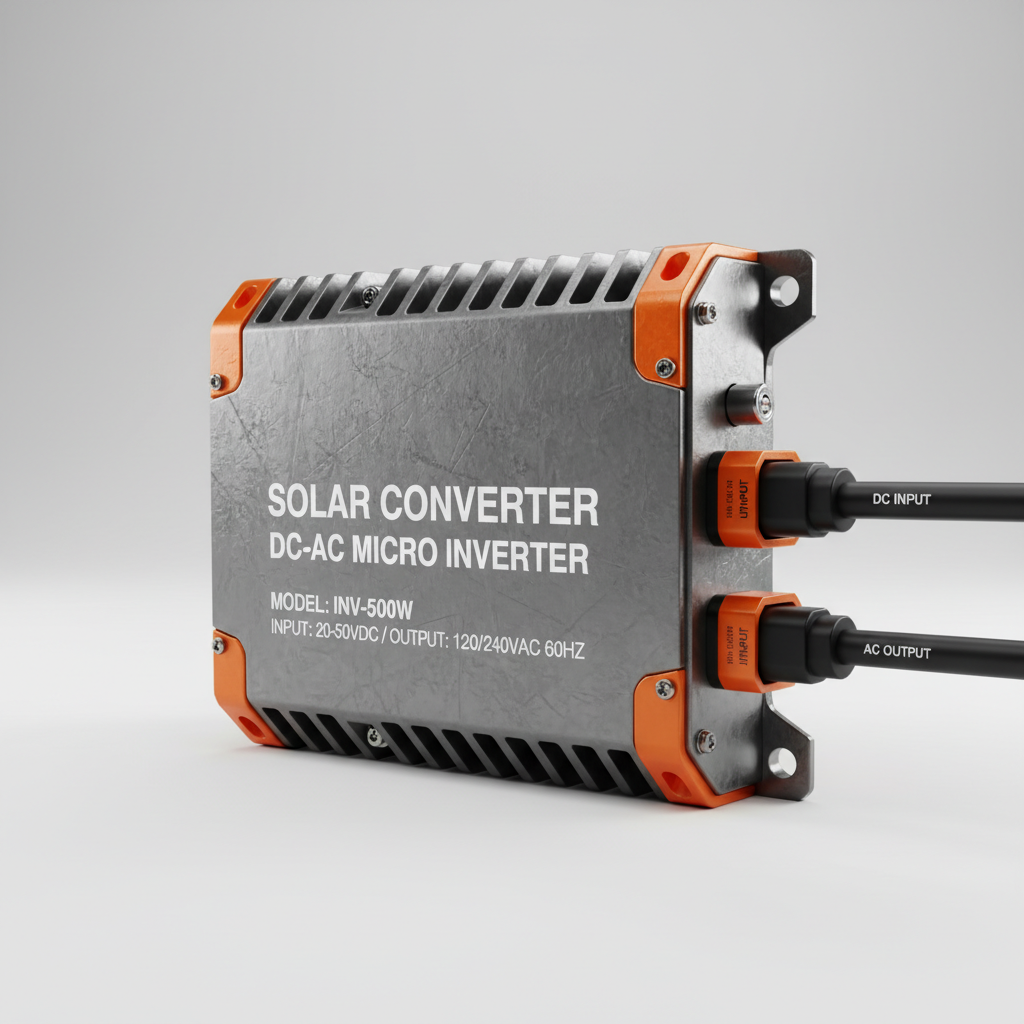
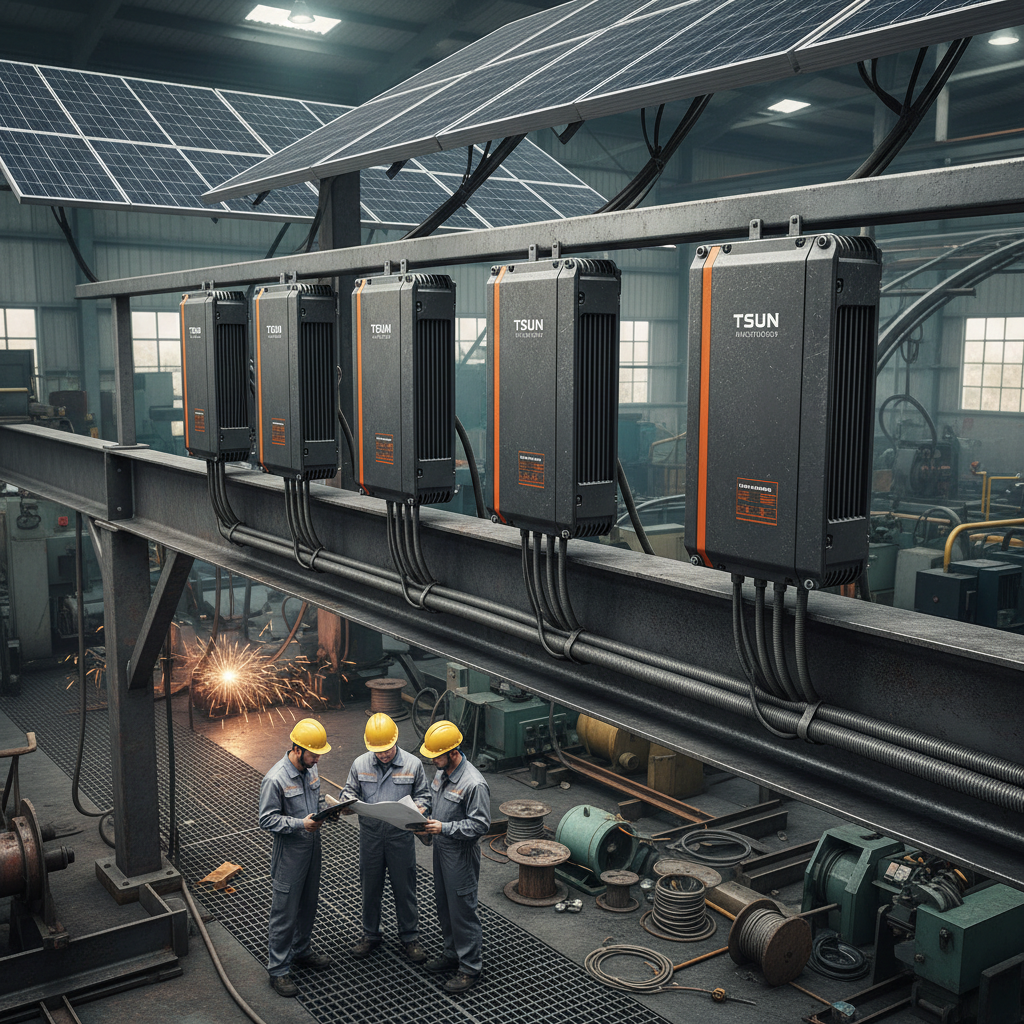
How to Choose a Cheap Microinverter for Balcony Solar Systems
How to Choose a Cheap Microinverter for Balcony Solar Systems
0%
Table of Contents
The global shift toward urban energy autonomy has accelerated the demand for accessible solar solutions, particularly in high-density residential areas. For many city dwellers, the primary barrier to adoption has been the high entry cost of traditional solar arrays, leading to a surge in searches for a cheap microinverter that does not sacrifice safety or efficiency.
Balcony solar systems represent a democratization of clean energy, allowing renters and apartment owners to generate power without extensive roof modifications. However, the technical challenge lies in balancing the "budget" aspect of the hardware with the rigorous electrical requirements of the grid and the physical constraints of small-scale installation.
This analysis examines the engineering trade-offs involved in affordable microinverter technology, how to evaluate cost-to-performance ratios, and the practical deployment of high-efficiency, budget-friendly units such as the TSUN 2-in-1 series.
The cost of a microinverter is primarily driven by the quality of the Gallium Nitride (GaN) or Silicon Carbide (SiC) semiconductors used in the DC-to-AC conversion stage. A budget-oriented design focuses on optimizing the thermal management system and simplifying the chassis without compromising the core electrical safety.
By integrating multiple MPPT (Maximum Power Point Tracking) channels into a single unit, manufacturers can reduce the total number of devices needed per installation, effectively lowering the system-wide cost per watt.
Evaluating Technical Specifications for Budget Units
When searching for a cheap microinverter, the "nominal continuous output power" is the most critical metric. For balcony systems, this typically ranges from 600W to 1000W. Buyers must ensure the MPPT voltage range matches the Voc (Open Circuit Voltage) of their specific solar panels to avoid clipping or failure to start.
Input current limits are equally vital. Most modern high-efficiency panels produce between 10A and 14A. A microinverter that cannot handle the maximum current of the panel will lead to significant energy loss, negating any initial savings from the lower purchase price.
Furthermore, safety certifications regarding anti-islanding and overvoltage protection are non-negotiable. A budget unit must still be capable of disconnecting from the grid during a power failure to prevent feeding electricity back into a dead line, which is a critical safety requirement for urban residential areas.
The 2-in-1 Design: Optimizing Energy Conversion
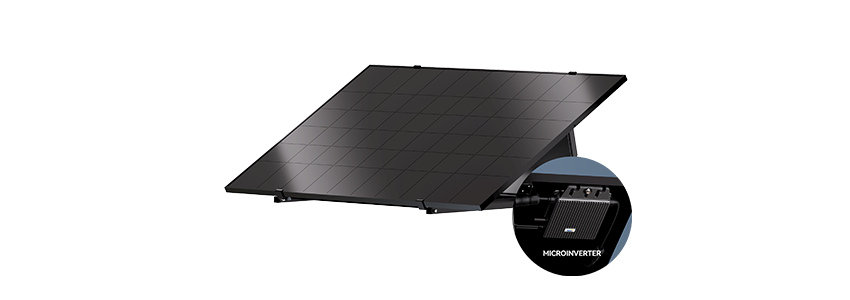
Traditional microinverters often follow a 1-to-1 ratio (one inverter per panel). However, the 2-in-1 architecture allows a single unit to manage two separate solar modules. This reduces the amount of hardware required for a dual-panel balcony setup, lowering the total installation cost.
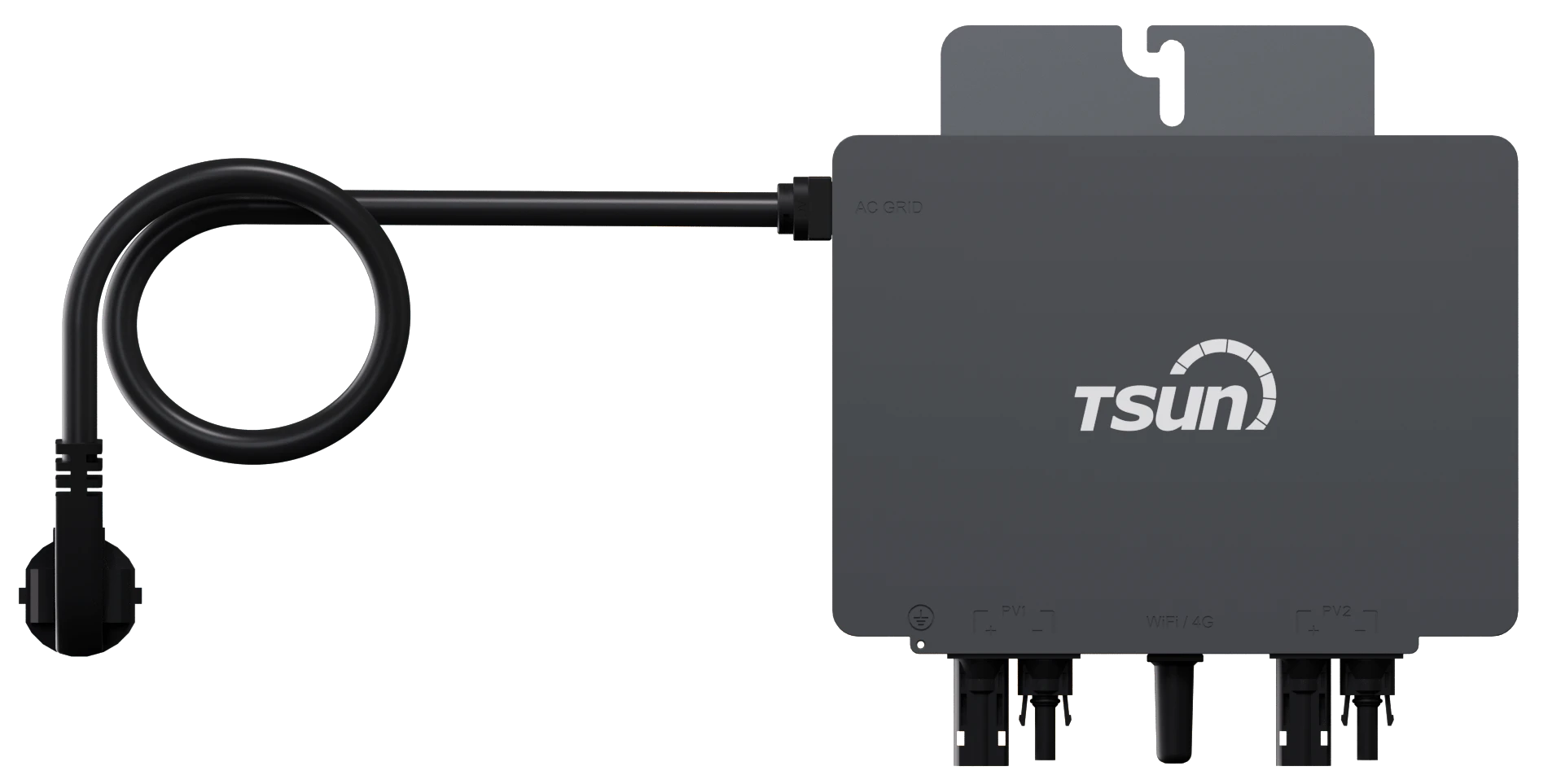
The technical advantage of the 2-in-1 system, such as the TSUN Balcony Microinverter series, lies in its ability to maximize energy output within limited physical spaces. By supporting recommended module powers up to 600W+ per input and achieving a combined output of up to 1000W, these units provide a high power-to-footprint ratio essential for urban environments.
This design utilizes advanced MPPT technology to optimize each panel in real-time. Even if one panel is partially shaded by a balcony railing or nearby building, the independent tracking ensures that the other panel continues to operate at peak efficiency, preventing the "Christmas light effect" where one weak link drags down the entire string.
Performance Assessment Across Power Ratings
Selecting the right power rating depends on the available sunlight hours and the desired energy offset. A 600W unit is sufficient for basic appliance support, while a 1000W unit is better suited for users looking to significantly reduce their monthly electricity bills.
The following engineering assessment compares the relative efficiency and installation complexity across different budget-friendly power tiers to help users determine the optimal balance between cost and output.
Normalized Engineering Assessment of Microinverter Tiers
Deployment Scenarios in Urban Environments
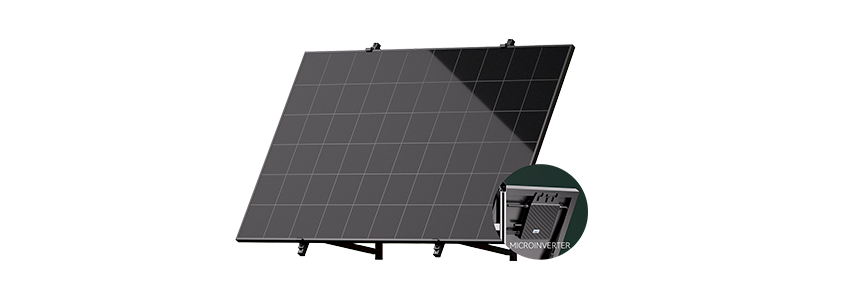
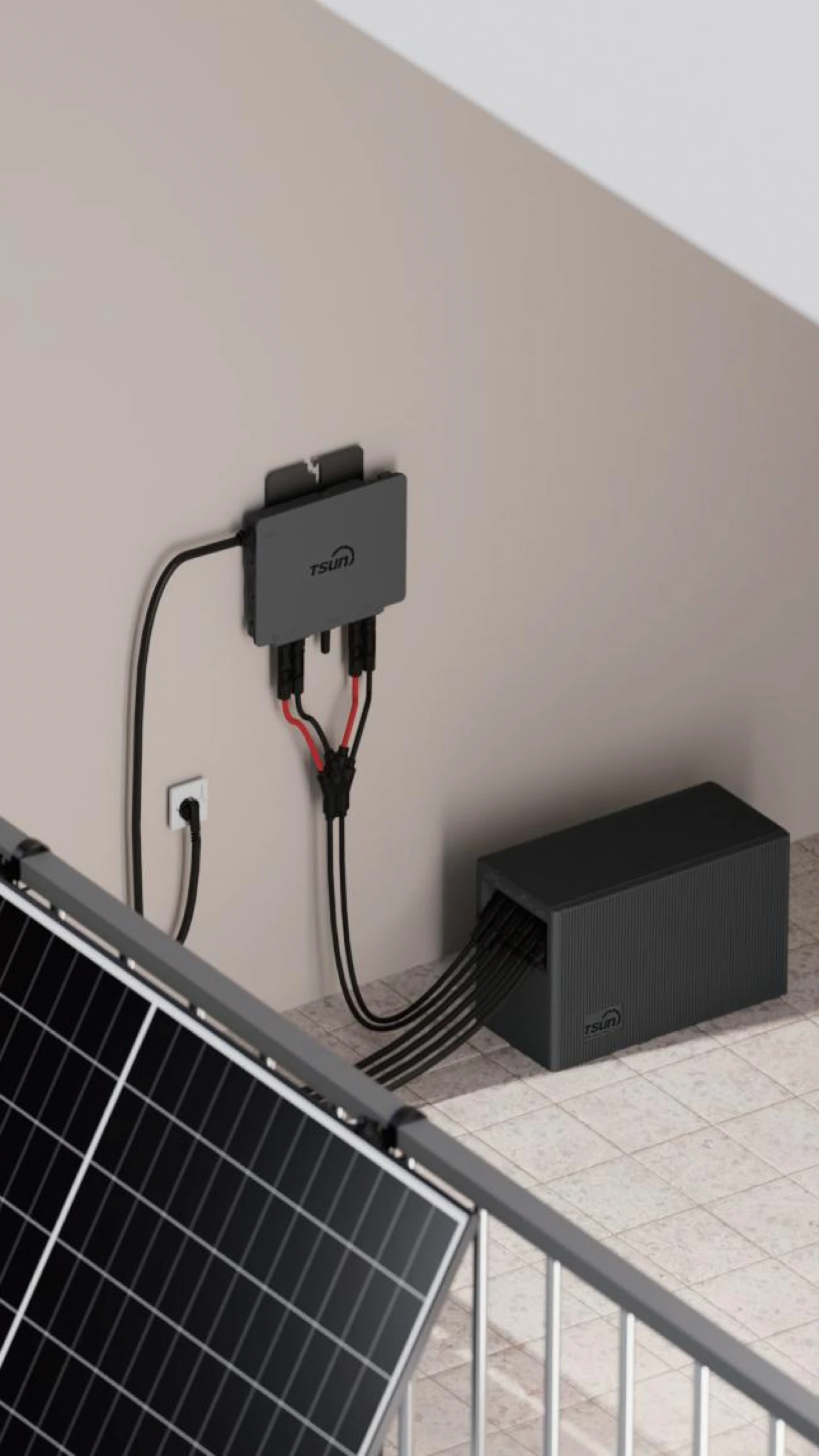
The most common application for a cheap microinverter is the "Plug & Play" balcony kit. In this scenario, the inverter is mounted directly to the balcony railing or wall, with cables running to two PV modules. This removes the need for professional electrical installation in many jurisdictions, provided the system stays within the local grid-tie limits.
Other representative engineering scenarios include garden-based small arrays or flat-roof setups for terrace houses. In these cases, the focus shifts to weatherproofing and cable management, ensuring the inverter is placed in a ventilated area to prevent overheating during peak summer production.
Evolution of Residential Power Electronics
Microinverter technology has evolved rapidly since 2020. Early generations focused on basic stability and low power. The current "GEN3" and specialized series have transitioned toward higher power densities, with outputs now reaching 1000W for balcony-specific units.
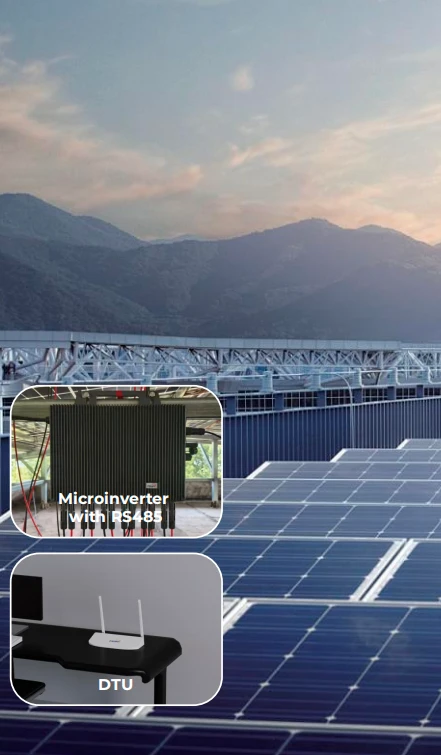
The integration of smart monitoring has been a pivotal shift. Modern budget units now connect to cloud platforms via Wi-Fi or data collectors, allowing users to track the energy production of individual panels via mobile apps. This visibility transforms the product from a "silent box" into an active energy management tool.
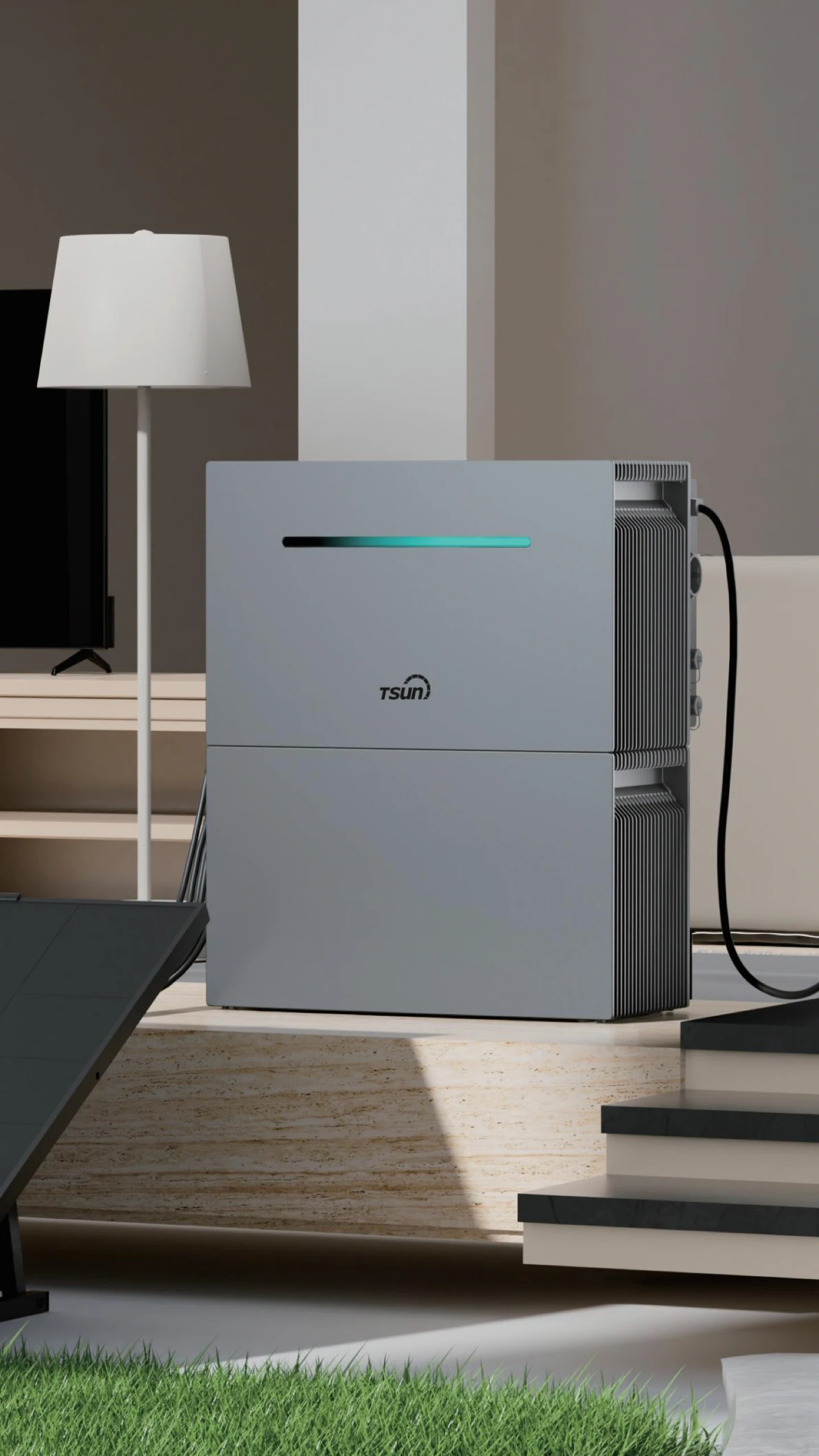
Looking forward, the industry is moving toward hybrid microinverters that can integrate small-scale battery storage directly at the balcony level. This will allow urban users to store surplus midday energy for evening use, further increasing the ROI of their solar investment.
Selection Matrix for Balcony Inverters
Choosing the right unit requires a systematic comparison of input voltage, output power, and installation complexity. A unit that is "cheap" but incompatible with your panel's voltage will result in zero power generation.
The following matrix outlines typical configuration profiles. Whether you are deploying a basic single-panel system or a high-output dual-panel array, aligning the hardware with the specific application is the only way to ensure long-term reliability.
Users should prioritize the nominal continuous output power and the MPPT voltage range to ensure the system operates within its peak efficiency curve.
How does a 2-in-1 microinverter improve energy utilization?
The 2-in-1 design utilizes independent MPPT (Maximum Power Point Tracking) for each of the two connected panels. This ensures that the inverter optimizes the voltage and current for each module separately. If one panel is shaded or dirty, the other can still produce power at its maximum potential, preventing the energy loss common in string inverters where the lowest-performing panel limits the entire system's output.
Can any solar panel be used with a budget microinverter?
No, compatibility depends on the MPPT voltage range and maximum input current. For example, the TSUN series typically supports a voltage range of 16-60V. You must check your solar panel's Open Circuit Voltage (Voc) to ensure it does not exceed the maximum input voltage of the inverter, as overvoltage can permanently damage the internal circuitry. Always match the panel's Voc with the inverter's specifications.
Is a "Plug & Play" system safe for home use?
Yes, provided the unit has passed international safety certifications and includes anti-islanding protection. Anti-islanding is a critical feature that automatically disconnects the microinverter from the grid during a power outage, preventing electricity from flowing back into the grid and potentially harming utility workers. Always ensure your budget inverter lists these safety protections in its technical data sheet.
How do I monitor the performance of my balcony solar system?
Modern microinverters integrate wireless monitoring systems that connect to a cloud platform. By using a dedicated mobile app or web interface, you can view real-time energy production, daily yields, and the operational status of your panels. This allows you to identify panels that may need cleaning or detect system anomalies immediately through automated notifications, making remote management simple and efficient.
What is the typical lifespan of a budget microinverter?
The lifespan depends heavily on thermal management and environmental exposure. High-quality budget units are designed with robust heat sinks and weatherproof enclosures to withstand outdoor conditions. While premium units may offer longer warranties, a well-engineered budget inverter focusing on stable components and proper ventilation can typically serve a residential balcony system effectively for several years of continuous operation.
How do I choose between 600W and 1000W outputs?
The choice depends on your panels' power rating and your energy goals. If you have two 400W+ panels, a 1000W unit is necessary to avoid "clipping," where the inverter limits production because it has reached its maximum output capacity. If you are using smaller 300W panels or a single panel, a 600W unit is more cost-effective. Always calculate the total potential peak power of your panels before selecting the inverter wattage.
Engineering Outlook on Affordable Solar
The accessibility of solar energy in urban environments is no longer hindered by the lack of technology, but by the optimization of cost and space. The emergence of high-efficiency, budget-friendly options like the cheap microinverter allows residents to transition to clean energy with minimal financial risk and technical complexity.
Ultimately, the value of a balcony system is measured by its long-term reliability and the actual energy offset it provides. By focusing on critical specs—such as MPPT range and anti-islanding safety—rather than just the lowest price, users can build a sustainable energy solution that is both affordable and technically sound.
Leo Bennett is a highly respected Senior Research Scientist, concentrating on advancements in microinverter technology, specifically the TITAN series. He leads a team dedicated to improving power density, efficiency, and reliability. Leo holds several patents related to microinverter design and is constantly exploring new materials and technologies to push the






 LEARN DETAILS
 Downloads
 Video Center
 Report Fault for Repair
 FAQS
 Service Network
 Privacy Policy
 Contact Us
 Monitoring