When homeowners evaluate the cost of a solar transition, the solar microinverter price often emerges as a critical variable. Unlike traditional string inverters, microinverters distribute the conversion process across every panel, shifting the financial calculation from a single large equipment purchase to a per-module investment.
This architectural shift affects not only the upfront expenditure but also the long-term operational yield. As PV module wattages increase and balcony solar trends grow in Europe and beyond, the market is seeing a divergence in pricing based on power density, communication capabilities, and durability certifications.
Understanding the delta between basic entry-level units and high-performance industrial-grade microinverters is essential for maximizing ROI. This analysis explores the technical drivers of cost and provides a framework for selecting hardware that balances initial budget with 25-year performance.
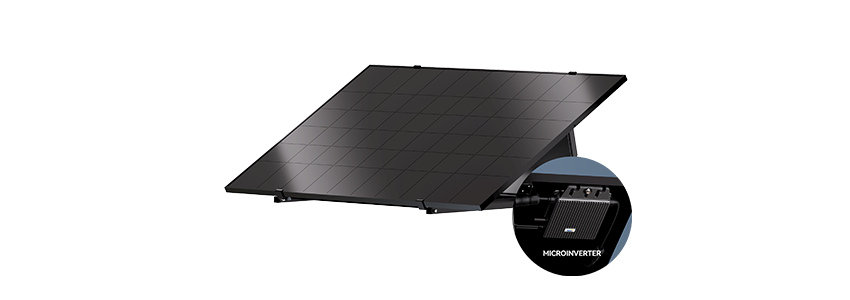
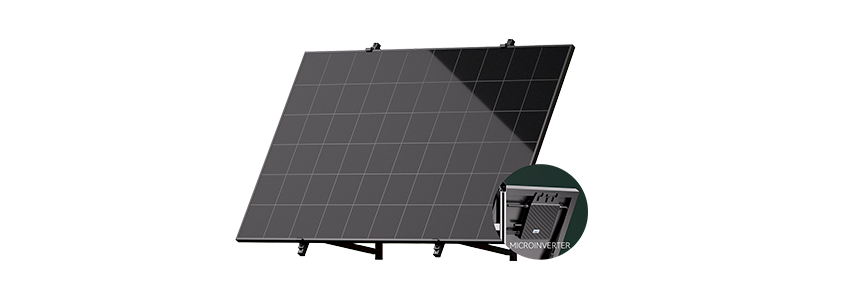
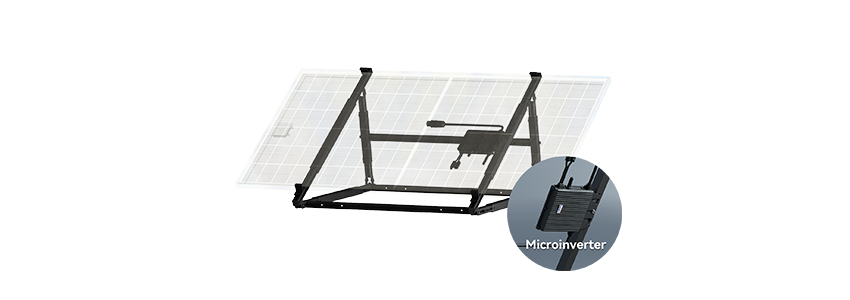
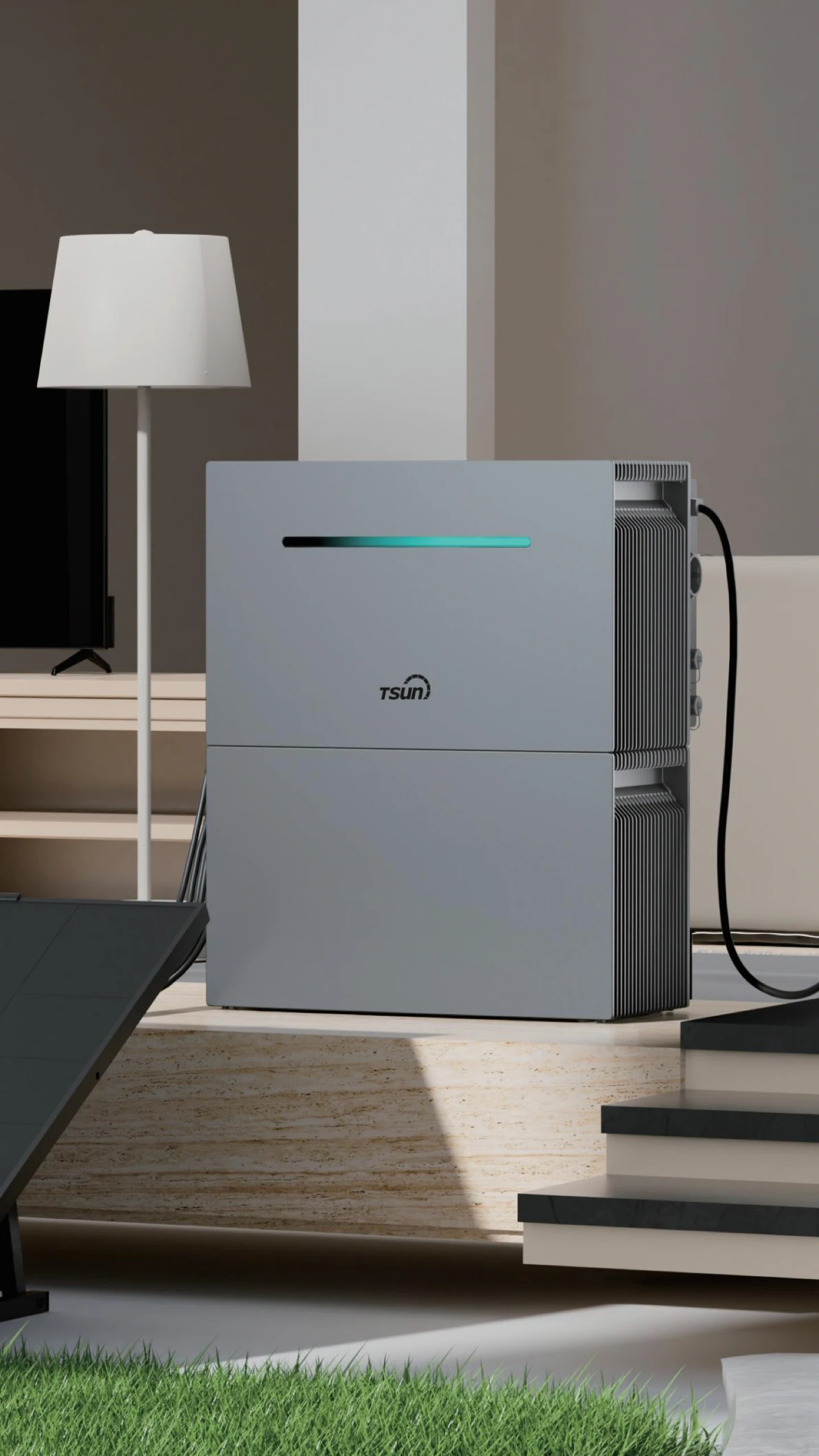
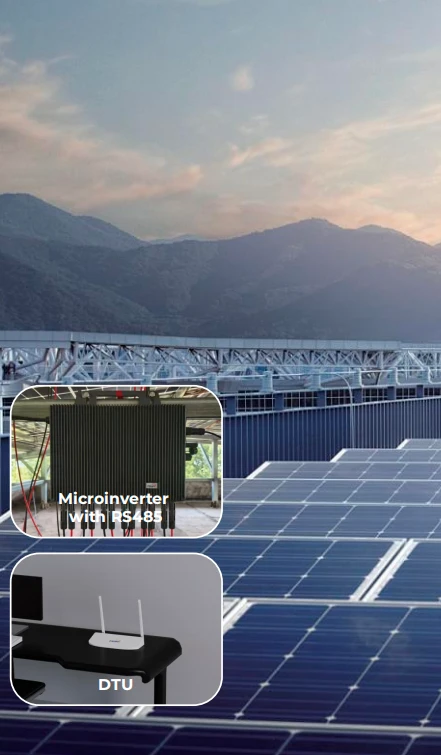
Modular microinverter systems allow for scalable energy production and simplified installation processes.
◆ ◆ ◆
◆ ◆ ◆
The Evolution of Micro-Conversion Economics

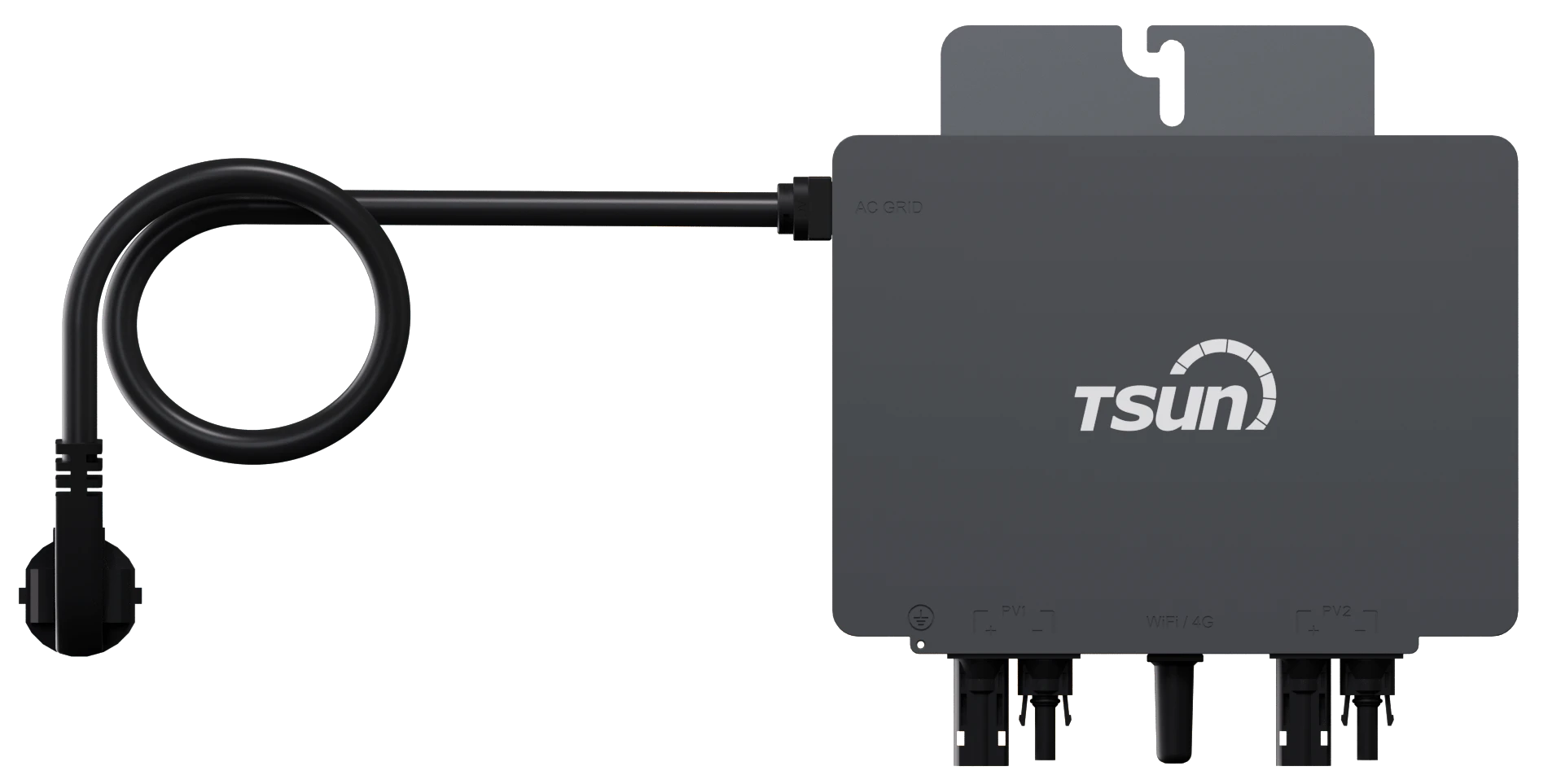
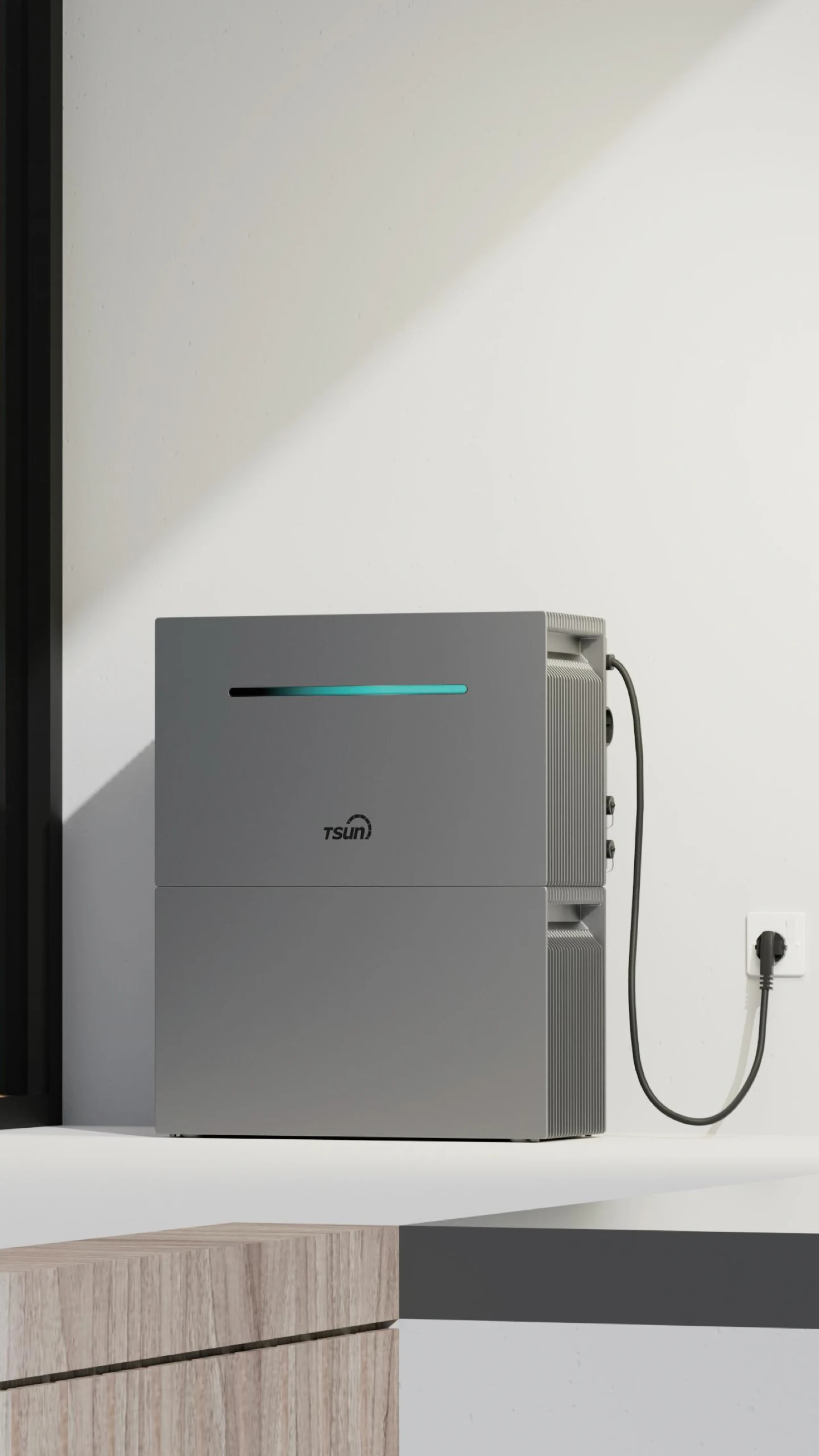
Advanced thermal management is a primary driver of hardware longevity and cost.
Historically, the cost of micro-conversion was prohibitive for average residential users. However, the transition from early prototypes to current GEN3 architectures has significantly reduced the cost-per-watt. The industry has moved toward integrated "N-in-1" designs, where a single unit manages multiple panels, effectively splitting the fixed hardware costs across more generation capacity.
Today, the focus has shifted from mere affordability to "value density." Modern systems integrate advanced MPPT (Maximum Power Point Tracking) and high-frequency isolation, meaning the current price reflects not just the ability to convert DC to AC, but the ability to recover energy from shaded or low-light conditions.
—
Technical Determinants of Component Cost
Several engineering factors directly influence the final market price. First is the housing and thermal management. Units utilizing die-cast aluminum monoblock casings and inclined fin heat sinks are more expensive to manufacture but essential for maintaining stability in outdoor environments. Protection ratings like IP68 or IP69K add to the cost due to the precision sealing required to prevent dust and water ingress.
Secondly, the complexity of the MPPT technology determines the efficiency floor. High-end microinverters offer ultra-low MPPT minimum voltages (such as 16V), allowing the system to begin producing power earlier in the morning and later in the evening. This circuitry increases the component count and complexity compared to basic converters.
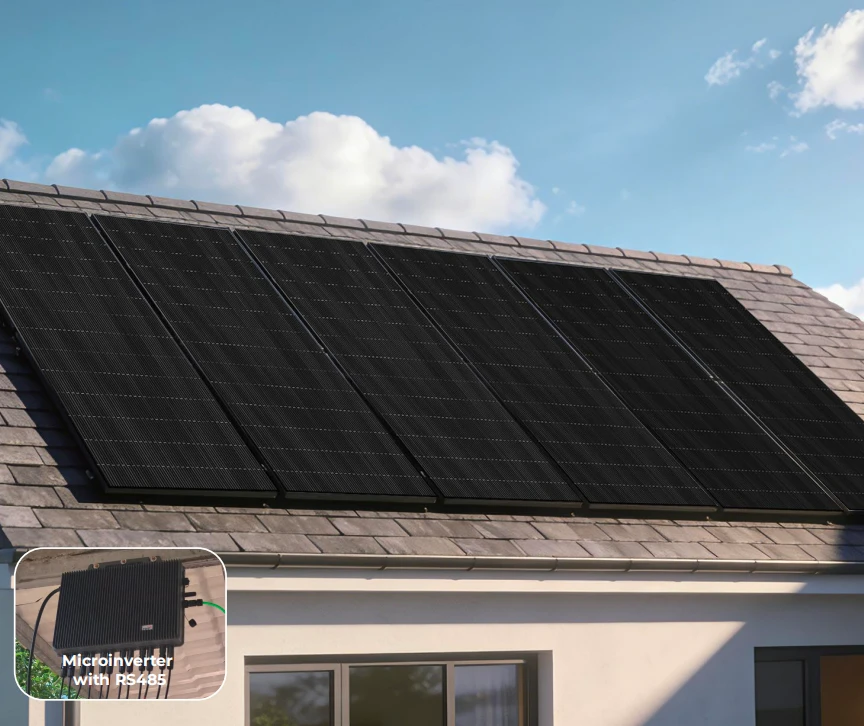
Finally, communication overhead impacts pricing. The integration of multi-channel support—Wi-Fi for residential plug-and-play, RS485 for commercial zero-injection, and 4G for remote sites—requires additional chipsets and certification, adding a premium to the hardware.
—
Evaluating Reliability vs. Upfront Expenditure
A common mistake in solar planning is focusing exclusively on the lowest initial quote. In the microinverter category, the "true cost" is measured over a 25-year lifecycle. Cheap components often lack high-frequency isolation or robust thermal dissipation, leading to premature failure in harsh climates.
Long-term ROI is driven by the intersection of high efficiency and environmental resilience; a system that preserves 95%+ efficiency over two decades outweighs a lower-cost unit with rapid degradation.
When comparing options, the inclusion of "Daisy Chain" cabling is a hidden value driver. By integrating AC output cables (e.g., 1.45m lengths), manufacturers reduce the need for external wiring and junction boxes. This lowers the total installation labor cost, effectively offsetting a higher unit price.
—
Price Scaling Across Power Capacities
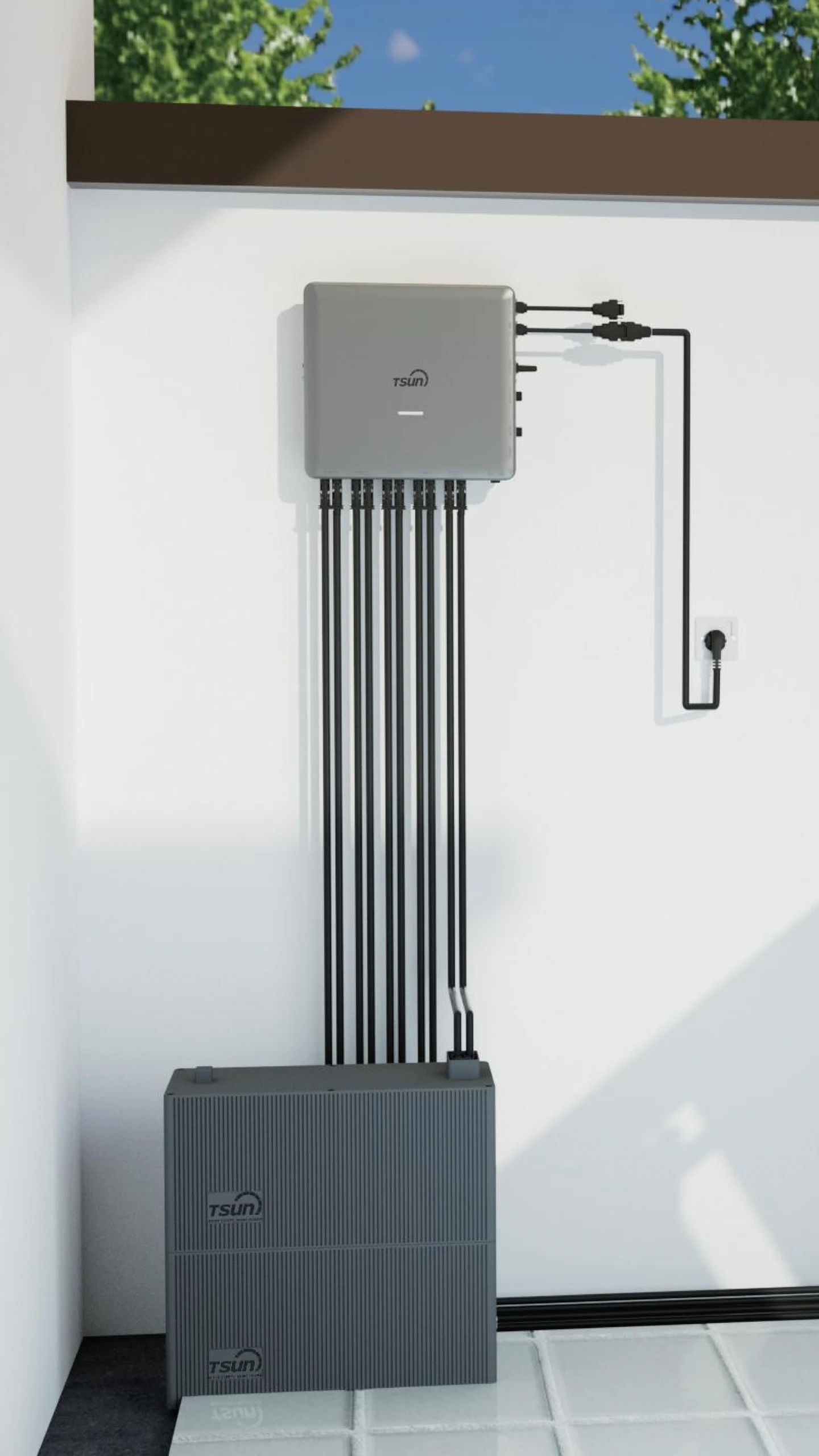
The relationship between output power and price is non-linear. Small 1-in-1 units (300W-500W) serve niche balcony needs, while 6-in-1 units (up to 3300W) provide a better economy of scale. As the power output per unit increases, the overhead of the casing and communication module is amortized over more watts of production.
Furthermore, specialized high-power series, such as the TITAN range (reaching 6000W), move the pricing model toward industrial utility. These units are designed for larger residential rooftops or small commercial arrays, where the priority shifts from DIY simplicity to maximum current handling (up to 18A).
Figure 2. Relative Value Index by Inverter Configuration
—
Application Scenarios and Budgeting
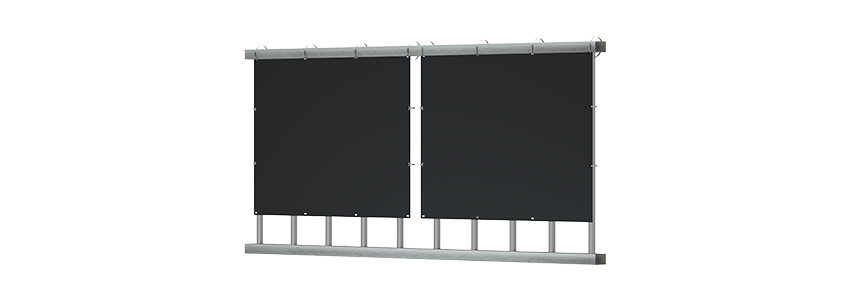
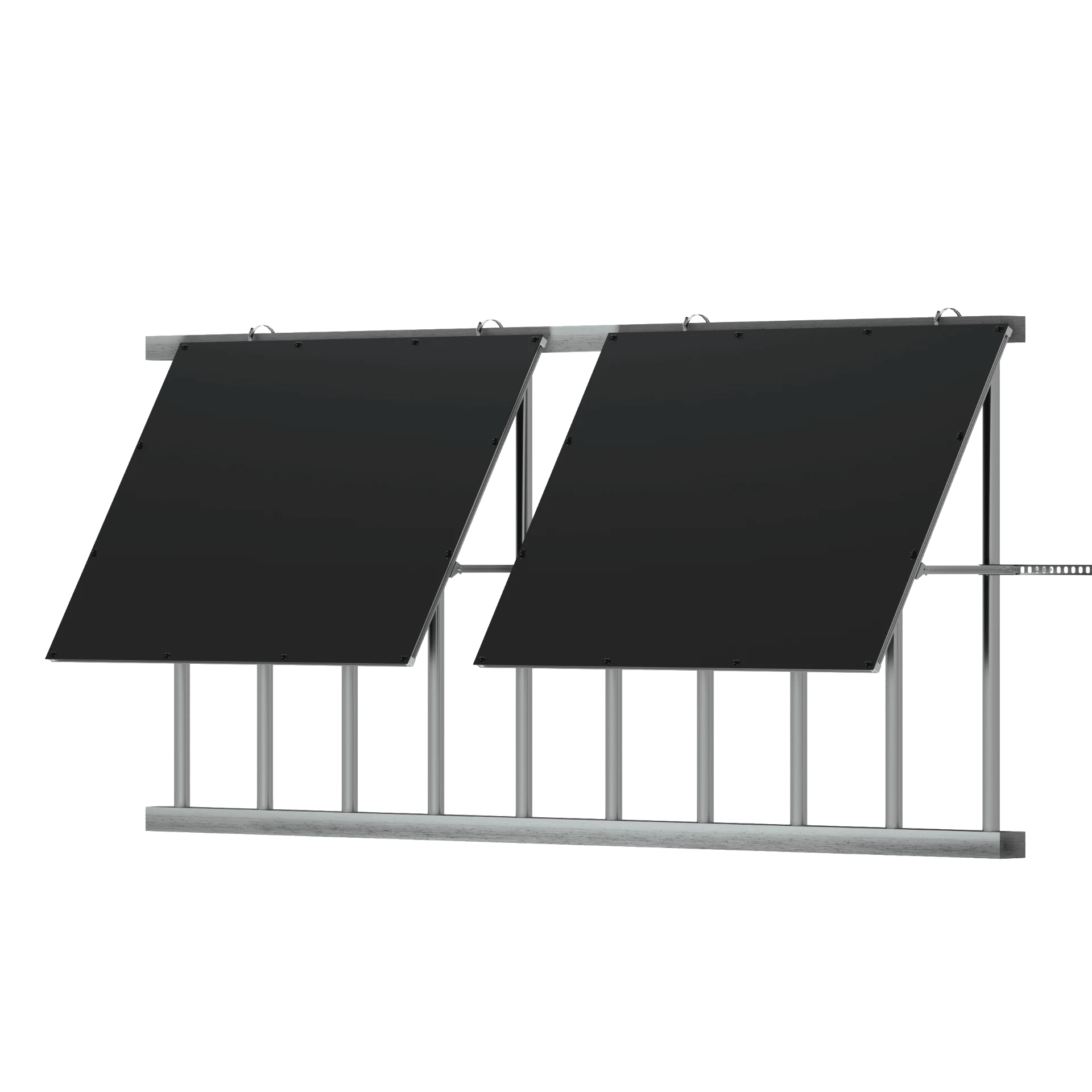
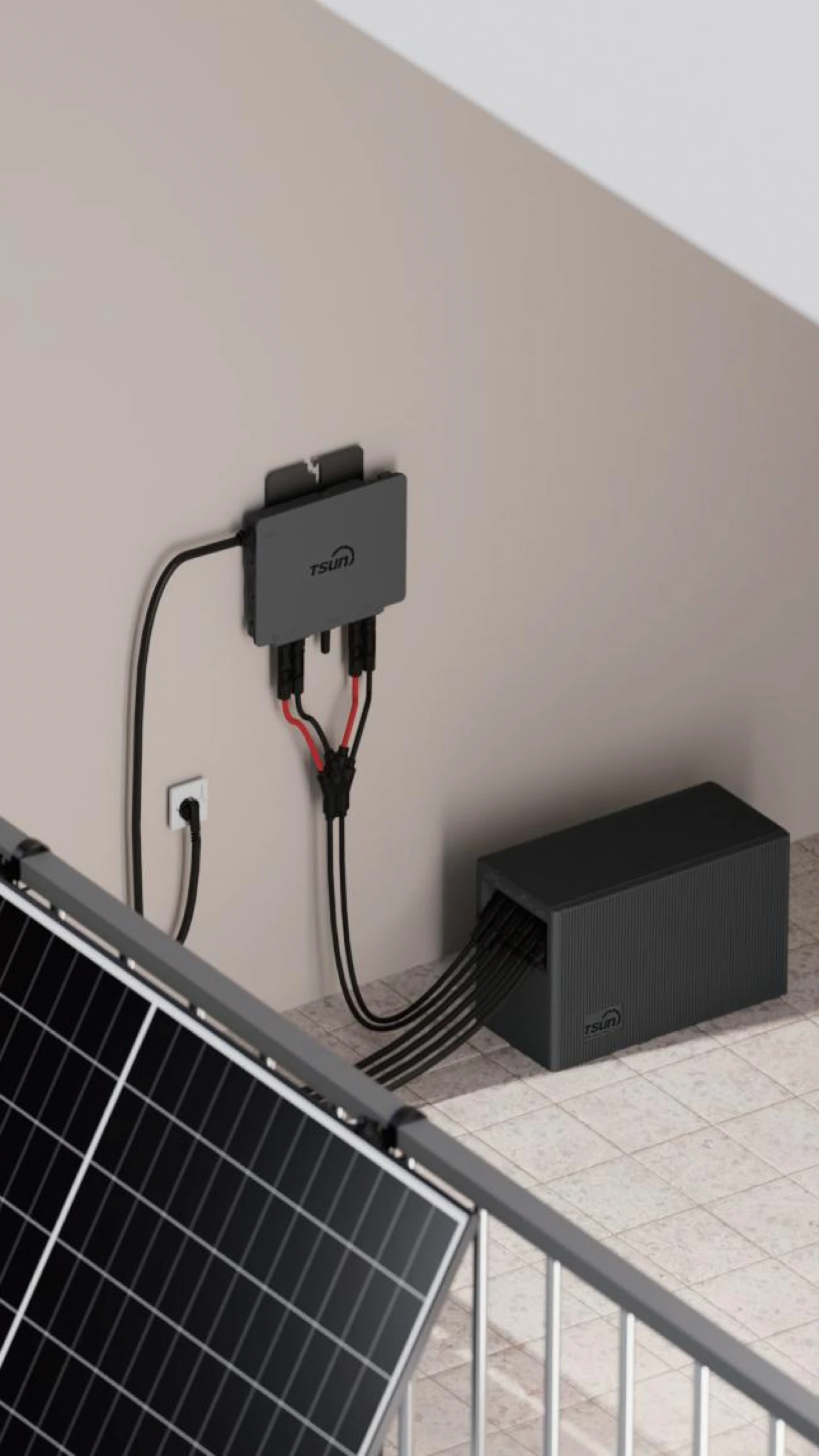
Budgeting for a balcony energy storage setup differs fundamentally from a full rooftop installation. For DIY users utilizing an Easy Solar Kit, the priority is plug-and-play compatibility. In these scenarios, the cost of the microinverter is bundled with brackets and cables, making the "system price" more relevant than the individual component cost.
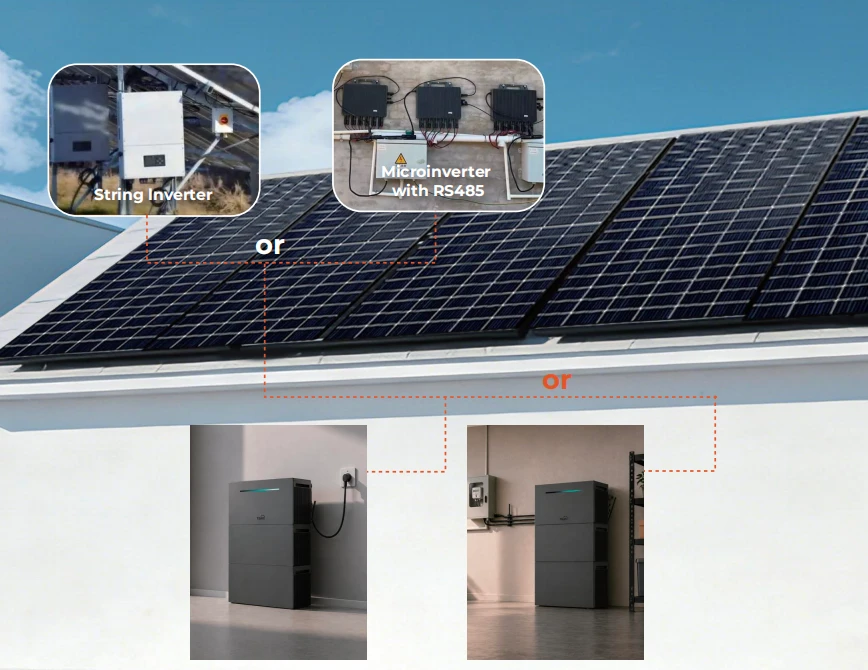
Conversely, for homeowners integrating AC Coupled Systems or residential storage, the microinverter serves as the frontline generation hub. Here, the ability to support high-wattage modules (up to 700W) becomes a critical procurement factor. Investing in units that can handle higher module wattage prevents the need for hardware upgrades as panel technology improves.
—
Future Shifts in Inverter Market Pricing
The industry is trending toward "hybridization" at the micro-level. We are seeing the emergence of hybrid microinverters (such as the MH series) that can interface directly with battery storage. This reduces the need for a separate centralized battery inverter, potentially lowering the overall system cost even if the individual microinverter price increases.
Another driver is the move toward "Zero Injection" control. In many European markets, regulations prevent energy from flowing back into the grid. The integration of smart meters and RS485 communication within the inverter allows for real-time modulation, a feature that is becoming a standard requirement rather than a premium add-on.
As manufacturing scales, we expect a convergence in pricing for high-efficiency components. The gap between premium industrial-grade housing and standard residential shells is closing, making 25-year durability accessible to a wider range of budgets.
—
Selection Framework for Optimal Value
Choosing the right hardware requires a trade-off analysis between immediate capital expenditure (CAPEX) and long-term operational expenditure (OPEX). A unit with a slightly higher price but better thermal dissipation and a higher IP rating typically results in lower maintenance costs and higher cumulative energy yield.
Users should evaluate their specific roof or balcony constraints. For example, a shaded roof benefits more from a high-count MPPT system (like the GEN3 6-in-1), whereas a small, unshaded balcony can be served efficiently by a 1-in-1 or 2-in-1 model.
The following framework outlines the selection logic based on common residential and light-commercial requirements to help buyers determine where to allocate their budget.
Table 1. Microinverter Selection Matrix based on Value Factors
| Scenario |
Recommended Type |
Key Cost Driver |
Value Priority |
| DIY Balcony |
1-in-1 / 2-in-1 |
Plug-and-Play Kit |
Ease of Install |
| Residential Rooftop |
4-in-1 / 6-in-1 |
MPPT Efficiency |
Energy Yield |
| Three-Phase Home |
6-in-1 (3-Phase) |
Phase Balancing |
Grid Compatibility |
| High-Power Arrays |
TITAN Series |
Current Handling |
Power Density |
| Extreme Climate |
IP68/69K Rated |
Housing Materials |
Hardware Lifespan |
| Remote / Off-grid |
4G/Bluetooth Enabled |
Comm. Modules |
Remote Monitoring |
◆ ◆ ◆
Questions & Answers
The most significant price drivers are the power output capacity (Watts), the number of MPPT inputs, and the quality of the casing. Industrial-grade materials like die-cast aluminum and high IP ratings (IP68/69K) increase the cost but ensure the unit lasts 25 years. Additionally, advanced communication features like 4G or RS485 for commercial energy management add a premium compared to basic Wi-Fi units.
Generally, yes. A 6-in-1 unit reduces the total amount of hardware required for the same power output. It shares a single housing, a single communication module, and a single main AC connection point. This reduces both the hardware cost per watt and the installation labor cost, as there are fewer individual units to mount and wire into the system.
MPPT (Maximum Power Point Tracking) voltage determines when the inverter starts producing electricity. Units with an ultra-low MPPT minimum voltage (e.g., 16V) can generate power during low-light conditions or early morning/late evening. While this adds to the internal component cost, it increases the total annual energy harvest, leading to a faster payback period and higher overall system value.
DIY kits, such as the Easy Solar Kit, offer better transparency and lower labor costs. By bundling the microinverter, panels, and brackets, these kits reduce procurement friction. However, the value is in the "all-in-one" nature; for larger, complex rooftops, a professional custom installation using high-power TITAN microinverters may offer better long-term efficiency despite the higher initial price.
Low-cost inverters often come with shorter warranties or limited coverage. Premium units are designed for 25 years of uninterrupted performance, which is reflected in their higher price. The trade-off is "insurance": a higher upfront cost for a certified, high-durability unit prevents the expensive process of replacing failed hardware on a roof a decade into the system's life.
Hardware costs for basic conversion are likely to stabilize, but value will increase through integration. We expect to see more "Micro Hybrid" units that combine conversion and storage management. While the unit price might stay steady, the system-level cost will drop because these units replace the need for separate battery inverters and complex wiring.
◆ ◆ ◆
Final Thoughts
Evaluating a solar microinverter price requires looking beyond the sticker cost to the total cost of energy production over 25 years. From the thermal efficiency of die-cast aluminum housings to the yield gains of ultra-low MPPT voltages, the technical specifications are the true indicators of financial value.
Whether deploying a simple balcony kit or a complex three-phase residential system, the goal remains the same: maximizing the energy harvested from every single photon. By prioritizing durability and modular scalability, users can ensure that their initial investment translates into decades of reliable, low-maintenance power.







 LEARN DETAILS

 Downloads
 Video Center
 Report Fault for Repair
 FAQS
 Service Network
 Privacy Policy
 Contact Us
 Monitoring