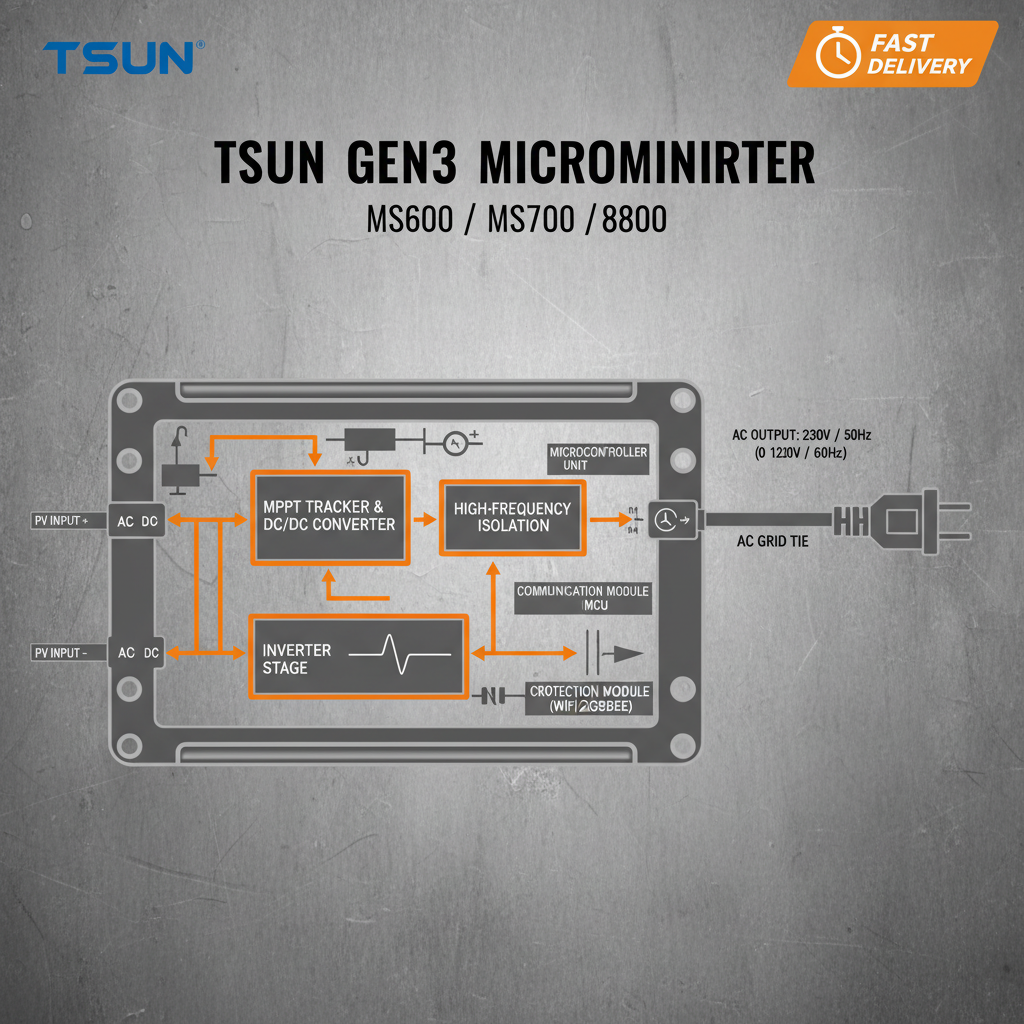
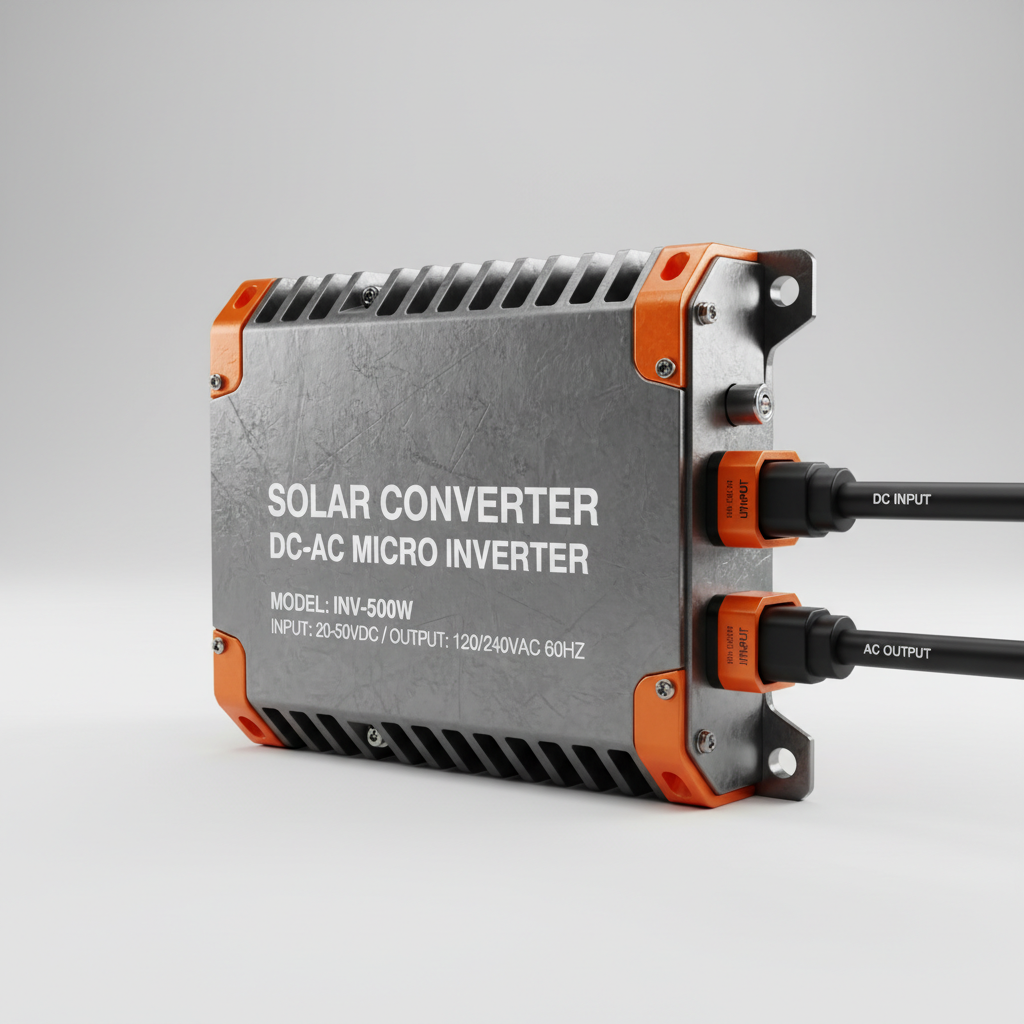
To be honest, the whole microinverter scene has been buzzing lately. Everyone's chasing higher densities, more reliability... it's all about squeezing every last watt out of the sunlight, you know? But a lot of these designs, they look good on paper, all neat and tidy, but then you get out to a real job site, dust, heat, someone spills coffee on everything… and suddenly those perfect specs don’t mean much. I've seen it a hundred times.
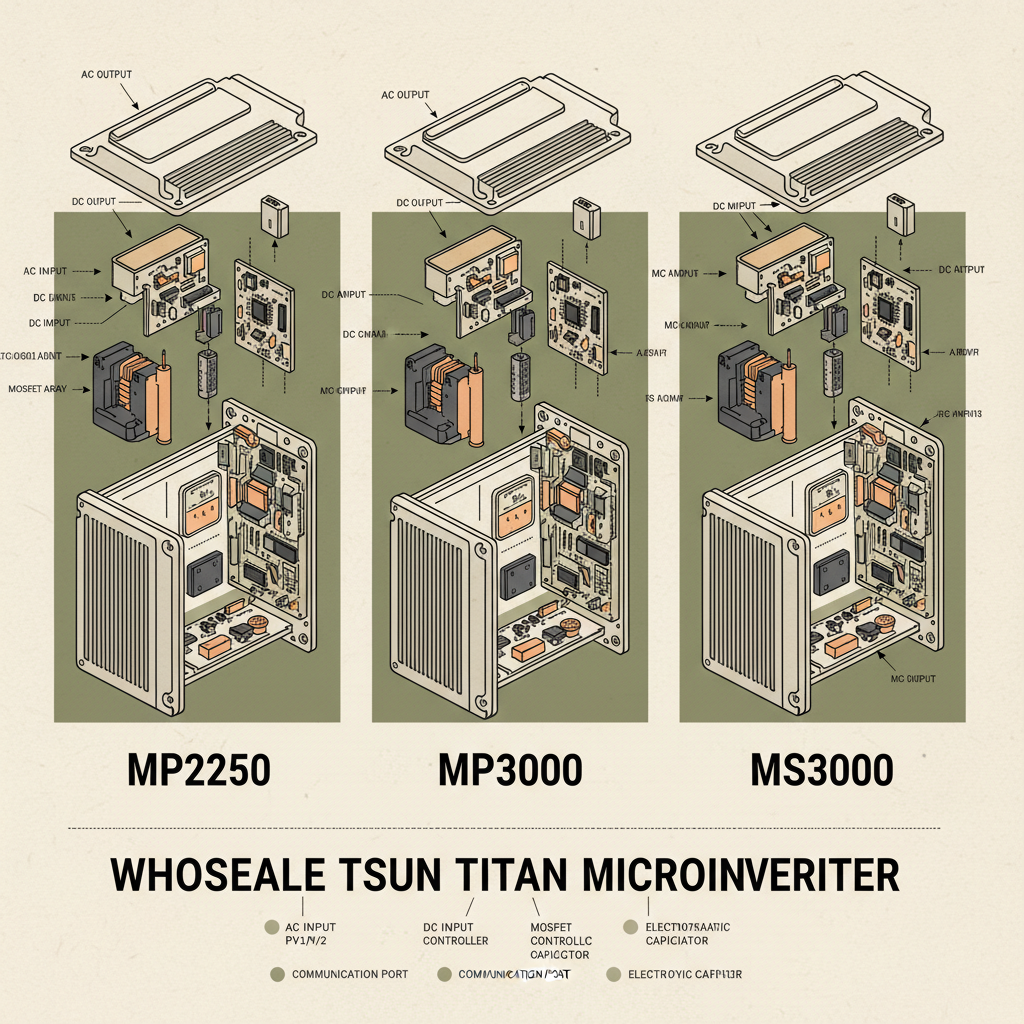
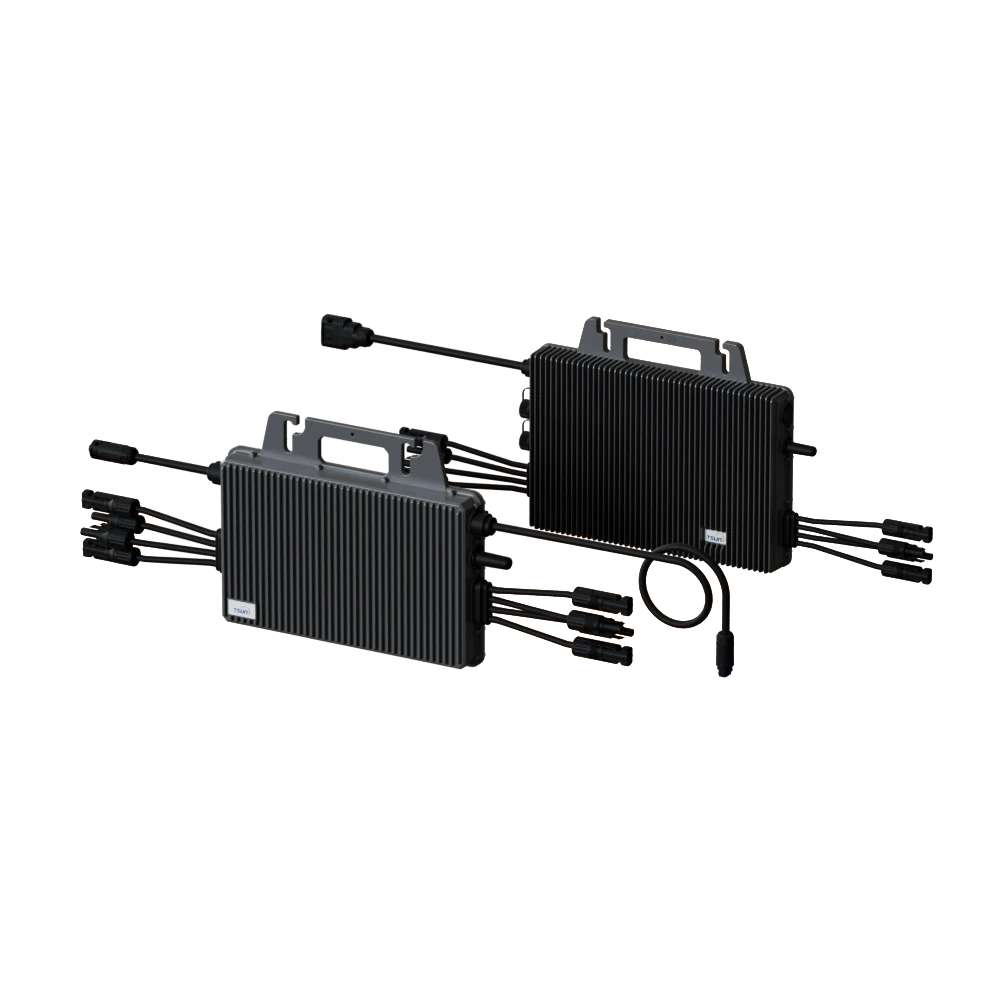
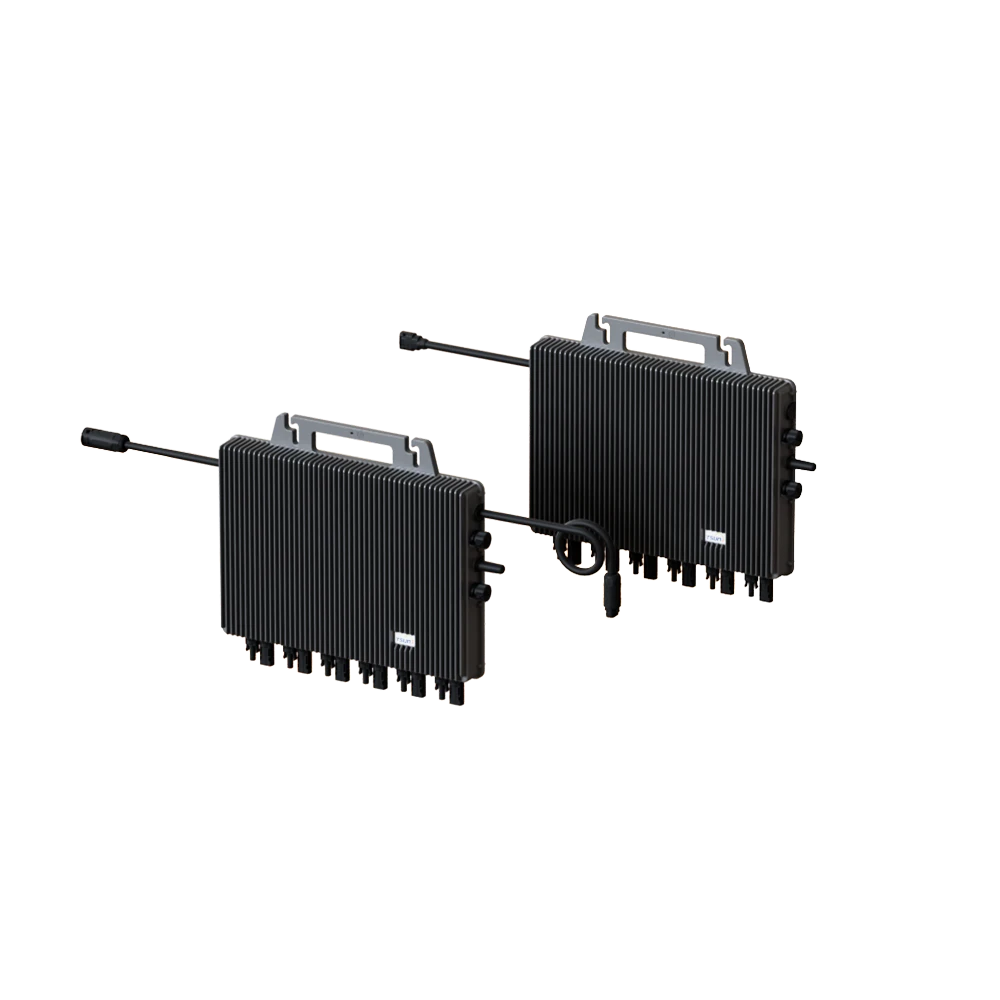
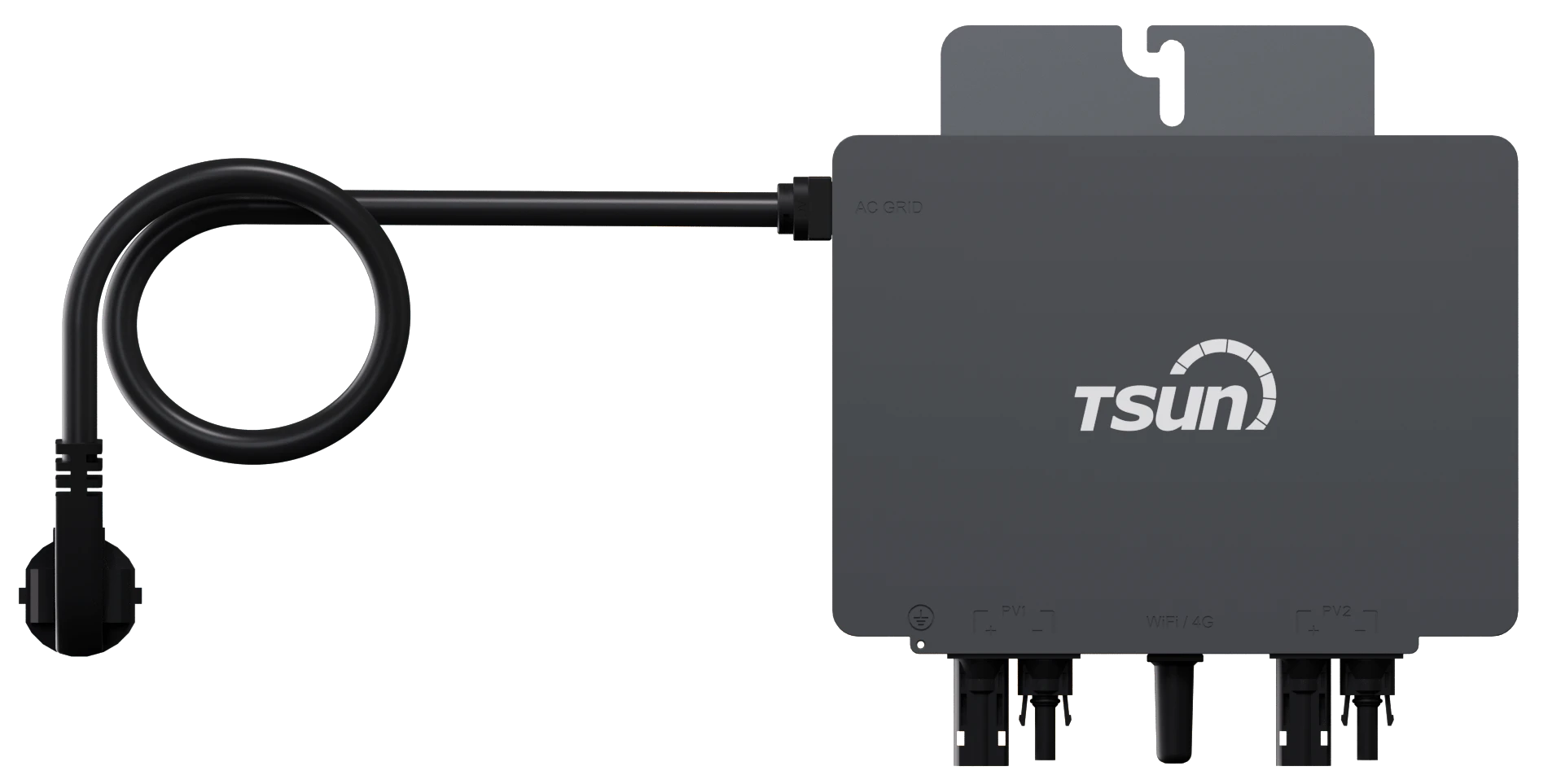
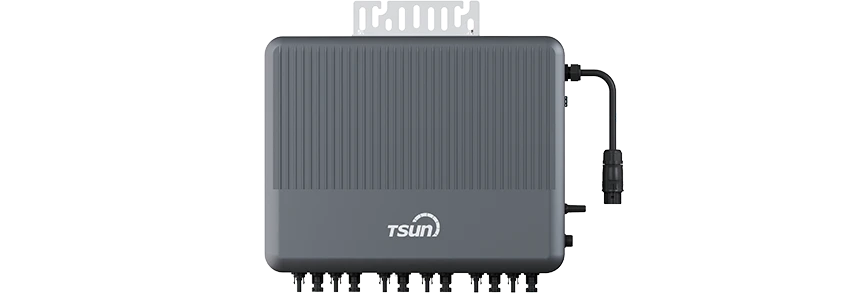
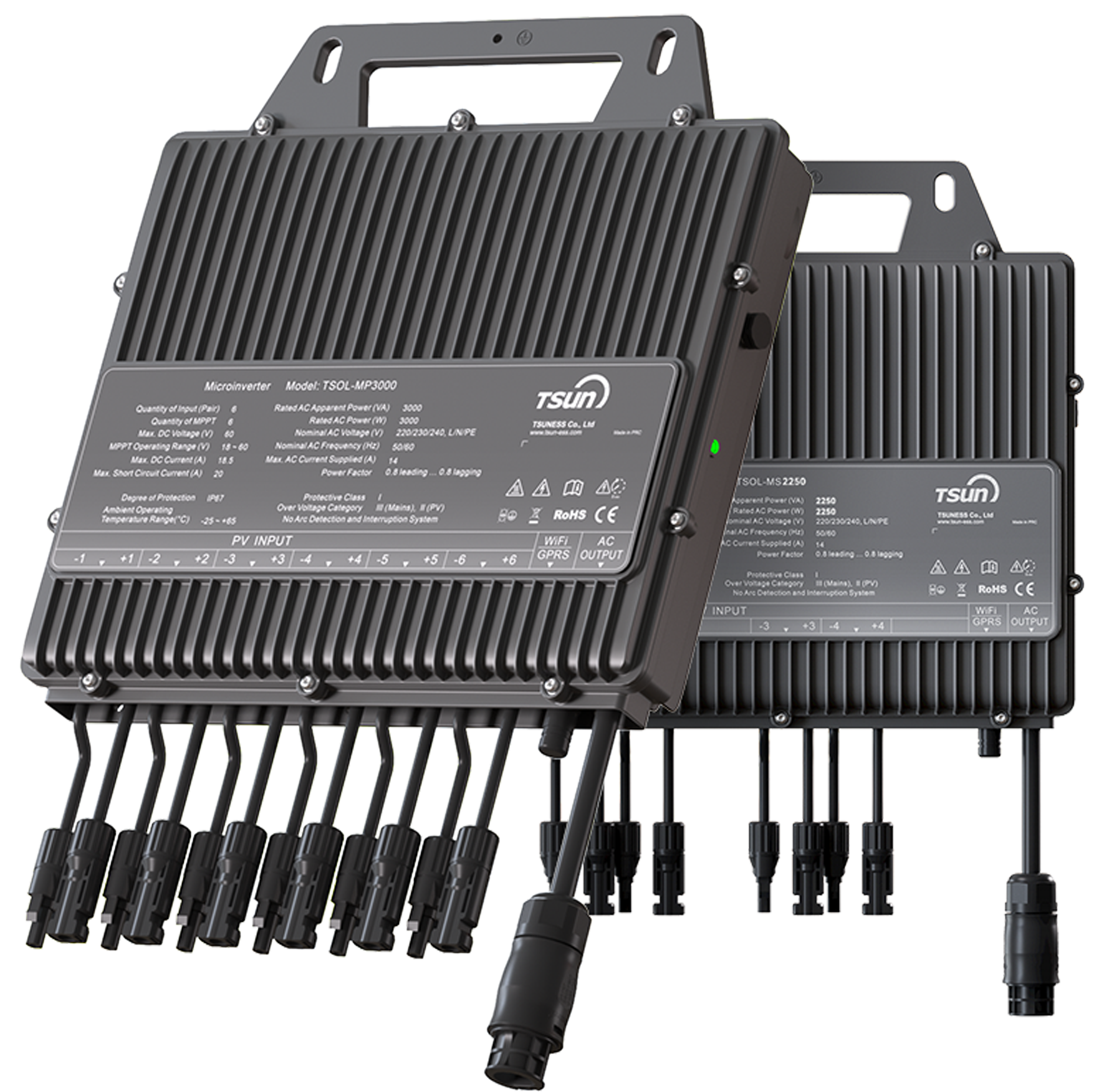
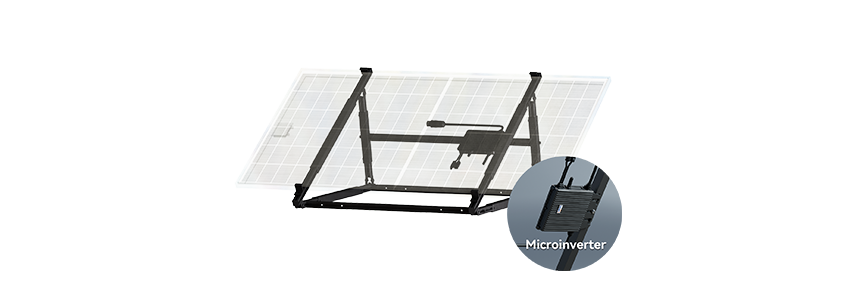
Have you noticed how everyone's obsessed with MPPT algorithms? It’s like, yeah, great, optimize the power point, but if the thing can't handle being covered in grime or baked in the sun all day, what's the point? It’s a delicate balance. We’re talking about the wholesale tsun titan microinverter mp2250 mp3000 ms3000 specifically, and these guys, they’ve actually put some thought into the build. Not just theoretical maximums, but real-world durability.
Anyway, I think a lot of people underestimate the importance of the materials. We're using a really dense polymer for the housing on the wholesale tsun titan microinverter mp2250 mp3000 ms3000 – feels solid, doesn't get brittle in the cold. And the conformal coating on the boards? That stuff smells terrible when they apply it, but it’s a lifesaver against moisture. Strangely, the smell reminds me of my grandfather's workshop… completely different context, but the same kind of industrial vibe.
The Current Landscape of Microinverter Technology
The push for decentralized power generation is massive, obviously. Everyone wants to be less reliant on the grid, more sustainable, that sort of thing. But what I’m seeing is a lot of companies prioritizing features over robustness.
They'll boast about 98% efficiency, but then build something that’ll fall apart after five years in the field. The wholesale tsun titan microinverter mp2250 mp3000 ms3000, they’re focusing on the long haul, which is good. You’re not just selling a product; you’re selling peace of mind, especially when it’s stuck on someone’s roof.
Design Pitfalls and Real-World Considerations
Biggest mistake I see? Trying to cram too much into a small space. Thermal management becomes a nightmare. These things generate heat, a lot of heat, and if you don’t give it somewhere to go, it’s going to fail. I encountered this at a factory in Ningbo last time - they had a design that looked brilliant, until you put your hand near it after ten minutes of operation. Seriously, you could fry an egg.
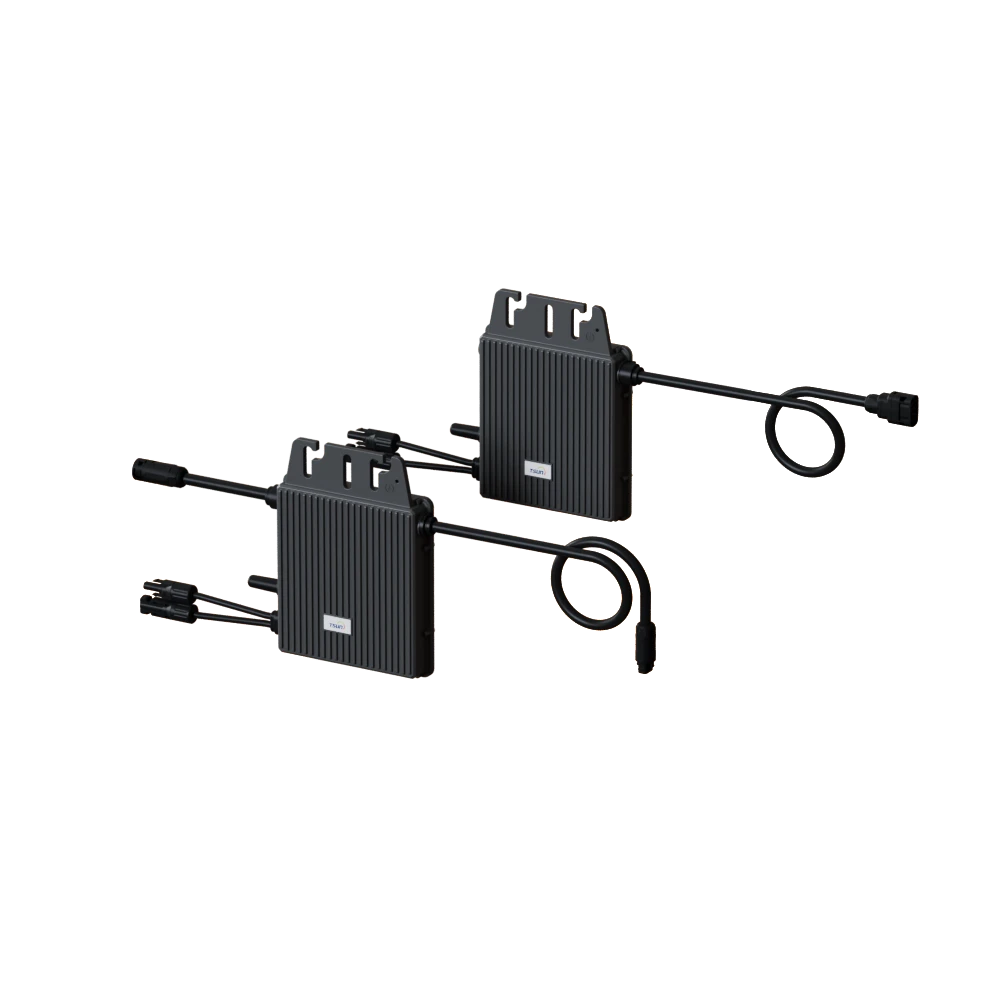
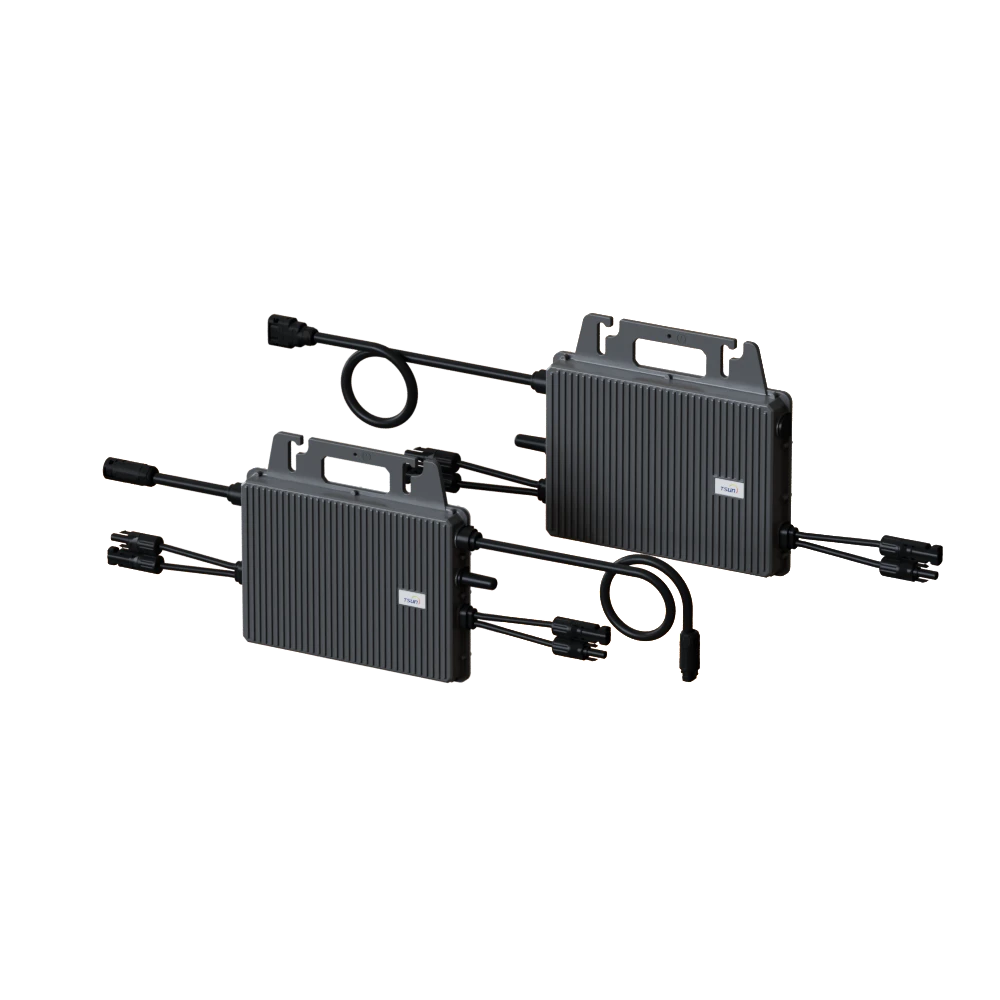
Another thing is connectors. People cheap out on connectors. It's crazy. That’s where half the failures happen. You need robust, weatherproof connectors that can withstand years of UV exposure and temperature swings. The wholesale tsun titan microinverter mp2250 mp3000 ms3000 uses some pretty heavy-duty stuff, thankfully.
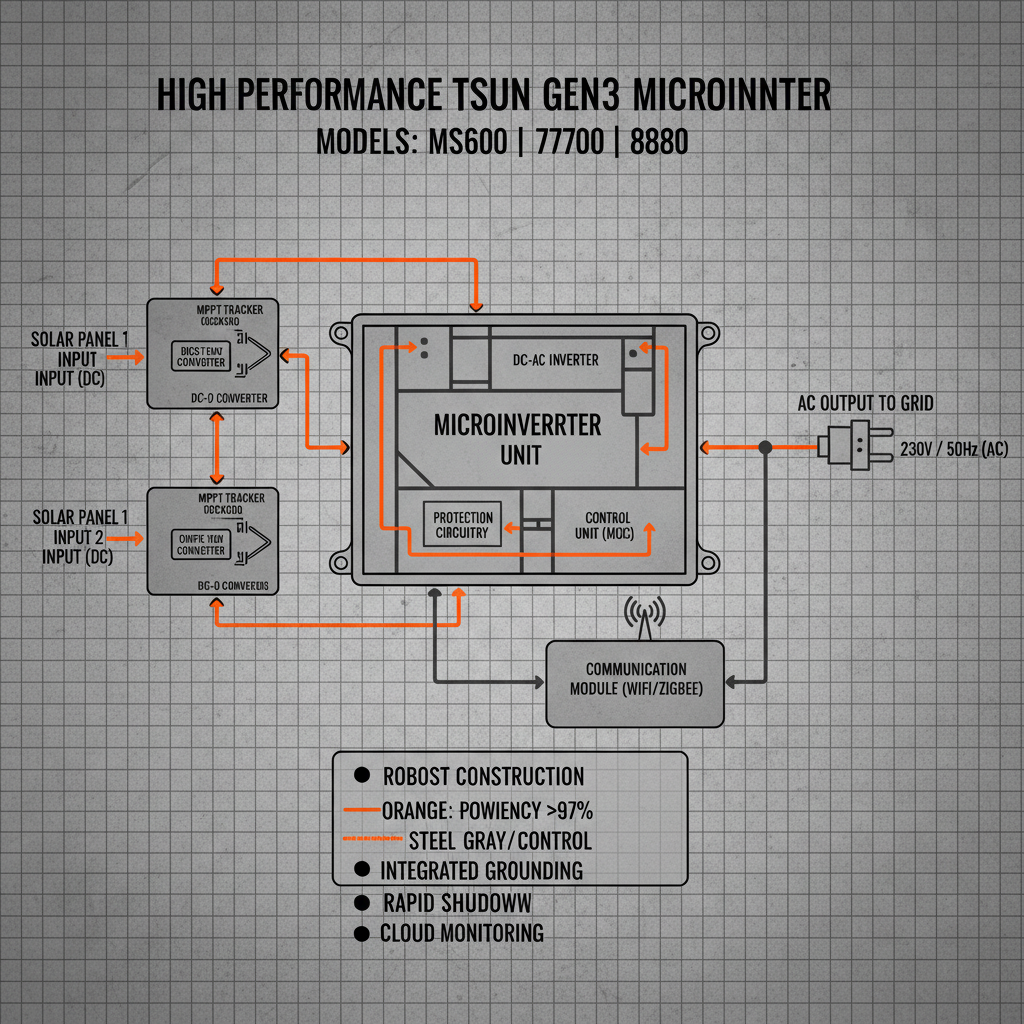
And don't even get me started on the software side. Overly complicated monitoring systems that require a PhD to understand? No thanks. Simplicity is key.
Material Selection and Handling
Like I said, materials matter. The polymer we use for the casing isn't just chosen randomly. It’s got a high UV resistance, it's impact-resistant, and it doesn't become brittle in the cold. I've seen other inverters where the plastic just crumbles after a few years.
The aluminum heatsink…that’s crucial. It’s not just about the aluminum itself, but the fin design and the surface treatment. We use a black anodized finish, which maximizes heat dissipation. It feels a little rough to the touch, but that’s a good sign - it means the anodizing is thick. It's not some shiny, pretty finish that'll wear off after a year.
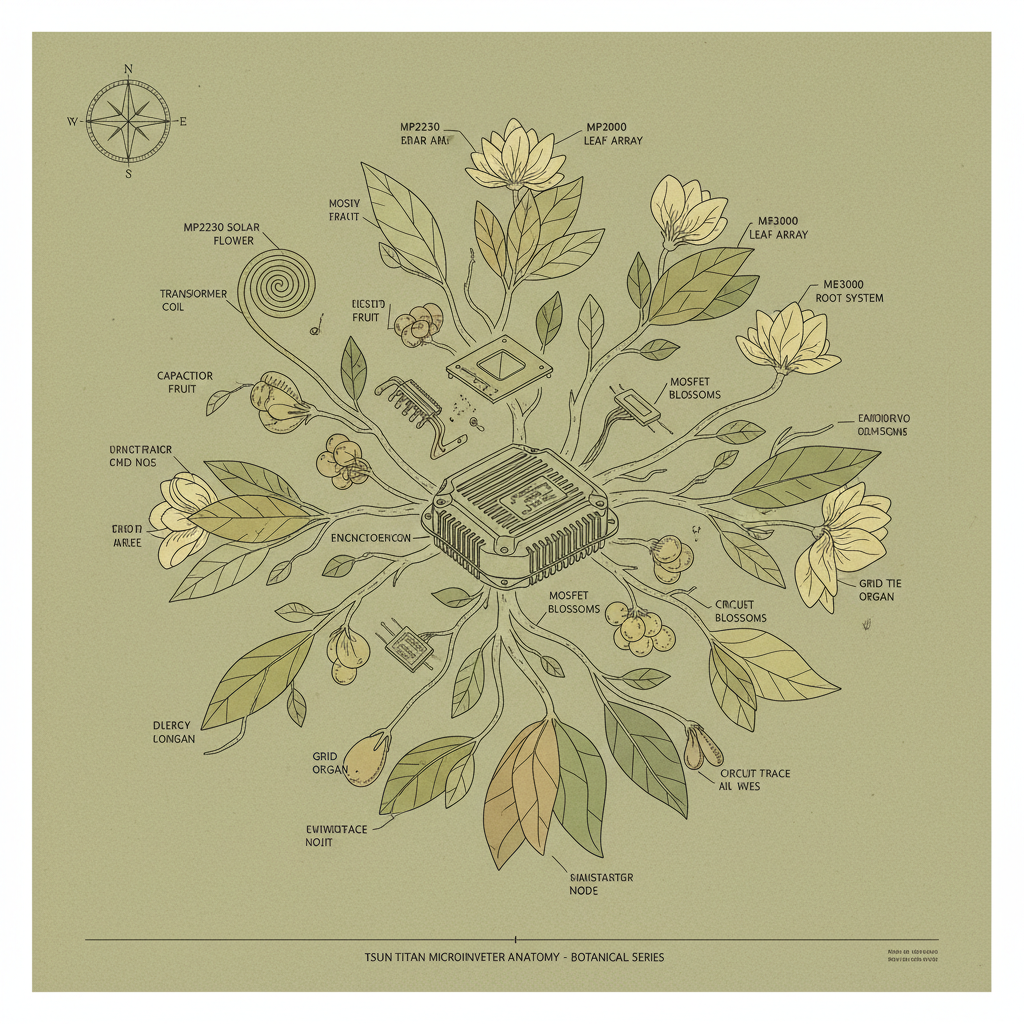
And the internal components? The capacitors, the inductors, the MOSFETs... they all have to be rated for the operating temperature range. It sounds basic, but you'd be surprised how many companies cut corners.
Rigorous Testing Procedures
Lab testing is fine, I guess. But it doesn’t tell you much. You need to simulate real-world conditions. We do thermal cycling tests, humidity tests, salt spray tests, vibration tests… the whole nine yards.
We also send units out to installers and let them beat them up. Seriously. We tell them to install them in the worst possible locations, expose them to extreme weather, and see what happens. It’s brutal, but it’s the best way to find weaknesses.
Microinverter Performance Under Various Conditions
Actual User Applications and Observations
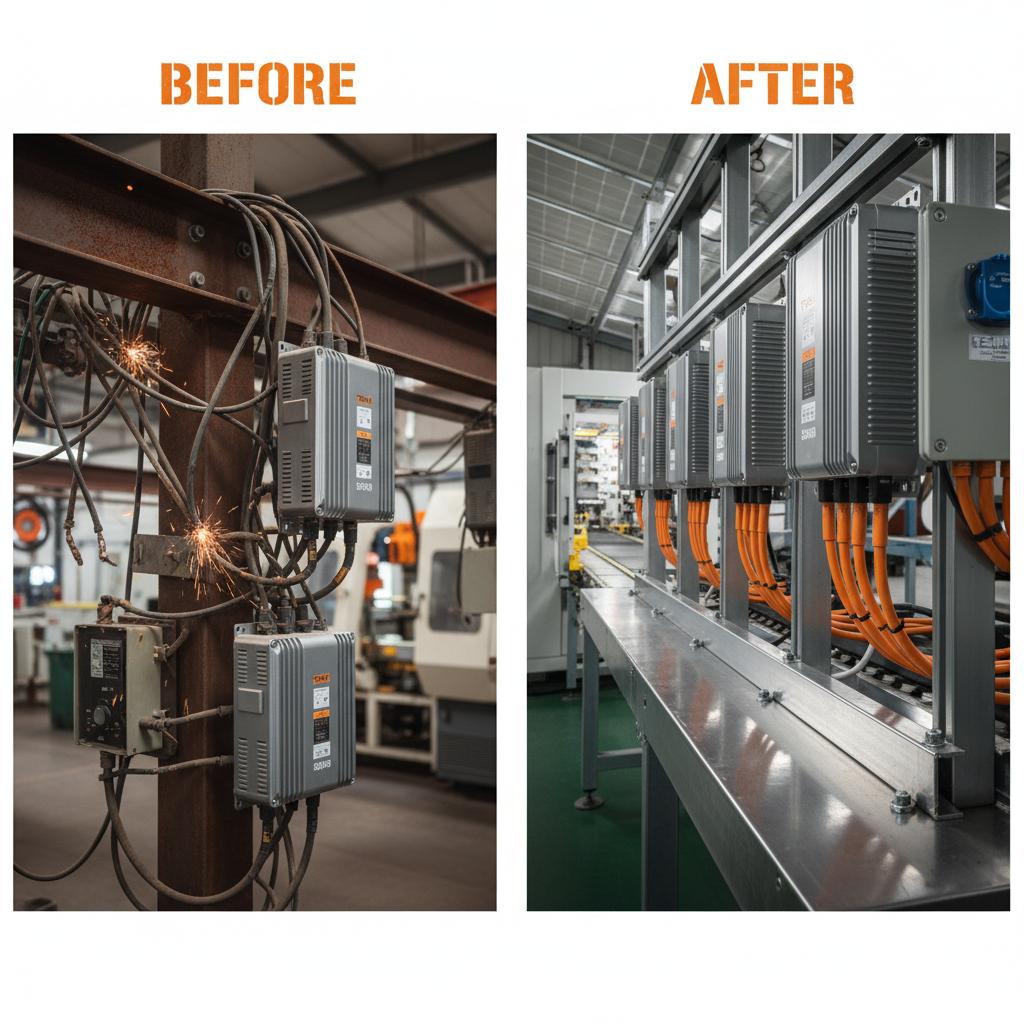
Most people think installers just slap these things on the roof and walk away. Not true. They’re constantly dealing with shading issues, mismatched panels, weird roof angles… it’s a lot more complicated than it looks.
I've seen installers use these microinverters to optimize power output on sections of a roof that are heavily shaded by trees. It's a clever workaround that wouldn't be possible with a traditional string inverter.
Advantages, Disadvantages, and Customization Options
Advantages are obvious: modularity, increased energy harvest, better monitoring. Disadvantages? The upfront cost is higher than a string inverter. But you get what you pay for.
We can customize the firmware for larger deployments, adjust the MPPT parameters, and even add custom reporting features. We did one project in Australia where the client wanted the inverters to integrate with their existing SCADA system. It was a pain, but we got it done.
A Customer Story: Shenzhen and the Dilemma
Last month, that small boss in Shenzhen who makes smart home devices insisted on changing the interface to . I told him, "Look, we’ve tested this with standard MC4 connectors, it’s reliable, it’s weatherproof…" But he was adamant. He wanted to "future-proof" his product with .
So, we built him a prototype. It looked great, but after a week of testing, the connector started corroding. Turns out, the humidity in Shenzhen is brutal, and connectors aren't designed for outdoor use. He ended up switching back to MC4, grumbling about being "behind the times." It's a classic case of overthinking things.
Anyway, I think the key takeaway is to focus on what works, not what’s trendy. And the wholesale tsun titan microinverter mp2250 mp3000 ms3000, it works.
Summary of Core Attributes and Performance Metrics
| Attribute |
Rating (1-10) |
Real-World Reliability |
Customization Potential |
| Durability |
9 |
Excellent |
Limited |
| Efficiency |
8 |
Very Good |
Moderate |
| Thermal Management |
7 |
Good |
High |
| Connectivity |
8 |
Very Good |
Moderate |
| Cost-Effectiveness |
7 |
Good |
Low |
| Ease of Installation |
9 |
Excellent |
Very Low |
FAQS
Generally, you're looking at around 25 years, matching the lifespan of most solar panels. However, this is heavily dependent on environmental conditions. Extreme heat, humidity, and UV exposure can all shorten the lifespan. We’ve seen units still operating efficiently after 15 years in harsh environments, but consistent preventative maintenance is key. The quality of components used, especially the capacitors, plays a huge role. We use high-temperature rated capacitors to maximize longevity.
Yes, it’s designed to be compatible with a wide range of panels - monocrystalline, polycrystalline, even thin-film. The key is to ensure the panel voltage falls within the inverter's operating range. Mismatched panels are fine, actually – that's one of the benefits of microinverters, each panel operates independently. However, significant variations in panel age or condition can affect overall system performance. We recommend keeping panels within the same batch if possible.
It offers per-panel monitoring, so you can see the performance of each individual inverter. We provide a web-based portal and a mobile app for real-time data visualization. You can track energy production, voltage, current, and temperature. Alerts can be set up to notify you of any issues. It's designed to be straightforward - we’re not trying to overwhelm users with unnecessary data. The goal is to quickly identify and address any problems that arise.
Absolutely. It works perfectly in off-grid applications. The key is to pair it with a suitable battery storage system and charge controller. It handles the DC-to-AC conversion efficiently, maximizing the energy available for battery charging. We’ve seen it used in remote cabins, RVs, and even small island communities. It’s important to properly size the battery bank to meet the specific energy demands of the application.
It’s certified to all the major international standards, including IEC 62109, UL 1741, and VDE-AR-N 4105. We prioritize safety. The inverters are equipped with built-in overvoltage protection, overcurrent protection, and thermal shutdown. We also conduct rigorous testing to ensure they meet all relevant safety requirements. It's not worth cutting corners on safety - not even a little bit.
We offer a standard 10-year warranty on materials and workmanship. We also offer extended warranty options for larger projects. We stand behind our products. We understand that a system investment is significant, and we're committed to providing long-term peace of mind. The warranty covers defects in materials and workmanship, but it does not cover damage caused by improper installation, misuse, or acts of nature.
Conclusion
Ultimately, these microinverters are more than just specs on a datasheet. They’re about delivering reliable, long-lasting power, even in the toughest conditions. It’s about minimizing downtime and maximizing energy harvest. It’s about giving installers a product they can trust.
But here’s the thing: all the engineering in the world doesn't matter if the worker tightening the screws doesn't feel confident in the product. They'll know in a second if it feels cheap or solid, if the connections are easy to make or fiddly. Ultimately, whether this thing works or not, the worker will know the moment he tightens the screw. Visit our website: www.tsun-ess.com




 LEARN DETAILS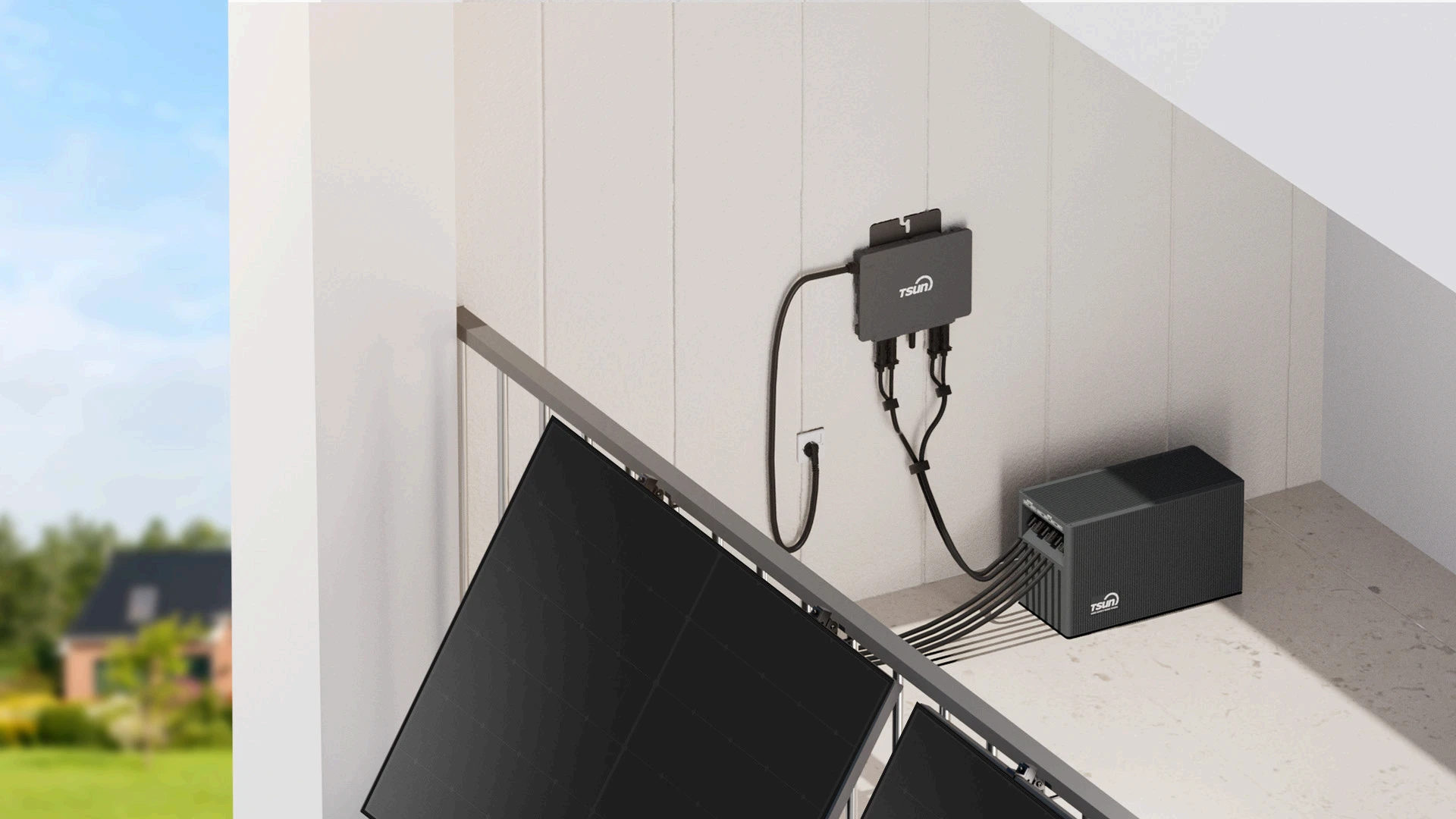
 Downloads
 Video Center
 Report Fault for Repair
 FAQS
FAQS Service Network
 Privacy Policy
 Contact Us
 Monitoring