











 LEARN DETAILS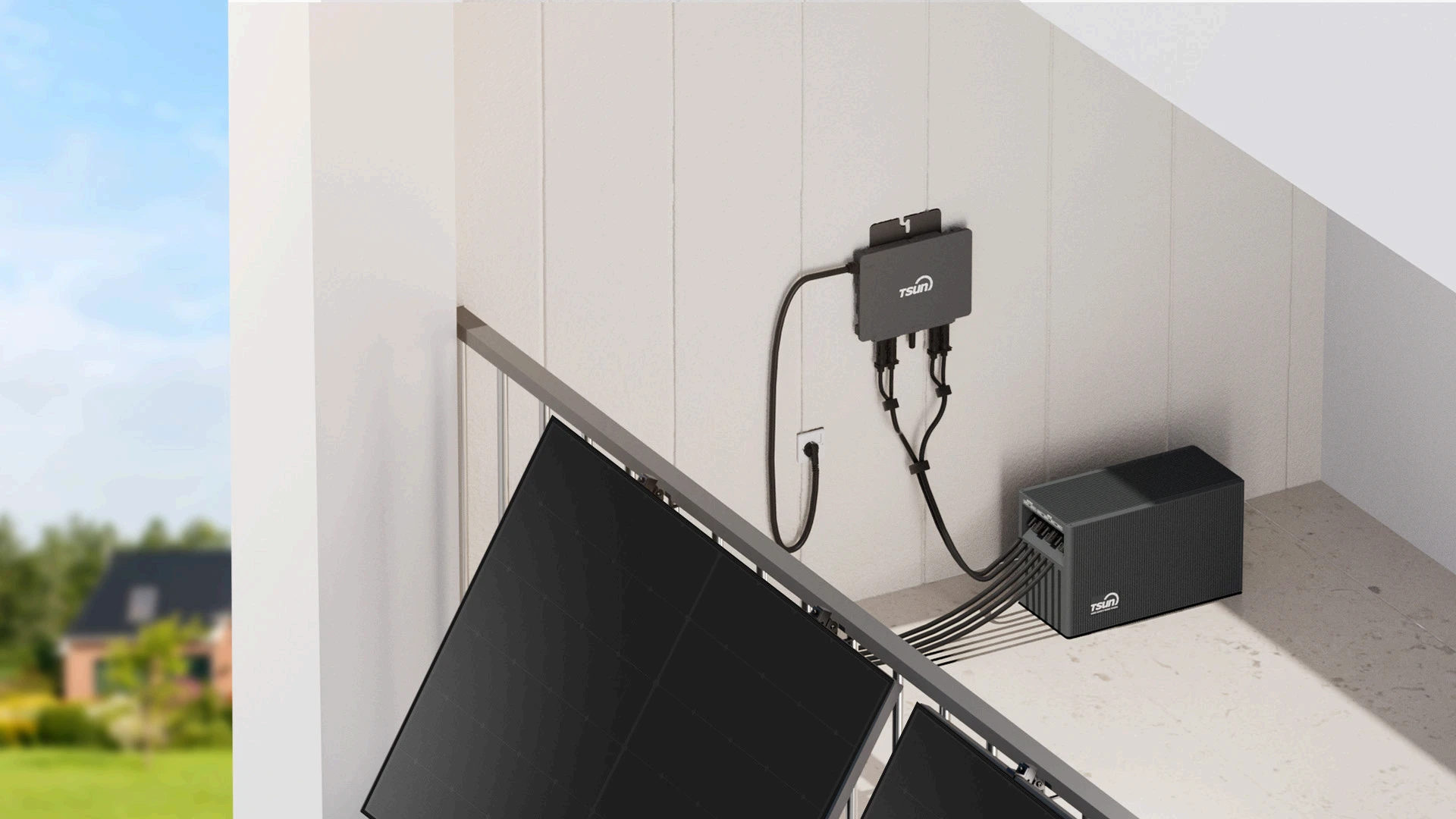
 Downloads
 Video Center
 Report Fault for Repair
 FAQS
FAQS Service Network
 Privacy Policy
 Contact Us
 Monitoring

Liquid Air Energy Storage: Clean, Scalable Power for the Future
17/04/2026 | TSUNEvery sunny afternoon, cheap solar power floods the grid. But when the sun sets, power prices suddenly spike. Millions of clean kilowatt-hours go to waste.
Liquid air energy storage solves this by freezing your excess electricity and releasing it when you need it most. It is completely clean and works almost anywhere.
At roughly USD 60 per megawatt-hour, liquid air energy storage is incredibly cheap. This simple fact explains why Market.us expects the industry to hit USD 8.5 billion by 2034. Let us explore exactly how this clever system works.
- What is Liquid Air Energy Storage
- How Liquid Air Energy Storage Systems Work
- Top Benefits of LAES Systems Compared to Other Energy Storage Technologies
- Where Liquid Air Energy Storage Works Best
- What are the Current Challenges Facing Liquid Air Energy Storage Technology
- Conclusion
- FAQs about Liquid Air Energy Storage
What is Liquid Air Energy Storage
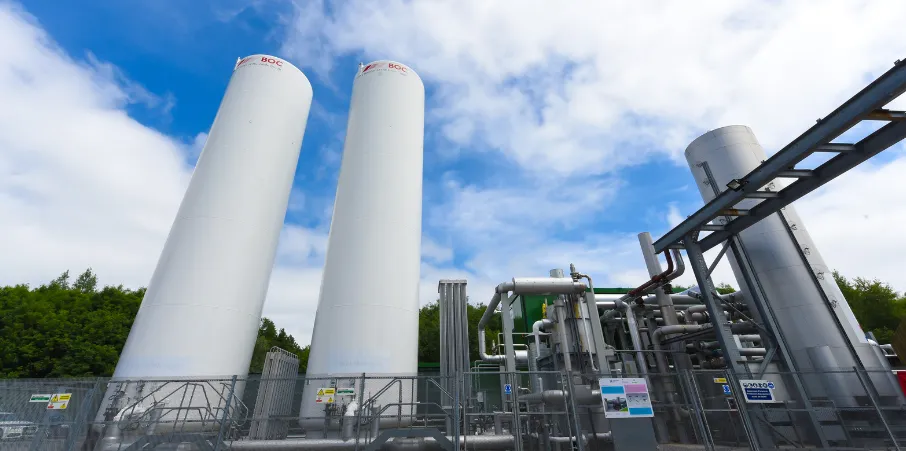
Liquid air energy storage (LAES) is a large, grid-scale system that stores excess electricity for extended periods. It uses your leftover power to freeze everyday air into a liquid. When you need power later, it warms that liquid back into a rushing gas to spin a generator.
Forget toxic battery acid and expensive lithium. This machinery is purely physical. It acts like a giant, breathing lung that inhales everyday air and exhales it later.
Here is why it outsmarts older grid technology:
- Hydro power needs big mountains and deep lakes.
- Compressed air needs giant underground salt caves.
- Lithium batteries are far too expensive for massive jobs.
- Liquid air needs a flat patch of dirt.
You can build these setups right next to busy cities or giant data centers. They use standard steel tanks and industrial compressors that we have used for decades. It is incredibly simple, but it works like magic.
How Liquid Air Energy Storage Systems Work
A liquid-air energy storage system operates much like a massive industrial lung. It is cold. The underlying physics relies on a simple three-step rhythm:
- The deep freeze: Picture a bright Tuesday afternoon. Solar panels are flooding the grid with cheap, excess energy. The plant grabs that leftover electricity and feeds it into heavy-duty refrigeration units. These drop the temperature of everyday air down to a bitter -320°F. At that extreme chill, the invisible gas condenses into a pale, watery puddle.
- The quiet wait: Pumps push this icy liquid into towering steel thermos tanks. Gases demand space. Liquids do not. Squeezing the air down lets you pack a staggering amount of potential power onto a small concrete pad. The liquid sits there. It waits. Weeks can pass without the stored energy bleeding away.
- The sudden exhale: Grid demand spikes at dinner time. Power prices climb. Plant operators crack a valve. As the trapped liquid hits warmer temperatures, it violently boils back into a gas. This sudden expansion creates an artificial hurricane that whips through a turbine, generating fresh electricity and sending it straight back to the grid.
No diesel exhaust. No burning coal. The machinery inhales the sky and exhales it right back.
Top Benefits of LAES Systems Compared to Other Energy Storage Technologies
When you compare liquid air energy storage to giant battery farms, the benefits are impossible to ignore. Heavy industry is quietly abandoning traditional battery farms. The financial logic is just too strong.
- Incredibly cheap: Storing electricity this way runs roughly USD 60 per megawatt-hour. That completely undercuts giant lithium setups.
- Build it anywhere: Pumped hydro demands a flooded mountain valley. Compressed air requires hollow salt caverns. This machinery needs a flat concrete slab parked behind a suburban data center.
- Built to last: Your smartphone battery steadily dies year after year. Chemical cells rot. Steel tanks do not. These icy reservoirs will happily hold power for 30 years.
- Easy to grow: Need to store more power next year? Do not buy a million expensive batteries. Just weld a bigger steel tank together. It is incredibly cheap to scale up.
- Totally safe: There are no toxic battery acids to leak, and there are no scary fire risks.
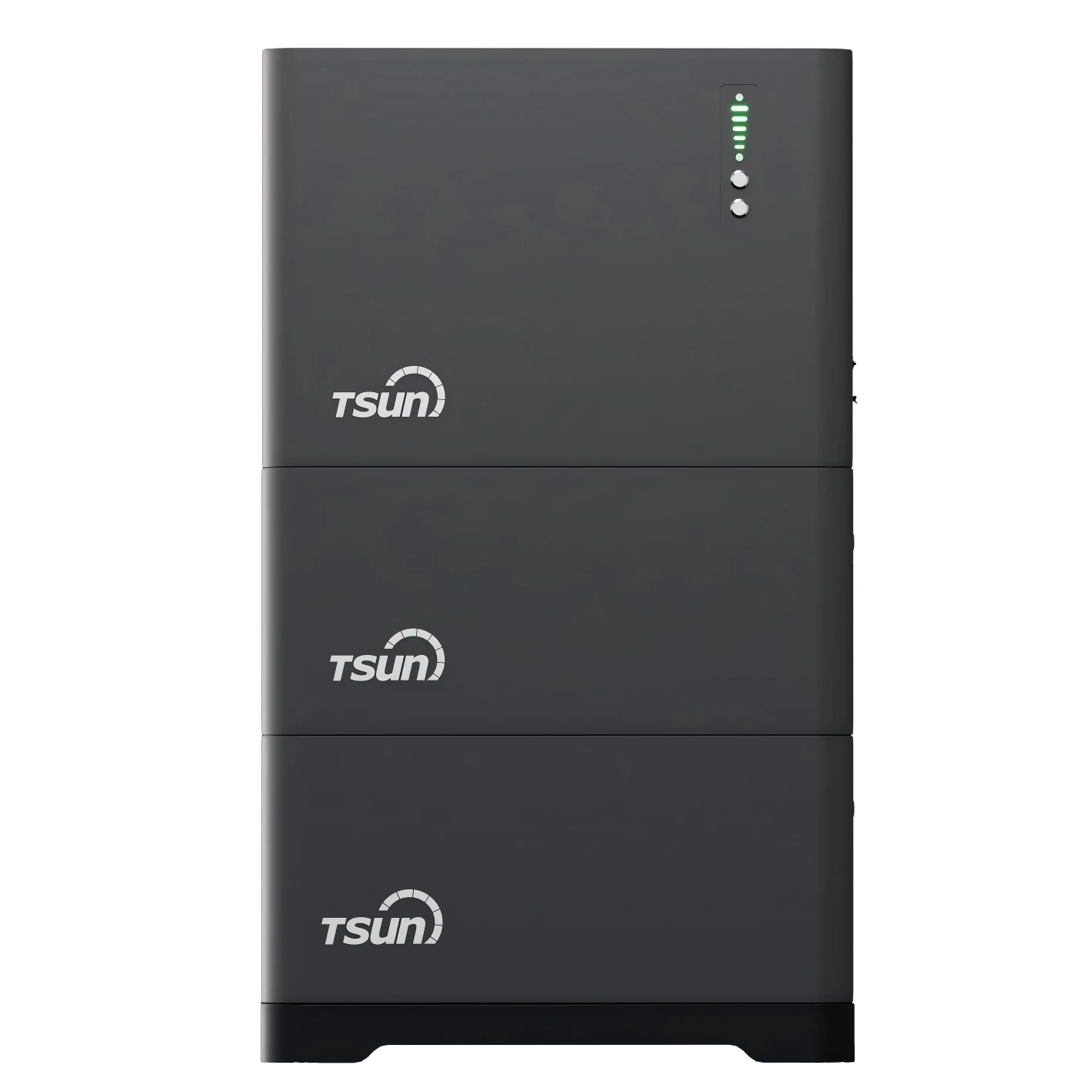
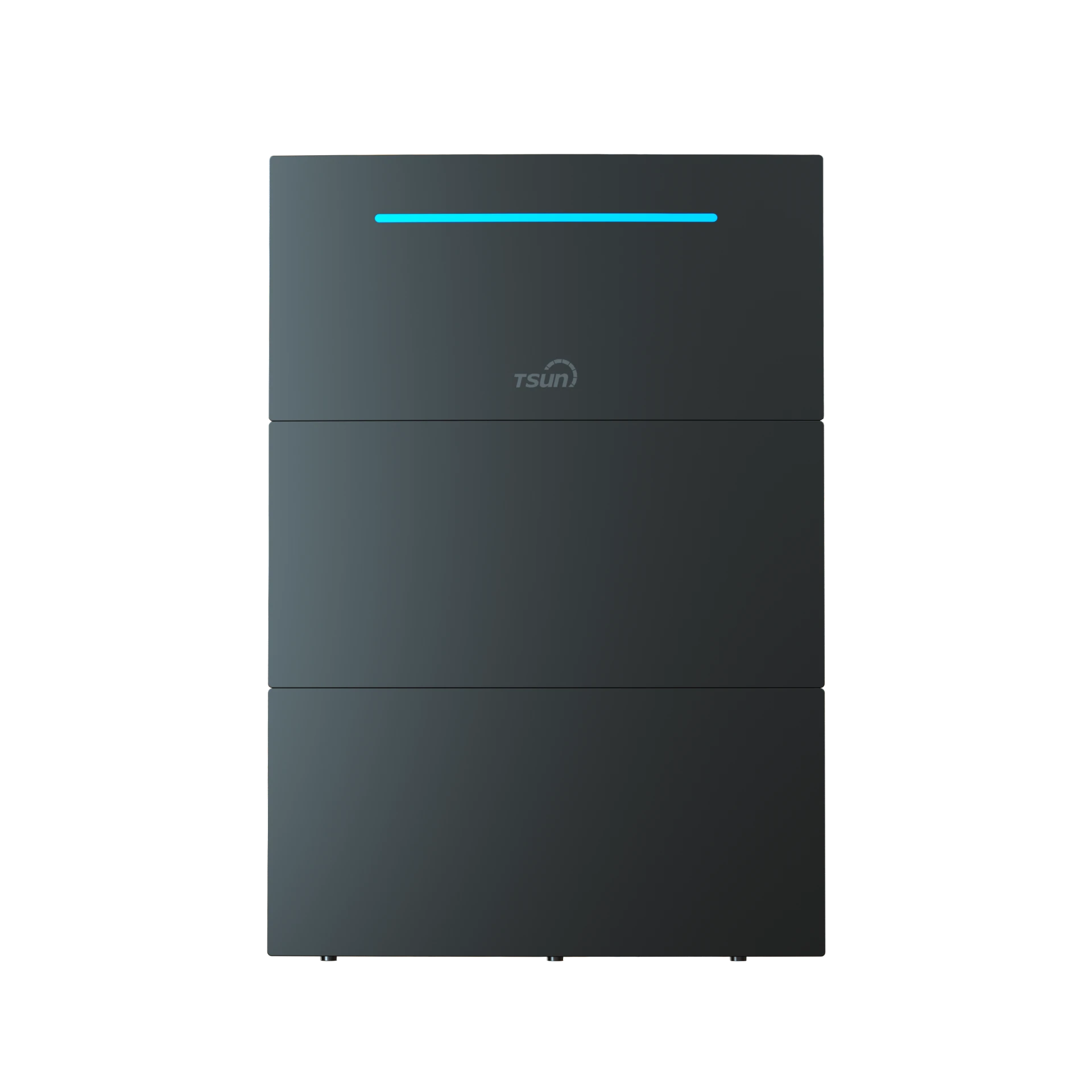
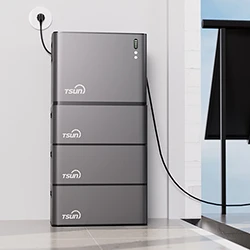
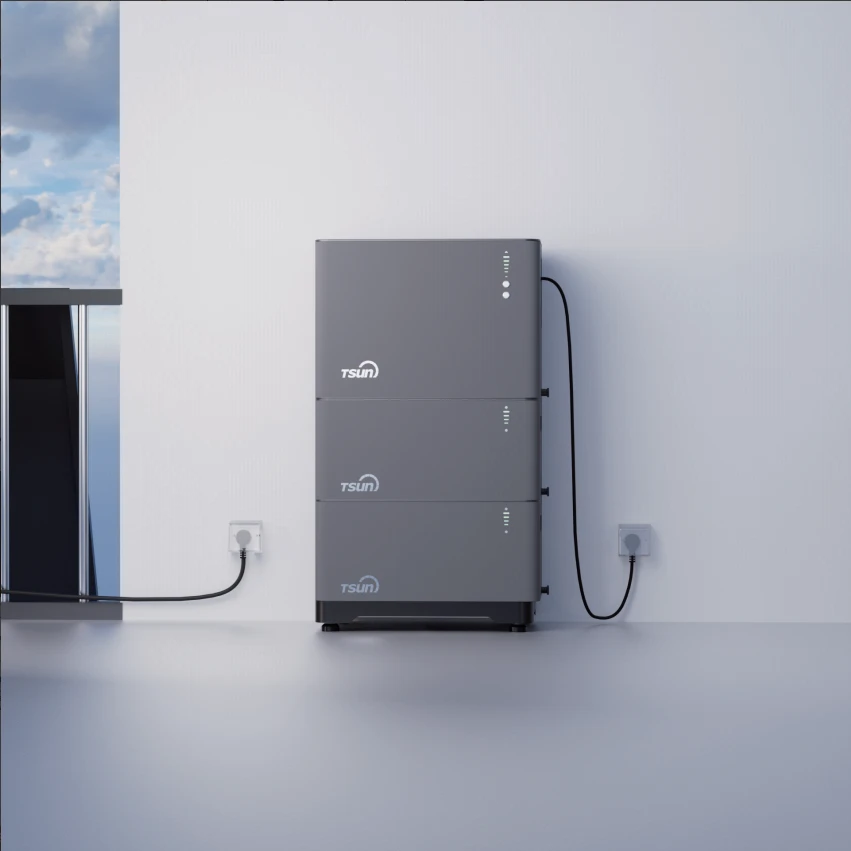
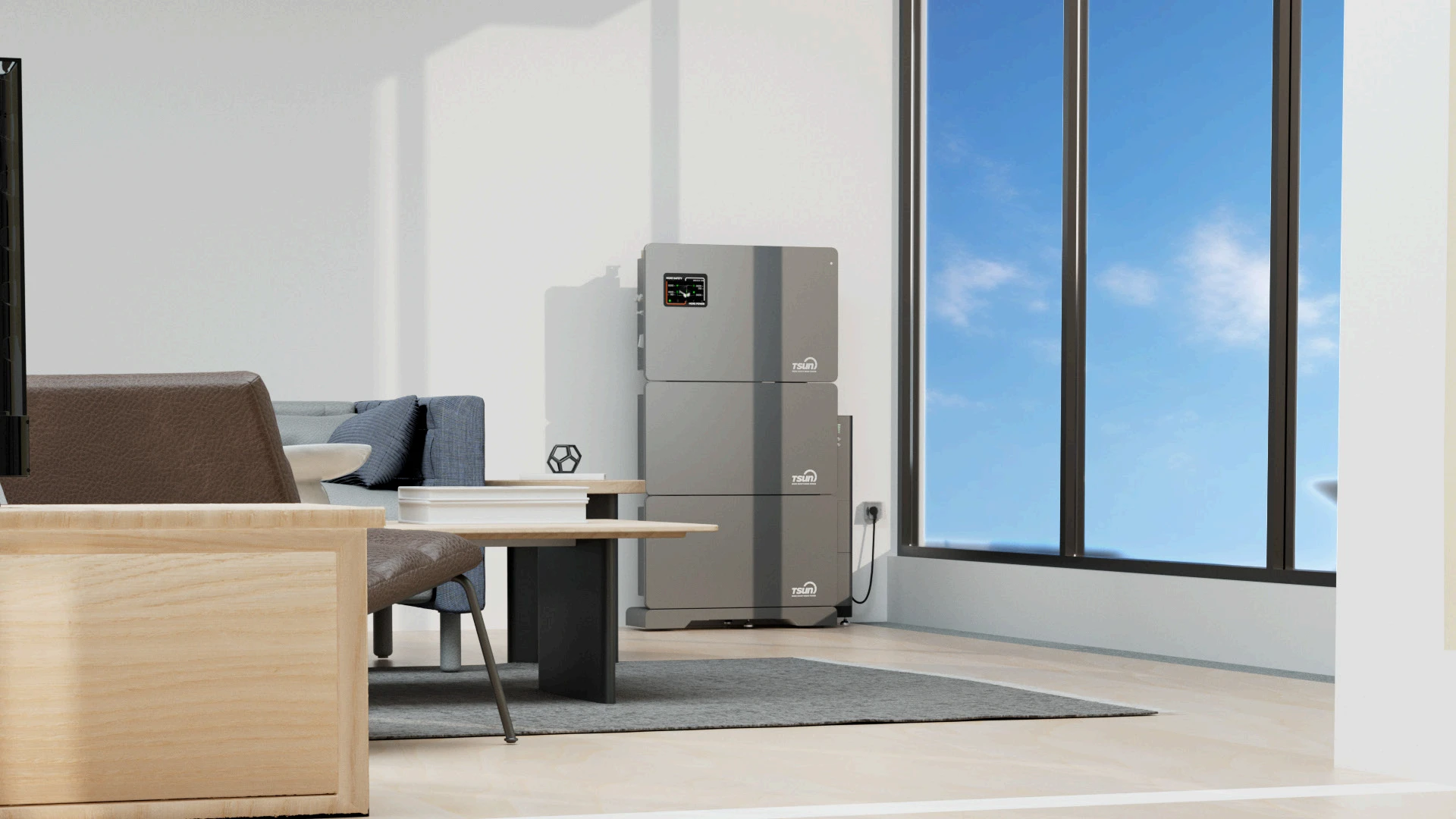
Remember, liquid air is for massive city grids. If you want to maximize clean energy for your own home, you need something much more compact and specialized. Industrial grids need massive steel tanks, but your residential solar system needs the TSUN MSU4000Lite.
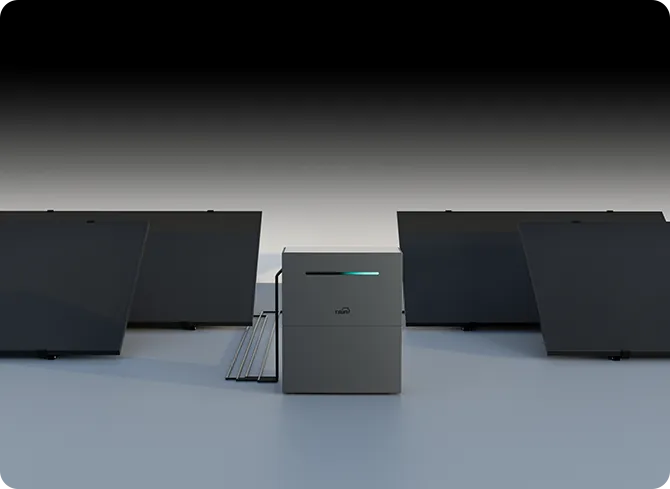
This clever micro-storage unit is designed specifically for new, incremental solar setups, waiting quietly to store your excess daytime solar power. When the sun goes down or household demand spikes, it efficiently feeds clean, silent electricity right back into your home. It is much smarter and far more economical for modern energy independence.
Where Liquid Air Energy Storage Works Best
Liquid-air energy storage is not a one-size-fits-all solution. It shines in specific places where scale and duration matter most. Knowing exactly where it fits helps planners make smarter decisions before spending a single dollar.
These are the settings where LAES delivers real, measurable value:
- Grid-scale renewable farms: Wind and solar farms regularly produce far more power than the grid can absorb at once. A liquid-air plant parked next to a solar field captures that overflow and holds it until evening demand peaks. None of that clean electricity goes to waste.
- Industrial parks and manufacturing hubs: Steel mills, paper plants, and chemical factories run heavy machinery around the clock. These sites need a steady, cheap electricity supply. A liquid-air plant smooths out price spikes and significantly reduces their power bills over time.
- Island grids and remote communities: Remote towns that run on expensive diesel generators are strong candidates. Switching from diesel to wind power, combined with liquid-air storage, can slash fuel costs dramatically.
- Urban district energy systems: Dense city neighborhoods can share a single large LAES plant, the way apartment buildings share a boiler room, spreading the cost across thousands of households at once.
At its core, liquid air energy storage suits anywhere that needs bulk, long-duration power storage without the land constraints of hydro or the chemical risks of batteries.
What are the Current Challenges Facing Liquid Air Energy Storage Technology
While liquid air energy storage sounds like magic, it still faces a few speed bumps before it takes over the world. Here is the truth about technology today.
Round-trip efficiency gap
A basic plant only gives you back about half the power you put into it. Giant battery farms are much more efficient. However, smart engineers are fixing this fast. By pairing liquid air with hot waste gas from other factories, they can boost efficiency up to a highly respectable 73%.
High upfront capital expenditure
Building giant super-cold tanks and heavy-duty compressors costs a fortune on day one. MIT experts note that these plants often need substantial government grants to get off the ground.
Still building its track record
Gas companies have used the tanks and pumps for decades. However, storing all of them together to store electricity is still a relatively new trick. Wall Street hates surprises. Conservative lenders naturally want a few more years of hard operating data before signing massive checks.
Yet raw physics remain impossible to ignore. As steel part prices fall and the world demands more clean energy, liquid air is poised to become a major player.
Conclusion
Liquid air energy storage is changing the clean energy game. It offers a brilliantly cheap, chemical-free way to store massive amounts of wind and solar power for weeks. Big utility companies should absolutely start planning these plants today. But if you want to optimize your own family's energy usage, you do not need liquid air. A smart home energy solution, like the TSUN MSU4000Lite, delivers instant, silent, and efficient integration for your new solar system. Empower your home right now!
FAQs about Liquid Air Energy Storage
A standalone liquid air energy storage plant typically returns about 50% to 60% of the electricity you feed it. However, engineers rarely build them in isolation anymore. When they pipe in hot waste gas from a neighboring factory, efficiency jumps to 73%.
No. It does not burn. You cannot light it on fire. In a liquid-air energy storage setup, the liquid acts like a tightly coiled spring. As the liquid warms, it violently reverts to a gas. That sudden, physical rush of wind is what actually spins the turbine to generate power.
Chemical batteries slowly bleed their charge over a few days. Liquid air does not. It sits inside heavily insulated, low-pressure thermoses. Because of this, liquid-air energy storage facilities can store massive amounts of electricity for weeks at a time with minimal loss.
Yes, it is remarkably clean. The process uses atmospheric air. There is no toxic acid, no lithium mining, and no thermal runaway fire risk. When a liquid-air energy storage plant generates power, the exhaust pipe blows clean, breathable air back into the atmosphere.
A properly maintained liquid-air energy storage plant will operate for at least 30 years. Your laptop battery dies because the internal chemistry degrades. These plants rely on brute-force mechanical steel, heavy fans, and simple oil changes. They keep spinning.
Building a giant steel tank and a cold compressor is expensive on day one. But MIT experts say the long-term cost is only about USD 60 per megawatt-hour. Over 30 years, a large liquid-air energy storage plant has actually been much cheaper than buying massive fields of lithium batteries.

 LEARN MORE