Microinverter 1600W: A Small Powerhouse in Solar Energy
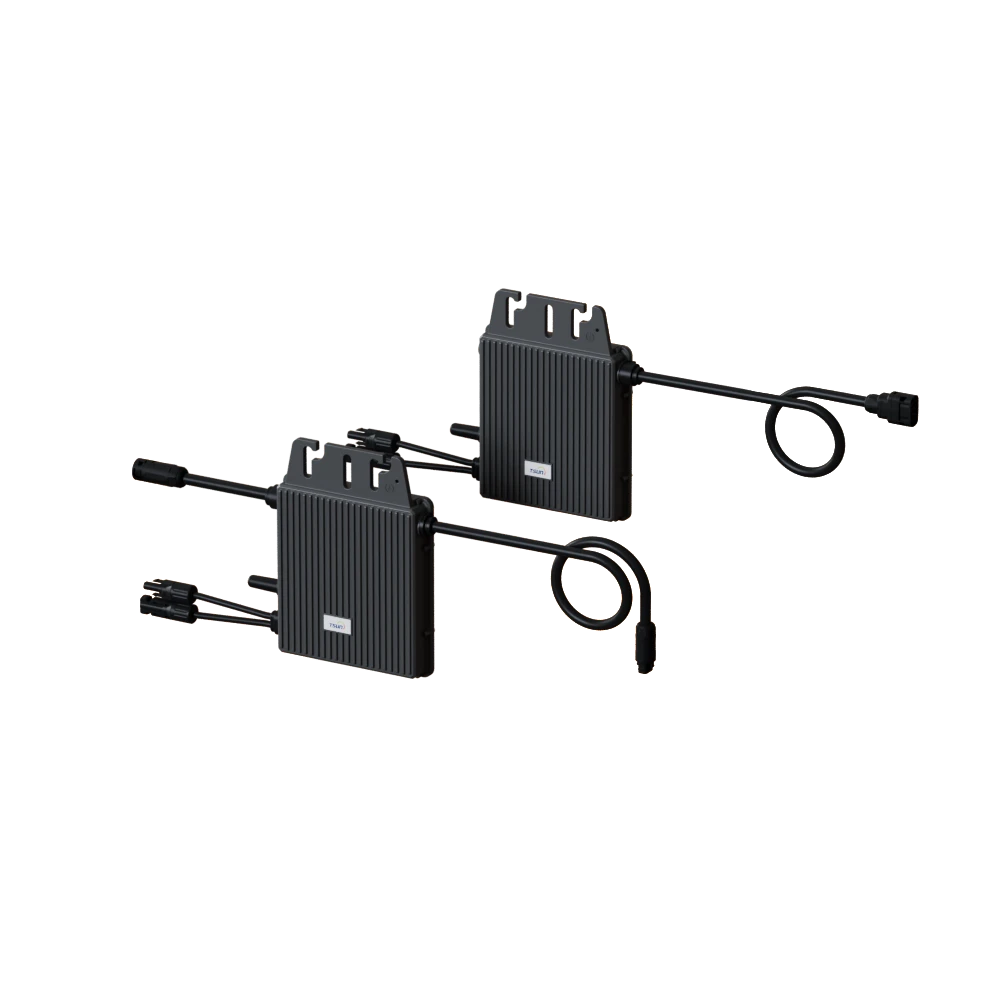
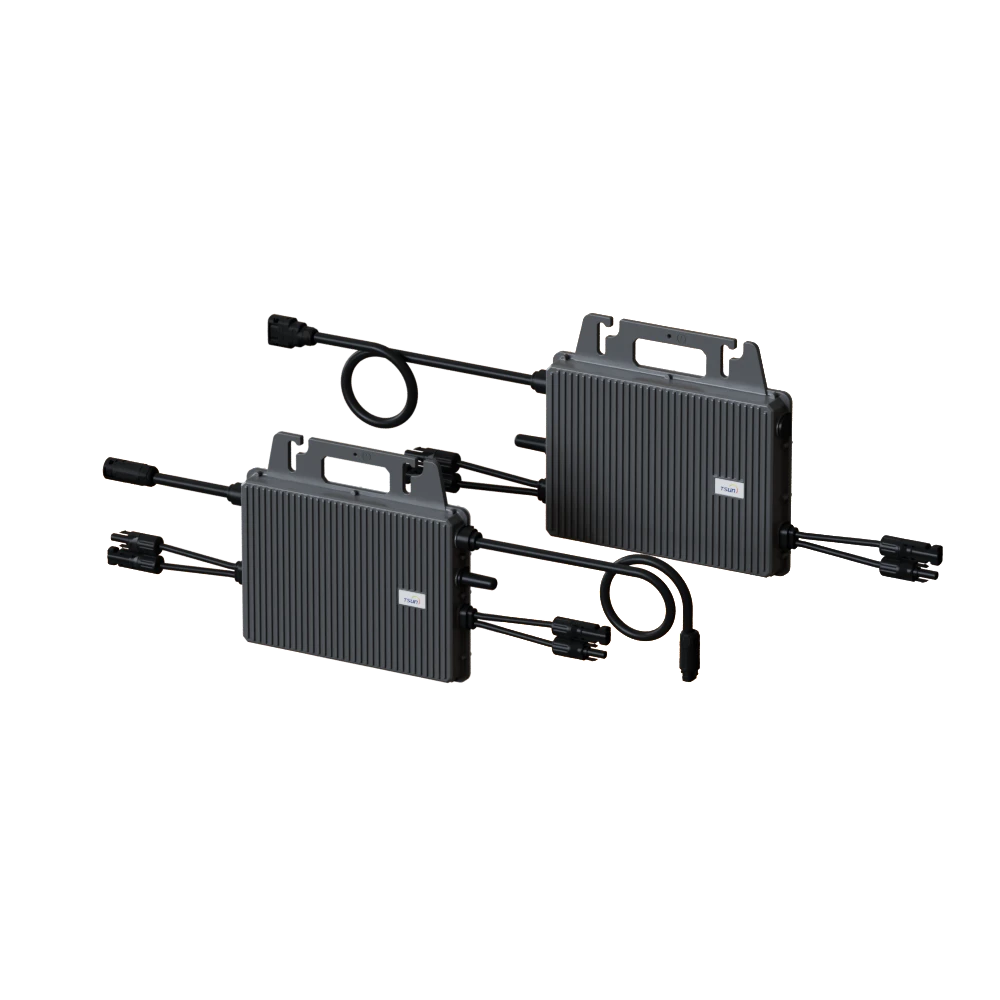
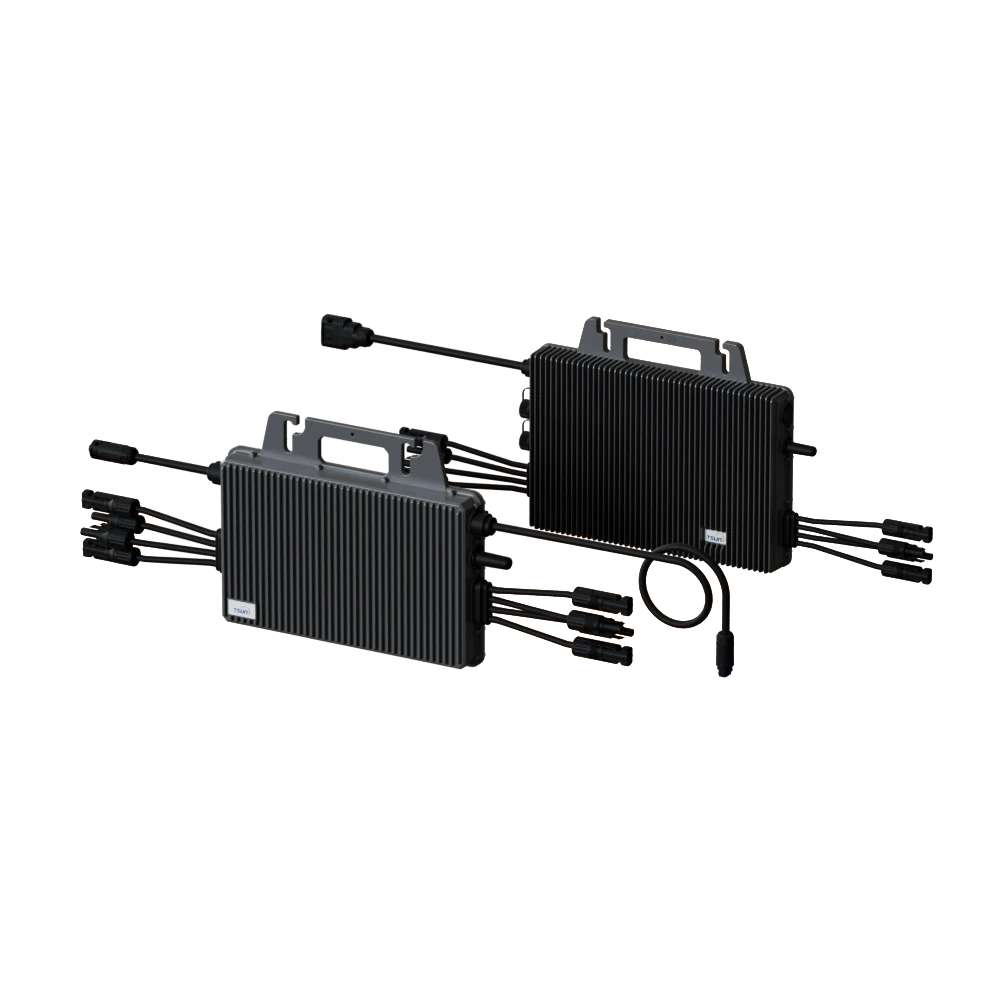
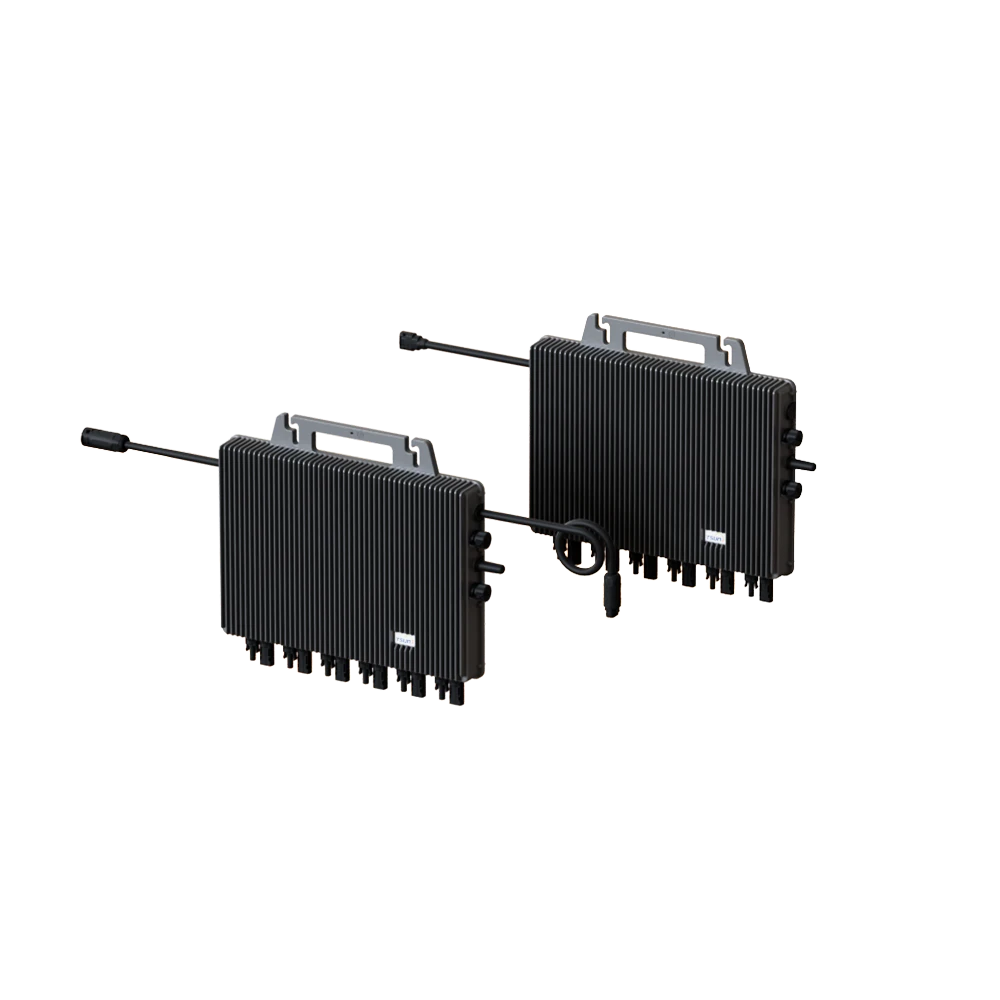
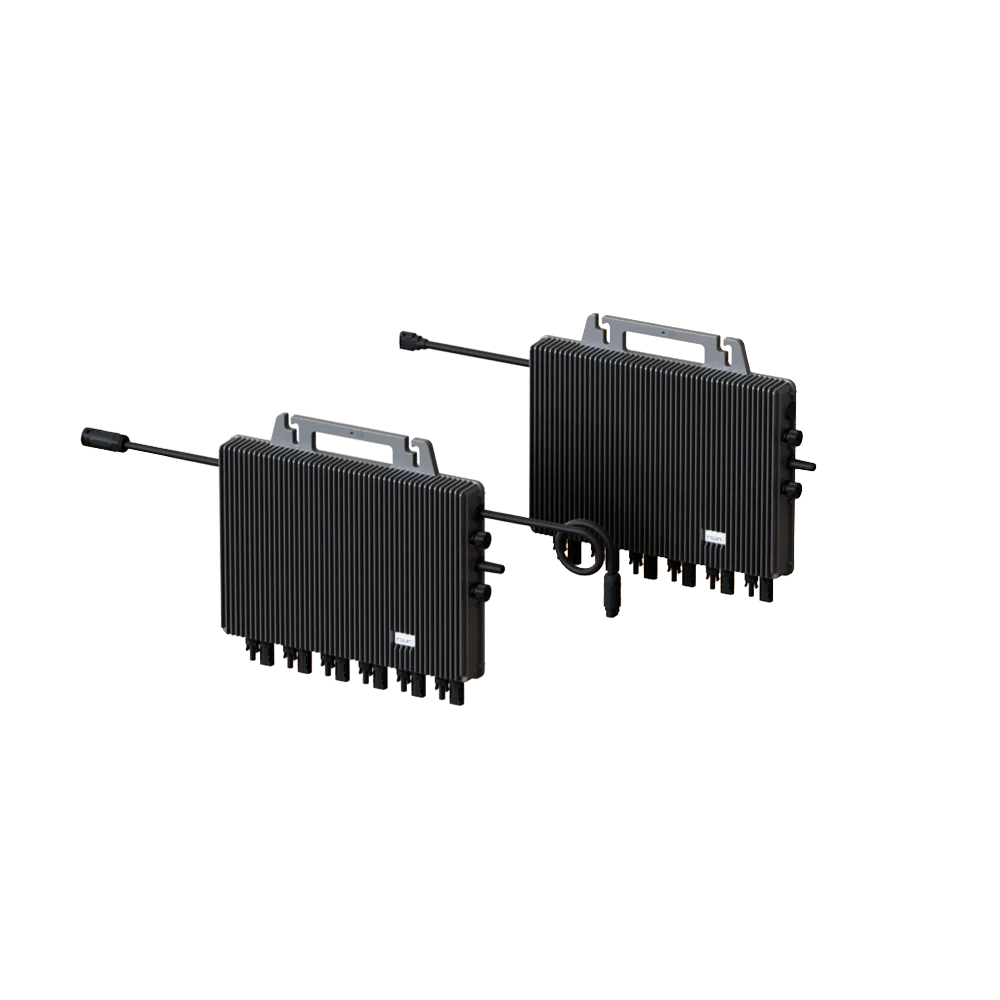
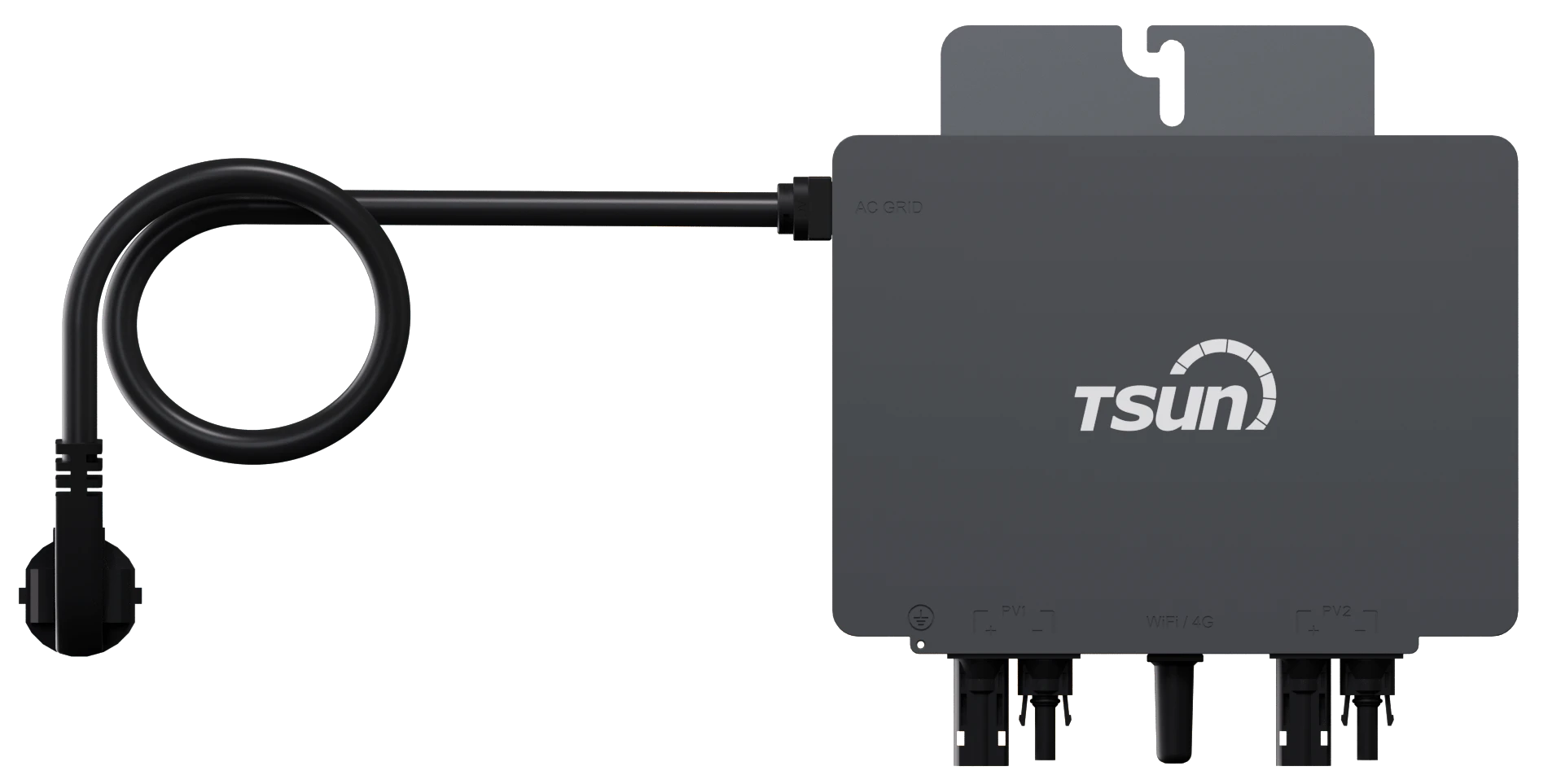
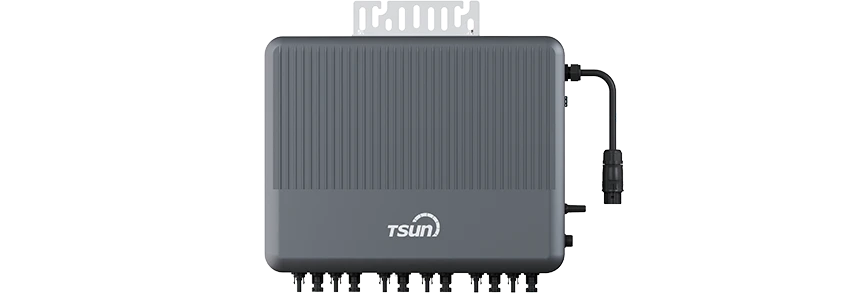
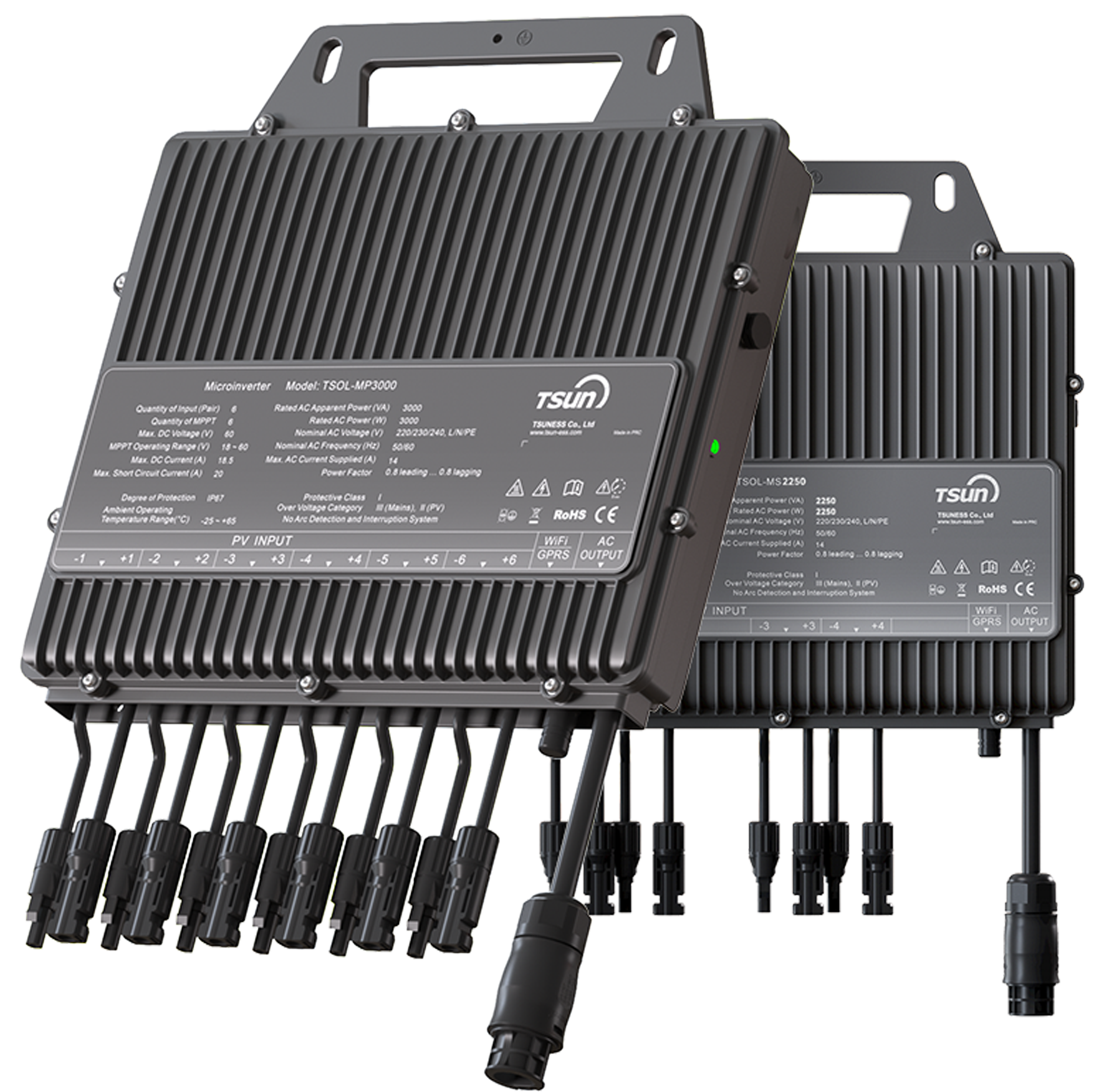
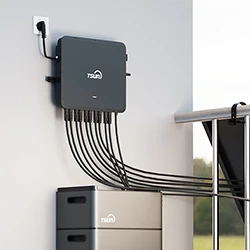
Working in industrial equipment for over a decade, I’ve seen countless innovations, but microinverters have this quiet efficiency that really stands out. The 1600W models, in particular, have carved their niche as reliable, modular solutions for residential and small commercial solar setups.
Oddly enough, what surprised me most with these microinverters is how they transform the whole solar energy game. Unlike traditional string inverters, which can be a bit clunky and suffer from the weakest panel effect, the 1600W microinverter works on each panel independently. This means if one panel is shaded or dirty, the others keep humming along at full speed. It's a simple concept, but in real terms, it makes a big difference in energy yield.
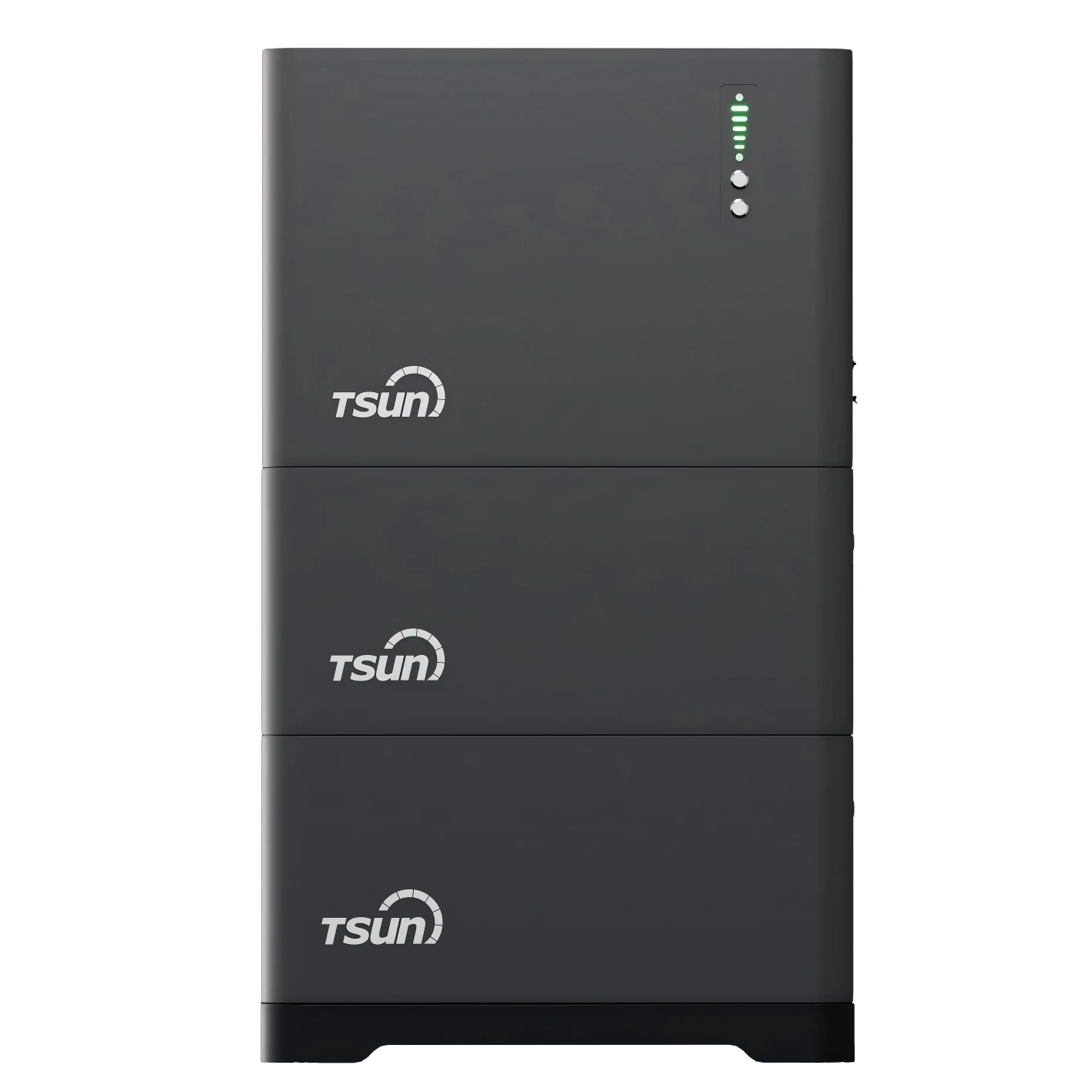
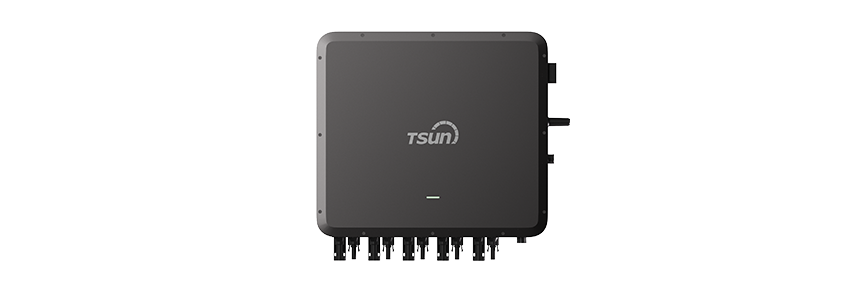
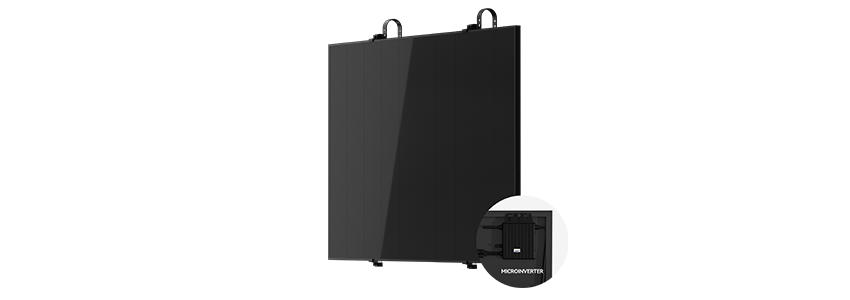
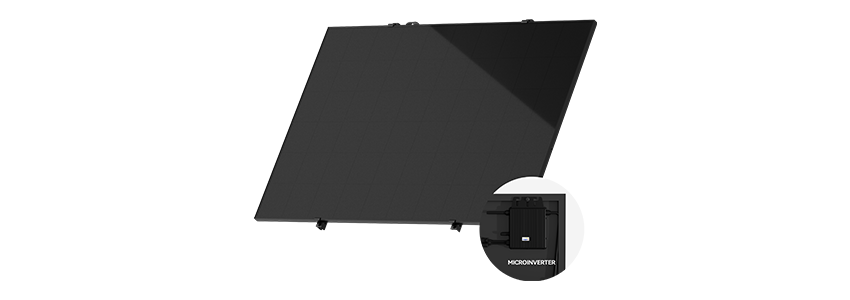
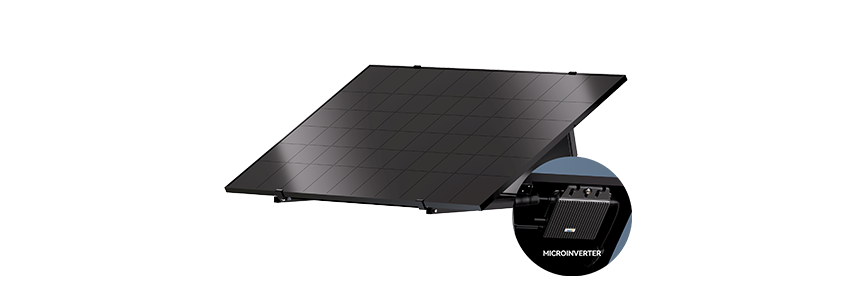
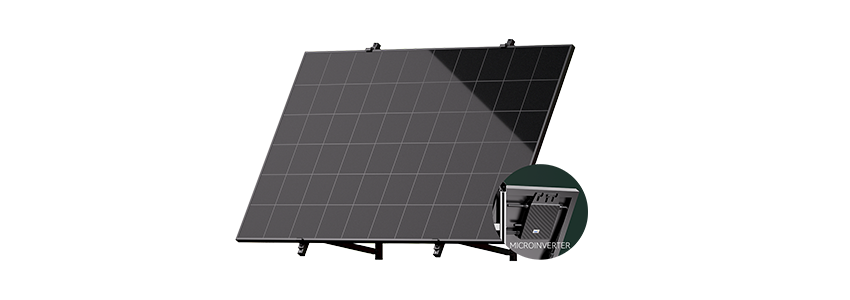
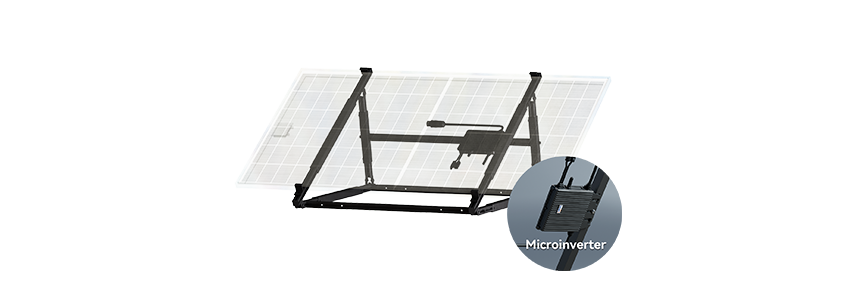
From my experience in installation and maintenance, these devices aren’t just about power output — they’re about smart design. The compact form factor makes them easier to mount discreetly behind panels, and most units are built with sturdy anodized aluminum housings to handle outdoor conditions year-round. When you’ve climbed enough roofs in harsh weather, this durable build is something you genuinely appreciate.
Here’s a quick rundown of the specs for a typical 1600W microinverter that I’ve tested and admired for its balance of power and usability:
| Feature |
Specification |
| Rated Power Output |
1600 Watts |
| Max Input Voltage |
60 V DC |
| Peak Efficiency |
96.5% |
| Operating Temperature |
-40°C to +65°C |
| Communication Interface |
PLC (Power Line Communication) |
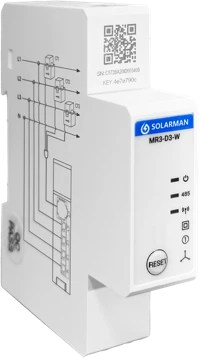
When sizing systems or recommending vendors, I usually like to lay out options side-by-side, because frankly, not all microinverters are created equal. Some brands emphasize maximum efficiency, others focus on robust build quality, and some offer great integration with monitoring platforms (which I find crucial — you want to actually see what your system is doing).
| Vendor |
Efficiency |
Warranty (years) |
Price per Unit |
Integrated Monitoring |
| Vendor A |
96.5% |
10 |
$150 |
Yes |
| Vendor B |
95.8% |
12 |
$165 |
No |
| Vendor C |
96.0% |
10 |
$140 |
Yes |
One little story I often share with fellow installers: a customer had persistent shade problems on their roof – big trees, inconsistent sunlight. After switching to a 1600W microinverter system, their energy production stabilized noticeably. No more mysterious drops tied to one panel’s shadow. From a technician’s angle, that reliability and granular control are a breath of fresh air.
I suppose the takeaway here is that investing in a quality microinverter isn’t just throwing money at the newest gadget — it’s about adapting solar technology to real-world setbacks, all while keeping systems efficient and easy to maintain. Plus, with manufacturers ironing out communication issues and adding smarter monitoring, it feels like the microinverter market is just hitting its stride.
If you’re in the industry or even a savvy homeowner, consider the 1600W microinverter as a flexible, durable option that balances efficiency with ease. And if you want to dig deeper or explore models, check out this resource — they offer robust options worth a look.
References:
- "Microinverters vs String Inverters: A Comparative Analysis," SolarTech Journal, 2022.
- "Environmental Durability of Solar Components," Energy Materials Review, 2023.
- "Field Report: Microinverter Installations in Mixed Shading Conditions," Industrial Solar News, 2021.



 LEARN DETAILS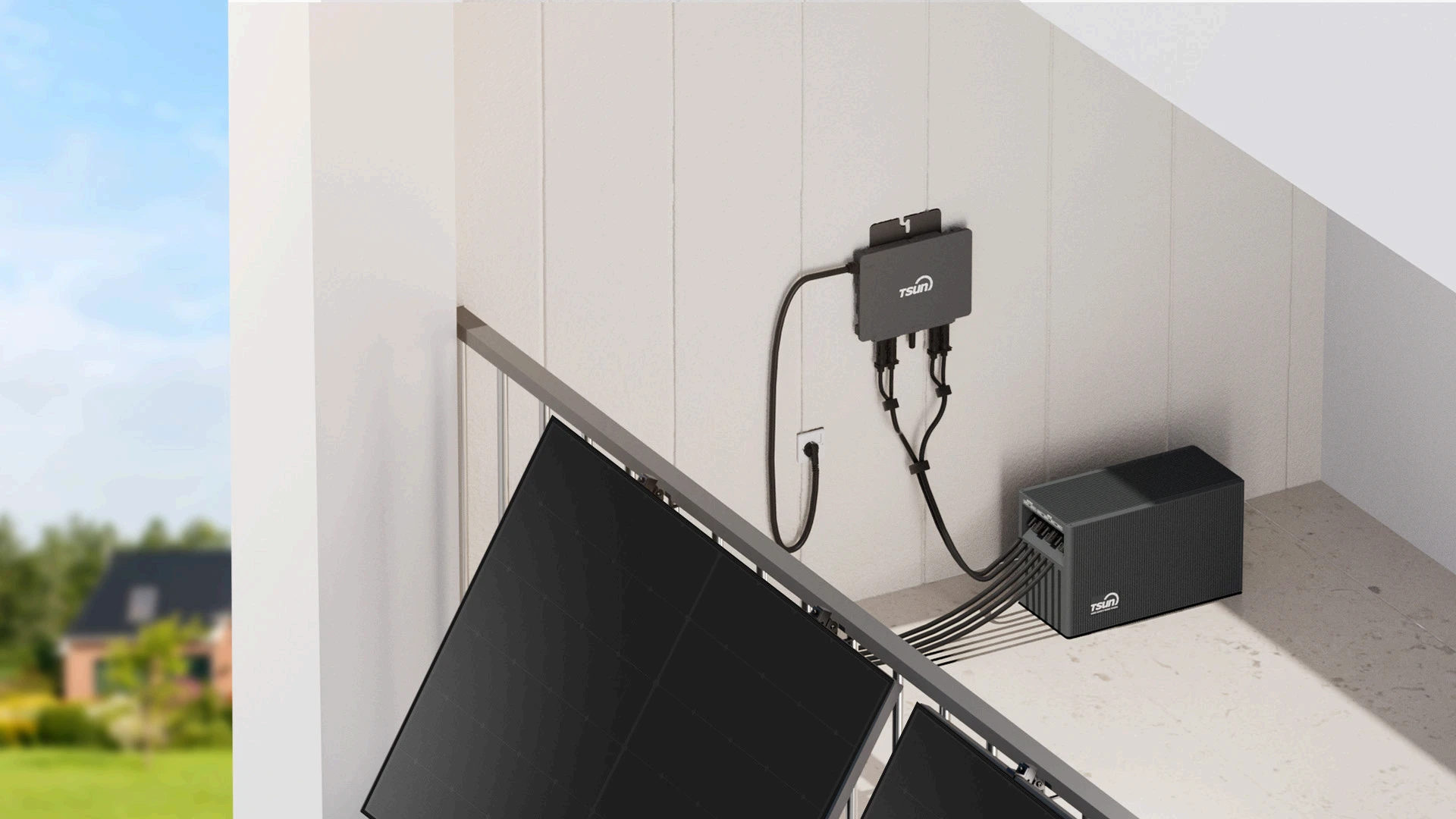
 Downloads
 Video Center
 Report Fault for Repair
 FAQS
FAQS Service Network
 Privacy Policy
 Contact Us
 Monitoring


 LEARN MORE