Having spent a good chunk of my career in industrial equipment—especially renewable energy components—I can say that microinverters are often thought of as strictly on-grid devices. Yet, their potential use in off-grid setups is something that’s quietly grabbing attention, and frankly, it makes a lot of sense once you get under the hood.
Now, you might ask, “Why microinverters off-grid?” Traditionally, off-grid solar setups rely on string inverters or DC-coupled systems. But the modular, flexible nature of microinverters gives them an edge, especially in reliability and system expansion. Oddly enough, I noticed their adaptability often gets overlooked in many product specs and user manuals.
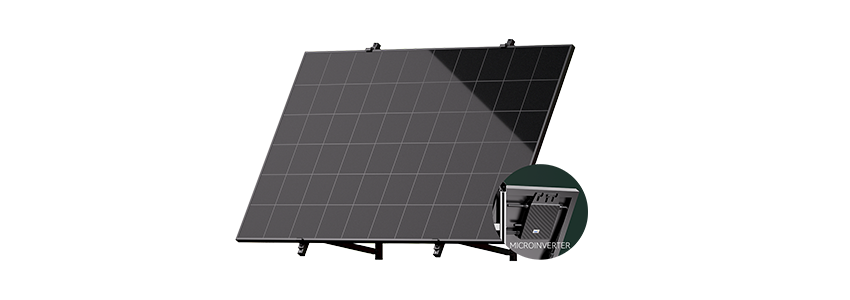
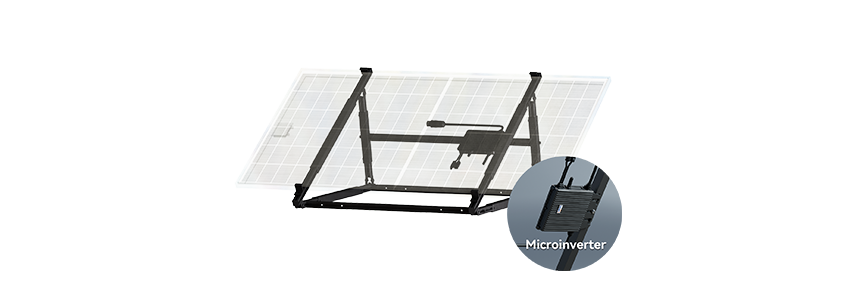
One thing to keep in mind is the technical design inherent in microinverters. They convert DC from one or two solar panels directly to AC right at the panel level, which means less energy loss and system-wide resilience if one unit fails. In off-grid terms, though, this requires compatible energy storage and management solutions, because unlike grid-tied systems, you can't just push unused power back to the utility.
Product Specifications I’ve Seen Work Best
| Specification |
Typical Value |
| Max PV Input Voltage |
60 V |
| Max Output Power |
250–300 W per microinverter |
| Nominal AC Output Voltage |
120/230 V, 50/60 Hz |
| Operating Temperature Range |
-40°C to +65°C |
| Communication Interface |
PLC or ZigBee for monitoring |
| Warranty |
10 to 25 years (varies by vendor) |
One memorable project I worked on involved using microinverters paired with lithium battery storage at a remote cabin in the Rockies. The key challenge wasn’t just the energy conversion but ensuring the inverter’s smart management system could handle irregular sun patterns and temperature swings. Thankfully, the microinverter’s decentralized approach meant replacing one unit was straightforward when a rare failure happened—no system downtime, no headaches.
Comparing Leading Microinverter Vendors for Off-Grid Use
| Feature |
Vendor A |
Vendor B |
Vendor C |
| Max Output Power |
295 W |
300 W |
250 W |
| Communication Protocol |
PLC |
ZigBee |
Wi-Fi |
| Off-Grid Compatibility |
Medium |
High |
Low |
| Warranty |
20 years |
25 years |
10 years |
| Price Range (per unit) |
$$$ |
$$$$ |
$$ |
Medium off-grid compatibility means some integration customization is required for seamless battery and load management.
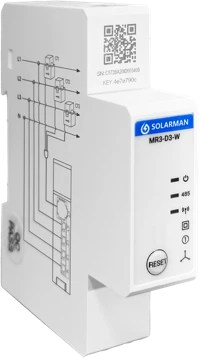
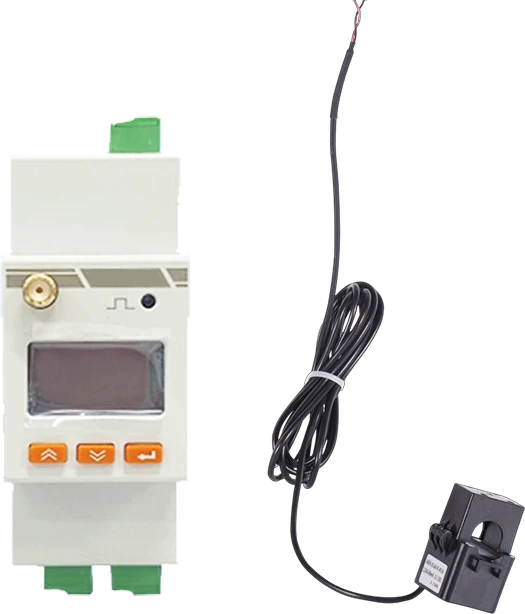
From experience, I recommend planning your off-grid microinverter system around strong monitoring and control software, compatible battery chemistries, and local climate conditions. Many engineers say the modularity means less downtime and easier maintenance, but it’s not entirely plug-and-play, especially if you want to maximize battery life and system uptime.
So yeah, while microinverters aren’t the “default” for off-grid solar setups yet, their continued improvements in reliability and smarter communication protocols may well change how we think about small-scale renewable power systems.
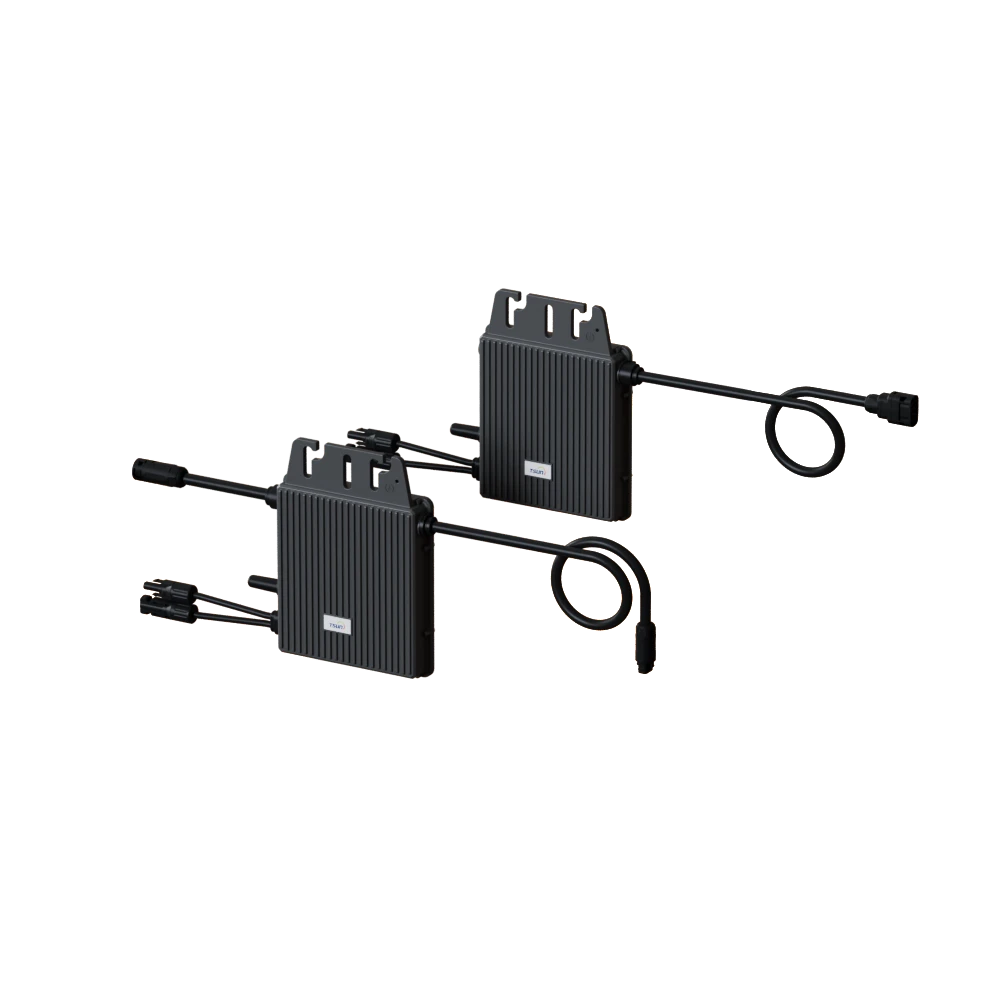
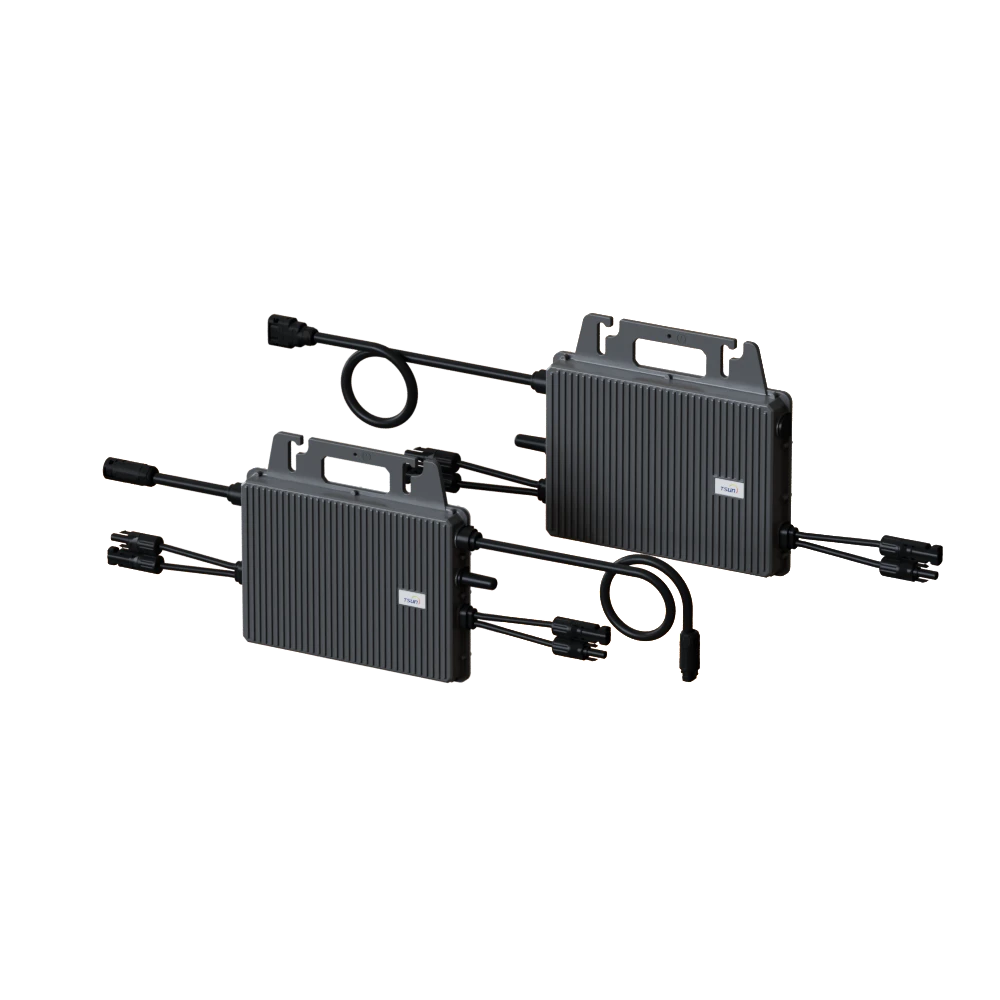
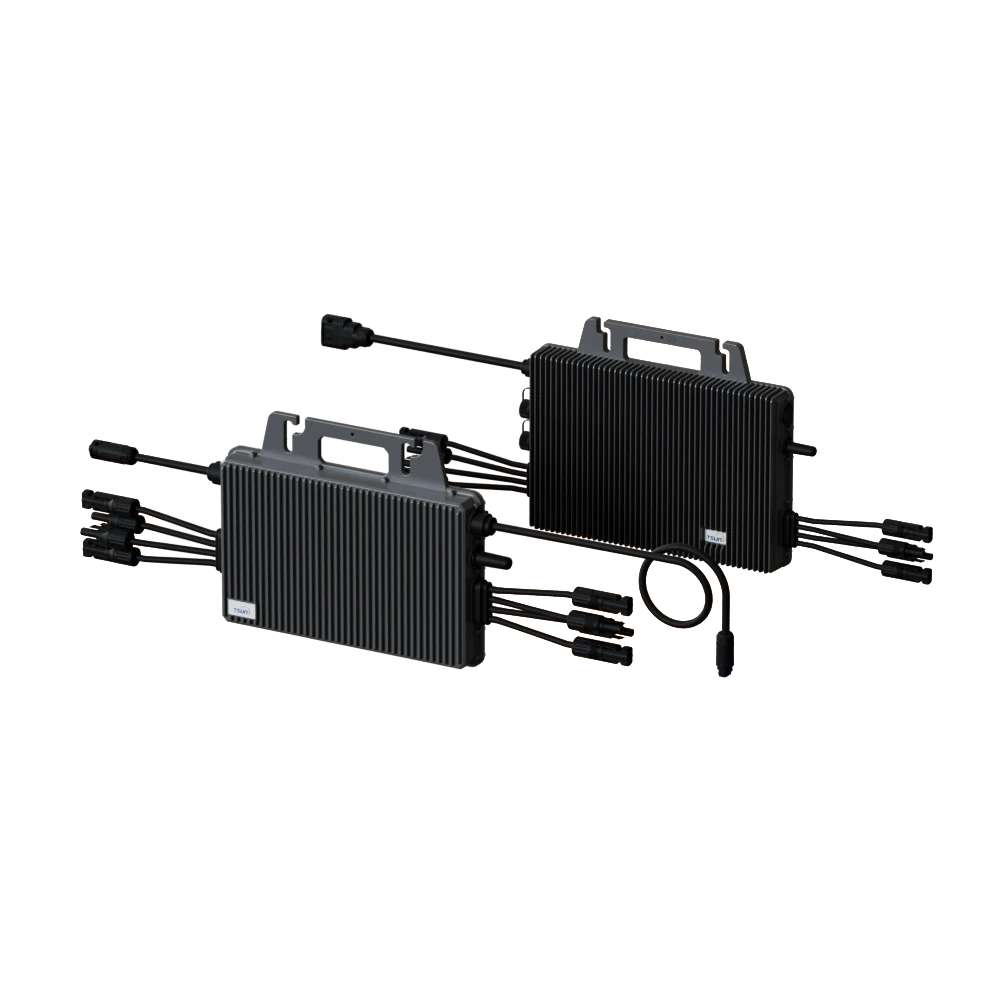
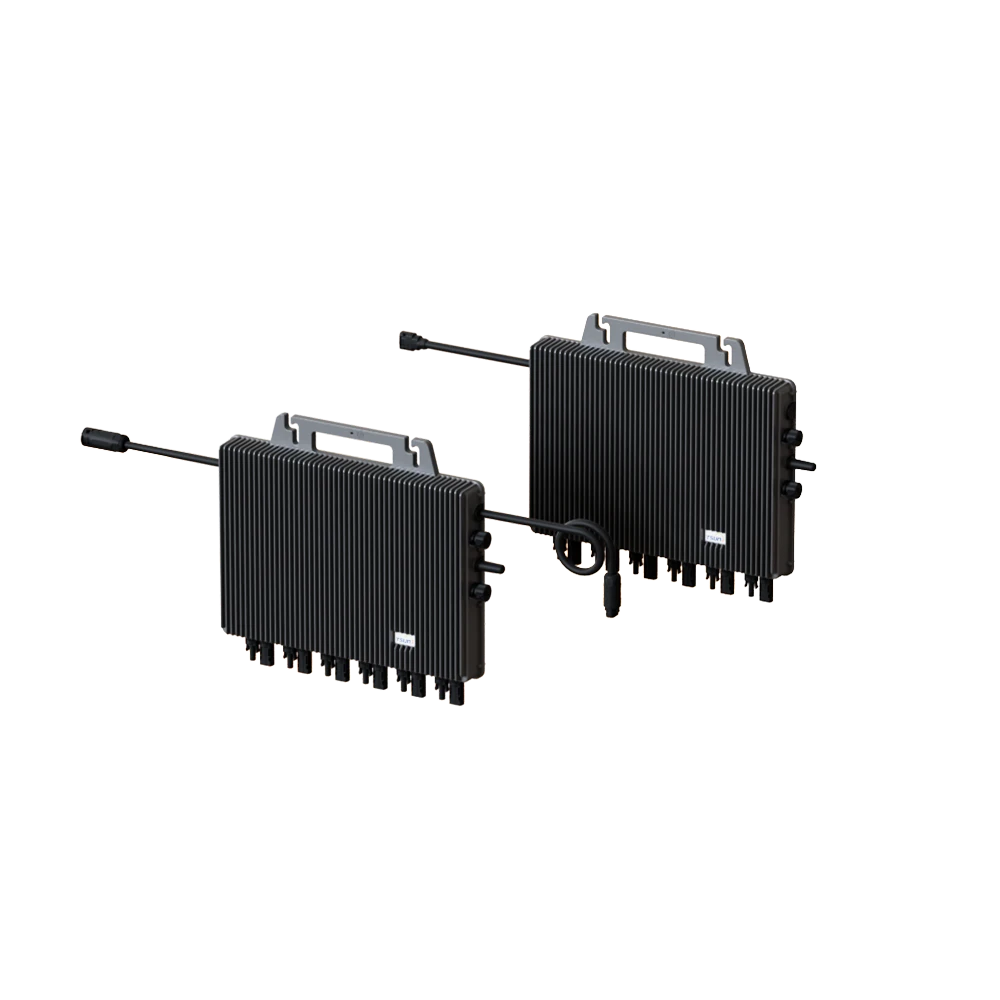
In real terms, if you’re considering a flexible system for a remote or off-grid site, it’s certainly worth having a chat with providers — and that's why I’m linking to a very reputable source for microinverters right here. Their products strike a good balance of durability and real-world testing.
Ultimately: microinverters off grid represent an interesting crossroads of modular technology meeting off-grid energy independence — and I’m pretty optimistic about their growing role in customized, reliable power systems.
Feel free to reach out if you want to discuss specific system ideas or challenges!
References:
- Field notes, Renewable Energy Systems, personal projects 2015–2023.
- “Microinverters vs String Inverters,” Solar Power World, 2022.
- “Off-Grid Solar Systems: Design & Testing,” IEEE Industrial Electronics Magazine, 2021.






 LEARN DETAILS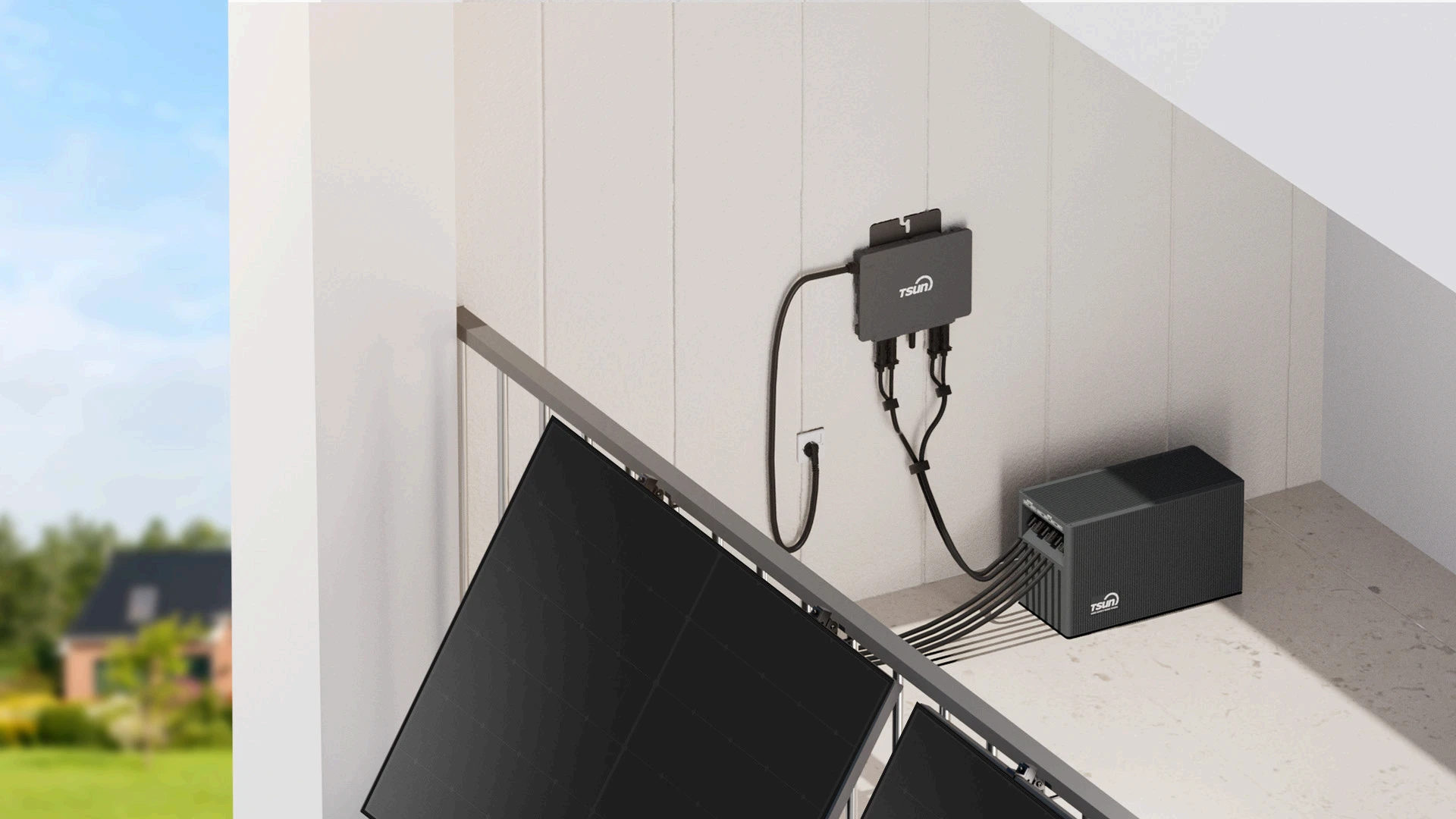

 Downloads
 Video Center
 Report Fault for Repair
 FAQS
FAQS Service Network
 Privacy Policy
 Contact Us
 Monitoring


 LEARN MORE