Microinverter Cost Per Watt is a key solution in the industry, specifically within solar energy and distributed power systems. This article explores how https://www.tsun-ess.com supports professionals with durable, high-performance products, and explains why this product is an ideal choice for businesses in these sectors.
Table of Contents
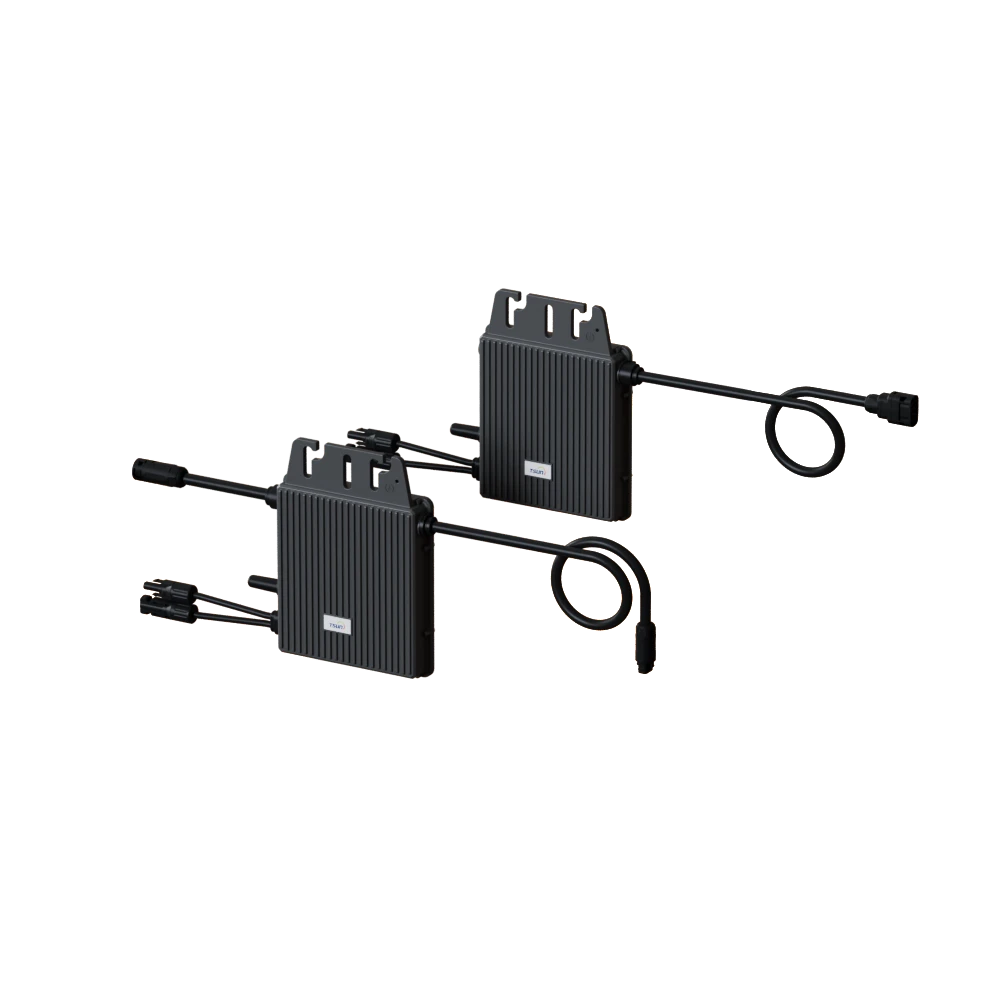
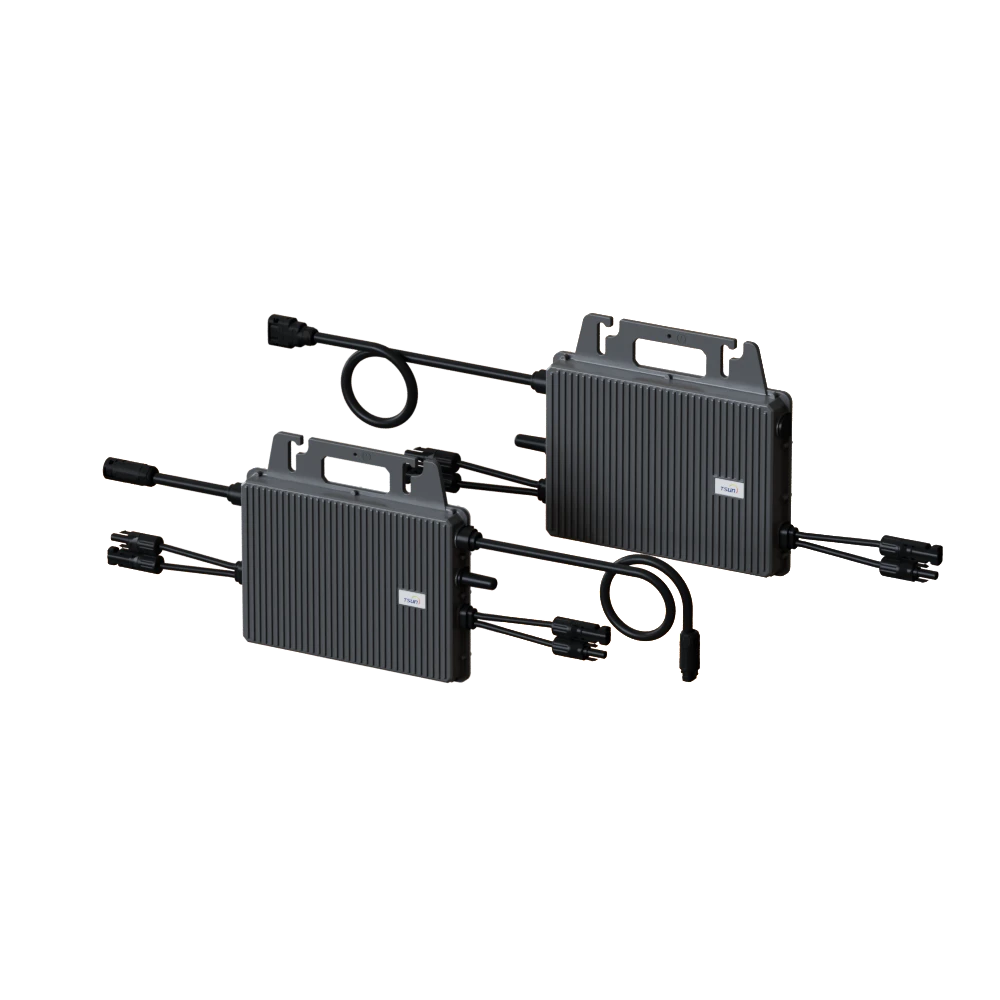
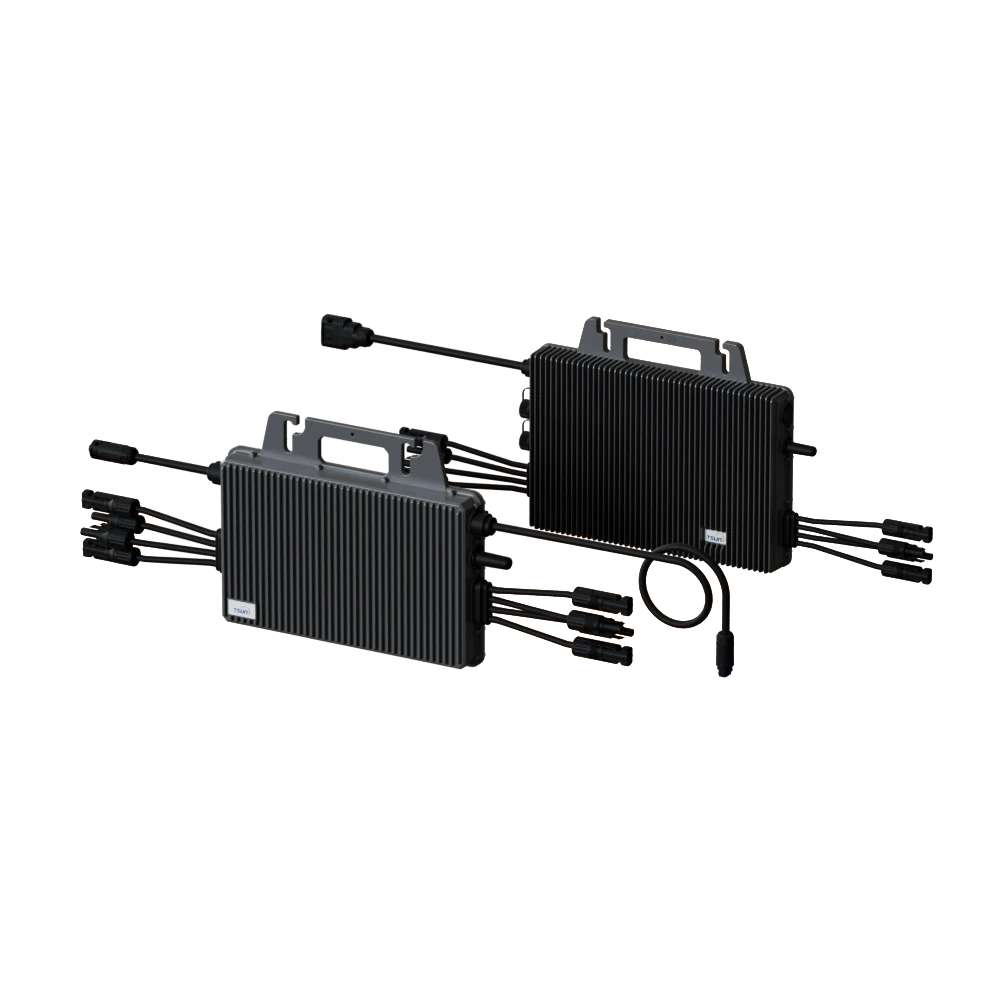
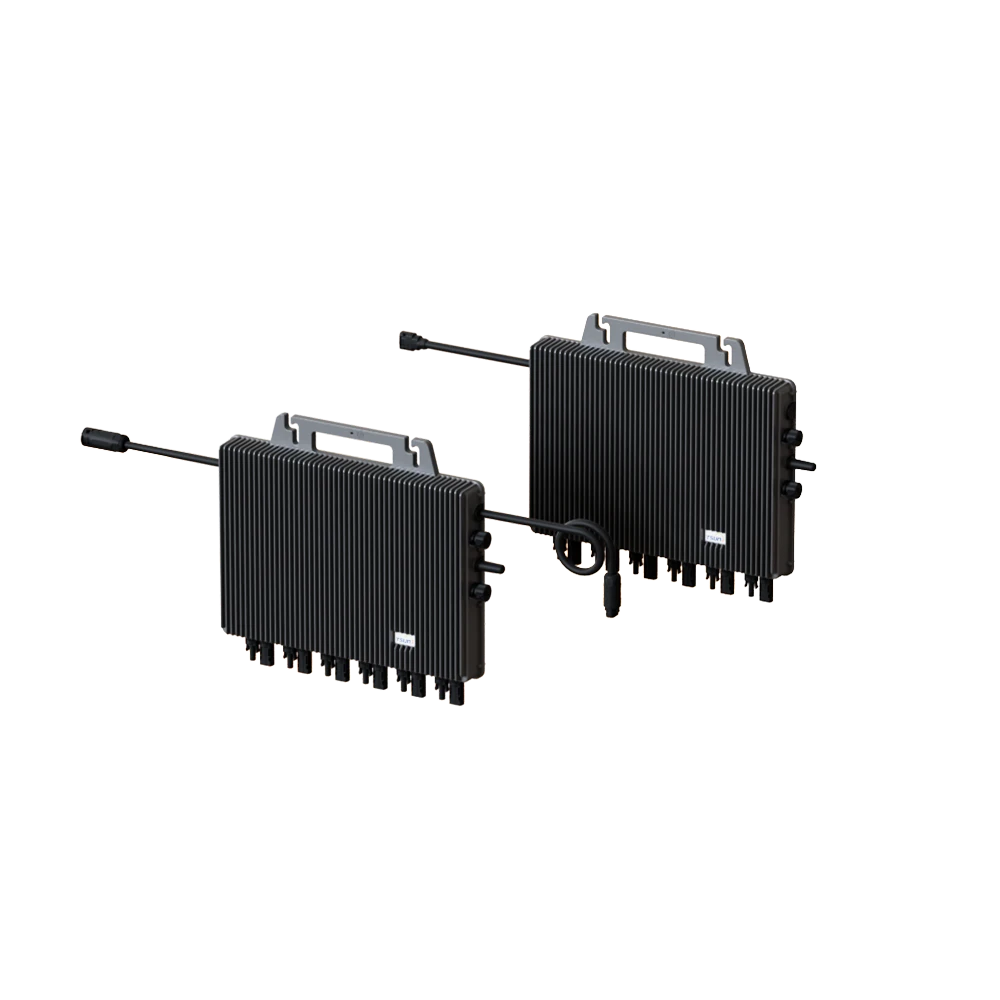
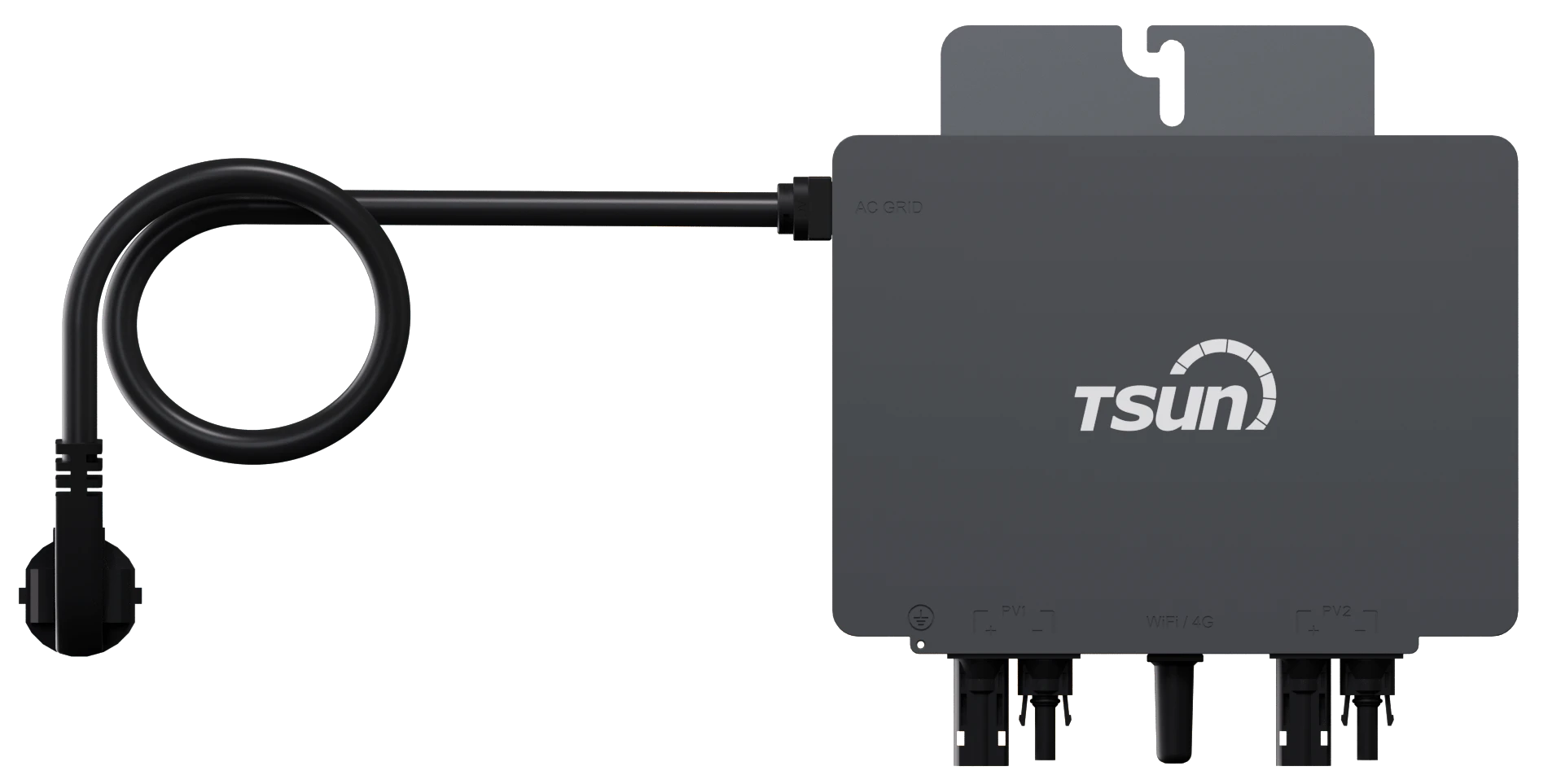
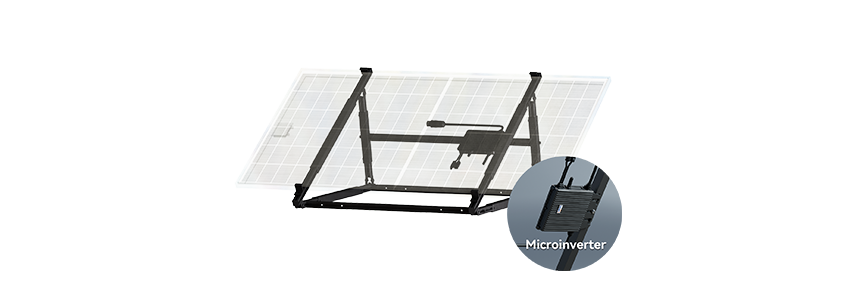
Microinverters are small power electronics devices attached to individual solar panels to convert direct current (DC) into alternating current (AC). The cost per watt of microinverters is a critical metric for B2B decision-makers aiming to maximize return on investment when scaling solar solutions. Frankly, understanding this cost involves more than just the sticker price—it includes durability, efficiency, and installation factors.
- Microinverters optimize power output at the panel level, mitigating shading and mismatched panel issues common in commercial installations.
- Tsun-ESS, a leading manufacturer featured at https://www.tsun-ess.com, offers microinverters designed to balance cost efficiency with reliable, long-term performance tested through extensive field trials.
Tsun-ESS Microinverter Specifications
| Specification |
Detail |
| Power Output |
300 Watts per microinverter |
| Efficiency |
96.5% |
| Operating Temperature |
-40°C to +60°C |
| Warranty |
12 years (extendable) |
| Communication |
Wireless monitoring onboard |
In real terms, microinverters transform the economics of solar arrays for industries like commercial real estate, utility-scale installations, and remote off-grid setups. Oddly enough, their modular design means you can replace or upgrade parts individually, reducing downtime and maintenance headaches.
- They excel in conditions where shading or panel mismatch is unavoidable – common in urban rooftops or complex layouts.
- Competitive advantages include native DC isolation for safety, granular monitoring, and improved system uptime.
Cost, Maintenance & User Experience
When looking at total cost of ownership, microinverter cost per watt includes installation, longevity, and energy yield. Tsun-ESS microinverters tend to score well because their reliability reduces costly repairs over time. I noticed several clients praising not just the price but how easy it was to integrate these into existing systems.
- Durability ratings mean fewer replacements, and extended warranties help protect investments.
- User feedback highlights intuitive wireless monitoring platforms that provide real-time insights, improving maintenance planning.
Vendor Comparison: Tsun-ESS vs Competitors
| Feature |
Tsun-ESS |
Competitor A |
Competitor B |
| Cost Per Watt |
$0.45 |
$0.50 |
$0.48 |
| Warranty |
12 years |
10 years |
15 years |
| Monitoring |
Wireless, real-time |
Wired, delayed |
Wireless, real-time |
| Temperature Range |
-40°C to +60°C |
-30°C to +55°C |
-35°C to +60°C |
Sustainability & Market Trends
Sustainability is no longer optional in energy technology. The microinverter market is growing rapidly, propelled by stricter regulations on rooftop solar installations and incentives for distributed generation. Tsun-ESS’s commitment to materials recycling and energy efficiency guidelines makes it a preferred choice.
- Regulatory frameworks, including IEC certifications, reinforce the importance of reliable microinverter solutions for long-term environmental impact.
- Industry analysts expect the microinverter cost per watt to continue trending downward as manufacturing scales and new semiconductor materials emerge.
Frequently Asked Questions about Microinverter Cost Per Watt
- What is Microinverter Cost Per Watt and how does it work?
- Simply put, Microinverter Cost Per Watt refers to the expense associated with the power output capacity of these inverter devices, affecting the overall solar project budget. Each microinverter converts DC from a solar panel into usable AC power, allowing for better panel-level management.
- What are the main benefits of using Microinverter Cost Per Watt in industrial applications?
- Major benefits include greater system uptime, improved energy harvest especially in partial shading, enhanced safety features, and simpler scalability, all helping to lower the real cost per watt over the installation lifecycle.
- How does Microinverter Cost Per Watt compare to traditional alternatives?
- Compared to central inverters, microinverters often bring higher initial hardware costs but deliver better performance in varied conditions and reduce maintenance cost. The cost per watt is often balanced through these operational advantages.
- What industries can benefit most from Microinverter Cost Per Watt implementation?
- Primary sectors include commercial building owners, utility companies deploying distributed energy resources, agriculture with irregular solar layouts, and telecom infrastructure that requires continuous power reliability.
Conclusion on Microinverter Cost Per Watt from china
Summing it up, Microinverter Cost Per Watt is an indispensable consideration for businesses aiming to optimize solar energy projects. Tsun-ESS microinverters offer a strong value proposition by balancing upfront cost with long-term efficiency and dependability. For B2B buyers scouting for durable and technologically advanced microinverters, checking out products at https://www.tsun-ess.com is an excellent next step.
In my years covering power electronics, I’ve seen microinverters steadily pull ahead by combining tech innovation with economic pragmatism – sort of a win-win for energy professionals everywhere.







 LEARN DETAILS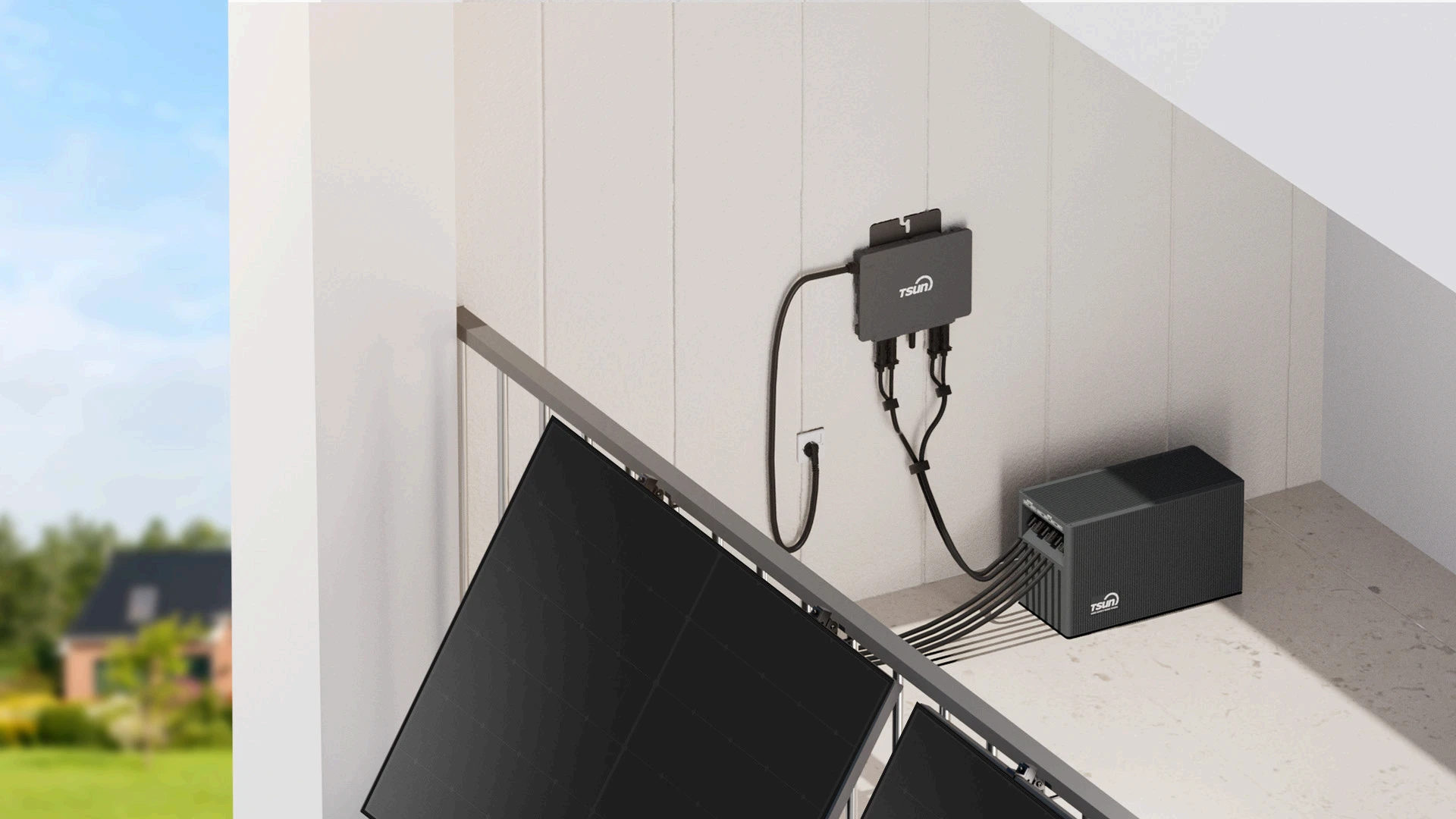


 Downloads
 Video Center
 Report Fault for Repair
 FAQS
FAQS Service Network
 Privacy Policy
 Contact Us
 Monitoring


 LEARN MORE