Microinverter Grid Tie 600W: A Practical Look From The Field
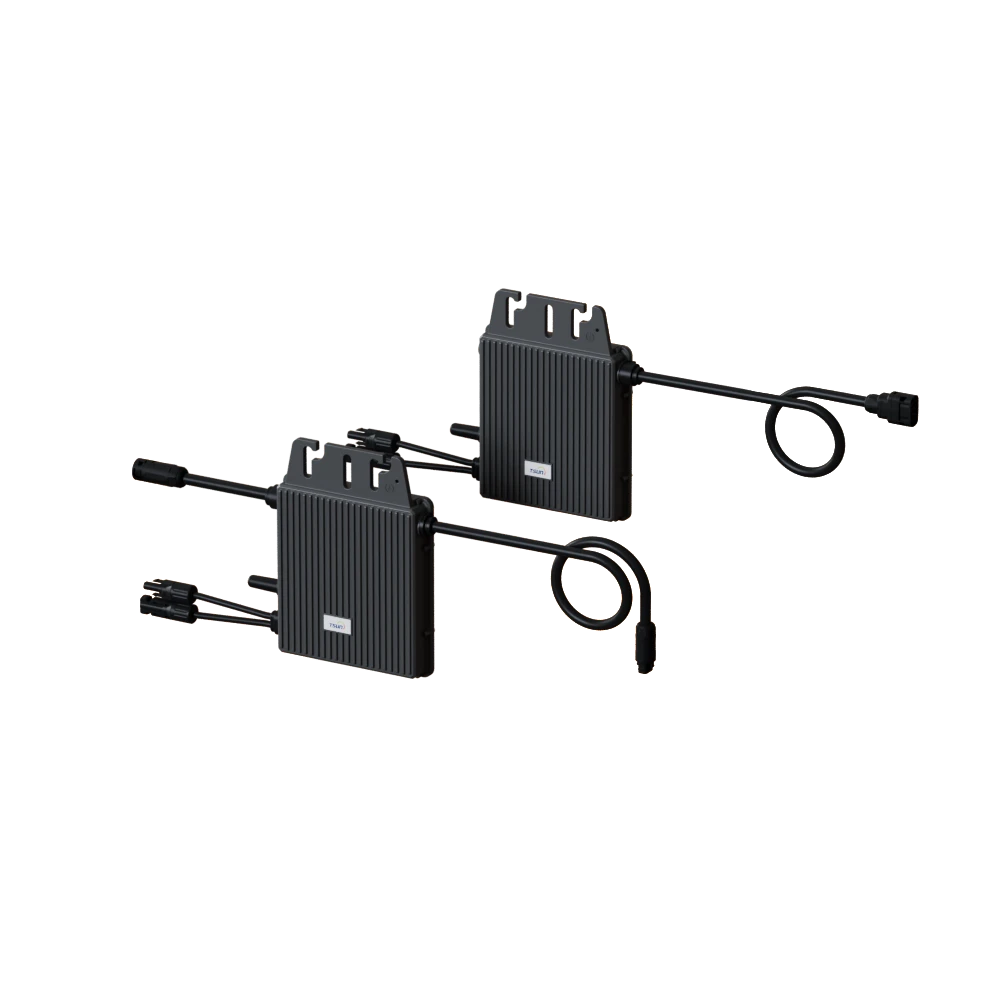
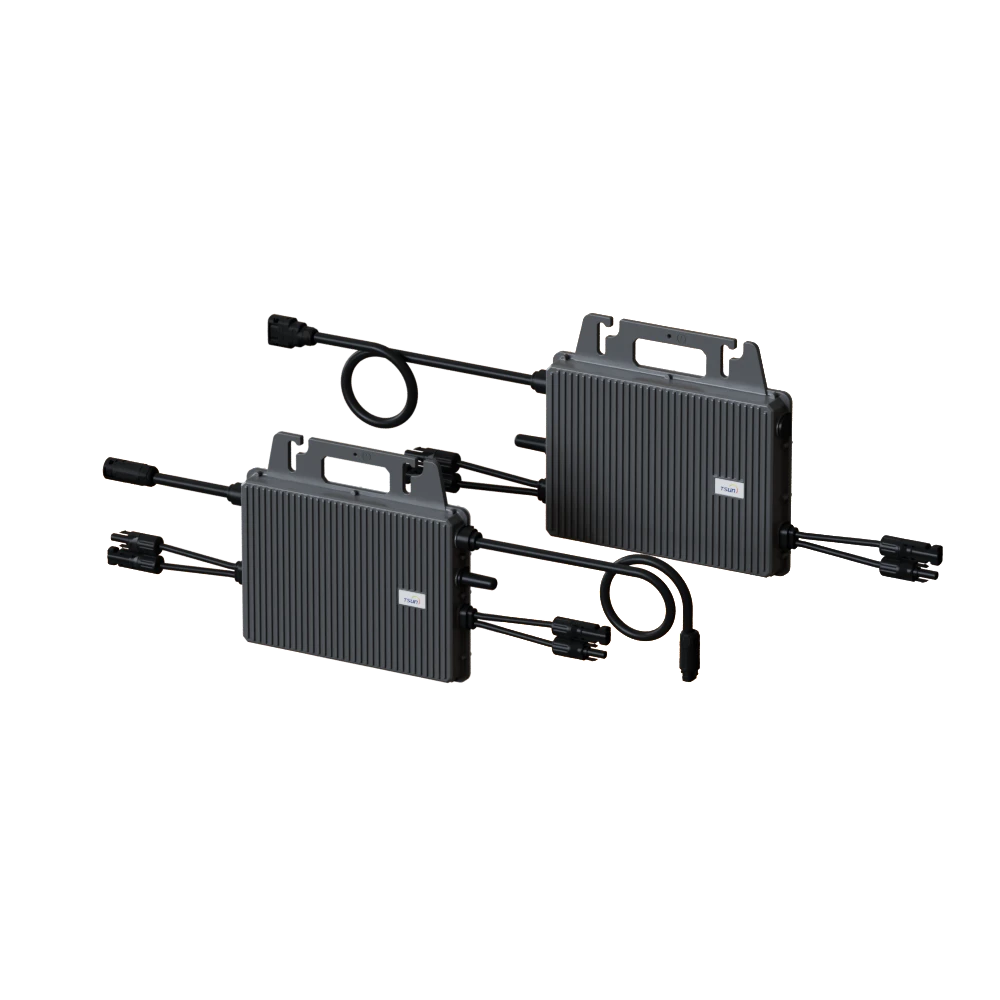
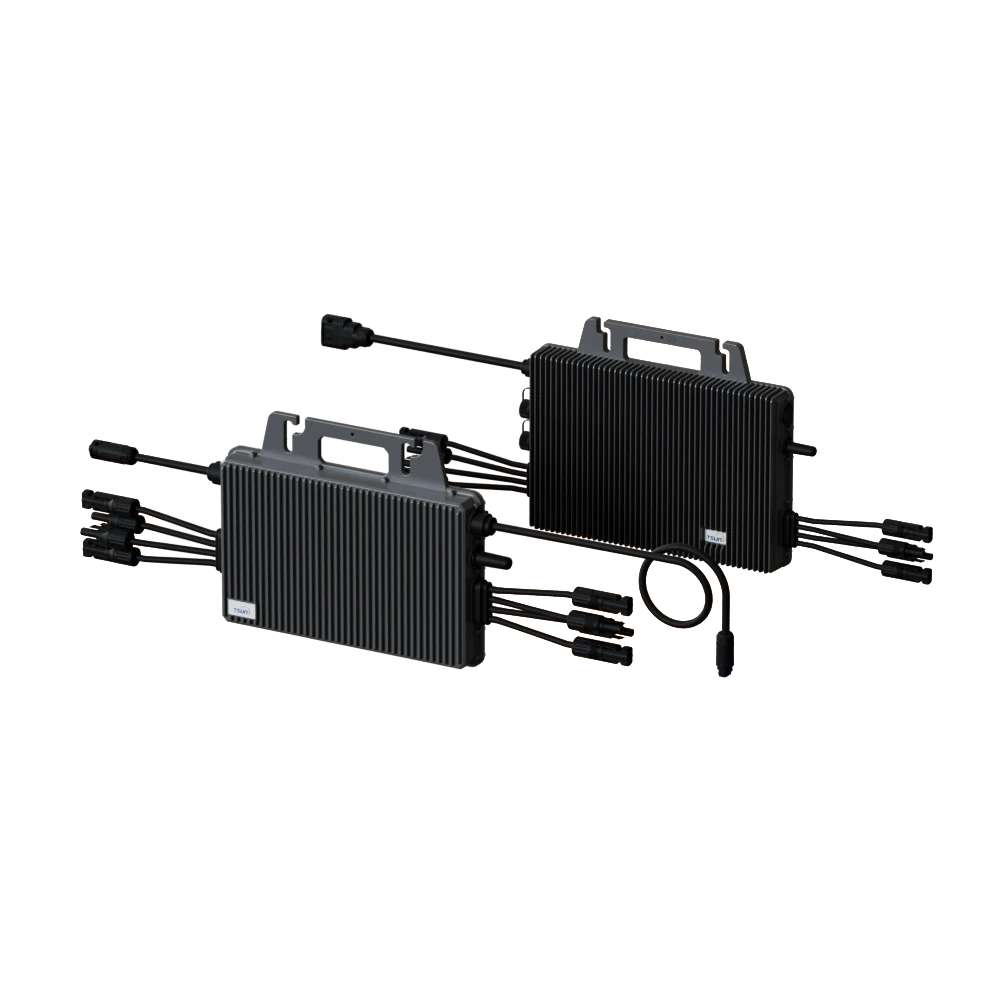
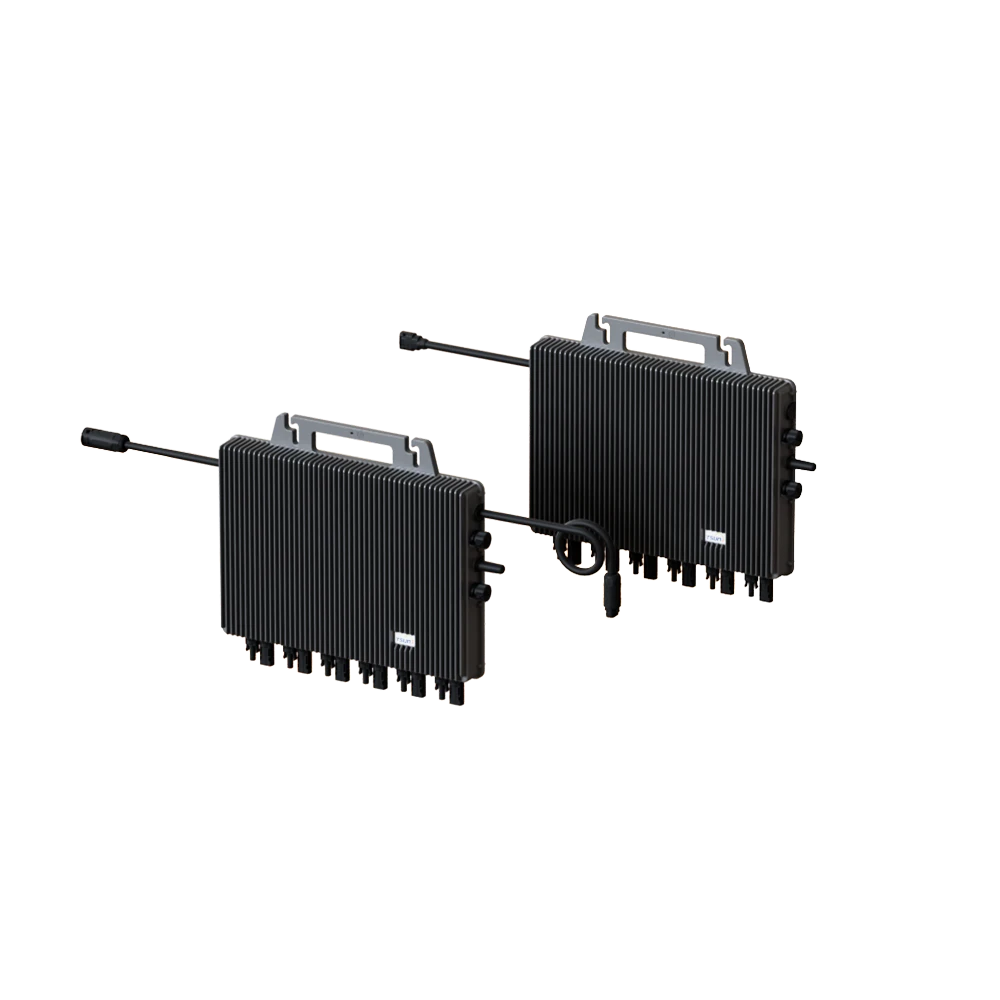
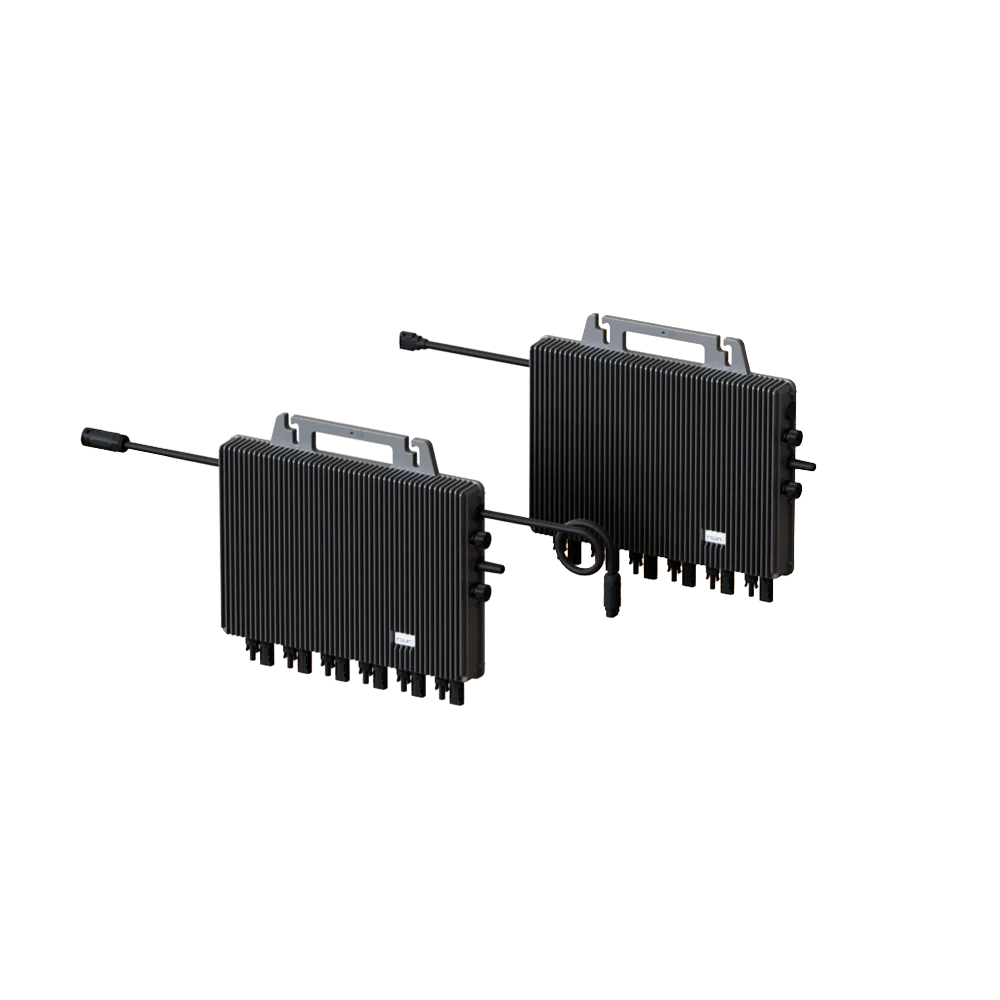
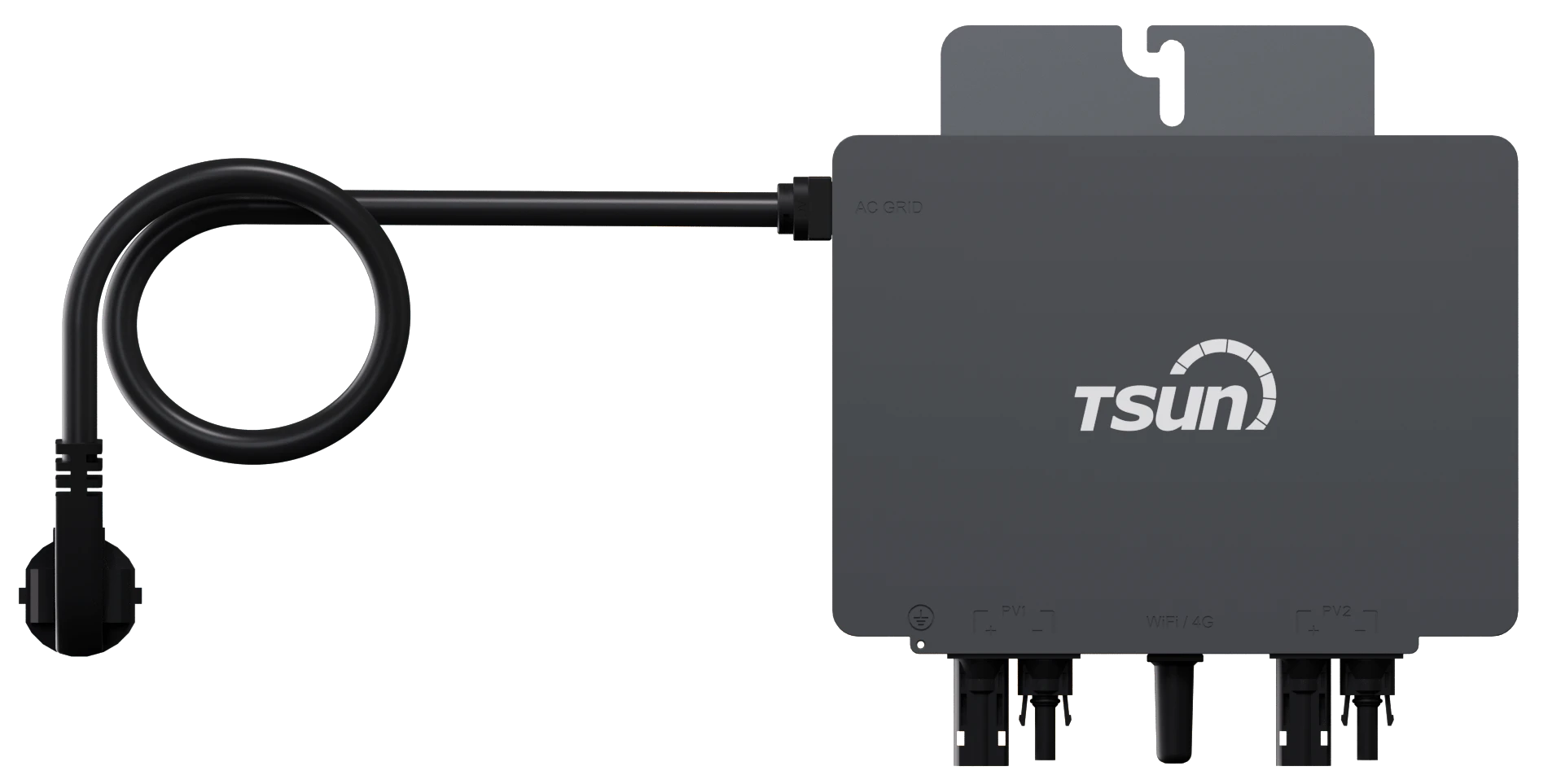
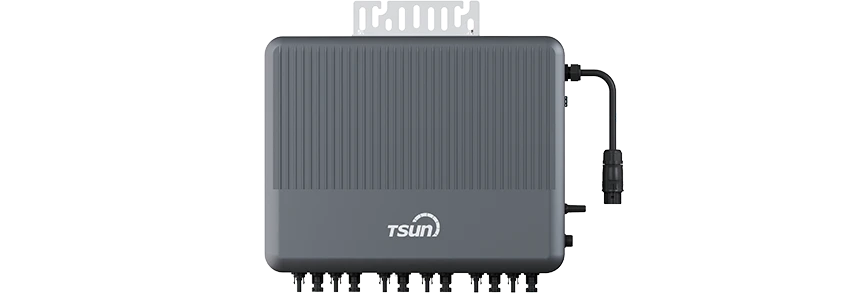
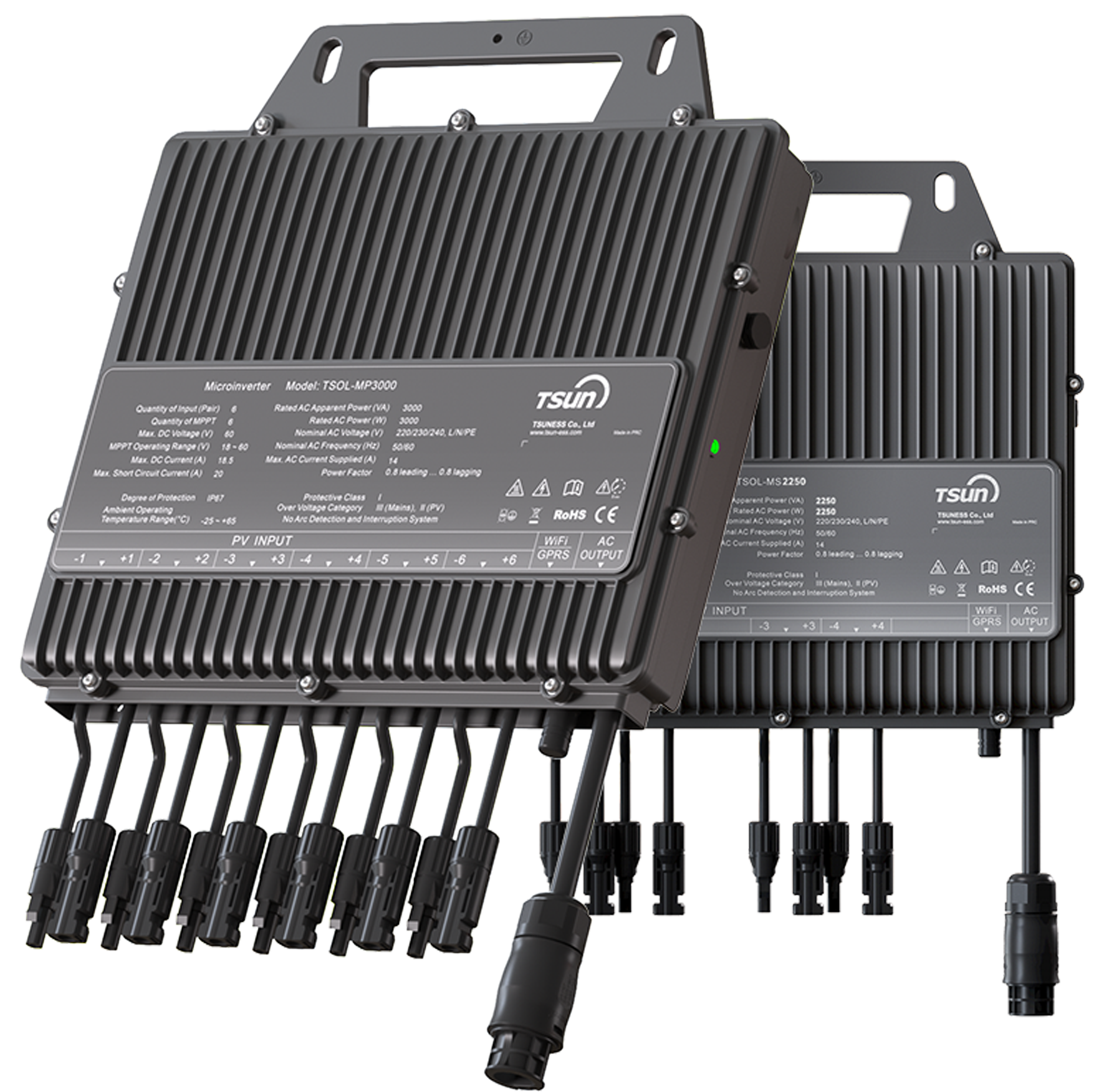
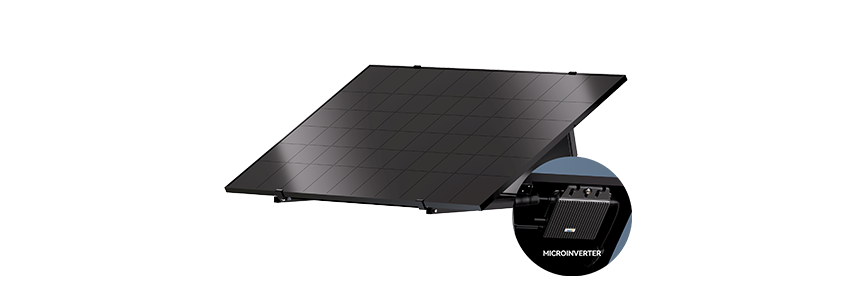
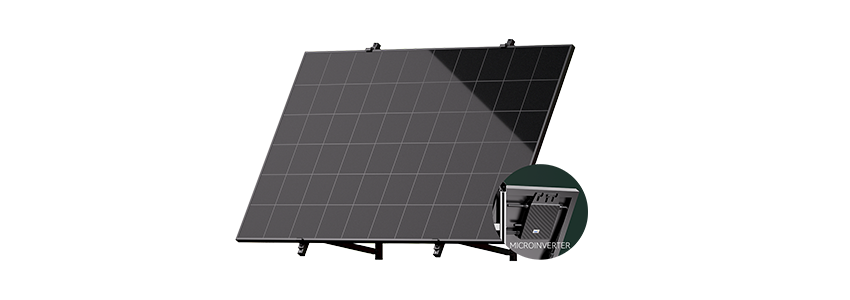
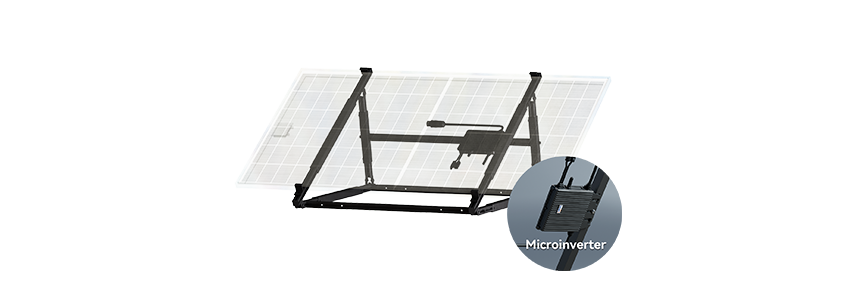
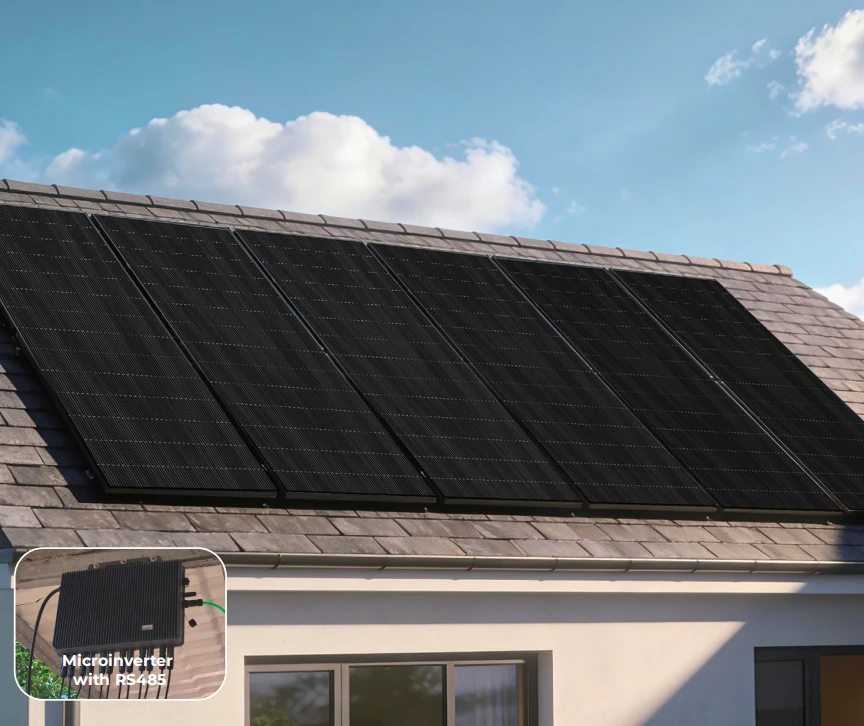
Having spent well over a decade in the industrial equipment sector—mostly around PV systems—I've seen microinverters evolve quite a bit. When we talk about a microinverter grid tie 600w, it’s not just a chunk of power electronics; it’s a neat little piece of technology that bridges your solar panels to the grid in a pretty elegant way.
In real terms, a 600W microinverter is often chosen for residential or small commercial setups where flexibility and safety are key. Back in the day, string inverters dominated the scene, but frankly, the modular nature of microinverters makes life easier for both installers and end users. Oddly enough, while the wattage might seem modest compared to larger central inverters, the distributed design helps reduce shading losses and improves reliability.
From my experience, a common benefit is how these units can optimize each panel individually. That means if one panel is shaded or underperforming, it doesn’t drag down the whole system. Plus, safety is improved: grid tie microinverters limit DC voltage on the roof, lowering shock risk during maintenance.
Here’s a concise overview of a typical 600W microinverter’s specs:
| Specification |
Details |
| Rated Power Output |
600 Watts |
| Input Voltage Range |
22–60 V DC |
| Output Voltage |
120/240 V AC (grid compliant) |
| Maximum Efficiency |
>96% |
| Operating Temperature |
-40°C to +60°C |
| Communication |
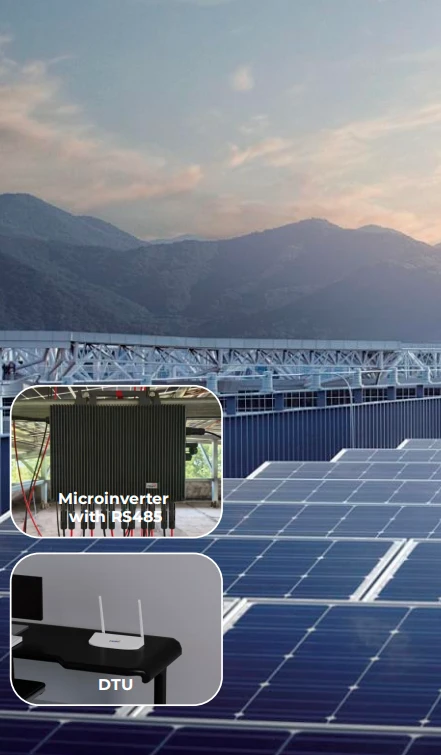
Wireless (RF) or Power Line Communication |
| Warranty |
10–15 years typical |
Now, not all microinverters are created equal. Over the years, I've tested a handful from vendors like Enphase, APsystems, and the newer players like TSUN ESS. It feels to me that your choice boils down to a mix of reliability, communication features, and price—though sometimes support and firmware updates matter even more.
| Vendor |
Max Efficiency |
Warranty |
Communication |
Price per Unit |
| Enphase |
97% |
25 years |
Proprietary RF |
High |
| APsystems |
96.5% |
10 years |
Power Line Comms |
Moderate |
| TSUN ESS |
96.4% |
15 years |
Wireless (RF) |
Competitive |
One interesting installation I recall was for a small farm owner in Oregon. Because of trees and uneven shading, a string inverter system was underperforming year after year. Once we switched to a microinverter grid tie 600w setup, their yield noticeably increased—even modest afternoon shading didn’t impact their overall daily harvest. The owner remarked it was “like each panel did its own thing,” which is about as good a summary as you can get.
Testing and certification are critical here. The best microinverters undergo rigorous UL and IEEE compliance tests, and some vendors even run extended burn-in periods. It's details like these—stuff you don't see from the outside—that give me the confidence to specify certain products repeatedly. It’s one of those areas where experience and vendor reputation really matter.
In short, a 600W microinverter grid tie solution offers a strong balance of power, modularity, and safety—especially for residential and small commercial sites. If you want to dip your toes into solar with flexibility at its heart, it’s worth a good look.
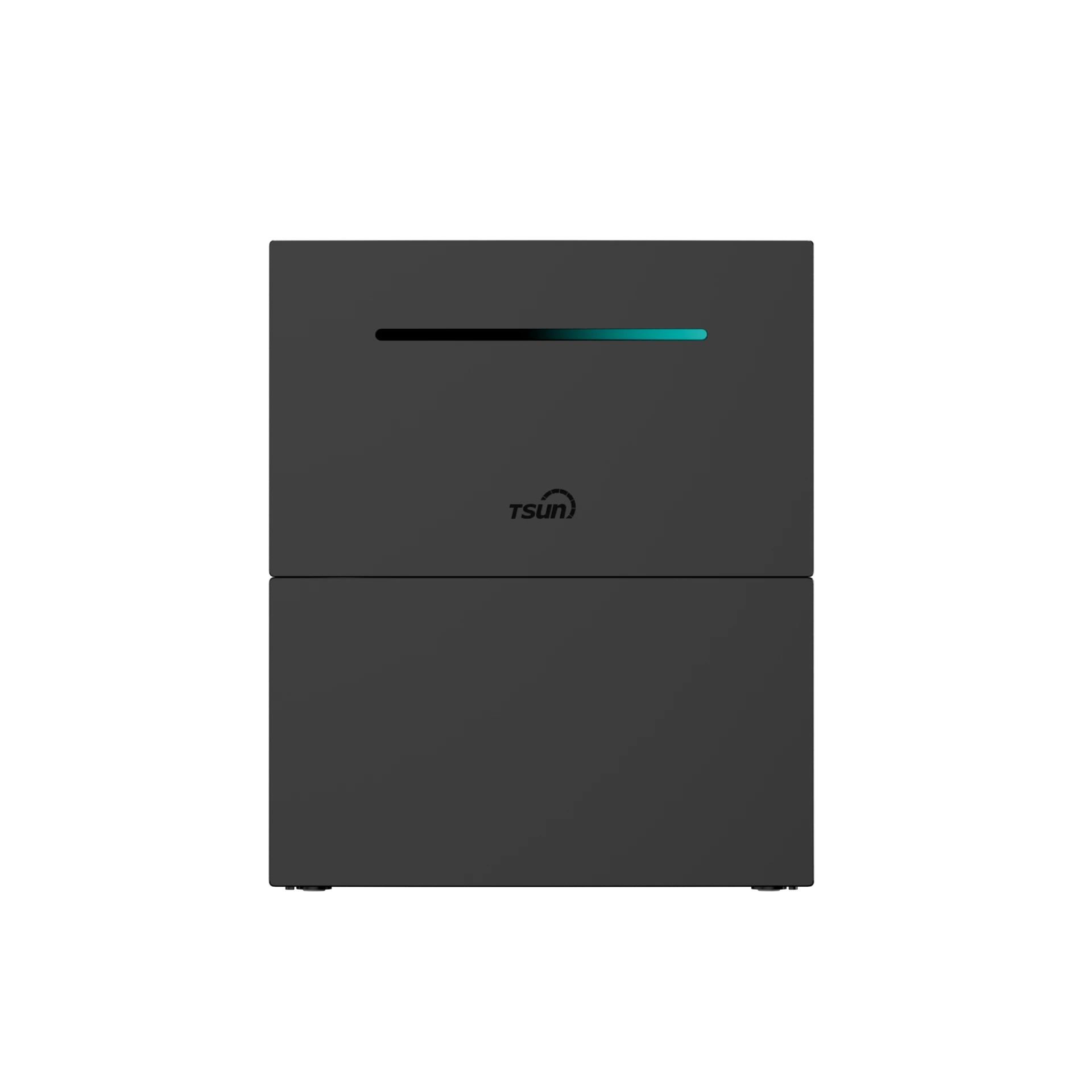
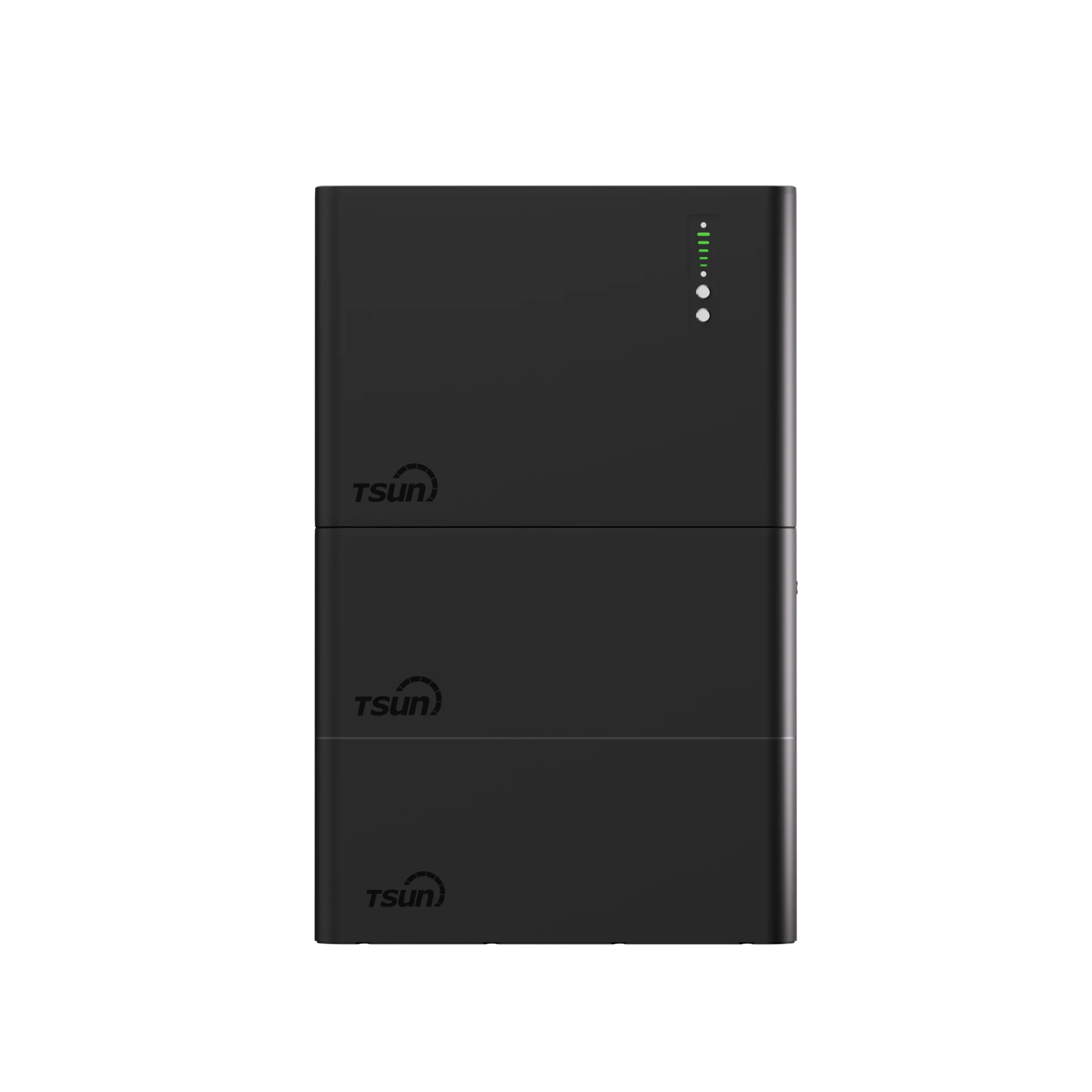
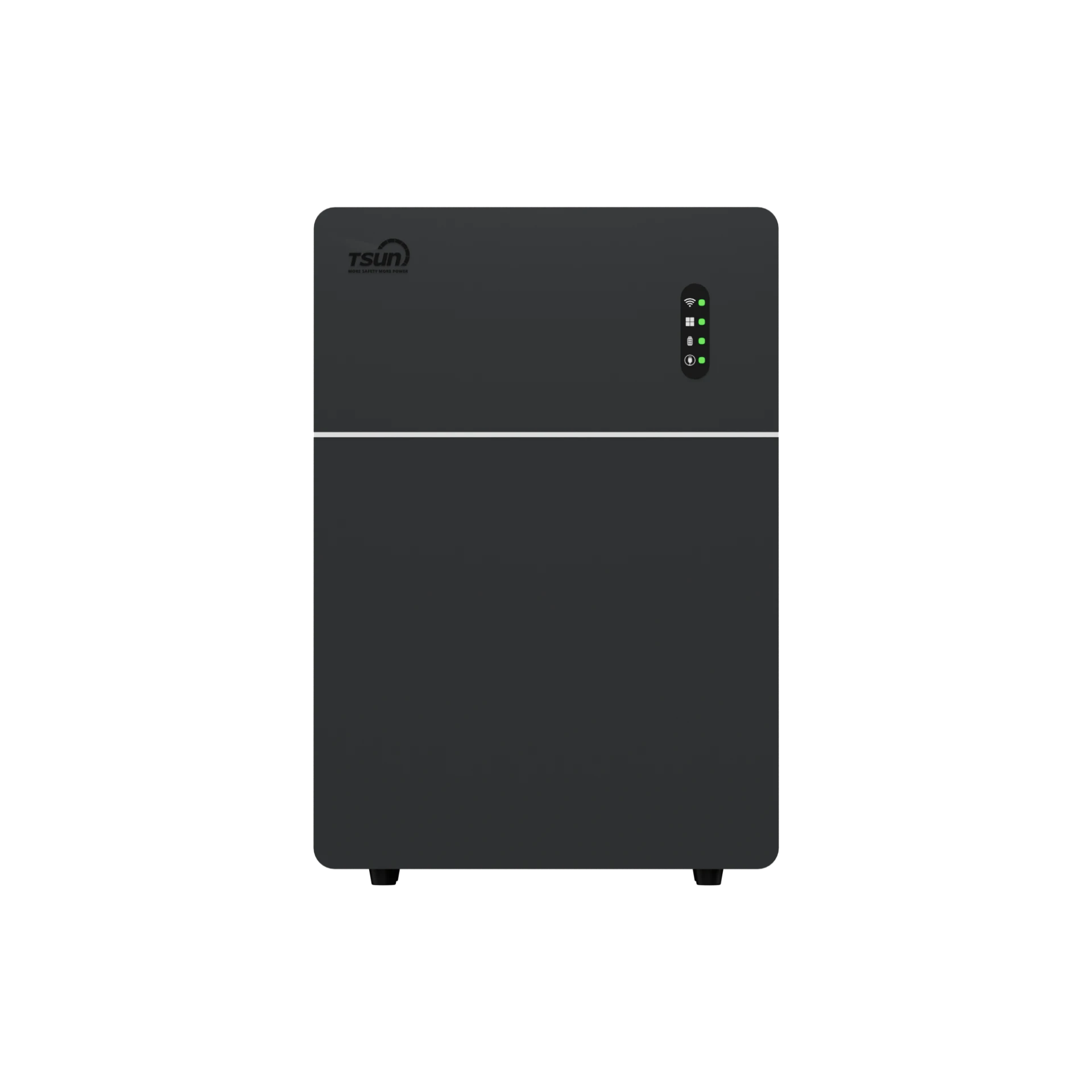
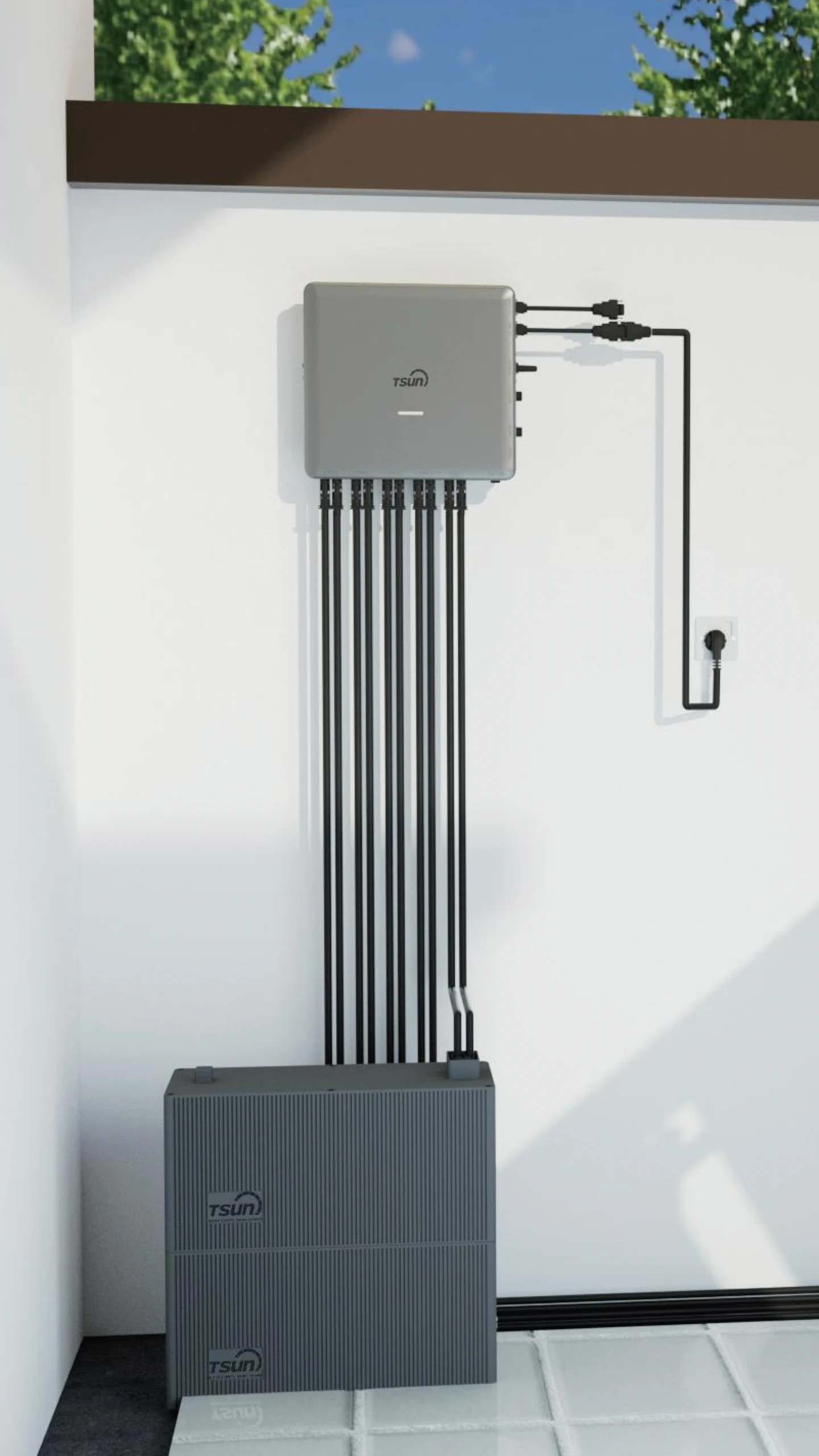
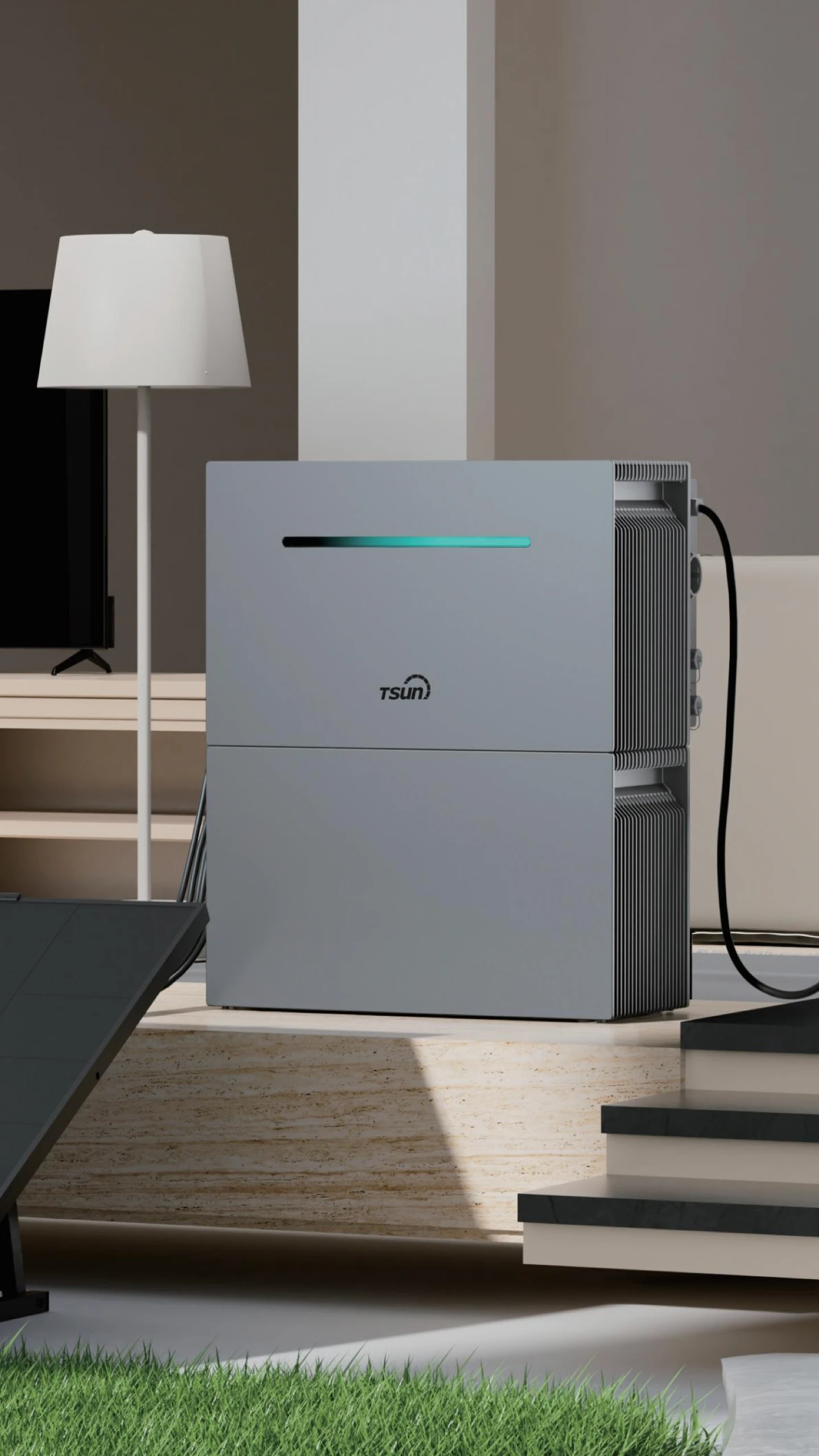
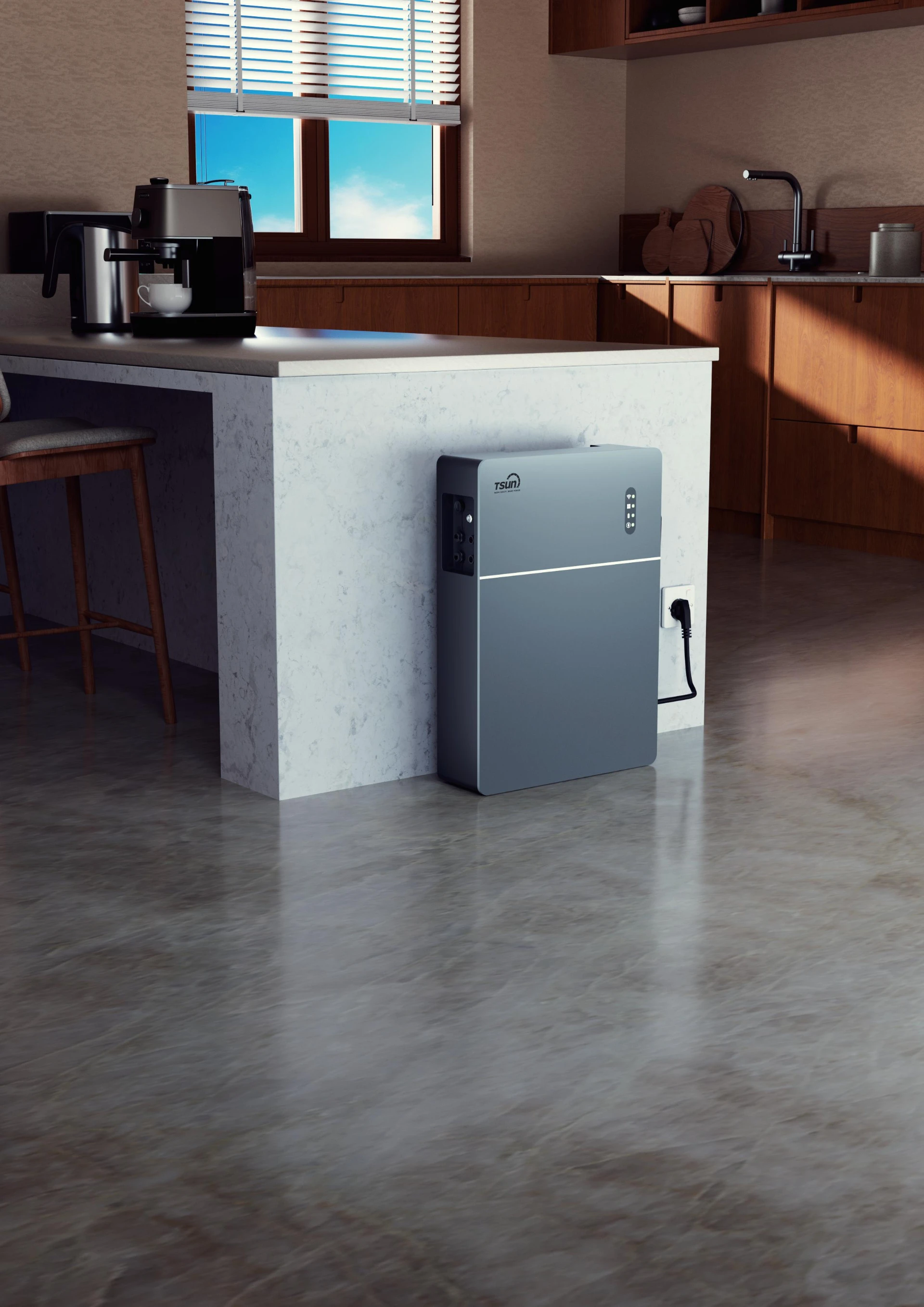
For anyone exploring options, checking out TSUN ESS’s microinverter solutions is a solid move. They blend cost-effectiveness with a respectable feature set and support.
One last thing: the future might yet hold even smarter microinverters—integrating energy storage or improved grid services—so keep an eye on evolving tech.
References:
- Enphase Energy Product Datasheets and Certification Reports
- APsystems Microinverter Efficiency and Warranty Documentation
- TSUN ESS Official Product Literature & Case Studies



 LEARN DETAILS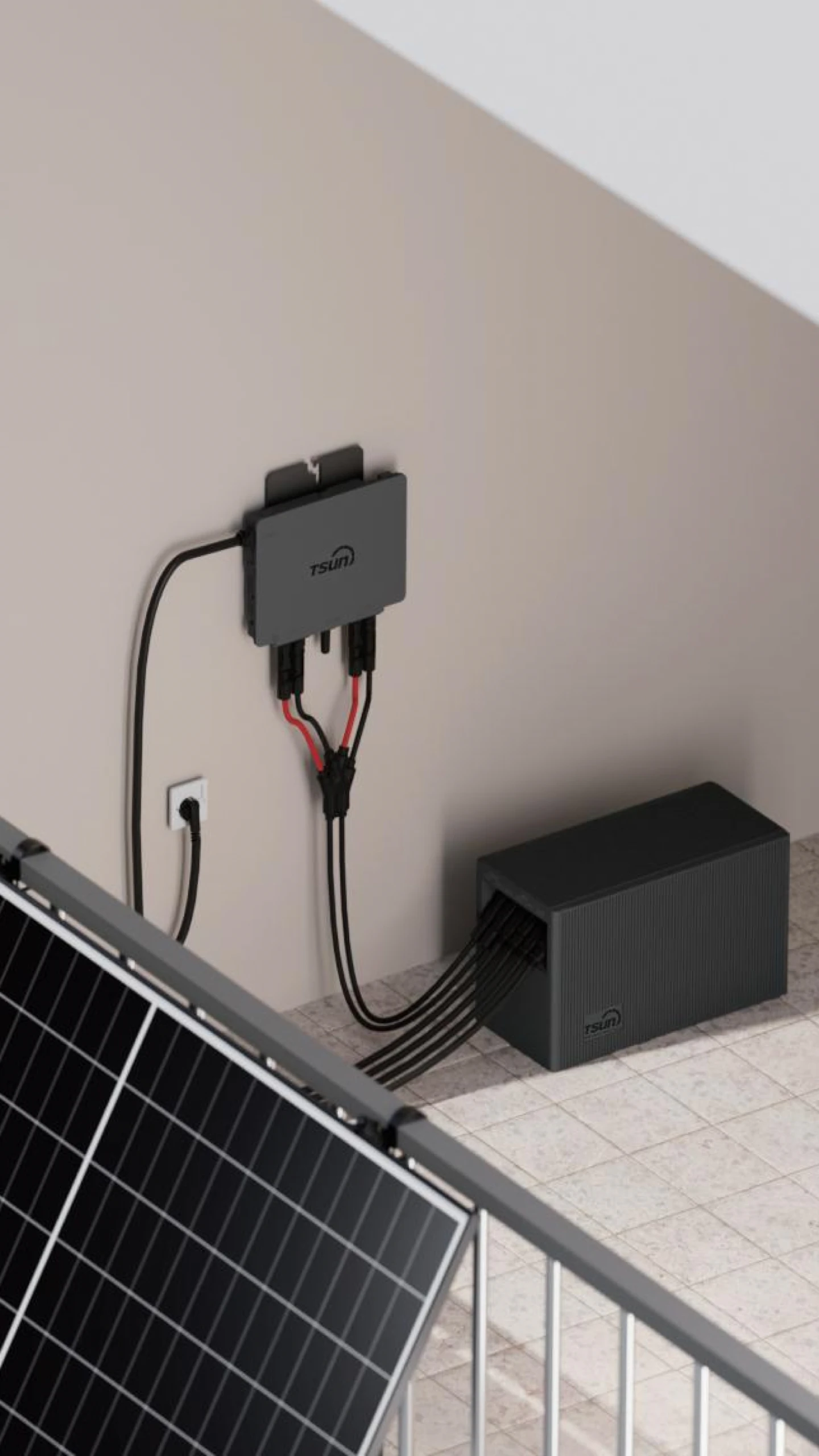
 Downloads
 Video Center
 Report Fault for Repair
 FAQS
FAQS Service Network
 Privacy Policy
 Contact Us
 Monitoring


 LEARN MORE