Microinverters For Off Grid is a key solution in the industry, specifically within decentralized energy systems. This article explores how https://www.tsun-ess.com supports professionals with durable, high-performance products, and explains why this product is an ideal choice for businesses in these sectors.
Table of Contents
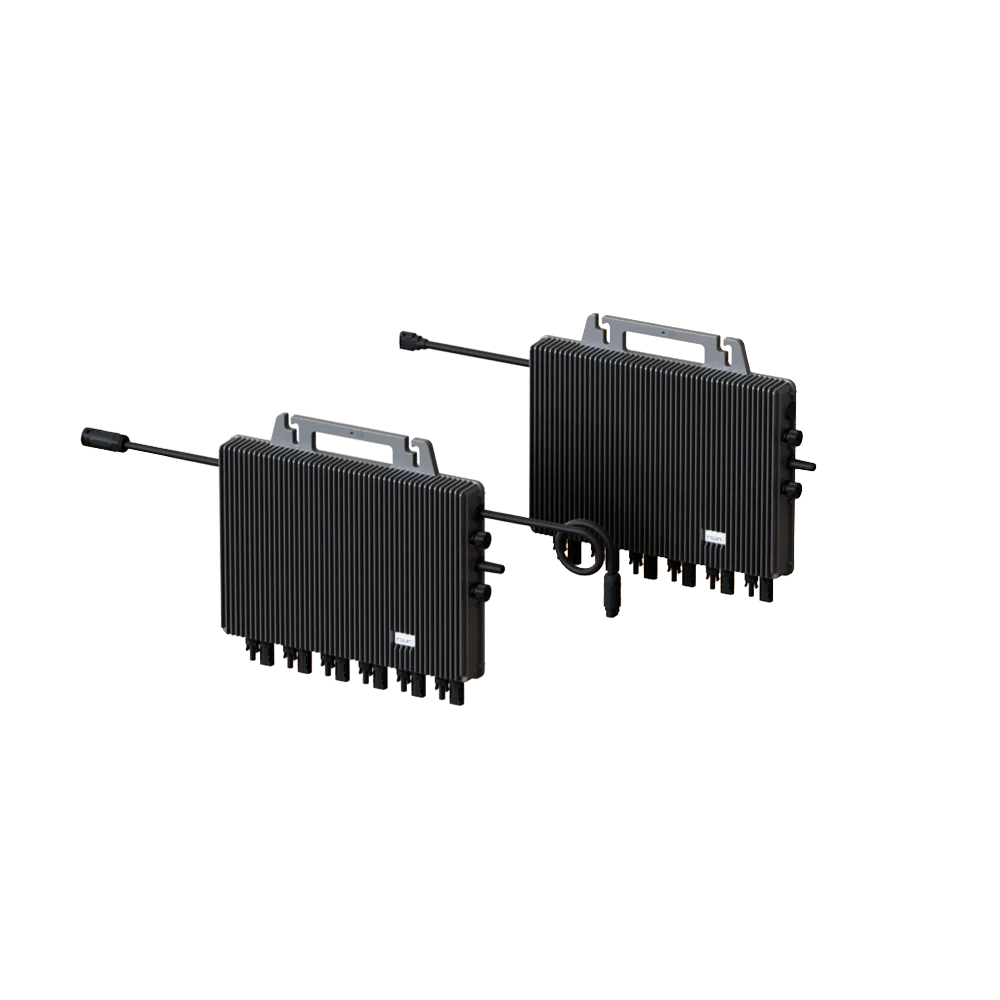
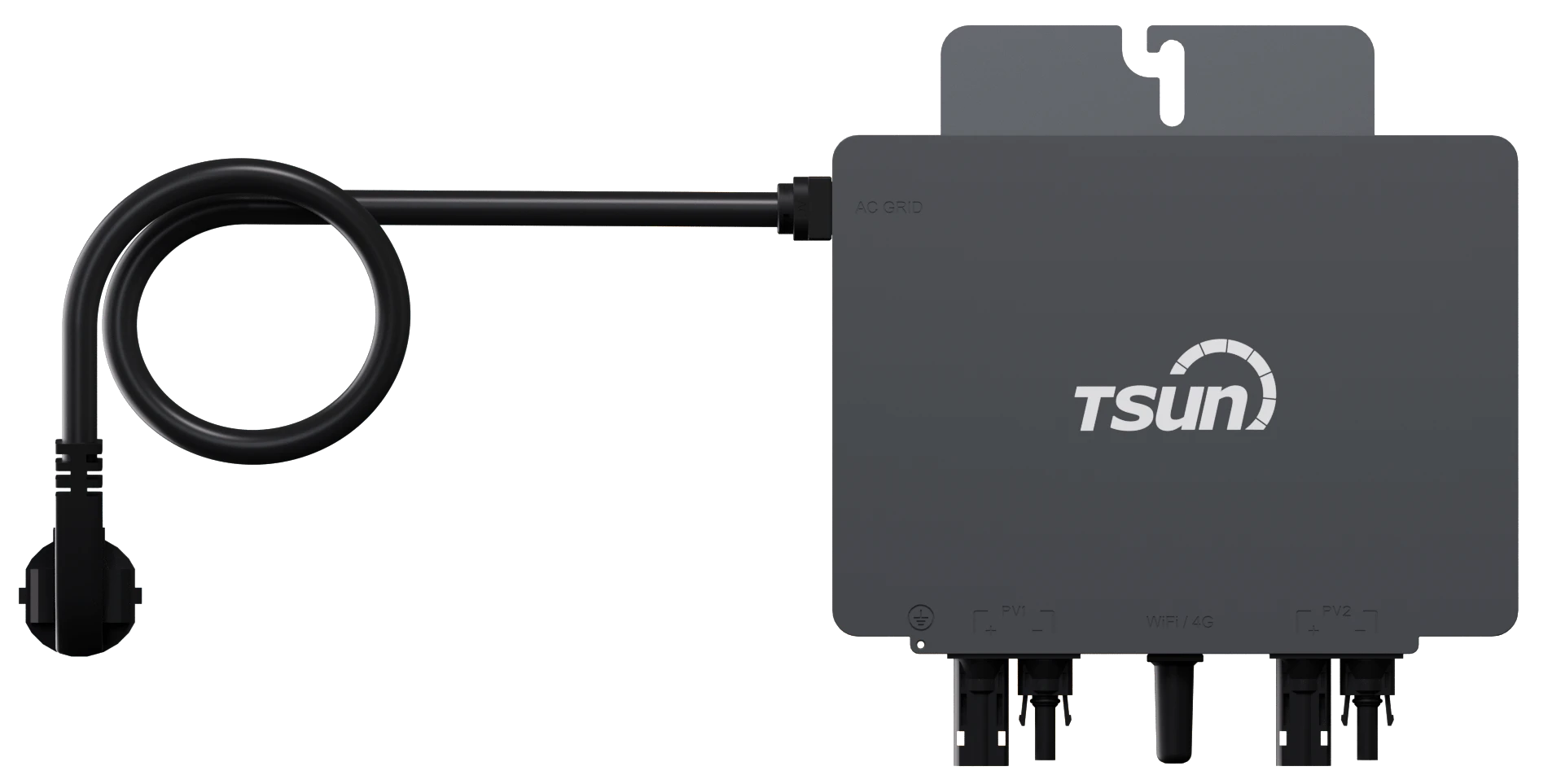
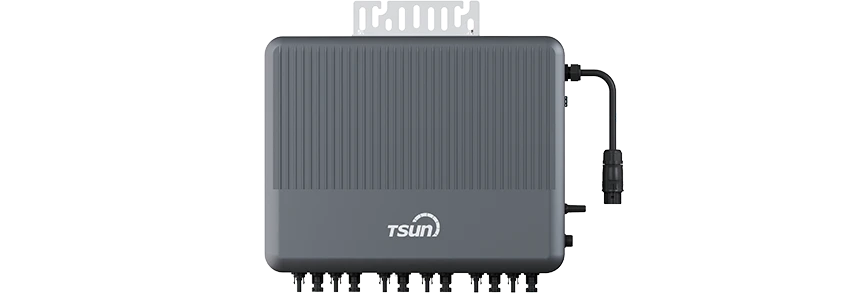
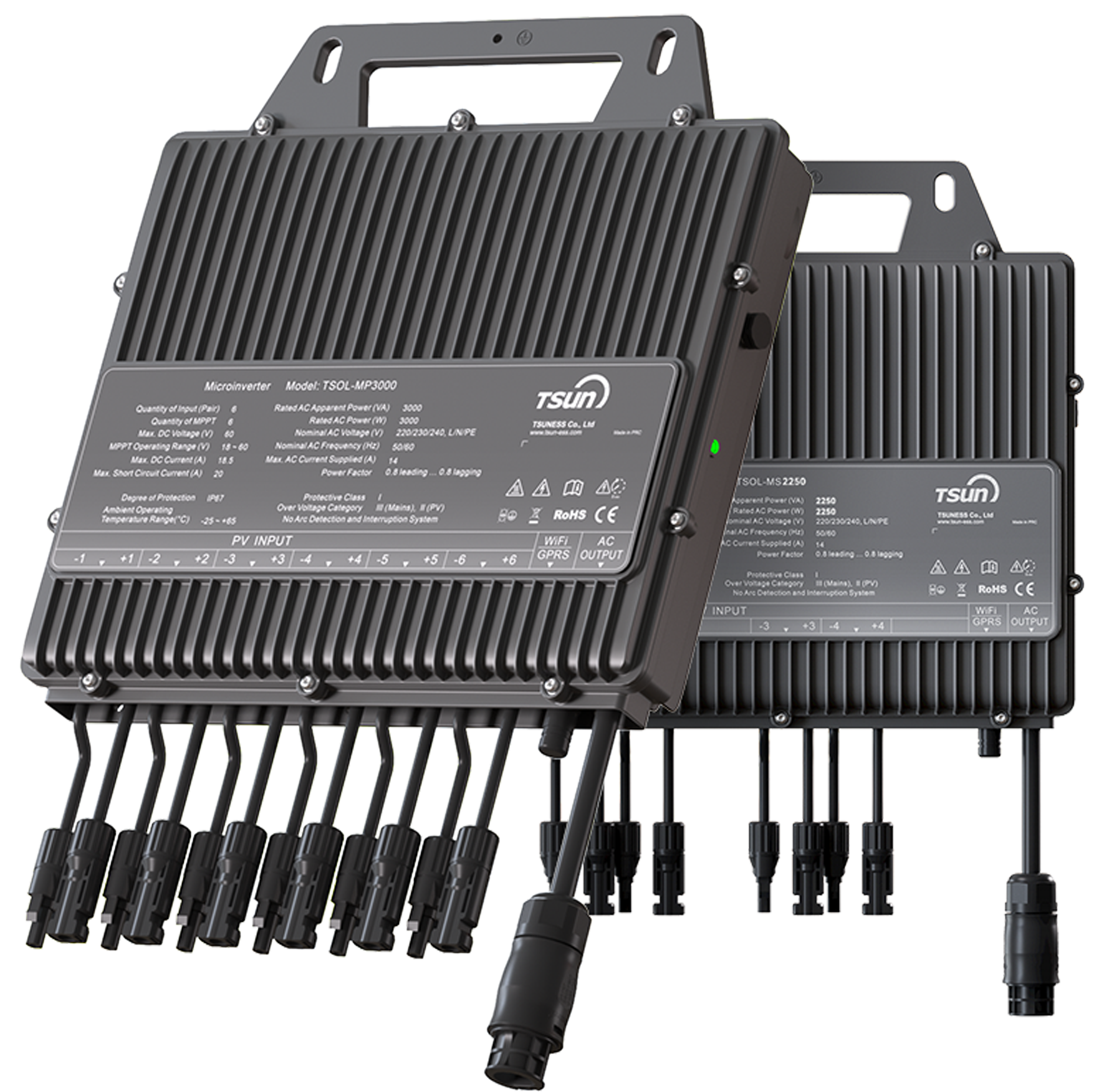
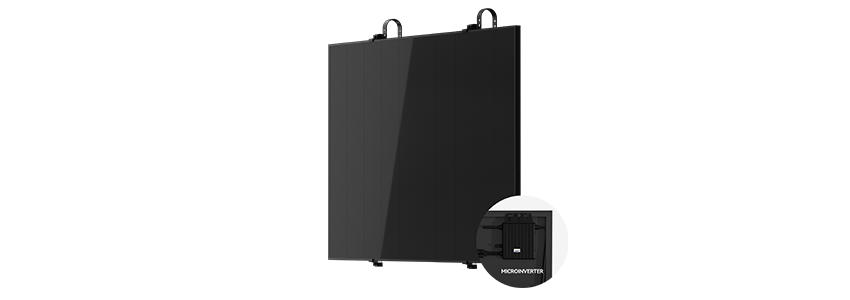
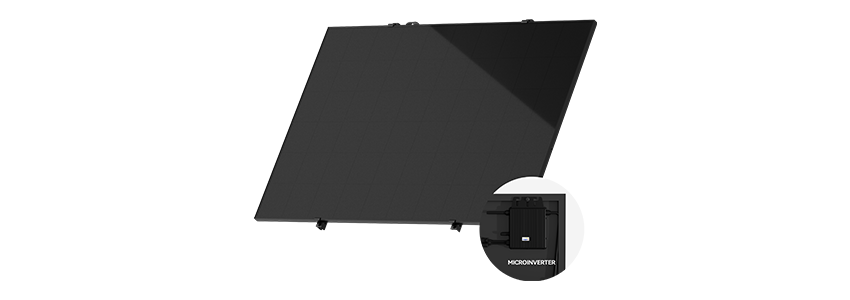
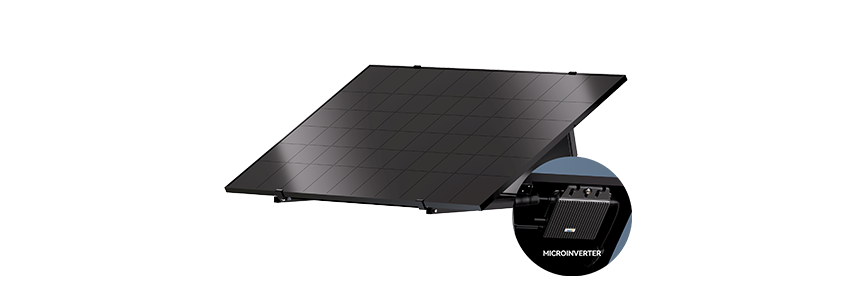
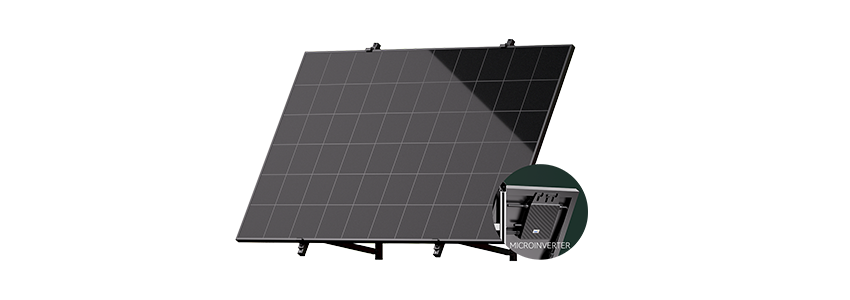
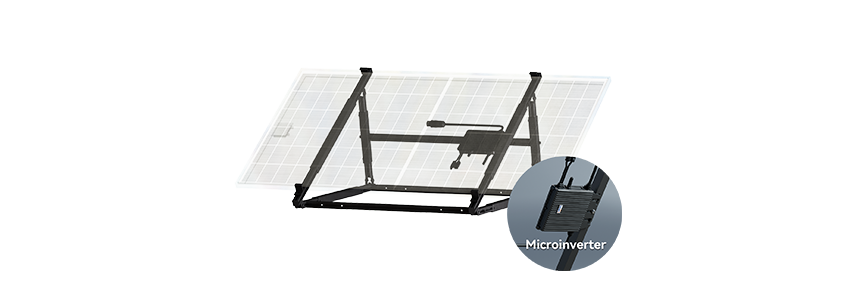
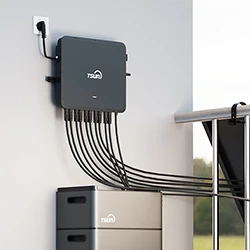
Have you ever considered what powers a remote cabin, far from the grid? In such cases, Microinverters For Off Grid come into play as a crucial component. These devices convert DC electricity generated by solar panels into AC, right at the panel itself. This process, while seemingly straightforward, unlocks significant advantages: greater efficiency, individual panel monitoring, and improved fault tolerance. Unlike traditional string inverters, microinverters handle energy conversion on a per-panel basis, which is especially valuable when shading or panel mismatch is a concern.
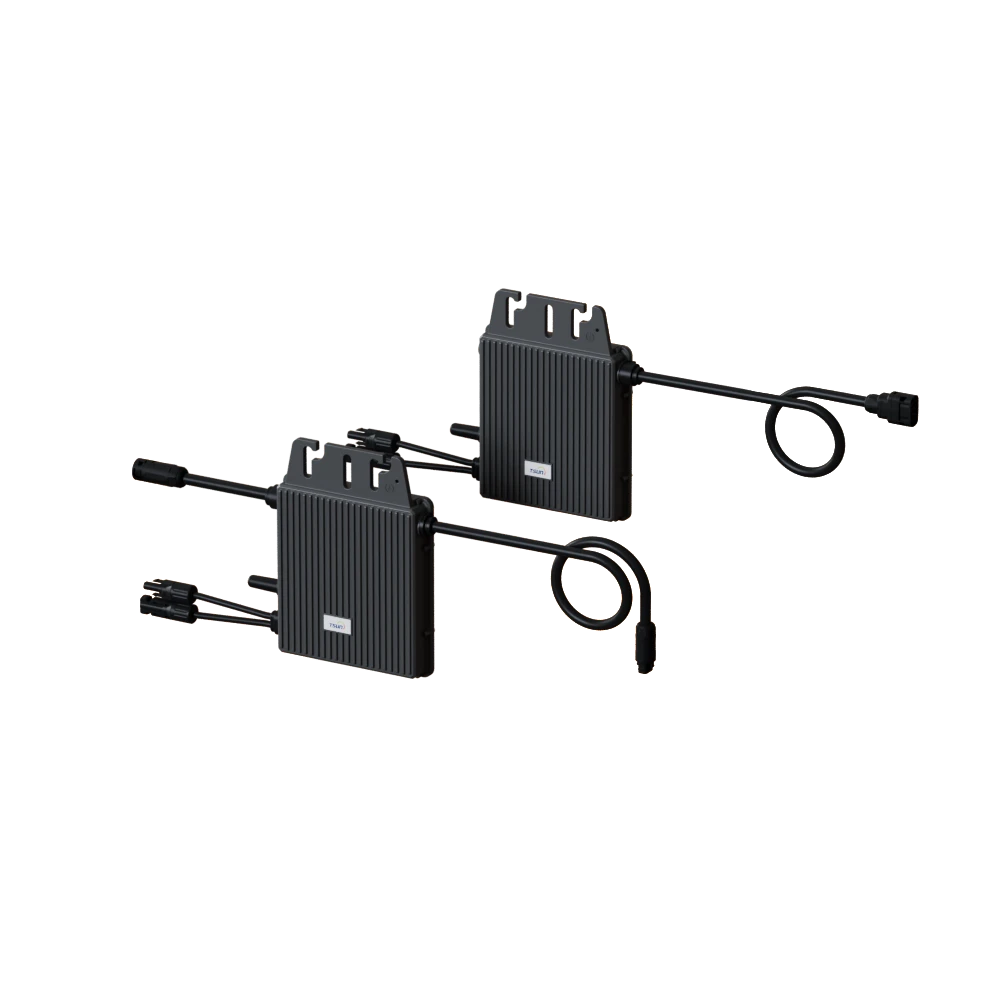
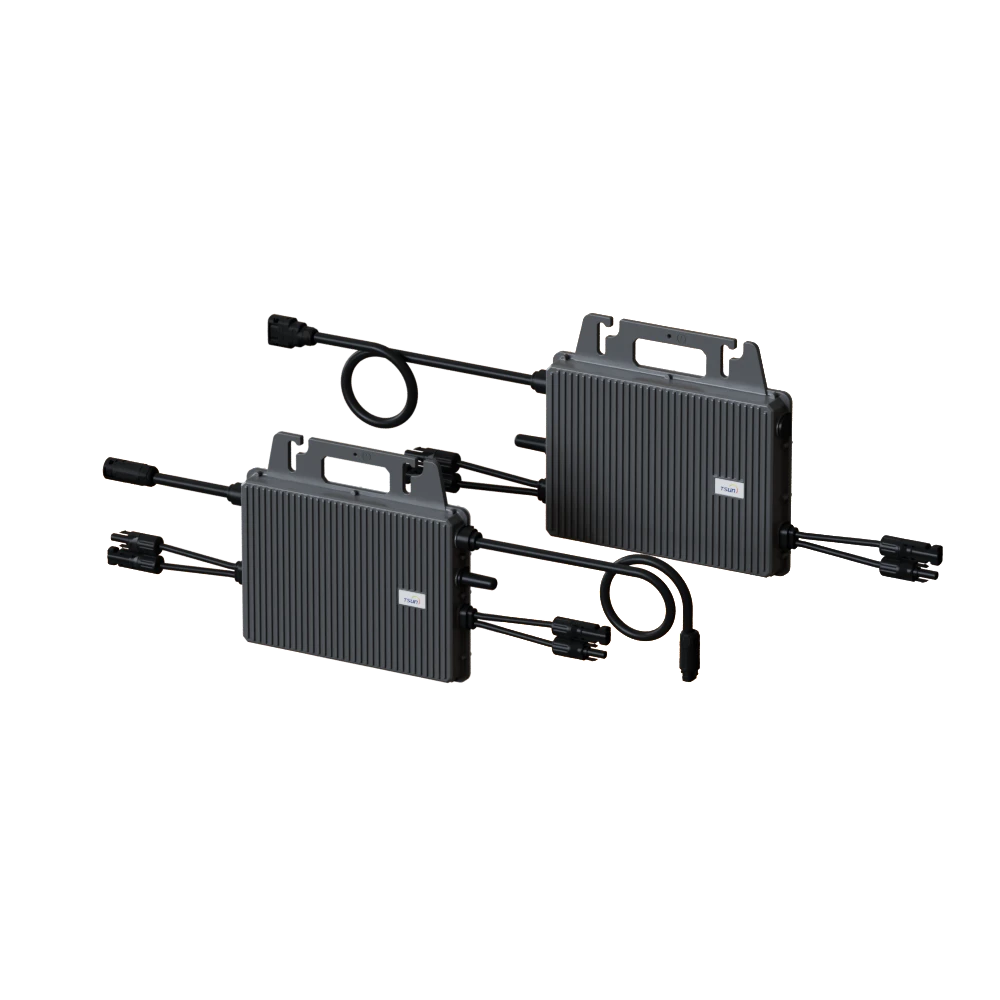
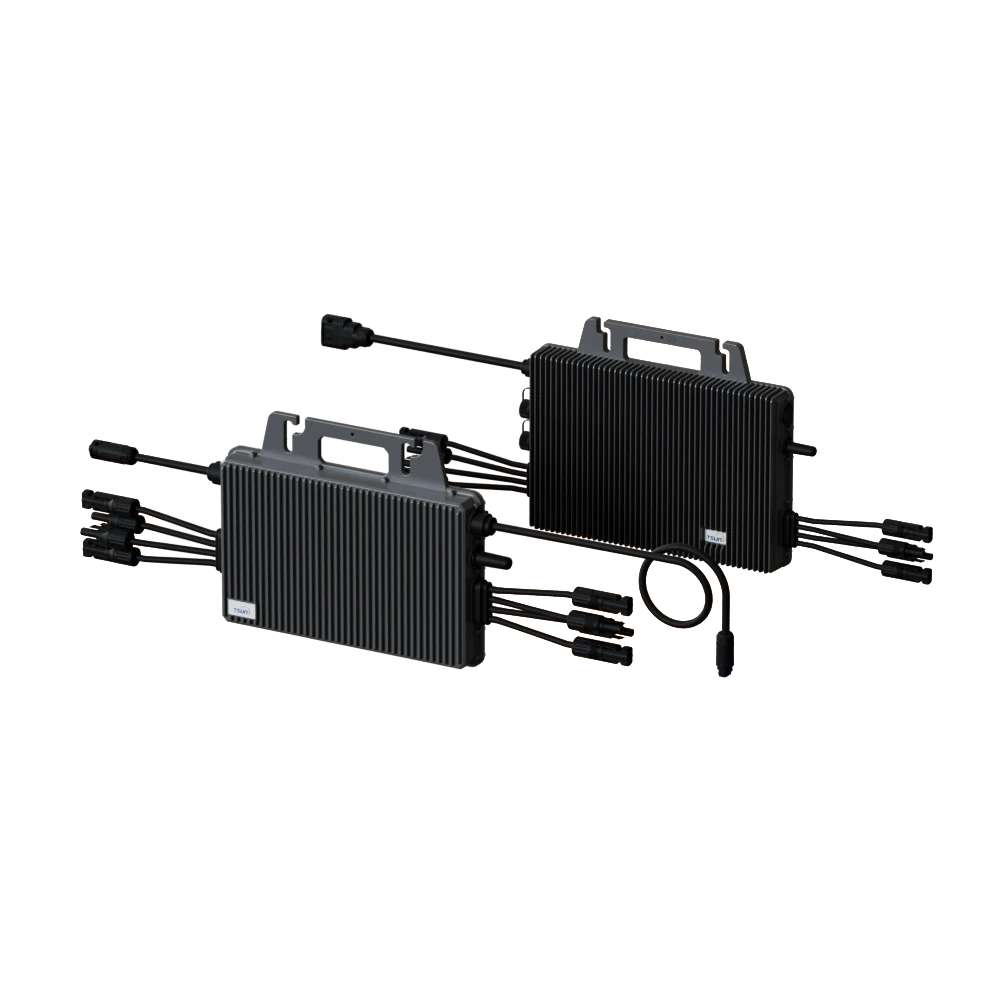
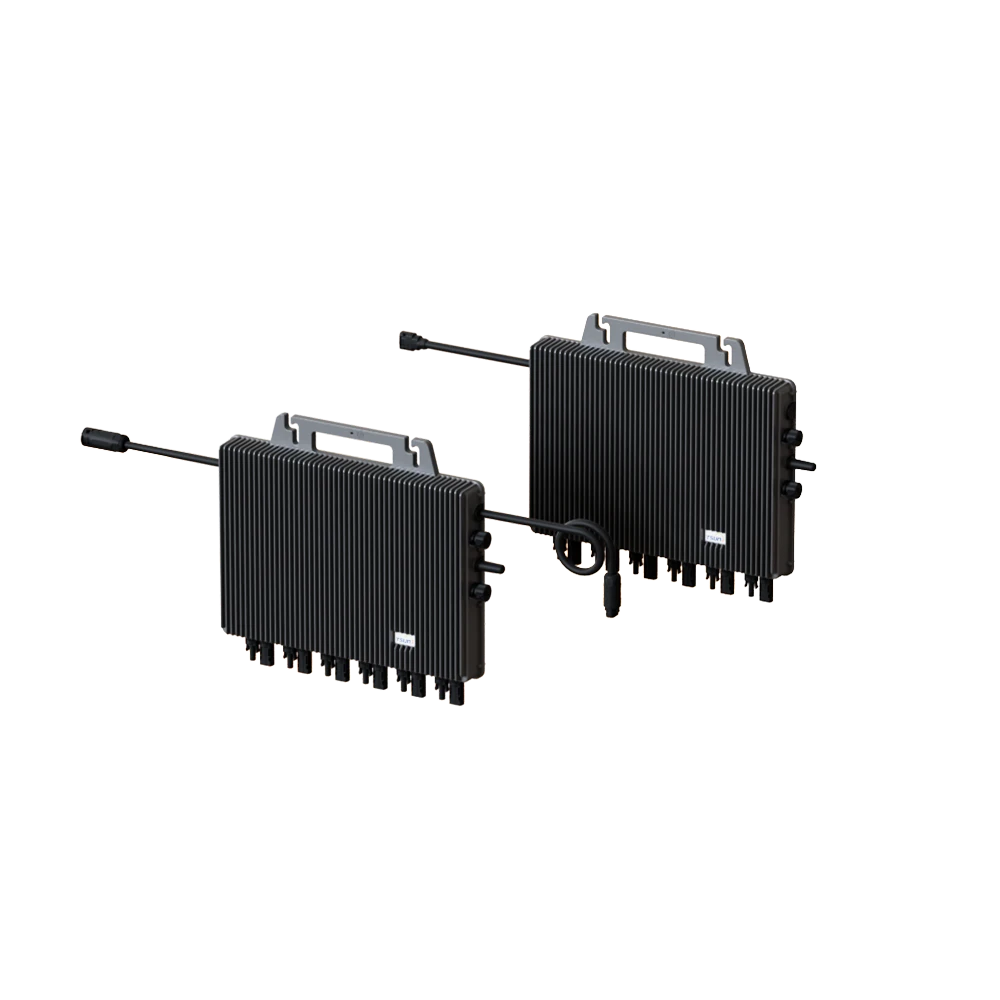
From a technical standpoint, modern microinverters boast peak efficiency rates upwards of 96%, translating directly into more consistent energy harvests. Tsun-ESS’s product lineup, for example, integrates robust components tested under rigorous IEC standards to endure harsh off-grid environments. I noticed their models typically operate in voltage input ranges of 16-60V DC, supporting panel wattages up to 350W, with an output AC power of about 240W per unit—pretty solid specs for reliably powering smaller to medium off-grid installations.
| Specification |
Tsun-ESS Microinverter Model X100 |
| Max DC Input Voltage |
60 V |
| Rated AC Output Power |
240 W |
| Efficiency |
96.5% |
| Operating Temperature |
-40°C to +65°C |
| Warranty |
10 years |
Microinverters are frankly game changers in off-grid setups. Because each solar panel works independently, if one panel is shaded or dusty, it doesn’t drag down the whole system’s performance. That’s not just theory—many engineers who implement these systems swear by their resilience in real-world conditions, including complex roof layouts and remote locations where maintenance visits are expensive and infrequent.
As an aside, I met a project manager recently who talked about a remote telecom tower supported by off-grid solar arrays equipped with microinverters. They observed a significant improvement in uptime and power stability after switching from string inverters, which is a key concern for critical infrastructure.
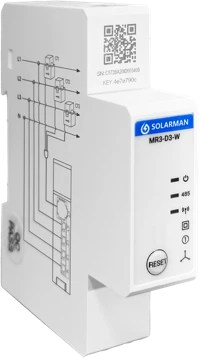
Tsun-ESS’s microinverters come with integrated monitoring that provides per-panel data, so any issues or performance dips can be caught early – a boon for businesses managing large-scale or distributed assets. Features like built-in anti-islanding protection and surge immunity make these a strong contender in harsh climates.
Cost, Maintenance & User Experience
The total cost of ownership for microinverters can feel like a tricky topic. Initially, they often come at a higher upfront price compared to traditional string inverter setups, especially when you multiply the cost by each panel. However, you have to consider durability and reduced maintenance. In many industrial off-grid applications, Tsun-ESS’s microinverters have exhibited lifespans exceeding 10 years with minimal service interventions.
User experience, oddly enough, trends towards positive. Remote monitoring means fewer site visits, saving time and money—something every business likes to hear. Reports from customers in agriculture and remote construction sectors indicate smoother performance tracking and faster troubleshooting cycles. From personal observations in the field, this often translates to less downtime and by extension, improved ROI.
Naturally, each use case varies—companies must evaluate system scale, environmental exposure, and maintenance capabilities. But if reliable, modular power conversion is on your checklist, microinverters from vendors like Tsun-ESS provide a sound choice.
| Feature |
Tsun-ESS |
Competitor A |
Competitor B |
| Max Panel Wattage |
350 W |
320 W |
370 W |
| Warranty Period |
10 years |
7 years |
10 years |
| Maximum Efficiency |
96.5% |
95.8% |
96.3% |
| Monitoring Capability |
Per-panel, real-time |
System level |
Limited per-string |
| Operating Temp Range |
-40°C to 65°C |
-30°C to 60°C |
-35°C to 55°C |
Sustainability & Market Trends
Sustainability, undeniably, has become the heartbeat of the energy sector. Deploying Microinverters For Off Grid represents a tangible step towards cleaner, decentralized energy consumption. With governments worldwide tightening regulations on carbon emissions, the off-grid solar market is poised for dynamic growth.
Industry analysts forecast a compound annual growth rate of nearly 10% in microinverter adoption, driven by technological improvements and cost declines. I suppose the ability of microinverters to enable modular, scalable setups fits well with the growing democratization of energy—meaning, businesses and communities can tailor systems without the hefty infrastructure of large-scale power plants.
Furthermore, manufacturers increasingly emphasize eco-friendly materials and extended product lifecycles. For example, Tsun-ESS integrates highly recyclable components and ensures strict quality controls that make their microinverters sustainable from production through end-of-life recycling.
Frequently Asked Questions about Microinverters For Off Grid
-
What is Microinverters For Off Grid and how does it work?
-
Microinverters for off-grid applications convert the direct current (DC) from solar panels into alternating current (AC) right at the panel level. This ensures each panel operates independently, maximizing power output and minimizing losses due to shading or panel mismatch. Essentially, it decentralizes power conversion for more resilience.
-
What are the main benefits of using Microinverters For Off Grid in industrial applications?
-
The key benefits include enhanced energy harvest thanks to per-panel optimization, improved system reliability with modular design, reduced downtime from easy fault detection, and often a longer overall system lifespan due to less strain on individual components.
-
How does Microinverters For Off Grid compare to traditional alternatives?
-
Compared to string inverters, microinverters offer superior resilience to shading and panel inconsistencies, allow for real-time per-panel monitoring, and decrease single points of failure. Though upfront costs are typically higher, the long-term operational benefits often justify the investment.
-
What industries can benefit most from Microinverters For Off Grid implementation?
-
Remote telecom, agriculture, mining camps, emergency relief stations, and any off-grid commercial facilities are prime candidates. These sectors rely heavily on uninterrupted power supply where grid extension is impractical, and microinverters offer modular and scalable solutions.
Conclusion on Microinverters For Off Grid from china
To wrap things up, Microinverters For Off Grid represent a powerful blend of technology and practicality for businesses looking to harness renewable energy off the beaten path. Their modular nature, robustness, and smart monitoring capabilities fit well with diverse industrial demands. For decision-makers weighing their energy options, exploring products like those from Tsun-ESS could truly be worth the while.
Visit our website: https://www.tsun-ess.com to learn more.
References
- International Electrotechnical Commission (IEC) Standards on Microinverter Testing
- Market Analysis Reports, Off-Grid Solar Power Trends, 2023
- Customer Case Studies, Tsun-ESS Official Website



 LEARN DETAILS
 Downloads
 Video Center
 Report Fault for Repair
 FAQS
FAQS Service Network
 Privacy Policy
 Contact Us
 Monitoring


 LEARN MORE