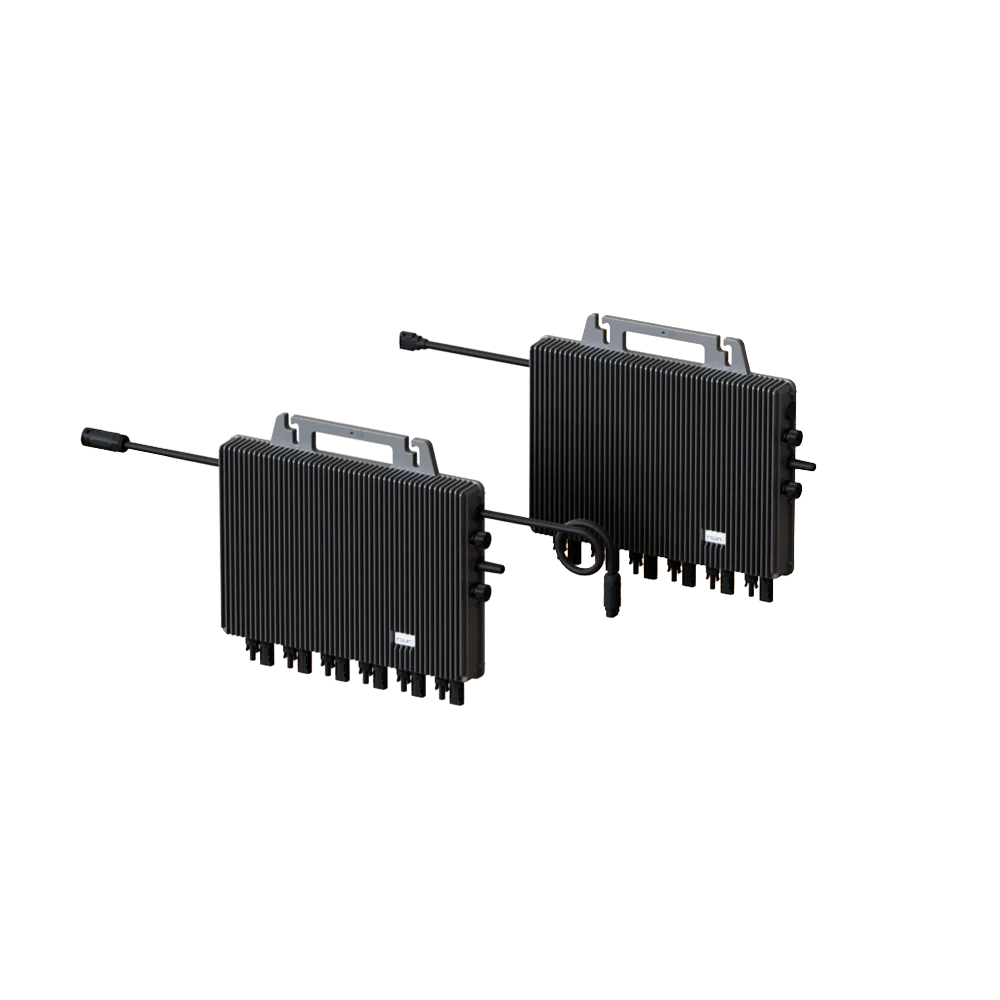
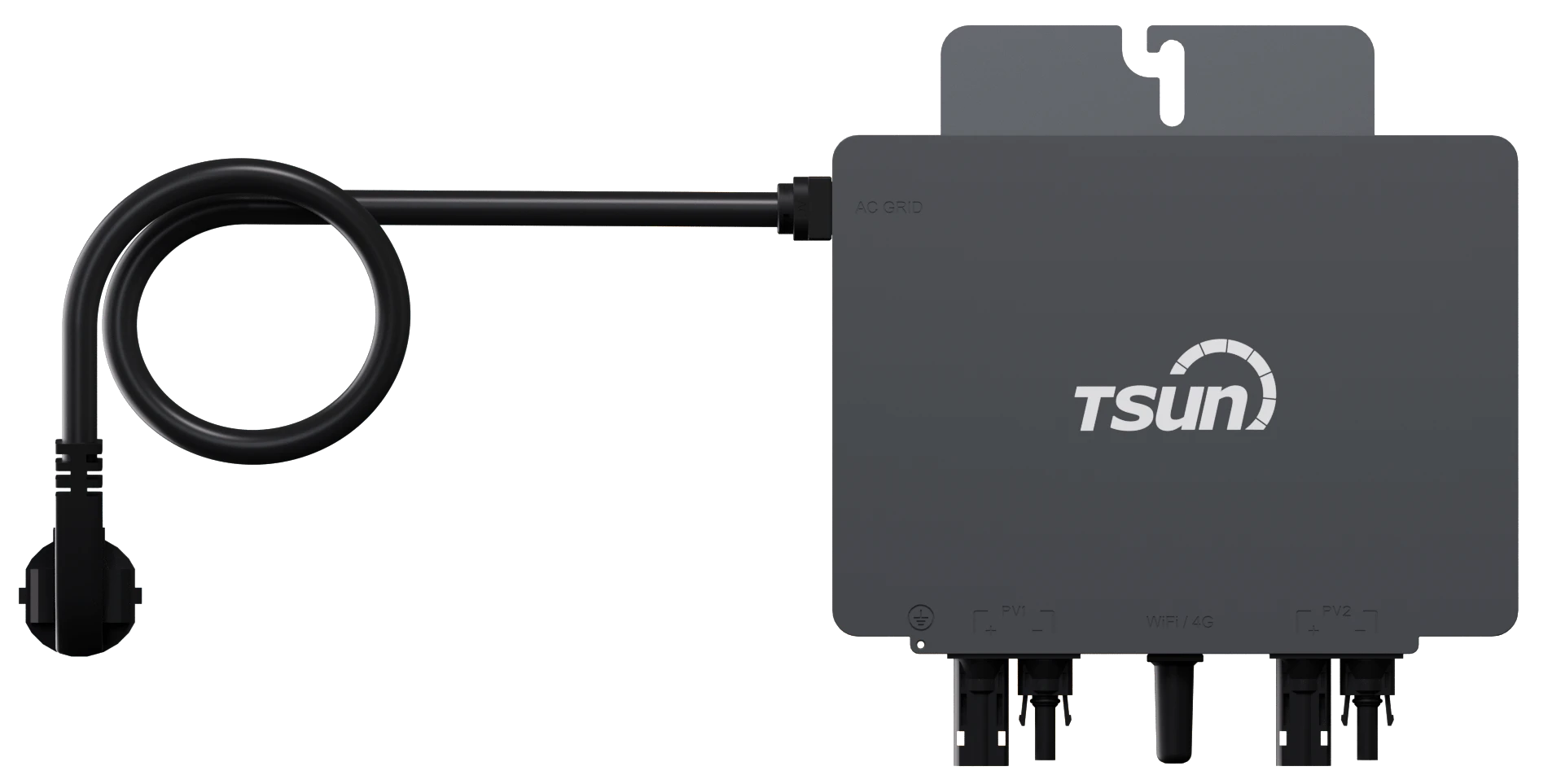
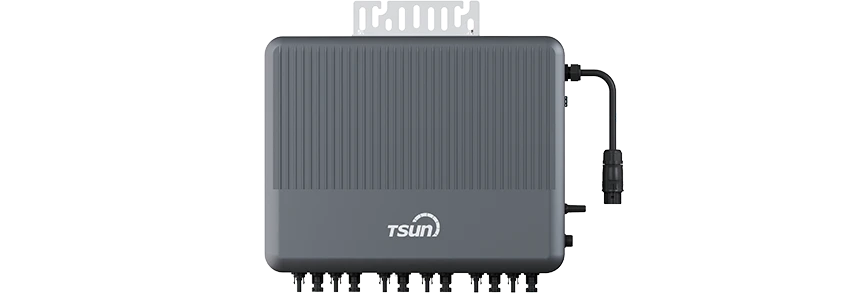
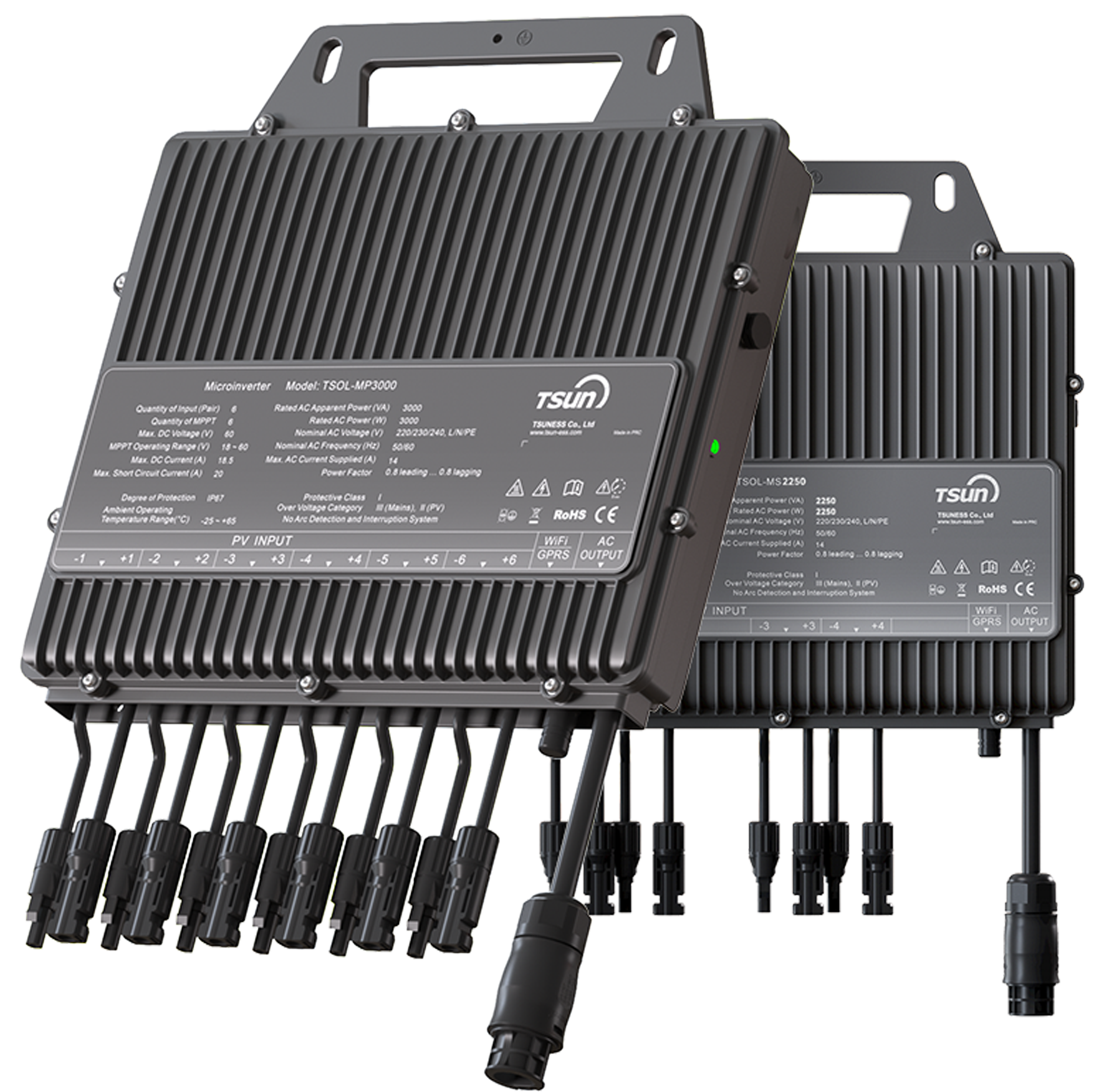
Microinverter Solar Panels Price is a key solution in the industry, specifically within solar energy deployments for commercial settings and large-scale projects.
This article explores how https://www.tsun-ess.com supports professionals with durable, high-performance products, and explains why this product is an ideal choice for businesses in these sectors.
Table of Contents
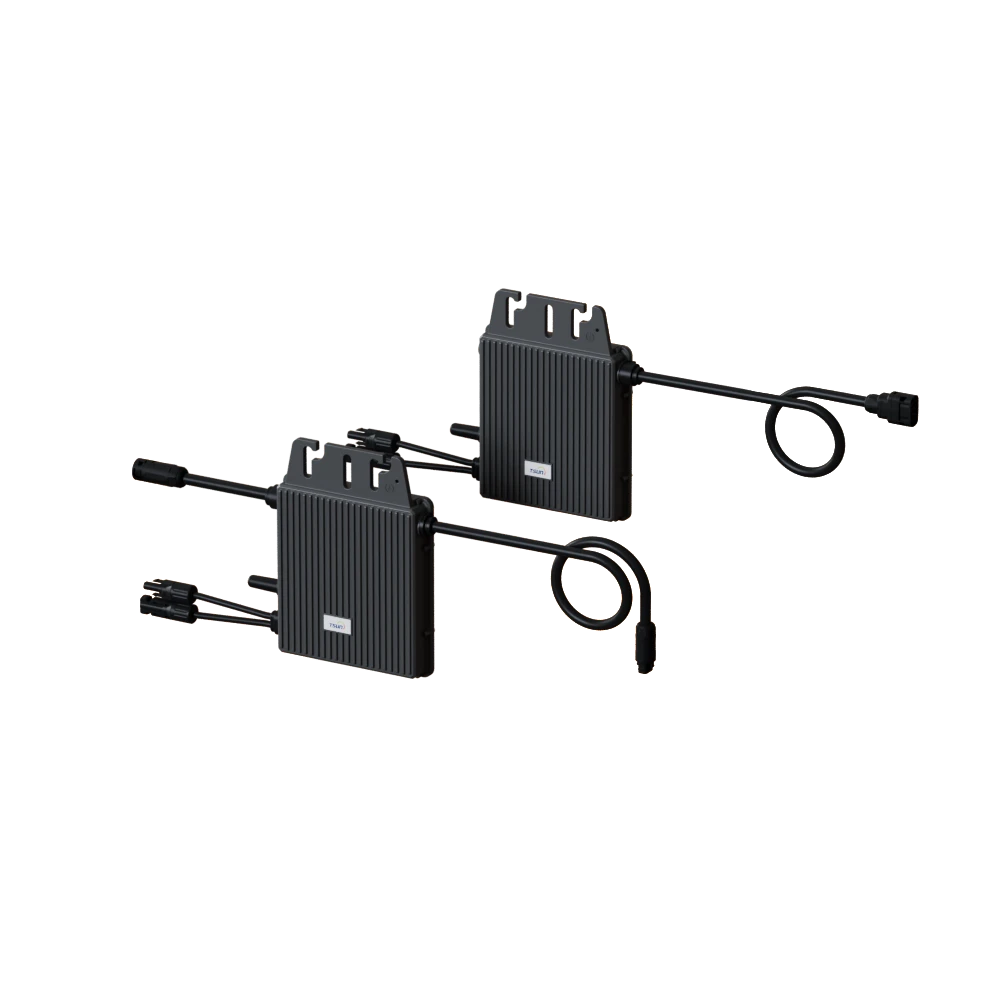
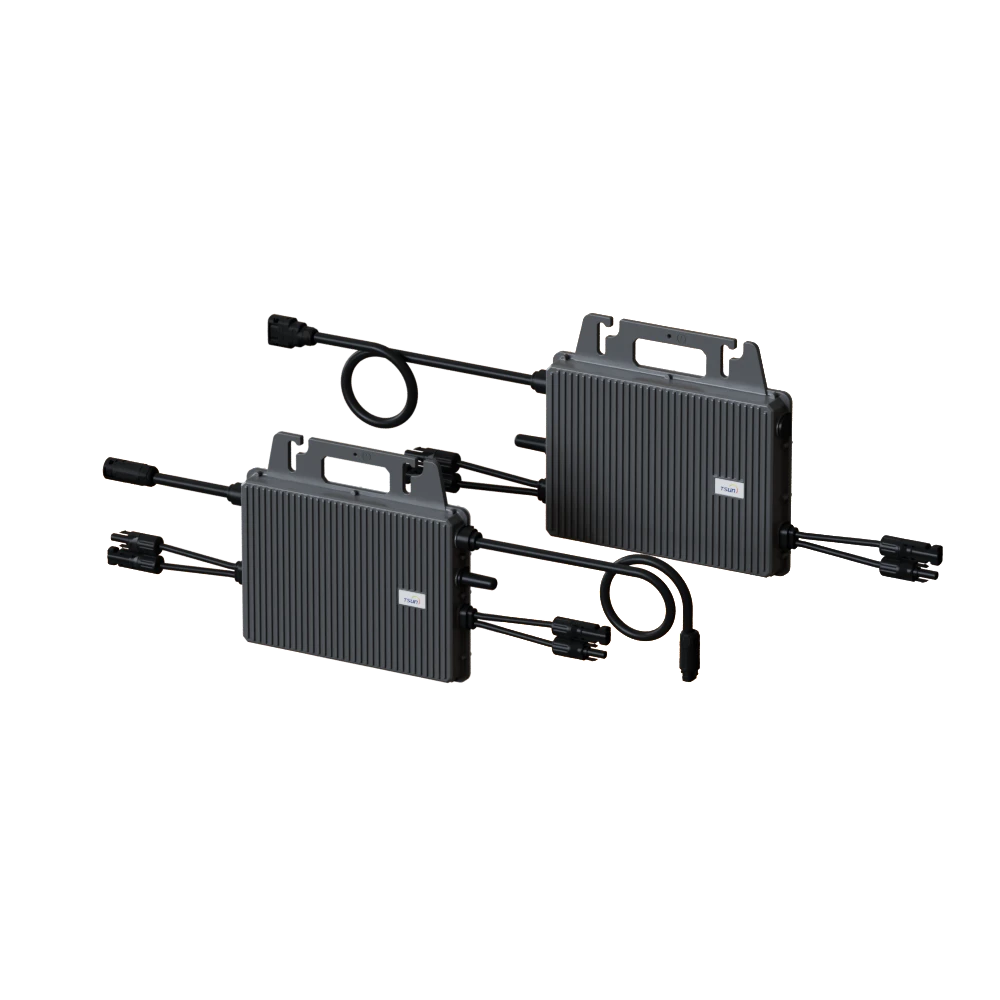
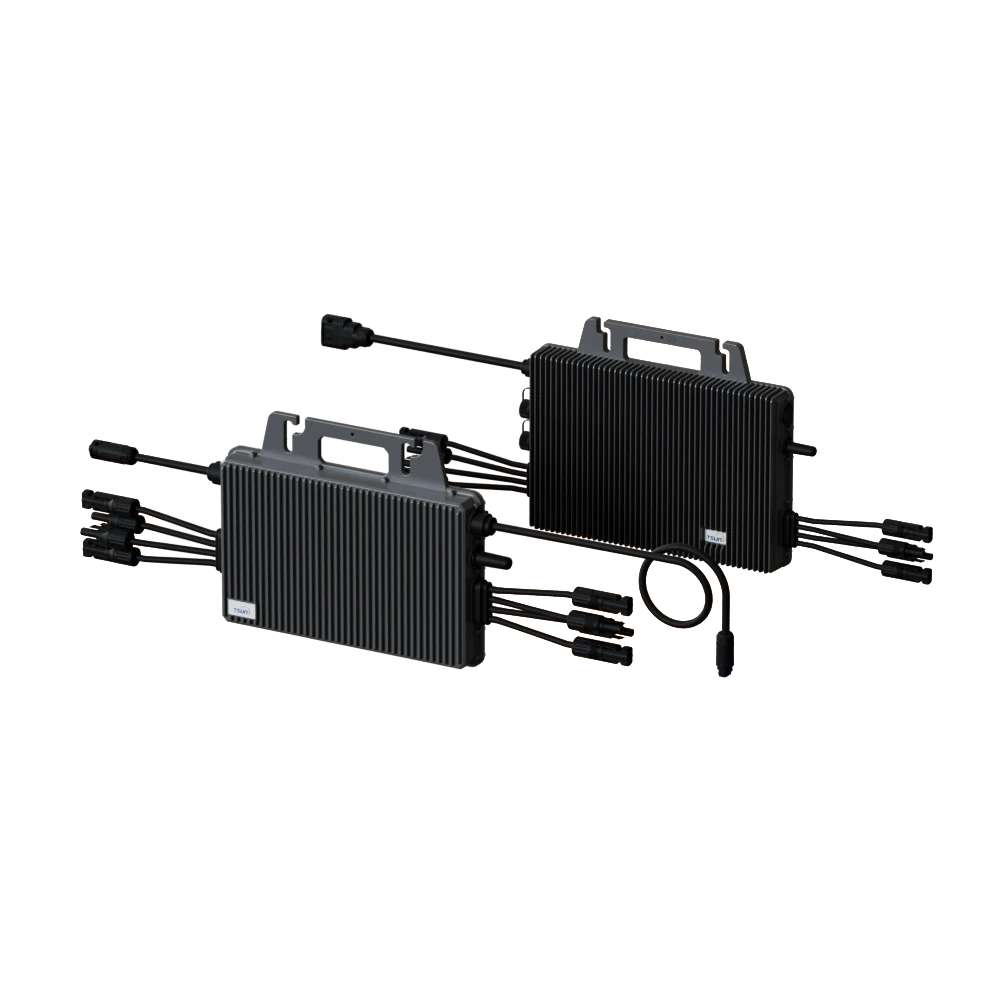
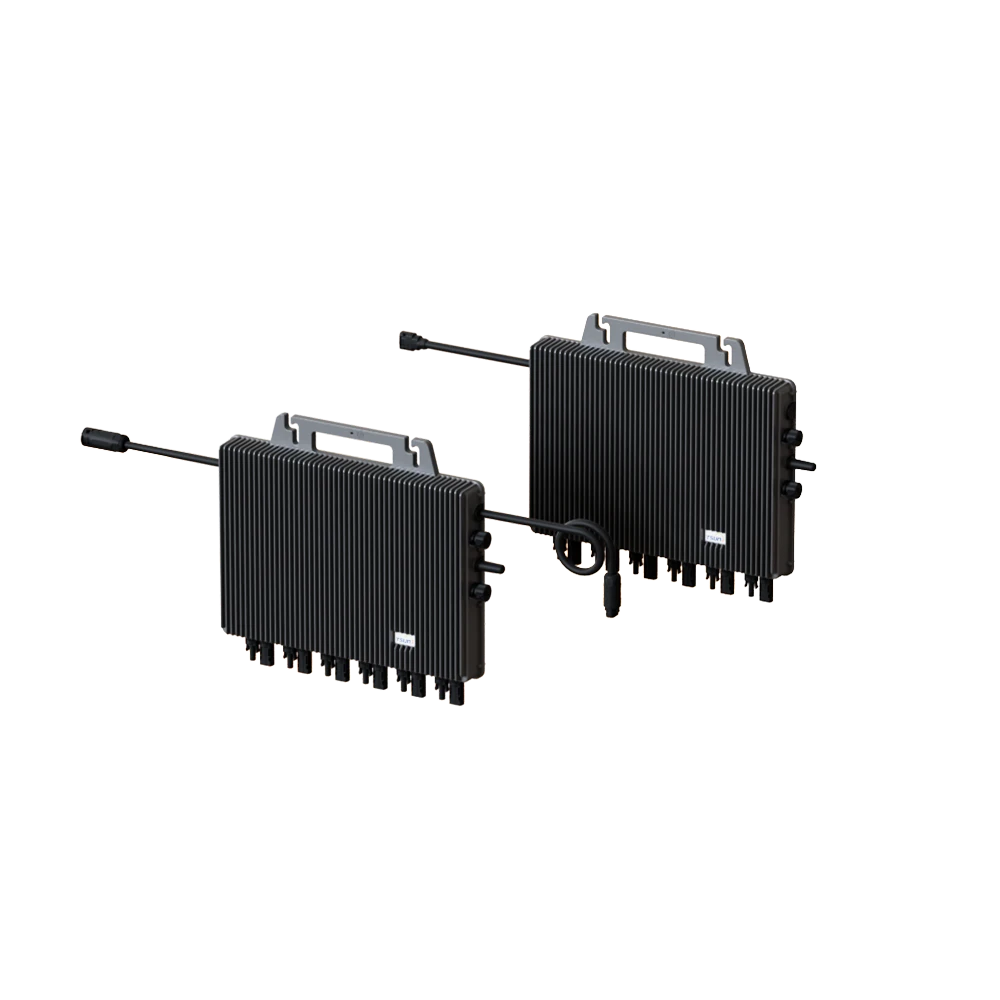
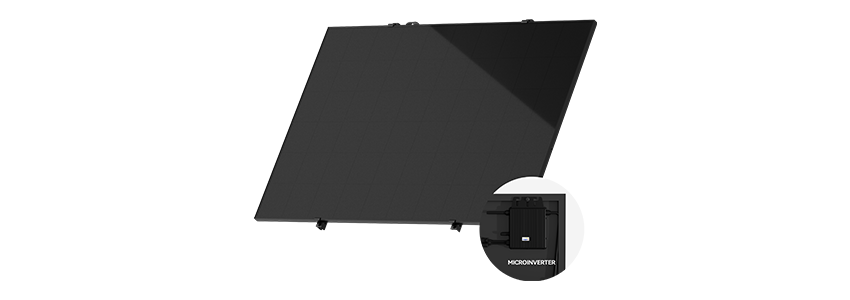
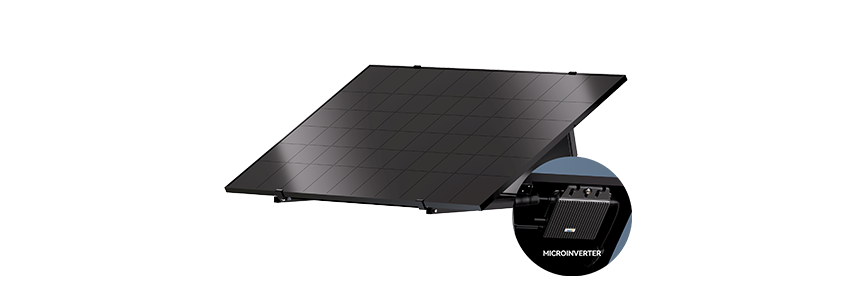
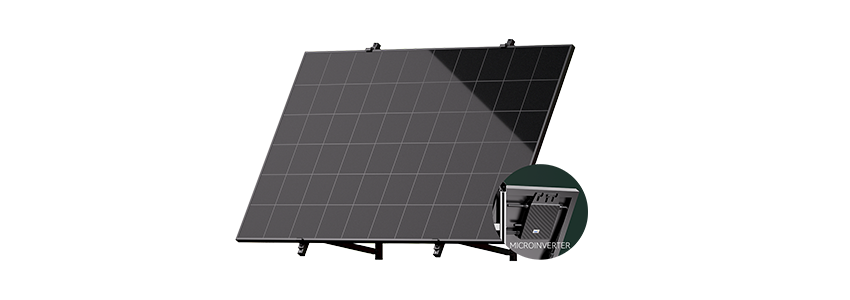
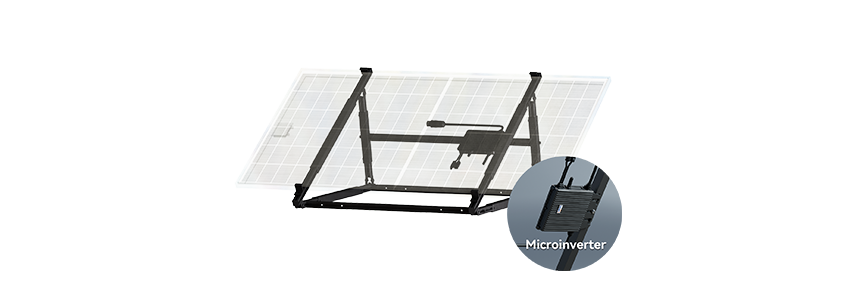
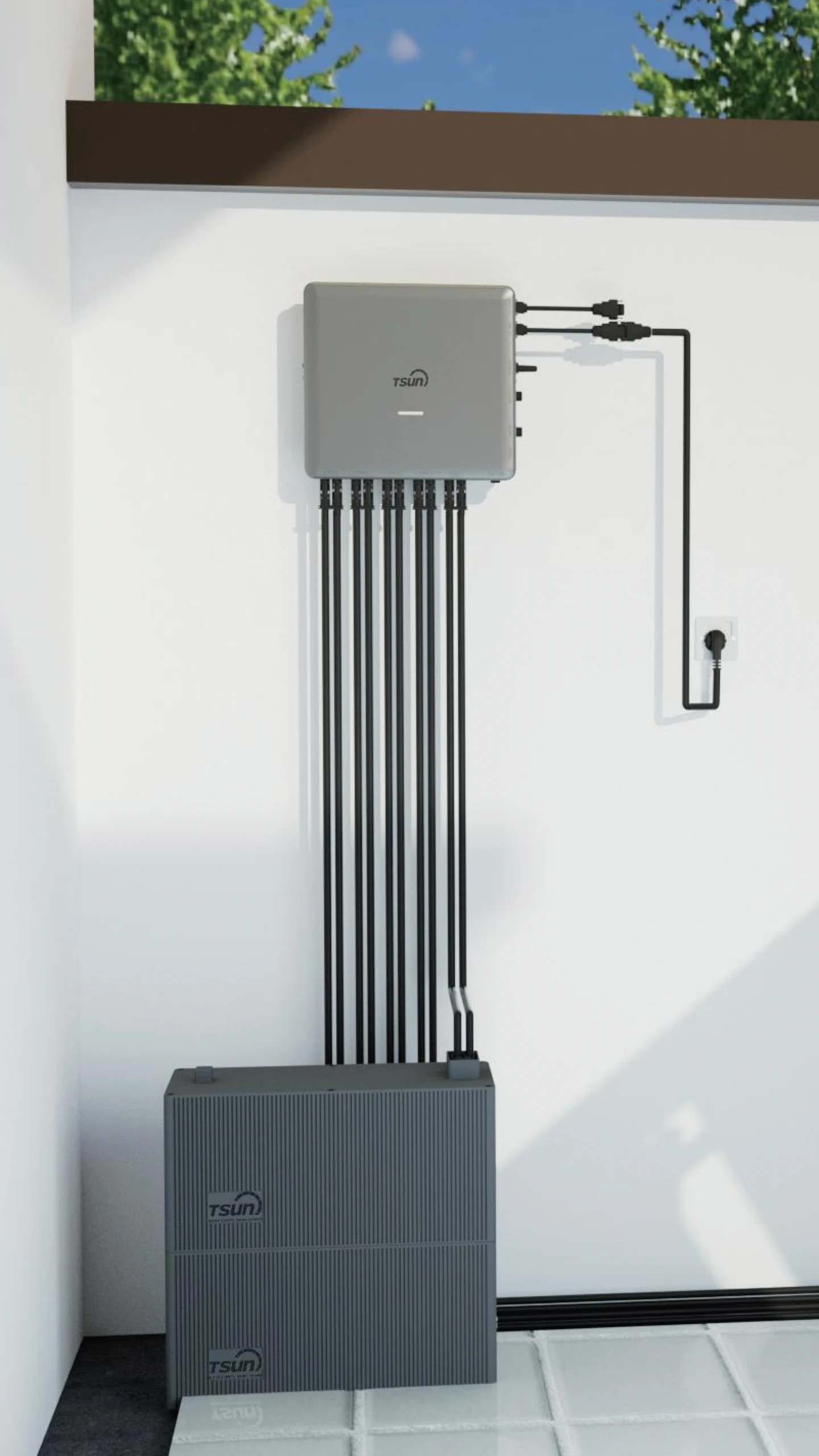
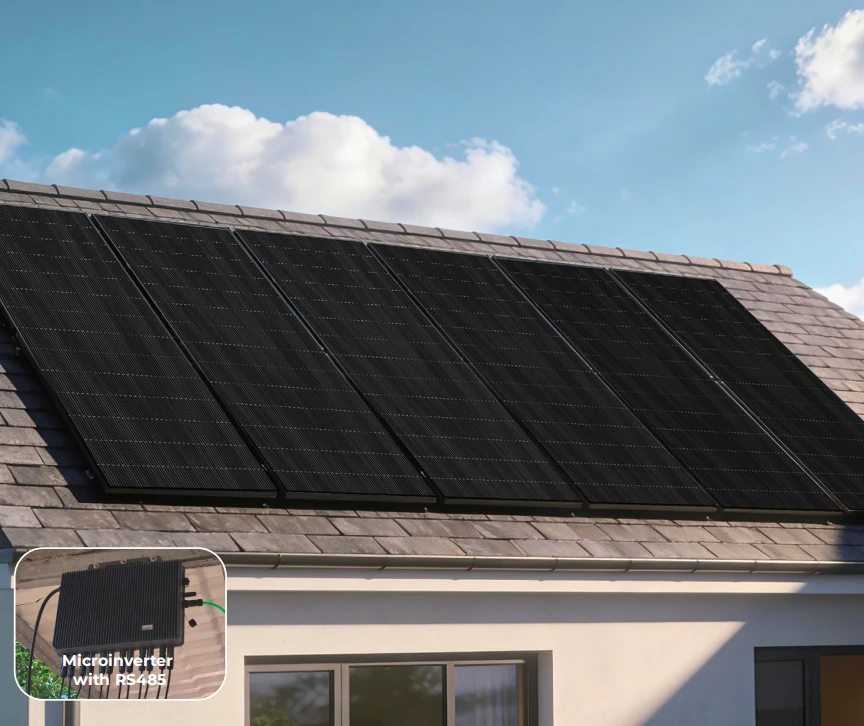
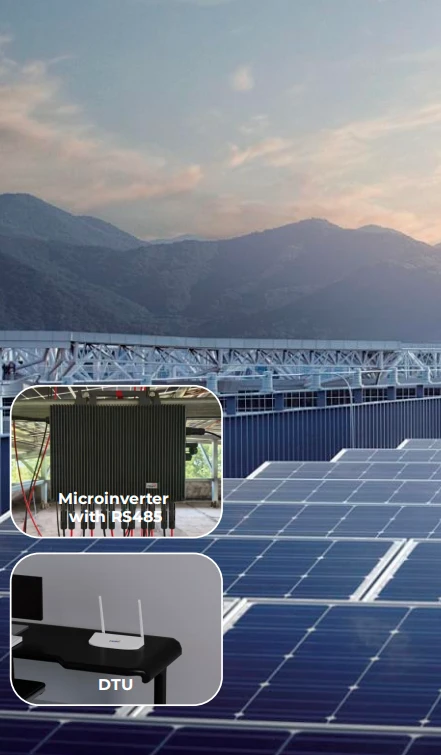
At its core, the concept of microinverter solar panels price is tied closely to the cost-efficiency and modularity microinverters bring to solar energy systems. Unlike traditional string inverters that manage an entire panel array, microinverters operate at the individual panel level, converting DC to AC right on the panel itself. This makes them highly relevant in commercial and industrial applications, where shading, panel mismatch, or orientation could reduce overall system efficiency.
- Microinverters optimize energy harvest panel-by-panel – boosting system output especially in complex layouts.
- Typically, specs hover around 250W to 400W per panel, with conversion efficiencies often above 96%, thanks to integrated Maximum Power Point Tracking (MPPT).
| Specification |
Typical Value |
| Rated Power Output |
300W per microinverter |
| Max Efficiency |
>96% |
| Communication |
Wireless or Power Line |
| Warranty |
25 Years |
The practical upside of these microinverter systems, frankly, lies in their flexibility. In industrial zones with partial shading from machinery or nearby structures, or on roofs where panels face different directions, microinverter solar panels easily outshine string inverter setups. They work independently, so one shaded or damaged panel doesn’t drag performance down for the whole string. That’s a competitive advantage that’s not just marketing fluff – many B2B buyers have reported a 10% to 15% uplift in real-world yields after switching.
- Ideal for rooftop commercial installations and industrial parks with varying shading.
- Supports easier system expansion – no need to redesign large inverter banks.
- Built-in safety features reduce high voltage DC in wiring, improving onsite maintenance conditions.
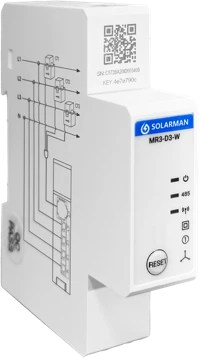
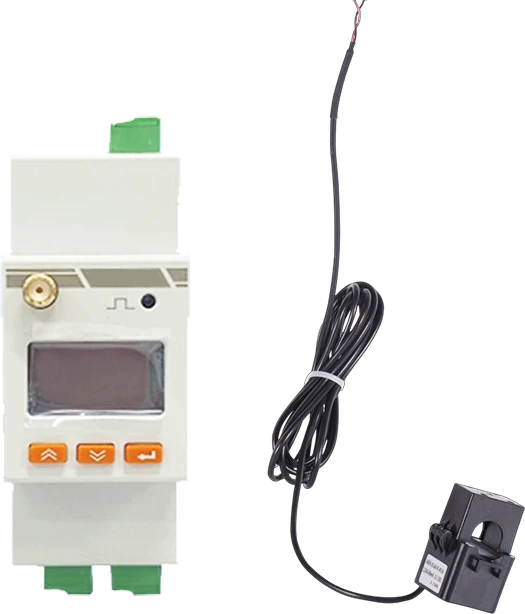
- Remote monitoring capabilities offered by vendors like TsunESS allow granular performance insights.
Cost, Maintenance & User Experience
Naturally, price plays a big role. Microinverter solar panels price points can seem higher up front compared with string inverter systems, mainly because you’re installing one microinverter per panel – that’s more hardware, more installation time, some might say. But in real terms, the total cost of ownership evens out, often tipping in favor of microinverters thanks to superior energy yields and less downtime. Plus, 25-year warranties offered by companies like TsunESS suggest serious confidence in durability.
- Typically lower maintenance costs and simpler troubleshooting since each panel is independently monitored.
- Users from manufacturing sites note faster issue identification and less production loss.
- Feedback often points to high satisfaction with installation flexibility and improved ROI after 3–5 years.
Sustainability & Market Trends
The solar industry is evolving fast. Across Asia and globally, regulatory pushes for renewable energy adoption continue ramping up, favoring solutions offering scalability and long lifetime performance. Microinverters align well with sustainability goals by enabling smarter energy harvesting and reducing waste. Plus, TsunESS and similar manufacturers increasingly emphasize eco-friendly materials and circular economy principles in their production, which – I suppose – is a sign of the times.
- Growing demand for decentralized energy systems pushes microinverter adoption.
| Vendor |
Average Price (USD/Watt) |
Warranty (Years) |
Notable Features |
| TsunESS |
$0.45 - $0.55 |
25 |
Wireless monitoring, IP67 rating |
| Competitor A |
$0.50 - $0.60 |
20 |
Basic monitoring, IP65 rating |
| Competitor B |
$0.40 - $0.50 |
15 |
Lower price point, limited features |
Frequently Asked Questions about Microinverter Solar Panels Price
- What is Microinverter Solar Panels Price and how does it work?
-
Microinverter solar panels price refers to the cost point for solar panels equipped with microinverters. These microinverters convert DC power to AC at the individual panel, improving energy harvest and enabling easier monitoring compared to traditional centralized inverter systems.
- What are the main benefits of using Microinverter Solar Panels Price in industrial applications?
-
Benefits include improved energy yield under partial shading, simplified system expansion, enhanced safety due to DC voltage reduction, and detailed performance monitoring — all of which contribute to better ROI and reliability for industrial users.
- How does Microinverter Solar Panels Price compare to traditional alternatives?
-
While initial costs can be higher, microinverter solutions generally offer superior energy production, lower maintenance complexity, and better adaptability versus string inverter systems, which may suffer from shading and mismatch losses.
- What industries can benefit most from Microinverter Solar Panels Price implementation?
-
Industries with complex rooftop configurations, such as manufacturing, warehousing, agricultural facilities, and commercial real estate developments, stand to gain the most, especially where shading and system scalability are concerns.
Conclusion on Microinverter Solar Panels Price from china
To wrap it up, microinverter solar panels price might initially seem like a big decision in budgeting your solar project, but the long-term benefits clearly show in enhanced energy efficiency, reliability, and reduced maintenance. For B2B leaders evaluating solar investments, exploring options like the offerings at TsunESS (visit our website: https://www.tsun-ess.com) could well be the smartest move in 2024 and beyond.
- A cost-effective and sustainable solution tailored for industrial solar challenges.
Ultimately, solar technology isn’t just about panels—it’s about smart integration. Microinverter pricing is one piece of that puzzle; choose wisely.
References:
1. International Renewable Energy Agency (IRENA) Market Reports, 2023
2. TsunESS Product Data Sheets and Warranty Documents, 2024
3. Industry Customer Testimonials and Case Studies, Various Sources, 2023–24






 LEARN DETAILS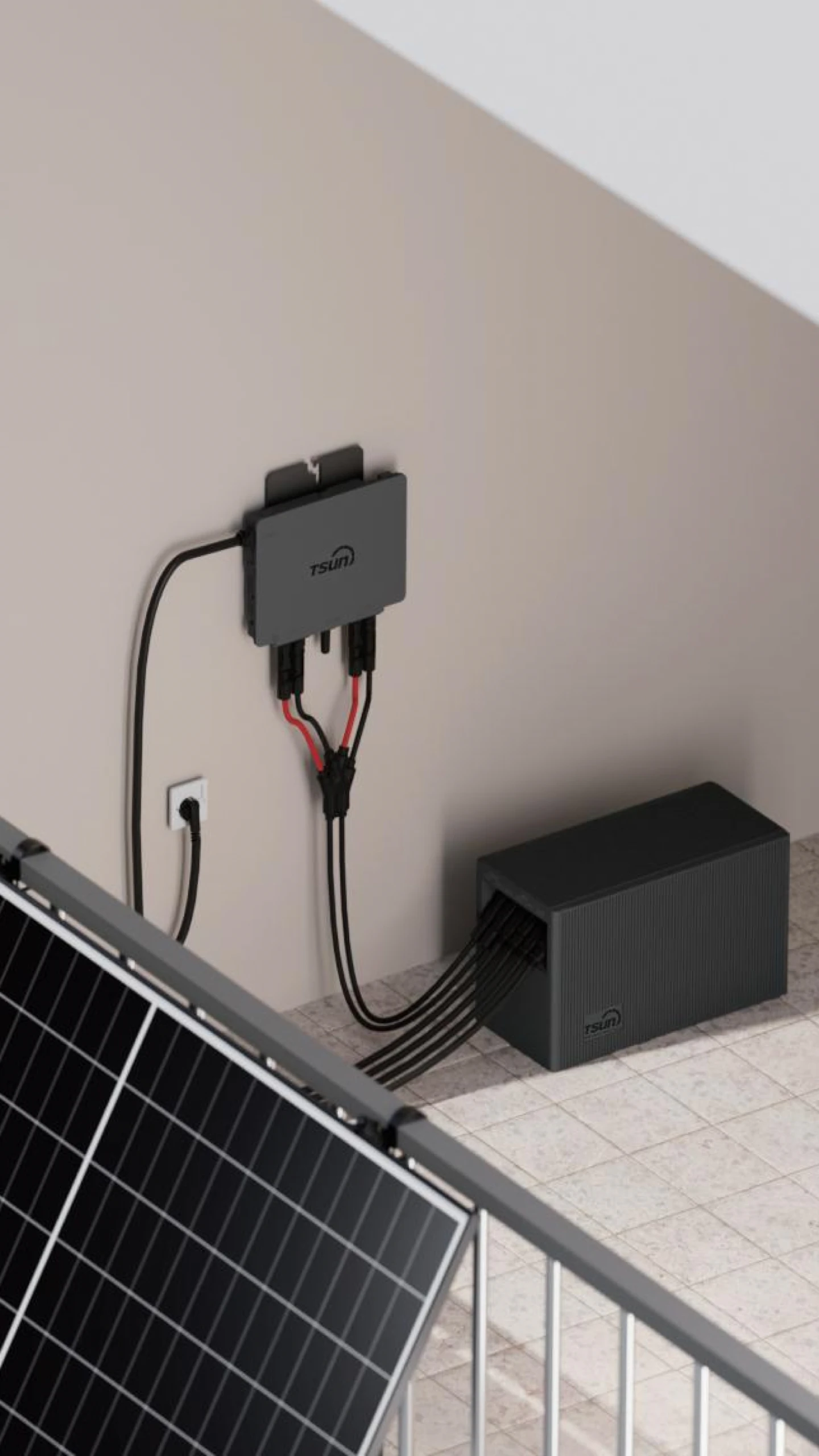
 Downloads
 Video Center
 Report Fault for Repair
 FAQS
FAQS Service Network
 Privacy Policy
 Contact Us
 Monitoring


 LEARN MORE