Solar Panels with Microinverters for Sale: A Practical Look
Having spent nearly two decades navigating the ins and outs of industrial equipment—yes, I’ve seen it all—I’ve noticed solar technology is no exception when it comes to evolving fast and shaking up old habits.
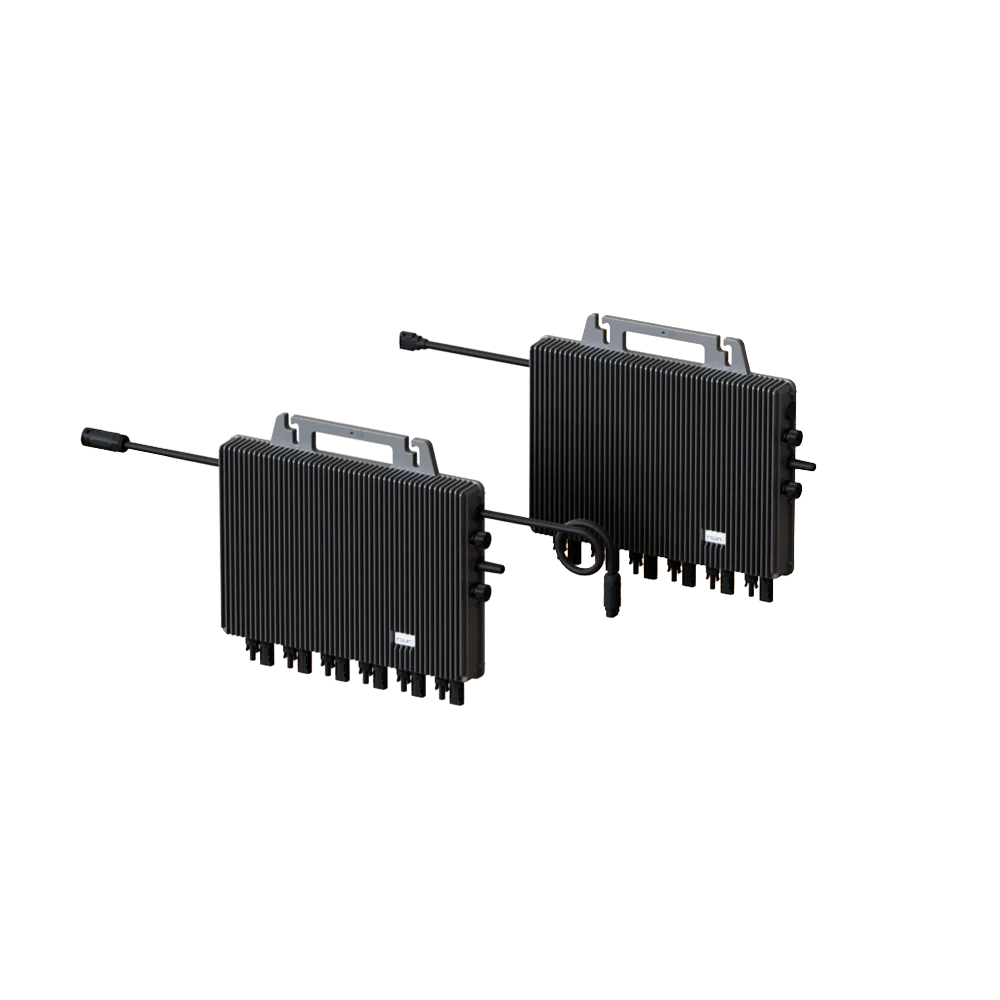
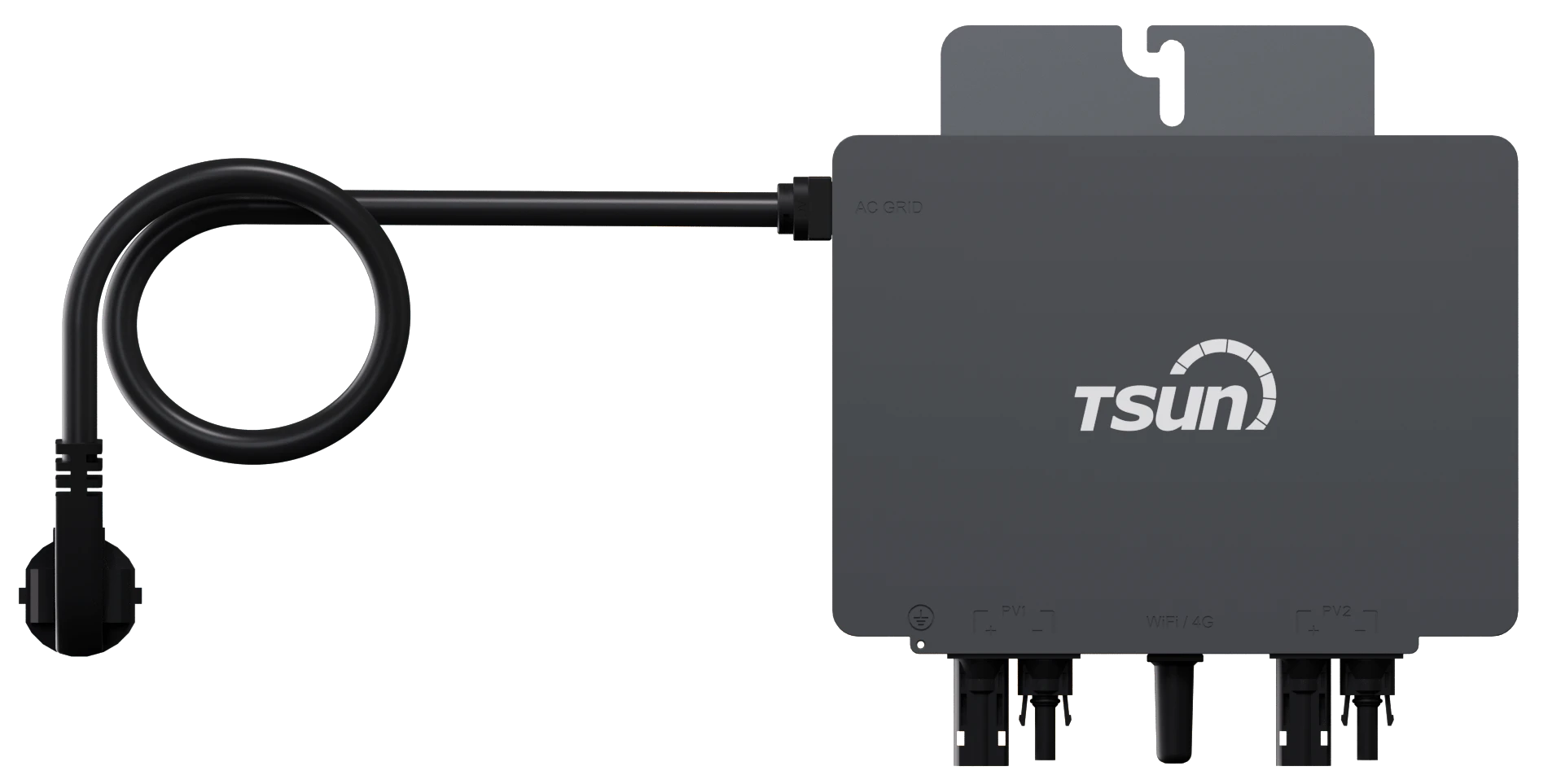
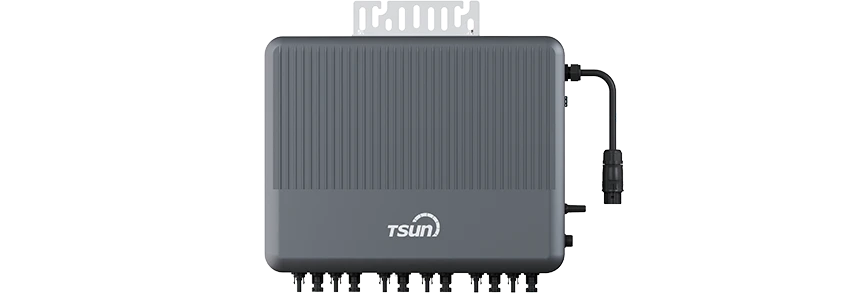
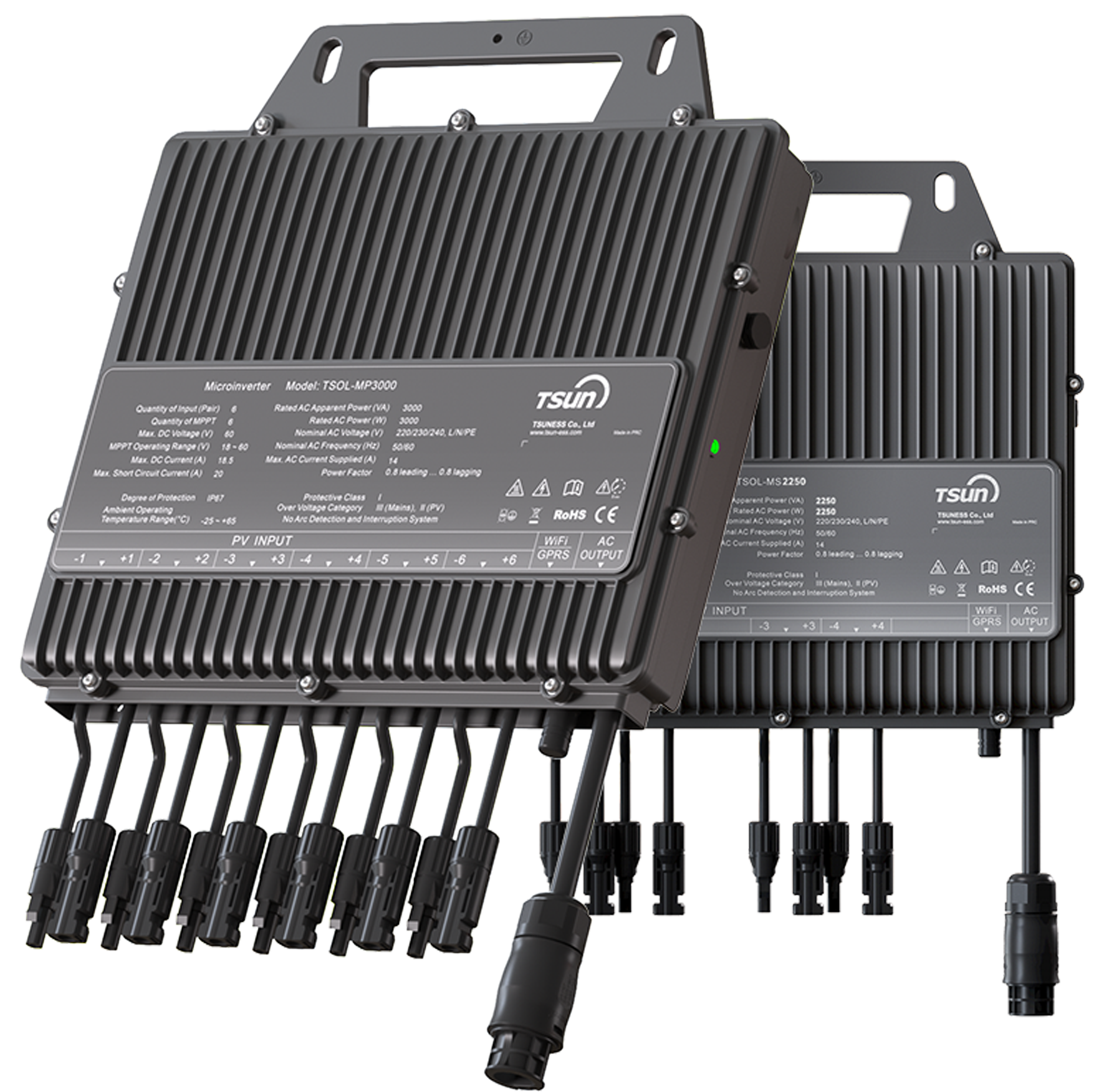
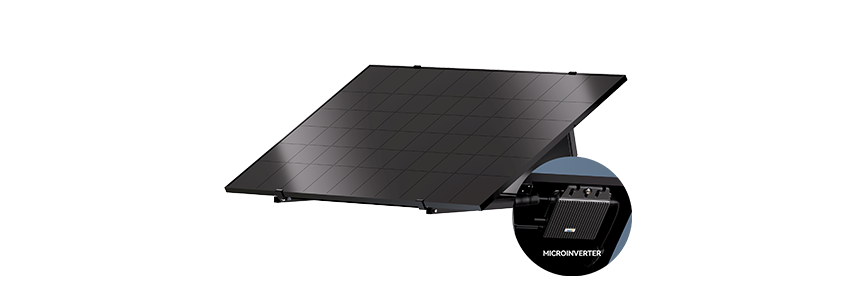
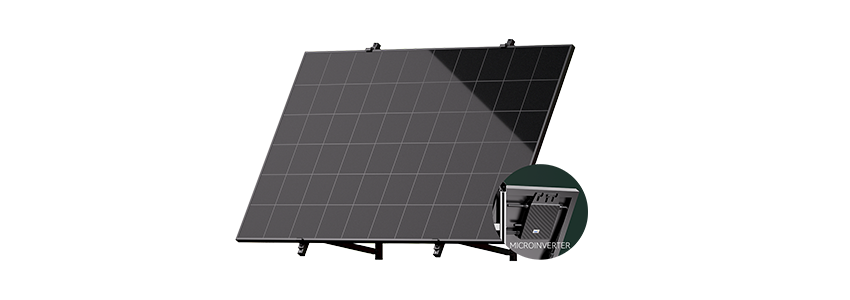
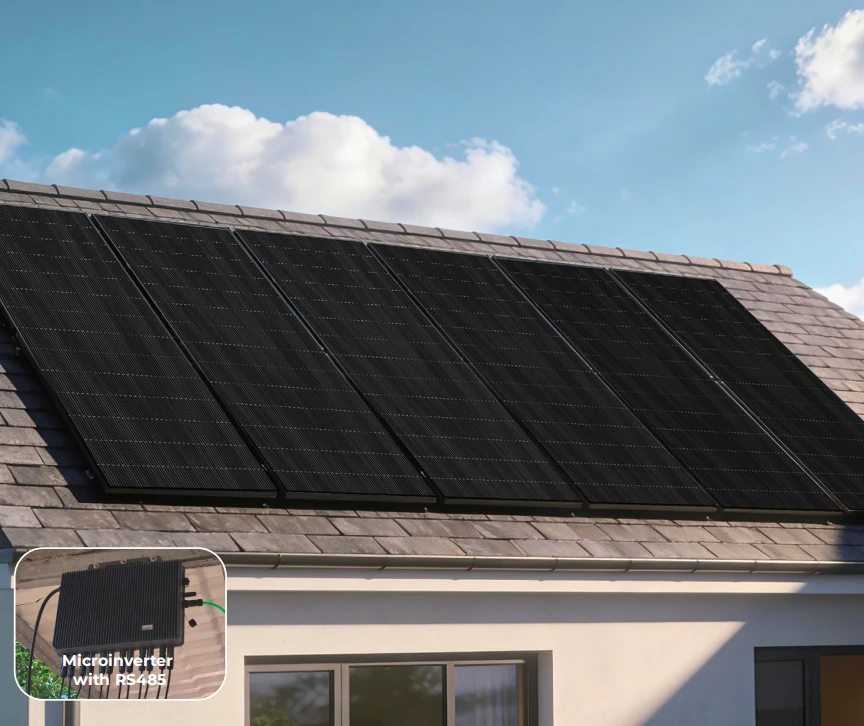
Solar panels with microinverters have really carved a niche for themselves. Frankly, their modular design and smarter energy optimization make them a favorite for both residential and commercial setups. It feels like everyone’s switching from traditional string inverters to microinverters, or at least seriously considering it these days.
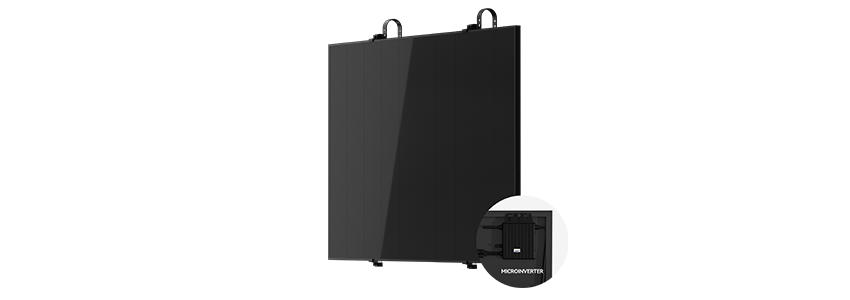
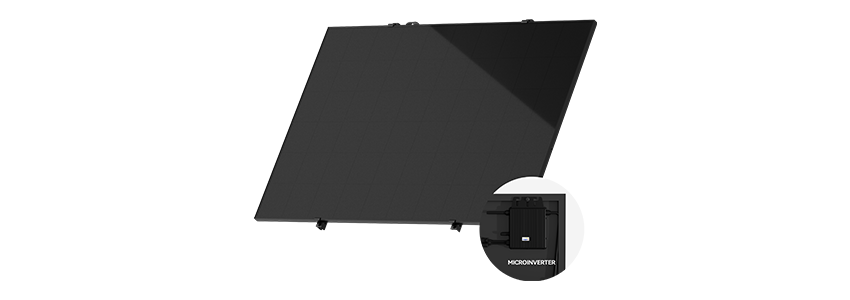
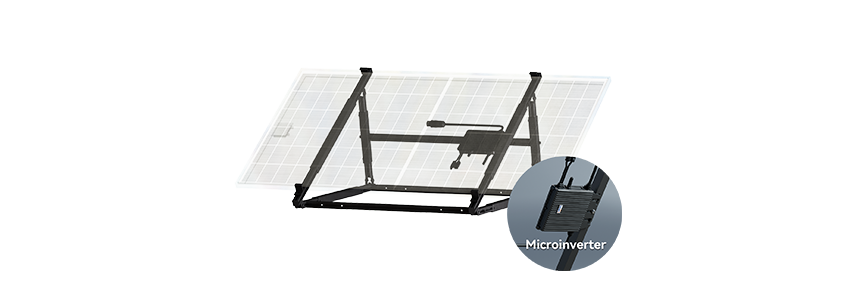
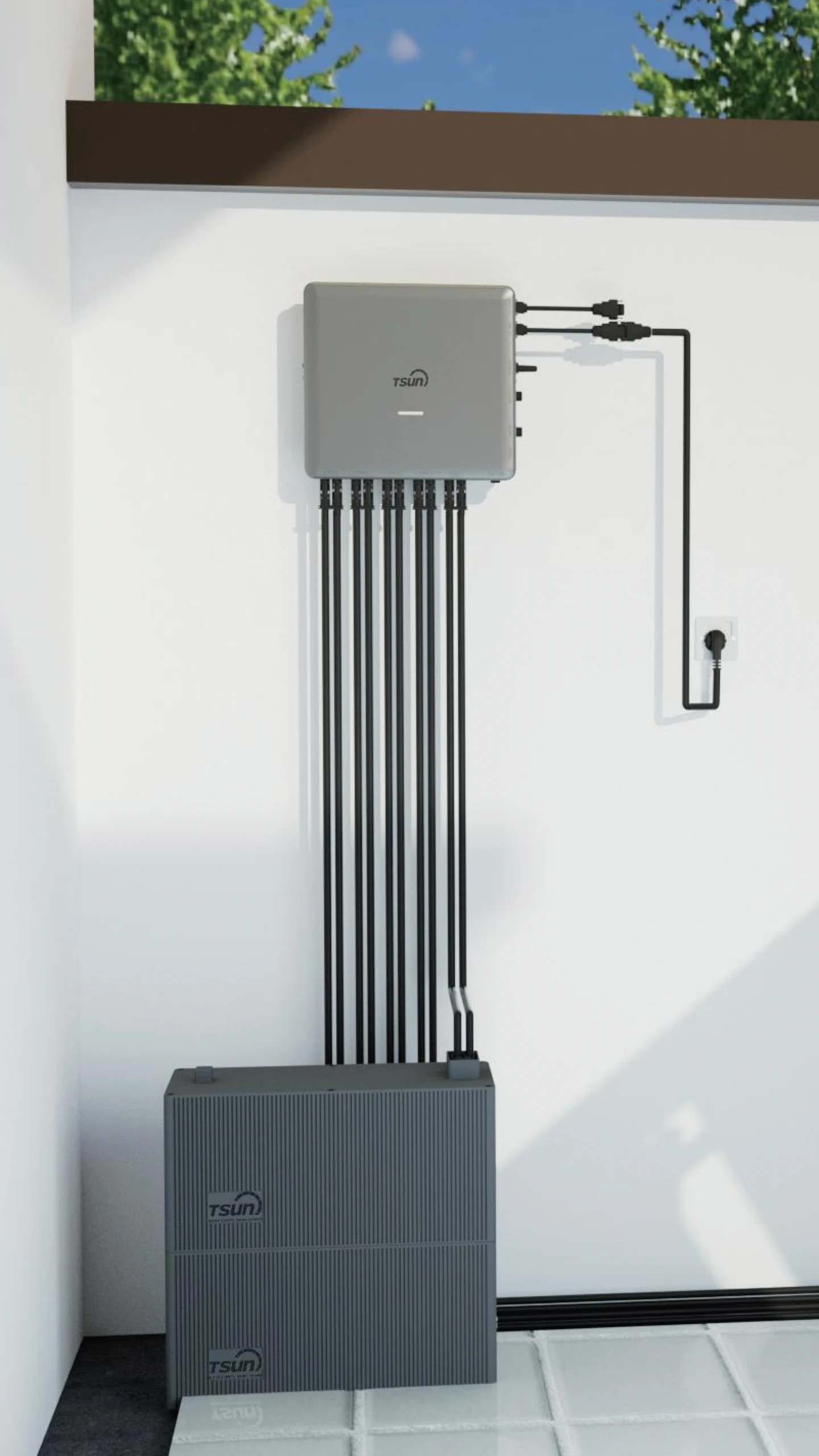
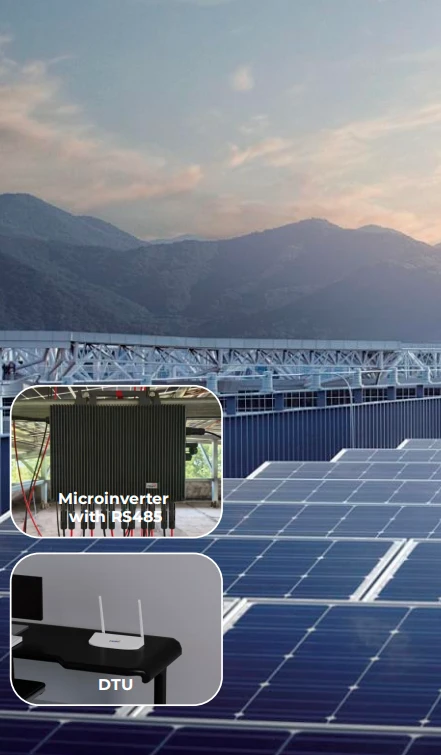
What’s so appealing about these systems? Well, first off, each solar panel has its own microinverter attached, converting DC to AC right there on the spot rather than relying on a centralized inverter. This means if one panel’s shaded or slightly dirty, it won’t drag down the entire array's performance. I remember working on a project five years ago upstate where a bunch of trees shaded part of the roof throughout the afternoon. Switching to microinverters turned out to be a game-changer for that installation.
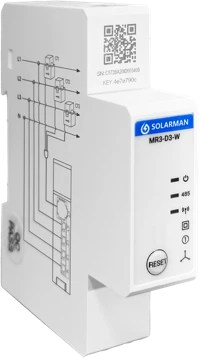
In real terms, this tech leads to better energy harvest and makes monitoring much easier too. You can spot issues panel-by-panel, which, in a system of dozens or even hundreds of panels, translates to serious savings on troubleshooting and maintenance.
Key Product Specifications
| Specification |
Details |
| Panel Type |
Monocrystalline / Polycrystalline |
| Microinverter Model |
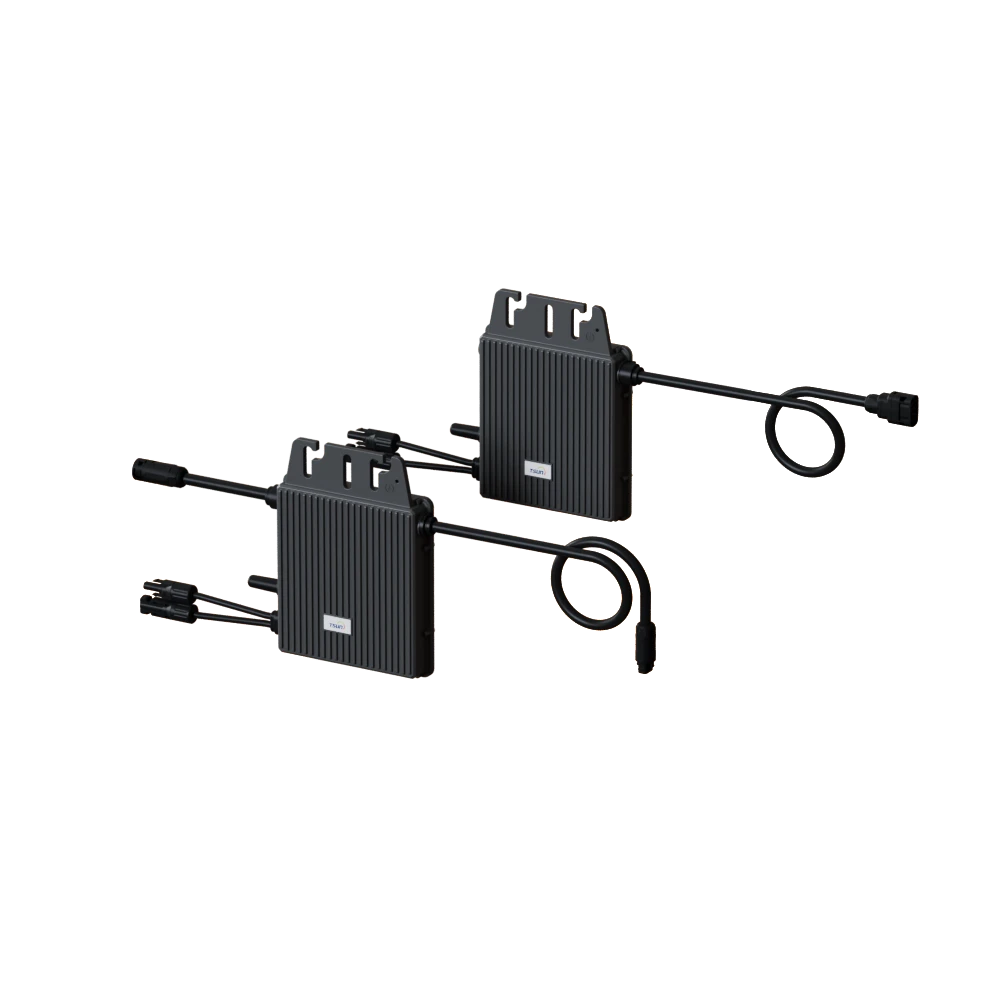
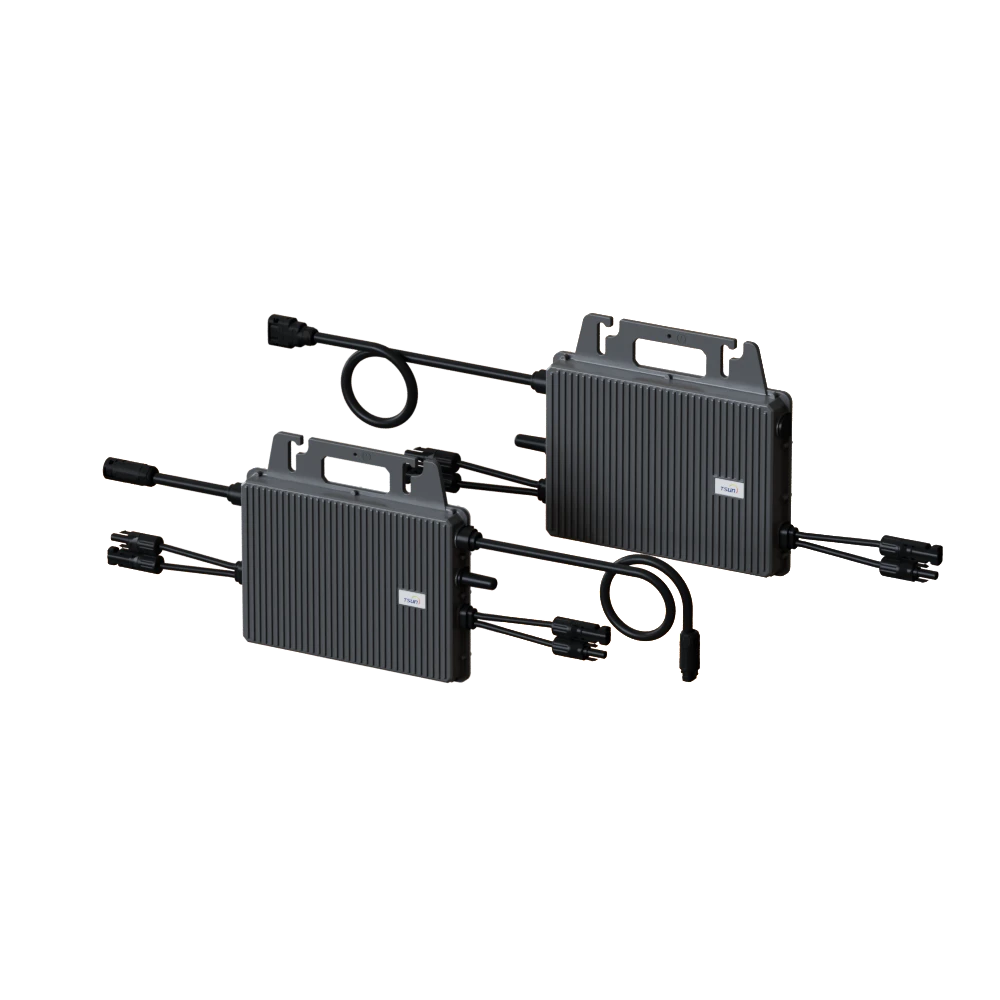
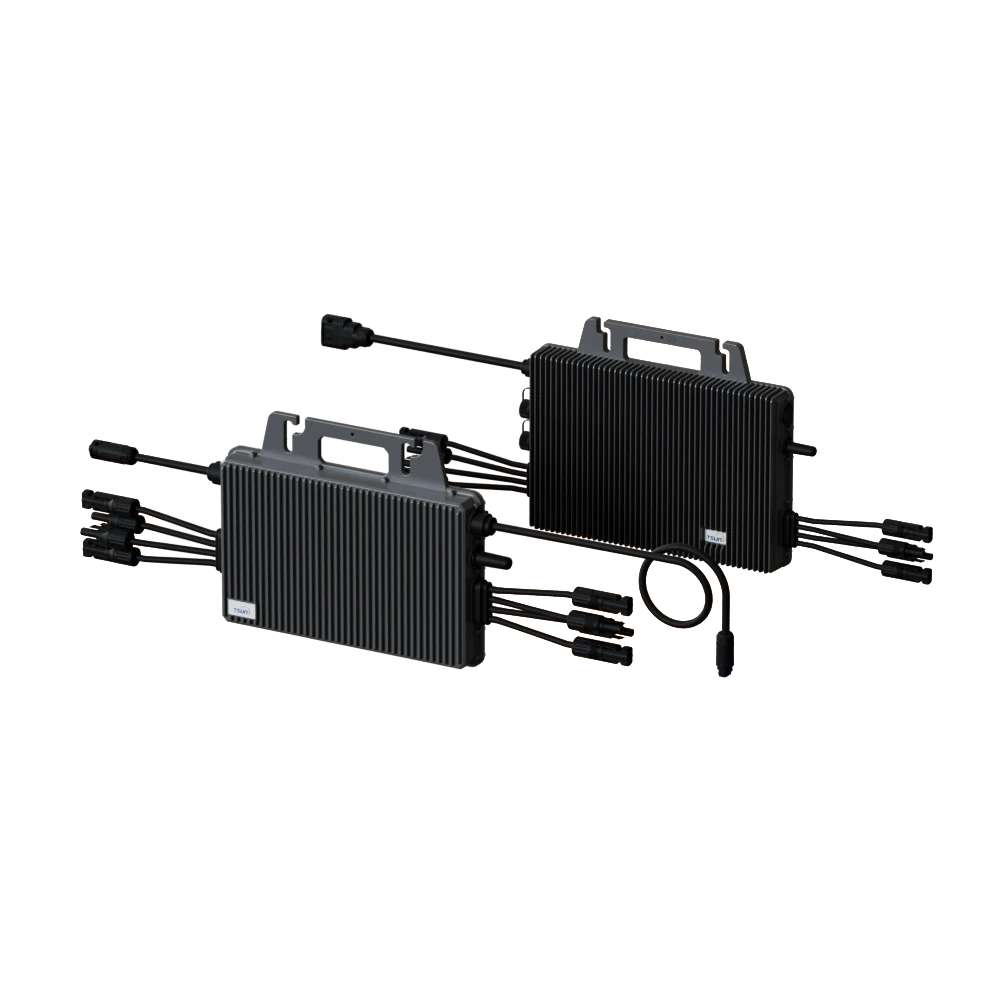
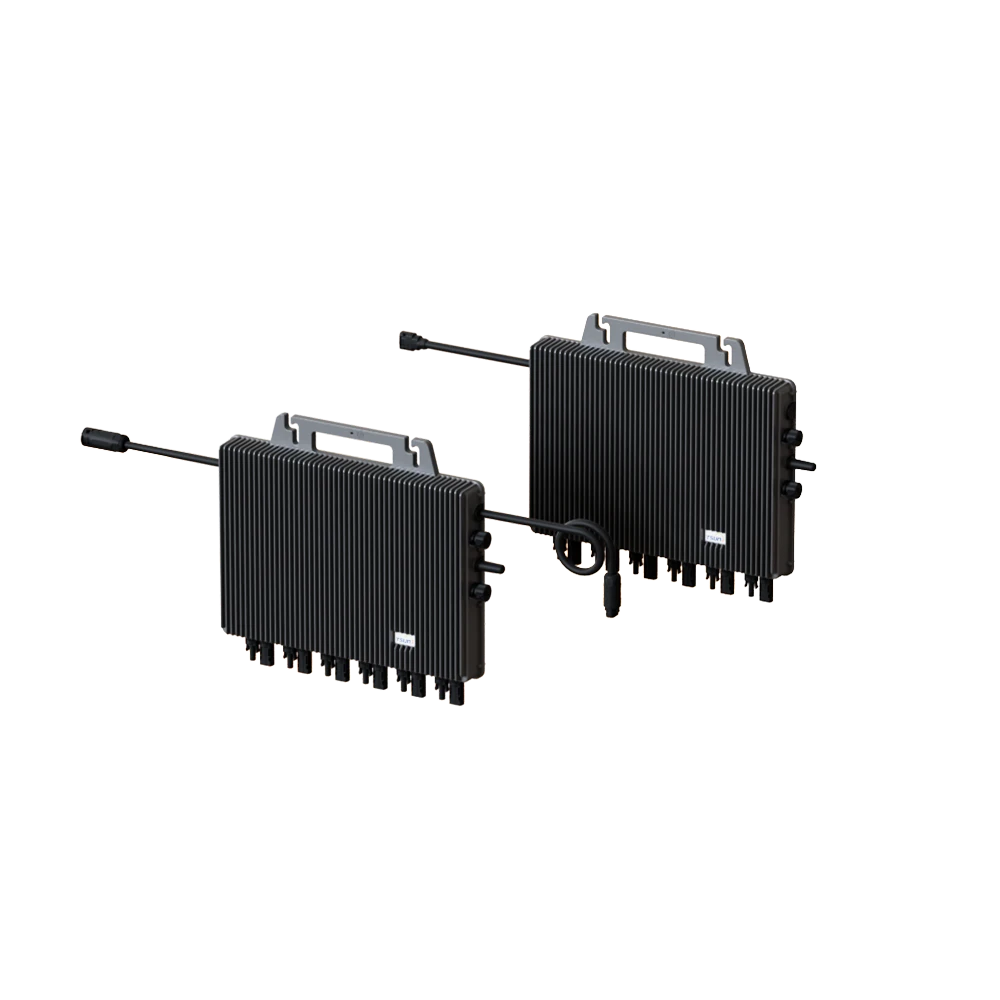
Tsun ESS M-250 |
| Max Output Power |
250W per microinverter |
| Efficiency |
96.5% |
| Operating Temperature Range |
-40°C to 60°C (-40°F to 140°F) |
| Warranty |
25 years |
Something that caught my eye—and this tends to come up more now with the rising cost of energy—is the durability testing Tsun ESS does on their microinverters. They’re rated for harsh environments, salt corrosion resistance, and even some water immersion. It’s rare to find a product with specs that cover so many real-world variables, especially for affordable systems. Many engineers I talk to swear by this particular assembler, citing the balance of quality and cost-effectiveness.
Vendor Comparison at a Glance
| Vendor |
Microinverter Model |
Efficiency |
Warranty |
Price Range |
| Tsun ESS |
M-250 |
96.5% |
25 years |
Mid |
| Enphase Energy |
IQ7+ |
97% |
25 years |
High |
| APsystems |
QS1 |
95.5% |
10 years |
Low-Mid |
Oddly enough, when I installed a few systems myself, customers regularly told me that having the ability to monitor each panel in real time changed their outlook on solar power. “It feels like I’m genuinely in control,” one client said, pointing out how these microinverters made rooftop shading less stressful. That’s the kind of trust-building you want in long-term industrial equipment.
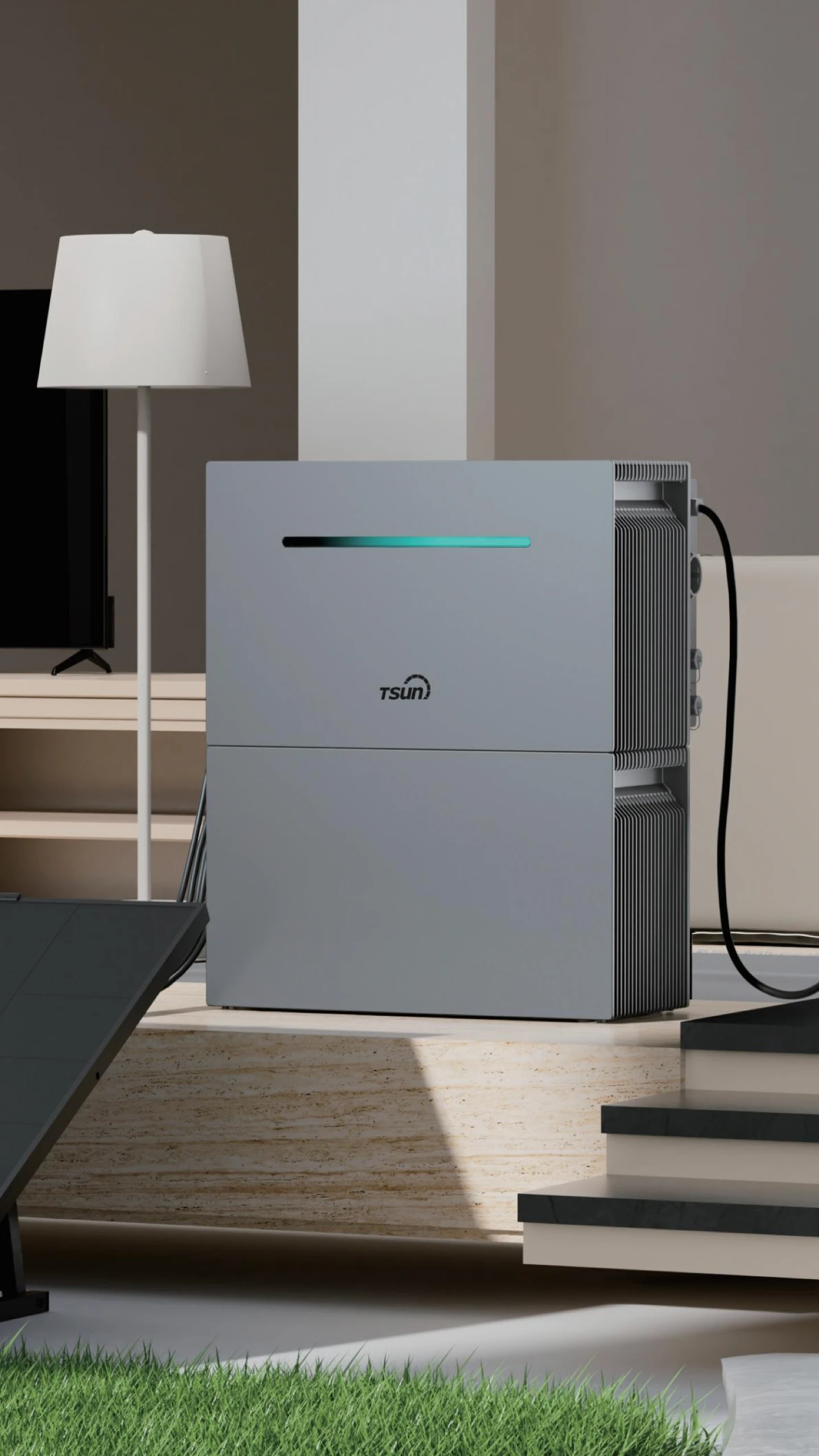
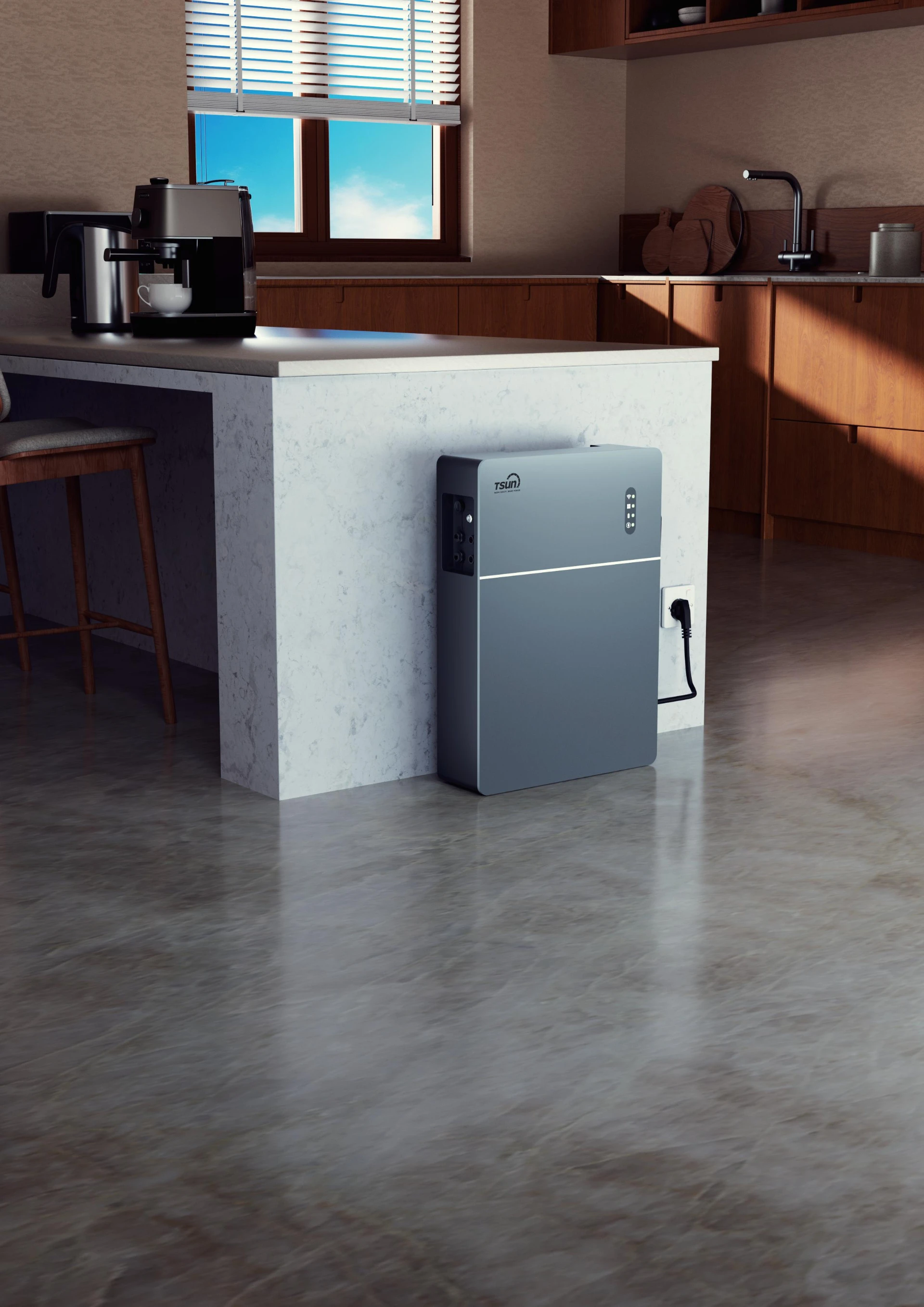
So, if you’re shopping around for solar panels with microinverters for sale, it really boils down to a few things: trusted performance, ease of maintenance, and the quality of vendor support. The solar panels with microinverters offered by Tsun ESS reflect all of that, which is why they keep popping up in conversations among industry pros.
In the end, it’s a solid investment—not just in energy, but peace of mind.
References:
1. Tsun ESS Product Datasheets, 2024
2. Solar Energy Industry Association, 2023 Trends Report
3. Personal field notes and client feedback, Industrial Installations 2018-2023



 LEARN DETAILS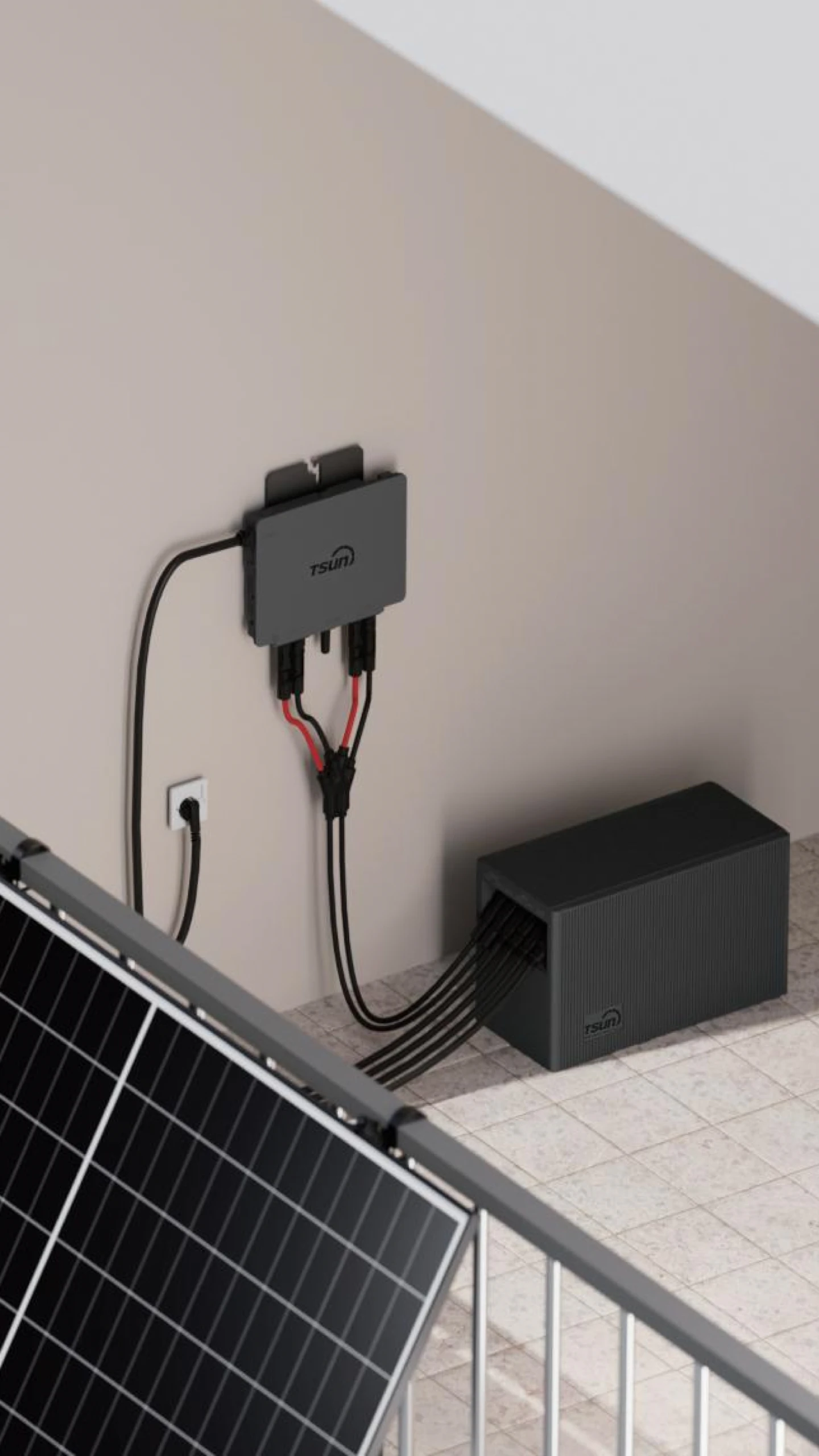
 Downloads
 Video Center
 Report Fault for Repair
 FAQS
FAQS Service Network
 Privacy Policy
 Contact Us
 Monitoring


 LEARN MORE