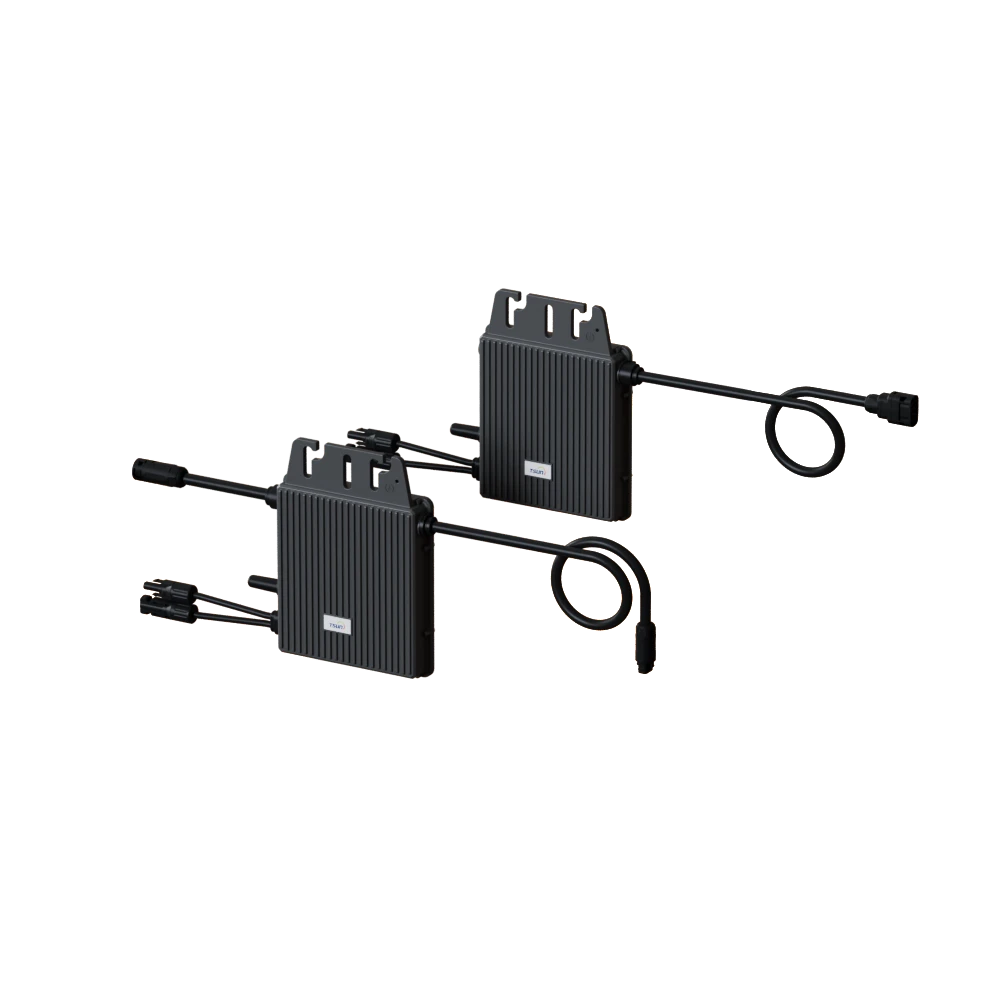
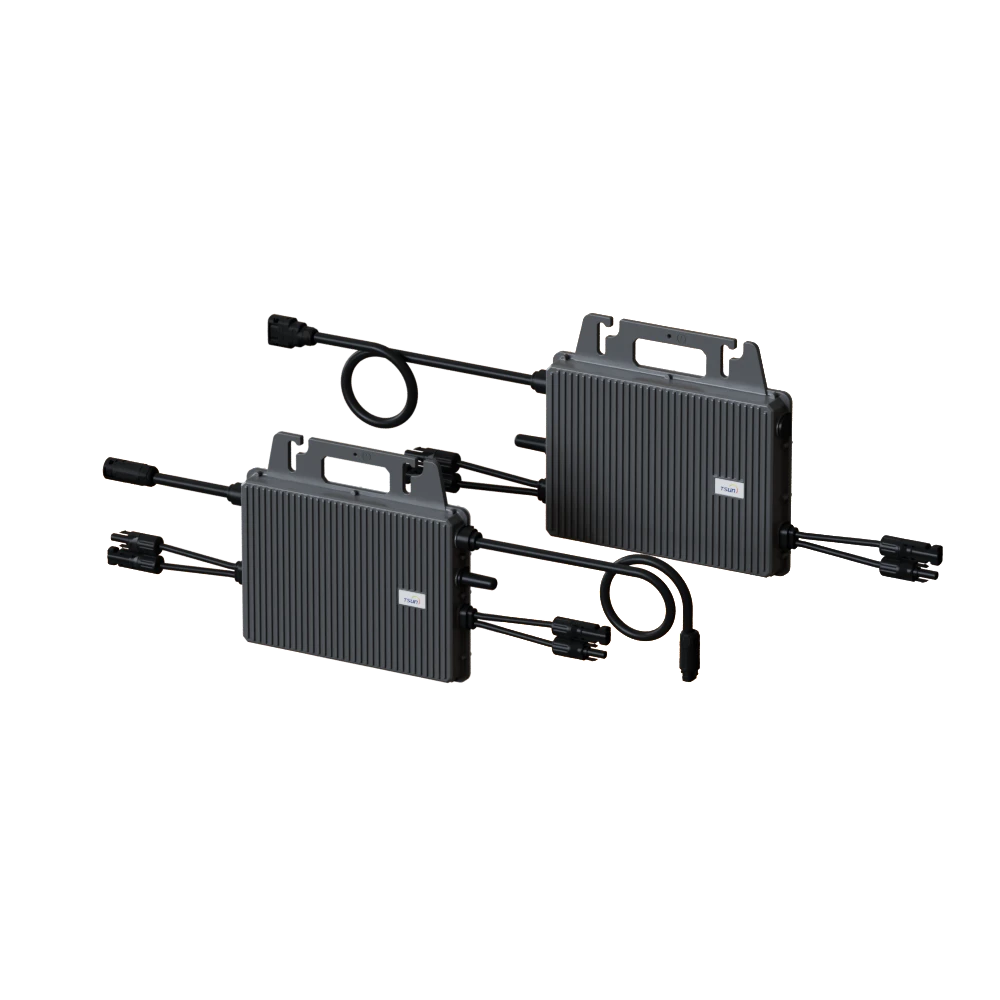
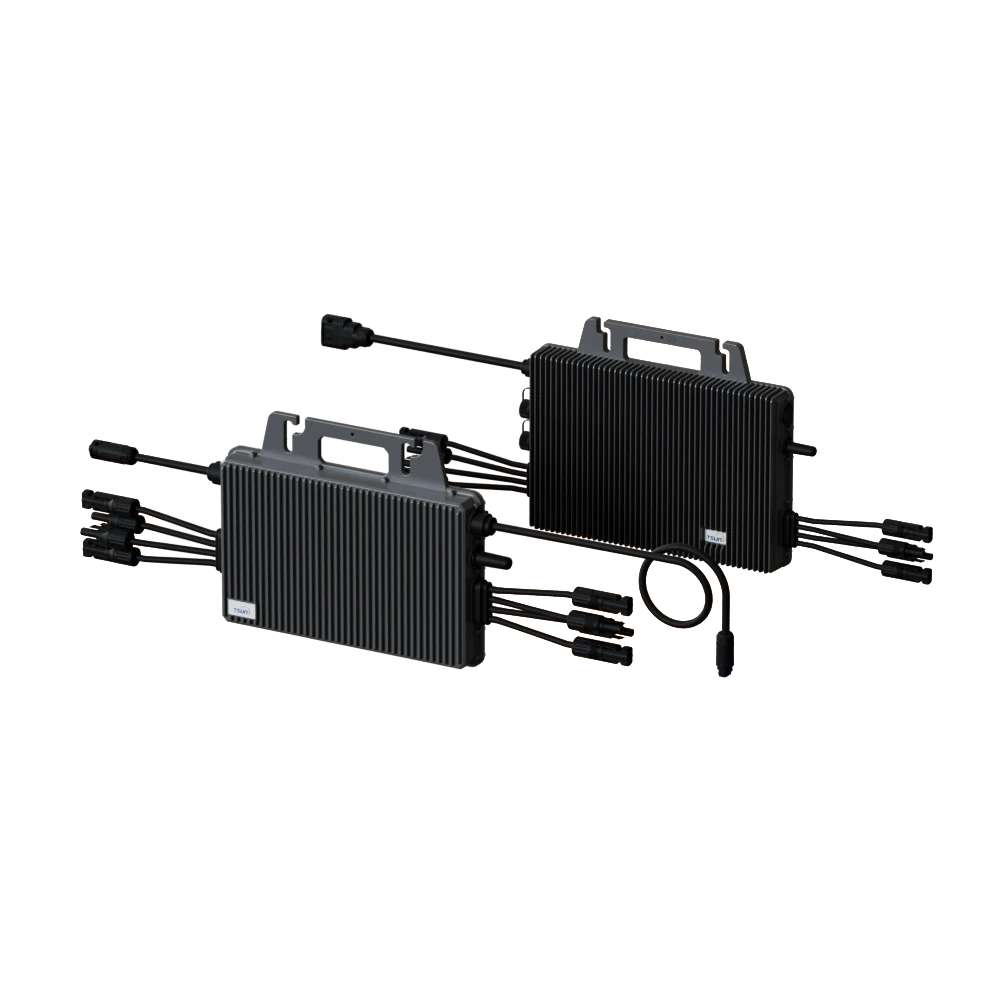
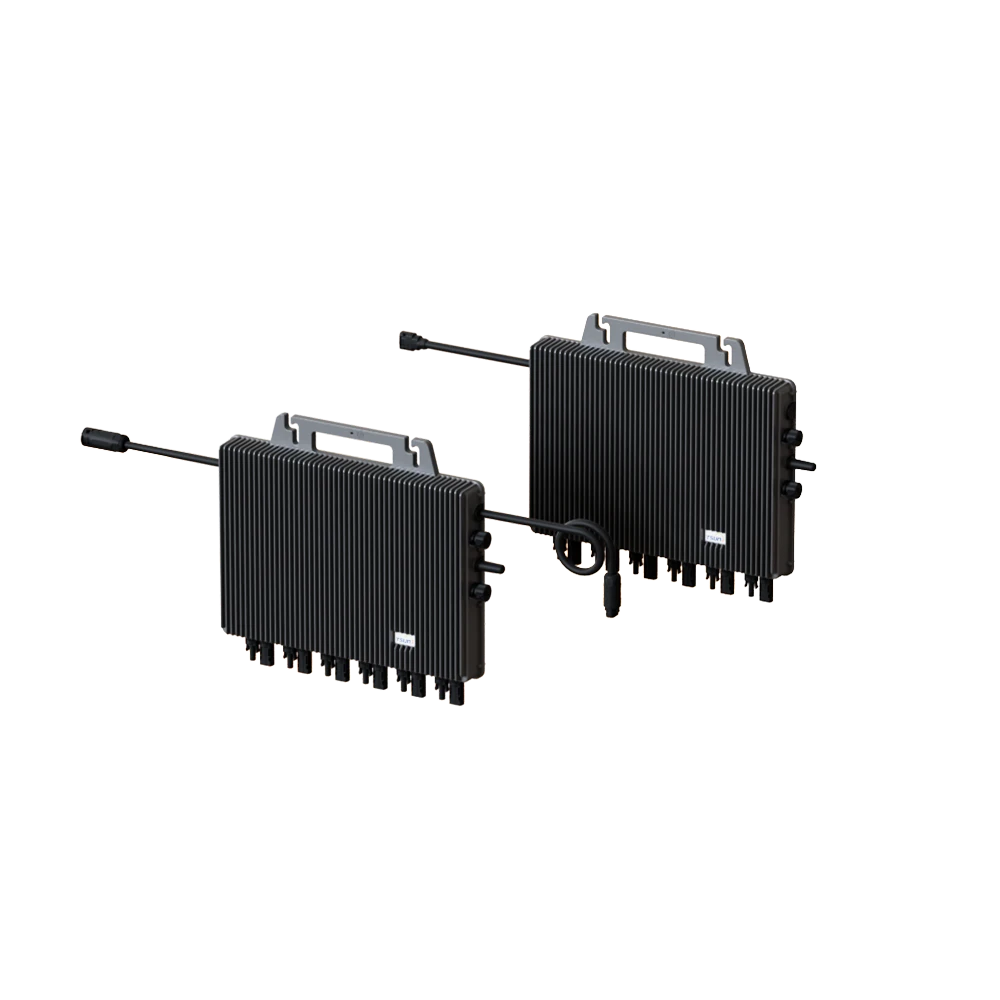
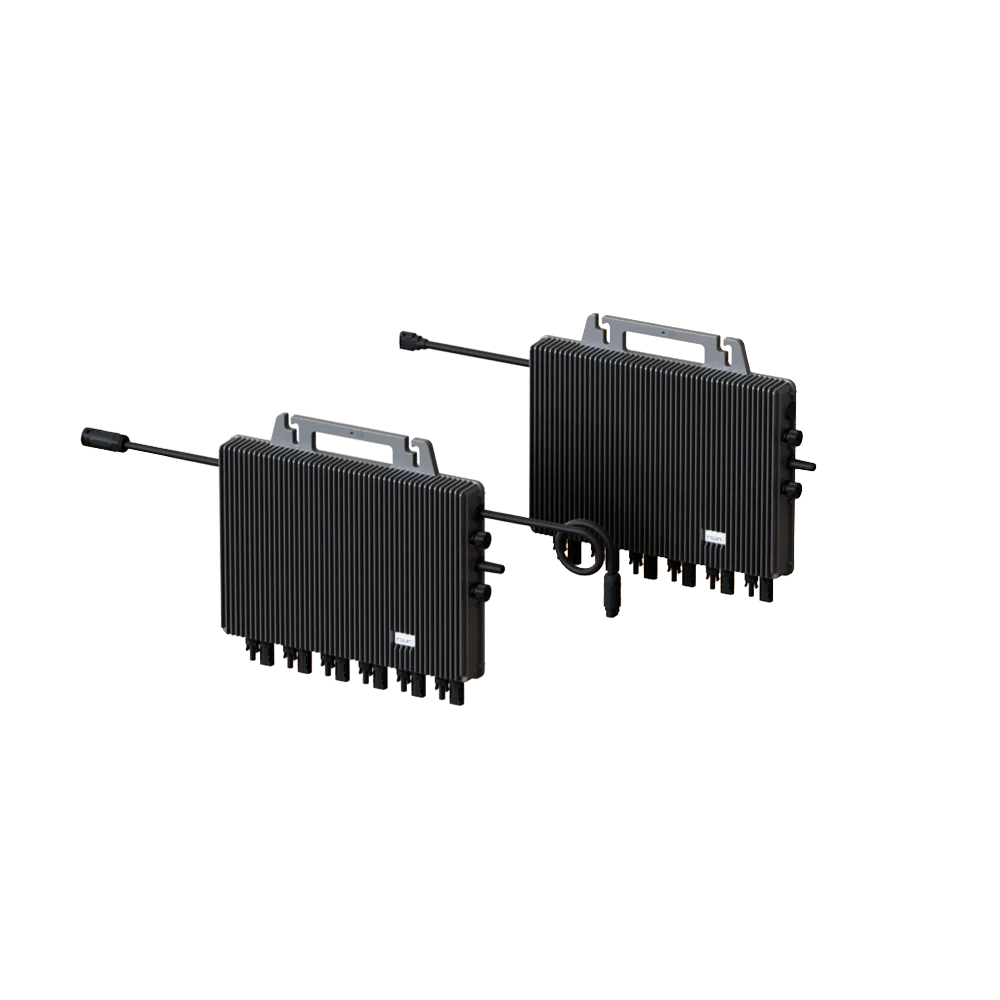
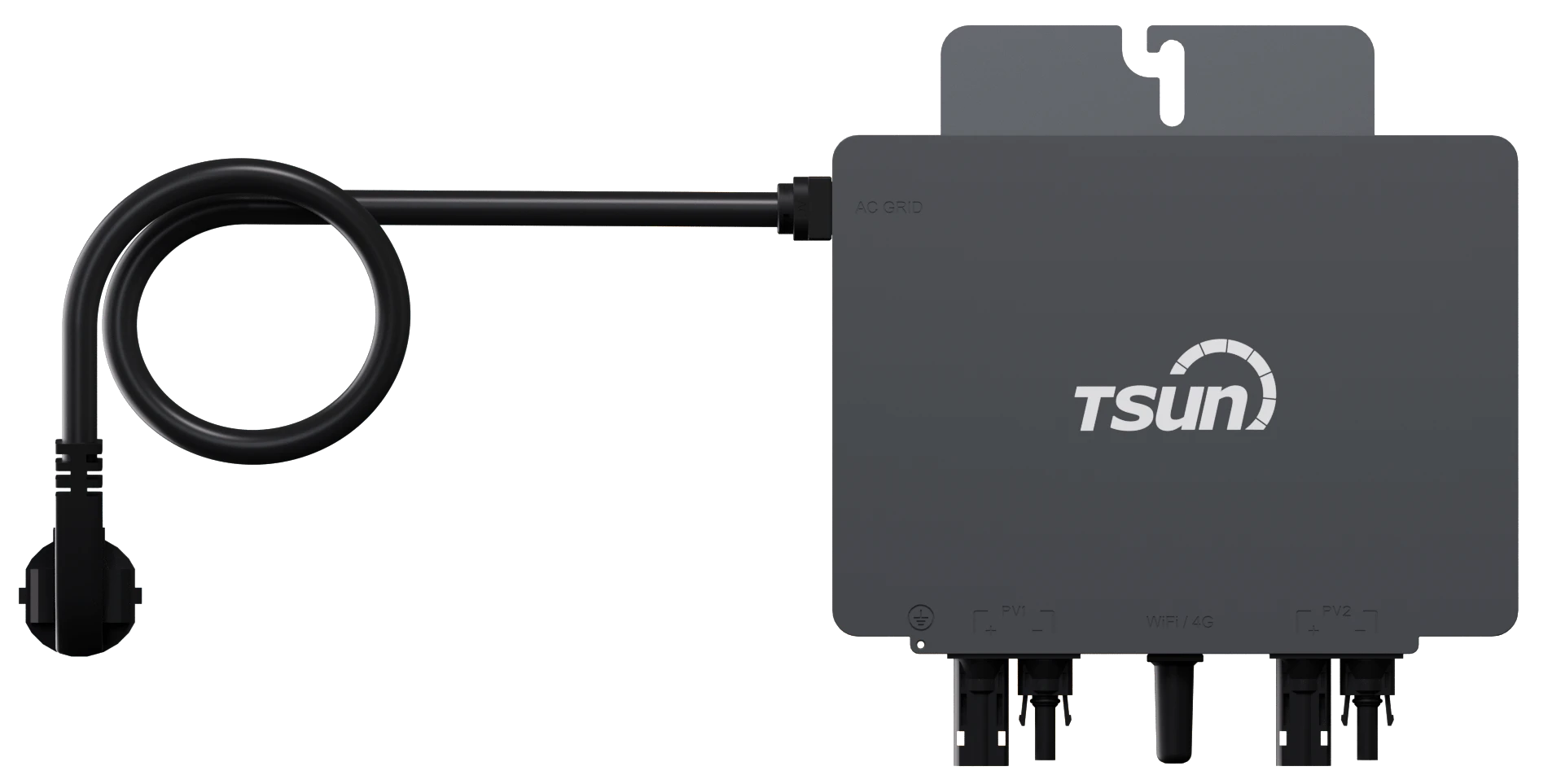
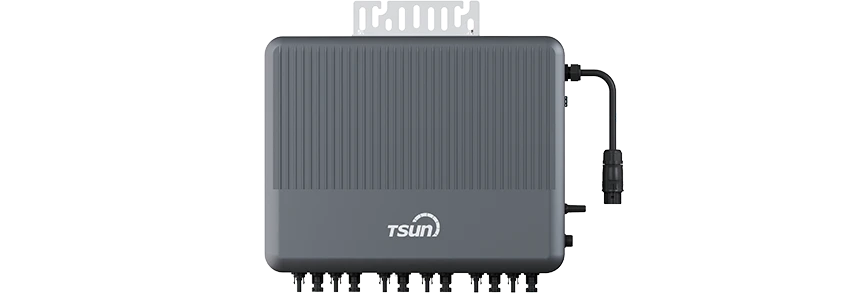
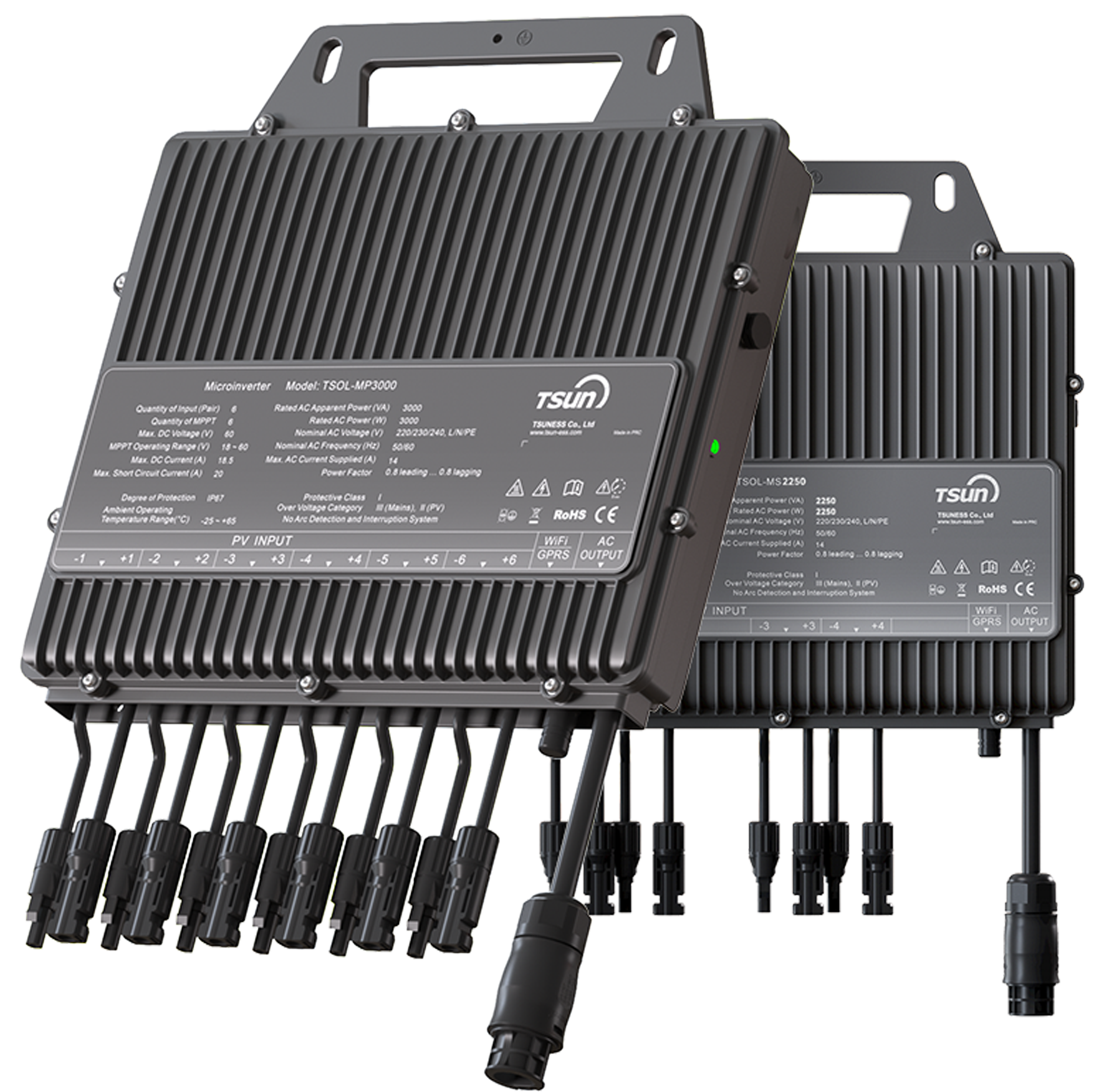
Microinverter System is a key solution in the industry, specifically within solar power and energy management sectors. This article explores how https://www.tsun-ess.com supports professionals with durable, high-performance products, and explains why this product is an ideal choice for businesses in these sectors.
Table of Contents
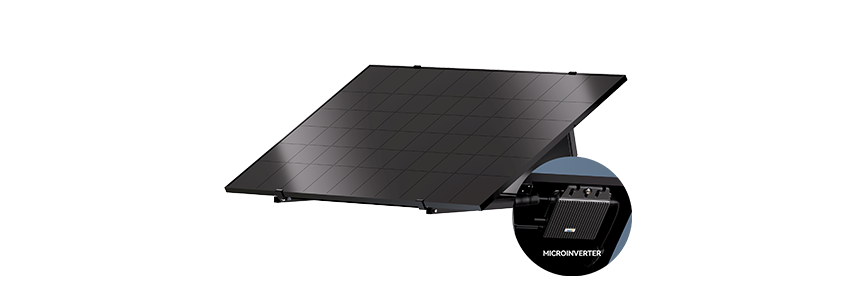
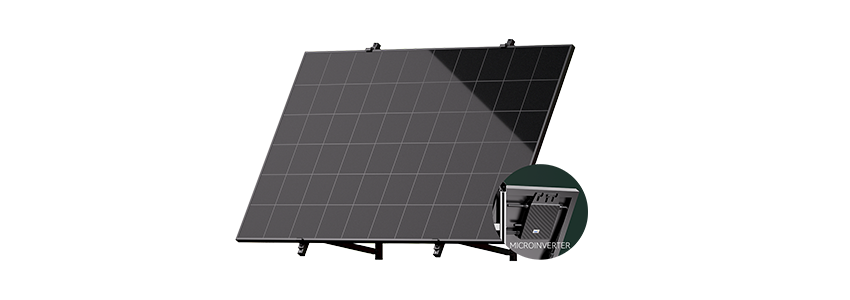
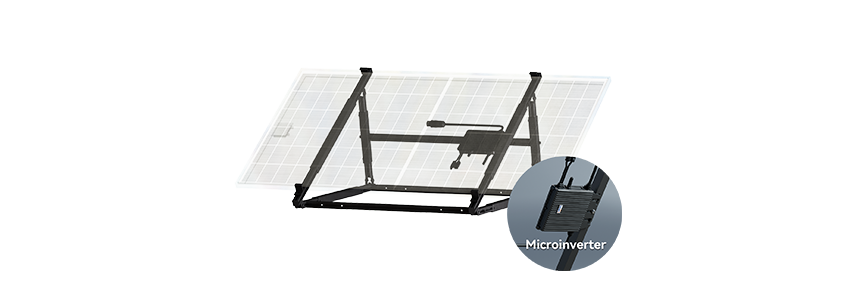
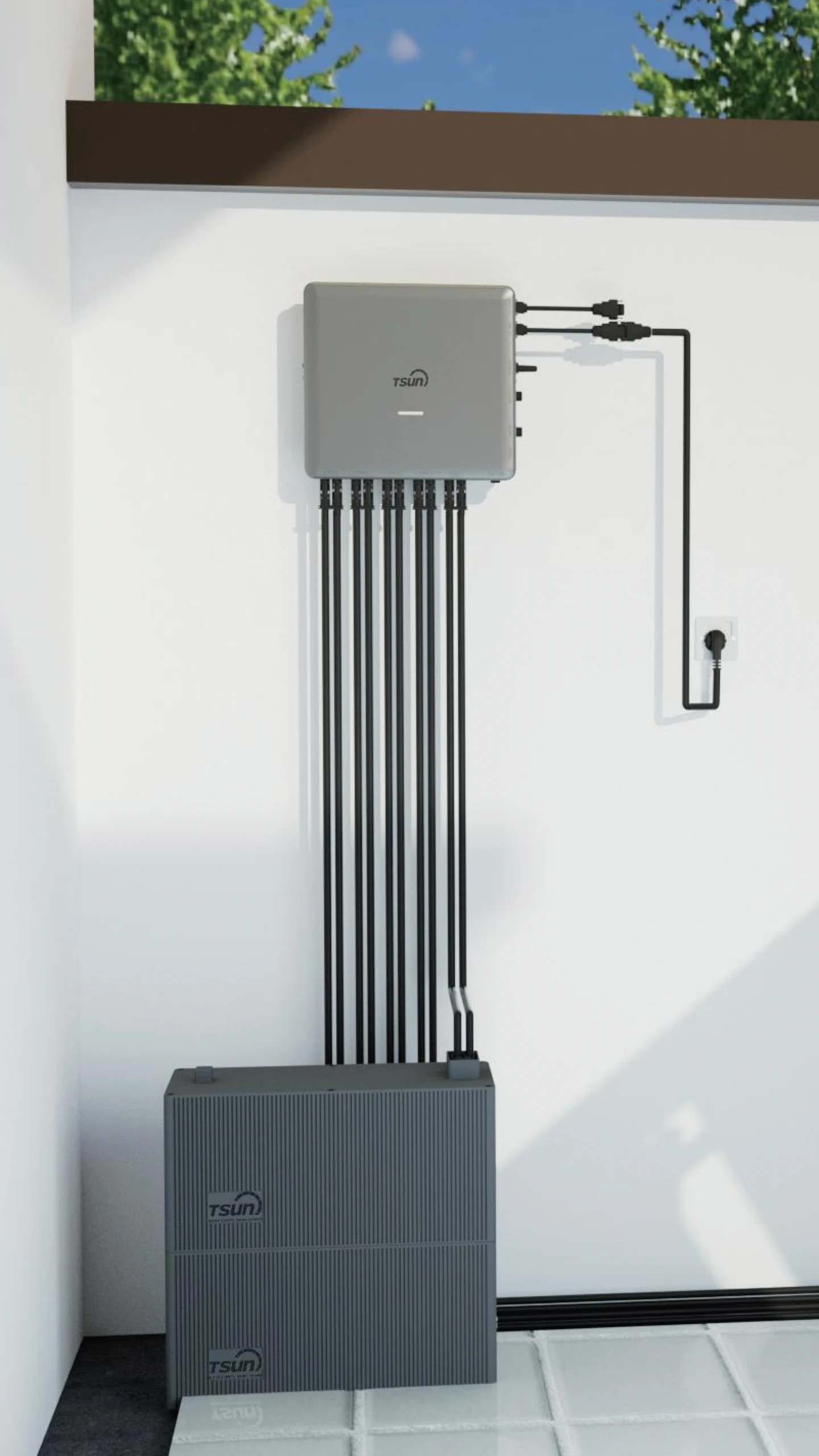
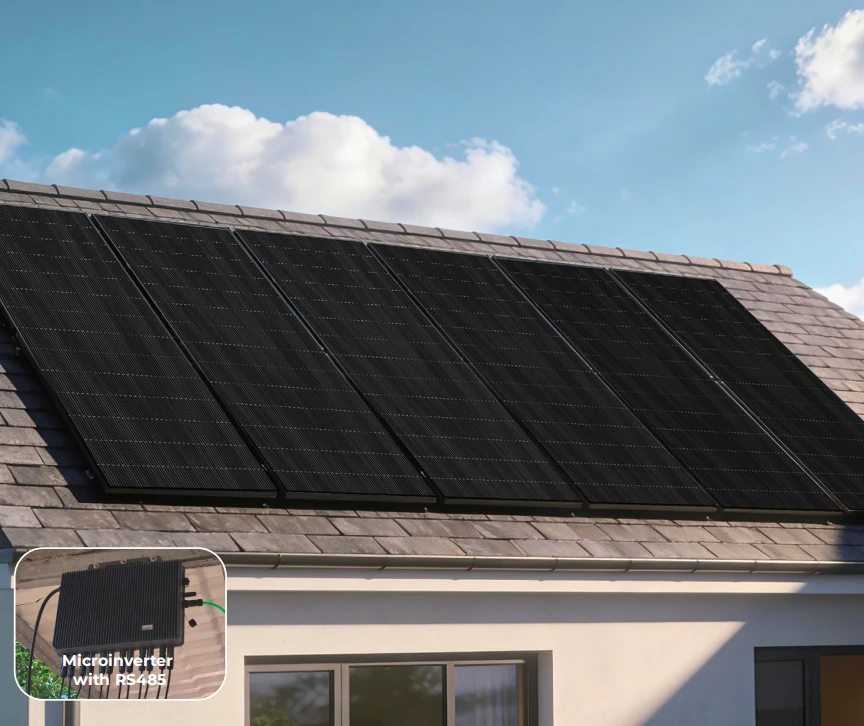
At its core, a Microinverter System converts DC power generated by solar panels into usable AC power at the panel level, rather than centralizing this conversion process. This decentralized approach allows individual panels to operate independently, which can markedly improve system efficiency and reliability. For B2B decision makers, understanding this technical distinction is critical because it directly impacts energy yield and maintenance costs.
- Microinverters typically support panel-level maximum power point tracking (MPPT), optimizing output for each solar module.
- Specs often include models rated from 250W up to 400W per unit, with efficiencies exceeding 95%.
- A recent case study from a commercial installation in Europe showed a 15% increase in energy harvest compared to string inverter systems, thanks to panel-level optimization and reduced shading losses.
Typical Microinverter System Specifications
| Specification |
Value |
| Rated Power Per Microinverter |
300 - 350 Watts |
| Efficiency |
>95% |
| Operating Temperature |
-40°C to +85°C |
| Warranty |
12 Years Standard ( Optional Extension ) |
| Communication Protocol |
Wi-Fi / Power Line Communication |
Frankly, the benefits of microinverter systems extend beyond just energy efficiency. In industrial or commercial settings — where every kilowatt counts — these systems bring a few notable edges. They shine in installations with shading issues, irregular roof shapes, or when expansions over time are likely. And from a safety angle, microinverters reduce high-voltage DC wiring, which some engineers find reassuring.
- Modular design allows for flexible system sizing and easier scalability for growing businesses.
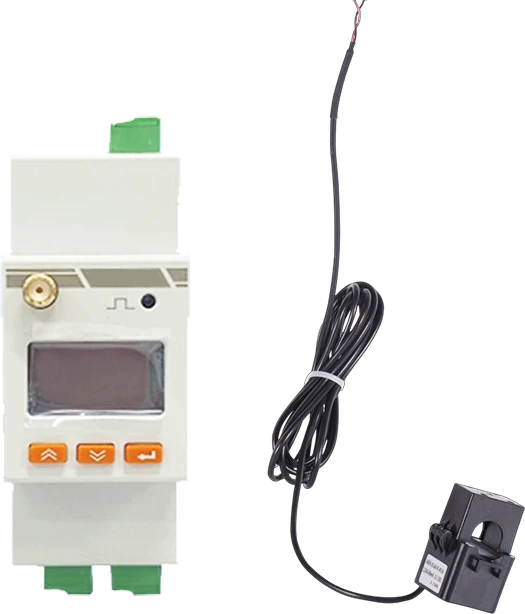
- Robust monitoring at the panel level offers precise performance insight and quicker fault detection.
- Competitive advantages include lower downtime and improved ROI due to tailored power tracking.
Vendor Comparison Table
| Vendor |
Efficiency |
Warranty |
Key Feature |
Typical Applications |
| Tsun ESS |
>95% |
12 Years (Extendable) |
Panel-Level Monitoring + Modular Scalability |
Commercial Rooftops, Industrial Complexes |
| Competitor A |
93% - 94% |
10 Years |
Standard MPPT, Limited Monitoring |
Residential Installations |
| Competitor B |
94% - 95% |
15 Years |
High Durability, Premium Cost |
Utility Scale, Large Farms |
Cost, Maintenance & User Experience
When looking at total cost of ownership, microinverter systems might seem pricier upfront. Yet, many operators report that the overall ROI justifies the investment. In real terms, fewer replacement parts, less downtime, and easier diagnostics save both time and money. Durability plays a role here: leading systems, like those from Tsun ESS, are designed to tolerate harsh weather and temperature swings. And oddly enough, customers often remark on how the simplified troubleshooting — thanks to panel-level data — keeps maintenance teams less stressed.
- Lower maintenance frequency due to distributed architecture.
- Improved user experience through intuitive monitoring portals.
- Several industrial customers report operational cost savings of up to 20% annually when switching to microinverter systems.
Sustainability & Market Trends
Going green is no longer optional — it's mandated in many regions. Regulatory frameworks increasingly favor renewable energy systems that maximize efficiency and minimize waste. The microinverter system fits well within this narrative. Because these systems boost power generation in irregular environments and cut down on energy loss, they support sustainability goals, especially in urban or industrial landscapes. Additionally, market trends signal a steady uptick in adoption, driven by declining hardware prices and rising awareness about long-term energy savings.
- Microinverters contribute to reducing carbon footprints by enhancing solar yield.
- Increasing governmental subsidies in China and globally make these systems more accessible.
- Integration with smart grid and IoT technologies further powers industry growth.
Frequently Asked Questions about Microinverter System
- What is Microinverter System and how does it work?
-
Simply put, a microinverter system converts DC electricity produced by each solar panel individually into AC power that's ready for the grid or building use. Unlike string inverters that link many panels together, microinverters give each panel its own 'brain,' allowing it to perform independently. This optimizes energy output even when some panels are shaded or dirty.
- What are the main benefits of using Microinverter System in industrial applications?
-
The key benefits include enhanced energy harvest, improved system reliability, easier scalability, and comprehensive monitoring capabilities. For industries that rely on consistent power, these features translate to reduced operational risks and better ROI. Plus, the system’s safety benefits from lower-voltage wiring make it more attractive.
- How does Microinverter System compare to traditional alternatives?
-
Traditional string inverters connect many panels in series and convert the combined DC to AC all at once, which can lead to efficiency losses if one panel underperforms. Microinverters bypass this problem by converting power right at the panel, resulting in less energy loss and easier fault isolation.
- What industries can benefit most from Microinverter System implementation?
-
Industries such as commercial real estate, manufacturing, logistics warehouses, and agricultural operations can especially benefit. For example, uneven rooftop layouts in warehouses often cause shading; microinverters minimize energy losses in such scenarios and improve overall system resilience.
Conclusion on Microinverter System from china
To sum it up, Microinverter Systems offer a compelling proposition for B2B decision makers seeking efficient, scalable, and smart energy solutions. Their panel-level control, combined with rugged design and thoughtful monitoring, make them a worthy consideration for diverse industrial applications.
- In essence, these systems deliver more energy with less hassle, fitting well into modern sustainability goals.
- - Visit our website: https://www.tsun-ess.com
Just a little reflection: it’s fascinating how small tech — like microinverters — can drive big change in energy markets. As we lean further into renewables, the details really matter.
- Industry report: Global Solar Adoption Trends, 2023
- Case Study: Commercial Microinverter Deployment in Europe, SolarTech Journal
- Tsun ESS Product Brochure & Technical Datasheets, accessed June 2024



 LEARN DETAILS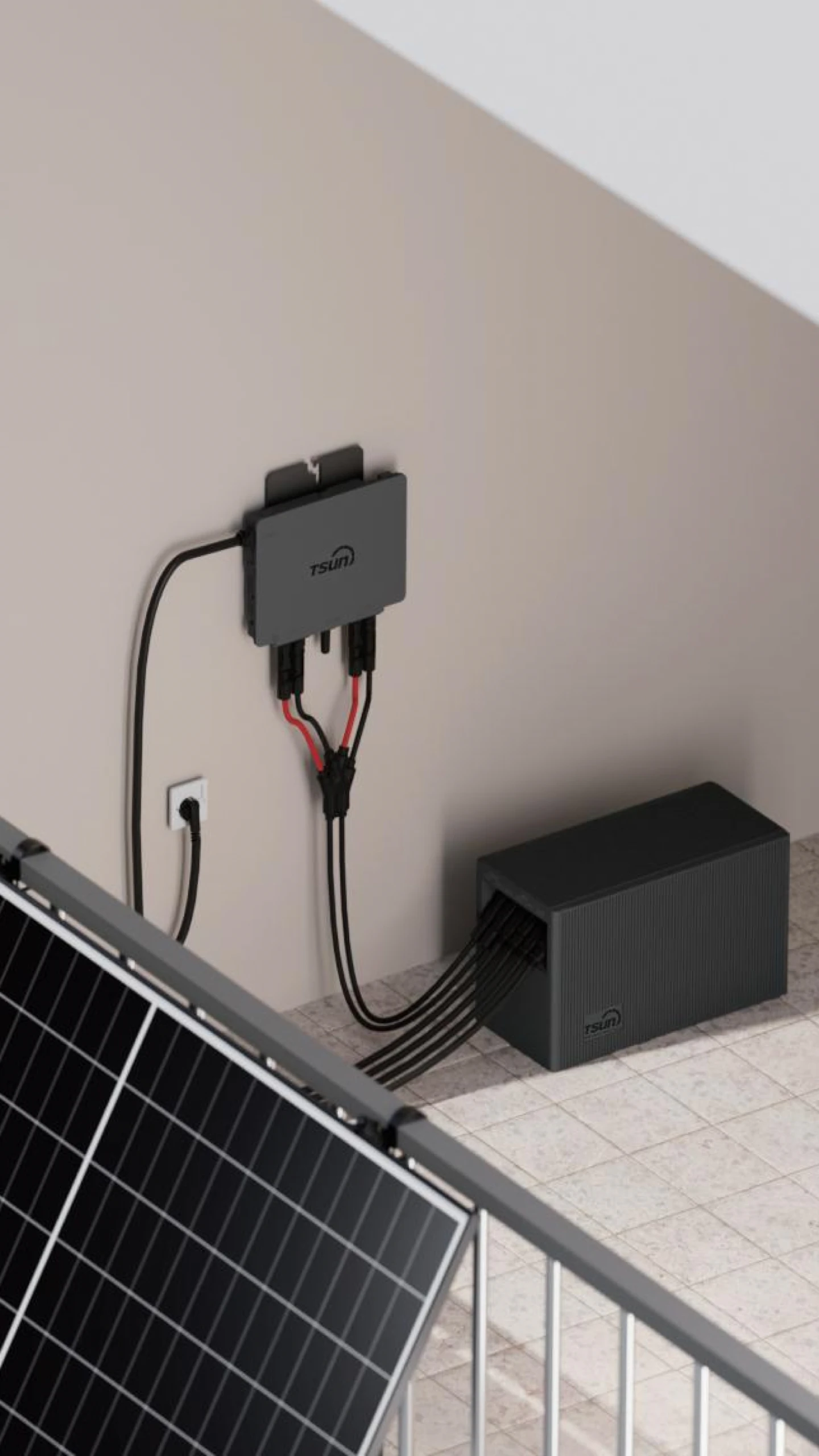
 Downloads
 Video Center
 Report Fault for Repair
 FAQS
FAQS Service Network
 Privacy Policy
 Contact Us
 Monitoring


 LEARN MORE