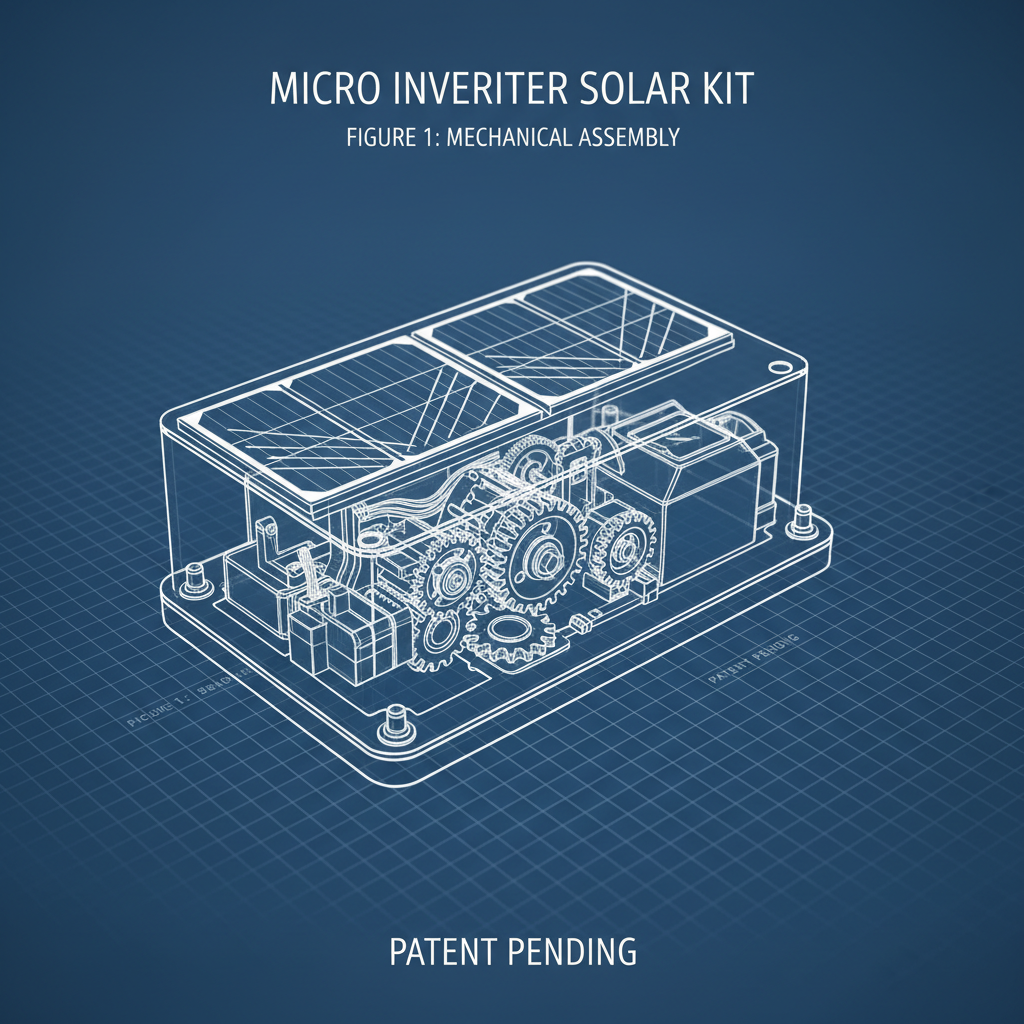
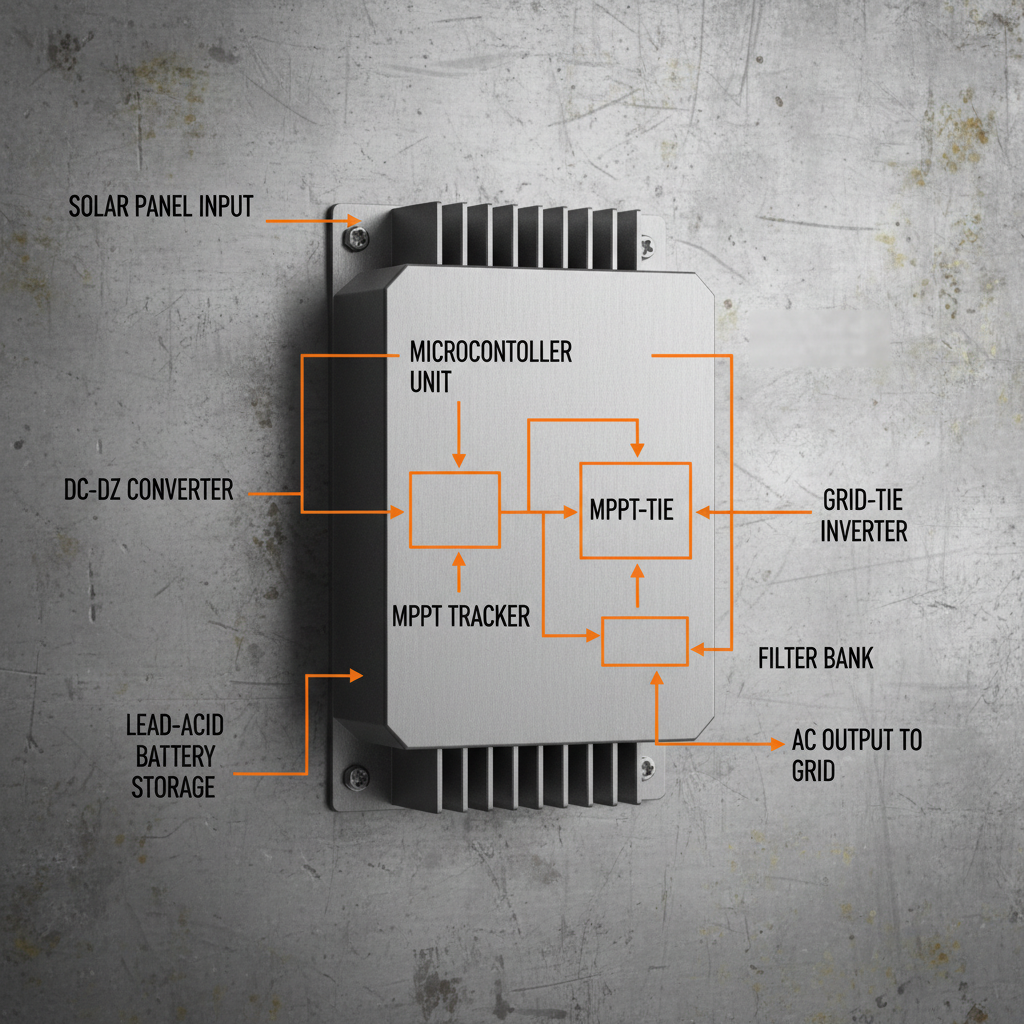
Microinverters for solar panels are rapidly becoming the preferred choice for both residential and commercial solar installations. They represent a significant advancement over traditional string inverters, offering a more efficient, reliable, and scalable solution for harnessing solar energy. The increasing global demand for renewable energy sources, driven by climate change concerns and energy security needs, is fueling the growth of the microinverter market. Understanding the benefits and applications of these devices is crucial for anyone involved in the solar industry or considering a solar investment.
The adoption of microinverters addresses a critical challenge in solar energy deployment – maximizing energy yield in varying conditions. Traditional string inverters are susceptible to performance limitations caused by shading, panel mismatch, or component failures. Microinverters mitigate these issues by optimizing the power output of each individual solar panel, increasing overall system efficiency. This is particularly important in regions with complex rooftops, partial shading, or diverse panel orientations.
The global solar energy market is experiencing unprecedented growth, with investments exceeding billions of dollars annually (Source: International Renewable Energy Agency – IRENA). This surge is partly attributable to the increased availability and affordability of advanced technologies like microinverters for solar panels, which are streamlining installation, reducing maintenance costs, and improving system performance. This trend is expected to continue as governments worldwide implement policies to promote renewable energy adoption.
Introduction to Microinverters for Solar Panels
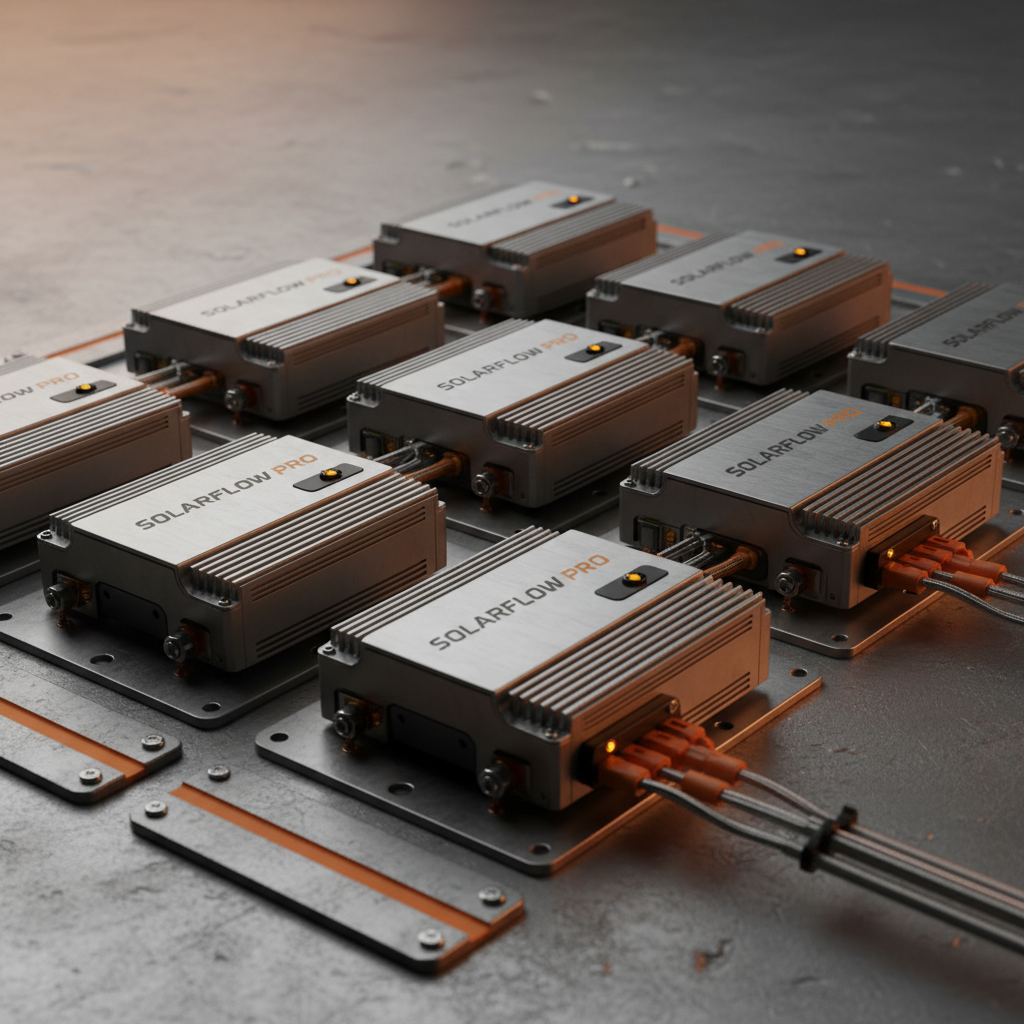
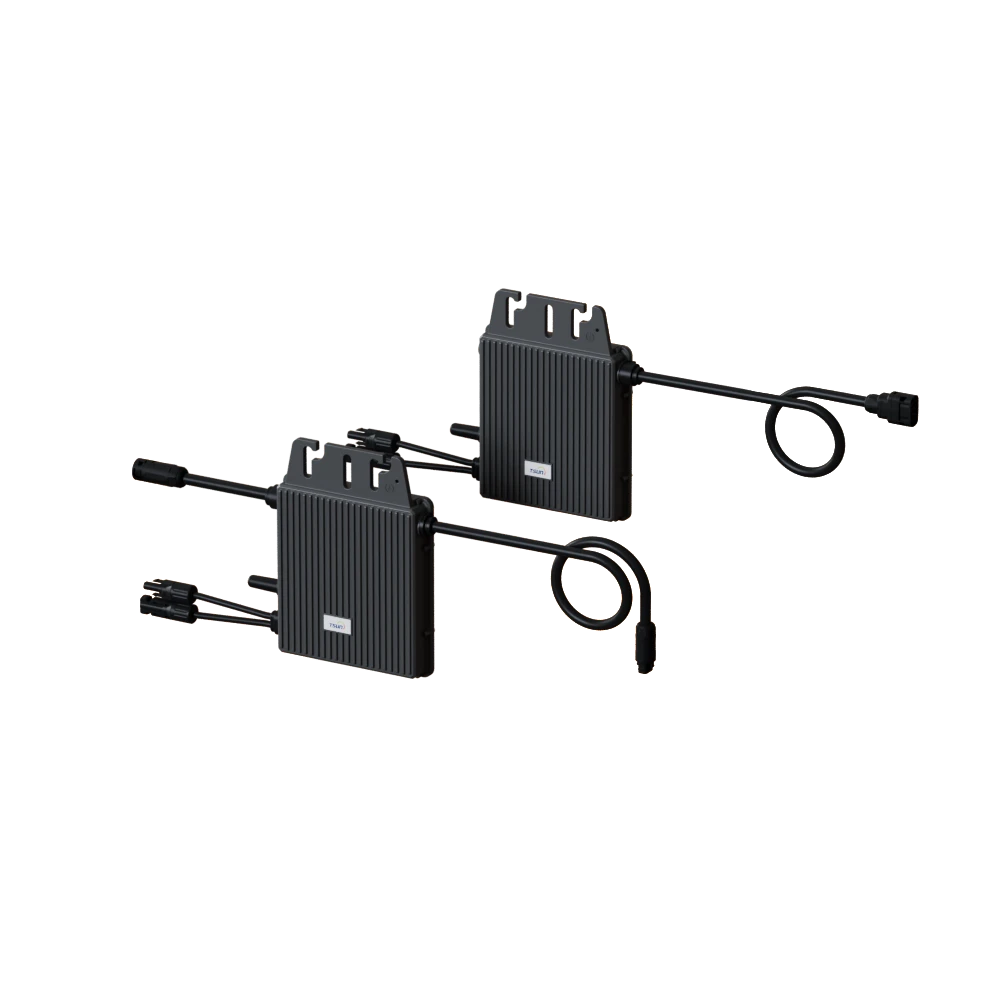
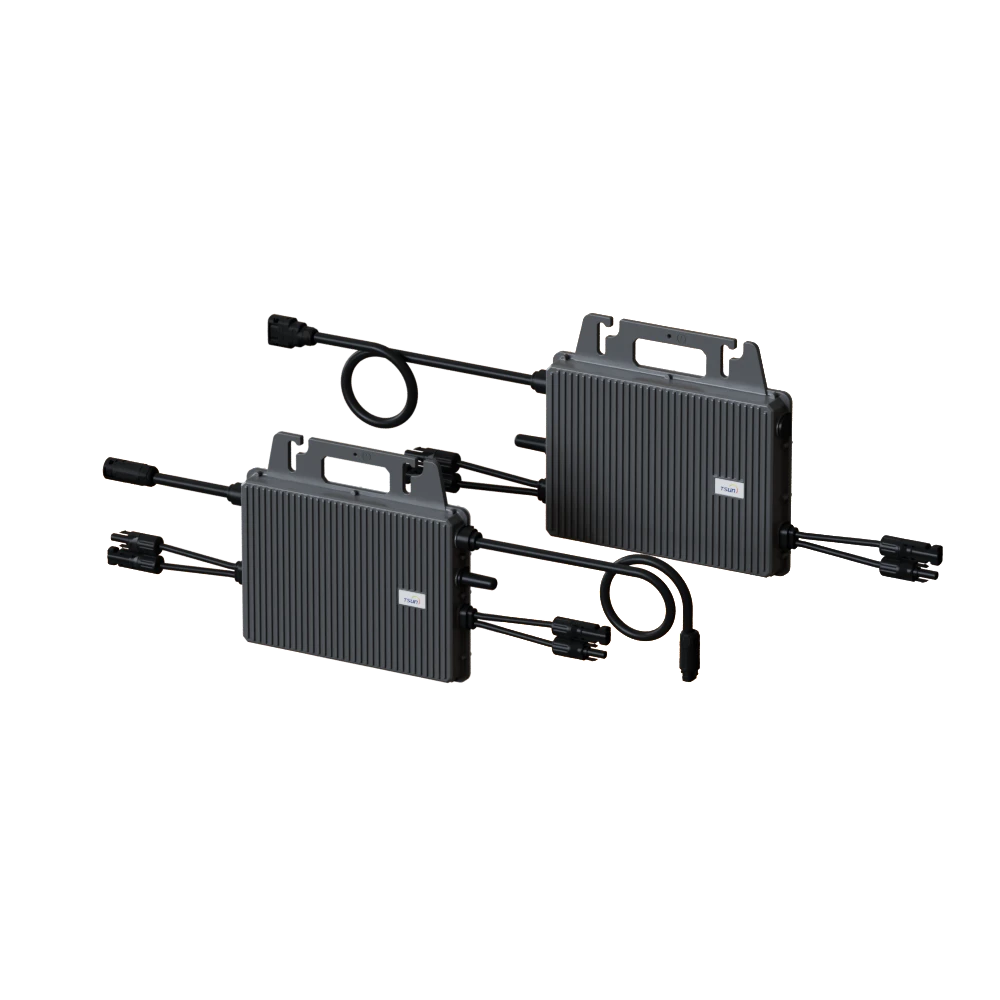
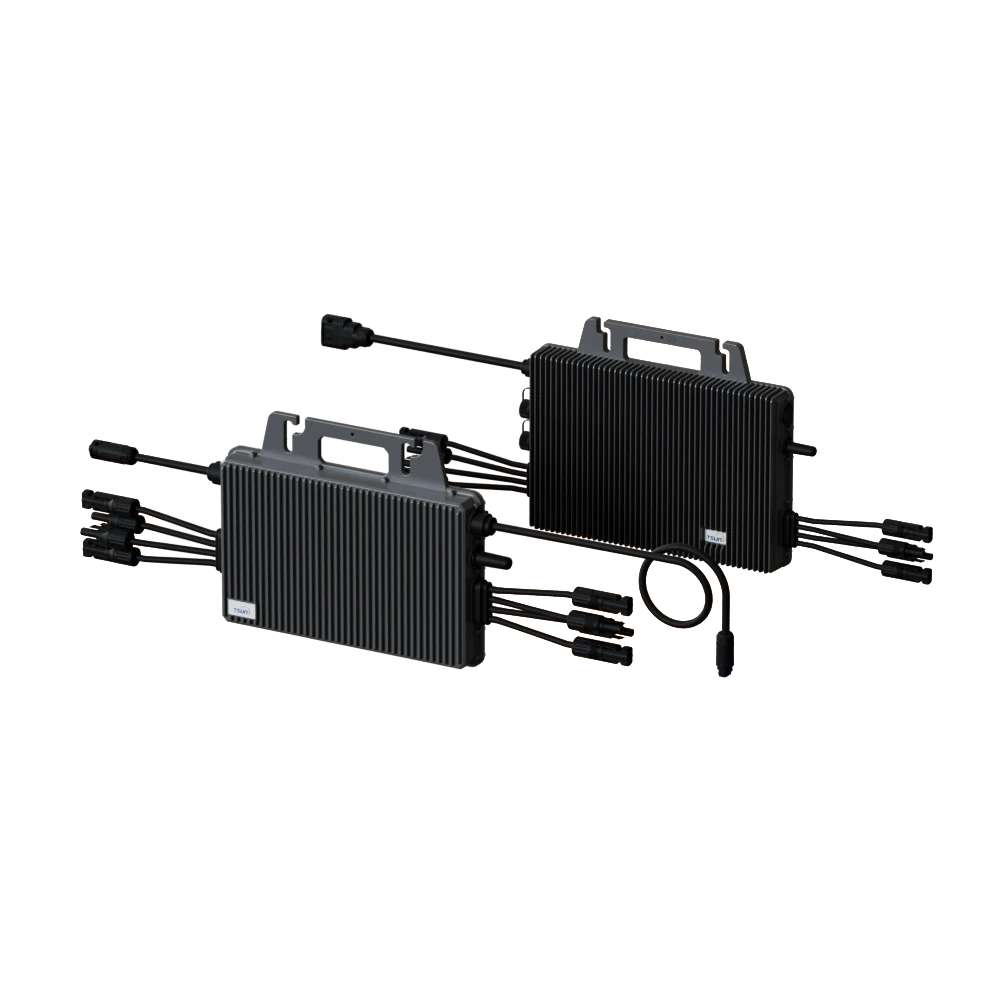
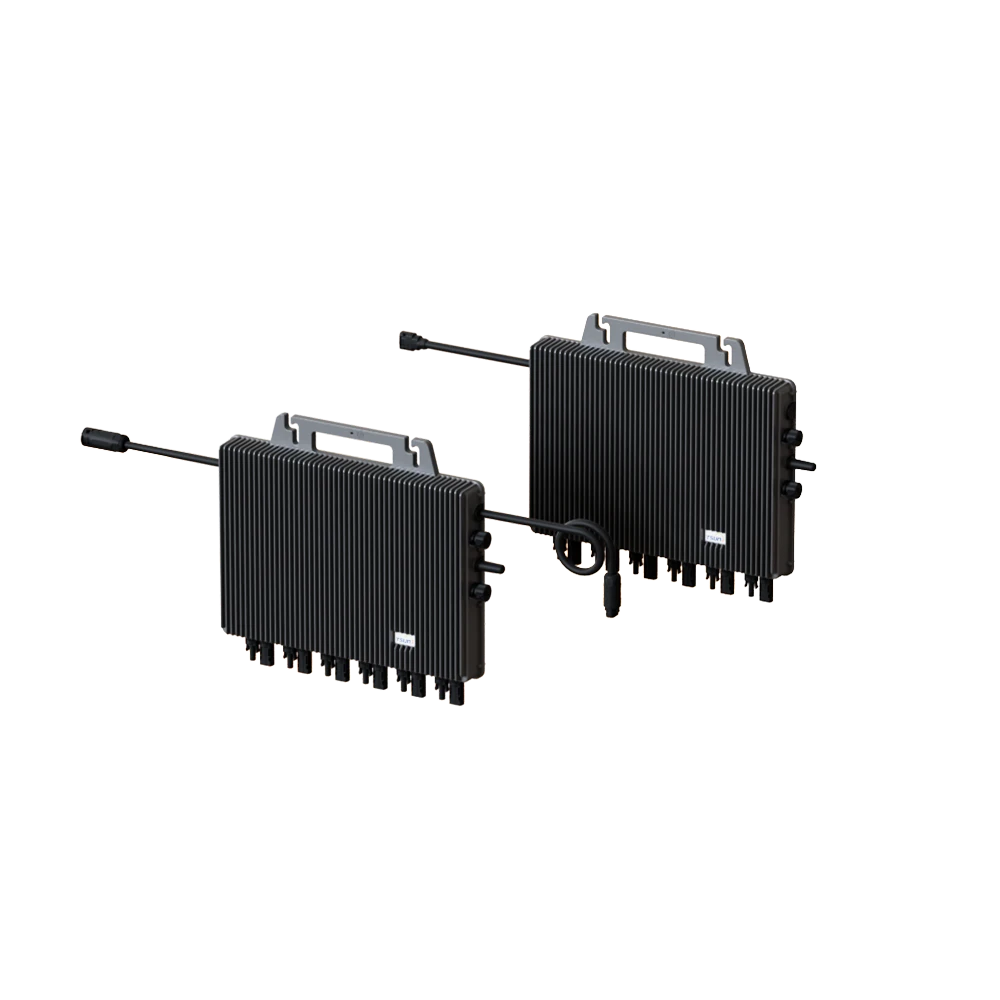
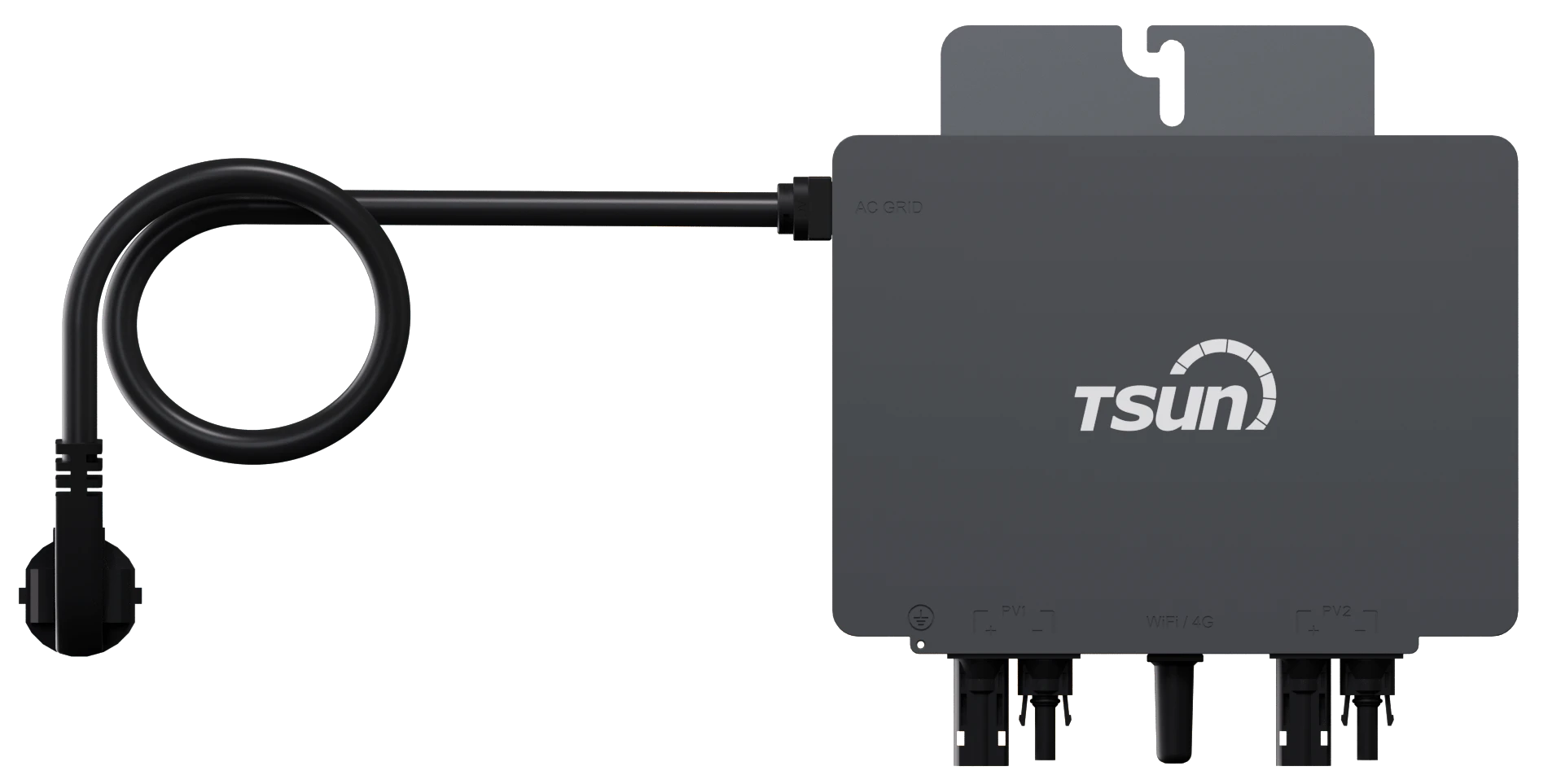
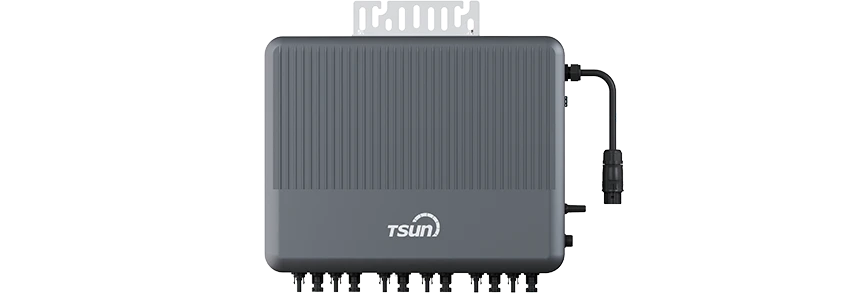
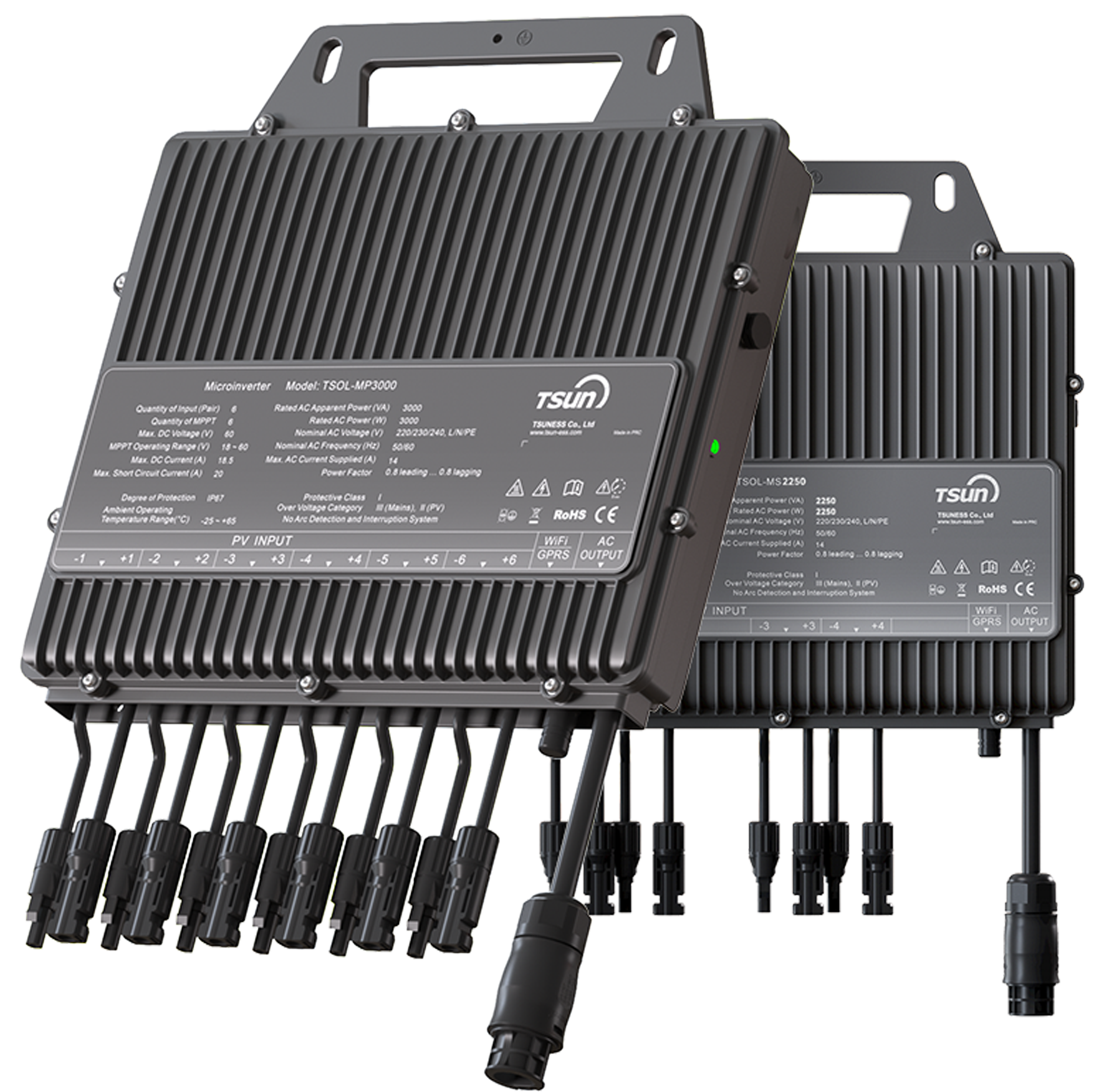
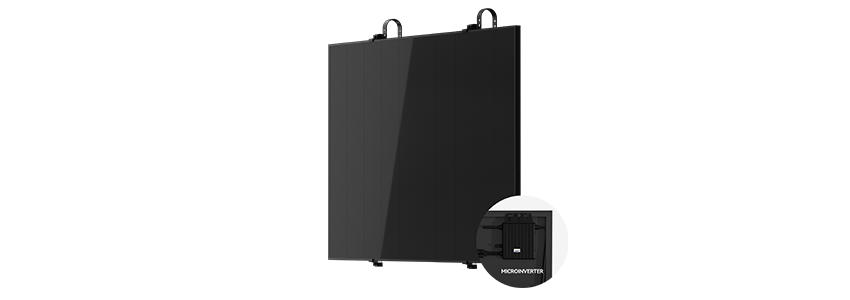
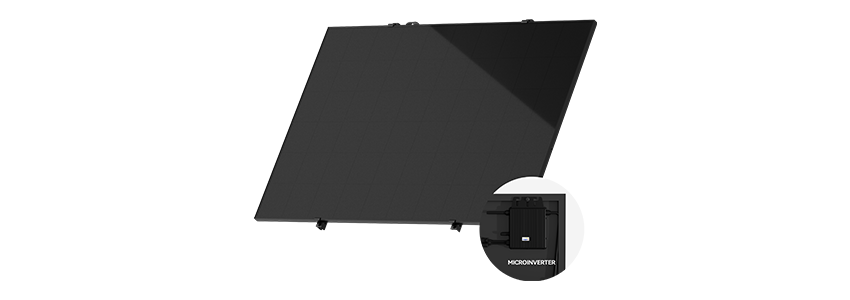
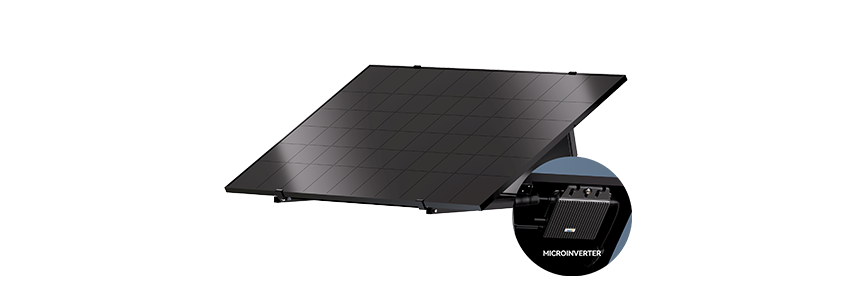
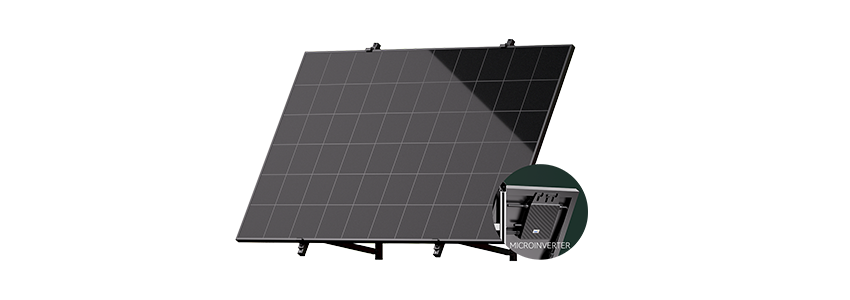
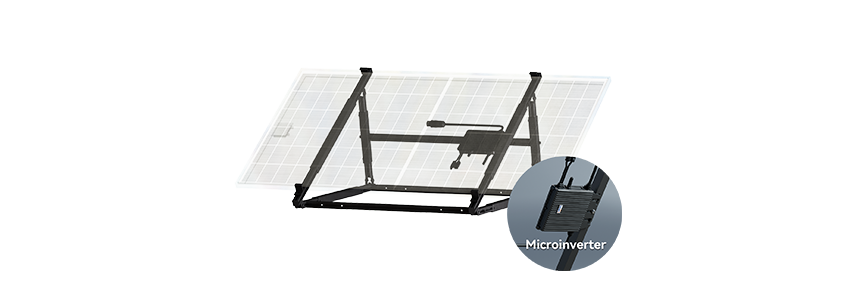
Microinverters for solar panels represent a revolutionary advancement in photovoltaic (PV) technology. Unlike traditional string inverters that convert DC power from multiple panels into AC power centrally, microinverters are small inverters attached directly to each individual solar panel. This decentralized approach offers numerous benefits, including increased energy harvest, enhanced system monitoring, and improved safety.
This shift towards module-level power electronics (MLPE), specifically microinverters, is transforming the landscape of solar energy. They are becoming increasingly essential for maximizing the return on investment in solar installations, particularly in situations where shading or panel mismatch is a concern. The ability to track performance at the panel level allows for more precise diagnostics and faster identification of potential issues.
Defining Microinverters for Solar Panels
Simply put, microinverters for solar panels convert the direct current (DC) electricity generated by a single solar panel into alternating current (AC) electricity. This conversion happens at the source – on the roof, right next to the panel itself – rather than centrally in a single inverter. Each microinverter is designed to maximize the power output of its corresponding panel, regardless of the performance of other panels in the array.
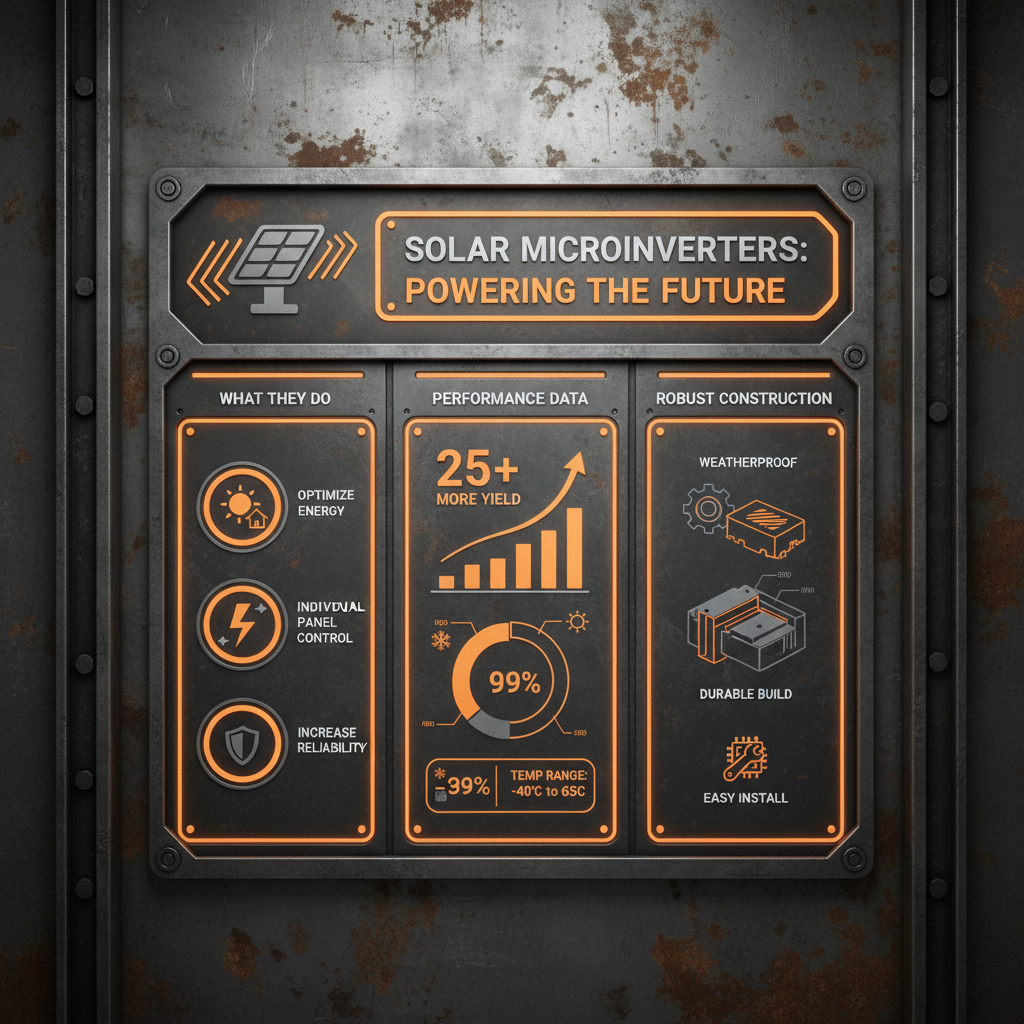
This individual panel optimization is critical. In a traditional string inverter system, the entire array is limited by the weakest performing panel. A shaded panel, a dirty panel, or a panel with a slight defect can drag down the output of the entire string. Microinverters eliminate this bottleneck, ensuring that each panel operates at its maximum potential.
The connection to modern industry and humanitarian needs is significant. Microinverters enable more efficient energy harvesting in a wider range of environments, reducing reliance on fossil fuels and contributing to a sustainable energy future. In remote areas or disaster relief scenarios, they provide a reliable and independent power source, crucial for essential services and communication.
Core Components and Factors
Several key factors define the performance and reliability of microinverters for solar panels. Durability is paramount, as these devices are exposed to harsh outdoor conditions – extreme temperatures, humidity, and UV radiation. High-quality components and robust enclosures are essential for a long service life.
Scalability is another crucial aspect. Microinverter systems are inherently scalable; adding more panels simply involves installing more microinverters. This makes them ideal for both small residential installations and large commercial arrays. Efficiency refers to how effectively the microinverter converts DC power to AC power, and higher efficiency translates to more energy harvested. Monitoring Capabilities are enhanced due to per-panel data transmission, enabling quick problem diagnosis.
Compatibility with different solar panel types and sizes is essential. Microinverters need to be compatible with a wide range of PV modules to offer flexibility in system design. Finally, Cost Efficiency is a growing consideration. While microinverters typically have a higher upfront cost than string inverters, their increased energy yield and reduced maintenance costs can result in a lower levelized cost of energy (LCOE) over the system's lifetime.
Applications of Microinverters for Solar Panels Globally
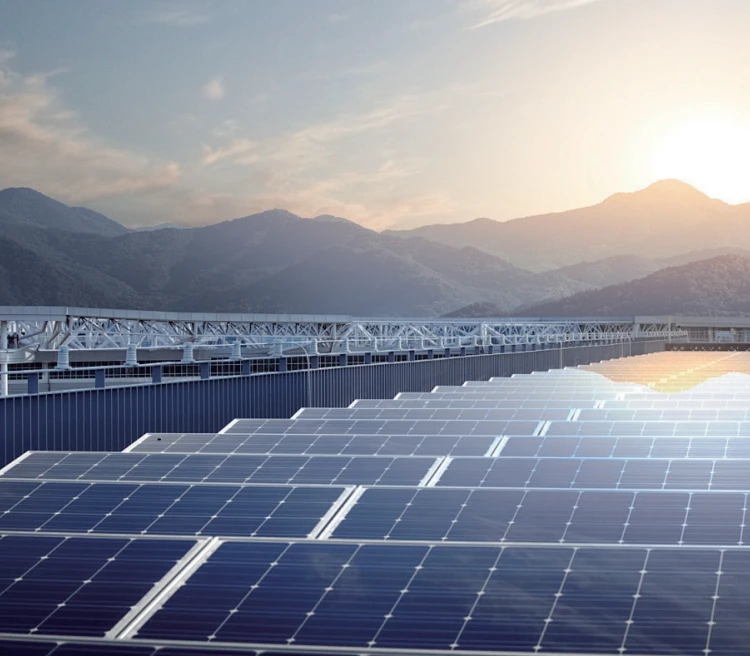
Microinverters for solar panels are being deployed in diverse applications worldwide. In residential settings, they are particularly popular in areas with complex rooflines or partial shading, allowing homeowners to maximize their solar energy production. Commercial buildings are also adopting microinverters to improve energy efficiency and reduce operating costs.
In remote and off-grid locations, microinverters provide a reliable source of power for communities that lack access to the traditional electricity grid. In post-disaster relief operations, they can quickly be deployed to provide emergency power for essential services like hospitals and communication centers.
We are seeing increasing adoption in regions like Australia, known for its high solar irradiance and diverse roof structures, as well as Germany, a leader in renewable energy technology. Furthermore, microinverter systems are gaining traction in industrial zones requiring reliable backup power, like data centers, and agricultural applications such as powering irrigation systems.
Microinverter Performance Metrics
Advantages and Long-Term Value
The advantages of microinverters for solar panels extend far beyond increased energy yield. They offer improved system reliability, as the failure of a single microinverter does not affect the performance of other panels. This modularity simplifies maintenance and reduces downtime. The enhanced safety features, such as rapid shutdown capabilities, provide peace of mind for homeowners and installers.
From a sustainability perspective, microinverters maximize the use of clean energy, reducing our dependence on fossil fuels and mitigating climate change. The long-term value lies in the reduced operating costs, increased energy production, and enhanced system lifespan. They represent a smart investment in a future powered by renewable energy.
Future Trends and Innovations
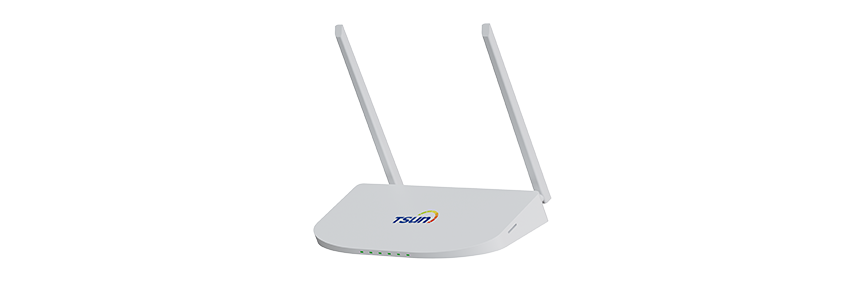
The future of microinverters for solar panels is bright, with ongoing innovations driving increased efficiency, reduced costs, and enhanced functionality. We are seeing the integration of advanced communication technologies, such as Wi-Fi and Bluetooth, for seamless monitoring and control.
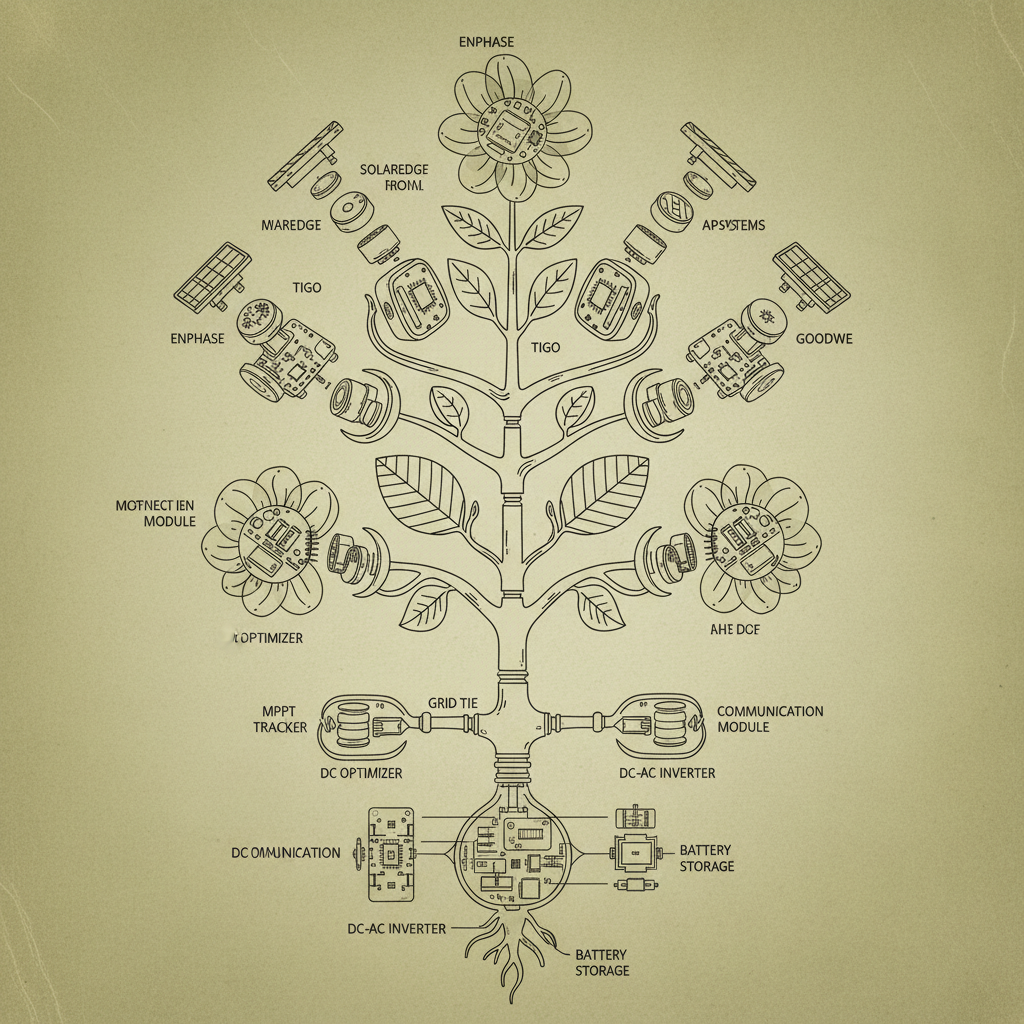
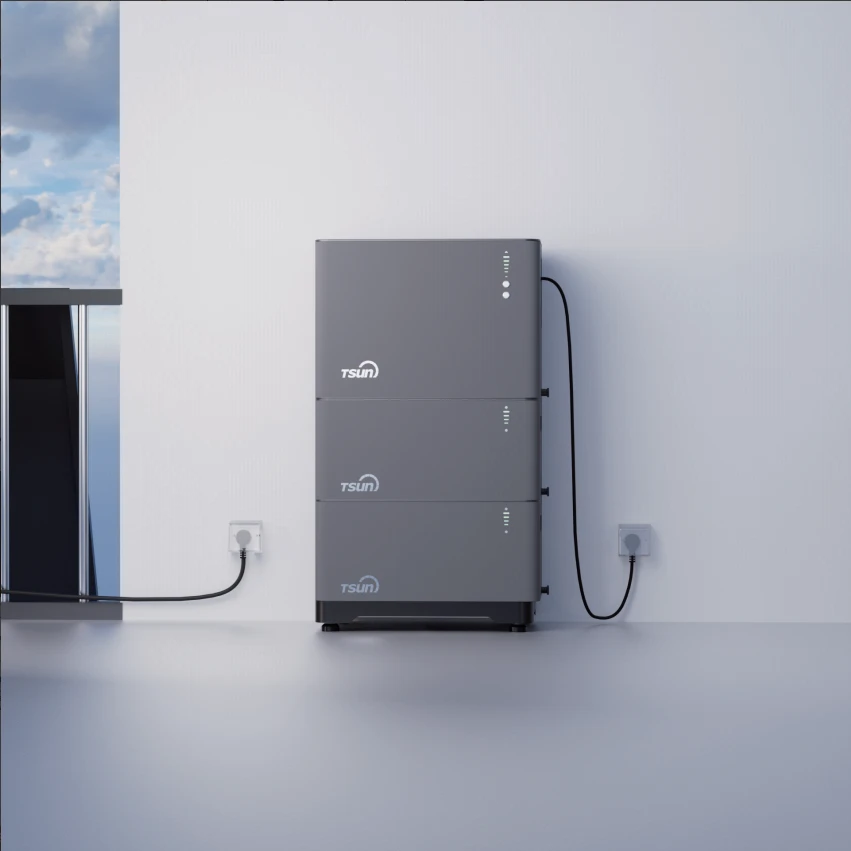
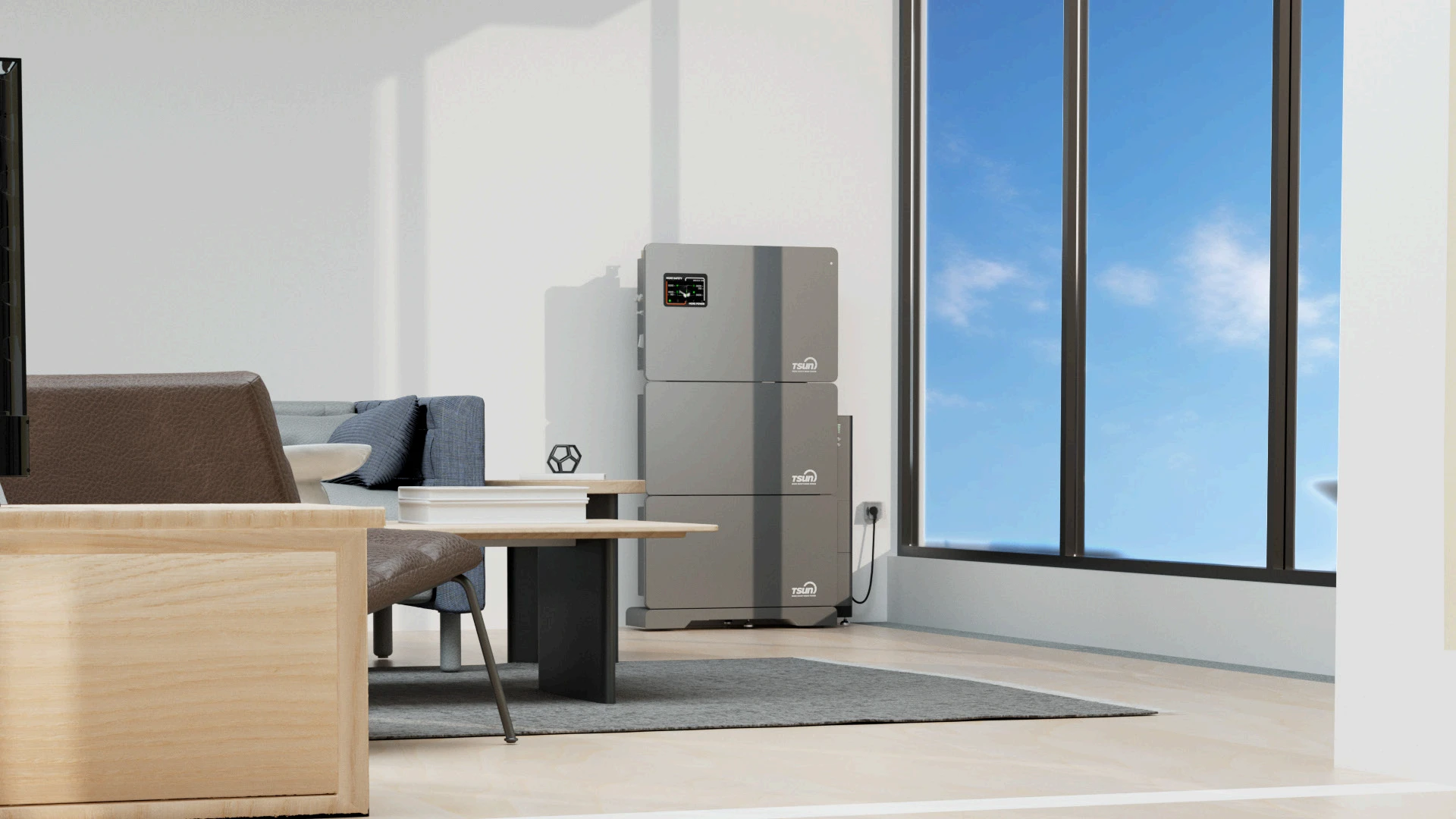
The development of new materials and manufacturing processes is leading to more durable and cost-effective microinverters. Furthermore, the convergence of microinverters with energy storage systems (batteries) is creating integrated solutions that offer greater energy independence and grid resilience. Digital transformation and automation are playing a significant role in optimizing microinverter performance and simplifying system management.
Challenges and Solutions
Despite their many advantages, microinverters for solar panels face certain challenges. The higher upfront cost compared to string inverters can be a barrier for some customers. However, this cost is often offset by the increased energy yield and reduced maintenance costs over the system's lifetime.
Another challenge is the complexity of installation, which requires skilled technicians and careful planning. However, manufacturers are developing user-friendly installation tools and providing comprehensive training programs to address this issue. Furthermore, the long-term reliability of microinverters is crucial, and ongoing research and development are focused on improving their durability and lifespan.
To overcome these challenges, we are seeing innovative financing models, such as power purchase agreements (PPAs), that make microinverter systems more accessible. Additionally, advancements in software and data analytics are enabling predictive maintenance, identifying potential issues before they lead to system failures.
Summary of Key Performance Indicators for Microinverter Solutions
| Category |
Metric |
Rating (1-10) |
Comments |
| Efficiency |
Conversion Rate |
9 |
Excellent DC to AC conversion efficiency. |
| Reliability |
Mean Time Between Failures (MTBF) |
8 |
Robust design, but potential for component wear over time. |
| Scalability |
System Expansion Capacity |
10 |
Easy to add more panels and microinverters as needed. |
| Monitoring |
Panel-Level Data Accuracy |
9 |
Provides detailed performance insights for each panel. |
| Cost |
Initial Investment |
6 |
Higher upfront cost compared to string inverters. |
| Safety |
Rapid Shutdown Compliance |
10 |
Ensures quick de-energization in emergencies. |
FAQS
Microinverters offer several key advantages, including increased energy harvest, particularly in shaded conditions, improved system reliability, and enhanced monitoring capabilities. Unlike string inverters, which are susceptible to the performance of the weakest panel, microinverters optimize each panel individually. They also provide panel-level monitoring, allowing for faster identification of issues and increased system uptime. Their modular design enhances safety through rapid shutdown features.
Yes, microinverters generally have a higher upfront cost than string inverters. However, it’s important to consider the long-term value. While the initial investment is higher, microinverters often result in a lower levelized cost of energy (LCOE) due to increased energy production, reduced maintenance costs, and improved system lifespan. Financing options and government incentives can help offset the higher initial cost.
Microinverters excel in shaded conditions. Because each panel has its own dedicated inverter, shading on one panel does not affect the performance of the others. This is a significant advantage over string inverters, where shading on a single panel can drag down the output of the entire string. Microinverters maximize energy harvest even in partially shaded environments.
Most microinverter manufacturers offer warranties of 25 years, indicating an expected lifespan of at least that long. However, the actual lifespan can vary depending on environmental conditions and installation quality. Regular maintenance and monitoring can help extend the life of your microinverter system. Advancements in component technology are also contributing to improved durability and longevity.
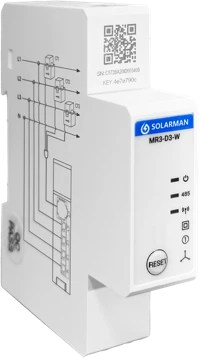
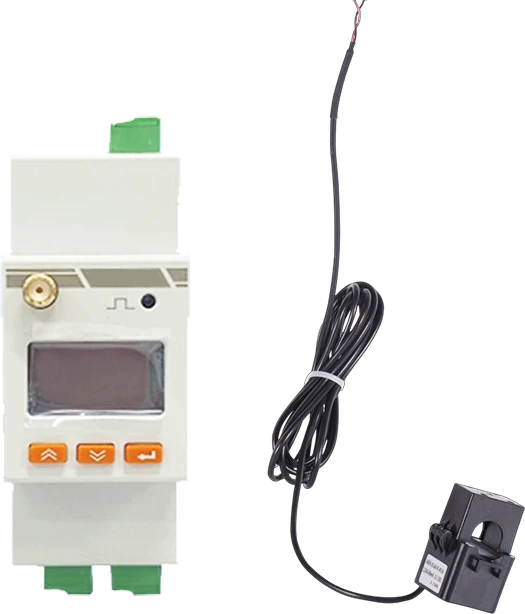
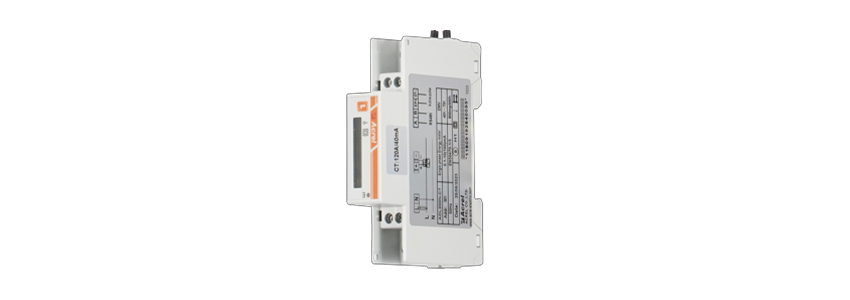
Monitoring is a key benefit of microinverters. They provide panel-level data, allowing you to track the performance of each individual panel in real-time. This information is typically accessible through a web-based portal or mobile app, providing detailed insights into energy production, system health, and potential issues. This granular data allows for proactive maintenance and optimization.
Generally, microinverters require less maintenance than string inverters. The modular design simplifies troubleshooting, and the panel-level monitoring allows for quick identification of failing components. Because there’s no central point of failure, the risk of a complete system shutdown is reduced. Routine inspections and cleaning of the panels are still recommended, but the microinverters themselves typically require minimal upkeep.
Conclusion
Microinverters for solar panels represent a significant advancement in renewable energy technology, offering increased efficiency, reliability, and scalability. Their ability to optimize energy production at the panel level, coupled with enhanced monitoring capabilities, makes them an increasingly attractive solution for both residential and commercial solar installations. The shift towards microinverters is driving down the cost of solar energy and accelerating the transition to a sustainable energy future.
As technology continues to evolve, we can expect even further innovations in microinverter design and functionality. By embracing these advancements, we can unlock the full potential of solar energy and create a cleaner, more sustainable world. Visit our website at microinverters for solar panels to learn more about how our innovative solutions can help you maximize your solar investment.



 LEARN DETAILS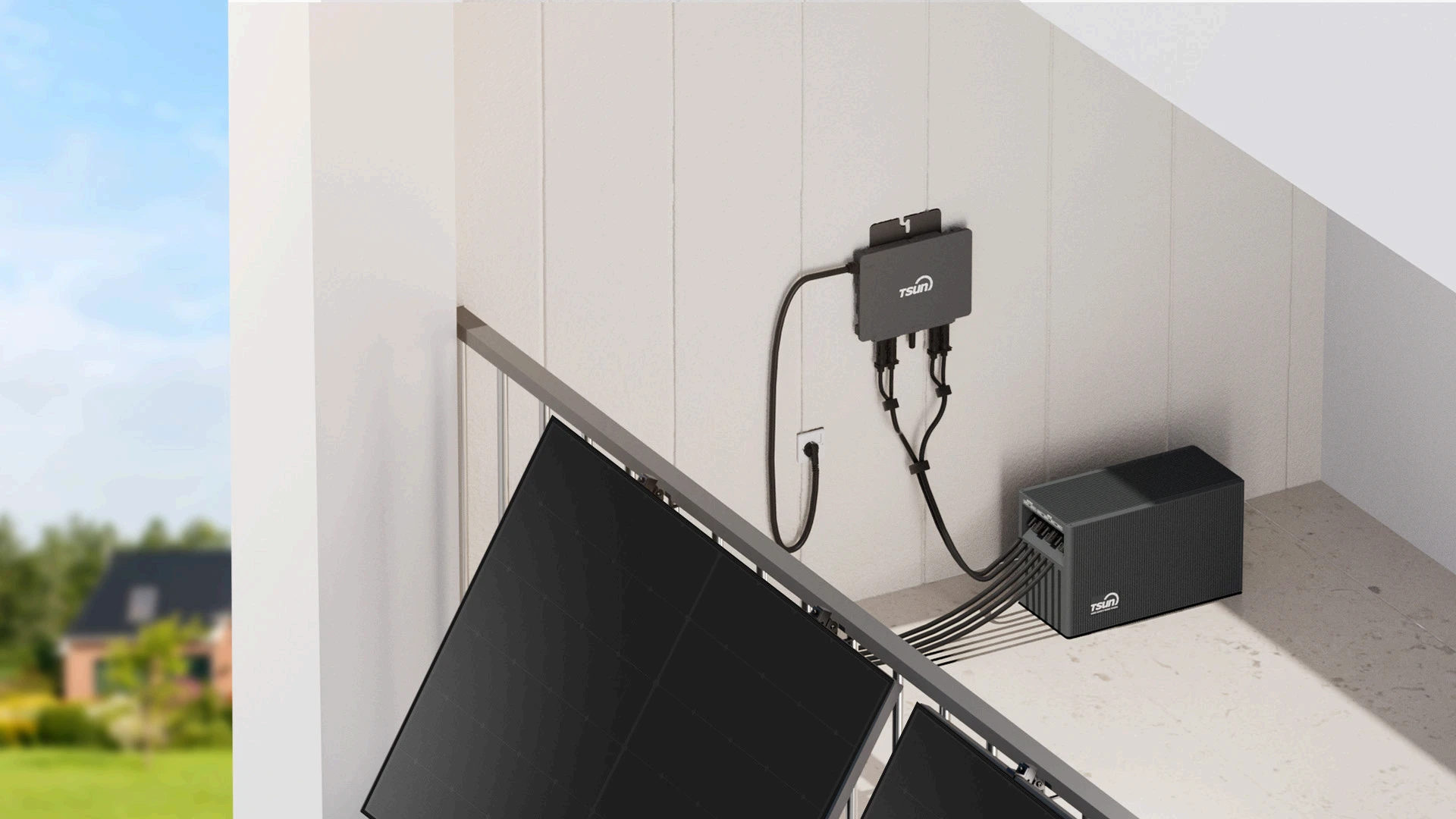
 Downloads
 Video Center
 Report Fault for Repair
 FAQS
FAQS Service Network
 Privacy Policy
 Contact Us
 Monitoring