The global shift towards renewable energy sources is dramatically increasing the demand for efficient and reliable solar power solutions. Central to this evolution is the solar microinverter, a crucial component in modern photovoltaic (PV) systems. These devices are transforming how we harness solar energy, moving away from traditional string inverters towards a more distributed and intelligent approach. Understanding solar microinverters is no longer just for industry professionals; it's becoming increasingly relevant for homeowners, businesses, and policymakers alike, as we collectively strive for a sustainable energy future.
The rise of distributed generation, fueled by decreasing costs and increasing accessibility of solar technology, is driving the adoption of solar microinverters. Traditional string inverters, while cost-effective in certain scenarios, suffer from limitations like single point of failure and shading sensitivity. Microinverters address these challenges by optimizing the power output of each individual solar panel, maximizing overall system efficiency. This decentralized approach also opens doors to enhanced monitoring and control, offering greater flexibility and resilience.
The energy landscape is undergoing a rapid transformation with global initiatives like the Paris Agreement and the Sustainable Development Goals pushing for cleaner energy alternatives. Solar microinverter technology plays a vital role in enabling this transition, offering a scalable and adaptable solution for both small-scale residential installations and large-scale commercial projects. Continued innovation in this space is critical to unlocking the full potential of solar energy and building a more sustainable world.
Introduction to Solar Microinverter Technology
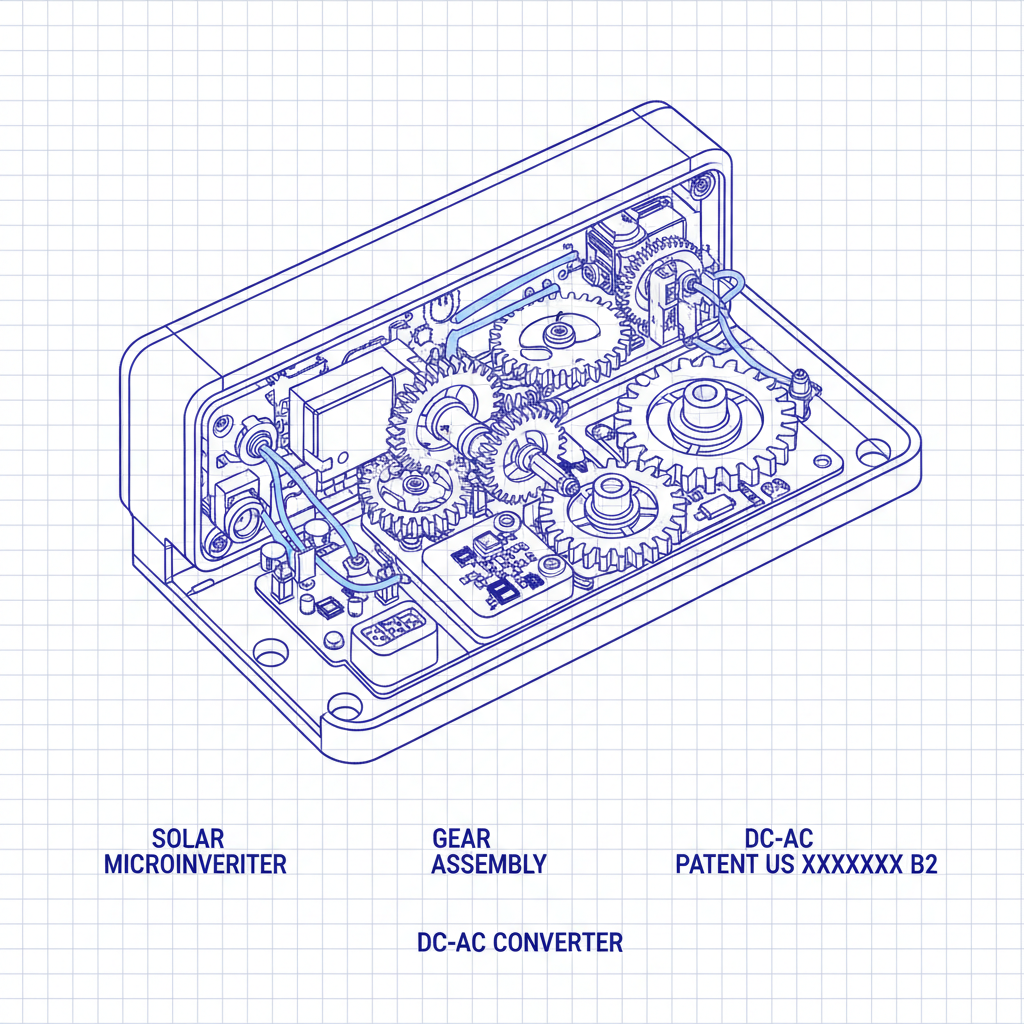
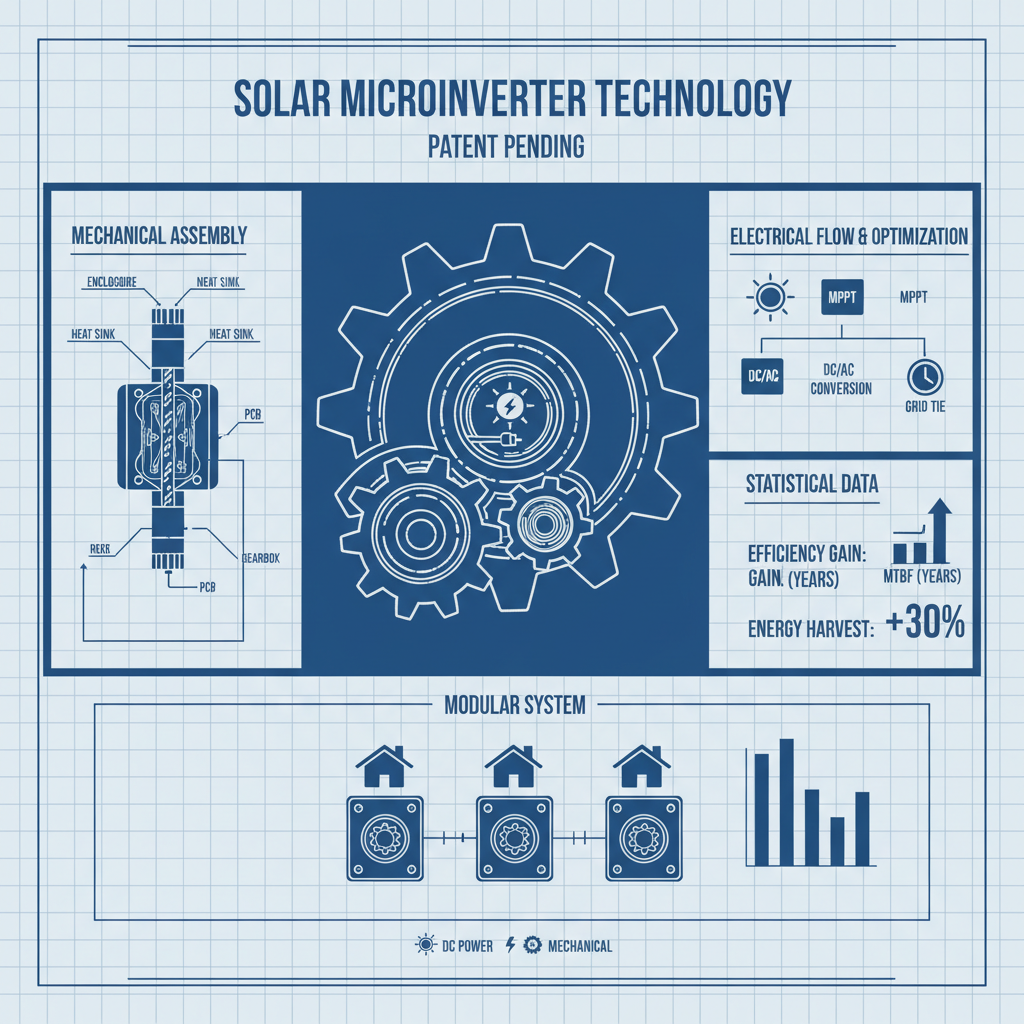
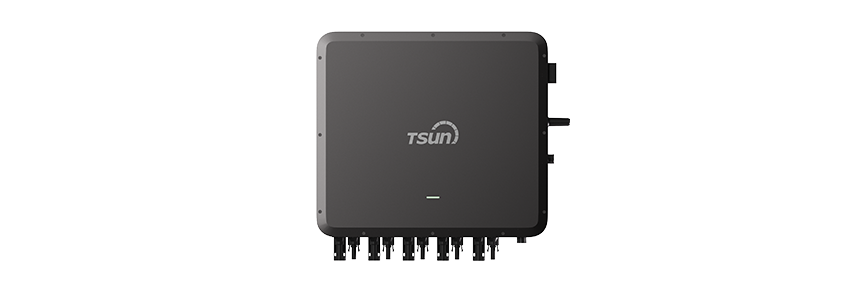
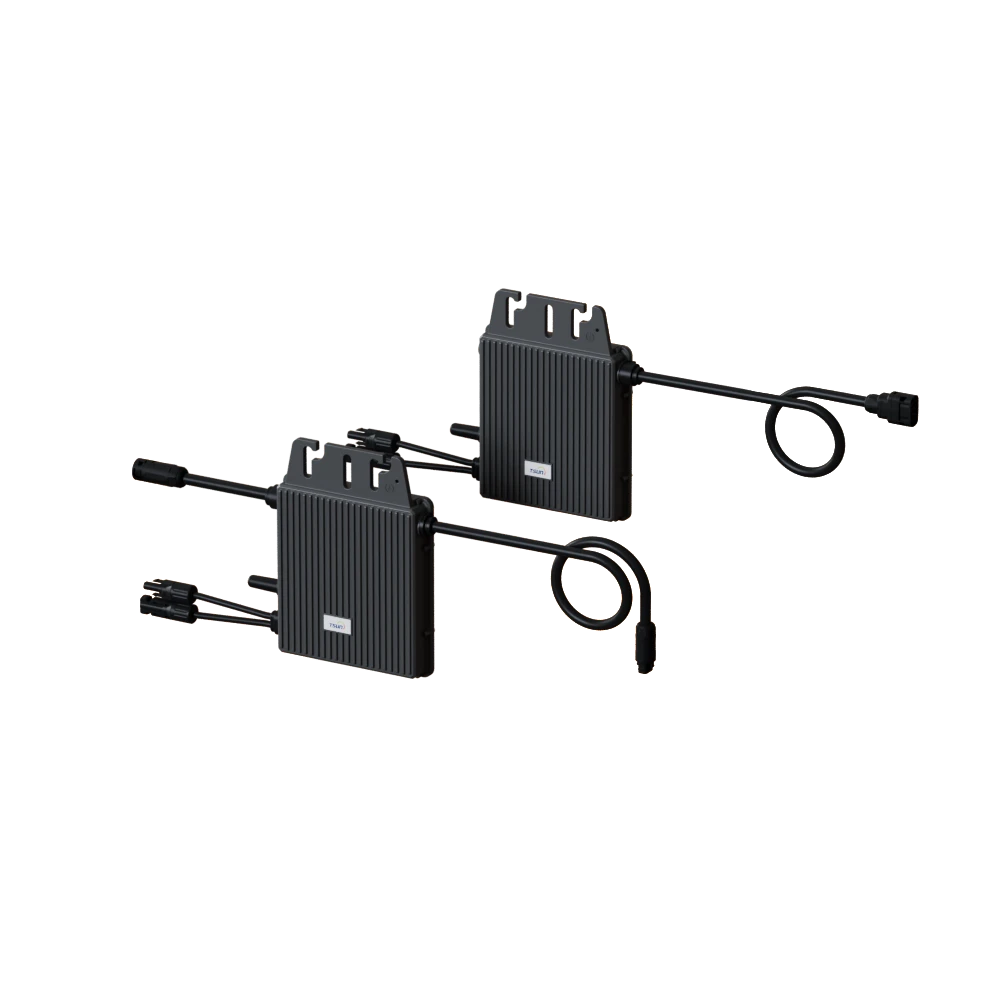
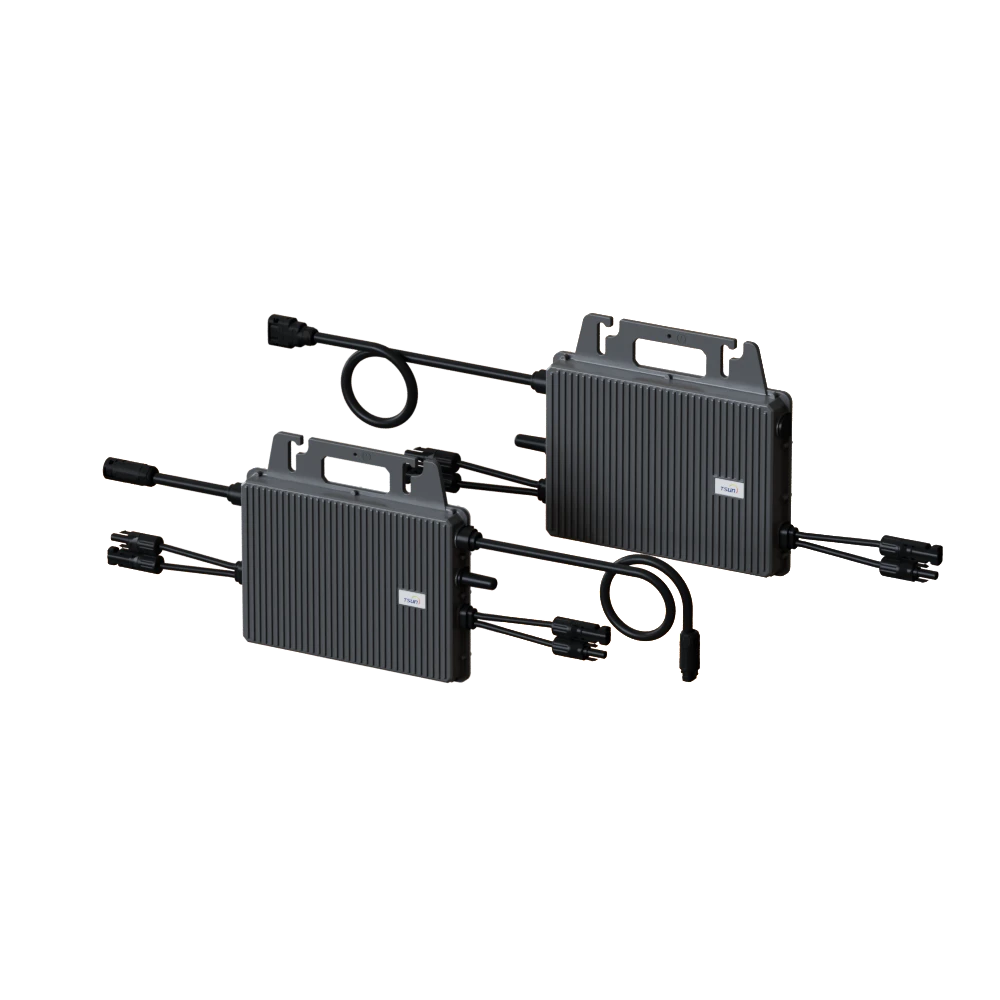
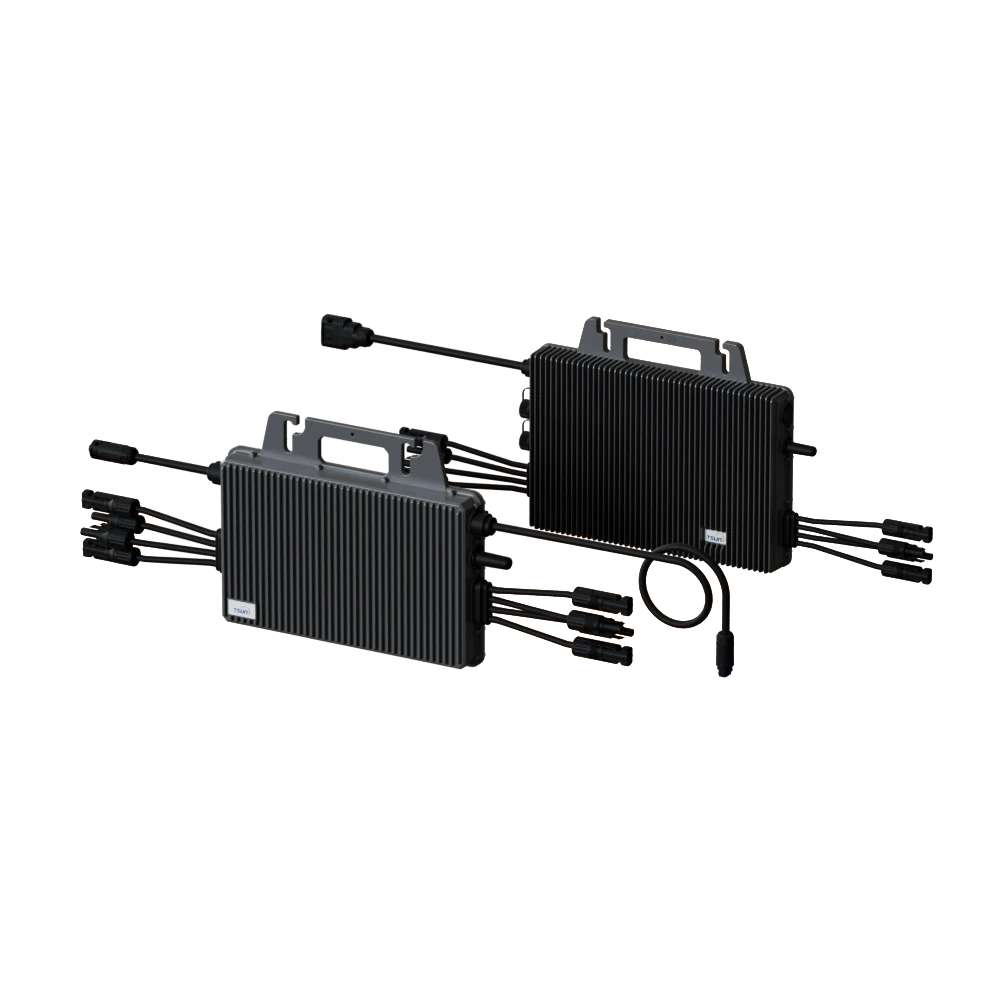
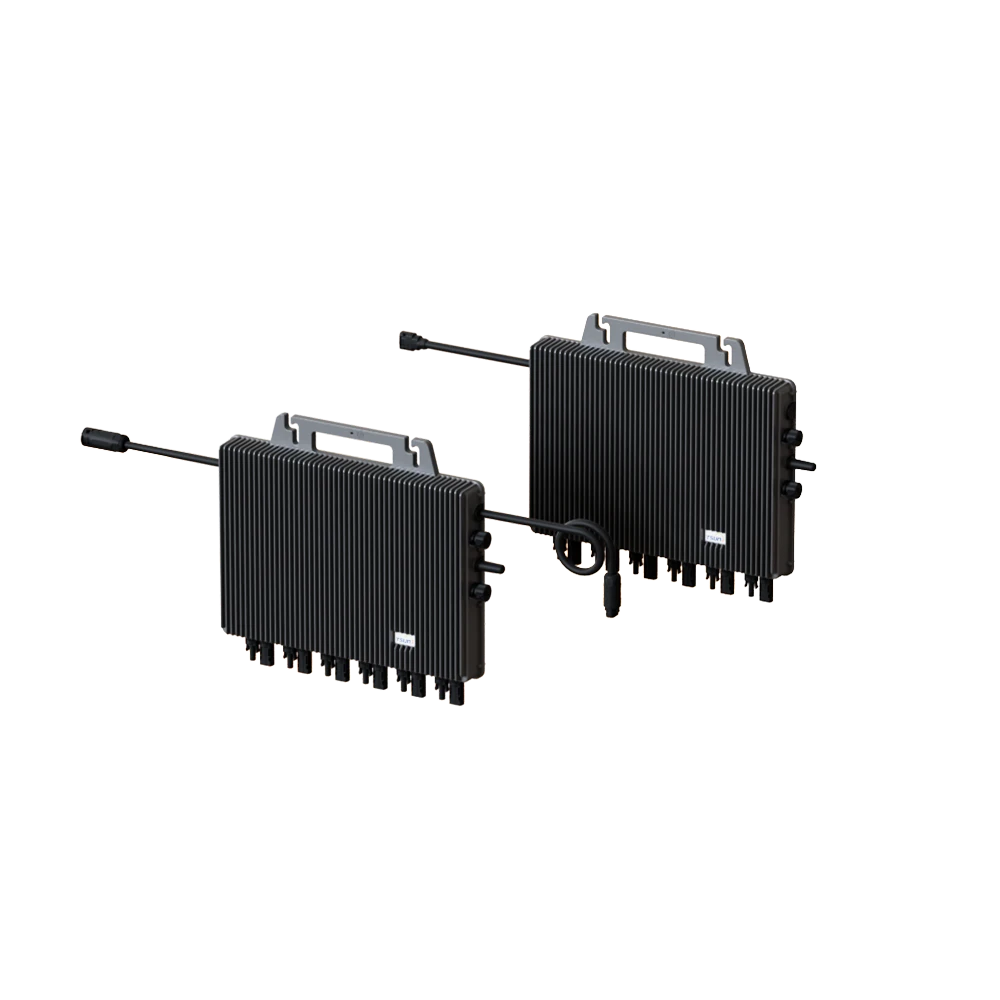
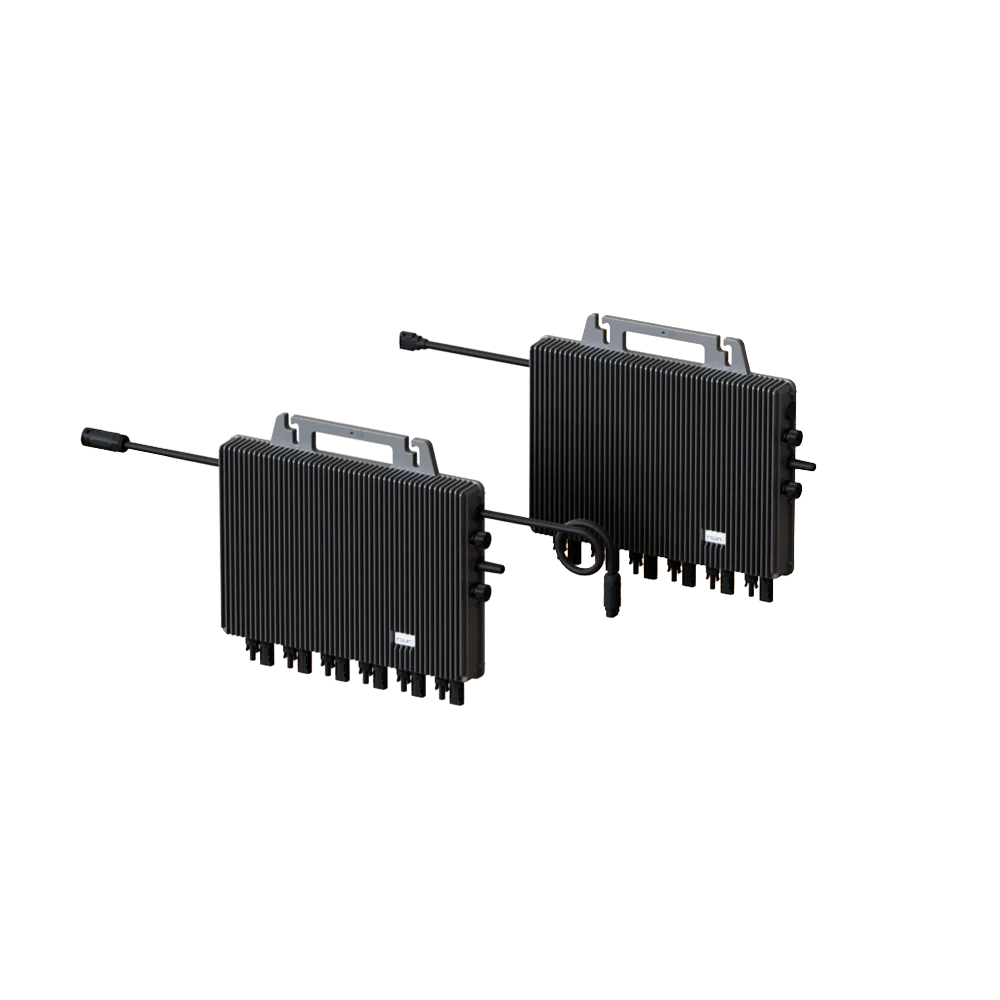
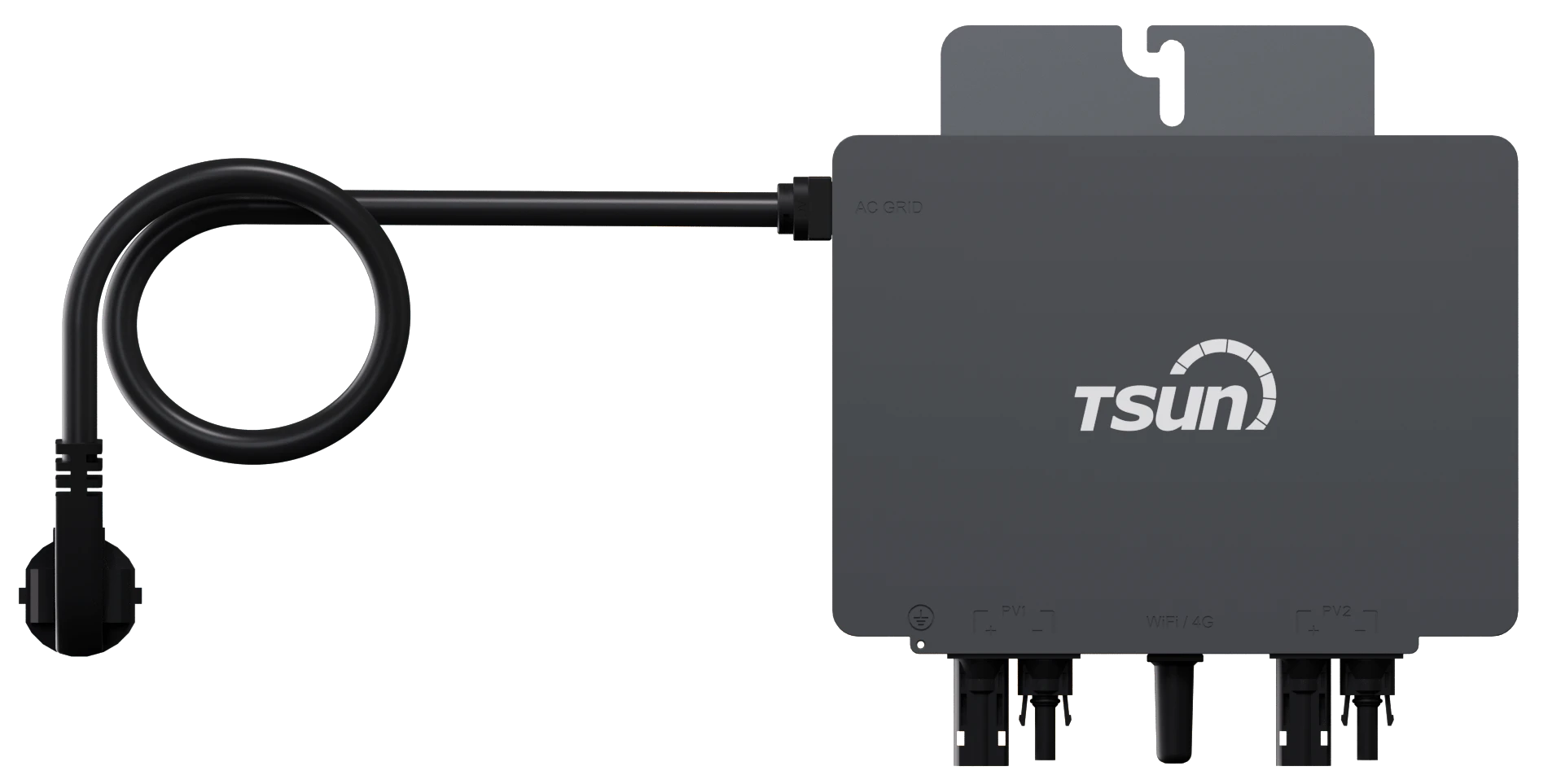
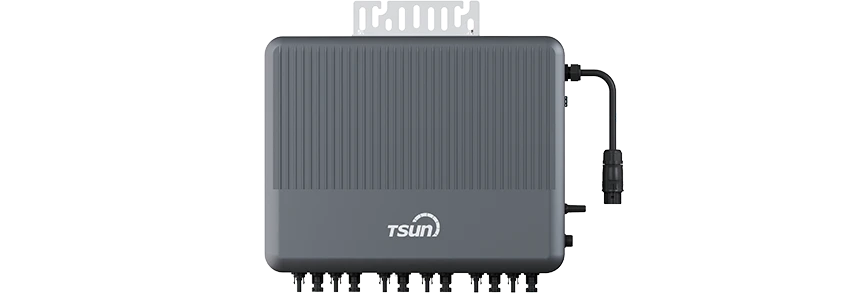
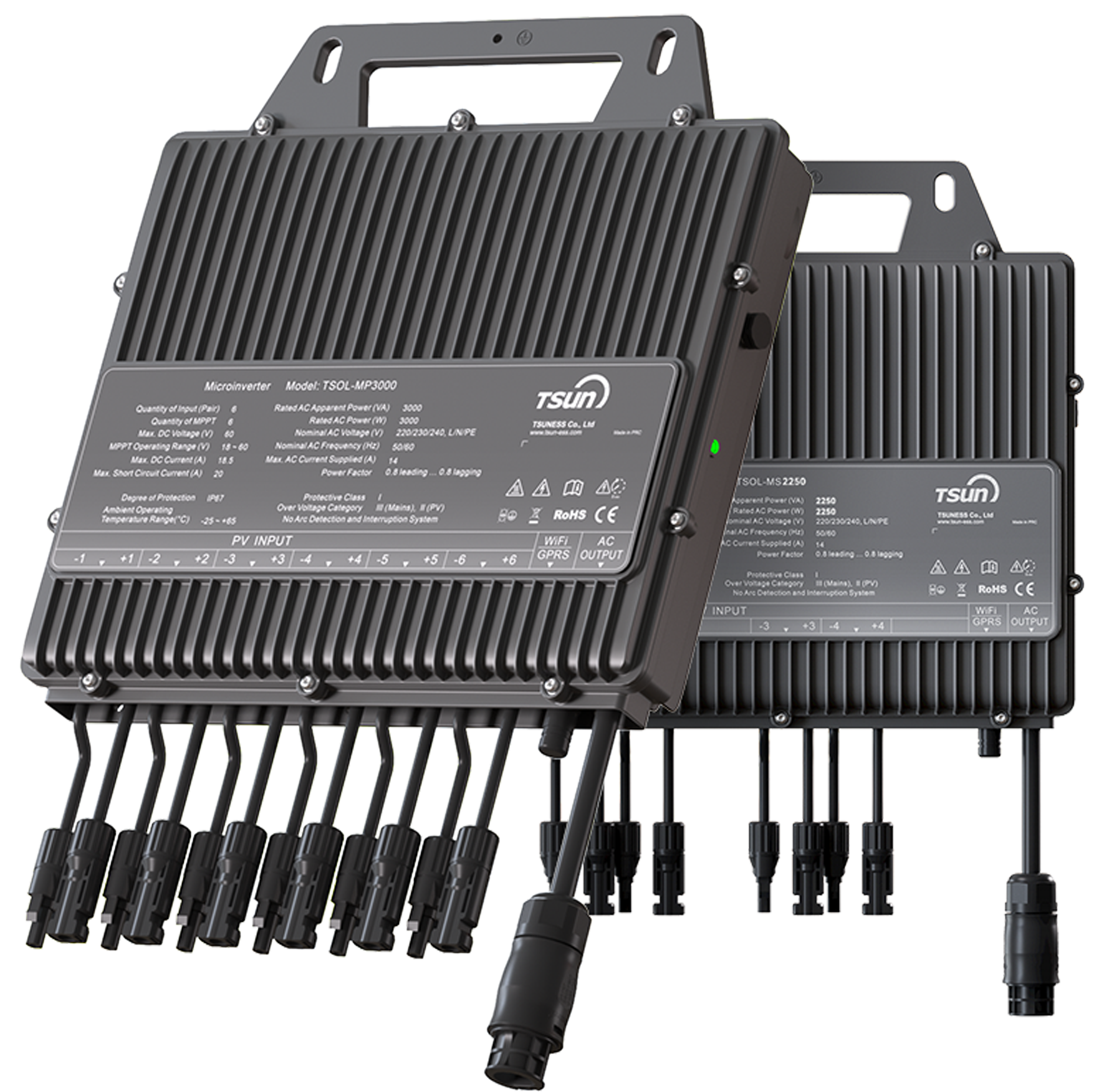
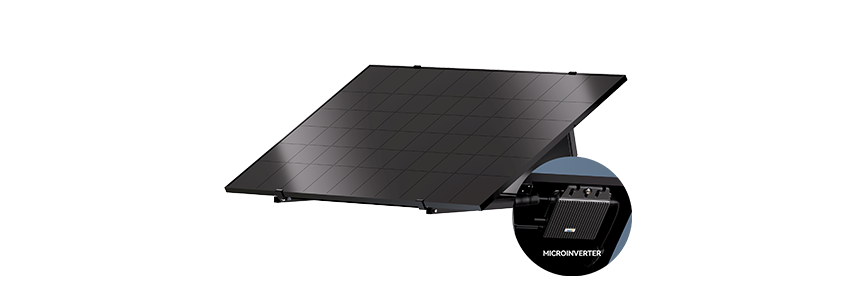
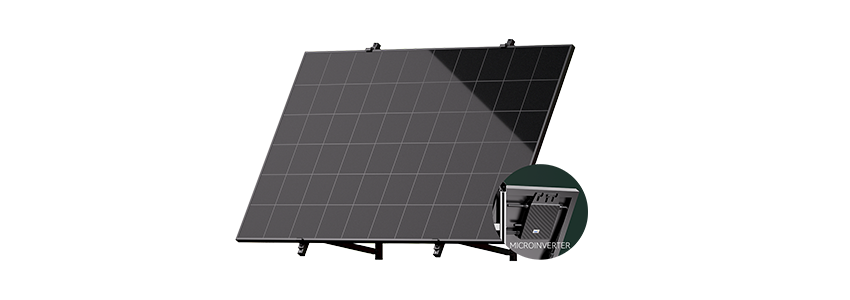
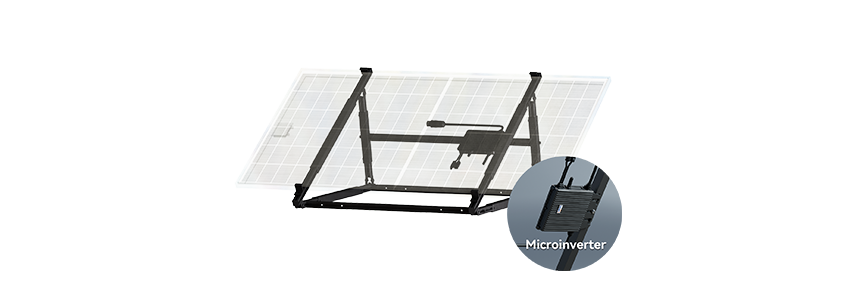
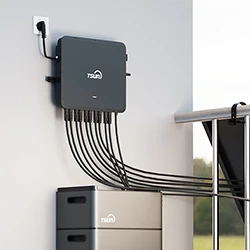
Solar microinverters represent a significant advancement in solar energy technology, offering a departure from the traditional centralized inverter systems. Each microinverter is directly attached to a single solar panel, converting DC power to AC power at the source. This distributed power conversion offers several advantages, including increased energy harvest, improved system reliability, and enhanced monitoring capabilities.
The benefits of solar microinverter technology extend beyond simply improving energy production. By optimizing the output of each panel individually, microinverters mitigate the impact of shading, panel mismatch, and other factors that can reduce overall system performance. This makes them particularly well-suited for complex rooflines or installations where partial shading is unavoidable.
Defining Solar Microinverters
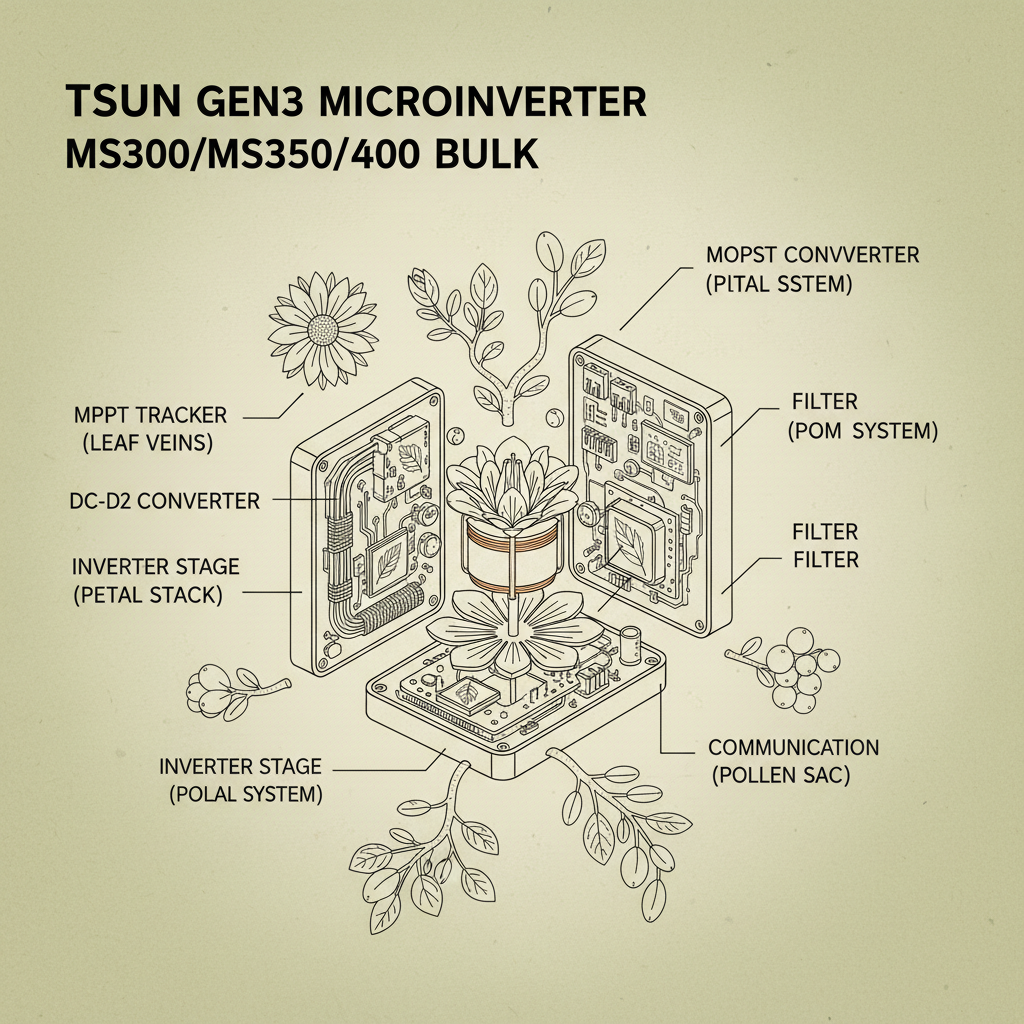
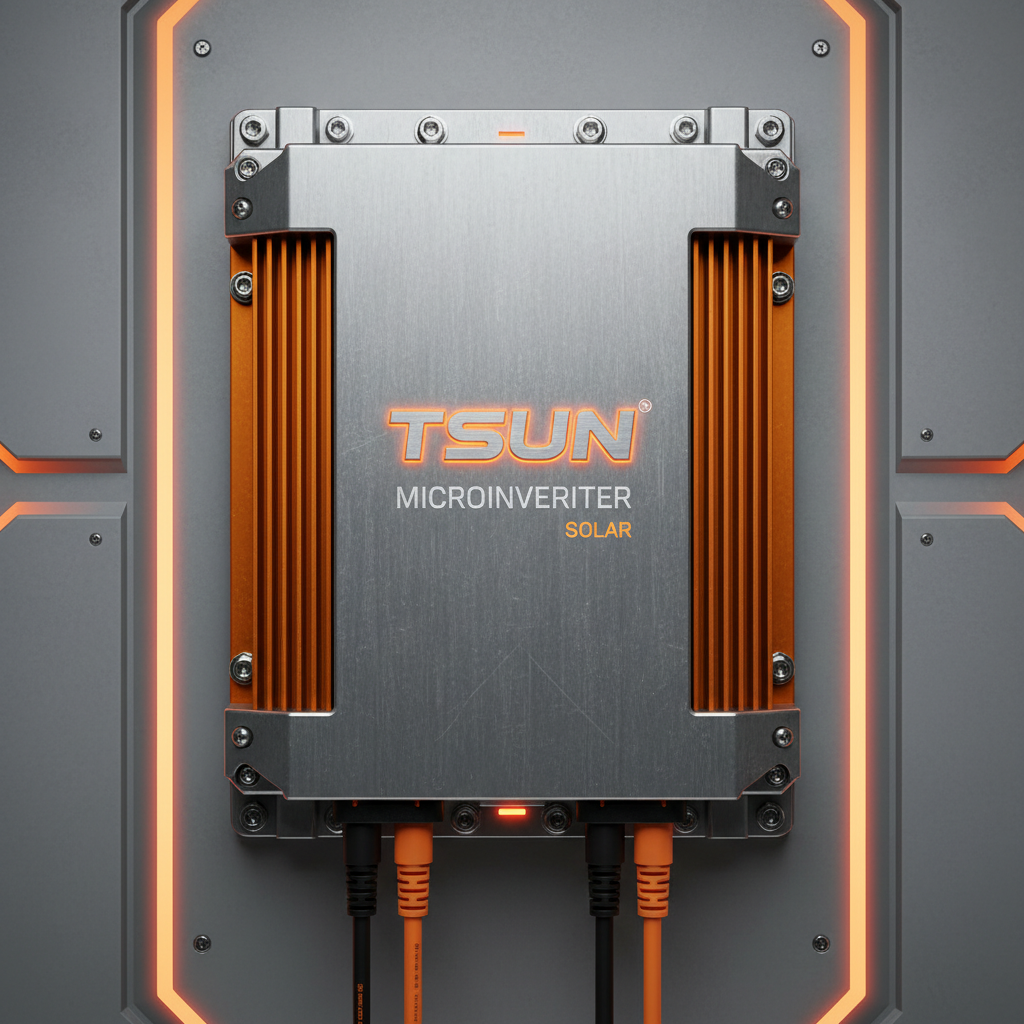
A solar microinverter is a small-scale inverter designed to convert direct current (DC) electricity generated by a single solar panel into alternating current (AC) electricity, which is the form of power used by most homes and businesses. Unlike string inverters, which handle the DC-to-AC conversion for an entire string of panels, microinverters operate independently for each panel.
This decentralized architecture is what sets microinverters apart. They offer granular control and monitoring of each panel’s performance, allowing for real-time insights into system health and energy production. This level of detail is crucial for maximizing efficiency and identifying potential issues quickly.
The core function of a solar microinverter aligns with the broader goal of increasing energy independence and sustainability. By enabling efficient and reliable solar energy generation, they contribute to reducing reliance on fossil fuels and mitigating the impacts of climate change, making them a key element in a modern, eco-conscious energy infrastructure.
Key Factors of Solar Microinverter Performance
Efficiency: A critical factor, efficiency dictates how effectively a solar microinverter converts DC power to AC power. Higher efficiency translates to more usable energy from the same amount of sunlight. Modern microinverters typically boast efficiencies exceeding 95%.
Reliability & Durability: Microinverters are exposed to harsh weather conditions, so robustness is paramount. Look for inverters with robust housings, temperature ratings suitable for your climate, and long warranties (often 25 years) to ensure long-term performance.
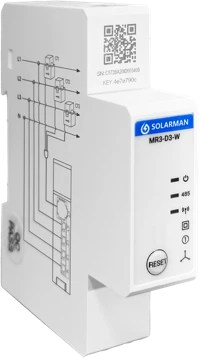
Monitoring Capabilities: Advanced monitoring systems provide detailed insights into individual panel performance, system health, and energy production. These systems often offer remote access via web or mobile apps, enabling proactive maintenance and optimization.
Global Applications of Solar Microinverters
Solar microinverters are finding applications across a diverse range of settings globally. In residential installations, they are particularly popular for homes with complex roof shapes or shading issues. In commercial and industrial settings, they provide scalability and resilience for large-scale solar arrays.
Rural communities in developing countries are benefiting from microinverter-based solar systems, providing access to reliable electricity in areas where grid infrastructure is limited or non-existent. These off-grid systems empower communities with sustainable energy solutions for powering homes, schools, and small businesses.
Solar Microinverter Application Distribution
Advantages and Long-Term Value
The adoption of solar microinverters delivers substantial long-term benefits. Financially, they increase energy production through Maximum Power Point Tracking (MPPT) for each panel, resulting in higher savings on electricity bills. The modular design facilitates scalability, allowing you to easily expand your system as your energy needs evolve.
From a sustainability perspective, microinverters contribute to a cleaner energy future by reducing reliance on fossil fuels and lowering carbon emissions. The increased system reliability offered by decentralized architecture enhances the resilience of the power grid and reduces the risk of widespread outages.
Future Trends in Solar Microinverter Technology
Innovation in solar microinverter technology is rapidly evolving. We are seeing advancements in wireless communication protocols, enabling more seamless integration with smart home energy management systems. The development of more sophisticated algorithms for optimizing panel performance based on real-time weather conditions is also gaining momentum.
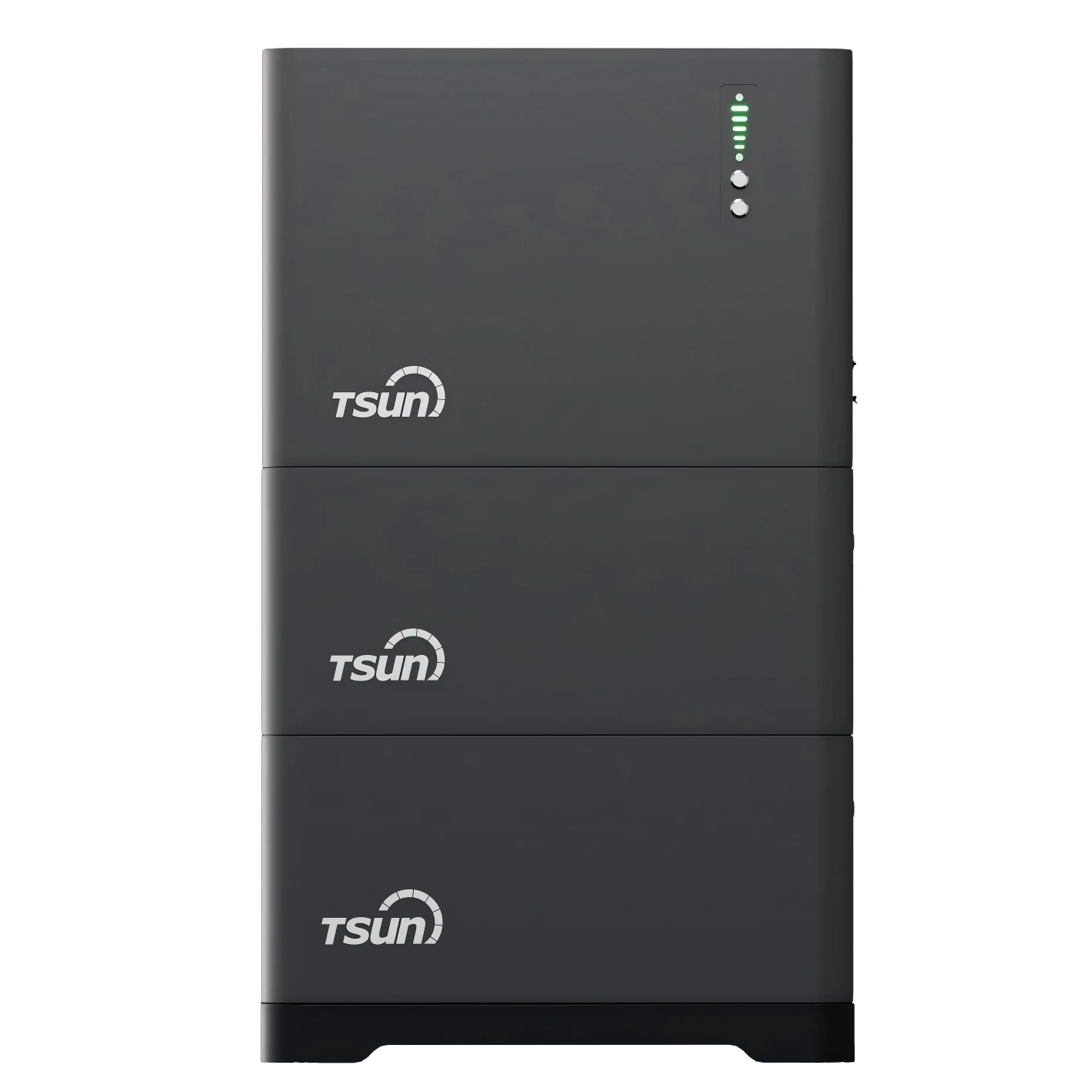
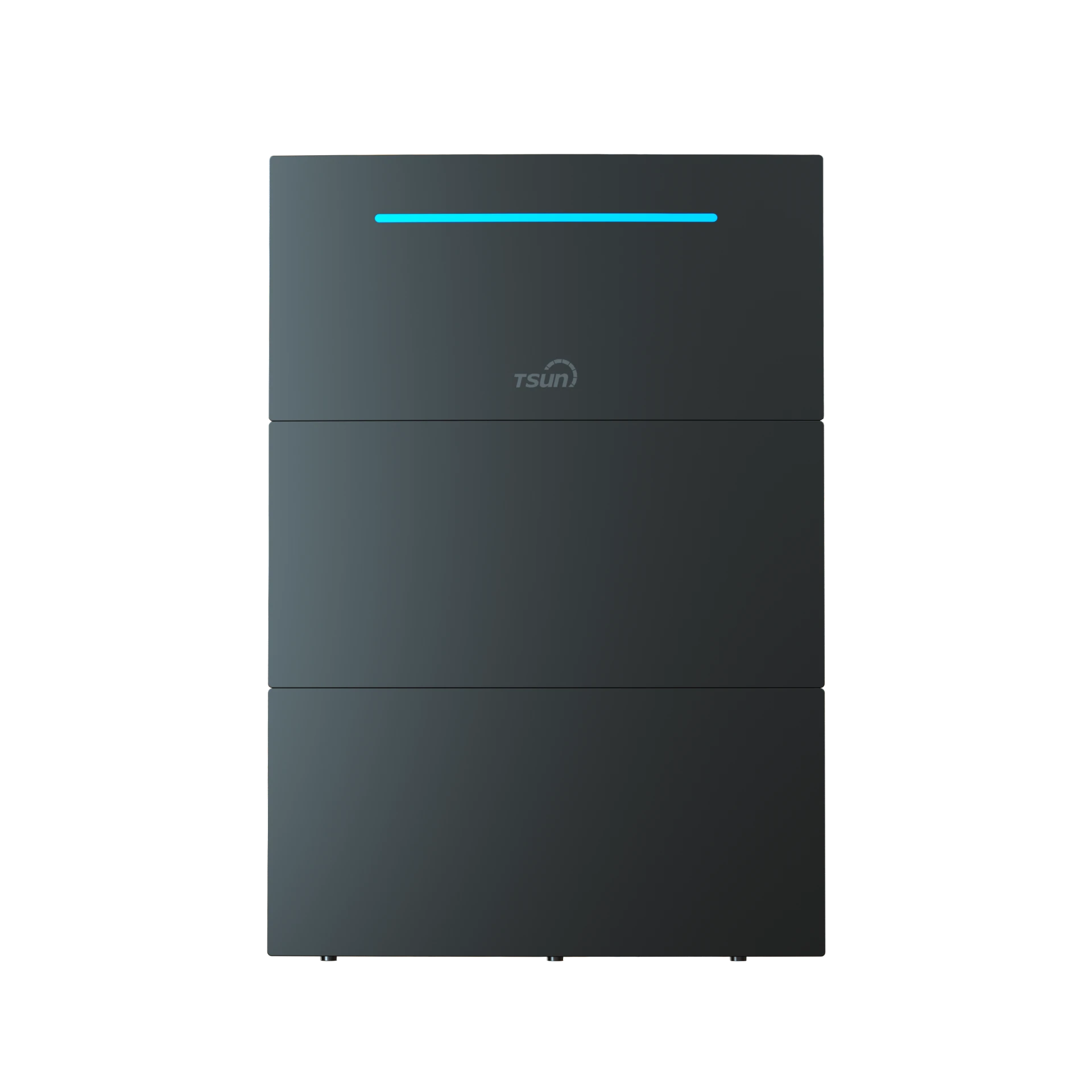
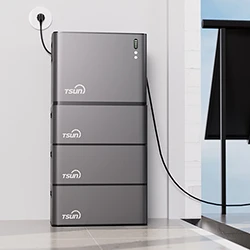
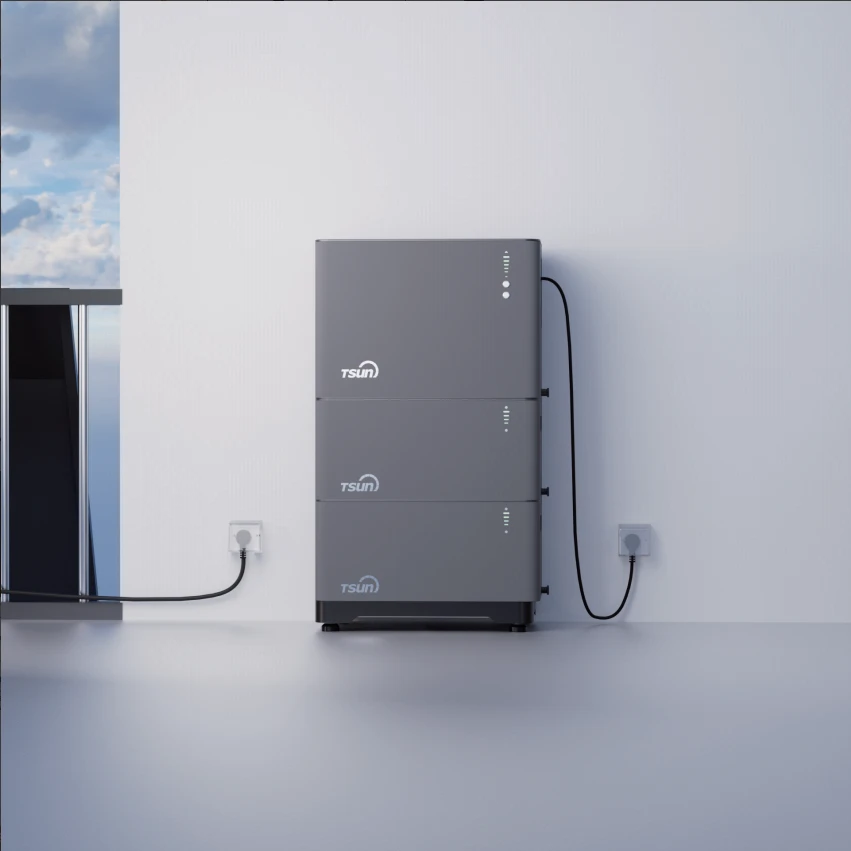
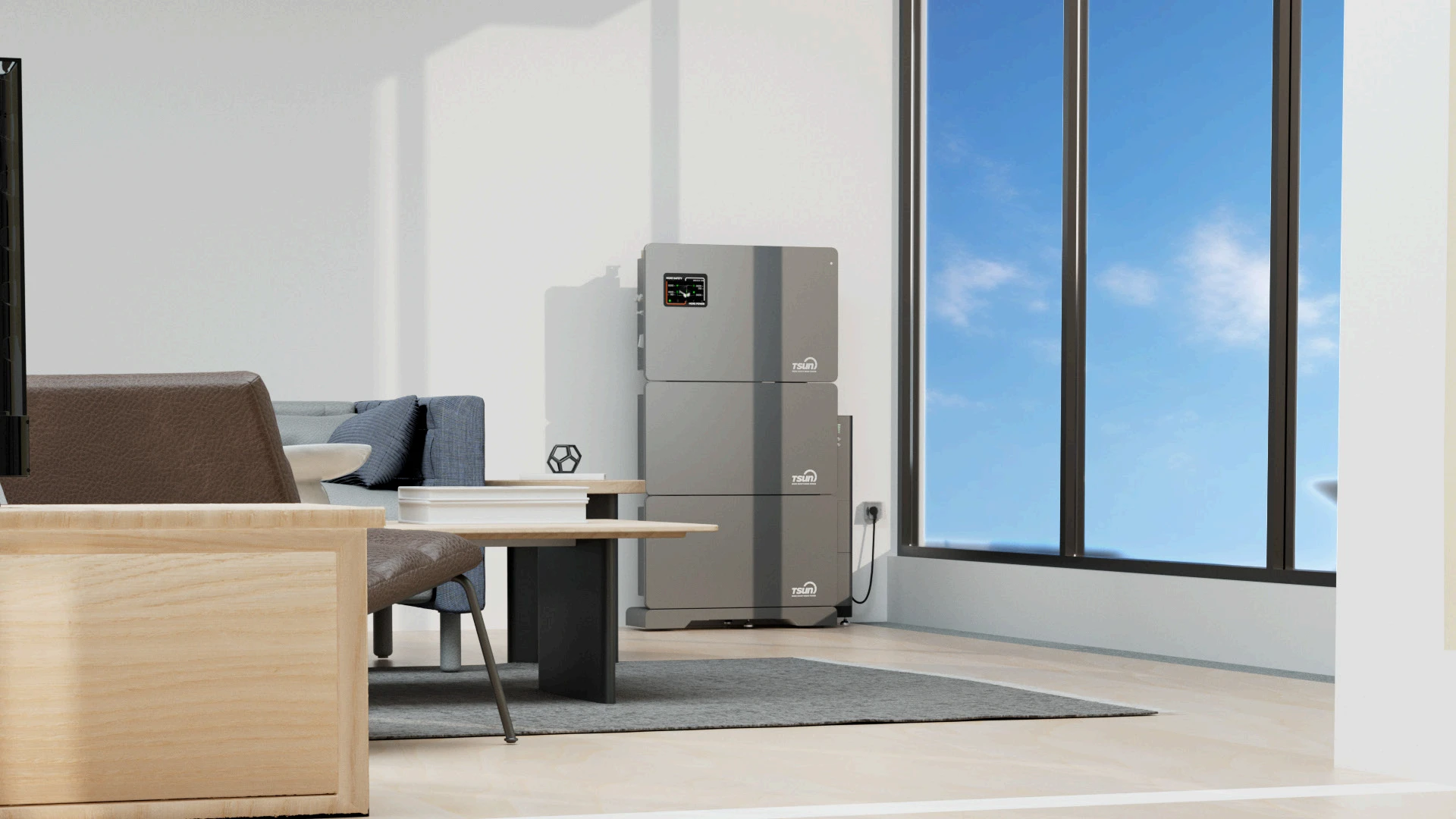
Further integration with energy storage systems, such as batteries, is expected to become increasingly common, allowing homeowners and businesses to store excess solar energy for use during periods of low sunlight or peak demand. This will contribute to greater energy independence and grid stability.
The convergence of AI and machine learning with microinverter technology promises to unlock even greater efficiency and reliability, enabling predictive maintenance and proactive optimization of solar energy systems.
Challenges and Solutions in Solar Microinverter Implementation
While solar microinverters offer numerous advantages, some challenges exist. The initial upfront cost can be higher compared to string inverter systems, although this is often offset by increased energy production and long-term savings.
Installation can be more complex, requiring careful planning and expertise to ensure proper wiring and communication between individual microinverters. However, streamlined installation procedures and user-friendly monitoring platforms are helping to address this challenge.
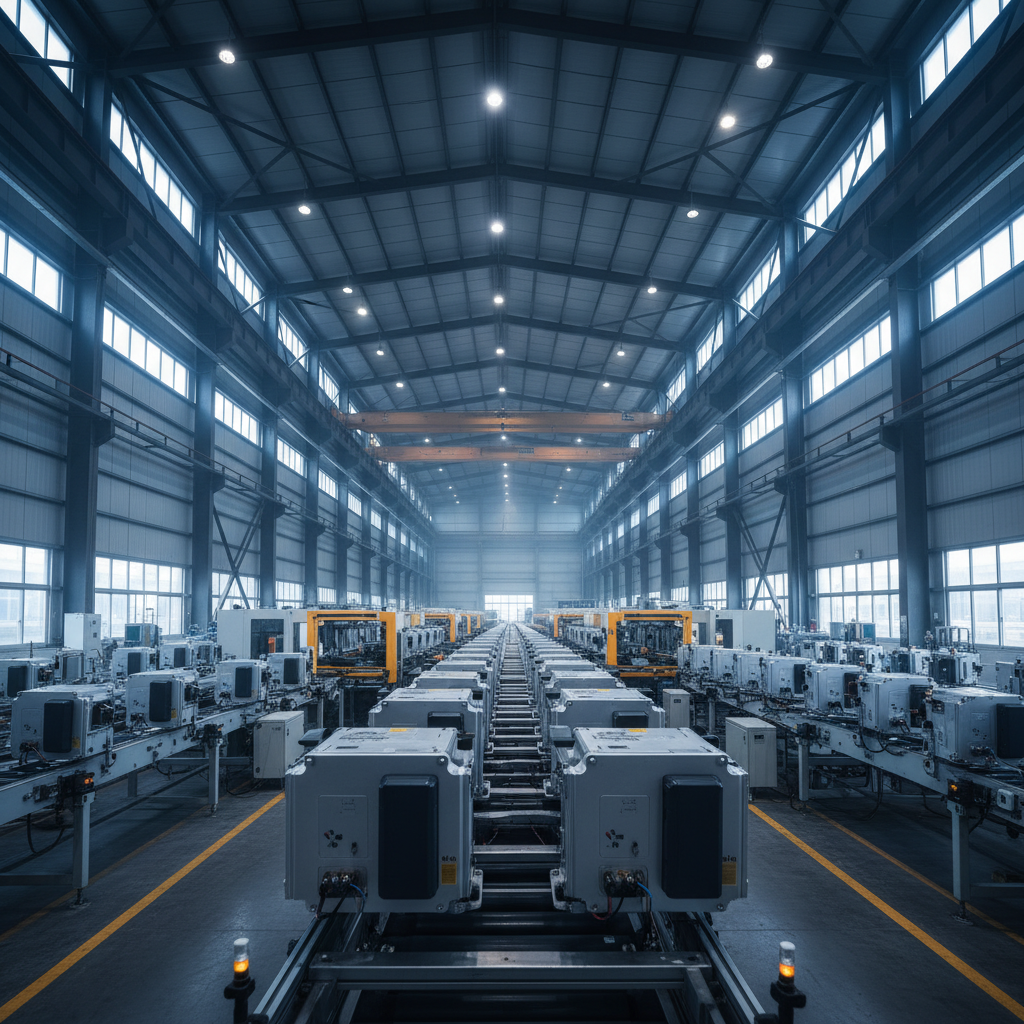
To overcome these hurdles, manufacturers are focusing on reducing production costs, simplifying installation processes, and providing comprehensive training and support for installers. Continued research and development are also driving down costs and improving the overall performance of microinverter technology.
Solar Microinverter: Key Performance and Implementation Considerations
| Component Quality |
Installation Complexity |
System Monitoring |
Long-Term Cost |
| High-grade components contribute to durability and reliability. |
Requires skilled installers, impacting labor costs. |
Detailed panel-level monitoring allows for efficient troubleshooting. |
Higher upfront cost offset by increased energy yields and reduced maintenance. |
| Robust materials ensure longevity in harsh environments. |
Modular design allows for flexible system expansion. |
Remote access to performance data via mobile apps and web platforms. |
Lower long-term operational costs due to reduced component failures. |
| Component testing and certifications validate performance standards. |
Proper grounding and wiring are critical for safety. |
Alerts and notifications for performance anomalies or potential issues. |
Potential for increased property value due to sustainable energy integration. |
| Warranties protect against defects and ensure long-term support. |
Compatibility with different panel types and system configurations. |
Data analytics provide insights for optimizing energy production. |
Reduced reliance on grid electricity and associated price fluctuations. |
| Thermal management features prevent overheating and maintain efficiency. |
Integrated safety features like arc fault protection. |
Performance reporting for tracking energy savings and environmental impact. |
Government incentives and rebates can lower the total cost of ownership. |
| Compliance with industry standards ensures safety and performance. |
Simplified system design and reduced wiring requirements. |
Compatibility with energy storage systems for increased self-consumption. |
Contribution to a more sustainable and resilient energy future. |
FAQS
Solar microinverters offer several advantages over string inverters. They maximize energy harvest by optimizing each panel independently, eliminating the "weakest link" effect where shading or panel mismatch reduces the output of the entire string. Microinverters also provide panel-level monitoring, enhanced safety features, and greater system flexibility and scalability. They are particularly well-suited for roofs with complex shapes or shading issues.
Shading has a significantly less detrimental effect on solar systems utilizing solar microinverters. Because each panel operates independently, shading on one panel doesn't impact the performance of the others. The microinverter on the shaded panel simply reduces its output, while the other panels continue to operate at their maximum potential. This leads to a higher overall energy yield compared to string inverters.
Most reputable solar microinverter manufacturers offer warranties of 25 years, indicating a projected lifespan of at least that long. The actual lifespan can be influenced by factors such as operating temperature, humidity, and overall system maintenance, but with proper installation and care, microinverters are designed to last for decades.
Yes, one of the key benefits of solar microinverters is their advanced monitoring capabilities. Most manufacturers provide user-friendly web and mobile applications that allow you to track the performance of each panel in real-time, view historical data, and receive alerts about any potential issues. This remote monitoring allows for proactive maintenance and optimization of your system.
Generally, the initial upfront cost of a system utilizing solar microinverters is higher than that of a string inverter system. However, the increased energy production, improved system reliability, and long-term savings often offset this initial cost difference. Furthermore, the benefits of panel-level monitoring and greater flexibility can add significant value.
Solar microinverters incorporate various safety features, including rapid shutdown functionality, which automatically de-energizes the DC circuits in the event of a grid outage or emergency. They also typically include built-in arc fault protection and ground fault detection, minimizing the risk of electrical hazards. The DC voltage is lower as it is converted to AC at each panel, enhancing safety.
Conclusion
In conclusion, solar microinverter technology represents a significant advancement in the field of renewable energy. By optimizing performance at the panel level, enhancing reliability, and providing detailed monitoring capabilities, they offer substantial benefits for homeowners, businesses, and the environment. The increasing adoption of microinverters is driving the transition towards a more decentralized, resilient, and sustainable energy future.
Looking ahead, continued innovation in microinverter technology, coupled with supportive policies and decreasing costs, will further accelerate its deployment. Investing in solar microinverters is not just a smart financial decision, but also a commitment to a cleaner, more sustainable world for generations to come. Visit our website at www.tsun-ess.com to learn more.



 LEARN DETAILS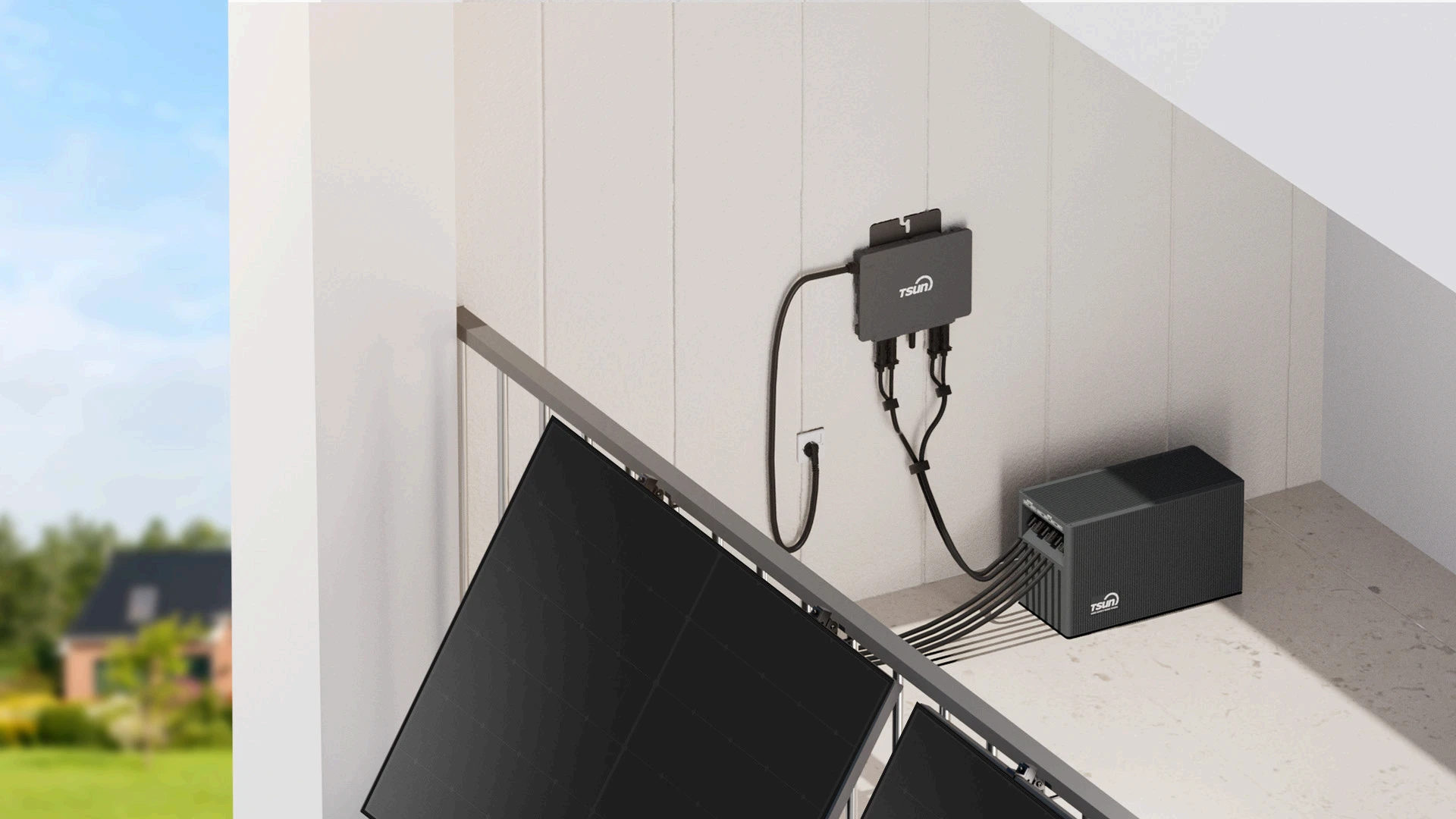
 Downloads
 Video Center
 Report Fault for Repair
 FAQS
FAQS Service Network
 Privacy Policy
 Contact Us
 Monitoring