Photovoltaic Microinverter is a key solution in the industry, specifically within solar energy systems and distributed power generation. This article explores how https://www.tsun-ess.com supports professionals with durable, high-performance products, and explains why this product is an ideal choice for businesses in these sectors.
Table of Contents
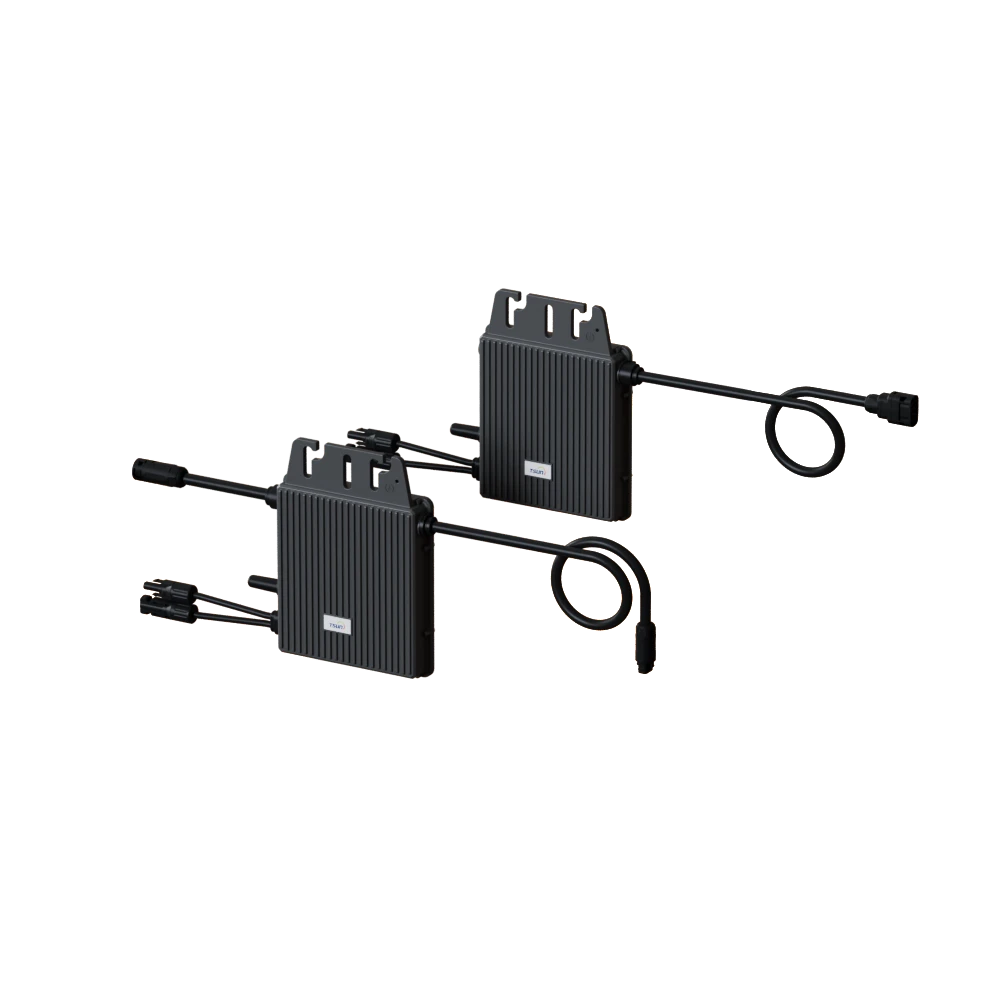
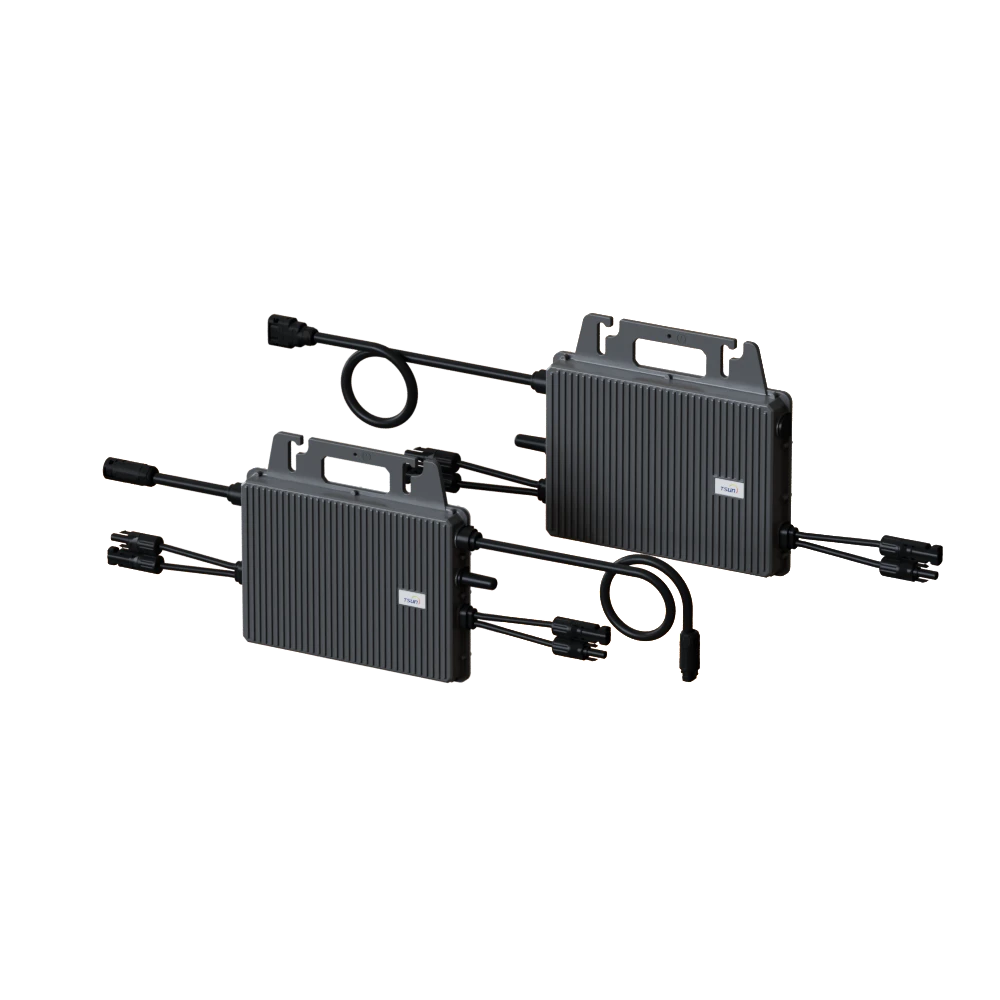
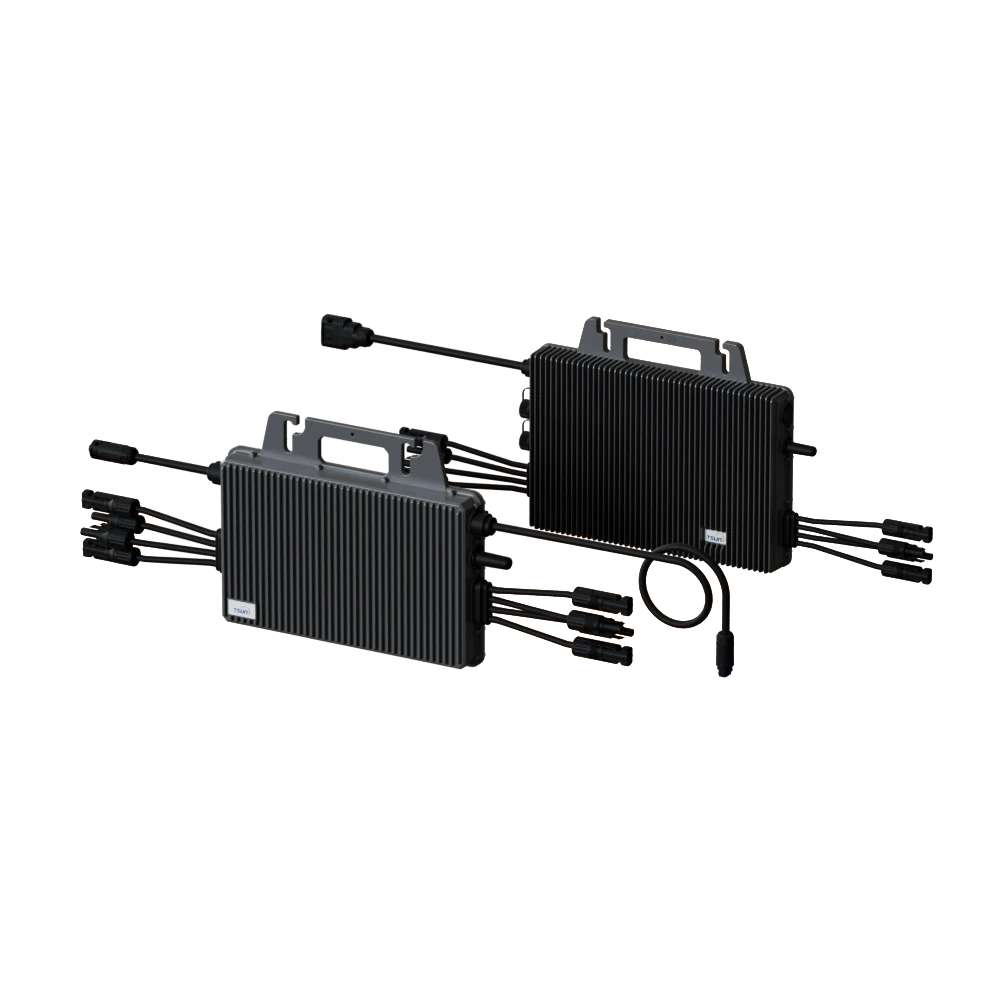
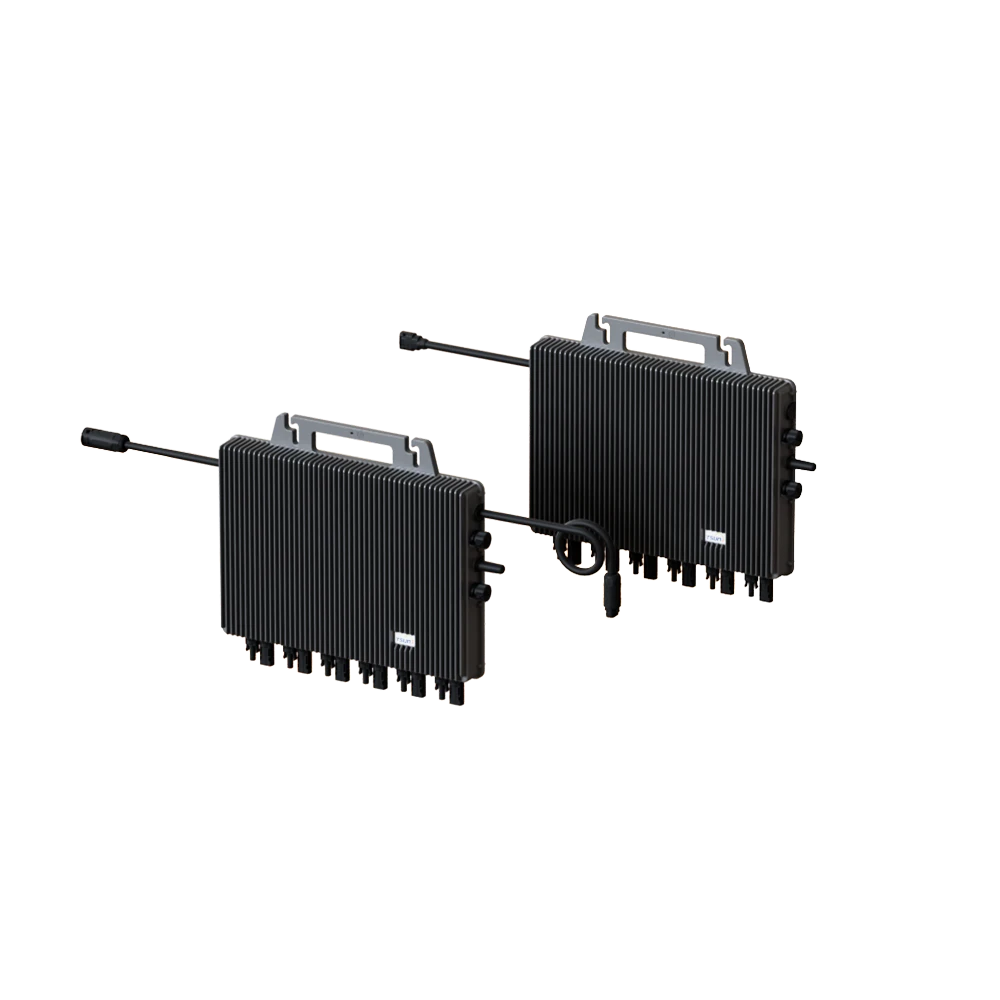
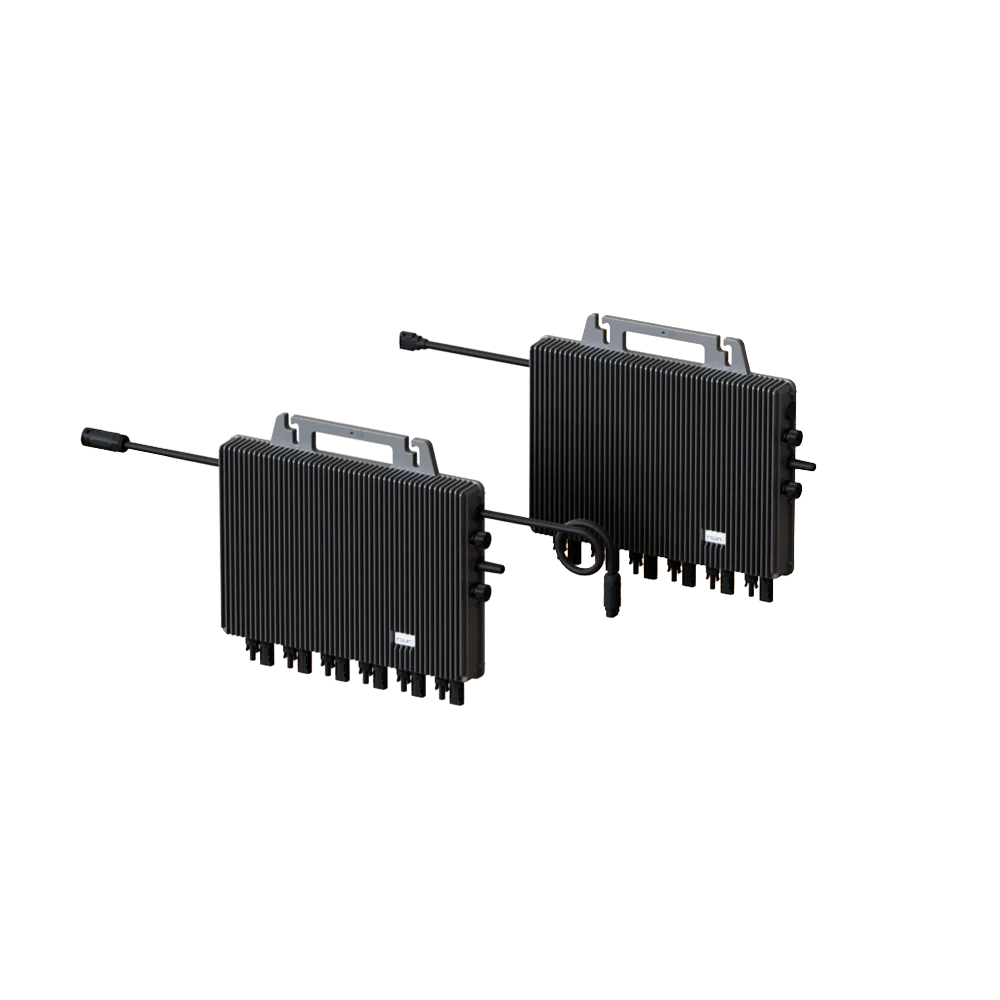
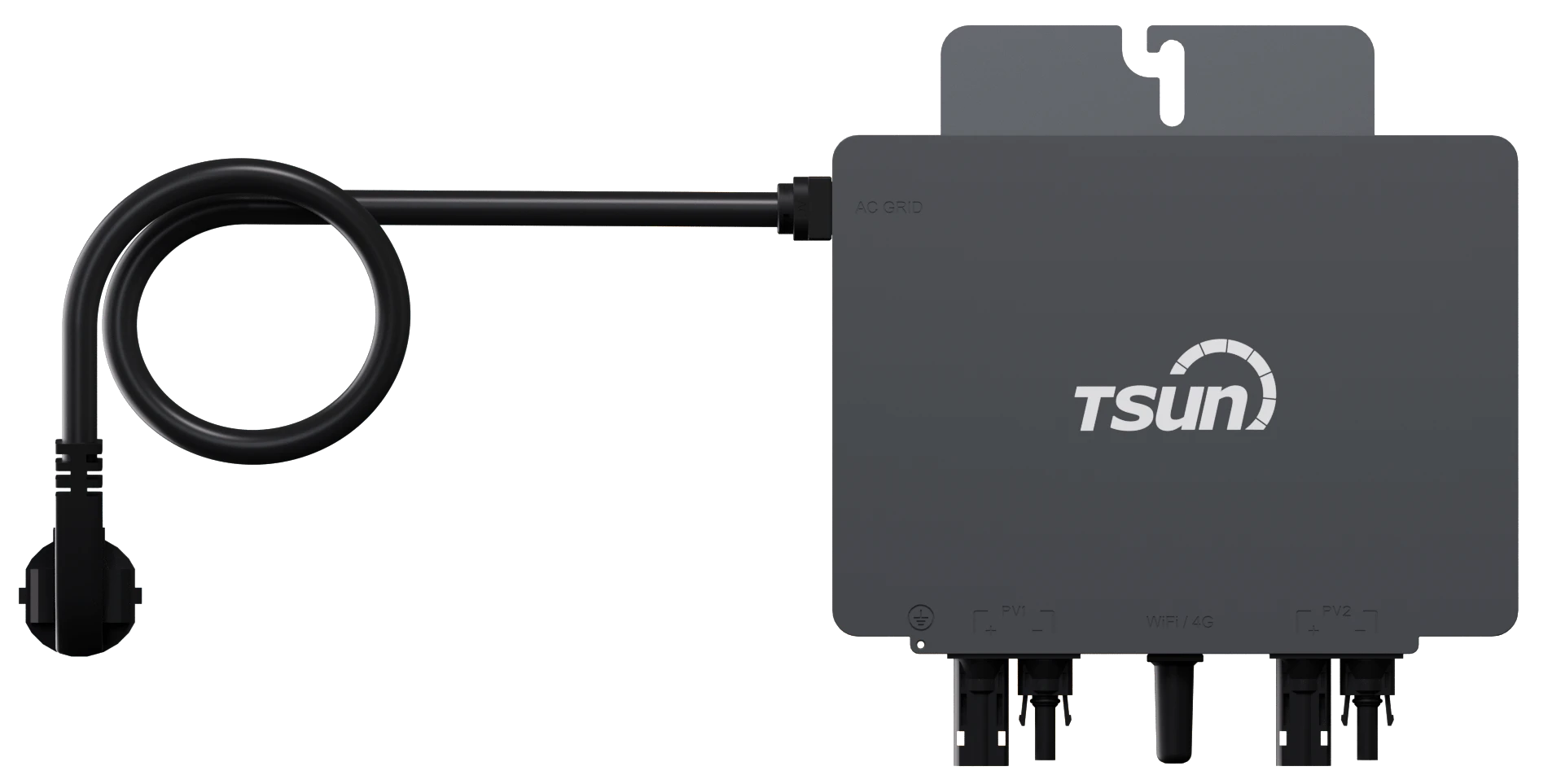
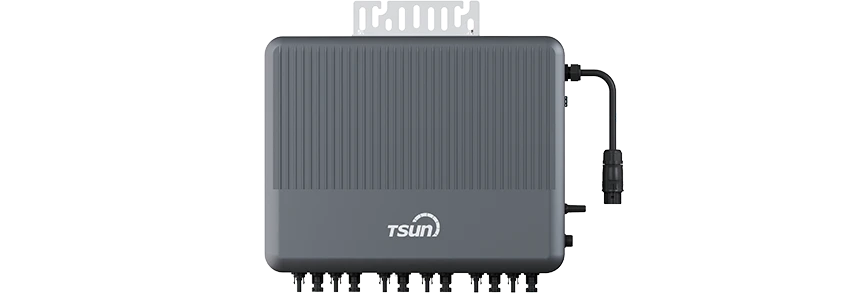
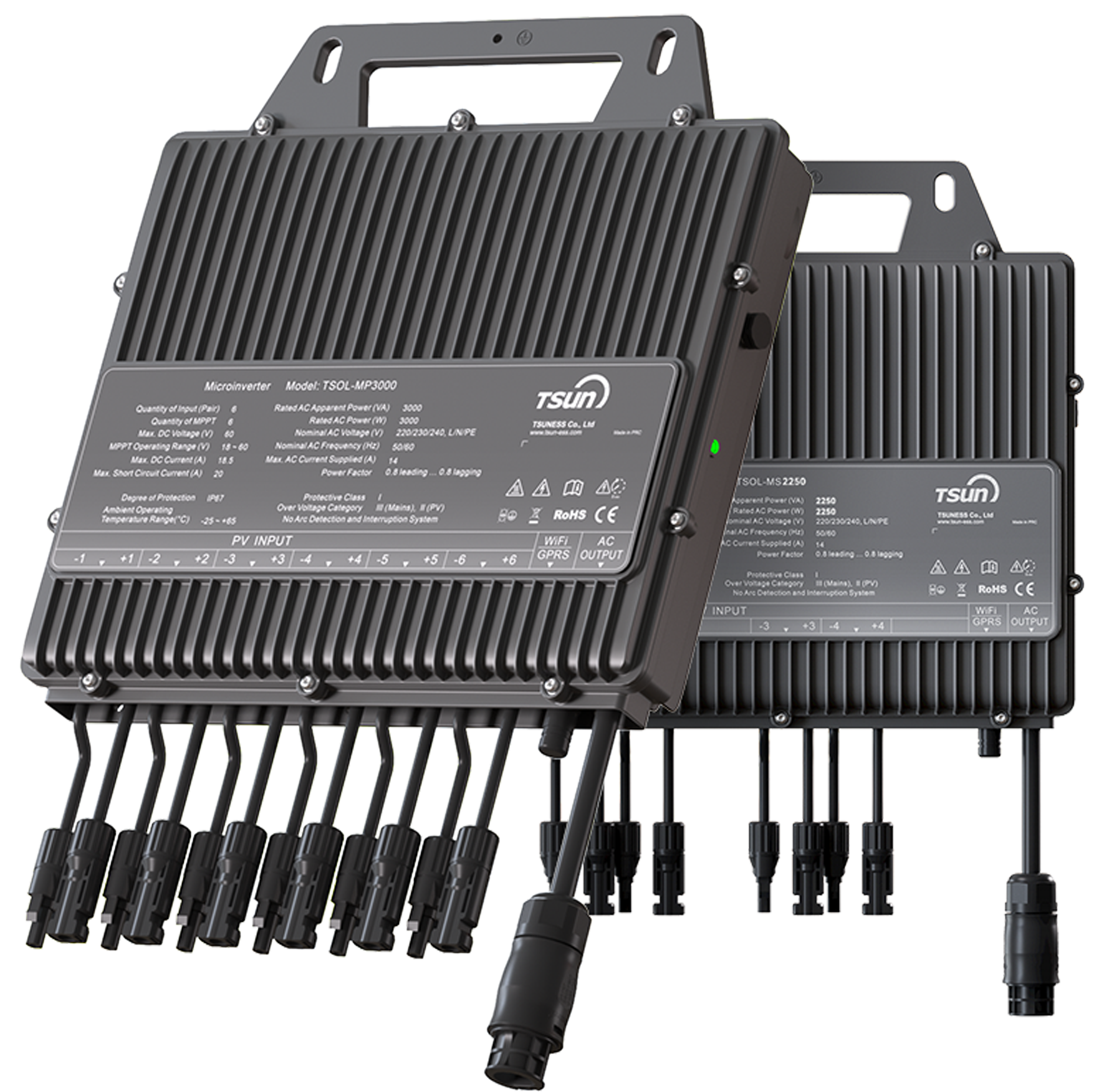
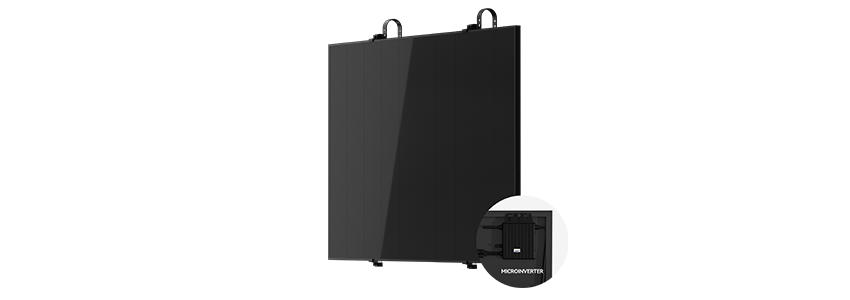
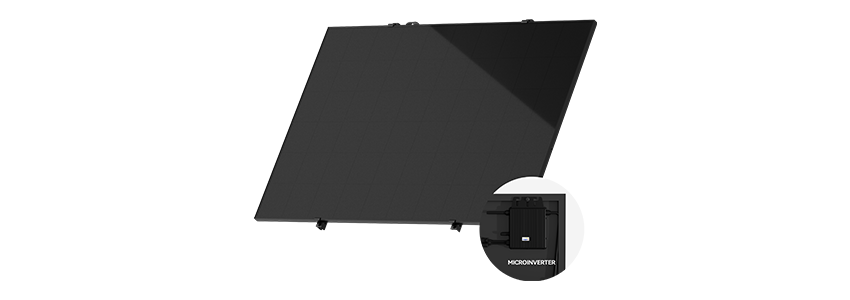
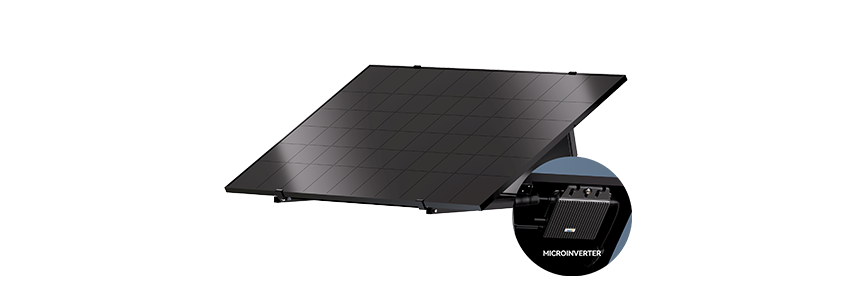
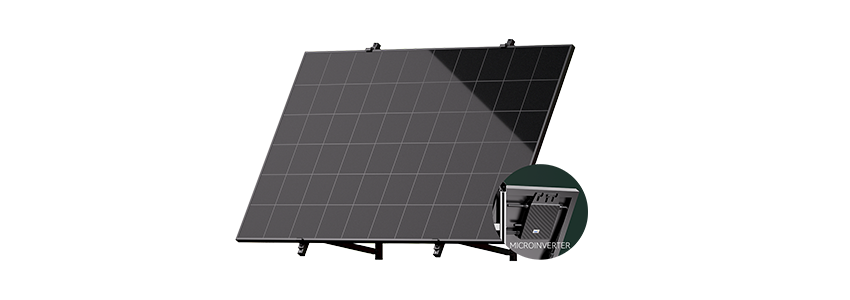
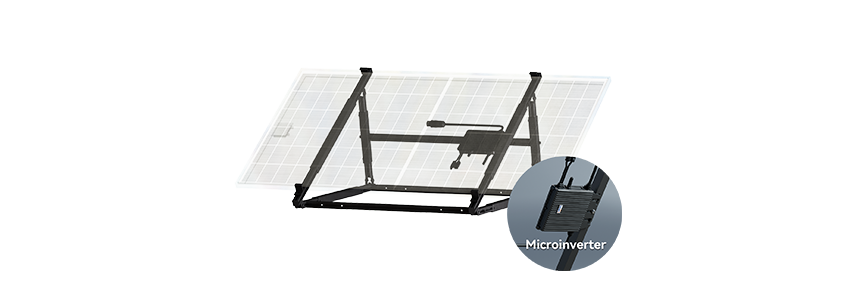
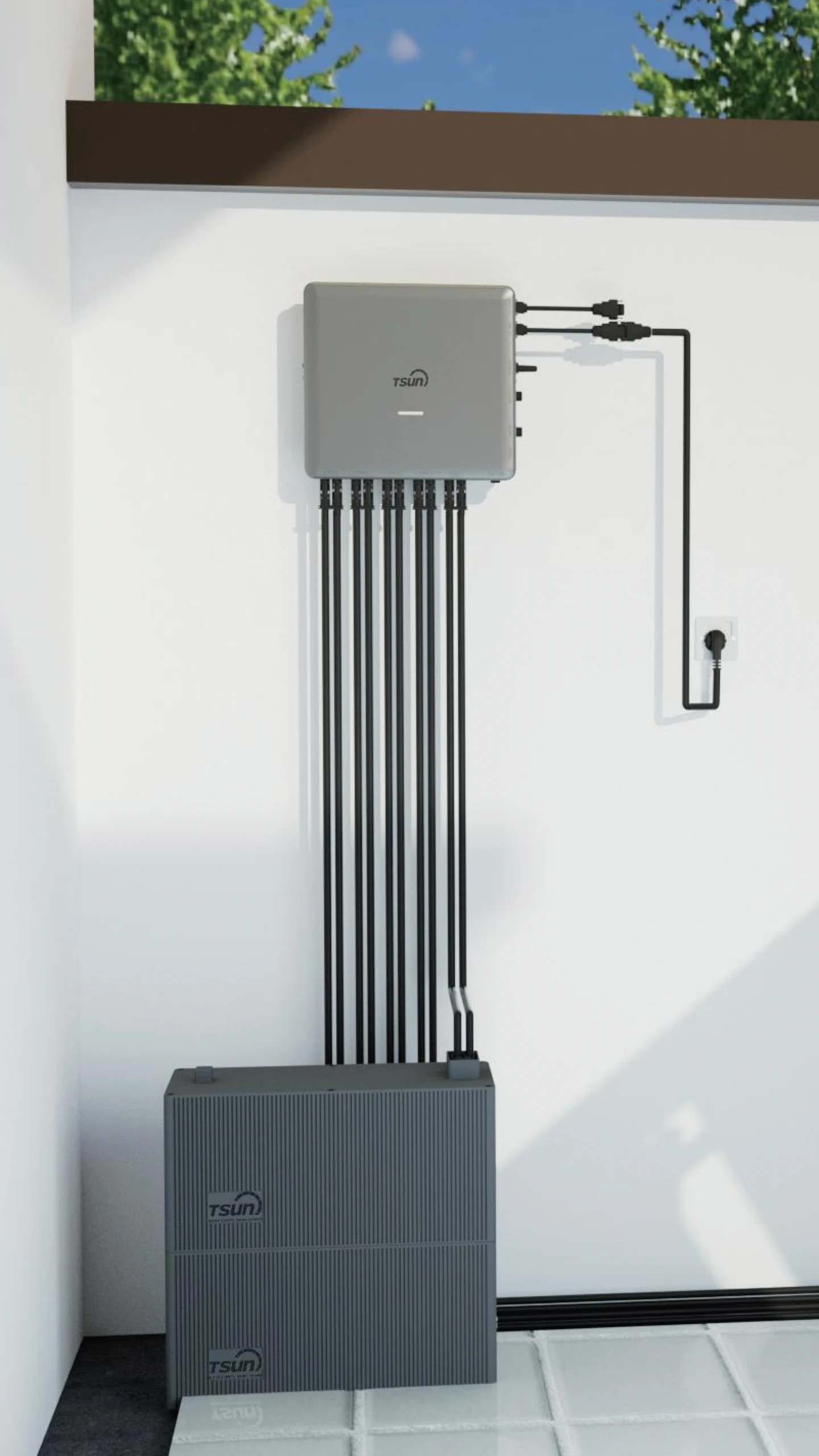
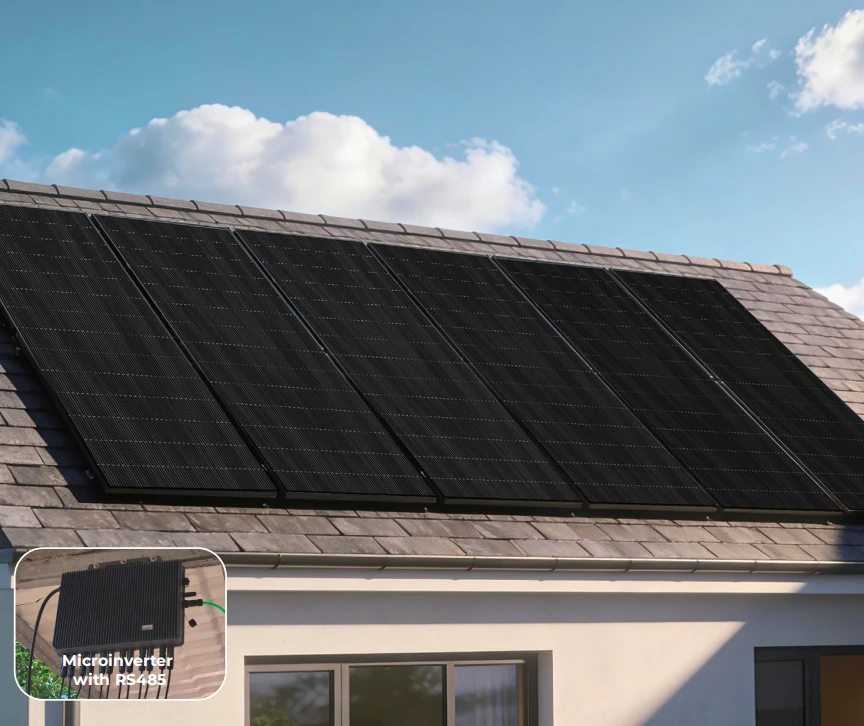
The Photovoltaic Microinverter is essentially a compact, high-efficiency device that converts the direct current (DC) generated by a solar panel into alternating current (AC) compatible with the electrical grid. Unlike traditional string inverters that serve the whole array, microinverters work on a per-panel basis, which, frankly, offers remarkable flexibility and optimization for installations.
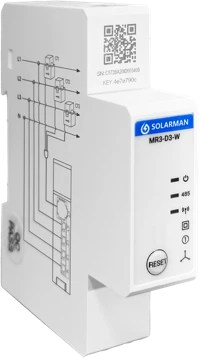
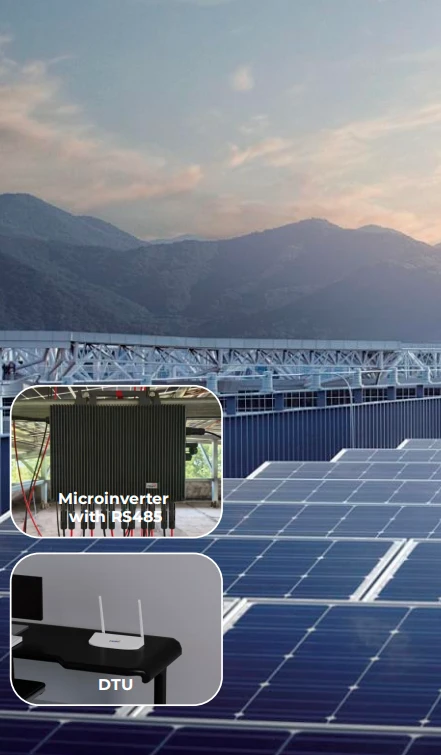
Technically speaking, these microinverters are designed to maximize the energy harvest from each solar panel individually, reducing the impact of shading, soiling, or panel mismatch — which can be a game changer for commercial rooftops or uneven ground arrays. For instance, Tsun ESS’s models reliably deliver up to 300W output per unit with peak efficiency exceeding 96%. Their units also typically feature built-in communication modules for remote monitoring and fault detection, which I suspect is a huge plus for maintenance teams.
| Specification |
Tsun ESS Photovoltaic Microinverter |
| Max Output Power |
300 W |
| Efficiency |
>96% |
| Warranty |
10 Years |
| Communication |
Wi-Fi / RS485 |
| Operating Temperature |
-40°C to 65°C |
What truly sets photovoltaic microinverters apart in the B2B space is their ability to improve reliability and system performance in commercial environments that often experience shading from nearby equipment or irregular panel positioning. Tsun ESS's microinverters, for example, allow individual panels to operate independently—that means a shade on one panel won’t drag down the entire system's output. For industries like manufacturing or distribution centers with complex rooftops, that advantage often translates directly into better ROI and less downtime.
They’re also simpler to scale, which is pretty vital if your business is growing or adapting quickly. You can add more panels without the headache of recalibrating lengthy string inverter setups. On the competitive front, Tsun ESS products come with advanced fault detection and ease of installation features that many engineers say cut deployment time by up to 30%. So, whether it’s retrofitting an existing facility or building a new solar farm, microinverters fit the bill.
Cost, Maintenance & User Experience
At first glance, photovoltaic microinverters might seem more expensive per unit than traditional string inverters. Yet, when you consider total cost of ownership—including installation complexity, maintenance, and energy yield gains—the numbers often balance out, or even favor microinverters. For instance, Tsun ESS’s robust warranty and lifespan reduce replacement costs and system down-time, which really matters less as you scale.
Feedback from clients, especially large-scale commercial operators, indicates they appreciate the modular setup and real-time monitoring tools, making it easier to pinpoint underperforming components without onsite inspections. In real terms, this has lowered maintenance visits for some customers by nearly half.
| Vendor |
Product Warranty |
Installation Ease |
Monitoring & Support |
Price Range |
| Tsun ESS |
10 years |
High |
Advanced Wi-Fi + RS485 |
Mid-Range |
| Vendor B |
5 years |
Medium |
Basic monitoring |
Lower |
| Vendor C |
8 years |
Low |
Limited |
Higher |
Sustainability & Market Trends
Sustainability is no longer just a buzzword — it’s a mandate in many global markets. Photovoltaic microinverters support this transition by enabling more efficient and flexible solar power systems, which reduces reliance on fossil fuels and lowers carbon footprints. Regulations worldwide increasingly favor distributed generation solutions, and I’ve noticed that countries pushing clean energy standards often tweak policies to maximize microinverter benefits.
Market growth for microinverters is projected to outrun traditional inverters, particularly in commercial and industrial sectors where site variability challenges conventional systems. Tsun ESS, with its cutting-edge R&D and compliance to international standards, is positioned well to capitalize on these trends. Oddly enough, the more companies adopt these solutions, the more affordable the technology becomes, leading to a positive feedback loop in sustainability gains.
Frequently Asked Questions about Photovoltaic Microinverter
- What is Photovoltaic Microinverter and how does it work?
- It’s a small device attached to each solar panel that converts the panel’s DC electricity into AC electricity, suitable for your grid or building. By working panel-by-panel, it optimizes energy output and reduces losses from shading or faults.
- What are the main benefits of using Photovoltaic Microinverter in industrial applications?
- They offer enhanced system reliability, better energy harvest, easier monitoring, simpler scalability, and longer product lifespans—important factors for industrial-scale solar arrays.
- How does Photovoltaic Microinverter compare to traditional alternatives?
- While traditionally costlier upfront, microinverters deliver better overall performance, minimize shading effects, and simplify maintenance, often resulting in improved ROI in the medium to long term.
- What industries can benefit most from Photovoltaic Microinverter implementation?
- Industries with complex rooftop environments, commercial real estate, manufacturing plants, agriculture facilities, and any operation where solar arrays face partial shading or incremental expansion needs.
Conclusion on Photovoltaic Microinverter from china
In recap, investing in a reputable photovoltaic microinverter like those offered by Tsun ESS brings measurable gains in efficiency, flexibility, and long-term cost savings for B2B customers. Their robust, well-engineered solutions address the real-world challenges of modern solar installations and are supported by comprehensive warranties and responsive customer support.
At the end of the day, it feels like the microinverter approach represents a forward-looking strategy that neatly fits the dynamic needs of modern industry, and frankly, it’s hard to ignore its growing footprint in global solar markets.



 LEARN DETAILS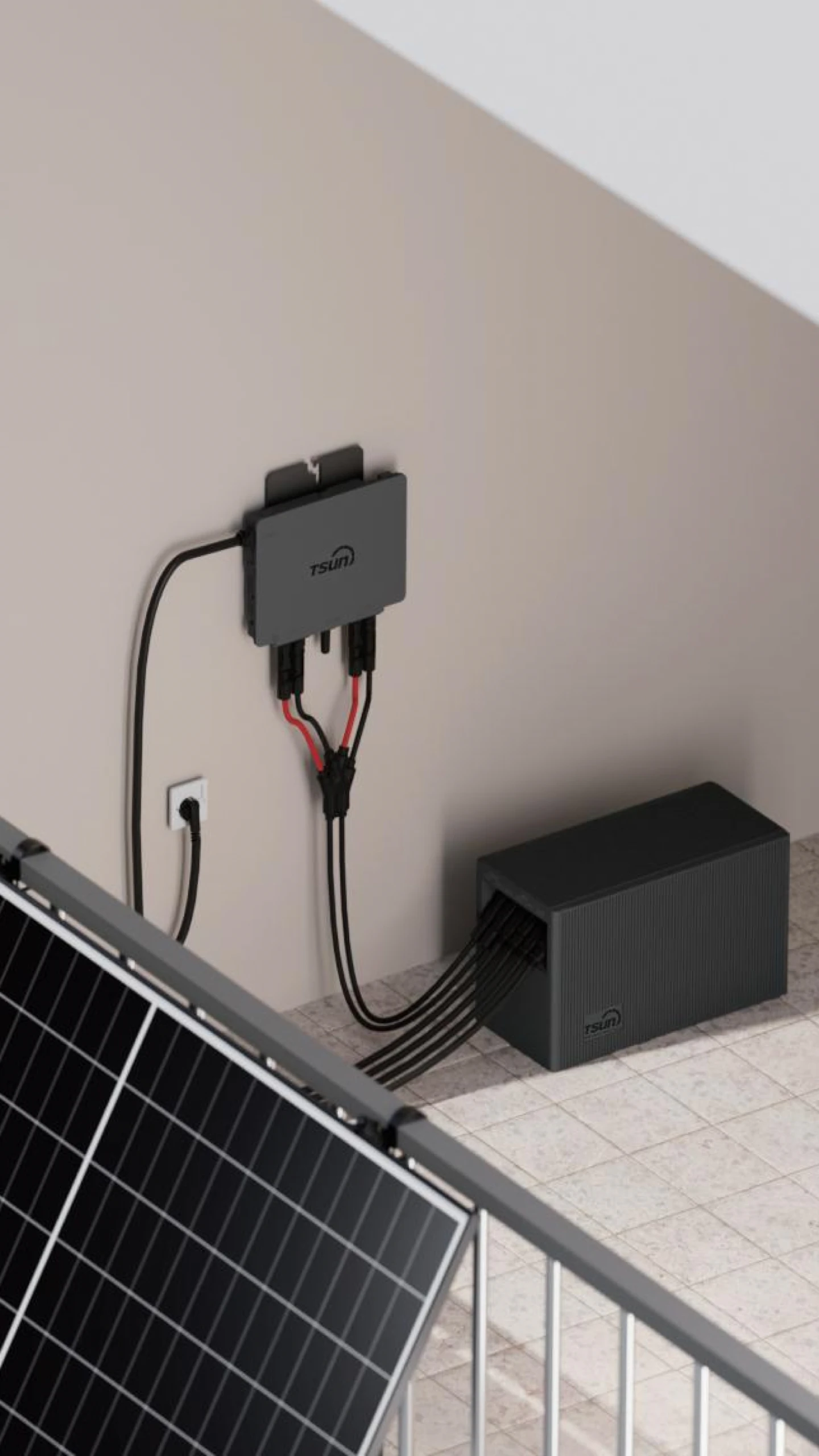
 Downloads
 Video Center
 Report Fault for Repair
 FAQS
FAQS Service Network
 Privacy Policy
 Contact Us
 Monitoring


 LEARN MORE