Exploring the 600W Microinverter: A Small Powerhouse in Solar Tech
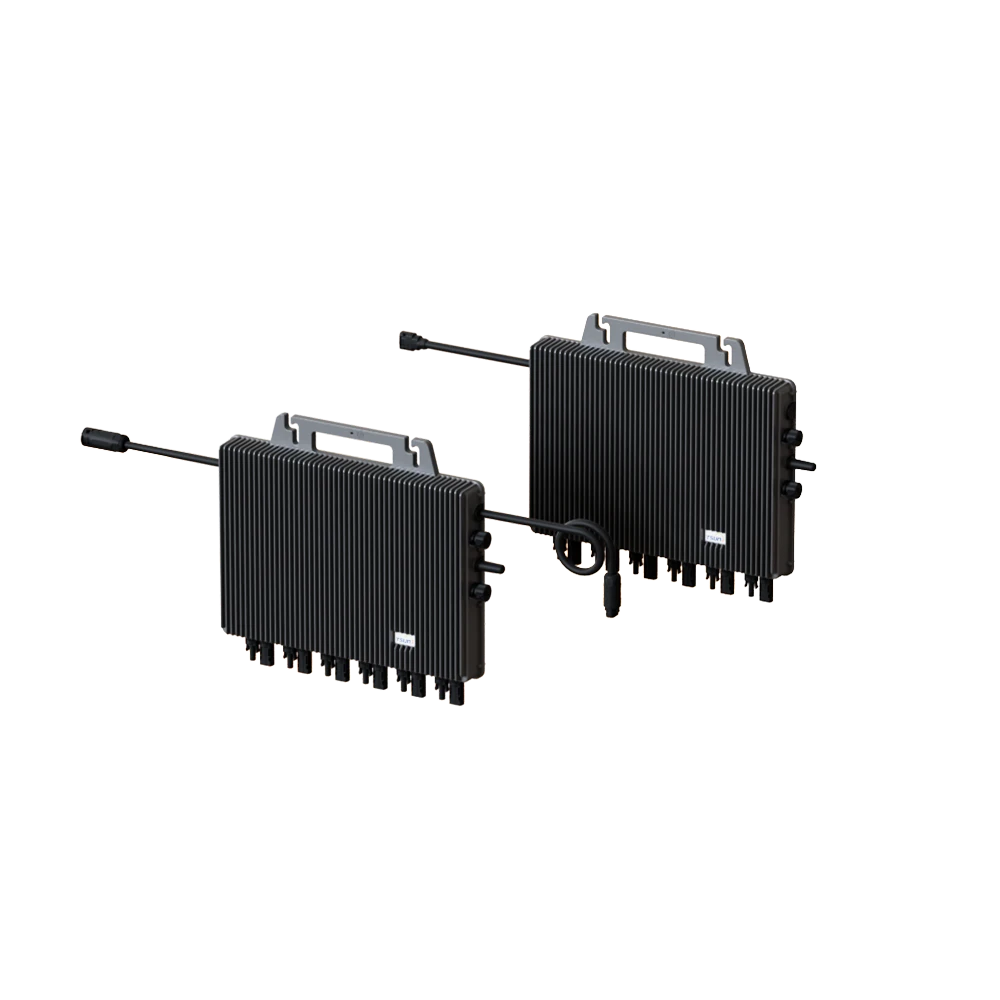
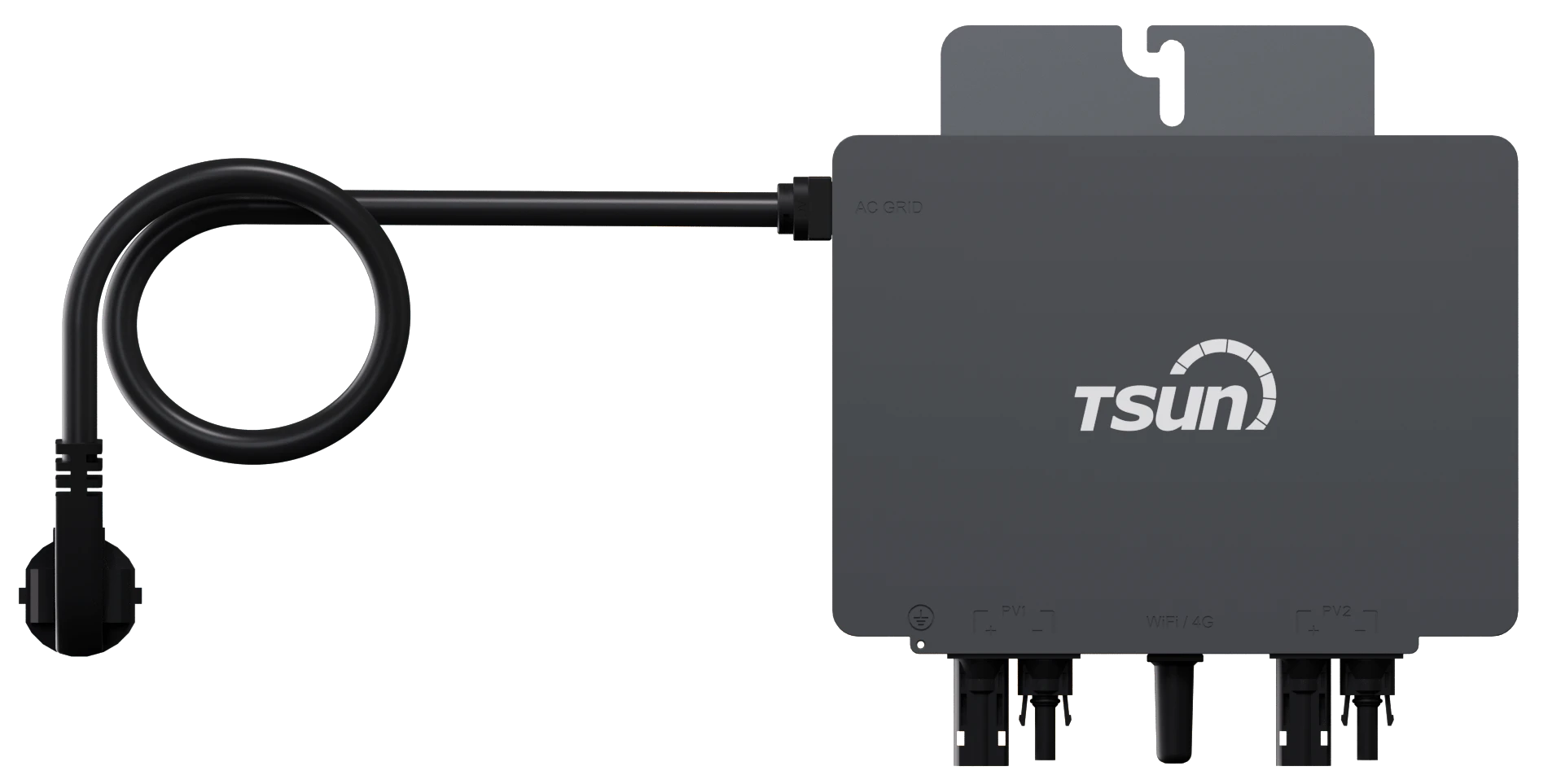
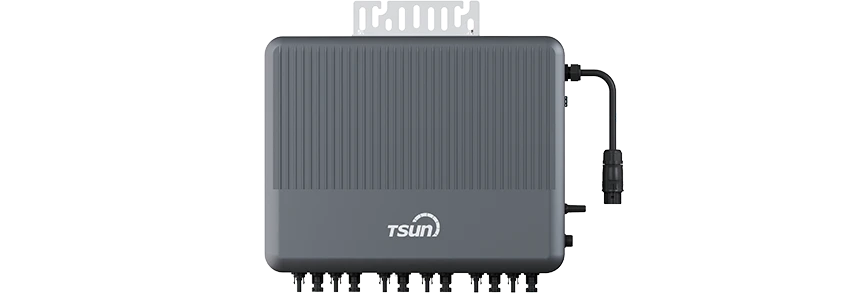
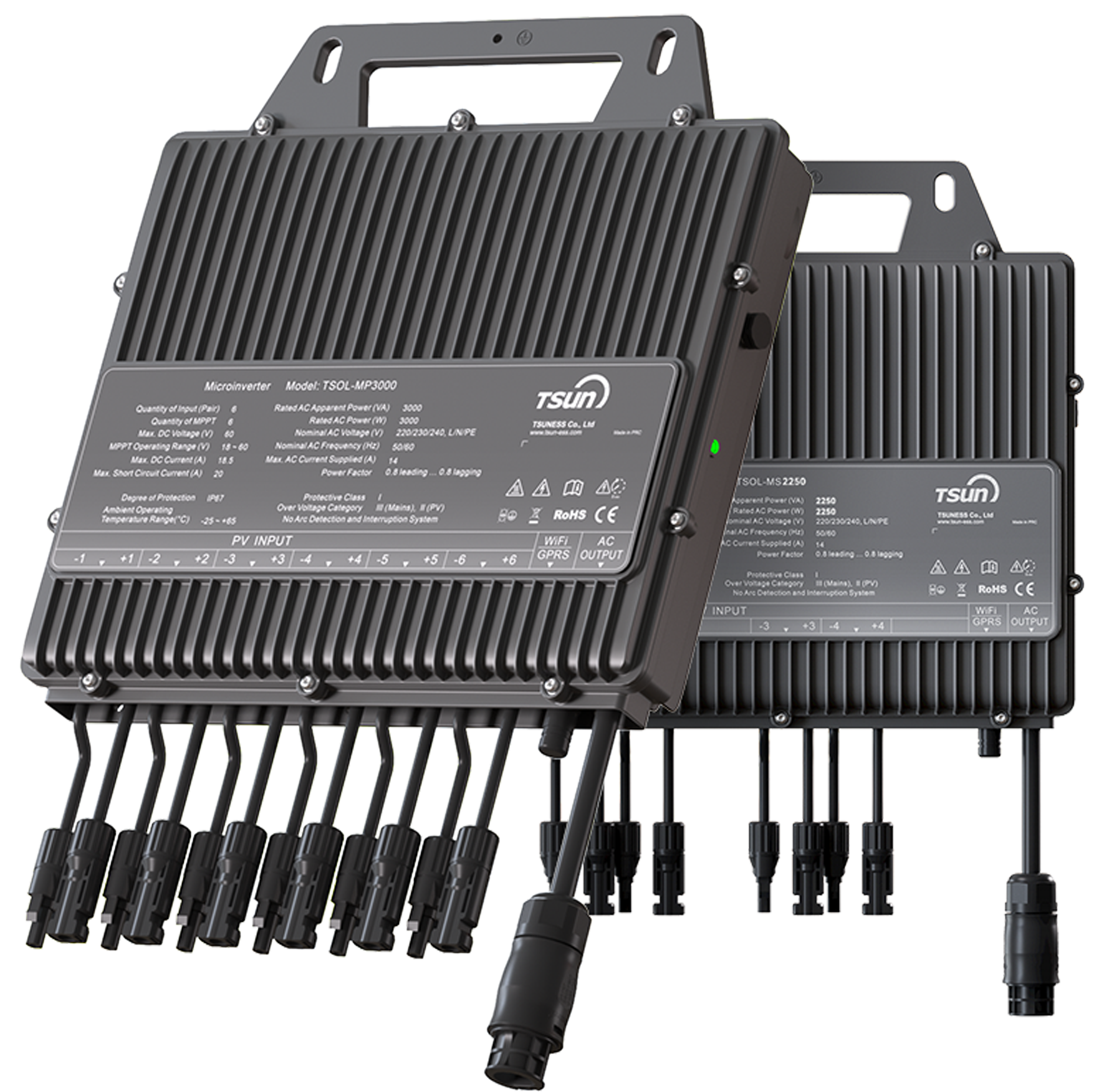
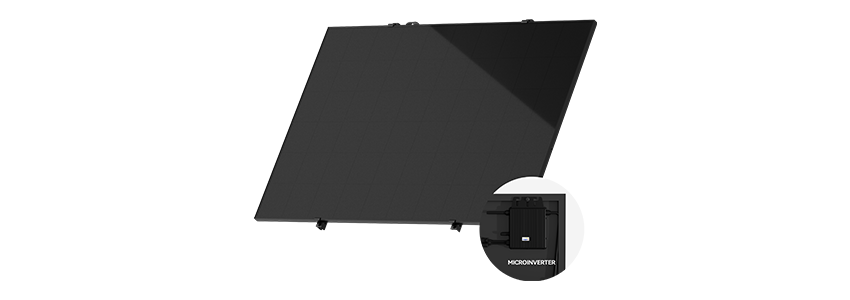
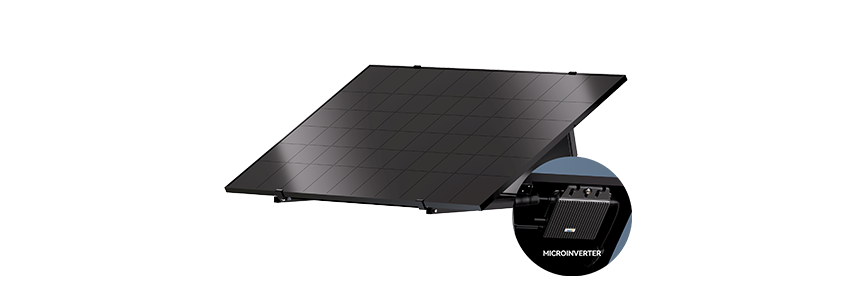
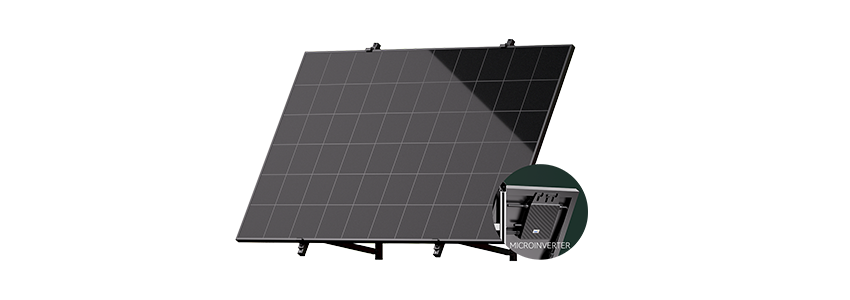
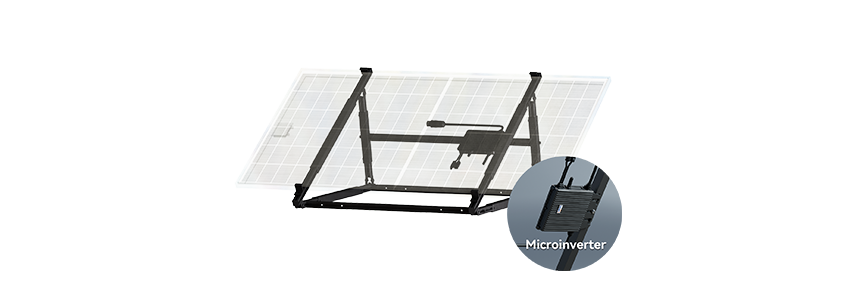
Having spent years working directly in the industrial equipment sector, I can say the evolution of microinverters is pretty fascinating—especially the 600W microinverter. You might wonder why such a small device deserves attention. Frankly, in real terms, its compact size packs efficiency and flexibility that engineers and installers often appreciate on the ground.
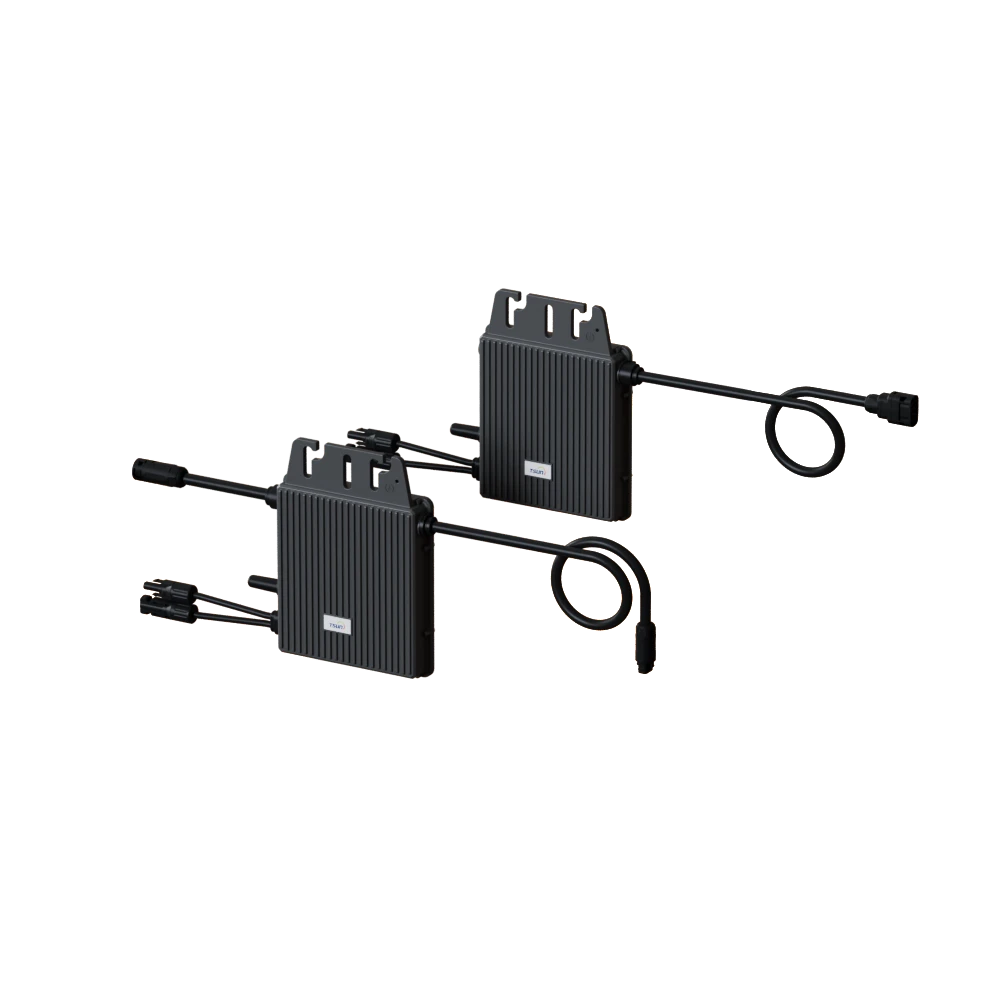
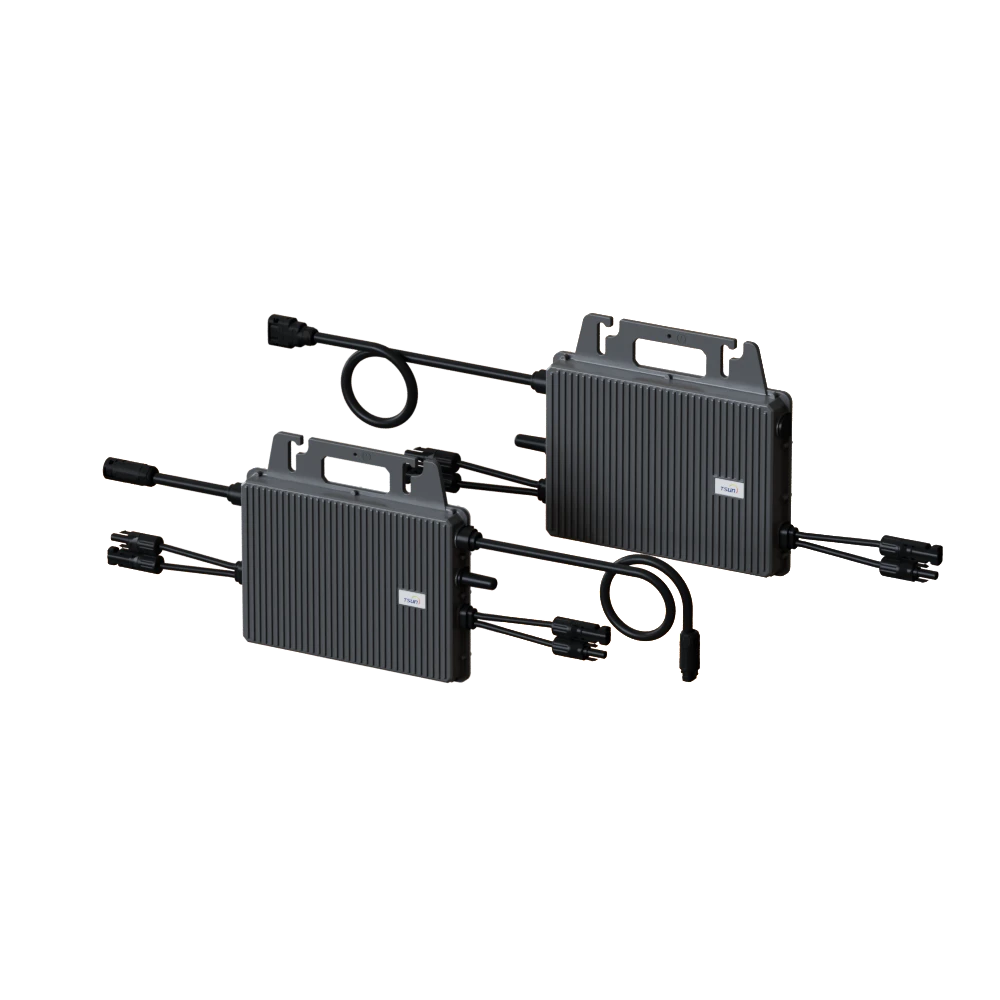
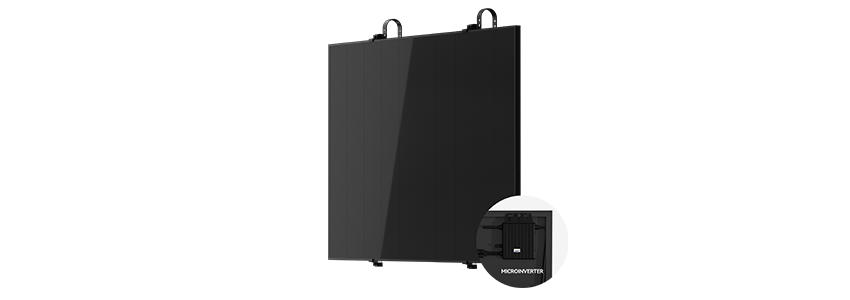
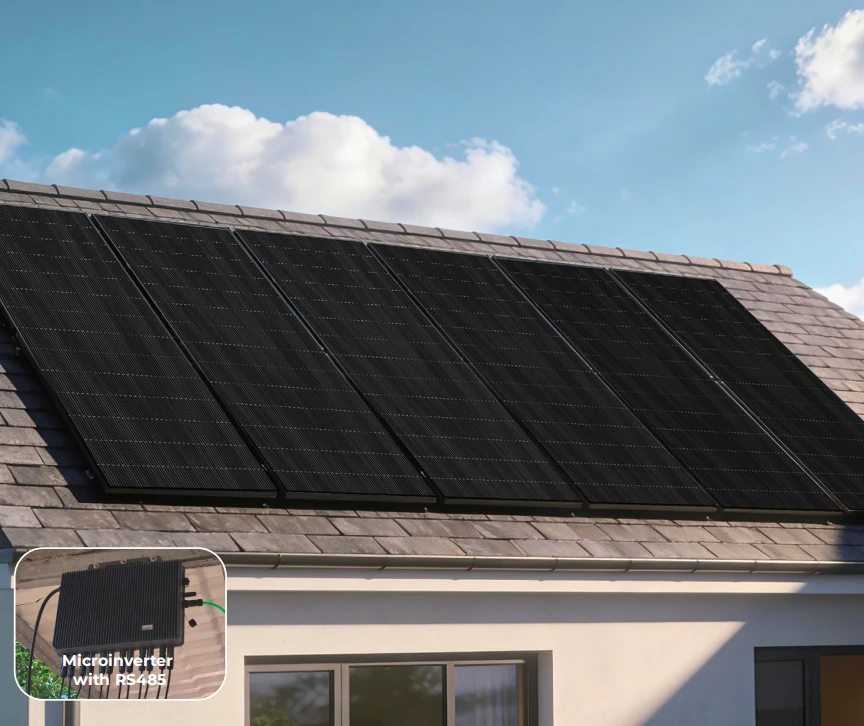
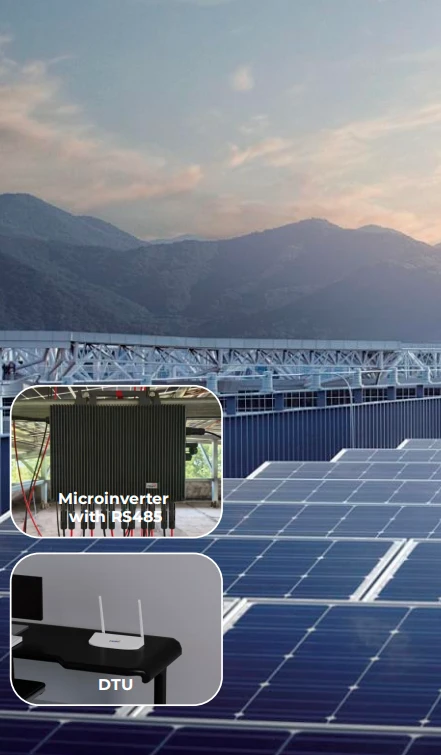
The trend toward distributed energy systems has pushed microinverters into the spotlight. Unlike traditional string inverters, each microinverter handles a single solar panel’s output individually. This means less risk of one panel underperforming and dragging down the whole system. With the 600W microinverter, the perfect balance between size and power becomes clear—it fits well with the growing demand for modular and scalable solar setups.
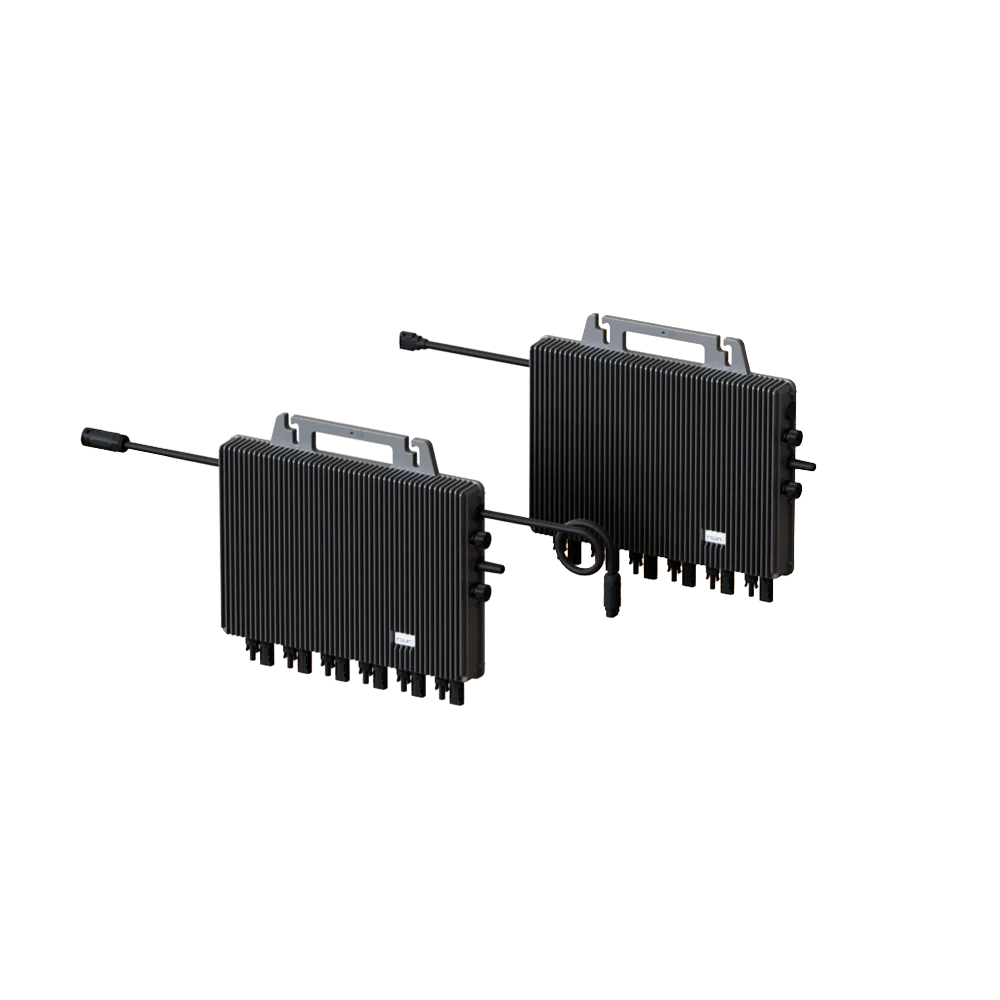
From a design perspective, the 600W microinverter typically features ruggedized components to cope with harsh outdoor environments. It's not just about raw power; longevity and reliability count just as much. Many manufacturers use durable aluminum casings and advanced cooling systems. I noticed, during installations, these units tend to be lighter than their bigger cousins, which makes rooftop work more manageable—something you definitely appreciate if you’ve spent summers hoisted on solar arrays.
Testing is another key story here. High-quality 600W microinverters undergo rigorous standards like UL 1741 safety certification and IEC 62109 for inverter safety. Efficiency ratings in the mid to high 90% range aren’t unusual, which frankly impressed me when I first compared specs years ago. Real-world results vary depending on installation quality and conditions, but the robust testing protocols certainly add peace of mind.
Usage-wise, the 600W microinverter is extremely versatile. It’s particularly ideal for residential roofs with shading issues or irregular panel orientation. It's not a one-size-fits-all, but rather a tailored answer to common solar installation headaches. Many engineers I've worked with swear by it when optimizing for heterogenous solar sites.
Here’s a quick glance at the typical product specs for a standard 600W microinverter:
| Specification |
Detail |
| Maximum Output Power |
600 Watts |
| Peak Efficiency |
96.5% |
| Input Voltage Range |
22V – 48V DC |
| Output Voltage |
120V or 240V AC |
| Operating Temperature |
-40°C to +65°C |
| Certifications |
UL 1741, IEC 62109 |
When it comes to choosing a vendor, the waters can get a bit murky. Some manufacturers prioritize peak power output, others emphasize durability or integration with monitoring systems. Here's a simple comparison to clarify:
| Vendor |
Peak Efficiency |
Warranty |
Key Feature |
Price Range |
| SolarTech Solutions |
96.8% |
12 years |
Built-in Wi-Fi monitoring |
$$$ |
| PowerFlex Electronics |
95.5% |
10 years |
Compact, lightweight design |
$$ |
| EcoPower Innovate |
96.3% |
15 years |
Robust heat dissipation system |
$$$$ |
Oddly enough, a small story comes to mind—a solar installer I worked with swore by this exact 600W unit when installing a tricky rooftop system in a neighborhood full of big shade trees. The modular microinverter approach meant panels in shaded spots didn’t disable the entire string. It saved the customer a headache and significantly improved their energy yield.
So, whether you’re a solar installer or an engineer, the 600W microinverter represents a sweet spot in today’s market—powerful, adaptable, and often worth the modest investment. I suppose at the end of the day, it’s about balancing efficiency, cost, and site-specific needs, and this little device is a pretty reliable companion on that front.
A quick takeaway: Don't underestimate the impact of choosing the right microinverter. Small devices, big difference.
References:
- UL 1741 - Standard for Inverters, Converters, Controllers and Interconnection System Equipment for Use With Distributed Energy Resources.
- IEC 62109 - Safety of power converters for use in photovoltaic power systems.
- Industry interviews and field notes, various solar installation projects 2017–2023.



 LEARN DETAILS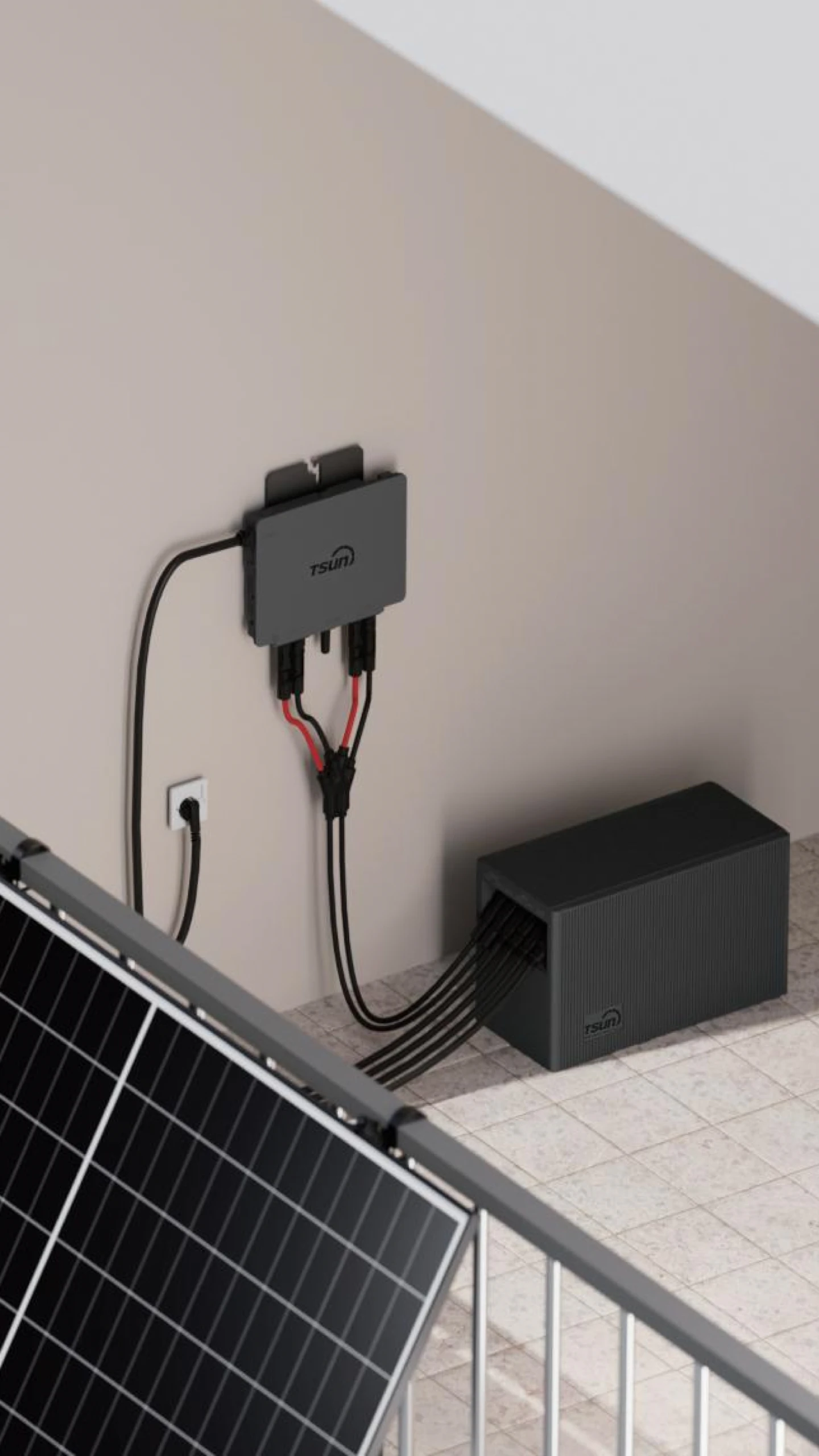
 Downloads
 Video Center
 Report Fault for Repair
 FAQS
FAQS Service Network
 Privacy Policy
 Contact Us
 Monitoring


 LEARN MORE