Energy Storage Systems for Solar Power: A Veteran’s Perspective
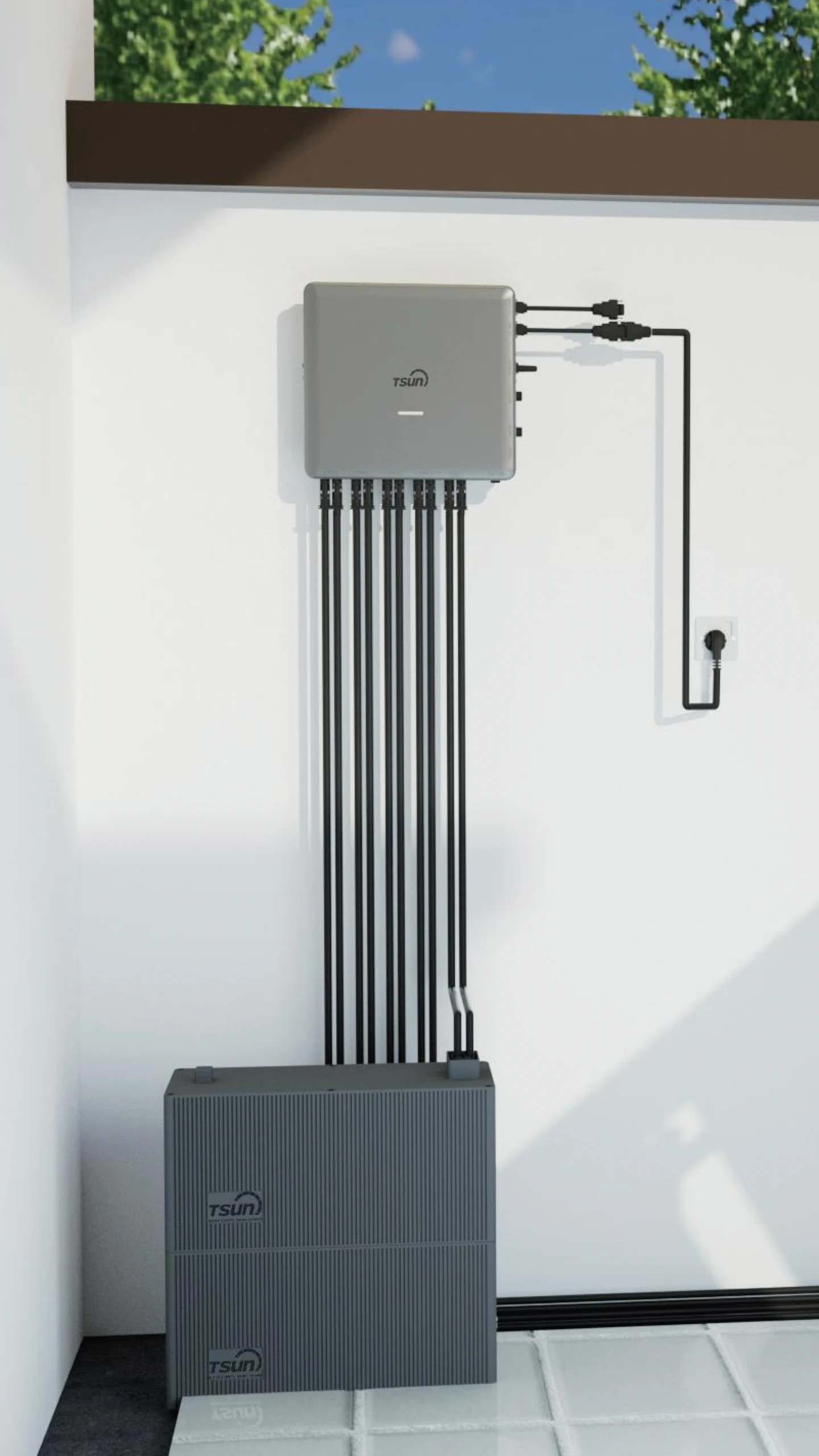
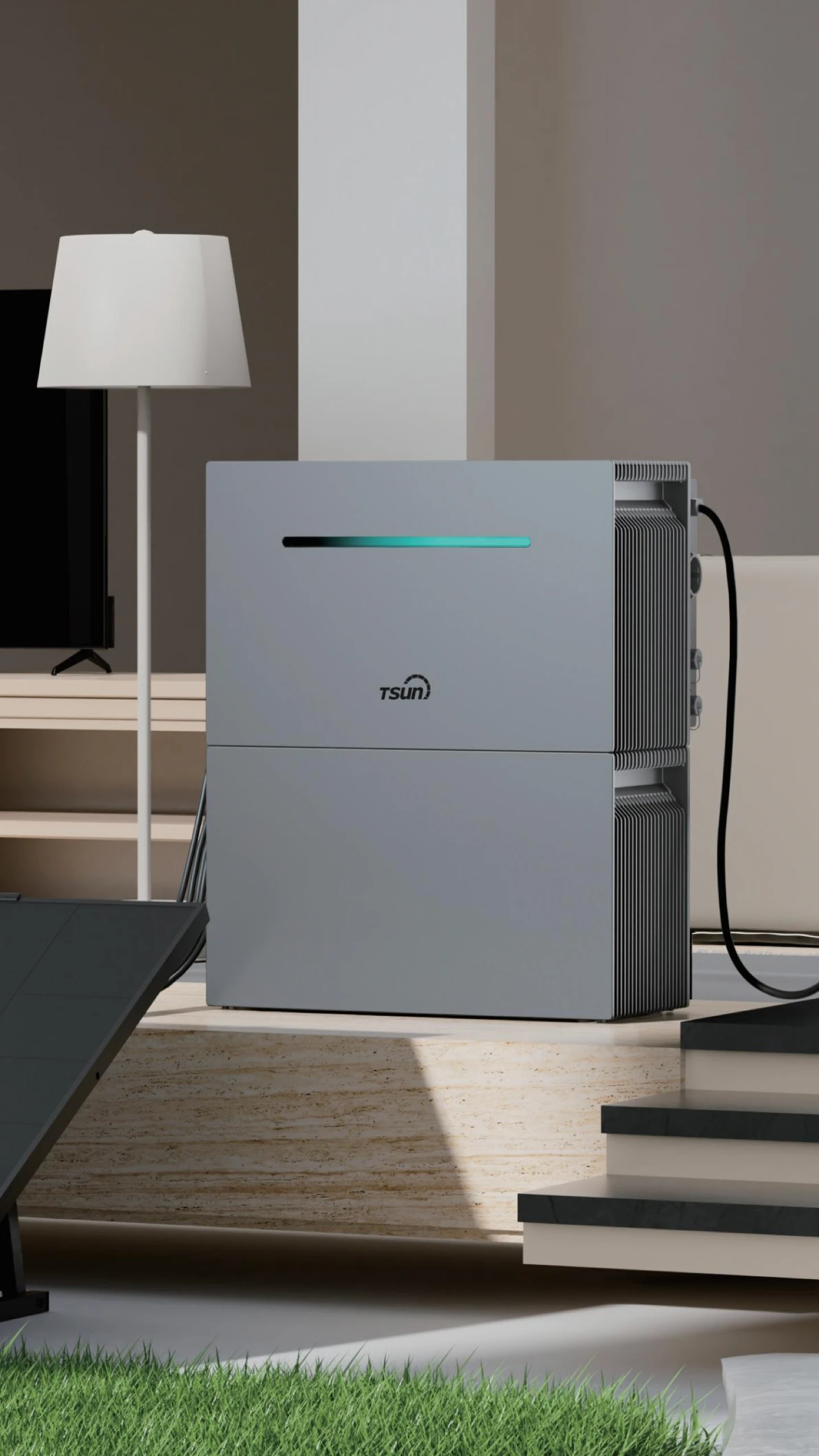
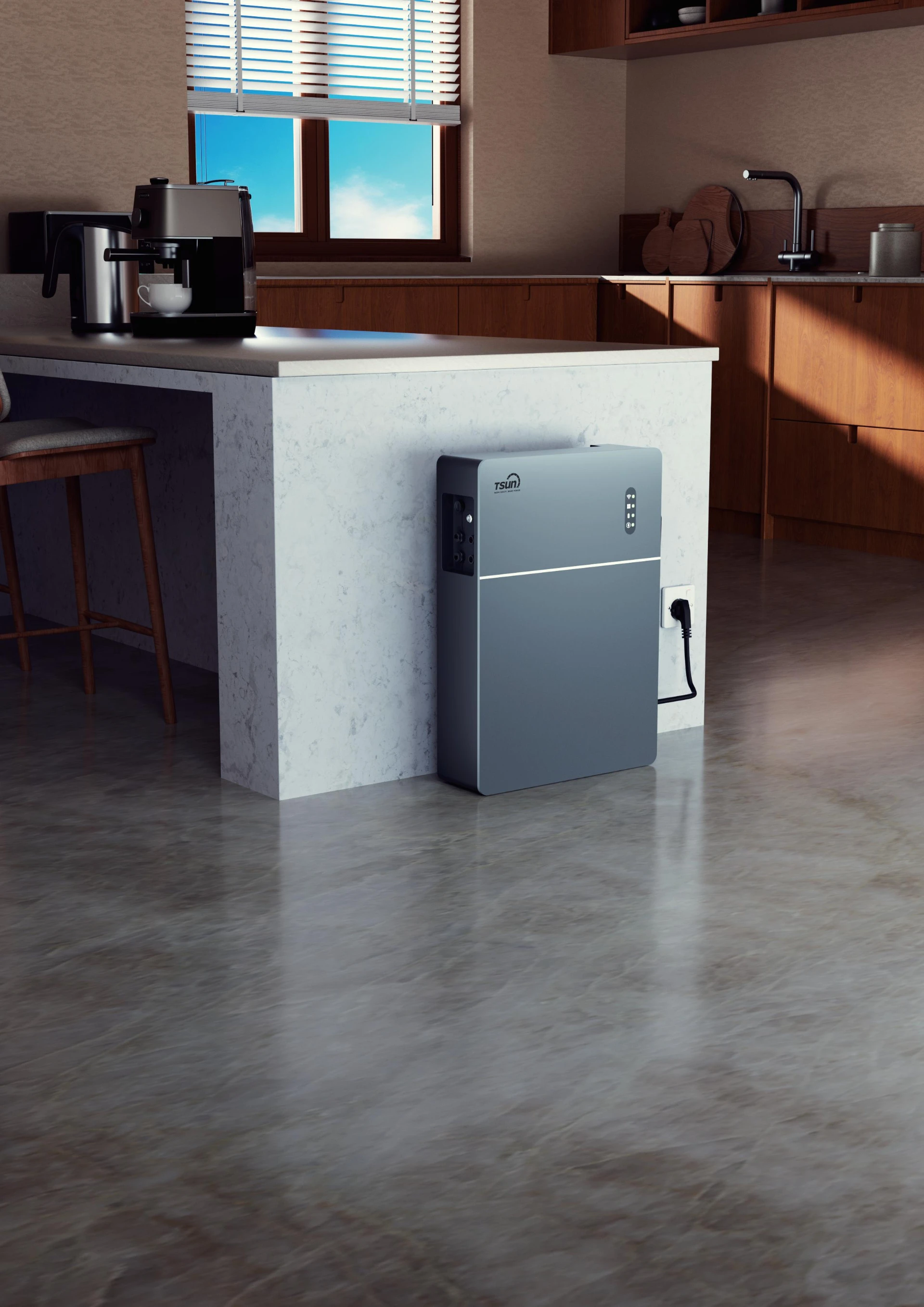
Having spent over a decade in the industrial equipment sector, I’ve seen solar technology evolve from clunky and experimental setups to sleek, reliable solutions powering homes and businesses alike. But let’s talk about the real hero behind consistent solar power usability: energy storage systems for solar power. Without solid storage, solar panels are just pretty glass on rooftops during the day, and frankly, that’s not really helping most users when the sun dips or clouds roll in.
These systems, essentially big batteries wired with smart tech, have become indispensable as residential and commercial solar installations surge. And it’s not only about saving excess energy; many industry insiders, myself included, notice how these storage units enhance grid reliability and even reduce electricity costs significantly.
Oddly enough, I recently chatted with an installer who shared how one midwestern family cut their electric bills by more than half by upgrading to a well-matched energy storage system. It felt like a small but important victory — energy independence isn’t just a slogan but achievable if the tech fits the user’s unique needs.
What Makes a Great Energy Storage System?
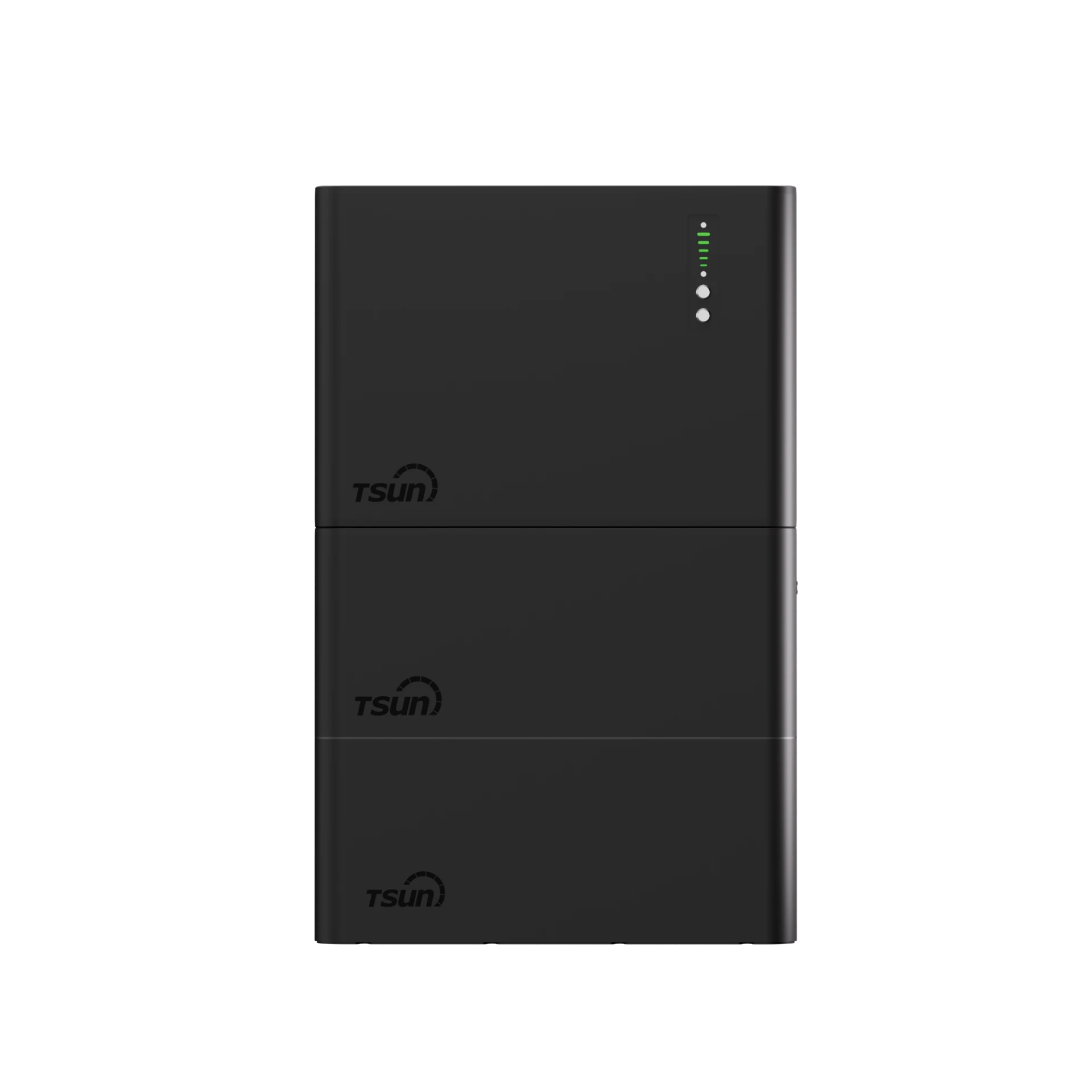
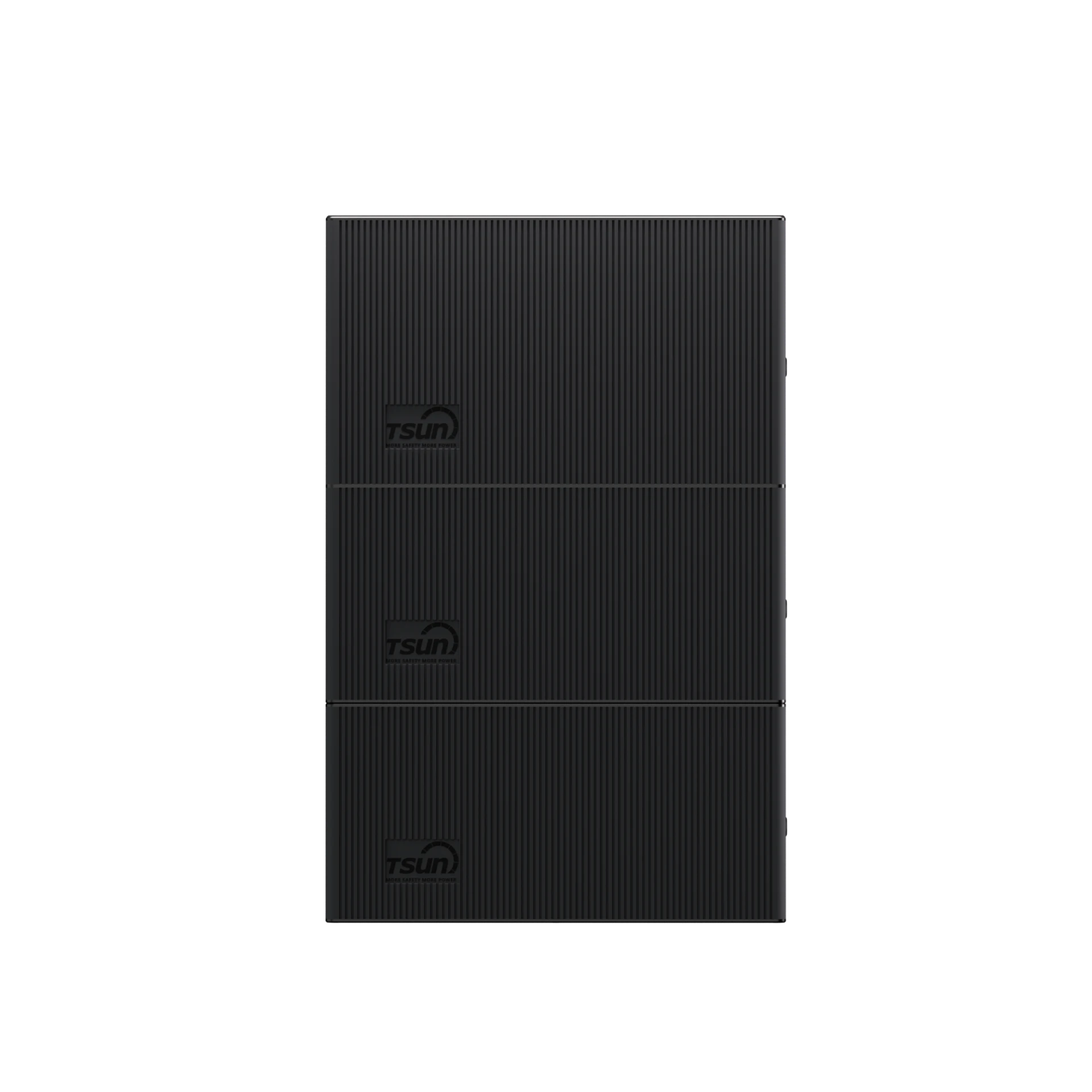
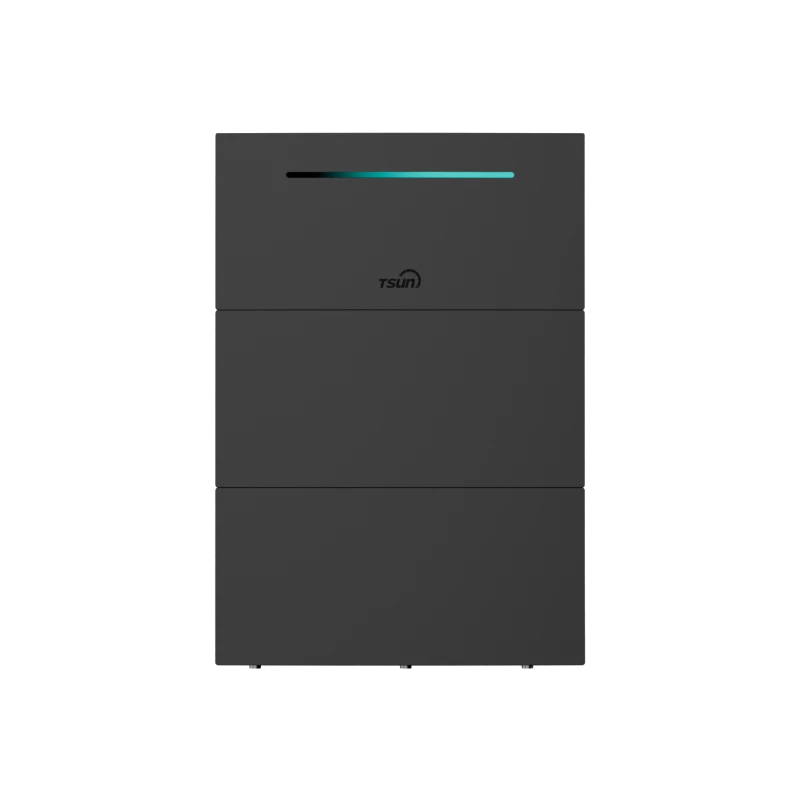
In real terms, a good system balances capacity, round-trip efficiency, and durability — all while fitting into the physical constraints of a home or industrial site. From my experience, materials matter too: many modern systems use lithium-ion batteries for their energy density and lifespan, plus advanced battery management systems to ensure safety and optimize performance.
| Specification |
Typical TSUN Energy Storage System |
| Battery Type |
Lithium Iron Phosphate (LiFePO4) |
| Usable Capacity |
10 kWh - 30 kWh modules |
| Depth of Discharge |
90% |
| Cycle Life |
4000+ cycles to 80% capacity |
| Round-Trip Efficiency |
> 90% |
| Operating Temperature |
-10°C to 50°C (14°F to 122°F) |
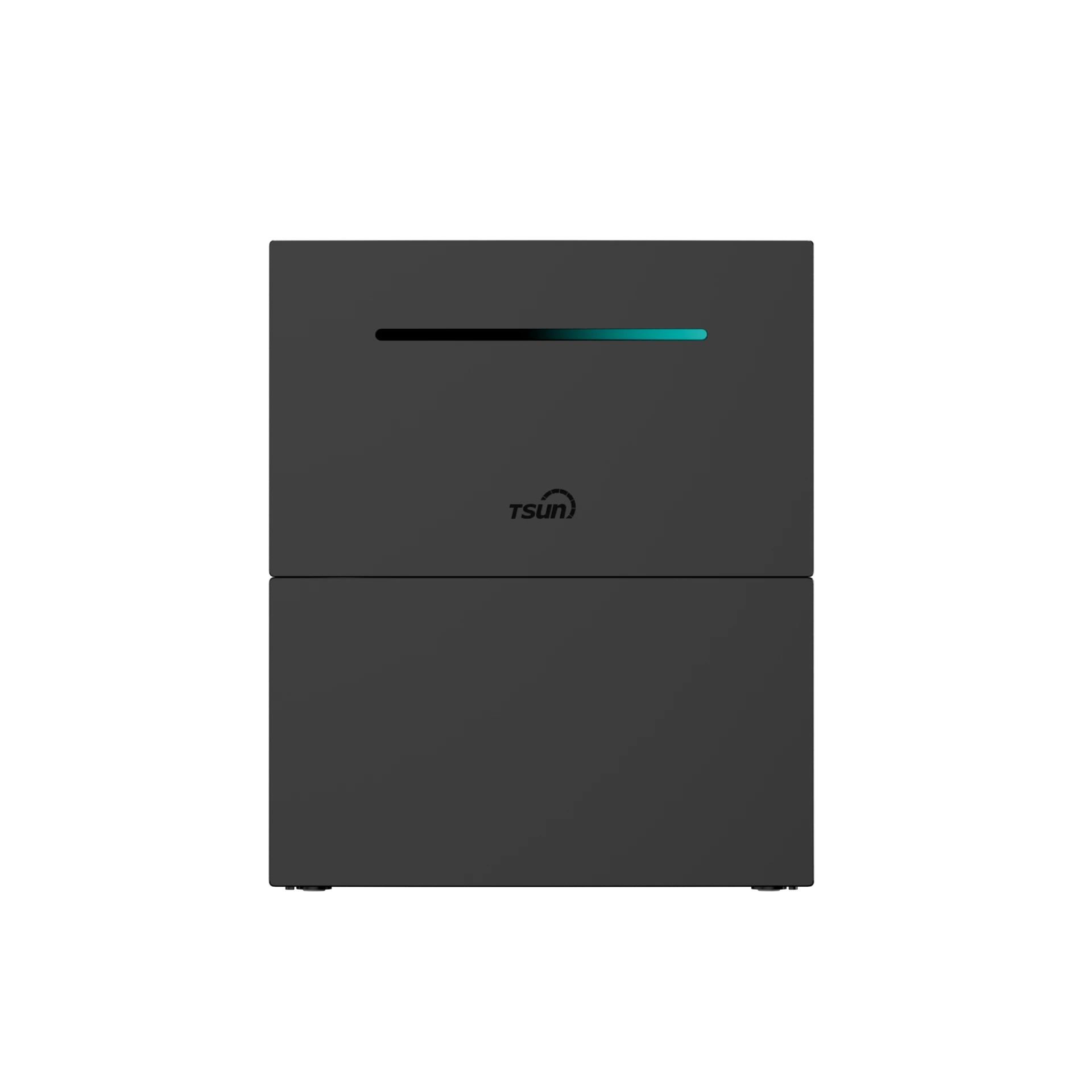
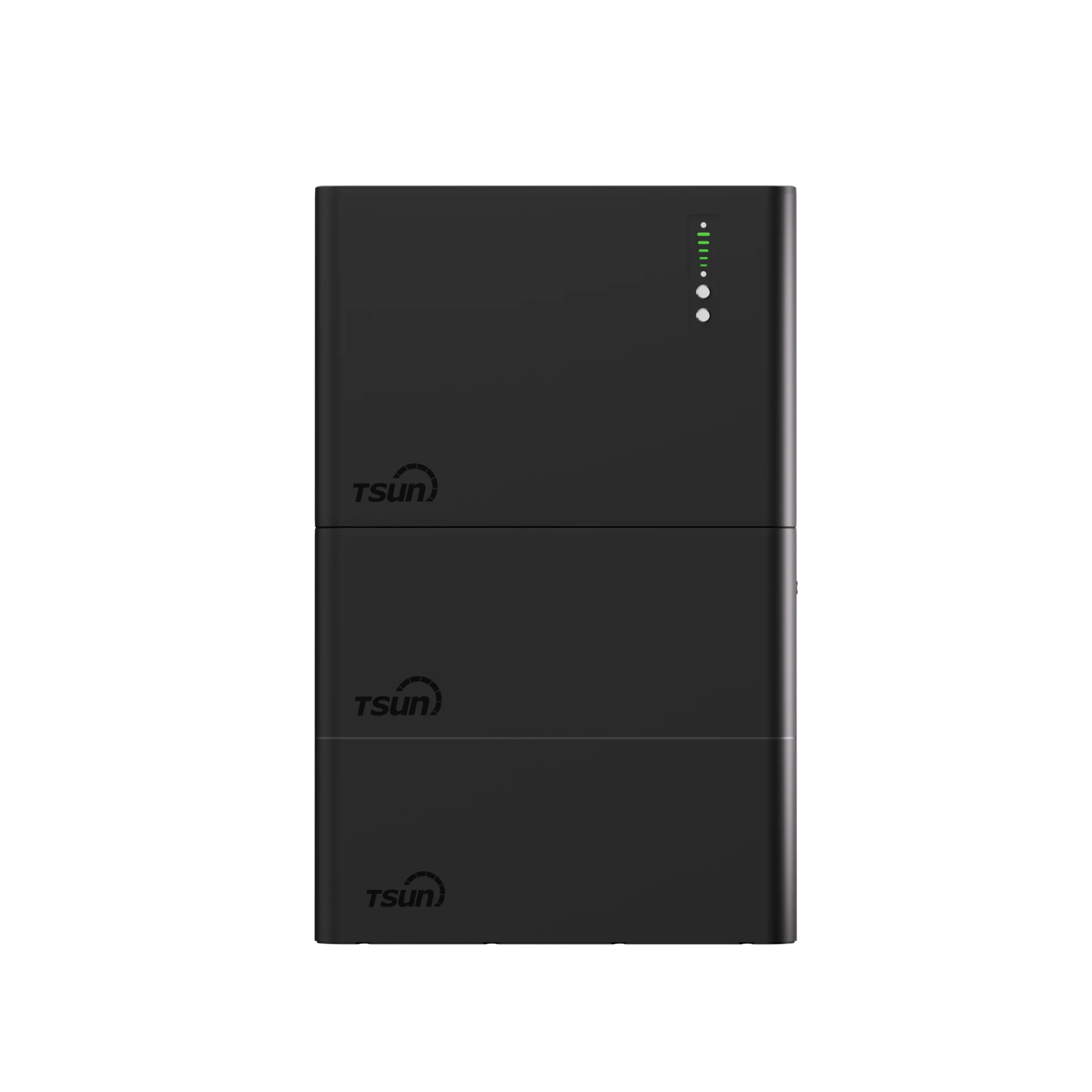
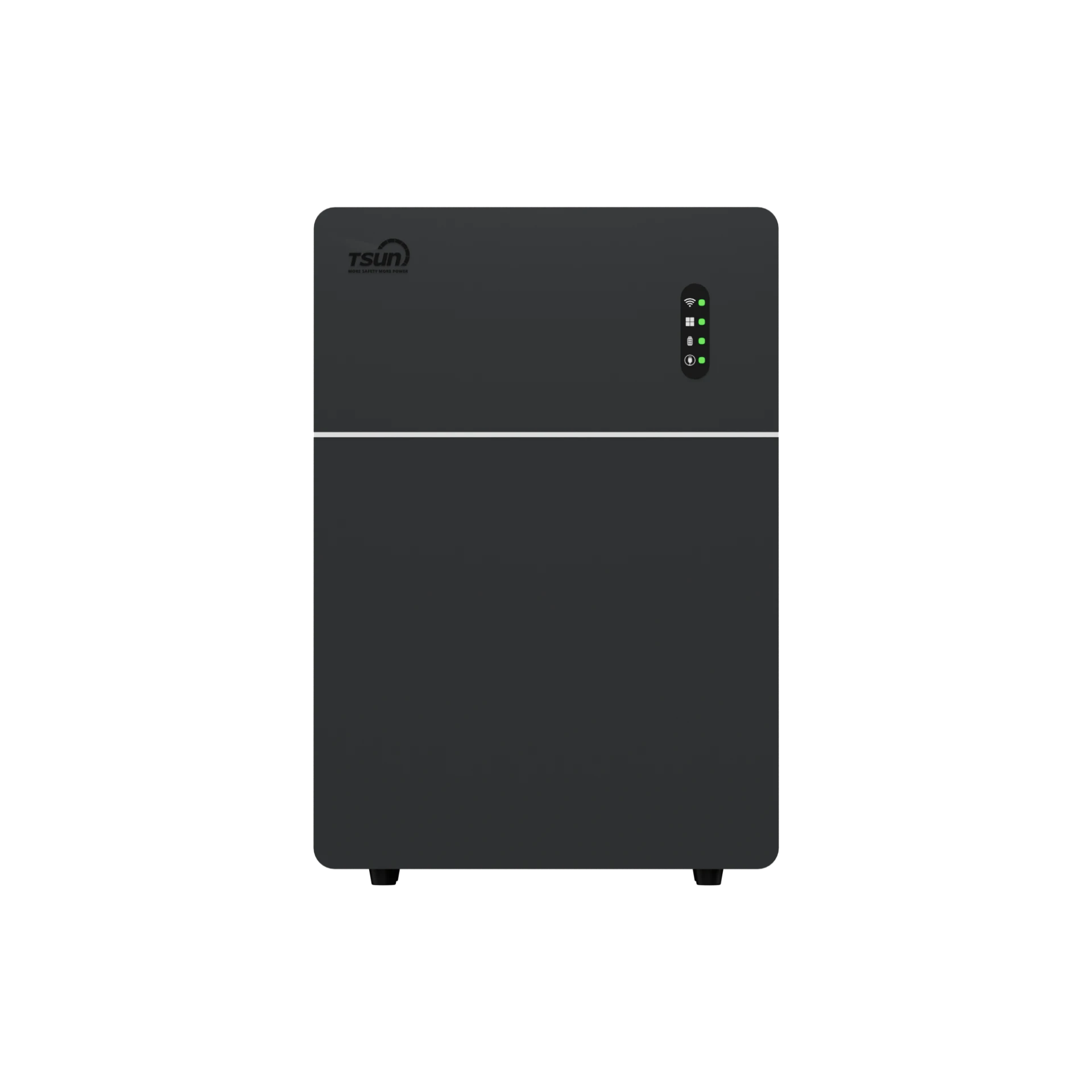
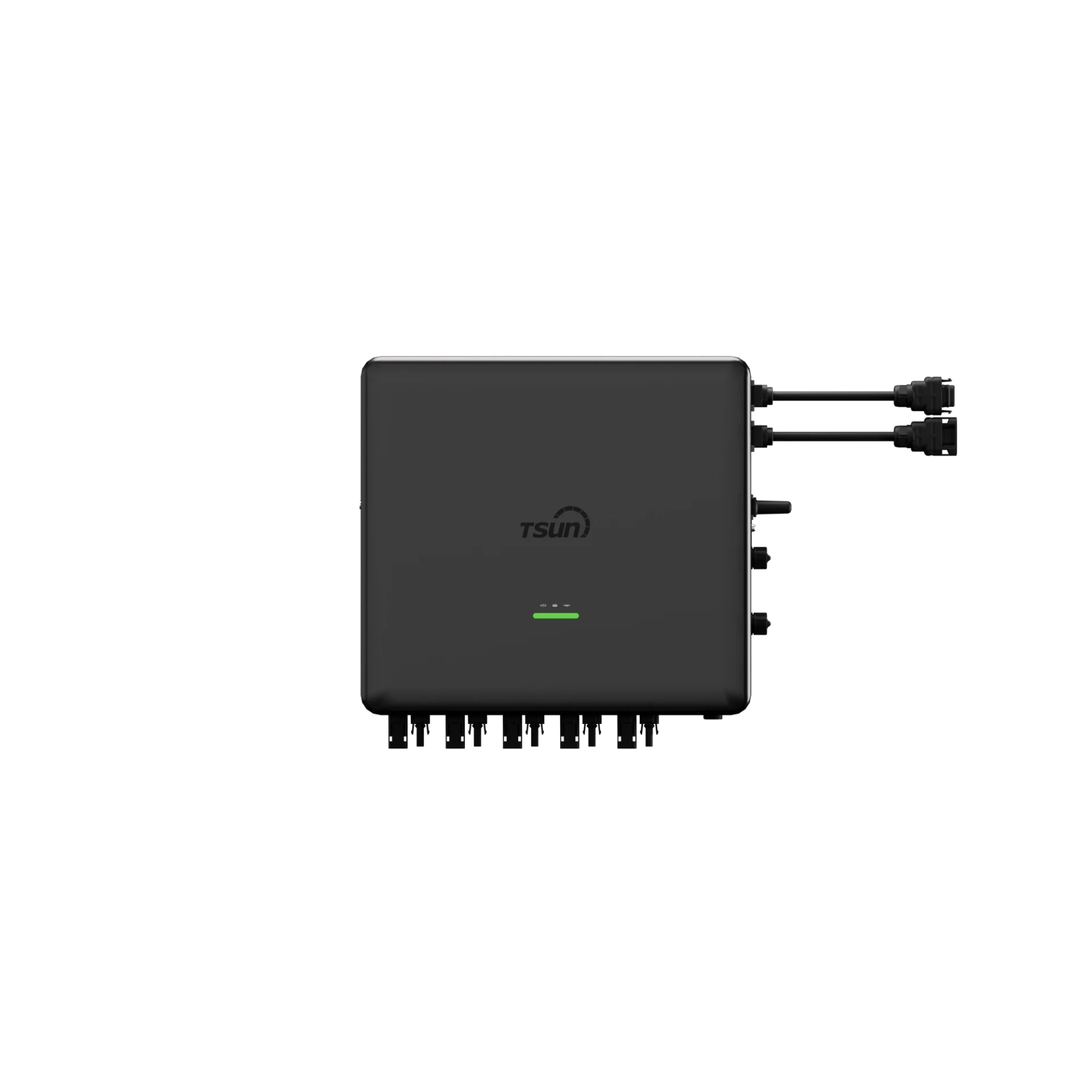
Customization is key here. No two solar setups are the same. You may find that a 20 kWh battery suits your household better than the 10 kWh option, especially if you regularly run multiple high-draw appliances in the evening. Also, the battery management tech in systems like those from TSUN not only monitor charge levels but can protect the battery from damage due to temperature extremes or overcharging — features that countless engineers tell me are non-negotiable for real-world reliability.
Comparing Some Leading Vendors
Back when I first started, options were limited and pretty costly. Today, the market has matured, though choosing the right vendor still calls for some homework. Here’s a quick vendor comparison I put together — it’s interesting to see how factors like warranty duration and integration capabilities vary.
| Vendor |
Battery Chemistry |
Warranty |
System Integration |
Smart Management |
| TSUN |
LiFePO4 |
10 years / 4000 cycles |
Wide inverter compatibility |
Advanced cloud-based monitoring |
| Competitor A |
NMC (Nickel Manganese Cobalt) |
8 years / 3000 cycles |
Limited inverter options |
Basic app interface |
| Competitor B |
Lead-Acid |
5 years |
Mostly standalone, requires extra hardware |
No remote monitoring |
Frankly, I tend to lean toward vendors like TSUN that provide a good blend of chemistry, integration flexibility, and robust monitoring. When you install a system that "just works" and offers good support, it feels like a win for both you and your energy future.
In my experience, one of the biggest challenges customers face is matching their energy storage size with their actual consumption patterns. One engineering adage I often quote is: "Measure twice, install once." Performing a thorough energy audit before selecting a system is priceless advice; oddly, it’s often overlooked.
And speaking of installation, I recall a project at a rural clinic where downtime was not an option. We outfitted them with a modular battery system that could scale as their energy demands grew. Watching that system stabilize power through storms and high-demand periods was genuinely rewarding — that’s the real-world impact of dependable energy storage.
To sum up: Whether you’re a homeowner or managing an industrial site, investing in a solid energy storage system demands attention to detail, understanding of real operating conditions, and a vendor you can trust. If you want to dive deeper, energy storage systems for solar power by TSUN is a good place to start.
Here's to more sunny days and uninterrupted power.
References:
1. TSUN Energy Storage Systems Product Brochure.
2. Interview with Renewable Energy Installer, 2023.
3. Industry Reports on Battery Chemistries, 2022.






 LEARN DETAILS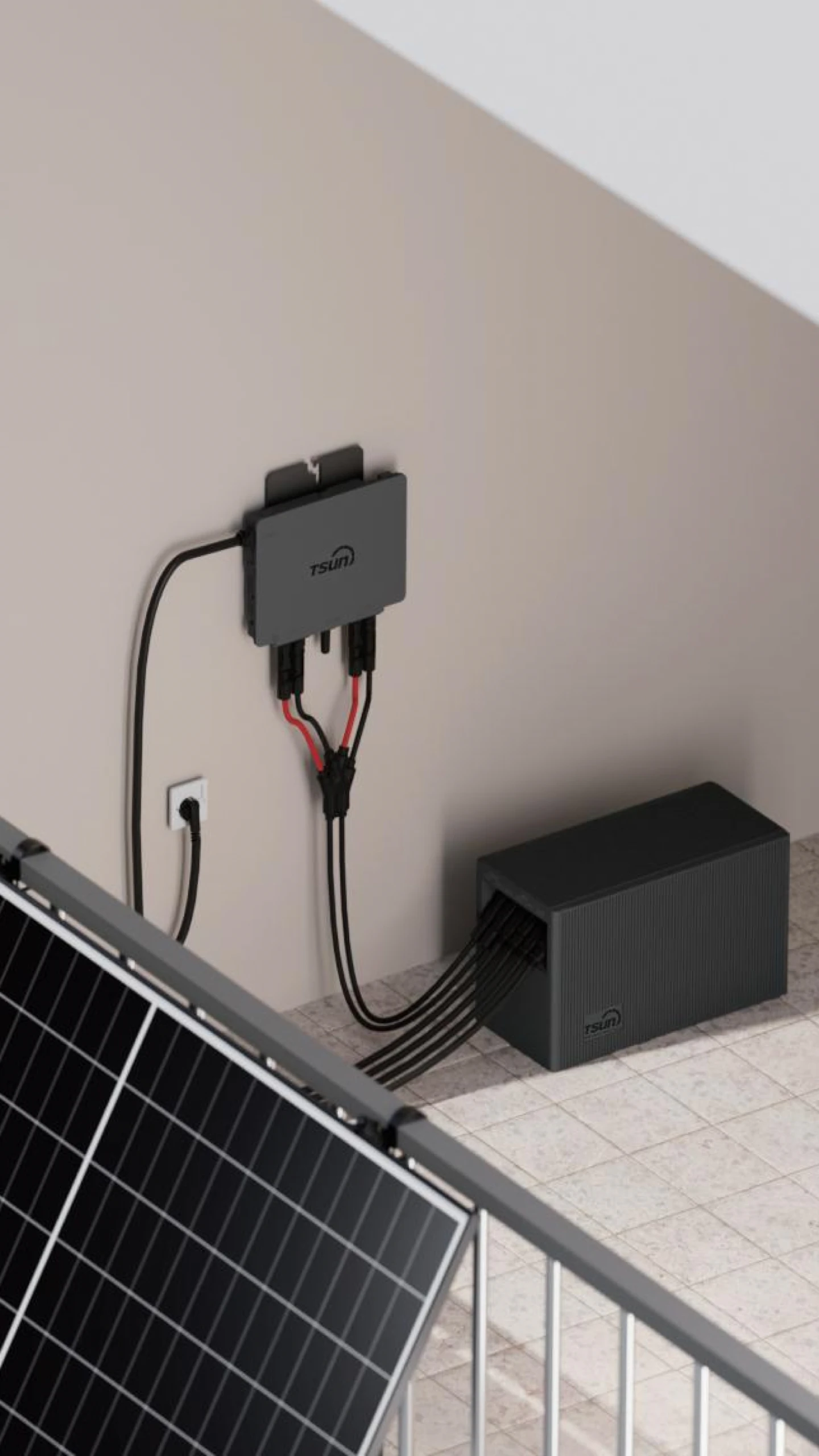
 Downloads
 Video Center
 Report Fault for Repair
 FAQS
FAQS Service Network
 Privacy Policy
 Contact Us
 Monitoring


 LEARN MORE