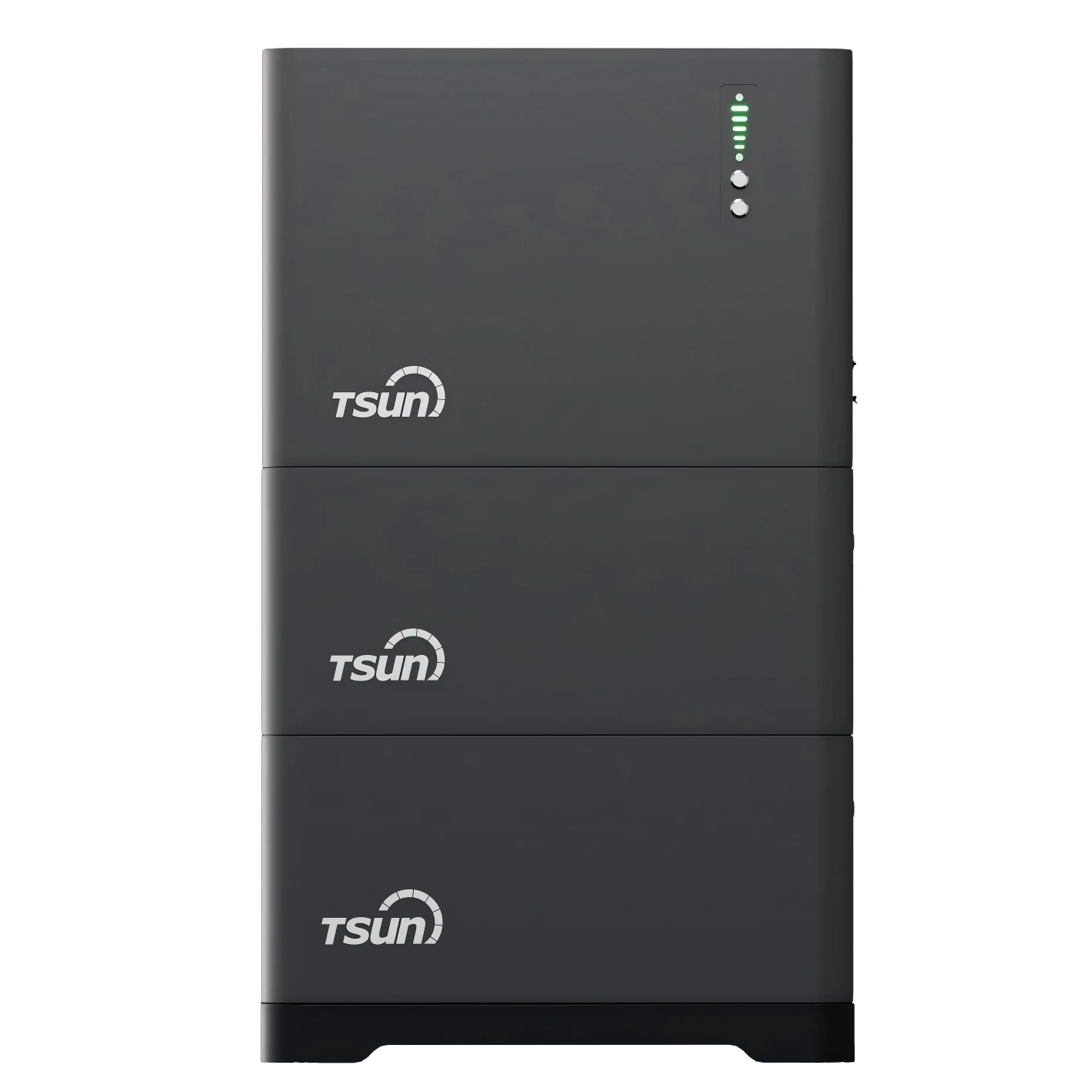
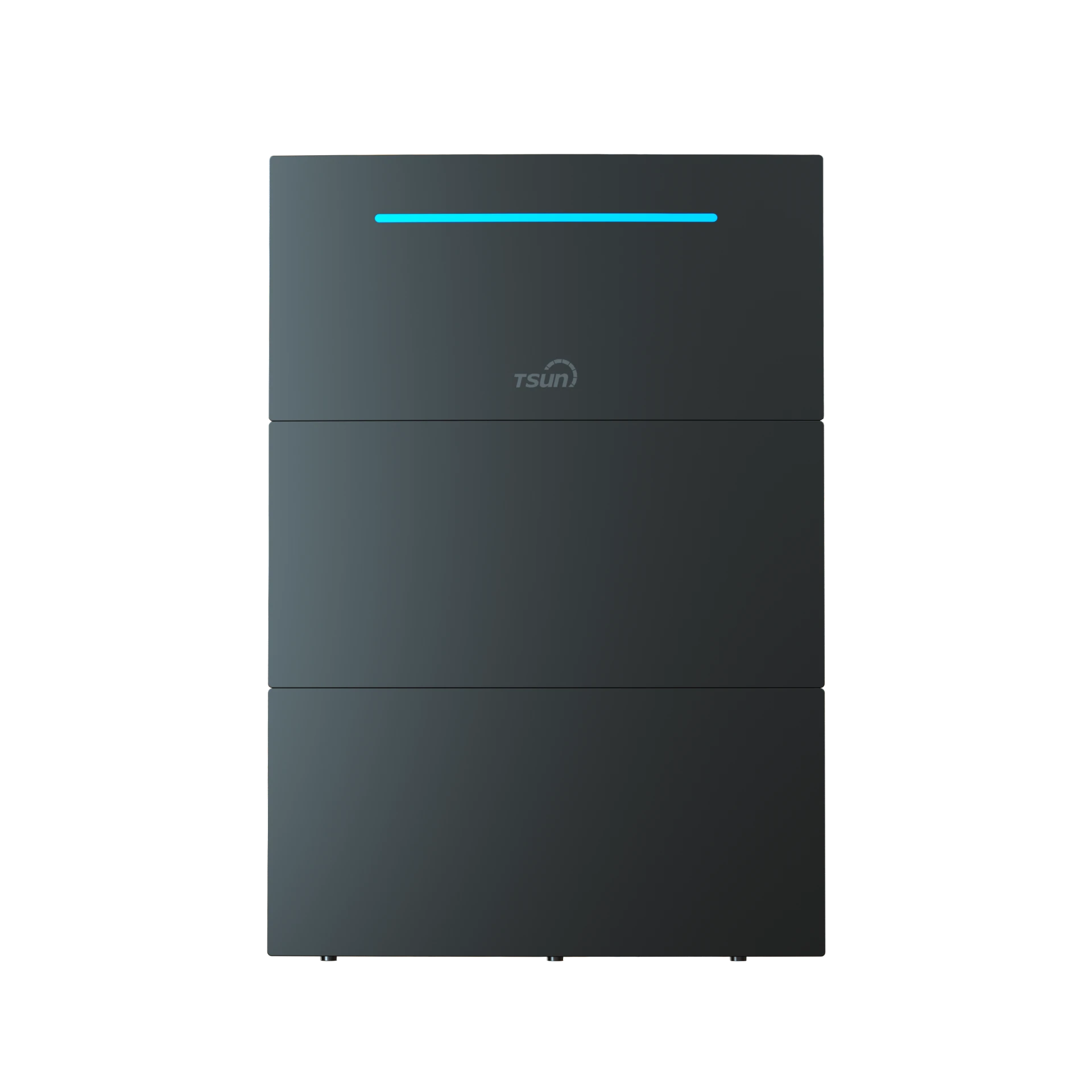
Having spent more than a decade working in the industrial equipment sector, I’ve come to appreciate the quiet but transformative role that Energy Storage Systems, or ESS, play in today's industrial ecosystems. ESS Energy Storage Systems are no longer just a buzzword tossed around at trade shows; they represent the core backbone behind many sustainable energy strategies companies depend on — whether for peak shaving, demand management, or emergency backup.
Now, I suppose most people visualize bulky batteries sitting in some sealed container. That’s partly true… but the sophistication packed inside these systems can be surprising. For instance, advanced lithium-ion battery modules paired with proprietary Management Systems optimize lifetime performance while ensuring safety. Frankly, it’s the kind of engineering detail that only becomes obvious when you really dig into the specs or have a hands-on tour at a manufacturing plant.
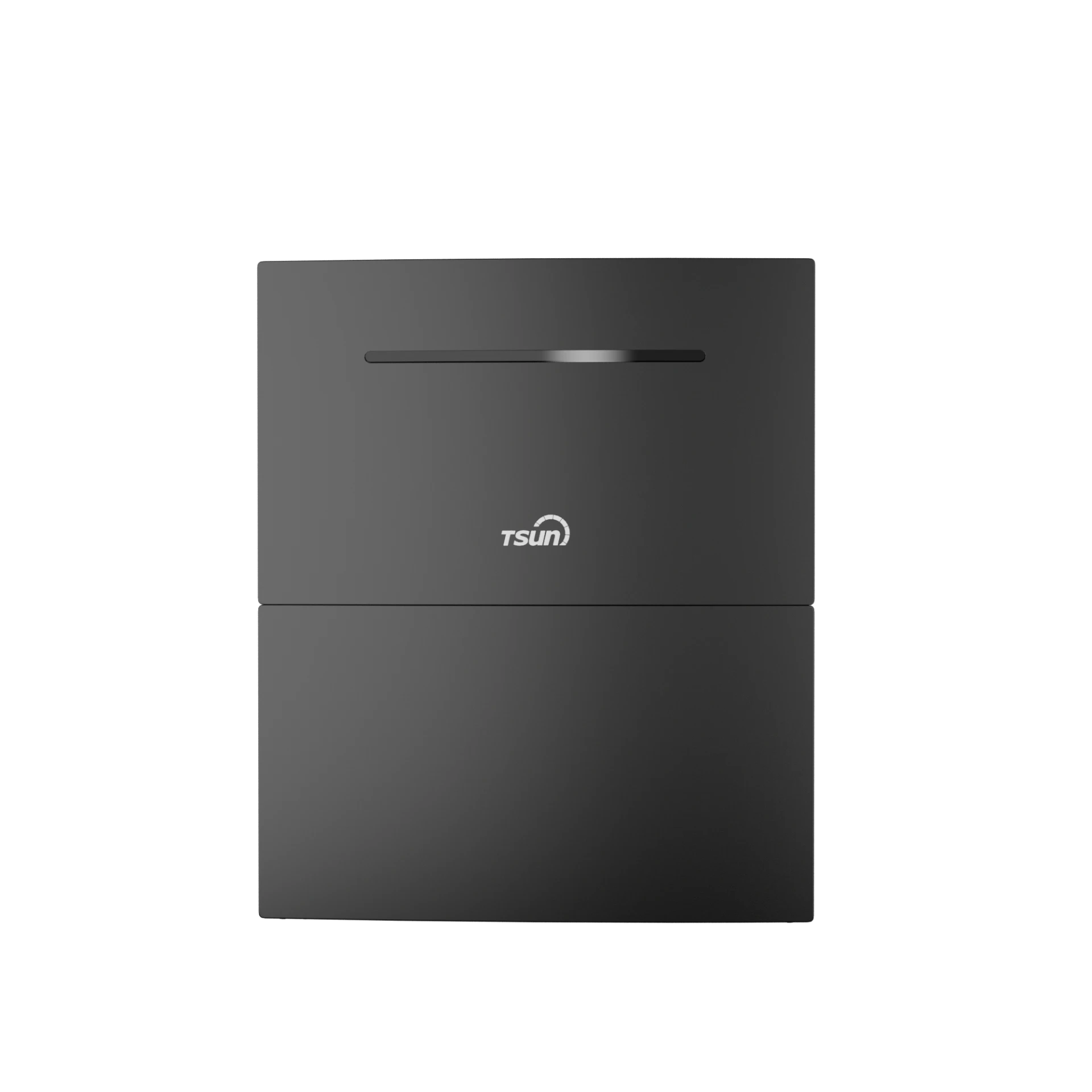
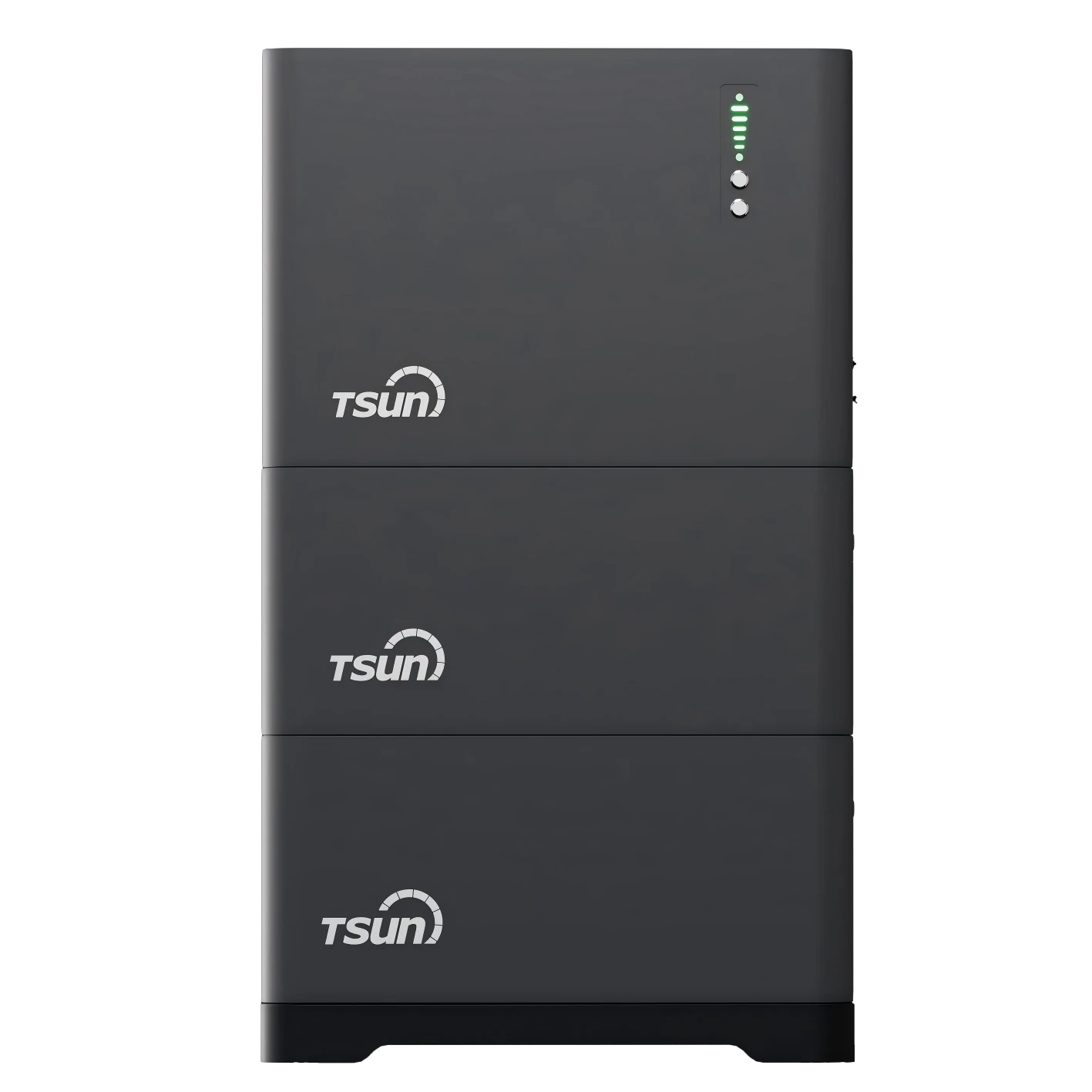
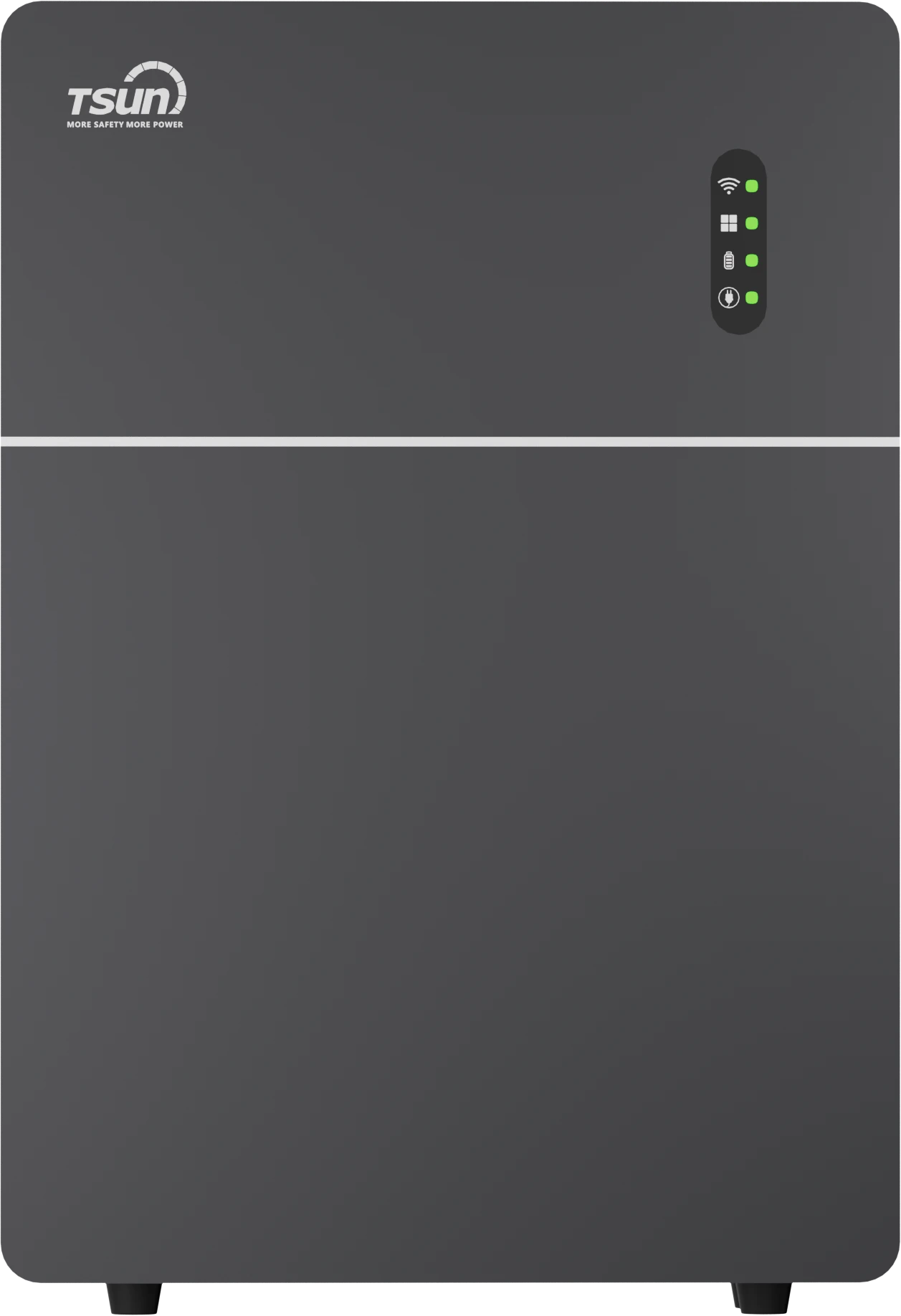
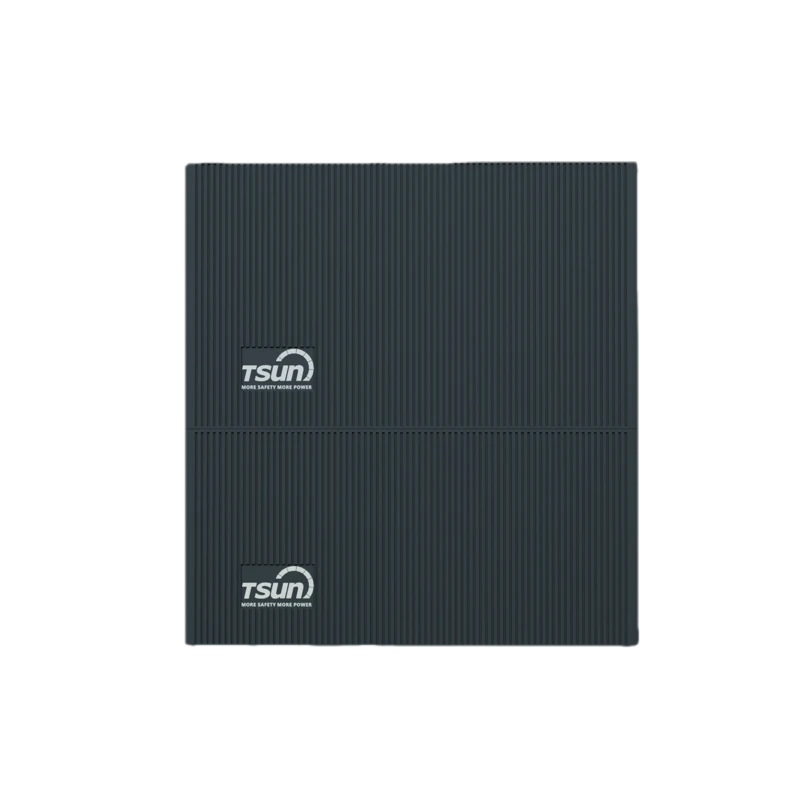
Materials-wise, many ESS products by reputable manufacturers such as TSUN (which I’ve had the chance to engage with professionally) use high-grade battery cells sourced from proven suppliers and pair them with robust Battery Management Systems (BMS). The BMS isn’t just a watchdog; it balances cell voltages, monitors temperature, controls charge cycles—kind of like a relentless guardian to maximize battery longevity.
In real terms, reliability is king here. One thing I've noticed over the years is how some vendors cut corners on internal component quality — which inevitably leads to faster degradation. I'd argue that the upfront investment in a thoughtfully designed ESS pays off handsomely in the long run. It also helps to have solutions customizable to specific applications, whether for commercial buildings, industrial plants, or renewable energy farms. The flexibility in modular design is a big selling point.
Speaking of customization, I recall a project where a mid-size manufacturing plant was struggling with peak demand charges. An ESS solution was tailored precisely to their energy profile, saving them a notable chunk on electricity bills annually. The system's real-time energy management dashboard, another feature that feels almost made for operators on the ground, made detecting anomalies and optimizing usage a breeze.
Typical ESS Energy Storage System Specifications
| Feature |
Specification |
| Battery Type |
Lithium-ion NMC (Nickel Manganese Cobalt) |
| Nominal Voltage |
480 V DC |
| Energy Capacity |
Up to 500 kWh (modular) |
| Cycle Life |
>6,000 cycles (80% DoD) |
| Operating Temperature |
-20°C to 50°C |
| Communication Protocol |
Modbus TCP/IP, CAN |
| Warranty |
10 years / 6,000 cycles |
With so many providers out there, it’s only natural to wonder who’s really delivering quality and who’s riding the wave of hype. I’ve jotted down a simple comparison of some notable ESS vendors I’ve researched or worked with, to give you a clearer picture:
Comparison of ESS Vendors
| Vendor |
Battery Technology |
Cycle Life |
Modularity |
Typical Use Case |
| TSUN |
Li-ion NMC |
6,000+ cycles |
Highly Modular |
Industrial, Commercial |
| Vendor B |
Lead-Acid |
1,000-1,500 cycles |
Limited |
Small-scale Backup |
| Vendor C |
LiFePO4 |
3,000-5,000 cycles |
Modular |
Renewables Integration |
Oddly enough, despite all the tech and specs, the human factor plays a bigger role than you'd think. From the project kick-off meetings to the installation and finally commissioning, it's the engineers’ grasp of both the machinery and the client's actual needs that seals the deal. And TSUN’s team, from what I’ve observed, balances that well — technical know-how paired with practical understanding.
So, if you’re navigating ESS options on the factory floor or at the corporate planning table, I’d recommend focusing less on flashy promises and more on tested specs like cycle life, safety features, communication protocols, and whether the system can flex with your future energy plans. Customizable solutions tend to win out here.
To wrap up, the rise of ESS technology is quite exciting — it’s changing how industrial sites manage energy in a truly hands-on way. It’s not just about storage anymore; it’s about intelligent energy orchestration, reliability, and long-term savings. And frankly, it’s been rewarding to watch and participate in this evolution firsthand.
Brief takeaway: Investing in well-engineered ESS solutions can pay dividends both financially and operationally — it’s worth doing your homework.
References:
- TSUN ESS Product Literature, 2024.
- Field Experience with Industrial ESS Installations, 2015-2023.
- "Energy Storage Systems: Trends and Applications," Industrial Energy Review, 2023.







 LEARN DETAILS
 Downloads
 Video Center
 Report Fault for Repair
 FAQS
FAQS Service Network
 Privacy Policy
 Contact Us
 Monitoring


 LEARN MORE