Off Grid Solar Power Storage: A Veteran’s Take
Having spent a good chunk of my career knee-deep in industrial equipment — especially systems for remote locations — I’ve seen firsthand how off grid solar power storage has evolved. If you’re new to this scene, or thinking about upgrading your setup, you’re likely itching to understand what really separates the wheat from the chaff.
Frankly, it all boils down to reliability and smart storage capacity. You might assume all solar battery banks are interchangeable, but oddly enough, the difference in design tweaks, materials, and testing can make or break performance — especially in harsh environments where I’ve often been sent to troubleshoot.
In real terms, when you’re miles from the nearest grid, the storage system isn’t just a piece of gear. It’s your lifeline. Something that has to gracefully handle day-night cycles, varying loads, and countless charge-discharge cycles without dropping out or becoming a fire risk. And yes, safety standards have come a long way, but it’s surprising how many installers underestimate that.
Core Product Specs That Matter
| Spec |
Typical Range |
Notes |
| Battery Chemistry |
LiFePO4 (Lithium Iron Phosphate) |
Stable, safe, long cycle life |
| Capacity |
5 kWh to 20 kWh |
Depends on system size |
| Depth of Discharge (DoD) |
80% - 90% |
Max usable energy without damage |
| Cycle Life |
4000+ cycles |
At rated DoD |
| Operating Temperature |
-20°C to +60°C |
Important for remote climates |
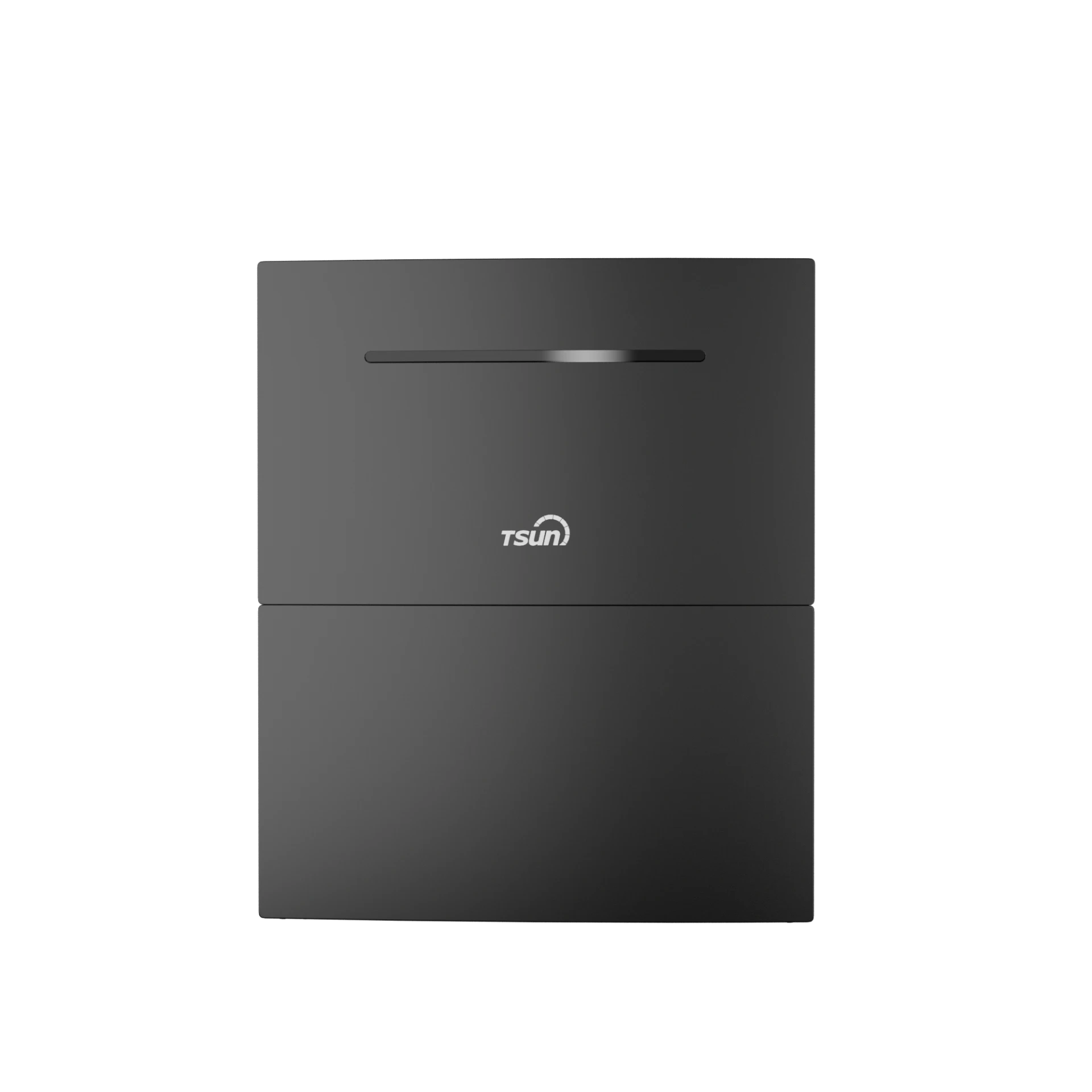
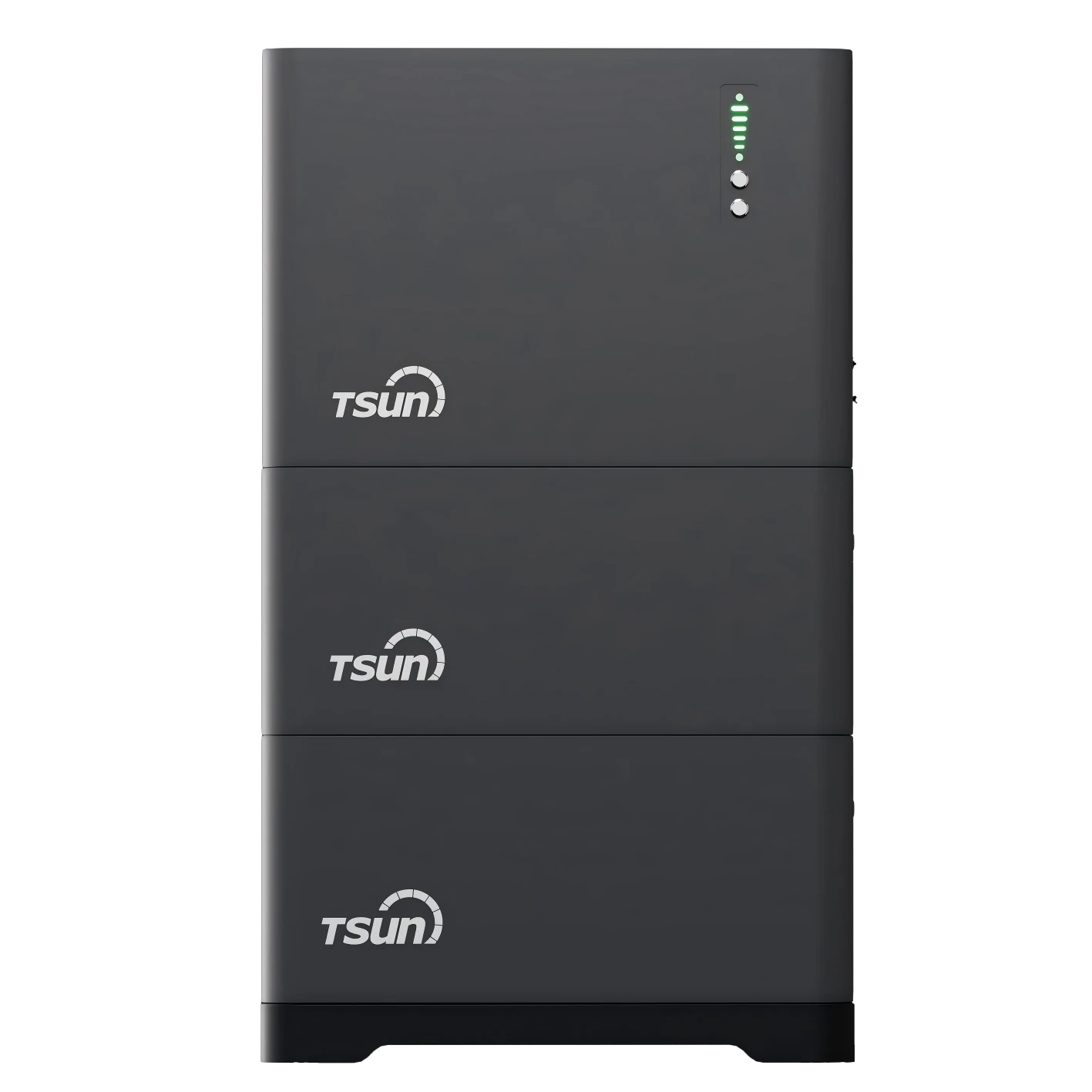
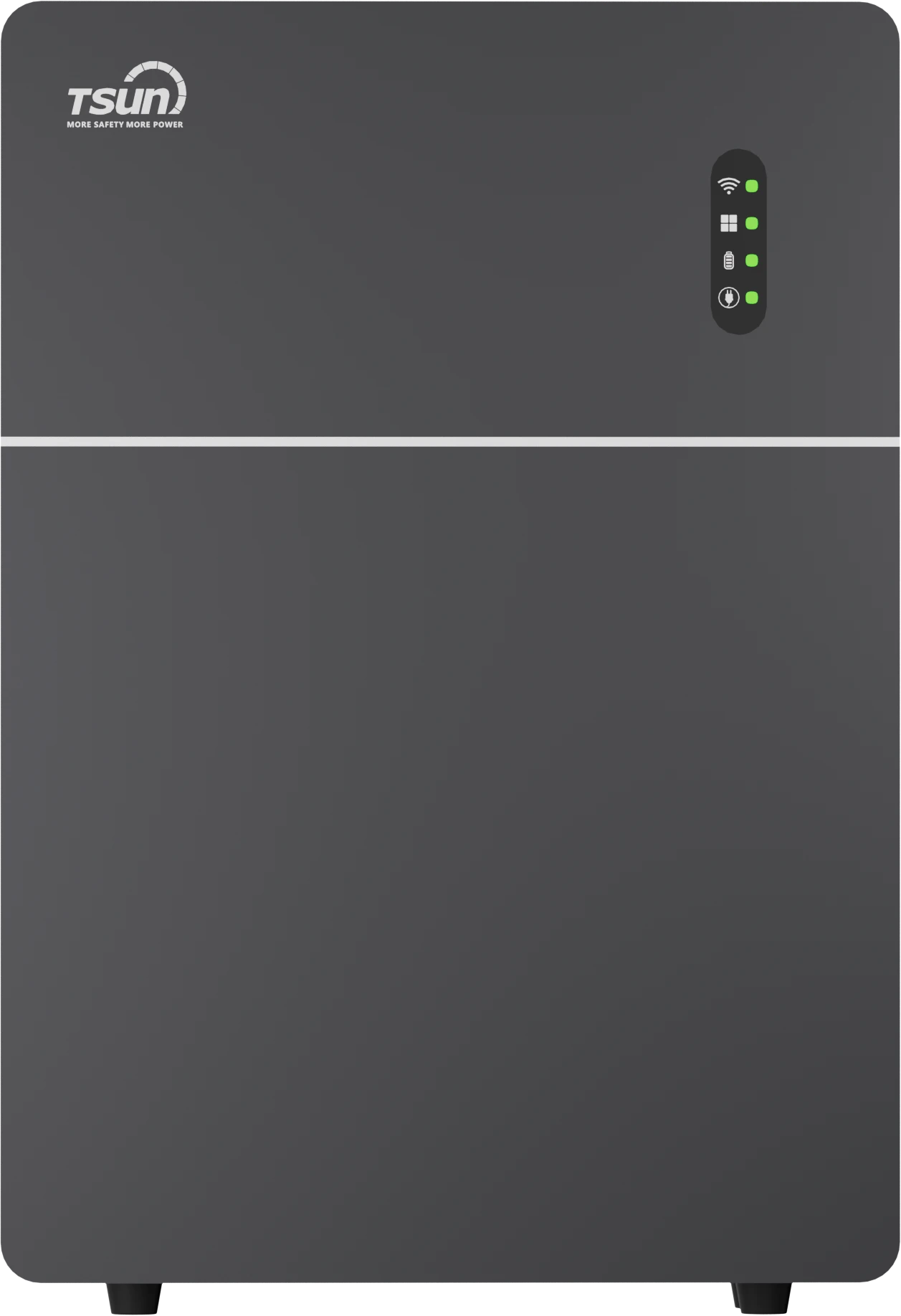
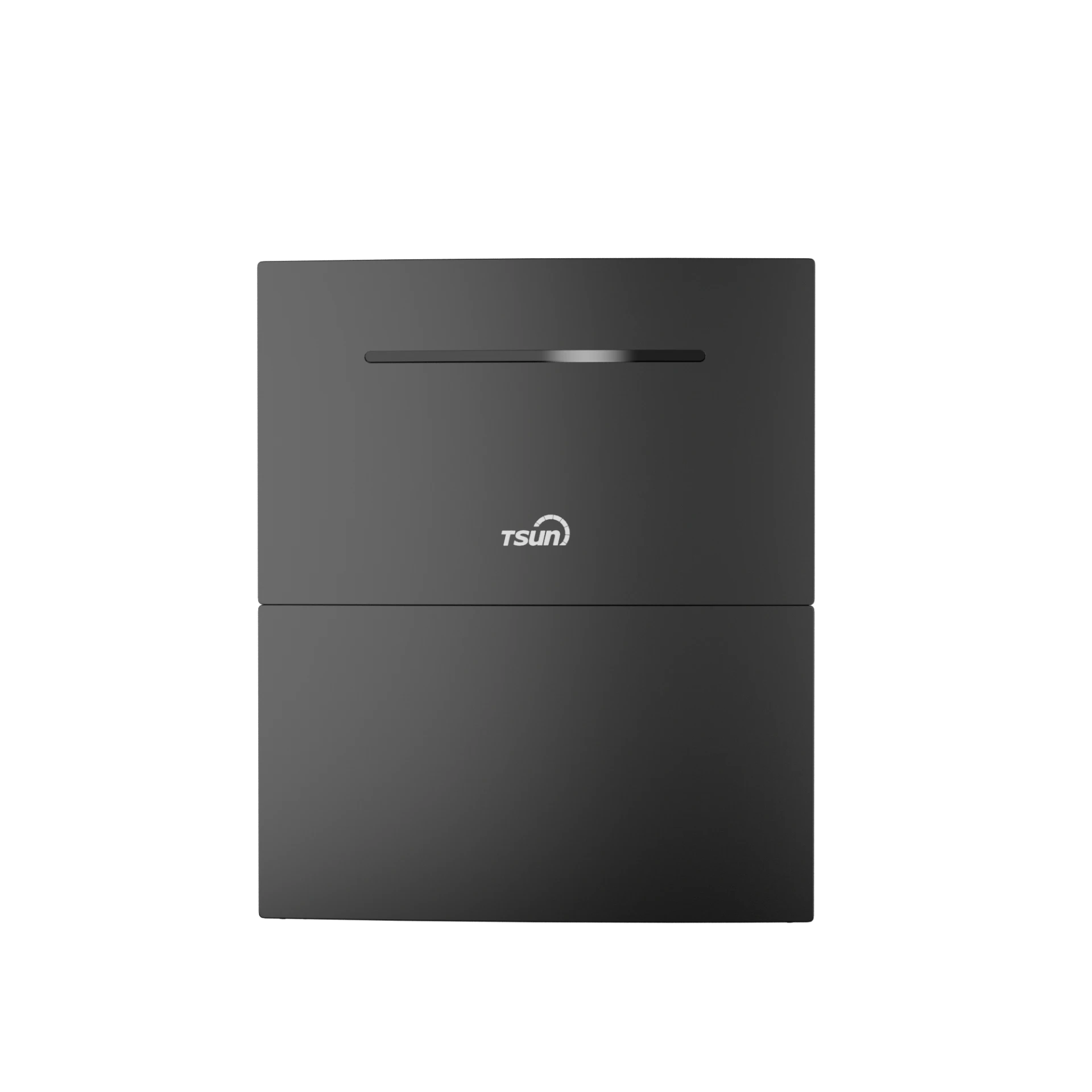
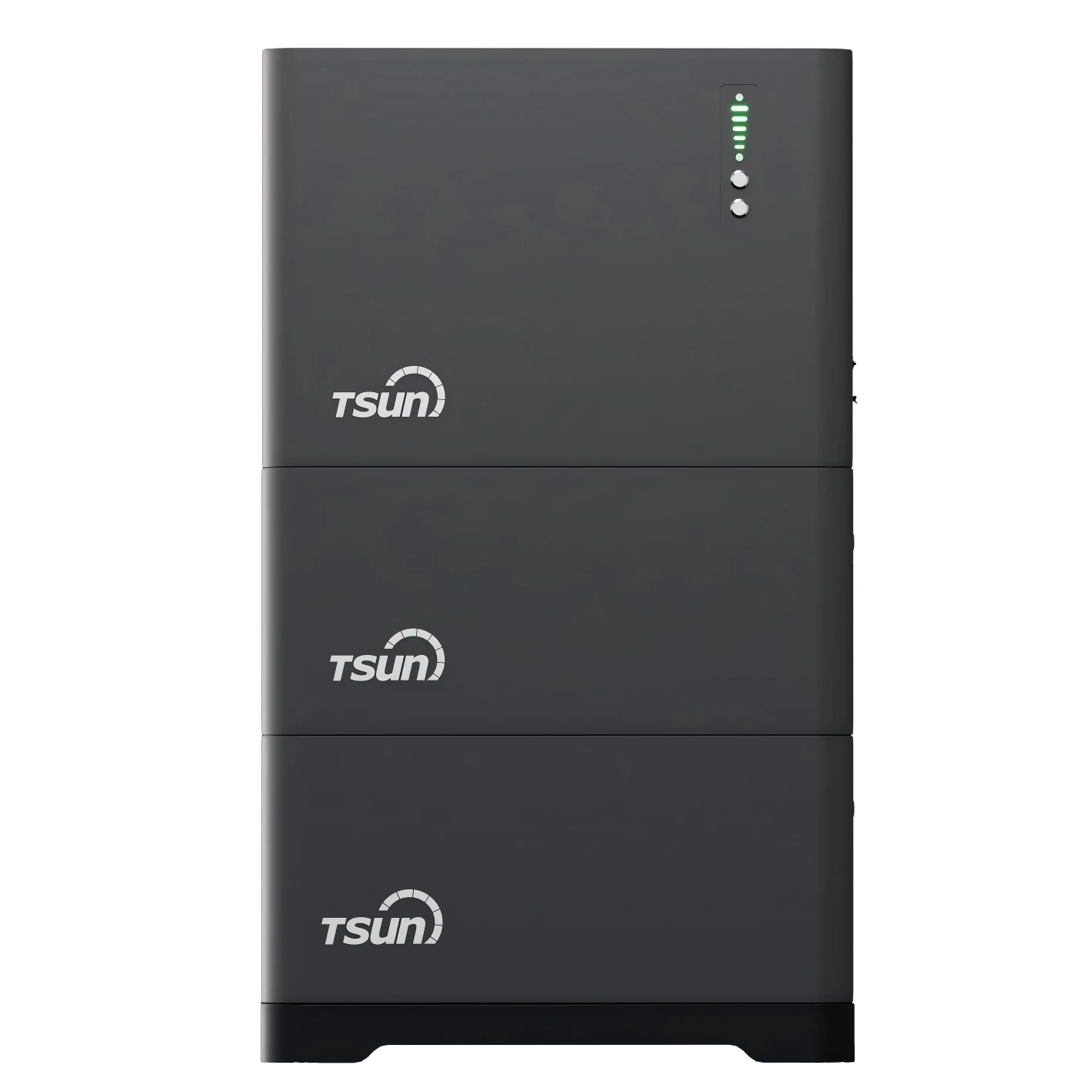
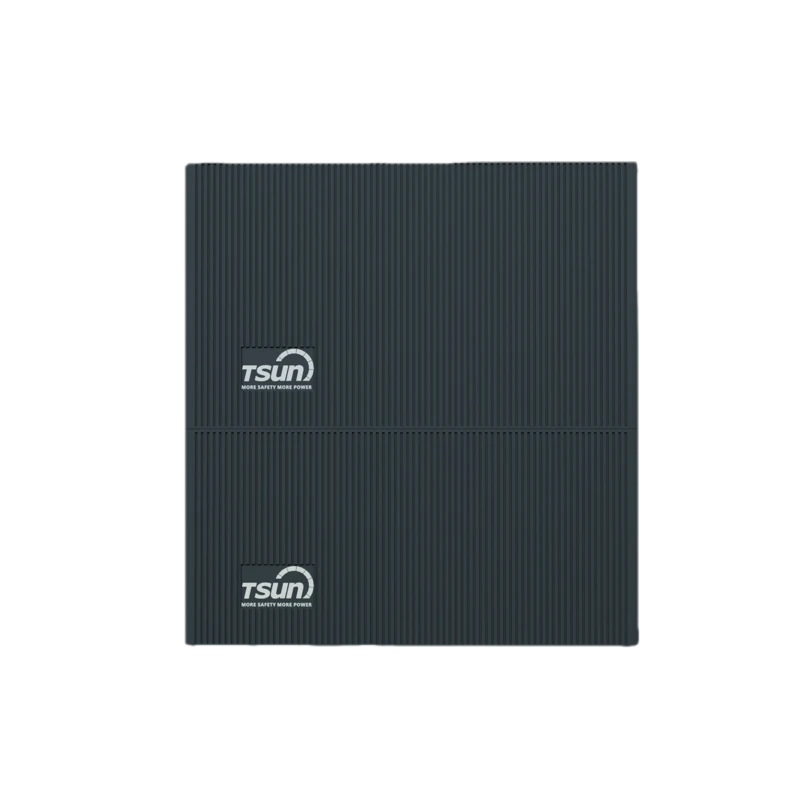
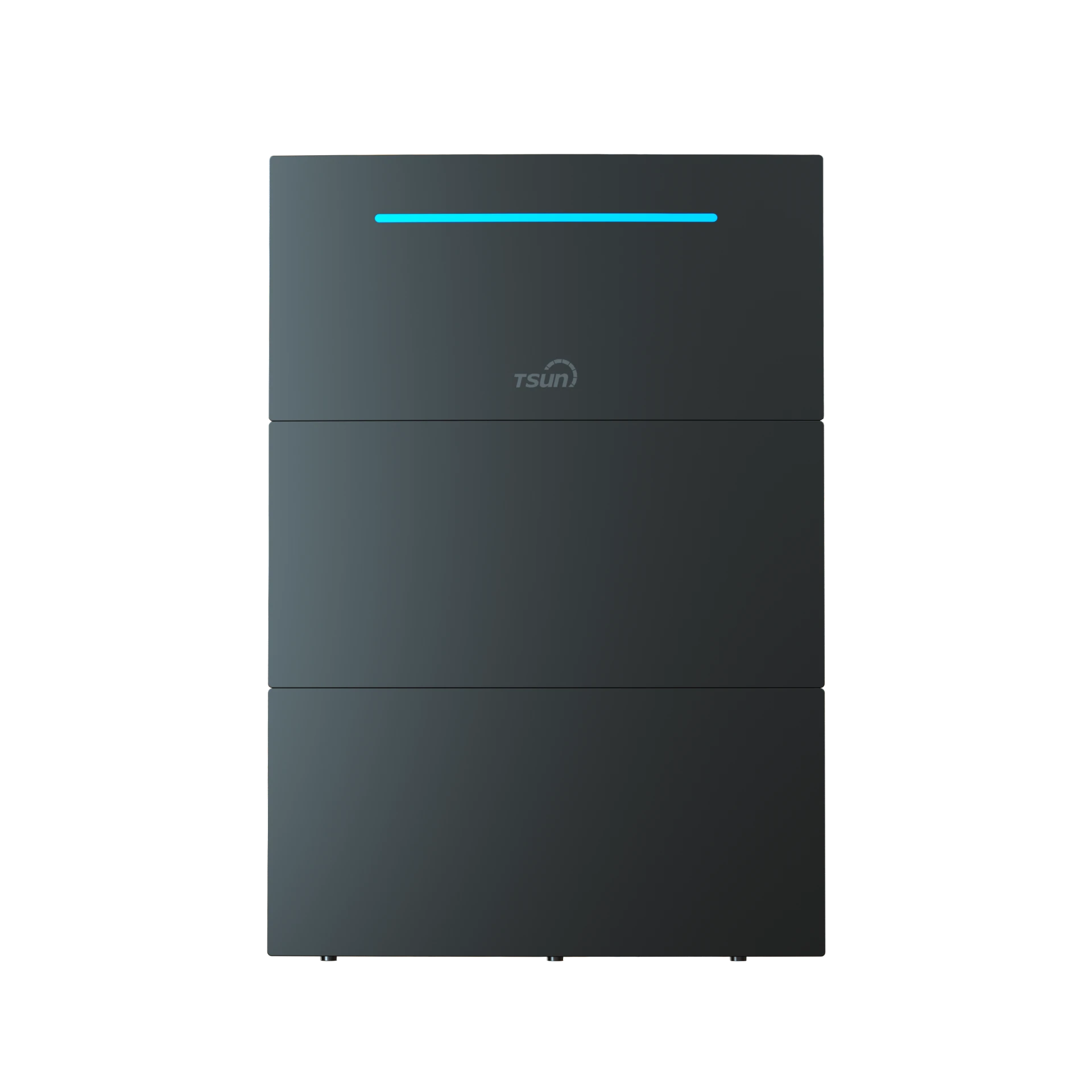
You see, most industrial-grade off grid solar power storage solutions now lean heavily on lithium iron phosphate batteries for their balance of safety and lifespan. I remember one project in a remote Northern site where lead-acid batteries failed miserably within three years. Switching to LiFePO4 changed the game completely — fewer replacements, less maintenance.
Choosing the Right Vendor: What I’ve Learned
Over the years, I’ve worked alongside quite a few vendors, comparing their offers, warranties, and additional tech integration. Here’s a quick glance so you can save some legwork.
| Vendor |
Warranty |
Integrations |
Price Range |
Support |
| Tsun ESS |
10 years / 6000 cycles |
Smart controls & cloud monitoring |
Mid to high |
Excellent, tailored for remote sites |
| PowerSafe |
8 years / 5000 cycles |
Basic remote monitoring |
Mid |
Good, but limited off-hours support |
| EcoVolt |
5 years / 3000 cycles |
No cloud options |
Lower |
Basic phone support |
Honestly, though, what I value most is how responsive a vendor is post-installation. There was a case where a remote mining client noticed a slight inefficiency in their system after six months — a quick chat with Tsun ESS support led to a firmware update via cloud, improving performance without the need for a costly site visit.
Of course, no system is 100% foolproof, and every site throws its own quirks at you. But investing in a well-tested, flexible storage solution with solid manufacturer support tends to save you headaches down the road. You get to sleep a little easier, knowing your power’s there when you need it.
If you’re on the lookout for dependable off grid solar power storage solutions, doing your homework with specs and vendor history really pays off.
1. Personal experience from over 15 years in remote industrial equipment
2. Industry standards and battery manufacturer data sheets
3. Client feedback and real-world installation outcomes







 LEARN DETAILS
 Downloads
 Video Center
 Report Fault for Repair
 FAQS
FAQS Service Network
 Privacy Policy
 Contact Us
 Monitoring


 LEARN MORE