Grid Tie Microinverter: Small Device, Big Impact for Solar Power
After spending more than a decade working hands-on in industrial equipment, I’ve seen a lot of tech come and go, but microinverters are a bit special. When it comes to grid tie microinverters, I notice how they quietly change the game for solar power systems—making the whole setup more efficient and reliable without much fuss.
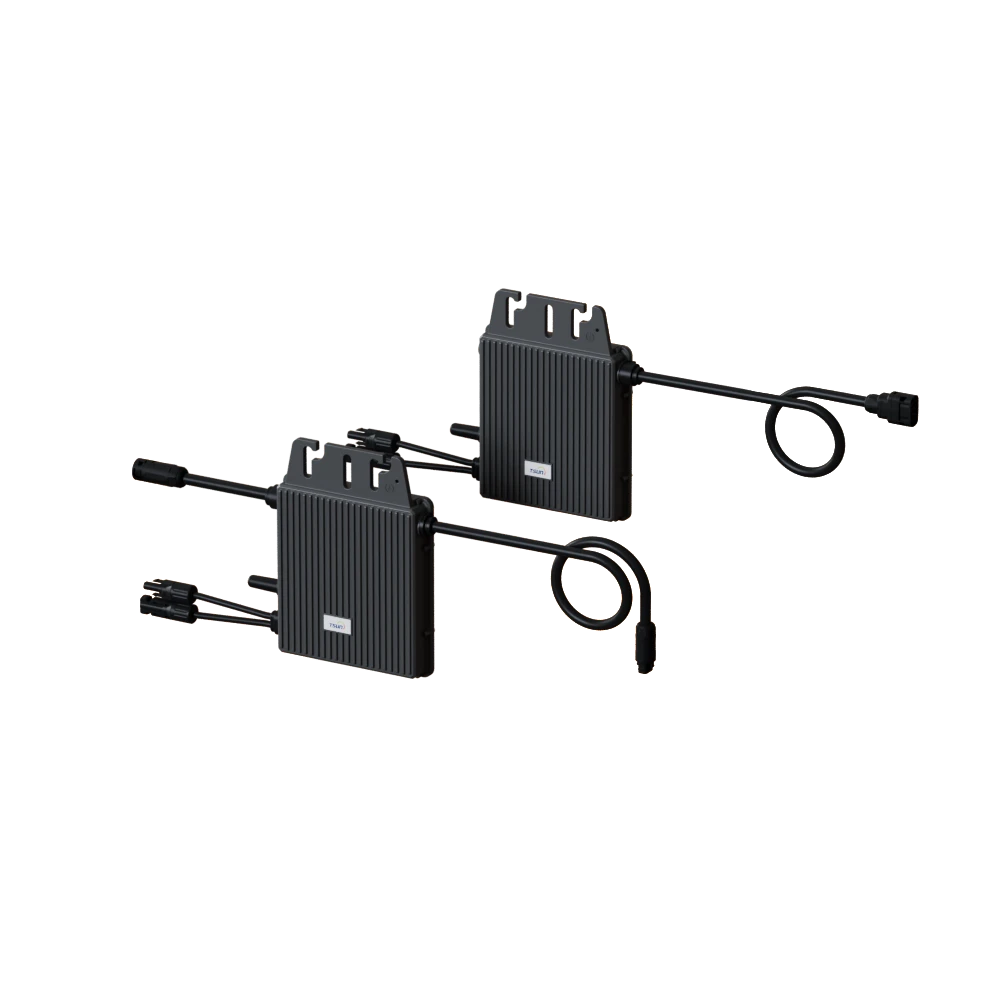
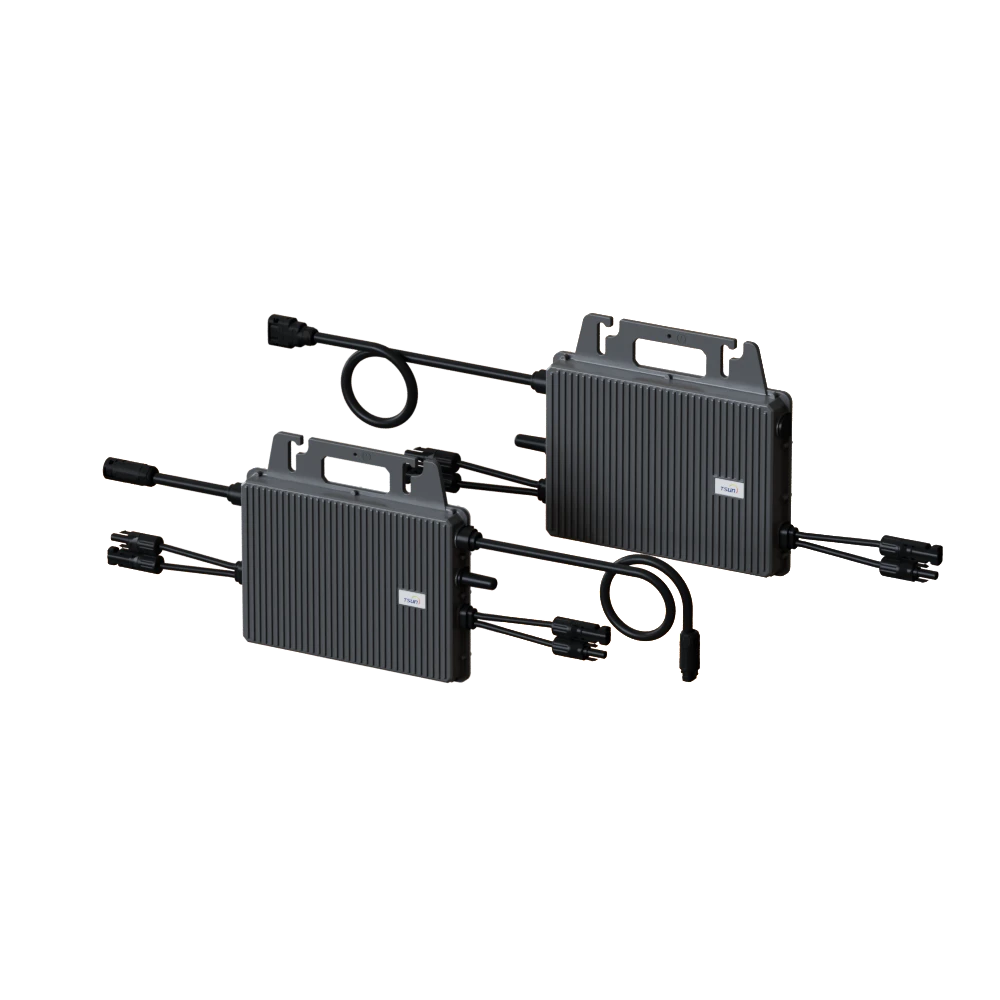
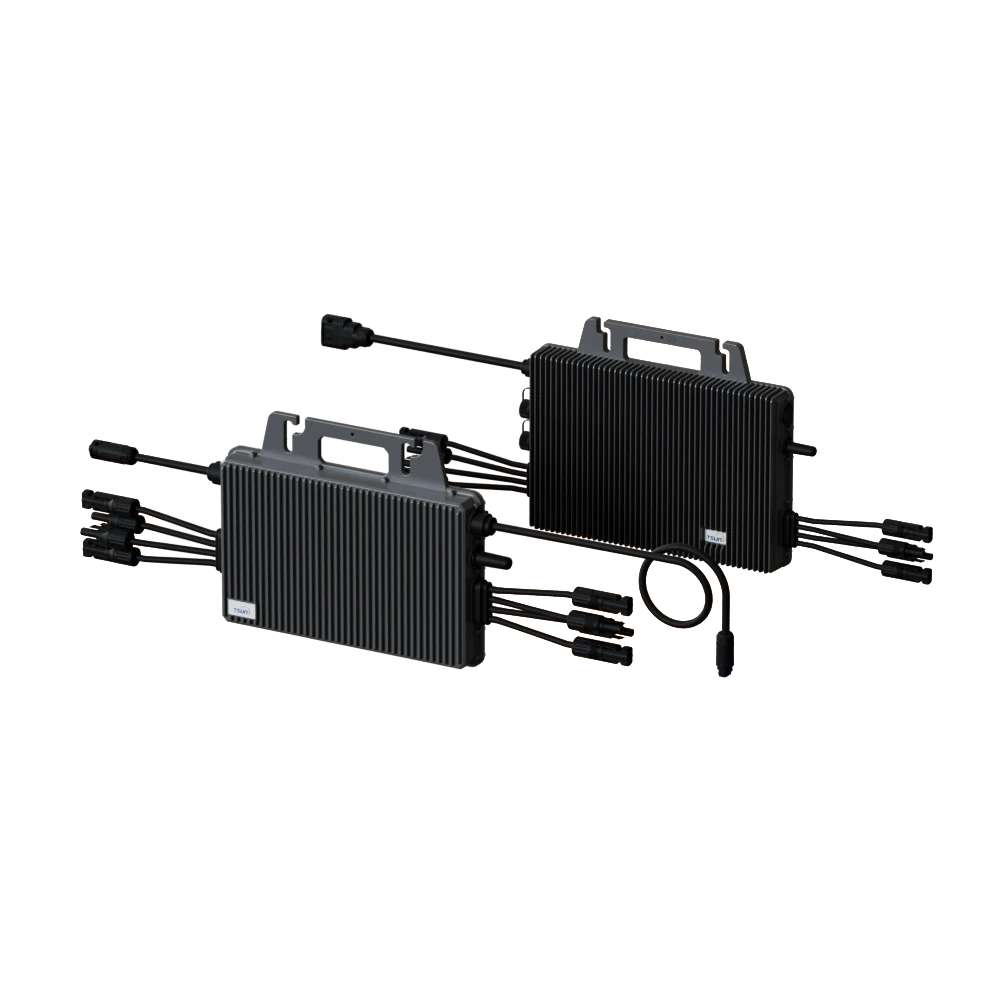
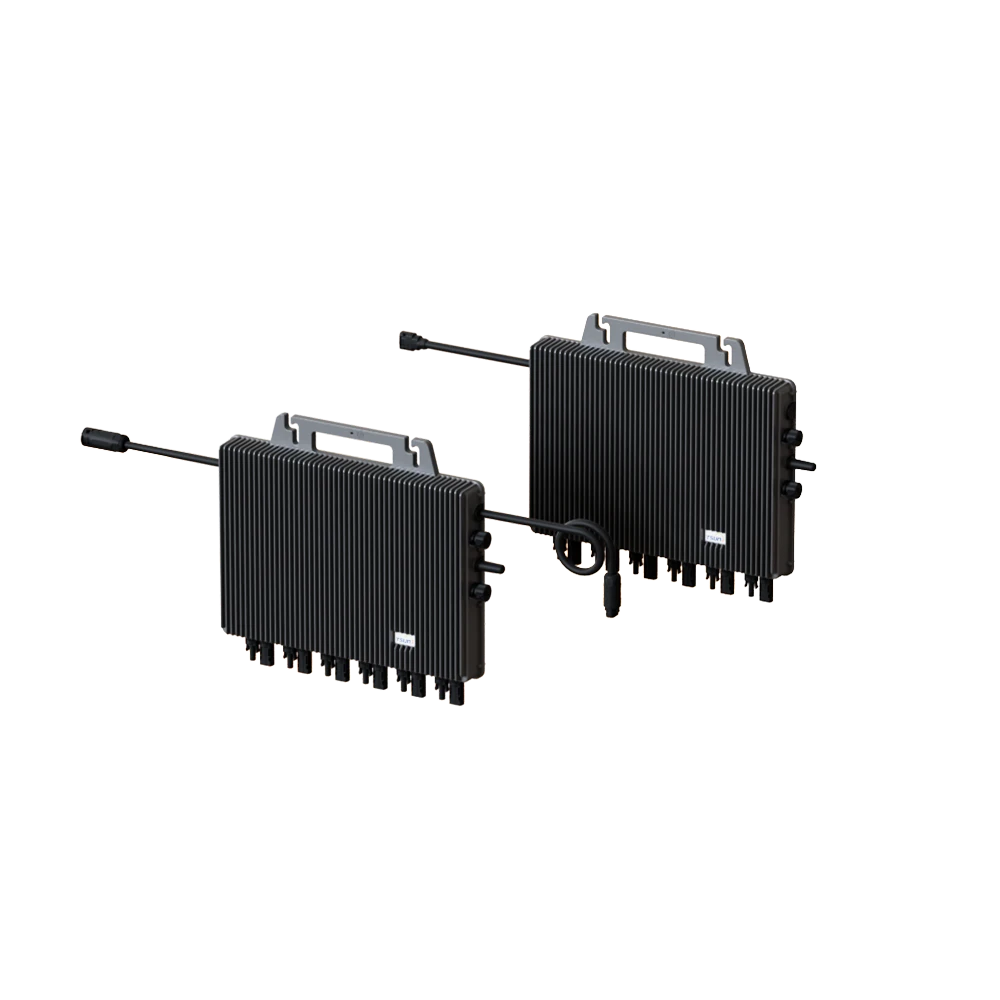
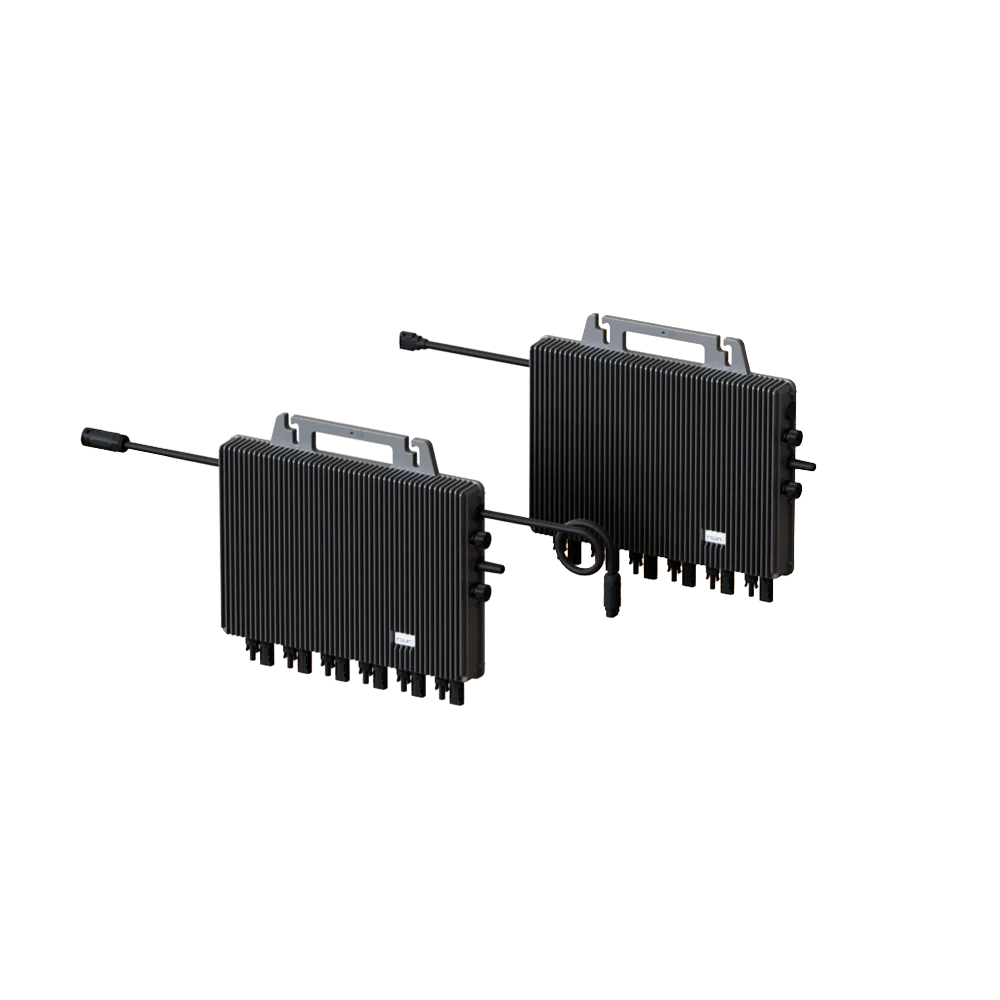
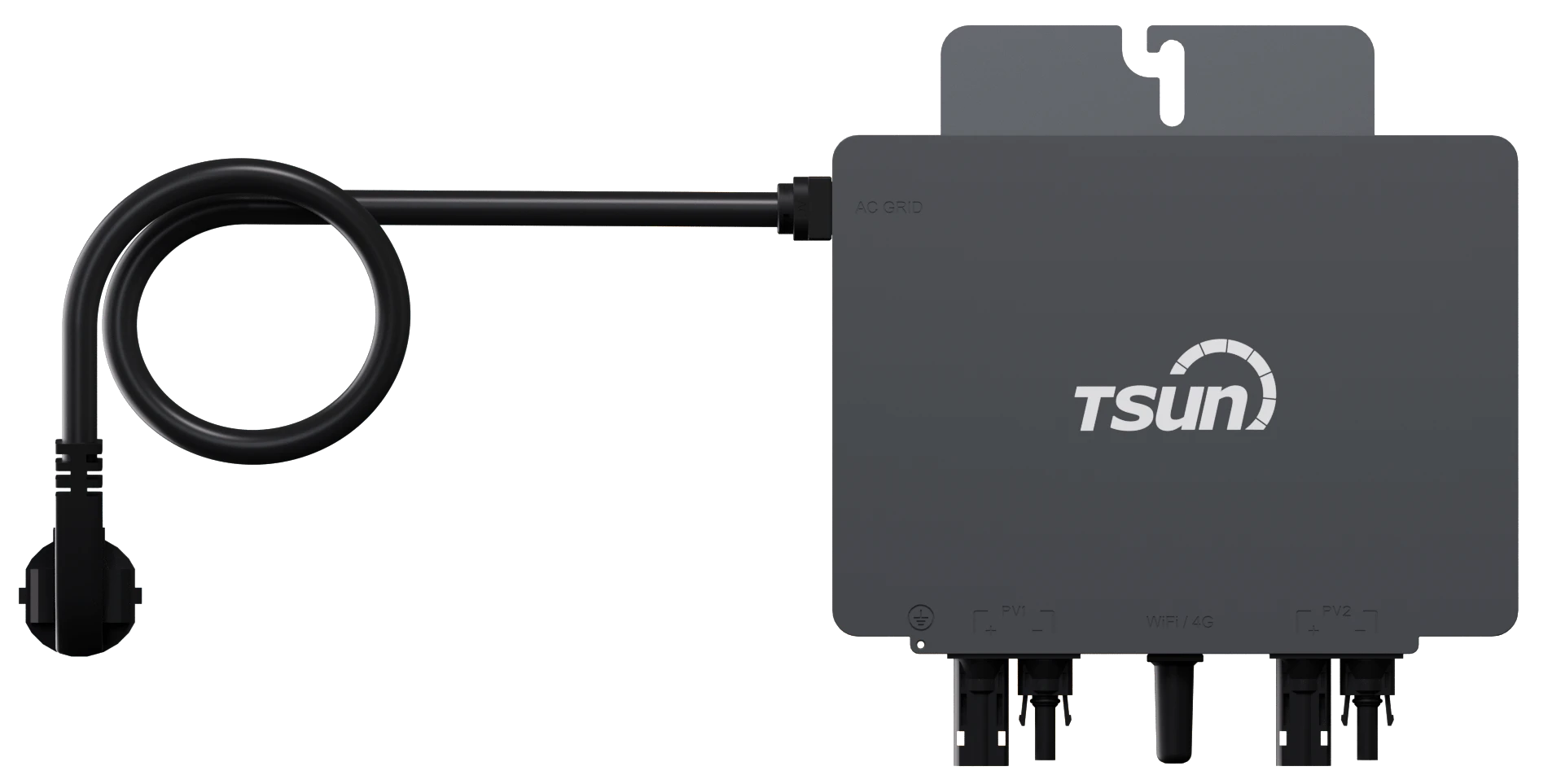
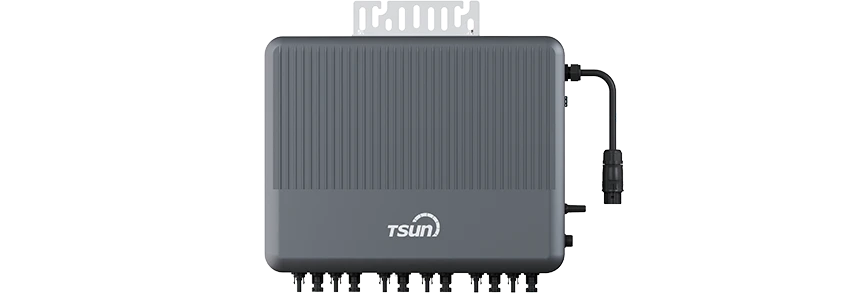
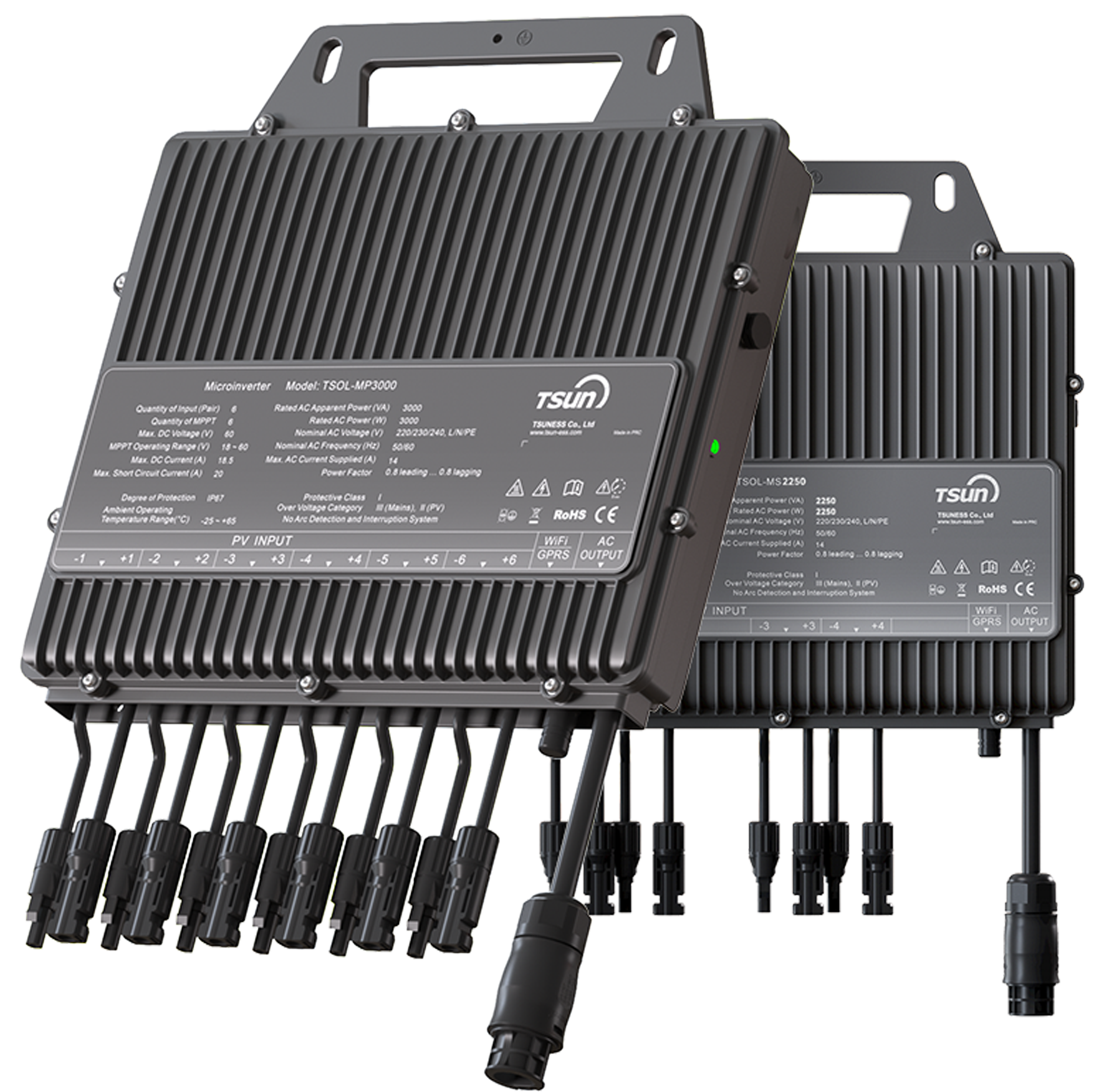
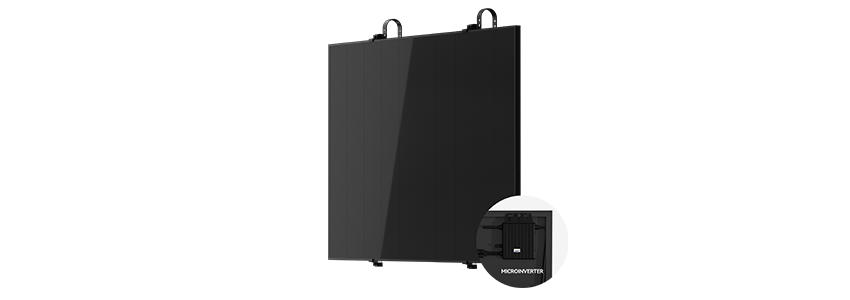
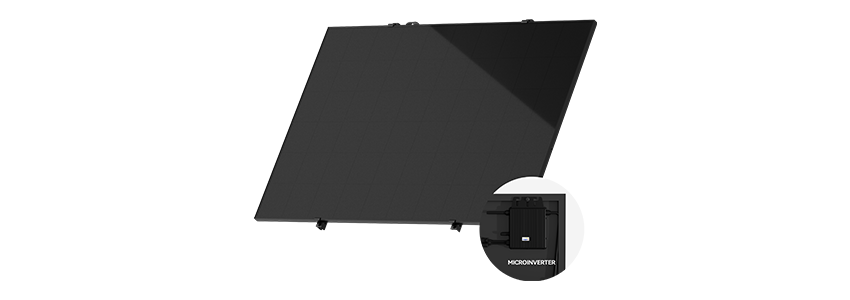
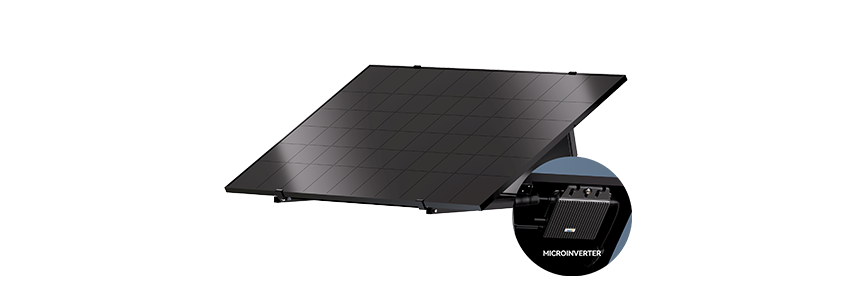
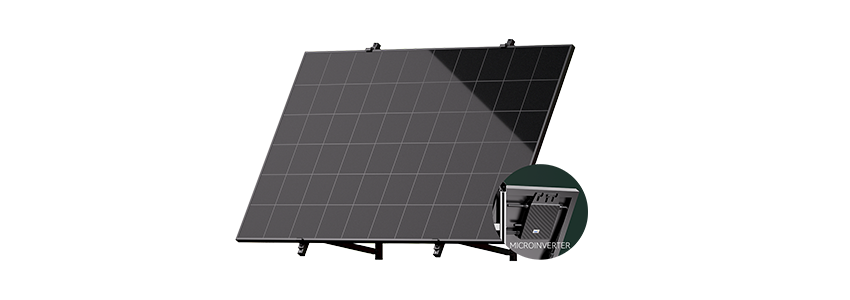
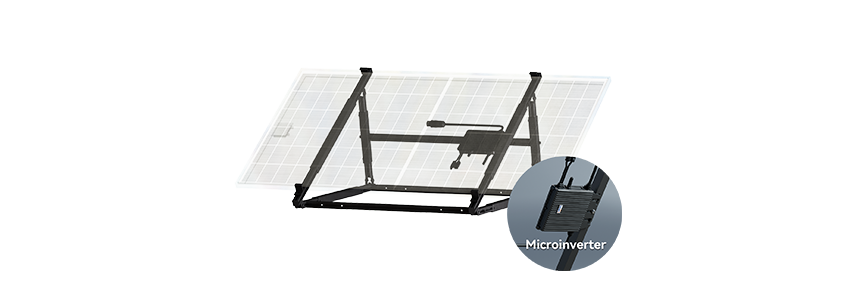
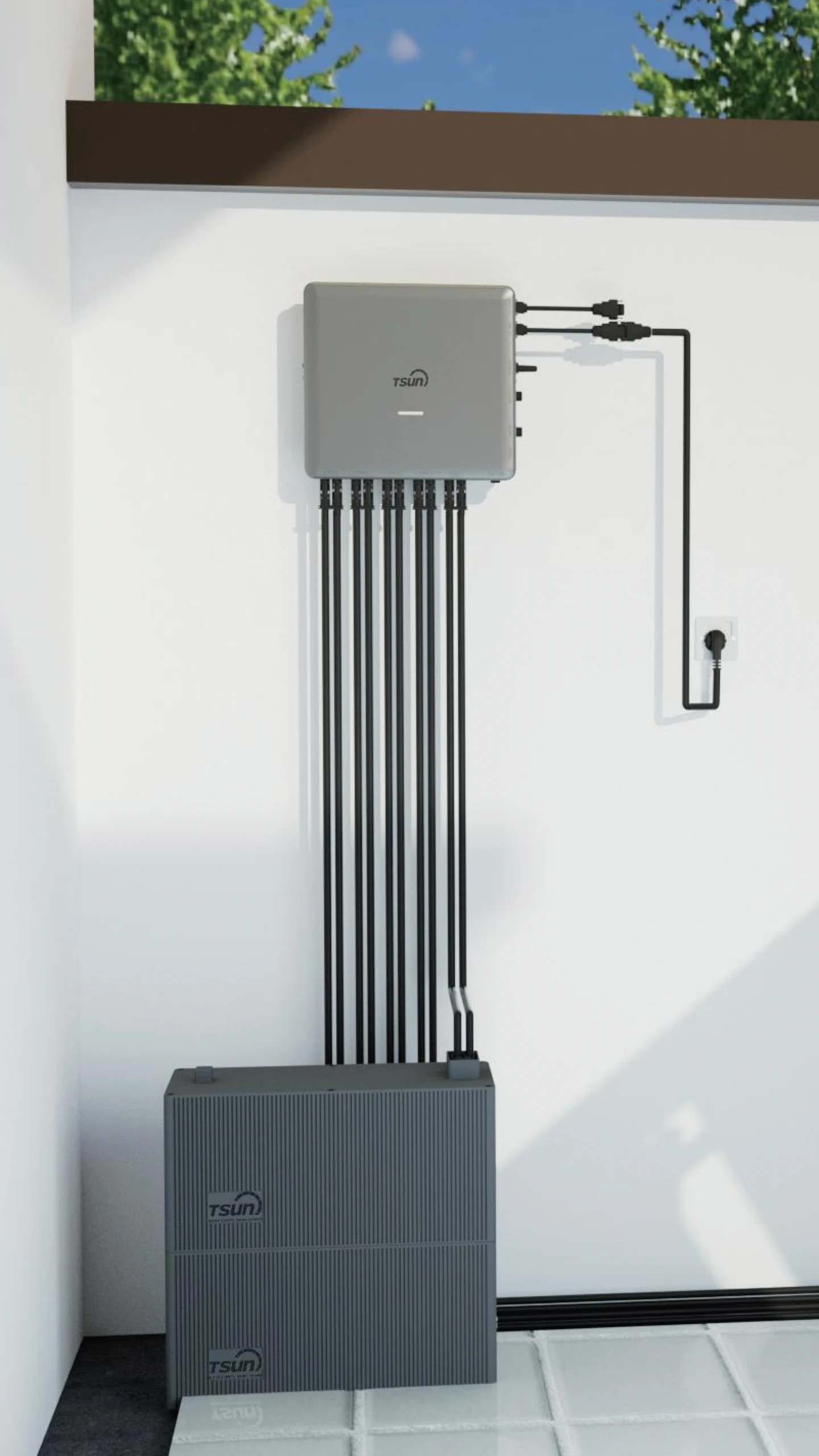
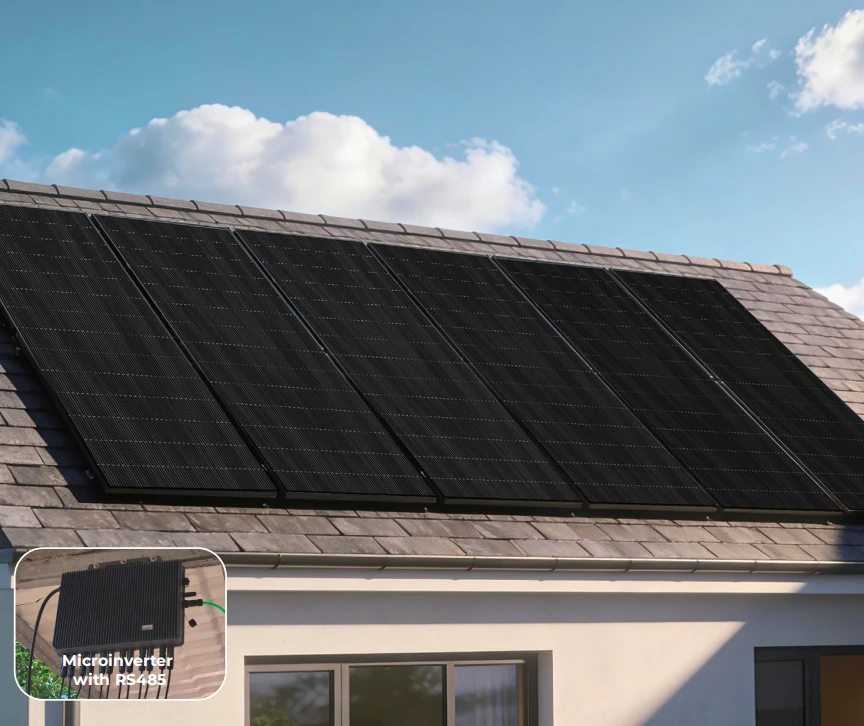
In simple terms, a microinverter converts the DC electricity generated by a solar panel into AC electricity that a home or the grid can use. Unlike traditional string inverters that handle many panels at once, a microinverter works on each solar panel individually. This might sound minor, but in real terms, it means better flexibility and performance, especially when panels face shading or different orientations.
The trend toward microinverters has been growing yearly. Frankly, many engineers I know appreciate them because they spread risk — if one panel underperforms or fails, it doesn’t drag down the whole array’s output. And you don’t have to install costly power optimizers either. It’s somewhat intuitive but took time for the market to adapt.
Now, if you’re considering integrating a microinverter into your system, product specs matter—especially durability, efficiency, and safety certifications. I’ve compiled a spec overview from a leading product to give you a clearer idea:
| Specification |
Detail |
| Max Power Output |
300 Watts |
| Efficiency |
96.5% |
| Input Voltage Range |
22 V – 55 V DC |
| Output Voltage |
230 V AC / 60 Hz |
| Operating Temperature |
-40°C to +60°C |
| Warranty |
25 Years |
Of course, not all microinverters are created equal. Sourcing the right one means balancing cost, reliability, and the vendor’s support network. Here’s a quick look comparing some popular microinverter vendors based on parameters that matter most in industrial and commercial projects:
| Vendor |
Average Efficiency |
Warranty |
Ease of Installation |
Support & Updates |
| Vendor A |
96.5% |
25 Years |
Very Easy |
Regular Firmware Updates |
| Vendor B |
95.2% |
20 Years |
Moderate |
Limited Support |
| Vendor C |
97.1% |
10 Years |
Challenging |
Good Support |
Oddly enough, while specifications look good on paper, I always tell customers that real-world reliability often depends on installation quality and aftersales service. That’s where vendor responsiveness and practical support tools come into play.
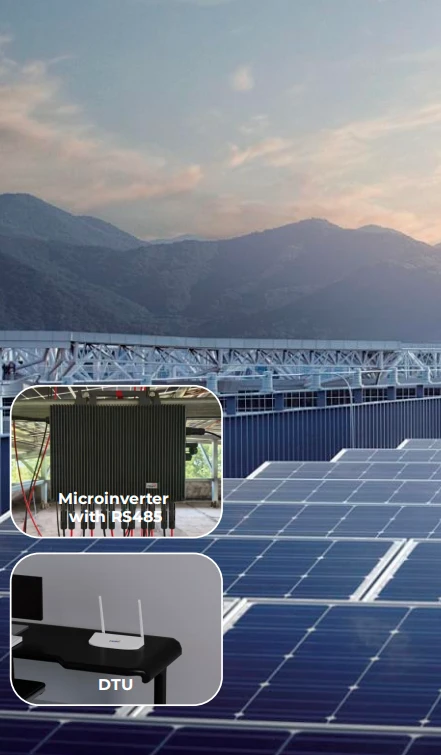
Speaking of varied real-world situations, I recall a mid-sized commercial client who switched from a traditional string inverter system to one populated with microinverters. Within the first six months, they noticed not only a 5% increase in power harvest but also simpler troubleshooting. One rooftop panel was shaded intermittently by a new antenna—rather than pulling down the entire string’s output, only that single microinverter’s output dropped, leaving the rest unaffected. Makes total sense, right?
From an industrial perspective—handling maintenance, safety, and system upgrades—microinverters add a layer of modular convenience that frankly wasn’t available before. They also make system expansions more manageable since you simply add more panels with their own inverters rather than overhaul central equipment.
Of course, the upfront cost is higher compared to string inverters, and in large-scale projects, this can add up. Still, the promise of enhanced uptime and panel-level monitoring appeals to many engineers who value long-term resilience over short-term savings.
If you want to explore quality microinverters for your solar installation, I suggest checking out various vendors who can tailor solutions to your site’s unique needs—and, of course, consider products backed by thorough testing and good warranties. For a reliable starting point, grid tie microinverters from trusted suppliers can really smooth out those headaches we all expect but don’t want.
Well, that’s my take based on years in the field—tools like these quietly shape smarter energy infrastructure, one panel at a time.
References:
- Industry standards overview, IEC & UL certifications for solar microinverters
- Vendor datasheets and warranty comparison reports, 2023
- Case study notes from a commercial solar project, 2022
In the end, the real value of a grid tie microinverter lies in its little independence—letting each panel work at its best, quietly and reliably.



 LEARN DETAILS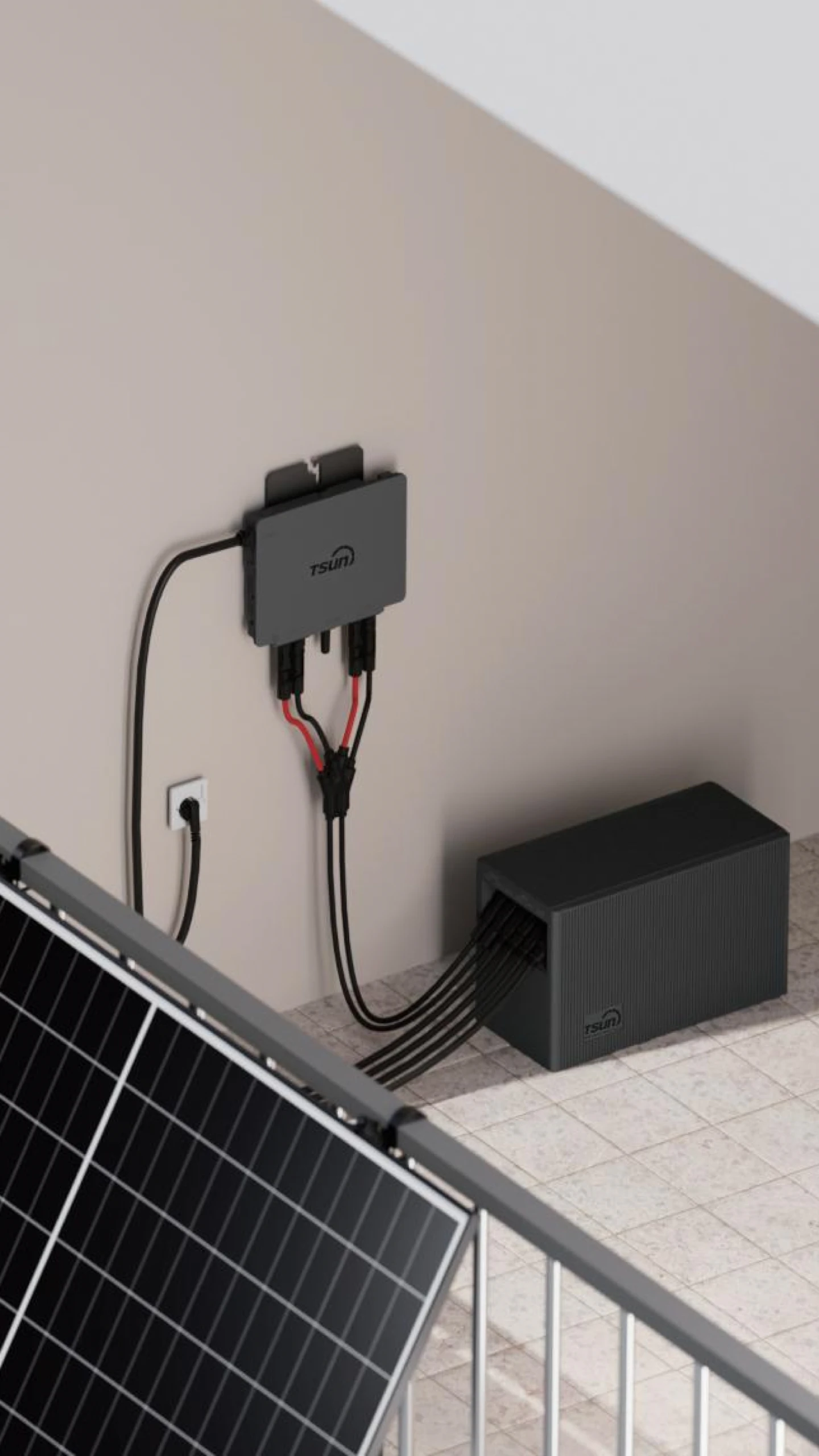

 Downloads
 Video Center
 Report Fault for Repair
 FAQS
FAQS Service Network
 Privacy Policy
 Contact Us
 Monitoring


 LEARN MORE