Understanding solar microinverter price: What to Expect and Why It Matters
If you’ve ever gotten your hands dirty in industrial equipment or renewable energy projects, you probably already know that pricing for solar microinverters isn’t as straightforward as just spotting a number on a datasheet. Frankly, it’s more like an art mixed with science, and every element—from design specs to vendor choice—plays a role in the final tally. I’ve been around enough solar jobs to notice subtle shifts in how prices move around, and maybe it’s useful to share a few of those observations here. Let’s dig into what influences the cost, what you can expect, and, oddly enough, why sometimes paying a bit more upfront actually makes loads of sense down the line.
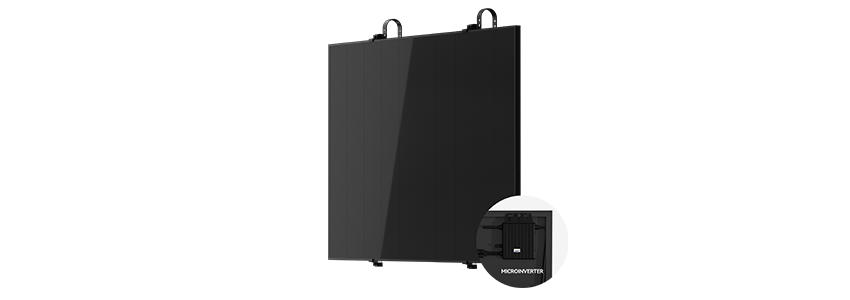
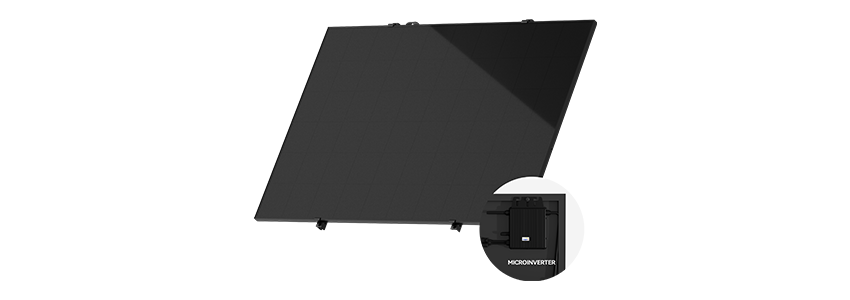
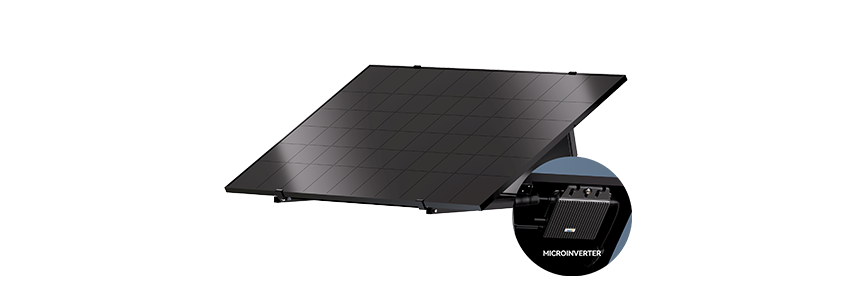
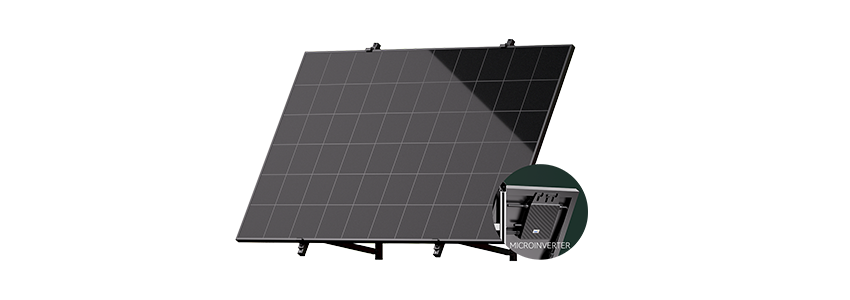
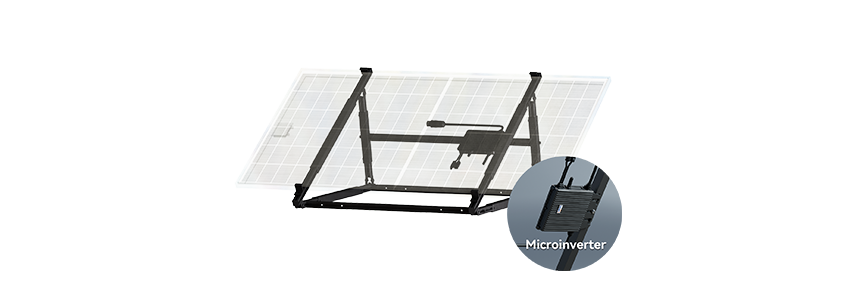
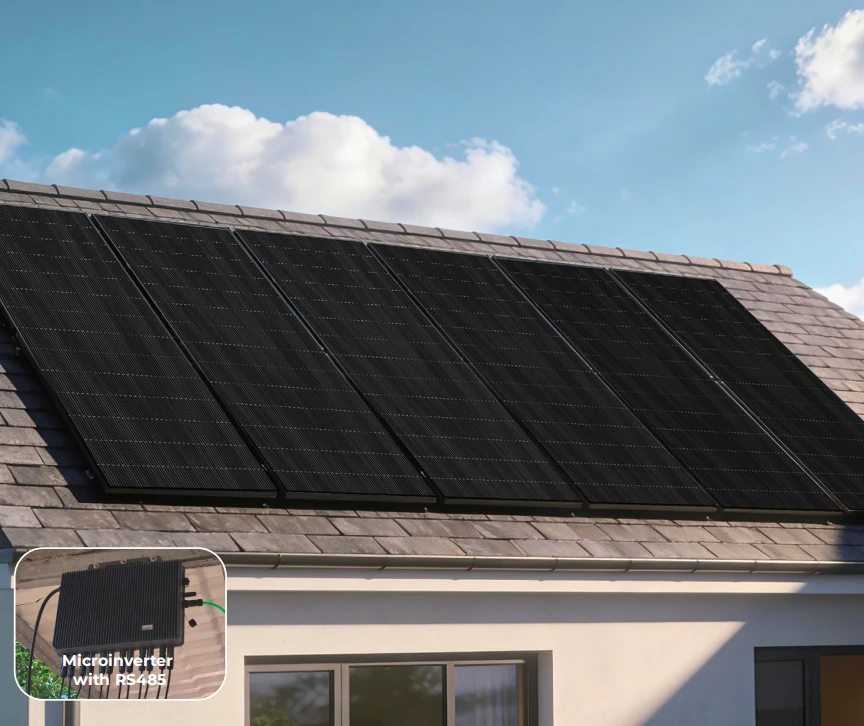
First off, some background. A solar microinverter converts DC power generated by individual solar panels into usable AC power. Unlike string inverters, these are attached per panel, which means they can maximize energy output even if some panels are shaded or dirty. Sounds great, right? But that added complexity means differential pricing too.
The main factors impacting solar microinverter price include:
- Power rating: Higher wattage microinverters cost more, naturally.
- Durability & warranty: Units rated for harsh conditions and longer warranties often carry a premium.
- Efficiency: More efficient models are engineered with better components; that adds to cost.
- Scalability and compatibility: If you plan to expand your system or need specific panel compatibility, that can affect pricing.
- Certification and testing: Devices tested against strict international standards or certified with things like UL, CE tend to cost more but reduce headaches.
In real terms, from my experience sourcing and working with these devices, standard residential microinverters hover roughly between $100 to $250 per unit. If you’re looking for commercial-grade, or more feature-rich systems—think integrated monitoring, better thermal management, or advanced firmware—the price climbs accordingly. I remember a project last year where the client insisted on units with built-in rapid shutdown and remote monitoring. It bumped the price by nearly 30%, but the peace of mind was critical for their risk-averse insurance requirements.
Below is a quick glance at a typical microinverter's specs I often see, so you get an idea what features justify the price:
| Specification |
Typical Value |
Notes |
| Max Output Power |
250 W |
Suitable for most residential panels |
| Efficiency |
95-97% |
Higher means better energy harvest |
| Operating Temp Range |
-40°C to +65°C |
Ensures reliability outdoors |
| Warranty |
10-25 years |
Longer warranties usually pricier |
Now, picking a vendor is just as important. In my years, I’ve reckoned the differences between manufacturers can sometimes impact both the quality and final price more than specs alone. Here’s a simple comparison of some well-known microinverter suppliers to give you a ballpark idea:
| Vendor |
Price Range per Unit |
Warranty |
Special Features |
| Enphase |
$180 - $250 |
25 years |
Integrated monitoring, rapid shutdown |
| APsystems |
$130 - $200 |
10-15 years |
Multi-module microinverters, cost-efficient |
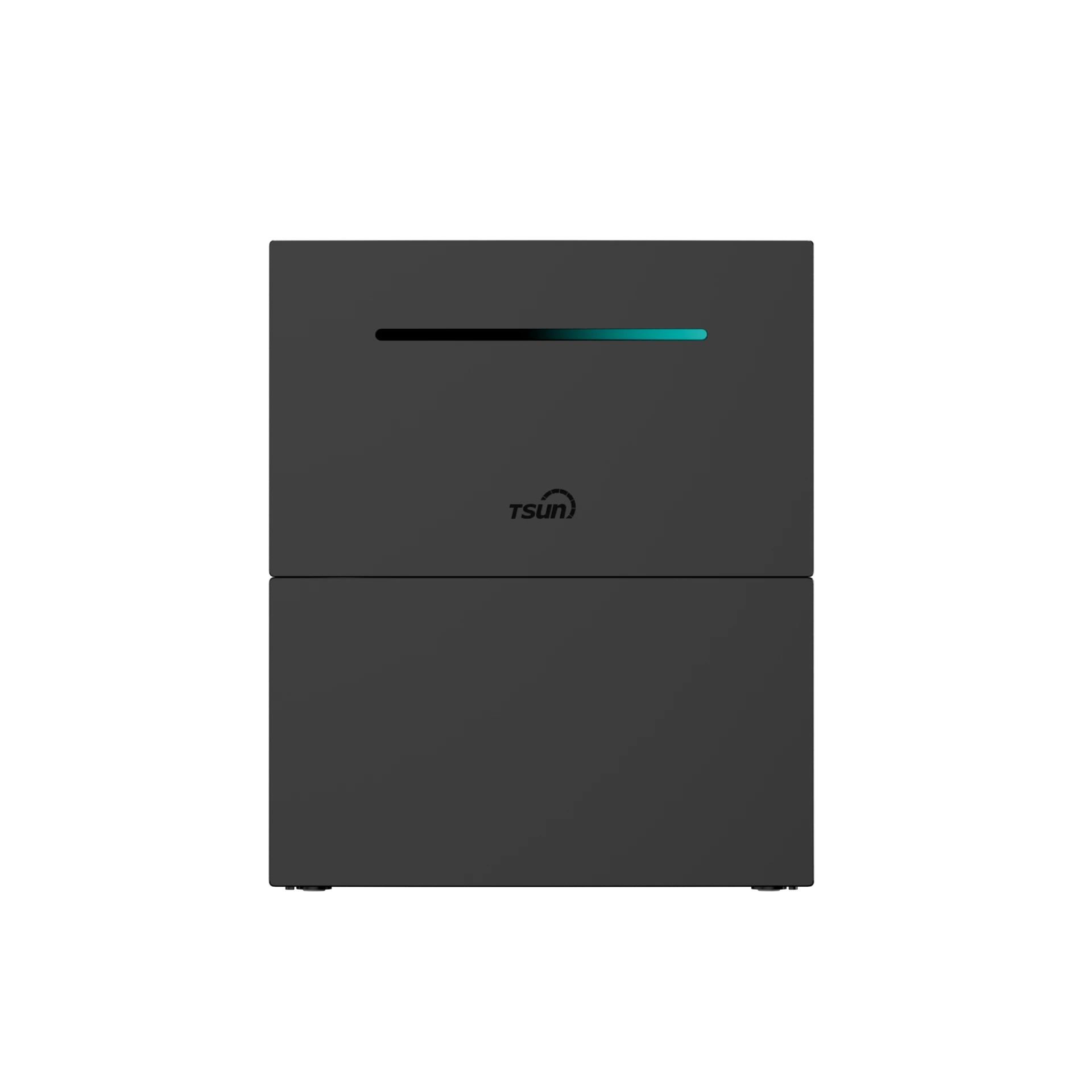
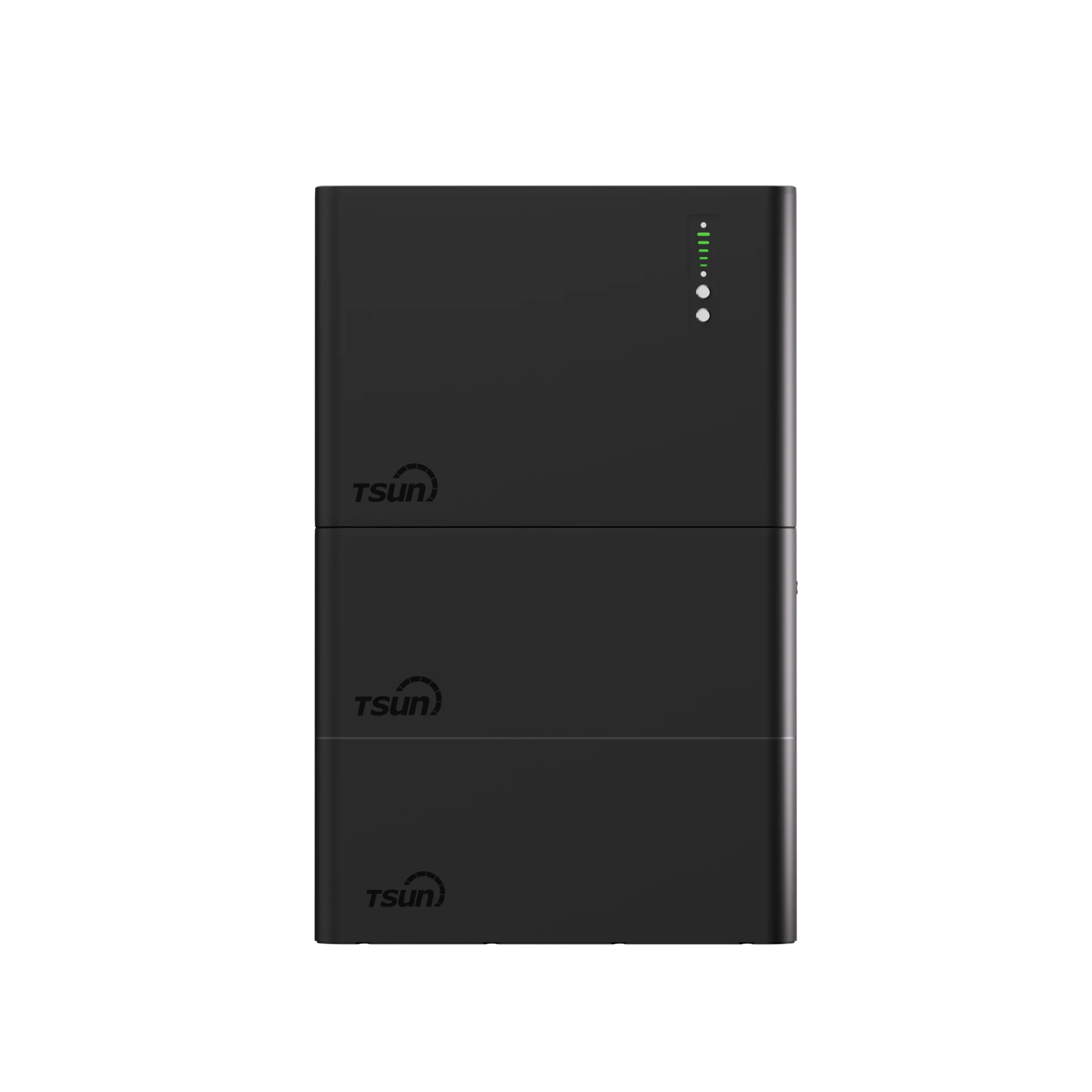
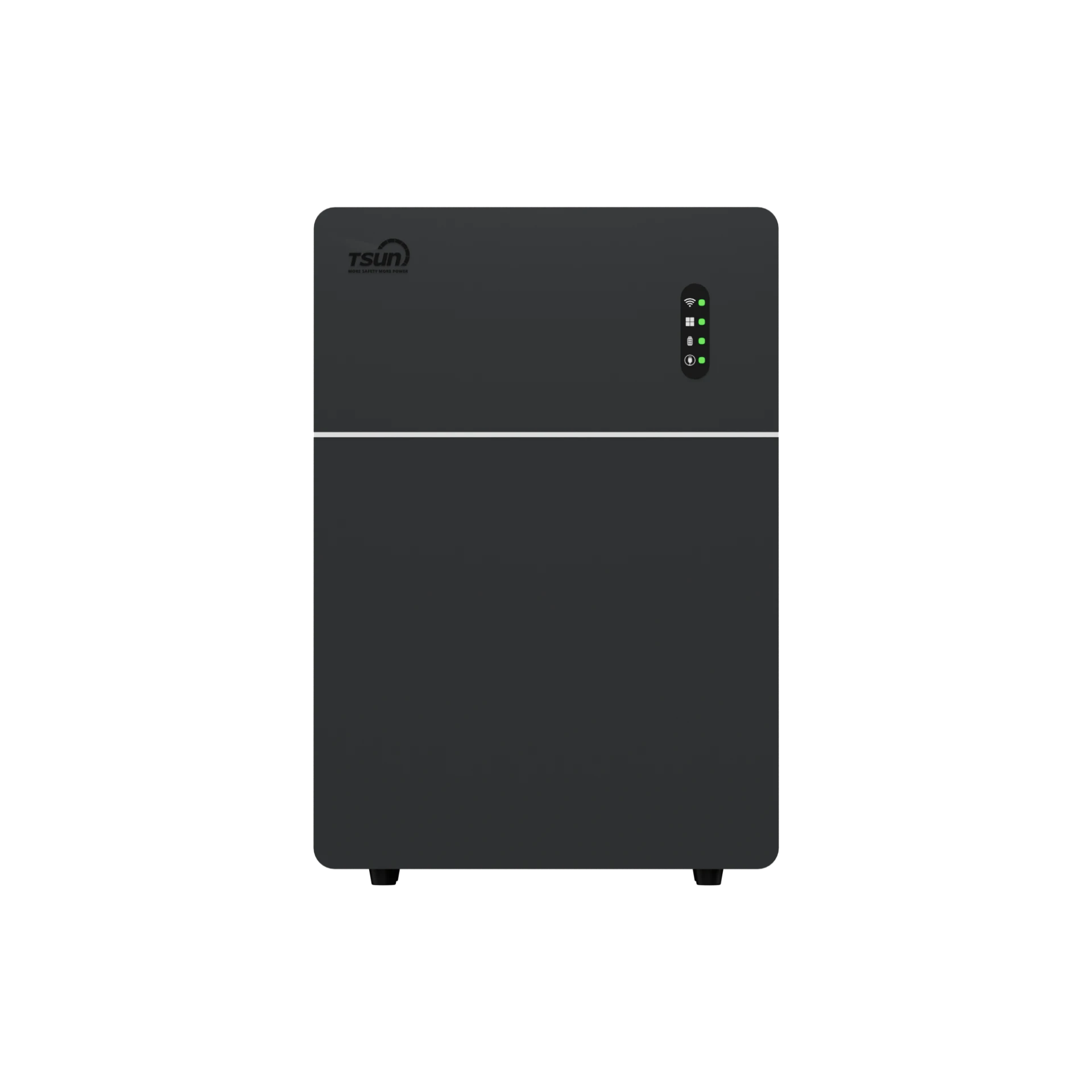
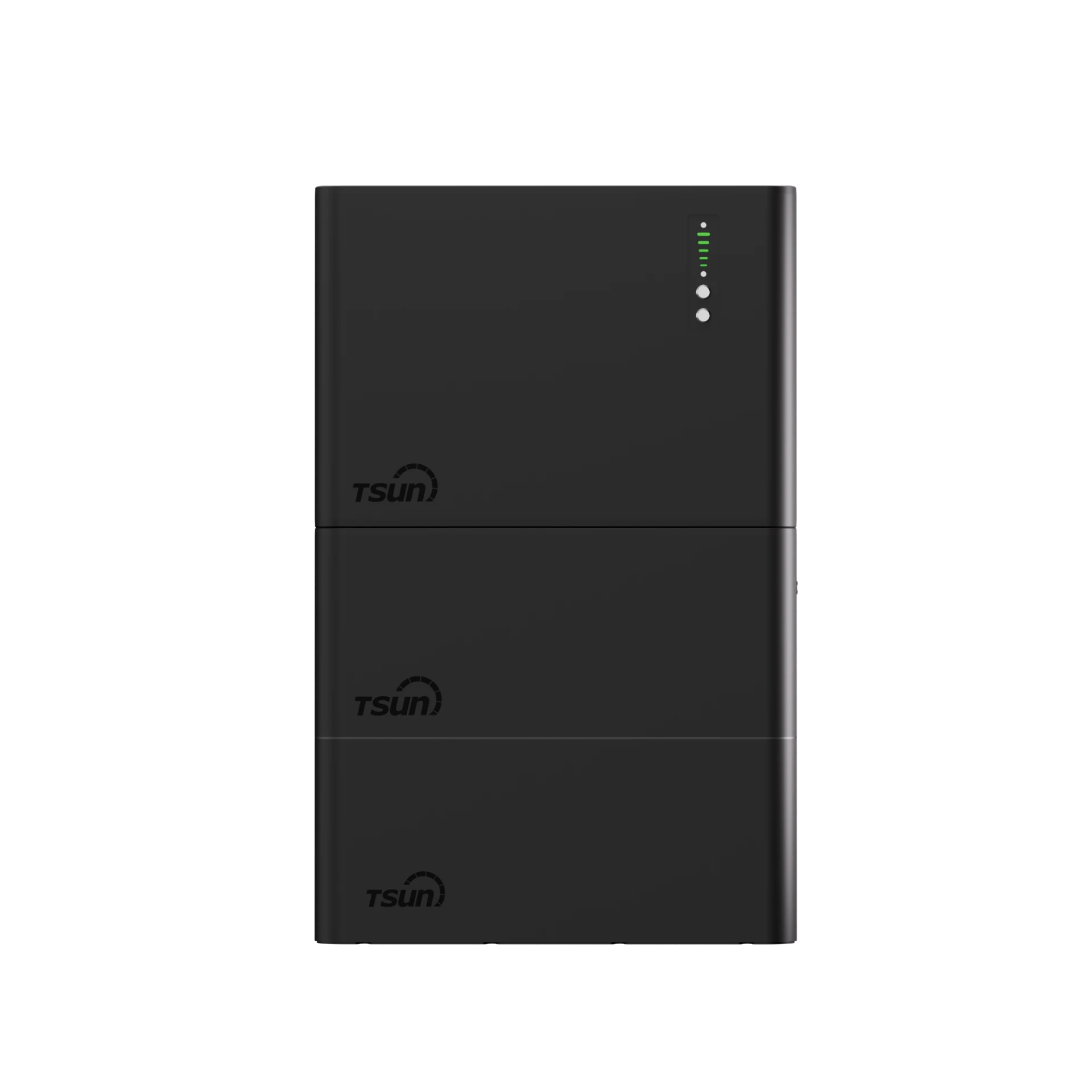
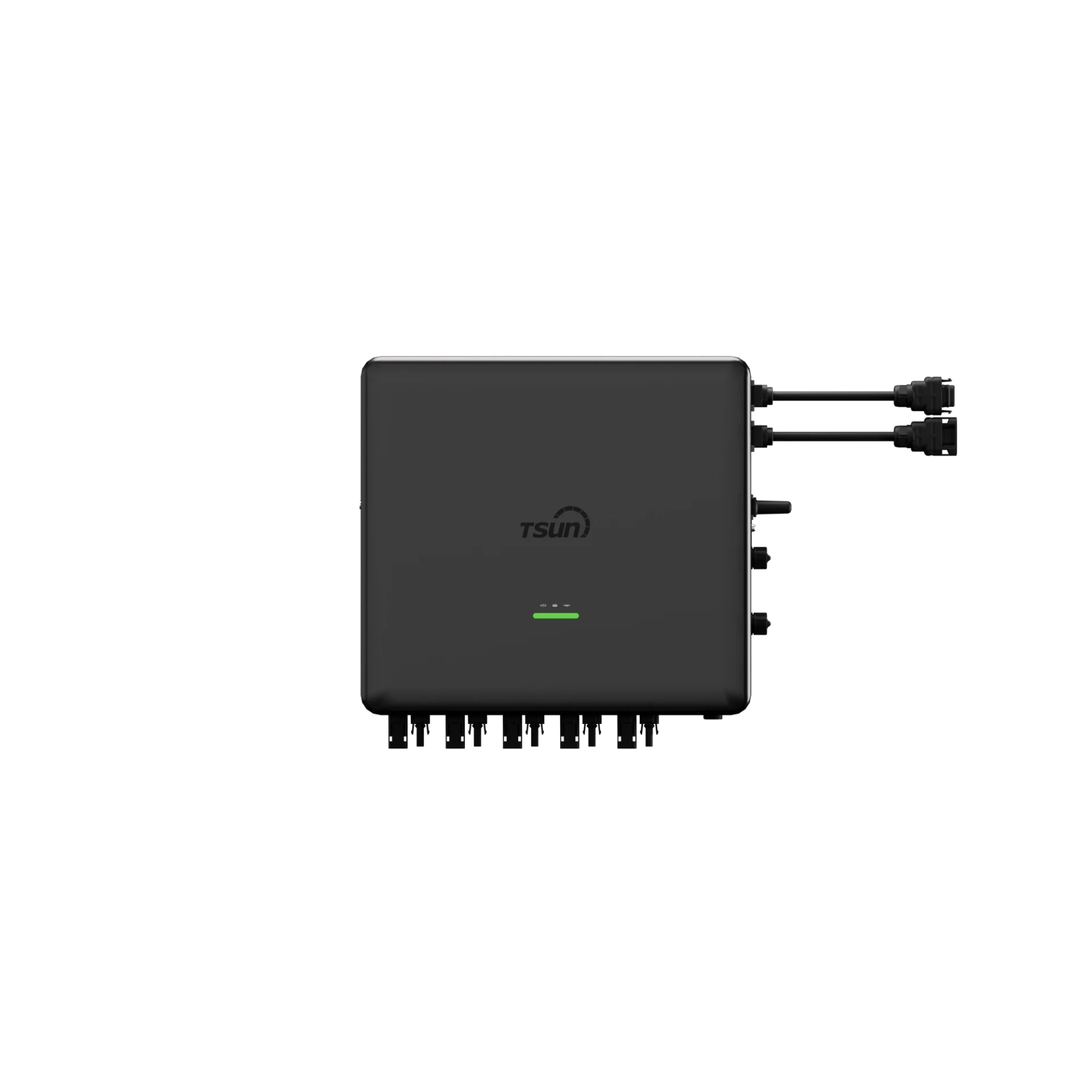
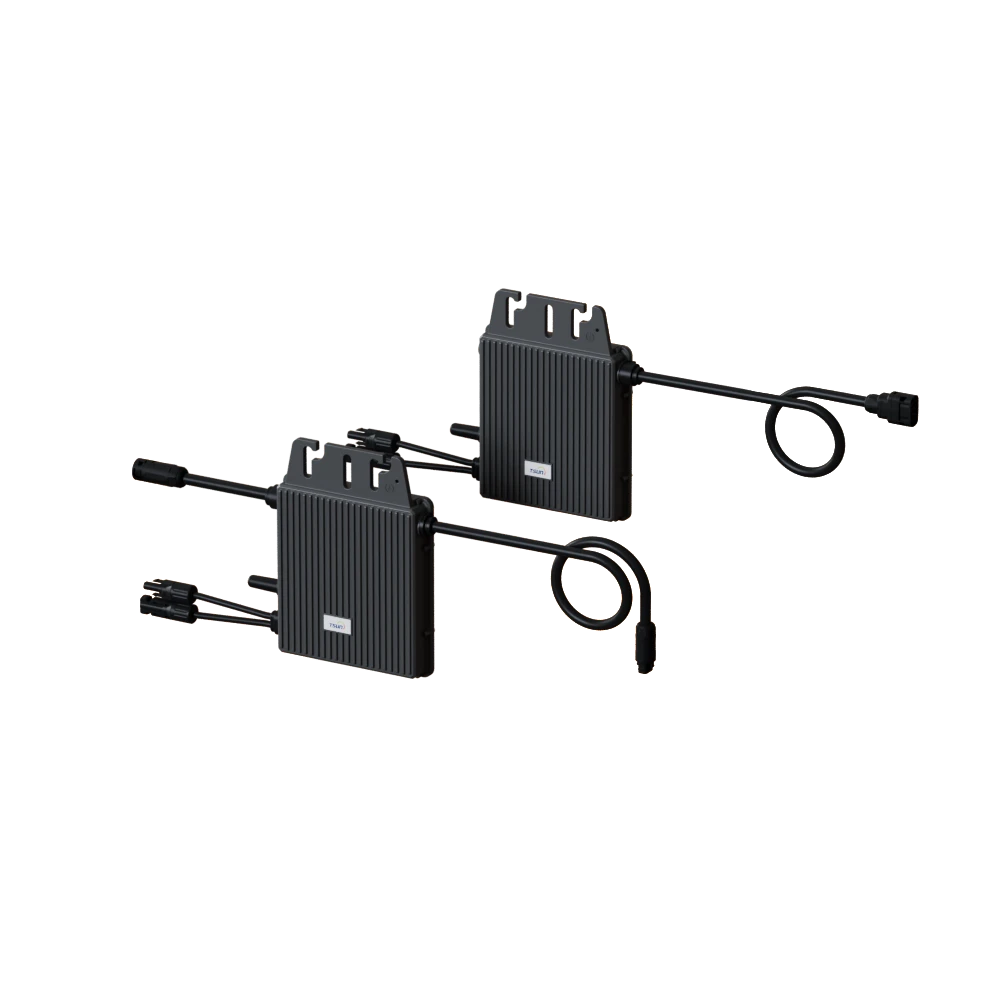
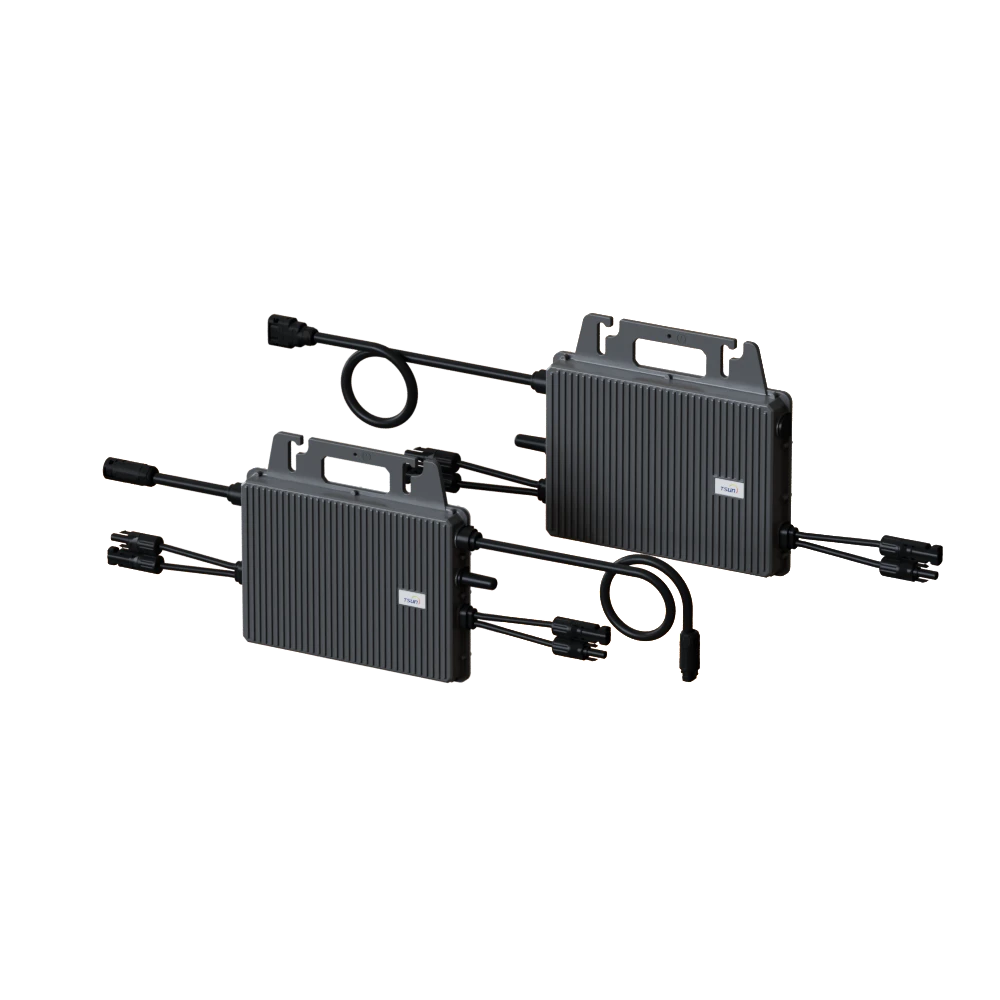
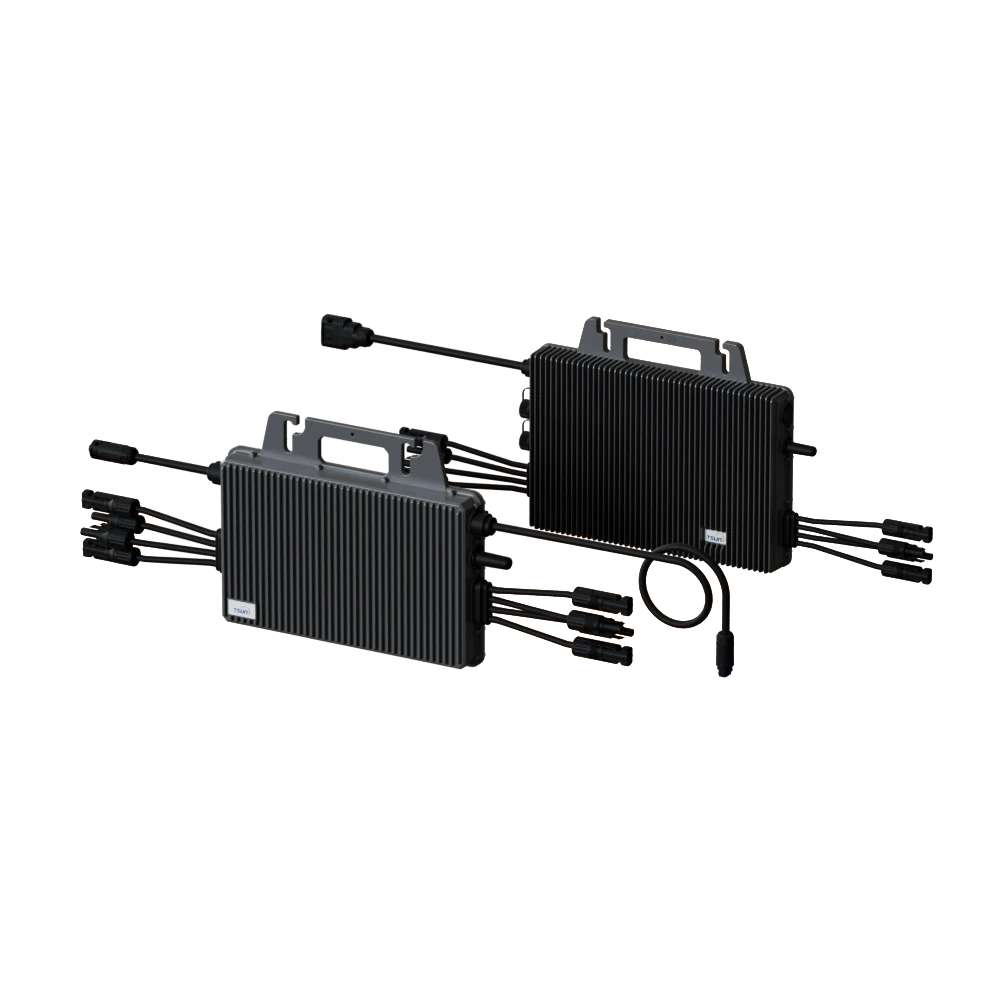
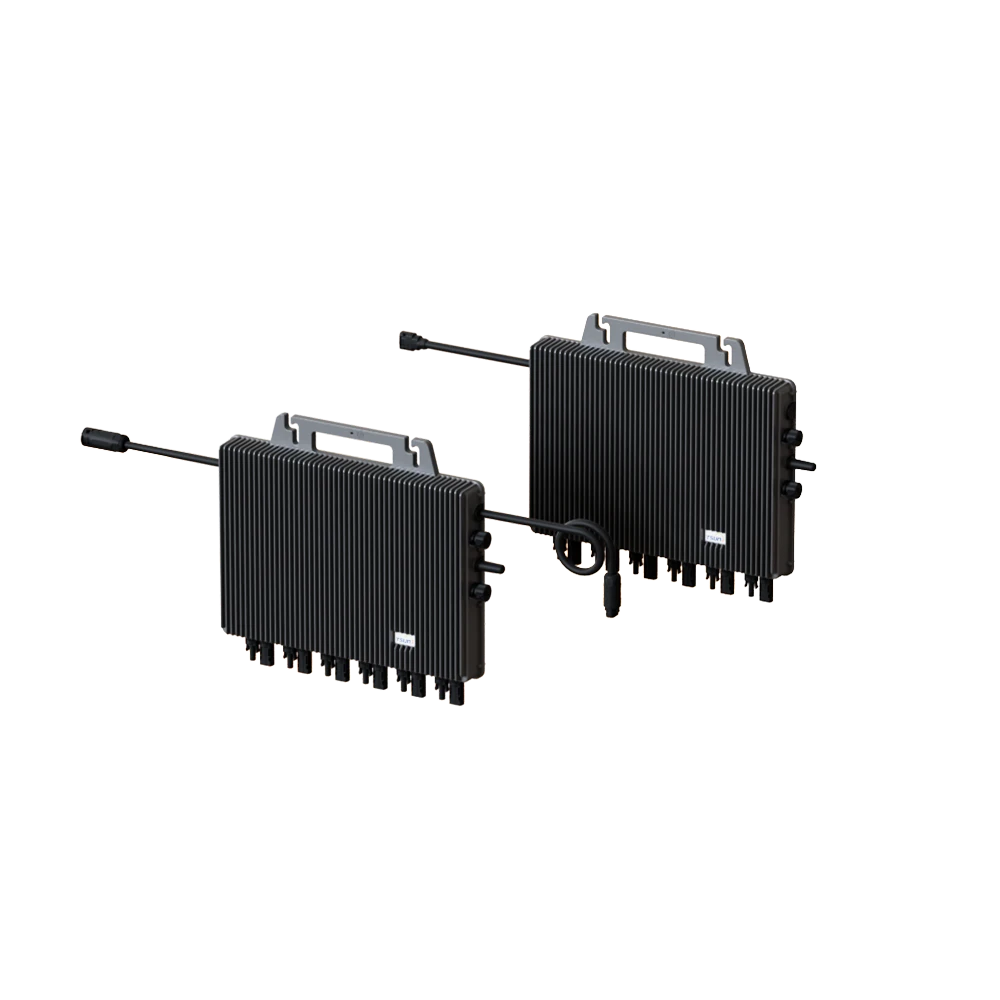
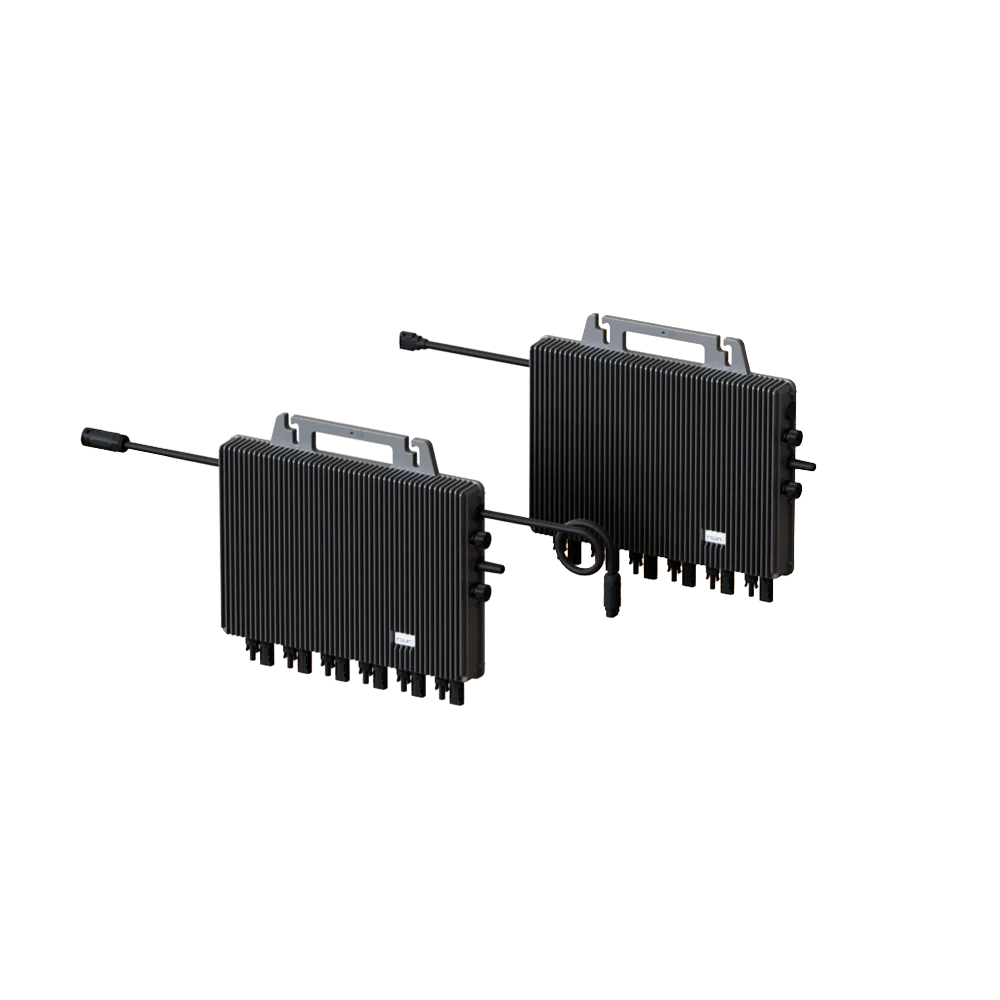
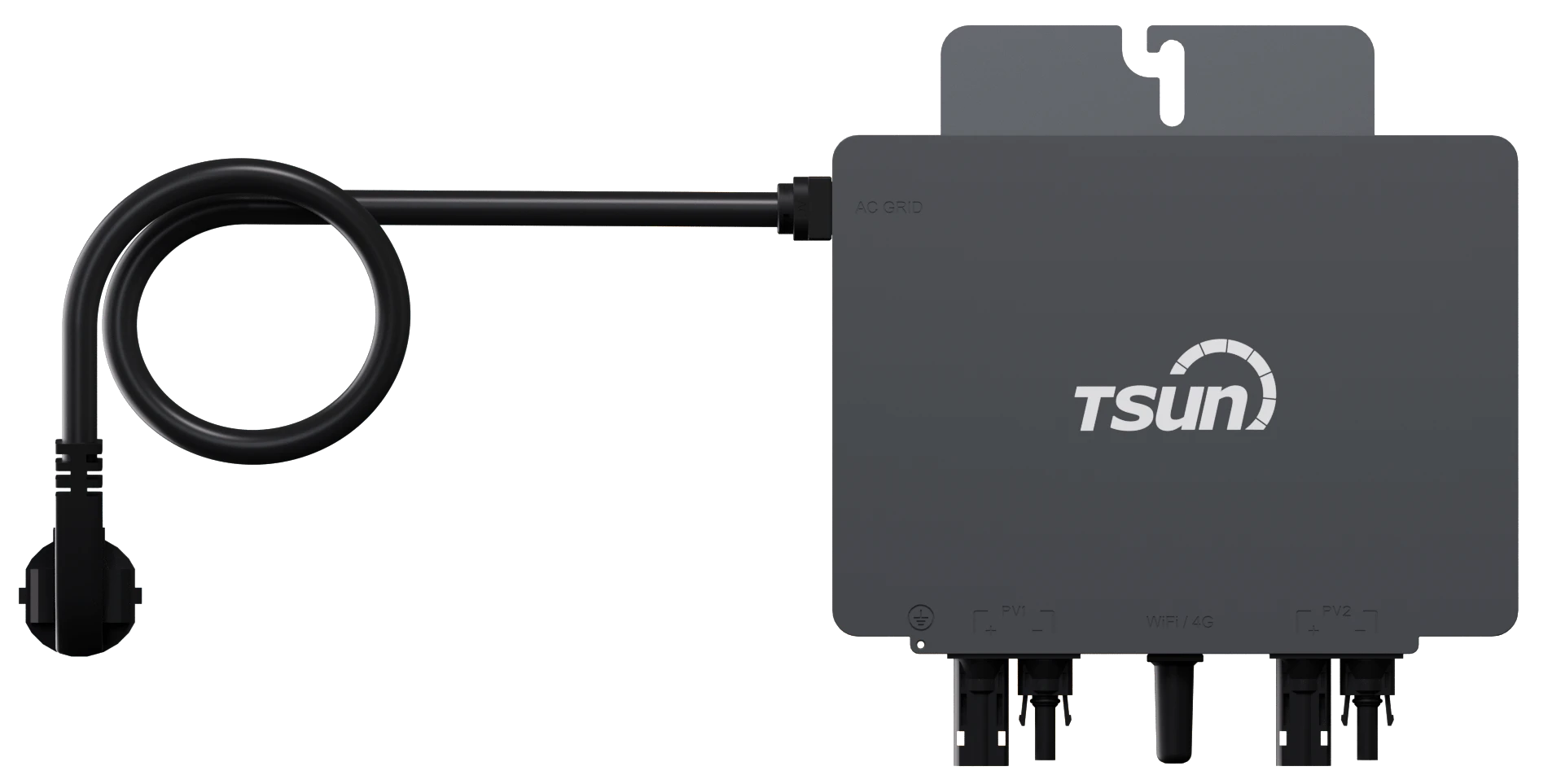
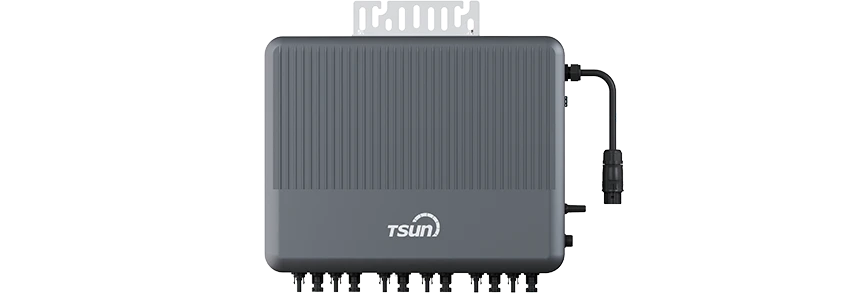
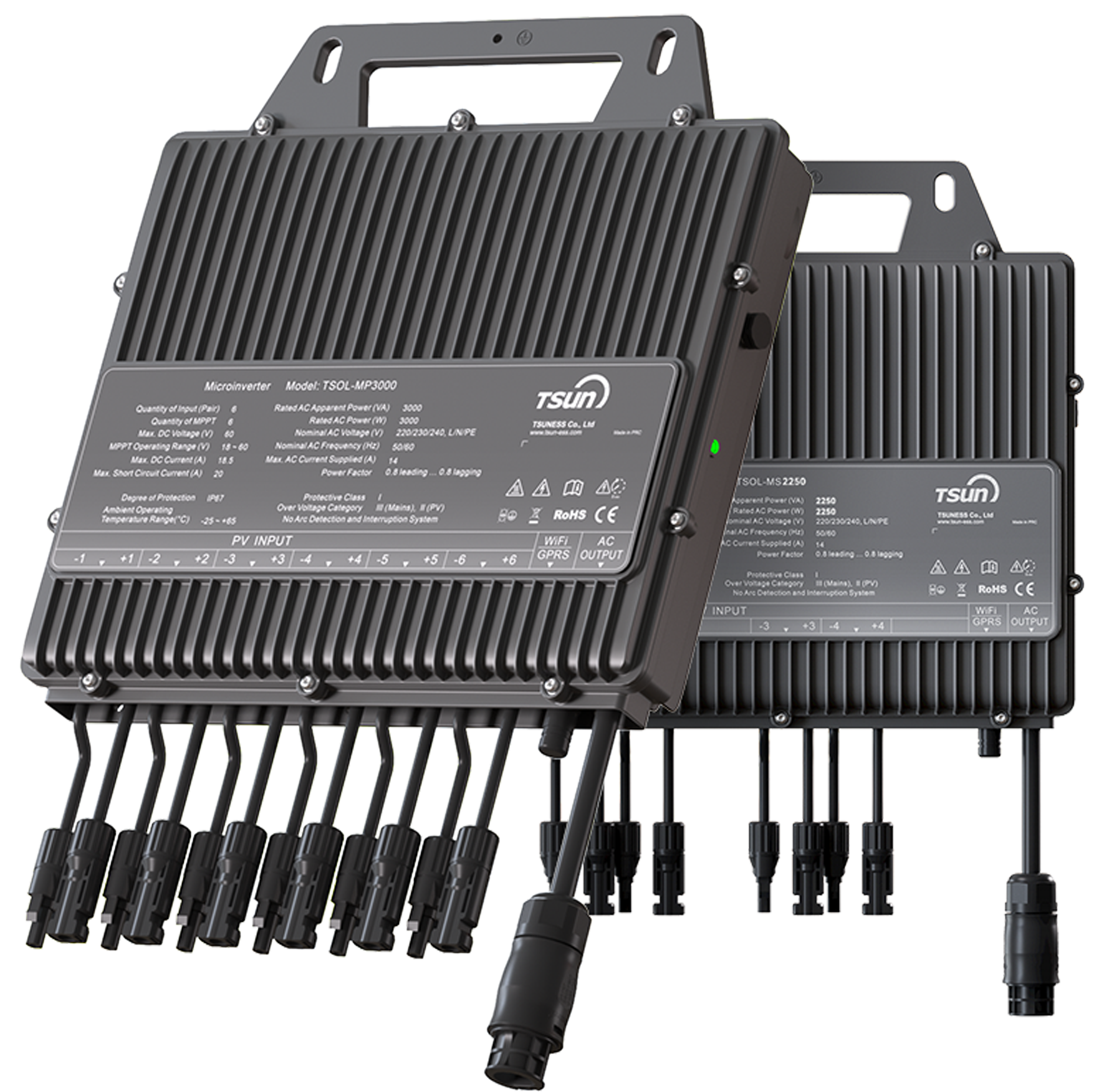
| Tsun ESS (solar microinverter price) |
$100 - $170 |
10-12 years |
Strong performance, great price balance |
One small story that always gets shared in our circles: a small Midwest commercial installation opted for Tsun ESS microinverters mainly because they balanced cost with decent warranty terms. The client had some shading challenges, and the microinverters made a notable difference in energy yield. They ended up saving more on electricity within 2 years than the initial premium paid compared to less efficient alternatives. Stuff like this nudges me to always think beyond sticker price.
So, what's the takeaway? When you consider solar microinverter price, it's less about the cheapest upfront figure and more about long-term reliability, warranty, and tailored specs to your project. You want to get that balance—and sometimes spending a bit more means less worry and better performance.
If you’re seriously browsing options or planning a new install, I suggest diving into the solar microinverter price detail sheets from vendors like Tsun ESS and comparing them not just by cost but by specs that truly matter to your environment.
—
In my industrial experience, with every project’s unique context, price is a piece of a larger puzzle. It's the wiser path to look at the whole picture before buying in.
References:
1. Enphase Energy Product Specs - enphase.com
2. APsystems Official Website - apsystems.com
3. Tsun ESS Solutions - tsun-ess.com




 LEARN DETAILS
 Downloads
 Video Center
 Report Fault for Repair
 FAQS
FAQS Service Network
 Privacy Policy
 Contact Us
 Monitoring


 LEARN MORE