Solar Microinverter Cost is a key solution in the industry, specifically within sectors looking to integrate renewable energy more efficiently. This article explores how https://www.tsun-ess.com supports professionals with durable, high-performance products, and explains why this product is an ideal choice for businesses in these sectors.
Table of Contents
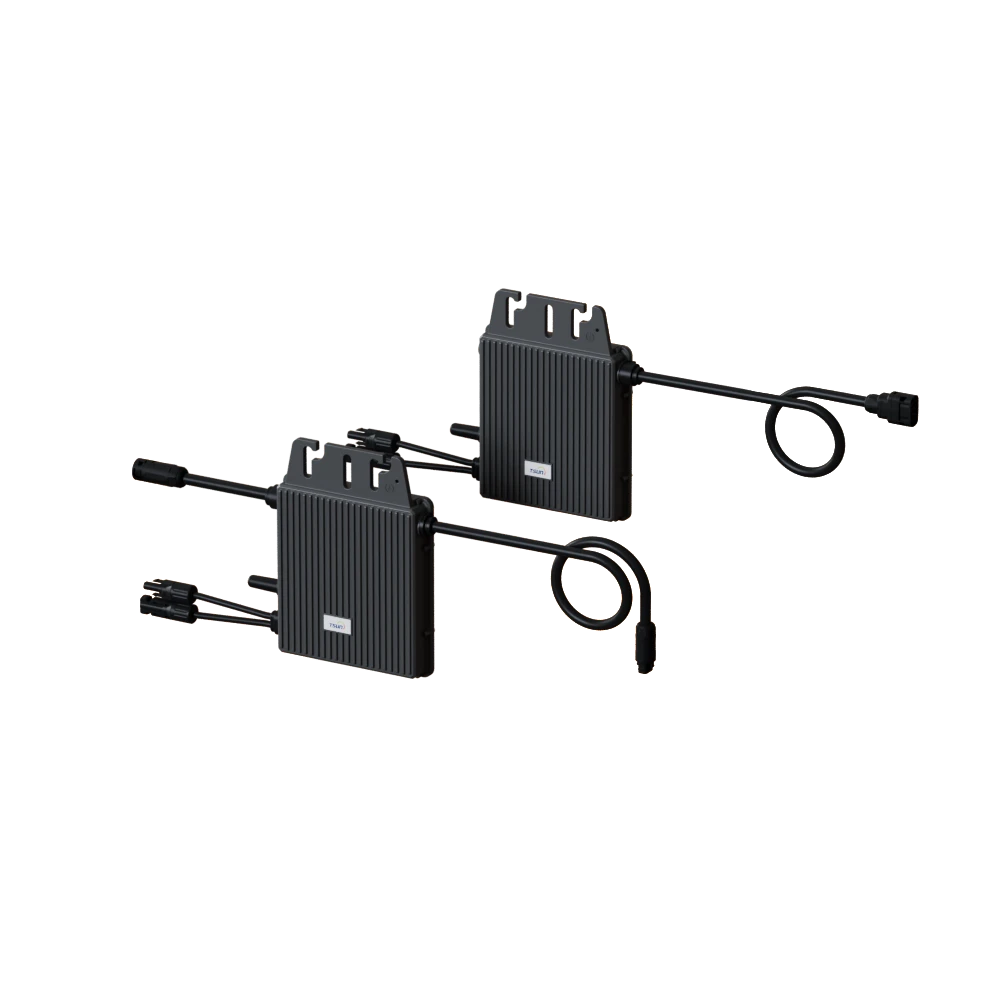
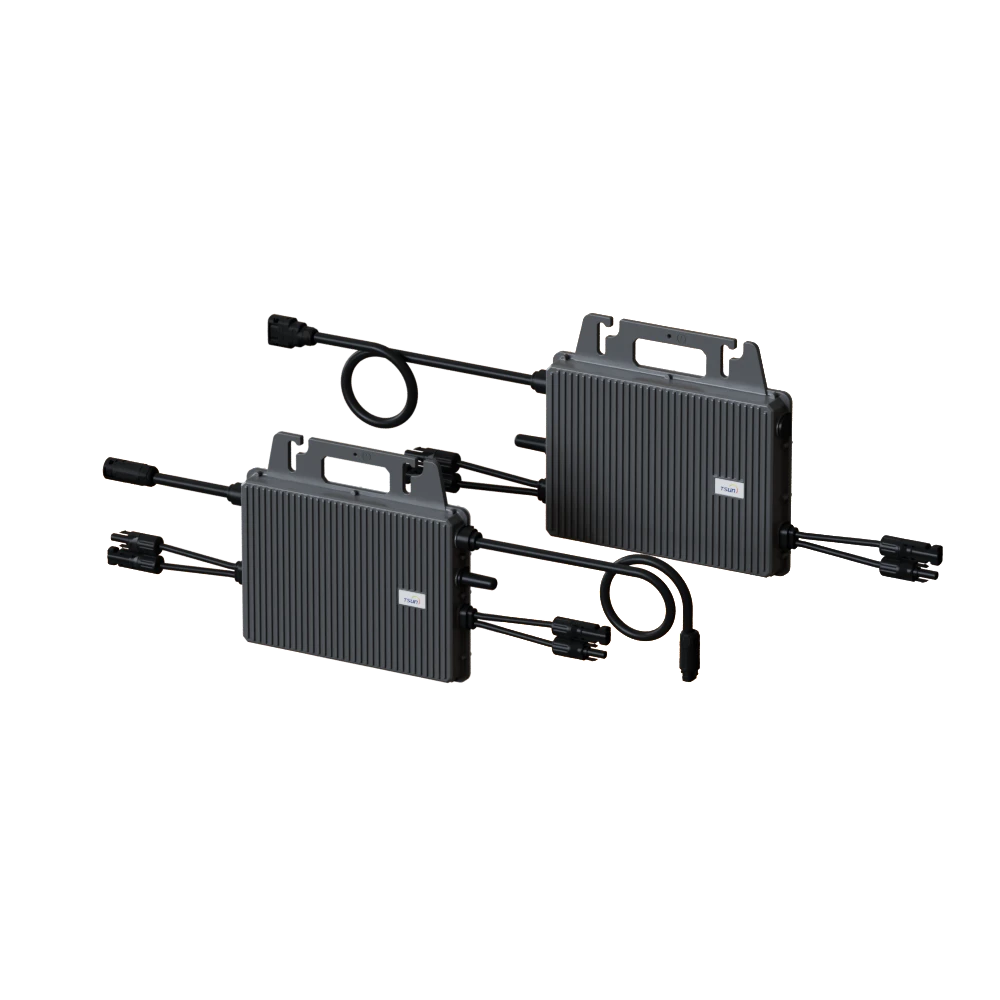
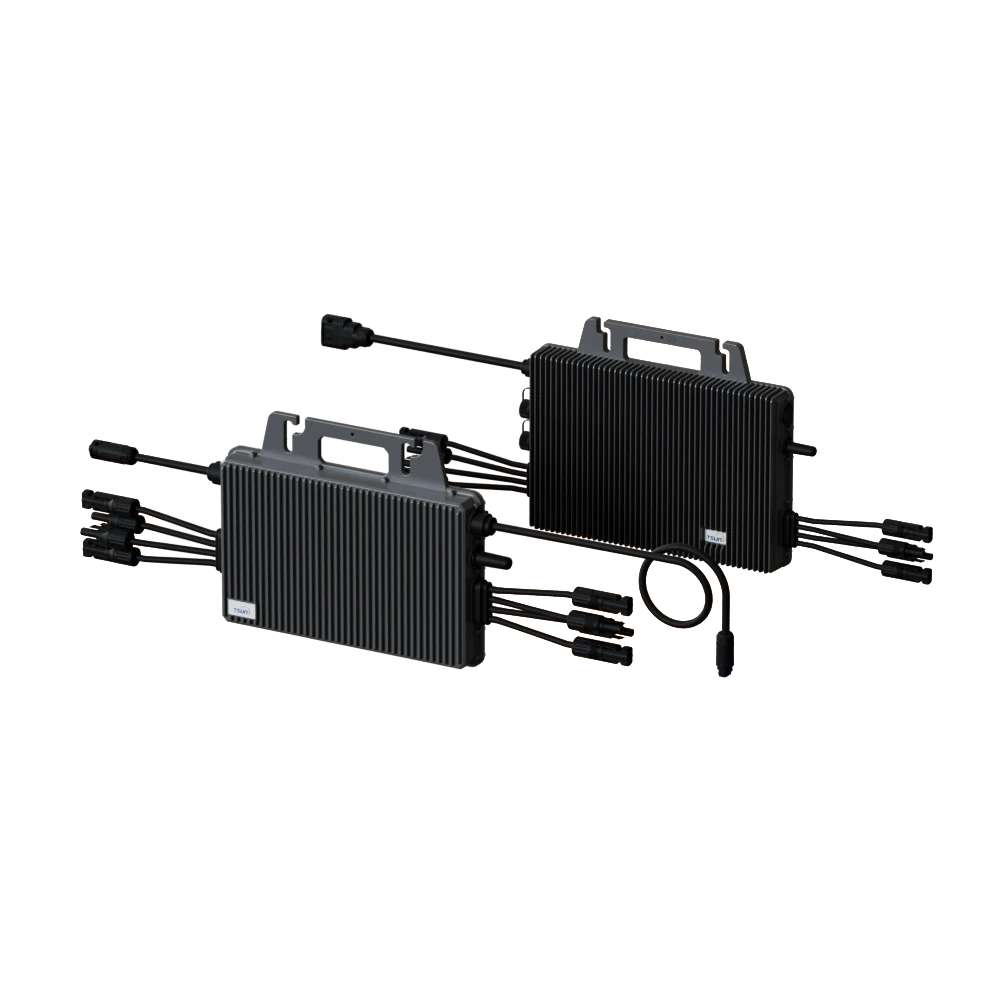
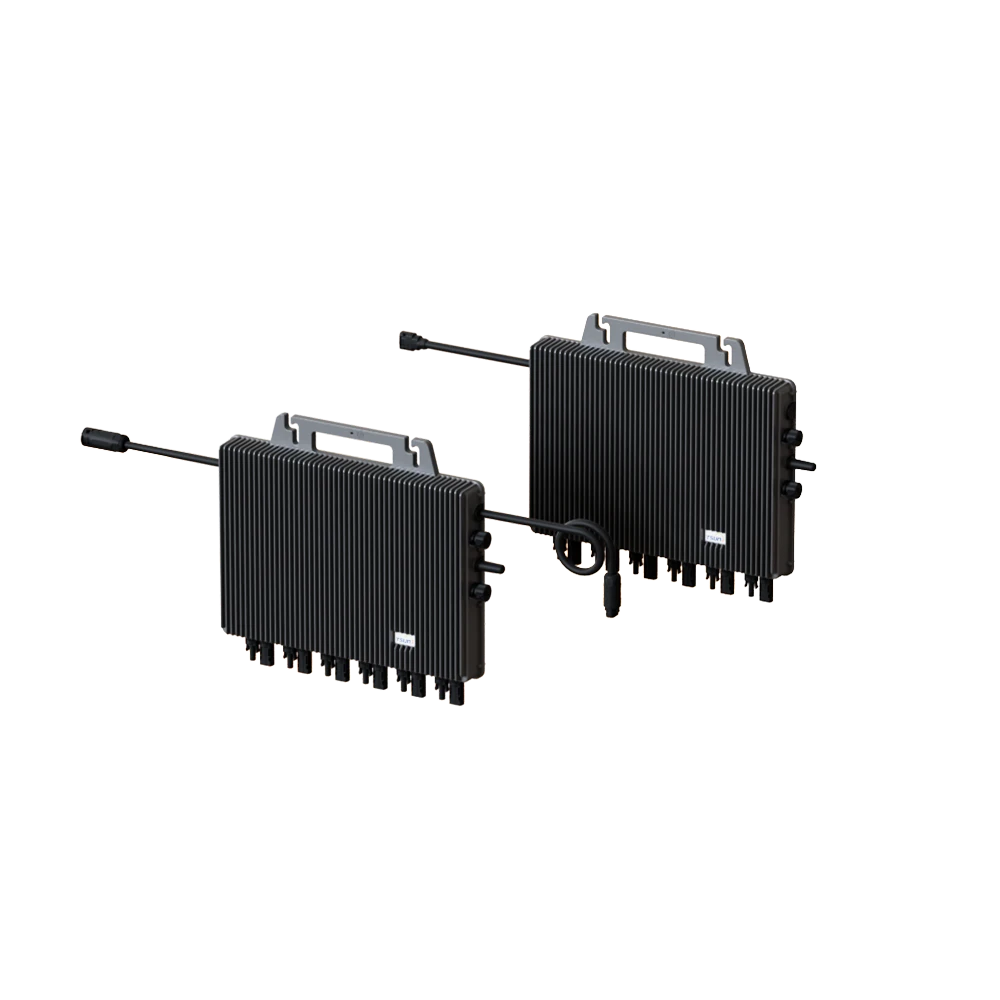
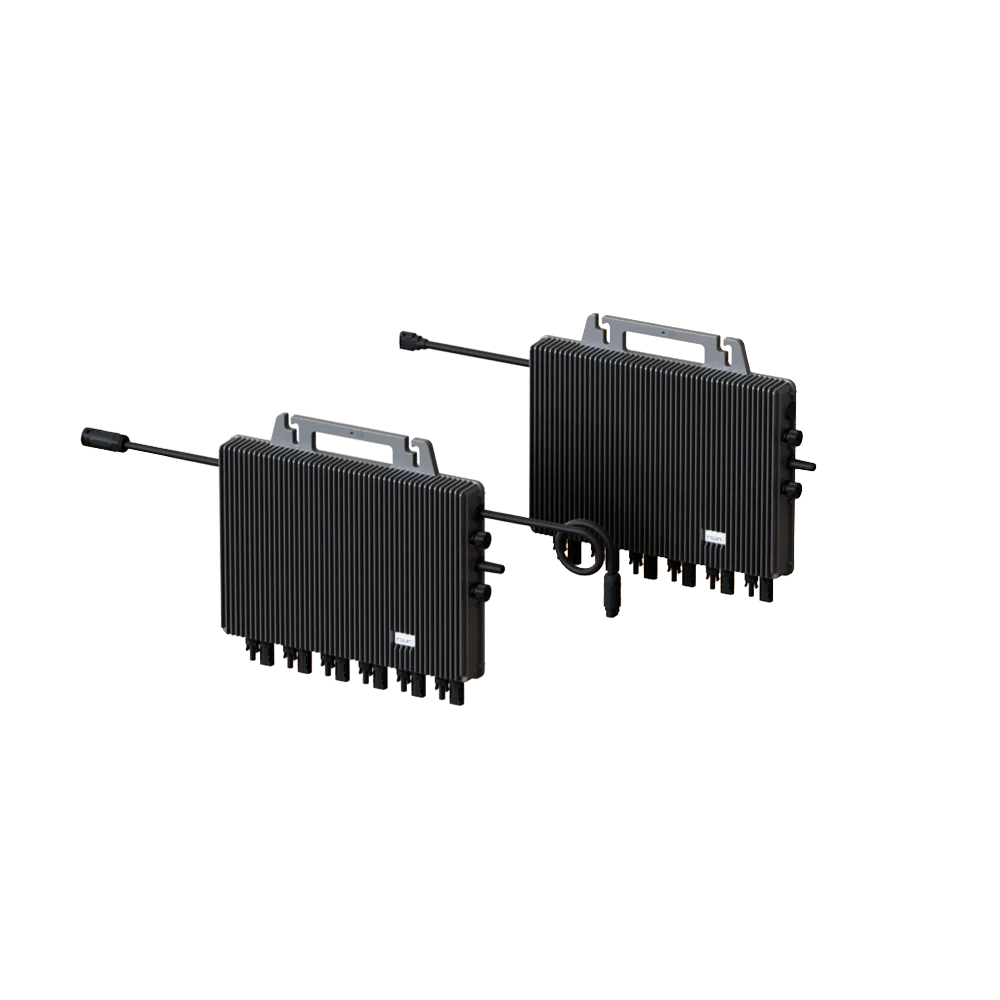
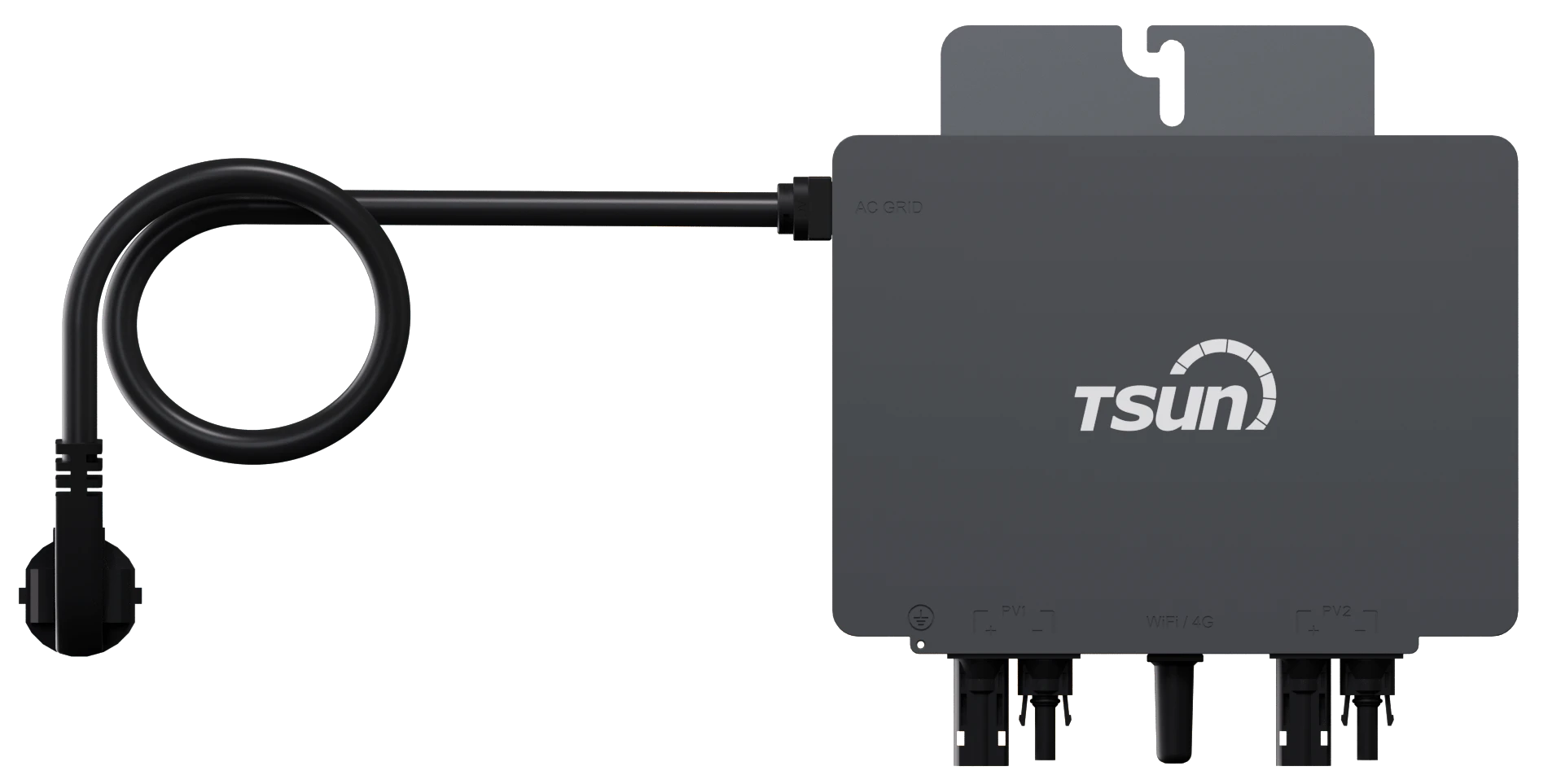
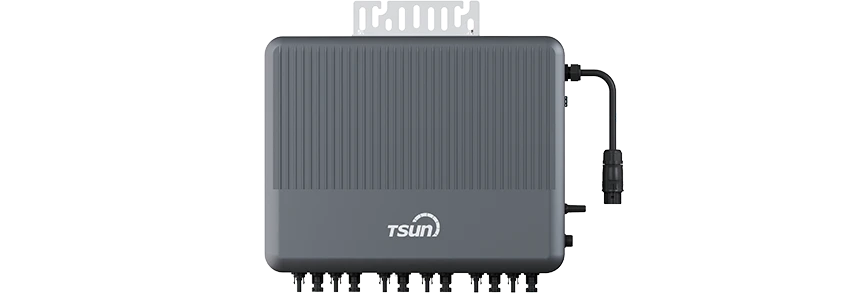
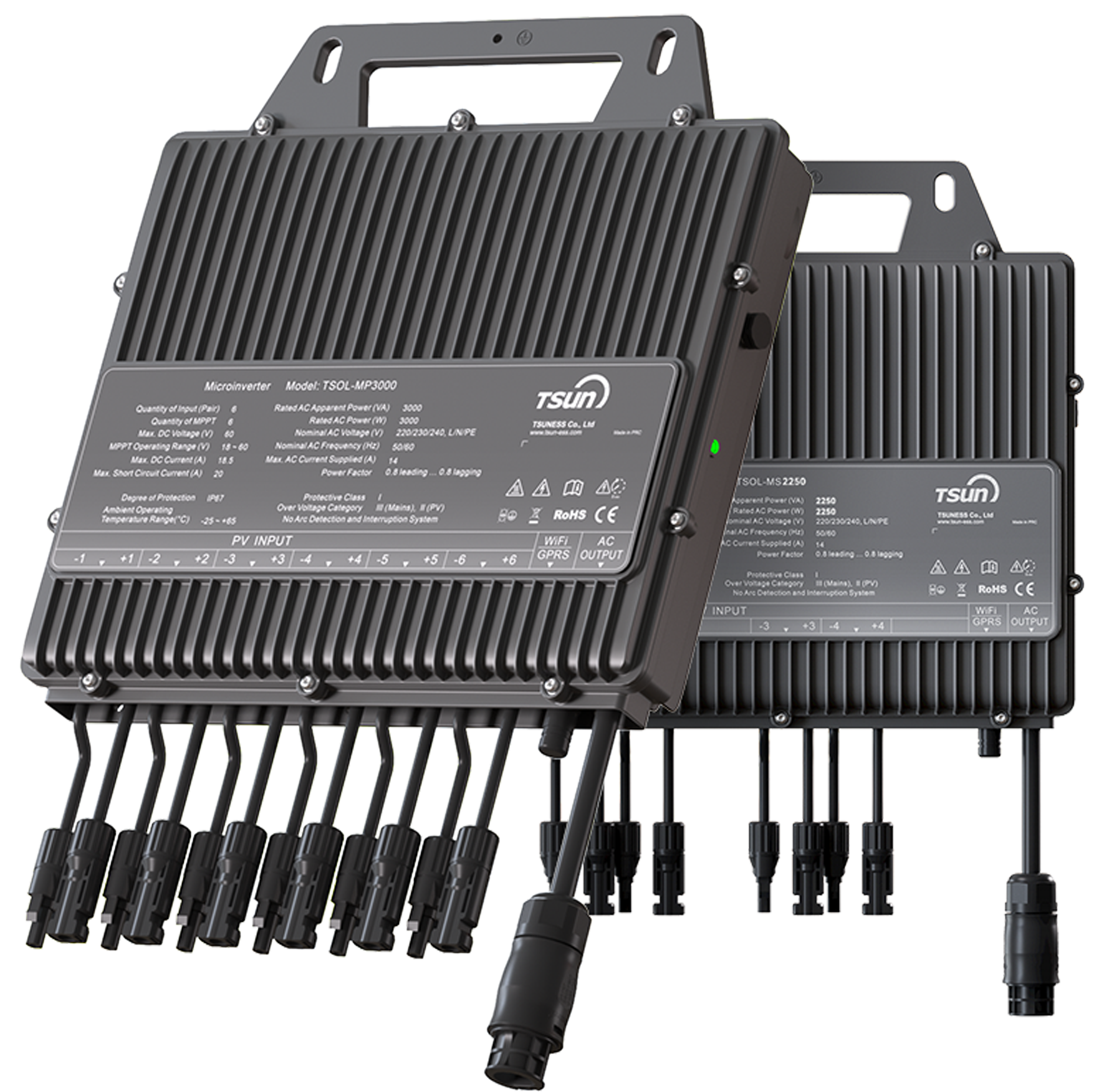
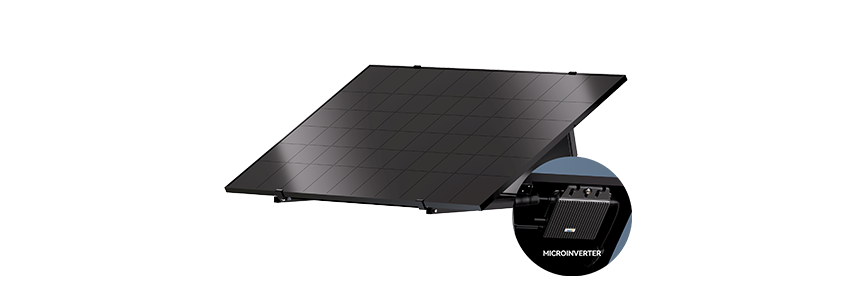
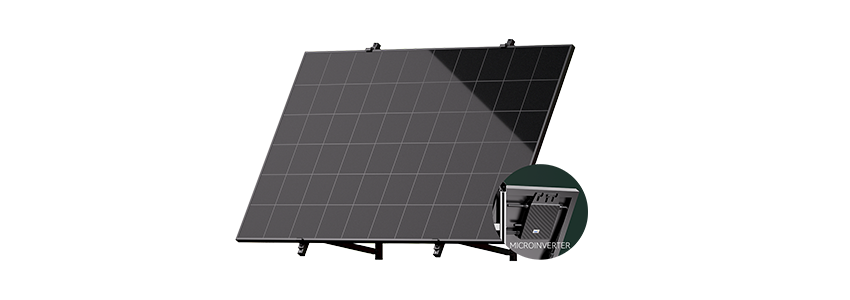
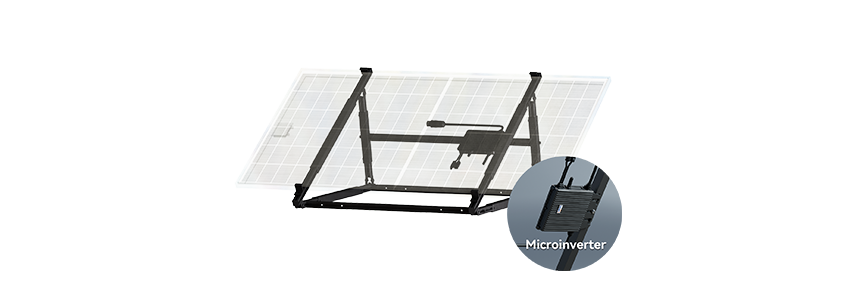
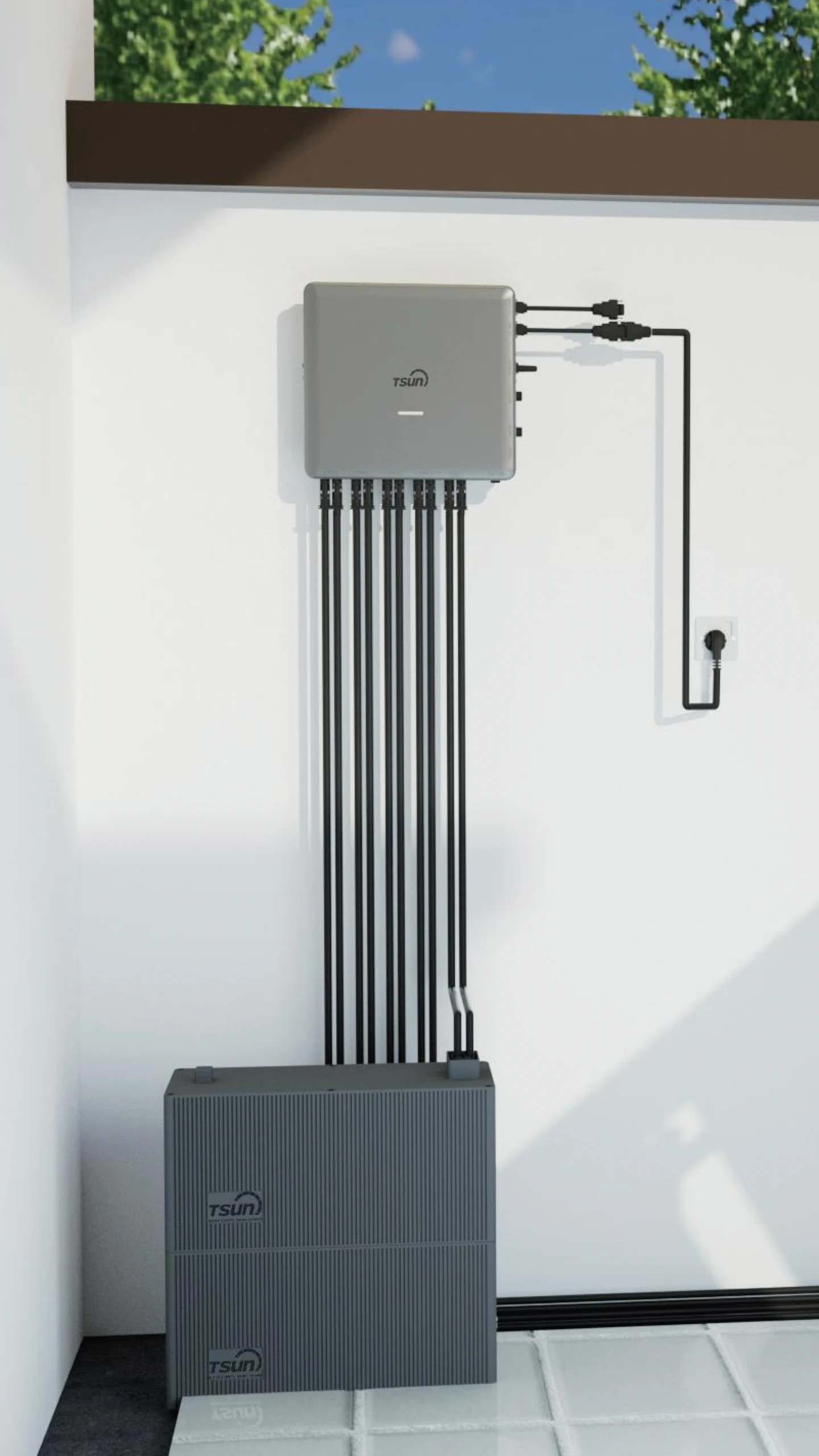
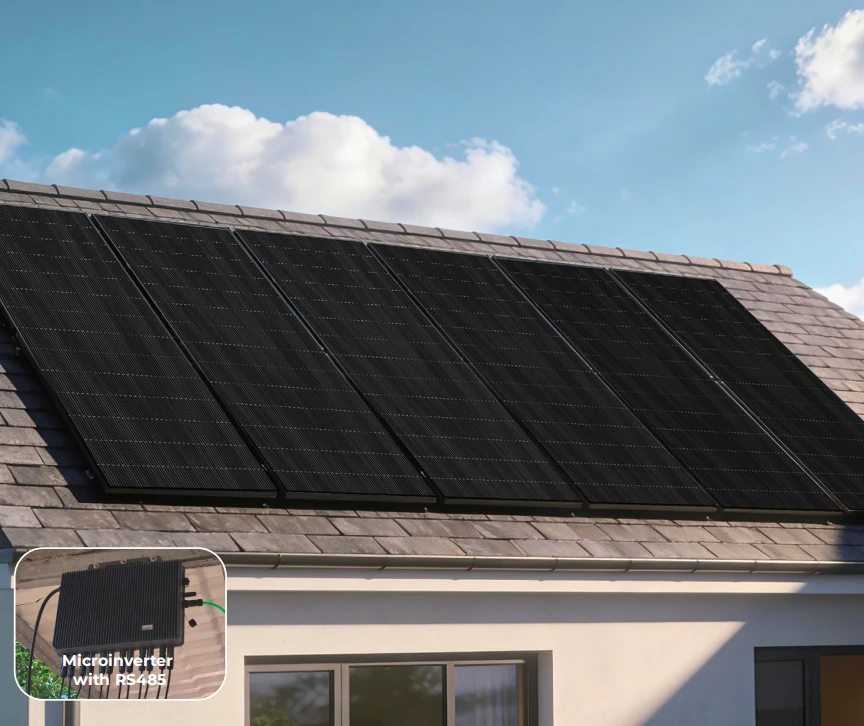
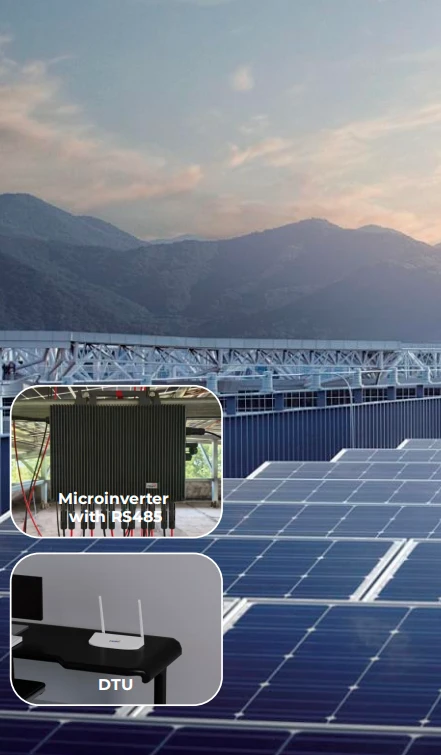
When we talk about Solar Microinverter Cost, we’re really diving into the economics and technicalities of powering solar arrays with microinverters – those nifty devices converting DC from panels into usable AC power. Their cost structure impacts not just initial investments but overall energy output efficiency. Unlike traditional string inverters, microinverters attach to each panel independently, which adds modularity and resilience but also influences pricing.
- Defines microinverters as small-scale power converters integral to solar panel setups.
- Technical specs: typical models from TSUN ESS offer 300W per microinverter with a peak efficiency >96%, IP67-rated casing for harsh environments.
TSUN ESS Solar Microinverter Specifications
| Specification |
Value |
| Power Output |
300W |
| Efficiency |
96.8% |
| Operating Voltage |
22-60 V DC |
| Ingress Protection |
IP67 |
| Operating Temp |
-40°C to 65°C |
| Warranty |
12 years |
One of the things I’ve noticed in industry circles is that the modularity of microinverters really resonates with decision-makers aiming for scalable solar installations. If one panel underperforms because of shading, dust, or damage, it doesn’t drag down the whole system’s performance — quite a clever edge over string inverters. That said, cost considerations come into play but are balanced by gains in reliability and energy harvest.
- Ideal for commercial rooftops with complex shading patterns.
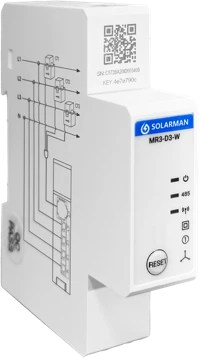
- Competitive advantages include enhanced safety, easier maintenance, and real-time panel-level monitoring.
Cost, Maintenance & User Experience
Now, if you’re wondering how cost ties into the bigger picture, the Solar Microinverter Cost isn't just sticker price. There’s total cost of ownership to consider — installation, maintenance, and the longevity of the product. Many B2B clients report that while microinverters might initially appear pricier, their lower downtime and panel-level servicing pay off quickly. In fact, some facilities have seen ROI within 5-7 years, which makes sense given the lower efficiency losses and easier troubleshooting.
- Durability backed by IP67 rating reduces weather-related failures.
- User feedback highlights the seamless commissioning process and intuitive monitoring dashboard.
Leading Solar Microinverter Vendors Comparison
| Vendor |
Avg. Unit Cost |
Warranty |
Efficiency |
Special Features |
| TSUN ESS |
$150 - $180 |
12 years |
96.8% |
IP67, Real-time data logs |
| Enphase |
$170 - $200 |
10 years |
97.5% |
Integrated monitoring platform |
| SolarEdge |
$140 - $175 |
12 years |
97.0% |
Optimizers, safety features |
Sustainability & Market Trends
The broader sustainability angle is fascinating here. As more regulations push for clean energy adoption, microinverters stand out by enabling smarter, flexible solar deployments—key for urban and commercial rooftops with tricky shading or irregular layouts. Market analysts forecast steady growth, particularly in Asia-Pacific and Europe, acknowledging that companies like TSUN ESS are aligning product designs with tougher environmental standards while keeping costs competitive.
- Growing emphasis on recyclability and longer product lifecycles.
- Increasing demand driven by government subsidies and corporate sustainability goals.
Frequently Asked Questions about Solar Microinverter Cost
- What is Solar Microinverter Cost and how does it work?
-
Simply put, Solar Microinverter Cost refers to the investment required to deploy microinverter technology in solar power systems. These devices convert direct current (DC) generated by solar panels into alternating current (AC) that buildings use. Each panel has its own microinverter, enhancing system flexibility.
- What are the main benefits of using Solar Microinverter Cost in industrial applications?
-
In industrial contexts, the benefits include better system uptime, panel-level monitoring for pinpoint diagnostics, greater resilience to shading or panel issues, and easier scalability. These benefits often offset the upfront expense.
- How does Solar Microinverter Cost compare to traditional alternatives?
-
Compared to string inverters, microinverters usually have higher initial costs but provide improved energy yields, enhanced safety features, and reduce single-point failures – which can be costly and disruptive.
- What industries can benefit most from Solar Microinverter Cost implementation?
-
Industries with complex roof layouts, partial shading, or phased installation plans such as commercial real estate, manufacturing, and agricultural enterprises find microinverters especially advantageous. For example, a recent TSUN ESS client in the warehousing sector saw significant yield improvements after switching to this setup.
Conclusion on Solar Microinverter Cost from china
To wrap up, understanding Solar Microinverter Cost is crucial for businesses aiming to invest in reliable, efficient solar solutions. TSUN ESS exemplifies a vendor offering competitive pricing without compromising quality – which frankly, feels rare in this market. For decision-makers weighing options, it’s worth seeing how the upfront expenditure balances with long-term gains in durability and energy efficiency.
- The value proposition centers on sustainability plus operational resilience.
- Visit our website: https://www.tsun-ess.com
In my experience, the move to microinverters is more a smart choice than just a trend. It aligns with how modern enterprises want their energy tech — flexible, transparent, and sustainable.
- TSUN ESS Product Manuals and Case Studies
- Industry Solar Market Reports, 2023
- Customer Testimonials from B2B Solar Installers



 LEARN DETAILS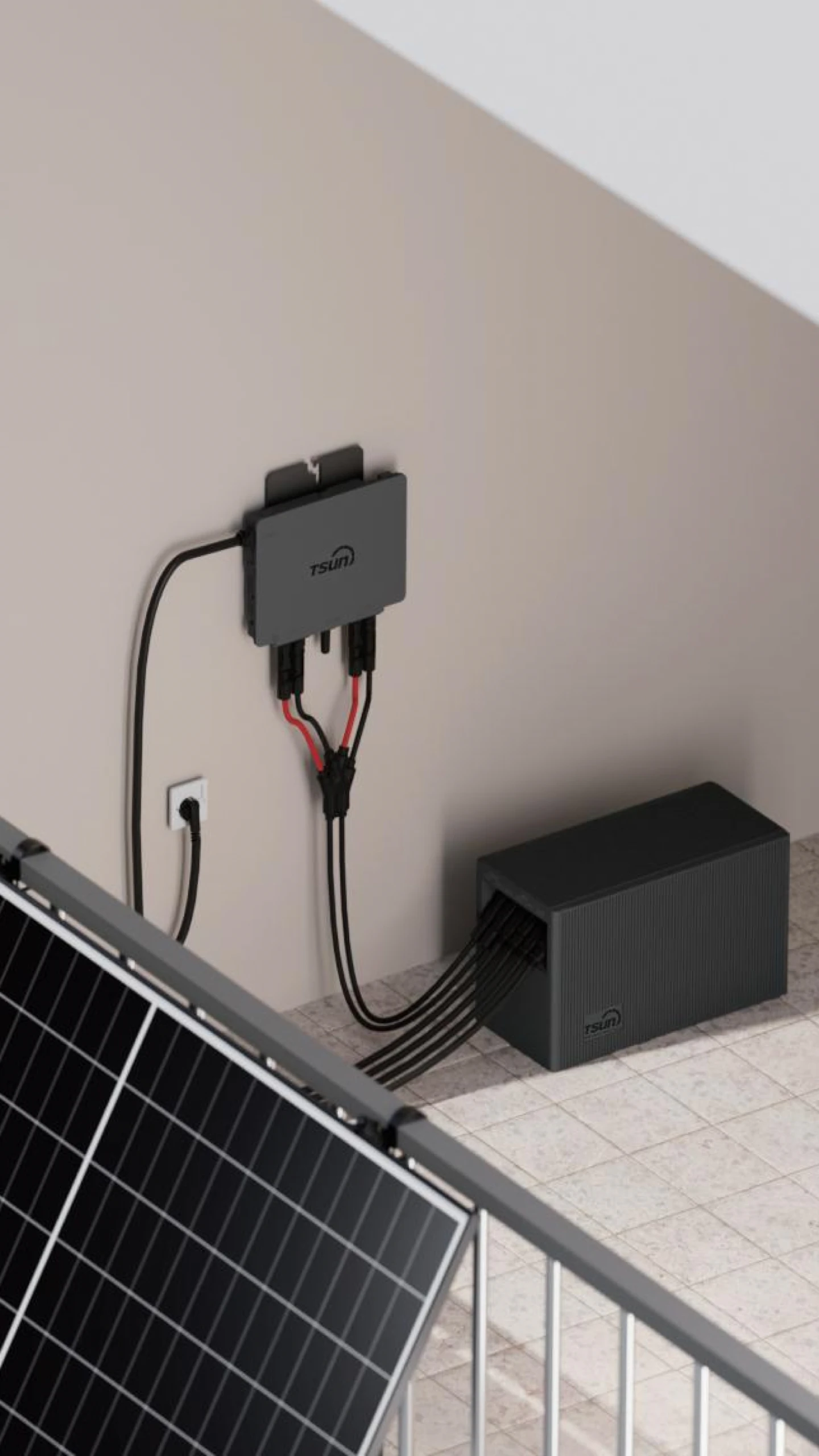
 Downloads
 Video Center
 Report Fault for Repair
 FAQS
FAQS Service Network
 Privacy Policy
 Contact Us
 Monitoring


 LEARN MORE